A Closer Look at Container Gardening Tips For Lush Patio Harvests
Container gardening is a smart way to create a garden when you have limited space. You can grow flowers, herbs, vegetables, or small trees in pots, boxes, or baskets. This method works especially well on patios, balconies, or places where planting directly in the ground is not possible. You can grow your own fresh food and brighten your space with colorful plants.
This article offers useful tips for successful container gardening. From picking the right pots and soil to caring for your plants, you will learn how to make the most of your garden space and enjoy a lush harvest on your patio. Get ready to grow and nurture plants easily and enjoy the fruits of your work.
Understanding Container Gardening and Its Benefits
What Is Container Gardening
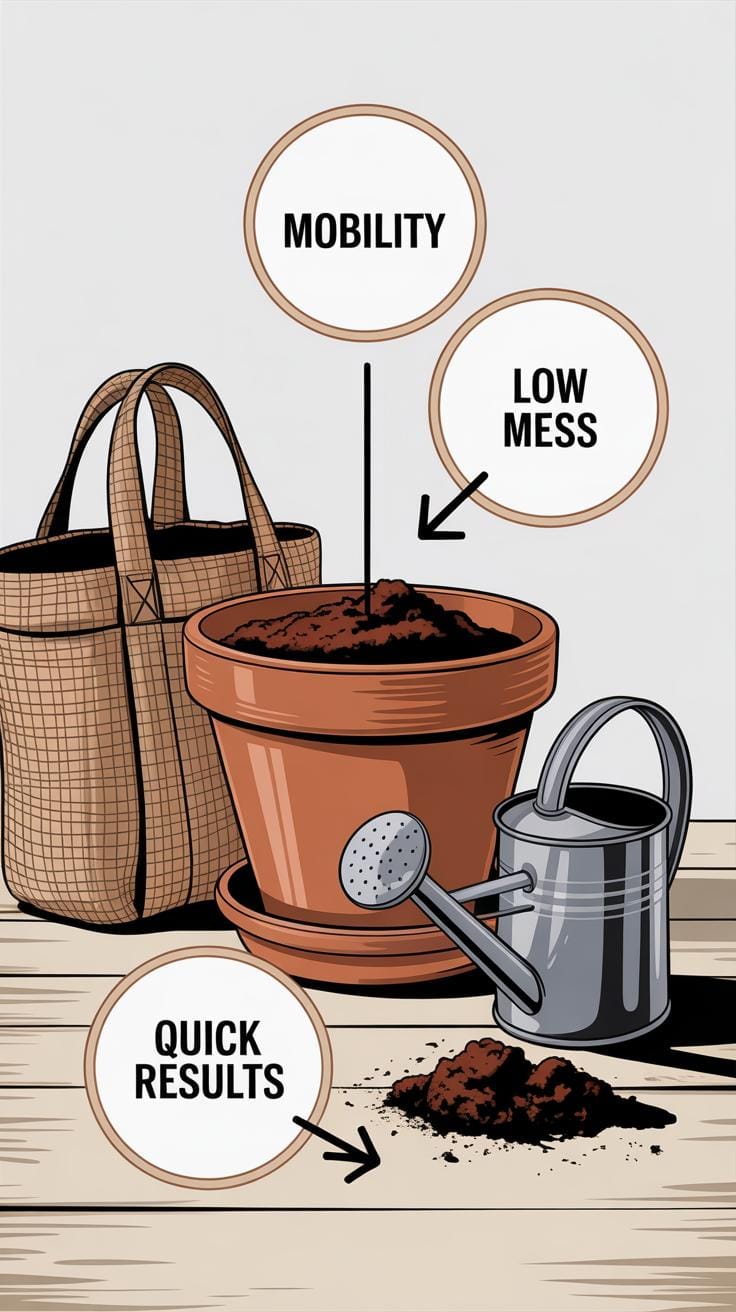
Container gardening means growing plants in any kind of vessel that isn’t the ground. Common examples include flower pots, hanging baskets, window boxes, or even recycled containers like wooden crates. It’s not just limited to standard pots—you can get creative with any container that can hold soil and has drainage.
Unlike traditional gardens, container gardening lets you garden almost anywhere. Maybe a balcony, small patio, or an urban rooftop—any spot with enough light can work. I’ve seen people grow everything from herbs on kitchen windowsills to full vegetable patches on apartment decks using containers.
Why Choose Container Gardening
Several reasons make container gardening appealing, especially if space or soil quality is less than ideal. Perhaps you live in a city apartment with no yard or have hard, clay-heavy ground that won’t support plants well. Containers bypass these limits.
Some benefits that stand out include:
- Flexibility: You can move plants to catch the sun, avoid harsh weather, or simply change your setup.
- Portability: Carry containers indoors or to sheltered spots if needed. This convenience is handy during unexpected cold snaps or storms.
- Urban suitability: For many urban dwellers, container gardening is simply the only way to grow food or flowers. It doesn’t require soil digging or permanent space.
Still, container gardening may not be perfect for everyone. It demands more regular watering and attention, for instance. Yet, for limited space or unreliable soil, it often feels like the most practical, rewarding option you might try for a garden of your own.
Selecting the Right Containers for Your Plants
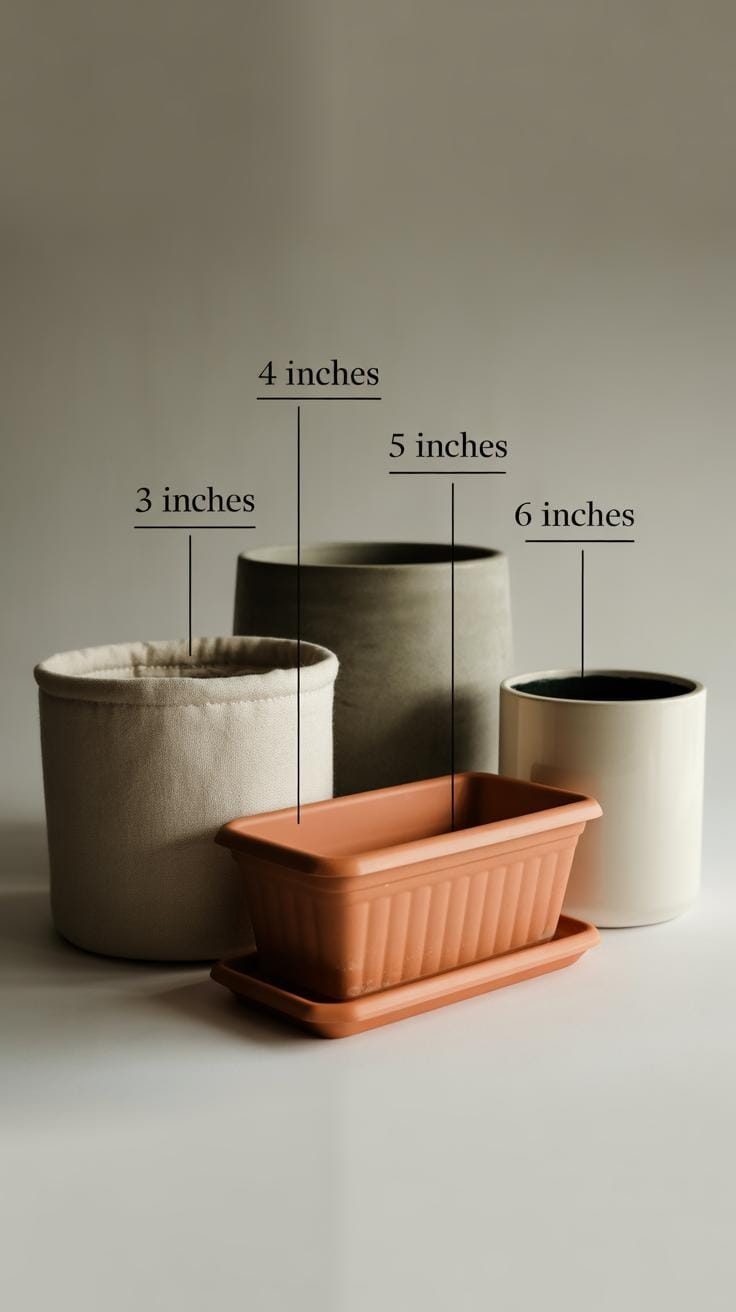
Picking containers isn’t just about how they look. The material, size, and drainage all shape how your plants grow—maybe more than you realize. For example, think about terracotta pots; they breathe well and help soil dry out faster, which can suit plants that don’t like “wet feet.” But they also lose moisture quickly, so you might need to water more often. Plastic pots, on the other hand, hold moisture better but can get hot in the sun, possibly stressing roots.
Size matters too. Too small, and roots get cramped—your plant struggles. Too big, and soil stays damp longer than it should, inviting rot or fungus. You want just enough room for roots to spread but not so much that moisture lingers.
Drainage holes might seem obvious, but some containers lack them or have few. Without good drainage, water pools, suffocating roots. If your container doesn’t have holes, consider drilling some or layering gravel to help. It might feel like extra work, but plants won’t thrive otherwise.
Types of Containers Suitable for Different Plants
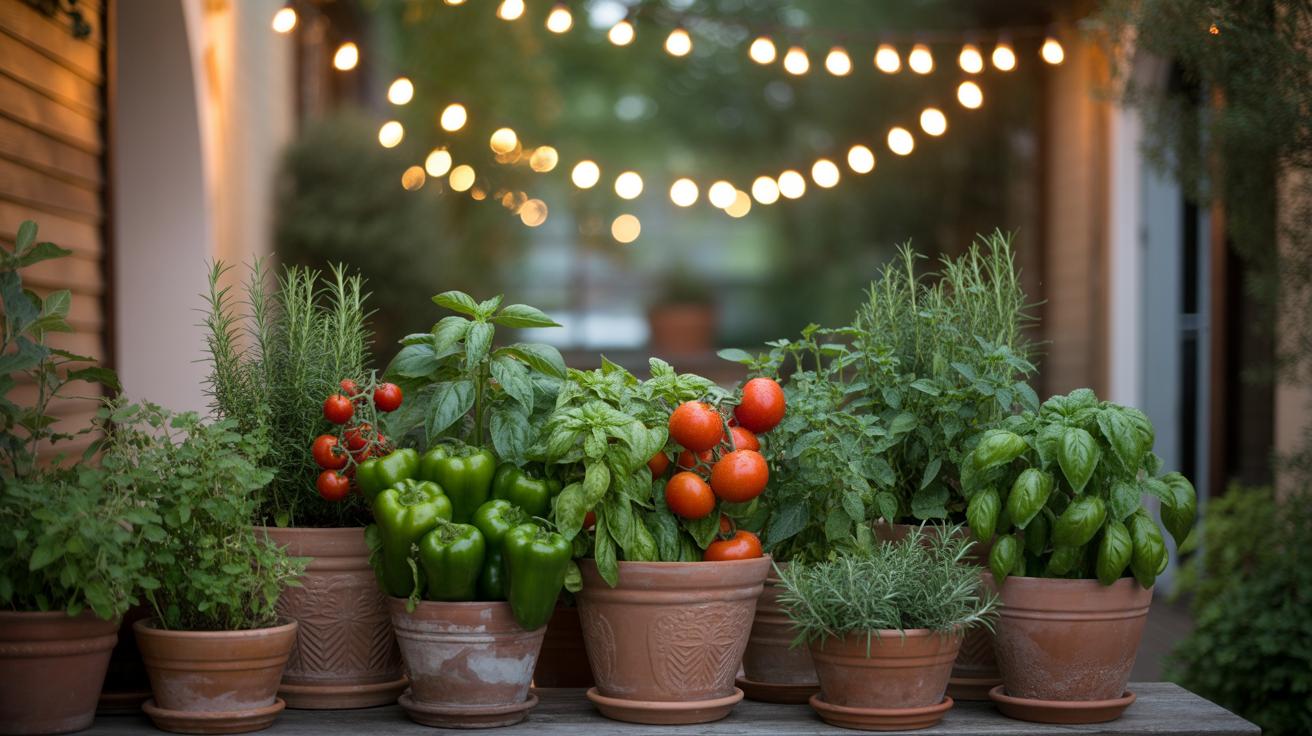
Not all containers perform the same, and each suits different plants or purposes. Terracotta pots are often the choice for herbs or succulents because of their breathability. Plastic pots fit well for vegetables—like cherry tomatoes or peppers—since they hold moisture well, especially if you can’t water daily.
Hanging baskets are great for trailing flowers or small strawberry plants where spillover adds visual interest. Window boxes suit leafy greens or flowers that need good air circulation but limited root depth. Your choice can shape not just growth but also your garden’s look and feel.
Factors to Consider When Choosing Containers
Drainage is the first factor. Without it, roots drown, no matter what the material is. Then pot size—it can feel tricky, balancing space with root needs. I usually pick a pot at least a few inches wider than the plant’s root ball to avoid constantly repotting.
Material affects moisture and temperature. Stone or ceramic keeps soil cooler but can be heavy and fragile. Plastic warms up quicker, which can speed growth in cool climates, but might stress plants in heat. Sometimes, you want containers that match what you expect your plants will need through the seasons—a bit of forethought goes a long way.
Choosing Plants for Container Gardens
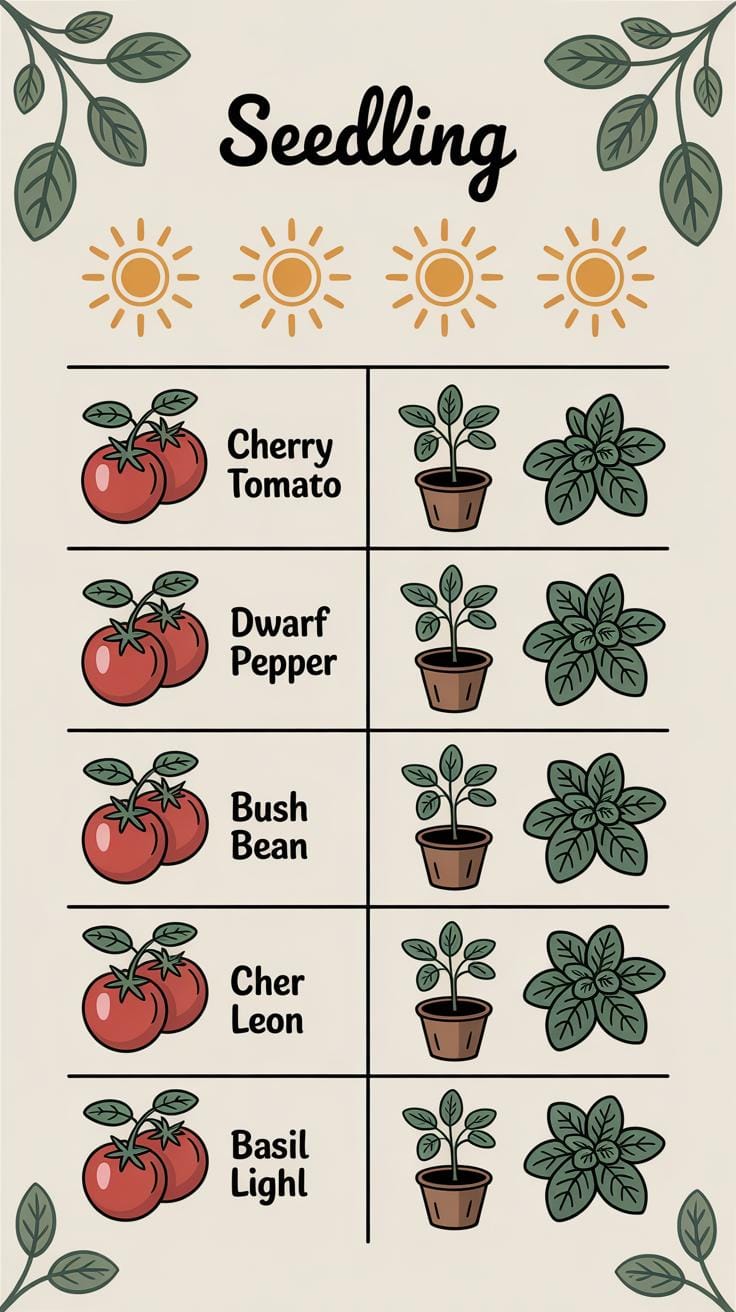
Picking the right plants for your containers isn’t just about what looks nice or tastes good. It’s about understanding which plants can handle the limits of a pot—space, soil volume, and water availability all matter. Generally, herbs, vegetables, and flowers that don’t grow too large or need deep roots fare better. Think back to the containers you chose earlier and imagine if those plants can realistically fit and thrive there.
Herbs such as basil, thyme, and parsley usually do well because they don’t demand much space and can bounce back with regular pruning. Vegetables like cherry tomatoes or peppers are popular choices—they’re relatively compact but still rewarding. Flowers that stay smaller or have a trailing habit, like pansies, petunias, or dwarf varieties of marigold, add color without overtaking the space.
Sometimes, you might find yourself wanting to grow something ambitious—maybe a zucchini or a sunflower—only to realize they outgrow your container fast. Those are better suited for beds or larger raised boxes. If you want lush patio harvests, picking plants that match your container size and light availability is key. It’s a sort of balancing act: you want enough yield or blooms to make the effort worth it, but not plants that will suffocate themselves or your patience.
Recommendations for Edible Plants in Containers
If you’re after food, which most container gardeners are, there are some go-to options known for doing well in pots:
- Chili peppers – compact and productive, with a long harvest season.
- Arugula – fast-growing leaves that keep coming if you harvest steadily.
- Radishes – they mature quickly, perfect if you want a fast reward.
- Leafy greens like spinach and lettuce – they don’t need deep soil and can be harvested continuously.
- Dwarf tomato varieties – they add fresh flavor and color but need good sunlight.
- Herbs like chives, oregano, and mint – keep in mind mint can spread aggressively if unchecked.
Oddly enough, some crops you wouldn’t expect to thrive in pots surprise you. I tried eggplants one summer, and though they were somewhat fussy, potted ones grew well with daily care. So don’t hesitate to experiment, but temper expectations based on your container size and sunlight.
Selecting Flowers and Decorative Plants
Flowers add charm, sure. But some plants also serve a practical purpose, attracting pollinators or deterring pests. For containers, look for small shrubs or perennials that stay neat over seasons.
- Geraniums – popular for their long blooming time and tolerance of sun.
- Begonias – well-suited for shady patios, adding both leaf and flower interest.
- Lobelia – trailing and vibrant, great for hanging baskets or trailing pots.
- Dwarf hydrangeas – they bring structure and seasonal blooms without needing the ground.
- Lavender – offers scent, flowers, and a certain rustic look; needs good drainage.
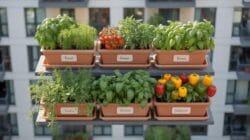
Sometimes you’ll want a mix of something ornamental that also offers edible parts—nasturtiums, for example, brighten a space and their flowers and leaves are edible too. While choosing, think about maintenance: some flowers need deadheading or pruning to keep up appearances, which you may or may not want to invest time in.
Preparing Soil and Planting in Containers
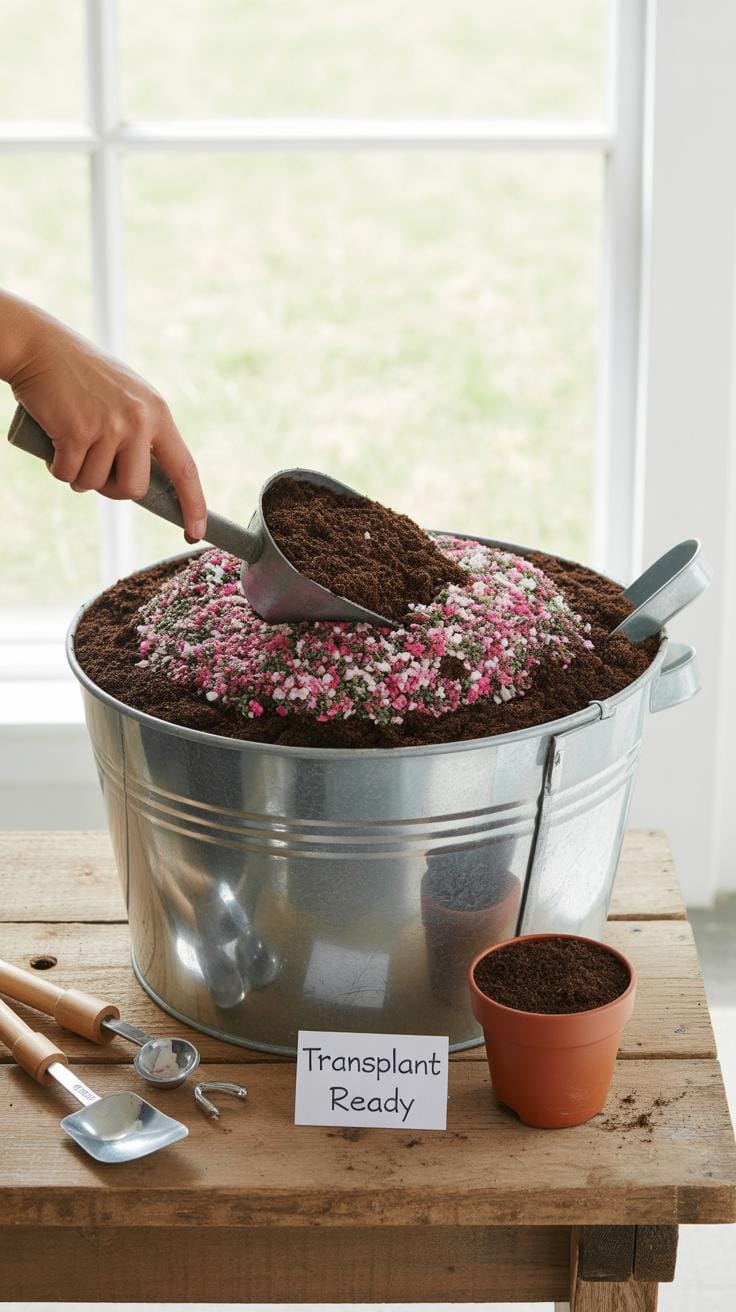
Choosing and Preparing Soil for Containers
Soil in containers needs to drain well but still hold some moisture. It’s a tricky balance. Regular garden soil just won’t cut it here—it’s often too dense and can suffocate roots or cause waterlogging. Instead, you want a light, fluffy mix that feeds your plants steadily.
You can buy a ready-made potting mix, which works fine if you pick one labeled for vegetables or flowers. Sometimes, it pays off to tweak it yourself—try blending equal parts of peat moss or coconut coir, perlite or vermiculite, and compost or well-rotted manure. This combo keeps the soil loose, holds nutrients, and lets air flow nicely.
Some gardeners add a bit of slow-release fertilizer once, but it depends on what you’re growing. The key, really, is ensuring water doesn’t pool at the bottom. Otherwise, roots get unhappy fast.
Step-by-Step Planting Guide for Container Gardens
Start by filling your container loosely with the soil mix, leaving a couple of inches from the rim. If you’re planting seeds, check the packet for depth—usually about twice the seed size. Make shallow rows or holes and gently firm the soil after dropping seeds in. Spacing is important; crowding plants makes them compete for water and nutrients, so follow guidelines closely.
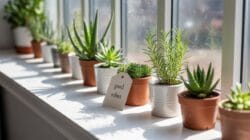
For seedlings, dig a hole large enough to hold roots without bending them. Place the plant in, fill around it with soil, and press gently. Water right after planting to settle the soil and help roots get used to their new home. Sometimes it feels like plants need a bit of patience before they take off, but if you give them good soil and proper spacing, they usually respond well.
Watering and Feeding Container Plants
How to Water Container Gardens Correctly
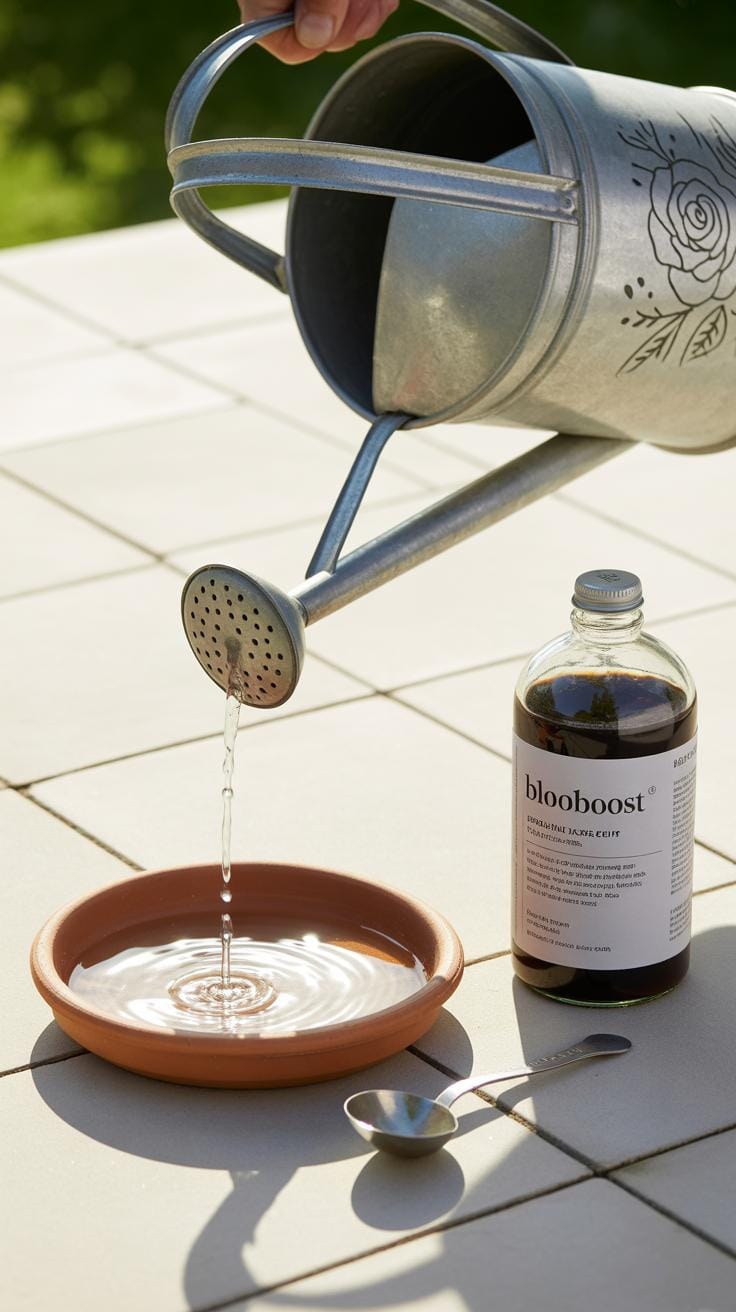
Watering container plants isn’t always straightforward. The frequency really depends on the weather, plant type, and container size. For example, smaller pots dry out faster and may need daily attention during warm days. Larger containers hold moisture longer, so watering every few days might be enough.
The best way to know when to water is by checking the soil moisture directly. Stick your finger about an inch deep; if it feels dry, it’s time to water. But if it still feels damp, hold off a bit. Overwatering can lead to root problems, especially if drainage isn’t good.
Speaking of drainage, you can’t ignore it. Even the best watering routine won’t help if water gets trapped. Make sure your containers have holes at the bottom to let excess water escape. I’ve learned this the hard way: soggy roots killed several plants before I fixed drainage.
Fertilizing Tips for Container Plants
Container plants rely entirely on you for nutrients, so feeding them regularly helps keep them productive and healthy. A slow-release fertilizer mixed into the soil can work for several weeks, but often a liquid feed every 2 to 4 weeks during the growing season gives better results.
Look for balanced fertilizers with equal parts nitrogen, phosphorus, and potassium, or tailor it to the plant’s needs—more nitrogen for leafy greens, for instance. Organic options like fish emulsion or compost teas can be gentler but may require more frequent application.
Try not to overdo it, though. Plants can get stressed with too much fertilizer, showing burnt leaf edges or sudden yellowing. It’s a bit of trial and error to find the right amount that suits your specific garden. Pay attention to how your plants respond, and adjust as you go.
Managing Pests and Diseases in Container Gardening
Identifying Common Container Plant Pests
Container gardens can attract a few usual suspects when it comes to pests. Aphids are a common problem—small, soft-bodied insects that cluster on new growth or undersides of leaves. You might notice sticky residue or distorted leaves, which often signal their presence. Then, there are spider mites, tiny and sometimes barely visible, but their webs and yellow speckling on leaves give them away. Whiteflies can be tricky; they fly up in clouds when you disturb the plants. Fungus gnats often hover around moist soil and their larvae can damage roots. Sometimes, slugs and snails show up, especially in damp conditions, leaving trails and holes in your leaves.
Spotting pests early really changes your battle with them. But, did you ever catch yourself wondering if that leaf discoloration is from pests or maybe, say, overwatering? Pests often leave tell-tale signs, yet it’s a bit of detective work to be sure.
Safe and Effective Pest Control Methods
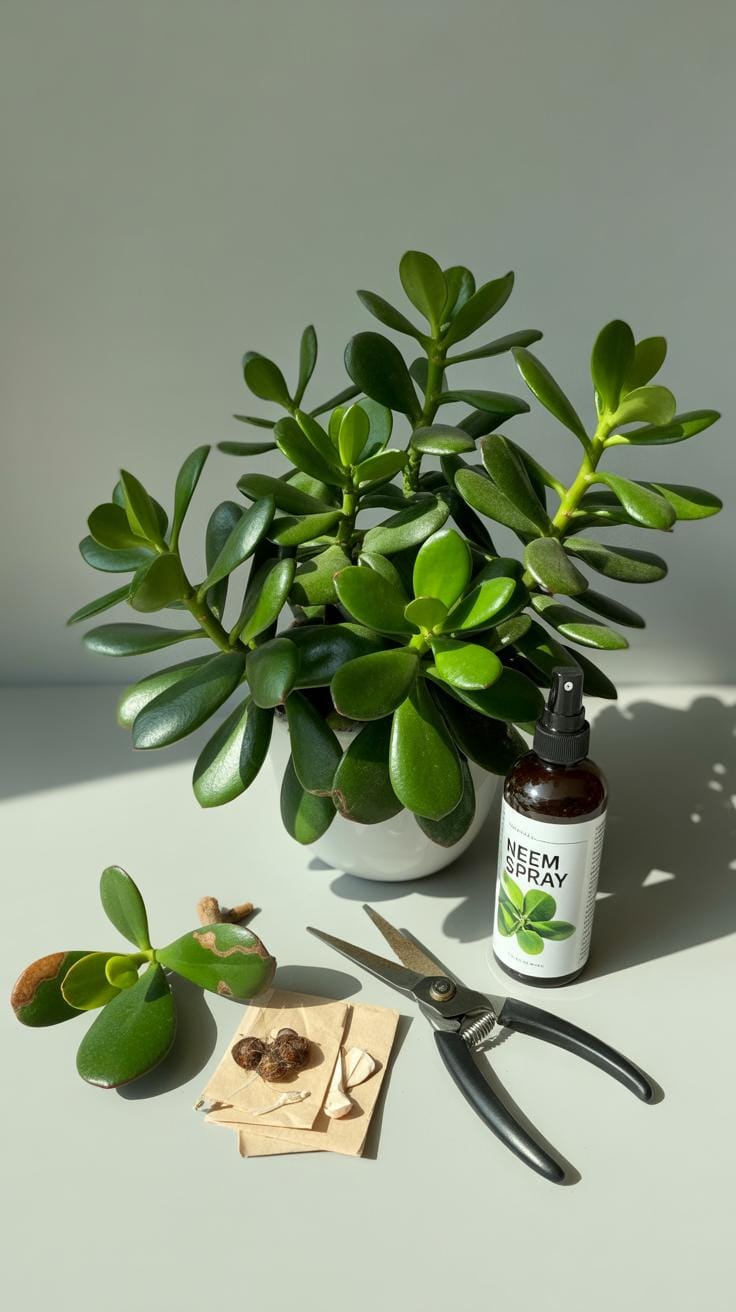
When dealing with pests, it’s tempting to reach straight for pesticides. Still, container gardening is a living, breathing system; you want to protect it, not harm it. Natural controls, like neem oil or insecticidal soaps, offer a gentler way to handle infestations. They don’t wipe out beneficial insects and are less likely to disrupt the balance in your pots. Spraying with a strong jet of water can physically remove aphids or spider mites—but be careful not to damage tender plants.
Introducing predatory insects, like ladybugs or lacewings, can help. But keep in mind: controlling pests without chemicals takes persistence. Sometimes, removing heavily infested leaves prevents spread. Keeping your containers clean, avoiding overcrowding, and inspecting plants regularly can lessen pest problems before they become severe. It’s quite a bit of work, I admit, but there’s satisfaction in seeing plants recover without harsh chemicals.
Repotting and Maintaining Your Container Garden
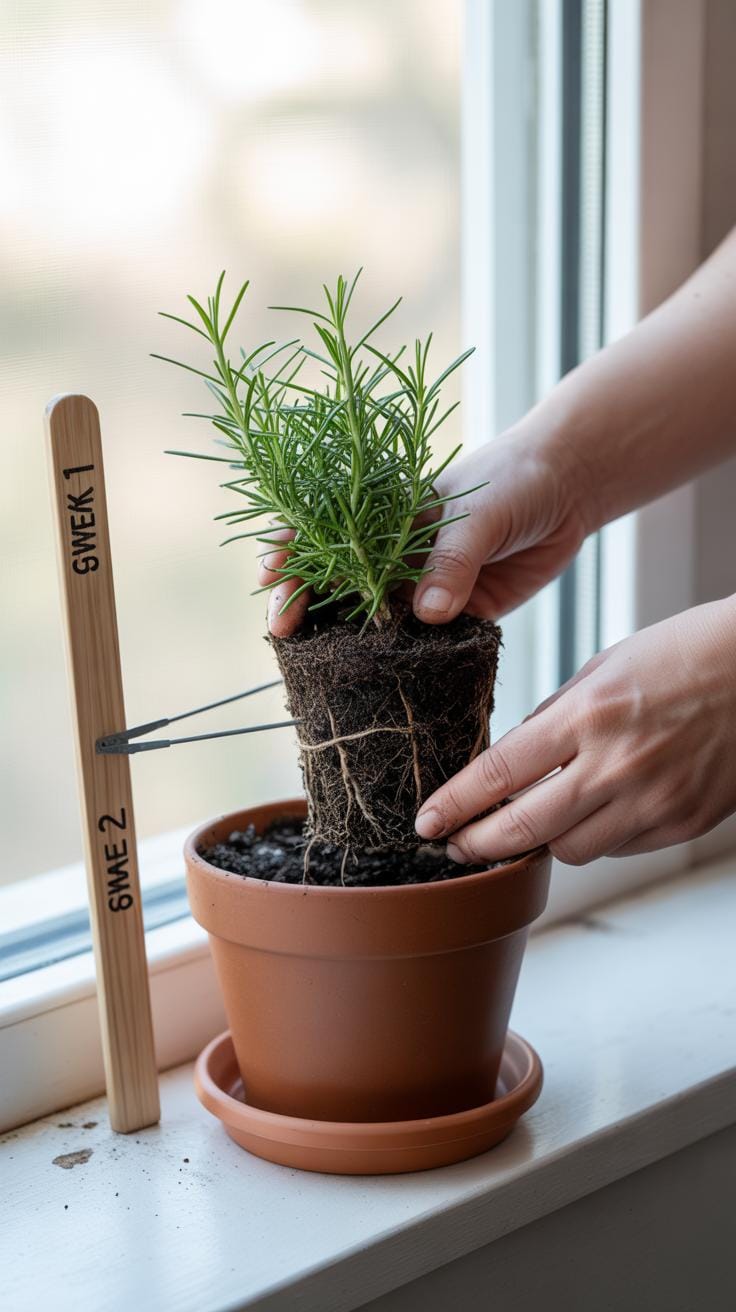
Signs That Your Plant Needs Re-potting
You might wonder when it’s time to re-pot a plant. One of the clearest signs is when roots start circling the pot’s edges, a condition called being root-bound. If you carefully slide the plant out and notice roots tightly packed or growing through drainage holes, your plant is likely cramped.
Also, if the plant’s growth slows down despite regular watering and feeding, or if soil dries out very quickly after watering, it could mean the roots have taken over the pot. Sometimes leaves may yellow or wilt more often—not always because of pests or lack of nutrients but simply because the roots need more room. Have you noticed any of these signs in your plants?
Steps to Re-pot Container Plants Successfully
When re-potting, start by preparing a pot that’s only a bit bigger than the current one—too much space can lead to waterlogging. Gently loosen the soil around the plant and use your fingers to tease out roots if they’re really packed.
Remove the plant carefully, keeping as much of its root ball intact as possible. Add fresh soil to the new container, place the plant inside, then fill around it with more soil. Firm it lightly but don’t press too hard—you want soil snug, not compacted.
After re-potting, water the plant thoroughly but avoid flooding. It’s a good idea to keep the plant out of direct sunlight for a day or two so it can recover. I found that plants often perk up after this process, as if they’re relieved to stretch out a bit.
Designing Your Container Garden for Space and Style
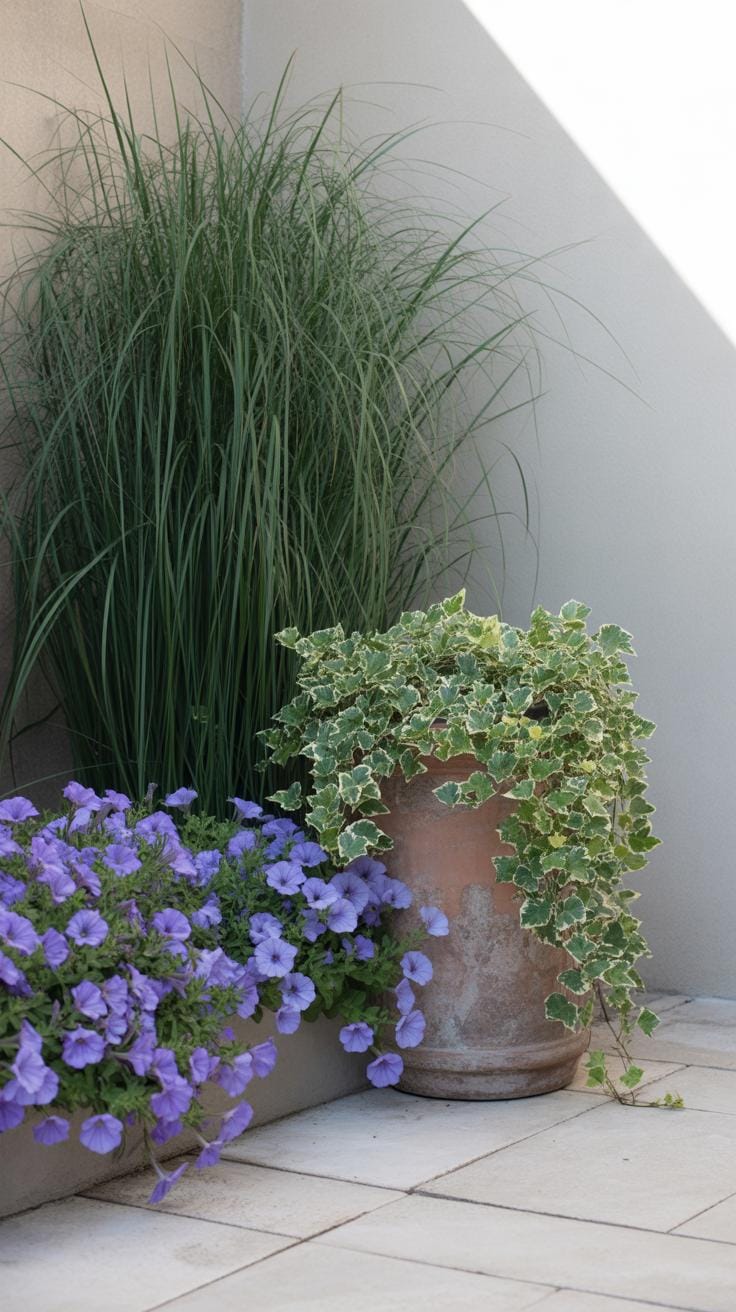
Planning Your Container Layout
Start by grouping plants according to their light needs. Place sun-loving herbs or vegetables where the sun hits longest, while shade-tolerant flowers can fill corners with less light. This way, each plant gets what it needs without you constantly shifting pots around.
Arrange containers to keep daily tasks like watering and harvesting simple. For example, cluster taller plants at the back or center, with smaller ones upfront for easy access. You might try a loose triangular pattern or staggered levels—nothing too rigid, since patios aren’t often perfectly symmetrical anyway.
Think about how often you’ll tend to each plant. Tomatoes might need more attention than, say, marigolds. Placing high-maintenance plants closer to your door or seating area can save time and prevent neglect.
Using Vertical Space and Decorative Containers
Using vertical space can transform a small balcony. Hanging baskets free floor space and add layers. You can hang strawberries above leafy greens or flowers that trail down for a lush look without overcrowding.
Wall planters and trellises let climbing plants grow upward, saving room while adding texture and color to bare walls. You might even find creative containers—like old mugs or wooden crates—that give character but also serve as functional planters.
Mix and match container shapes and materials. A ceramic pot beside a weathered metal bucket can make the space more interesting. Yet, try not to overload the area visually—sometimes, less clutter feels more balanced, even if it doesn’t look perfect.
Do you find yourself moving things around often? Maybe that’s natural curiosity or impatience—but it’s also part of learning what works best for your space and style.
Harvesting and Enjoying Your Container Garden
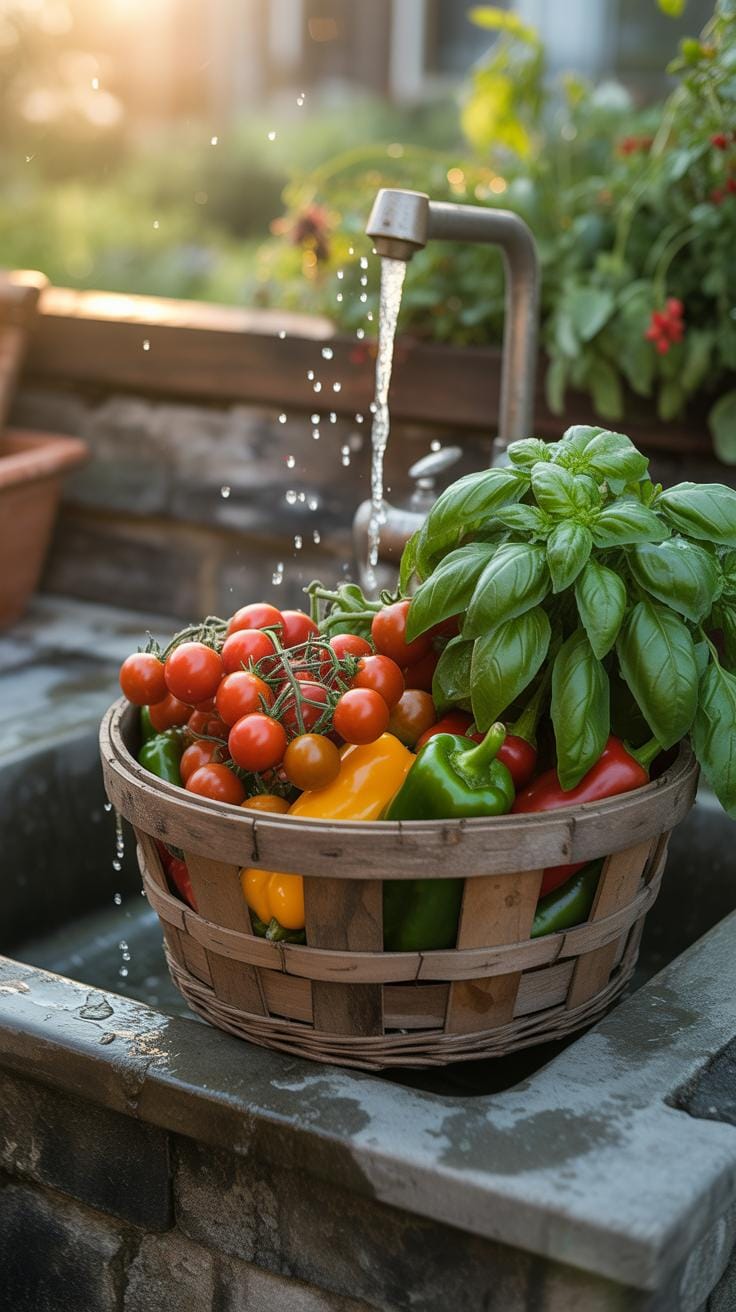
Recognizing the Right Time to Harvest
Knowing when to pick your vegetables and herbs isn’t always straightforward. Sometimes, you’ll see clear signs, like broccoli heads tightening or lettuce leaves reaching a good size. Other times—well, you might just have to trust a bit of trial and error. For example, herbs like basil taste best before they flower, but that window can be short.
Look for these clues:
- Firmness and color of fruits or veggies—tomatoes should feel slightly soft, not hard.
- Size and shape matching seed packet descriptions—but that’s not a strict rule.
- Leaves on herbs that look healthy and full, not yellowing or wilting.
- Smell can be a hint, especially with herbs—if it’s faint, wait a bit longer.
Sometimes, picking a little early encourages more growth. But pick too soon, and the taste might not be there yet. You’ll likely adjust as you go.
Ideas to Use Your Harvest and Care Post-Harvest
Once you have fresh produce, try to use it quickly for the best flavor. Fresh herbs can perk up any simple dish—think homemade pesto, a quick tabbouleh, or flavoring water with mint. Vegetables from your garden? They can star in salads, roasted sides, or even blended into smoothies.
Post-harvest, your plants still need attention. Snipping off mature parts often makes way for new growth. Some herbs might benefit from a light trim every few weeks to keep them from becoming leggy. If a plant is tired or stopped producing, refreshing the soil or shifting it to a sunnier spot might help. Patience really pays off here.
Have you noticed how your plants act after harvest? I’ve found mine sometimes seem to perk up for a while, like they’re ready to give me another round. Or they might slow down—either way, observe and adapt your care a little.
Conclusions
Container gardening gives you the chance to grow plants even in small spaces. By choosing the right containers, soils, and plants, you can create a thriving garden on your patio. Regular care, like watering and re-potting, helps plants stay healthy and productive. You will see how rewarding it feels to harvest fresh vegetables and enjoy beautiful flowers at home.
With these container gardening tips, you can start your garden confidently and watch it grow. Your patio can turn into a green space full of life and food. Keep experimenting with plants, containers, and care methods. Soon, your container garden will provide you with lush, fresh harvests season after season.