Understanding Shade Balcony Plants And What Low Lights Really Mean For Container Gardening
The Difference Between Full Shade Partial Shade And Dappled Light On A Balcony
Full shade means a location receives less than two hours of direct sun daily. On a balcony, this often occurs due to overhanging floors or north-facing positions. Partial shade describes areas getting three to six hours of sunlight. Usually, this light arrives in the morning when temperatures remain low. Plants in these zones need specific cellular structures to process limited light efficiently for growth.
Dappled light occurs when sunlight filters through a physical barrier like a trellis or tree canopy. This creates moving patterns of light and shadow throughout the day. It prevents leaf scorch while providing enough energy for photosynthesis. Understanding these distinctions stops you from killing expensive plants. You must match the plant species to the specific solar radiation levels available on your balcony floor and railings.
How To Accurately Assess Your Balcony Light Conditions Before Choosing Any Plant
You cannot guess light levels by looking out a window. Human eyes adjust to brightness and often misjudge actual intensity. Use a digital light meter or a sun-tracking app to get hard data. Measure the light at three specific times: 10 AM, 1 PM, and 4 PM. Record how the shadows move across your space. This data tells you exactly where to place your containers.
Consider the impact of reflective surfaces like glass buildings or white walls. These external factors increase light intensity even in shaded spots. Check your balcony during different seasons. A spot that is sunny in summer might be total shade in winter due to the sun’s lower arc. Tactical gardening requires knowing your microclimate. Collect these facts first to ensure your balcony container plants for shade actually survive.

Top Shade Loving Plants For Pots That Thrive Without Direct Sunlight
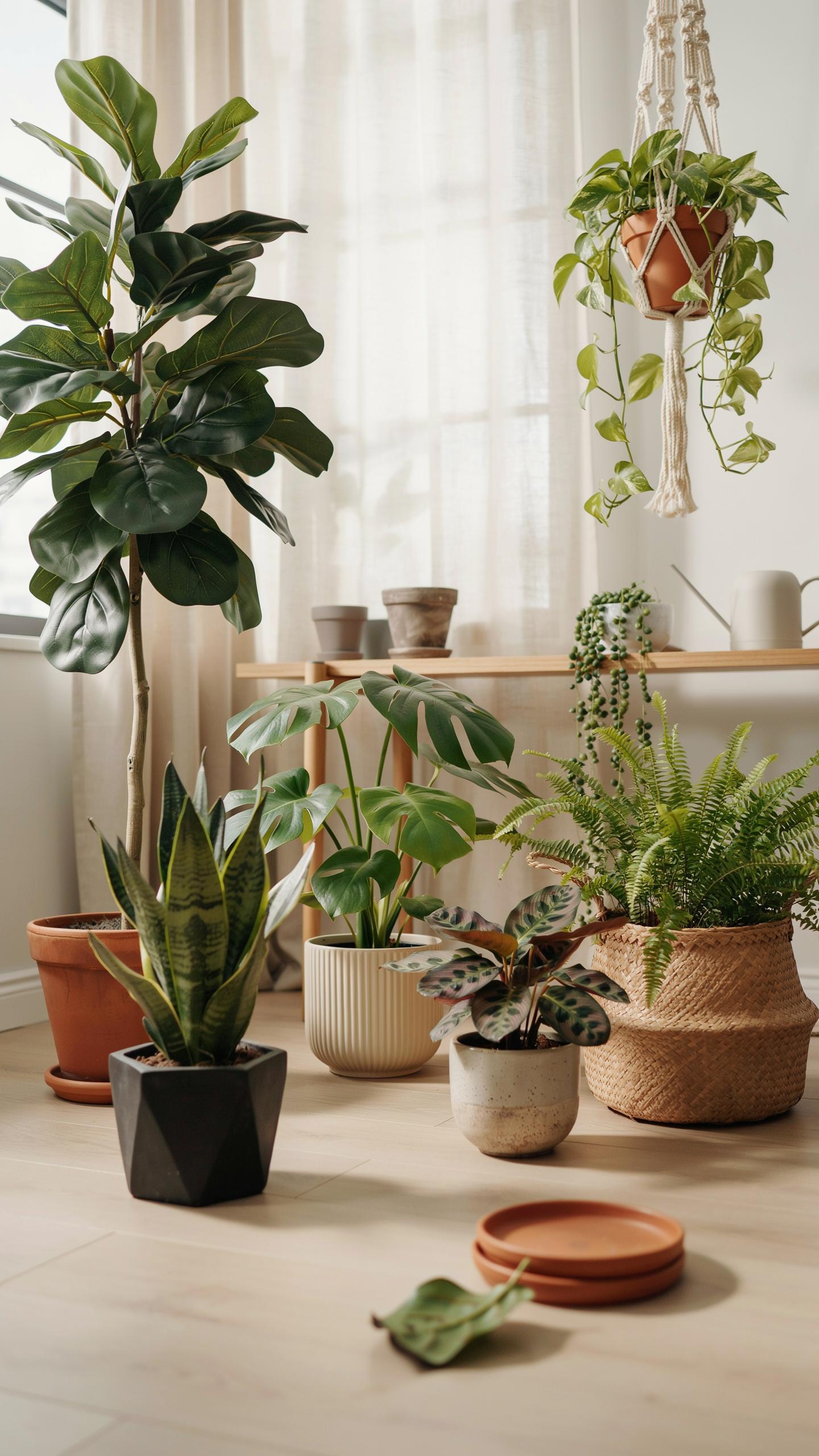
Foliage First Favorites: Hostas, Ferns, And Caladiums For Shaded Balcony Pots
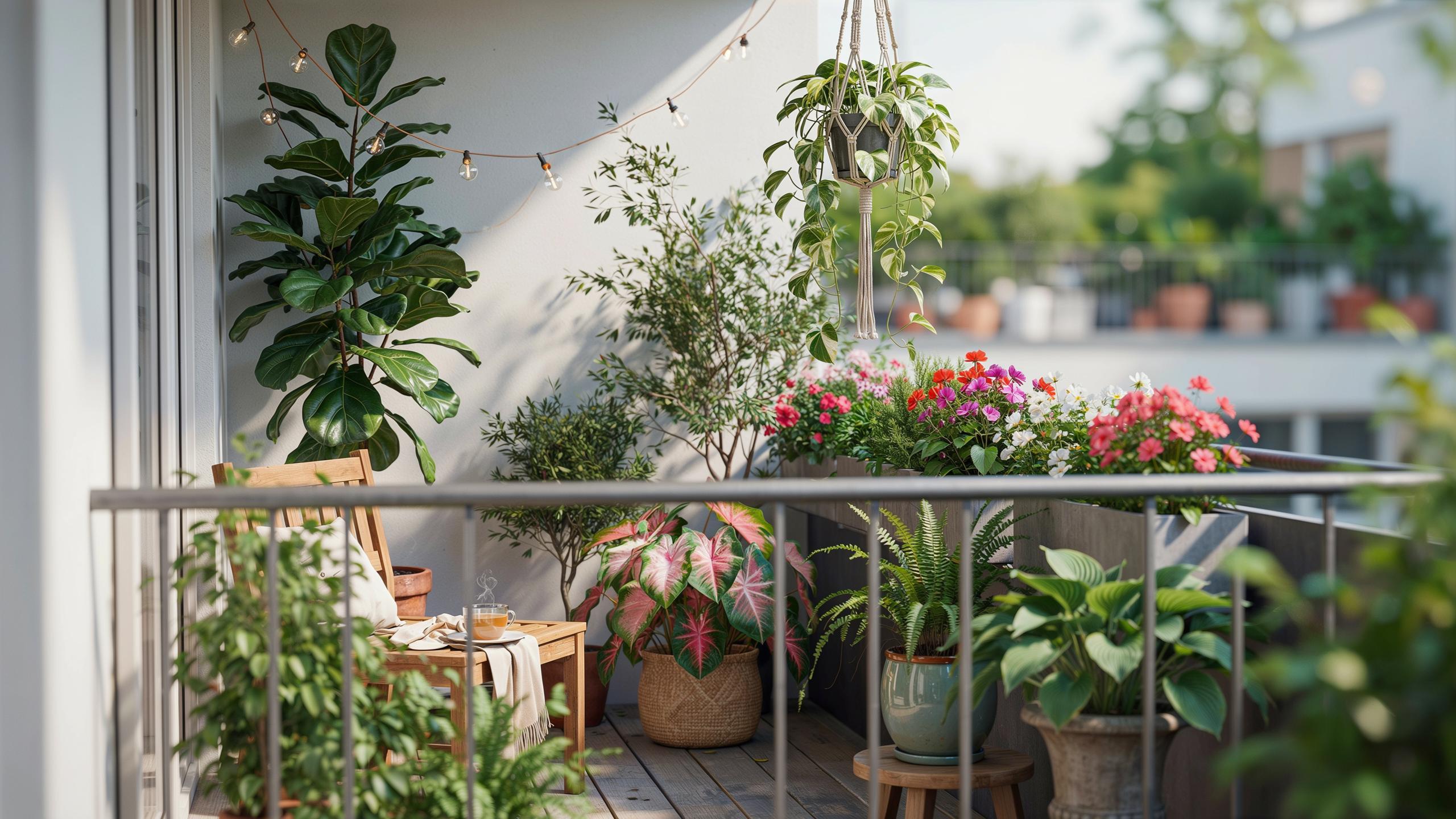
Hostas dominate shade gardening due to their massive leaf surface area. These plants maximize photosynthesis in low light. Select blue-hued varieties for the deepest shade or variegated types to reflect limited light. Use glazed ceramic pots to retain high moisture levels. Hostas require consistent hydration but hate standing water. Proper drainage prevents root rot in these heavy feeders.
Ferns provide structural texture through fronds rather than flowers. Japanese Painted Ferns add metallic silver tones to dark corners. Boston ferns thrive in high humidity and work best in hanging containers. Use a peat-based potting mix to mimic forest floor conditions. Caladiums offer heart-shaped leaves with pink and white patterns. These tropical tubers need protection from wind and temperatures below 60 degrees.
Compact Flowering Picks: Impatiens, Begonias, And Astilbe For Low Light Containers
Impatiens offer reliable color in North-facing sites. They possess succulent stems that store water but wilt quickly under heat stress. Plant them in tight clusters to create a carpet effect. New Guinea varieties handle slightly more ambient light and offer larger blooms. Always pinch back leggy stems to promote a bushier shape. This tactic keeps the plants compact and redirects energy to flower production.
Begonias serve as the workhorse for shaded balcony boxes. Tuberous varieties produce large rose-like flowers while wax begonias offer durable foliage. Both types require excellent drainage to avoid stem rot. Astilbe provides vertical interest with plumelike spikes. These perennials need deep pots to accommodate their root systems. Keep the soil wet at all times. Drying out even once can cause the foliage to brown and die.
Choosing The Right Shade Containers Planters For A Balcony Environment
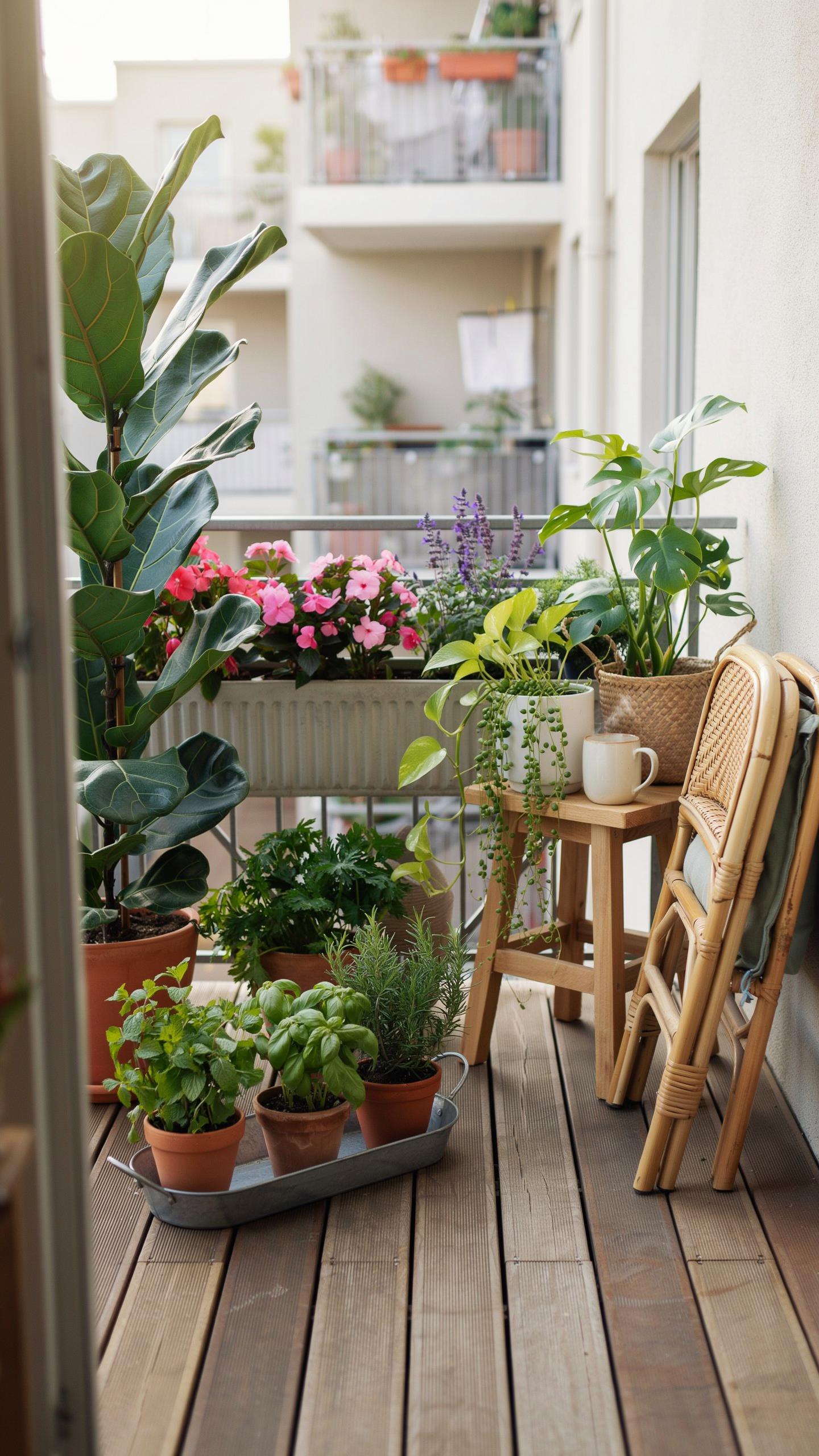
Material Matters: How Plastic Ceramic Terracotta And Fabric Pots Perform In Shaded Conditions
Plastic and glazed ceramic pots work best for shade gardening. These materials trap moisture effectively. Shaded areas lack the intense heat needed to evaporate water quickly. Plastic is light and cheap. Glazed ceramic provides weight for stability against wind. Both materials prevent the soil from drying out too fast. This helps shade-loving plants like ferns and hostas stay hydrated without constant watering.
Terracotta and fabric pots present risks in the shade. These materials are porous. They allow air and water to move through the walls. In sunny spots, this cools roots. In the shade, it leads to bone-dry soil or mold growth. Porous pots often develop algae or mineral salts on the exterior in damp, dark conditions. Stick to non-porous options to maintain consistent soil moisture levels for your balcony plants.
Size Drainage And Weight Considerations For Balcony Safe Container Gardening
Check your balcony load capacity before buying heavy pots. Wet soil weighs a lot. Choose large containers to provide a stable root environment. Small pots dry out faster and tip over easily. Use lightweight potting mixes to reduce the total strain on the structure. Ensure every pot has large drainage holes. Water sits longer in the shade. Without proper drainage, your plant roots will rot and die quickly.
Elevate your containers using pot feet or risers. This prevents water from trapping under the pot. Trapped water damages balcony flooring and creates slip hazards. It also stops pests from hiding beneath the containers. Strategic placement near structural beams provides extra support for the heaviest planters. Focus on balancing the weight across the entire floor space. Avoid clustering all heavy pots in a single corner to ensure structural safety.
How To Use Spiller Plants For Containers To Add Depth And Drama To A Shady Balcony
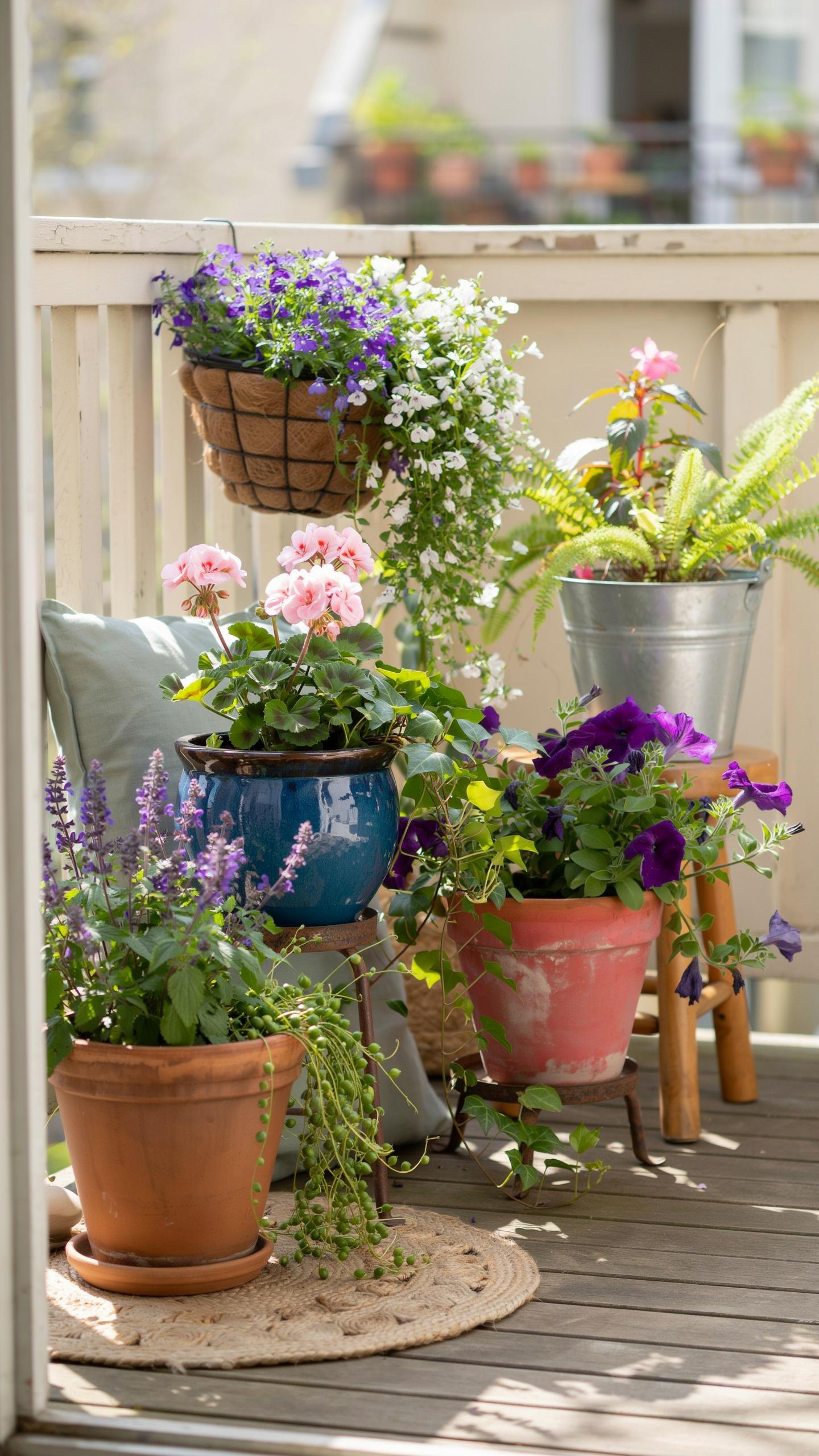
What Are Spiller Plants And Why They Work Especially Well In Shaded Balcony Containers
Spiller plants grow over the edges of containers and trail toward the ground. These plants mask the hard lines of pots and create a vertical flow. In shady environments, containers often lack the bright colors found in full sun. Spillers solve this by adding texture and bulk. They fill the empty space below the rim. This technique makes small balcony gardens look larger and more established.
Trailing plants thrive in shade because they keep their roots cool under the foliage of taller plants. They maximize limited square footage by using vertical space. Shady balconies often have dark corners where light is scarce. Spiller plants with light foliage reflect available light and brighten these areas. Use them to create a lush appearance without needing large floor space. They provide an immediate visual impact.
Even in the deepest shadows of a city balcony, a quiet container of green can restore the soul to its natural home.
Best Spiller Plant Varieties For Shade: Sweet Potato Vine, Creeping Jenny, And Bacopa
Sweet potato vine offers aggressive growth and vibrant lime or dark purple leaves. It tolerates low light while maintaining high density. Creeping Jenny provides a low profile with round yellow leaves that glow in the shadows. It spreads fast and survives damp soil conditions. Bacopa produces small white flowers throughout the season. It adds a fine texture that contrasts well against large hosta or fern leaves.
Select these varieties based on your specific light levels and maintenance schedule. Sweet potato vine requires regular pruning to prevent it from overtaking smaller plants. Creeping Jenny is a perennial in many zones and offers long term value. Bacopa needs consistent moisture to keep blooming in the shade. Group these plants together for a multi layered effect. They ensure your balcony containers look professional and layered from top to bottom.
Shade Flowers That Add Color And Life To Your Balcony Container Garden
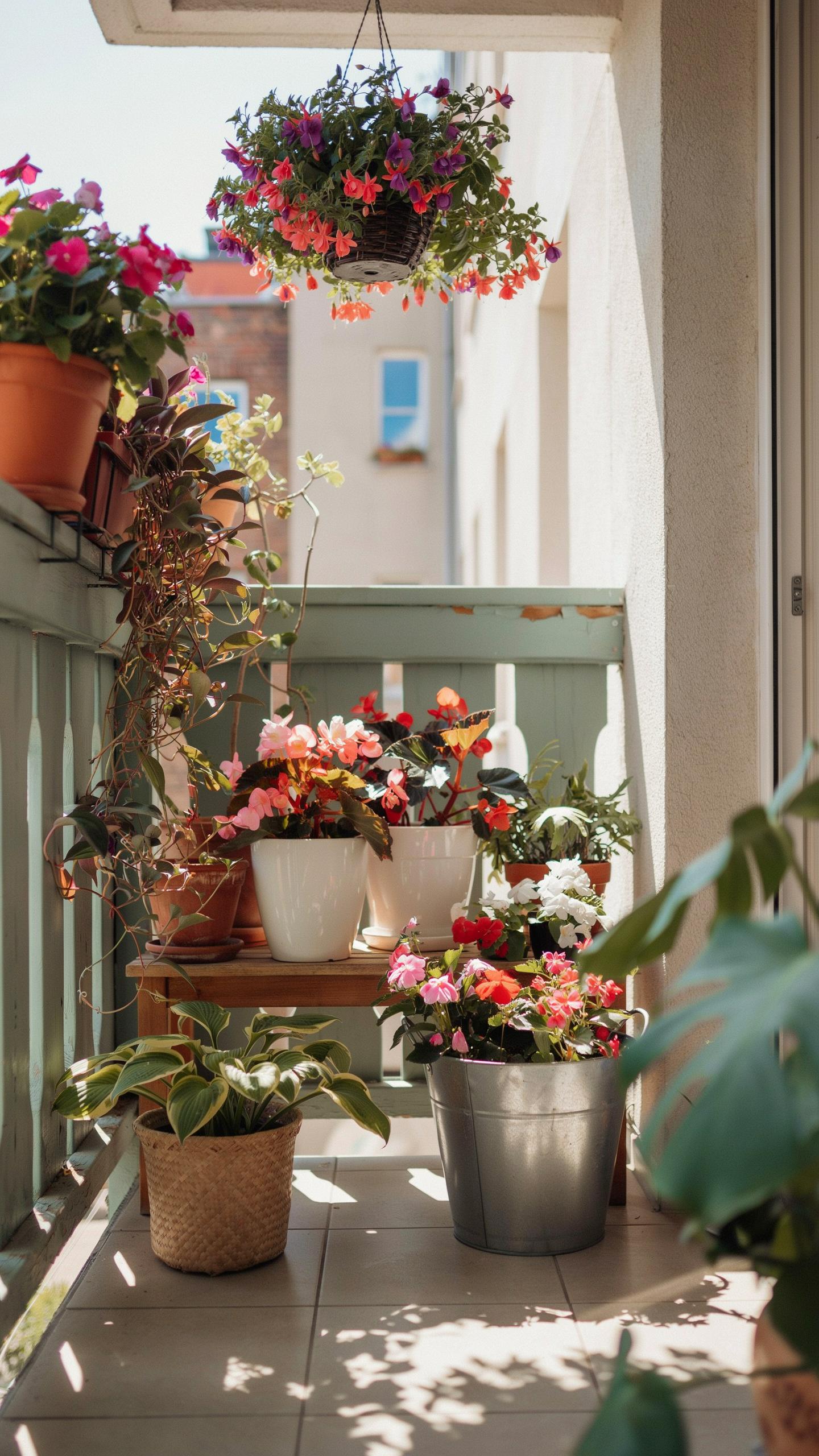
Long Blooming Shade Flowers For Pots: From Spring Through Early Autumn
Impatiens walleriana and Begonia semperflorens provide consistent color in low light. These species thrive in North-facing balconies where sunlight is scarce. They bloom from the last frost until the first autumn freeze. Keep the soil moist but ensure the pot has drainage holes. Overwatering causes root rot in containers. Use a high-quality potting mix with perlite to maintain the correct air and water balance for roots.
Fuchsia triphylla offers hanging blooms that attract pollinators to small spaces. Its pendulous flowers work well in elevated balcony planters to maximize vertical area. Torenia fournieri, or wishbone flower, tolerates heat better than most shade annuals. Deadhead spent blooms to encourage new growth throughout the season. Apply a liquid fertilizer every two weeks to support continuous flower production. Monitor for pests like aphids which thrive in stagnant balcony air.
Pairing Shade Flowers With Textured Foliage Plants For A Polished Container Display
Professional container design requires a balance between floral color and structural foliage. High-contrast leaf shapes create visual depth in shaded corners. Combine broad-leaved plants with fine-textured species to prevent a flat appearance. Use green and silver tones to brighten dark balcony walls. This strategy ensures the container remains attractive even if flower production slows down during extreme temperature shifts or light changes.
- Heuchera: Use Coral Bells for their scalloped leaves and diverse color palette. These perennials provide a steady base of purple, lime, or bronze foliage. They tolerate deep shade and retain their color throughout most of the growing season.
- Caladium: Select these tropical tubers for large heart-shaped leaves with white or pink veins. They act as a focal point in large pots. Caladiums thrive in warm, humid conditions found on sheltered urban balconies during the summer months.
- Adiantum pedatum: Five-finger ferns offer delicate textures that soften the edges of rigid containers. Their airy fronds provide a physical contrast to the heavy blooms of begonias. Keep these plants out of direct wind to prevent the foliage from drying.
- Lamium maculatum: This groundcover works as a spiller for the edges of balcony boxes. The silver centers of the leaves reflect limited light into the shadows. It produces small flowers but functions primarily as a bright contrast to dark green foliage.
- Coleus: Scutellarioides cultivars offer endless leaf patterns and serrated edges for visual interest. Pinch back the stems to keep the plant bushy and prevent it from flowering. This directs energy into the foliage and maintains a compact shape for small spaces.
Select a thriller, filler, and spiller for every large pot. The thriller provides height, the filler adds volume, and the spiller breaks the container line. This three-tiered approach mimics natural growth patterns found in woodland floors. Scale the plant sizes to the dimensions of your balcony to avoid overcrowding. Proper spacing allows air to circulate and prevents fungal diseases. Healthy foliage acts as a natural frame for your shade-loving flowers.
Soil Watering And Feeding Essentials For A Thriving Shaded Balcony Garden
Why Shade Containers Dry Out Differently And How To Water Them Correctly
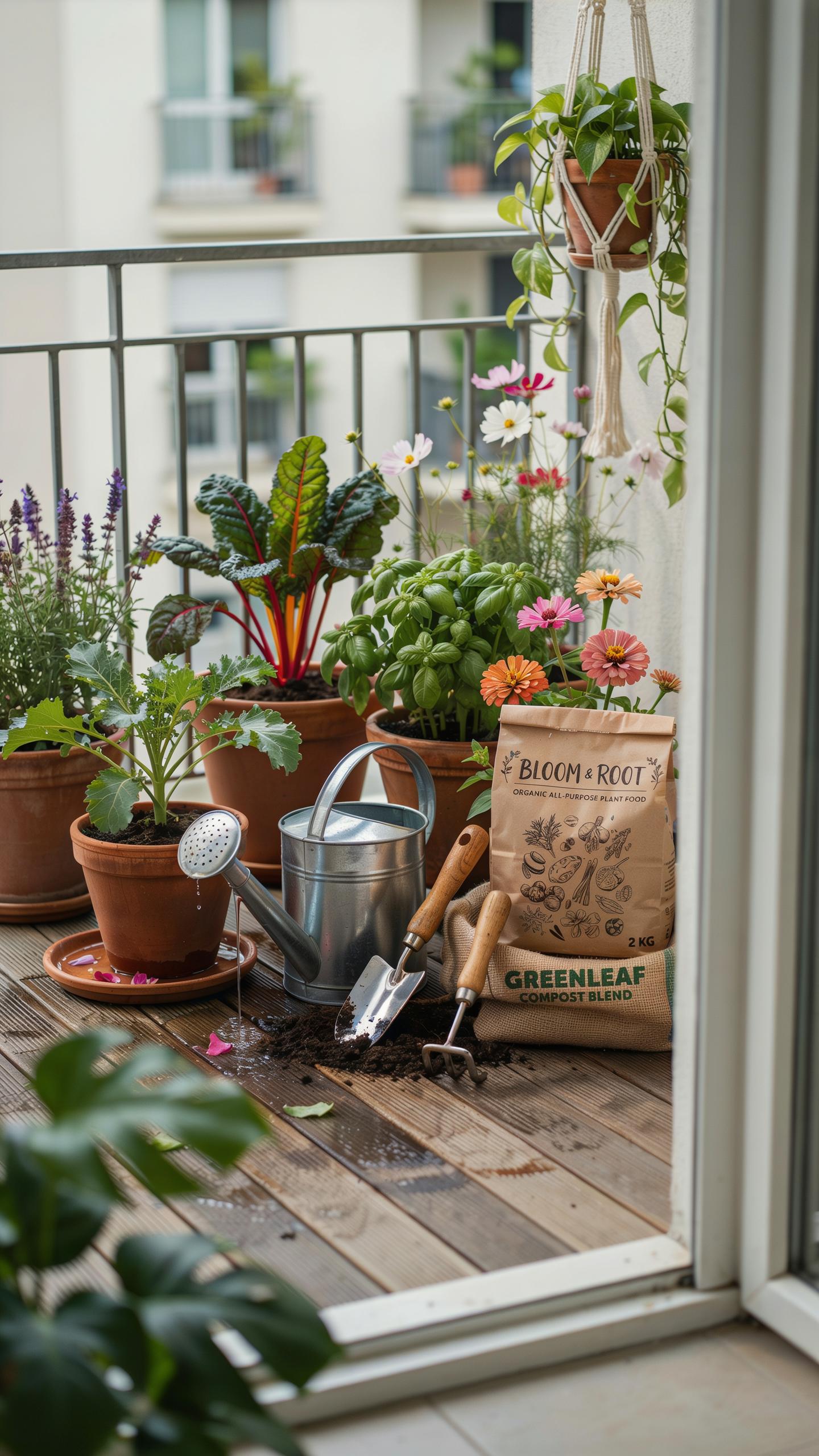
Shade prevents direct sun from evaporating moisture quickly. However, balconies often face high winds that strip water from leaves through transpiration. Lack of direct light means plants process water slower than sun-grown counterparts. Overwatering is the most common killer in shade gardens. You must check the soil depth manually before adding water. Stick your finger two inches into the pot.
Water only when the top inch of soil feels dry. Use pots with drainage holes to prevent root rot. Stagnant water at the bottom of a container destroys shade-loving species like Begonias or Ferns. Morning watering is best for these plants. It allows foliage to dry before temperatures drop at night. Dry leaves prevent fungal growth and powdery mildew in low-light environments.
Choosing The Right Potting Mix And Fertilizer Schedule For Shade Loving Container Plants
Shade containers require a well-draining potting mix with high organic matter. Avoid heavy garden soil because it compacts in pots and suffocates roots. Use a mix containing peat moss or coconut coir to retain necessary moisture without waterlogging. Perlite or vermiculite must be present to ensure aeration. Proper airflow within the soil structure is vital for plants that do not receive intense heat.
Shade-loving plants grow slower and need less fertilizer than sun plants. Excessive feeding leads to salt buildup and burnt roots. Apply a balanced, water-soluble fertilizer at half-strength once every four weeks during the growing season. Stop feeding entirely during winter months when the plant rests. This moderate approach mimics natural forest floor conditions. It ensures steady growth without forcing the plant beyond its light capacity.
Design Tips For Building A Beautiful Shaded Balcony Garden With Containers
Layering Heights And Textures How To Arrange Containers For A Lush Shady Balcony Garden Look
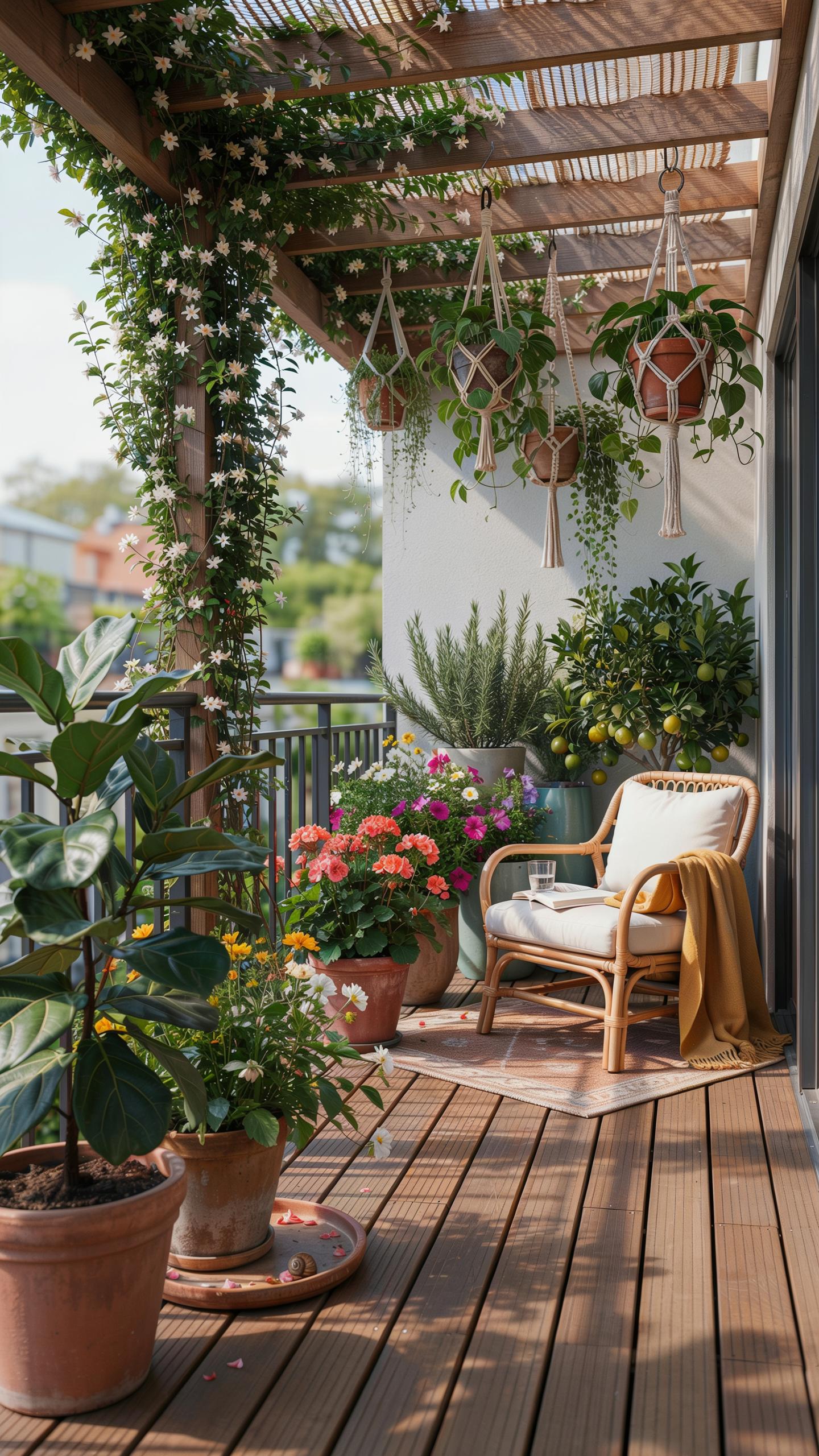
Group containers in odd numbers to create a natural visual flow. Place the largest, tallest pots in the back corners or against the wall. Use these deep vessels for structural shade plants like Fatsia japonica or bamboo. Position medium pots in front of them to hide the soil lines of the larger containers. This staggered height strategy mimics a natural forest understory.
Mix foliage textures to maintain visual interest without relying on sunlight for blooms. Pair the broad, waxy leaves of Hostas with the delicate, lacy fronds of Maidenhair ferns. Use matte finishes on pots to absorb light and glossy leaves to reflect the little light available. Contrast creates depth in dark spaces. Ensure each plant has enough vertical room to breathe and expand without crowding.
Practical Layout Tips For Small Shaded Balconies To Maximize Visual Impact And Space
Small balconies require vertical efficiency to prevent floor clutter. Use the perimeter for heavy floor pots and keep the center clear for movement. Railing planters and wall mounted systems increase your plant count without sacrificing square footage. Selecting a uniform color palette for containers helps the space feel larger. Focus on light colors like stone or white to brighten dark corners.
- Tiered Plant Stands: Use metal or wood steps to lift smaller pots off the ground. This elevation allows light to reach lower plants and creates a wall of green. It maximizes vertical space in tight corners efficiently.
- Wall-Mounted Vertical Planters: Install modular pockets or wooden lattices on the walls. This technique draws the eye upward and covers bare siding with shade-loving vines. It saves critical floor space for seating or passage.
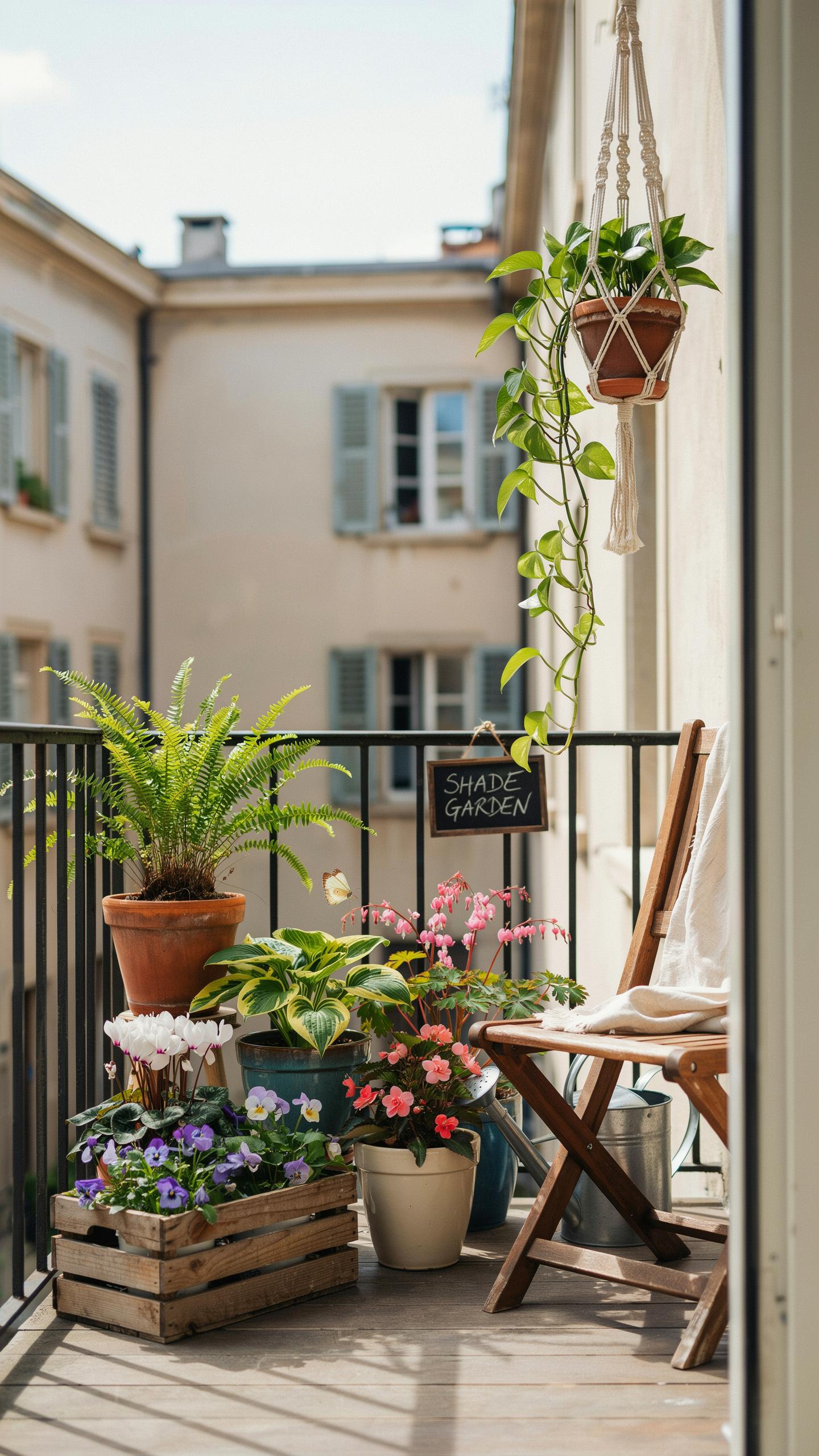
- Hanging Baskets: Suspend trailing plants like English Ivy or Fuchia from the ceiling or overhangs. These provide a lush canopy effect and utilize the horizontal plane above head height. Keep hooks secured into structural beams for safety.
- Railing Planter Boxes: Secure sturdy boxes to the outside of the balcony railing. This placement captures the most ambient light available at the edge of the shade. It provides a natural privacy screen from neighbors and street traffic.
- Rolling Pot Caddys: Place the heaviest containers on wheels for easy reconfiguration. You can move plants deeper into the shade or closer to the edge based on seasonal light shifts. It also makes cleaning the balcony floor simple.
Symmetry creates a formal and organized feel in restricted spaces. Place matching containers on either side of a door to anchor the design. Use monochromatic plant selections to prevent a chaotic appearance in low light. Darker greens recede visually, while variegated leaves with white or silver stripes pop forward. Strategic placement ensures every square inch of the balcony provides maximum botanical impact.
Seasonal Care And Maintenance Strategies For Your Shady Balcony Garden Year Round
Transitioning Your Shaded Balcony Container Plants Between Seasons Without Losing Progress
Move shade plants indoors before the first frost hits your region. Shaded balconies lack the thermal mass of ground soil. Roots freeze faster in pots. Inspect every leaf for pests during this move to avoid indoor infestations. Gradually reduce water as temperatures drop. Plants enter dormancy and require less moisture. Overwatering in winter kills more shade plants than the cold itself.
Fertilize only when you see new growth in the spring. Use a balanced slow-release formula for consistent feeding. Prune dead foliage to prevent fungal growth. Replace the top two inches of potting soil every year to refresh nutrients. This process mimics the natural forest floor leaf litter. Check drainage holes for clogs often. Proper drainage ensures oxygen reaches the roots during heavy seasonal rain cycles.
Common Problems In Shaded Container Gardens And How To Troubleshoot Them Effectively
Fungal diseases thrive in low light and high humidity. Identify powdery mildew by looking for white spots on leaves. Increase airflow between containers to stop the spread. Do not water the foliage directly. Apply water to the soil surface instead. If you find slugs, remove them by hand at night. Use copper tape around pot rims to create a permanent physical barrier.
Yellowing leaves signal nitrogen deficiency or poor drainage. Test soil moisture with your finger before adding water. If the soil is wet but the plant wilts, check for root rot. Repot the plant into fresh, dry soil immediately. Use sterilized tools for every cut you make. This prevents the transfer of pathogens between your containers. Consistent monitoring prevents small issues from becoming total crop failures.
Frequently Asked Questions

Which plants are best suited for a balcony that receives very little direct sunlight?
If your outdoor space is tucked away from the sun, focus on foliage-heavy varieties and woodland natives. Foliage favorites like Hostas, Caladiums, and various ferns thrive in dim conditions, while flowering options like Begonias and Fuchsias add a pop of color without needing direct rays. These balcony container plants for shade allow you to create a lush, emerald retreat even on the north-facing side of a high-rise building.
How do I prevent overwatering when growing plants in a shaded container garden?
Managing moisture is crucial because water evaporates much slower in the shade than in the sun. Always use pots with drainage holes and a high-quality potting mix to prevent root rot. Before watering your balcony container plants for shade, stick your finger two inches into the soil; if it feels damp, wait another day. Using breathable terracotta pots can also help excess moisture escape more efficiently than plastic alternatives.
Can I create a beautiful shaded balcony garden on a limited budget?
Absolutely! You can save money by propagating plants from cuttings or purchasing smaller “starter” sizes that will grow into their space. Look for multi-pack annuals like Coleus or Impatiens, which provide instant impact for just a few dollars. Additionally, repurposing household items like old wooden crates or tin buckets as planters is a clever way to style your space without spending a fortune on high-end ceramic pots.