
The Corrugated Lie: Why Cardboard’s Weakness Is A Myth

Material Strength Isn’t What You Think It Is
You want cardboard furniture to work because spending less money while looking intentional feels like winning. Here’s the mechanism: cardboard fails not because the material is weak, but because people design it like it is. A flat sheet of cardboard tears easily. A properly structured piece doesn’t. The difference isn’t the cardboard. It’s the architecture.
Wood breaks under load because stress concentrates at a single failure point. Cardboard distributes load across its fluting system, the internal maze of paper walls that run perpendicular to the flat surfaces. This is load distribution in materials science. Designers who know this principle build cardboard pieces that hold weight a naive structure would collapse under. Most cardboard furniture fails because it treats the material like plywood instead of engineering it like a bridge.
Fluting Configuration Determines Load Capacity
The corrugations inside cardboard aren’t decoration. They’re the entire load-bearing system. Single-wall cardboard has one corrugated layer. Double-wall has two. Triple-wall exists but costs more than alternatives for most furniture applications. The spacing and thickness of these flutes determines how much weight the piece handles before deformation occurs.
A chair built with triple-wall cardboard positioned so flutes run vertically can support adult body weight. The same cardboard laid flat with horizontal fluting fails immediately under the same load. Orientation matters more than material choice. Designers who understand flute direction build differently than those who don’t. The protocol: determine your load requirement first, then select wall configuration and flute direction second. This prevents the guesswork that kills most cardboard furniture designs.
The Origami Protocol: Folding For Unbreakable Forms

How Crease Patterns Distribute Weight
You want cardboard furniture to hold your weight without collapsing because the alternative is humiliation in front of guests. The mechanism is borrowed from structural engineering: stress concentration. Every load point needs a path to the ground. Creases act as force vectors. Without them, pressure localizes at contact points and the material fails instantly. Strategic creases redirect that force across the entire surface, turning a weak sheet into a load-bearing system.

The rule carton manufacturers use applies directly here: parallel creases spaced at intervals create what engineers call “moment resistance.” A flat sheet of cardboard can support almost nothing. The same sheet folded into a box shape carries ten times the load. The fold geometry matters more than the cardboard grade. You position creases perpendicular to the direction of applied force. This transforms bending stress into compression stress, which cardboard handles far better. Test this yourself: a single flat sheet versus that same sheet accordion-folded. The difference is immediate and measurable.
Layering Folds To Build Rigidity
Everyone assumes more cardboard means strength. It doesn’t. Stacking flat layers adds minimal rigidity. The real move is nested folds. When you fold cardboard multiple times in different planes, you create a three-dimensional lattice at the microscopic level. Each layer locks the previous one in place, preventing deformation under load.
Corrugated cardboard already uses this principle internally: fluted paper sandwiched between liners. You replicate this by designing folds that cross each other. A vertical accordion fold combined with a horizontal accordion fold in the same piece creates interlocking compression zones. This is why origami structures hold weight despite using thin material. Layered folds create redundancy. If one crease fails, the others distribute the load. This is your actual insurance policy. Apply this pattern: fold, rotate ninety degrees, fold again, then seal intersections with minimal adhesive at stress points only.
Tensegrity Principles: A Modern Cardboard Chair Design Secret

How Compression And Tension Actually Work Together
You want to believe cardboard furniture can look expensive and engineered rather than like something you assembled drunk at midnight. The real mechanism is tensegrity, borrowed from structural engineering: the idea that rigid elements resist compression while cables or flexible materials handle tension, and this balance creates stability with minimal mass. Cardboard tubes naturally compress when vertical load hits them. The trick is pairing them with tension elements like twine, fabric straps, or thin wooden dowels that pull against the compression rather than fight it. This is not stacking tubes and hoping. It’s designing the cardboard pieces to fail in compression predictably, then using tension to arrest that failure before it happens.
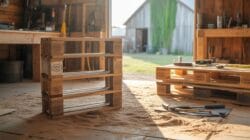
A tensegrity cardboard chair works because the tubes remain rigid under modest load, not because cardboard is magically strong. You layer the engineering so compression and tension share the burden equally. The tubes stack or angle inward slightly. Diagonal bracing straps wrap around the frame and tighten, creating pre-tension that stiffens the whole assembly. Without this pre-tension, the chair collapses. With it, load gets distributed across both compression and tension pathways instead of hammering the cardboard alone. The structure becomes stronger than the sum of its parts because the materials are no longer fighting their own nature.
Mixing Materials To Maintain Structural Integrity
Cardboard-only designs are lazy engineering pretending to be sustainable. Real cardboard furniture works when you integrate non-cardboard elements strategically, treating cardboard as one tool in a system rather than the entire system. Hardwood dowels, steel cable, canvas, or even thick rope handle tension loads that cardboard cannot. Cardboard handles compression. The integration point matters: connection zones where materials meet must overlap or nest, never just glue side-by-side. Side-by-side joints fail first under dynamic load.
A working protocol: cardboard tubes form the vertical compression elements, wooden corner blocks reinforce junction points where tubes meet, fabric straps wrap around the frame and cinch tight to create tension, and metal fasteners at connection zones prevent creep. Cardboard alone cannot clamp these materials together reliably over time, so the fasteners do the actual holding. The cardboard contributes geometry and lightweight volume, not primary structural duty. Build the frame, drill through the overlapped materials, bolt it together, then wrap and tension the straps. That sequence prevents the cardboard from bearing loads it cannot handle before the tension system activates.
The Latticework Method: Interlocking For Extreme Durability
How Joints Actually Carry Load
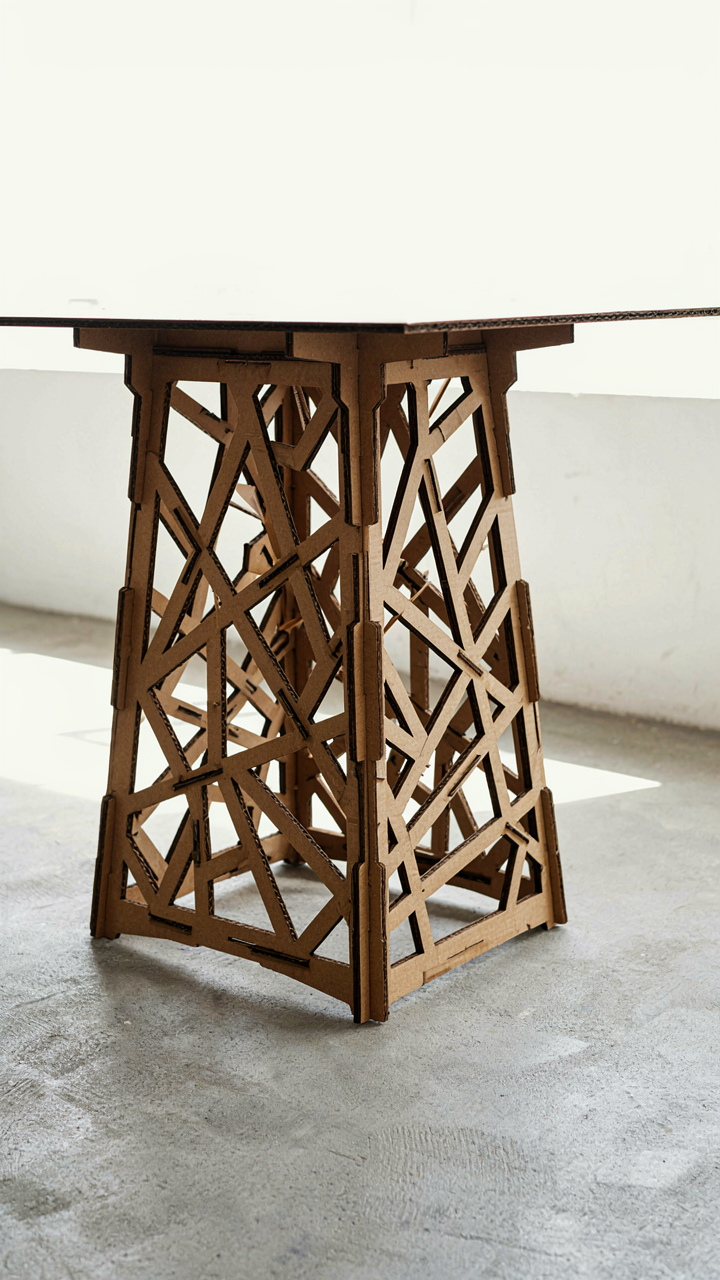
You want cardboard furniture that doesn’t collapse because you’re tired of looking cheap. The real mechanism here is load distribution through geometry, not material thickness. Borrow from structural engineering: a truss system spreads force across multiple points instead of concentrating it at single weak spots. Cardboard gains strength the moment you introduce interlocking joints that force loads to travel diagonally through the structure rather than straight down.

Most DIY cardboard builds fail because they stack flat sheets and trust gravity to behave. Interlocking joints work because they create redundancy. When one connection point experiences stress, the geometry forces adjacent points to share that load. Slot one corrugated panel perpendicular into another at a 90-degree angle, lock them tight, and you’ve eliminated the primary failure mode of cardboard furniture: the crushed corner joint.
Grid Architecture Under Stress
Forget the advice that thicker cardboard automatically means stronger furniture. A grid-based internal support system beats material density every time because it addresses how forces actually move through objects. Think of it like a building’s skeleton: the perimeter walls matter less than the interior columns and beams that anchor everything in place.
Build an internal framework of vertical and horizontal cardboard ribs before you attach the outer skin. Space these ribs 12 to 18 inches apart depending on load requirements. The outer panels become cosmetic. The grid carries the weight. When someone sits on a chair built this way, pressure transfers through multiple rib intersections simultaneously instead of crushing the nearest edge. The structure absorbs force instead of concentrating it at failure points.
The Honeycomb Matrix: Biomimicry For Structural Integrity
Nature’s Load Distribution System
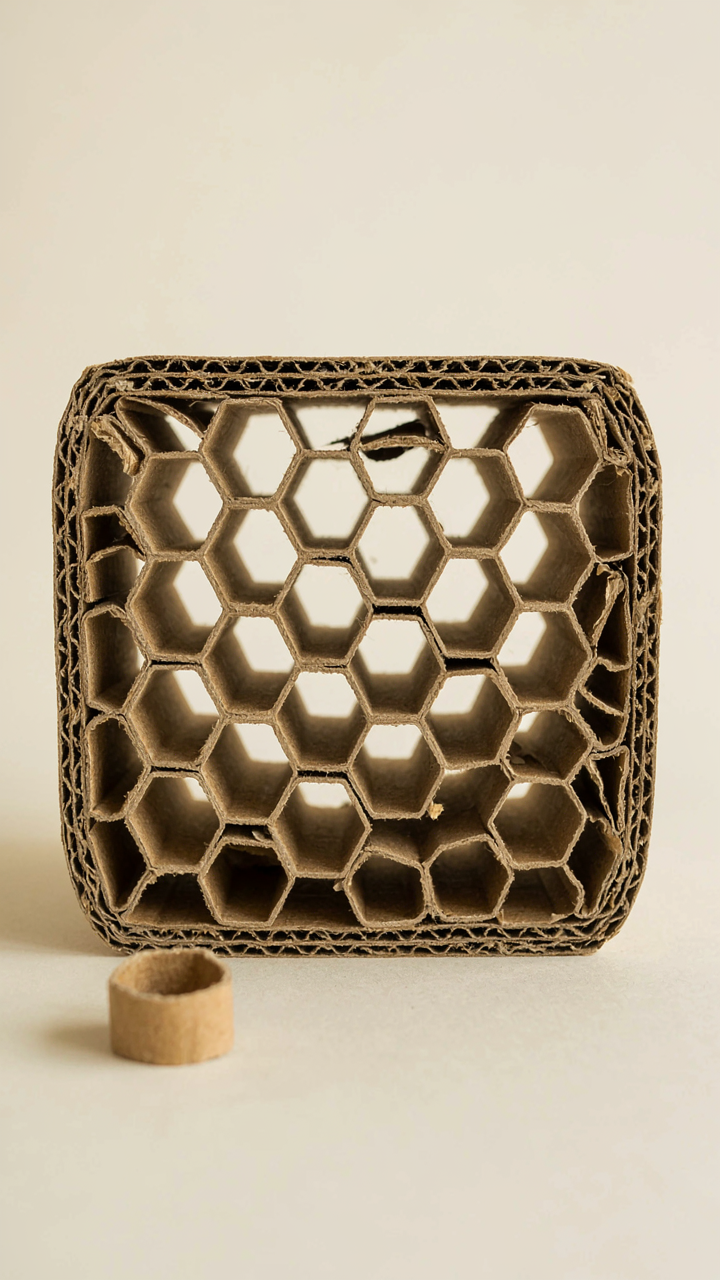
You want to believe cardboard furniture can actually hold weight without collapsing. The mechanism that makes this possible comes directly from biology: the honeycomb principle. In structural engineering, a honeycomb core distributes compression forces across multiple planes simultaneously rather than channeling them through single points. This same principle scales down to cardboard. Hexagonal cells in corrugated cardboard layers don’t just look efficient—they force load to travel through redundant pathways, which is why a thin sheet resists crushing better than solid material of equal weight.

The key difference between cardboard that fails and cardboard that performs is cell alignment. Most manufacturers orient cells vertically for cost efficiency, but this creates a weak axis perpendicular to that direction. Custom furniture makers who understand this control cell orientation deliberately. They stack corrugated sheets so the corrugations run perpendicular to the primary load direction. This simple repositioning turns a flimsy sheet into a beam that won’t buckle under pressure. The stronger piece isn’t thicker—it’s oriented correctly.
The Thickness Paradox That Ruins Designs
Adding more cardboard layers doesn’t automatically create strength. The real work happens in the gap between layers. When you laminate corrugated sheets face-to-face without spacing, you waste material because the outer layers don’t contribute meaningfully to load bearing. The effective zone stays concentrated near the neutral axis. Professional cardboard furniture designers space layers apart instead, creating what engineers call a “sandwich structure.” This moves material away from the center and dramatically increases the moment of inertia—the resistance to bending—without proportional weight gain.
The protocol is straightforward: measure your expected load, calculate the span the furniture must bridge, then model two or three laminated configurations to see which uses the least material while maintaining stiffness. A chair seat might only need seven millimeters of total thickness if structured as a sandwich with quarter-inch spacing between two corrugated layers, versus potentially 20 millimeters of solid lamination that won’t perform better. Test the actual prototype under your weight before finalizing. The math predicts the behavior, but material inconsistency in cardboard stock means prototype testing catches failures before customers do.
The Shear Wall Strategy: Preventing Collapse (Cardboard Chair Project)

Bracing Techniques For Lateral Stability
You want the chair to look deliberate, not like it’ll fold sideways the moment someone sits down and shifts their weight. That’s the real fear underneath this section. The mechanism is shear force, borrowed from structural engineering: lateral loads push sideways on a frame, trying to collapse it into a parallelogram. Cardboard resists this poorly without intervention because its strength runs along the grain, not across it.

The fix is rigid cross-bracing. Run diagonal cardboard strips from the top corner to the opposite bottom corner on both sides of the chair frame. Laminate these diagonals with kraft tape, running it perpendicular to the cardboard grain to lock the fibers. The diagonals don’t need to be thick—they need to be positioned to intercept sideways movement before it starts. Glue them at every intersection point with contact cement or polyurethane adhesive. This converts the chair’s frame from a structure that wants to collapse into one that locks itself rigid.
Triangulation For Inherent Strength
Triangles don’t fail sideways. They fail when the material itself gives out, which is the only failure mode you actually control here. Every other shape under lateral stress converts into a triangle or dies trying. Double-wall corrugated cardboard has inherent triangle strength already in its flute structure, but your assembly doesn’t use that advantage unless you build triangles into the macro design.
Build your seat support as an inverted triangle: wide at the top where the person sits, narrow at the base where legs meet the floor. Run vertical supports from each rear leg to a single front crossbar point. This creates two triangles per side. Reinforce each triangle by gluing a cardboard backing plate across its interior face—this stiffens the entire assembly against twisting and racking. The result holds weight because the shape itself resists deformation, not because the material got thicker.
Beyond The Box: Advanced Carton DIY Techniques
The Right Tool Separates Amateurs From Builders
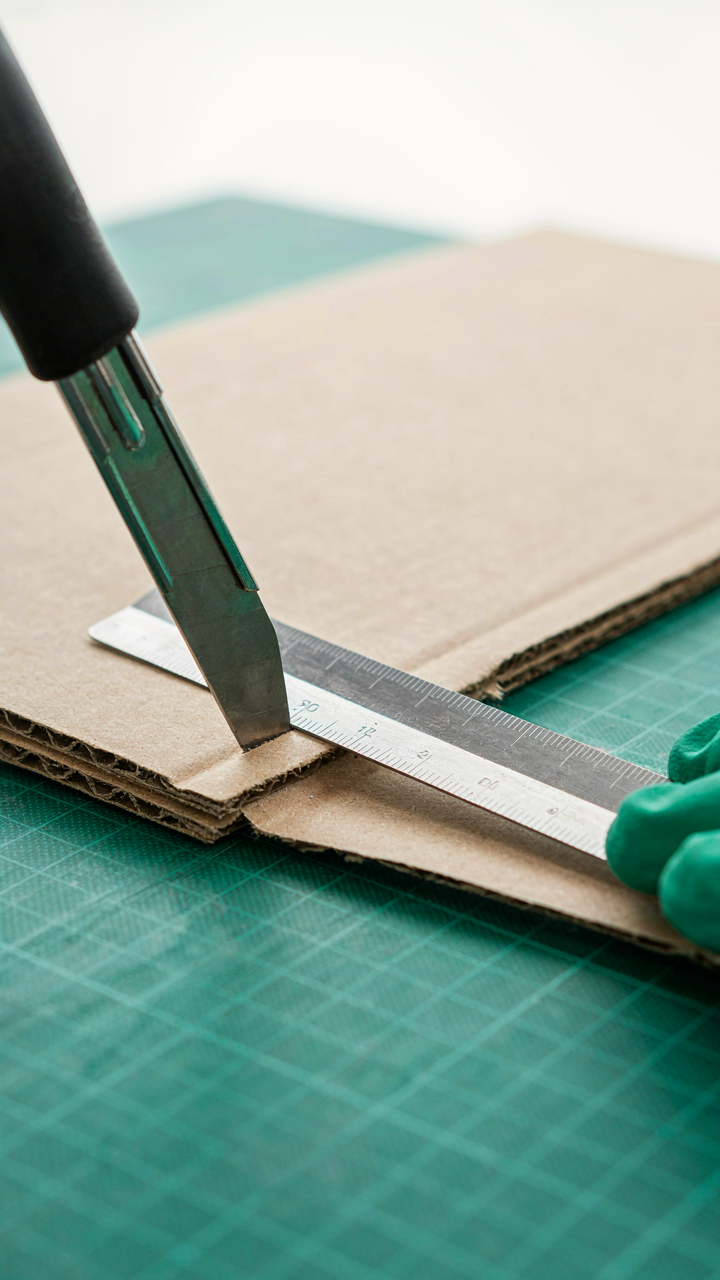
You want this section because you’re tired of looking like you’re playing with a hobby instead of actually engineering something. The mechanism is simple: cardboard fails not because of material weakness, but because cuts distribute stress unevenly. Precision tools eliminate ragged edges where tears initiate. When you cut clean, you preserve the structural integrity of the fibers themselves. This isn’t theory. It’s geometry applied to a real material constraint.
- Utility knife with fresh blades: Dull blades crumble cardboard instead of slicing it. Replace every 3-5 cuts on double-wall stock. A clean cut creates a compressed edge that resists splitting.
- Straight edge metal ruler: Prevents blade wander and keeps cuts perpendicular to the surface. Misaligned cuts create stress concentration points where collapse begins.
- Self-healing cutting mat: Protects your work surface and lets you apply consistent downward pressure without blade deflection ruining your line.
- Box cutter with adjustable depth: Lets you score without puncturing through to the back layer on double-wall. Scoring creates fold lines without structural compromise.
- Rotary cutter for straight runs: Faster than utility knives on long cuts and maintains blade angle automatically. Better for repetitive pieces in batch production.

The cut quality directly determines how much load the joint can handle before the cardboard begins to shear. Most DIY attempts fail here. People rush and leave rough edges that become failure points under weight distribution.
Adhesives That Actually Reinforce The Structure
You don’t need cardboard glue. Common advice tells you to use PVA-based adhesives because they’re “cardboard-friendly,” but that misses what’s actually happening. Structural integrity demands that your adhesive bridge the gap between layers while it cures, not just sit on top. Contact cement creates an instant bond with zero slippage during setup. Epoxy fills micro-gaps and hardens into a material stiffer than cardboard itself, which means the joint becomes stronger than the base material surrounding it.
Polyurethane construction adhesive expands slightly as it cures, forcing itself into every fiber void in the cardboard. This creates mechanical interlock beyond what surface adhesion achieves. The tradeoff is clamping time and cost. For load-bearing joints where cardboard meets cardboard, apply adhesive in a thin bead, clamp for 24 hours, then reinforce the exterior joint with kraft paper tape saturated in the same adhesive. The tape bridges micro-gaps and distributes force across a wider area. This is how you move from fragile to load-rated.
From Dollhouse To Design: Scaling Unique Cardboard Chair Design Principles

Why Prototypes Actually Work Before Full Scale
You want to skip the expensive mistakes and look like you know what you’re doing before committing materials to a full build. That’s the real reason. Here’s the mechanism: scaling problems hide in miniature models. A small prototype reveals load distribution errors, compression points, and joint failures before you waste a sheet of industrial-grade cardboard. Structural engineers use this principle across fields. The small model acts as a stress test at reduced cost.

A dollhouse-scale chair exposes what full-size math alone cannot. At miniature scale, you detect whether your corner reinforcements actually work or just look intentional. If a six-inch prototype collapses under modest hand pressure, the full-size version will fail under actual body weight in predictable ways. Build the small version first. Iterate the failure modes before scaling up.
The Math Behind Cardboard Load Bearing
Translating stability from model to full-size requires understanding one core fact: load doesn’t scale linearly with size. When you double the height and width of a chair, the weight it must support increases by the cube of that dimension change, but the cardboard’s load capacity only increases by the square. Physics calls this the square-cube law, and it governs every cardboard structure that holds a human.
Your miniature test might hold ten pounds with three layers of corrugated. Scaling to full-size doesn’t mean adding three layers everywhere. You add layers strategically at stress points: leg corners, seat support edges, backrest joints. Test the prototype under graduated weight to identify exactly where layers matter most. Then translate those layer patterns to the full build as your structural blueprint.
The Impermanence Fallacy: Designing For Durability (Cardboard Furniture Chair)
Seal The Substrate Against Water
You want cardboard furniture to last because admitting it’s temporary feels like failure. The real mechanism is simple: cardboard fails when water enters the fiber structure and breaks the hydrogen bonds holding cellulose together. Most people skip surface treatment entirely, assuming cardboard is inherently fragile. It’s not fragile—it’s just absorbent. Seal it properly and the material performs.

Polyurethane varnish or epoxy resin applied to all exposed surfaces stops moisture migration before it starts. Two thin coats work better than one thick coat because they cure evenly and prevent bubbling. Apply to edges especially—they’re where water enters fastest. This isn’t decoration. It’s a structural intervention that extends functional life from months to years.
Design Components For Swap Not Repair
Modular construction borrows from manufacturing’s replacement strategy: build items so worn parts come out and new ones slide in, not tear out. Most cardboard chairs fail at stress points—seat surface, leg joints, back support. Design these as replaceable modules from the start. This isn’t about making something temporary. It’s about controlling where deterioration happens and making replacement cost less than rebuilding.
Use mechanical fasteners instead of glued joints wherever load concentrates. Bolts, dowels, or slot-and-tab connections let you remove a damaged section without destroying the frame. The seat panel slots into side supports. The back piece bolts on. When compression wears the seat, you swap that single panel. Everything else stays intact. This approach extends the useful life of the structure while keeping material waste localized to the actual failure point.
The Unseen Engineering: Why Cardboard Furniture Stands
Structure Beats Surface
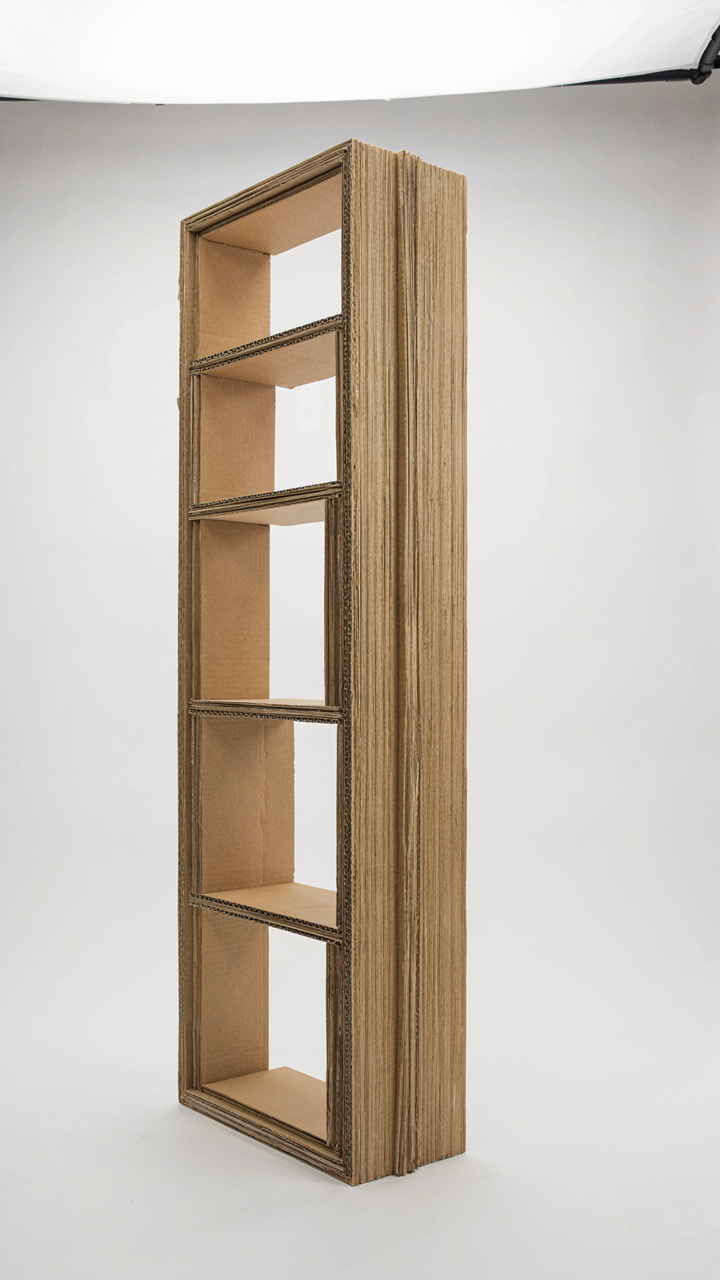
You’re really asking whether cardboard furniture will humiliate you in front of people who matter. That fear is valid. But it’s misplaced. What holds weight isn’t the skin of the material—it’s the internal geometry. Cardboard’s strength lives in its corrugated core, the wavy paper sandwiched between two flat sheets. Those waves act as internal columns. They distribute load vertically, not horizontally. A flat sheet of cardboard tears instantly. Corrugated cardboard resists because the structure does the work, not the surface.
Designers who treat cardboard like thin paper fail immediately. Designers who treat it like engineered material succeed. The difference is architectural thinking. You run vertical flutes perpendicular to the load path. You stack layers. You create boxes within boxes. Kraft paper between corrugations adds rigidity without adding weight. The geometry determines capacity, not the material’s name.
Load Path Architecture
Physics calls this force distribution. Cardboard furniture calls it survival. When you load a cardboard chair, the weight doesn’t push down uniformly—it concentrates at contact points: the four legs. Most furniture disperses that load through a frame. Cardboard can’t cheat physics with hidden steel. It must route force deliberately.
The mechanism is simple: accept the load at one point, spread it across maximum surface area, push it down through aligned material. A cardboard column holds weight because its flutes run vertically. Rotate those flutes ninety degrees and the structure collapses. Laminate multiple layers with flutes in alternating directions and you’ve created a composite that resists twisting and bending. The real engineering is the path you cut, not the material you buy. Test load distribution before assembly by dry-stacking components and checking for flex points before gluing anything down.
Your Fear Of Weak Cardboard Isn’t About The Material; It’s About Your Weak Understanding Of Engineering Principles
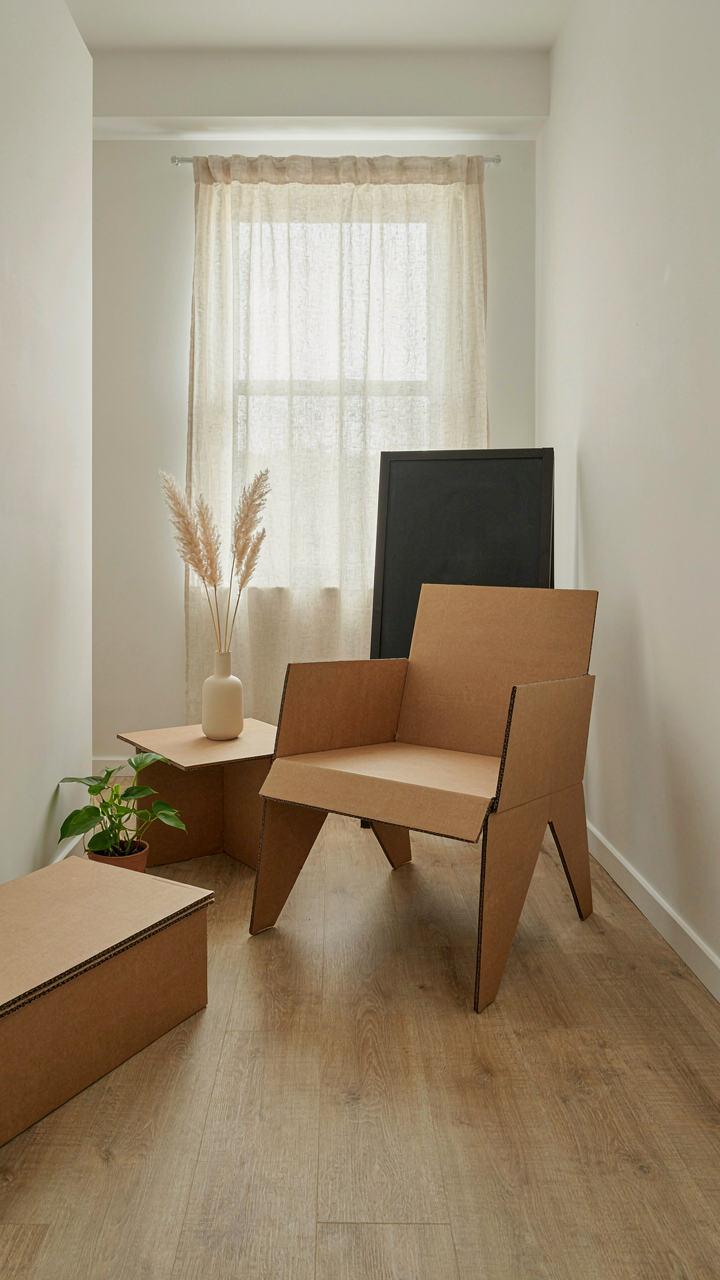
You’ve been conditioned to equate expense with durability. Cardboard furniture terrifies you because your brain learned that cheap equals fragile. But lamination, box design, and load distribution kill that myth instantly. Stop waiting for permission to build. Buy corrugated sheets today and stack them. Watch how they hold. The material isn’t the problem. Your assumptions are.