
The Industrial Reclamation Protocol: Beyond “Rustic”

What Rustic Actually Means Now
You want permission to buy something cheap and call it intentional design. Here’s the mechanism: “rustic” has become a marketing term that lets people skip the actual work of understanding materials and their histories. A cable spool table isn’t rustic because it looks old. It’s functional because the spool’s engineering serves a purpose. The wood came from industrial use, the proportions existed for cable storage, and the weight-bearing capacity was built in, not borrowed from some aesthetic concept.
The confusion starts because actual industrial design had zero concern with how things looked. A cable spool was engineered for stacking, rotating, and surviving jobsite conditions. When you repurpose it as furniture, you’re not adopting a style. You’re using an object that already solved real problems. That’s why it works on a porch. Not because rust and weathering are beautiful, but because the object was built to withstand exactly those conditions. Stop decorating. Start respecting what the object actually is.
Raw Materials Require Real Decisions
The spool itself comes with decisions already made for you, but the finishing work doesn’t. You can leave the wood bare and let weather age it, seal it against moisture, sand it smooth, or apply stain. Each choice changes the lifespan and maintenance rhythm. Bare wood on a covered porch lasts longer than bare wood exposed to rain. Sealed wood resists rot but requires resealing. This isn’t about preference. This is about the physics of wood exposure.
Many people treat finishing as optional or cosmetic. It’s neither. The wood type matters more than you think. Hardwoods like oak hold up better than softwoods under outdoor stress. Pressure-treated lumber resists rot but carries chemical treatment you need to account for if you’re eating or sleeping near it regularly. Your actual decision framework: what’s the exposure level, what maintenance can you sustain, and what material handles both without becoming a liability. Make that choice first. The aesthetics follow the physics, not the other way around.
Wire Spool Ideas: From Junkyard To Jewel, Not Just A Top Coat
Source Spools With Character
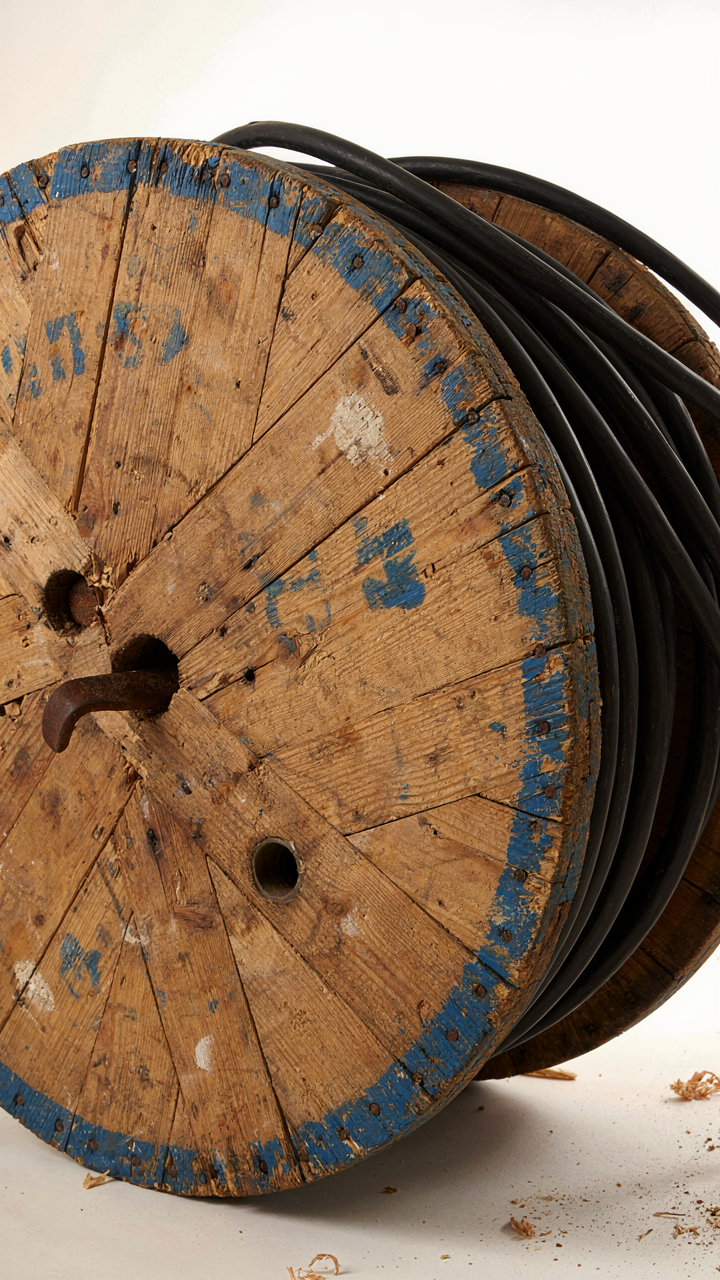
You want this project to feel intentional, not like you’re settling. The mechanism is simple: original spools have visible wear patterns that signal authenticity. Most people sand everything smooth and lose that signal. You’re actually paying a premium for a blank slate when the real value sits in the artifact itself.

Cable spools come in predictable sizes based on their industrial purpose. Smaller spools held telephone or electrical wire. Medium spools carried power distribution cable. Large spools held industrial-grade rope or heavy gauge wire. The wood species, bolt configuration, and rim design vary by era and manufacturer. Hunt for spools with clean structural integrity but visible evidence of use. Salvage yards, demolition sites, and rural properties hold the best inventory. Skip spools with rot, cracking, or missing rim sections unless you plan structural reinforcement.
Preserve Original Markings And Patina
The advice to restore and refinish spools is half-correct and half-backward. You can refinish the functional surfaces without erasing the identity markers. The stamped manufacturer name, load capacity ratings, and bolt patterns tell a story. Paint over those and you’ve deleted the object’s resume.
Sand only the top surface if you plan to use it as a table surface. Leave the rim and outer edges untouched. The weathered paint, rust stains, and embossed manufacturer stamps work harder than any stain you apply. One coat of clear matte sealant protects the patina without changing it. This approach takes less time and costs less money than full restoration, and the result looks deliberate instead of diluted.
Spool Table Ideas: The “Less Is More” Doctrine Of Function

Function Over Decoration
You want this to look intentional, like you didn’t just repurpose industrial waste. But the real mechanism at play is that a cable spool becomes useful only when you stop treating it as a blank canvas for styling. The structure already exists. Your job is to extract what it does well, not hide what it is. A cable spool’s circular top and hollow center aren’t design flaws you fix with stain and fabric. They’re the functional skeleton that determines everything else.
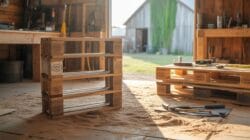
The economics of industrial design teaches this: constraint drives clarity. A spool can’t store items underneath without a shelf. It can’t seat four people without extension. It can’t survive weather without finish. These aren’t problems to solve with decoration. They’re the actual design brief. Build the table around what the spool physically allows, not what you wish it could do. The best cable spool tables look like someone understood the material first, then solved for actual use.
Modular Design Meets Real Constraints
A cable spool table works best when you treat it as one component in a system, not a finished object. The spool itself is modular by accident: the hollow center accepts inserts, the top surface stacks, the base can support additions. But most people ignore this and build a table that does one thing well and everything else poorly. You’re choosing between a dining surface and a storage unit, between weatherproofing and aesthetics, between portability and stability.
The play is to add modular layers that handle specific functions separately. A removable lazy susan on top for serving. A hinged frame that slides into the center cavity for hidden storage. Legs that bolt on or off depending on whether you’re using it as a low coffee table or a standing bar height. Each component solves one problem without compromising the others. This approach lets you adapt the same spool to different spaces and seasons instead of building a compromise table that satisfies nothing fully. Test each addition independently before permanently installing it.
Cable Spool Furniture Ideas: Engineering Practicality

How Wood Actually Moves
You want this table to last because replacing it means admitting you made the wrong call on materials. Here’s what nobody tells you: wood moves. Not metaphorically. Physics governs this. Engineers call it “dimensional change”—wood expands and contracts based on moisture content, and a cable spool’s cross-grain construction makes it vulnerable to stress at the joints. The flanges and drum expand and contract at different rates depending on grain direction. Mismanaging this kills your table in two seasons.

The real mechanism is radial versus tangential shrinkage. The outer rings of the wood spool shrink faster along the growth rings than they do from the center outward. This creates internal stress. Your table doesn’t fail because you used bad wood. It fails because the bolts holding the flanges to the drum become pressure points where the wood splits. Prevention requires accounting for this movement before assembly. Use construction bolts that allow fractional movement, not rigid fasteners. Pre-drill oversized holes slightly, or apply a flexible epoxy sealant at stress joints that accommodates expansion without cracking.
Chemistry That Actually Protects
Most advice on sealing cable spools stops at “use exterior stain.” That’s incomplete. Stain is pigment suspended in binder. It protects the aesthetic, not the wood. Wood protection requires a chemical barrier that either repels water or locks it out. Polyurethane and oil-based poly create a surface film. Water-based poly dries faster and allows the wood to breathe, reducing internal pressure from trapped moisture. Here’s the tradeoff: film finishes scratch and peel in high-traffic outdoor conditions. They need reapplication every two to three years.
The superior move for patios is penetrating sealant combined with annual maintenance. Penetrating oils like tung oil or Danish oil soak into the grain and harden in place, creating a barrier from inside the wood rather than on top. They won’t film over or peel because they’re not sitting on the surface. Reapply once yearly to maintain protection. For cable spool tables taking direct weather exposure, alternate between penetrating oil and water-repellent sealant containing mildew inhibitors. This dual-layer approach addresses both moisture infiltration and biological degradation at the mechanism level.
DIY Wooden Spool Projects: The Craft Vs. Construction Paradox

When Speed Kills The Finish
You want this done fast because you’re measuring yourself against someone else’s completed patio table. Here’s the mechanism: most people treat a cable spool project like assembly, not construction. In systems thinking, this is the difference between a component and a structure. A spool arrives intact, so builders skip the foundation work and jump to stain. That’s backward. A cable spool sitting on uneven ground will rock. Legs need shimming or the top will crack as it settles.

The gap between “quick weekend project” and “lasts five years” is not time spent—it’s decisions made before you touch the spool. Fast finishes fail because they skip the invisible work: checking level, reinforcing stress points, and protecting end grain before weather hits. Rushing compounds. One loose bolt after six months becomes a wobbling frame after one year. Start by accepting that the real build happens during inspection and prep, not assembly and finishing.
The Right Tools Matter More Than Having Many
Don’t listen to the generic advice that you need a full workshop to build a spool table. You don’t. You need precision over quantity. A 24-inch level, a power drill with a countersink bit, and a compound miter saw cover 80 percent of the actual work. Everything else is optional. The spool itself is already round and jointed—you’re not milling lumber from rough stock.
Where most DIY builds fail is they invest in tools to look prepared, not tools to work precisely. A cheap level gives you wrong information. A quality drill with proper bits prevents stripped fasteners. A saw that doesn’t cut square means joints don’t seat flush, creating stress concentration points. Buy the $40 level. Buy the $80 drill. Skip the $200 router you’ll use once. Work methodically with fewer, better tools and you’ll build something that doesn’t need repairs.
Rustic Cable Spool Furniture: The Paradox Of Rustic Minimalism

Stop Treating Damage Like Design
You want people to think you’re authentic without actually doing the work to source something authentic. That’s the real motive here. The mechanism is simple: most cable spool tables sold today come pre-distressed, which means someone in a factory applied fake wear patterns to make raw wood look lived-in. This is theater, not design.

Real cable spools that worked in industrial settings show wear in specific places: the rim edges where wire friction accumulated, the top surface where equipment sat for years, the base where casters or feet created contact marks. Factory distressing hits random spots with stain and gouges. The difference is the difference between evidence and imitation. You see it immediately once you know what to look for.
The Weight Of Time Versus Aesthetics
Authenticity in industrial design follows a principle borrowed from archaeology: stratification, where layers of use create a visible timeline. Your cable spool table should show evidence of what actually happened to it, not what you wanted to happen. A spool that carried electrical cable for five years has different marks than one that held steel wire. The wood grain patterns, the rust stains on fasteners, the compression in the wood fiber itself all tell a specific story.
Stop refinishing cable spools down to bare wood to start fresh. That erases the history you’re actually paying for. Instead, light cleaning removes surface dirt while preserving the patina underneath. The original finish, the fading, the slight warping from weather exposure in a warehouse—these are the actual design elements. Seal what’s there rather than sand it away, and you keep the spool’s real timeline intact.
Wooden Cable Spool Furniture: The “Durability Dividend” Method

Why Wood Density Beats Everything Else
You want your table to last a decade without replacing it. That’s the real calculation here. Wood density determines rot resistance, and rot resistance determines whether you’re replacing this thing in three years or ten. The mechanism is simple: dense wood has fewer air pockets for water and fungal spores to colonize. Softwoods like pine absorb moisture like a sponge. Hardwoods like oak and hickory shed it.

Cable spool tables made from dense hardwoods outlast soft alternatives by multiple years because the wood fibers pack tighter and resist decay organisms. Density also correlates with hardness, which means dents and dings don’t crater as easily. This isn’t preference. This is material science. A spool made from reclaimed oak will outperform a new spool made from treated pine in the same climate because the oak’s cellular structure was simply built denser.
Joinery As Load Distribution Strategy
This borrows from structural engineering: think of joinery as load distribution. A single bolt under tension fails faster than multiple fasteners sharing the load. Cable spool tables fail at the connection points because people screw legs directly into the spool’s thin outer rim. The rim can’t handle concentrated force.
Real durability comes from spreading stress across multiple joints using mechanical advantage principles. Mortise and tenon joints, lag bolts through reinforced blocks, and cross-bracing distribute weight rather than concentrating it at one failure point. A leg bolted through a wooden block that’s themselves bolted to the spool spreads the load across grain and wood mass. This stops the rim from splitting or loosening. Install blocks on the underside of the spool face, then bolt legs through those blocks into the spool’s center cylinder where the wood is thickest and strongest.
Wire Spool Ideas DIY: The “Deconstructed” Aesthetic

Show The Frame, Don’t Hide It
You want people to know you built this yourself because buying it pre-made means nothing anymore. The mechanism is simple: contrast reveals intention. When you leave the wooden rim exposed, the metal bands visible, the bolt heads unfinished, you’re showing the structure instead of masking it. This is borrowed from industrial design, where engineers stopped apologizing for load-bearing elements and started treating them as the visual focal point. On a cable spool table, this means no paint coating the rim, no veneer smoothing the face. Let the construction speak.

The practical move is to sand the wood just enough to remove splinters and dirt, then stop. Leave the original markings stamped by the manufacturer. Seal it with clear matte finish if you need protection from weather, but nothing that changes the wood’s color or character. The metal bands stay as-is, rust patina and all. This approach costs less and takes less time than attempting a false finish. Your table reads as honest rather than precious, which is the entire point of the deconstructed aesthetic.
Materials That Conflict On Purpose
- Raw wood rim with polished concrete base: The spool sits atop a concrete pour that’s been ground smooth. The tension between rough grain and reflective surface creates visual friction that draws the eye.
- Galvanized steel bands paired with weathered reclaimed wood top: Install a thick reclaimed wood slab across the spool opening. The silvery metal and aged wood fiber complement each other through contrast, not harmony.
- Blackened steel legs with untreated pine: Weld four steel legs to the underside, charred or powder-coated matte black. The pale wood top intensifies the darkness of the metal base.
- Natural rope wrapped around metal rim: Coil marine rope around the metal bands, securing with stainless fasteners. This adds texture and warmth where the spool was designed to be purely utilitarian.
- Bare metal spool with marble or slate inlay: Cut a circular stone top to fit the spool opening. Butted against raw steel, stone reads as intentional luxury interrupting industrial neutrality.
The goal isn’t matching. It’s weaponizing opposition. When materials don’t naturally belong together, they demand attention because they violate expectation. You install these combinations not because they’re coordinated, but because the friction between them signals that someone made deliberate choices. The mechanism that makes this work is recognition of constraint: your patio either has strong sunlight or shade, concrete or grass underfoot, modern house or period structure. Match the material conflict to that existing context, and the table becomes an anchor rather than an accessory. Let the materials do the work of preventing the table from disappearing into the background.
Spool Table: From Discarded To Desired, Without The Fluff

Why Cable Spools Command Attention Now
You want permission to buy something cheap and call it a design choice. The real mechanism is supply constraint. Economics teaches us that scarcity drives perceived value, and cable spools exploit this perfectly. They’re industrial waste. Electrical contractors discard thousands annually. You acquire one for free or twenty dollars, and suddenly you own something most people can’t find at a retail store. The gap between acquisition cost and market positioning creates the illusion of discovery.
This gap is deliberate, not accidental. Furniture makers recognized that industrial salvage carries authenticity weight in rustic design. A spool table signals you know where to source materials, not that you paid premium prices. That distinction matters to people building spaces with intentional aesthetic direction. The scarcity isn’t real—supply is abundant if you contact local electrical contractors—but perceived scarcity is all that drives desire.
The Story Your Choices Tell
Forget the narrative that spool tables are a universal rustic solution. Your specific decision about which spool, how you finish it, and where you position it in your space is the actual design signal. A contractor-grade industrial spool left untreated communicates differently than one sanded and stained to match existing wood tones on your porch. That choice reveals whether you’re committed to authentic industrial aesthetics or softening the look toward farmhouse conventionality.

Your patio or porch tells the story of these decisions. If you sourced the spool from a local supplier, refinished it yourself, and built it into a furniture arrangement that serves actual function—not decoration—that work becomes visible to anyone who spends time in the space. The mechanism is consistency between material choice and execution. A neglected spool table looks abandoned. An intentional one demonstrates you understand the tension between raw industrial forms and domestic comfort, and you’ve chosen a side.
Your Patio Reflects Your Mind: Clutter Is Cowardice, Clarity Is Power

Most people treat their outdoor space like a storage unit. A cable spool table forces a choice: curate or capitulate. You’re building intentionality, not filling void. Pick one spool today. Sand it. Stain it. Put it on your porch. The friction you feel doing this is you shedding mediocrity. Your environment either pulls you toward growth or drags you into decay.