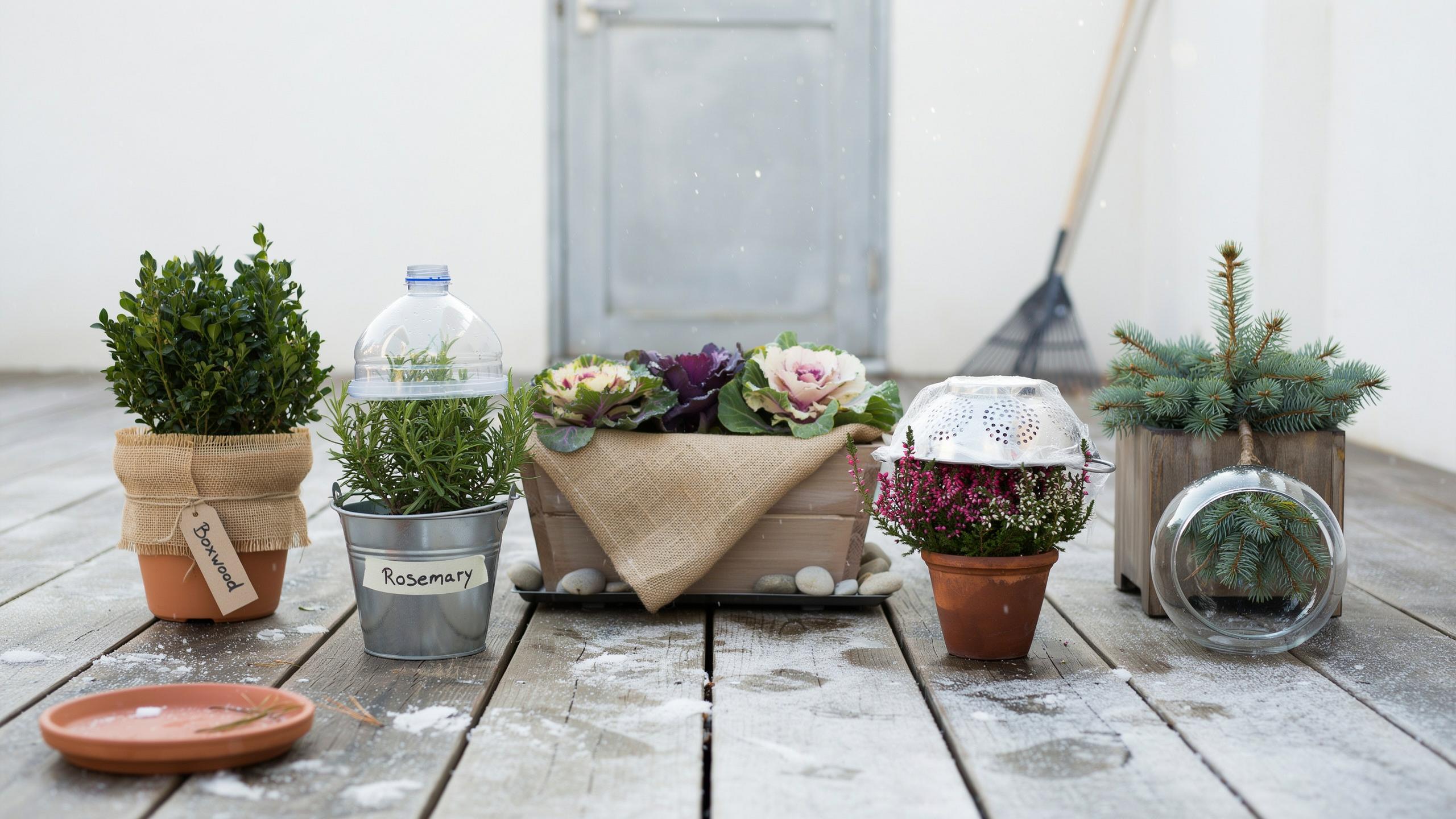
Understanding The Risks To Your Winter Plants And Containers
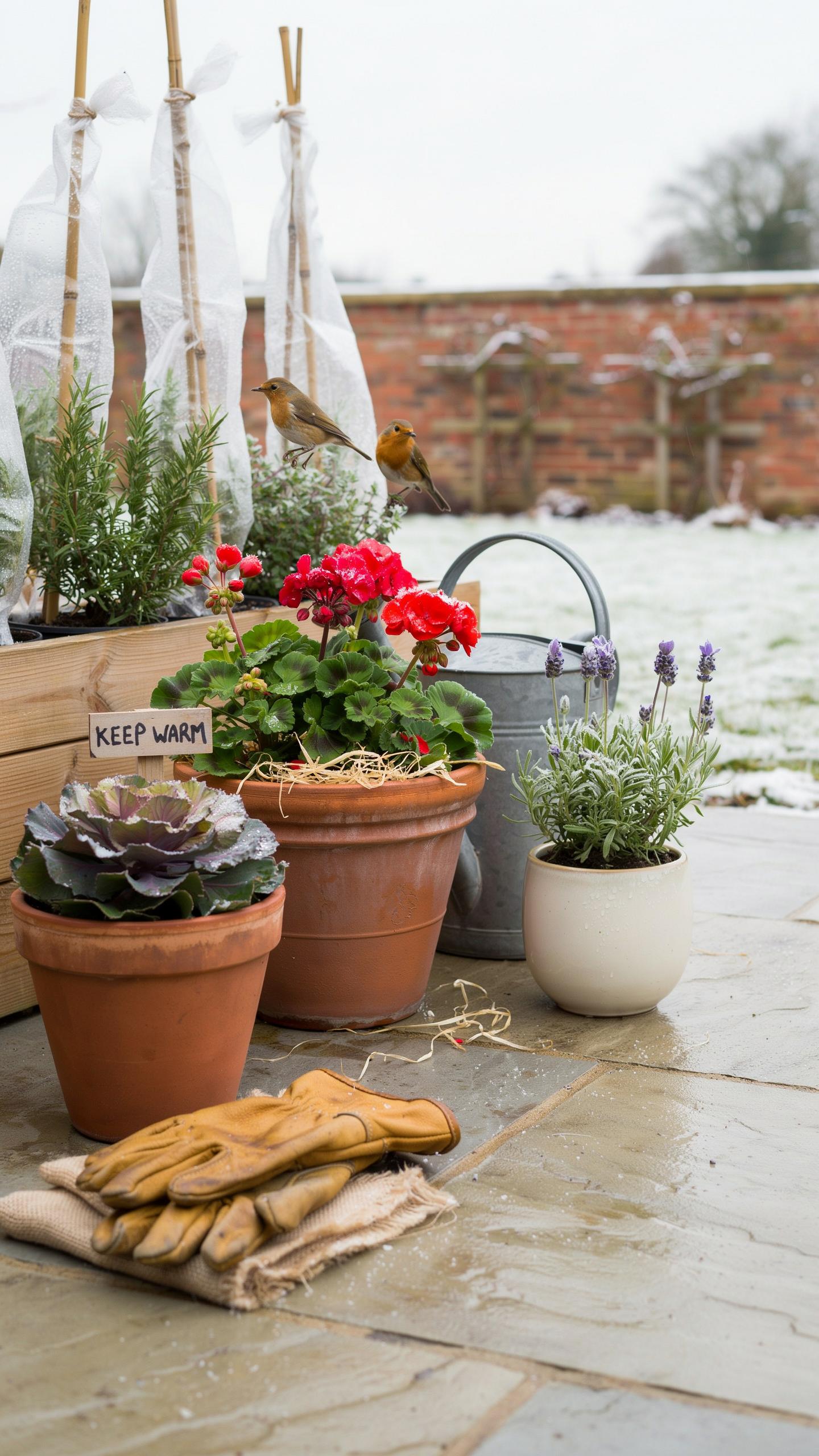
How Freezing Temperatures Damage Root Systems In Pots
Container plants face a specific vulnerability that ground-planted specimens avoid. Roots in pots have no access to deeper, warmer soil layers. When soil temperature drops below freezing, ice crystals form within the potting medium. This expansion ruptures cell walls in root tissue, killing the root system outright. Recovery becomes impossible once this damage occurs.
The damage accelerates when soil moisture content is high. Wet soil freezes faster and expands with greater force than dry soil. Containers made from porous materials like clay absorb water and transmit cold directly to root zones. This compounds the problem in winter months when drainage slows and soil stays wet longer than it should.
Recognizing Frost Sensitive Varieties In Your Container Garden
Frost sensitivity depends on the plant’s native climate and genetic makeup. Tropical and subtropical plants suffer damage at temperatures above freezing. Citrus, hibiscus, and bougainvillea die back at 32 degrees Fahrenheit or higher. Temperate zone plants tolerate much colder conditions because their tissues contain natural antifreeze compounds that protect cells during dormancy.
You identify frost sensitive plants by researching their hardiness zones before winter arrives. The USDA Hardiness Zone Map provides accurate cold tolerance data for most species. A plant rated for Zone 9 cannot survive unprotected in Zone 5 winters. Moving these containers indoors or providing structural protection becomes mandatory in cold climates. Native ground covers and perennials already adapted to your region require minimal additional protection.

Affordable Winter Plant Protection Ideas For Small Budgets
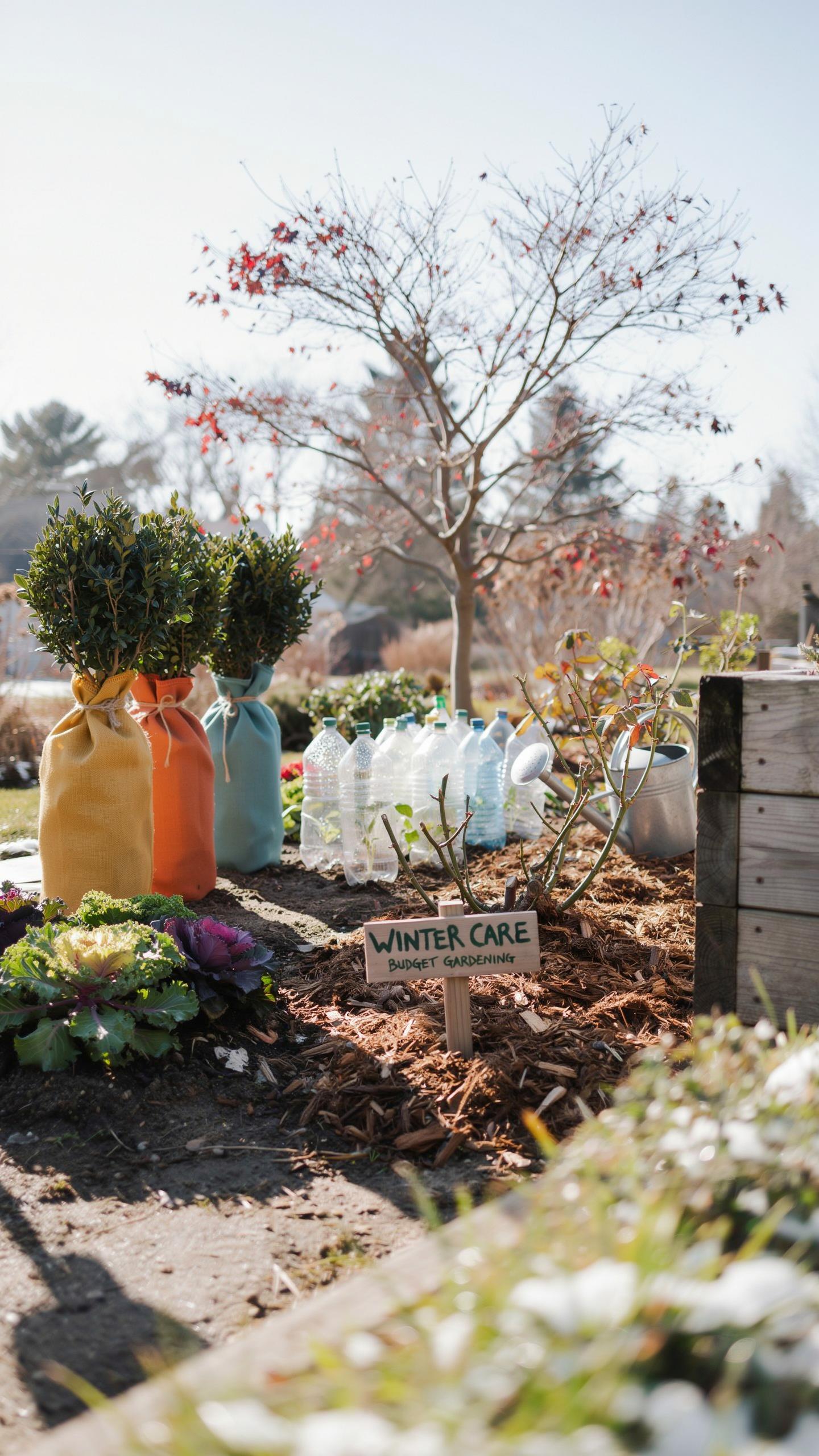
Grouping Pots Together For Natural Thermal Mass
Clustered containers retain heat better than isolated ones. When pots sit close together, they create a microclimate. The soil in one container radiates warmth to neighboring pots. This shared thermal energy slows heat loss to the surrounding air. Grouping also reduces wind exposure on all sides. Position pots in rows or tight clusters against a south-facing wall when possible.
The mass of multiple containers absorbs daytime heat and releases it slowly at night. Larger pots contribute more thermal mass than smaller ones. Combine big and small containers strategically to maximize this effect. Group tender plants in the center where they receive protection from hardier perimeter plants. This arrangement costs nothing but requires planning before the first freeze arrives.
Essential Budget Friendly Materials To Collect Before The First Freeze
Start gathering materials now instead of buying expensive commercial covers. Most items you need already exist in garages, sheds, or recycling bins. Act early because material availability drops once winter weather starts. Free or cheap materials perform as well as pricey alternatives when applied correctly.
- Burlap and old fabric: Reclaimed burlap from feed stores, old sheets, or blankets insulate container sides and wrap around foliage without restricting air circulation significantly.
- Straw and leaves: Pile dried straw or shredded leaves around pot bases to insulate root zones from freezing temperatures without compacting or holding excess moisture.
- Cardboard boxes: Collect empty boxes to create windbreaks around vulnerable plants and shade pots from harsh sun that causes freeze-thaw cycles damaging roots.
- Newspaper: Layer newspaper under and around containers for insulation and moisture control, replacing it when it breaks down over the winter season.
- Plastic sheeting and bags: Clear plastic sheeting or heavy-duty bags create temporary covers for frost events, providing quick protection when temperatures drop unexpectedly.

Organize collected materials in one accessible location before cold weather arrives. Check items for tears, mold, or contamination before storage. Store materials in a dry place where you can reach them quickly during freeze warnings. This preparation prevents last-minute scrambling when frost threatens your plants.
How To Protect Potted Plants In Winter Using Insulation Techniques
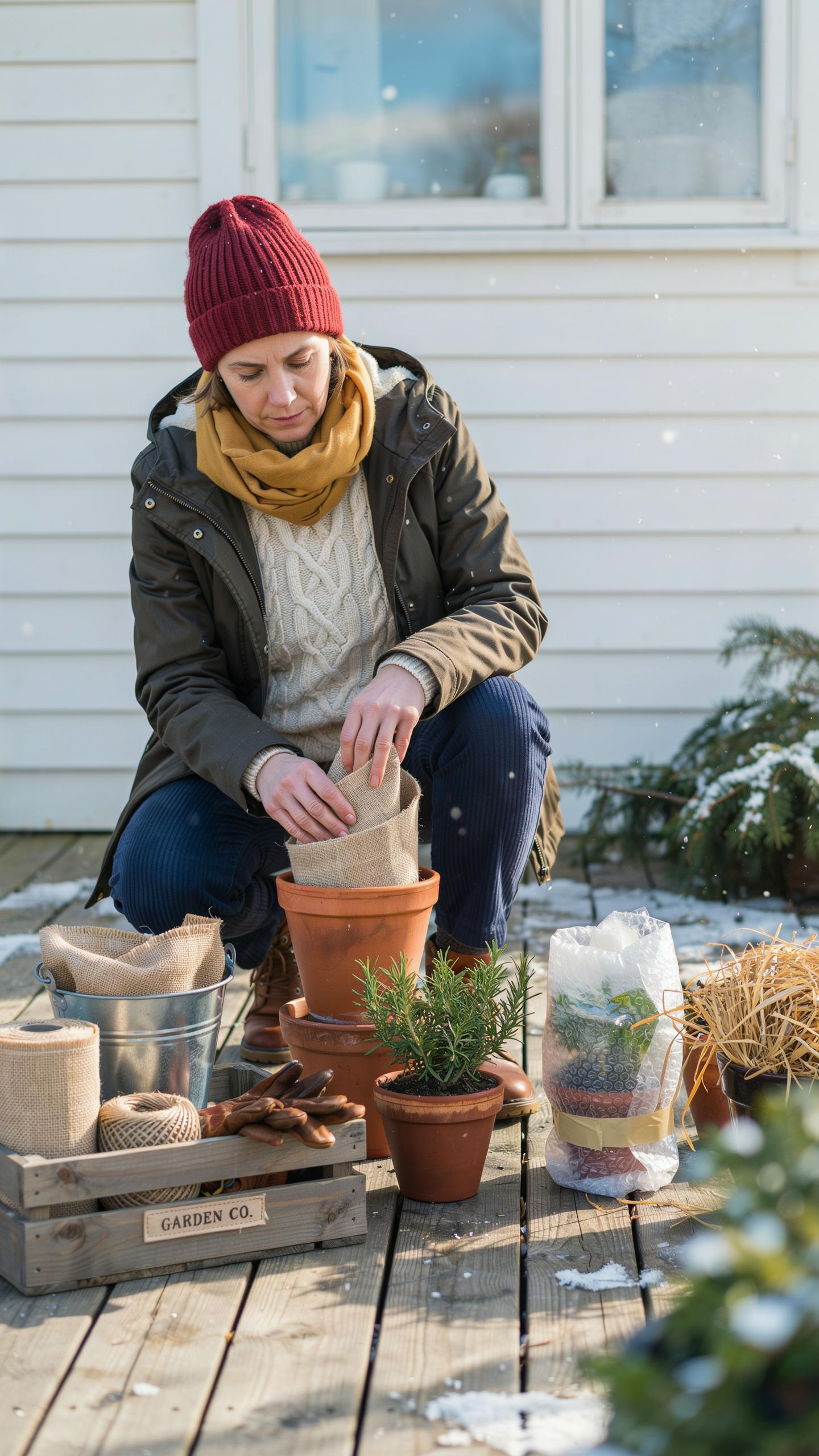
Wrapping Pots In Bubble Wrap And Hessian Fabric
Bubble wrap insulates container walls by trapping air pockets against the soil. This reduces heat loss through the pot’s sides, keeping roots warmer during freezing temperatures. Wrap the entire exterior of the pot, leaving the top soil surface exposed. Secure the wrap with twine or tape. Double-layer bubble wrap on pots holding tender perennials or tropical plants for extra protection in harsh climates.
Hessian fabric (burlap) works as a secondary layer over bubble wrap or alone on smaller pots. It blocks wind, which accelerates moisture loss and temperature drops around containers. Hessian breathes, allowing soil to release excess moisture while retaining heat. This natural fiber degrades over time, so replace it annually. Combine bubble wrap and hessian for maximum protection in zones with temperatures dropping below freezing for extended periods.
Utilizing Mulch And Straw To Shield Sensitive Soil Layers
Mulch placed on top of container soil acts as an insulating blanket for root systems. Wood chips, shredded bark, or compost reduce soil temperature fluctuations by blocking direct exposure to cold air. Apply mulch two to four inches deep, keeping it one inch away from plant stems to prevent rot. This barrier maintains soil warmth when outdoor temperatures dip below the soil’s freezing point.

Straw provides lighter insulation than mulch and works well for shallow containers or delicate plants. Spread straw evenly across the soil surface to a depth of three inches. Straw compacts over winter, so add more in mid-season if needed. Remove or thin mulch and straw in early spring before new growth emerges to prevent fungal issues and allow soil to warm naturally.
Smart Ways To Protect Plants From Freezing Using Microclimates
Strategic Placement Along South Facing Walls And Foundations
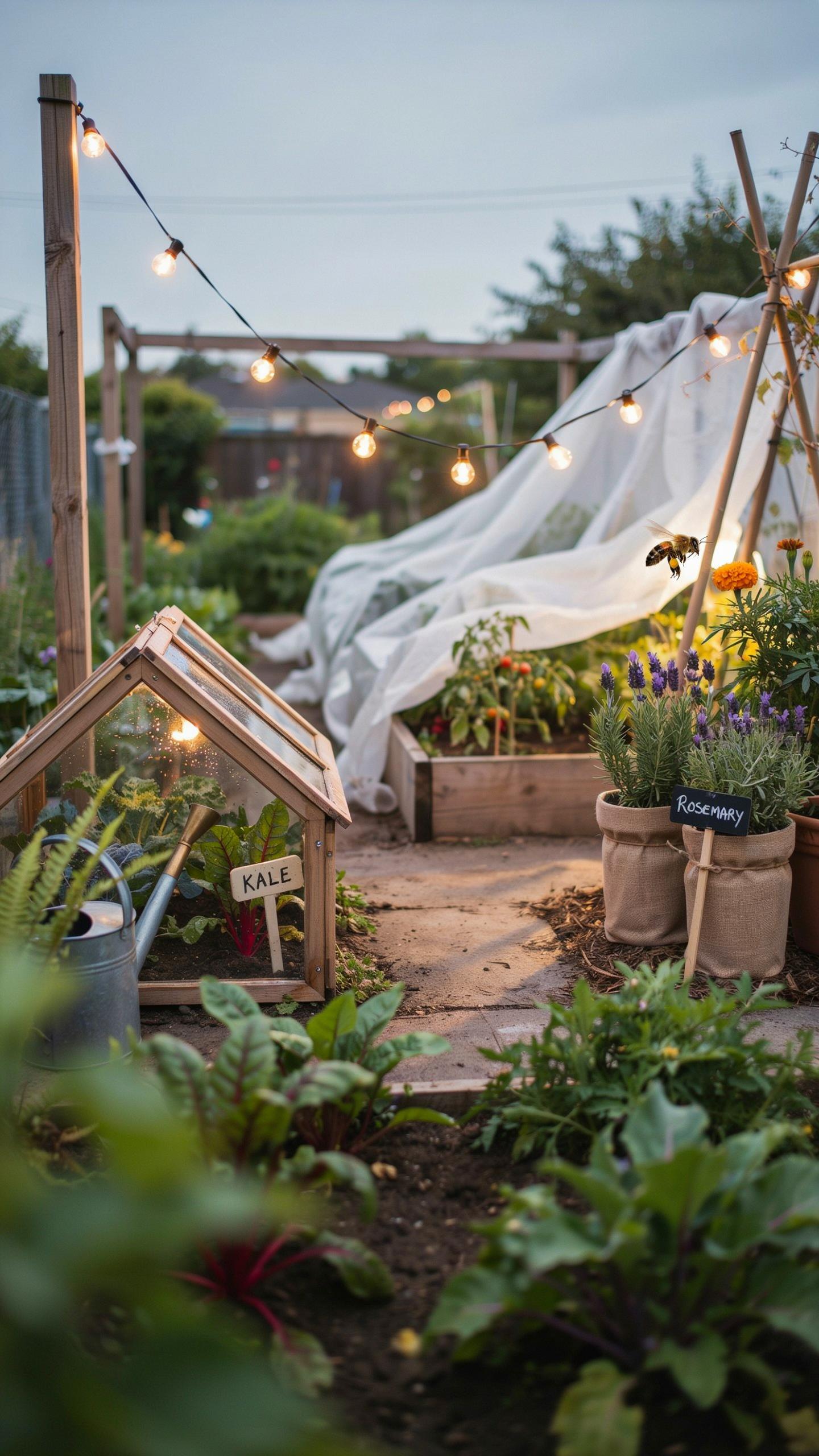
South facing walls absorb and radiate heat during the day. This stored heat radiates back at night, creating a warmer zone around the wall. Container plants positioned against these surfaces experience temperatures 5 to 10 degrees Fahrenheit higher than open garden areas. Foundations amplify this effect because they trap and hold thermal energy longer than surrounding soil.
Foundations also provide wind protection on the leeward side. The combination of reflected heat and wind blockage creates a microclimate that significantly reduces frost damage risk. Place containers directly against the wall rather than several inches away. This positioning maximizes heat transfer and minimizes cold air exposure during critical freezing hours.
Utilizing Overhangs And Porches To Deflect Cold Winds And Heavy Snow
Overhangs block heavy snow from accumulating on container plants and crushing them under weight. They also protect foliage from ice damage that occurs when frozen precipitation coats leaves and branches. Cold winds accelerate moisture loss and freeze damage in exposed containers. Porches and covered areas reduce wind exposure by up to 80 percent depending on design and orientation.

Position containers under roof overhangs at least two to three feet from the drip line. This distance prevents water runoff from creating ice dams around containers while maintaining protection from wind and snow. Ensure containers still receive adequate light for their specific species requirements. Verify drainage remains functional so water does not pool under the overhang.
How To Cover Plants For Winter With Household Items
Using Old Blankets, Bedsheets, And Cardboard Boxes Effectively
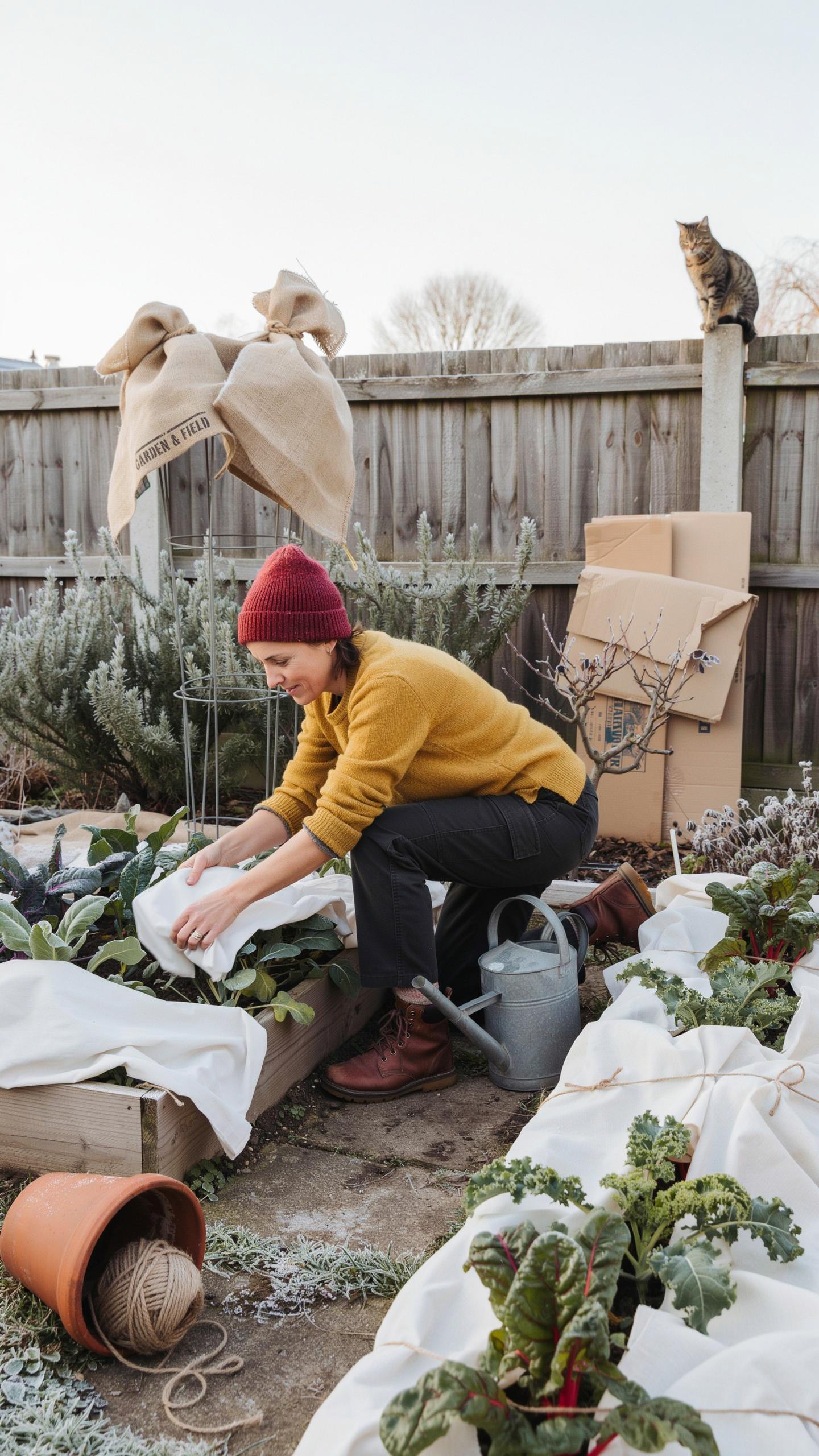
Old blankets and bedsheets work because they trap air around plants and slow heat loss. Drape them directly over containers at night when temperatures drop below freezing. Remove coverings during the day to allow sunlight and air circulation. Wet fabric conducts cold faster than dry fabric, so replace damp coverings with dry ones.
Cardboard boxes provide rigid structure that protects plants from wind damage and ice accumulation. Cut ventilation holes in box sides to prevent moisture buildup that causes rot. Place boxes over containers before the first freeze. Stack multiple layers for extra insulation in regions with extreme cold.
Securing Your Coverings Against Strong Winter Gusts
Wind rips covers off plants and exposes them to freezing temperatures. Use stakes, weights, or soil to anchor blankets and sheets at the base of containers. Bury the edges of coverings in soil or mulch around pot rims. Secure cardboard boxes with rope tied around the container or stakes driven into the ground nearby.

Test your securing method by applying pressure to the covering as if wind is pushing it. The cover should not lift or shift. Replace damaged securing materials before storms arrive. Check coverings after heavy wind to ensure they remain in place and protecting plants underneath.
DIY Plant Covers For Winter And Cold Frame Hacks
Step By Step Guide To Building A Simple Plastic Bottle Cloche
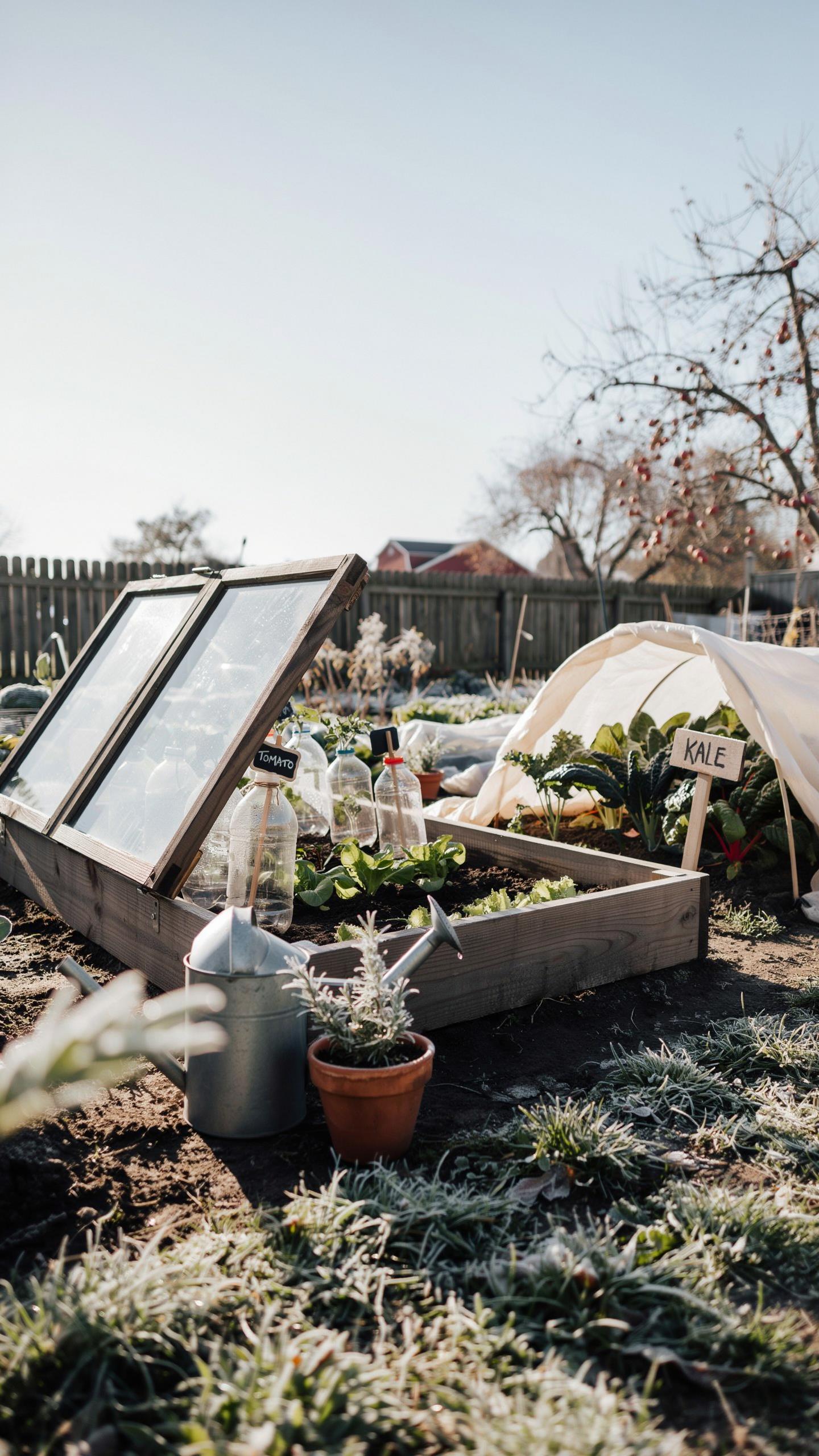
Plastic bottles trap heat and block wind. Cut the bottom from clean two liter bottles or milk jugs. Place the open end over seedlings or small container plants. This creates an instant microclimate that raises temperatures around the plant by five to ten degrees Fahrenheit on average.
- Two liter beverage bottles: Most common size. Fits over single potted plants. Easy to remove for watering and air circulation on mild days.
- Milk jugs: Larger capacity holds more heat. Cut wider openings for bigger plants. Provide good insulation for roots in shallow containers.
- Clear plastic takeout containers: Stack multiple containers for height. Transparent design allows maximum light penetration. Works well for herbs and leafy greens.
- Wine bottles and glass jars: Reuse glass for decorative cloches. Heavier than plastic so they stay in place during wind. Slower to heat and cool than plastic alternatives.
- Soda bottle walls: Stack bottles in a circle around plants. Creates wind barriers that reduce evaporation. Multiple bottles retain more heat than single covers.
Ventilation prevents mold and fungal disease inside bottles. Leave the cap off or drill small holes near the top. Rotate or remove bottles on warm winter days to prevent overheating. Check soil moisture regularly since bottles reduce water loss significantly.
Constructing Minimalist PVC And Polythene Sheet Tunnels
PVC pipe frames support polythene sheeting without complicated joinery. Use half inch PVC bent into arches over container rows. Connect parallel arches with horizontal supports using PVC couplers and fittings. This structure costs less than greenhouse kits and assembles in hours without tools beyond a hacksaw.

Polythene sheeting comes in various thicknesses. Four mil thickness provides adequate insulation for most winter conditions. Six mil sheeting lasts longer and handles wind better. Drape the sheeting over PVC arches and secure edges with soil, landscape pins, or clips to prevent wind lift. Create small vents by rolling up polythene at each end during mild weather to release excess moisture and prevent disease.
Watering And Maintenance During Cold Winter Months
The Critical Importance Of Watering Soils Before A Hard Frost
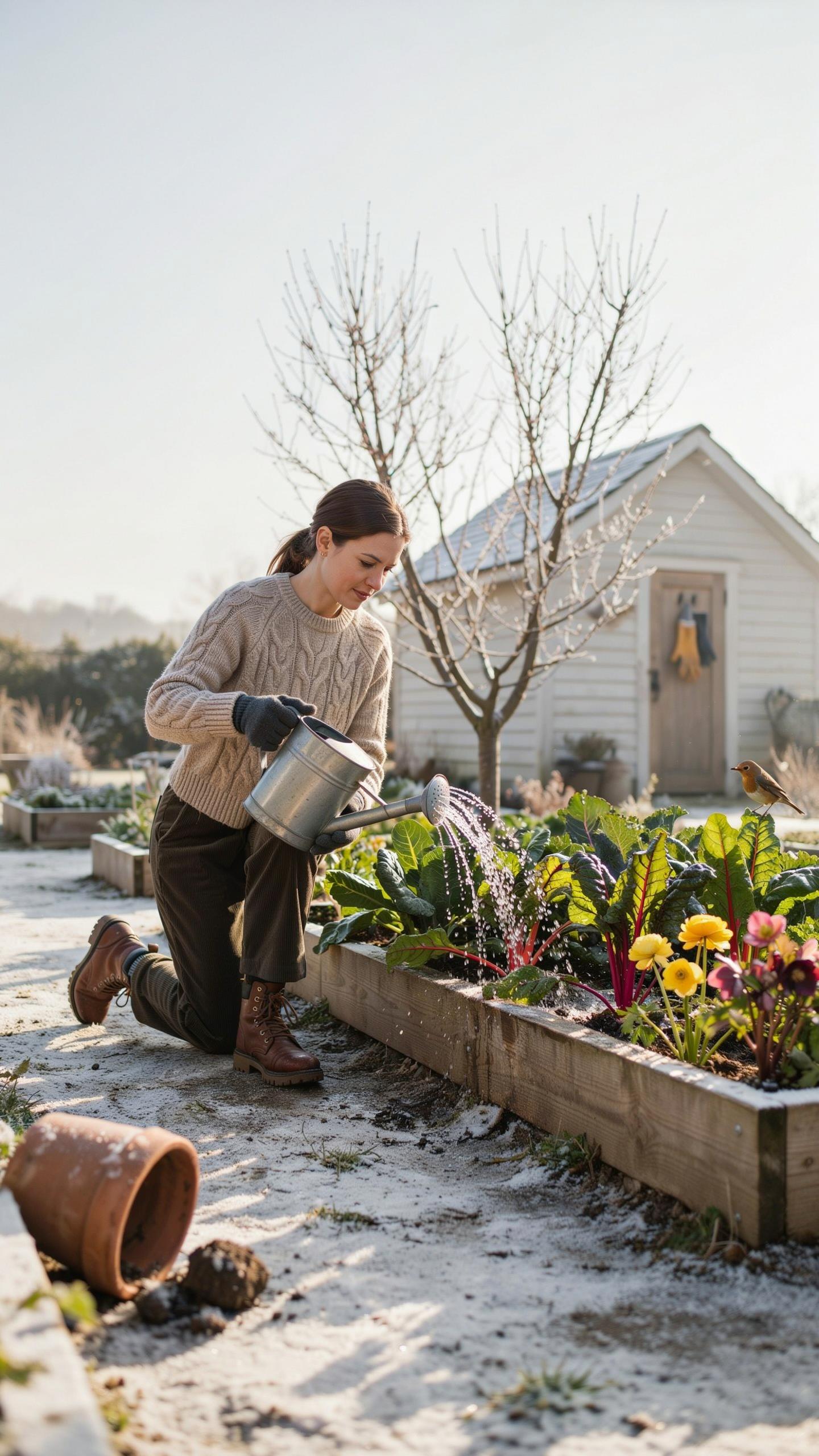
Dry soil freezes solid and expands with force. Wet soil holds water that conducts cold more slowly through the root zone. Water containers thoroughly before the first hard frost hits your area. This single action protects roots by creating a thermal buffer that delays ice formation and reduces temperature shock to dormant plants.
Frozen dry soil cracks containers and damages root systems. The water you add before winter acts as insulation, not as nutrition. One deep watering before temperatures drop below 32 degrees Fahrenheit prevents the catastrophic damage that dry frost causes. This timing matters more than frequency during the cold season.
A piece of old burlap or an upturned bucket can be a cozy blanket for your favorite plants against the frost. Keeping a garden safe through the winter doesn’t require a fortune, just a little bit of care and foresight.
Managing Drainage To Prevent Root Rot And Ice Expansion In Clay Pots
Standing water in winter containers kills roots faster than cold does. Clay pots absorb moisture and expand when water freezes inside them, cracking from the inside out. Add drainage holes if containers lack them. Use pot feet or risers to elevate containers off ground surfaces so meltwater and winter rain escape underneath rather than pooling around the base.

Ice expansion splits clay pots because water has nowhere to go. Plastic and resin containers resist cracking better than clay during freeze cycles. Check drainage holes before winter arrives to ensure they are clear of debris. Move containers to locations where they receive less winter rain if your climate stays wet, or group them under roof overhangs where water runs off quickly.
How To Protect Plants From Frost In Winter Using Transition Spaces
Moving Containers Safely To Unheated Garages And Sheds
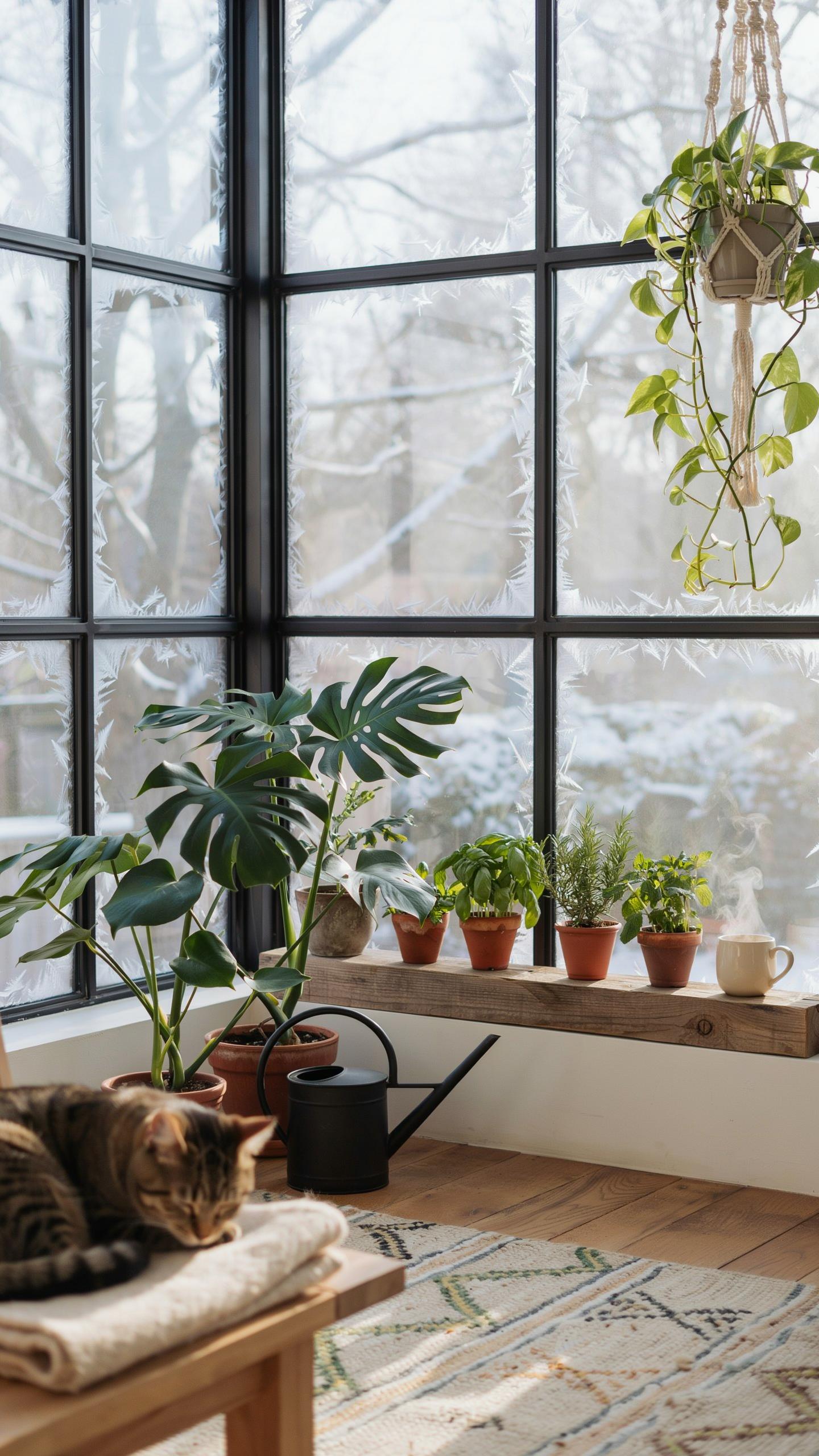
Move containers before the first hard freeze hits your area. Timing matters because cold shock damages roots in potted plants more severely than in-ground specimens. Check your local frost date and move tender plants indoors two weeks prior. This buffer prevents sudden temperature swings that crack soil and damage root systems.
Unheated garages and sheds work because they moderate temperature swings even without active heating. These spaces stay 10 to 15 degrees warmer than outdoor air during winter months. Place containers on shelves or pallets to improve drainage and air circulation. Water sparingly once indoors, checking soil moisture every two weeks since plants enter dormancy and need less water.
Acclimatizing Overwintered Potted Plants Back Into Spring Sunshine
Start bringing containers outdoors gradually in late winter or early spring once daytime temperatures consistently reach 50 degrees Fahrenheit. Place plants in shade for the first week to prevent leaf burn. Move them to partial sun during week two. Increase direct sun exposure incrementally over three to four weeks until plants adjust fully.

This gradual transition prevents stress and leaf damage that occurs when dormant plants encounter intense spring sun abruptly. Monitor soil moisture closely during this period since warmer weather and increasing light accelerate water loss. Resume regular watering once you move plants to their permanent outdoor locations. This process prepares container plants to grow vigorously once spring growth begins.
Frequently Asked Questions

Why do container plants need extra care during the colder months?
Unlike plants in the ground, potted varieties have exposed root systems that are highly vulnerable to freezing temperatures. Without the earth’s natural insulation, the soil in a pot can freeze solid, damaging delicate roots beyond repair. Implementing effective winter garden protection container plants ensures that your favorite perennials and shrubs survive the harsh frost, allowing them to bounce back beautifully once the spring thaw finally arrives.
What is the best way to wrap pots for winter on a tight budget?
You can achieve professional-grade winter garden protection container plants by using common household items like old blankets, burlap, or even bubble wrap. Simply wrap the exterior of the pot several times to create an insulating air pocket and secure it with twine or duct tape. For an extra layer of warmth, stuffing dry leaves or straw between the pot and the wrapping provides excellent thermal protection against freezing winds.
Can I protect my outdoor potted plants without buying expensive greenhouse equipment?
Absolutely! You don’t need a high-tech greenhouse to keep your garden safe. Grouping your pots together against a south-facing wall creates a warmer microclimate that naturally retains heat. You can also repurpose old cardboard boxes as makeshift frost covers or use clear plastic storage bins flipped upside down to create DIY cloches. These simple, accessible methods provide excellent defense against the elements without requiring a significant financial investment.