Demystifying Succession Gardening For Continuous Harvests
Understanding The Core Concept
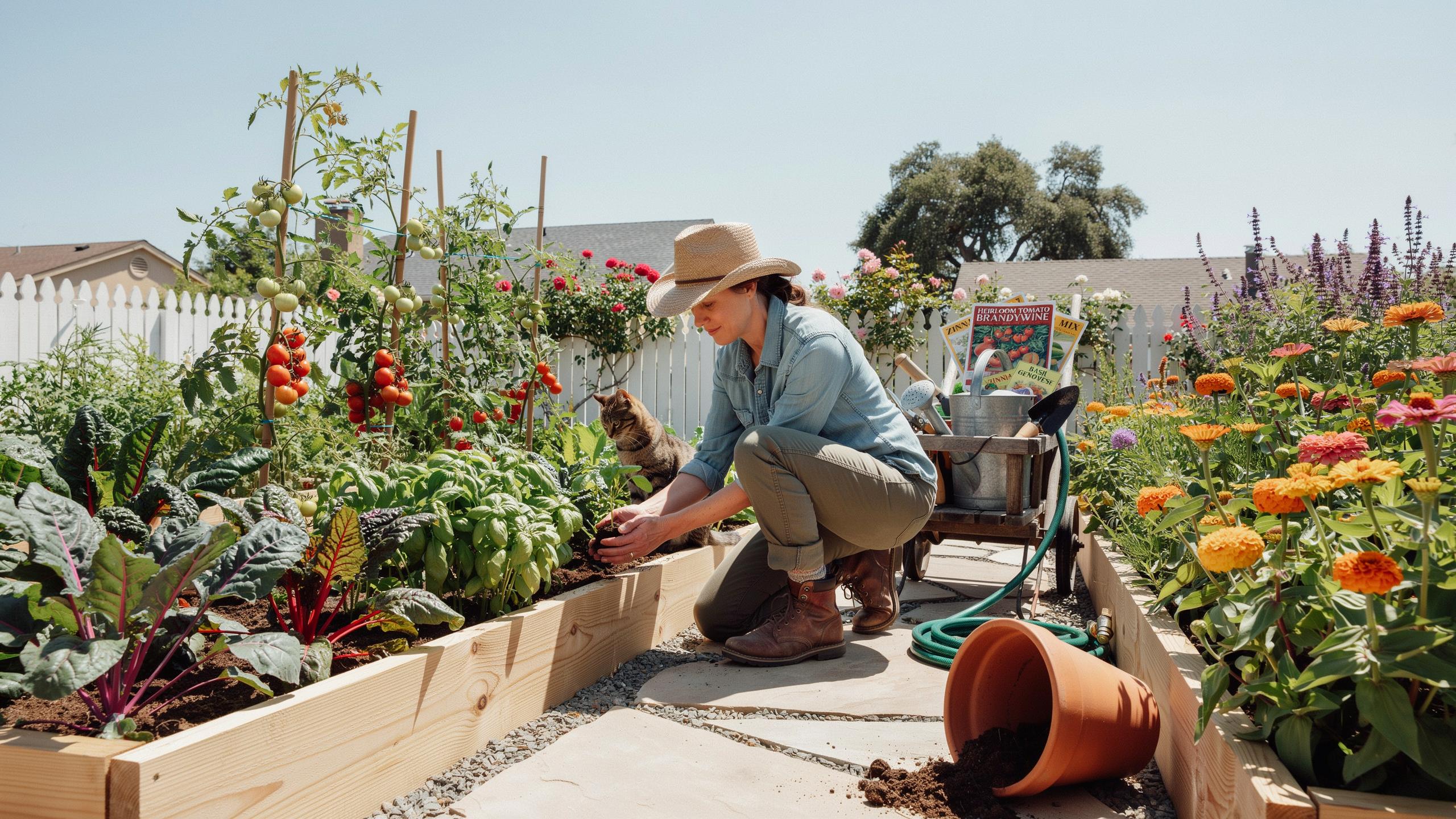
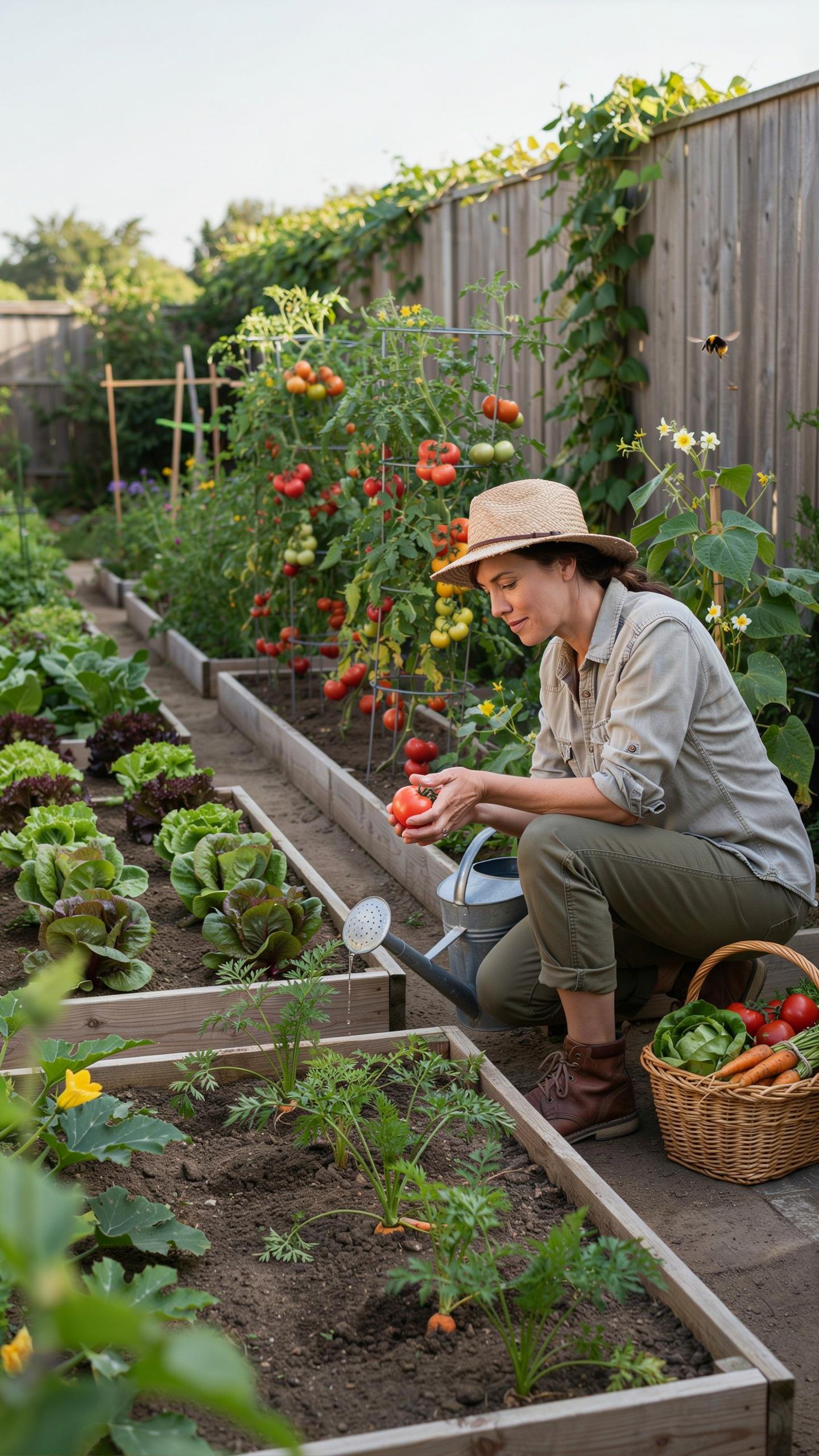
Succession gardening plants crops at staggered intervals rather than all at once. This method delivers steady harvests over weeks or months instead of one massive yield that ripens simultaneously. You plant the same crop every one to three weeks, or you select varieties with different maturity dates and plant them together. The result is a predictable supply of vegetables throughout the season.
This approach solves a real problem homeowners face: too much produce arriving at once. Instead of managing bushels of tomatoes in a single week, you harvest ripe vegetables consistently. Succession planting works for fast-growing crops like lettuce, beans, carrots, and radishes. It also applies to slower crops when you choose early, mid-season, and late varieties planted on the same day.
Key Benefits For Homeowners
Succession planting maximizes output from limited garden space. A four-by-eight-foot bed produces more total food when you replant after each harvest instead of leaving it empty. Small yards generate significant yields because you use every growing day. This density prevents pest populations from establishing monocultures that attract concentrated damage.
Food waste drops dramatically with succession gardening. You harvest what you need when you need it rather than facing spoilage from oversupply. Pest pressure reduces naturally because plants at different growth stages attract different pest types. A bed with seedlings, mature plants, and recently harvested soil breaks pest life cycles and reduces your reliance on interventions.

Creating Your Custom Successional Planting Calendar
Tracking Frost Dates And Soil Temperature
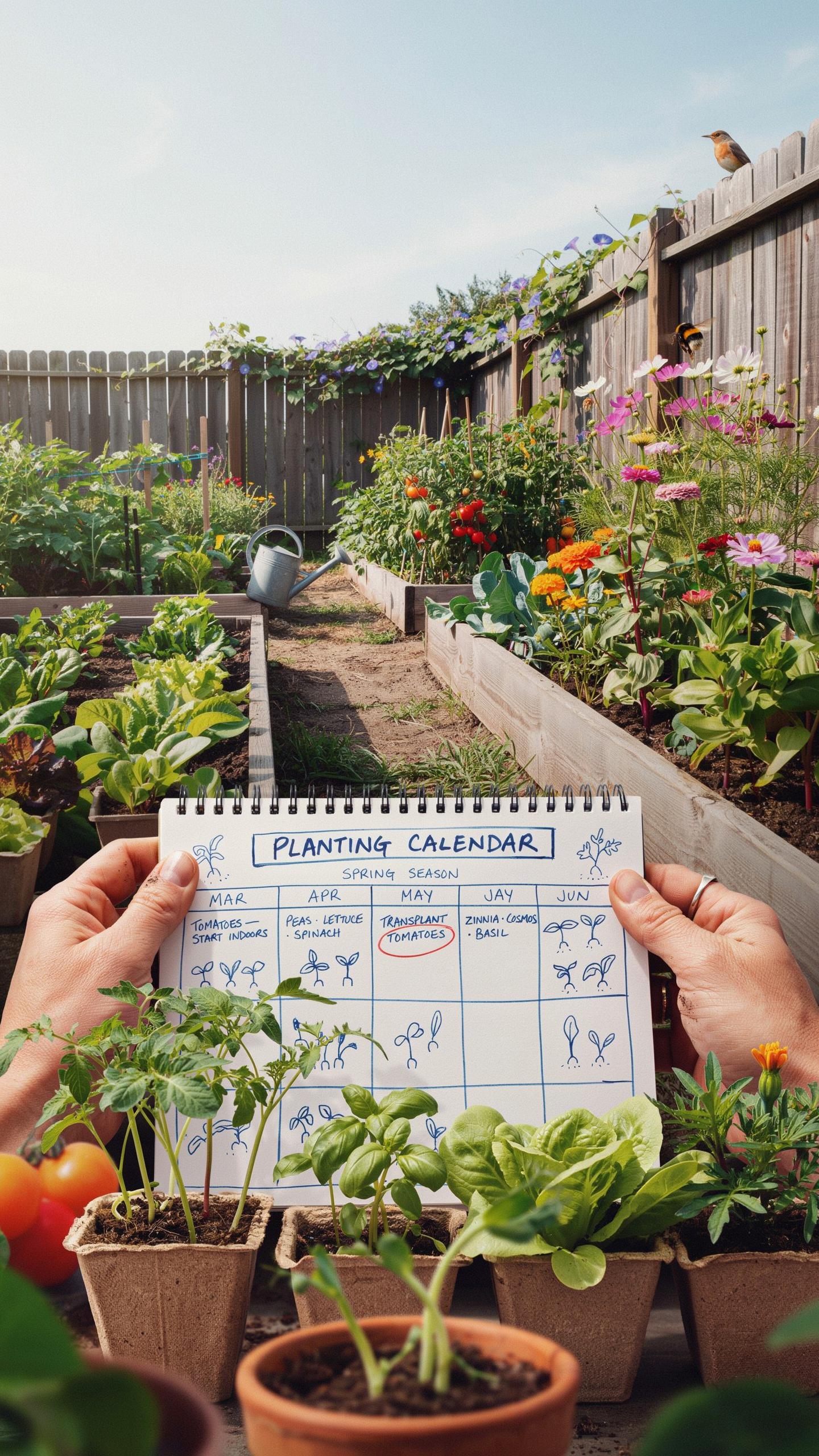
Your local frost dates determine when you can safely plant without crop loss. Find your first and last frost dates through your local cooperative extension office or USDA hardiness zone data. Soil temperature matters equally. Most seeds germinate between 60 and 70 degrees Fahrenheit, though this varies by crop. Use a soil thermometer to measure actual ground temperature before planting, not air temperature alone.
Build your planting calendar around these two data points. Mark your frost dates on a physical or digital calendar first. Then add soil temperature checks two weeks before your intended planting window. This prevents wasted seed on cold soil and failed transplants. Adjust your calendar yearly since frost dates shift by up to two weeks depending on weather patterns.
Scheduling Your Planting Intervals
Group crops by how long they take to mature from seed to harvest. Fast growers like lettuce and radishes mature in 30 to 45 days. Medium crops like beans take 50 to 70 days. Slow crops like tomatoes need 70 to 90 days from transplant. Stagger plantings every 7 to 21 days within each speed category to maintain continuous harvests.
Plant your first round, wait one to three weeks, then plant the next round of the same crop. The exact interval depends on your harvest window preference and how much you want to produce at once. Fewer days between plantings mean smaller harvests spread across more weeks. Longer intervals create larger harvests with gaps between them. Test different intervals in your first season to match your household consumption rate.
Essential Tools The Successional Planting Chart Explained
Organizing Crops By Maturity Dates Days
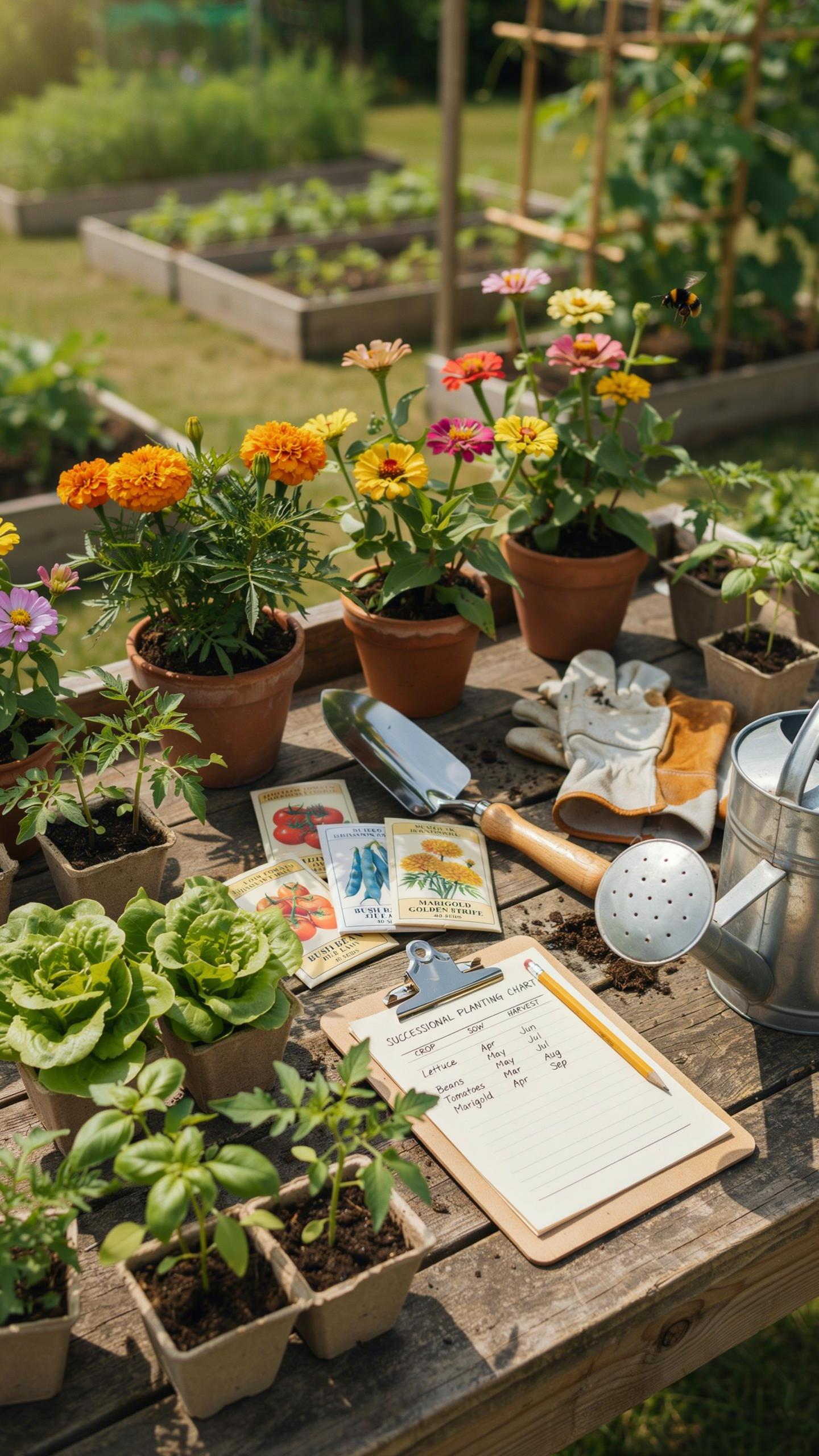
A successional planting chart tracks days to maturity for each crop you grow. This number tells you exactly when a plant reaches harvest size. Document it for every variety you plant. Cross-reference seed packets or agricultural extension data for accuracy. This data drives your entire planting timeline.
Use your chart to calculate backward from your first frost date. If lettuce needs 45 days to mature and frost arrives on October 15, plant by August 31. This reverse engineering prevents wasted garden space and missed harvests. Update your chart annually as you test different varieties and growing conditions.
Mapping Out Garden Bed Transitions
Your chart must show physical garden bed locations, not just crop names. Assign each bed a number or letter for reference. Track which crops occupy each bed during every growing season. This prevents you from planting heavy feeders in the same bed consecutively, which depletes soil nutrients.

When cool season crops finish, your chart shows exactly which warm season plants go into those beds next. This eliminates guesswork during busy planting periods. Your beds work continuously from spring through fall. Strategic mapping ensures zero downtime and maximum yield per square foot of garden space.
Practical Succession Planting Vegetables For Beginners
Fast Growing Leafy Greens And Radishes
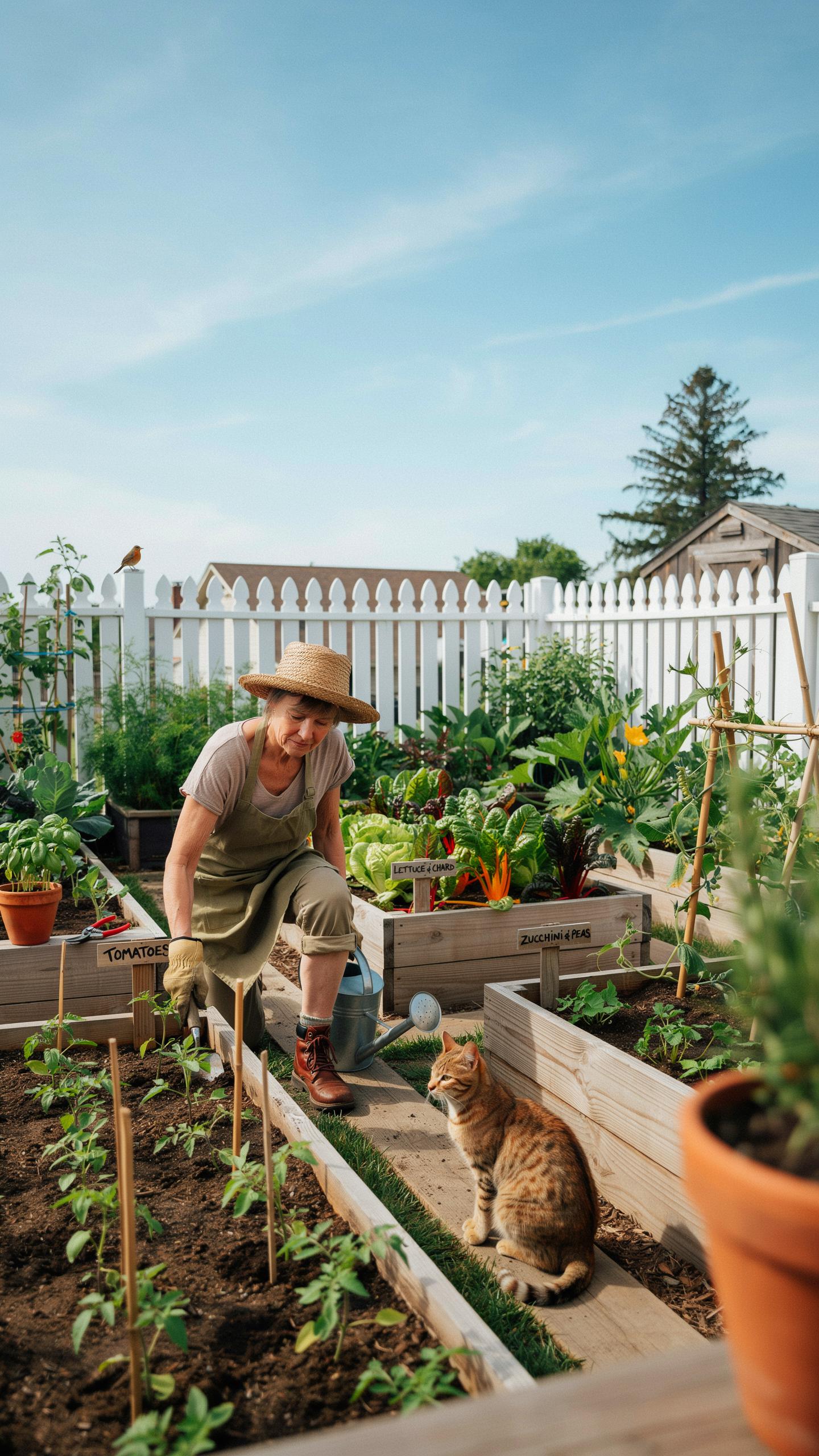
Radishes, spinach, and loose leaf lettuce mature in 25 to 40 days depending on variety and conditions. These crops tolerate crowding and poor soil better than most vegetables. Plant new seeds every two weeks to ensure continuous harvest instead of one large crop followed by nothing.
Succession planting these greens works because they germinate quickly and occupy minimal space. You can interplant them between slower crops like tomatoes and peppers. As soon as you harvest one round, prepare that soil and sow the next batch immediately without waiting.
Staggering Bush Beans And Summer Squash
Bush beans produce heavily for two to three weeks then decline in output. Summer squash follows the same pattern. Planting small batches every three weeks prevents feast or famine cycles where you harvest nothing for months then face overwhelming quantities you cannot process or store.

Stagger plantings from late spring through midsummer to maintain steady production. Each planting takes 50 to 65 days for beans and 45 to 55 days for squash from seed to first harvest. Stop planting 8 to 10 weeks before your first fall frost date to allow final harvests before cold arrives.
A Regional Look At A Succession Planting Chart Zone 5
Navigating The Shorter Cool Climate Season
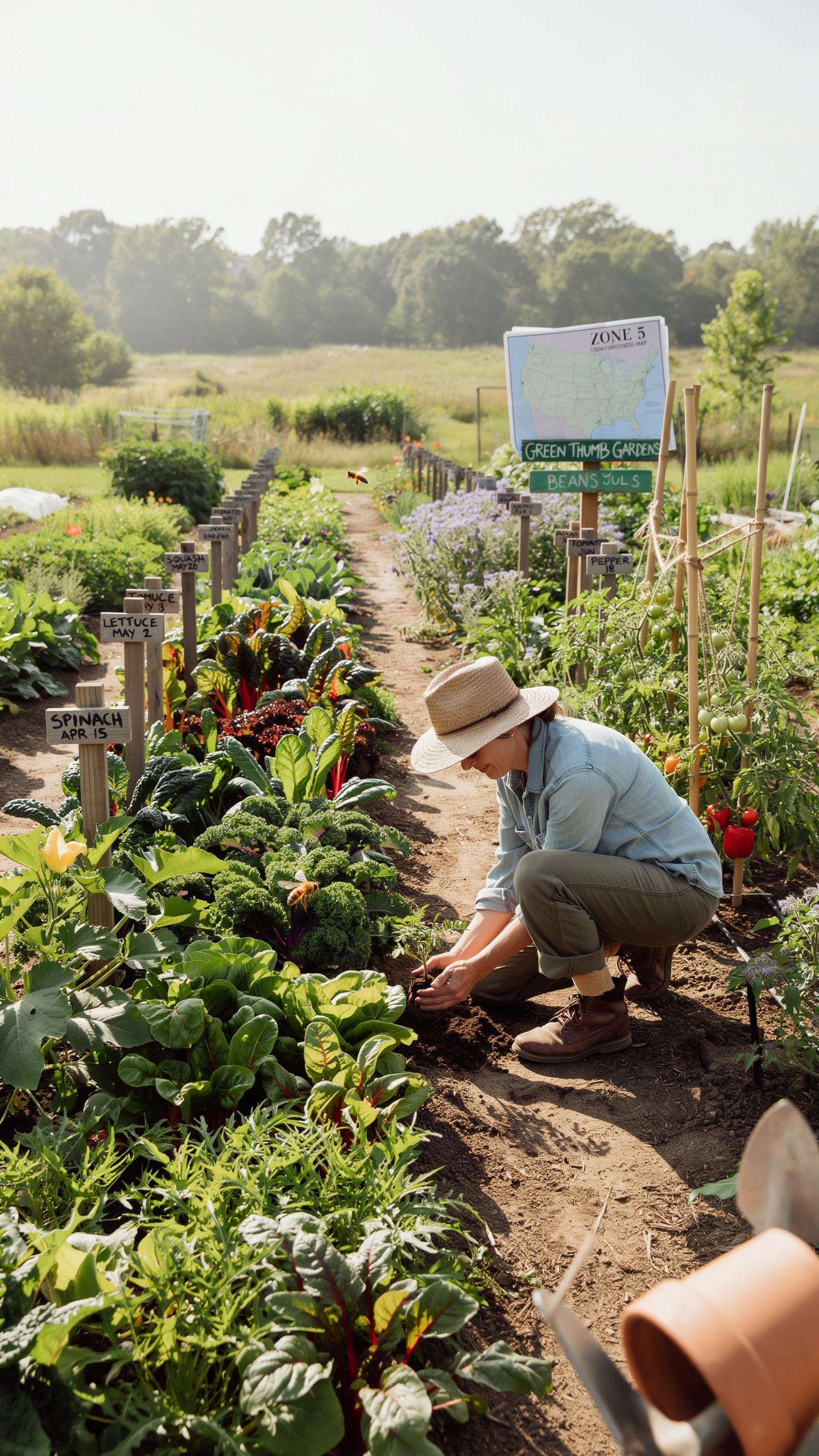
Zone 5 gardeners work with a frost-free window of roughly 120 to 150 days. This constraint demands strategic timing. Cold frames extend your spring window by 2 to 4 weeks, allowing you to start cool-season crops earlier. Starting seeds indoors 4 to 6 weeks before your last frost date gives successive plantings a head start.
Indoor seed starting accelerates your planting schedule without waiting for soil warmth. You gain 3 to 4 weeks of growing time per succession cycle. This approach works particularly well for brassicas and leafy greens that tolerate transplanting. Each batch matures faster when established plants hit the garden rather than direct seeds in cool soil.
Optimizing Late Summer Plantings For Fall
Mid-to-late July marks the critical window for fall crop succession in Zone 5. Sow kale, carrots, and turnips during this period to capitalize on cooling temperatures. These crops actually improve in flavor after light frosts, making autumn the prime harvest season. Your Zone 5 fall garden outproduces spring plantings of the same crops.

Timing matters because these crops need 50 to 80 days to reach maturity before hard freezes arrive. Late July planting delivers harvest windows from mid-September through November. Mulch protects roots from freezing and extends your harvest window further. This succession strategy transforms the typically slower summer months into productive growing time.
Mastering Your Backyard Planting Calendar
Integrating Cool And Warm Season Rotations
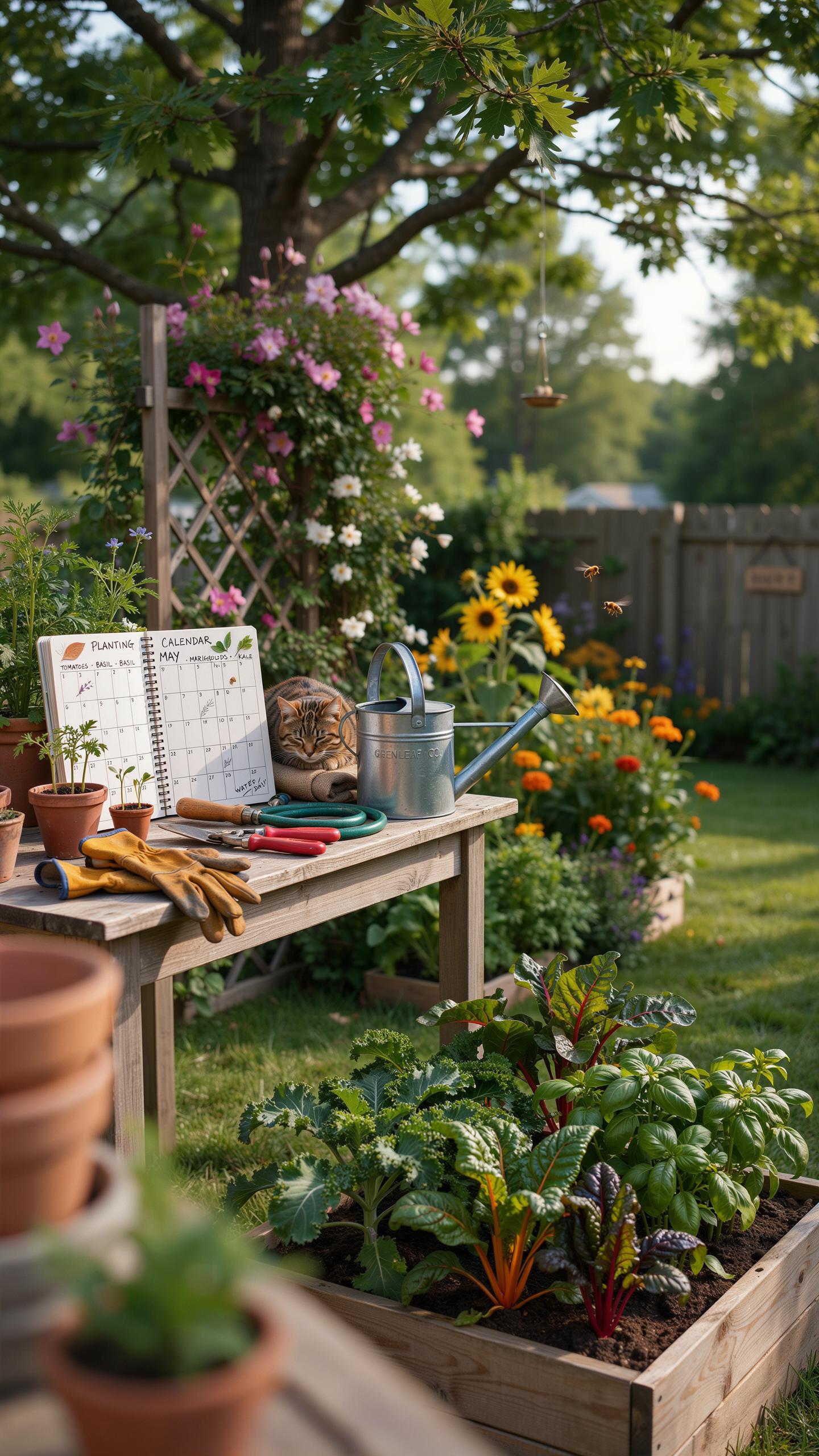
Plan your garden transitions by mapping which crops exit when others enter. Spring cool season crops like peas, spinach, and lettuce finish producing as temperatures climb. Remove these plants and immediately plant warm season crops like peppers, tomatoes, and eggplants into the same beds. This approach maximizes soil use and eliminates dead space in your garden timeline.
Timing matters because soil temperature determines seed germination and growth rates. Cool season crops need soil temperatures between 40 and 70 degrees Fahrenheit. Warm season crops require 60 degrees Fahrenheit minimum, with optimal growth at 70 to 85 degrees. Track local frost dates and soil temperatures to execute clean transitions that keep beds productive year round.
Adapting To High Summer Weather Shifts
Mid summer heatwaves arrive unpredictably in most regions, killing young seedlings and reducing production in established plants. Select heat tolerant pepper varieties, Armenian cucumber, and okra when planting for summer. These crops thrive when temperatures exceed 90 degrees Fahrenheit. Choose shade cloth rated for 30 to 50 percent light reduction to protect newly sown seeds and tender transplants during extreme heat spikes.

Shade cloth extends your planting window by lowering leaf temperature and reducing water loss. Install cloth on the south and west facing sides of beds. Remove it as temperatures moderate or as plants mature and develop heat resistance. This tactic prevents bolting in greens and keeps fruit set consistent on heat sensitive crops like beans during peak summer months.
Creative Succession Planting Ideas For Small Yards
Intercropping Fast And Slow Growers
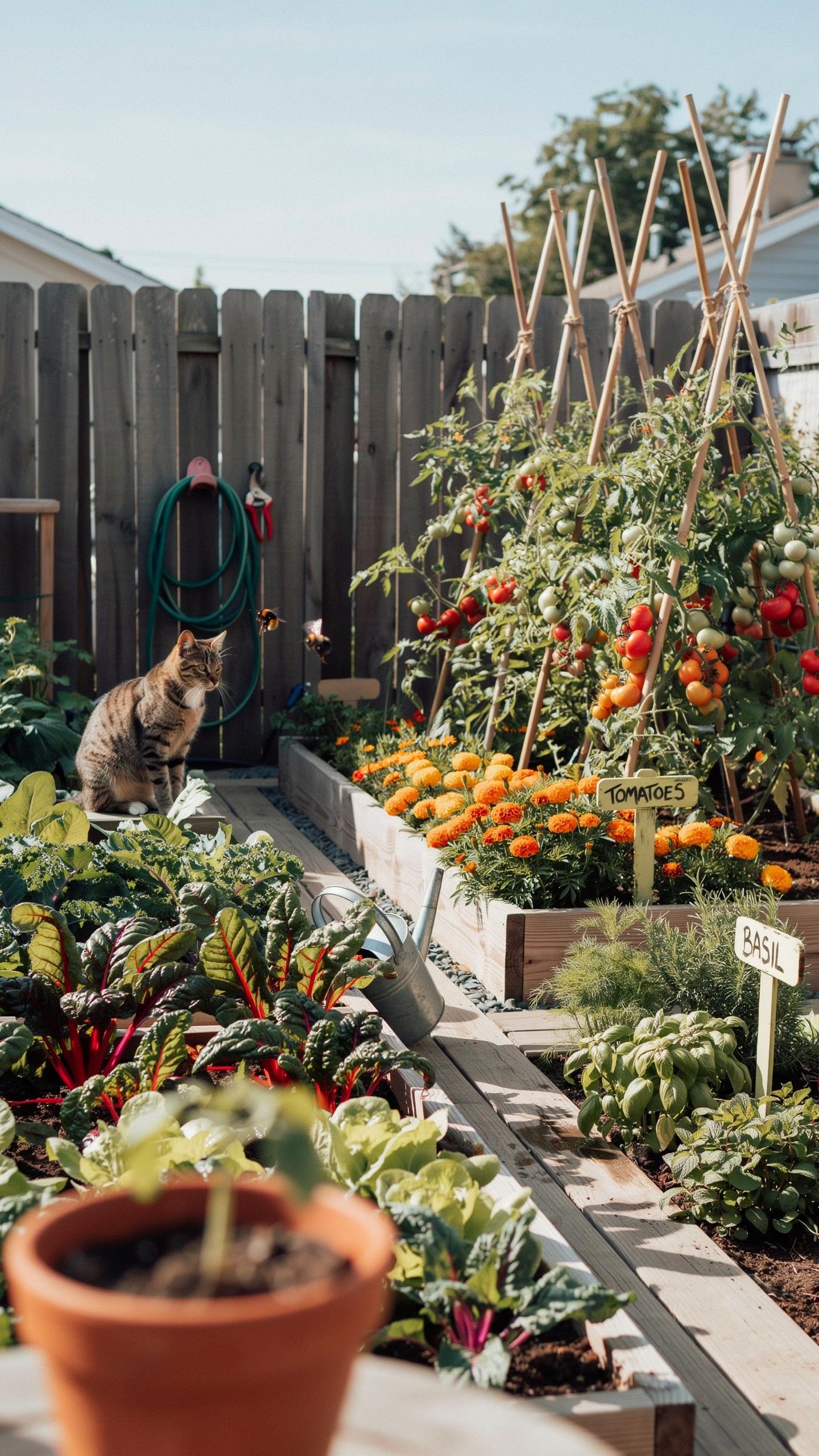
Intercropping works because fast-growing crops mature before slow-growing ones need space. Radishes germinate in 3 to 4 weeks. Lettuce takes 4 to 6 weeks. Plant them between tomatoes or cabbage, which need 60 to 90 days. You harvest the quick crops and clear the space before competition occurs.
This approach eliminates wasted soil. Every square foot produces food for the entire growing season. The shade from taller plants also protects lettuce and radishes from bolting in summer heat. Plan your planting dates backward from your first frost date to time harvests correctly.
The glory of gardening is hands in the dirt, head in the sun, and heart with nature. To nurture a garden is to feed not just the body, but the soul through all its changing seasons.
Smart Space Saving Vegetable Combinations
Vertical and horizontal spacing prevents crop failure in confined areas. These combinations pack production into minimal room by using different root depths and light requirements.
- Radishes Alongside Carrots: Radishes break soil crust and mature in 25 days while carrots develop underground for 70 days, using the same row without competition.
- Lettuce In Bean Shade: Pole beans grow tall and create afternoon shade that keeps lettuce cool and delays bolting, extending harvest by 2 to 3 weeks.
- Spinach Around Brassicas: Spinach reaches maturity in 40 to 50 days before cabbage or broccoli needs full canopy space, maximizing early season yields.
- Green Onions Between Peppers: Green onions grow shallow roots and stay narrow while peppers spread wider, sharing nutrients and space efficiently.

These combinations reduce gaps between harvests and increase per-square-foot output. Succession plant each combination every 2 to 3 weeks for continuous availability. Track planting dates on a calendar to time sowings for staggered maturity windows.
Strategic Steps For Implementing Your Succession Planting Guide
Actionable Checklist For Seasonal Rotation
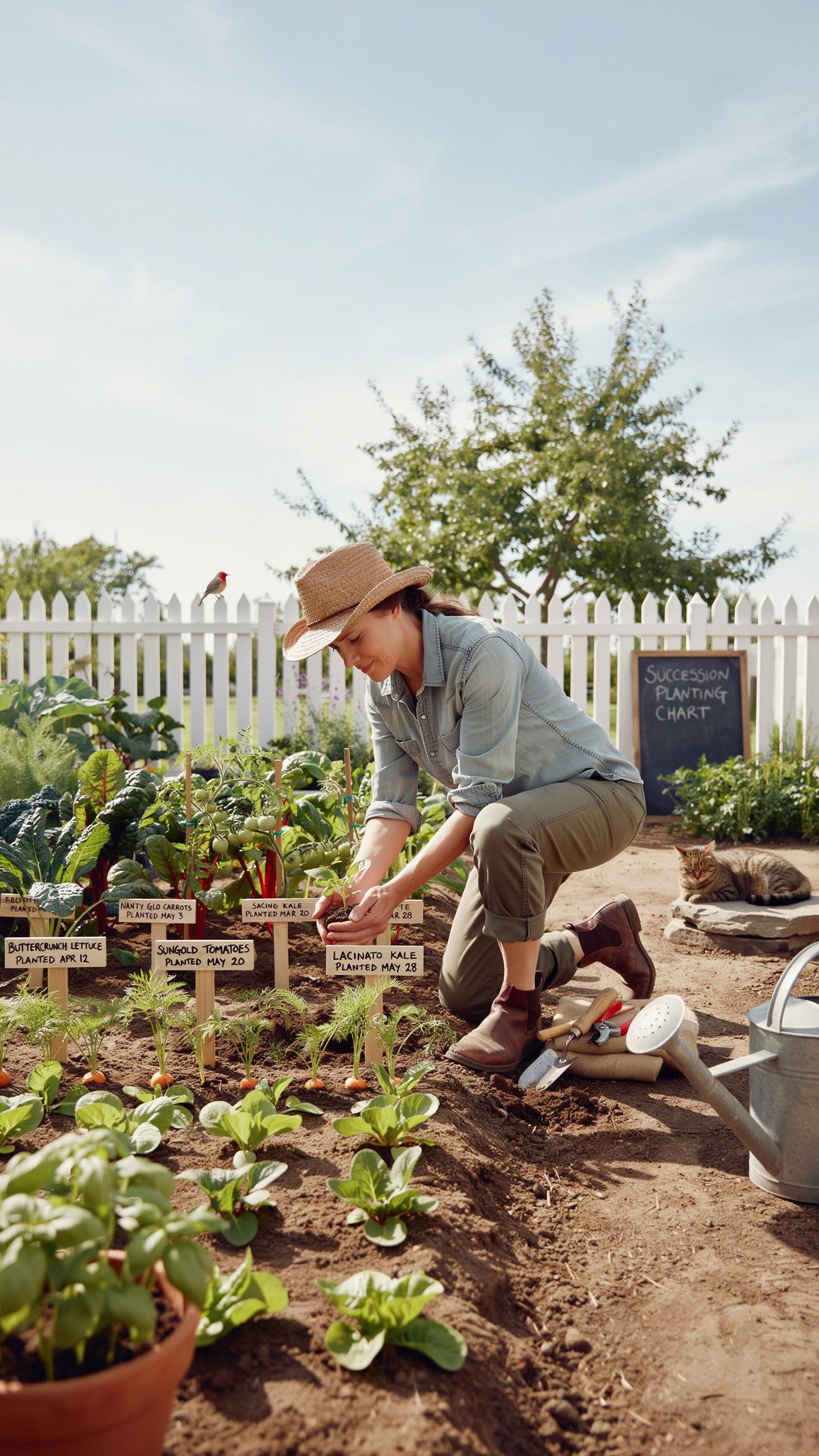
Remove crop debris immediately after harvest. Dead plant material attracts insects and disease. Decomposing matter also ties up nitrogen your next crop needs. Clean beds prepare the soil for fresh plantings and reduce pest pressure significantly.
- Clear completed crop debris promptly: Remove dead plants within one to two days of harvest to prevent pest colonization and disease spore survival in garden beds.
- Amend the soil with fresh compost between plantings: Add two to three inches of finished compost to restore nitrogen and organic matter depleted by the previous crop cycle.
- Re moisten dry soil deeply before sowing the next round of seeds: Water soil to six to eight inches deep at least two days before planting to ensure consistent moisture for germination.
- Keep detailed records of planting dates: Document when you plant each crop and harvest dates to identify which succession timing works best in your specific climate zone.
- Track which crops follow which: Note which plants follow heavy feeders versus nitrogen fixers to optimize soil fertility and reduce supplemental feeding needs.
Record everything you do. Notes from this season inform better decisions next year. Track which crops performed well in specific timing windows. Your records become your most valuable tool for refining succession schedules and maximizing yield consistency.
Managing Soil Nutrition And Health
Heavy feeders like tomatoes and corn strip nitrogen from soil. Plant lighter feeders after them to avoid depletion. Legumes add nitrogen back through root nodules, preparing beds for the next heavy feeder. Rotating crop types prevents nutrient imbalance and reduces fertilizer dependency.

Between plantings, work compost into the top four to six inches of soil. Finished compost provides slow release nutrients over several weeks. This organic matter also improves water retention and drainage simultaneously. Healthy soil structure supports root development and reduces disease pressure naturally.
Avoiding Common Pitfalls In Succession Planting
Preventing Soil Nutrient Depletion
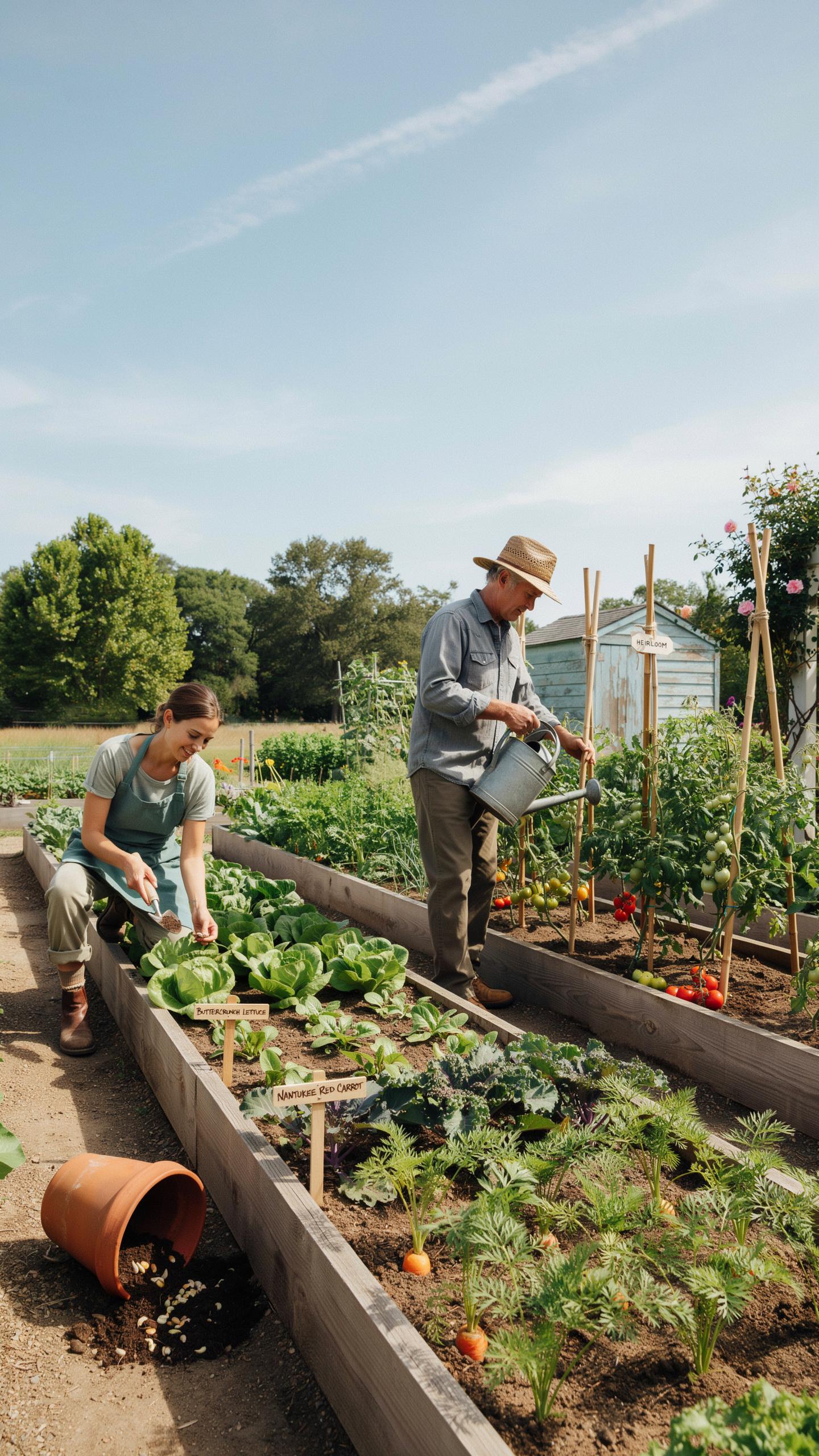
Planting the same crop family repeatedly in one location exhausts specific nutrients. Tomatoes, peppers, and eggplants all draw heavy nitrogen and potassium. When you plant them back-to-back in identical spots, soil reserves crash. This creates ideal conditions for species-specific pests to establish and multiply in your beds.
Rotate crop families across your garden beds on a three-year cycle minimum. Legumes restore nitrogen. Brassicas follow heavy feeders. Root vegetables exploit deeper soil layers. This rotation pattern breaks pest life cycles and replenishes depleted nutrients naturally. Track which family planted where to execute this properly.
Managing Water Needs During Summer Sowing
Mid-summer seeds germinate only when soil stays consistently moist. Heat accelerates evaporation. Dry soil blocks germination entirely and disrupts your succession timeline. New seeds need constant moisture from sowing until emergence, typically five to fourteen days depending on crop type.
Water newly sown beds daily during hot months, often twice daily in peak summer heat. Use drip irrigation or soaker hoses to deliver water directly to soil without wasteful runoff. Mulch around sown areas to retain moisture and reduce surface temperature. Check soil moisture by hand each morning before heat builds.
Frequently Asked Questions

What exactly is succession planting and how does it benefit a small home garden?
Succession planting is a clever technique where you stagger your planting dates or replace harvested crops with new ones to ensure a continuous harvest. Following a seasonal planting guide succession strategy prevents the “all at once” harvest overwhelm. It maximizes your garden’s output, keeps the soil covered to prevent weeds, and provides your family with fresh, homegrown produce or vibrant blooms from early spring until the final autumn frost.
How do I practically plan for a continuous harvest throughout the different seasons?
To master this, start by mapping out the maturity dates of your chosen plants. As soon as a spring crop like radishes is finished, immediately clear the space and sow a warm-weather favorite like bush beans. By integrating this seasonal planting guide succession method, you ensure no garden bed sits empty. This rhythmic transition keeps your landscape looking lush and productive without requiring a massive, one-time overhaul of your entire outdoor space.
Is it expensive to maintain a succession garden, and how can I save money?
Maintaining a continuous garden is actually quite budget-friendly because it focuses on seeds rather than expensive nursery transplants. You can save money by purchasing seeds in bulk and using organic kitchen scraps for compost to refresh the soil between rotations. This approach makes high-yield gardening accessible for every homeowner, allowing you to grow an abundance of food and flowers throughout the year without needing a professional budget or specialized equipment.