Understanding The Importance Of A Garden Pollinator Habitat
Ecological Vitality
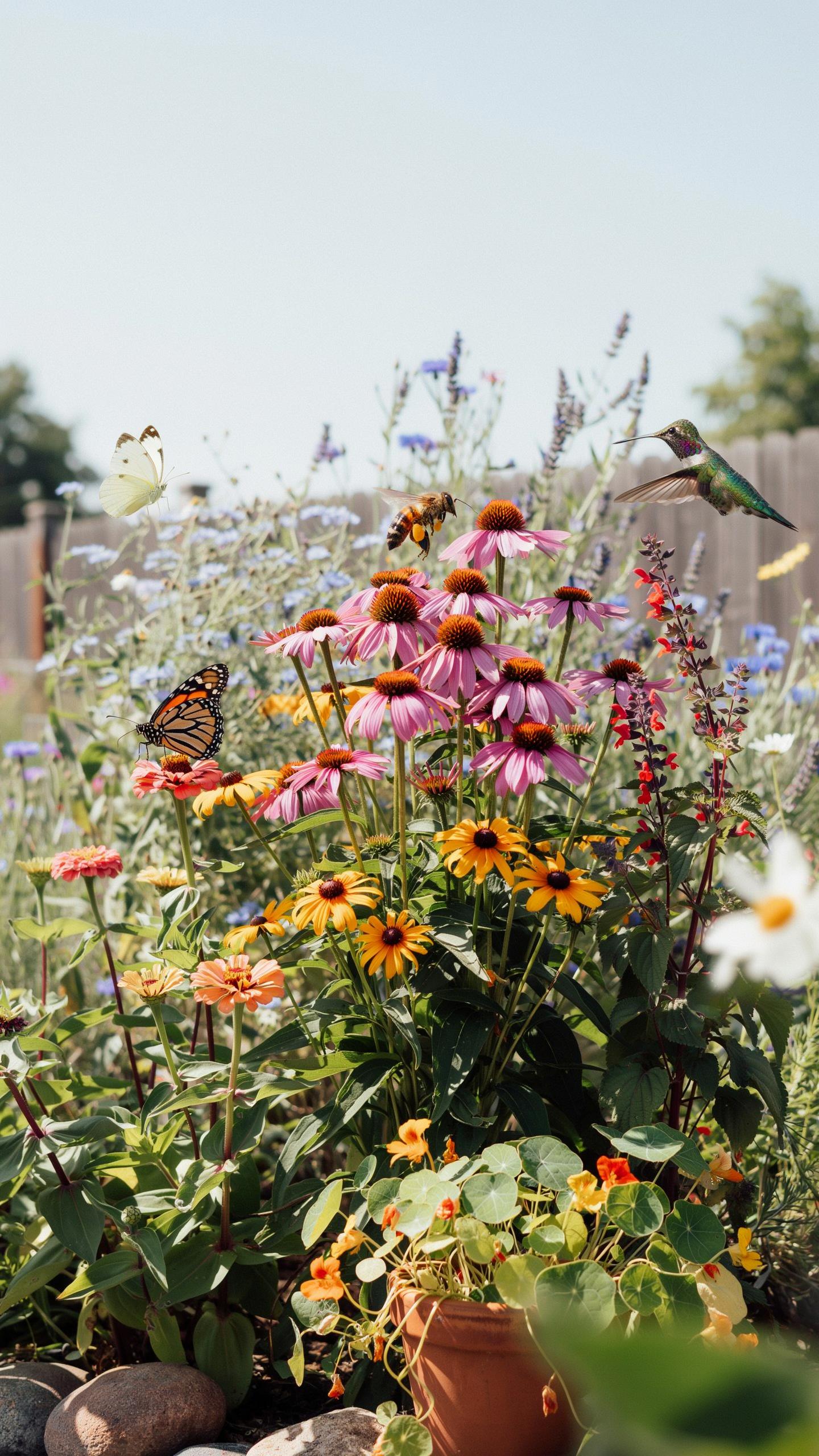
Pollinators drive crop production across North America. Bees, butterflies, and beetles transfer pollen between flowering plants, enabling seed and fruit development. Without these insects, roughly 75 percent of global crops depend partially or entirely on animal pollination. Removing pesticides from your garden protects these workers and maintains the ecological systems they support.
Local pollinator populations directly impact regional agricultural output. Farmers rely on wild bee populations to pollinate commercial crops. When pesticide use eliminates native insects from surrounding areas, agricultural yields drop and production costs rise. A pesticide free pollinator garden creates a refuge that strengthens nearby ecosystems and supports food production infrastructure.
Preserving Local Food Webs
Native insects form the base of terrestrial food chains. Caterpillars, beetles, and other invertebrates convert plant material into protein. Songbirds, toads, and small mammals depend on these insects for survival. Pesticides kill indiscriminately across insect populations, collapsing food webs from the ground up and starving predators that depend on insect abundance.
Songbirds face severe population declines when insect populations crash. Research shows birds require thousands of insects daily to feed chicks. A single pesticide application can reduce insect availability by 75 percent or more. Pesticide free gardens sustain the invertebrate populations that feed wildlife, maintaining functional food webs in residential and agricultural landscapes.
Essentials Of Pollinator Garden Design
Choosing Native Flora
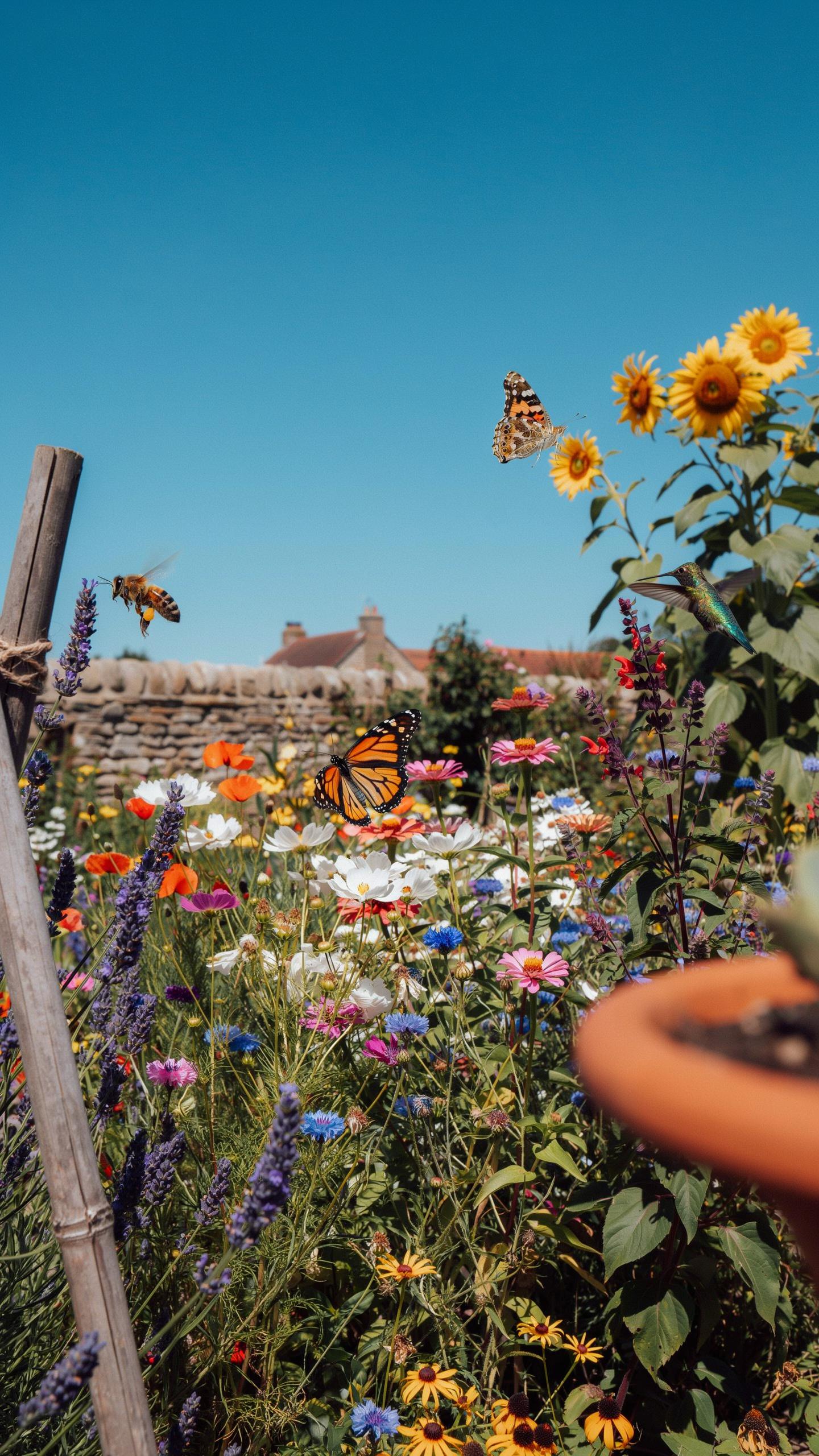
Native plants evolved alongside regional pollinators over thousands of years. This synchronization means native bees, butterflies, and other insects recognize and efficiently work native flowers. Non-native plants often lack the nutritional quality or bloom timing these insects depend on. Select species native to your specific hardiness zone and geographic region for maximum effectiveness.
Your local native plant society or cooperative extension office provides region-specific plant lists. Research which native wildflowers bloom in your area and offer high-quality nectar and pollen. Species like black-eyed Susan, blazing star, and ironweed work in eastern regions. In western areas, consider desert marigold, penstemon, and rabbitbrush. Match plant selections to your soil type and moisture conditions for survival rates above 80 percent.
Continuous Bloom Cycles
Pollinators need consistent food sources from early spring through late fall. A single blooming plant provides food for only weeks. Multiple plants blooming in sequence ensures insects find nectar and pollen when they emerge from dormancy, raise offspring, and prepare for winter. Map your garden’s bloom schedule across all four seasons before purchasing plants.
Stagger plantings by bloom time to cover the entire growing season. Early bloomers like Virginia bluebells emerge in March and April. Mid-season plants like coneflowers peak in June through August. Late bloomers such as asters and Joe-Pye weed extend food sources into October. Document bloom times for each species and adjust selections if gaps appear between seasons. Aim for at least three species flowering in any given month during the growing season.
Developing Your Custom Pollinator Garden Plans
Selecting The Perfect Location
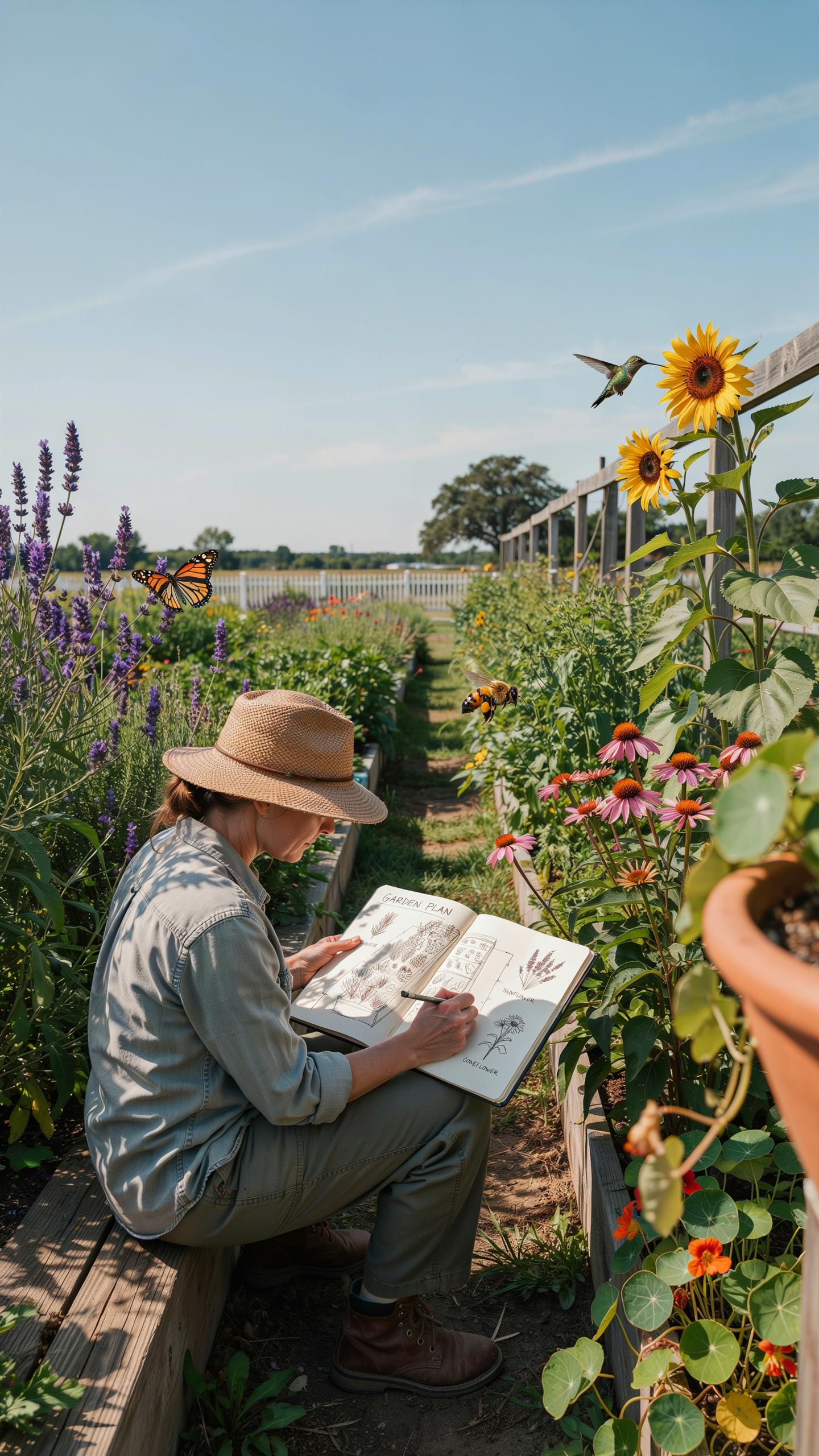
Your garden’s success depends on matching site conditions to pollinator needs and plant requirements. Most flowering plants that attract pollinators need six to eight hours of direct sunlight daily. Afternoon shade in hot climates prevents plant stress and extends bloom periods. Wind exposure matters too. Pollinators work less efficiently in strong winds, so shelter from trees or structures improves foraging activity.
- Full sun exposure: Six to eight hours of direct sunlight maximizes flower production and pollinator activity throughout the day.
- Wind protection: Trees, shrubs, or fencing block wind and create microclimates where insects forage more effectively.
- Soil drainage: Well-draining soil prevents root rot in most flowering plants while reducing disease pressure without chemicals.
- Water access: Shallow water sources like bird baths or ground-level dishes provide drinking spots for bees and other insects.
- Distance from runoff: Place gardens away from driveways and treated lawn areas to avoid pesticide and fertilizer contamination.
Proximity to existing vegetation matters. Gardens near native trees or shrubs benefit from established insect populations. Distance from manicured lawns reduces spray drift from neighbors. Poor drainage or clay soil requires amendment before planting. These site factors determine whether your garden sustains pollinators or becomes a maintenance burden.
Mapping Out Plant Groupings
Pollinators locate flowers through visual cues and scent. Single plants scattered across space waste pollinator energy. Clustered plantings create visual targets and reduce search time. Group plants by bloom time so flowers appear continuously from spring through fall. This scheduling keeps pollinators returning throughout the season instead of leaving for elsewhere.
Arrange bloom clusters by height, placing tall plants toward the back to avoid shading shorter specimens. Space clusters eighteen inches to three feet apart to create movement corridors for insects. Use odd numbers in each grouping, typically three, five, or seven plants. This configuration maximizes visual impact while simplifying maintenance. Repeat the same plant clusters in different areas of your garden to create rhythm and increase pollinator encounters.
Optimizing The Pollinator Garden Layout
Layering For Diverse Canopy Heights
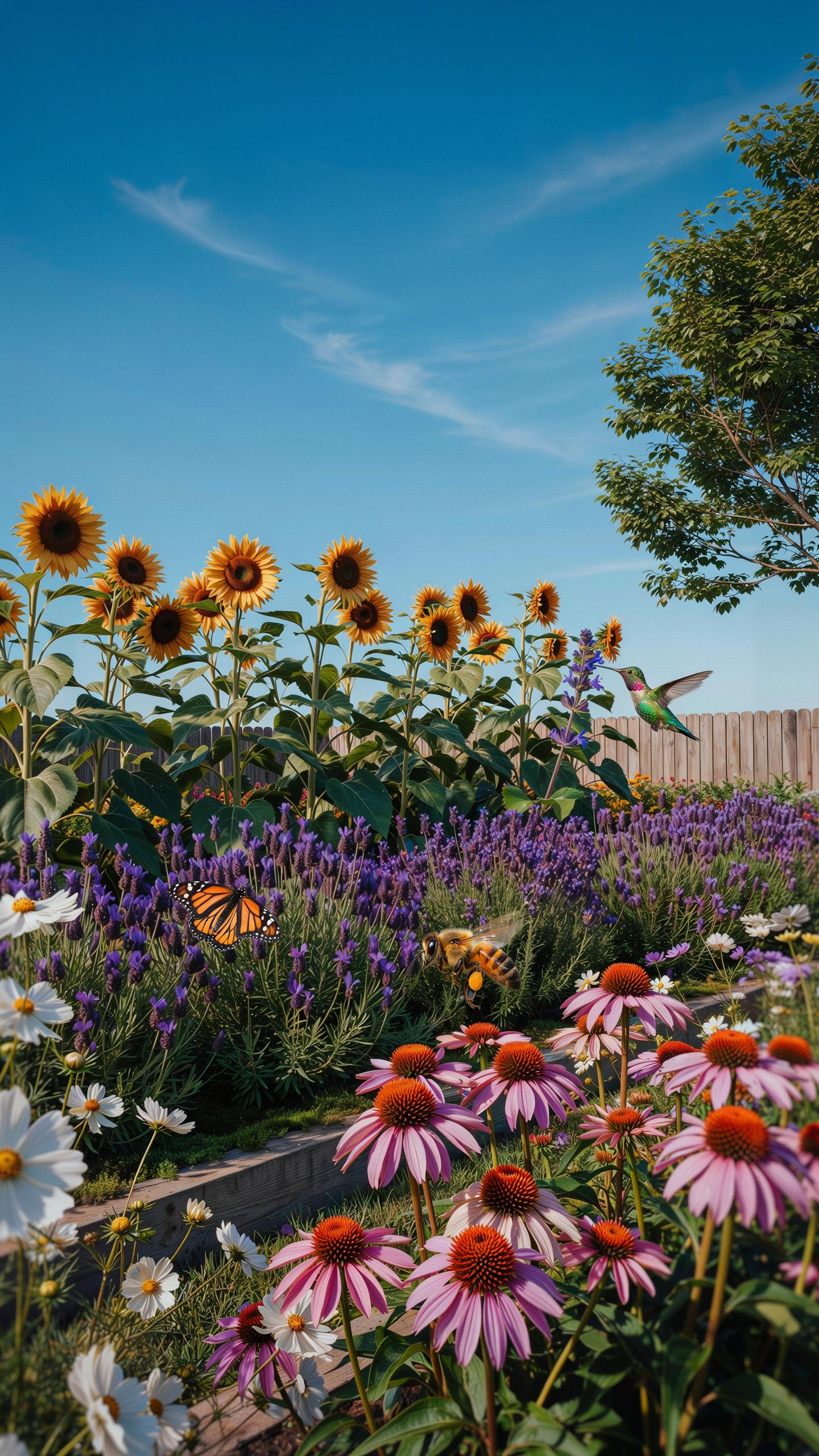
Pollinators need structure. Varying plant heights creates distinct zones that insects use for navigation, feeding, and shelter. Ground covers provide landing pads for smaller pollinators. Mid-level shrubs offer protection from wind and predators. Tall trees frame the space and create shade refuges during heat stress. This vertical stratification mimics the edge zones where pollinators thrive in nature, increasing your garden’s carrying capacity.
Design your layers intentionally. Start with native groundcovers at 0 to 2 feet. Add shrubs between 3 and 8 feet. Plant trees reaching 15 feet or taller as the canopy layer. Space plants to allow sunlight penetration at each level. This strategy maximizes bloom timing across seasons while giving pollinators predictable, usable habitat throughout the growing period.
Creating Pathways And Microclimates
Pathways serve dual purposes in a pesticide free pollinator garden. They provide human access while creating distinct microclimates. Wide paths with southern exposure warm quickly in spring, offering early season basking spots for bees emerging from dormancy. Narrow paths flanked by tall plants funnel wind and create sheltered corridors where delicate pollinators conserve energy on cool days.
Position pathways to leverage existing conditions. Run paths east to west to capture morning and afternoon sun. Align them perpendicular to prevailing winds to create windbreaks. Use mulch or gravel that radiates heat during sunny periods. These design choices reduce the energy expenditure pollinators need for thermoregulation, allowing them to spend more time foraging and pollinating rather than seeking shelter.
Transforming Spaces With Pollinator Garden Front Yard Displays
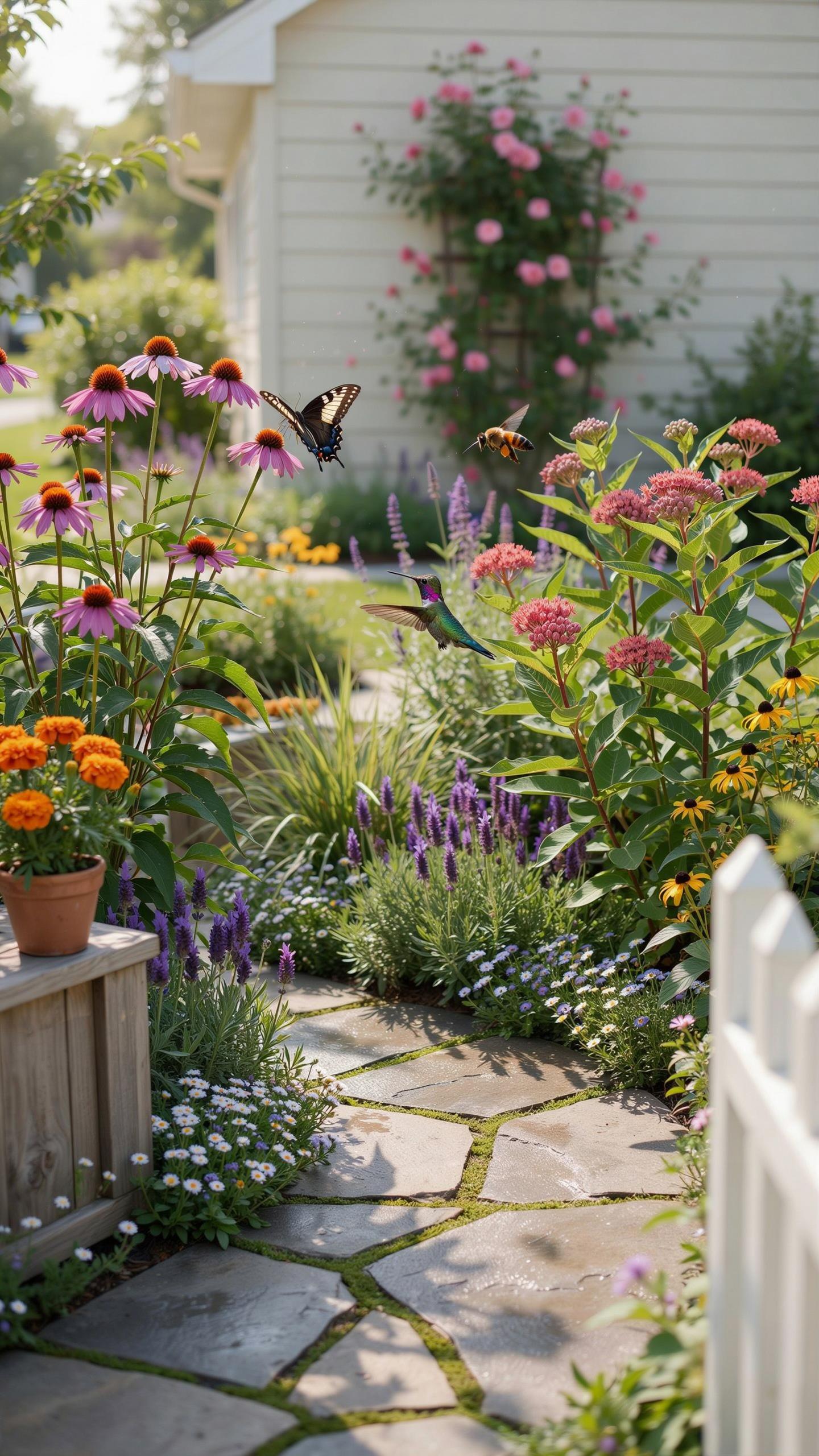
Boosting Curb Appeal Elegantly
A pollinator garden front yard works when you treat it as intentional landscape design, not wild overgrowth. Use defined bed edges with steel or stone borders to frame native plants. Arrange plants by height, placing taller species toward the back and shorter ones forward. This layered approach creates visual structure while maximizing sunlight exposure for all plantings. Group plants in clusters of three to five of the same species rather than scattering singles throughout the bed. This density attracts pollinators more effectively and reads as deliberate design rather than random planting.
Color selection matters tactically. Choose native plants that bloom in succession from spring through fall, ensuring continuous visual interest and consistent pollinator activity. Avoid the temptation to include non-native ornamentals simply because they look showy. Stick to plants that thrive in your specific hardiness zone and soil conditions. A well-maintained pollinator garden actually requires less water and fertilizer than traditional lawns because you work with local ecology rather than against it. Neat mulched pathways and strategic plant placement signal to neighbors that this is a deliberate horticultural choice.
Navigating Neighborhood Guidelines
Many neighborhoods have formal codes that restrict native plantings because they deviate from manicured lawn standards. Work within these constraints by adding hardscape elements that signal intentionality. Install neat gravel or stone pathways through the garden bed. Add a simple fence or border in wood or metal that clearly defines the space as a designed feature. Place educational signage explaining that the space supports pollinators and reduces pesticide use. This transparency prevents neighbors from viewing your garden as neglected property.
Contact your local municipality to understand specific ornamental standards before planting. Some areas require plants to stay below certain heights or restrict seed heads. Request written documentation of any restrictions so you can reference them if questioned. Many communities now recognize pollinator gardens as legitimate landscaping and may not enforce outdated lawn-only rules. Position your garden where it receives maximum visibility from the street. A professional-looking installation educates passersby and often converts skeptics into supporters of pesticide-free landscape design.
Stunning Pollinator Garden Design Front Yards Inspiration
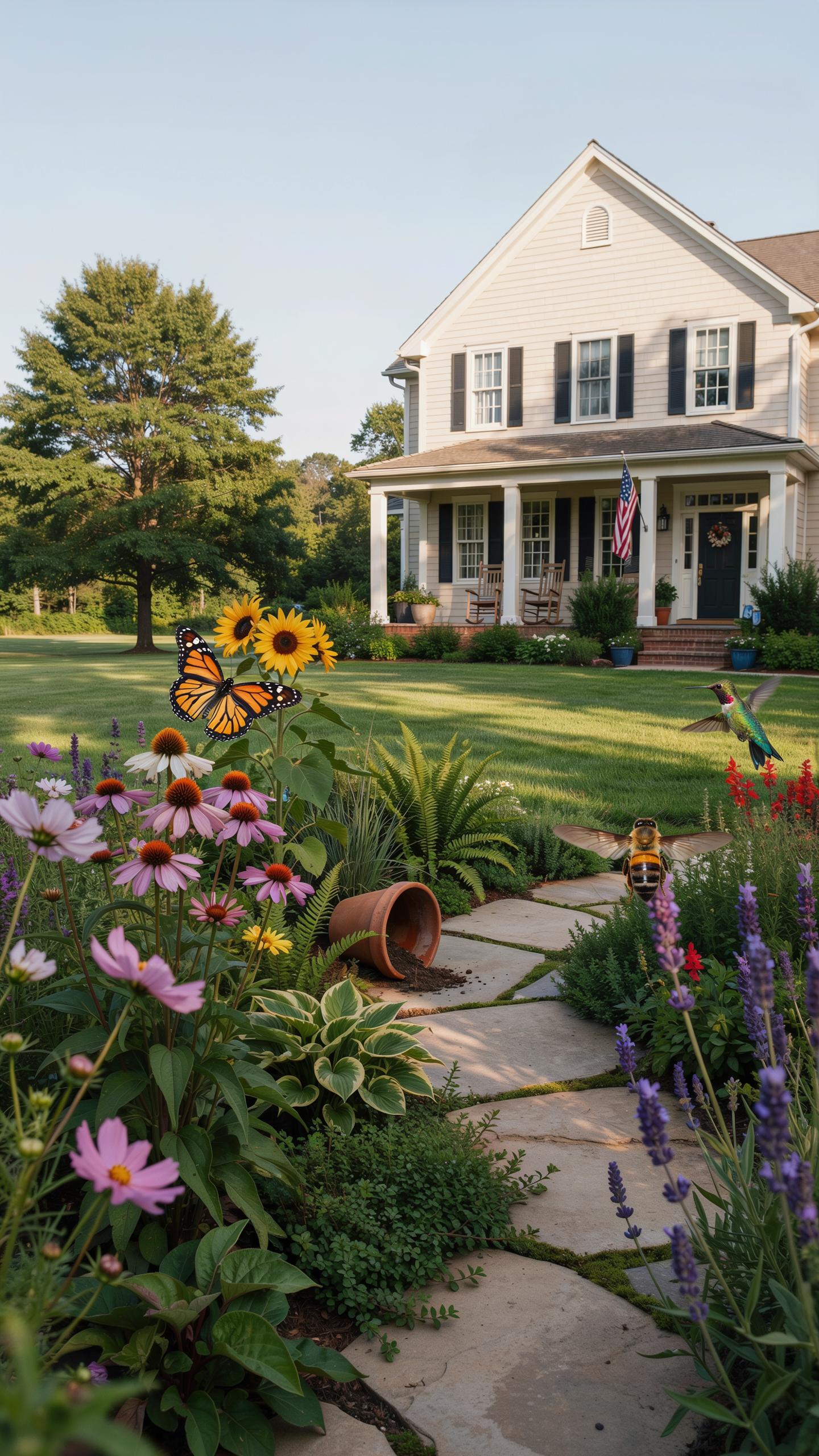
Cottage Style Meadow Beds
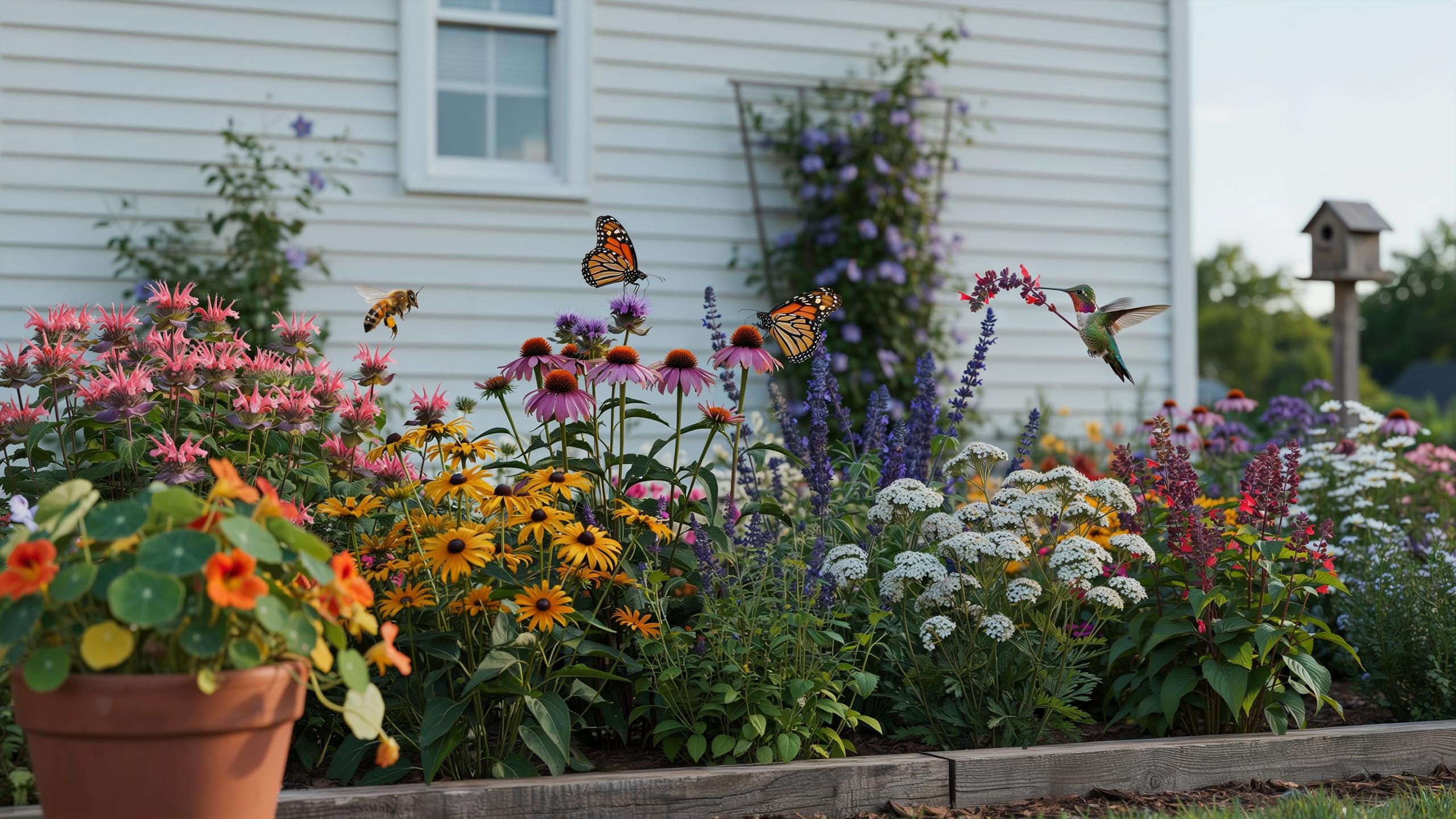
Dense plantings of purple coneflower, black-eyed Susans, and native grasses create functional pollinator habitat. This informal approach mimics natural meadow ecosystems where bees and butterflies access diverse pollen and nectar sources throughout growing seasons. Staggered bloom times across spring through fall keep pollinators fed consistently without pesticide reliance.
Native grasses provide structural support and shelter for beneficial insects. They stabilize soil, reduce erosion, and offer overwintering sites for chrysalises and pupae. The meadow style tolerates variable moisture and soil conditions, making it adaptable to most front yard environments. Maintenance involves seasonal cutting and minimal intervention once established.
To garden without poison is to invite the music of wings back into the sanctuary of our own backyards. A landscape that nurtures the bee and the butterfly reflects the true elegance of a soul at peace with nature.
Structured Modern Native Borders
Clean geometric beds with wild indigo and milkweed establish clear visual boundaries while maintaining ecological function. This design appeals to contemporary aesthetics by organizing native species into defined rectangular or linear planting zones. Modern borders deliver pollinator benefits without sacrificing organized landscape appearance.
Milkweed species anchor these borders as critical monarch butterfly host plants. Wild indigo attracts native bees with early spring blooms and provides architectural interest year round. Geometric spacing allows easy maintenance access and reduces competition stress on plants. This structured approach scales efficiently across residential front yards regardless of property size.
Innovative Pollinator Garden Ideas For Small Spaces
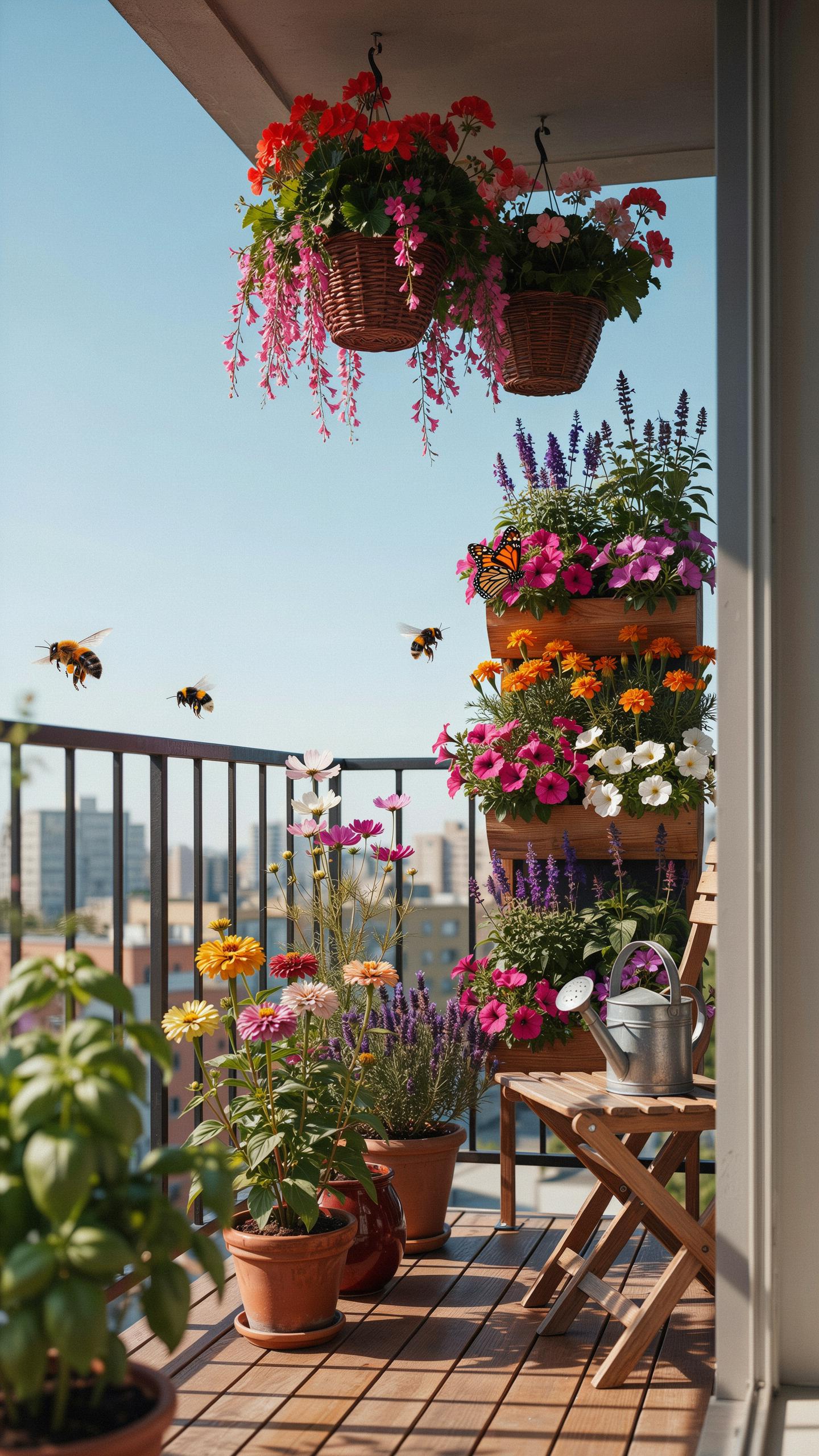
Container Gardens And Window Boxes
Deep planters with dwarf native cultivars work in confined spaces. Choose plants suited to your region. A 12-inch deep container holds enough soil for shallow-rooted natives. Position containers where pollinators can access blooms easily. Butterflies and bees need consistent water but not waterlogged soil. Ensure drainage holes prevent root rot. Refresh soil yearly to maintain nutrient levels for repeat blooms.
Container gardens eliminate soil preparation work on balconies and patios. Select native species that thrive in pots: coneflowers, bee balm, and native asters perform well in most regions. Combine early, mid, and late-season bloomers to extend pollinator activity. This staggered approach ensures food availability throughout the growing season. Avoid fertilizers that disrupt native plant vigor and pollinator health.
Vertical Planting Solutions
Climbing vines maximize growing area on walls, fences, and trellises. Native honeysuckle and passionflower attract hummingbirds and butterflies while using minimal ground space. Install sturdy structures before planting. Vines establish faster on south-facing walls in cool climates and north-facing walls in hot regions. Prune annually to prevent overgrowth and maintain airflow. This prevents disease and keeps structures from damage.
Vertical systems produce more blooms per square foot than ground-level plantings. Native passionflower serves as the larval host plant for Gulf Fritillary butterflies. Honeysuckle flowers feed adult pollinators throughout summer months. Training vines requires initial effort but reduces maintenance once established. These systems work on apartment buildings, small yards, and commercial properties without sacrificing pollinator value.
Creative Pollinator Garden Design Ideas For All Seasons
Winter Interest And Wildlife Shelter
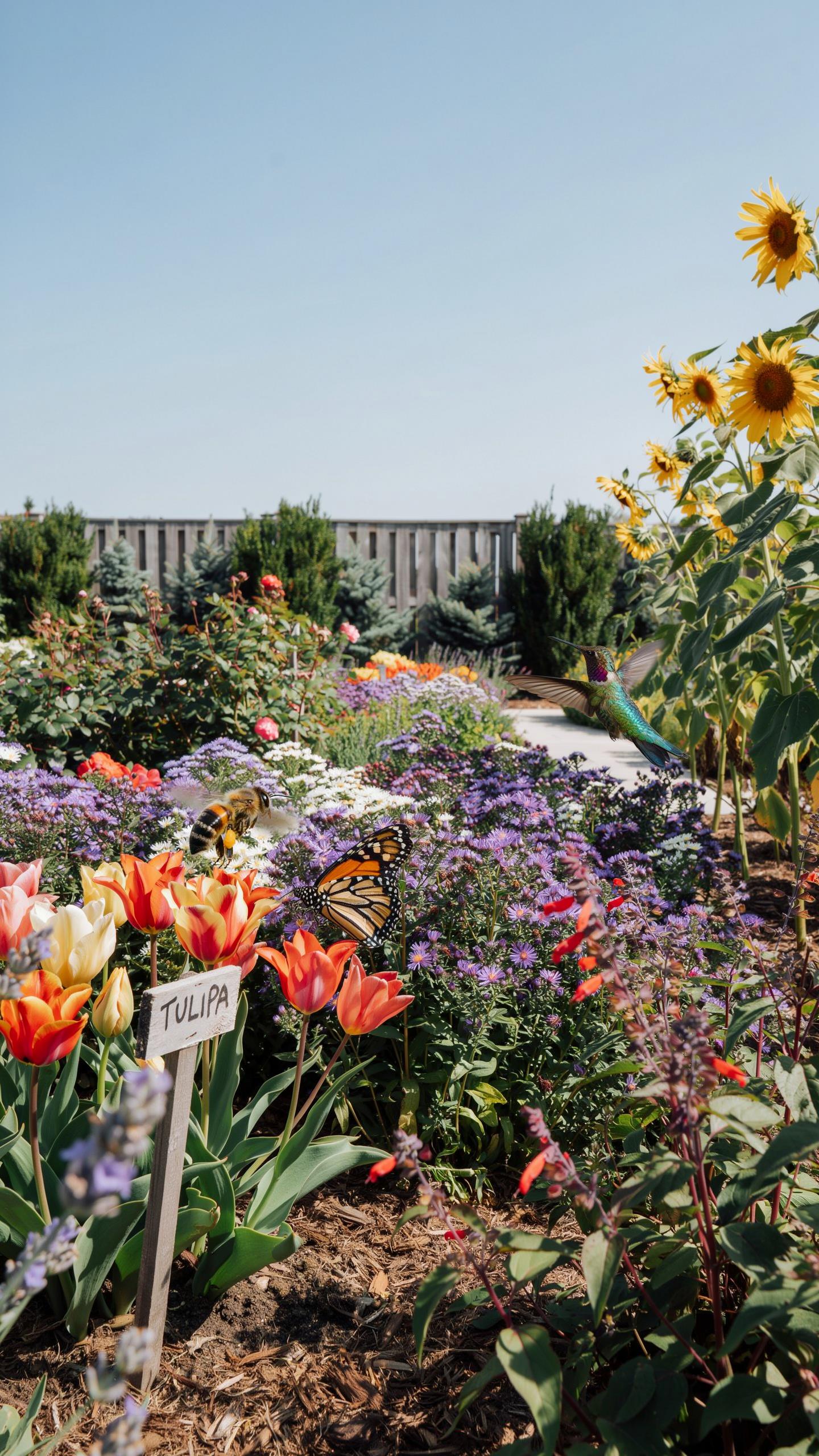
Solitary bees need winter shelter. They overwinter inside hollow plant stems and dried seed heads. Leave these structures standing through fall and winter instead of cutting them back. This provides nesting cavities that solitary bees occupy during their dormant period. Removing this material eliminates critical habitat and reduces your pollinator population the following year.
Dead wood and leaf litter also shelter beneficial insects that prey on garden pests. Ladybugs and lacewings overwinter in these materials and emerge in spring to control aphids and other damaging insects. A pesticide-free garden depends on maintaining this natural pest control workforce through winter. Stack branches in a corner or leave leaf piles undisturbed to maximize shelter.
Spring Replenishment Techniques
Ground-nesting bees emerge and dig burrows starting in early spring. Soil disturbance during this period destroys nests and kills developing larvae. Add organic compost to garden beds during late fall or very early spring before bees become active. Apply compost in thin layers and work it in gently without digging deep into the soil.
Timing matters for spring soil work. Most ground-nesting bees become active between mid-April and May depending on your location. Finish all soil amendments by early April to avoid disrupting nest sites. Mulch around plants lightly instead of tilling existing beds. This approach builds soil health while protecting the bees that pollinate your plants and eliminate pests naturally.
Managing A Pollinator Garden Without Harmful Chemicals
Natural Pest Management Strategies
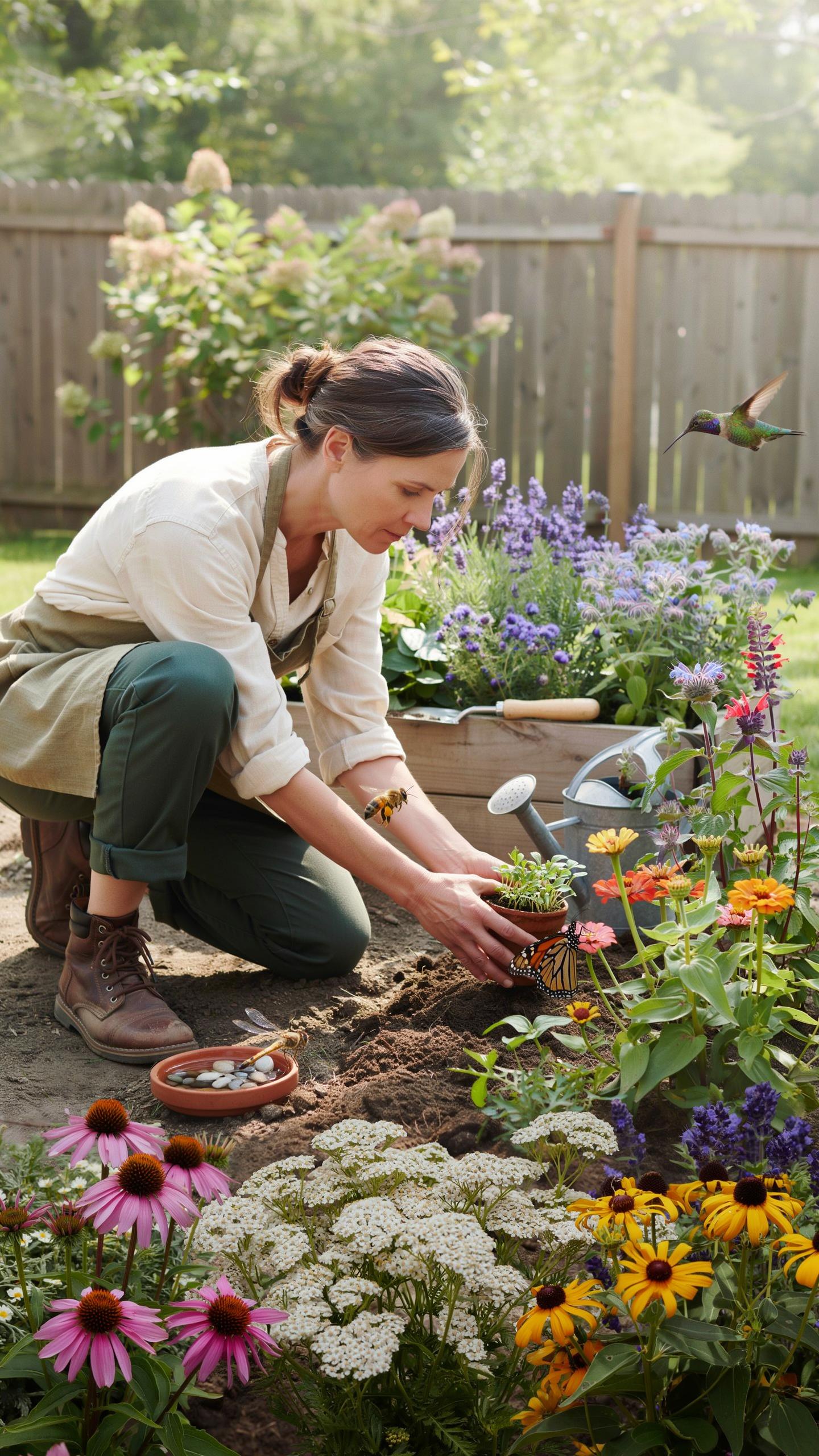
Pests damage plants through feeding and disease transmission, but you don’t need synthetic chemicals to stop them. Physical removal, cultural practices, and organic sprays eliminate threats while keeping pollinators safe. These methods work because they target pest biology directly rather than poisoning the entire ecosystem.
- Hand Picking: Remove visible pests like Japanese beetles and caterpillars by hand into soapy water. Check plants every two to three days during peak pest seasons for maximum effectiveness.
- Neem Oil: Spray neem oil in early morning or late evening when pollinators are inactive. It disrupts insect molting and feeding without harming bees or butterflies after it dries.
- Insecticidal Soap: Apply to soft bodied pests like aphids and mites. This works by damaging insect cell membranes and breaks down quickly, leaving no residue pollinators encounter.
- Row Covers: Use floating cloth barriers on young plants before pests arrive. Remove covers once plants flower to allow pollinator access to blooms.
- Companion Planting: Plant marigolds, garlic, and chives near vulnerable plants to repel pests through scent and chemical compounds they dislike.
- Diatomaceous Earth: Dust food grade diatomaceous earth on plant leaves to cut soft bodied insects. Reapply after rain and avoid contact with open flowers where pollinators feed.
Timing matters for pest control without chemicals. Apply treatments during dormant seasons or when pollinators are least active. Monitor your garden regularly so you catch infestations early when populations stay manageable and require fewer interventions.
Fostering Beneficial Predator Populations
Ladybugs, lacewings, and parasitic wasps hunt garden pests naturally, creating biological balance that chemical sprays cannot achieve. These predators reduce pest populations while leaving your pollinator species unharmed. Building habitat for predators means fewer pests without toxins.
Native plants support beneficial predators by providing nectar, pollen, and shelter year round. Flowering plants like yarrow, fennel, and sweet alyssum attract these insects during adult stages. Deep mulch, dead wood, and leaf litter give predators shelter to overwinter and lay eggs for next season’s population boom.
Long Term Care For Your Pesticide Free Haven
Mindful Weeding And Mulching
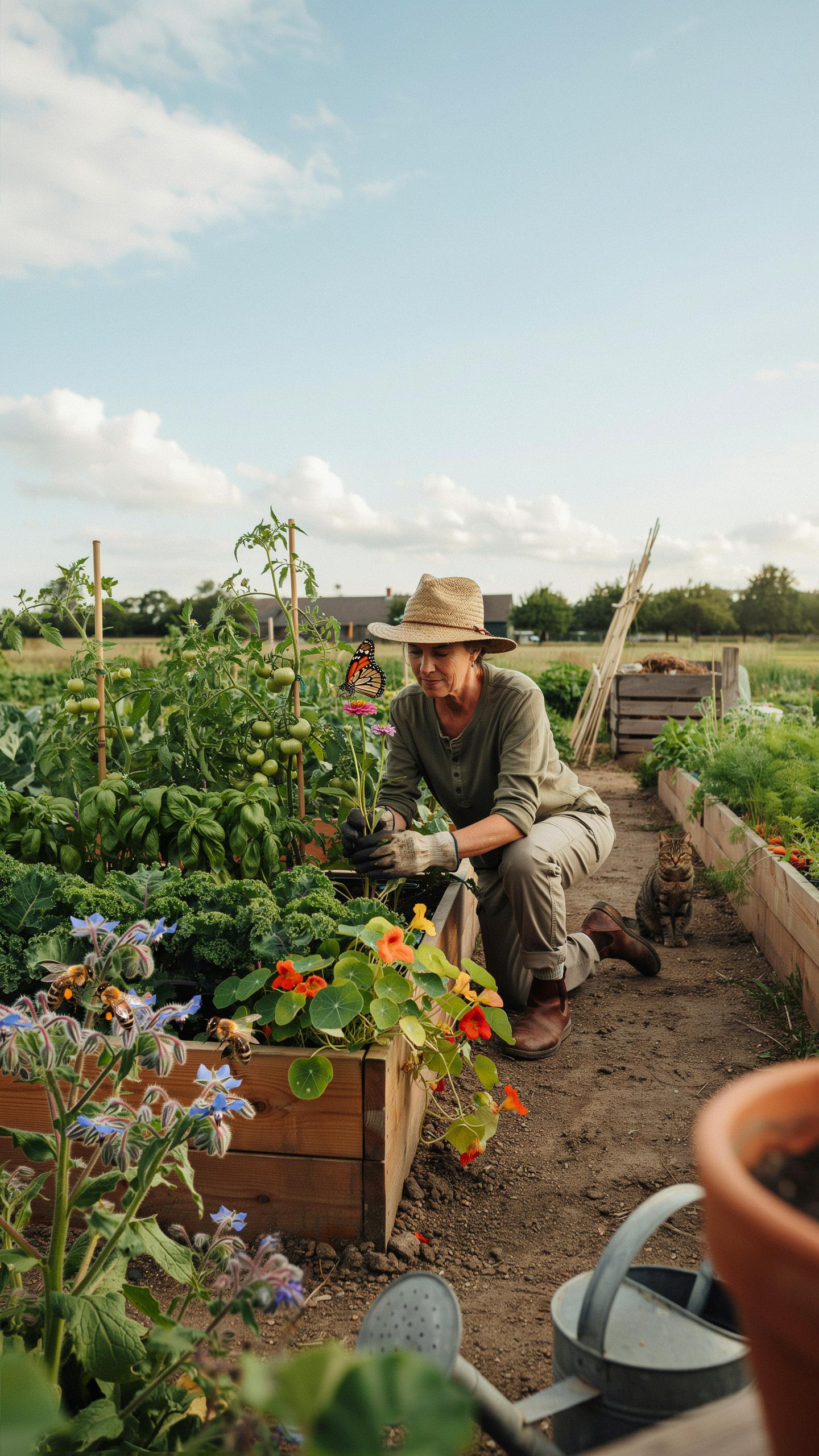
Native weeds often serve pollinators better than you think. Many native wildflowers get labeled as weeds because they grow where humans don’t plant them. Before removing any plant, identify it. If it’s native and doesn’t crowd out your intentional plantings, leave it. You gain free forage for bees and butterflies while reducing your workload.
Leaf mulch suppresses invasive species without chemicals. Collect fallen leaves in autumn and spread them two to three inches thick around plants. As leaves break down, they feed soil organisms and improve water retention. Replace mulch annually. This method beats pulling invasives by hand and costs nothing.
Hydration And Shallow Water Features
Insects need water but drown in deep containers. A shallow stone dish filled with pebbles works perfectly. The pebbles give insects a landing platform while water pools between them. Place dishes near flowering areas and refill daily. This simple station prevents dehydration during hot months when nectar sources deplete water from their systems.
Change water every two to three days to prevent mosquito breeding. Mosquitoes need standing water for four to ten days to complete their life cycle. Frequent water changes interrupt this cycle. Position dishes in morning sun so insects warm up before drinking. This heating accelerates their metabolism and improves foraging efficiency.
Frequently Asked Questions

What are the essential elements of a successful pollinator garden?
A successful garden requires a thoughtful selection of native plants that provide nectar and pollen throughout the seasons. To truly elevate your property, you should focus on a pollinator garden design pesticide free that incorporates varied flower shapes and heights. Providing a shallow water source and nesting habitats, such as hollow stems or bare soil, ensures that bees, butterflies, and hummingbirds feel welcome and safe in your outdoor sanctuary.
How can I maintain a beautiful garden appearance without using harsh chemicals?
Maintaining a pristine look without chemicals is easier than you think. Start by selecting pest-resistant native varieties and using organic mulch to suppress weeds and retain moisture. If pests arise, try manual removal or introduce beneficial insects like ladybugs. Implementing a pollinator garden design pesticide free allows nature to balance itself, resulting in a lush, vibrant landscape that thrives naturally while keeping your local ecosystem healthy and chemical-safe.
Can I create an effective pollinator habitat on a tight budget?
Absolutely! You can build a stunning habitat without a large investment by starting plants from seeds rather than buying mature transplants. Many local gardening groups offer seed swaps or plant divisions for free. Focus on high-impact perennials that return year after year, reducing long-term costs. Using recycled materials for garden borders and DIY water baths makes your eco-friendly project both affordable and incredibly charming for any homeowner.