Why Effortless Pollinator Garden Design Matters In Spring
Establishing Early Season Ecological Balance In Your Yard
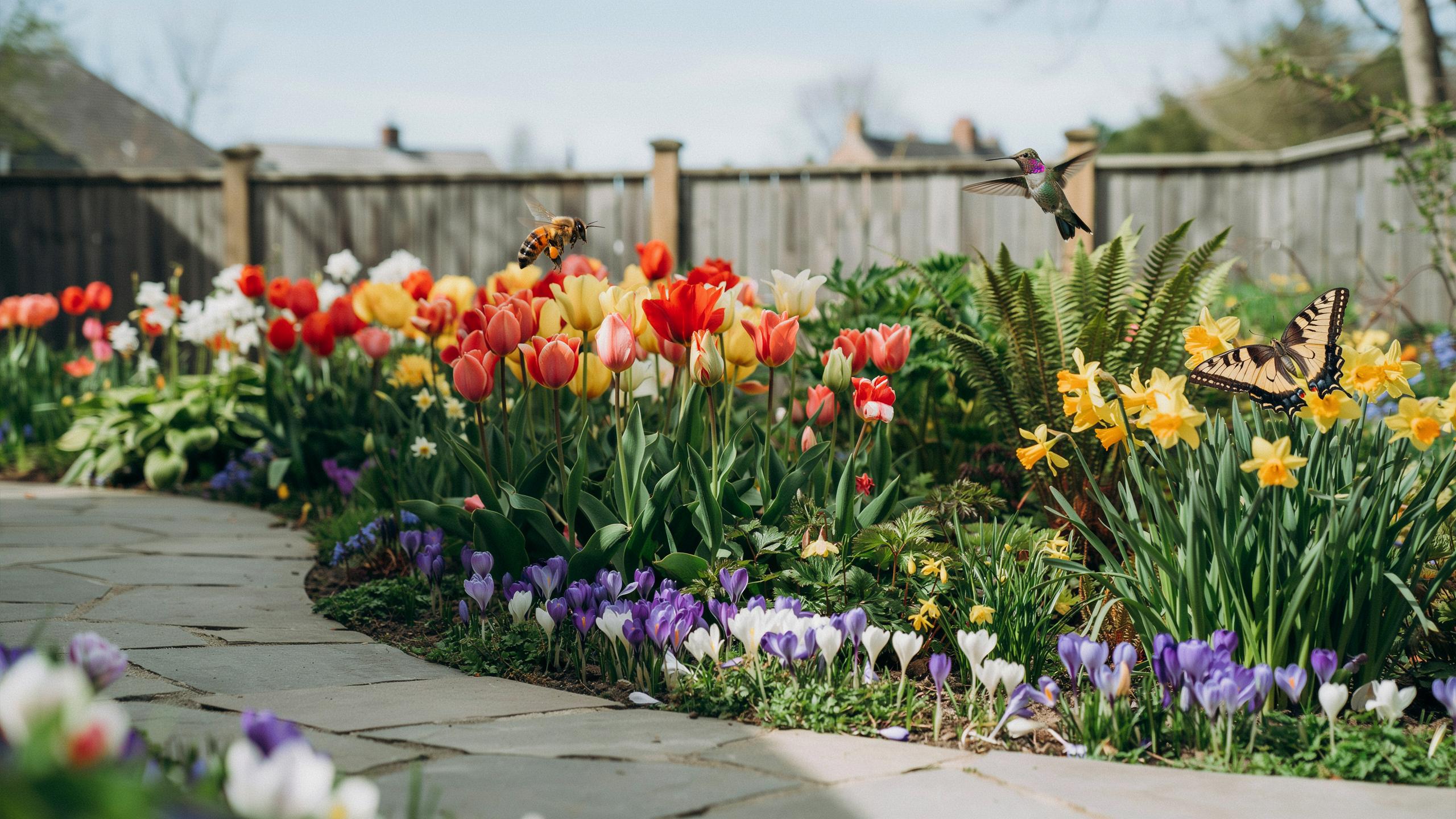
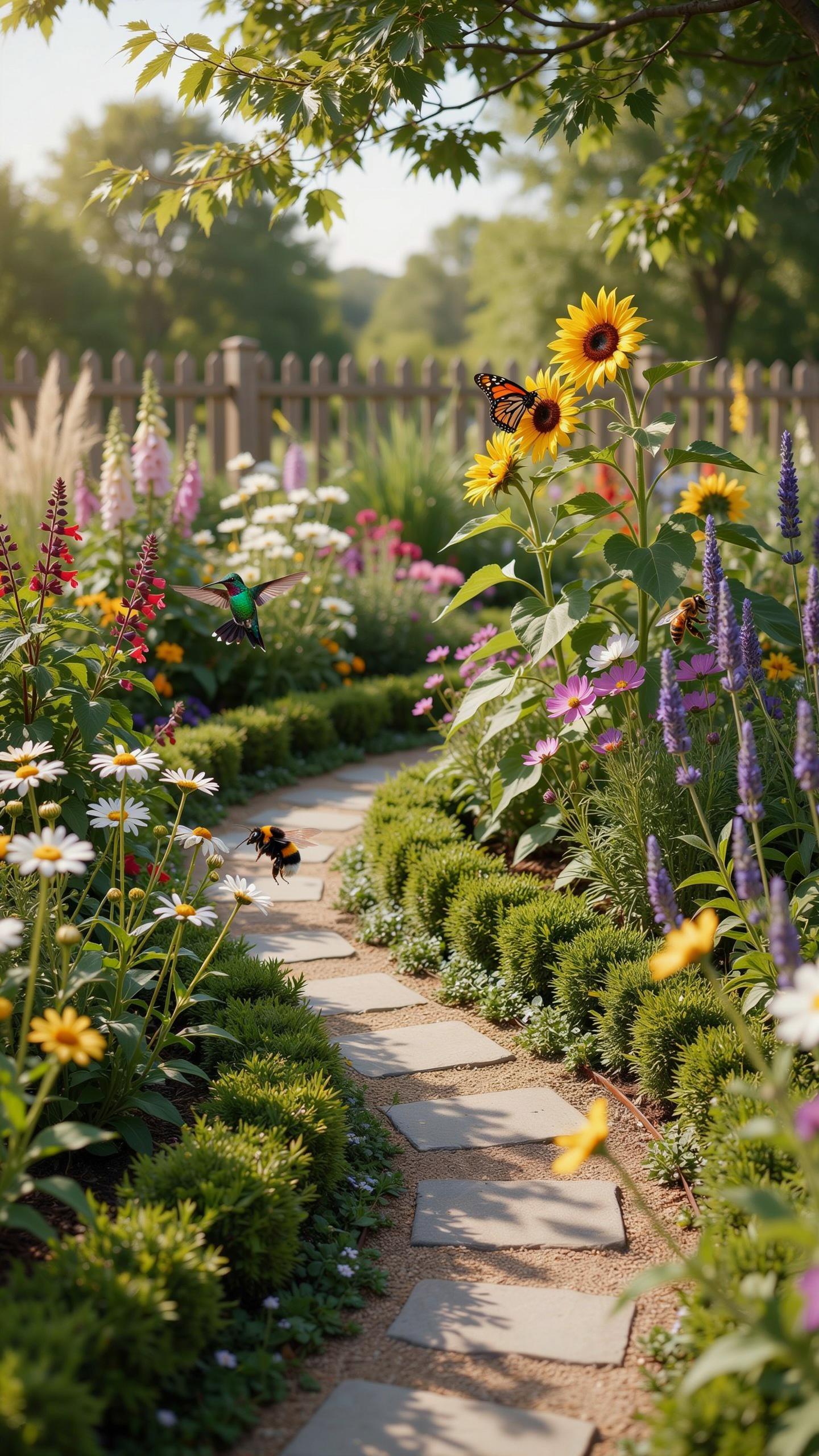
Spring bloomers create the first food source for pollinators emerging from dormancy. Bees, butterflies, and other insects face a critical hunger gap before summer flowers arrive. Early nectar and pollen availability directly impacts pollinator survival rates and reproductive success. Your garden fills this gap or leaves pollinators searching elsewhere for sustenance.
Strategic spring plant placement establishes consistent pollinator activity before peak season. Native species like trillium, Virginia bluebells, and hellebores bloom when few other plants flower. This early activity builds pollinator populations that service your entire garden through fall. Without these early bloomers, you lose the ecological foundation for season-long pollination.
Simplifying Upkeep With Strategic Early Spring Choices
Spring bloomers require less maintenance than summer alternatives because they evolved for your local climate. Bulbs and perennials planted in fall establish themselves naturally without constant intervention. These plants tolerate temperature fluctuations and moisture variations that spring weather delivers unpredictably.
Selecting regionally appropriate spring bloomers cuts watering, fertilizing, and pest management demands. Plants adapted to your zone handle stress better and recover faster from damage. This approach reduces your workload while maintaining consistent pollinator attraction. Strategic plant selection becomes your primary labor, not ongoing maintenance.
Selecting Essential Pollinator Plants For The Early Season
Top Perennial Early Spring Flowers For Local Pollinators
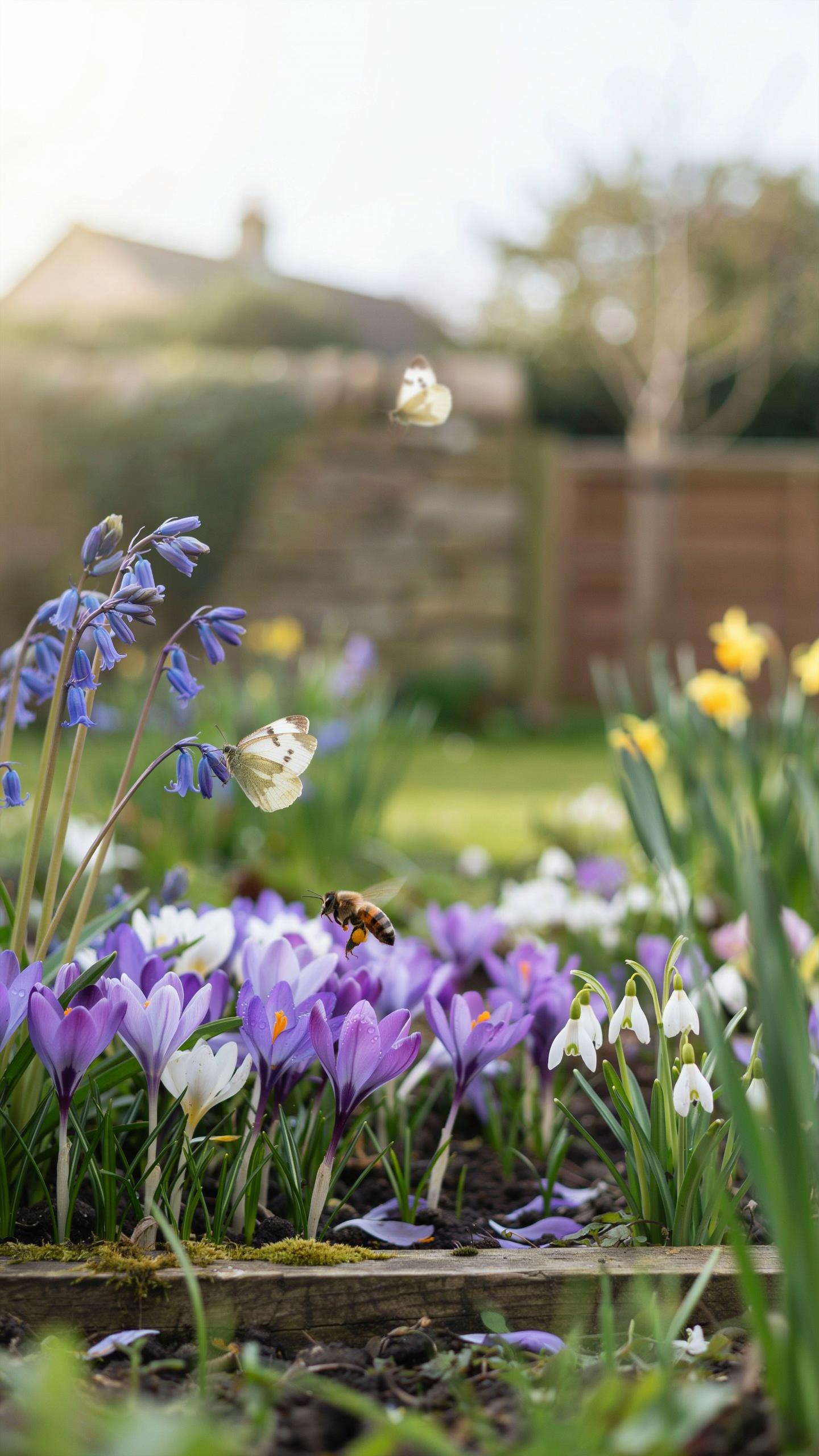
Early spring bloomers emerge when pollinators face critical food shortages after winter dormancy. Bees, butterflies, and other insects depend on these first nectar and pollen sources to rebuild populations and energy reserves. Selecting the right early bloomers directly impacts pollinator survival and reproduction rates in your region.
Hellebores, crocuses, and pulmonaria flower when temperatures rise above 50 degrees Fahrenheit. These plants produce accessible nectar and pollen that early-emerging insects can process efficiently. Timing matters: plants that bloom within your hardiness zone’s first warm weeks deliver the most value to hungry pollinators.
Must Have Native Species To Settle Into Your Soil
Native species establish faster and require less maintenance than non-native alternatives. They evolved to thrive in your local soil conditions and climate patterns. Using native plants reduces fertilizer needs, irrigation demands, and pest pressure while supporting regional pollinator populations adapted to these specific plants.
- Trillium: Blooms in dappled shade, produces pollen-rich flowers that ground-nesting bees prioritize in early spring across eastern and midwestern zones.
- Virginia Bluebells: Spreads reliably in moist soils, opens nectar sources for emerging butterflies and native bees during March through May depending on location.
- Bloodroot: Flowers in early spring before tree canopies fully leaf out, offering white petals and abundant pollen to solitary bees.
- Rue Anemone: Tolerates poor soils and shade, produces multiple small flowers that provide sustained nectar availability for early-season pollinators.
- Wild Ginger: Establishes ground cover while producing low flowers that attract flies and beetles essential for early pollination cycles.
Native species anchor your pollinator garden because local insects co evolved with them over thousands of years. Plant them in clusters of three to five for visual impact and efficient foraging patterns that pollinators recognize and exploit immediately.
Choosing Flowers For Bees And Butterflies To Ensure Rich Nectar
High Yield Nectar Producers To Plant This Spring
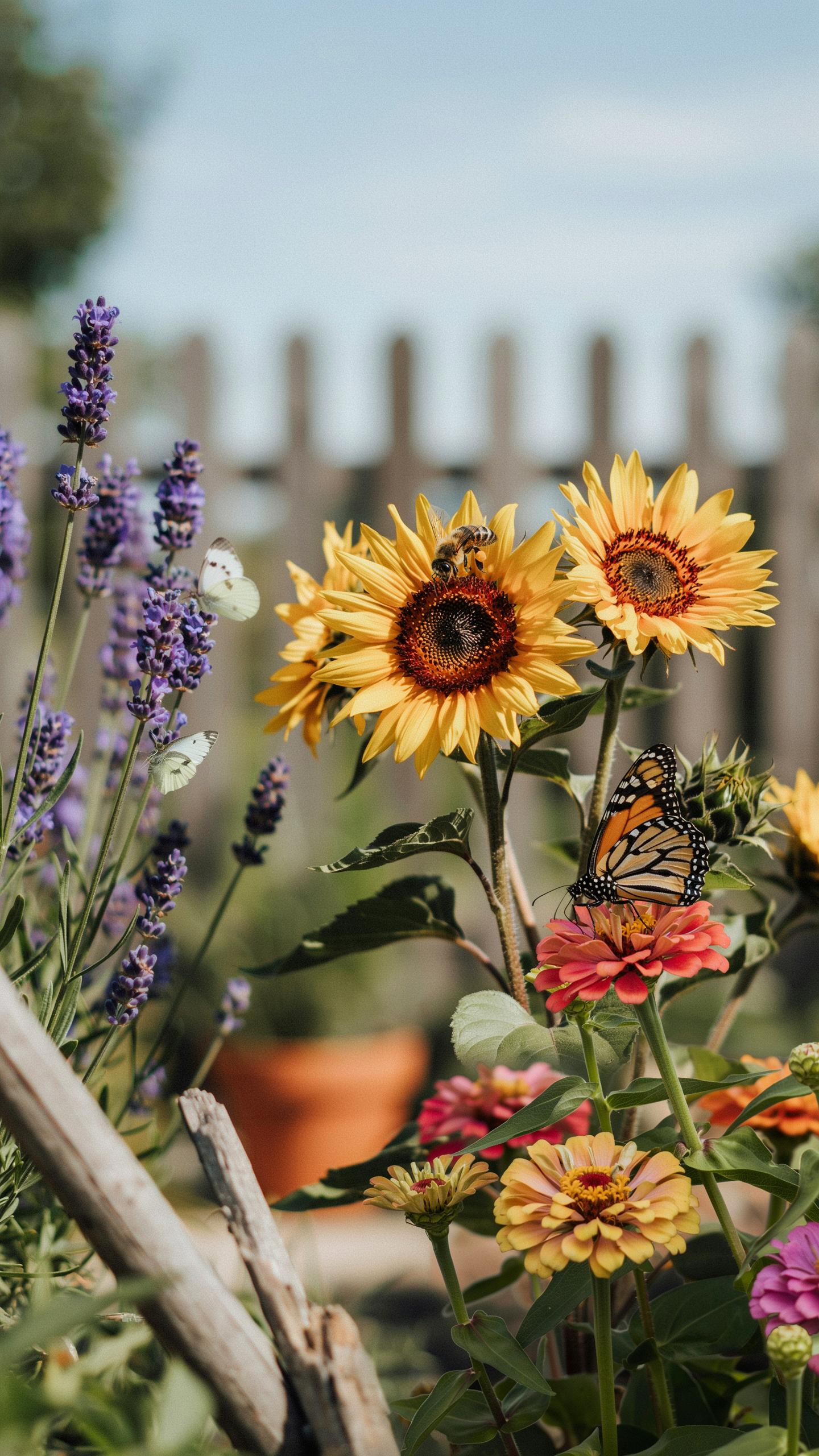
Bees and butterflies require nectar with specific sugar concentrations to fuel their activities. Spring bloomers deliver nectar when pollinators emerge from dormancy and need immediate energy. Select plants that flower early and continuously throughout spring to sustain pollinator populations. Hellebores, pulmonaria, and creeping phlox bloom in early spring when few other food sources exist. These plants produce accessible nectar that attracts diverse pollinator species to your garden consistently.
Dandelions, often removed as weeds, provide critical early-season nectar that pollinators depend on for survival. Flowering currant and serviceberry offer both nectar and pollen in moderate quantities. Pulmonaria produces nectar in flowers that transition from pink to blue as they age. Plant these species in clusters rather than scattered locations to create energy-efficient foraging zones for bees and butterflies.
The glory of gardening: hands in the dirt, head in the sun, heart with nature. To nurture a garden is to feed not just the body, but the soul.
Color And Shape Selection To Attract Beneficial Insects
Bee vision peaks in the ultraviolet, blue, and yellow spectrum. They cannot see red wavelengths effectively, making red flowers poor choices for bee gardens. Plant blue and purple spring bloomers like grape hyacinth, creeping phlox, and bleeding heart to maximize bee attraction. Yellow flowers including forsythia and early daffodils provide visual signals bees recognize instantly. Combine these colors in groups of three to five plants to create distinct foraging targets.
Flower shape determines which pollinators can access nectar efficiently. Bees prefer open, flat-faced flowers like hellebores and ajuga that allow easy landing and feeding. Butterflies require clustered flowers or tubular blooms they can perch on while feeding. Choose a mix of flower forms: single blooms for bees, clustered arrangements for butterflies, and tubular shapes for both. This diversity ensures your spring garden supports multiple pollinator types simultaneously.
Creating A Functional Pollinator Garden Layout For Spring Bloomers
Layering Heights For Visual Appeal And Wildlife Protection
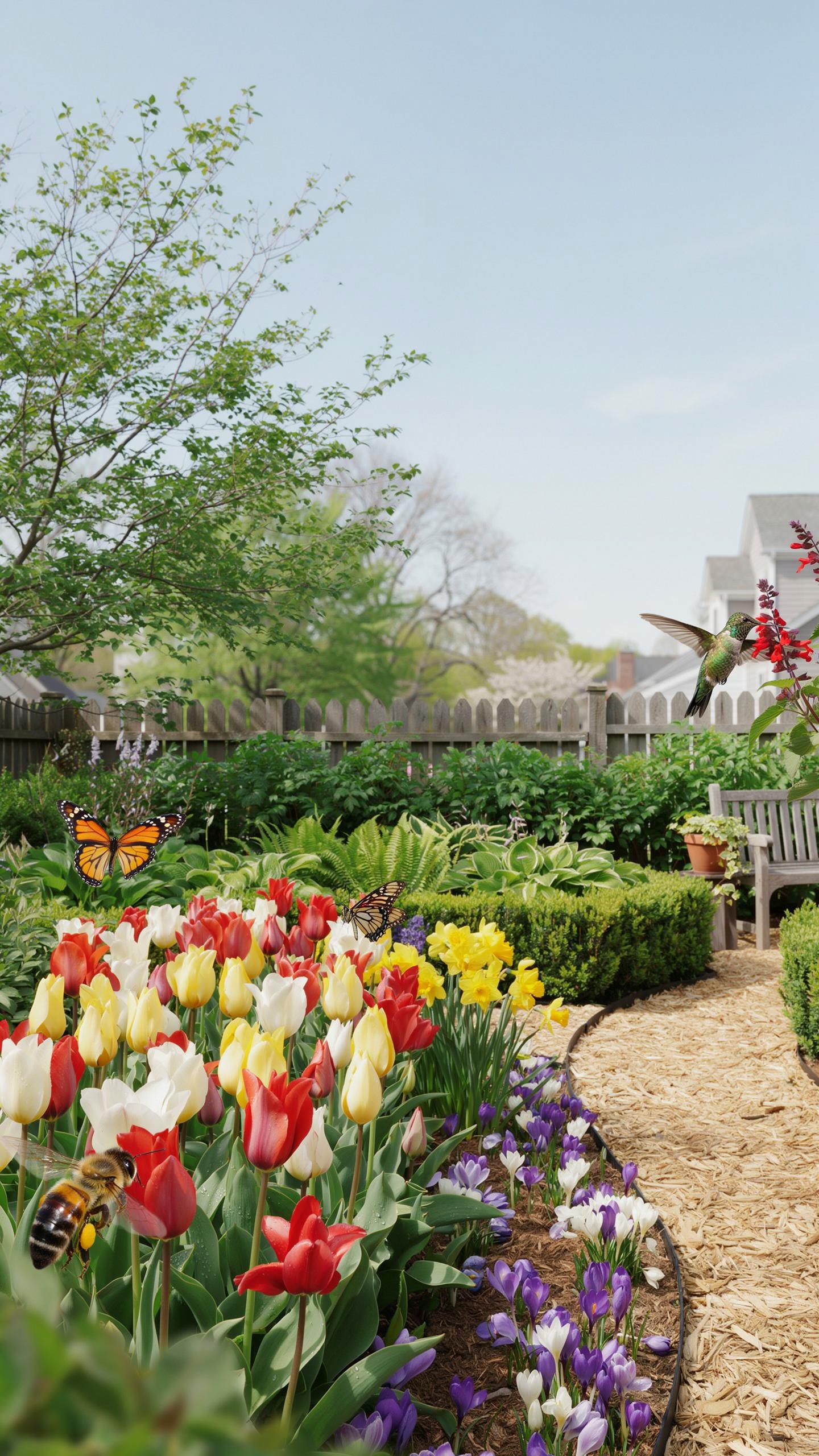
Pollinators navigate gardens by using visual landmarks and flight paths. Tall plants create barriers and landing zones. Medium heights provide shelter and foraging stations. Low plants fill gaps and prevent soil exposure. This three-tier structure works because it mirrors natural plant communities. Bees and butterflies move through layers based on flower position and wind protection. Strategic height placement reduces pest pressure and improves pollinator access to nectar and pollen sources throughout the season.
Arrange spring bloomers in this layered pattern to support different pollinator species simultaneously. Tall tulips and ornamental alliums reach 24 to 36 inches and anchor the back layer. Mid-height plants like hellebores and bleeding heart occupy 12 to 24 inches. Low creeping phlox and primrose stay under 12 inches. This arrangement prevents shading conflicts and gives every plant adequate sunlight. Pollinators work more efficiently when they can move vertically through your garden without obstruction or excessive flight distance between blooms.
Spacing Plants Correctly To Support Optimal Spring Growth
Overcrowded spring bloomers compete for water, nutrients, and air circulation. Proper spacing prevents fungal disease and allows root systems to establish quickly. Most spring bulbs need 4 to 8 inches between centers depending on species. Perennials require spacing equal to their mature width. Check plant tags for specific requirements rather than guessing. Dense plantings look fuller initially but underperform by year two when root systems clash and nutrient depletion accelerates.
Calculate spacing based on your garden’s soil quality and moisture level. Rich soil with good drainage tolerates closer spacing. Sandy or clay-heavy soil demands wider gaps. Measure from the center of one plant to the center of the next. Spring bloomers typically reach full width by their third growing season. Space them for their mature size, not their transplant size. This approach prevents expensive replanting and maintains pollinator pathways between flowers.
Implementing Pollinator Garden Ideas For Small And Large Spaces
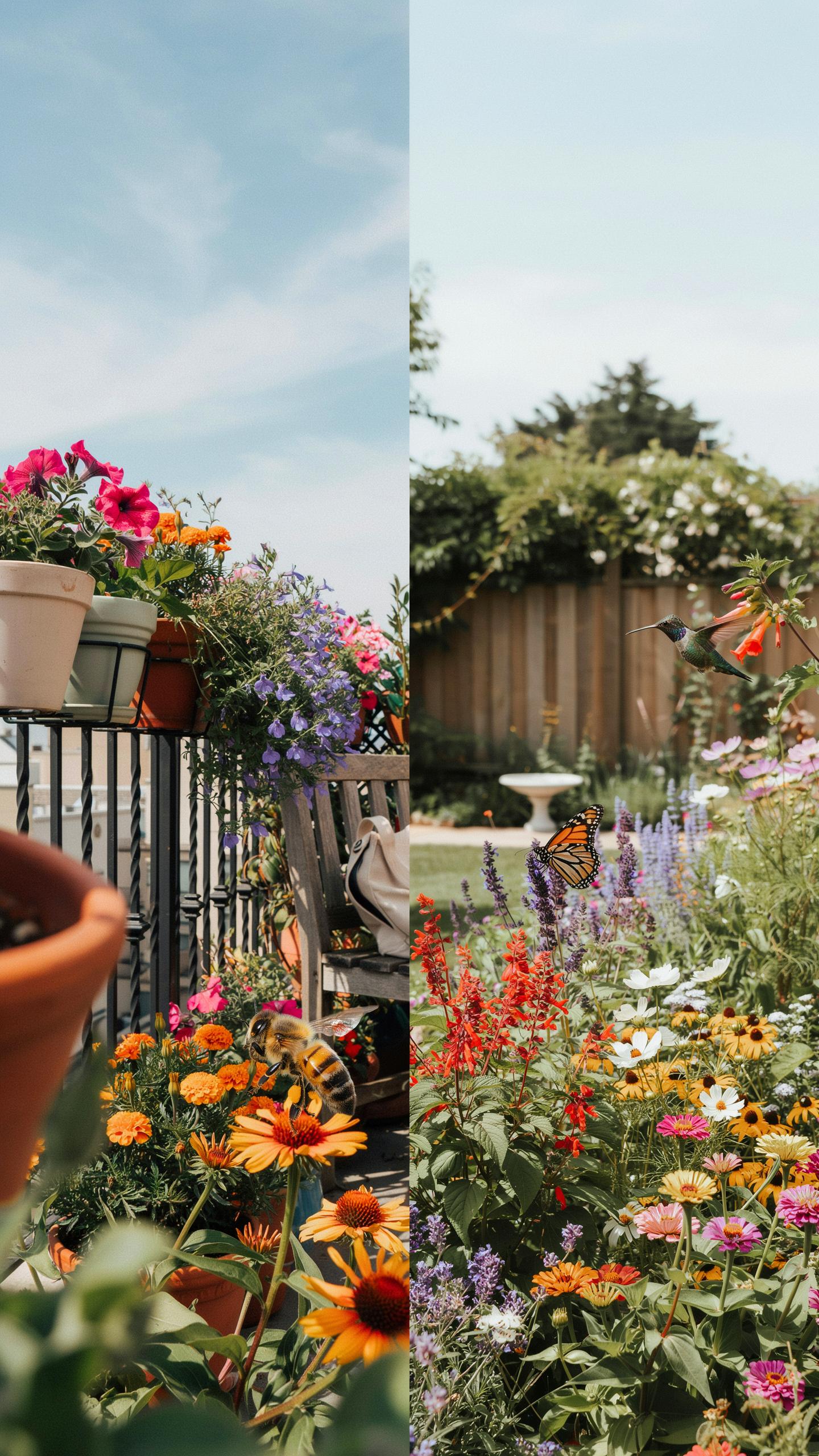
Creative Container Solutions For Patios And Balconies
Container gardening works for pollinators because you control soil quality, drainage, and plant density. Spring bloomers like hellebores, creeping phlox, and sweet alyssum thrive in containers sized 12 to 18 inches deep. Use well-draining potting mix, not garden soil. Position containers where they receive six hours of direct sunlight daily.
Bees and other pollinators locate nectar and pollen sources by color and scent. Group containers tightly so pollinators find multiple blooms without wasting energy between plants. Deadhead spent flowers to extend blooming periods through spring. Water containers consistently since they dry faster than in-ground beds, which reduces flower production.
Designing Striking Wildlife Borders In Large Backyards
Large spaces accommodate borders that attract diverse pollinator species through layered planting. Plant spring bloomers in drifts of three to five plants rather than single specimens. This density signals food sources to insects and creates visual impact from a distance. Combine early bloomers like crocus and primrose with mid-spring varieties such as allium and bleeding heart.
Wildlife borders succeed when you eliminate pesticides entirely since they kill larvae and adult pollinators. Leave some border areas unmulched or use loose mulch so ground-nesting bees access soil. Space plants according to mature width to prevent overcrowding that restricts pollinator movement. Maintain consistent moisture during spring to support rapid growth and sustained flowering.
Tailoring Your Pollinator Garden Design Front Yards For Curb Appeal
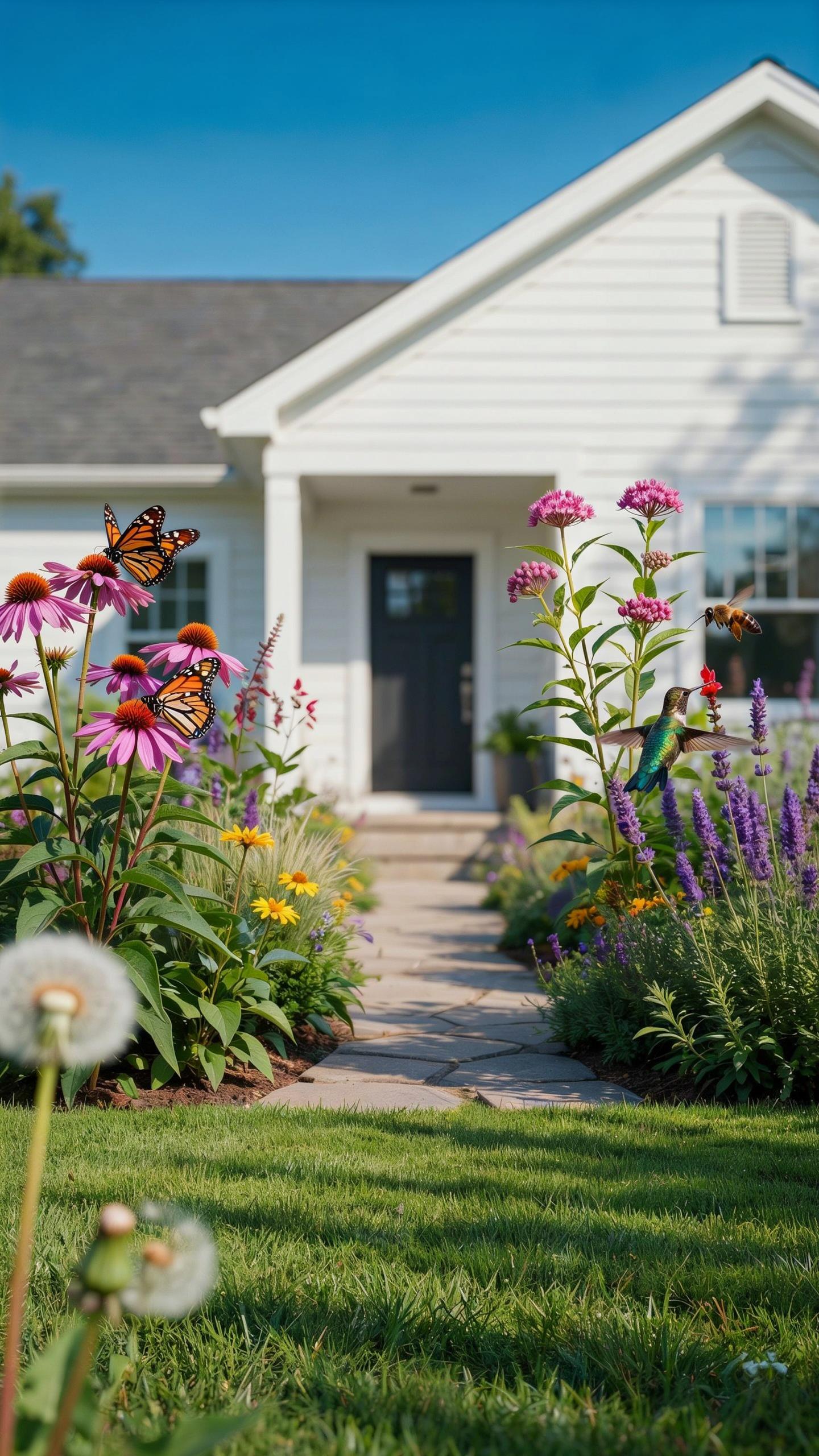
Blending Polished Aesthetics With Natural Habitat Needs
Front yards demand dual functionality. You need plants that attract pollinators while maintaining a maintained appearance. Spring bloomers deliver this balance through controlled color and structured growth patterns. Native species bloom reliably in spring and support local bee and butterfly populations simultaneously. The key is selecting species that flower predictably without sprawling into neighboring landscapes.
Design logic matters here. Choose spring bloomers that reach consistent heights and widths. Cluster plants by species rather than scattering individuals across the yard. This approach creates visual mass while making maintenance straightforward. Pollinators work efficiently in grouped plantings, and you avoid the chaotic appearance of random placement. Clean lines emerge naturally when you commit to structured spacing and species selection.
Symmetrical Borders And Edging Techniques For Clean Lines
Symmetrical borders control your pollinator garden’s visual footprint. Mirror plantings on either side of walkways or entryways. This formal structure appeals to curb appeal while accommodating spring bloomers at varied heights. Plant taller species toward the center or back, shorter bloomers toward edges. Consistency in this layering technique creates intentional design, not accident.
Edging materials define garden boundaries sharply. Metal, stone, or composite edging separates planting beds from lawn. Hard edges eliminate fuzzy transitions and reduce maintenance ambiguity. Spring bloomers planted inside defined borders appear curated rather than wild. This separation psychology drives perceived polish. Install edging before planting to establish clean lines immediately. Your pollinator garden reads as intentional landscape design rather than overgrown naturalism.
Comparing Creative Pollinator Garden Layout Ideas For Best Sunlight
The Full Sun Cottage Layout For Abundant Spring Blooms
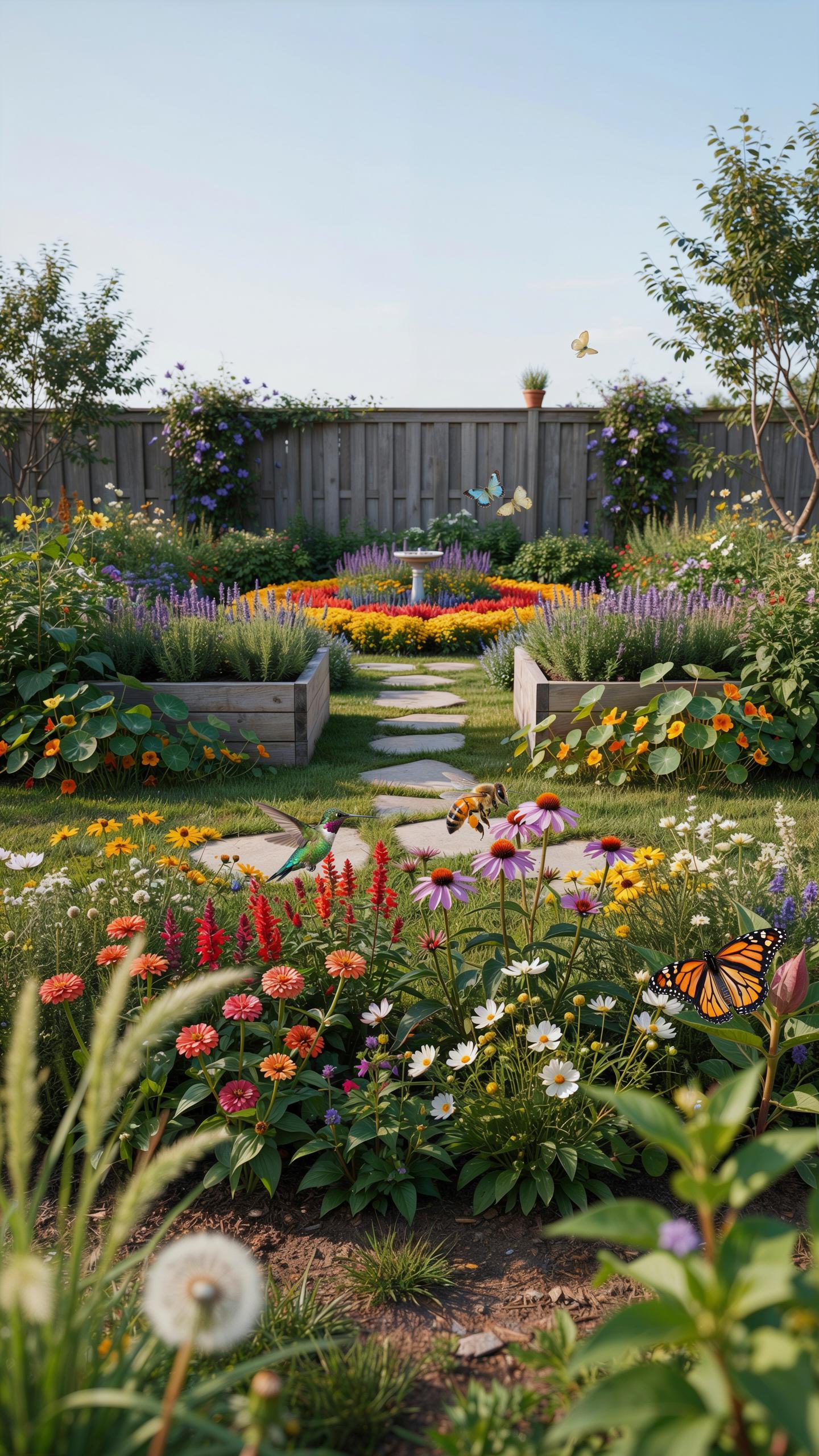
Full-sun cottage gardens receive six to eight hours of direct sunlight daily. This exposure drives vigorous growth and dense flowering in spring bloomers. Early-season perennials like hellebores, creeping phlox, and candytuft thrive in these conditions. Bees and other pollinators visit frequently because abundant blooms mean consistent nectar and pollen sources. Position tall plants on garden edges to prevent shade cast on shorter specimens.
The cottage layout prioritizes mixed plantings with varied heights and bloom times. Space plants closer together than traditional gardens to create visual density and reduce weeding. Use informal drifts of color rather than rigid rows. Spring bloomers like pulmonaria, brunnera, and grape hyacinth fill gaps between emerging perennials. This arrangement maximizes pollinator activity from early March through May in temperate zones.
Shaded Woodland Schemes For Understory Pollinators
Woodland gardens receive two to four hours of dappled sunlight filtered through tree canopies. Native woodland spring bloomers adapted to these conditions include trillium, mayapple, and wild ginger. These plants evolved under deciduous trees and produce flowers before trees fully leaf out in spring. Pollinators including native bees, hoverflies, and beetles actively forage in these light-limited environments because competition is lower than in full-sun areas.
Layer woodland gardens in three tiers to maximize light use and blooming surface area. The tallest layer consists of understory shrubs and small trees. The middle layer features taller herbaceous plants like hellebores and epimedium. The ground layer holds low spring bloomers such as bloodroot and wood anemone. This vertical structure creates multiple bloom zones and extends pollinator foraging from February through June depending on your region.
Strategic Companion Plants For Bees And Butterflies To Boost Health
Scented Herb Integrations That Deter Pests Naturally
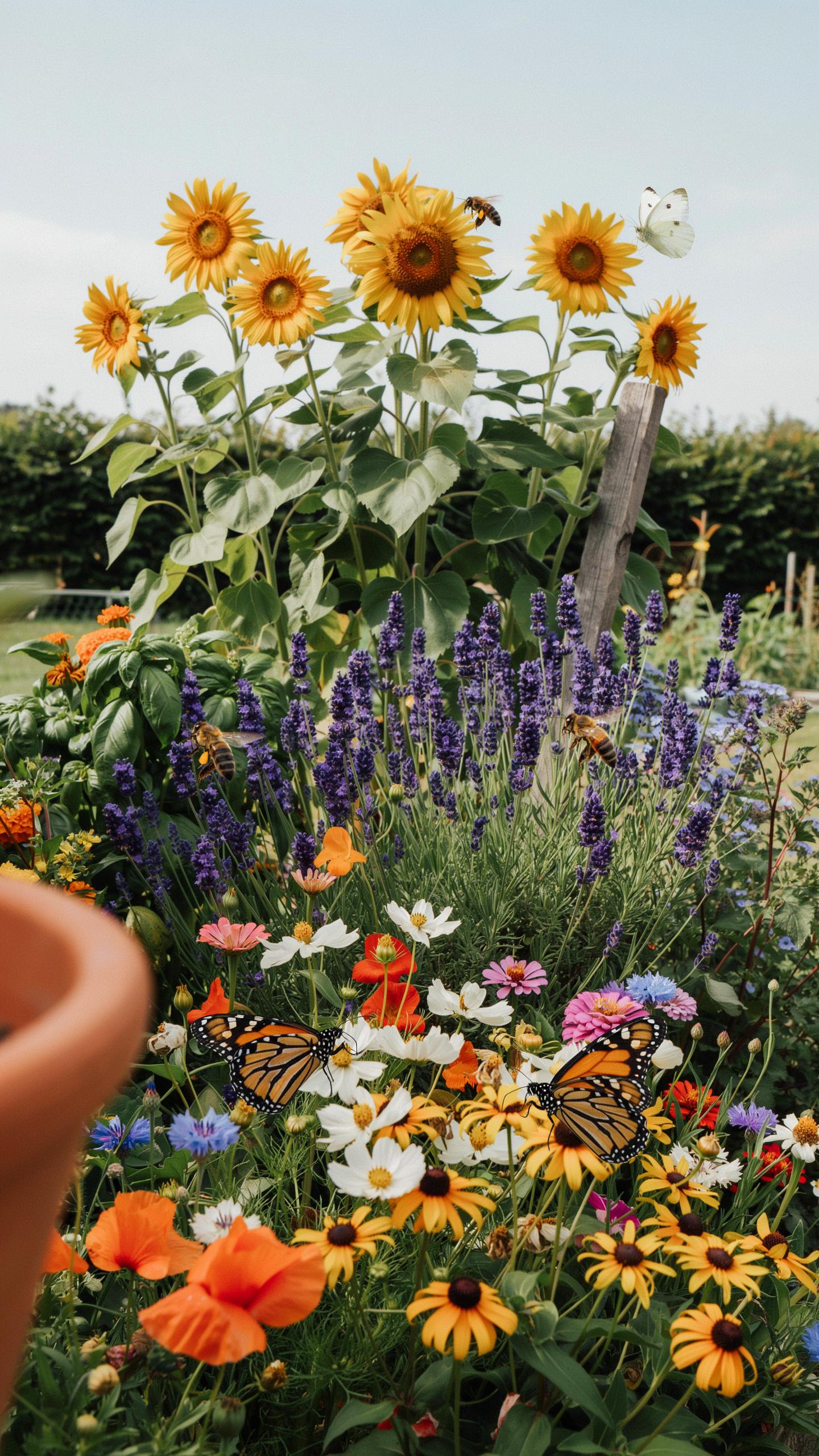
Herbs like lavender, thyme, and oregano release volatile compounds that repel common garden pests. Bees visit these plants for nectar while the scent disrupts pest navigation and feeding behavior. Plant herbs in clusters near vegetable sections or flower beds. This dual-purpose approach protects your garden while feeding pollinators throughout the growing season.
Mint family herbs including basil and sage attract pollinators while their oils deter aphids and spider mites. Position these herbs around garden perimeters where pest pressure peaks. The aromatic oils act as natural barriers without chemical inputs. Your pollinator population gains food sources while your garden maintains pest pressure below damaging thresholds.
The Best Companion Flowers To Group Together This Season
Spring bloomers need strategic placement to maximize pollinator visits and minimize competition for resources. Grouping plants by bloom time and nectar availability creates predictable feeding zones. Pollinators work more efficiently when flowers cluster together rather than scatter across beds. This saves them energy and increases your garden’s overall productivity.
- Hellebores with Pulmonaria: Hellebores bloom earliest in spring, followed by pulmonaria’s spotted foliage and blue flowers. Both attract early season pollinators and provide sequential coverage from late winter through mid spring.
- Creeping Phlox with Primrose: These plants overlap blooming periods in mid spring and share similar light requirements. Bees visit both repeatedly, maximizing pollinator density in concentrated areas.
- Candytuft with Bleeding Heart: Candytuft offers nectar-rich clusters while bleeding heart provides shelter beneath its finely textured foliage. Both tolerate partial shade and extend bloom windows through spring.
- Muscari with Hellebores: These combinations bridge early and mid spring blooms with contrasting flower structures. Muscari’s spikes complement hellebores’ cup shapes, attracting diverse pollinator species simultaneously.
- Woodland Phlox with Virginia Bluebells: This pairing thrives in moist, partially shaded spots and creates mass color effect. Virginia bluebells fade as phlox intensifies, maintaining continuous nectar availability for spring pollinators.
Grouping these combinations in dedicated zones reduces foraging time for pollinators. Your bees and butterflies concentrate on specific beds rather than traveling between scattered plantings. This focused approach increases pollination rates for each flower cluster while reducing pollinator fatigue throughout the season.
Smart Maintenance Tips For A Polished Pollinator Garden Design
Managing Spent Blooms Without Disrupting Nesting Insects
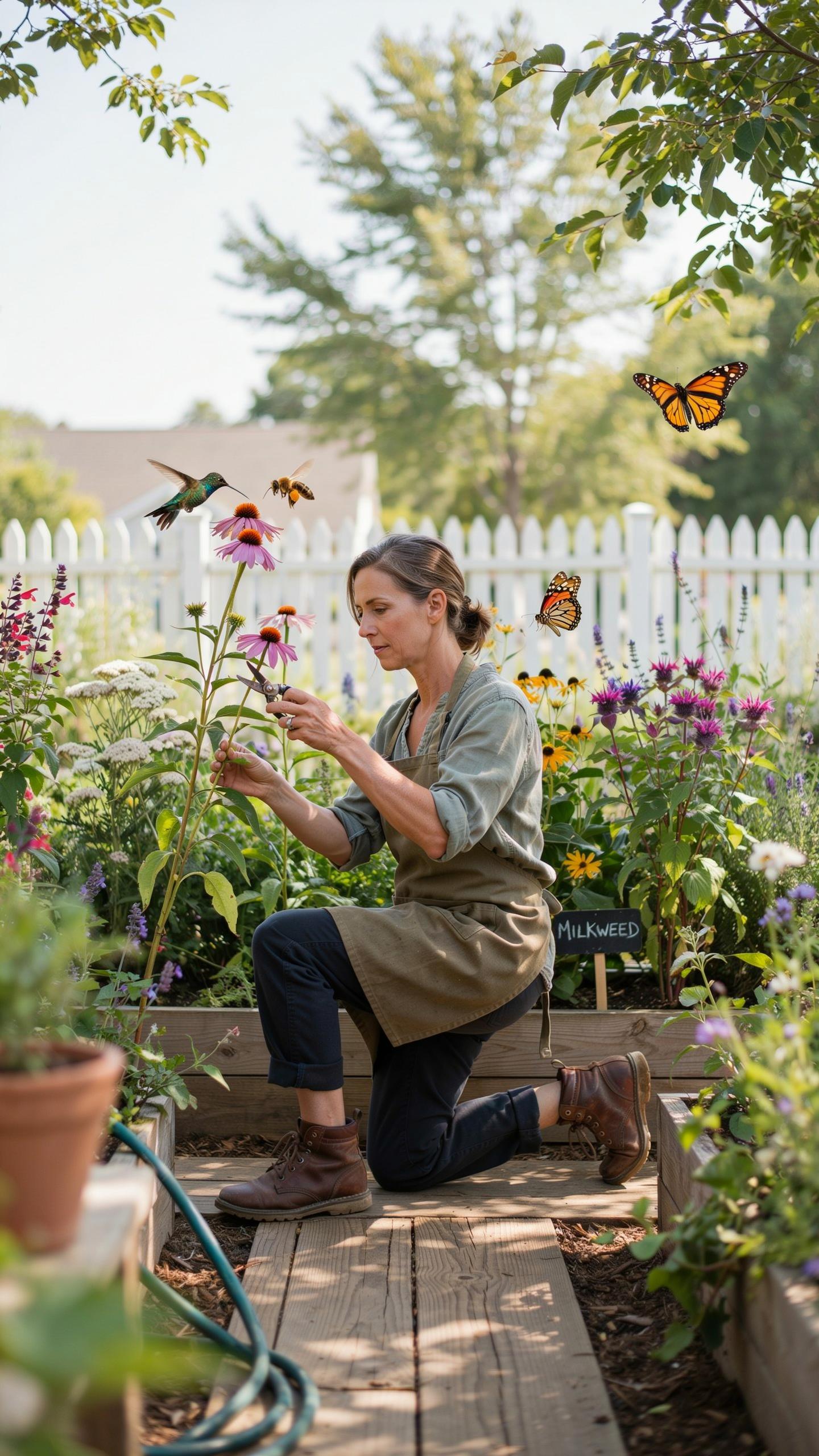
Remove dead flowers selectively to maintain garden structure for nesting sites. Many solitary bees and other pollinators use hollow stems and seed heads as shelter through fall and winter. Deadhead only the outer spent blooms while leaving interior plant material intact. This approach extends flowering periods while preserving critical habitat that insects depend on for survival and reproduction cycles.
Time your deadheading for late fall after insects complete nesting activities. Spring bloomers like hellebores and pulmonaria produce seeds that birds consume, so leaving some seed heads standing feeds wildlife while supporting the ecosystem. Cut back only what blocks new growth or creates disease risk. This selective pruning maintains visual polish without sacrificing the structural elements pollinators need for shelter and nesting.
Eco Friendly Weed Control To Keep Your Spring Beds Clean
Hand pull weeds before they flower and set seed in early spring when soil moisture makes removal easier. This prevents weed competition for nutrients and water that your spring bloomers need. Remove weeds at soil level to eliminate regrowth from remaining root fragments. Consistent early removal reduces your workload throughout the season and keeps beds visually clean without chemical intervention.
Apply mulch layers two to three inches deep around spring plants to suppress weed germination. Use organic mulch like shredded bark or compost that breaks down and improves soil structure over time. Mulch also regulates soil temperature and moisture, supporting both plant health and beneficial soil organisms. Reapply mulch annually as it decomposes, maintaining consistent coverage and weed suppression year after year.
Frequently Asked Questions

What are the best plants to start a beginner-friendly pollinator garden?
Starting a pollinator garden design with spring bloomers is easier than you think. Beginners should focus on hardy perennials like Creeping Phlox, Hellebores, and native Violets. These low-maintenance choices provide early nectar for bees and butterflies while creating a lush, professional aesthetic. By selecting plants that naturally thrive in your local climate, you ensure a vibrant, high-impact landscape that requires very little effort to maintain throughout the season.
How do I arrange spring bloomers to maintain a polished garden aesthetic?
To achieve a sophisticated look, group your plants in drifts rather than scattering them individually. This approach to pollinator garden design spring bloomers makes it easier for pollinators to locate food sources while creating an intentional, curated feel. Layer taller specimens like Bleeding Hearts behind lower-growing varieties like Primrose. Using a cohesive color palette, such as soft purples and whites, will keep your early spring landscape looking organized and elegant.
Can I design a beautiful pollinator garden if I am on a tight budget?
Absolutely! Creating a stunning garden doesn’t require a fortune. You can save money by purchasing bare-root plants or starting seeds like Poppies and Sweet Alyssum directly in the soil. Another great tip is to divide established perennials from neighbors or friends. With a bit of patience, these affordable additions will fill your space with color, proving that an elegant, eco-friendly landscape is accessible to every homeowner regardless of their budget.