Understanding The Importance Of A Monarch Habitat

Why Conservation Matters
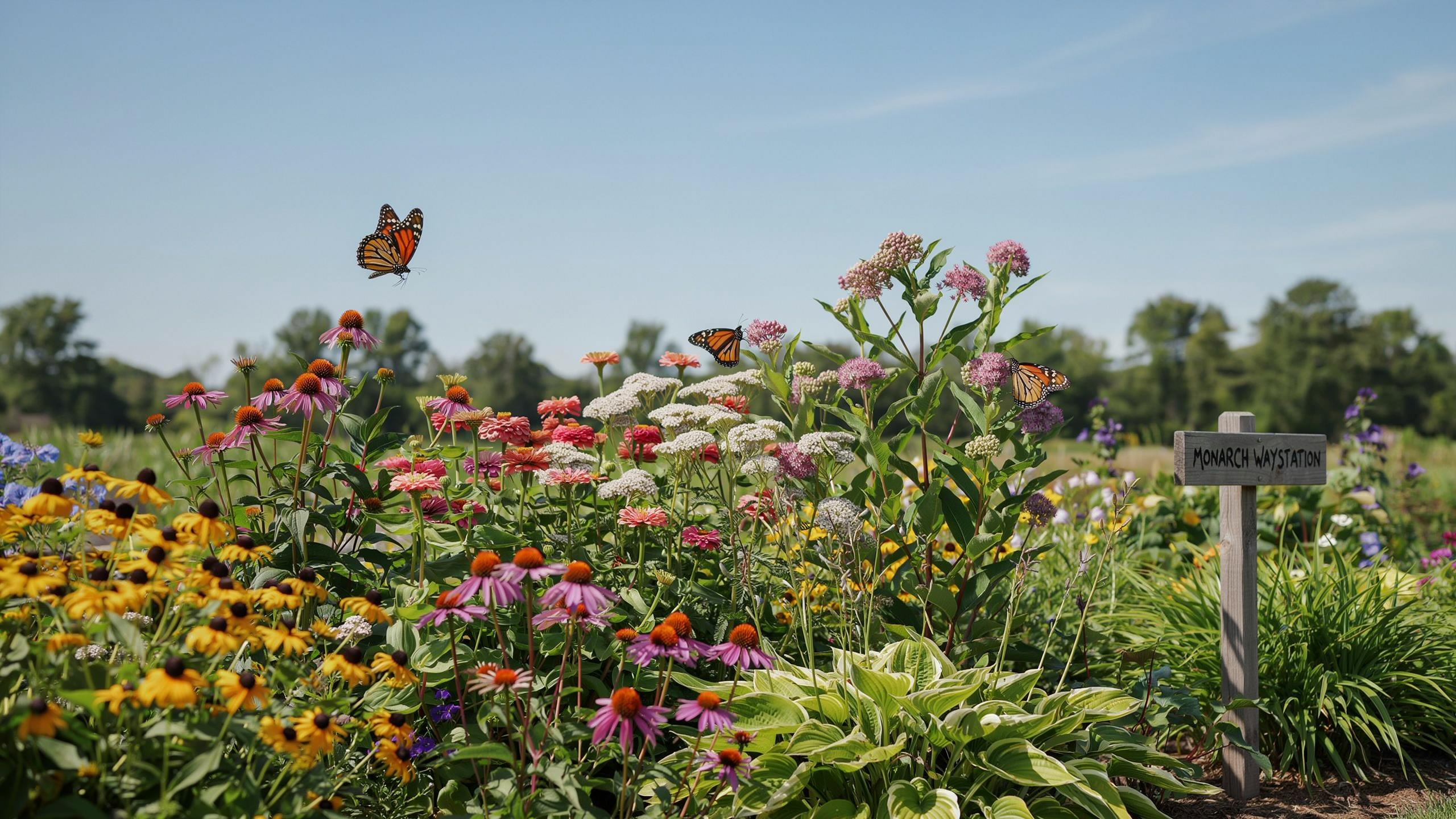
Monarch butterflies serve as pollinators for native plants across North America. Their larval stage depends exclusively on milkweed plants, making that species relationship non-negotiable for population survival. Eastern monarchs migrate between Mexico and Canada annually, covering up to 3,000 miles. This migration requires consistent food and shelter sources along the entire route to complete successfully.
Population counts have declined significantly over recent decades due to habitat destruction and pesticide use. Backyard waystations function as refueling stops during migration. They provide nectar sources and milkweed plants that support monarch reproduction and energy reserves. Without these intermediate habitats, migration success rates drop substantially for monarchs traveling between overwintering and breeding grounds.
Habitat Loss Solutions
Urban sprawl and agricultural development have eliminated milkweed from vast regions where monarchs historically bred and fed. Herbicide application on cropland destroyed native plant communities that monarchs depended on for generations. Domestic gardens now fill critical gaps in the migration corridor by restoring milkweed and nectar plants in fragmented landscapes.
Residential waystations accumulate into networks that support monarch populations across entire regions. Individual gardeners contribute meaningfully to conservation through strategic plant selection and habitat design. These gardens provide breeding habitat, migrating fuel sources, and shelter from weather. The combined effect of multiple waystations helps stabilize populations that face pressure from habitat loss elsewhere.

How To Create A Monarch Waystation In Your Yard
Selecting The Ideal Location For Flight
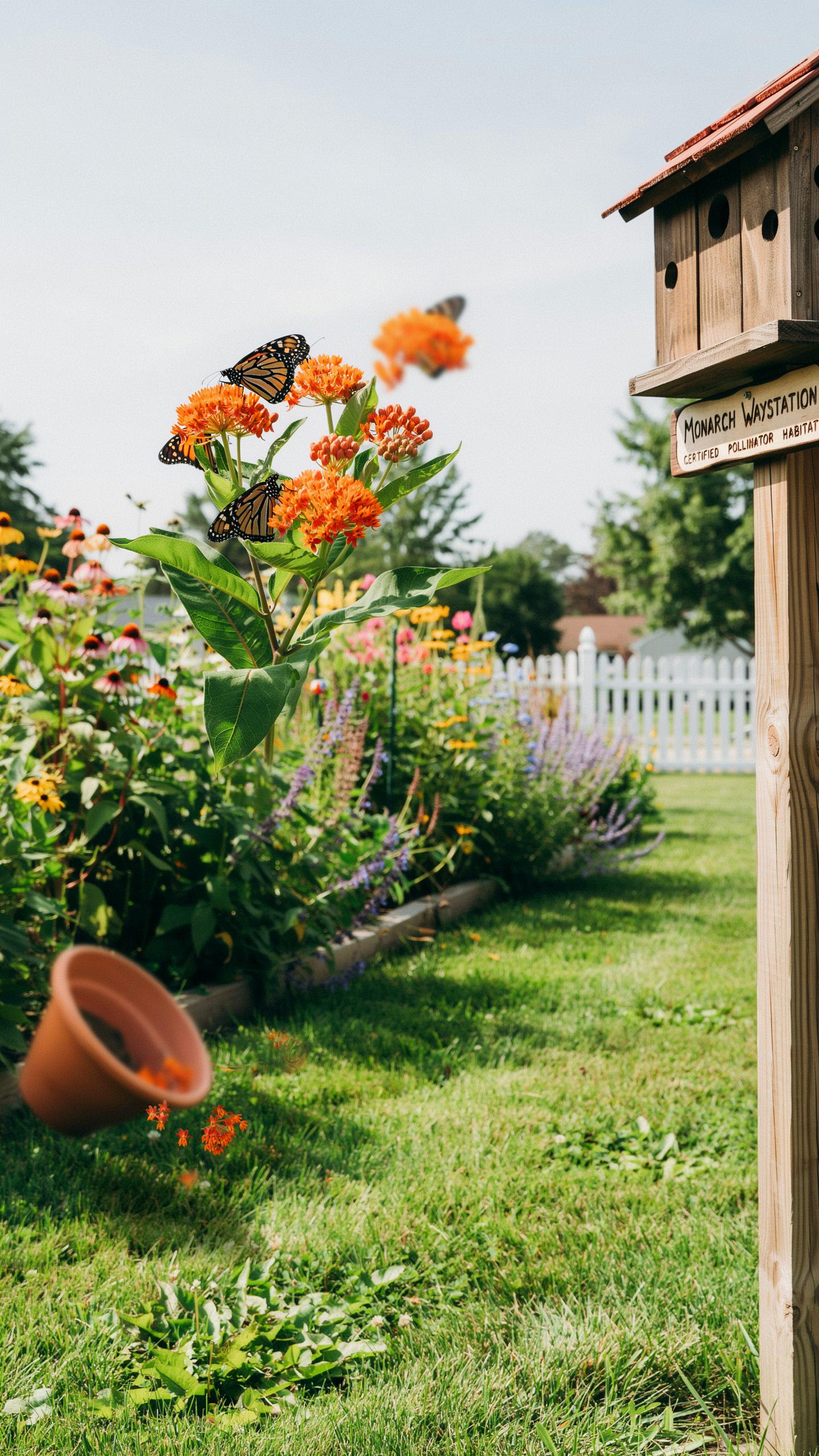
Monarchs need six to eight hours of direct sunlight daily to fuel their metabolism and reproduce. Choose a spot in your yard that receives unobstructed sun during peak daylight hours. Avoid areas shaded by trees or structures. The location determines whether butterflies will visit your garden or bypass it entirely.
Wind exposure matters more than most gardeners realize. Monarchs struggle against strong gusts, which tire them and disrupt feeding and mating. Position your waystation where trees, fences, or structures block prevailing winds without creating total shade. North-facing windbreaks work best in most climates. This protection directly increases the time monarchs spend in your garden.
Soil Preparation And Drainage Needs
Monarch host plants and nectar sources require soil that drains water within 24 hours of heavy rain. Wet soil promotes root rot and fungal disease, killing plants before butterflies benefit. Test your soil by digging a hole, filling it with water, and observing drainage speed. Heavy clay soil needs amendment with compost or sand to improve structure.

Incorporate two to four inches of compost into the top six inches of native soil before planting. This improves drainage while adding nutrients that support plant growth. If your yard has extremely poor drainage, build raised beds filled with quality garden soil mixed with compost. Proper drainage directly affects plant survival and the food availability monarchs depend on.
The Core Principles Of Monarch Waystation Design
Shelter And Spatial Arrangement Rules
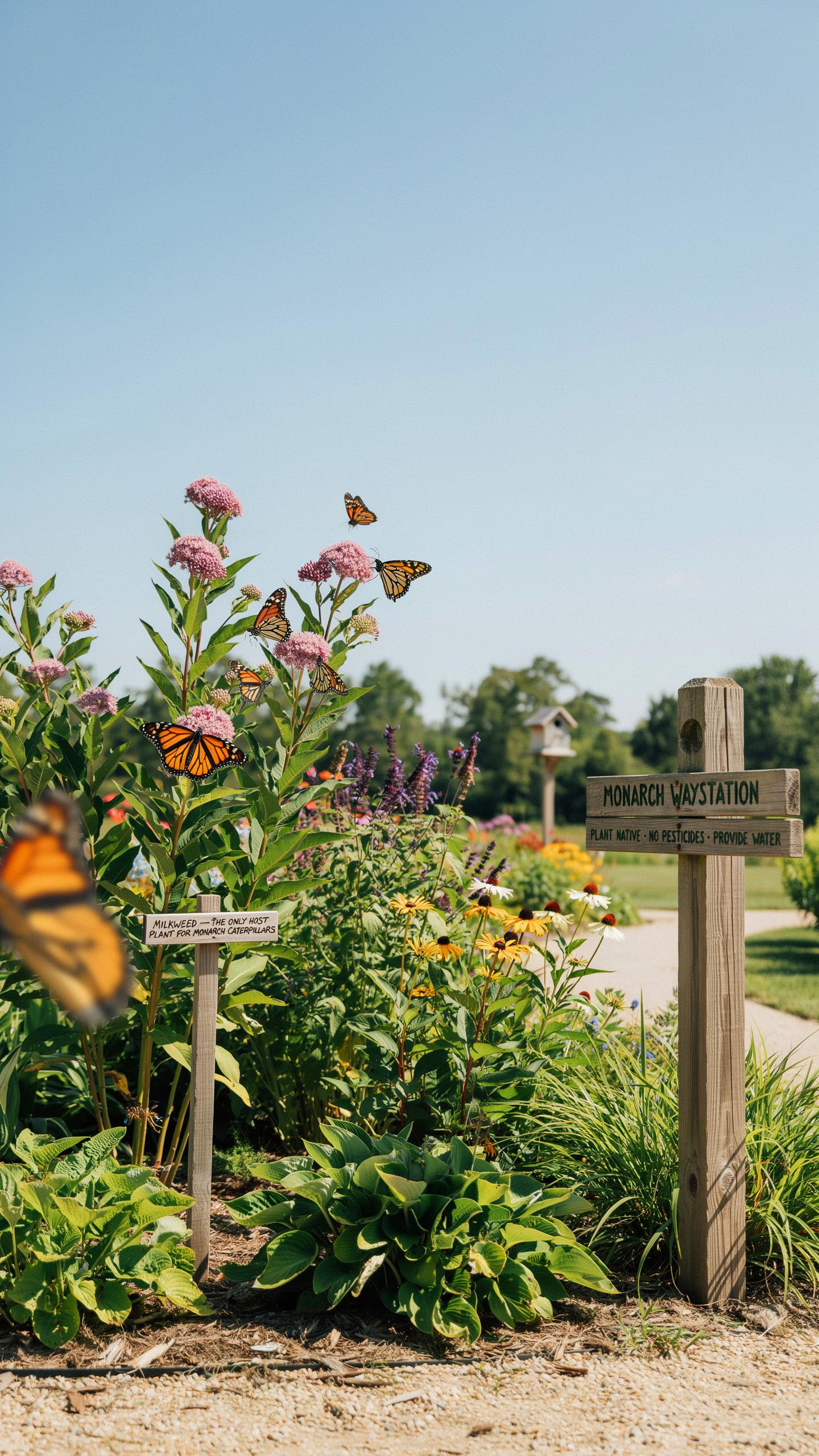
Monarchs need protection from wind and predators to survive their journey. Plant native trees and shrubs in clusters to create windbreaks. Position tall plants on the north and west sides where harsh weather typically arrives. Space plantings 3 to 5 feet apart to allow monarchs room to land and rest without crowding. Dense vegetation blocks wind gusts that exhaust migrating butterflies and makes them vulnerable to predators.
Arrange your garden in layers using different plant heights. Place nectar flowers at various levels so monarchs find food without exposing themselves. Ground-level plants provide shelter for chrysalises and resting adults. Milkweed, your primary host plant, should sit among taller perennials that break wind patterns. This layered design creates multiple safe zones monarchs use throughout their stay.
Integrating Water Sources And Puddling Areas
Male monarchs extract critical minerals from mud and sand that females cannot access the same way. Create shallow puddling areas using sand mixed with compost in a depression 2 to 3 inches deep. Keep this area consistently moist but not waterlogged. Place puddling zones near nectar sources so males refuel and hydrate in one location. This setup reduces energy expenditure during migration periods.

Build puddling areas with low sides so butterflies land safely without drowning risk. Mix coarse sand with composted material to hold moisture longer. Water your puddling area during dry spells to maintain consistency. Position multiple small puddling zones throughout your waystation rather than one large area. This prevents overcrowding and gives males choices based on wind direction and sun exposure.
Essential Plants For An Authentic Monarch Garden
Native Milkweed Species By Region Guide
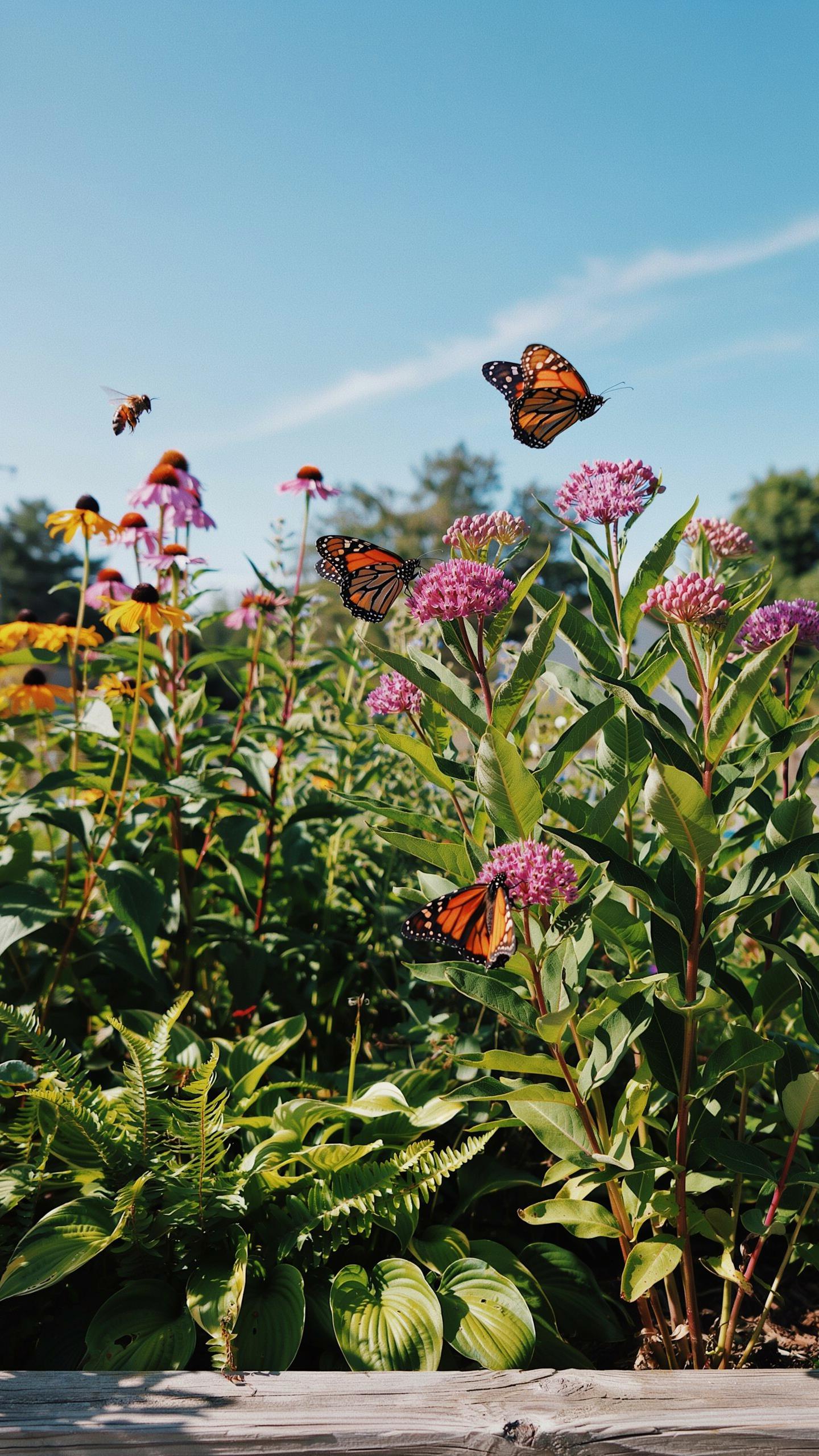
Milkweed is the only larval host plant for monarch butterflies. Without it, caterpillars cannot develop. Select species native to your region to ensure they thrive in your climate and soil conditions. Research your USDA hardiness zone and local native plant resources to identify which Asclepias species grow naturally in your area.
The Northeast supports common milkweed and swamp milkweed. The Midwest thrives with showy milkweed and butterfly milkweed. Southern regions favor aquatic milkweed and showy milkweed. Western states use narrowleaf milkweed and desert milkweed. Planting regionally appropriate species reduces maintenance while providing reliable monarch habitat. Contact your local cooperative extension or native plant society for precise species recommendations for your exact location.
Crucial Late Season Nectar Sources To Plant
Migrating monarchs burn significant energy during fall migration. They require nectar-rich plants blooming September through November to refuel. Asters and goldenrod are core autumn bloomers that sustain migration populations. These plants reliably produce nectar when other resources dwindle, making them tactical necessities rather than optional additions.

Plant asters in clusters of five to ten plants for visual impact and pollinator accessibility. Goldenrod blooms prolifically and attracts monarchs reliably across most regions. Add New England aster, aromatic aster, and heath aster for extended blooming windows. Include Joe-Pye weed and ironweed as secondary nectar sources. Space plants eighteen to twenty-four inches apart to accommodate mature size. This density creates efficient feeding zones monarchs recognize and exploit during their critical departure window.
How To Make A Monarch Butterfly Waystation Step By Step
Essential Materials And Tools Checklist
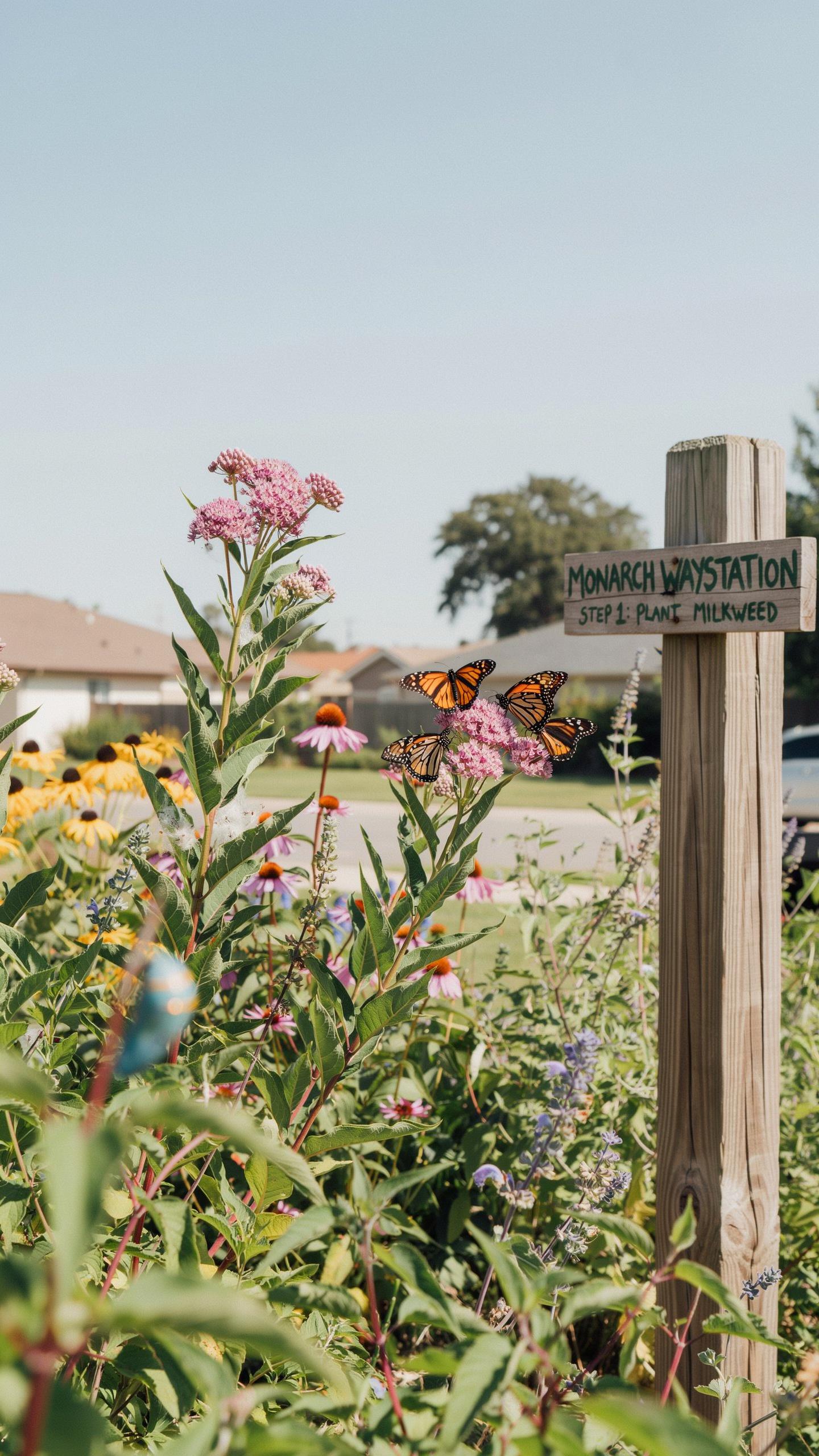
You need specific items to build a functional waystation. Start by sourcing native milkweed plants, which monarchs require for caterpillar development. Gather nectar plants that bloom at different times. Collect soil amendments, mulch, and basic gardening tools. Obtain a water source or irrigation setup. These supplies form the foundation of your certified pollinator space.
- Native milkweed varieties: Asclepias species native to your region provide the only food source for monarch caterpillars and are non-negotiable for any waystation.
- Nectar plants: Select native flowers that bloom spring through fall to fuel adult monarch migration and reproduction cycles.
- Organic mulch: Use wood chips or shredded bark to retain soil moisture, regulate temperature, and suppress competing weeds around plants.
- Soil amendments: Add compost or aged manure to improve drainage and nutrient content in poor soil conditions.
- Gardening tools: Acquire a shovel, spade, pruning shears, and hand trowel for site preparation and planting work.
- Watering system: Install drip irrigation or maintain hand watering capability during establishment and drought periods.
Proper tools and materials eliminate guesswork during installation. Quality supplies reduce plant failure rates and accelerate monarch population establishment.
Planting Techniques And Mulching Guidelines Step
Plant milkweed and nectar species at the same depth they occupied in their containers. Dig a hole matching the root ball size, then position plants so the soil line aligns with the garden surface. Shallow planting stresses young plants. Deep planting causes stem rot. Match the planting depth exactly to container specifications.

Apply mulch two to three inches deep around each plant, keeping it one inch away from stems. Mulch retains moisture during dry spells and moderates soil temperature fluctuations. Prevent mulch from touching plant stems directly, as this creates rot conditions. Replace mulch annually as it breaks down and settles into the soil.
Creative Monarch Butterfly Waystation Ideas For Small Spaces
Container Gardening For Balconies And Patios Ideas
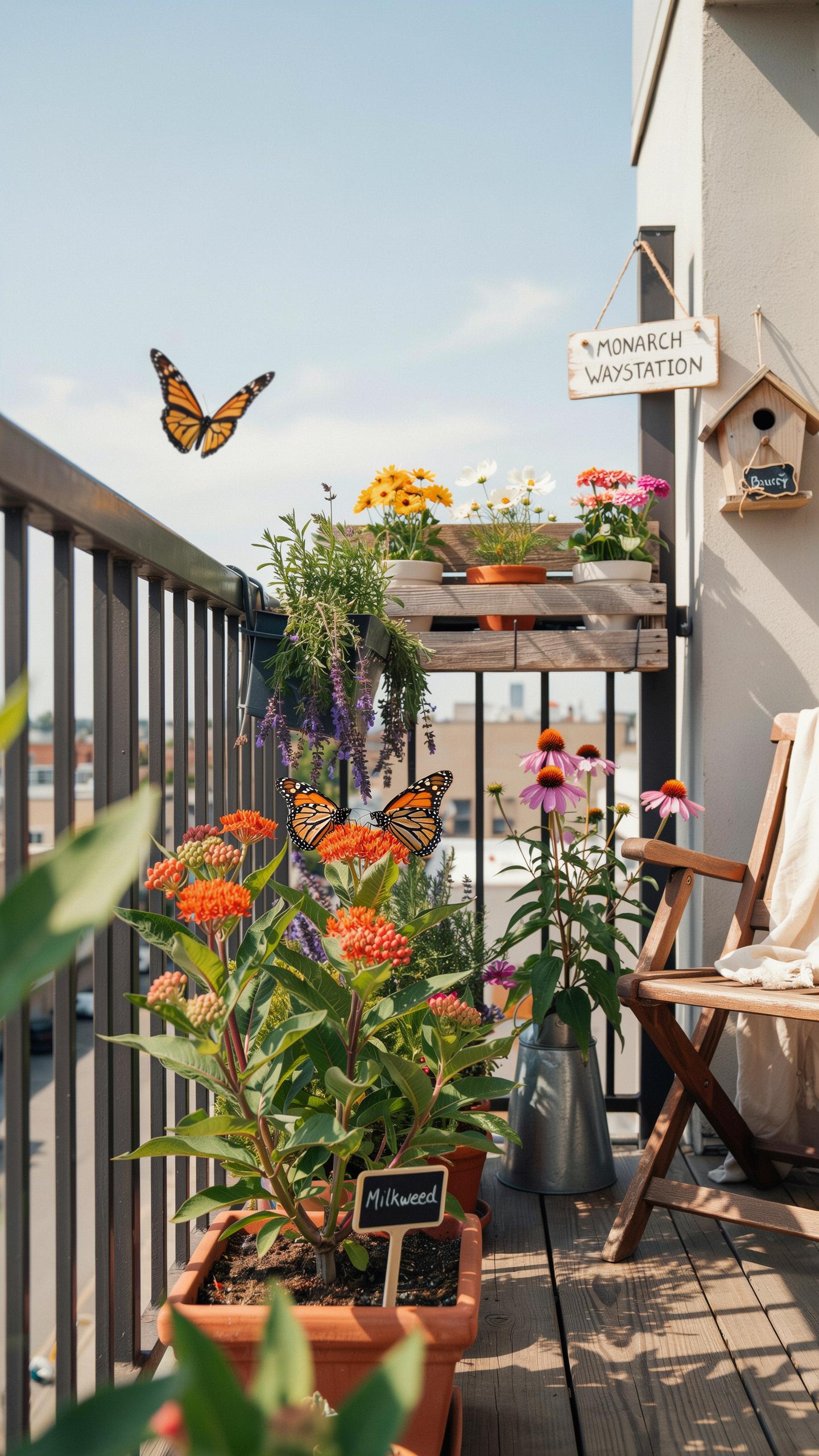
Dwarf milkweed varieties grow effectively in containers and provide the essential host plant monarchs need for their caterpillars. Select pots with drainage holes, use quality potting soil, and place containers where plants receive six to eight hours of direct sunlight daily. Potted lavender adds nectar sources without consuming excessive space. This approach works for renters, apartment dwellers, and anyone with limited ground area.
Container arrangements require consistent watering since potted plants dry faster than ground gardens. Feed milkweed monthly during growing season and deadhead spent lavender flowers to encourage continuous blooming. Cluster containers together to create a concentrated nectar and host plant zone that attracts monarchs efficiently. Monitor for spider mites and aphids in container environments where air circulation is limited.
As you weave the colors of the wild into your backyard tapestry, remember that gardening is the work of the heart, a quiet gift to the sky. By creating a beautiful sanctuary today, you are inviting the golden wings of tomorrow to come home and stay.
Vertical Gardening With Climbing Nectar Vines Ideas
Native climbing vines like trumpet vine and clematis deliver nectar while using vertical wall and fence space instead of horizontal garden beds. Install sturdy trellises or wire supports that withstand mature vine weight. These plants establish quickly and flower abundantly when given proper support structures. Vertical placement also improves air circulation around plants and reduces pest pressure compared to dense ground-level plantings.

Climbing vines mature over multiple seasons, so expect slower establishment in year one. Once established, they require minimal maintenance beyond annual pruning to control spread. Position vines on south or west-facing surfaces to maximize sunlight exposure. This strategy transforms unused vertical space into productive nectar sources that feed monarchs throughout migration periods.
Aesthetic Monarch Garden Design Approaches
Cottage Garden Style Integration Techniques
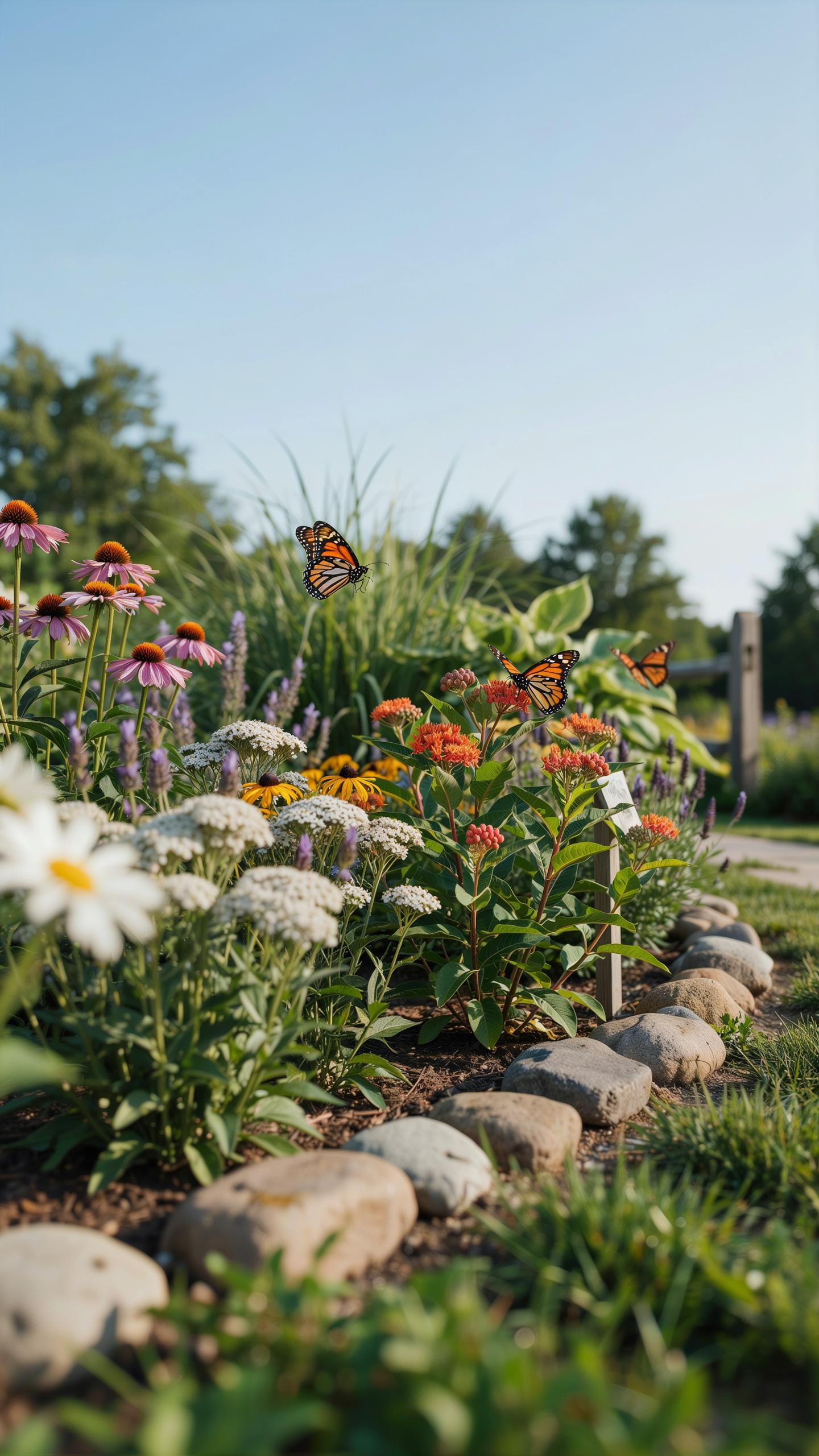
Cottage gardens succeed with monarch waystation plants because they prioritize density and layering over formal structure. Plant milkweed varieties at mid-border heights, then surround them with nectar sources like zinnias, coreopsis, and bee balm. Use curved pathways to move through planting beds. This approach lets you pack more plants into smaller spaces while maintaining the informal aesthetic. Native perennials naturally tolerate the crowding that defines cottage gardens.
The key tactic is succession planting. Space milkweed clumps eighteen to twenty-four inches apart. Fill gaps with annual flowers that bloom at different times than your host plants. This extends monarch availability across the entire growing season. Pathways made from gravel or mulch material soften the look while providing maintenance access. Romantic cottage gardens work because they mimic the plant density monarchs encounter in native prairie and meadow habitats.
Modern Minimalist Pollinator Landscapes Ideas
Modern minimalist monarch gardens use negative space deliberately and eliminate ornamental clutter. Place bold groupings of a single plant species, then leave open ground or hardscape around them. Ornamental grasses like panicum and switchgrass create visual mass and movement. This approach reduces maintenance demands while providing clear sightlines through the garden. Modern design emphasizes function over decoration, which aligns perfectly with monarch ecological needs.

Strategic plant placement drives the minimalist strategy. Cluster milkweed in drifts of five to nine plants of the same species. Position them against architectural elements like fencing or water features to create contrast. Use native grasses to separate planting zones and reduce visual noise. This composition method creates visual interest through repetition and scale rather than variety. Clean lines and reduced plant counts make deadheading, pest monitoring, and monarch observation significantly easier.
Implementing Your Monarch Butterfly Garden Design

Color Blocking For Improved Pollinator Visibility
Monarchs locate nectar sources through visual cues. They respond to color contrasts and concentrated flower masses more effectively than scattered plantings. Group identical species together in blocks of at least three to five plants. This arrangement reduces search time and energy expenditure for feeding butterflies passing through your waystation.
Effective color blocking uses high-contrast combinations. Plant purple coneflower blocks adjacent to bright yellow rudbeckia or orange zinnias. The visual separation helps monarchs distinguish feeding zones from distances up to fifty feet. Single-species clusters also simplify maintenance and create stronger aesthetic impact than mixed borders.
Staggering Bloom Times For Continuous Provender
Monarchs fuel their migration on nectar availability. Early spring bloomers like phlox and wild lupine support initial spring populations. Mid-season plants such as coneflowers and black-eyed Susans sustain summer reproduction cycles. Late bloomers including asters and Joe-Pye weed fuel fall migration preparation when energy demands peak.

Create a bloom calendar by mapping your selected species against their flowering windows. Start with early bloomers in March through May, transition to mid-season varieties flowering June through August, then anchor your garden with late bloomers spanning September through November frost. This sequencing ensures nectar availability matches monarch presence throughout the entire season.
Displaying Your Monarch Garden Pollinator Sign Proudly
The Certification Process And Registration Steps
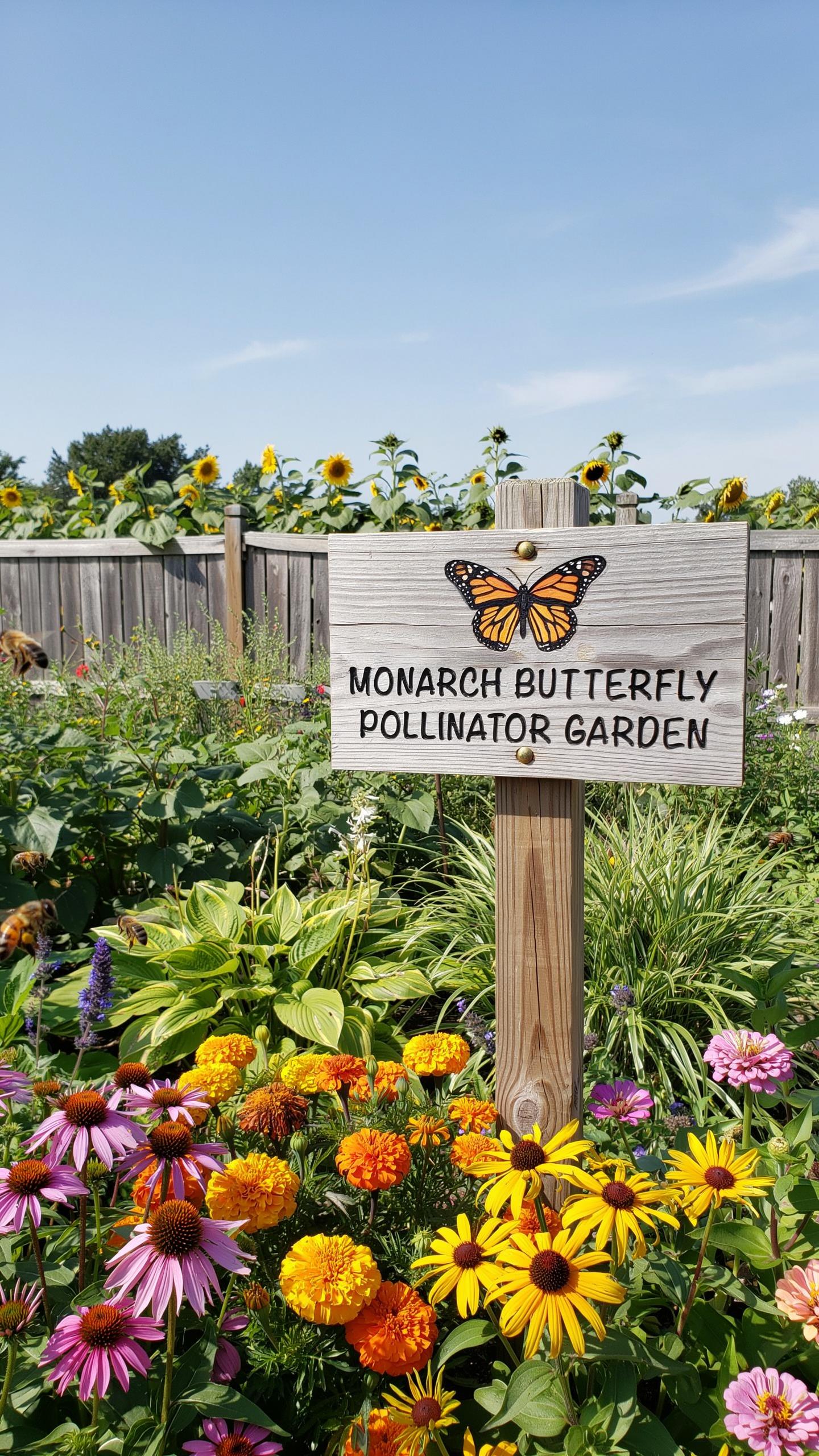
Monarch Watch, a University of Kansas research program, operates the primary certification system for monarch waystations in North America. You register your garden through their website by providing location details and confirming you meet their criteria: native plants for nectar and milkweed for larvae, pesticide-free conditions, and water sources. Registration is free and takes minutes to complete online.
After approval, Monarch Watch sends you an official waystation sign to display in your yard. The sign identifies your garden as a certified habitat and signals to neighbors and visitors that you actively support monarch conservation. This marker serves as both a credential and an educational tool that attracts community attention to your conservation work.
Inspiring And Educating Your Local Community
A visible waystation sign transforms your garden into a teaching moment for passersby. Neighbors notice the marker and ask questions, creating opportunities to explain monarch biology, migration patterns, and why habitat loss threatens populations. These conversations build local awareness without requiring formal presentations or structured programs.
Strategic sign placement amplifies community impact. Position your sign where foot traffic naturally occurs, near sidewalks or at property edges. Multiple certified waystations in a neighborhood create visual momentum and social proof, encouraging others to establish their own habitats. Word spreads faster through physical markers than through digital channels alone.
Seasonal Maintenance Of Your Monarch Waystation Garden Design

Essential Maintenance Tasks By Season
Spring demands aggressive action to prepare your waystation for monarch arrival. Clear dead plant material from fall and winter. Prune milkweed back to six inches above ground to force new growth. Remove debris that harbors overwintering pests. Test and amend soil with compost. Divide overcrowded milkweed plants. Start native wildflower seeds indoors. These steps rebuild plant vigor and create ideal conditions for egg-laying monarchs.
- Spring cleanup: Remove all dead stems, leaves, and accumulated mulch. This eliminates pest habitat and allows new shoots to emerge from the root system without obstruction or competition for nutrients.
- Milkweed pruning: Cut back common, swamp, and showy milkweed to ground level or six inches high. Hard pruning forces dense branching and tender new growth that monarchs prefer for egg deposition over mature stems.
- Soil amendment: Add two to three inches of finished compost to planting beds. Milkweed and nectar plants require good drainage and moderate fertility. Compost improves both soil structure and nutrient availability without chemicals.
- Plant division: Dig and separate overcrowded milkweed clumps every three to four years. Division reduces disease pressure, increases air circulation, and creates propagation stock for expanding your waystation footprint.
- Nectar plant establishment: Sow native asters, coneflowers, and blazing star seeds in spring. These plants mature by mid-summer when fuel demands peak for breeding and migrating monarchs traveling through your region.
Summer requires minimal intervention if spring work was thorough. Water during drought periods when rainfall drops below one inch weekly. Deadhead spent flowers on nectar plants to extend blooming. Monitor milkweed for egg clusters and caterpillar populations. These simple tasks maintain plant health and support monarch development through the breeding season.
Managing Pests Naturally Without Chemical Pesticides
Milkweed naturally attracts specialized herbivores. Monarch caterpillars thrive on milkweed toxins but face competition from other species. Oleander aphids cluster on milkweed stems and reduce plant vigor. Milkweed beetles chew leaves. Neither pest will kill established plants, but heavy infestations stress younger specimens. Accept moderate damage as part of the ecosystem. Remove severely infested stems by hand and destroy them. This targets the problem directly without broad toxin application that kills monarchs and beneficial insects.
Encourage natural predators to handle pest pressure. Lady beetles, parasitic wasps, and lacewings feed on aphids and beetle larvae. Plant diverse native flowers to support these beneficials year-round. Avoid any pesticide applications, including organic compounds like neem oil or insecticidal soap, during monarch breeding season. These products kill caterpillars regardless of formulation. Manual removal of heavily infested stems works faster and protects the monarch lifecycle that your waystation exists to support.
Frequently Asked Questions

What exactly is a monarch waystation and why should I plant one?
A monarch waystation is a specialized garden habitat that provides the necessary resources for monarch butterflies to produce successive generations and sustain their long migration. By focusing on a monarch waystation garden design, you create a sanctuary filled with milkweed for larvae and nectar-rich flowers for adults. These gardens are vital for reversing habitat loss, ensuring these iconic pollinators have a safe place to rest and refuel throughout their seasonal journey.
How do I choose the best layout for a monarch waystation garden design?
To optimize your layout, group plants in clusters of at least three to five per species to make them more visible to passing butterflies. Place taller nectar plants and milkweed in the back, while keeping shorter blooms toward the front for a layered look. Your monarch waystation garden design should also include open “basking stones” in a sunny spot and a shallow water source, providing the butterflies with essential heat and hydration.
Can I create a successful butterfly garden if I have a small budget or limited space?
Absolutely! You don’t need a massive estate to make an impact; even a handful of containers on a sunny balcony can serve as a mini-refuge. Focus your budget on native milkweed seeds and a few hardy perennials like zinnias or coneflowers, which are affordable and provide high nectar yields. Starting from seed rather than buying mature plants is a cost-effective way to establish a beautiful, pollinator-friendly space without a large financial investment.