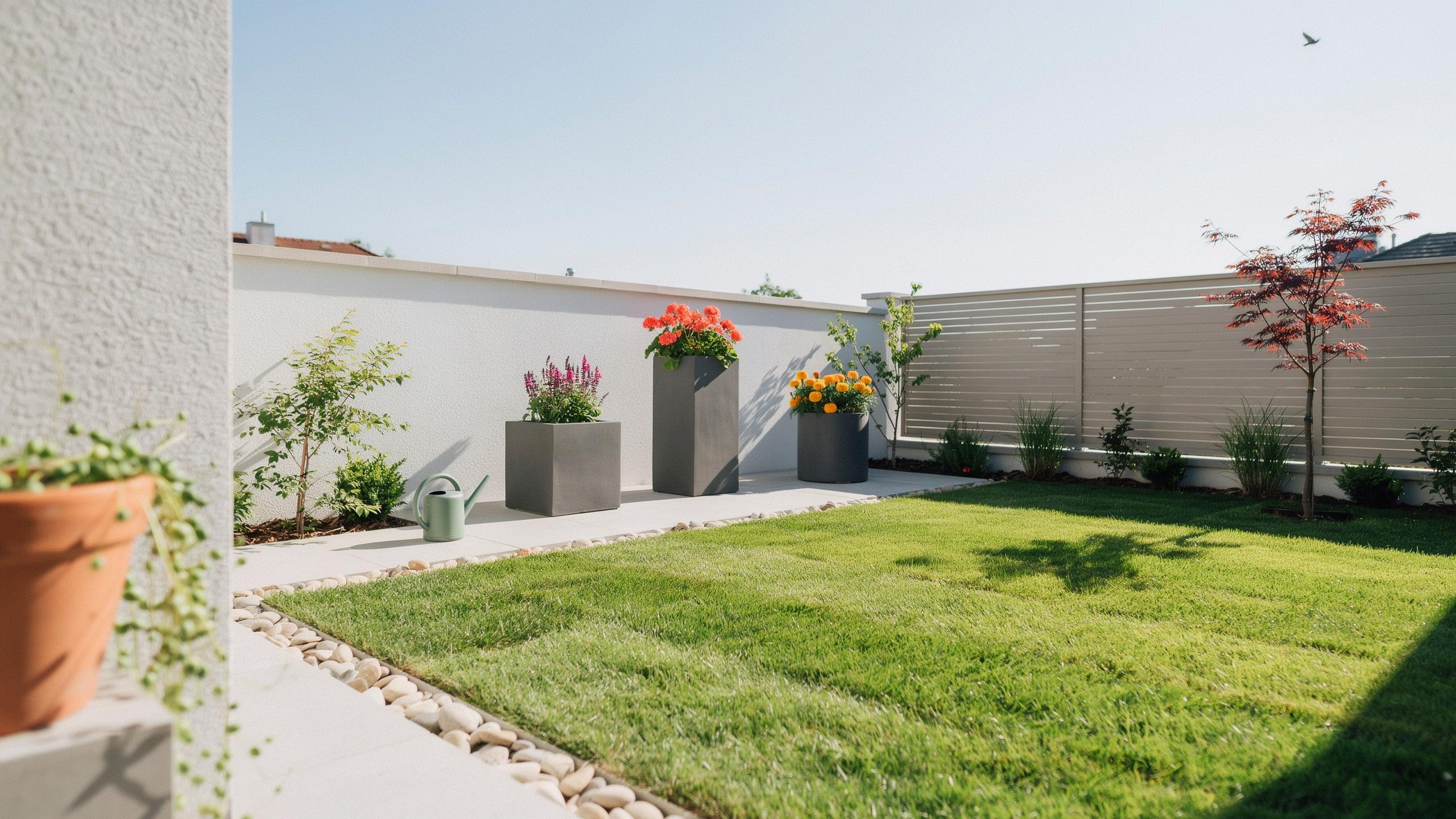
Essentials Of A Minimalist Garden Design Layout
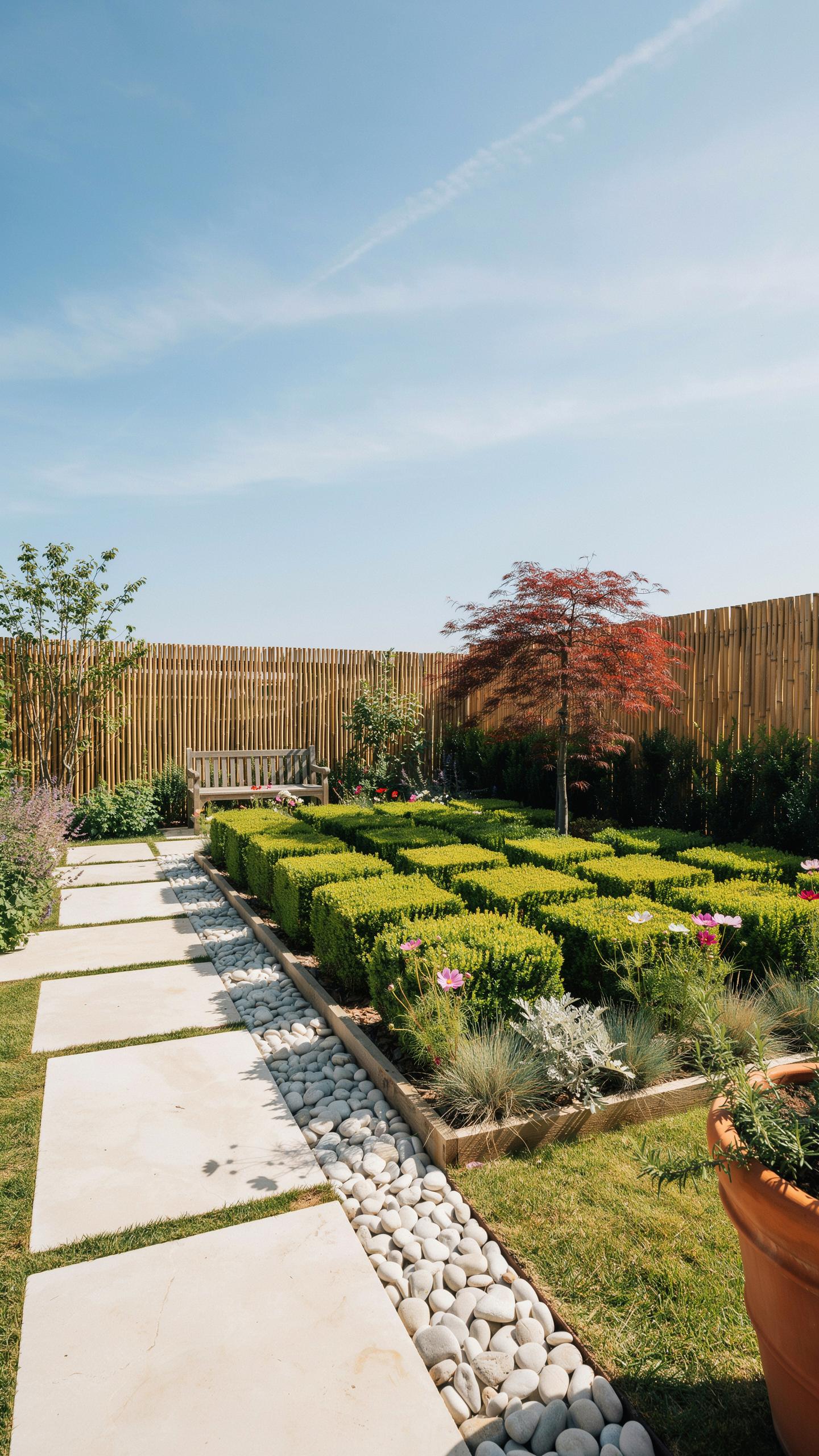
Defining The Core Principles Of Minimalist Landscaping
Minimalist garden design draws from Japanese garden philosophy and modernist art movements that emerged in the 20th century. The approach strips away ornamental excess and focuses on essential elements. Restraint drives the design process. You select plants, hardscaping, and spatial relationships for functional and visual purpose. Every component earns its place through deliberate function or aesthetic contribution. This discipline separates minimalist design from casual or overgrown landscaping.
The core principles center on simplicity, balance, and negative space. Negative space, or empty areas, becomes as important as planted zones. You use clean lines to organize the layout. Materials remain limited in palette. Repetition of a few plant species creates visual cohesion rather than botanical variety. This reduction in elements allows viewers to focus on form, texture, and spatial relationships without distraction.
Why A Clean Layout Enhances Outdoor Serenity
A clean layout removes visual clutter that overstimulates and fragments attention. Humans process fewer visual elements with less cognitive load. Your brain relaxes when it encounters order and predictability. Organized spaces reduce stress responses measurable in heart rate and cortisol levels. Minimal design delivers this neurological benefit through intentional spatial arrangement and material consistency. This explains why clean layouts feel calming rather than empty.
Functionality improves when you eliminate unnecessary features. You move through the space more efficiently. Maintenance demands drop significantly. Your eyes follow clear pathways and focal points rather than scanning competing details. This directional clarity creates psychological ease. The body responds to logical spatial organization with reduced tension. Clean layouts work because they align with how human perception actually processes visual information.

Inspirational Minimalist Garden Ideas For Small Spaces
Maximizing Tiny Patios With Strategic Plant Placement
Small patios demand intentional plant positioning. Group plants by height to create visual depth without clutter. Place taller specimens at the back or sides to frame space. Position low-growing plants at edges to define boundaries. This layering technique opens sightlines and makes confined areas feel larger. Vertical growing structures like trellises occupy minimal ground space while maximizing planting capacity.
Container gardening controls plant spread and simplifies maintenance. Arrange pots in odd numbers for visual balance. Cluster containers by color or material to reduce visual noise. Leave negative space between groupings. This approach prevents overcrowding and maintains the clean aesthetic that minimalist design requires. Strategic gaps matter as much as planted areas.
Essential Low Maintenance Plants For Small Modern Gardens
Low-maintenance plants reduce upkeep time while sustaining minimalist principles. Choose species adapted to your climate to minimize watering, pruning, and pest management. Drought-tolerant plants demand less intervention. Evergreen foliage provides year-round structure without seasonal changes. Select plants with refined forms that enhance minimalist aesthetics rather than requiring constant shaping.
- Lavender: Drought-tolerant perennial with fine texture. Requires minimal pruning. Gray-green foliage complements modern hardscaping and stone features year-round.
- Ornamental grasses: Provide vertical interest and movement without demanding frequent maintenance. Species like Festuca and Carex offer compact growth suitable for small spaces.
- Boxwood: Slow-growing evergreen shrub. Maintains compact form naturally. Works in containers or as hedge elements with occasional trimming only.
- Sedums: Succulent plants thrive in poor soil with minimal water. Available in varied heights and colors. Perfect for ground cover or container installations.
- Japanese maple: Refined branching structure requires no pruning. Offers seasonal color change while maintaining architectural form throughout the year.
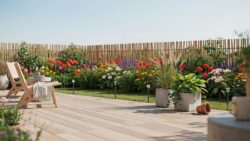
Plant selection directly impacts maintenance demands. Choose one or two species and repeat them throughout your space rather than mixing numerous varieties. This repetition reinforces minimalist design principles while simplifying care routines. Fewer plant types mean fewer fertilizing schedules and pest vulnerabilities to monitor.
Principles Of Landscaping Modern And Sleek Hardscapes
Selecting Geometric Paving And Natural Stone Materials
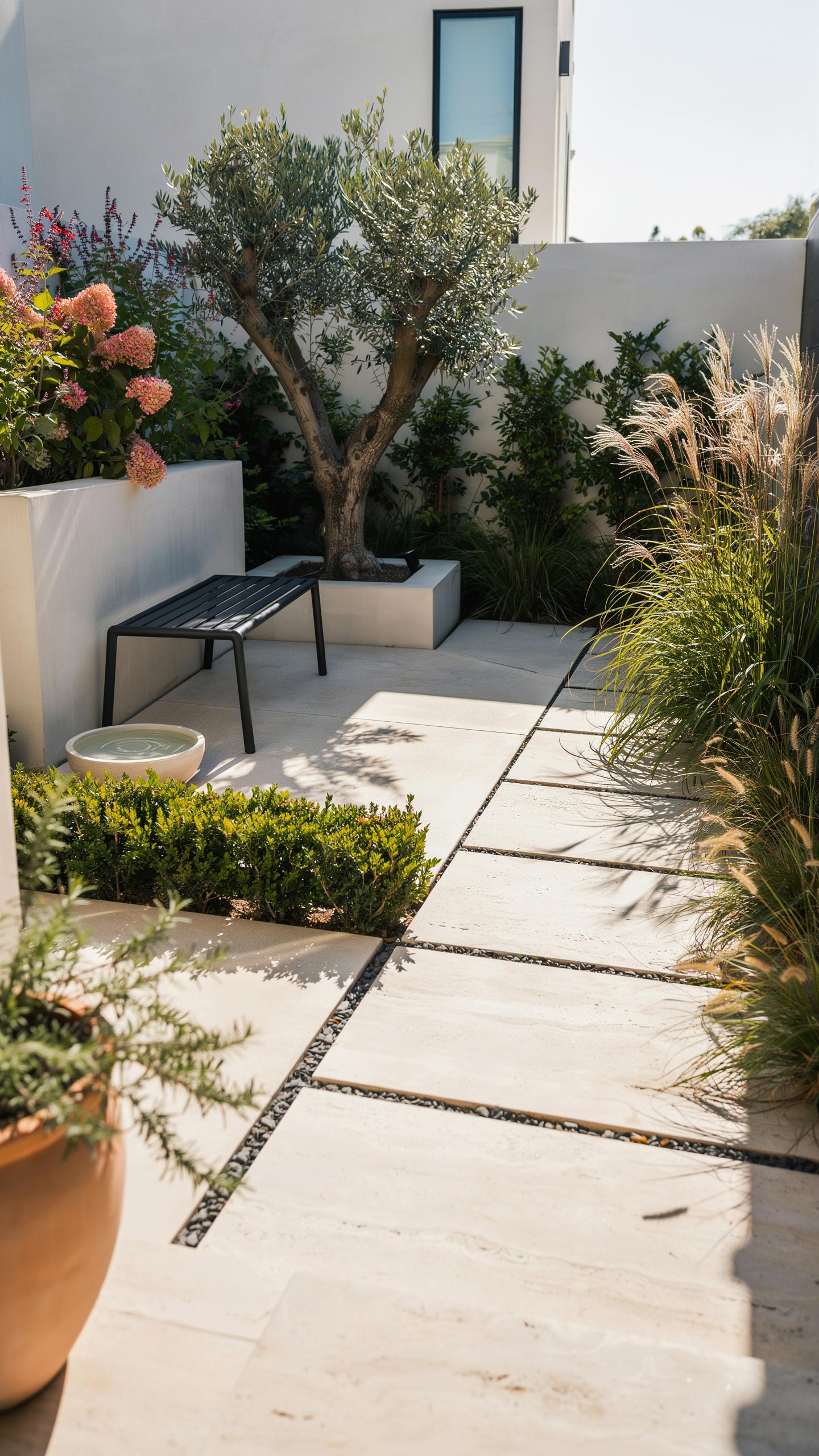
Geometric paving anchors minimalist garden design. Use regular shapes like squares, rectangles, and hexagons to create visual order. Lay pavers in grid or linear patterns. This approach reduces visual clutter and guides movement through the space. Straight lines dominate minimalist landscapes. Avoid random or curved arrangements that compete for attention.
Natural stone materials perform the heavy lifting in minimalist gardens. Granite, basalt, and limestone offer neutral tones that recede visually. These materials age predictably without losing function. Select one or two stone types maximum. Mixing too many materials contradicts minimalist principles. Stone creates permanent structure that outlasts plantings and requires minimal maintenance.
Integrating Boundary Walls And Monochromatic Fences
Boundary walls define space and reduce visual noise from surrounding areas. Build walls in single materials like concrete, brick, or stone. Uniform color and texture strengthen the minimalist aesthetic. Walls create a backdrop for plantings and serve as windbreaks. Position walls to frame views and control sightlines. Height matters. Low walls suggest openness. Tall walls provide privacy and enclosure.

Monochromatic fences accomplish boundaries with less visual weight than walls. Choose one fence color and stick with it throughout the garden. Black, gray, white, and natural wood are standard choices. Vertical fence slats create clean lines. Horizontal slats offer a modern alternative. Fence design should echo the geometric language of your paving. Consistency in material choice strengthens the overall composition.
How Garden Planning Layout Landscaping Achieves Balance
Applying The Rule Of Thirds To Outdoor Spatial Zones
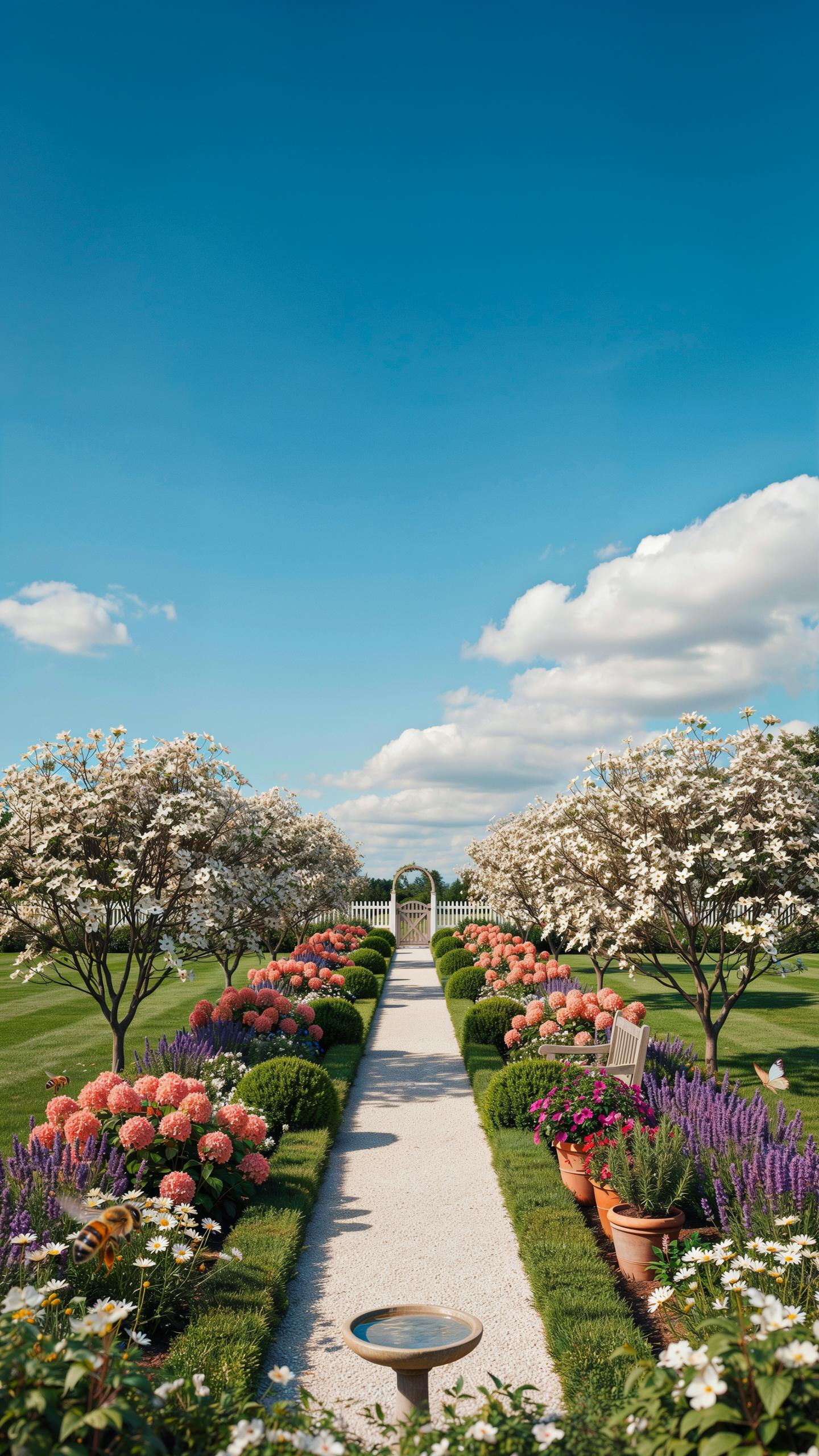
The rule of thirds divides your garden into nine equal sections using two horizontal and two vertical lines. This framework helps you position focal points, plants, and hardscape elements at intersection points rather than dead center. These intersections naturally draw the eye and create visual interest without cluttering the space. The technique comes from classical composition principles applied across visual arts.
Place your most significant design elements, such as a water feature, sculpture, or specimen plant, where grid lines intersect. This positioning feels intentional and balanced to viewers moving through the garden. Avoid centering everything in your plot. The rule of thirds works because it mirrors how human eyes naturally scan and process spatial arrangements, making your garden feel organized rather than random.
Symmetry Versus Asymmetry In Contemporary Plots
Symmetrical designs mirror elements equally on both sides of a central axis. This approach conveys formality and control. Contemporary minimalist gardens often reject strict symmetry in favor of asymmetrical balance, where unequal elements hold equal visual weight. Asymmetry feels modern and creates space that adapts to actual terrain and existing conditions rather than forcing artificial order.

Asymmetrical layouts work best when you balance a large element on one side with multiple smaller elements on the other. A single tall shrub can balance three low groundcover plantings. This method reduces maintenance pressure and avoids the rigid, dated appearance strict symmetry demands. Contemporary gardens succeed when they reflect their environment and function, not when they follow predetermined mirror patterns.
Creative Mini Garden Design Solutions For Urban Dwellings
Vertical Planting Systems For Balconies And Courtyards
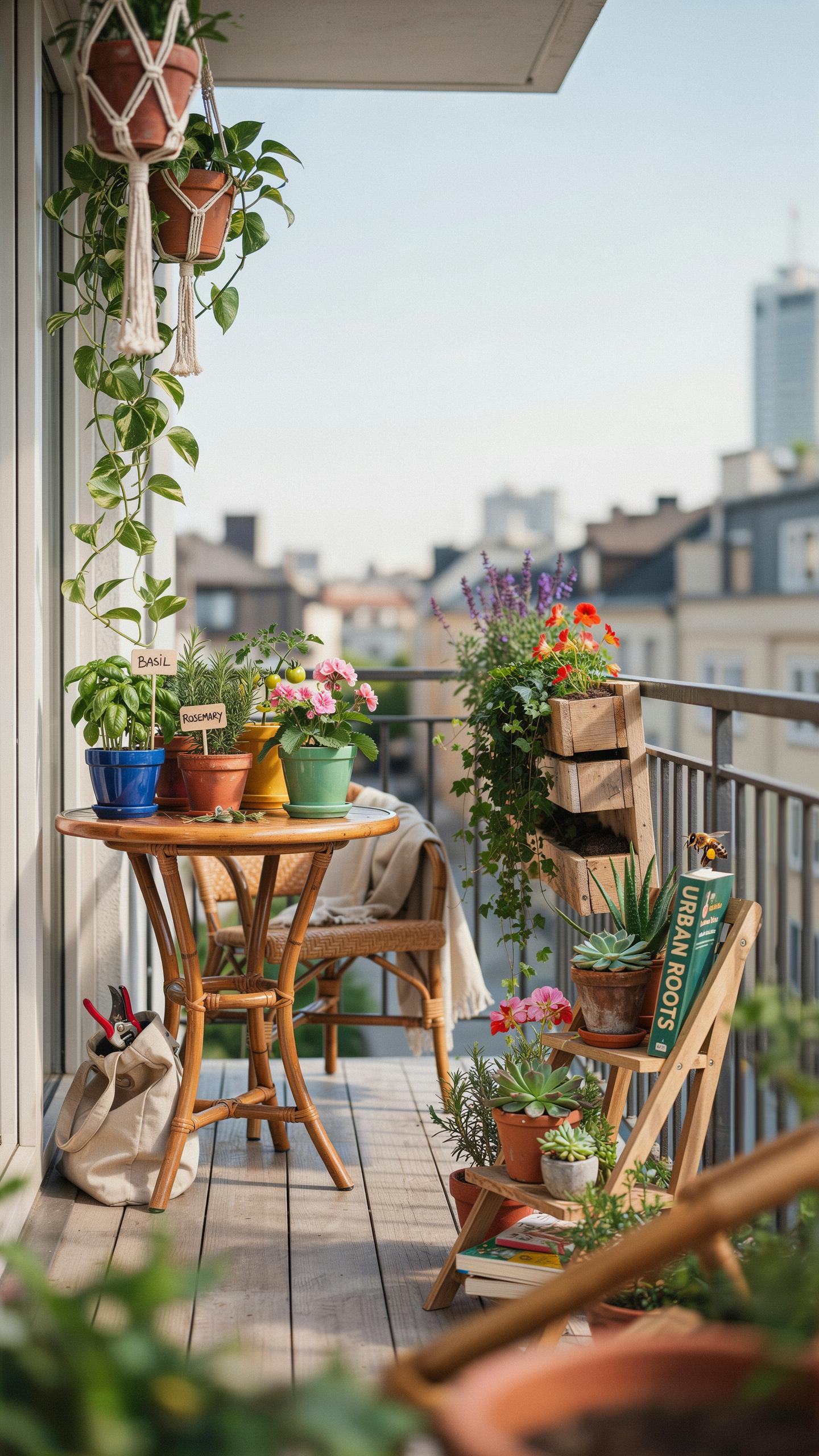
Vertical systems solve the core problem of urban gardening: limited square footage. Wall-mounted panels, trellises, and pocket systems redirect growing space upward. This approach multiplies usable planting area without expanding your footprint. Balconies and courtyards become productive zones through strategic vertical orientation. Choose systems rated for your climate and wind exposure to ensure durability and plant survival.
Install vertical structures with proper weight distribution and drainage in mind. Water flows downward through stacked layers, so position collection trays to prevent damage to surfaces below. Secure all mounting hardware directly to structural elements, not surface finishes. Select plants suited to vertical growth: trailing sedums, ivy varieties, and shallow-rooted herbs perform reliably. Maintenance becomes easier because you access plants at eye level rather than bending or stretching.
Container Gardening With Striking Architectural Foliage
Architectural foliage plants define modern minimalist spaces through form alone. These plants require minimal maintenance and deliver visual impact with structure rather than flowers. Phormium, bamboo varieties, ornamental grasses, and sculptural succulents anchor container compositions. Choose containers in neutral tones: concrete, charcoal, or matte black. This restraint keeps focus on plant form and prevents visual competition that clutters small spaces.

Container size determines plant health and visual scale. Undersized containers stress plants and require constant watering. Match container proportions to mature plant dimensions. Group three to five containers of varying heights to create depth without multiplication of elements. Use quality soil mixes with proper drainage to prevent root rot in confined spaces. This configuration works for balconies, patios, and courtyard perimeters.
Defining Contemporary Gardens With Clean Geometry
Water Features As Still And Reflective Focal Points
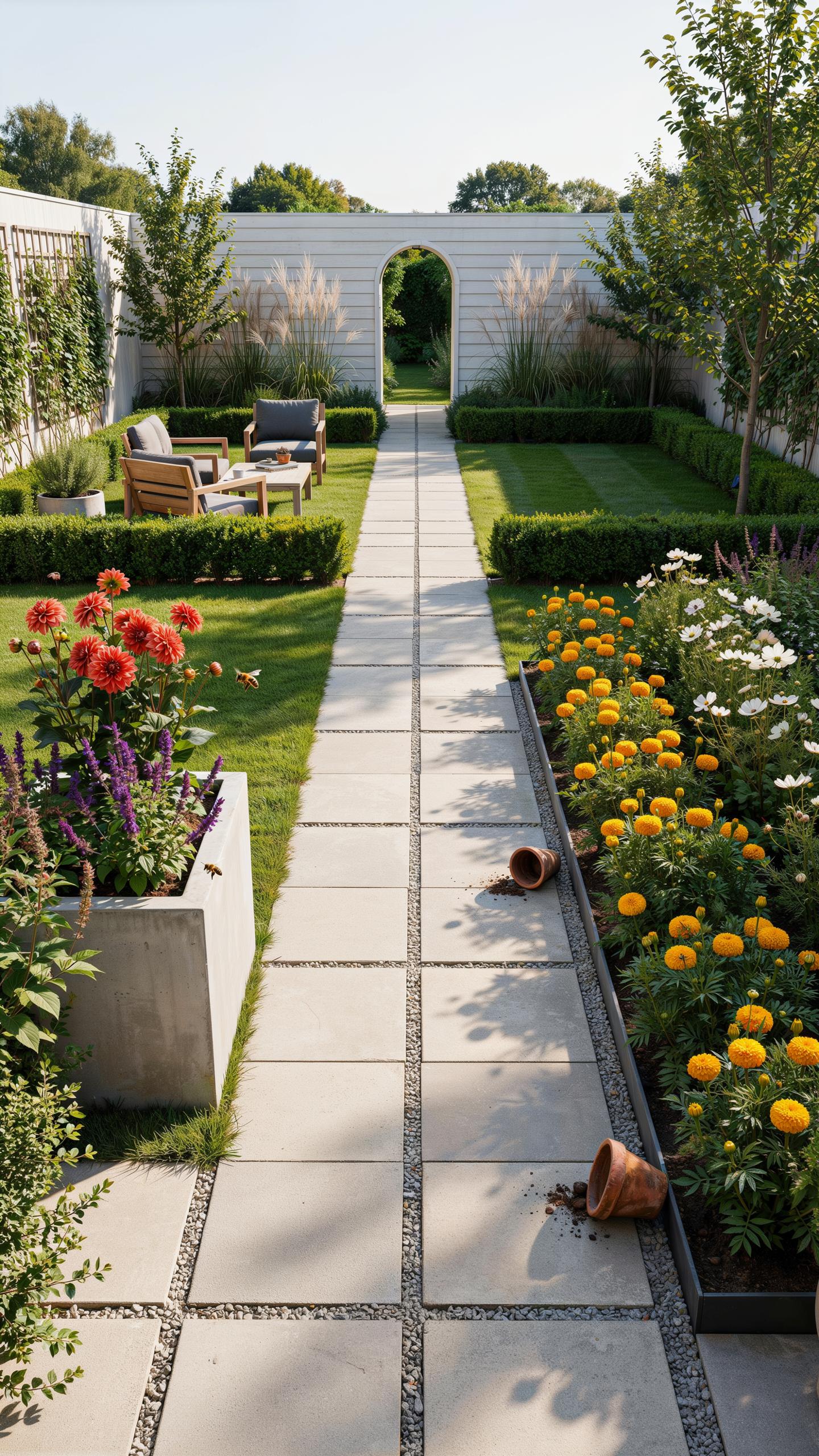
Water in minimalist gardens serves a functional purpose: it anchors the design and creates a visual stopping point. Still water reflects sky and surrounding elements, which expands perceived space. Ponds, basins, and channels work because they demand no maintenance beyond basic cleaning. Reflective surfaces reduce the need for additional visual elements, supporting the minimalist principle of constraint.
Position water features at intersections of sight lines or at garden edges. Rectangular pools and geometric basins align with clean lines and modern aesthetics. Concrete, steel, and stone are the standard materials for contemporary water features. Keep edges sharp and level to maintain geometric integrity. A simple recirculating system ensures water stays still and clear without constant intervention.
Simplicity is the ultimate sophistication that brings us back to the quiet beauty of nature. Let your garden be a peaceful breath of fresh air where every stone and leaf tells a story of elegance.
The Role Of Subtle Outdoor Lighting In Modern Yards
Lighting in minimalist gardens works strategically, not decoratively. Placement matters more than quantity. Lights uplift tree trunks, graze wall surfaces, or illuminate pathways at ground level. Soft illumination at dusk extends usable time and emphasizes architectural lines you’ve already established.

Install lights along hardscape edges and beneath plant canopies to reinforce geometry. Path lighting should be recessed or flush mounted to avoid visual clutter. Warm color temperatures maintain calm and avoid harsh contrasts. Avoid ornamental fixtures or elaborate arrangements. Let structure and function drive every lighting decision you make.
The Structure Of A Modern Formal Garden Design
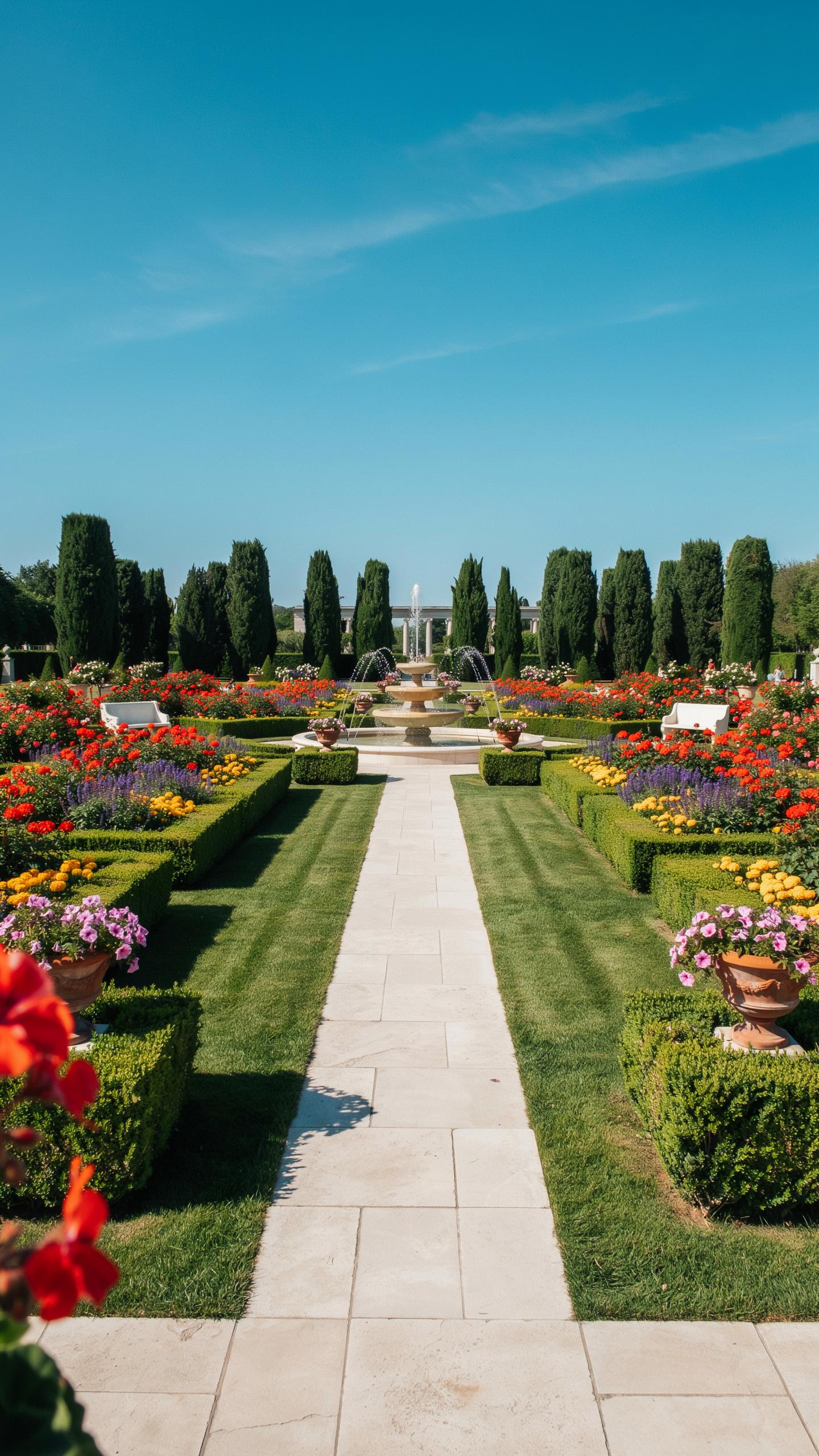
Sculpted Boxwood Hedging And Linear Walkways
Boxwood hedging serves as the backbone of formal minimalist gardens. It defines space, creates enclosure, and requires minimal maintenance once established. Boxwoods tolerate pruning and maintain crisp edges for years. Their dense foliage blocks sight lines and establishes clear garden compartments. Linear walkways amplify this structure by directing movement and sight lines through the garden systematically.
- Dwarf Boxwood varieties: Ideal for low hedging under 2 feet, creating defined borders without visual bulk or maintenance demands.
- American Boxwood: Tolerates colder climates and pruning schedules, maintaining structure through varied growing seasons reliably.
- Formal shearing schedule: Prune twice yearly in late spring and late summer to maintain crisp geometry and control size effectively.
- Linear pathway materials: Gravel, stone, or poured concrete work with boxwood hedging, reinforcing the structured aesthetic throughout.
- Sight line planning: Position hedges to frame views and conceal less attractive areas while creating a sense of discovery within the layout.
Linear walkways direct foot traffic and organize garden zones into purposeful areas. They eliminate wasted space and create clear progression from entry to focal points. Straight paths reinforce the minimalist principle of efficiency. Curves interrupt this efficiency and clutter visual perception. Flat, level pathways prevent trips and reduce maintenance demands over time.
Creating Clean Transitions Between Lawns And Paved Areas
Sharp edges separate lawn from hardscape in formal minimalist gardens. Use metal or concrete edging to prevent soil encroachment and blur. Define the boundary physically rather than letting it fade naturally. This edge becomes part of the design system, not an afterthought. Clean transitions eliminate confusion about where lawn ends and paved surfaces begin.

Maintain consistent elevation between lawn and paved areas to reduce tripping hazards and visual fragmentation. Slight slopes for drainage must remain subtle to preserve the flat, organized appearance. Avoid raised beds or sunken areas that fragment the garden floor plane. Material selection at transitions matters: choose contrasting colors or textures that emphasize the boundary without creating visual noise or disorder.
How A Big Tree In Front Of House Frames Minimalist Yards

Using Mature Deciduous Trees As Singular Focal Points
A mature deciduous tree anchors minimalist yard design by serving as the primary visual element. This approach reduces the need for multiple plantings and structures. One tree commands attention and organizes the entire space around it. The canopy provides scale and proportion to the front yard. This strategy aligns with minimalist principles: eliminate clutter, emphasize what remains, and create intentional hierarchy.
Deciduous trees work because they offer seasonal rhythm without requiring active design intervention. The tree becomes the design statement itself. Summer foliage provides mass and presence. Winter branching reveals architectural structure. This natural transformation satisfies minimalist design goals while eliminating the need for supplementary ornamental plantings that complicate the visual field.
Under Tree Planting Schemes With Simple Ground Covers
Ground covers beneath a mature tree complete the minimalist composition without competing for visual attention. Select one or two ground cover species that tolerate shade and require minimal maintenance. This restraint prevents visual noise. Common options include shade tolerant groundcovers like liriope or mondo grass. The monotone planting beneath the canopy emphasizes the tree’s form rather than distracting from it.

The combination of singular tree plus unified ground cover creates visual calm through repetition and simplicity. Avoid mixing multiple plant varieties or textures underneath. Consistency reinforces minimalist intent. The groundcover serves functional purposes: suppresses weeds, reduces lawn maintenance, and provides clean sight lines. This setup requires less water, fertilizer, and labor than traditional planted beds while maintaining design coherence.
Frequently Asked Questions

What are the core elements of a minimalist garden design layout for beginners?
A minimalist garden design layout focuses on the philosophy of “less is more.” To start, prioritize clean lines, a restricted color palette, and a focus on high-quality materials. Instead of cluttering your space with various flower species, choose a few structural plants like ornamental grasses or boxwoods. This approach creates a sense of serenity and architectural interest, making the outdoor area feel intentional, organized, and much easier for a beginner to maintain.
How do I keep a minimalist garden from feeling empty or unfinished?
The key is intentional repetition rather than variety. Repeat the same plant species or hardscape material in clusters throughout the space so the eye reads it as a deliberate pattern instead of sparse gaps. Adding one or two well-placed statement pieces, like a sculptural boulder or a single specimen tree, gives the space an anchor. Consistent edging and clean sightlines also make a sparse layout feel curated rather than incomplete.
What is the best way to add seasonal interest without breaking a minimalist look?
Stick to a tight, pre-selected color palette and rotate a small number of seasonal accents within it rather than introducing new colors each season. Ornamental grasses that shift texture through the year, or a single flowering shrub that blooms in a different season than your evergreen structure, add change without visual clutter. Container plants near the entry are also an easy way to swap seasonal color in and out without disturbing the permanent layout.