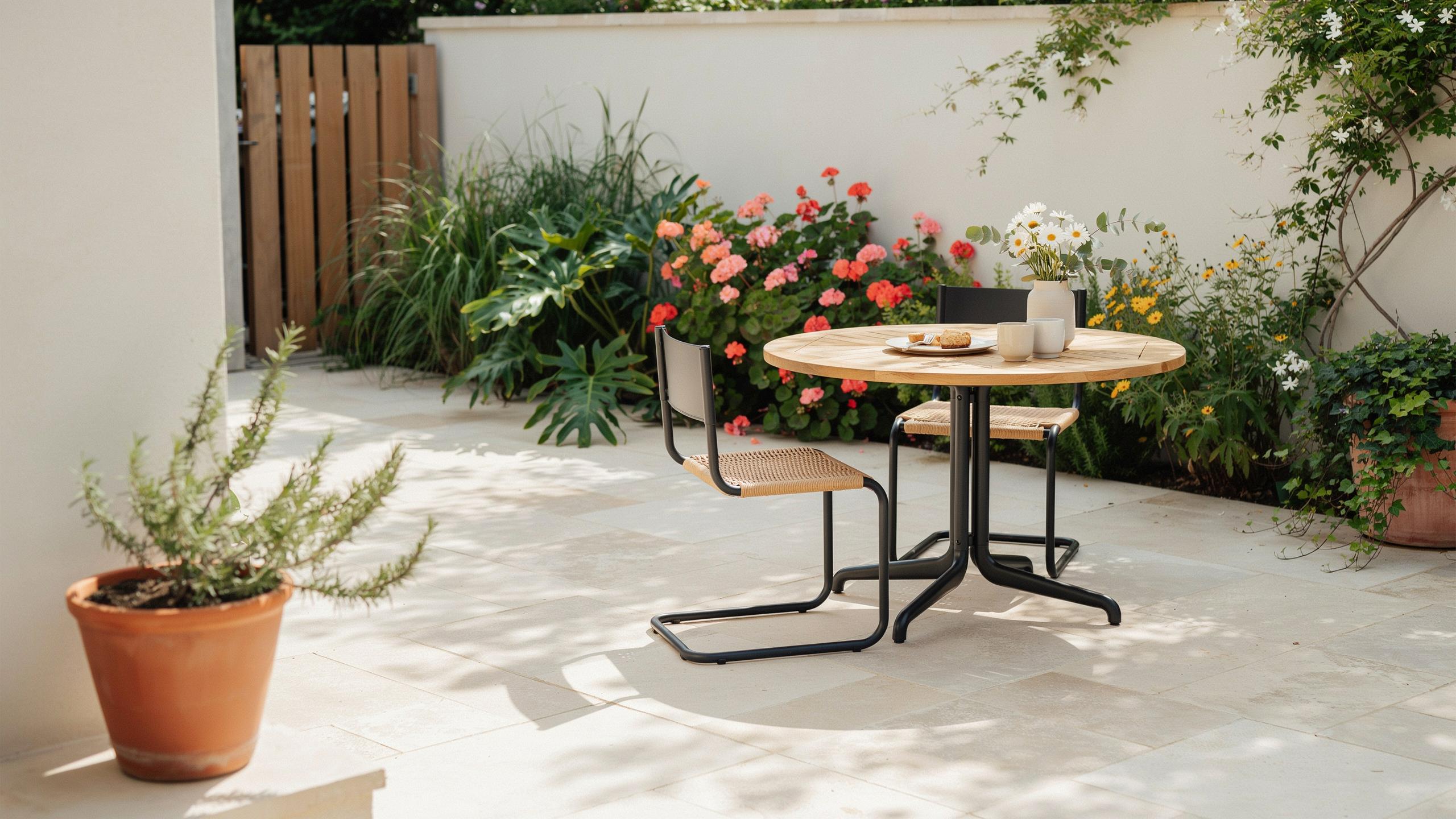
Embracing Modern Patio Furniture For Contemporary Homes
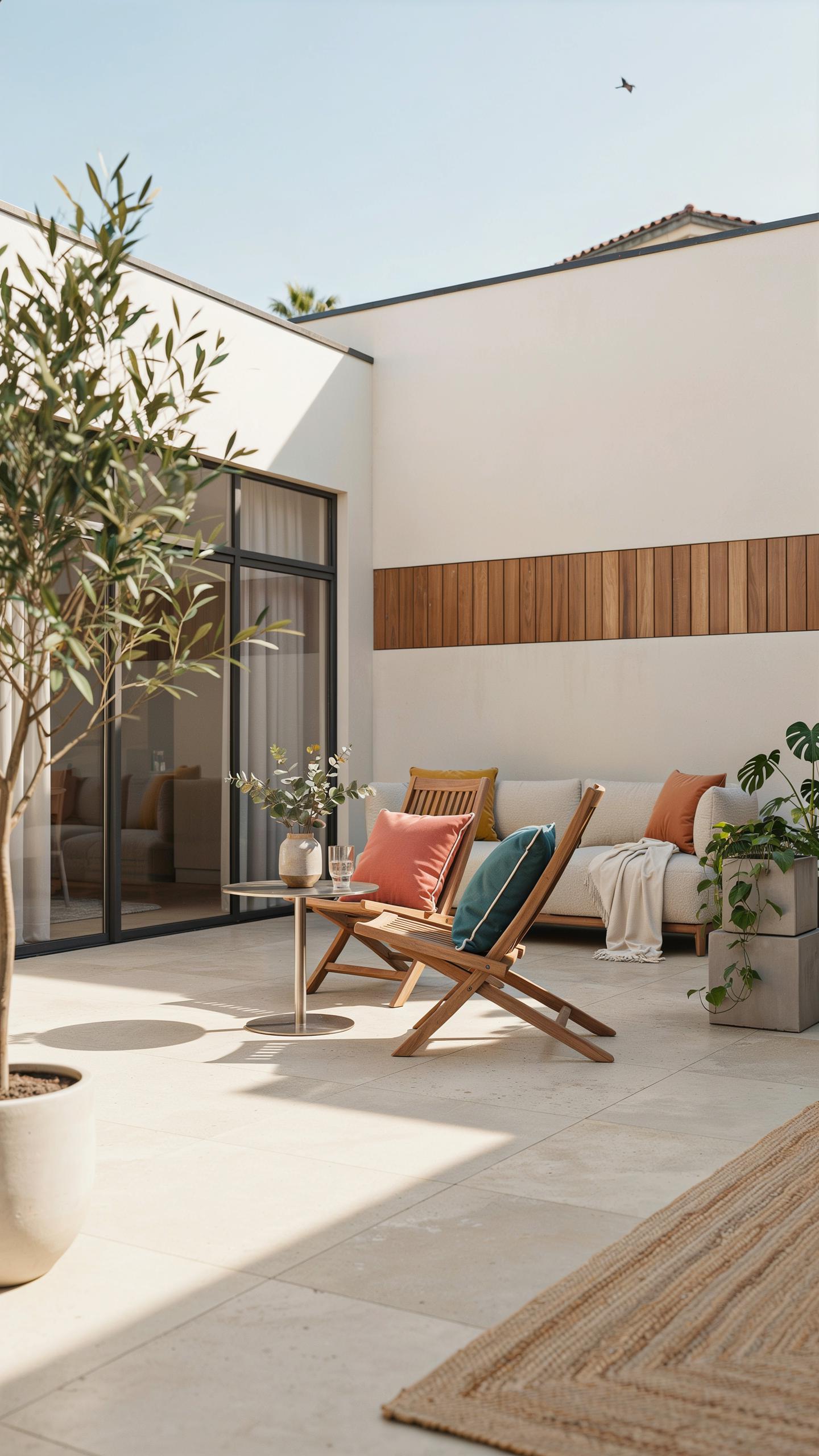
Defining The Modern Aesthetic In Outdoor Spaces
Modern outdoor design strips away ornament and focuses on function. Clean lines dominate the visual landscape. Pieces sit low to the ground with minimal frames. Materials stay visible rather than hidden. This approach originated from mid-century modernism and continues to define contemporary outdoor spaces today. Your patio becomes an extension of interior living when furniture aligns with architectural principles of simplicity.
Functionality drives every design choice in modern patios. Seating arranges to encourage conversation or solitude based on spatial layout. Tables serve specific purposes without decorative excess. Weather resistance integrates into material selection from the start. This tactical approach eliminates clutter and maximizes usable space. The result is a cohesive outdoor environment that works as hard as it looks.
Why Quality Materials Matter For Longevity
Powder-coated aluminum withstands UV exposure and salt air without rusting or requiring frequent maintenance. Teak wood naturally resists moisture and insect damage through its dense cellular structure. UV-resistant outdoor fabrics maintain color integrity and structural integrity through repeated sun exposure. These materials cost more upfront but eliminate replacement cycles that plague budget furniture within two to three years. Your investment protects itself through durability.
Weather-resistant materials perform consistently across temperature swings and moisture cycles. Cushions treated with solution-dyed acrylic fibers resist mildew and fading better than untreated textiles. Metal frames engineered for outdoor use prevent corrosion that compromises structural integrity. Choosing quality materials means your furniture handles rain, snow, heat, and humidity without degradation. This directly translates to lower total cost of ownership and sustained functionality throughout the furniture’s lifespan.
Inspiring Backyard Designs For Seamless Outdoor Living
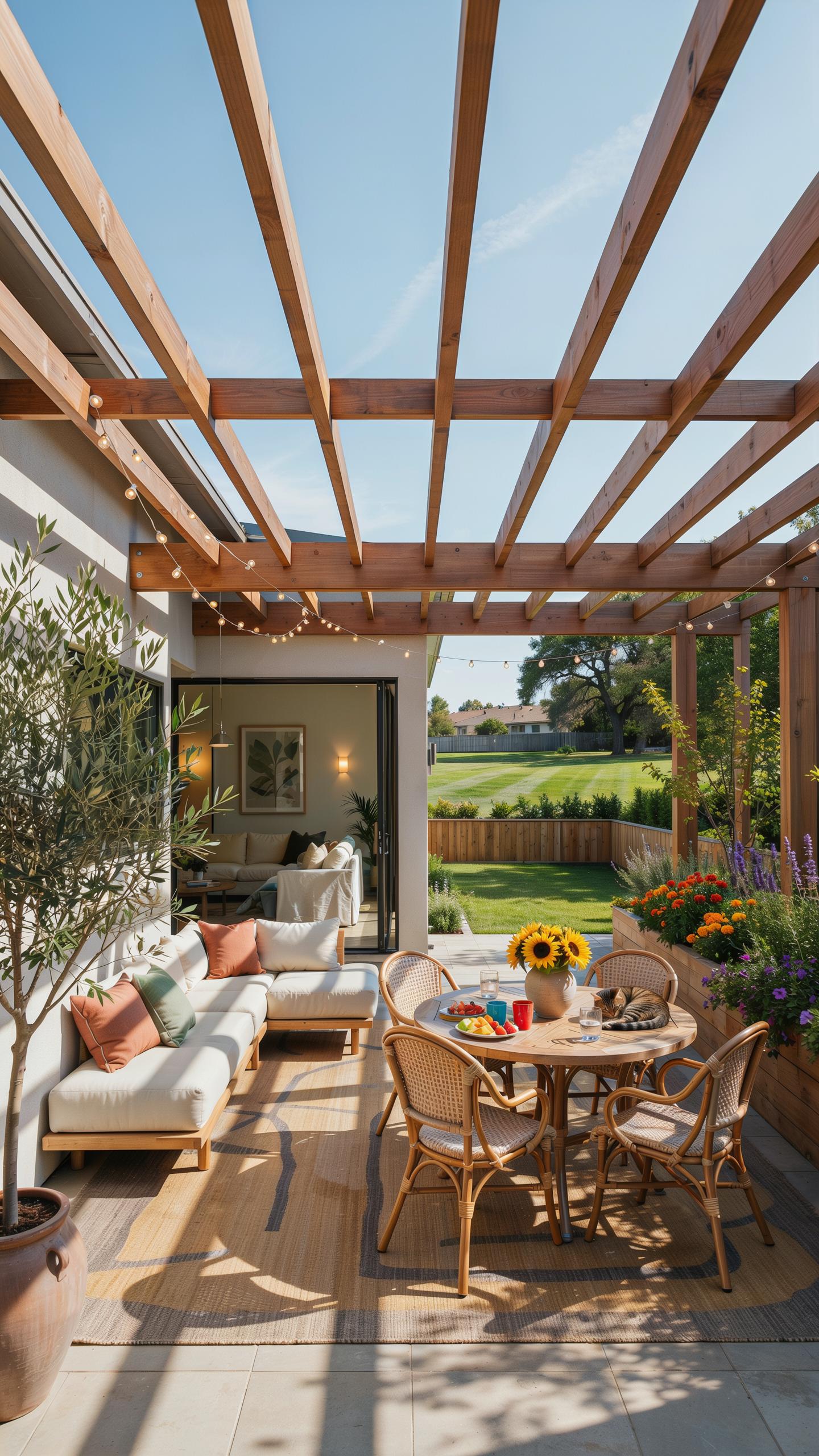
Integrating Greenery With Contemporary Layouts
Modern patio furniture works best when you pair it with structured plants. Metal loungers and aluminum frames contrast well with geometric plantings like boxwood hedges and ornamental grasses. This combination creates visual balance without competing for attention. Your furniture stays the focal point while plants define the space’s edges and boundaries.
Raised stone planter beds work particularly well in modern yards. They sit at ground level or slightly elevated and contain plants in organized rows. This approach eliminates overgrown garden beds that clash with clean furniture lines. Native plants require less maintenance and adapt to your climate, reducing upkeep while maintaining the intentional look.
Creating Functional Zones In The Yard
Divide your backyard into specific use areas to maximize functionality. A low-profile sectional sofa creates a dedicated relaxation zone separate from dining. This separation prevents foot traffic through your lounge space and allows simultaneous activities. Each zone serves one purpose, making the yard work harder for your daily routines.
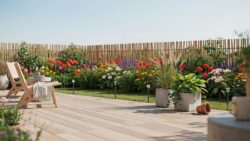
Position dining sets closer to your house for practical meal service. Food and dishes travel shorter distances, and weather protection from roof overhangs helps. Your relaxation lounge can sit farther back where trees provide shade and visual separation from the house. This layout reduces congestion and creates distinct outdoor rooms within your yard.
Designing A Chic Concrete Outdoor Area
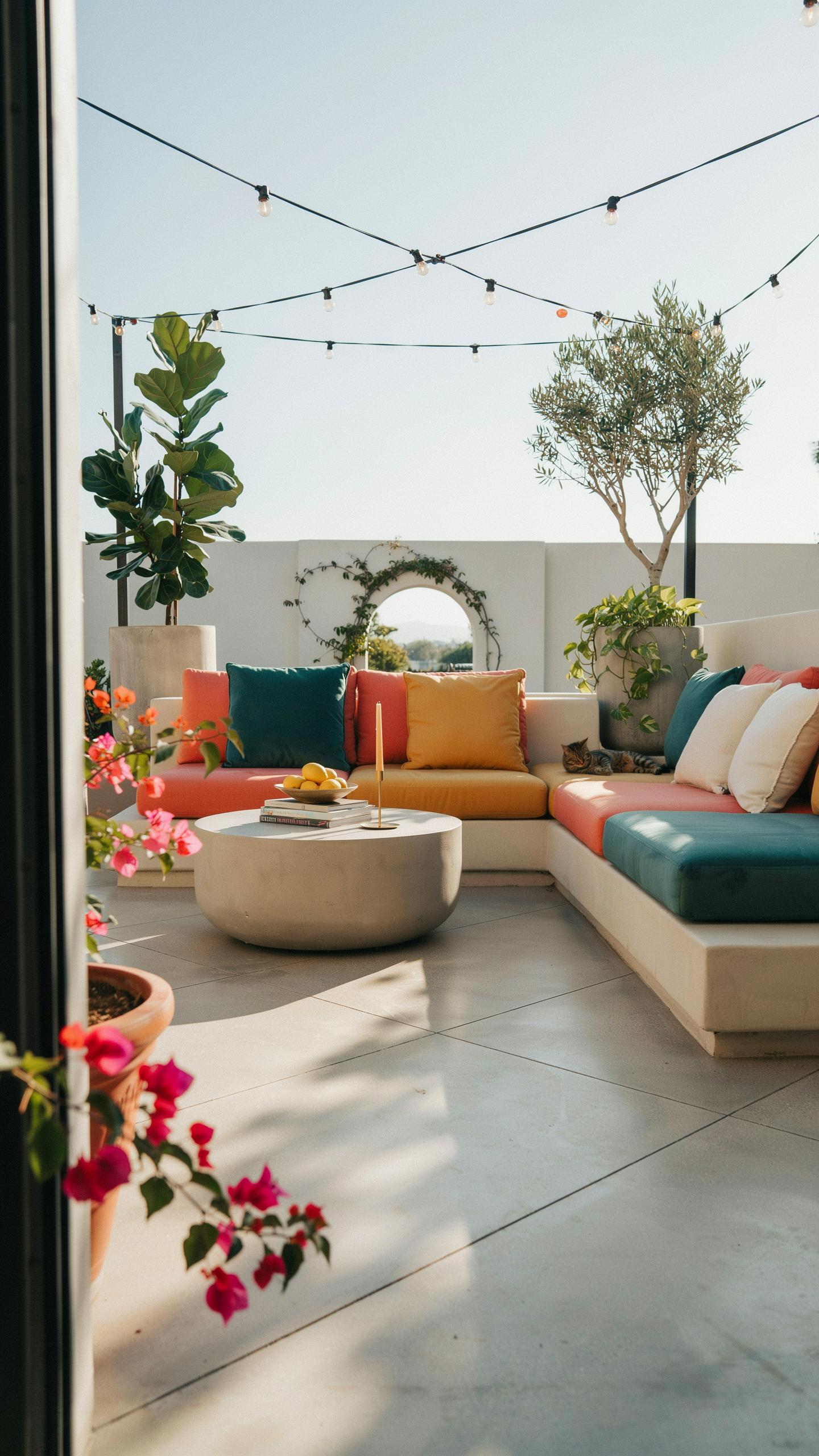
Softening Industrial Textures With Textiles
Raw concrete patios work as a functional base for modern patio garden furniture arrangements. The material resists weather damage and requires minimal maintenance. However, concrete’s hard surface reflects sound and creates visual coldness. Textiles solve this problem by adding absorption and warmth to the space.
Outdoor throw pillows in performance fabrics handle moisture while providing comfort. Woven rugs anchor furniture groupings and define activity zones on concrete surfaces. Upholstered seating pieces with weather-resistant cushions deliver the softness concrete lacks. Layer these textiles strategically to break up the industrial feel without sacrificing durability.
Selecting Color Palettes For Stone And Concrete
Concrete floors establish a cool gray foundation that dominates visual perception. Pair this base with furniture in charcoal, off-white, and warm beige tones. These neutral choices prevent the space from feeling washed out or monotonous. Matte black metal frames add definition and contrast without introducing color complexity.
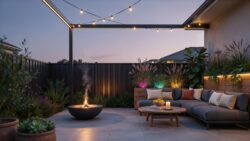
This palette works because the colors complement rather than compete with concrete’s natural tone. Off-white seating brightens the area while charcoal pieces ground the design. Warm beige introduces softness that cool gray cannot deliver alone. Matte black accents create visual boundaries between furniture pieces and the surrounding patio surface.
Creative Modern Patio Furniture Ideas For Small Spaces
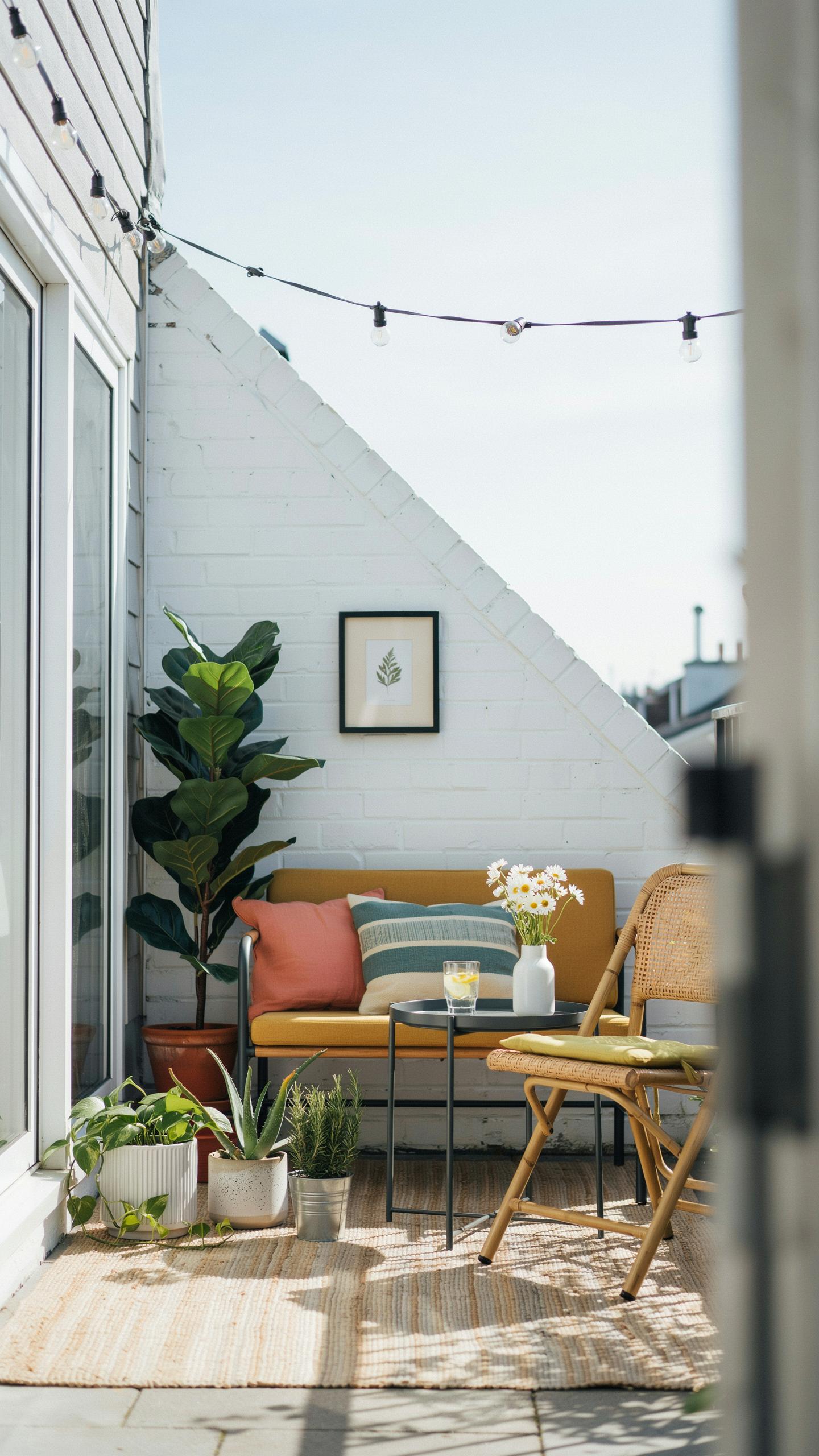
Space Saving Multi Functional Furniture Pieces
Small patios demand furniture that works harder. Dual-purpose pieces solve the core problem: limited square footage requires every item to earn its place. Modern patio furniture manufacturers now design pieces that deliver both form and function without compromise.
- Storage benches: Provide seating while concealing cushions, gardening tools, and seasonal items inside weatherproof compartments beneath the seat.
- Nesting side tables: Stack together compactly when unused, then separate into individual accent surfaces for drinks and decor placement.
- Drop leaf wall mounted dining tables: Fold down flat against the wall when not in use, then expand to full dining capacity in seconds.
- Modular corner chairs: Rearrange individual seating units to fit different layouts, convert from lounge to conversation configurations instantly.
- Ottoman storage cubes: Function as footrests, extra seating, or hidden storage compartments with removable lids for maximum versatility.
These pieces maximize usable deck or balcony space while maintaining clean lines that define modern design. You reclaim square footage by eliminating single function furniture that sits idle most days.
Using Vertical Space To Enhance Openness
Wall mounted planters, hanging chairs, and tall screens redirect your design focus upward rather than outward. This strategy keeps your actual floor space clear and functional. Modern patio furniture design incorporates vertical elements as core components, not afterthoughts.

Suspended egg chairs hung from pergola beams create conversation areas without touching ground level. Tall slender privacy screens stand narrow but rise high, blocking wind and views while occupying minimal floor footprint. Wall mounted plant systems climb upward, transforming bare walls into living features that expand perceived space visually.
The Philosophy Of Minimalist Patio Furniture Design
The Power Of Less Is More Outdoors
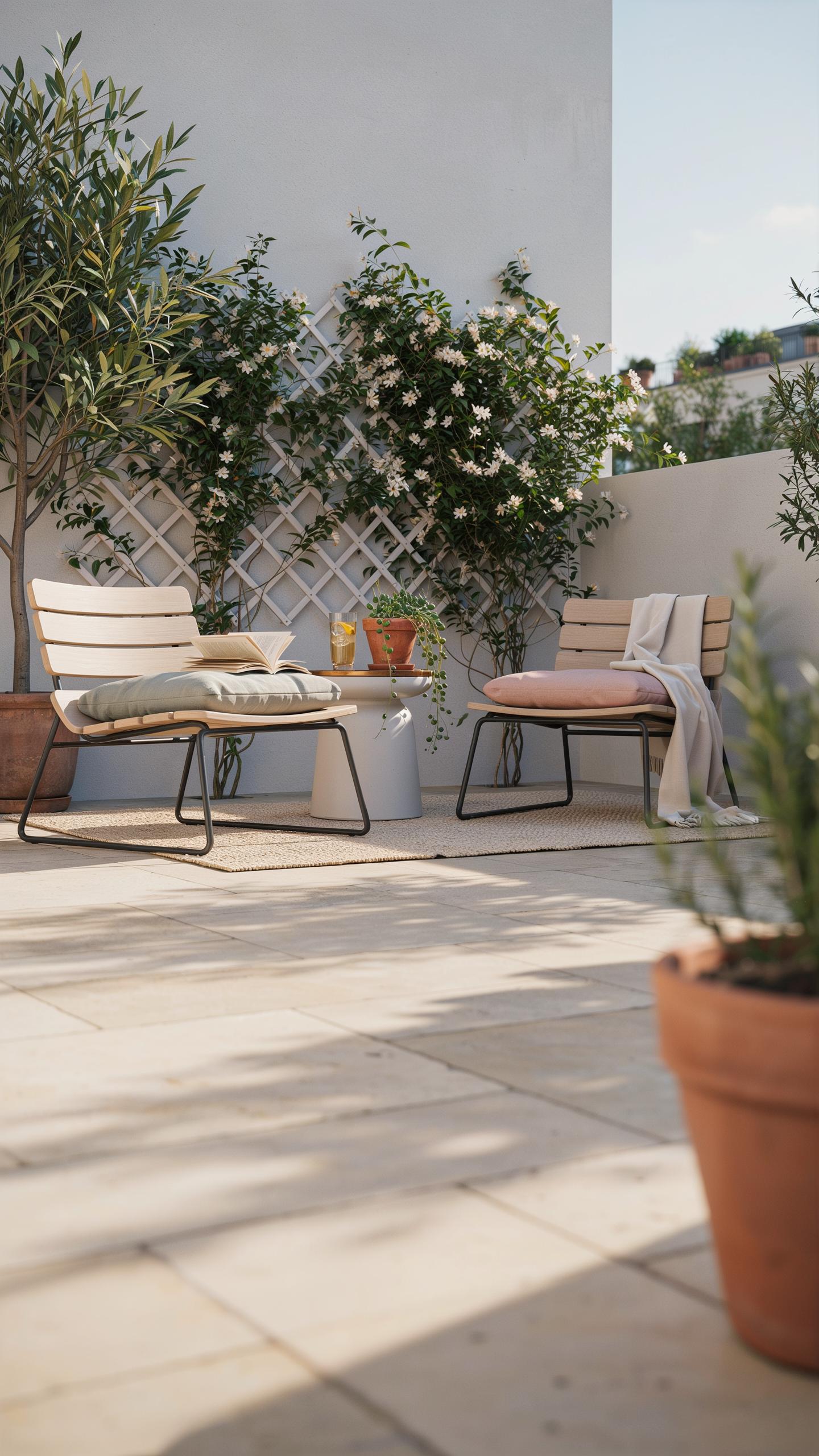
Minimalist patio furniture strips away ornament to expose what matters: material quality and structural integrity. You remove visual noise so your eye rests on form, not decoration. This approach works because it creates contrast with the natural environment. Your furniture becomes a deliberate choice, not background clutter. High-quality pieces command attention through design precision, not excess detail.
Geometric simplicity drives minimalist outdoor design. Straight edges, clean angles, and honest proportions define modern patio pieces. Materials like teak, aluminum, and concrete showcase their inherent character without embellishment. A simple lounge chair in raw steel communicates function and durability immediately. This design language has roots in mid-century modernism and contemporary industrial aesthetics. Your space feels intentional and controlled.
Simplicity is the ultimate sophistication. A beautiful outdoor space is where the soul finds its rest amidst the quiet lines of nature.
Neutral Color Palettes And Clean Lines
Neutral colors anchor minimalist outdoor spaces by reducing visual competition between furniture and landscape. Sand, charcoal, slate, and olive tones integrate seamlessly with garden plantings and natural stone. Monochromatic schemes—using variations of a single hue—create visual cohesion without demanding attention. This restraint lowers cognitive load and promotes mental clarity. Your patio becomes a retreat, not a visual battleground.
Clean lines define every element in minimalist design. Straight backrests, linear table edges, and rectangular seat cushions create order through repetition. Curved lines appear sparingly and serve structural purpose, not decoration. This consistency applies to cushion covers, which use solid fabrics in matching palettes. The result is an environment that feels calm and organized. Simplicity communicates that every piece serves a specific function.
Future Proofing Your Space With Patio Furniture 2025 Trends
Sustainable Materials Moving Forward
Certified sustainable teak remains the industry standard for outdoor furniture because it resists rot and requires minimal treatment. Recycled ocean plastics now deliver comparable durability to virgin materials while reducing waste. Eco-friendly performance fabrics resist mildew, fade, and water damage without chemical coatings that degrade over time.
Manufacturers source these materials because they address two real problems: customer demand for environmental responsibility and the need for furniture that lasts 10+ years without replacement. Premium durability means lower total cost of ownership. Brands now disclose material sourcing and certifications to build buyer confidence in their supply chains.
Smart Outdoor Integration And Automation
Modern patio furniture integrates technology through practical features, not gimmicks. USB charging ports in side tables let you power devices during outdoor gatherings. Hidden LED accent lighting improves visibility and creates defined zones without exposed wiring that collects dirt and fails in weather cycles.
Weather resistant audio systems embed in arm rests or table frames, eliminating the need for separate speakers that clutter the space. These systems use sealed connections and corrosion resistant components to survive temperature swings and moisture exposure. Smart integration reduces the number of products you buy and the maintenance burden on your outdoor setup.
Creating The Ultimate Modern Patio Retreat
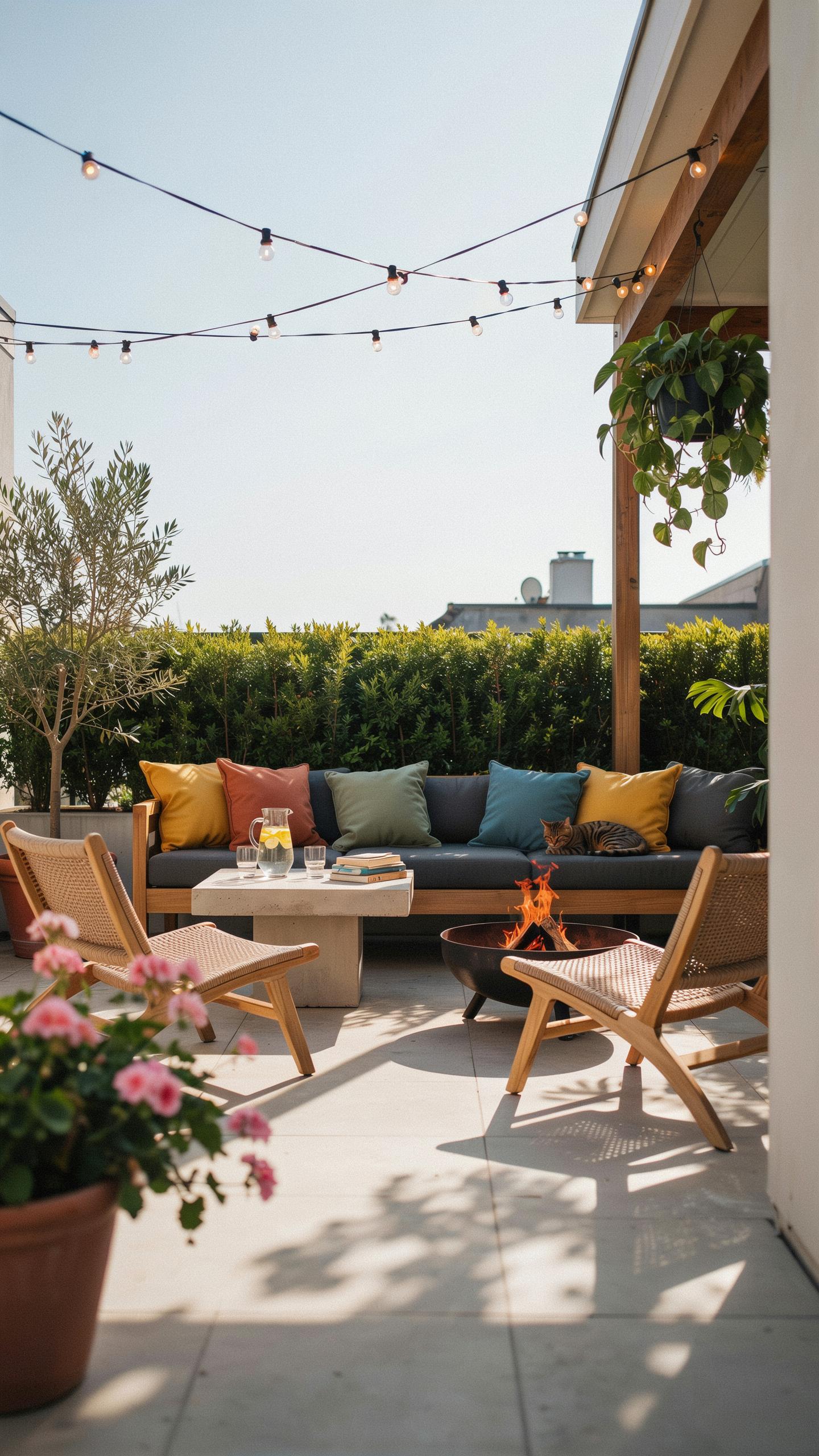
Selecting The Perfect Focal Point
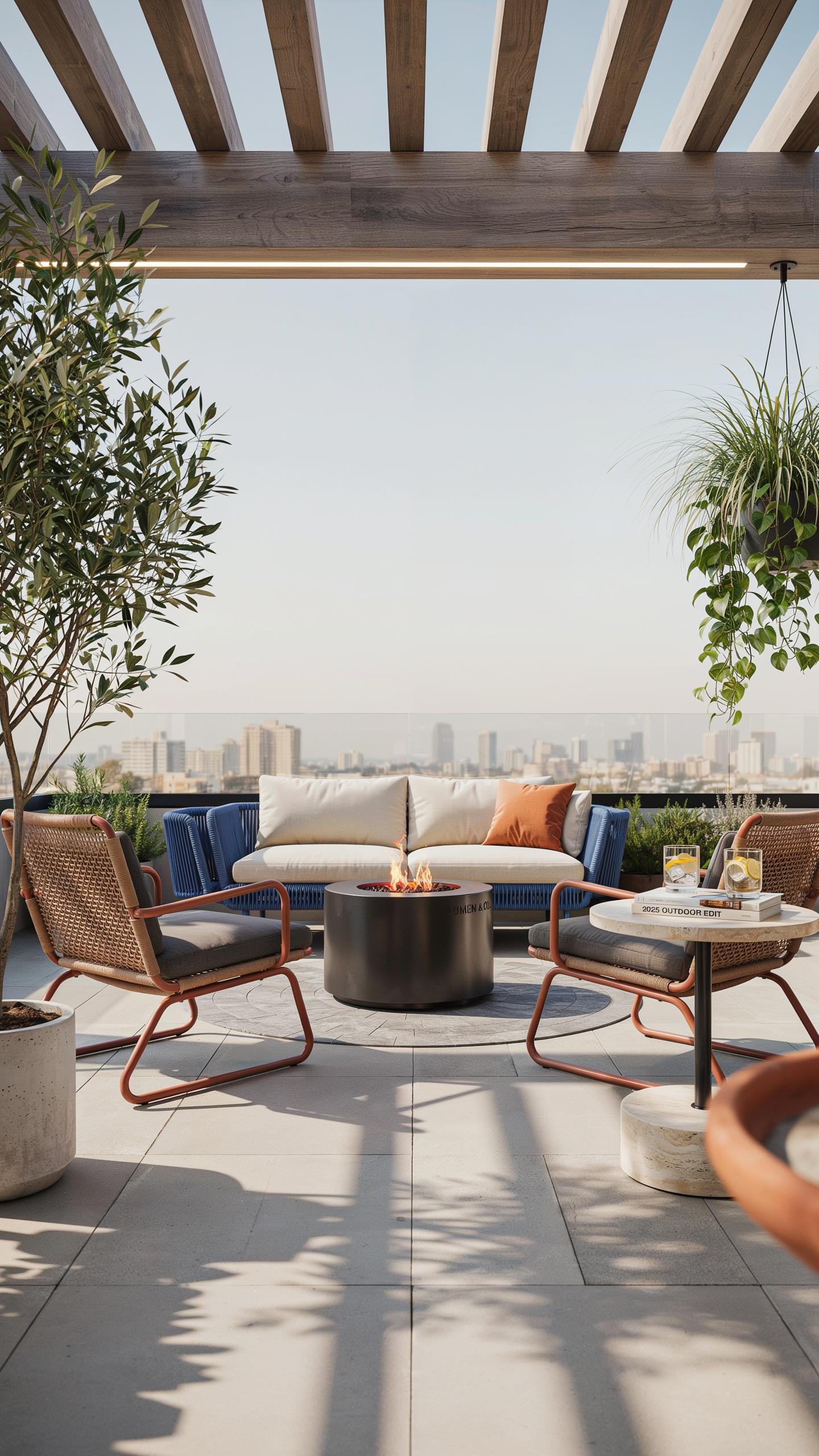
A focal point anchors your patio layout and gives guests a reason to gather. Choose either a linear concrete fire table or a low-profile coffee table as your centerpiece. These pieces command attention without demanding excessive space. They work in small or large patios equally well. Position your focal point where sightlines naturally converge from multiple seating angles.
The focal point drives traffic flow and defines your patio zones. Modern design favors geometric shapes and minimal ornamentation over decorative excess. A concrete fire table serves dual function as both visual anchor and functional heat source during evening hours. This efficiency matters in small spaces where every piece must earn its footprint.
Balancing Sun And Shade Elements
Afternoon sun makes or breaks patio usability. Deploy cantilever umbrellas or steel-frame pergolas to manage direct heat without blocking your entire space. Cantilever umbrellas pivot on a single post and cast wide shade zones without central obstruction. Steel pergolas allow filtered light through slatted tops, creating visual depth while reducing glare and temperature.

Shade solutions directly impact how often you use your patio furniture. Modern designs prioritize clean lines and neutral colors that integrate seamlessly with your seating arrangements. Position shade elements on the western or southwestern side where afternoon sun peaks. This tactical placement maximizes usable hours and protects furniture finishes from UV fade and heat damage.
Curating Comfort With Elevated Outdoor Sitting Areas
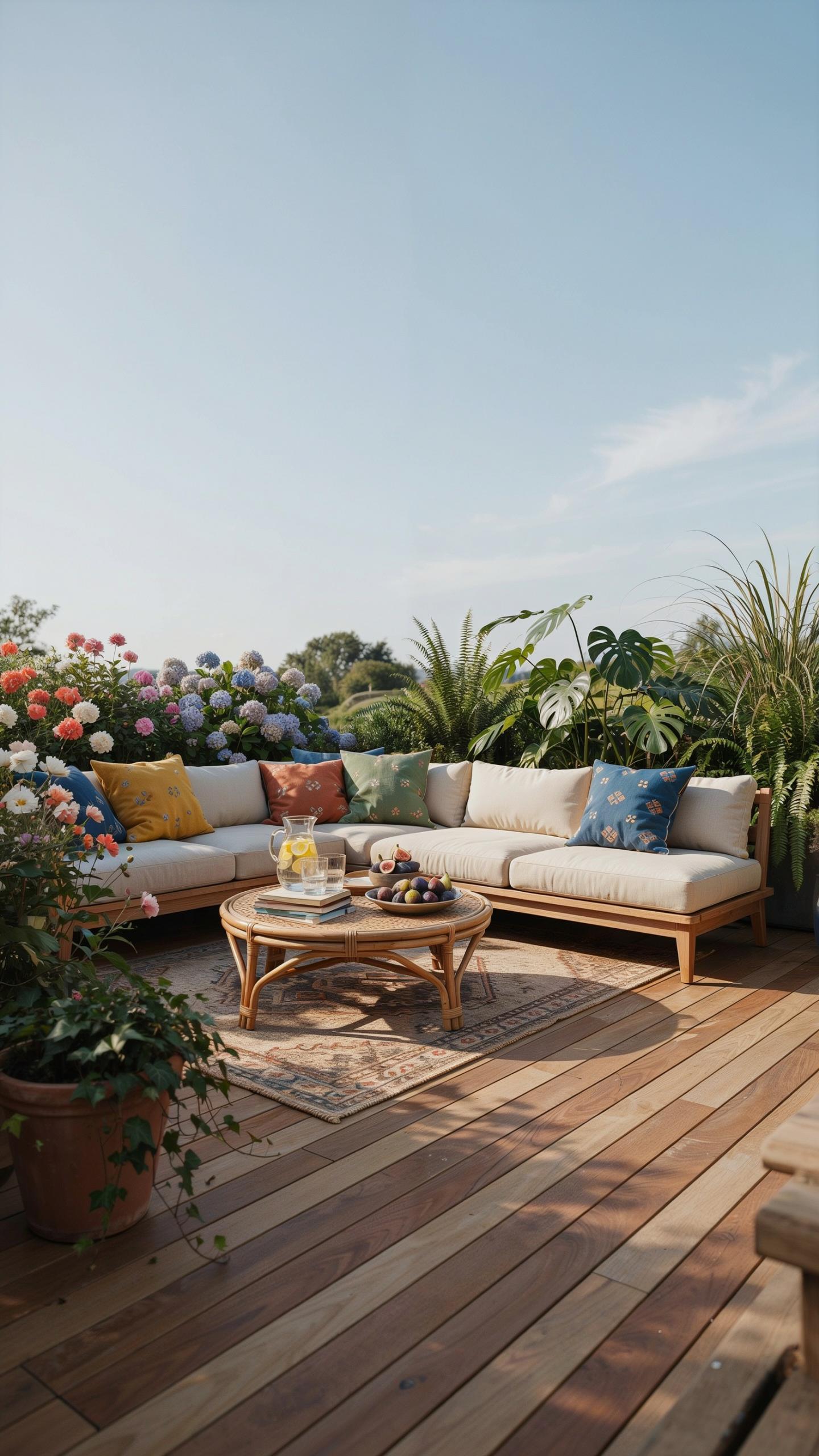
Key Ergonomic Elements Of Premium Lounging
Comfort in outdoor seating hinges on three core factors: cushion density, backrest angle, and fabric durability. Manufacturers use quick-dry polyurethane foam because it resists moisture absorption and maintains its shape through seasonal temperature swings. A properly angled backrest reduces strain on the lower spine during extended sitting. Breathable materials prevent heat buildup against skin, which matters during hot months when metal or solid backing traps temperature.
- Deep-Seated Cushions: Quick-dry polyurethane foam fills maintain loft and prevent water pooling. These cushions resist compression after repeated use, keeping seats comfortable for years.
- Supportive Angled Backrests: Backrests angled between 100 and 120 degrees reduce lumbar pressure. This angle supports natural spine curvature without forcing forward lean.
- Breathable Woven Rope Support: Synthetic wicker and rope allow air circulation behind the back. This prevents moisture buildup and extends material lifespan in wet climates.
- Weather-Resistant Fabric Upholstery: Sunbrella and similar solution-dyed acrylic fabrics resist UV fading and mildew. These materials shed water rather than absorb it, reducing deterioration risk.
- Reinforced Stitching and Seams: Commercial-grade thread and double-stitched seams prevent tearing under weight and stress. Quality construction adds years to cushion lifespan.
Material choice directly impacts maintenance demands and total cost of ownership. High-performance fabrics cost more upfront but eliminate frequent cleaning and replacement cycles. Test any lounge setup by sitting for 20 minutes to verify comfort before purchase.
Arranging Furniture To Encourage Conversation
Layout determines whether your patio functions as a gathering space or a collection of isolated seats. Position lounge chairs and sofas in a U-shape or circular arrangement with seating facing inward. This orientation naturally pulls occupants toward each other and reduces the distance for normal conversation volume.
Maintain 18 to 24 inches of walking space around the perimeter of your seating cluster. This prevents the layout from feeling cramped while keeping seated people close enough to chat without shouting. Leave clear pathways to doors, stairs, and other functional areas so foot traffic does not disrupt conversation zones.
Fresh And Elegant Patio Decorating Ideas
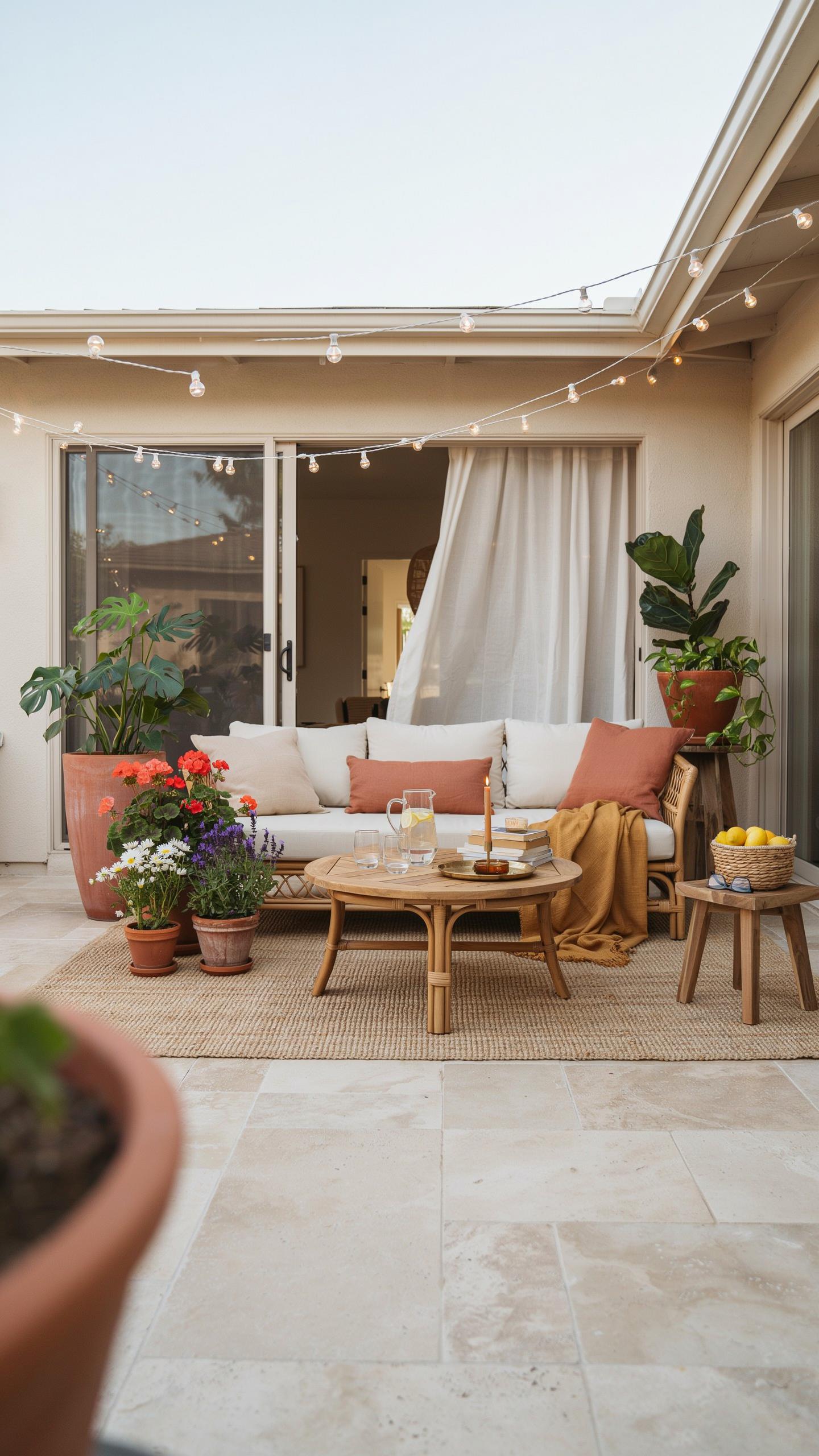
Adding Warmth With Ambient Lighting
Lighting transforms patio functionality across daylight hours. Warm ambient lighting creates usable space after sunset and extends entertaining time. Solar lanterns eliminate wiring costs and maintenance. Recessed deck step lights improve safety while defining pathway edges. Overhead pendant lamps anchor seating areas and provide task lighting for dining zones.
Layer multiple light sources to control brightness and mood. Geometric solar lanterns work well on tables or hung from pergolas. Step lights integrate into deck construction without adding clutter to surfaces. Pendant fixtures mount to existing overhead structures like pergolas or beam systems. This approach lets you adjust lighting intensity based on activity and time of day.
Layering Textures With Natural Elements
Contrast textures against simple furniture silhouettes to build visual interest. Woven seagrass baskets store cushions and blankets while adding tactile variety. Terracotta planters introduce earthy tones that complement neutral modern frames. Linen throws drape over chairs and sofas to soften hard edges and lines.
Natural materials weather differently, creating authentic patina over seasons. Seagrass develops deeper tones. Terracotta gains character marks. Linen softens and gains texture with use. These materials integrate with modern furniture rather than compete with it. Select pieces in neutral colors to maintain design cohesion across your patio space.
Maintaining Your Modern Patio Garden Furniture
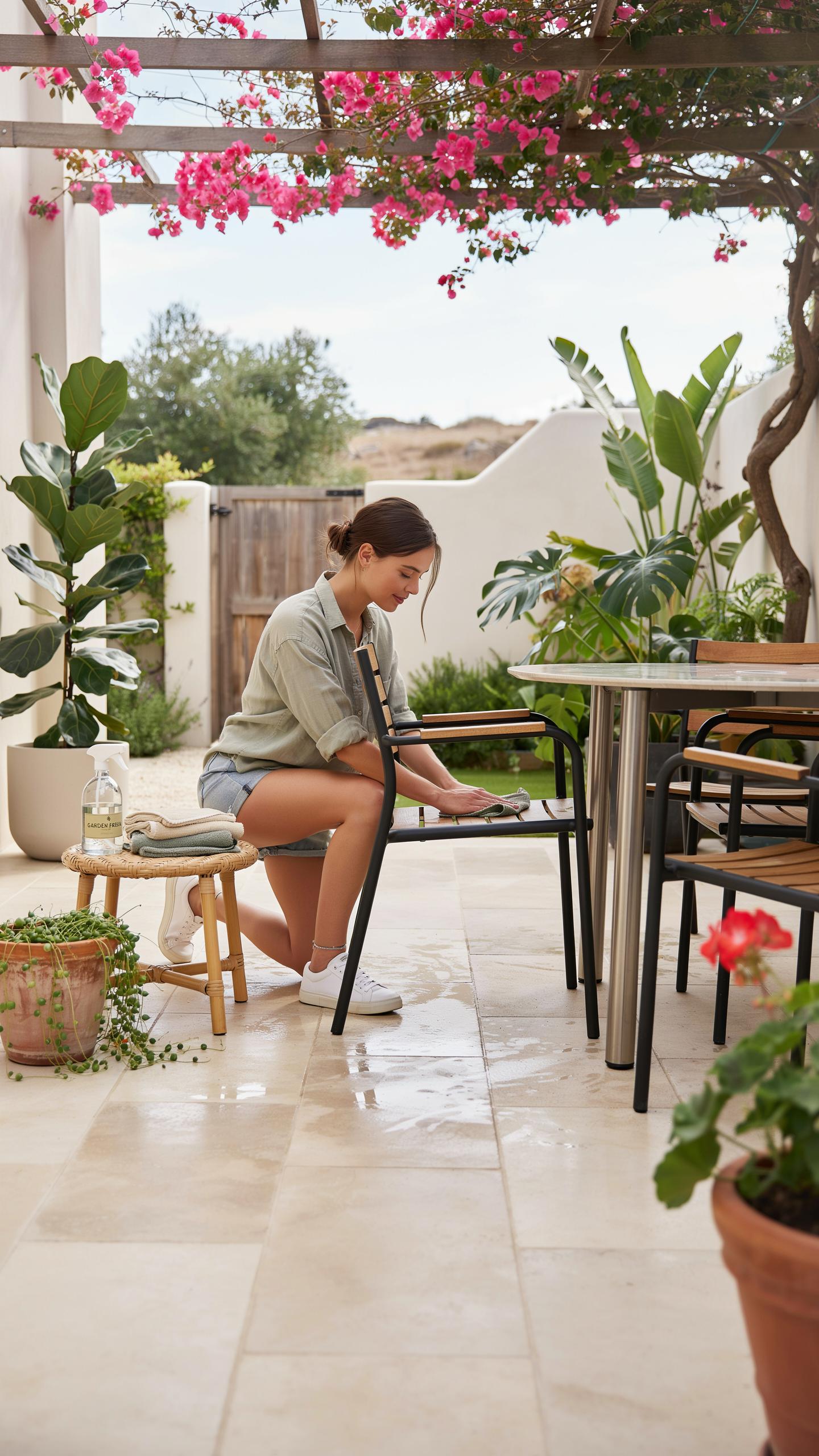
Cleaning Tips For Metals And Woods
Powder-coated aluminum requires minimal upkeep. Wash it with mild soap and water using a soft cloth or brush. This removes dirt and salt spray without damaging the protective coating. Rinse thoroughly and dry to prevent water spots. Do this quarterly or after harsh weather.
Teak wood needs different care. You can oil it annually to maintain its golden color, or skip oiling and let it develop a silver-gray patina naturally over time. Both approaches are valid. If you oil, use teak-specific products and apply thin coats. Never use pressure washers on either material as they cause damage.
Off Season Protection And Storage Solutions
Furniture covers protect against UV damage, moisture, and temperature swings. Buy covers that fit your pieces specifically, not generic ones. Breathable covers prevent mold and mildew by allowing air circulation underneath. Store covers when not in use so they don’t degrade. This extends your furniture’s lifespan significantly.
Cushions deteriorate fastest in wet conditions. Move them to ventilated outdoor storage boxes during winter months. These boxes keep moisture out while allowing air flow. Store in a garage, shed, or covered area if possible. Never leave cushions exposed to snow, rain, or extended humidity.
Frequently Asked Questions

What defines modern patio garden furniture for a home exterior?
Modern patio garden furniture is characterized by clean lines, minimalist silhouettes, and a focus on functional simplicity. Unlike traditional ornate styles, these pieces often use durable materials like powder-coated aluminum, teak, or synthetic resin to create a sleek aesthetic. The goal is to create an uncluttered, sophisticated look that seamlessly extends your indoor living room style to your outdoor space, prioritizing both comfort and a timeless, contemporary visual appeal.
How do I arrange modern patio garden furniture to maximize a small space?
To optimize a compact area, choose multi-functional modern patio garden furniture like modular sectionals or nesting tables. Start by establishing a clear focal point, such as a fire pit or a coffee table, and arrange your seating around it to encourage conversation. Keeping the layout open and avoiding oversized pieces ensures the space feels airy. Use low-profile furniture to maintain sightlines, making even the smallest balcony or patio feel significantly more expansive.
Can I achieve a high-end modern look on a limited budget?
Absolutely. You can achieve a luxury aesthetic without the premium price tag by focusing on a few “hero” pieces and accessorizing smartly. Look for affordable sets with slim metallic frames and neutral cushions, then elevate the look with textured outdoor rugs and bold throw pillows. Shopping during end-of-season sales or choosing high-quality wood alternatives allows you to curate a stunning, contemporary outdoor retreat that looks expensive while remaining budget-friendly.