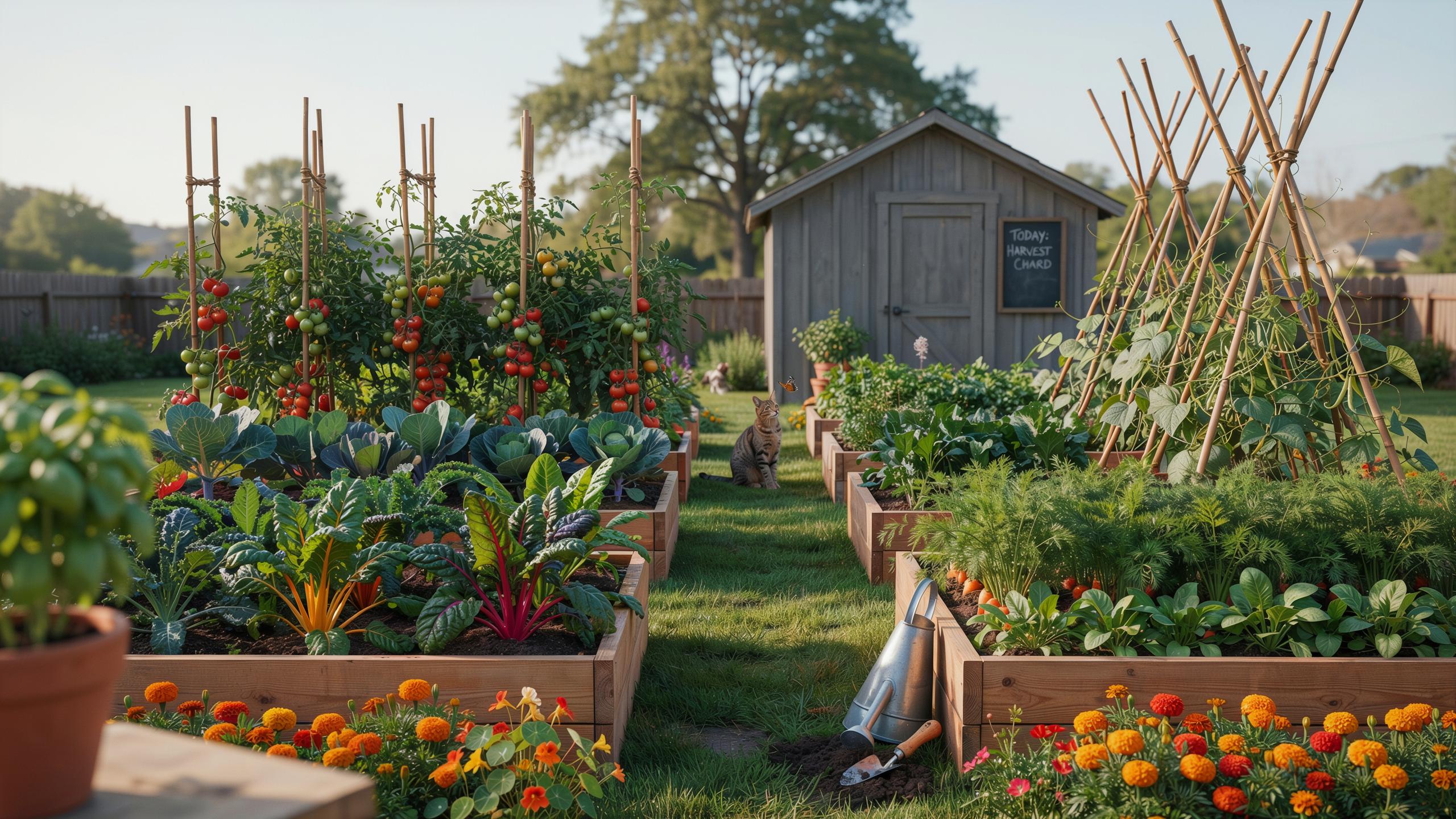
Understanding The Fundamentals Of Raised Bed Gardening Crop Rotation
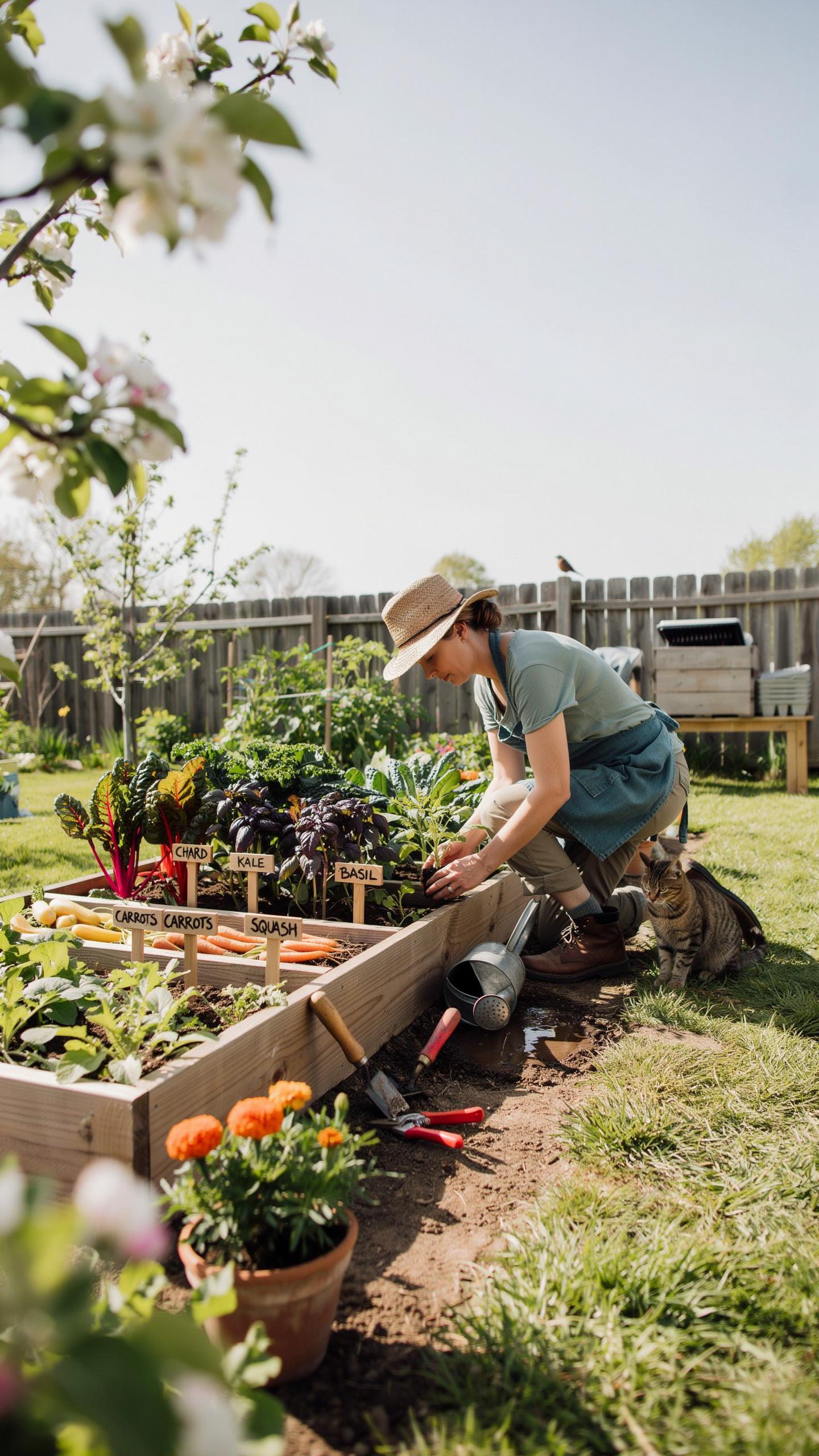
Why Crop Rotation Matters In Small Garden Ecosystems
Crop rotation in raised beds disrupts pest and pathogen life cycles that target specific plant families. Soil-borne diseases like fusarium wilt and verticillium wilt persist in soil when you plant the same family repeatedly in the same location. Moving plant families to different beds forces pests to search elsewhere, reducing populations naturally. This approach maintains soil integrity without chemical inputs.
Raised beds intensify this benefit because their contained environment makes rotation predictable and manageable. You control exactly what grows in each bed each season. Unlike sprawling garden plots, raised beds allow you to map crop families precisely. This precision prevents disease buildup that would otherwise accumulate year after year in the same soil.
The Science Behind Nutrient Extraction And Depletion
Different plant families extract nutrients at different rates and depths. Tomatoes and peppers are heavy feeders that consume large amounts of nitrogen, phosphorus, and potassium. Brassicas like cabbage and broccoli also drain soil quickly. Root vegetables and leafy greens have moderate nutrient demands. Legumes like beans and peas work differently by hosting Rhizobium bacteria in root nodules that convert atmospheric nitrogen into soil-available forms.
Rotating these families prevents single nutrient depletion and naturally replenishes what heavy feeders remove. Plant tomatoes in a bed one season, then follow with legumes the next. The legumes restore nitrogen that tomatoes consumed. Follow legumes with root vegetables or greens that require less nitrogen. This cycle maintains balanced soil fertility and reduces your need for external fertilizer additions.

The Benefits Of Crop Rotation For Beginners In Small Spaces
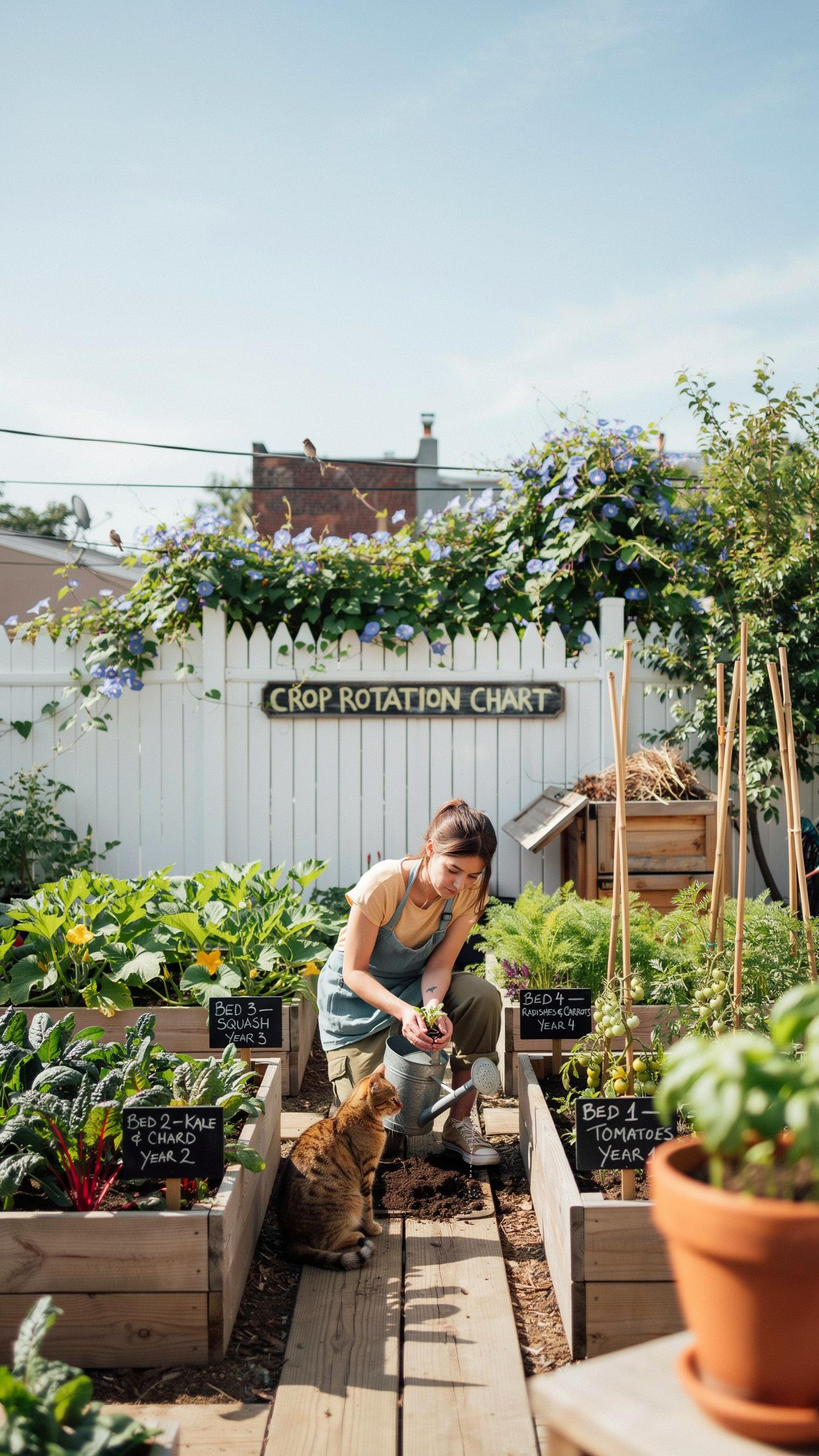
Overcoming The Challenges Of Limited Soil Volume
Raised beds concentrate plant material and soil pathogens into a confined area. Soil-borne diseases like fusarium wilt and verticillium wilt accumulate faster in small spaces than in ground gardens. When you plant the same crop family in the same bed year after year, disease pressure builds exponentially. Rotation breaks this cycle by removing host plants that pathogens depend on for survival.
Premium organic soil costs money. You invest heavily in quality amendments and microbe populations. Disease outbreaks waste that investment and force expensive soil replacement. A deliberate rotation plan uses your existing soil more efficiently. You protect your financial commitment by strategically moving plant families between beds each season. This approach extends soil life and reduces replacement costs.
A Simple Crop Rotation Strategy For First Time Gardeners
Divide each raised bed into four equal quadrants. Assign each quadrant to one plant family: brassicas, legumes, nightshades, and alliums. Move each family one quadrant clockwise every season. This system works because you track plant families, not individual varieties. Most beginners struggle with complex rotations. The quadrant method eliminates guesswork and creates a visual, repeatable pattern anyone can follow.
Track your rotation on paper or a simple spreadsheet. Write down which family occupies each quadrant each year. After four years, families return to their original quadrant. This timeline gives soil biology time to recover and breaks pest and disease cycles. You avoid the mental load of remembering what grew where. Documentation turns crop rotation from a complicated task into a straightforward system you execute on schedule.
How To Outline A Successful Crop Rotation Plan
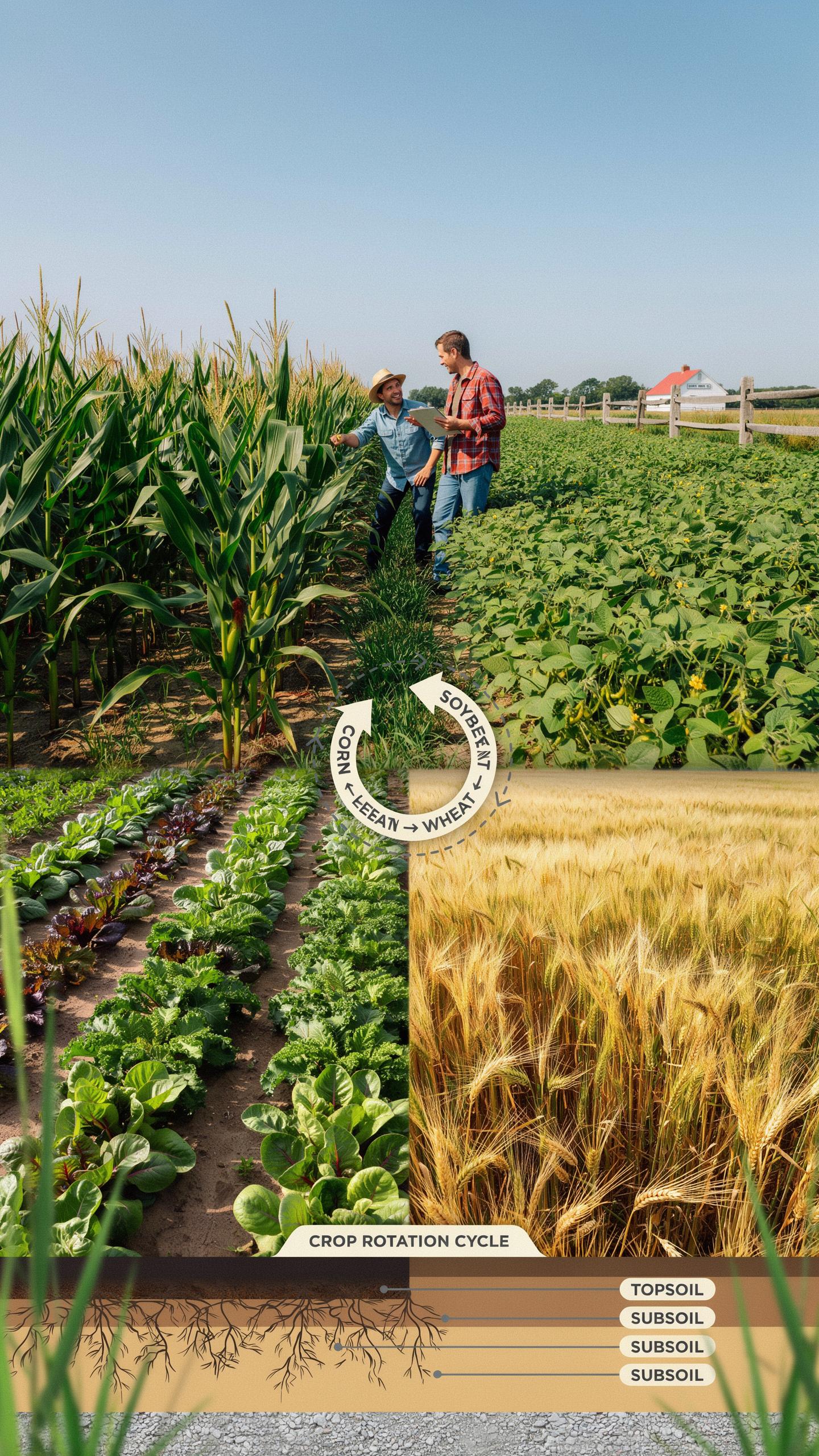
Essential Steps To Designing Your Rotating Layout
Start by mapping your raised beds on paper. Draw each bed to scale and label it. Note the sunlight exposure, soil depth, and current condition of each bed. This baseline prevents you from placing shade-loving crops in full sun or root crops in shallow soil. Accurate mapping eliminates costly mistakes before you plant anything.
- Map your beds: Sketch each raised bed’s dimensions, location, and sun exposure to establish your starting point for rotation planning.
- Identify plant families: List the families you want to grow: Brassicaceae (cabbage, broccoli), Solanaceae (tomatoes, peppers), Fabaceae (beans, peas), and Cucurbitaceae (squash, cucumbers).
- Group by nutrient demands: Categorize crops as heavy feeders, moderate feeders, or soil builders based on their nitrogen and nutrient requirements.
- Schedule seasonal movements: Create a year-by-year rotation schedule that moves each family to a different bed annually to break pest cycles and balance soil depletion.
- Document your plan: Write down your rotation sequence for three to four years so you can repeat it and track what works in your specific beds.
Execute your rotation by moving plant families to new beds each season. This practice starves soil-borne pests and diseases that target specific families. Rotation also reduces buildup of depleted nutrients in one location. Your plan becomes your operational blueprint for sustained production year after year.
Balancing Heavy Feeders With Soil Builders
Heavy feeders like corn, brassicas, and tomatoes extract large amounts of nitrogen and nutrients from soil. Follow them with legumes or cover crops that fix nitrogen back into the ground. This pairing maintains soil fertility without requiring constant amendments or external inputs.

Legumes such as clover, vetch, and beans partner with rhizobia bacteria to convert atmospheric nitrogen into plant-available form. Plant these in beds after heavy feeders finish their cycle. This natural nutrient replenishment reduces your reliance on purchased fertilizers and keeps your rotation self-sustaining. Your soil builds resilience instead of becoming depleted.
Structuring Your Veg Garden By Botanical Families
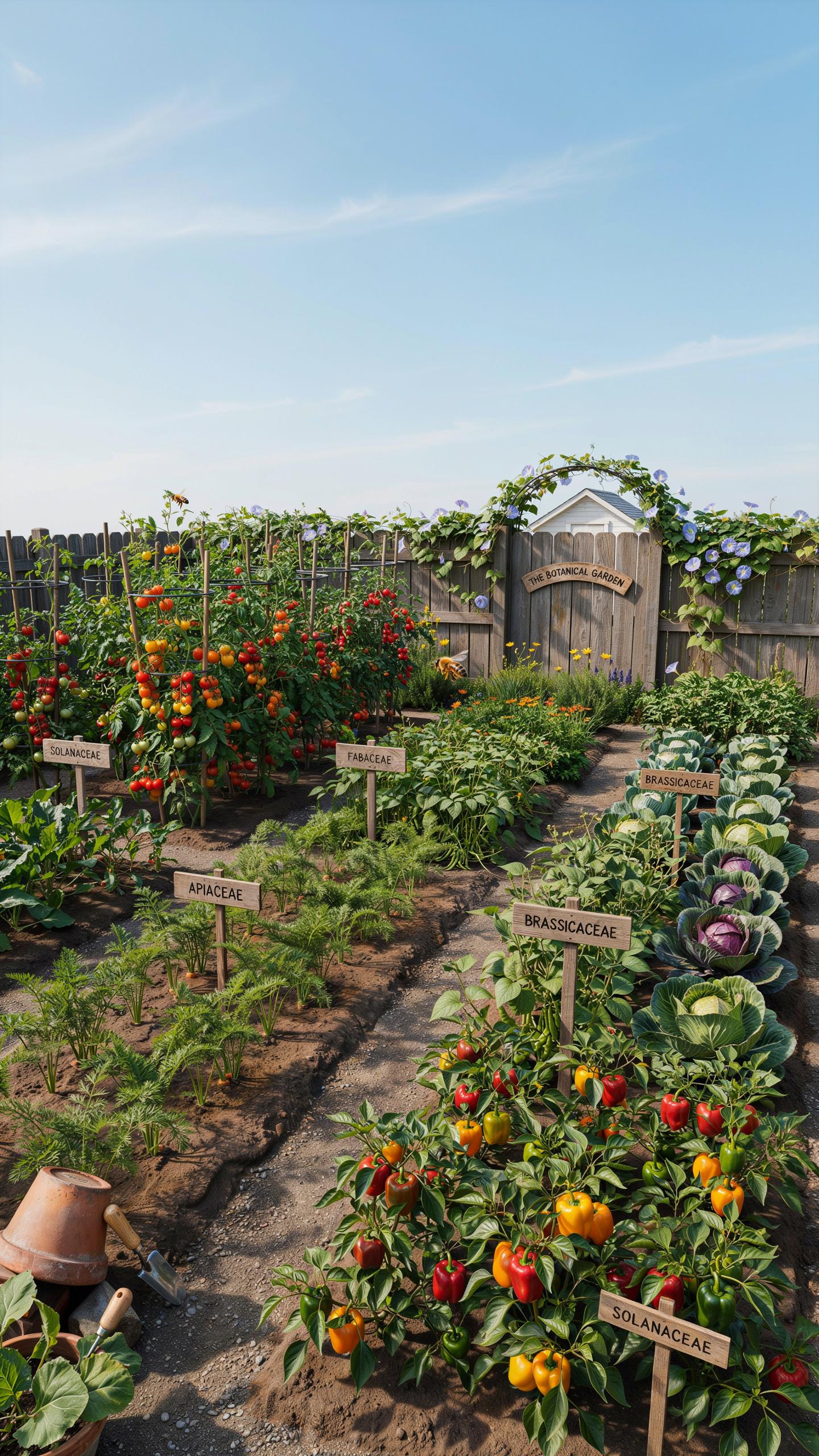
Grouping Solanaceae, Brassicaceae, And Fabaceae
Botanical family grouping prevents pest and disease cycles from establishing in your beds. Solanaceae crops like tomatoes, peppers, and eggplants attract specific pests such as hornworms and flea beetles that overwinter in soil. Rotating these away from their previous location stops pest populations from building. Brassicaceae plants including cabbage, broccoli, and kale face different pressure from cabbage loopers and root maggots.
Fabaceae crops like beans and peas fix nitrogen and improve soil for following plants. This family requires separation from nightshades and brassicas to break pest cycles and manage nutrient demands effectively. A three-year rotation moving each family through different beds annually disrupts pest reproduction and disease establishment. This approach reduces your reliance on interventions while maintaining productivity across seasons.
Managing Alliums And Cucurbits In The Rotation Cycle
Alliums including onions and garlic demand well-draining soil and extended growing periods ranging from 90 to 120 days depending on variety. Cucurbits like squashes, melons, and cucumbers require nutrient-rich, moisture-retentive soil and shorter maturation windows. Placing these families in the same bed creates conflicting soil management needs and reduces yield from both crops.
Deliberate bed assignment means assigning alliums to beds with excellent drainage where previous heavy feeders grew. Reserve nitrogen-rich beds amended with compost for cucurbits, which consume nutrients rapidly during fruit production. Stagger plantings so alliums mature as cucurbits begin germination, maximizing your use of each raised bed without overlap or competition for resources.
Utilizing Crop Rotation Charts For Visual Planning
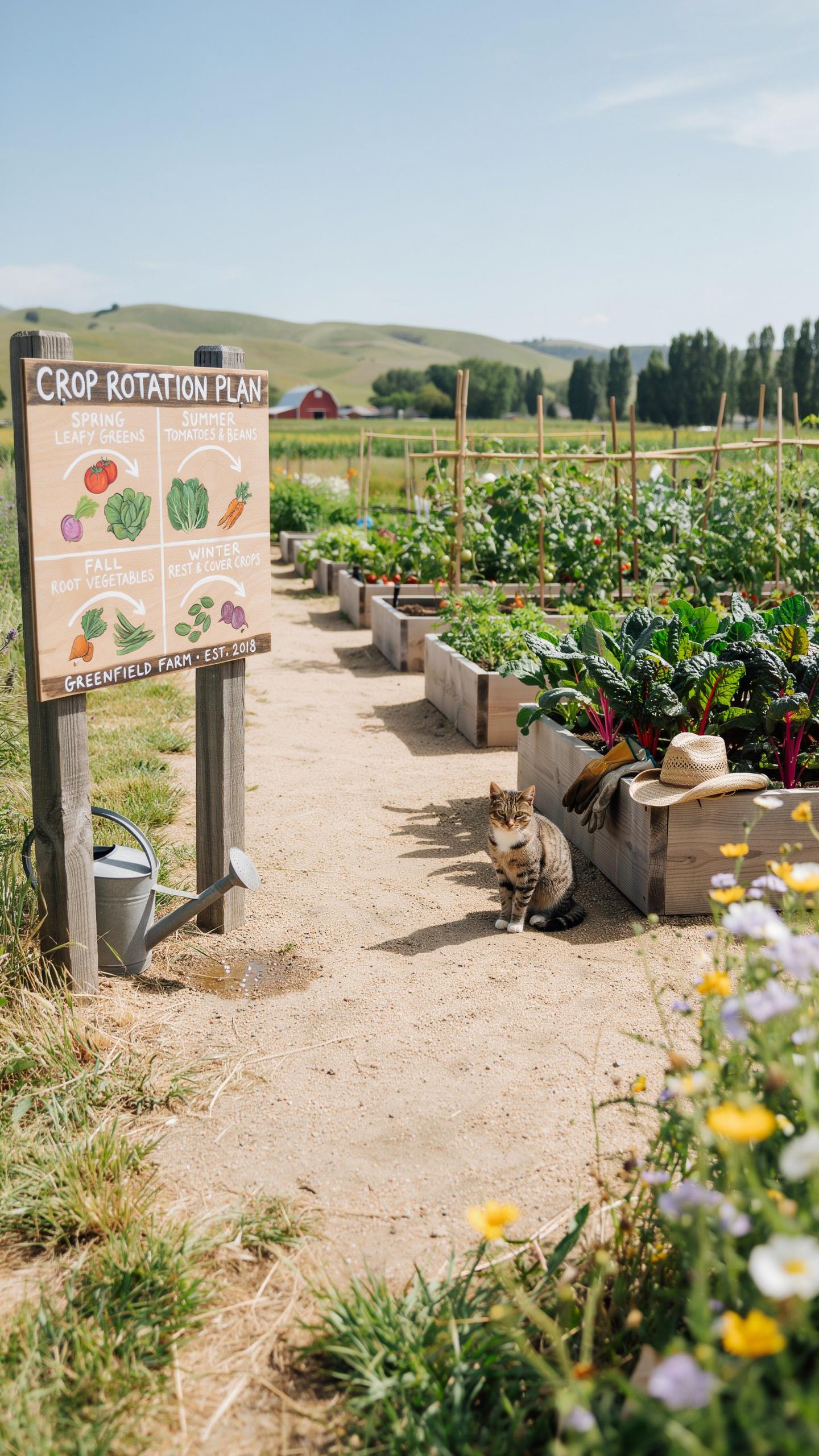
How To Read And Apply Botanical Flowcharts
Crop rotation charts map plant families across your beds over multiple years. They show which family occupied each bed in the past and where it moves next. This prevents soil depletion and breaks pest and disease cycles. Read charts left to right, following the arrows that indicate movement patterns. Each color or symbol represents a plant family, making tracking straightforward and removing guesswork.
The chart serves as your garden’s historical record. Reference it annually before planting. Mark which beds held tomatoes, brassicas, legumes, and alliums in previous seasons. This prevents replanting the same family in the same location too soon. Most rotations follow a three to four year cycle. Standard charts assume equal bed sizes and similar growing conditions, so adjust based on your actual setup.
To dwell as a gardener is to dance with the soil, shifting our crops like old friends across the beds to keep the earth forever young.
Customizing Templates For Unique Raised Bed Dimensions
Standard templates assume uniform bed layouts. Your garden likely differs in size, shape, and sun exposure. Modify charts to reflect actual bed dimensions and microclimate variations. Taller plants like tomatoes and corn cast shade on adjacent beds, affecting which crops thrive there. Map out your beds first, noting height differences and directional sunlight patterns.
Apply this data to your rotation template. A small bed receives different intensity sun than a large one. A north-facing bed may shade out heat lovers in summer. Adjust plant family placement accordingly. Templates are starting points, not rules. Use them as frameworks and customize based on your site conditions. This prevents crop failure from poor placement decisions and maximizes yield across your entire garden.
Designing A Crop Rotation Vegetable Garden System
Implementing A Four Bed Rotational System
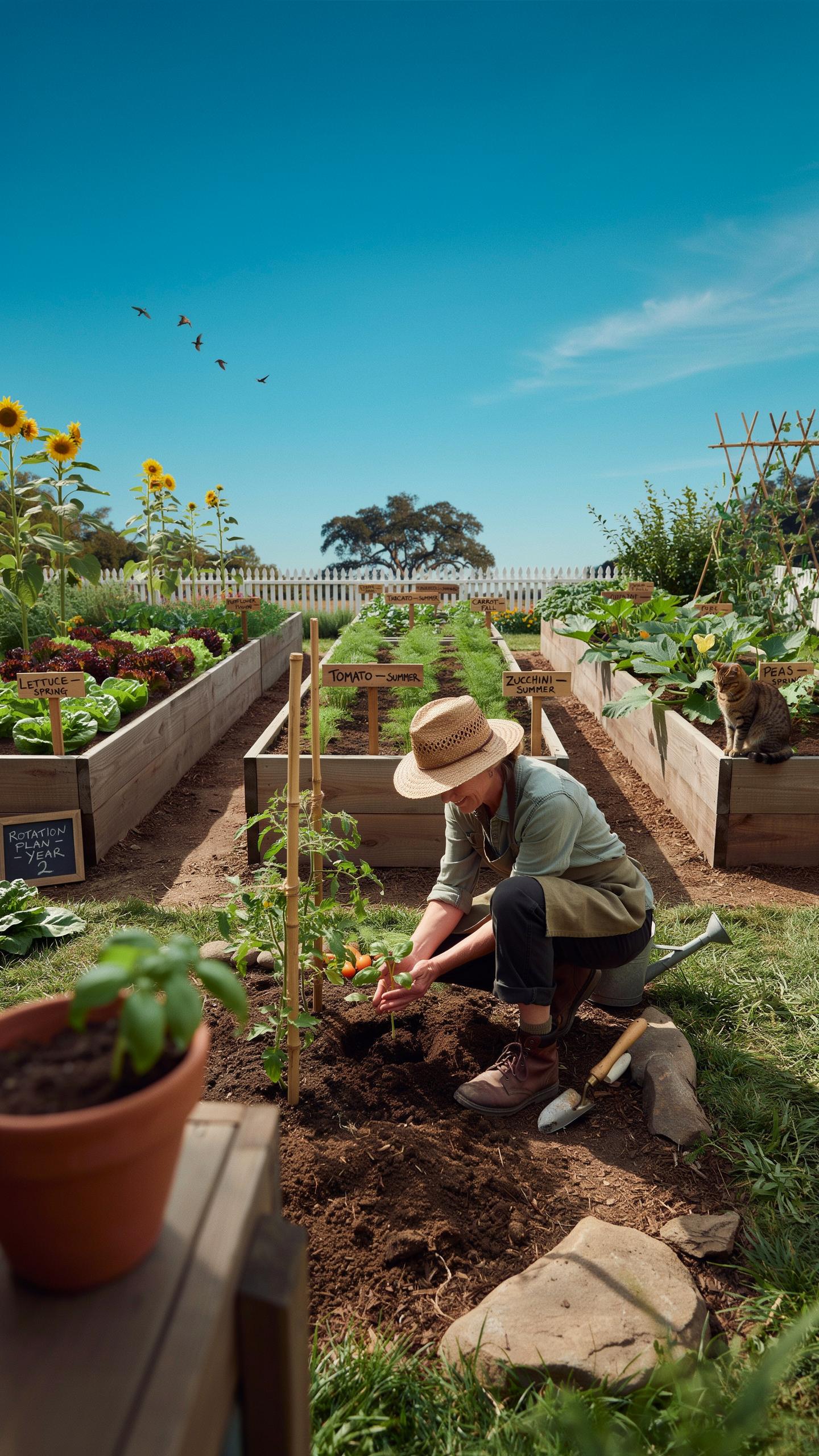
A four-bed rotation system divides your garden into four zones, each dedicated to a crop family. Bed one grows leafy greens like lettuce and kale. Bed two holds root vegetables such as carrots and beets. Bed three contains legumes including peas and beans. Bed four hosts fruit-bearing crops like tomatoes and peppers. Each year, rotate crops to the next bed in sequence.
This rotation prevents soil nutrient depletion and breaks pest cycles. Leafy crops consume nitrogen heavily, but legumes replenish it through nitrogen fixation. Root vegetables mine deep nutrients without depleting surface soil. Fruit-bearing plants use balanced nutrition. By rotating families annually, you avoid building pest populations that target specific crop types. Soil-borne diseases also diminish when their host plants move elsewhere.
Maximizing Vertical Space And Intercropping Techniques
Vertical trellises for climbing crops like peas and pole beans free up ground space for additional plantings. Install trellises on the north side of beds to avoid shading other crops. Train beans and peas upward as they grow. This arrangement reduces your garden footprint while increasing total yield per square foot of bed area.
Plant quick-growing radishes and spinach beneath climbing crops to capture otherwise wasted space. These cool-season greens mature in 30 to 40 days, well before bean and pea plants reach full height. Radishes break compacted soil and spinach thrives in partial shade created by trellis structures. Harvest these fast crops first, then use the space for secondary plantings if desired.
Best Practices For Managing Soil Health In Raised Beds
Essential Soil Amendments To Apply Between Rotations
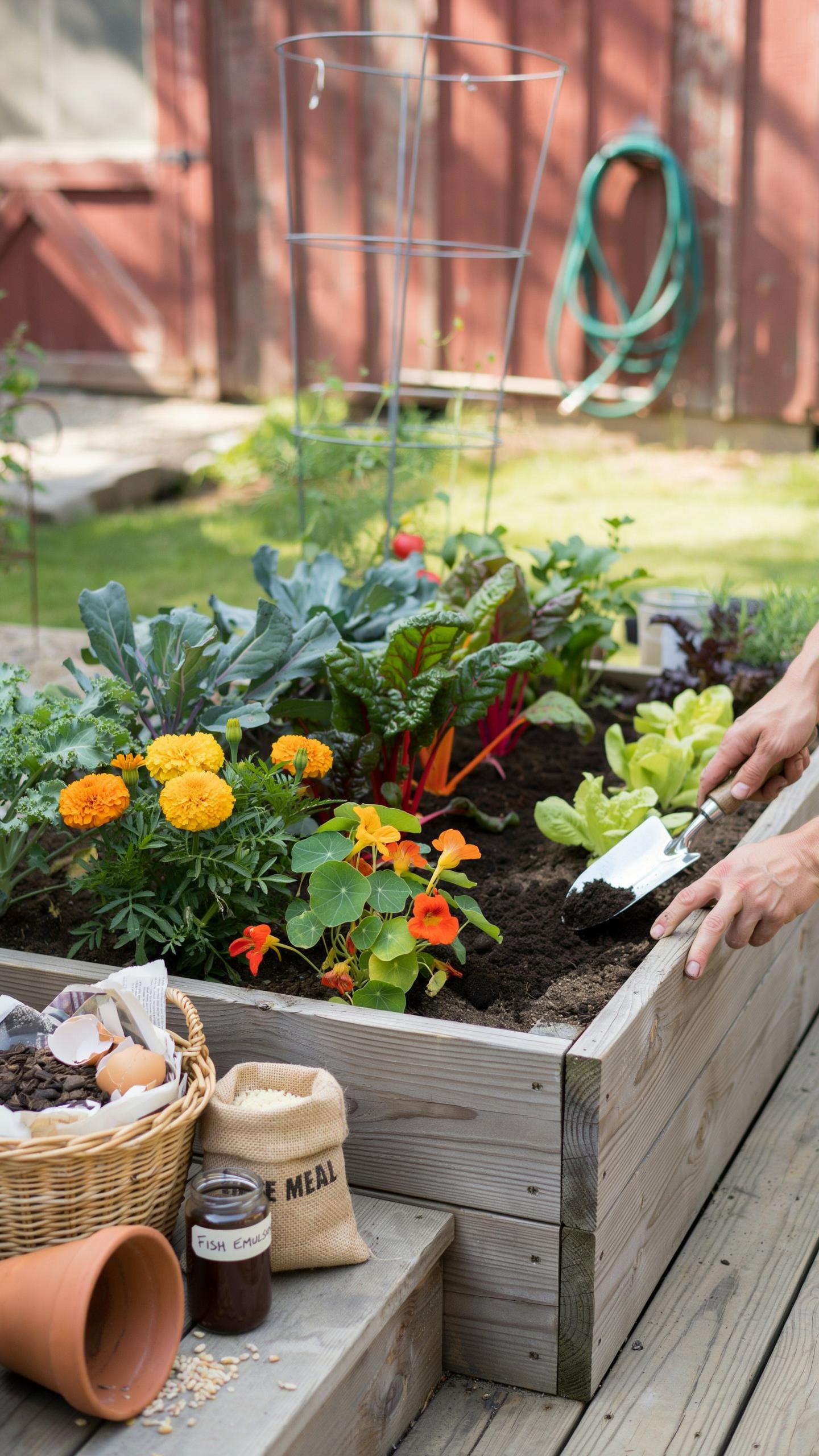
Soil degrades with every crop cycle. Nutrients deplete, organic matter breaks down, and microbial populations decline. You must replenish these reserves before planting your next rotation. Apply amendments immediately after harvest to give them time to integrate into the soil structure before the new growing season starts.
- Well rotted compost: Introduces beneficial microbes and restores organic matter. Apply 2-3 inches and work it into the top 6-8 inches of soil for maximum microbial colonization.
- Bone meal: Supplies phosphorus for root development and flowering. Use 1-2 pounds per 100 square feet of raised bed, focusing on areas where legumes previously grew.
- Kelp meal: Delivers trace minerals including iodine, boron, and zinc. Apply at rates of 1-2 pounds per 100 square feet to address micronutrient gaps left by previous crops.
- Organic mulch: Conserves moisture and moderates soil temperature swings. Layer 2-3 inches of straw or shredded leaves across the bed after amendments are incorporated.
- Aged manure: Contributes nitrogen and secondary nutrients while building soil structure. Use only fully aged material (6 months minimum) to avoid burning plants and killing beneficial organisms.
Testing soil before amendment application tells you exactly what you need. Different crops draw down specific nutrients, so amendments must match your previous crop and upcoming rotation. This targeted approach prevents over application and saves money.
Testing And Adjusting PH Levels For Diverse Crops
Soil pH determines nutrient availability. A pH of 6.0 to 7.0 works for most vegetables, but specific crops have distinct preferences. Potatoes thrive in acidic soil around 5.0 to 6.0, while brassicas like cabbage and broccoli prefer 6.5 to 7.5. Test your soil pH before each rotation cycle to identify where adjustments are needed.
Lime raises pH in acidic soils, while sulfur lowers it in alkaline soils. Add lime at 5-10 pounds per 1000 square feet for each full pH point increase needed. Sulfur works faster than lime, requiring 1-2 pounds per 1000 square feet per pH point decrease. Allow 4-6 weeks between amendment application and planting for changes to fully integrate into the soil matrix.
Implementing A Simple Crop Rotation For Year Round Harvesting
Transitioning Beds From Cool Season To Warm Season Crops
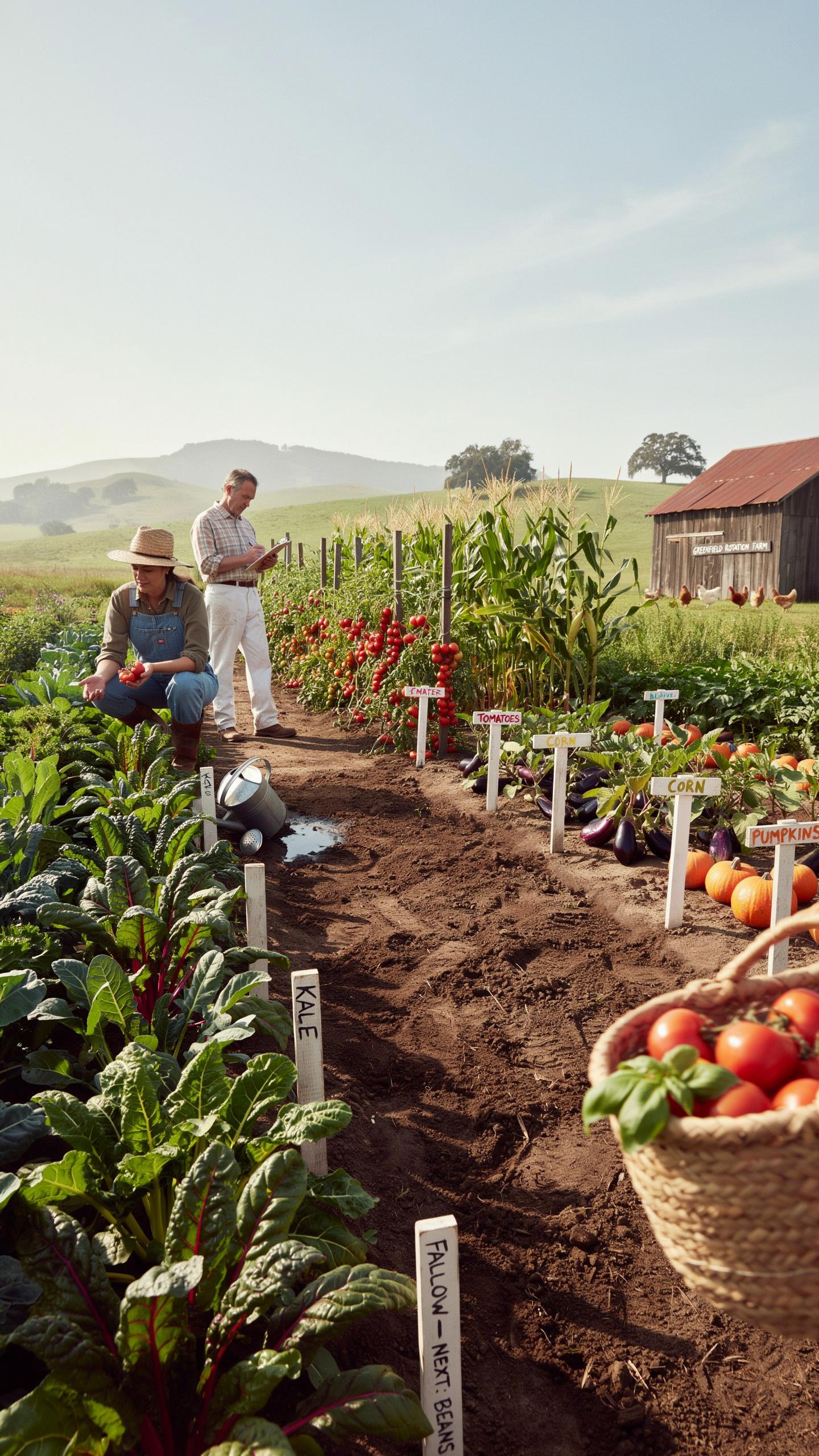
Spring crops like spinach, lettuce, and peas finish producing by late spring. Remove spent plants and refresh the soil with compost before planting heat lovers. Peppers, tomatoes, eggplants, and beans thrive in the same beds during summer months. This sequential planting maximizes bed productivity and prevents soil depletion from growing identical crops repeatedly.
Timing matters more than luck. Plant warm season crops after your last frost date when soil temps reach 60 degrees Fahrenheit. Most gardeners accomplish this transition in a single weekend. The soil structure remains intact, beneficial microbes stay active, and you eliminate the work of building new beds each season.
Integrating Cover Crops To Protect Winter Soil
Winter cover crops anchor your soil and prevent erosion during heavy rain and freeze thaw cycles. Crimson clover, winter rye, and hairy vetch germinate in fall and establish roots before cold arrives. Till these crops back into beds in early spring to release nitrogen and organic matter. This practice builds soil health without buying expensive amendments each year.

Plant cover crops in late summer or early fall after harvesting summer vegetables. Most germinate within two weeks and establish quickly before winter dormancy. Leave them in place through winter and spring. Come late March or April, cut them down and work them into your bed soil two weeks before planting spring crops.
Frequently Asked Questions

Why is crop rotation important if I only have a few small raised beds?
Even in small spaces, raised bed gardening crop rotation is essential for maintaining soil health and preventing disease. Planting the same vegetable family in the same spot year after year depletes specific nutrients and allows soil-borne pests to thrive. By rotating your crops, you naturally break pest life cycles and ensure that heavy feeders, like tomatoes, don’t exhaust the soil, leading to a much more productive and vibrant home garden.
How do I categorize my vegetables to create a simple rotation plan?
A practical way to manage raised bed gardening crop rotation is to group plants into four main families: legumes, root vegetables, leaf crops, and fruit-bearing plants. Start by planting nitrogen-fixing beans, followed the next season by nitrogen-hungry leafy greens. Move to root vegetables that draw nutrients from deeper soil, and finally plant fruiting crops like peppers. This systemic movement keeps your soil balanced and minimizes the need for chemical fertilizers.
Do I need to buy expensive software or kits to track my rotation cycles?
Not at all! Managing your garden effectively can be completely budget-friendly. Most successful gardeners use a simple dedicated notebook or a digital spreadsheet to sketch their layouts and record what was planted in each bed every season. Taking photos on your phone is another free way to track progress. Focusing on clear record-keeping ensures you reap all the benefits of rotation without spending a dime on specialized tracking tools or apps.