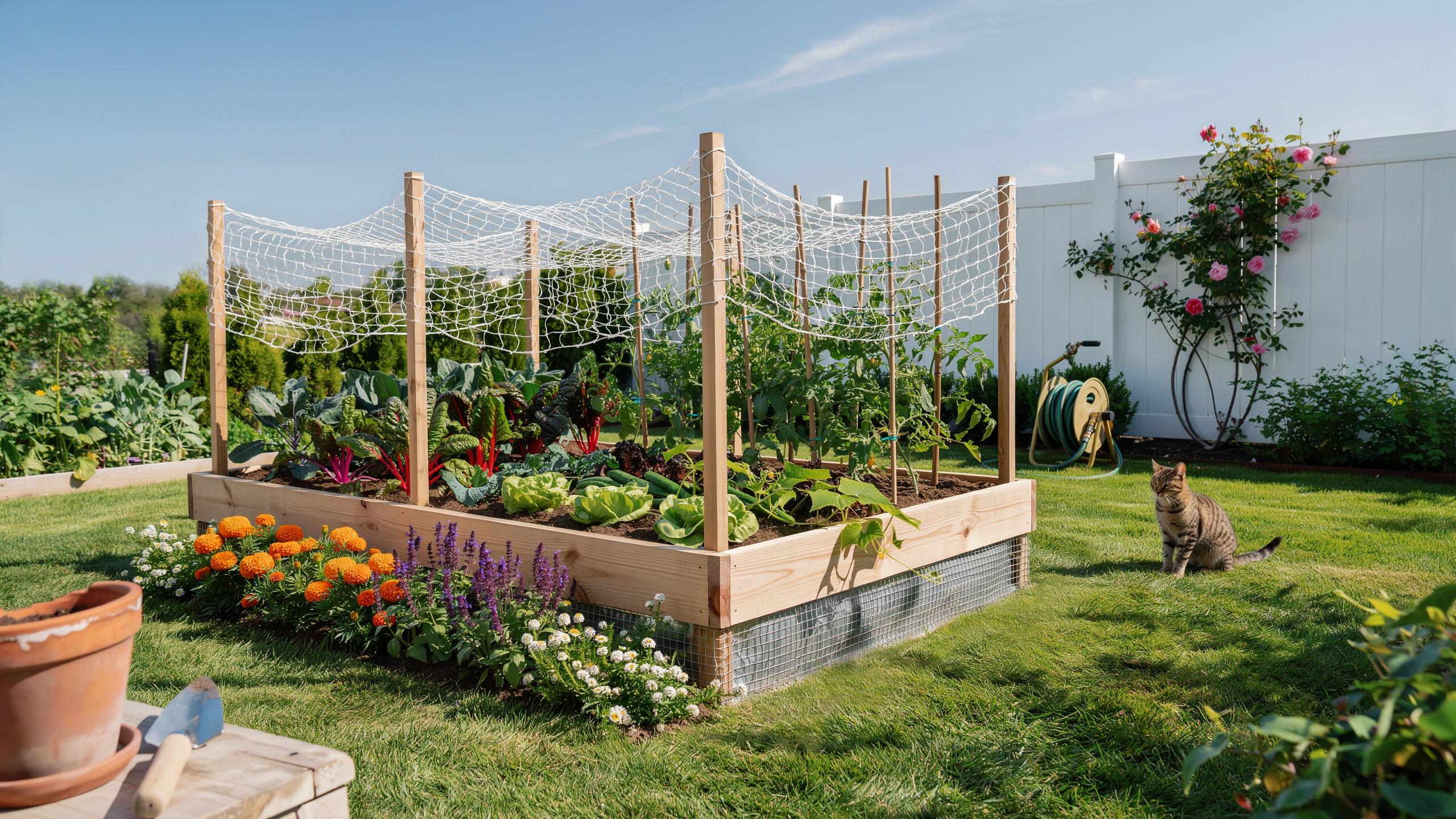
Understanding The Purpose Of Garden Covers For Raised Beds
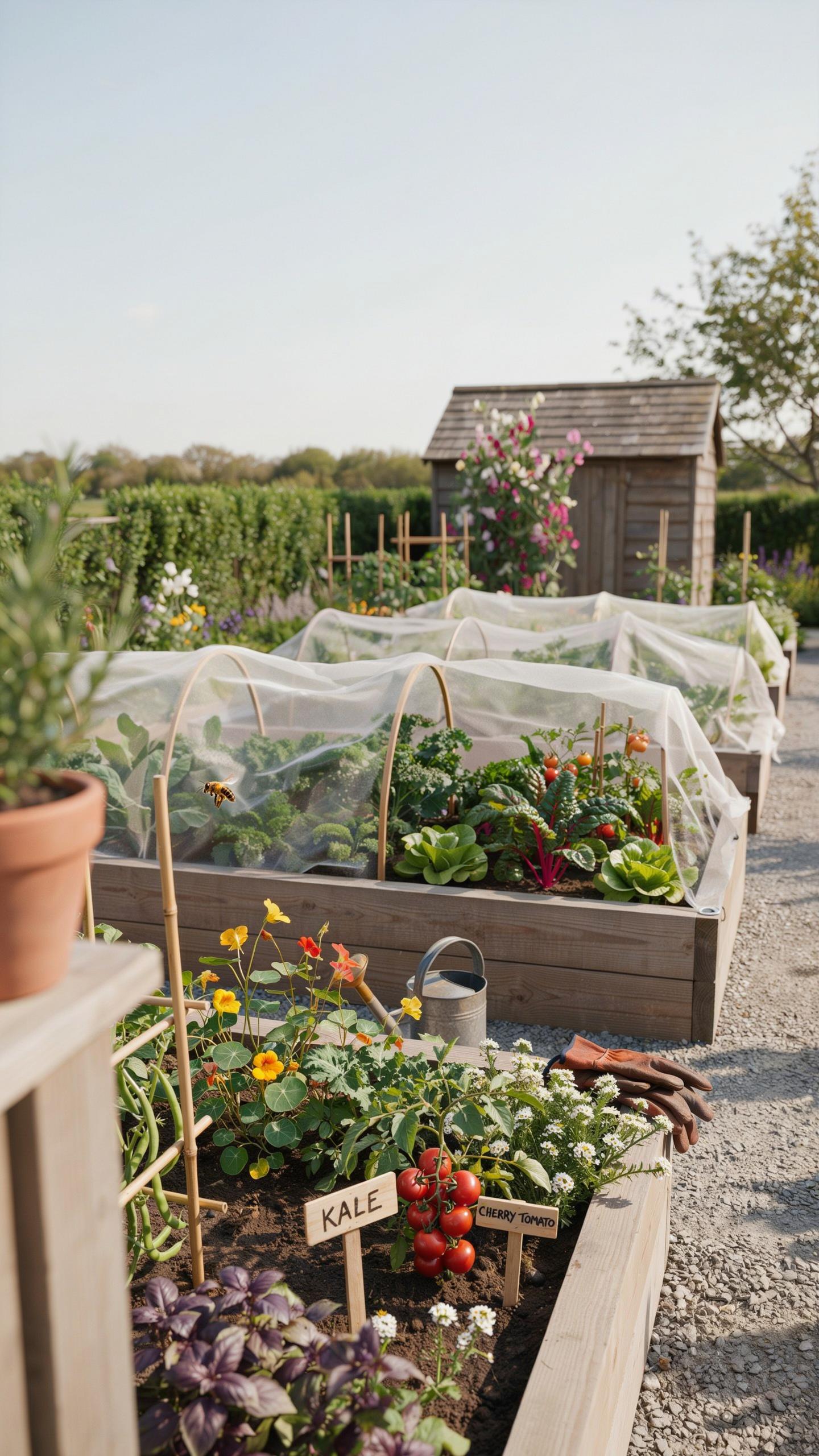
What Pest Barriers Actually Do For Your Raised Bed Garden
Pest barriers create a functional seal between your crops and external threats. These structures stop insects from laying eggs on leaves and prevent mammals from digging up roots. Strategic covers also mitigate environmental damage. They break the force of heavy rain and diffuse direct sunlight. This protection ensures plants remain upright and hydrated. A stable environment reduces plant stress and prevents common diseases.
Modern barriers allow gardeners to control the growing environment with precision. They block localized pests like cabbage moths or carrot flies before an infestation starts. Most covers maintain air circulation while keeping out unwanted intruders. This tactical approach eliminates the need for constant crop monitoring. You save time by preventing damage rather than reacting to it. Effective barriers transform a vulnerable garden into a secure production zone.
The Difference Between Physical Barriers And Chemical Deterrents
Physical barriers rely on structural exclusion to protect plants. Hardware cloth, insect netting, and row covers provide a constant shield. These materials work 24 hours a day without maintenance. They do not wash away during rain or degrade quickly in the sun. Physical solutions keep produce clean and safe for immediate consumption. This method prevents contact between the pest and the plant through a mechanical boundary.
Chemical deterrents function through scent or toxicity to repel pests. These substances require frequent reapplication to remain effective. Weather conditions like wind and rain often neutralize their impact. Chemicals can also harm beneficial pollinators and alter the soil biology. Physical barriers offer a cleaner and more predictable result for the long term. Using structures instead of sprays keeps your garden ecosystem balanced and your food supply untainted.

Common Garden Pests And Animals That Target Raised Beds
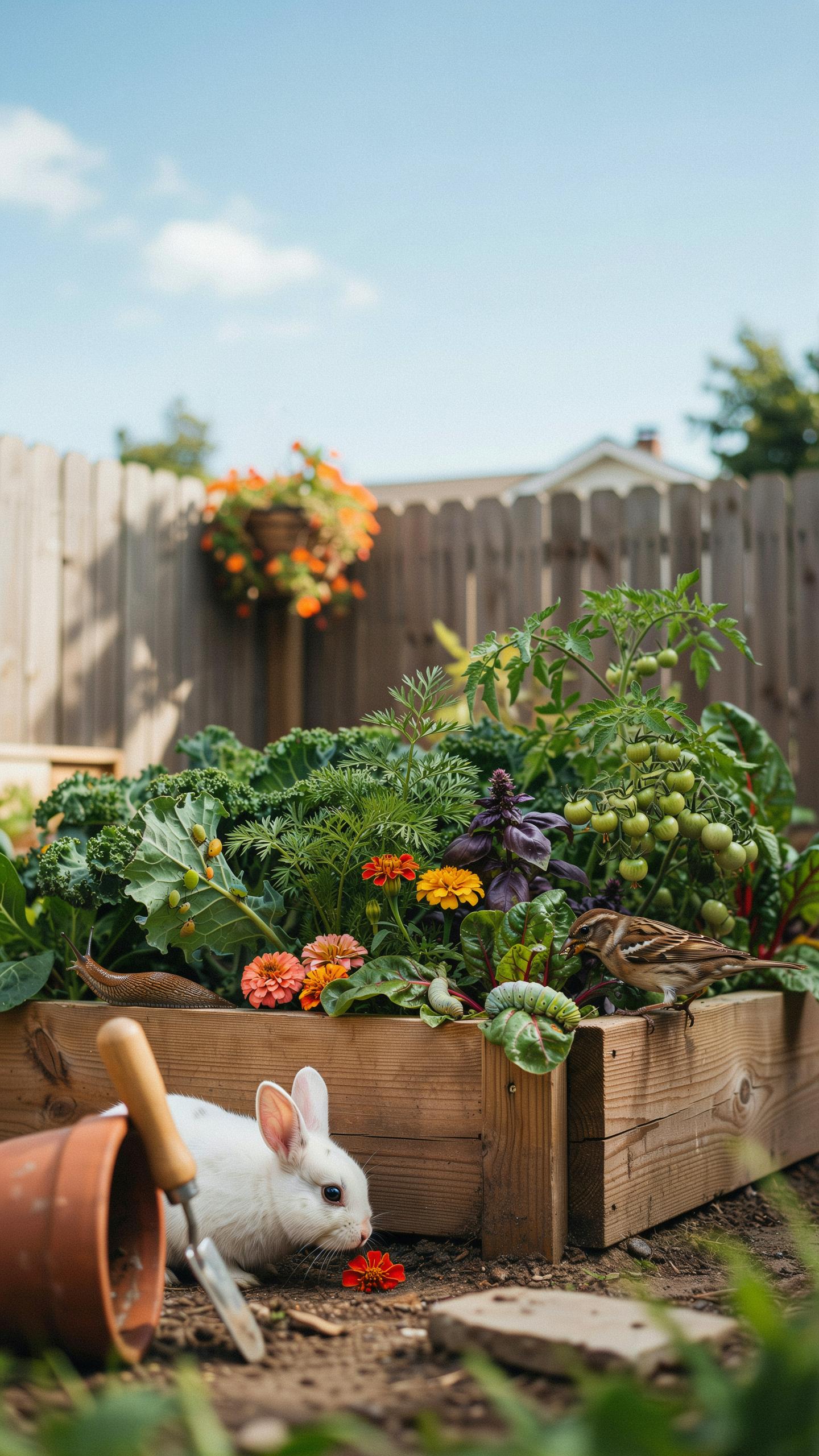
Insects And Small Crawlers That Damage Vegetable Crops
Raised beds sit above ground but still face heavy insect pressure. Aphids and spider mites colonize stems to suck plant juices. Cabbage worms and tomato hornworms consume leaf tissue rapidly. Slugs and snails thrive in the damp gaps between wood frames and soil. These pests move quickly through dense plantings. They can destroy a full crop in mere days without physical intervention.
Early detection prevents total loss. Look for yellowing leaves or holes in the foliage. Cutworms live just below the surface and sever young stems at night. Root maggots target brassicas by tunneling into the base. Use fine mesh netting or row covers to block adult moths from laying eggs. Physical barriers work better than chemical sprays for long-term health. Constant monitoring keeps insect populations manageable.
The glory of gardening, hands in the dirt, head in the sun, and heart with nature. To nurture a garden is to feed not just on the body, but the soul.
Larger Wildlife Intruders That Raid Raised Garden Beds
Rabbits and groundhogs view raised beds as easy buffets. These animals eat tender greens and stems at ground level. Deer can reach over tall sides to strip the tops of plants. Raccoons and squirrels dig in the loose soil for bulbs or buried nuts. Their digging ruins root systems and displaces young seedlings. High sides do not stop determined mammals from entering your garden.
Total exclusion requires hardware cloth and fencing. Buried metal mesh prevents burrowing animals from entering through the bottom of the bed. Tall netting or wire cages stop larger herbivores from feeding from above. Motion-activated lights or sounds rarely provide permanent results. You must build a physical lock-out system to protect your investment. Solid construction is the only way to stop hungry wildlife effectively.
How To Keep Animals Out Of Raised Beds With Structural Solutions
Building A Frame Structure That Supports Your Pest Barrier
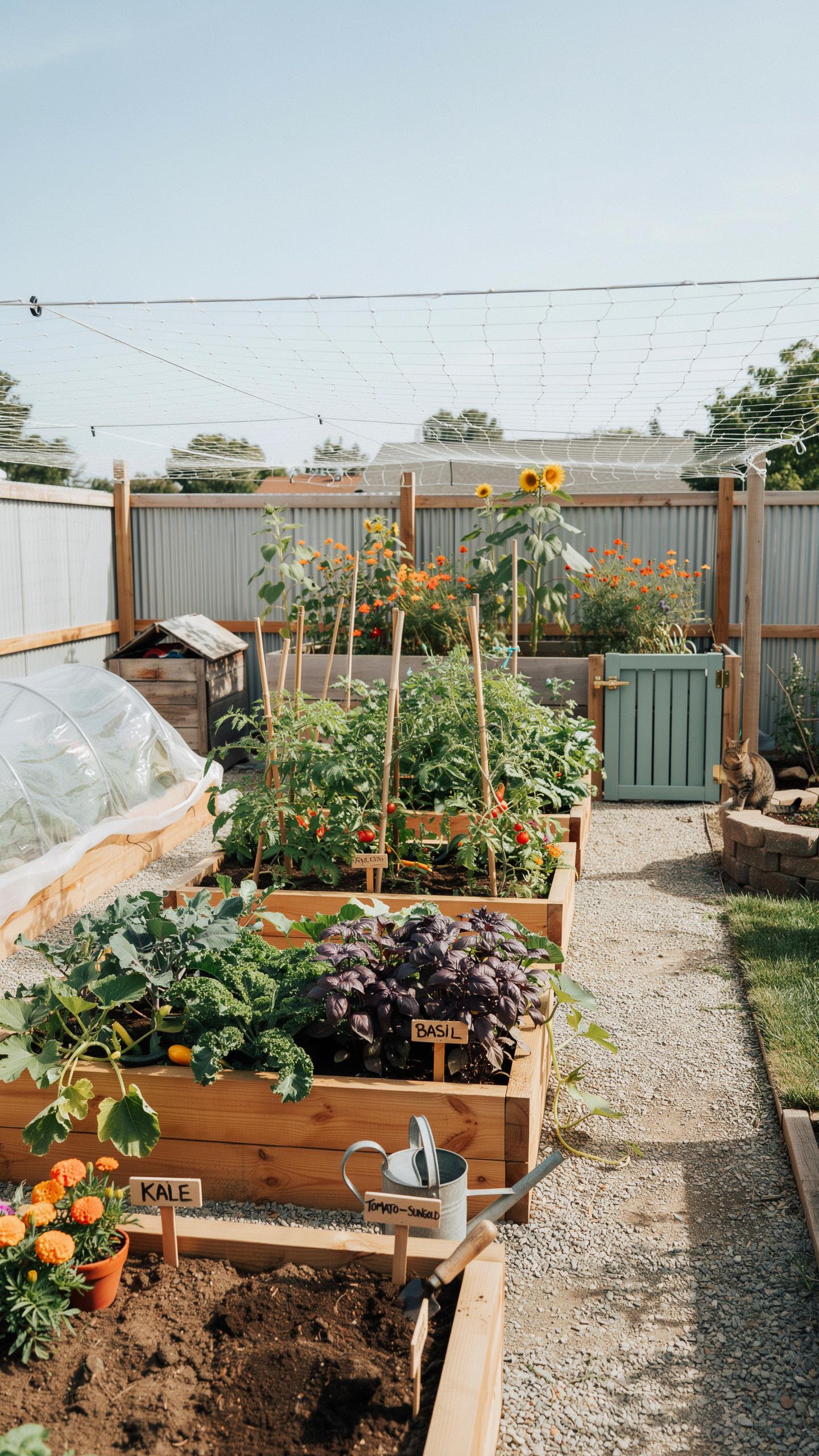
Structural frames provide the foundation for all effective raised bed gardening pest barriers. Use rot-resistant lumber like cedar or pressure-treated wood rated for ground contact. Secure horizontal rails to the corners of your bed to create a rigid skeleton. This frame must withstand wind loads and the weight of the mesh. A sturdy upright design allows for easy access while maintaining a permanent physical defense.
Proper joint construction ensures the frame does not sag or pull apart over time. Use galvanized exterior screws and metal L-brackets at every corner for maximum stability. A flat-topped frame allows you to attach hinges for easy-open lids. This tactical approach turns a simple garden box into a secure enclosure. Robust frames prevent large animals from leaning on or collapsing your specialized mesh protection.
Choosing The Right Hardware Cloth Or Mesh For The Base And Sides
Hardware cloth provides the best defense against burrowing and chewing pests. Select quarter-inch galvanized steel mesh to stop small rodents and snakes. Line the bottom of the bed before adding soil to block gophers and moles effectively. Standard plastic netting fails because animals can chew through it quickly. Steel mesh offers a permanent solution that handles moisture without rusting or losing its structural integrity.

Side barriers require different specifications based on target pests. Half-inch mesh works for larger animals like rabbits but might let small mice pass through. Attach the mesh to the outside of your wood frame using heavy-duty poultry staples. Space these staples every four inches to prevent gaps along the edges. Tight seals are critical because persistent pests exploit any loose material to gain entry to your crops.
Row Covers As A Versatile And Effective Pest Barrier Option
How Row Covers Work And What Materials They Are Made From
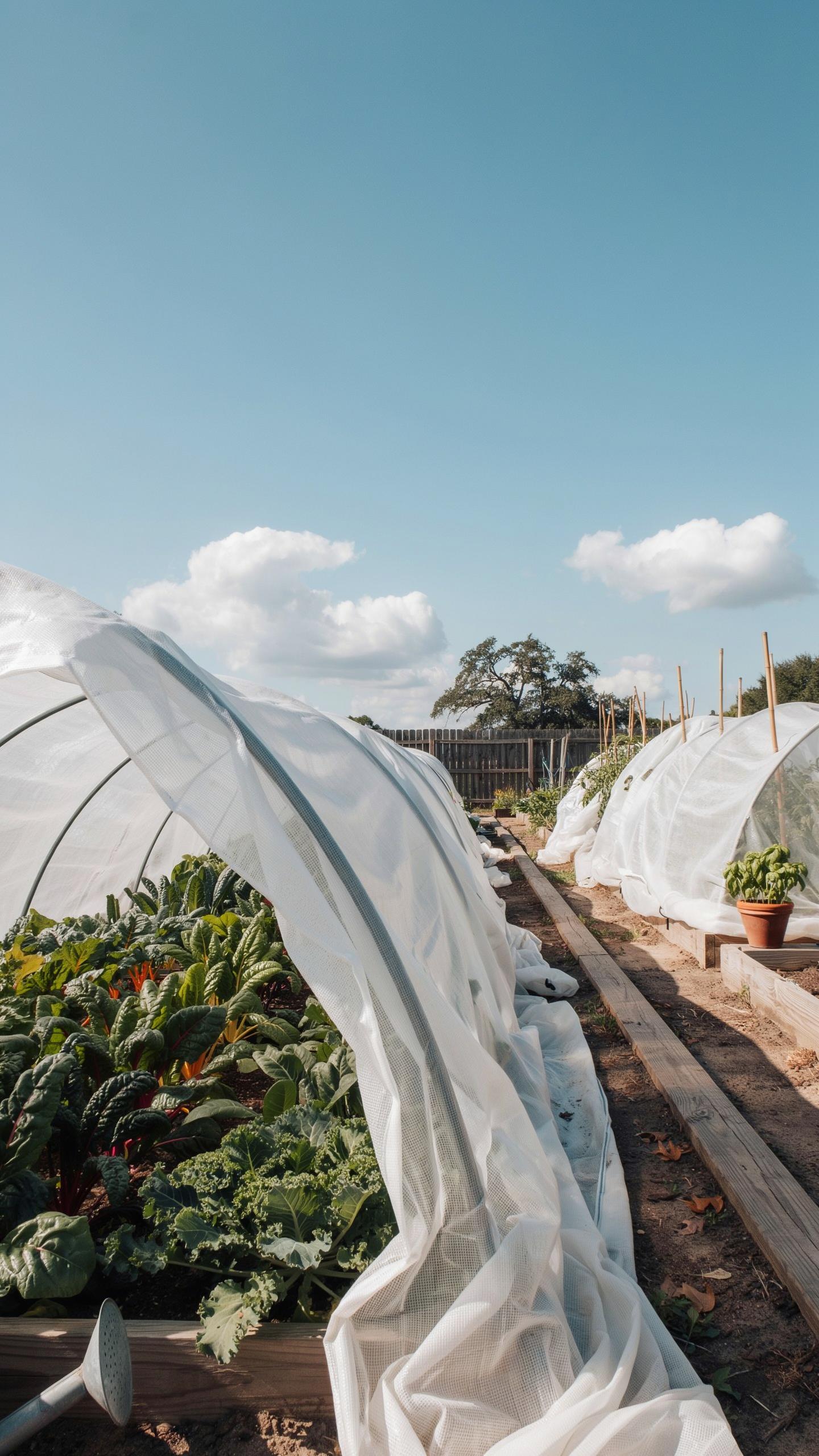
Row covers act as a physical shield between your crops and external threats. They function by creating a microscopic mesh barrier that prevents insects from landing and laying eggs. Unlike chemical sprays, these covers provide a constant mechanical defense. They allow essential sunlight, air, and water to pass through to the plants. This prevents heat buildup while keeping larger pests and smaller insects away from your vegetables.
Manufacturers primarily use spun-bonded polyester or polypropylene to create these fabrics. These synthetic materials are lightweight and resist UV degradation over time. You can choose different weights based on your specific needs. Lightweight fabrics focus on insect exclusion without raising temperatures. Heavier fabrics offer frost protection but may trap too much heat during summer. Selecting the correct density ensures your plants remain protected without suffering from thermal stress.
When And How To Apply Row Covers Over Your Raised Beds
Deploy row covers immediately after planting or transplanting to maximize effectiveness. Pests often target young seedlings that lack the strength to survive heavy feeding. Secure the edges of the fabric tightly against the frame of your raised bed. You can use garden staples, heavy stones, or wooden battens to eliminate gaps. Gaps allow pests to crawl underneath the barrier and reach your vulnerable crops.
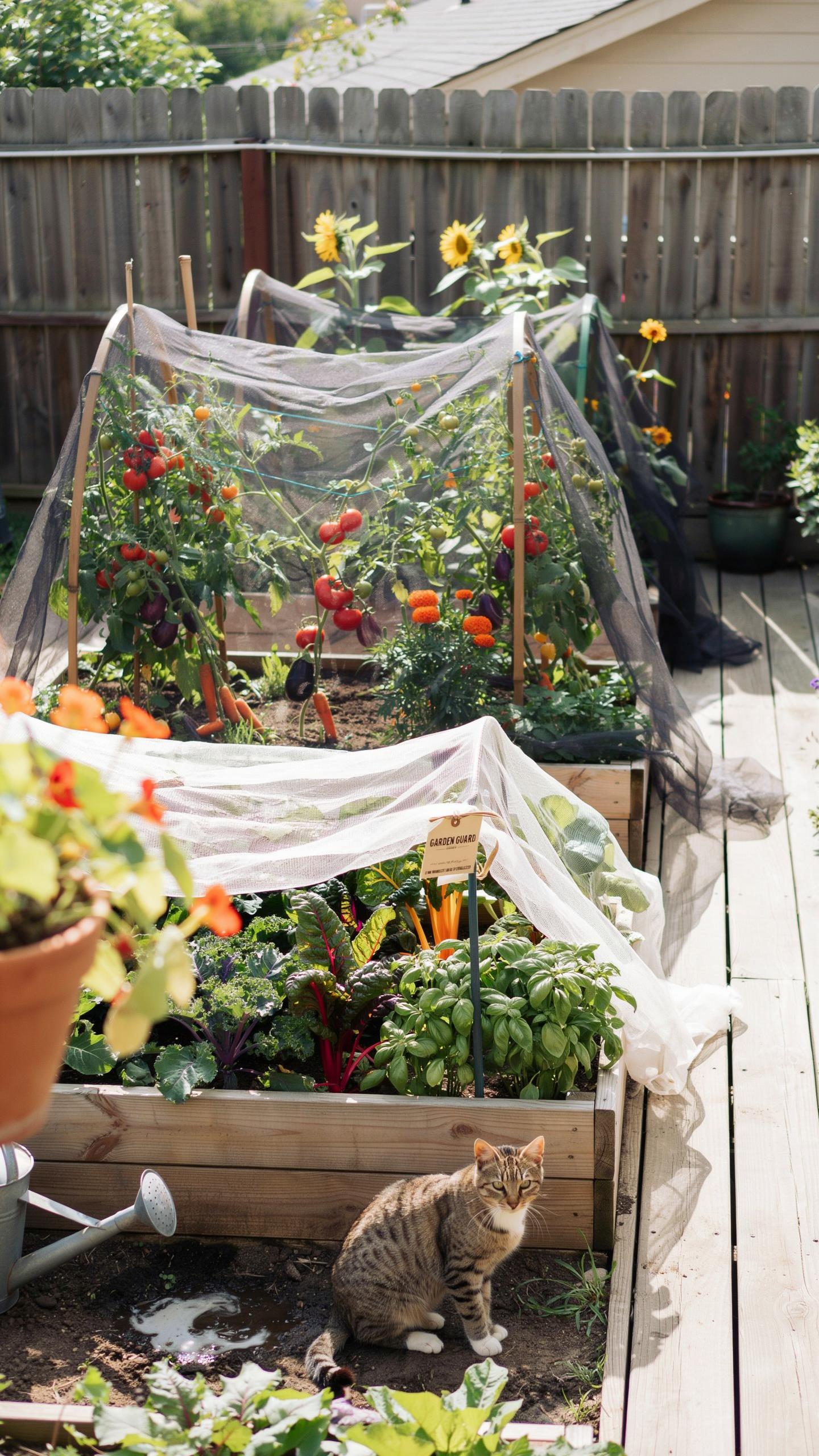
Support the fabric with wire hoops or PVC frames to prevent it from touching the foliage. This creates a protective microclimate and prevents pests from biting through the mesh into the leaves. Remove the covers temporarily if your crops require pollination by bees or other insects. Reinstall the barrier as soon as the pollination period ends. Consistent monitoring ensures the fabric remains intact and free from tears that compromise the pest barrier.
Garden Netting And Garden Box Netting For Targeted Protection
Types Of Garden Netting And Their Ideal Use Cases
Garden netting serves as a physical wall between your crops and specific predators. You must match the mesh size to the pest you want to exclude. Large holes stop birds but allow insects to pass through easily. Fine mesh blocks small beetles and flies but can restrict airflow if the weave is too tight. Choose your material based on the specific threat level.
- Extruded Plastic Bird Netting: This lightweight material features large openings designed to stop birds and bats. It provides high visibility and maximum airflow for fruit crops. Use this for established plants that require pollination from bees while needing protection from avian theft.
- Knitted Monofilament Mesh: This durable netting resists fraying and tearing better than extruded versions. The lock-stitch pattern ensures that a small hole will not unravel the entire sheet. It offers a professional look and lasts multiple seasons under high UV exposure in summer months.
- Fine Insect Mesh: These screens feature tiny openings under one millimeter wide to block aphids and cabbage moths. Most variants use high-density polyethylene for strength. It is essential for leafy greens that do not require insect pollination to produce a successful harvest.
- Stainless Steel Mesh: This rigid barrier stops rodents and larger mammals like raccoons or rabbits. It does not degrade in the sun and maintains its shape without sagging. Use this when structural integrity and long-term durability are more important than initial material cost.
- Shade Cloth Netting: This material combines pest exclusion with temperature control for heat-sensitive plants. It reduces solar radiation while preventing large insects and birds from reaching the soil. Select different density ratings based on the light requirements of your specific vegetable varieties.
Select the right netting weight to avoid crushing delicate seedlings during the early growth stages. Heavy-duty netting requires a support structure like hoops or frames to stay elevated. Lightweight fabrics can often rest directly on the plants, a technique known as floating row covers. Always prioritize UV-stabilized materials to prevent the plastic from becoming brittle and breaking down into your garden soil.
How To Secure Garden Box Netting So It Stays Taut And Tidy
Securing netting requires a solid anchor point at the base of the raised bed. Loose netting looks unprofessional and allows pests to crawl underneath the bottom edge. Use heavy-duty staples or specialized clips to fix the mesh directly to the wooden frame. This creates a seal that prevents wind from lifting the fabric and exposing your plants to the elements.
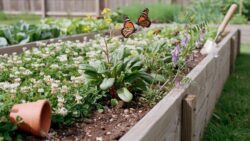
Install a permanent support structure like PVC hoops or EMT conduit frames to hold the netting high. Taut netting prevents birds from getting tangled in loose folds of plastic. Use spring clamps or bungee cords to tension the material across the frame. This method allows for quick access during harvest while maintaining a sharp and clean aesthetic for your outdoor gardening space.
Veggie Garden Cover Styles That Blend Protection With Aesthetics
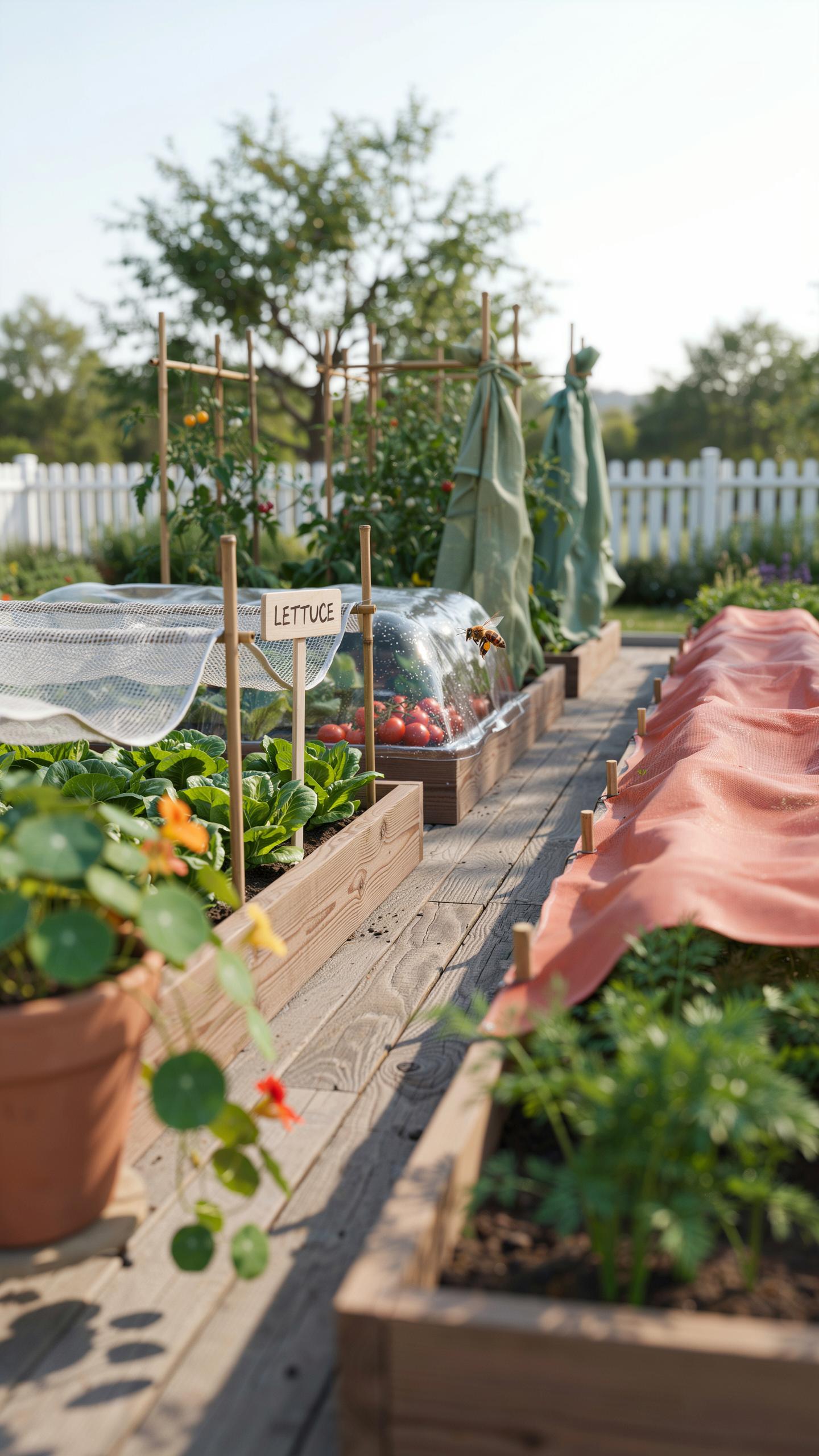
Tunnel Hoops And Cloche Covers That Look Clean In Any Garden
Tunnel hoops provide a low profile that mirrors the lines of your raised beds. Use galvanized steel or heavy duty wire to prevent rust and maintain a professional appearance. Space these hoops exactly two feet apart for maximum structural integrity. This setup supports bird netting or insect mesh without sagging. Proper tension creates a sharp look that keeps pests away from your crops.
Cloche covers offer a traditional solution with a focus on individual plant protection. Glass bell cloches date back to seventeenth century France for early season growth. Modern versions use UV resistant plastic or wire cages for better airflow and durability. These covers prevent rabbits and large insects from reaching young starts. Position them in symmetrical rows to keep the garden layout organized and visually balanced.
Framed Lid Covers That Double As A Design Feature
Framed lids provide the most permanent and polished look for raised bed gardening pest barriers. Build these frames using the same wood species as your garden beds. Attach high quality hardware like stainless steel hinges and locking stays. This ensures the lids remain upright during harvest and maintenance. Secure hardware cloth or fine mesh to the underside of the wood frame to hide rough edges.
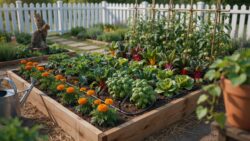
Low profile cold frames focus on protection and temperature control. These lids use clear polycarbonate or glass to trap heat while blocking cabbage moths and squirrels. Slope the lid at a ten degree angle to shed rainwater and maximize light exposure. This design integrates directly into the bed structure for a seamless finish. Properly built frames eliminate the need for loose netting or messy plastic sheets.
Creative Garden Cover Ideas That Elevate Your Outdoor Space
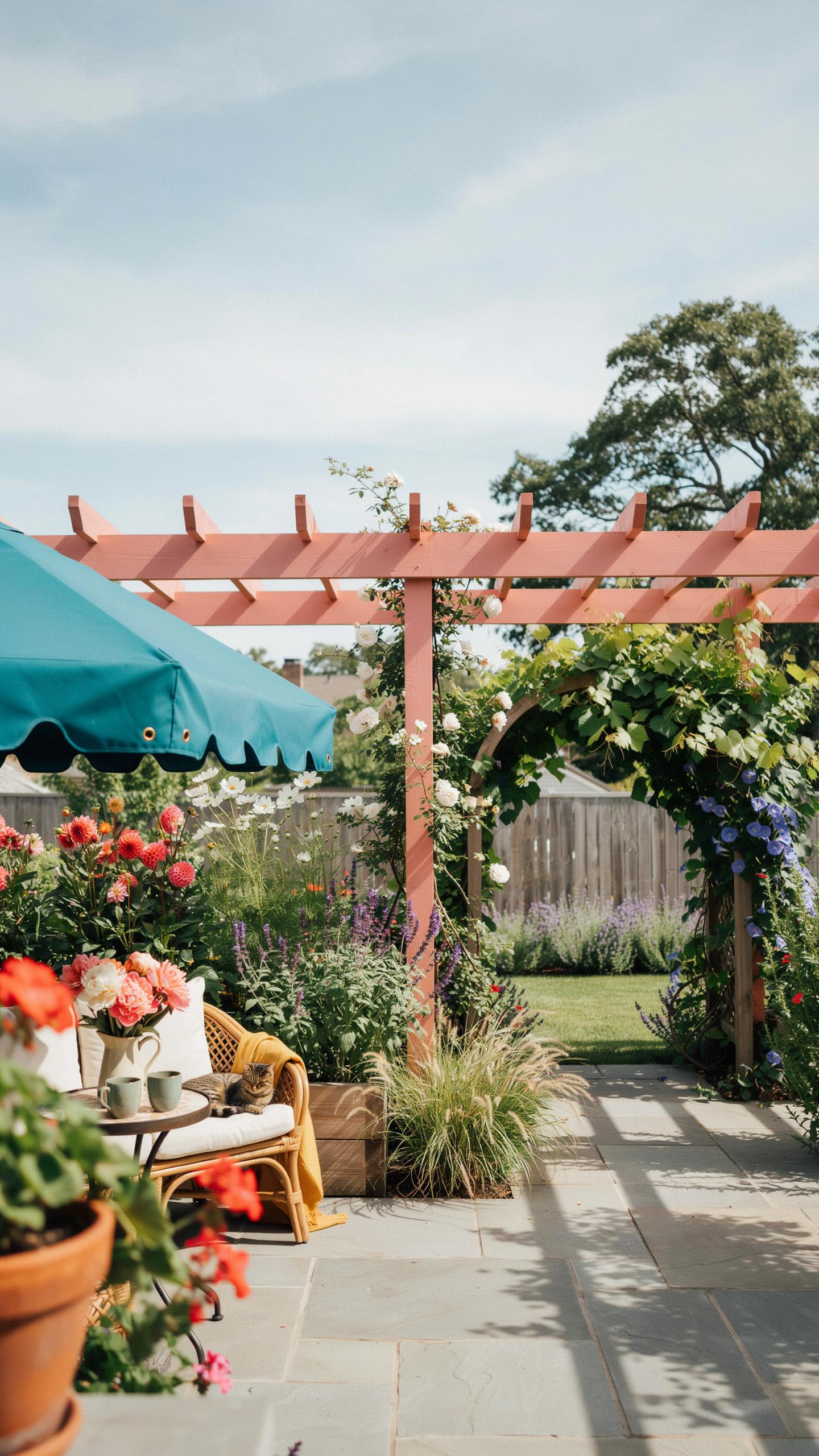
Using Natural Materials Like Bamboo And Cedar For A Refined Finish
Cedar and bamboo provide natural pest resistance and high durability for raised bed gardening pest barriers. Cedar contains thujaplicin and natural oils that repel insects while resisting rot in humid conditions. Builders use it for structural frames because it remains straight and does not warp easily. It creates a stable foundation for securing fine mesh or hardware cloth against burrowing rodents.
Bamboo offers a sustainable alternative for lightweight hoops and trellises. Its high silica content provides strength and makes it difficult for pests to chew through. Use split bamboo to create decorative screens that block large animals without ruining the garden aesthetic. These materials integrate into the landscape better than plastic or metal. Proper installation requires galvanized fasteners to prevent wood staining and maintain structural integrity.
DIY Garden Cover Ideas That Are Budget Friendly And Stylish
Budget-friendly pest barriers utilize common construction materials to create effective protection for minimal cost. High-density polyethylene mesh provides a cheap way to block insects. You can attach this mesh to simple frames made from electrical conduit or scrap timber. These DIY structures allow air and light to reach plants while keeping birds and cabbage moths away from your vegetable crops.
- PVC Pipe Hoops: Bending thin PVC pipes over metal rebar creates a sturdy rib system for your garden. This method is cheap and allows you to drape bird netting or row covers easily over the entire width of the bed.
- Chicken Wire Cloches: Form chicken wire into domes to protect individual plants from rabbits and squirrels. This keeps small animals away while allowing you to move the barriers quickly when you need to weed or harvest your produce.
- Repurposed Window Screens: Old window screens offer excellent protection against small insects like flea beetles. You can hinge them to the top of your raised bed blocks to create a lid that opens for easy access to your soil.
- EMT Conduit Frames: Metal electrical conduit provides a professional look at a low price point. Use a pipe bender to create clean angles for a permanent frame that supports heavy netting or plastic for season extension.
- Timber Lath Panels: Thin strips of wood nailed into a grid create a physical barrier for larger pests. These panels work well for vertical gardening and add a structured architectural element to your backyard space for very little money.
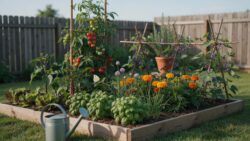
Maintaining these DIY barriers requires regular inspection of the attachment points. Use heavy-duty staples or zip ties to secure the mesh tightly against the frame. Loose gaps allow pests to enter and defeat the purpose of the barrier. Painting or staining the wood frames can extend their life and improve the look of your garden. These simple steps ensure your low-cost covers remain functional for many growing seasons.
How To Cover Garden Beds Through Each Growing Season
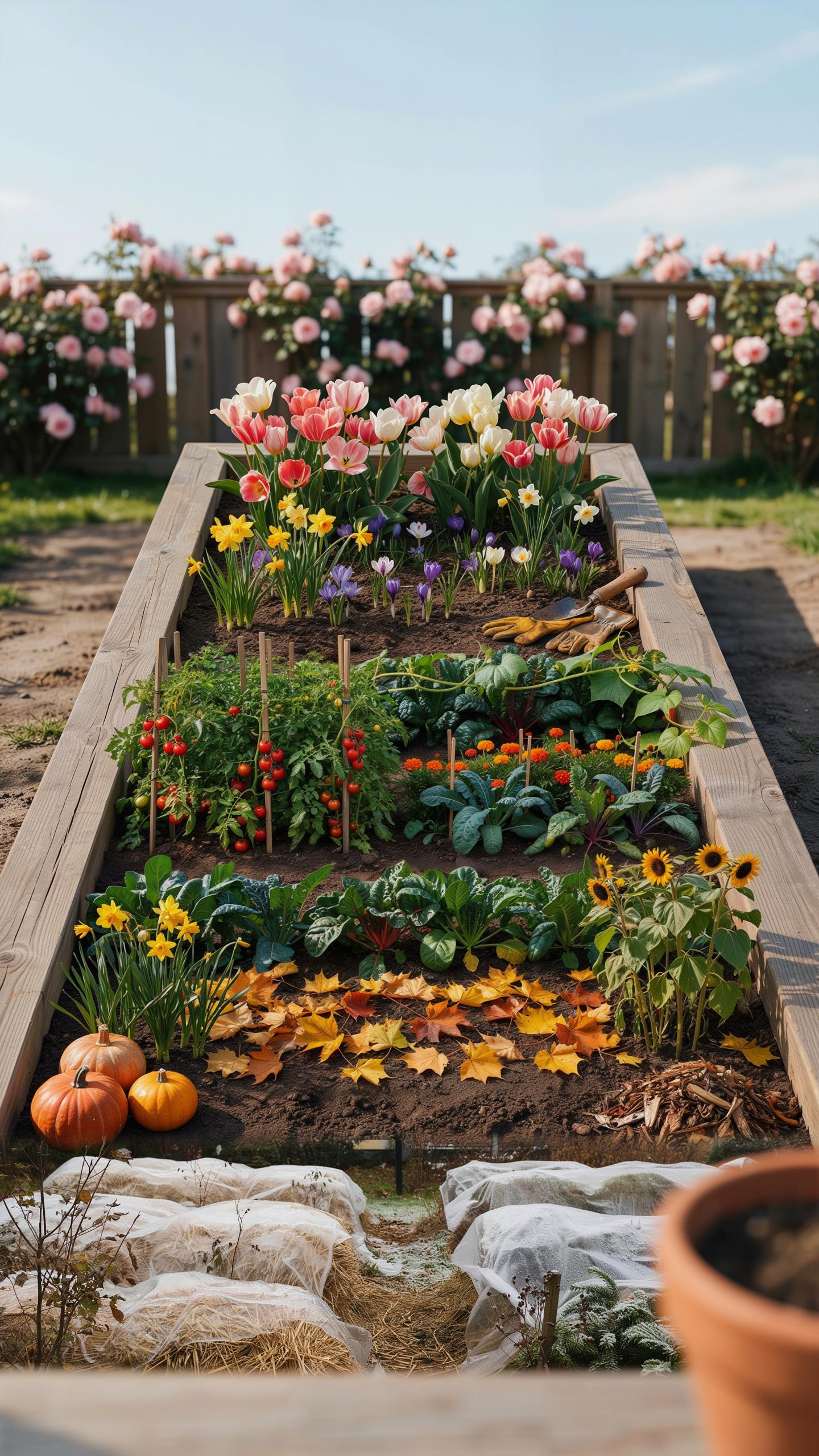
Adjusting Your Pest Barrier Strategy From Spring Through Fall
Spring requires lightweight row covers to block early pests like cabbage moths and flea beetles. These covers trap heat to help young seedlings grow during chilly nights. Use fine mesh netting once temperatures rise to prevent overheating. Secure the edges tightly against the soil. Physical barriers must remain intact during this high growth phase to stop insects from laying eggs in the bed.
Summer demands maximum airflow to prevent fungal diseases and heat stress. Switch from solid fabrics to high density polyethylene mesh with wide openings. This material stops birds and large insects but allows pollinators to reach flowering crops. Monitor copper or zinc strips for corrosion during humid months. Adjust the height of your supports as plants grow to prevent leaves from touching the protective netting.
Winterizing Your Raised Bed Covers To Extend Their Lifespan
Remove all shade cloth and fine insect mesh before the first hard freeze. UV rays and ice crystals degrade plastic fibers over time. Clean every screen with a mild soap solution to remove insect eggs and debris. Dry the materials completely before folding them for storage in a cool place. Proper cleaning prevents the spread of pathogens to next year plants.

Assess wood and metal support frames for damage caused by seasonal expansion. Tighten loose screws and sand down rusted metal stakes to prevent snagging future covers. Apply a fresh coat of food safe sealant to wooden frames if the old layer shows signs of peeling. Store removable hoops indoors to prevent heavy snow loads from bending the structure. Preparedness now saves time during the spring rush.
Maintaining Your Raised Bed Gardening Pest Barriers For Long Term Results
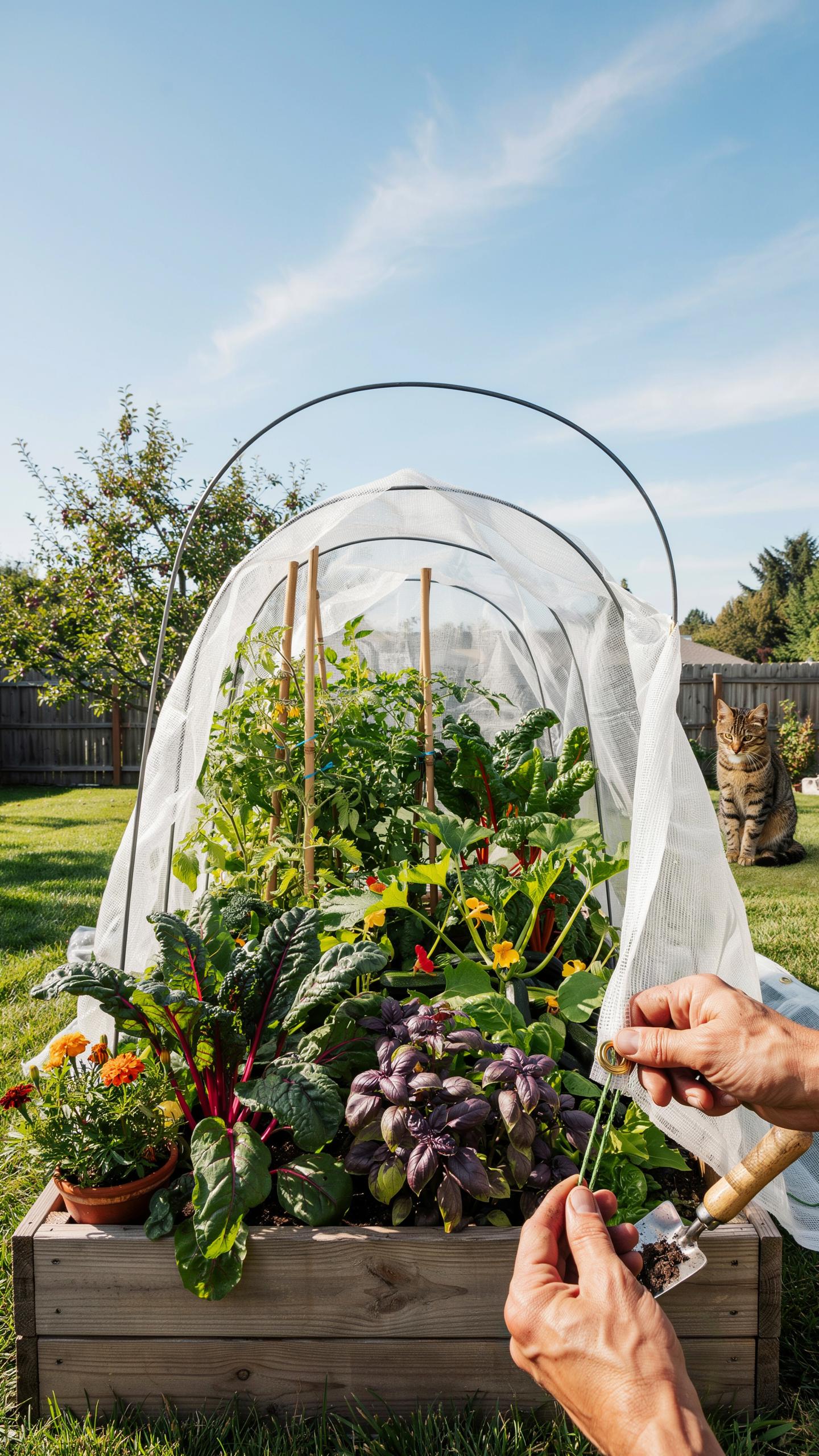
Routine Inspection Habits That Keep Your Barriers Performing Well
Effective pest defense requires a weekly inspection schedule. Check the base of your hardware cloth for gaps caused by soil erosion or shift. Rodents utilize the smallest openings to enter your garden beds. Verify that all staples or fasteners remain tight against the wood frame. Loose mesh allows entry points for voles and gophers. Physical integrity is your primary defense against large soil-dwelling pests.
Examine insect netting for small tears or snags caused by wind or tools. Small holes render fine mesh useless against aphids or cabbage moths. Check the connection points where the cover meets the bed rim. Pests often crawl under loosely draped edges rather than through the fabric. Seal every gap to ensure total protection. Consistent monitoring prevents a minor failure from becoming a total crop loss.
Cleaning And Storing Your Garden Covers To Maximize Durability
Ultraviolet light and moisture degrade plastic and fabric barriers over time. Wash mesh covers with water to remove soil and organic debris before storage. Organic matter trapped in the weave encourages fungal growth during the off-season. Dry the materials completely before folding them to prevent rot. Proper sanitation stops the transfer of pathogens and pest eggs between different growing seasons.
Store all removable components in a cool and dark environment. High heat causes synthetic fibers to become brittle and snap. Keep metal hoops and hardware away from high humidity to prevent rust. Organize your covers by size and type to save time during spring setup. Proper storage extends the lifespan of your materials by several years. This practice protects your financial investment and ensures hardware reliability.
Frequently Asked Questions

What are the best types of pest barriers for someone just starting a raised bed garden?
If you are new to gardening, the most effective raised bed gardening pest barriers are physical obstacles like hardware cloth and floating row covers. Installing a layer of galvanized steel mesh at the bottom of your wooden frame prevents burrowing rodents from entering. For airborne insects, lightweight garden mesh draped over hoops provides a clean, organized appearance while keeping your leafy greens safe from hungry pests without using chemicals.
How do I install pest barriers without ruining the aesthetic of my garden beds?
To maintain a polished look, integrate your raised bed gardening pest barriers directly into the structure of the bed. Instead of floppy nets, build custom-fitted wooden frames with inset wire mesh that can be tucked neatly into the top of the bed. This creates a cohesive, high-end architectural feel. Choosing black-coated poultry netting or sleek copper tape along the perimeter can also deter slugs while blending seamlessly with your dark garden soil.
Are there any affordable DIY options for protecting my plants on a budget?
Absolutely! You can create stunning, budget-friendly protection by repurposing common household materials. Using discarded PVC pipes or sturdy willow branches to create elegant hoops cost very little and provides a framework for protective netting. Additionally, surrounding your beds with crushed eggshells or planting “trap crops” like marigolds offers a natural defense system. These low-cost solutions keep your garden thriving and attractive without requiring a massive financial investment in professional equipment.