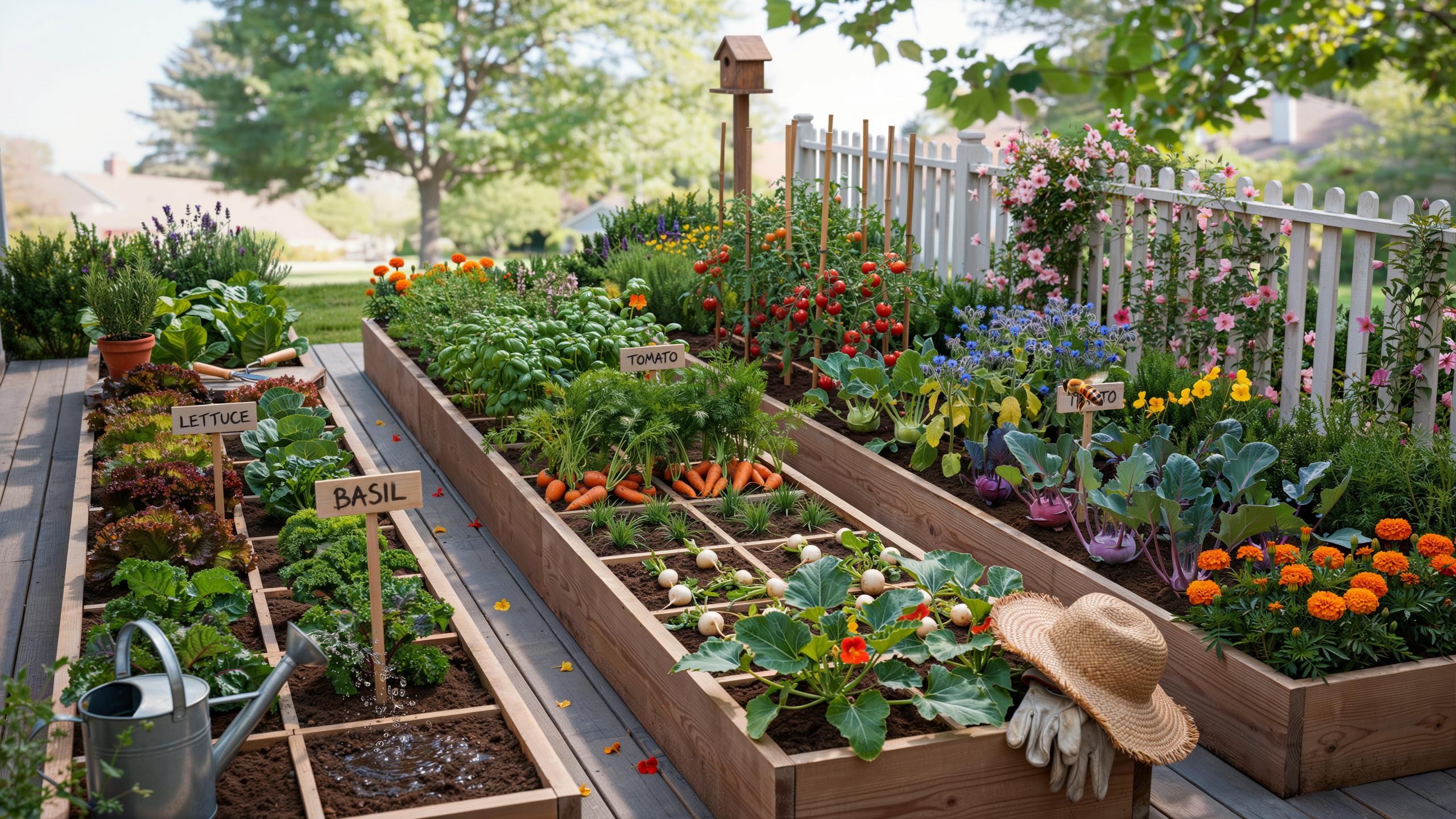
What Is Square Foot Gardening And Why It Works In Raised Beds
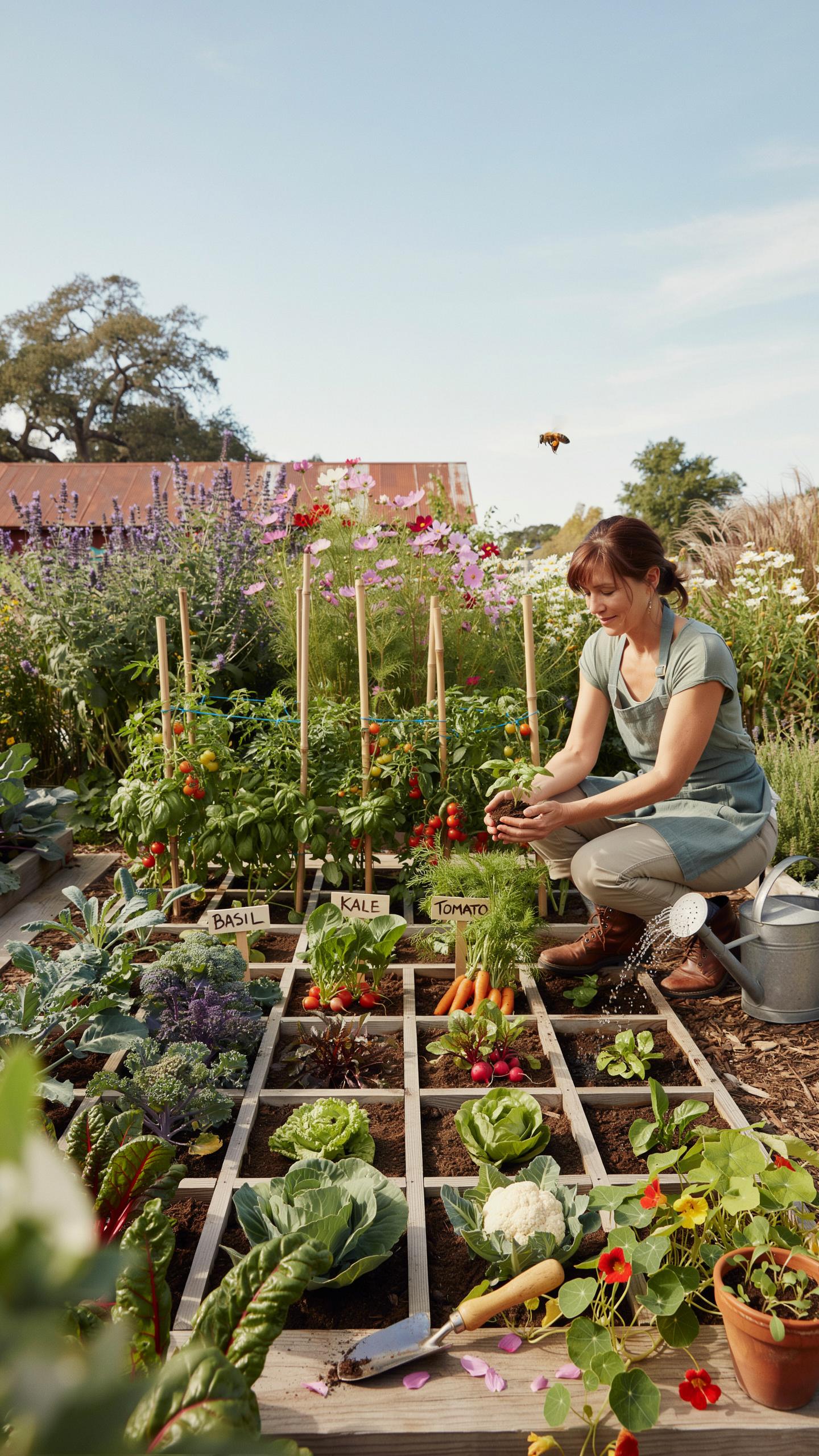
The Origins Of Square Foot Gardening And Mel Bartholomews Legacy
Retired engineer Mel Bartholomew introduced this system in 1981. He realized that traditional row gardening wasted space, water, and effort. The method replaces long rows with a grid of one-foot squares. This shift maximizes yield in small areas. Bartholomew focused on efficiency and high density. His engineering background helped him solve common agricultural inefficiencies. People now use this system worldwide to grow food.
Bartholomew’s book standardized the method for home growers. He eliminated the need for heavy power tools and large land plots. The grid serves as a permanent map for planting. This approach reduces weeding and water waste by targeting specific zones. The system relies on a specialized soil mix rather than natural ground dirt. His legacy lives on through modern urban farming and sustainable backyard food production.
Why Raised Beds Are The Ideal Structure For The Square Foot Method
Raised beds provide the physical boundaries necessary for a precise grid. The rigid walls hold the soil mix in place and prevent erosion. These structures stop soil compaction because gardeners never step on the planting area. High walls allow for better drainage and temperature control. You control the exact environment for every square foot. This setup makes the grid system easy to install.
Mechanical control over soil quality is the primary benefit of this combination. Raised beds allow you to bypass poor native soil or rocky terrain. The defined edges make it simple to attach a physical grid made of wood or twine. This structure supports vertical gardening accessories like trellises or hoops. You gain total authority over the growing space. It ensures the mathematical precision the method requires.

Reading And Using A Square Foot Gardening Chart For Smarter Planting
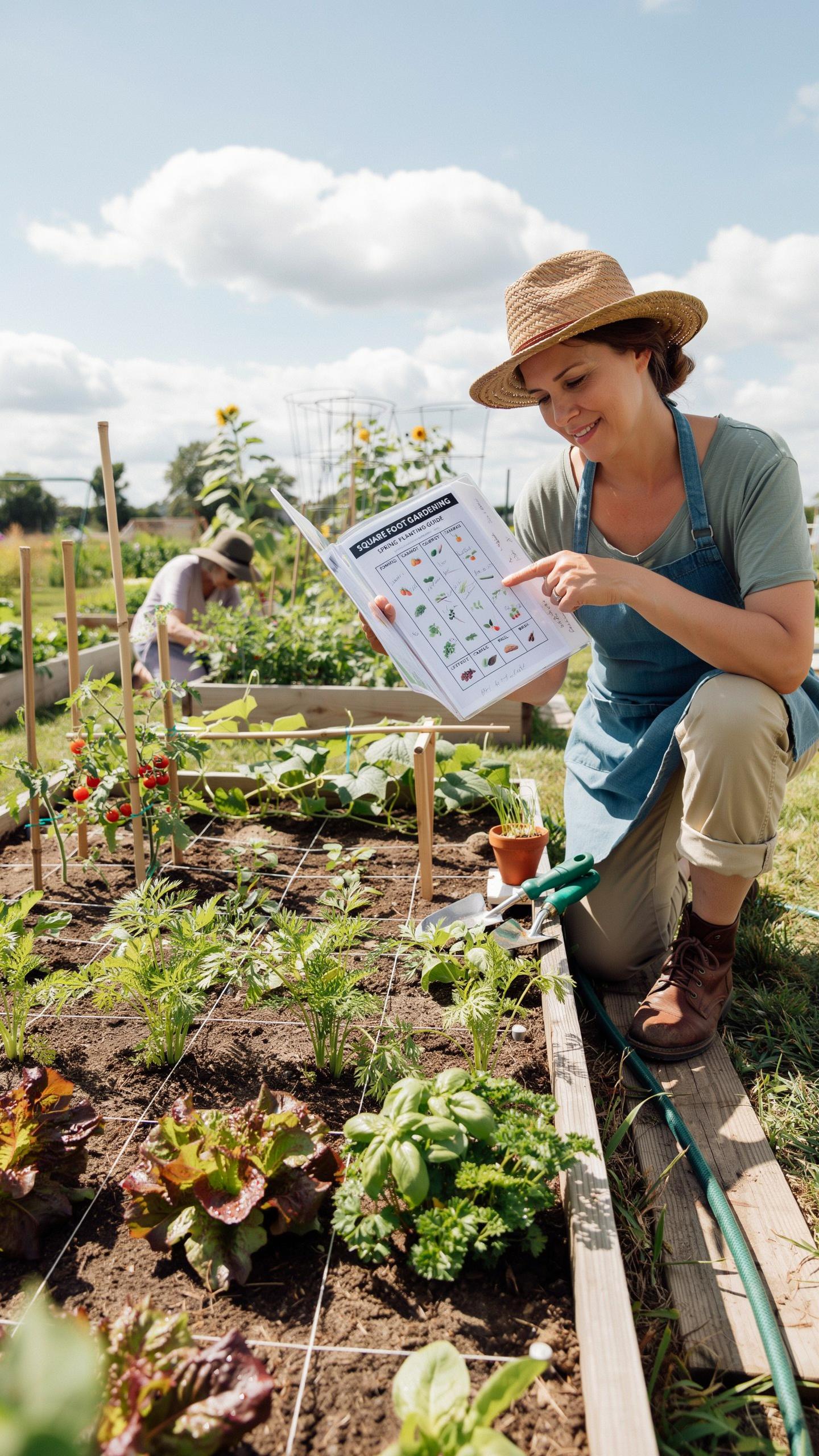
Guidance On How To Interpret A Square Foot Gardening Chart For Different Vegetables
A square foot gardening chart dictates exactly how many seeds or transplants fit inside a single twelve by twelve inch grid. You must categorize crops into four distinct density levels. Large plants like cabbage or broccoli require one plant per square. Medium plants like head lettuce allow four per square. Small plants like spinach fit nine per square. The smallest crops like carrots allow sixteen per square.
Charts eliminate the guesswork found on traditional seed packets regarding row spacing. Ignore the row spacing instructions and focus only on the seed spacing or thinning requirements. The chart translates these measurements into a fixed grid system. This ensures you utilize every inch of soil without overcrowding. It prevents waste and maximizes yield. Use these numbers to plan your entire harvest schedule before you touch the soil.
Customizing Your Planting Density Based On Plant Size And Growth Habit
Plant habits determine if you can push the limits of the standard chart. Determinate tomatoes stay compact and fit better in a grid than sprawling indeterminate varieties. Upright plants like onions use vertical space well. Vining plants such as cucumbers or pole beans require trellises at the back of the bed. This vertical strategy saves ground space for more intensive crops. It keeps your garden productive and organized.
Adjust your density based on the mature size of the foliage. Bushy peppers might need the center of a square to avoid shading out neighbors. Some high yielders like radishes grow fast and clear out early. This allows you to replant the same square quickly. Monitor the airflow between plants to prevent disease. Good strategy requires balancing maximum plant counts with enough room for sunlight to reach the soil surface.
Designing Your Square Ft Gardening Layout For Maximum Efficiency
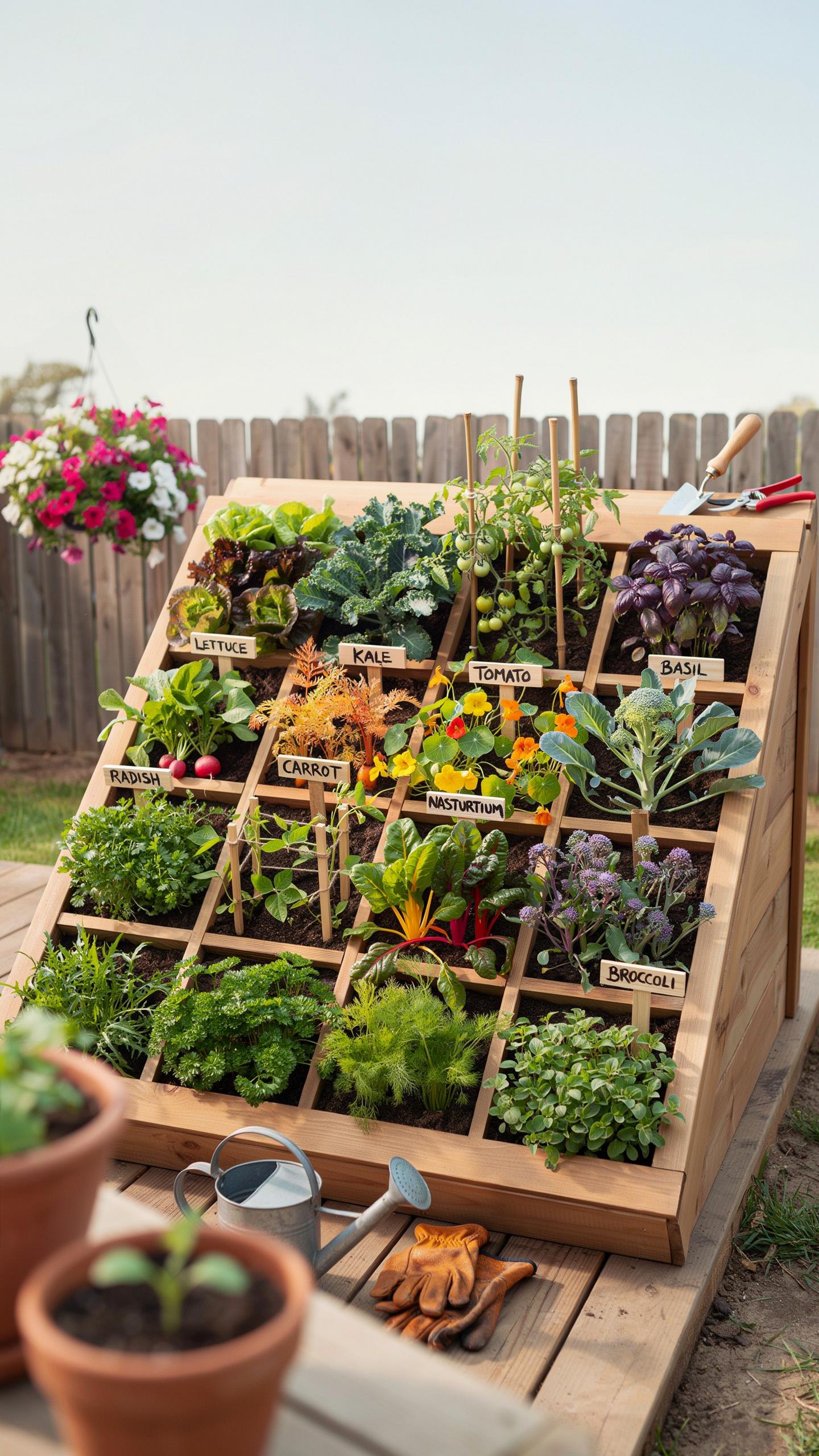
Mapping Your Available Space Before Drawing Your Square Ft Gardening Layout
Measure your site boundaries with precise tools. You must identify permanent structures and tree lines that cast shadows. The square foot method relies on high light levels for dense planting. Map the sun path across your lot during peak growing months. Shadows from fences or buildings reduce yield in specific grids. Ensure your layout allows for easy access to every single square foot.
Orient your beds to face south for maximum solar exposure. Leave at least three feet of walking space between each raised bed. This width allows for wheelbarrows and comfortable movement. Mel Bartholomew founded this method on the principle of reaching the center without stepping on soil. Compaction ruins drainage and kills root systems. Proper spacing ensures you maintain the soil structure required for high-density growth.
Balancing Aesthetics And Functionality In A Modern Garden Layout
Modern garden design blends geometric precision with high-yield production. Use clean lines and right angles to mirror the square foot grids. Materials like cedar, galvanized steel, or stone provide structural integrity and visual appeal. Align your beds with the existing architecture of your home. This creates a cohesive look that treats the vegetable garden as a primary landscape feature rather than a hidden utility.

Select plant varieties based on both height and color. Place tall crops like corn or pole beans on the north side of the bed. This prevents them from shading smaller leafy greens or herbs. Grouping plants with similar irrigation needs improves water efficiency. Use the grid system to create patterns with different foliage textures. Tactical planting ensures the garden remains productive while looking organized and professional throughout the season.
Building The Perfect Square Foot Gardening Layout Raised Beds
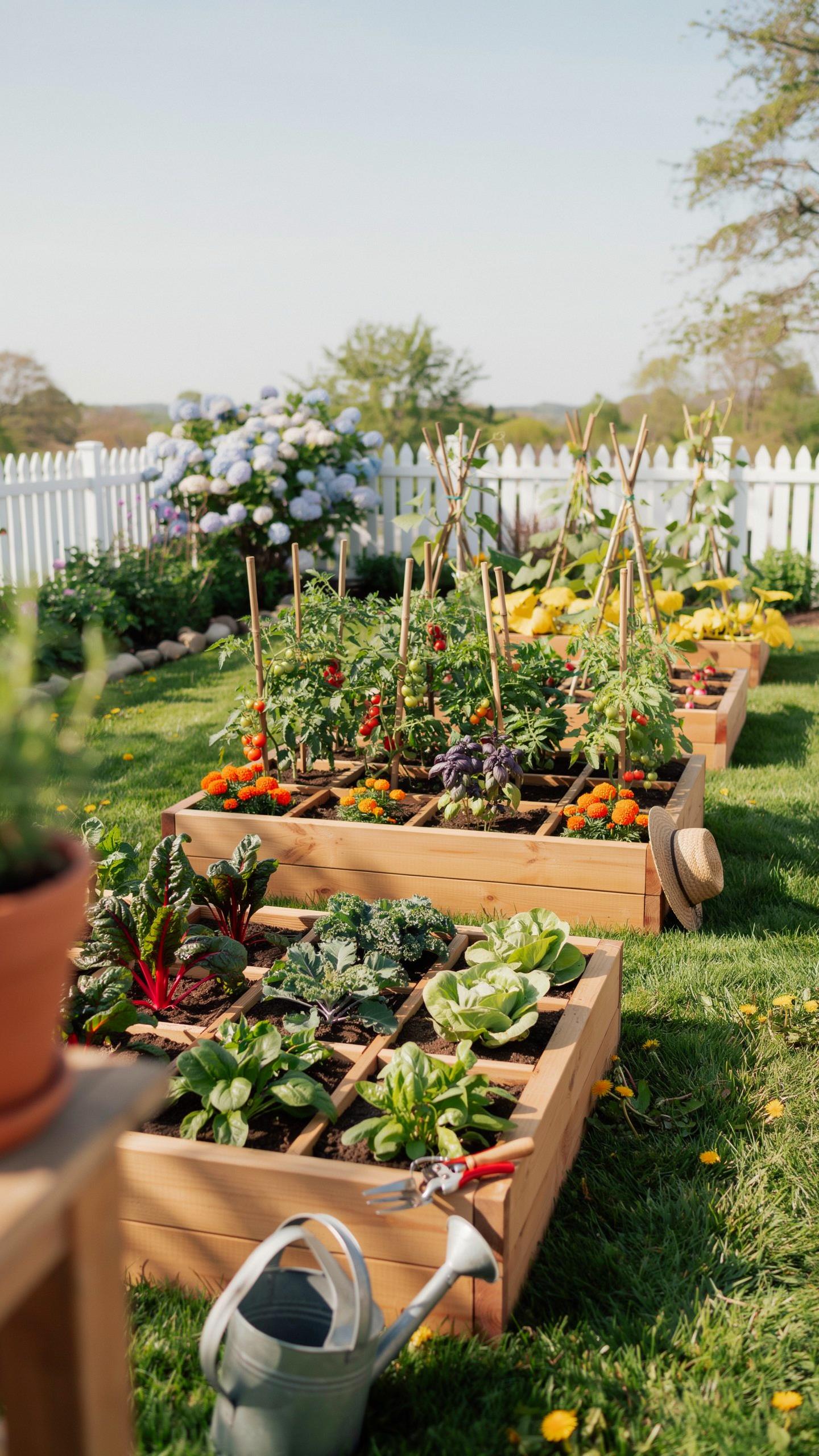
Choosing The Right Dimensions And Materials For Your Raised Bed Structure
Standard square foot gardening relies on a four-by-four foot grid. This specific size allows you to reach the center from any side without stepping on the soil. Compaction ruins soil structure and kills aeration. Keep your beds at this width to maintain physical access. Use durable materials that resist rot and do not leach chemicals into your food crops.
- Cedar: This wood contains natural oils that resist decay and insects. It lasts for many years without chemical treatments. It is the gold standard for organic food production due to its durability and safety.
- Redwood: Similar to cedar, redwood offers high resistance to moisture and rot. It works well in humid climates where other woods fail quickly. It provides a clean and professional look for modern outdoor spaces.
- Composite Lumber: Manufacturers make this from recycled plastic and wood fibers. It will never rot or splinter. Ensure the brand is food-grade to avoid leaching synthetic binders into the growing medium.
- Corrugated Metal: Galvanized steel beds offer a modern industrial aesthetic. Metal reflects heat and lasts for decades. Use a protective trim on the top edge to prevent cuts during planting and harvesting.
- Concrete Blocks: These are cheap and provide excellent thermal mass. They stabilize soil temperatures during seasonal shifts. Use capped blocks to prevent water from pooling inside the hollow cores and attracting pests.
Avoid pressure-treated wood manufactured before 2003 because it contains arsenic. Modern treated wood uses copper-based fungicides which are safer but still controversial for some organic growers. Always level your site before assembly. A sloped bed causes water to pool at one end. This creates uneven hydration across your grid. Secure the corners with heavy-duty brackets to prevent outward bowing from soil pressure.
How Bed Height And Soil Depth Influence Plant Health And Root Development
Standard raised beds for the square foot method typically stand six to twelve inches high. Most leafy greens and small vegetables flourish in six inches of quality soil. However, root crops like carrots and parsnips require at least twelve inches of loose medium to grow straight. Deeper beds provide a larger buffer against temperature swings and moisture loss during peak summer heat.

Increased soil depth allows for aggressive root expansion and better nutrient uptake. Tall beds also reduce physical strain on the gardener by bringing the crop closer to waist height. If you build over hard clay or concrete, you must use a depth of at least eighteen inches to support complex root systems. Proper drainage is mandatory. Saturated roots will rot and kill your entire square foot grid.
Creating Detailed Square Foot Gardening Plans Before You Plant
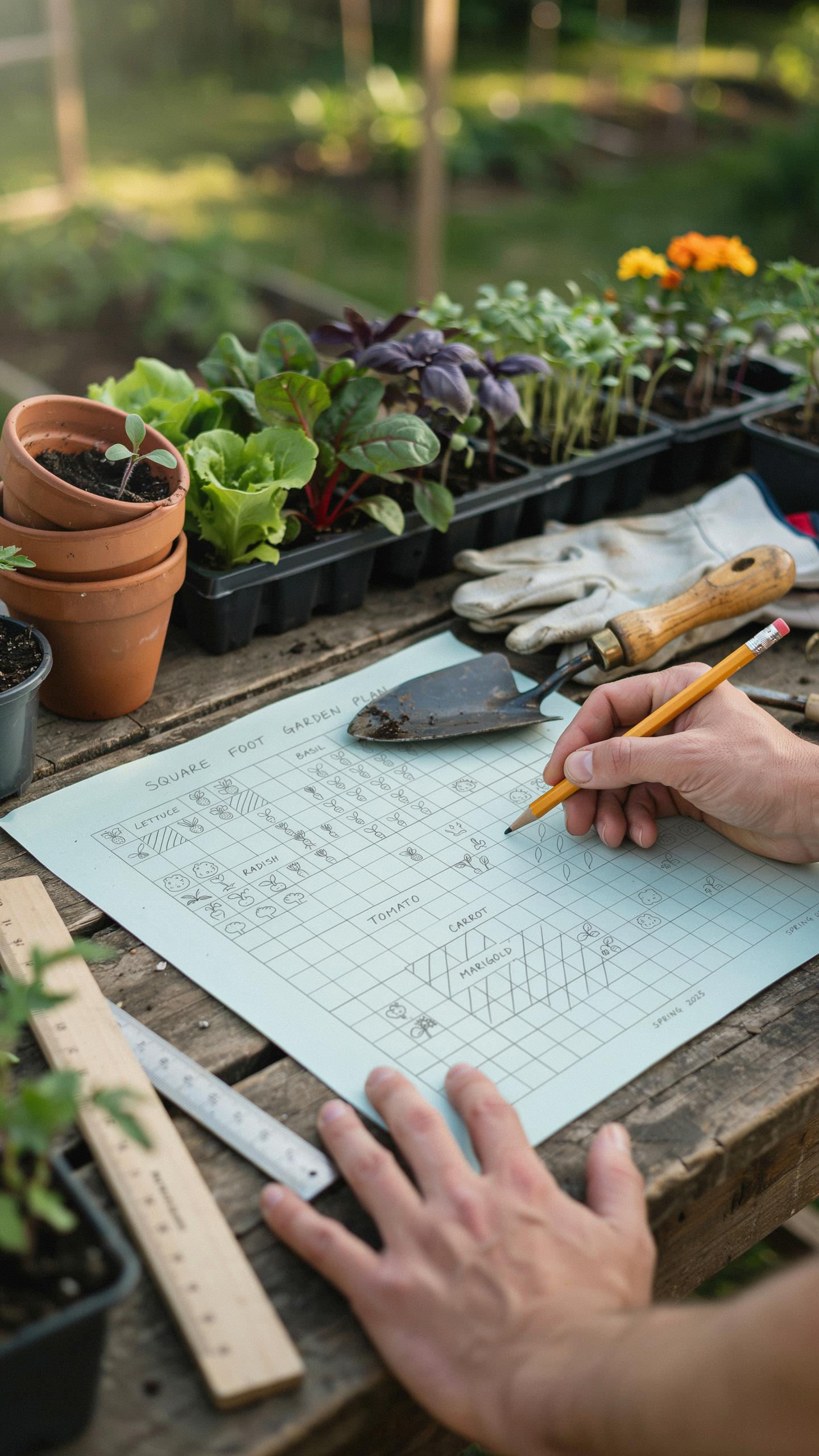
How To Draft Seasonal Square Foot Gardening Plans For Year Round Harvests
Success in the raised bed gardening square foot method requires a rigid planting calendar. You must map out three distinct phases for each grid cell. Early spring squares hold cool-weather crops like spinach or radishes. As temperatures rise, you replace these with heavy hitters like peppers or tomatoes. Planning for these transitions prevents soil gaps. It ensures that every square foot produces food during every frost-free month of the year.
The geography of your bed dictates your layout. Place tall plants on the north side of your grid to prevent shading smaller crops. Group plants with similar water needs together to maximize efficiency. Use succession planting to keep the soil active. When you harvest a head of lettuce, immediately transplant a new seedling into that empty square. This constant rotation maximizes your yield and suppresses weeds by leaving no open ground.
The garden should be a place where geometry meets the soul, transforming every square foot into a stylish tapestry of living memories.
Tools And Apps That Help You Visualize And Refine Your Garden Plans
Digital tools take the guesswork out of grid spacing. Specialized software allows you to drag and drop crops into a virtual twelve-inch grid. These apps calculate the exact number of seeds or plants required for each square based on mature size. Many programs also track crop rotation and pest history automatically. This data prevents you from planting the same family in the same square twice, which keeps the soil healthy.

Paper remains a viable tool for quick tactical adjustments. Use graph paper where one square represents one square foot of your raised bed. This manual method allows for rapid sketching during the design phase. Regardless of the medium, your plan must include harvest dates and replanting schedules. Accurate visualization stops you from overbuying seeds. It ensures you have the right amount of organic matter ready for the next planting cycle.
Mastering Square Foot Gardening Layout For A Stylish And Productive Yard
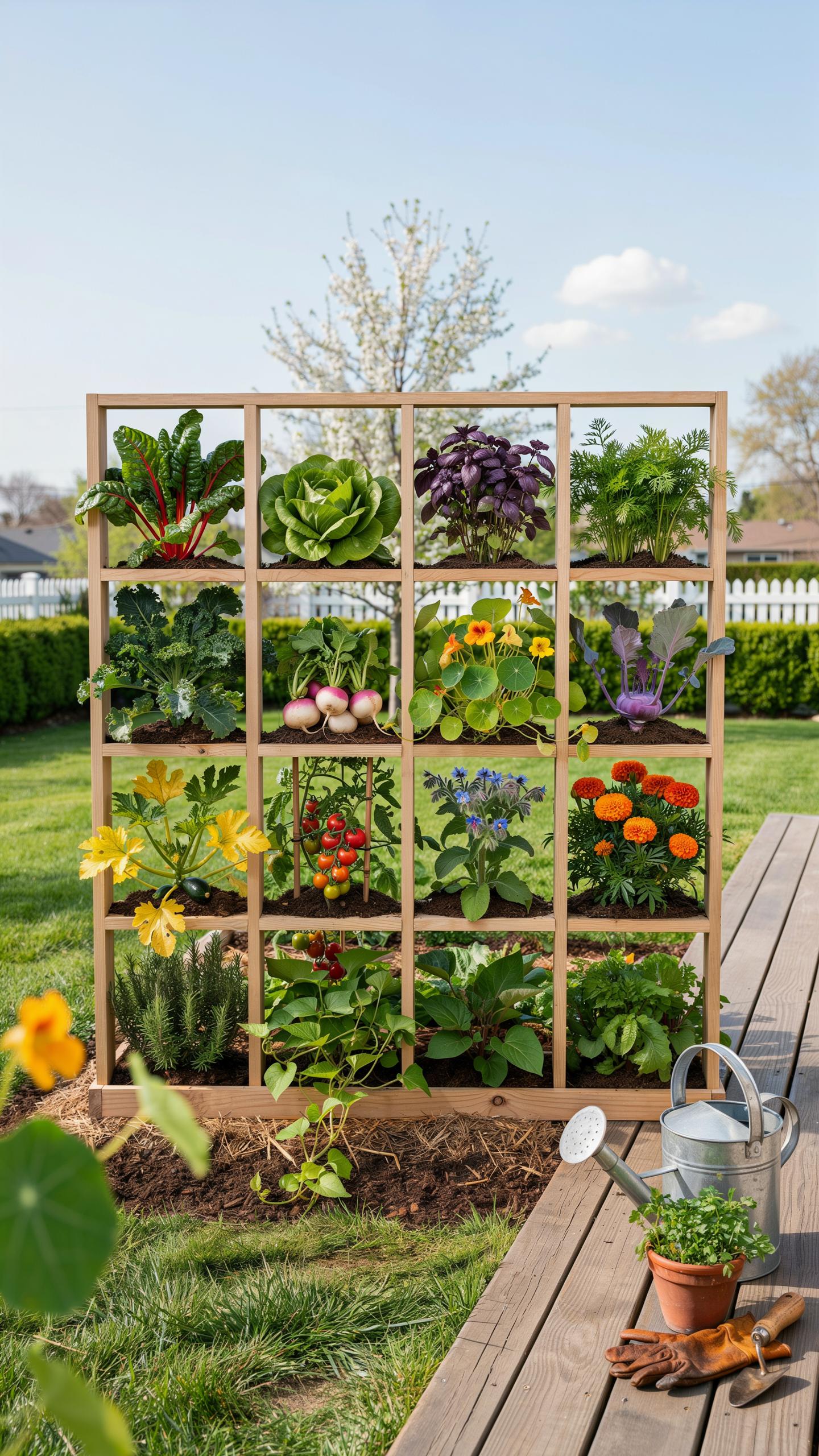
Arranging Crops By Height And Color To Create A Visually Appealing Garden
Position tall plants on the north side of your raised beds. This layout prevents shadows from falling on smaller crops during peak sun hours. Mel Bartholomew developed this rule to maximize light efficiency in small grids. Use trellises for vertical crops like pole beans or cucumbers. These structures provide a clean backdrop and keep vines from tangling with low-growing greens.
Contrast foliage colors to create a professional landscape effect. Place deep purple cabbages next to bright green lettuce or golden chard. This method mimics the French Potager style where beauty meets utility. Strategic color placement also helps you identify different plant families quickly. Visual organization reduces maintenance errors and makes harvesting more efficient. Sharp color transitions turn a simple vegetable box into a focal point.
Pathways Edging And Decorative Borders That Elevate Your Garden Layout
Maintain two-foot wide pathways between your raised beds. This width allows easy access for wheelbarrows and movement without compacting the soil. Use crushed stone or cedar mulch for a clean look that suppresses weeds. Permanent paths define the garden structure and prevent it from looking cluttered. Hardscaping materials provide a stable surface during wet seasons. Choose materials that drain water away from the bed base.
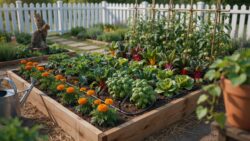
Select edging materials that match your home architecture. Steel edging provides a modern aesthetic and lasts for decades. Stone or brick borders offer a traditional feel and high thermal mass. Proper edging keeps grass from encroaching into your square foot grids. It also creates a mounded effect that adds depth to your yard. Durable borders protect the wood or metal bed frames from mower damage and weather decay.
Square Foot Gardening Layout Raised Beds Companion Planting Strategies
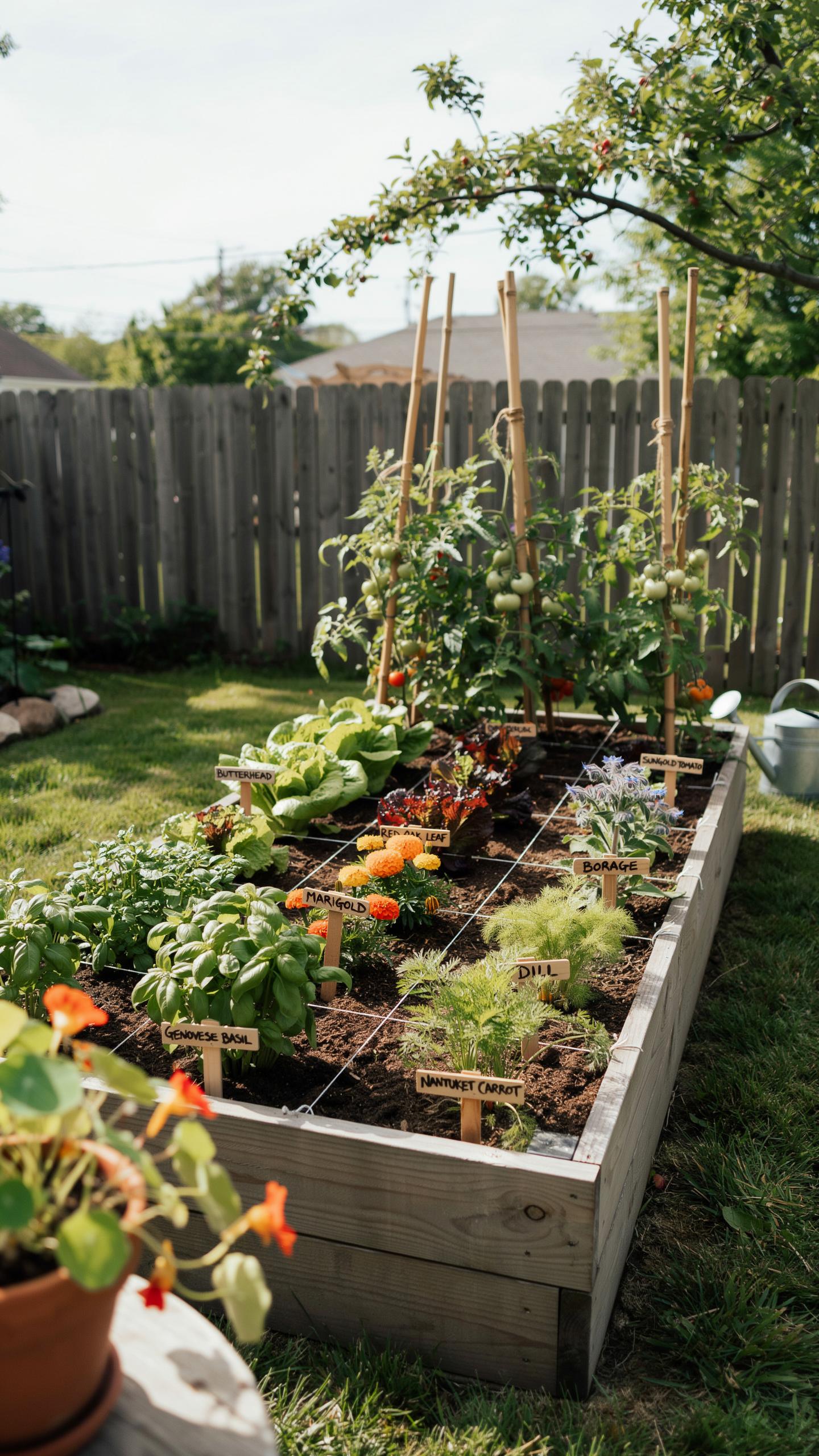
Understanding Companion Planting Principles Within A Square Foot Grid
Companion planting in a grid system maximizes yield by grouping plants that assist each other. Tall plants provide shade for shorter, heat sensitive crops in adjacent squares. Deep rooted plants break up soil for shallow rooted neighbors. This strategic placement creates a microclimate within the raised bed. You must match growth cycles to ensure one plant does not crowd out another before harvest time.
Effective layouts use biological pest control to reduce chemical reliance. Strong smelling herbs mask the scent of vegetables from hungry insects. Some plants attract beneficial predators that eat common garden pests. In a square foot system, you manage these interactions in twelve inch increments. This precision prevents resource competition for water and nutrients. Proper spacing maintains airflow to stop fungal diseases from spreading between different plant types.
Best Companion Planting Pairings That Thrive Together In Raised Bed Squares
Success in a square foot garden depends on placing compatible species in neighboring squares. You must group plants with similar water and light needs to simplify maintenance. Most combinations focus on nutrient exchange or pest management. Traditional pairings like the Three Sisters method provide structural support and nitrogen enrichment. Use these proven combinations to increase your total harvest per square foot while maintaining soil health.
- Tomatoes and Basil: Placing basil squares next to tomatoes improves the flavor of the fruit. Basil also repels hornworms and flies that commonly attack tomato plants. This pairing uses vertical space efficiently as tomatoes grow up while basil stays low.
- Carrots and Onions: Onions have a sharp scent that confuses carrot rust flies. Carrots grow deep into the soil while onions occupy the top layer. This vertical separation allows you to plant them in adjacent squares without any root competition for space.
- Leafy Greens and Marigolds: Marigolds produce a scent that deters aphids and beetles from eating lettuce or spinach. Use marigolds in corner squares to create a protective barrier. These flowers also attract pollinators that help other fruiting crops in your raised bed.
- Corn and Pole Beans: Corn provides a natural trellis for climbing beans to grow upward. Beans fix nitrogen into the soil which heavy feeders like corn require for growth. This classic pairing maximizes the vertical dimension of your square foot grid layout.
- Peppers and Parsley: Parsley provides excellent ground cover that keeps the soil cool and moist for pepper plants. It also attracts hoverflies which eat aphids that often plague pepper crops. This combination works well in the center rows of a standard raised bed.

Avoid planting competitive crops like onions near beans or peas as they can stunt growth. Monitor the height of each square to prevent unintended shading. Rotate your square assignments each season to prevent specific pests from establishing a permanent home in the soil. Tracking these pairings in a garden log ensures you repeat successful layouts. Consistent observation allows you to refine these tactical pairings based on your local climate.
How To Adapt A 30 X 30 Garden Plan Using The Square Foot Method
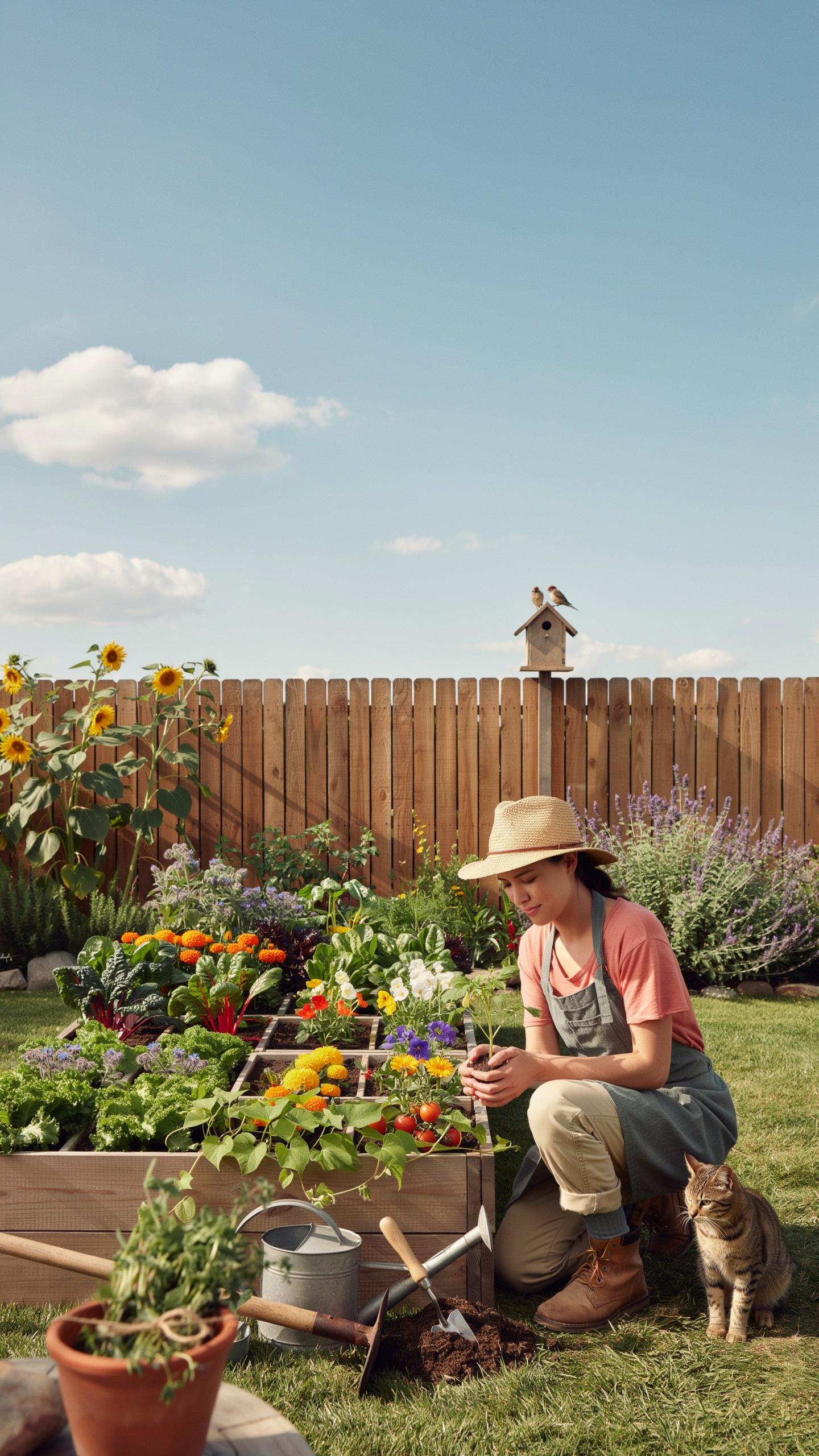
Breaking Down A 30 X 30 Garden Plan Into Productive Square Foot Zones
A thirty by thirty footprint provides nine hundred square feet of total space. You cannot manage this as a single unit. Divide the area into distinct quadrants to maintain control. Each quadrant should hold a cluster of four by four beds. This layout follows the original Mel Bartholomew principle of reachability. It stops soil compaction by keeping feet out of the growing areas entirely.
Efficiency depends on grouping plants by water and light needs. Use the north quadrant for tall crops like corn or trellised tomatoes. This prevents shading of smaller leaf crops in the center zones. Assign square foot counts based on plant size. One cabbage per square or sixteen radishes per square remains the standard. Proper zoning ensures every inch of the large plot produces maximum yields without wasting resources.
Incorporating Pathways, Water Access, And Focal Points In A Large Garden Plan
Logistics dictate the success of a large garden. You must include three-foot wide main paths for wheelbarrow access. Secondary paths between individual beds can be two feet wide. Use crushed stone or cedar mulch for durable walking surfaces. These materials reflect the clean lines of the Mid-Century Modern movement. Wide paths ensure you can reach every square foot grid without stretching or causing physical strain.

Centralize water access to save time. Install a four-way manifold at the garden center. Run drip irrigation lines from this point to each square foot grid. Place a focal point like a sun dial or a large planter at the axis of the main paths. This creates a visual anchor for the space. Functional design keeps the garden organized. It transforms a high-production vegetable plot into a structured outdoor living environment.
Understanding Garden Bed Spacing To Avoid Overcrowding And Boost Yields
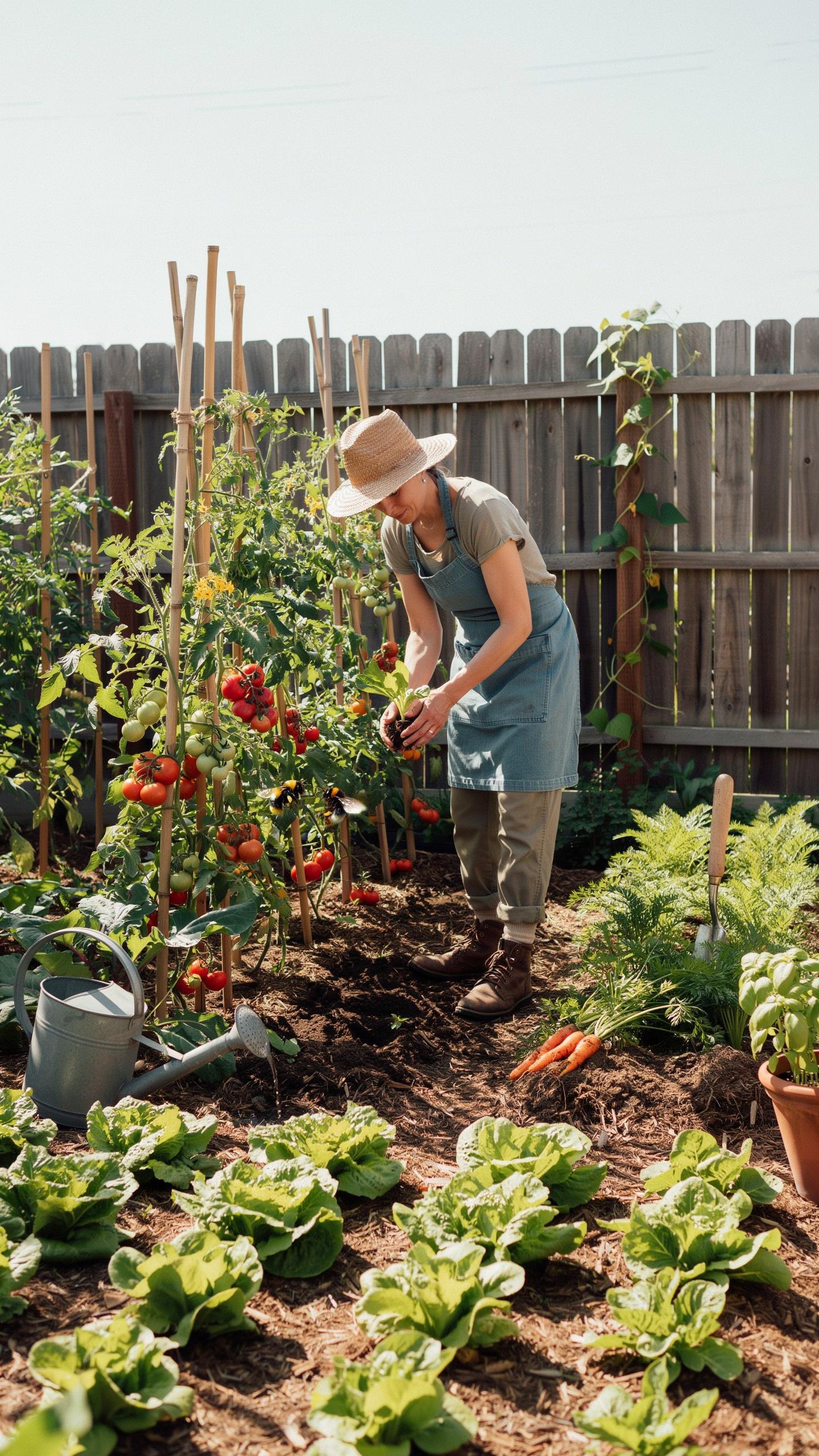
How Proper Garden Bed Spacing Reduces Disease And Improves Air Circulation
Tight spacing creates humid microclimates that invite fungal pathogens like powdery mildew. Air must move freely between leaves to dry moisture from dew or rain. Still air traps heat and water vapor near the soil surface. This environment allows bacteria to multiply and spread across the foliage. Proper spacing ensures sun reaches all parts of the plant to harden the outer cell walls.
Crowded plants compete for root space and soil nutrients. This stress weakens the plant immune system and makes it an easy target for pests. Predictable grids in the square foot method allow for targeted irrigation. Keeping water at the base reduces leaf wetness. Good airflow acts as a natural barrier against soil-borne diseases. Efficient spacing delivers higher yields by keeping the crop healthy until harvest.
Spacing Guidelines For Common Vegetables Within A Square Foot Raised Bed
Mel Bartholomew developed specific counts per square foot to maximize efficiency. Small plants like radishes or carrots fit sixteen per square. Medium plants like spinach or bush beans fit nine or four per square. Large plants like peppers or broccoli require one full square. Extra large crops seperti tomatoes or squash may need two or four squares to prevent total canopy closure.
You must follow these density rules to prevent light blocking. Tall plants belong on the north side of the bed. This placement prevents them from shading shorter crops. Using vertical trellises allows you to grow heavy feeders in less ground space. Precise spacing turns a small bed into a high-output production zone. Sticking to these numbers ensures every plant gets the fuel it needs.
Maintaining And Refreshing Your Square Foot Raised Bed Garden Each Season
Soil Replenishment And Crop Rotation Practices That Keep Raised Beds Productive
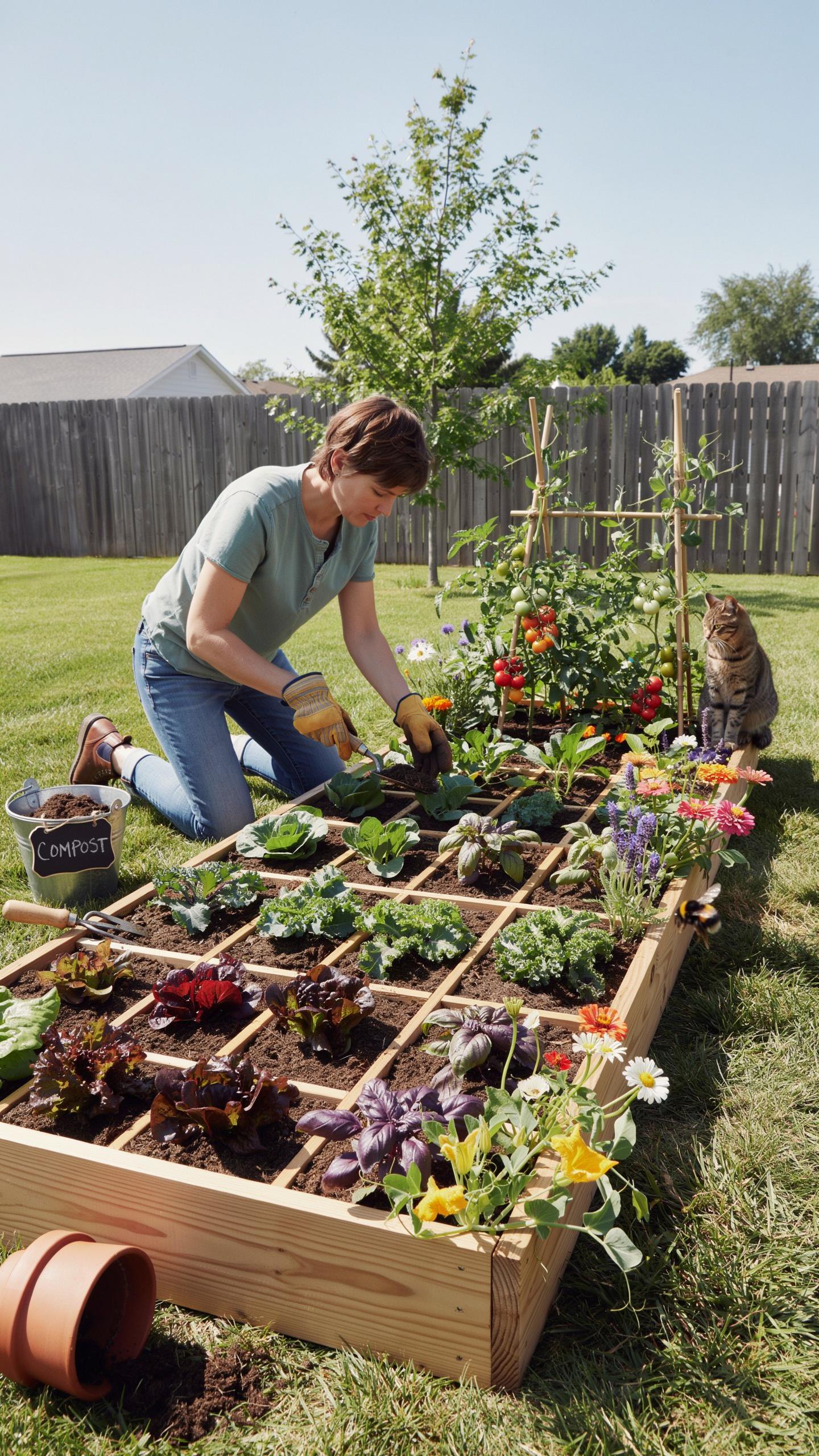
Square foot gardening depletes soil nutrients rapidly due to high density planting. You must refresh the growing medium after every harvest. Mix one trowel of high quality compost into each square foot grid. Use a blend of vermicompost and aged manure to restore nitrogen and vital microbes. This process avoids the need for synthetic fertilizers while maintaining the intensive output required for small spaces.
Crop rotation prevents soil borne diseases and pest cycles in confined beds. Do not plant the same family of vegetables in one square for two consecutive years. Move heavy feeders like tomatoes away from squares previously occupied by peppers. Follow leafy greens with nitrogen fixing legumes like peas or beans. This tactical strategy keeps the soil healthy and maximizes your yield over multiple growing seasons.
Seasonal Styling Tips To Keep Your Modern Raised Bed Garden Looking Its Best
Structure dictates the style of a modern raised bed. Maintain clean lines by replacing worn grid dividers with powder coated aluminum or cedar lath. Prune indeterminate plants vertically to prevent overgrowth from obscuring your geometric layout. Use black architectural mesh for climbing plants to provide a sleek appearance. Clear debris and spent vines immediately to preserve the minimalist aesthetic of the square foot system.
Transition your garden through the seasons with intentional planting schemes. Replace summer heat lovers with kale and ornamental cabbage during the fall. These plants offer structural interest and deep colors that complement modern wood or stone bed materials. Use consistent mulch colors like dark brown or black to create a unified look. A well kept garden reflects professional design standards while producing a reliable food source for your home.
Frequently Asked Questions

What is the benefit of using the square foot method in a modern raised bed?
Traditional rowing can look cluttered, but the raised bed gardening square foot method organizes your harvest into a clean, geometric grid. This approach maximizes space in small suburban yards while preventing soil compaction. By dividing your bed into one-foot sections, you can grow a diverse variety of vegetables and flowers in a compact area, creating a lush, Pinterest-worthy landscape that stays incredibly manageable for busy homeowners.
How do I calculate plant spacing when using this specific gardening layout?
To master the raised bed gardening square foot method, you simply follow a standardized grid based on mature plant size. For example, you can fit sixteen radishes, nine bush beans, or one single tomato plant per square. This systematic approach eliminates guesswork and prevents overcrowding, ensuring each plant receives optimal airflow and nutrients. It turns your outdoor space into an efficient, high-yield food forest that looks professional and intentionally designed.
Is it possible to build a stylish and productive garden on a tight budget?
Absolutely! You can achieve a high-end look without a massive investment by using reclaimed cedar or heat-treated pallets for your frames. Adding a simple DIY trellis or a coat of charcoal exterior stain instantly elevates the aesthetic. Even with affordable materials, focusing on high-quality soil and smart layout planning ensures your garden remains both functional and beautiful, proving that modern outdoor style is accessible to every passionate gardener.