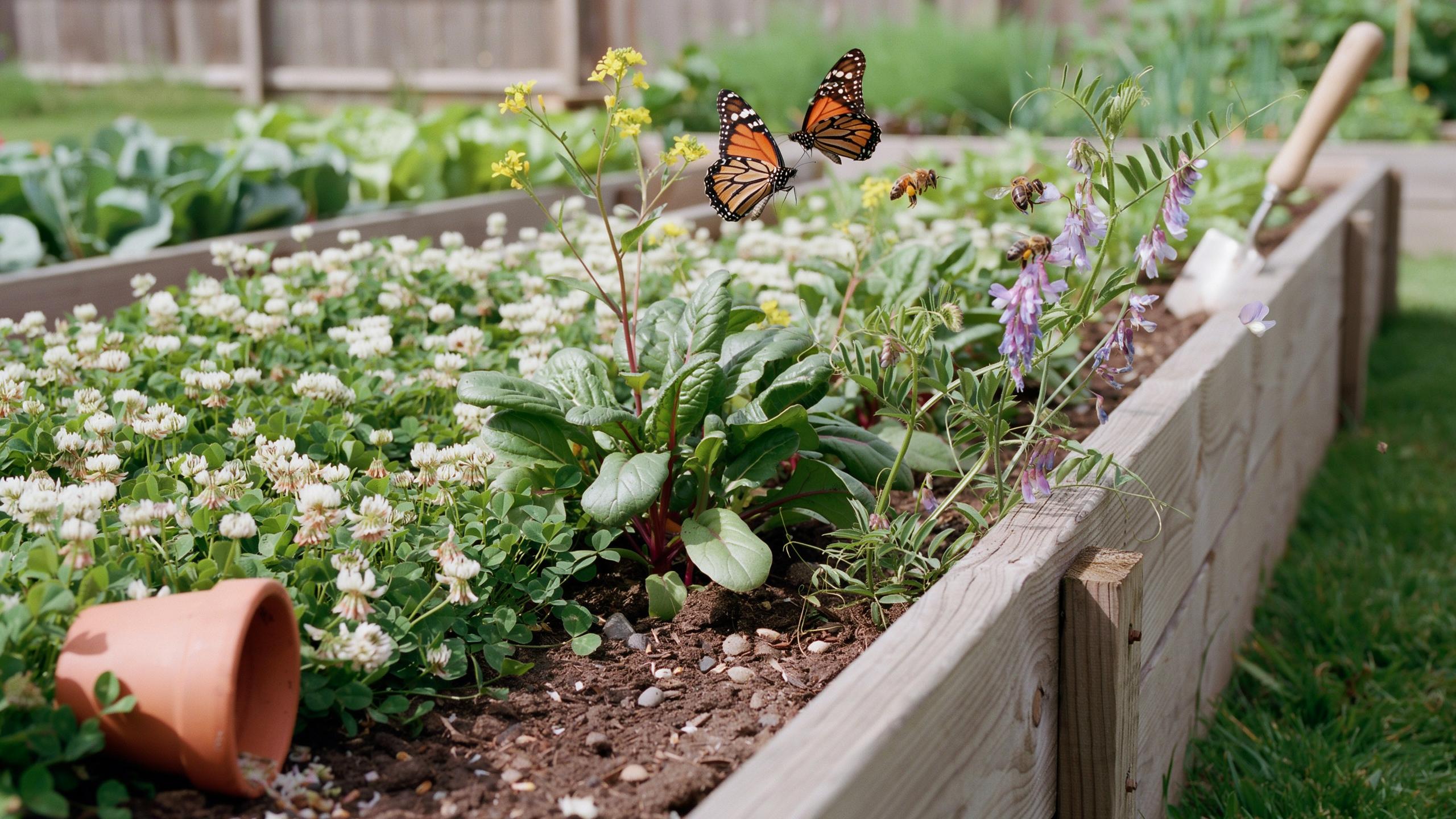
What Are Cover Crops For Raised Beds And Why Every Gardener Should Use Them

Understanding The Role Of Cover Crops In Raised Bed Gardening
Cover crops act as living armor for your soil during the off-season. These specific plants manage soil health when you are not growing vegetables. They prevent erosion and stop essential nutrients from leaching out of your raised boxes. Legumes pull nitrogen from the air and store it in their roots. Grasses build organic matter and improve the physical structure of your growing medium.
Raised beds lose nutrients faster than ground soil due to high drainage. Cover crops solve this problem by capturing minerals before they wash away. Their roots open up tight soil and create channels for water and air. When you kill the crop and let it decay, it feeds beneficial microbes. This process creates a self-sustaining cycle that reduces your reliance on expensive bagged fertilizers or store-bought compost.
How Cover Crops Differ From Mulch And Other Soil Protection Methods
Mulch provides a passive barrier on the soil surface. It stops weeds and retains moisture but does not actively improve soil structure. Mulch eventually breaks down, but it does not pump carbon into the soil through a living root system. Cover crops are active biological tools. They perform functions that dead materials like straw or wood chips cannot match. These plants are dynamic soil builders.
Crops like tillage radishes penetrate deep into the substrate to break up compaction. Mulch stays on top and offers no deep structural benefits. While mulch suppresses weeds by blocking light, cover crops use allelopathy or rapid growth to outcompete them. Using cover crops is a strategic investment in soil biology. You are growing your own fertilizer instead of just covering a problem. This method provides superior long-term results for raised bed systems.

The Real Soil Benefits Of Growing Cover Crops For Gardens In Raised Beds

How Cover Crops Rebuild Nutrients And Improve Soil Structure Over Time
Raised bed soil loses its structure faster than ground soil due to intense drainage and rapid oxidation. Cover crops tackle this by depositing organic matter deep into the bed. Roots act as biological tillers. They create channels that improve air flow and water infiltration. This prevents the soil from becoming a hard, compacted block. It keeps the medium light and productive.
Decomposing plant matter feeds the soil food web. Microbes break down this green manure into stable humus. This process increases the cation exchange capacity of your bed. Higher capacity means the soil holds onto nutrients instead of letting them wash out the bottom. You build a self-sustaining system. This reduces the need for expensive bagged amendments and heavy liquid fertilizers.
The Science Behind Nitrogen Fixation And What It Means For Your Raised Bed
Nitrogen fixation is a biological partnership between legumes and Rhizobium bacteria. The bacteria live in nodules on the plant roots. They pull nitrogen gas from the air and convert it into a form plants use. This process concentrates nitrogen directly in your raised bed soil. You bypass the need for synthetic nitrogen. It is a clean and efficient nutrient delivery method.

To maximize this benefit, you must terminate the crop at the right time. Mowing legumes during the early flowering stage releases the most nitrogen. You then incorporate the plant material into the top layer of soil. As the roots and foliage rot, they release stored nitrogen for your next vegetable crop. This timing ensures your heavy feeders get a powerful growth boost.
Best Cover Crop For Raised Beds Top Picks That Actually Deliver Results

Legumes, Grasses, And Brassicas: Choosing The Right Cover Crop Family For Your Bed
Legumes pull nitrogen from the air and store it in root nodules. Bacteria convert this gas into nutrients your next vegetable crop can use. Raised beds lose nutrients quickly due to high drainage and intense planting. Grasses provide massive biomass to build organic matter. Their fibrous roots hold soil structure together and prevent erosion during heavy winter rains or wind.
Brassicas serve a specialized tactical role in soil management. These plants contain glucosinolates that naturally fumigate the soil when they decompose. This process kills harmful nematodes and soilborne pathogens without chemicals. Use brassicas if your bed suffered from pests or diseases in the previous season. Mix different families to achieve balanced soil health. This ensures your raised bed remains productive and fertile over time.
Top Cover Crop Varieties Recommended For Raised Bed Gardeners
Successful raised bed gardening cover crops must match your specific climate and timing. Choose varieties based on their ability to survive winter or their speed of growth. Select plants that are easy to terminate manually without heavy machinery. Most gardeners prefer crops that winterkill or die back with a simple weed trimmer. This allows for faster spring planting of your primary food crops.
- Crimson Clover: This legume fixes nitrogen and grows well in cool weather. It produces bright red flowers that attract beneficial pollinators to your garden. You can easily turn it into the soil in early spring before it goes to seed.
- Oats: This cereal grass grows rapidly in late summer or fall. It establishes a thick root mat that suppresses weeds and protects the soil surface. Oats usually die back during hard freezes, leaving a clean mulch layer for spring planting.
- Daikon Radish: These large roots punch through compacted soil layers in deep beds. They pull nutrients from deep within the substrate up to the surface. The roots rot away in winter, leaving large holes that improve aeration and water infiltration.
- Hairy Vetch: This is a hardy legume that survives extreme cold better than most others. It provides a massive amount of nitrogen for your heavy-feeding summer crops. You must cut it at the soil line during its flowering stage to prevent regrowth.
- Winter Rye: Use this grass for late-season planting when other options would fail. It is exceptionally hardy and develops a deep root system through the coldest months. It requires diligent termination in spring because it grows back with significant vigor.

Manage these crops by cutting them down at the correct physiological stage. For most legumes, this means right as they begin to flower. This timing maximizes the nitrogen content stored in the plant tissues. If you wait too long, the stems become woody and take longer to break down. Incorporate the green matter directly into the top few inches of soil or leave it as a protective surface mulch.
Winter Cover Crops For Gardens Keeping Your Raised Beds Alive Through The Cold Months
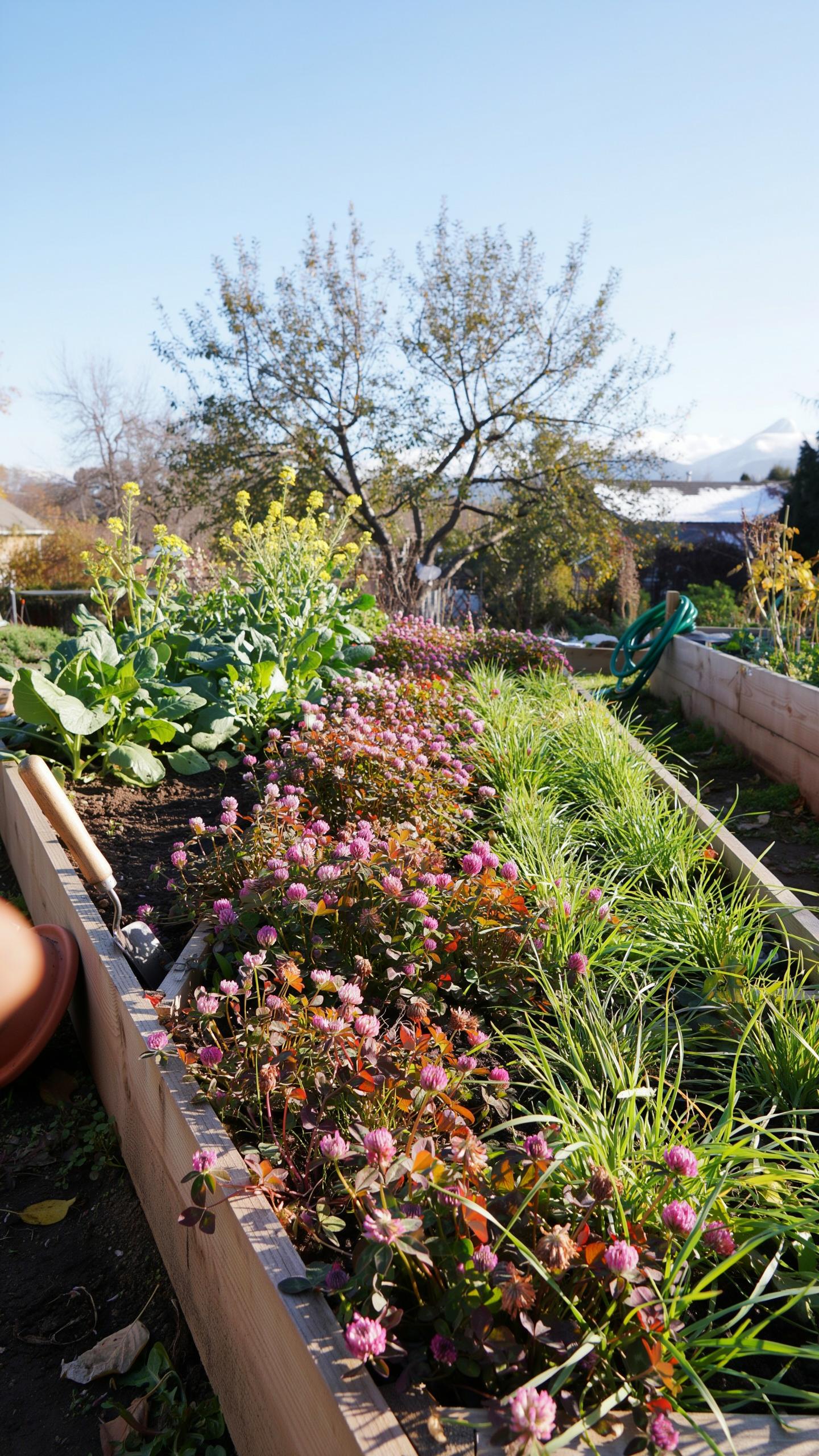
Why Growing A Cover Crop Through Winter Is One Of The Smartest Garden Moves You Can Make
Winter rain and wind strip nutrients from bare raised beds. Exposed soil loses its structure. Microbes die off without a living food source. Planting a winter cover crop solves these problems immediately. The roots hold the soil in place. They prevent erosion and nutrient runoff. This strategy keeps your soil biology active and ready for spring planting. You save money on expensive fertilizers later.
Living roots also improve soil aeration. They break up compacted layers while you sleep. The plants act as a protective blanket for the soil surface. This prevents the ground from freezing and thawing repeatedly. This cycle often damages the delicate structure of high quality garden soil. Choosing to plant now ensures your raised beds remain productive for years. It is a low cost investment with high returns.
Best Winter Hardy Cover Crop Species That Thrive In Cold Raised Bed Conditions
Cereal rye is a top choice for extreme cold. It survives temperatures well below freezing. It grows fast and produces massive amounts of organic matter. Hairy vetch is another reliable option. It fixes nitrogen in the soil during the winter months. This provides a natural boost for heavy feeders like tomatoes. These plants are tough and require very little maintenance once they are established.
Winter peas work well in raised containers because they provide excellent ground cover. They suppress weeds that try to take over during the off season. Crimson clover offers similar benefits and adds nitrogen back into the earth. For best results, sow these seeds several weeks before the first hard frost. This timing allows the root systems to develop. Strong roots ensure the plants survive the harshest winter weather.
Protecting Raised Beds In Winter How Cover Crops Shield Your Soil From Harsh Weather
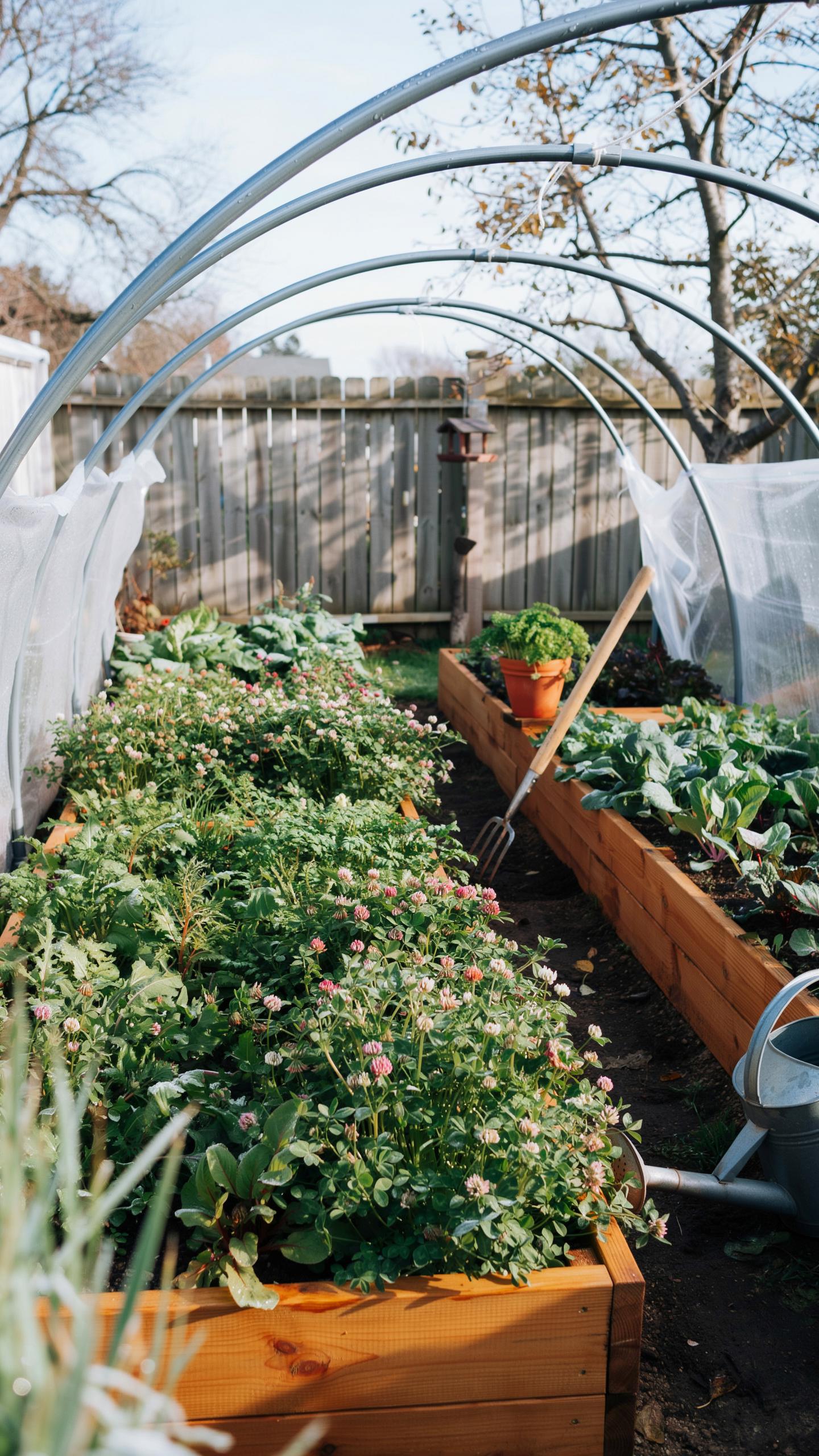
How Cover Crops Prevent Soil Erosion, Compaction, And Nutrient Leaching During Winter
Winter rain and snow destroy bare soil structure in raised beds. Living roots from cover crops anchor the soil and prevent heavy rain from washing away valuable topsoil. These roots create tiny channels that keep the soil porous. This prevents compaction from the weight of snow. Without these roots, your soil turns into a hard, lifeless block that resists spring planting.
Cover crops act as a biological vault for nitrogen and minerals. Heavy winter precipitation causes nutrient leaching, where water carries minerals deep below the reach of vegetable roots. Species like cereal rye or tillage radishes grab these nutrients before they escape. They hold the energy in their biomass until spring. You keep your fertilizer investment in the bed instead of losing it.
Combining Cover Crops With Other Methods For How To Protect Raised Beds In Winter
Cover crops work best when paired with physical barriers. Use heavy mulch like clean straw or shredded leaves around the base of your cover crops. This combination creates a dual layer of protection against deep frost. The mulch insulates the soil surface while the plants maintain underground biological activity. This strategy keeps soil microbes alive and active through much colder temperatures.

Wind protection is the final tactical step for winter bed security. High winds dry out exposed soil and kill young cover crop shoots. Use burlap wraps or simple wooden windbreaks on the windward side of your raised beds. This reduces the desiccating effects of cold air. Combining these physical shells with living plants ensures your raised beds remain fertile and ready for early spring sowing.
Cover Crop Planting A Step By Step Guide To Sowing In Your Raised Beds
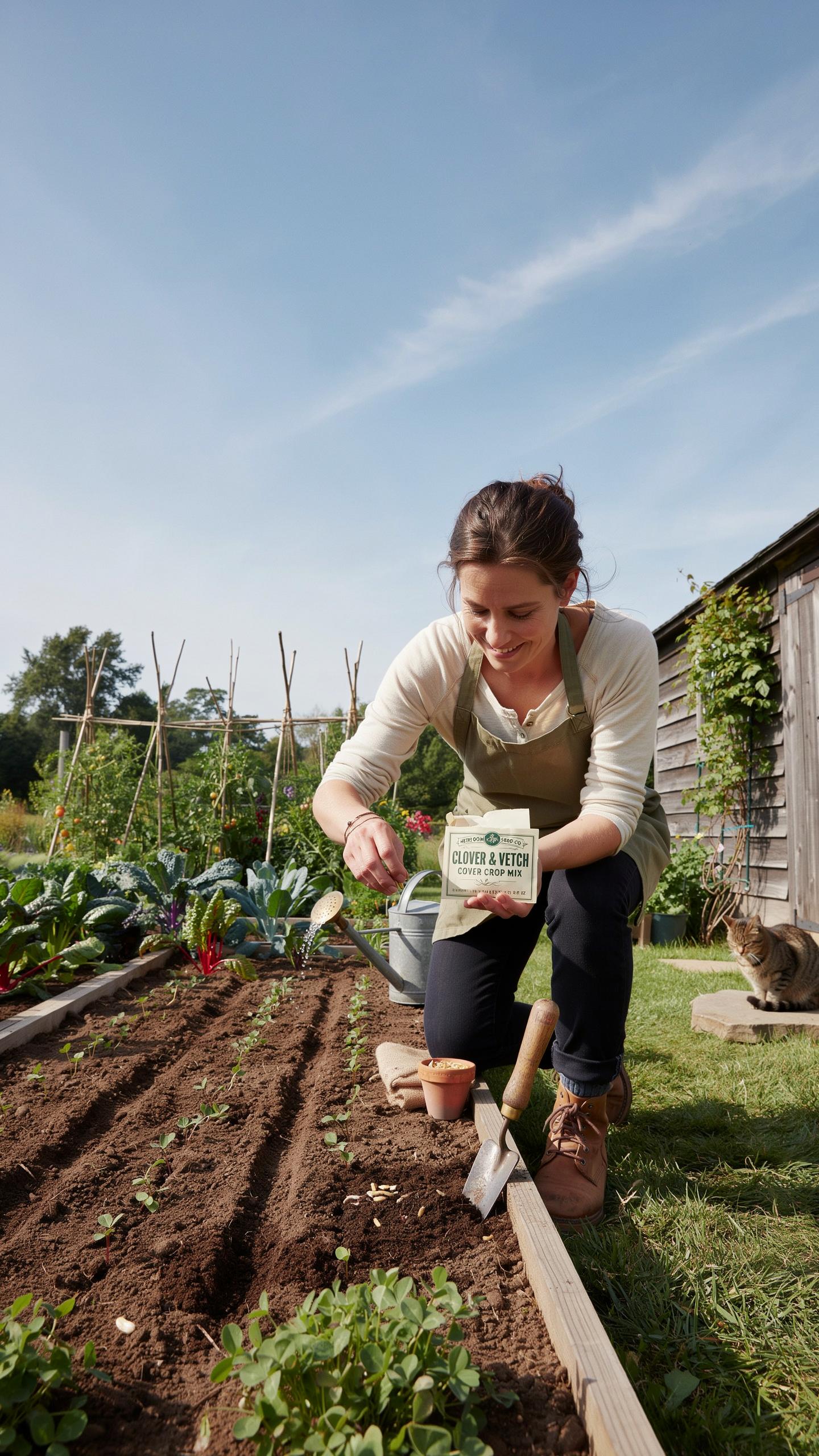
When And How To Sow Cover Crop Seeds For Maximum Establishment Success
Timing determines the success of your raised bed gardening cover crops. You must sow winter varieties at least four weeks before the first killing frost. This window allows roots to anchor and foliage to develop enough biomass. Early planting ensures the crop survives cold snaps. Spring cover crops require sowing as soon as you can work the soil surface.
- Broadcasting: Scatter seeds evenly across the entire soil surface of the raised bed. This method ensures dense coverage to outcompete aggressive weeds and protect the topsoil from erosion.
- Raking: Use a hand rake to lightly incorporate seeds into the top inch of soil. Proper seed-to-soil contact is necessary for germination and prevents birds from eating your dispersed seed supply.
- Firming: Press the soil down firmly using a flat board or your hands after sowing. Eliminating air pockets ensures the moisture stays in contact with the seed coat for faster sprouting.
- Watering: Apply a fine mist to the bed immediately after planting. Keep the top layer of the raised bed moist for the first seven days until you see visible green shoots.
- Mulching: Add a thin layer of clean straw over larger seeds like Austrian winter peas. This protects the seeds from extreme temperature swings and holds moisture during the critical early establishment phase.
Establishment requires consistent moisture during the first two weeks of growth. Raised beds drain faster than the ground, so monitor hydration levels daily. If the soil dries out, germination will fail. Once the plants reach three inches in height, they generally become self-sufficient. You must suppress weeds during this early stage to give your cover crops the advantage.
To forget how to dig the earth and to tend the soil is to forget ourselves. These humble winter blankets nourish the ground just as the memories of past harvests warm our hearts.
Seeding Rates, Depth, And Spacing Considerations Specific To Raised Bed Dimensions
Raised beds require higher seeding rates than open fields because every inch of space is valuable. You should increase standard field rates by twenty percent to ensure a thick carpet of vegetation. High density prevents soil crusting and maximizes nitrogen fixation in small areas. Aim for a density that leaves no bare soil visible. This strategy turns the bed into a self-mulching system.

Planting depth depends strictly on seed size and your specific soil mix. Small seeds like clover and rye only need a quarter-inch depth to emerge successfully. Larger seeds like beans or vetch require one full inch of depth for stable root development. Because raised bed soil is loose, seeds can easily wash too deep. Always verify depth to prevent poor emergence across the bed.
How To Cover Garden Beds With Green Manure Turning Your Cover Crop Into Soil Gold

What Green Manure Is And How It Enriches The Soil When Cover Crops Are Turned Under
Green manure is a functional crop grown specifically to be incorporated back into the earth. You do not harvest these plants for food. Instead, you chop them down while they are still young and succulent. This process returns nitrogen and organic matter directly to your raised bed. It mimics natural forest floor cycles but at a much faster professional pace.
The biological breakdown of this plant material fuels soil microbes. These microbes convert locked nutrients into forms your future vegetables can actually use. This process improves soil structure and water retention in confined raised beds. High carbon materials like cereal rye build long term humus. High nitrogen materials like clover fast track fertility for heavy feeders like tomatoes or corn crops.
Timing The Termination Of Your Cover Crop Before The Next Planting Season Begins
Termination timing determines the success of your next crop. You must kill the cover crop before it produces viable seeds. If you wait too long, the plants become woody and pull nitrogen away from your soil to decompose. Aim to terminate during the early flowering stage. This is when the plant holds its peak nutrient value and breaks down the fastest.

Allow two to three weeks between incorporating the green manure and planting your seeds. This waiting period prevents Allelopathy where decaying plants release chemicals that stunt new seedlings. It also gives soil bacteria time to finish the initial heavy decomposition work. Use a sharp spade or mower to break the material into small pieces. Small pieces rot faster and integrate better into the soil.
Raised Beds And Companion Planting Mixing Cover Crops With Existing Garden Plants
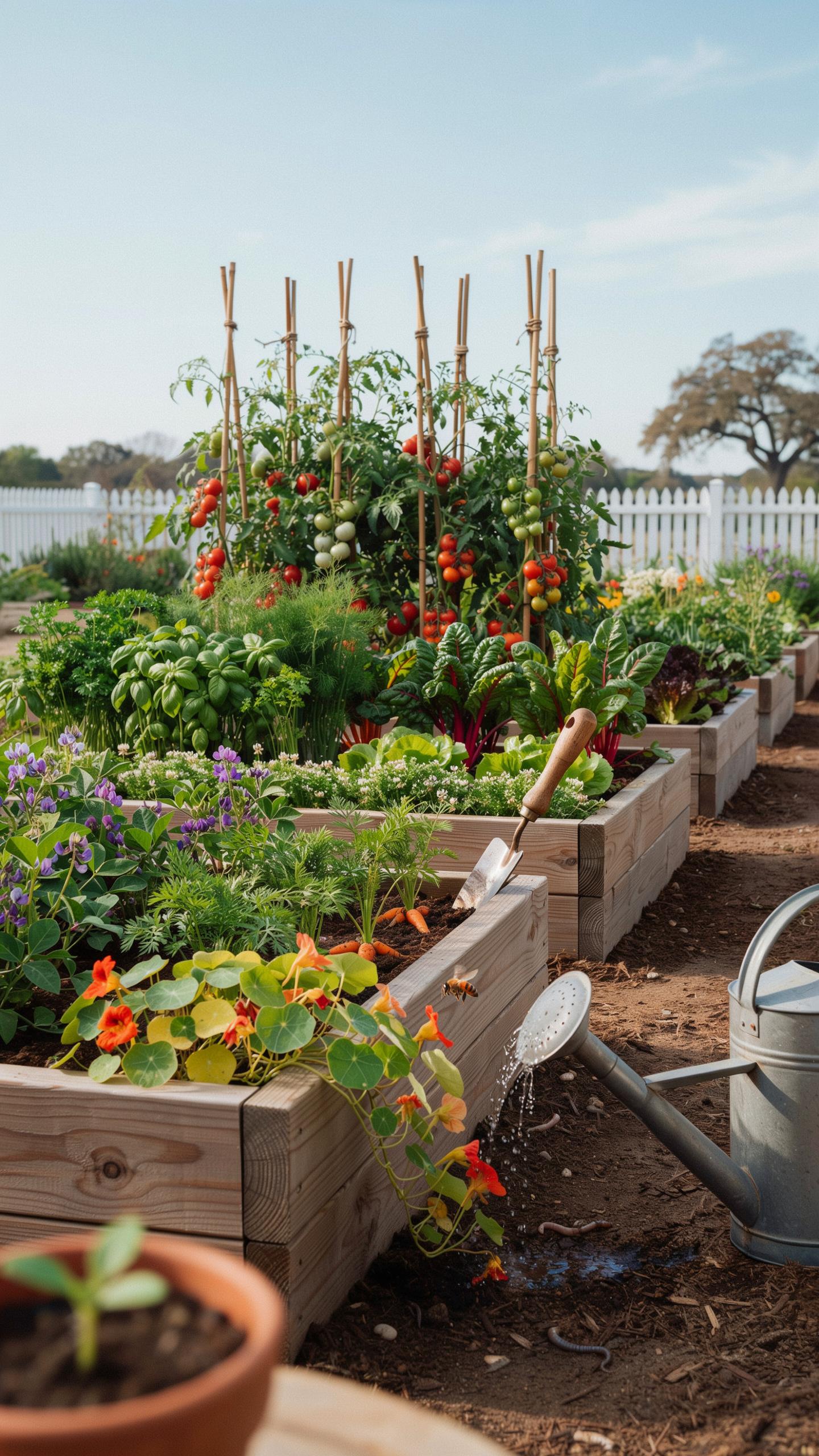
How To Interplant Cover Crops Around Vegetables Without Competing For Resources
Successful interplanting requires precise timing and spatial management. You must sow cover crops when main harvest plants are established but not yet finished. Low-growing species like crimson clover or subterranean clover work best because they do not shade out your main crop. Sow these seeds into the soil around the base of your taller vegetables once the harvest reaches mid-season. This overlap ensures immediate soil protection.
Resource competition is a risk you must mitigate through careful selection. Choose legumes that fix nitrogen to benefit the surrounding soil rather than heavy feeders like grains. Use the undersowing technique to provide a living mulch that keeps moisture in the ground. This method protects the soil structure from compaction during heavy rains. Proper spacing allows air circulation which prevents fungal growth. Manage the height by cutting the cover crop back.
Using Cover Crops To Suppress Weeds And Reduce Pest Pressure In Raised Beds
Dense cover crops create a physical barrier that prevents weed seeds from germinating. Species like cereal rye produce allelopathic chemicals that naturally inhibit weed growth in the soil. High density planting covers every inch of exposed soil in the raised bed. This living carpet outcompetes aggressive weeds for light and space. You reduce manual labor and chemical needs by maintaining this green cover throughout the entire growing season.

Integration of specific cover crops also breaks pest cycles. Flowering species like buckwheat or sweet alyssum attract beneficial insects that prey on common garden pests. These predators include lacewings and ladybugs which manage aphid populations naturally. By providing a habitat for these insects you create a balanced ecosystem within the bed. This biological control reduces the need for pesticides. Diverse root systems also discourage soil-borne pathogens from establishing.
Common Mistakes To Avoid When Using Cover Crops For Raised Beds This Season
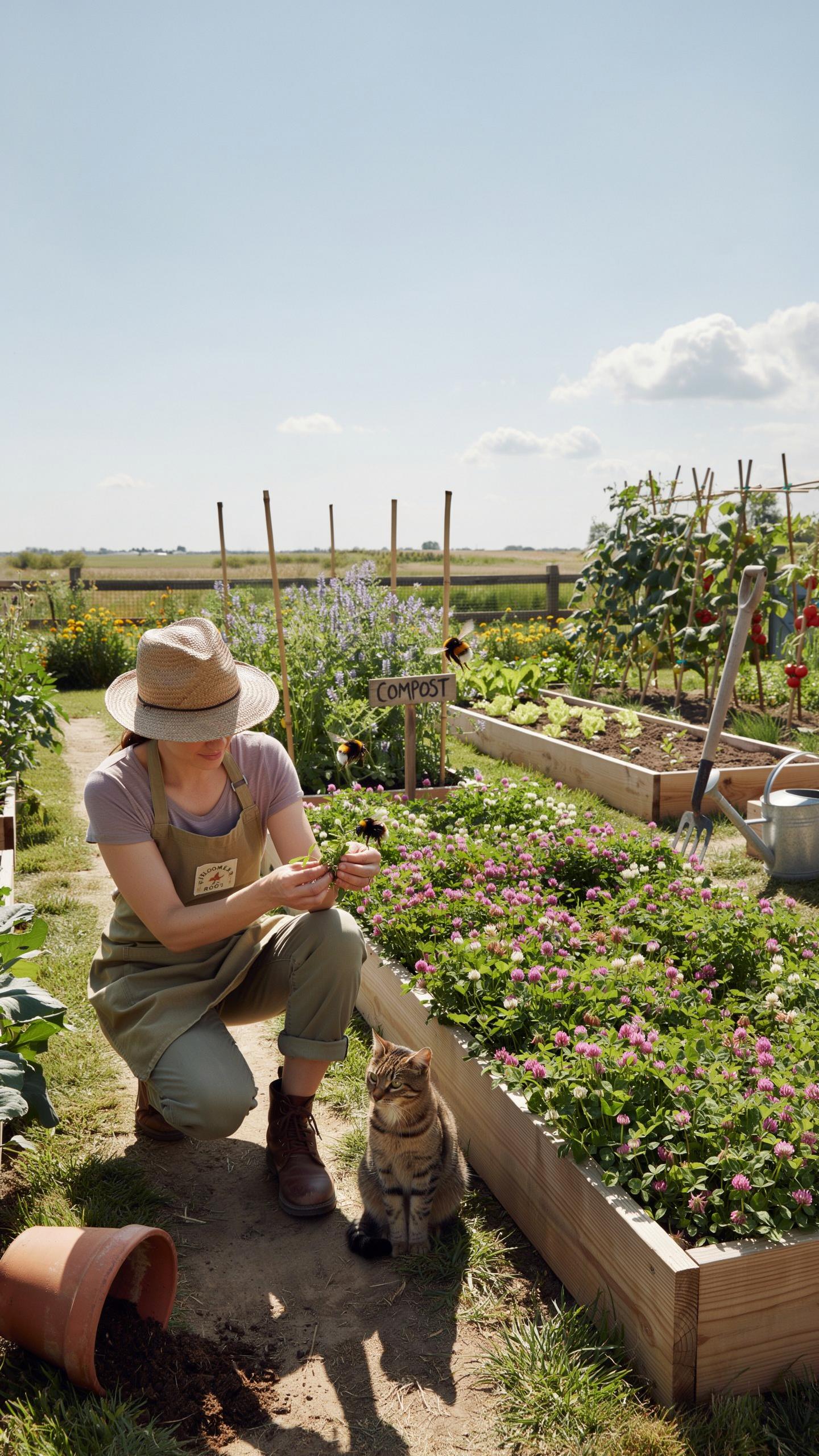
Planting Too Late, Too Dense, Or The Wrong Species For Your Climate Zone
Timing determines your success with raised bed gardening cover crops. Planting too late in the fall stops root establishment before the first hard frost. This leaves soil exposed to winter erosion. Cold temperatures shut down biological activity and growth. You must track your local frost dates. Target a planting window at least four weeks before the ground freezes to ensure the crop survives.
Selecting the wrong species causes total crop failure. Warm-season crops like buckwheat die instantly in frost. Cold-hardy grains like cereal rye survive harsh winters but require heavy management in spring. Over-seeding creates crowded plants that compete for limited nutrients and water. Proper spacing prevents fungal diseases in the dense canopy. Match the seed variety to your specific USDA hardiness zone and season goals.
How Poor Termination Timing Can Undermine The Benefits Of Your Cover Crop Investment
Termination timing dictates the nutrient availability for your next vegetable crop. You must kill the cover crop during the flowering stage but before it sets seed. If you wait until seeds drop, the cover crop becomes a weed in your raised bed. This creates extra labor for the entire growing season. Late termination also allows stems to become woody and high in carbon.
Woody plant matter takes months to break down in the soil. Microbes consume nitrogen from the soil to process this carbon. This creates a temporary nitrogen deficiency for your young vegetable starts. You should cut the crop back three weeks before planting your main crops. This allows enough time for the green manure to decompose. Proper timing ensures a net gain of nitrogen and organic matter.
Frequently Asked Questions

What exactly are cover crops and why should I use them in my raised beds?
Cover crops, often called “green manure,” are specific plants grown primarily to benefit the soil rather than for harvest. Integrating raised bed gardening cover crops into your seasonal rotation helps prevent soil erosion, suppresses stubborn weeds, and improves soil structure. By planting varieties like clover or vetch, you naturally aerate the earth and fix nitrogen, ensuring your garden remains vibrant, healthy, and nutrient-dense for your next round of decorative flowers or vegetables.
How do I properly terminate cover crops before planting my spring garden?
To manage your raised bed gardening cover crops, you should terminate them about three to four weeks before planting your main crops. The easiest method for home gardeners is “mow and drop.” simply cut the plants at the soil line using garden shears. You can then leave the organic matter on the surface as a protective mulch or lightly tilled into the top few inches of soil to decompose and release nutrients.
Are cover crops an affordable option for gardeners on a tight budget?
Absolutely! Utilizing cover crops is one of the most cost-effective ways to enhance your garden’s health without relying on expensive chemical fertilizers or bags of store-bought compost. A single packet of seeds, such as field peas or winter rye, typically costs just a few dollars and can cover multiple containers. It is a sustainable investment that pays off by reducing the need for supplemental soil amendments and pest control later in the year.