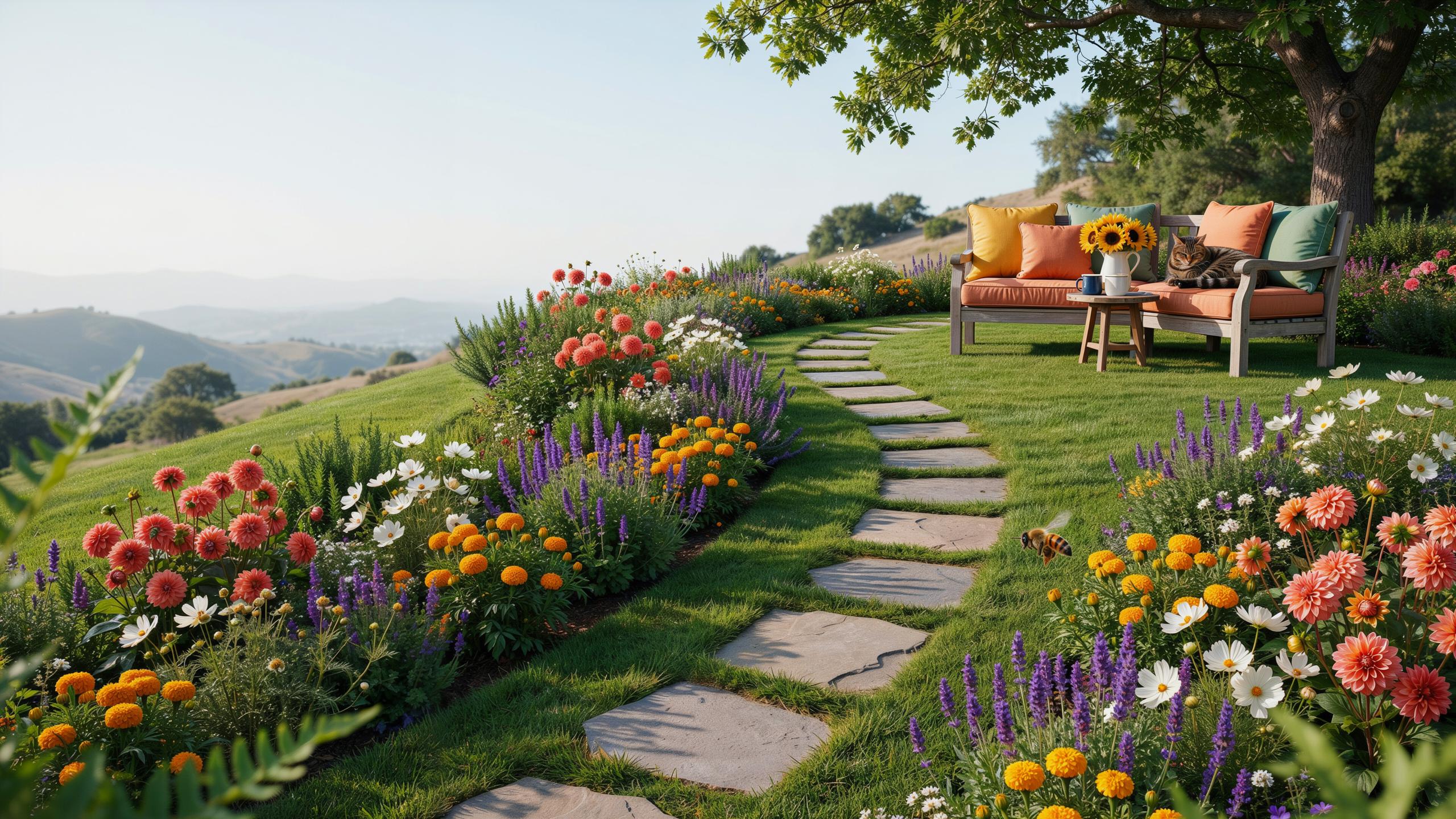
Understanding The Challenges And Opportunities Of Backyard Landscaping On A Hill
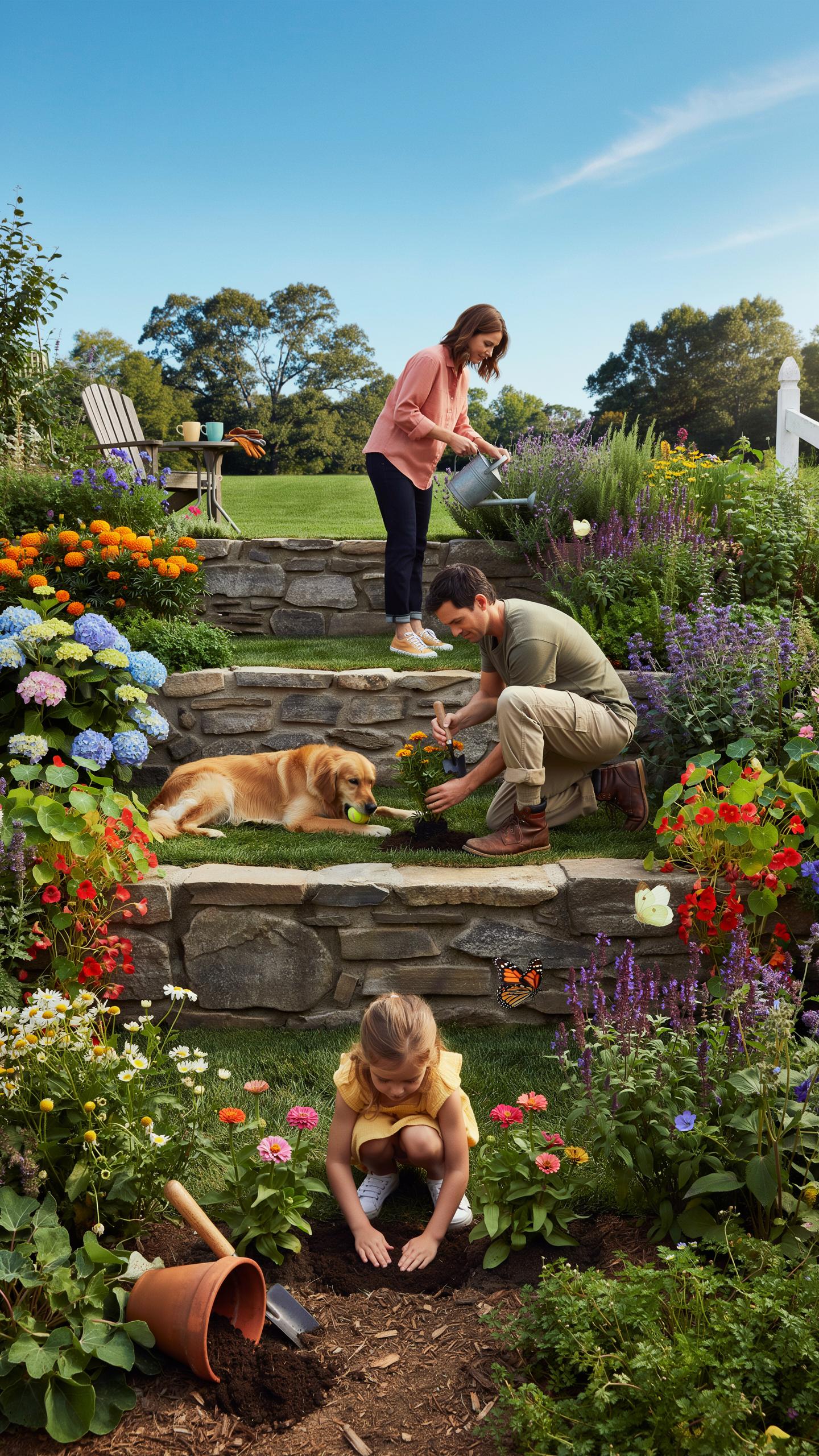
Why Sloped Yards Present Unique Landscaping Challenges
Gravity dictates every movement on a slope. Surface runoff gains velocity as it moves downhill, stripping away topsoil and nutrients. This erosion destabilizes the ground and makes planting difficult. Without proper intervention, water settles at the base of the hill. This creates drainage issues that can damage home foundations. You must manage water force before selecting any plants or hardscape materials.
Access remains a significant logistical hurdle for construction and maintenance. Heavy machinery often cannot navigate steep inclines safely. Soil composition also varies across a slope, with drier conditions at the top and moisture at the bottom. You must account for these microclimates when planning. Standard lawn care becomes hazardous or impossible on grades exceeding twenty degrees. Manual labor costs increase due to these physical constraints.
How A Hill Can Become Your Backyard’S Greatest Design Asset
Elevation provides natural separation without the need for walls or fences. This verticality allows you to create distinct outdoor rooms for different activities. Each level offers a new perspective and maximizes usable square footage on a footprint that feels larger than it is. Proper grading creates sightlines that flat yards cannot replicate. You gain privacy by lifting the living space above street level.
Slopes offer superior drainage opportunities when engineered correctly. You can use the natural pitch to feed water into rain gardens or collection systems. This gravity-fed approach reduces the need for expensive pumps or mechanical drains. Stone terraces and retaining walls add structural permanence and historical character to the land. These features increase property value by turning unusable inclines into functional, high-end architectural focal points.

How To Landscape A Steep Hill With Erosion Control And Soil Stabilization
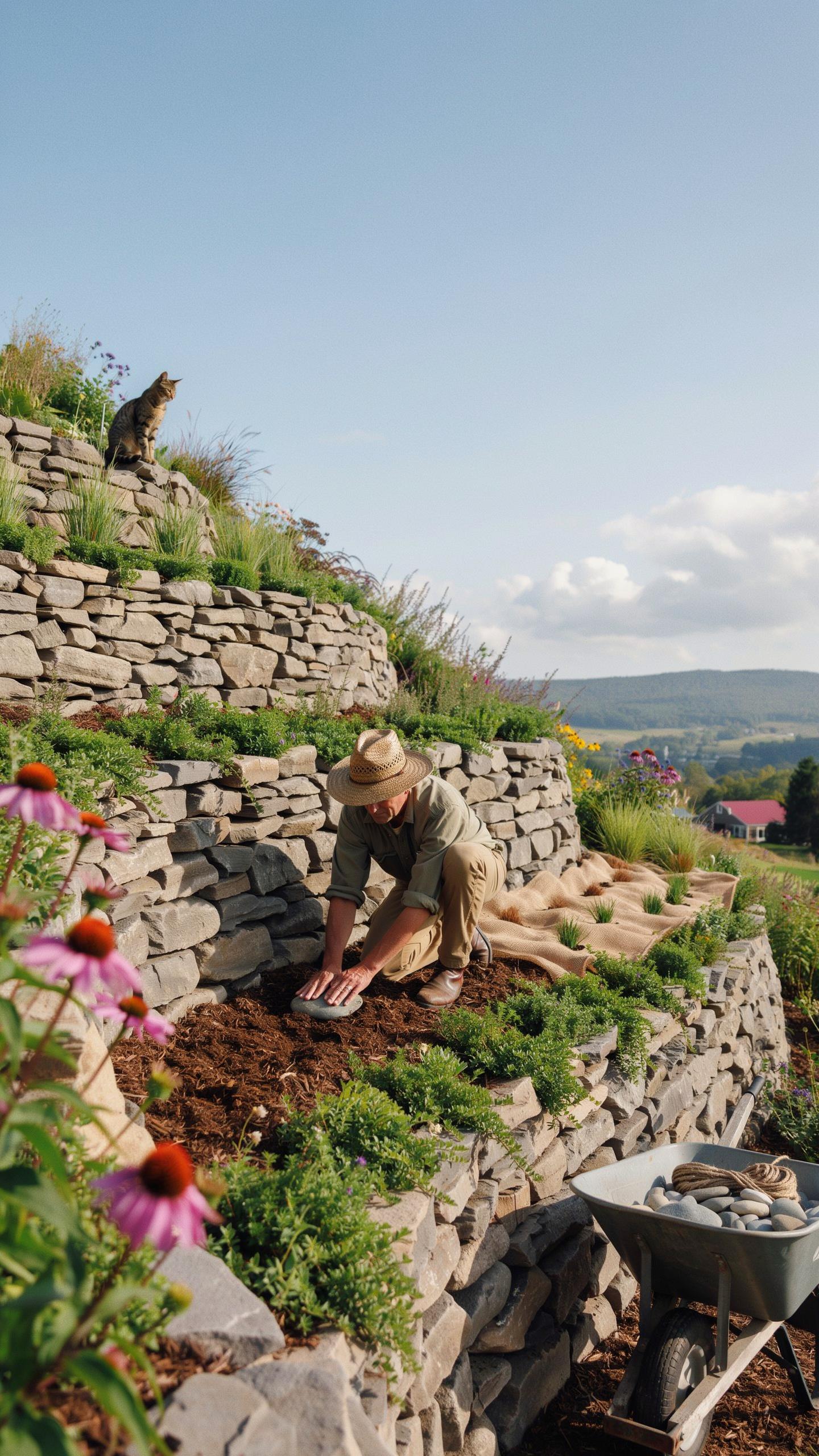
Choosing Ground Cover Plants That Anchor Soil On Steep Slopes
Ground cover plants provide the first line of defense against soil loss. You must select species with deep, fibrous root systems that knit the earth together. Creeping perennials and low-growing shrubs work best for this task. These plants reduce the impact of falling rain and slow down surface runoff. Fast-growing varieties cover exposed dirt quickly to stop wind erosion and sediment displacement before it starts.
Focus on native species that thrive in your local climate without excessive irrigation. Avoid invasive plants that might damage the local ecosystem. Instead, use woody plants like creeping juniper or sturdy varieties like vinca minor and pachysandra. These selections require minimal maintenance once they establish their roots. Proper spacing ensures full coverage within two growing seasons. This strategy creates a living mat that holds the hillside in place during heavy storms.
Using Retaining Walls And Riprap To Prevent Hillside Erosion
Retaining walls break a steep slope into manageable flat sections called terraces. This change in grade stops the downward pull of gravity on wet soil. Engineers recommend using materials like poured concrete, interlocking blocks, or natural stone for these structures. Every wall over three feet tall requires a proper drainage system behind it. You must install perforated pipes and gravel to prevent water pressure from collapsing the new wall.
Riprap consists of large, jagged rocks placed along the steepest areas of a hill. This technique mimics natural scree slopes found in mountain environments. The irregular shapes of the stones lock together to create a heavy, permanent barrier. Use geotextile fabric underneath the rocks to keep soil from washing through the gaps. This method works well in areas where planting is difficult. It provides immediate stabilization without waiting for plants to grow.
Hillside Landscaping Designing Retaining Walls That Are Both Functional And Beautiful
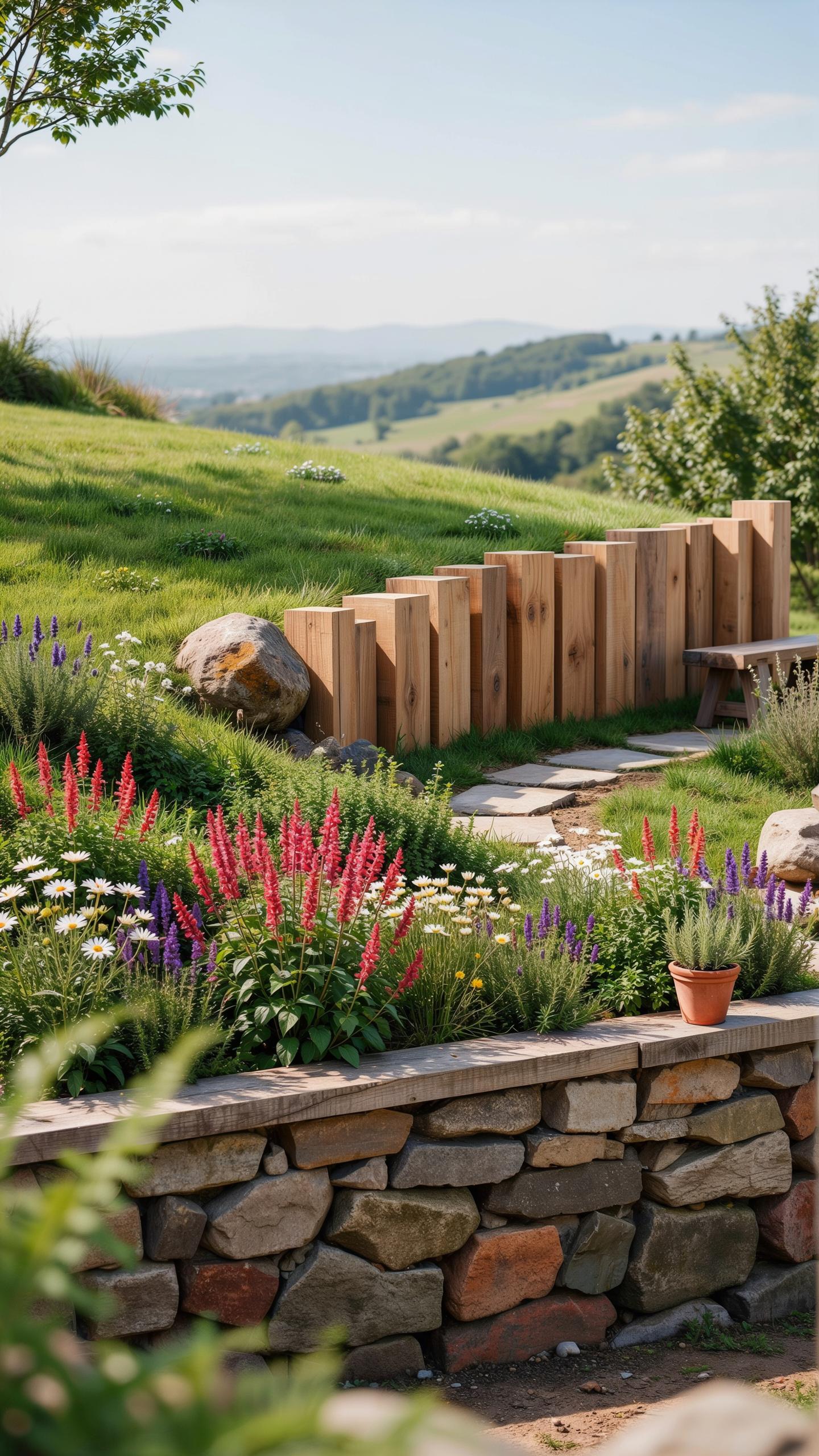
Materials To Consider For Building Retaining Walls On A Hillside
Retaining walls must stabilize soil and manage hydraulic pressure. Material choice dictates the maximum height and lifespan of the structure. Engineers categorize walls into gravity systems or anchored systems. Gravity walls use weight to resist lateral earth pressure. Most residential projects use modular blocks or natural stone. These materials allow for weep holes to drain water effectively. Poor drainage causes most wall failures on hills.
- Poured Concrete: This material offers the highest structural strength for steep inclines. It requires professional forms and steel reinforcement. You can finish the surface with various textures or veneers. It handles massive loads better than any other option.
- Interlocking Concrete Blocks: These units simplify the building process with a rear lip that ensures proper setback. They are dry-stacked and do not require mortar. They work perfectly for DIY projects or professional tiered systems on moderate slopes.
- Natural Fieldstone: Builders have used dry-stack stone for centuries to manage sloped terrain. It provides excellent natural drainage through the gaps between stones. Stone creates a durable and heavy wall that blends into the existing landscape naturally.
- Pressure-Treated Timbers: Wood is the most cost-effective material for short-term stabilization. Use 6-by-6 beams treated for ground contact to prevent rot. These walls work best for low heights under three feet because wood lacks the mass of stone.
- Gabion Baskets: Wire cages filled with crushed rock provide immediate stability and superior drainage. They do not require a traditional foundation and handle soil movement well. This industrial style is becoming popular for modern residential slope management.
Select your material based on the specific slope gradient and soil type. Heavy clay soils expand when wet and require stronger reinforcement than sandy soils. Large stones provide the necessary mass for tall barriers. Timber works for small garden beds but rots over twenty years. Always check local building codes for walls exceeding three feet in height. Proper footings and backfill are more important than the visible face.
How Retaining Wall Tiers Can Create Usable Flat Garden Spaces
Trenching a single tall wall is often dangerous and expensive. Tiers break a steep hill into manageable steps. This technique creates several flat levels for gardening or recreation. Engineers call this terracing. You must space tiers apart to avoid the top wall putting pressure on the lower wall. Wide tiers allow for walking paths and planting zones. This approach manages water runoff by slowing it down.

Terracing transforms useless slopes into functional zones. You can designate one level for a patio and another for vegetables. This layout improves accessibility for maintenance on the hill. Use the “rule of thumb” where the distance between walls equals the height of the lower wall. This prevents structural surcharge. Tiered designs also increase the aesthetic value of the property. They turn a vertical eyesore into a structured landscape feature.
Steep Hill Landscaping Ideas Terracing And Stepped Garden Beds
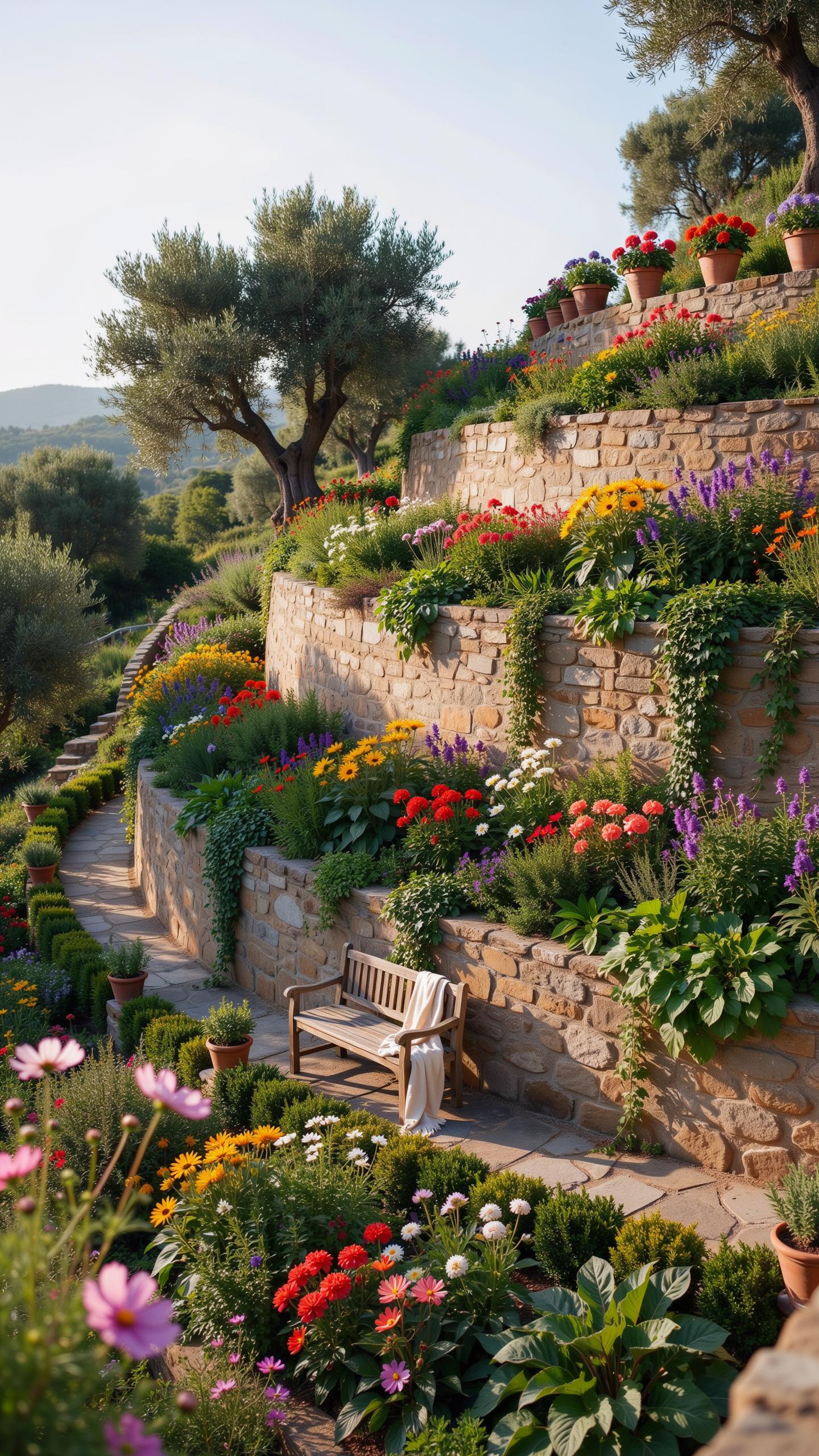
How Terracing Transforms A Steep Slope Into Productive Garden Space
Terracing turns a steep hill into several flat levels. This method stops soil erosion and manages water runoff. You cut into the slope and build retaining walls to hold the earth. These walls create usable land where planting was once impossible. Professionals use stone, concrete blocks, or timber for these structures. This technique maximizes every square foot of your property.
A flat surface allows water to soak into the ground. On a steep hill, water runs off too fast and carries away topsoil. Terracing slows this process and protects your plants. You can build these levels for different uses like patios or gardens. Proper drainage behind the walls is vital to prevent collapse. Use gravel and pipes to direct water away from the structure.
Designing Stepped Garden Beds For Flowers, Vegetables, And Shrubs
Stepped garden beds provide organized zones for different plant types. You can group plants by their water and light needs on each level. High levels get more sun while lower levels might stay damp. Use sturdy materials like pressure-treated wood or stackable stones for the bed frames. This design makes maintenance easier because you can reach plants without climbing a steep incline.

Strategic planting improves the stability of the entire hillside. Deep-rooted shrubs on the lower levels anchor the soil. Vegetables and delicate flowers thrive in the upper beds where drainage is best. Plan for paths or small stairs between the beds to move safely. This layout turns a difficult slope into a high-yield garden. Consistent bed heights create a clean and professional look for the backyard.
Backyard Landscaping With A Hill Creating Pathways And Stairways That Flow Naturally
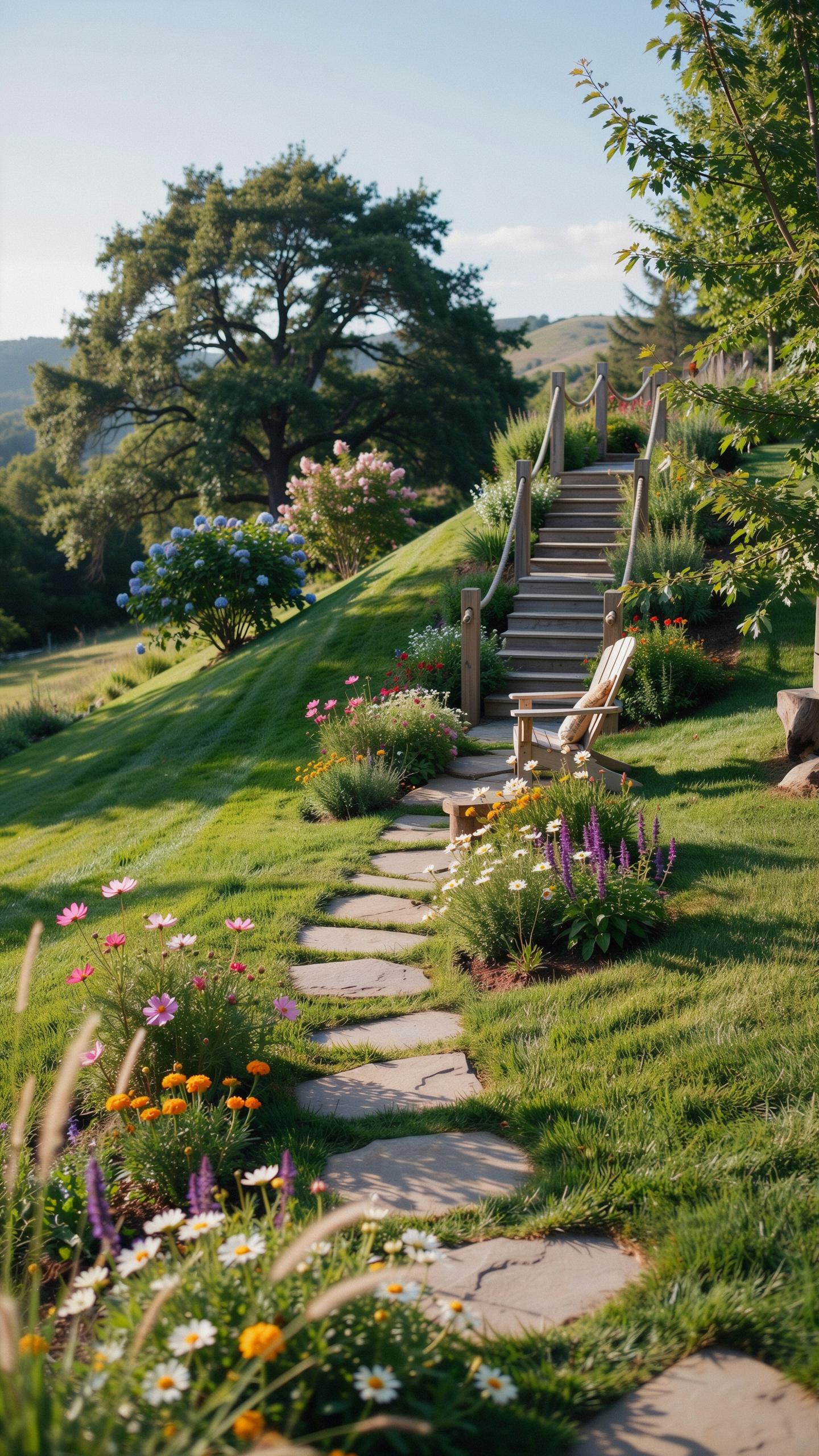
Choosing The Right Materials For Hillside Pathways And Garden Steps
Select materials based on friction and weight. Natural stone provides high durability and grip. Use flagstone for wide treads and granite for heavy structural support. Timber sleepers offer a cost-effective alternative but require pressure treatment to resist rot. Avoid polished tiles or smooth concrete on steep inclines. These surfaces becomes slick when wet and cause serious falls.
Stability depends on the base layer. Excavate the slope to create a flat subgrade for every step. Use compacted crushed gravel to prevent stone shifting over time. Mortar keeps joints tight in high-traffic areas. Dry-stacking works best for flexible drainage in shifting soils. Proper material choice ensures the staircase survives freeze-thaw cycles without cracking or tilting.
How Curved Pathways Can Soften The Grade Of A Sloped Backyard
Straight paths on a hill create dangerous runoff channels. Water gains speed on vertical lines and erodes your soil. Switchbacks and curves mimic natural mountain trails to manage gravity. These bends break the descent into manageable segments. This design slows down the walker and the water. Curved paths provide more surface area to absorb heavy rain.

Landscapers use the serpentine method to reduce the effective slope. A sharp incline becomes a gentle walk when you extend the path length. This technique removes the need for steep, deep steps that strain the knees. Use curves to guide people toward stable landing zones. Proper curvature integrates the path into the existing terrain instead of fighting against it.
Down Hill Backyard Ideas Water Features And Drainage Solutions That Work With The Slope
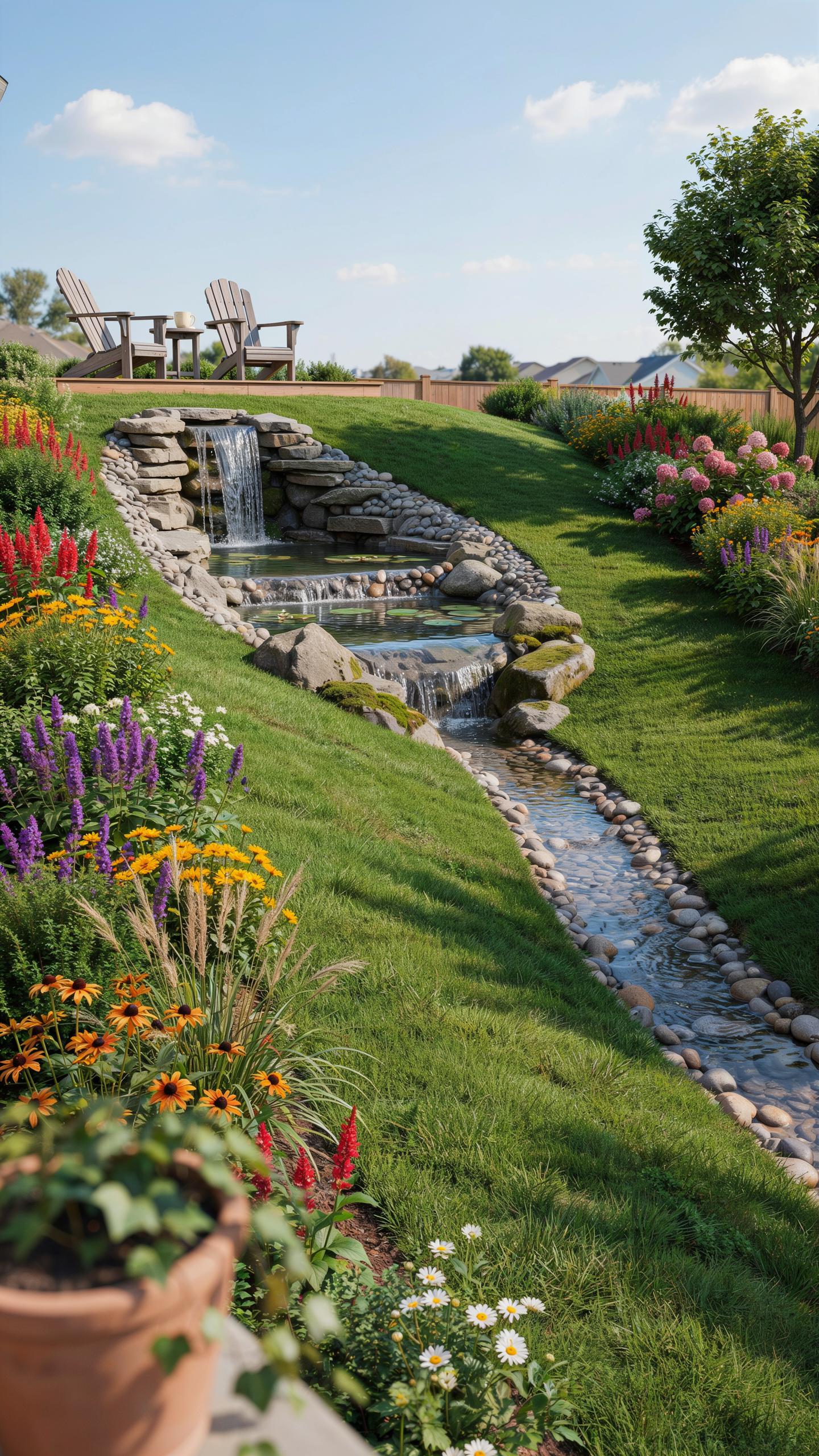
Installing A Naturalistic Waterfall Or Stream Along A Downhill Grade
Gravity directs water flow along the steepest path. You must exploit this natural force when building a hillside waterfall. Use the existing grade to create a recirculating system. Excavate shallow basins into the slope to slow the water. This prevents erosion and soil washout. Line the entire path with a high quality EPDM rubber membrane for a permanent waterproof seal.
Place large structural boulders first to anchor the feature. Use smaller river rocks to hide the liner and mimic a natural creek bed. Position the pump at the lowest point in a deep reservoir. Connect the pump to the top spillway using heavy duty PVC piping. Hide the plumbing underground to maintain a clean look. Test the flow rate to ensure the water stays within the banks.
To climb steep hills requires slow pace at first, but a garden rising toward the sky turns every step into a journey home.
Smart Drainage Strategies To Protect Your Downhill Backyard From Water Damage
Unmanaged runoff destroys hillsides and floods low points. You must capture water at the source before it gathers speed. Divert surface water away from foundations and retaining walls. Use a combination of surface grading and underground pipes to move water safely. These systems prevent soil saturation and rot. Proper drainage is the foundation of any successful downhill landscaping project.
- French Drains: Dig a trench filled with perforated pipe and gravel. This system collects subsurface water and redirects it. It works best at the base of slopes or behind retaining walls to relieve hydrostatic pressure.
- Dry Creek Beds: Line a shallow swale with rocks of various sizes. This creates a functional path for heavy rainwater during storms. It prevents topsoil erosion while adding a rugged visual element to the landscape.
- Catch Basins: Install grated boxes at the lowest points of the yard. These basins collect surface runoff and debris. Underwater pipes then carry the water to a safe discharge area like a street or dry well.
- Retaining Wall Weep Holes: Drill small openings near the base of all masonry walls. These holes allow trapped water to escape from behind the structure. This simple step prevents the wall from collapsing under the weight of wet soil.
- Terracing: Break a long slope into several flat levels using timber or stone. This design slows the downward velocity of water. Each level allows more moisture to soak into the ground rather than washing over the surface.

Maintenance ensures these systems function during heavy rain. Clear debris from grates and creek beds every season. Check the discharge points for clogs or signs of new erosion. A failed drainage system leads to expensive slope failure and structural damage. Monitor how water moves across the land during a storm to identify weak spots. Fix small issues immediately to avoid major repairs later.
Sloped Hill Garden Selecting The Best Plants For A Hillside Landscape
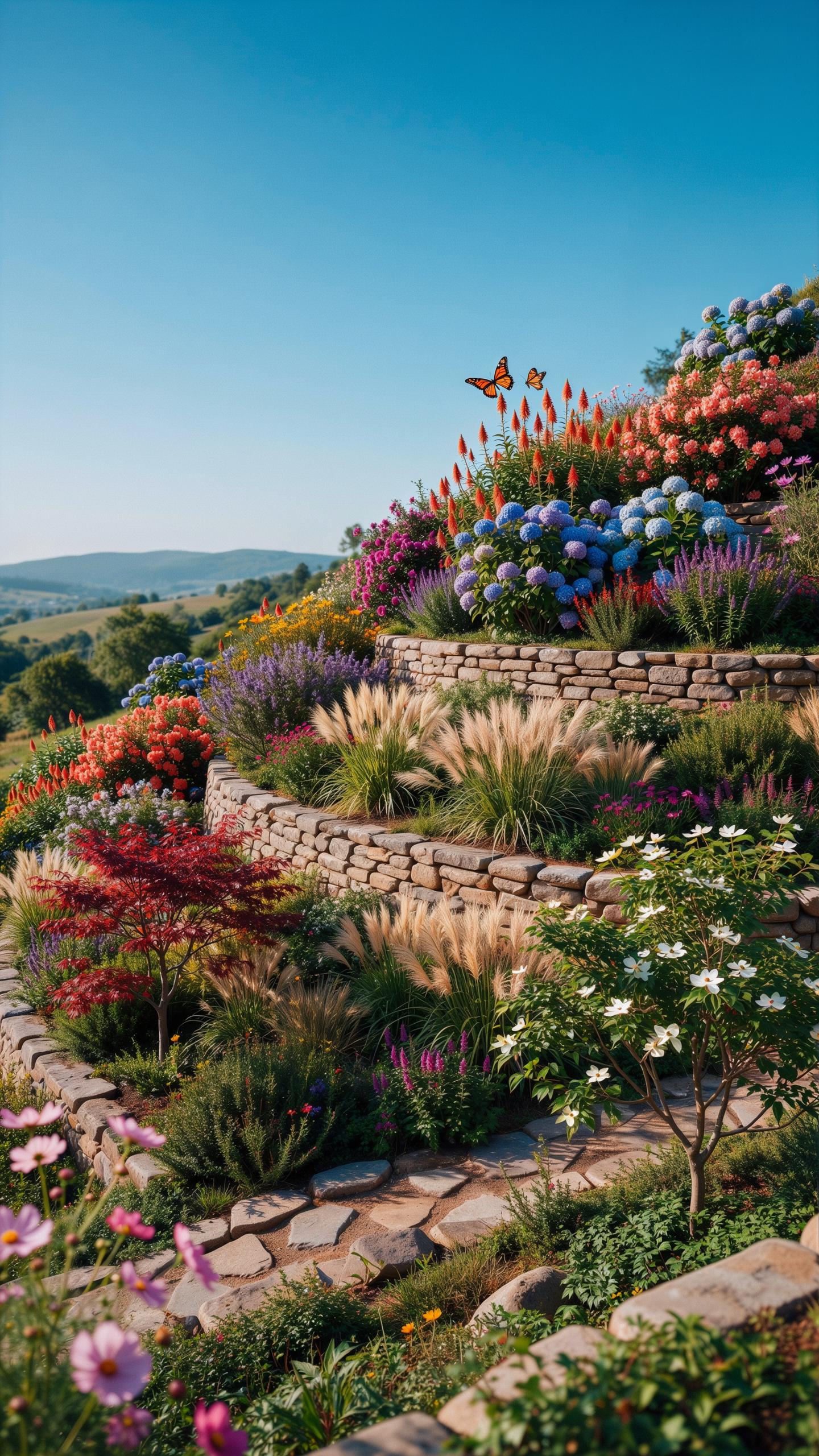
Deep Rooted Shrubs And Native Plants That Thrive On Hillside Gardens
Erosion control is the primary function of hillside planting. You must select plants with deep, fibrous root systems to anchor the soil. Woody shrubs and native grasses work best because they lock the earth in place. Native species require less water and maintenance once they are established. They have adapted over centuries to survive the local climate and soil conditions of your region.
Avoid plants with shallow roots like turf grass on steep grades. These fail to hold soil during heavy rain. Instead, choose low-maintenance perennials and shrubs that spread quickly. Forcing root depth prevents landslides and nutrient runoff. Proper plant selection turns a maintenance burden into a self-sustaining ecosystem. Focus on species known for their tenacity and ability to thrive in well-drained, sloping environments.
Layering Plantings By Height To Add Visual Depth To A Sloped Yard
Strategic layering creates a functional vertical forest that slows water descent. Place the tallest trees at the top or back of the slope. Medium shrubs should sit in the middle section. Low groundcovers must occupy the bottom tier. This arrangement breaks the fall of rainwater and protects the soil surface. It converts a flat vertical plane into a three-dimensional landscape with significant depth.

Height layering also improves the property line privacy and wind protection. Use the natural rise of the hill to hide structures or neighbors. Each layer provides a different level of root penetration and moisture absorption. This tactical placement ensures every square foot of the hill works to manage drainage. You achieve a balanced look while solving the technical challenges of gravity and runoff management.
Steep Backyard And Landscaping Hillside Sloped Yard Adding Outdoor Living Spaces On A Grade
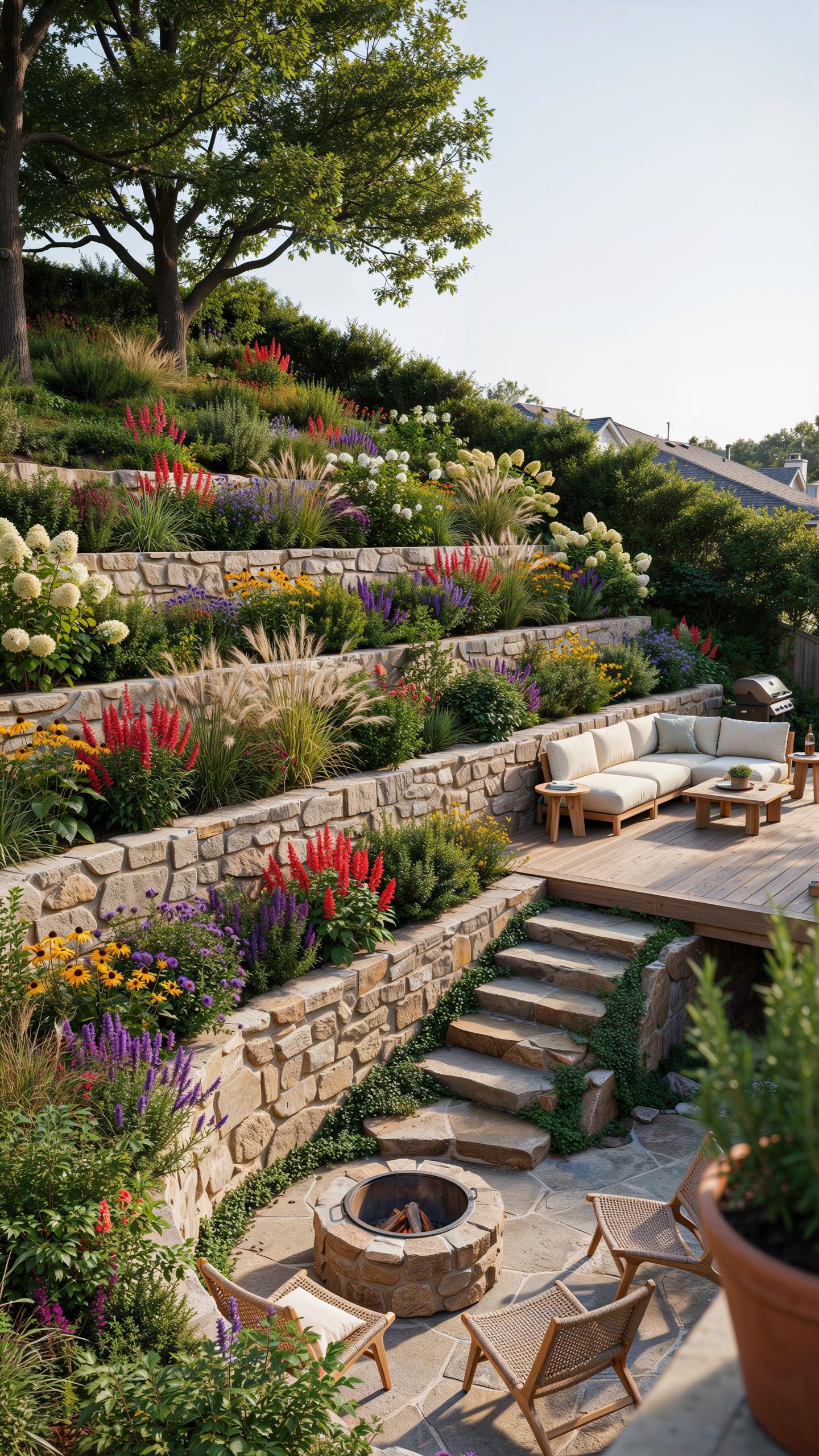
How To Build A Level Patio Or Deck On A Steep Or Sloped Backyard
Building a level surface on a slope requires a cut-and-fill method or a raised platform. To build a patio, you must dig into the hill to create a flat base. Use a retaining wall to hold back the soil. This wall prevents erosion and structural failure. Proper drainage behind the wall is mandatory. Use gravel and perforated pipes to clear water away from the foundation.
Decking offers a faster solution for steep grades. Use pressure-treated wood or steel posts set in deep concrete footings. These posts support the frame at varying heights to create a level floor. Joist hangers and ledger boards secure the structure to your home. Always check local building codes for railing heights and weight loads. Proper structural engineering ensures the deck remains stable under heavy lateral pressure from the hill.
Lighting, Seating, And Finishing Touches That Bring Your Hillside Landscape To Life
Effective hillside lighting focuses on safety and depth. Low-voltage LED path lights define steps and walkways. These fixtures prevent falls on uneven terrain. Use uplighting on retaining walls or trees to create visual layers. This technique makes the backyard feel larger at night. Avoid high-wattage floodlights that cause glare. Strategic placement highlights the architecture of the slope while keeping the living areas functional after sunset.

Seating on a hill works best when integrated into the terrain. Build stone benches directly into retaining walls to save space. This provides permanent furniture that resists weather damage. Choose heavy materials like wrought iron or cast aluminum for mobile pieces. These metals stay in place during high winds common on elevated lots. Finish the space with permeable pavers or crushed stone. These materials allow rainwater to soak into the ground instead of pooling.
Frequently Asked Questions

Why is landscaping on a slope beneficial for my home’s value?
Transforming a sloped yard does more than just increase curb appeal; it creates functional square footage where there was once unusable space. Effective backyard landscaping on a hill prevents soil erosion and manages water runoff, which protects your home’s foundation. By adding tiered gardens or stunning stone pathways, you turn a difficult transition into a breathtaking focal point that significantly boosts your property’s overall market value and aesthetic charm.
What is the best way to prevent soil erosion on a sloped backyard?
The most effective approach combines ground cover plants with strategic hardscaping. Deep-rooted native shrubs and grasses hold soil in place far better than turf grass, which tends to wash away in heavy rain. Adding terraced beds or low retaining walls breaks a long slope into shorter, more manageable sections that slow water runoff. Mulching exposed soil between plantings also reduces erosion while your ground cover establishes itself.
Do I need a professional to install retaining walls on a steep hill, or can I DIY it?
Small walls under three feet tall built from modular blocks are generally manageable as a DIY project for someone with basic landscaping experience. Anything taller, or any wall retaining a significant amount of soil, should be engineered and installed by a professional, since a failed wall can cause serious property damage. Most municipalities also require permits for walls above a certain height, so check local codes before you start digging.