Understanding The Basics Of Landscaping For Privacy In Your Backyard
What Backyard Landscaping For Privacy Actually Means For Homeowners
Backyard landscaping for privacy is the strategic use of organic and structural elements to block sightlines. You use plants, fences, and landforms to create a visual barrier between your property and neighbors. It is not just about building a high wall. It involves layering different heights and textures to obscure the view while maintaining the aesthetic appeal of your outdoor space.
This practice focuses on two main goals: visual screening and sound dampening. You select materials that stop people from looking in and help reduce noise from the street. Effective privacy design uses living walls or hardscapes to define your property boundaries clearly. It gives you control over your environment. You decide what stays out and what stays in without relying on expensive permanent construction.
Why Privacy Landscaping Is A Practical Investment For Your Outdoor Space
Privacy landscaping increases your home value by adding usable square footage to your living area. Most buyers pay a premium for secluded backyards. A well-placed hedge or a wooden screen acts as an extension of the house. It turns an open lawn into a private room. This transformation makes the property more attractive to future owners and improves your current quality of life.
Strategically placed plants also offer environmental benefits that save money. Thick evergreen rows act as windbreaks in the winter and provide shade in the summer. These natural barriers reduce utility costs by protecting the home from extreme weather. High-quality landscaping is a durable asset. Unlike paint or cheap furniture, healthy plants grow more valuable over time as they become denser and provide better coverage.
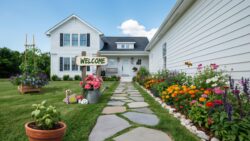
How To Make Privacy In Backyard With Simple Planning Steps
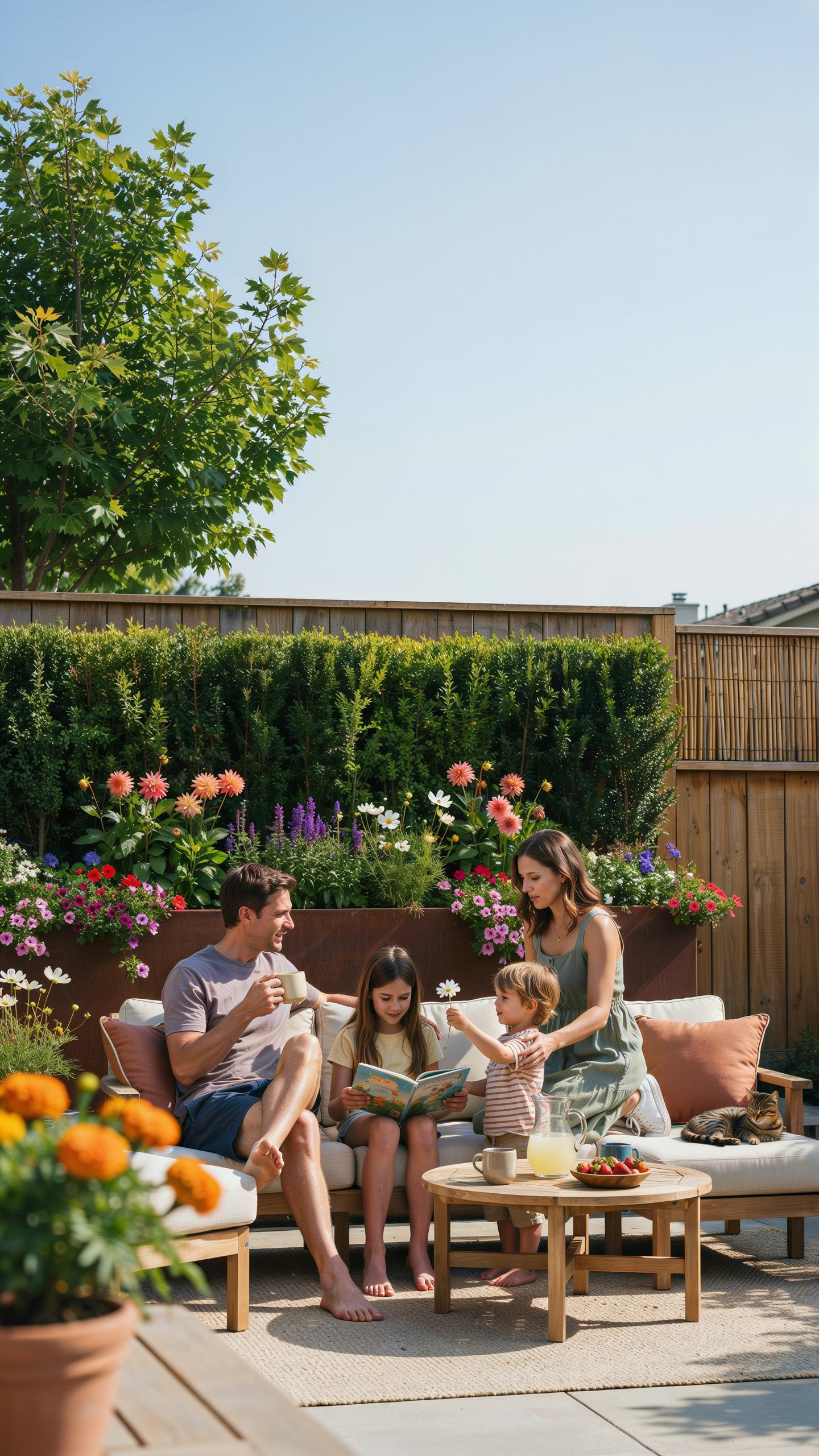
How To Assess Your Backyard Layout Before Choosing A Privacy Solution
Effective privacy starts with a sightline audit. Stand in the areas where you spend the most time, like a patio or deck. Look toward neighboring windows and second-story views. Identify exactly where your line of sight hits an intrusion. You must map these gaps to avoid overspending on unnecessary barriers. Focus only on the specific angles that compromise your sense of seclusion.
Sunlight and wind patterns dictate which materials will survive. Take note of where shadows fall during peak afternoon hours. High-density screening can block natural light from reaching your home interior or existing garden beds. Check for underground utility lines before you plan any deep digging for posts or large trees. Always verify your property boundaries to prevent legal disputes with neighbors over encroaching structures or roots.
Setting A Realistic Budget And Timeline For Your Privacy Landscaping Project
Hardscape structures like fences or stone walls offer immediate results but carry high upfront costs. Labor and high-grade materials like cedar or composite panels require a significant initial investment. You pay for the speed and the lack of maintenance. Budget for permit fees and professional installation if you cannot handle heavy construction yourself. These fixed costs are predictable and provide instant utility upon completion of the build.
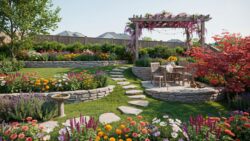
Softscape solutions like hedges or trees cost less but require time to mature. Fast-growing species like Thuja Green Giant offer cheaper coverage if you can wait three to five years. Factor in the cost of irrigation, fertilizer, and annual pruning. A mixed approach often balances the budget. Use expensive fencing for critical gaps and cheaper plantings for general perimeter screening. This strategy maximizes every dollar spent on your project.
Yard Privacy Solutions That Work For Almost Any Backyard Size
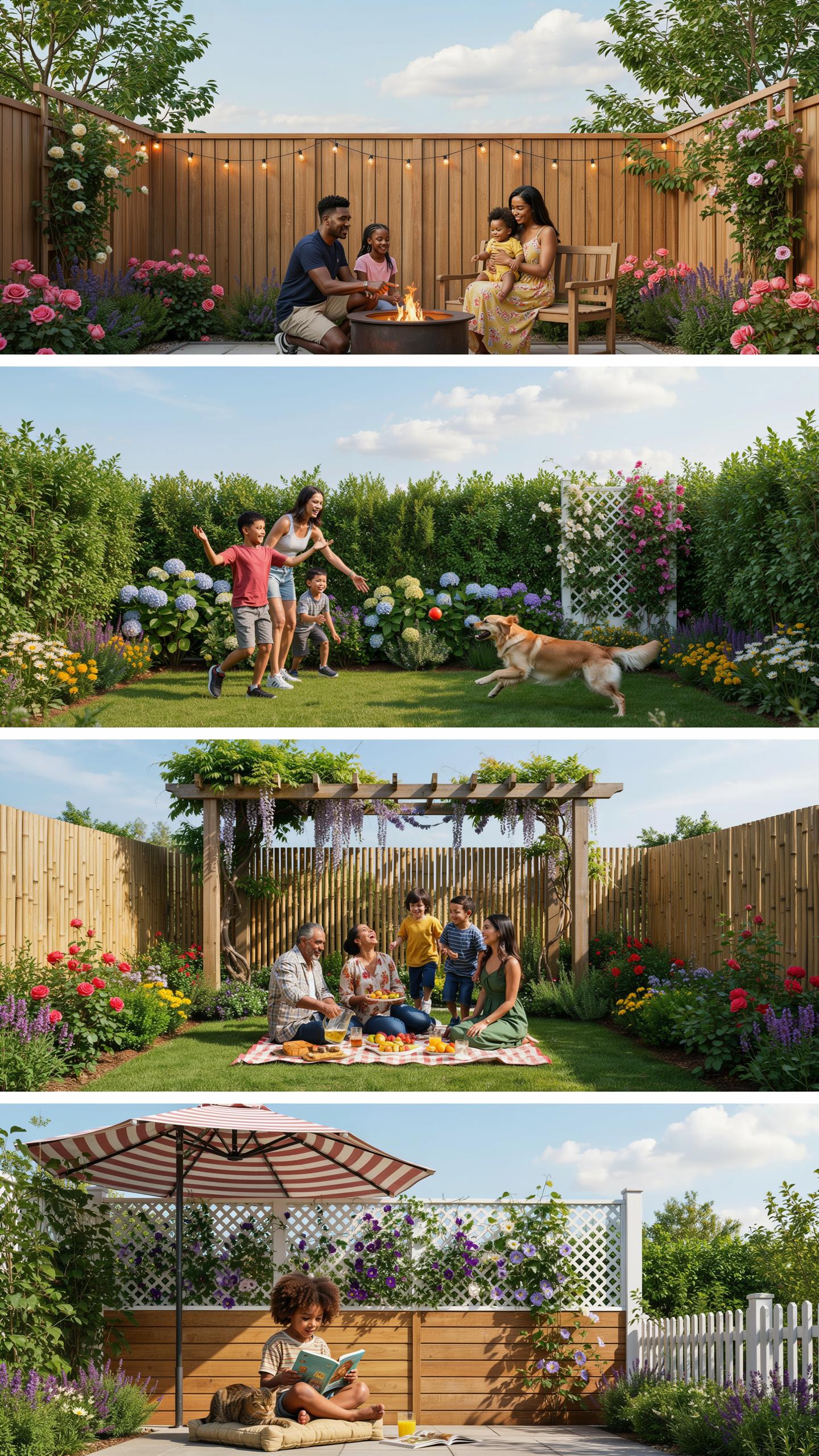
Choosing Between Natural Plant Barriers And Structural Privacy Features
Property owners must choose between biological and physical barriers based on speed and local zoning laws. Natural barriers like hedges offer softening aesthetics but require time to grow. They often bypass height restrictions that limit fences. Hard structures provide total privacy the moment you install them. Use wood or metal for immediate results. Consider your long term budget for water and pruning versus upfront construction costs.
Structural features like fences or pergolas provide consistent privacy regardless of the season. They do not lose leaves in winter or die from pests. However, many cities limit fence heights to six feet. Fast growing plants can reach twelve feet or higher. Choose plants if you need height above standard fence lines. Choose structures if you lack the patience for growth cycles or the desire for yard work.
Beginner Friendly Yard Privacy Solutions That Require Minimal Maintenance
Beginners should prioritize materials and plants that thrive with little intervention to ensure long term success. Composite fencing and hardy evergreens significantly reduce the workload. These options resist rot and climate stress better than traditional softwoods or delicate flowering shrubs. Select materials that handle your local weather patterns without frequent sealing or chemical treatments. Focus on durability and natural resilience to save time and money.
- Composite Fencing: This material combines wood fibers and plastic for extreme durability. It never requires painting, staining, or sealing. It resists insects and rot better than natural cedar or pine. You only need to spray it with a hose occasionally to remove surface dirt and debris.
- Arborvitae Green Giant: This evergreen species grows quickly and maintains a dense conical shape without pruning. It resists most common pests and diseases that kill other conifers. It provides a thick year round green wall that blocks wind and noise. It tolerates many soil types.
- Metal Privacy Screens: Laser cut steel or aluminum panels offer a modern look with zero maintenance needs. These panels do not warp, crack, or fade in the sun. You can bolt them to existing decks or set them in concrete. They provide immediate architectural interest and total visual blockage.
- Clumping Bamboo: Specifically choose Fargesia varieties because they stay in tight groups rather than spreading aggressively. They grow very fast and create a tall tropical screen in narrow spaces. These plants do not need the complex root barriers required by running bamboo types. They stay green year round.
- Vinyl Lattice Panels: High quality vinyl resists UV damage and does not peel like painted wood. You can install it on top of existing short walls to gain height. It allows airflow while breaking up the line of sight from neighbors. It cleans easily with simple soap and water.
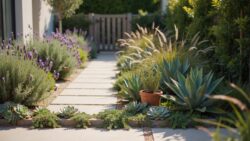
Avoid high maintenance mistakes like glass partitions or invasive plant species. These require constant cleaning or aggressive digging to control. Stick to the list above to build a functional screen that lasts for decades. Low maintenance choices allow you to enjoy your yard instead of working in it every weekend. Measure your space twice before purchasing any materials to prevent waste and extra labor.
Privacy Garden Ideas Backyards Can Use To Create A Peaceful Retreat
Designing A Layered Garden To Block Sightlines From Neighbors And Streets
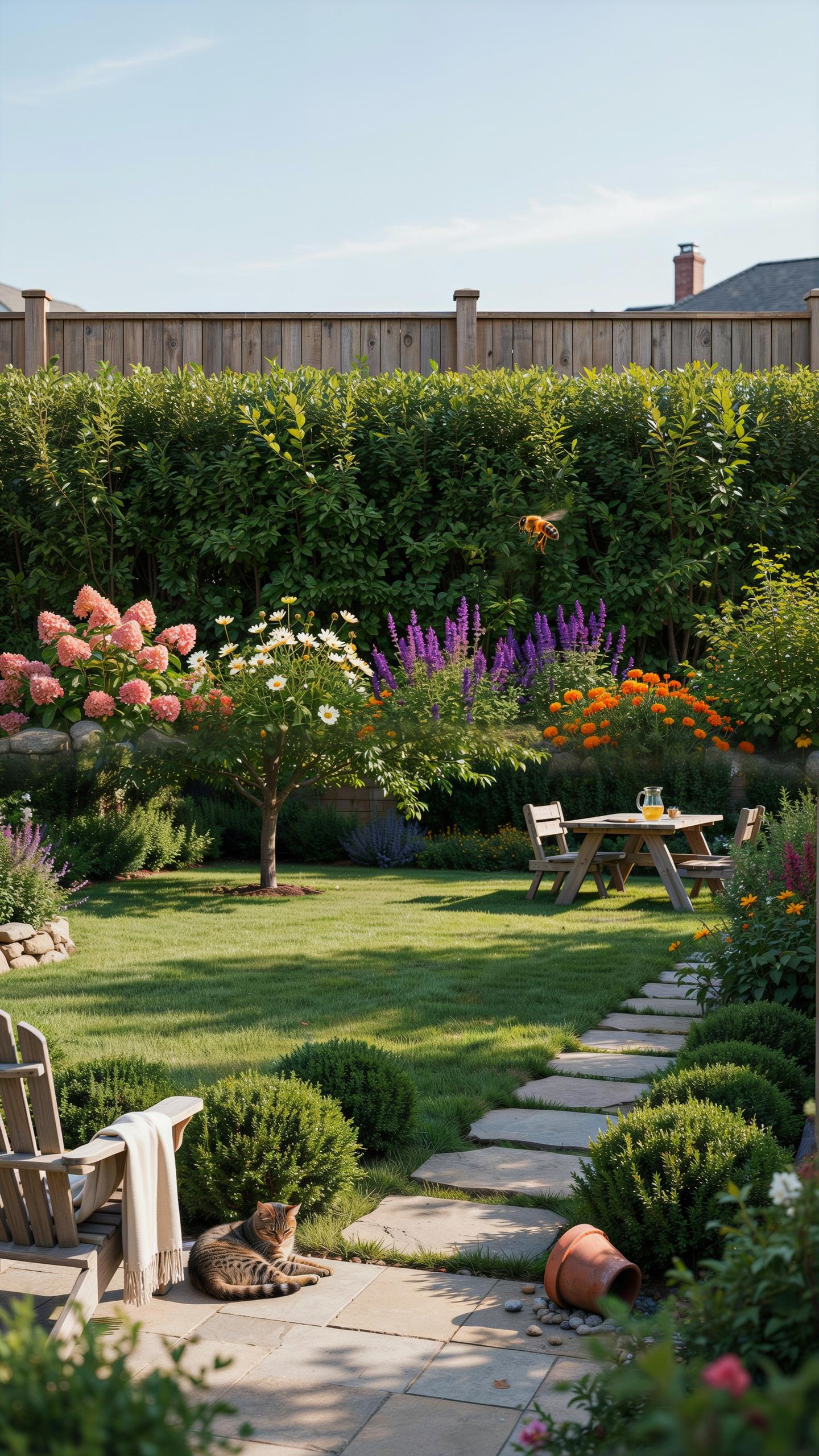
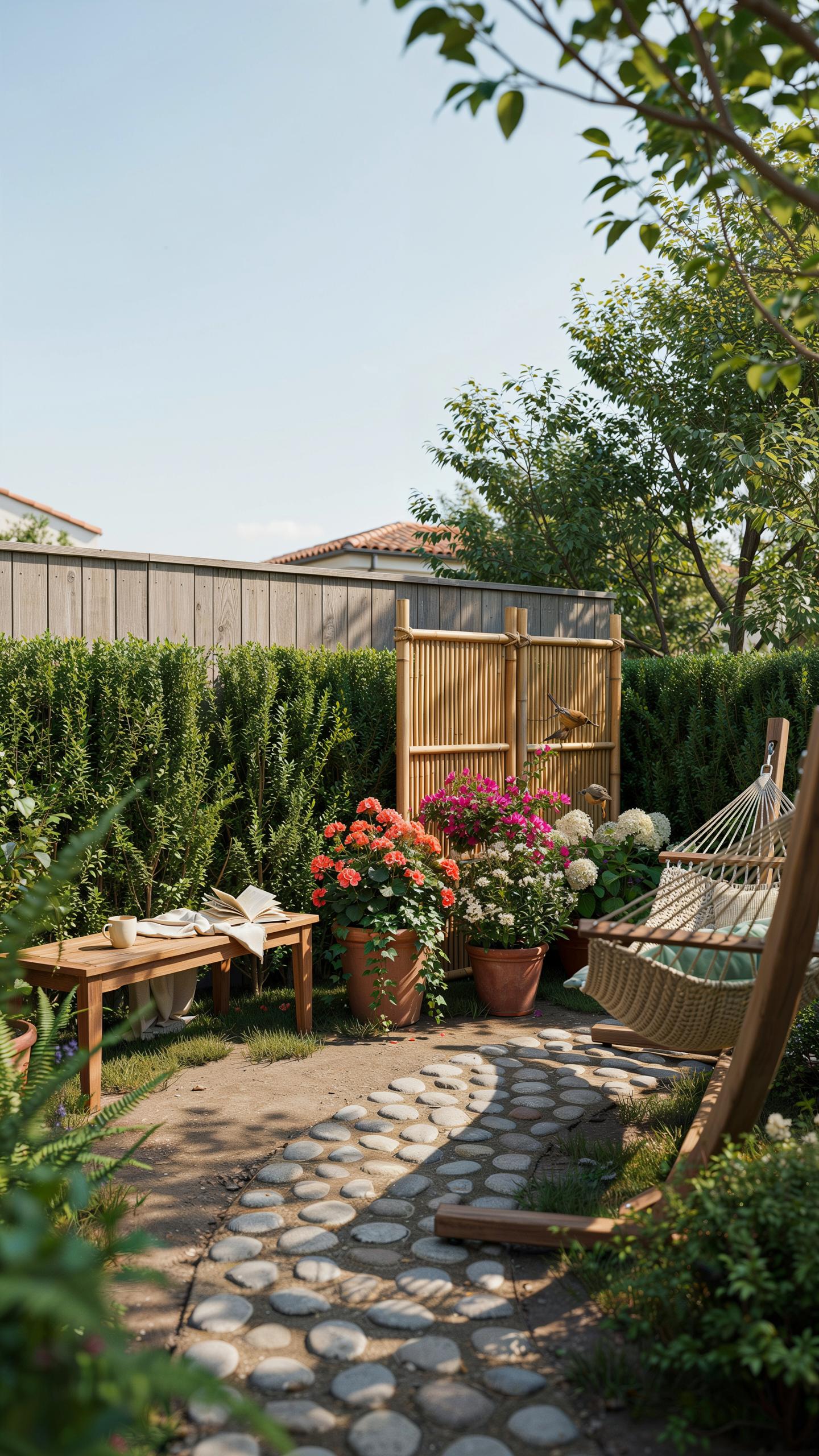
Layered planting stops the eye and absorbs sound. Start by planting tall canopy trees at the property edge to block views from upper floors. Add a middle layer of dense evergreen shrubs to close gaps at eye level. This step creates a solid wall of green that lasts all year. Use varying heights to ensure no open holes exist in your visual perimeter.
The strategy relies on depth rather than height alone. Stagger your plants in a zigzag pattern instead of a straight line. This technique creates a thicker barrier with fewer plants. It also prevents the garden from looking like a flat wall. Select different textures and leaf sizes to disrupt clear lines of sight. This method provides maximum privacy while maintaining a natural backyard environment.
How To Use Raised Garden Beds And Planters As Privacy Garden Features
Raised beds provide immediate height for your privacy screen. Building a bed two feet high allows you to use shorter plants to achieve total coverage. This reduces the time spent waiting for hedges to grow. Position these beds along patios or deck edges to block views from neighboring yards. Use rot resistant materials like cedar or galvanized metal for long term structural integrity.
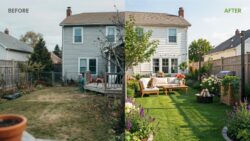
Large planters offer a mobile solution for changing privacy needs. Place heavy pots with tall grasses or slender bamboo on casters to move them as required. This works well for renters or homeowners with paved areas. Ensure your containers are large enough to support the root systems of tall plants. Proper drainage and weight distribution are essential for keeping these vertical barriers stable in high winds.
Landscaping Privacy Ideas Using Trees Shrubs And Hedges
Best Evergreen Trees And Shrubs For Year Round Backyard Privacy Screening
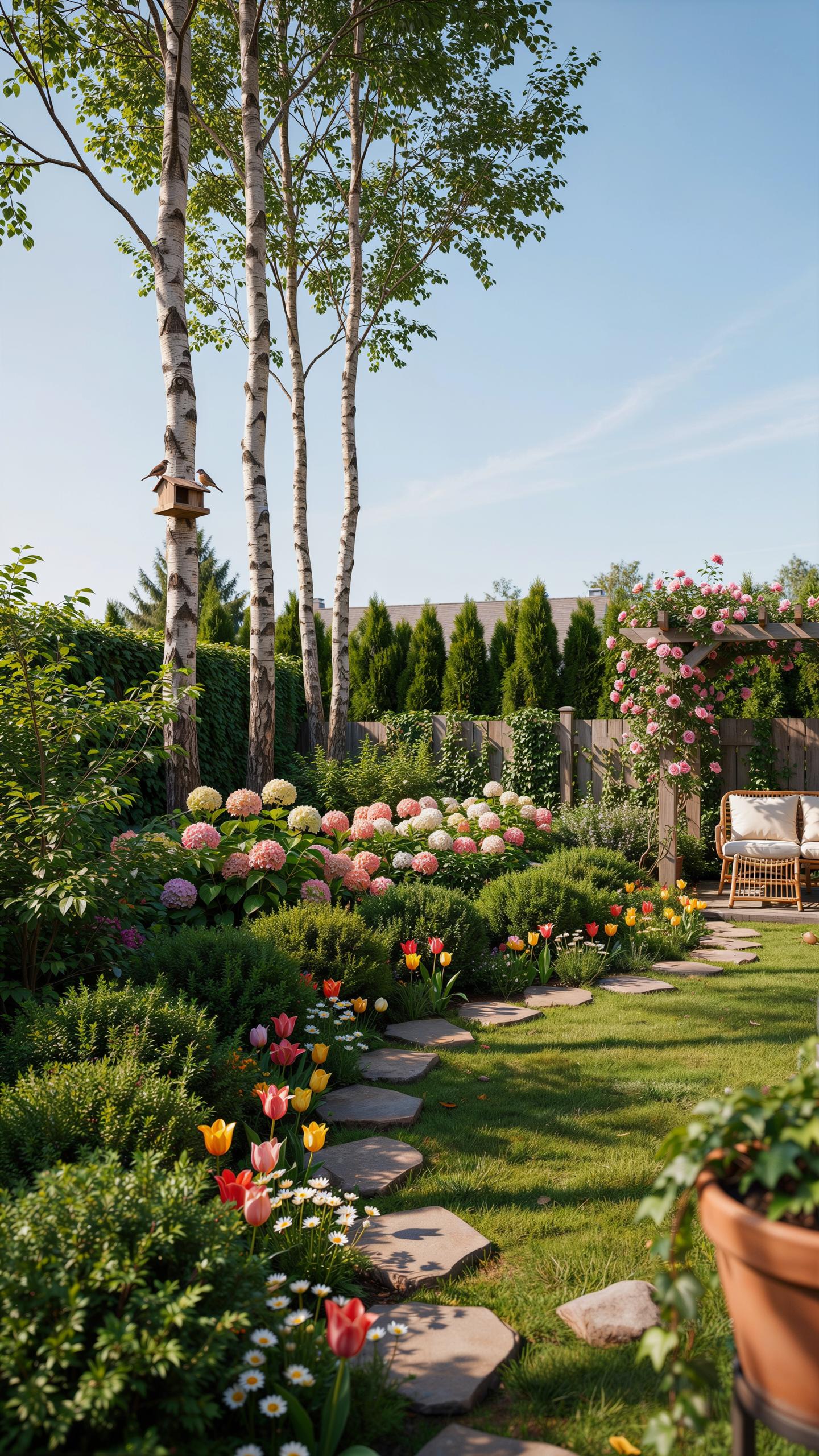
Evergreens provide the most reliable backyard landscaping for privacy because they do not drop leaves in winter. This year-round coverage prevents sightlines into your yard during every season. Hollies and Boxwoods offer thick leaf structures that block wind and noise effectively. You must select species rated for your specific USDA hardiness zone to ensure survival. Proper spacing during planting prevents root competition and stunted growth.
Strategic placement of vertical evergreens creates a living wall that replaces traditional fencing. Narrow upright varieties like Sky Rocket Juniper work well in small spaces. These plants require minimal pruning once they reach their target height. You should install them in well-draining soil to prevent root rot. Consistent watering during the first two years establishes a deep root system. This foundation supports long-term density and health.
How Fast Growing Hedges Like Arborvitae And Leyland Cypress Create Dense Screens
Arborvitae and Leyland Cypress are industry standards for rapid privacy. Green Giant Arborvitae can grow up to three feet per year under ideal conditions. This growth rate allows homeowners to achieve full privacy in a short time frame. These trees grow in a conical shape that naturally fills gaps between trunks. You must plant them at least five feet apart to allow for mature width expansion.
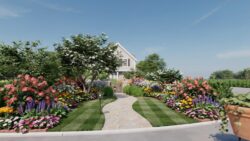
Leyland Cypress provides a soft texture and can reach heights over thirty feet. This makes them ideal for blocking views from multi-story neighbor windows. Regular shearing keeps the foliage dense from the ground up to the crown. Failure to prune can result in thin spots at the base of the tree. Use organic mulch to retain moisture and suppress weeds around the root zone. High nitrogen fertilizer accelerates early stage vertical height.
Landscaping Around Deck For Privacy To Extend Your Outdoor Living Space
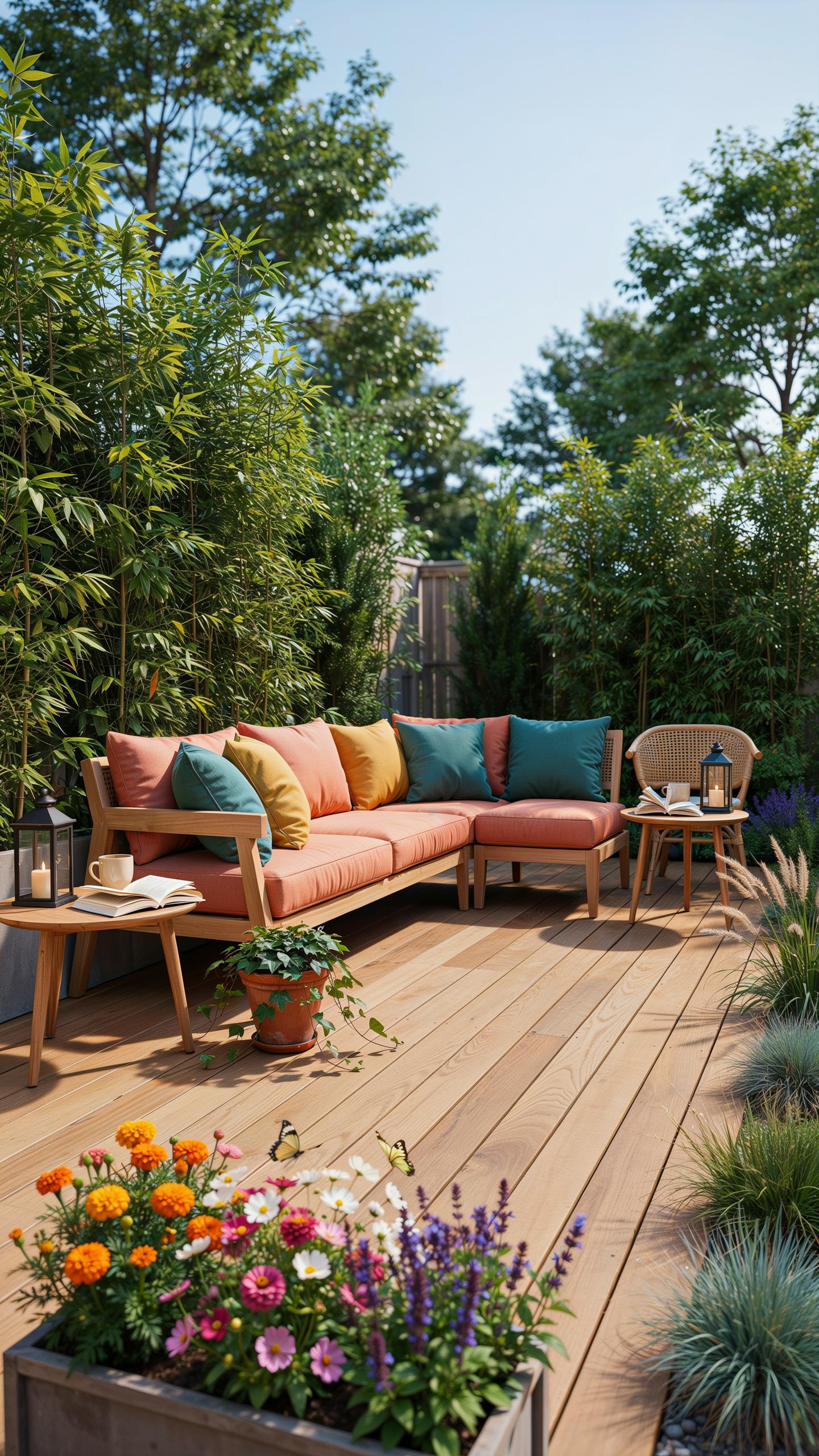
Using Potted Plants And Climbing Vines To Frame And Shield Your Deck Area
Potted plants provide immediate height and density on a deck surface. Use large containers to hold evergreen shrubs like boxwood or tall grasses. These pots act as moveable walls to block sightlines from neighbors. Position them along the perimeter to create a physical boundary. This method avoids permanent construction and allows for flexible layout changes as your privacy needs evolve.
Climbing vines offer a vertical solution for narrow deck spaces. Install simple wire trellises or wooden lattices against existing railings. Fast-growing species like Clematis or Virginia Creeper fill these structures quickly. The foliage creates a living curtain that absorbs sound and blocks views. This technique maximizes ground space while providing thick coverage. Maintenance involves seasonal pruning to keep the growth within the designated deck boundaries.
Combining Pergolas With Greenery For Stylish And Effective Deck Privacy
Pergolas serve as the structural backbone for overhead and lateral privacy. These open-beam structures define the outdoor room and provide anchor points for screens. High-quality cedar or pressure-treated lumber ensures long-term stability against wind and weather. By adding rafters, you cut off views from upper-story windows of adjacent homes. A pergola turns an exposed deck into a secluded zone without blocking all natural airflow.

Integrate living elements into the pergola frame to enhance the shield. Use hanging baskets or side-mounted planters to add mid-level greenery. Wisteria or grapes can grow across the top to form a dense canopy. This combination of timber and plants creates a layered defense against prying eyes. It softens the hard lines of the deck architecture while providing consistent shade. Proper structural anchoring is required to support the weight of mature vines.
Backyard Privacy Ideas With Plants That Add Beauty While Blocking Views
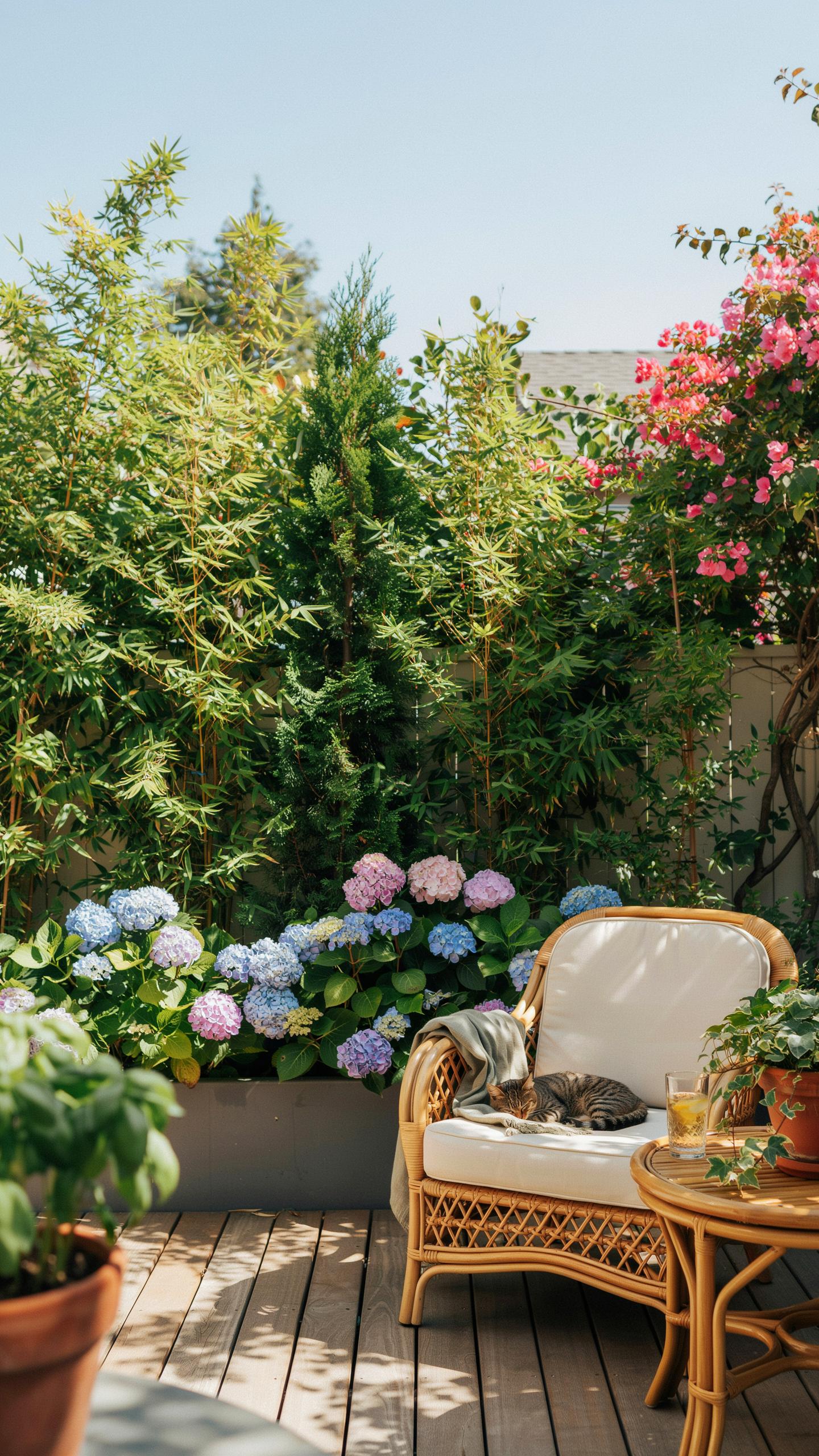
Ornamental Grasses And Bamboo As Natural Privacy Screens For Beginners
Ornamental grasses provide immediate height and density with very little maintenance. Clumping species like Miscanthus or switchgrass reach six feet tall in a single season. These plants create a flexible barrier that moves with the wind. They fill gaps between structures or hardscaping. You can leave them standing through winter to maintain privacy year-round. This strategy offers a cost-effective alternative to expensive wood fencing.
Bamboo acts as a high-speed living fence for narrow spaces. You must select clumping varieties over running types to prevent invasive spreading. Fargesia species grow vertically and remain dense at the base. This thickness blocks sightlines from neighbors effectively. Dig a trench and install a root barrier during planting to ensure total control. Bamboo provides a modern look while offering superior sound dampening properties for noisy yards.
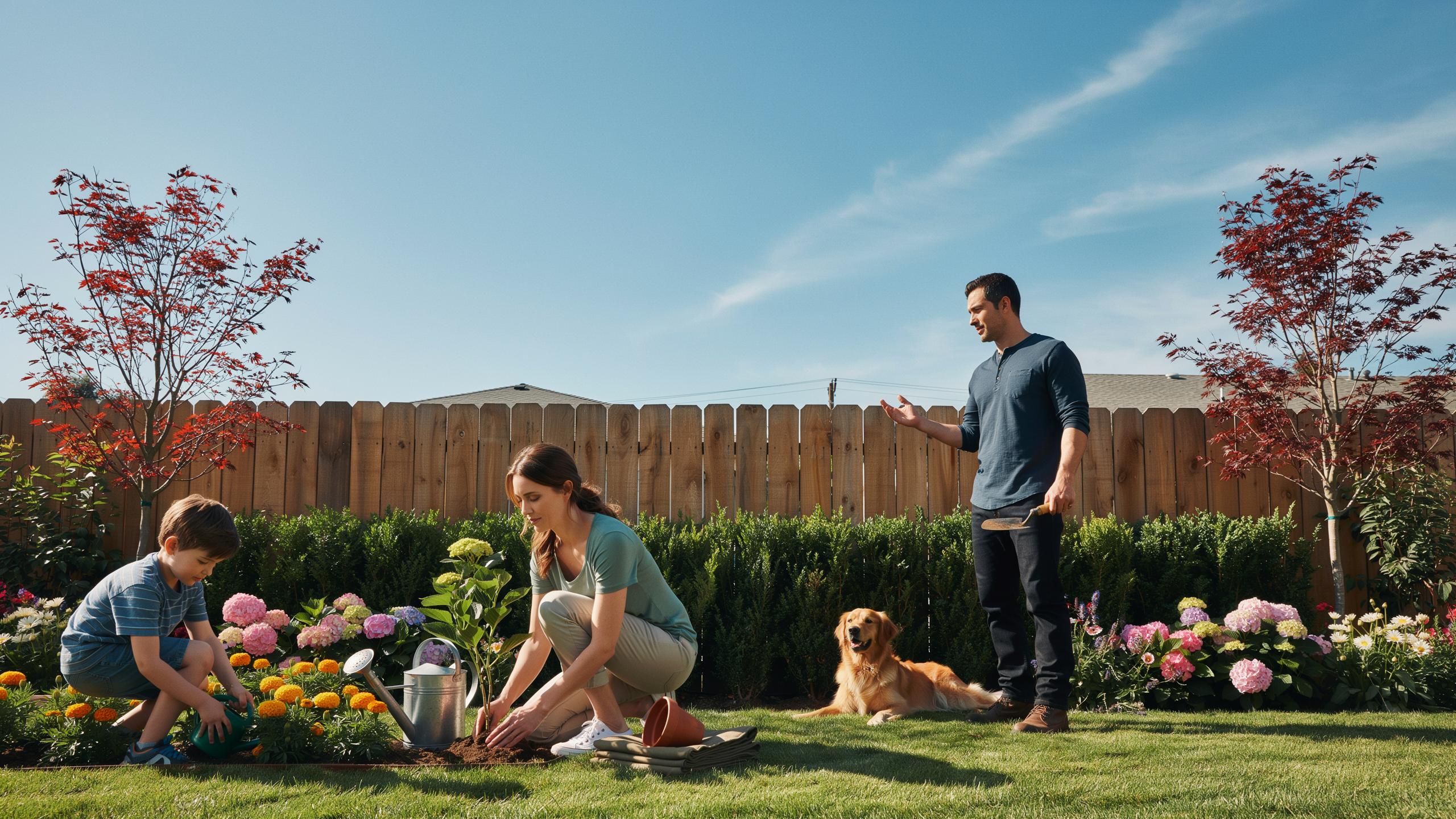
The glory of gardening: hands in the dirt, head in the sun, over heart with nature. To nurture a garden is to feed not just the body, but the soul.
Flowering Shrubs That Double As Privacy Plants And Pollinator Friendly Features
Flowering shrubs such as Viburnum and Lilac create a thick physical wall. These woody plants grow wide enough to stop prying eyes and dampen street noise. You gain seasonal color while solving a logistics problem. Strategic pruning keeps the base full and prevents see-through gaps. Select native species to ensure the plants survive local weather patterns without constant intervention. This approach blends security with local ecology.
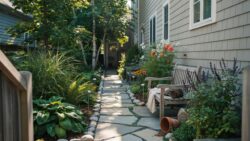
These shrubs also support local biodiversity by attracting bees and butterflies. Large species like Panicle Hydrangeas grow ten feet tall and produce heavy clusters of flowers. This dense growth creates a visual shield during the peak outdoor season. Plant them in a staggered row to double the thickness of your screen. This layout ensures maximum coverage even when the plants lose their foliage during the colder winter months.
Backyard Tall Privacy Ideas For Maximum Screening And Coverage
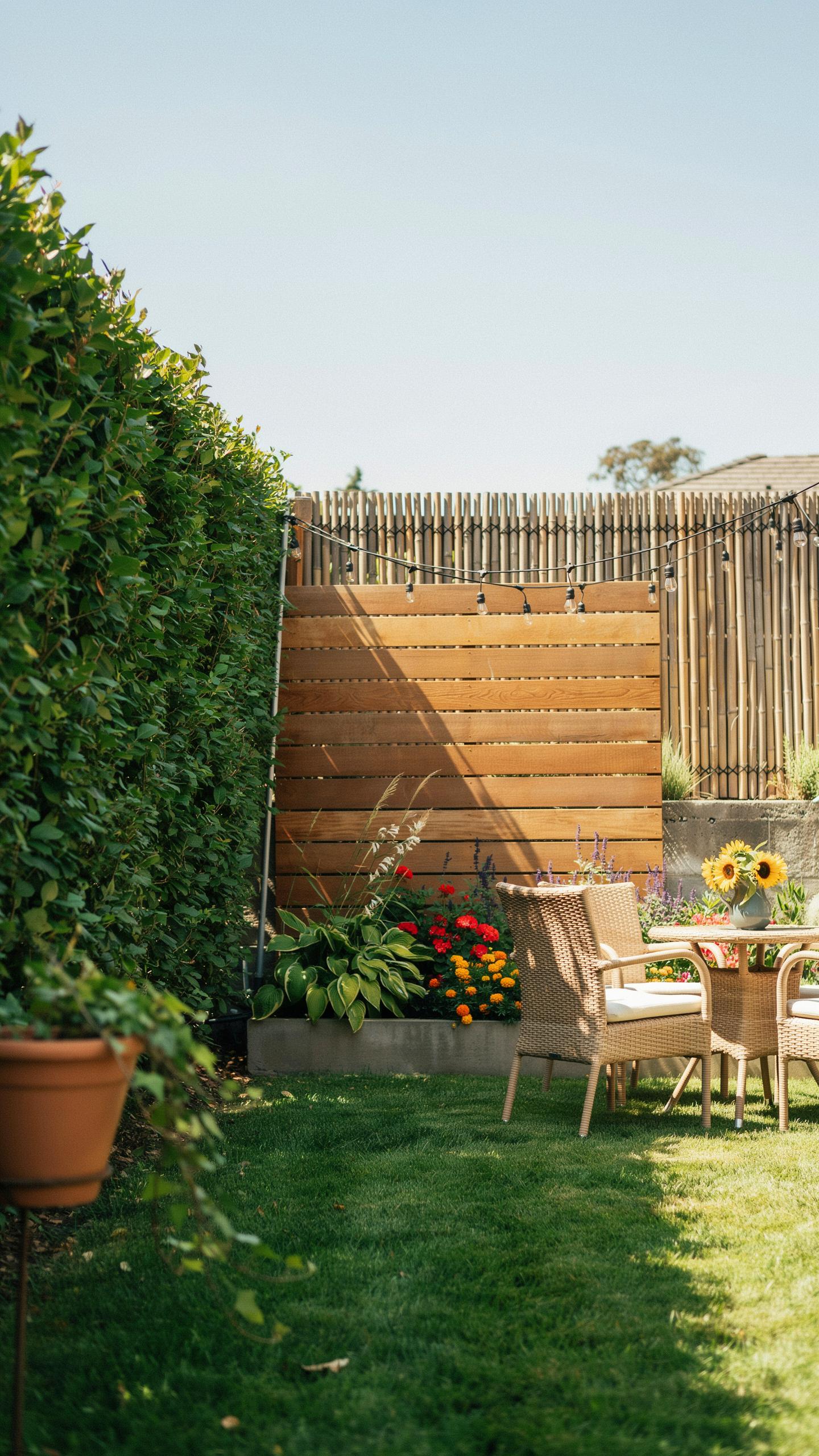
How To Use Tall Fences Combined With Tall Plants For A Layered Privacy Effect
Standard wood fences often hit legal height limits at six feet. This height fails to block views from neighboring second-story windows. You must use layering to solve this gap. Position the fence as your hard primary boundary. Plant tall, narrow trees or upright shrubs directly in front of it. This strategy breaks up the flat surface and adds several feet of vertical protection.
Layering also improves sound dampening and wind resistance. A solid fence reflects noise but trees absorb it. Place taller specimens in the back and shorter shrubs in the front. This staggered depth creates a dense wall of vegetation. It prevents gaps from forming if one plant loses leaves. Hard structures provide immediate security while living elements provide long-term height that local zoning laws usually allow.
Top Tall Growing Plants That Provide Fast And Effective Backyard Privacy
Select species based on growth rate and maintenance requirements. Fast-growing evergreens offer the best return on investment for year-round screening. Deciduous options work well if you only need privacy during summer months. Always check local hardiness zones before purchasing. You want plants that colonize the vertical space quickly without invasive spreading. Focus on upright habits to save ground space in smaller backyards.
- Green Giant Arborvitae: This hybrid evergreen grows up to three feet per year. It resists deer and maintains a tight pyramidal shape. It handles most soil types and provides a thick wall of dark green foliage for year-round screening.
- Nellie Stevens Holly: This shrub grows tall and wide with glossy leaves. It produces red berries in winter after reaching maturity. It thrives in full sun or partial shade. Use it for a dense, prickly hedge that deters unwanted intruders.
- Leyland Cypress: Homeowners choose this tree for its rapid growth and feathery texture. It fills in gaps quickly to create a solid green curtain. It requires regular pruning to manage its massive potential height and prevent it from becoming thin.
- Bamboo Clumping Variety: Non-invasive clumping bamboo provides a modern look and fast vertical growth. It reaches full height in just a few seasons. The dense canes block wind and noise effectively. Ensure you buy clumping types to avoid aggressive root spreading.
- Skyrocket Juniper: This tree stays very narrow while growing fifteen feet tall. It fits perfectly in tight spaces between houses or along narrow side yards. The bluish-green foliage adds color contrast. It tolerates heat and drought once the root system is established.
Spacing determines the success of your living wall. If you plant trees too close they will compete for nutrients and light. This leads to bottom-branch dieback and thin coverage. Follow the specific spacing guides for each species to ensure a solid canopy. Use drip irrigation to support rapid growth during the first two years. Consistent water leads to faster height gains and better privacy results.
Yard Barrier Ideas That Go Beyond Traditional Fencing For A Natural Look
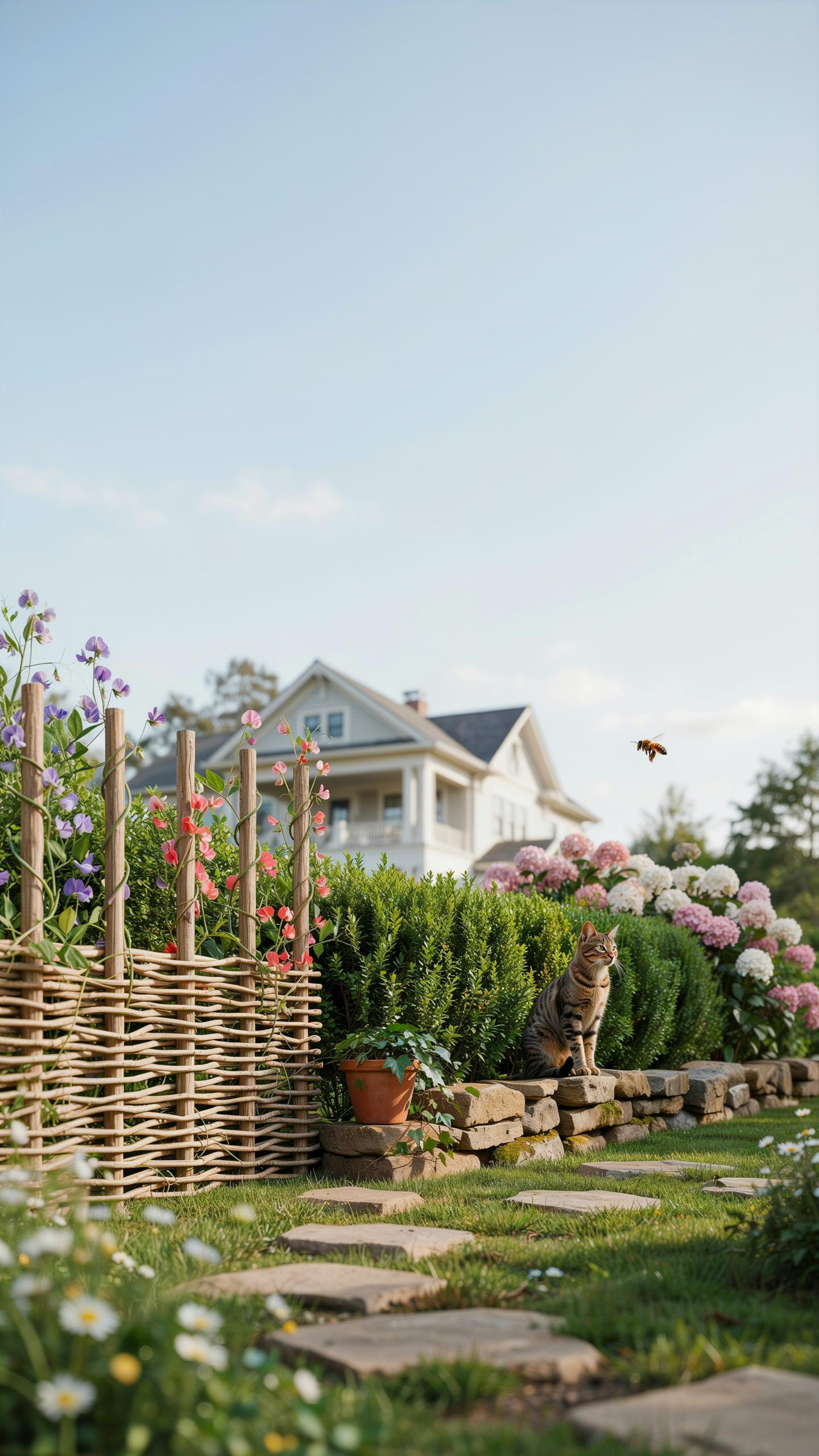
Using Gabion Walls, Trellises, And Living Walls As Modern Yard Barrier Ideas
Gabion walls offer a rugged industrial look for modern backyard landscaping for privacy projects. These structures use galvanized steel wire cages filled with rock or recycled concrete. They provide a massive sound barrier and permanent visual block. Unlike wood fences, gabion walls do not rot or require painting. They handle heavy wind loads because the gaps between the stones allow air to pass through safely.
Trellises and living walls provide vertical screening in tight spaces. A trellis supports climbing plants like ivy or jasmine to create a thin green shield. Living walls use modular pockets or felt systems to hold soil and plants directly on a vertical surface. These methods turn a flat boundary into a functional garden. They improve air quality and lower local temperatures while blocking the view from neighbors.
How To Combine Multiple Yard Barrier Ideas For A Cohesive And Functional Design
Layering different barrier types creates a more effective privacy screen than a single fence. Mix hardscape elements like stone walls with softscape elements like tall shrubs. This approach breaks up long sightlines and makes the yard feel larger. Use heavy materials for ground level security and lighter materials like lattice for overhead privacy. This strategy ensures full coverage from various viewing angles and heights.
Design a cohesive system by matching materials to your home architecture. A modern house benefits from clean metal lines and structured boxwood hedges. Use consistent colors across your trellises and gabion fillers to tie the look together. Proper spacing prevents the yard from feeling cramped or dark. A multi-layered design allows for natural light and airflow while stopping unwanted eyes. Strategic placement solves specific privacy gaps without building a cage.
Frequently Asked Questions

What are the best low-maintenance plants for backyard landscaping for privacy?
If you are new to gardening, start with evergreen shrubs like Arborvitae or skip-laurels. these hardy varieties provide year-round foliage, ensuring your yard remains secluded even in winter. Clumping bamboo is another fast-growing favorite for backyard landscaping for privacy, as it creates a dense, tall screen quickly. These choices require minimal pruning, making them perfect for beginners who want an intimate outdoor space without constant maintenance or complex gardening skills.
How do I strategically layer plants to create a natural privacy screen?
To build a professional-looking screen, use a staggered planting method rather than a single straight line. Place taller evergreen trees in the back to establish a permanent boundary, then add medium-sized deciduous shrubs in front for texture. Finish the look with ornamental grasses or perennials at the base. This layered approach not only enhances your backyard landscaping for privacy but also creates a lush, multi-dimensional garden that feels intentional and beautiful.
Is it possible to create a private backyard on a very tight budget?
Absolutely! You don’t need a massive budget to block out the neighbors. Consider installing simple wooden lattice panels and growing fast-climbing vines like clematis or honeysuckle. This provides an immediate vertical barrier at a fraction of the cost of a full fence. You can also save money by purchasing smaller, younger shrubs and being patient as they grow, or using affordable oversized potted planters to create moveable green walls where needed.