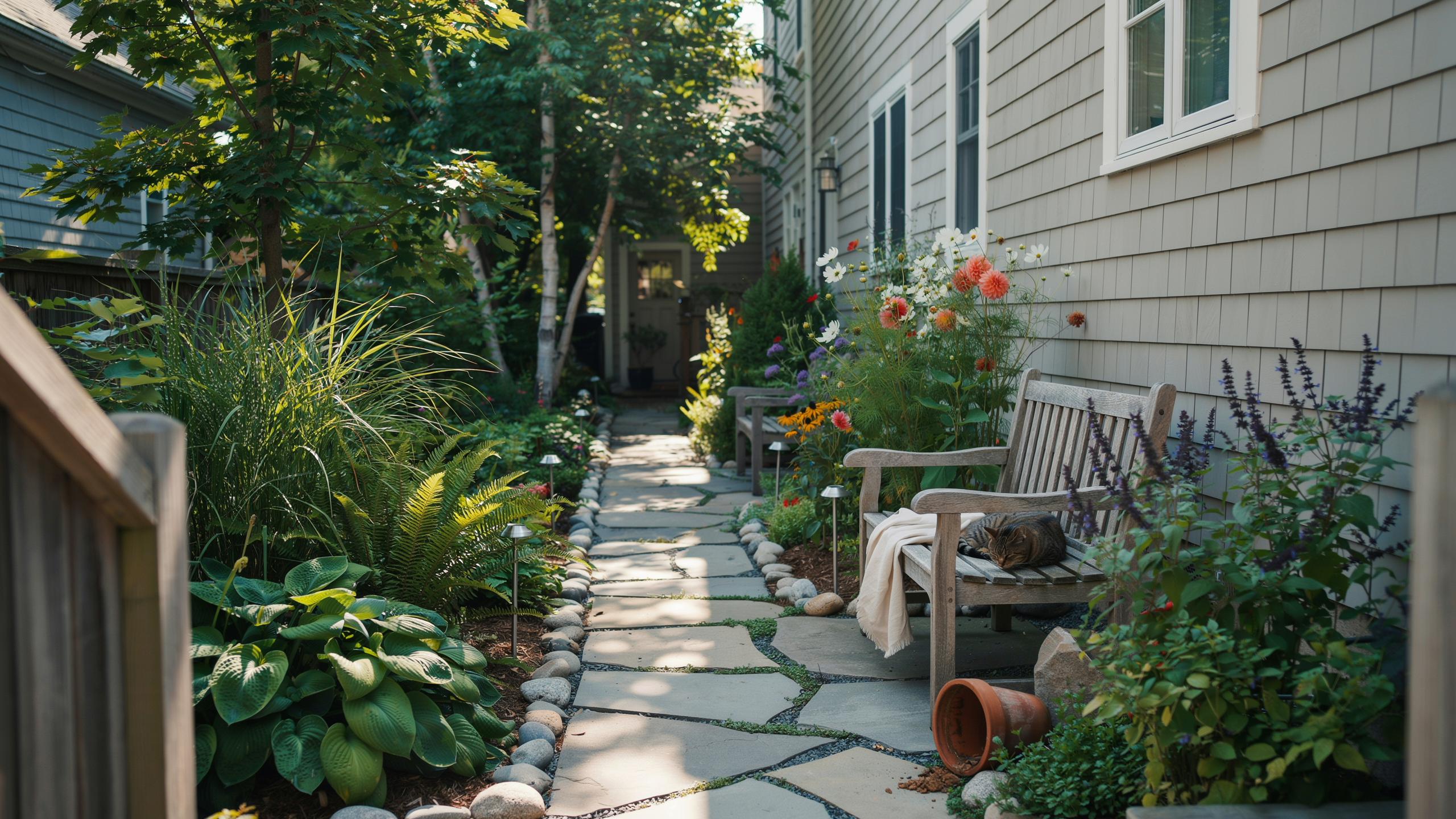
Understanding The Potential Of Your Narrow Side Yard
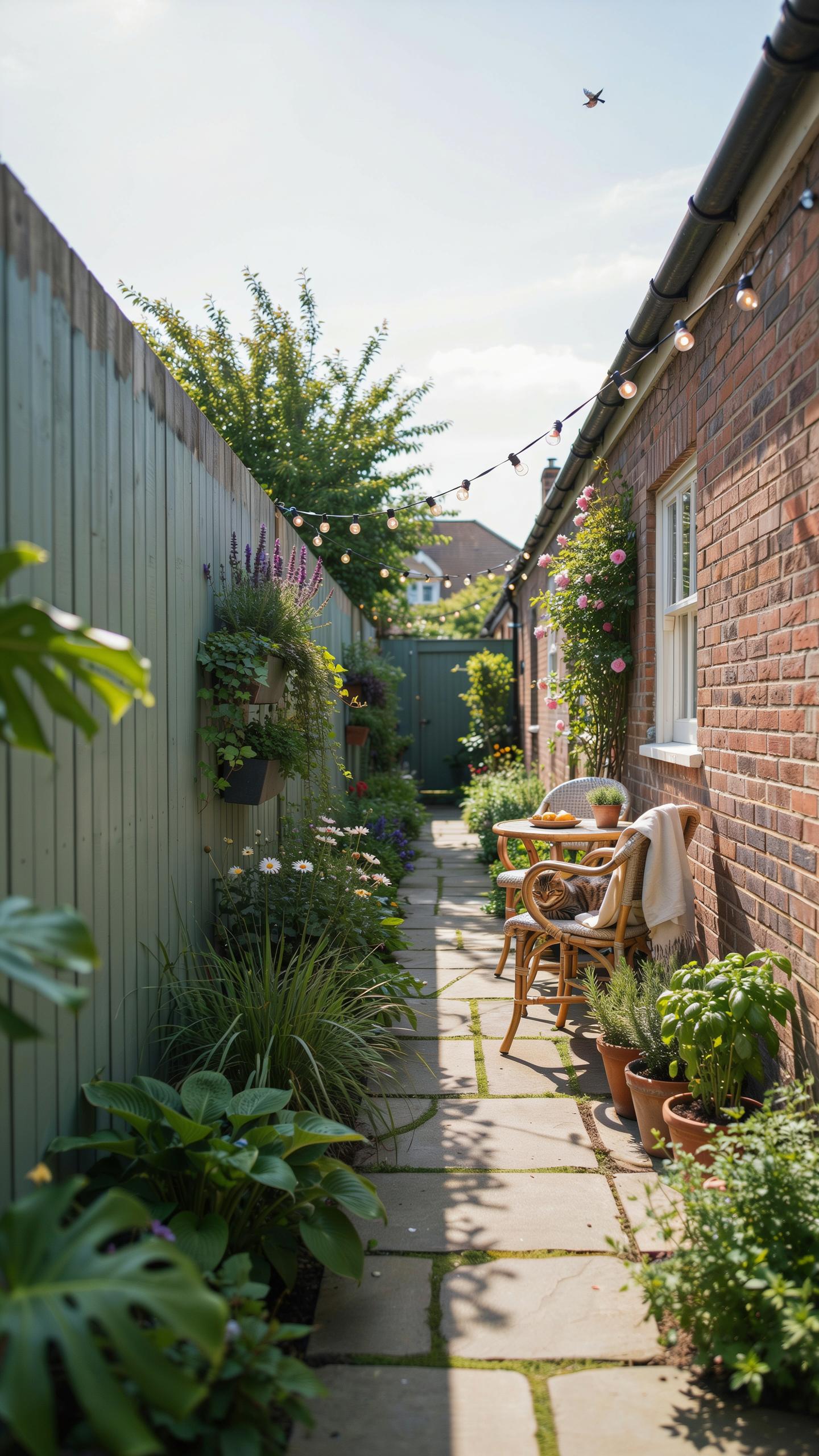
Why Most Homeowners Overlook The Side Yard
Homeowners treat side yards as utility zones for trash bins and HVAC units. This habit stems from post-war suburban planning that prioritized front curb appeal and large backyards. These narrow strips suffer from poor light and awkward dimensions. Most people see a maintenance burden rather than a functional asset. They ignore the psychological value of a transition space between the street and the private rear garden.
You must view this area as a high-traffic corridor. Neglecting it leads to drainage issues and security blind spots. Modern urban infill housing makes these small spaces more common. Successful design turns a dead zone into a micro-climate for shade-loving plants or a secure walkway. Shift your focus from hiding the space to optimizing its flow. A narrow yard offers a focused area for high-quality materials.
Measuring And Assessing Your Space Before You Begin
Start with a physical survey to identify property lines and setbacks. Use a tape measure to record the distance between your home wall and the fence. You must locate underground utility lines before any digging occurs. Note the locations of windows, doors, and exterior faucets. Check the ground level to find where water pools during rain. Drainage is the most critical technical factor.
Observe the sun patterns for a full day. Side yards often stay in deep shade due to house height and close fencing. Soil in these areas is usually compacted from construction or foot traffic. Test the pH and drainage speed before selecting plants or hardscape. Proper assessment prevents expensive mistakes like crown rot or foundation moisture. Clear data leads to a better layout and more durable material choices.

Smart Narrow Side Yard Ideas That Maximize Every Inch
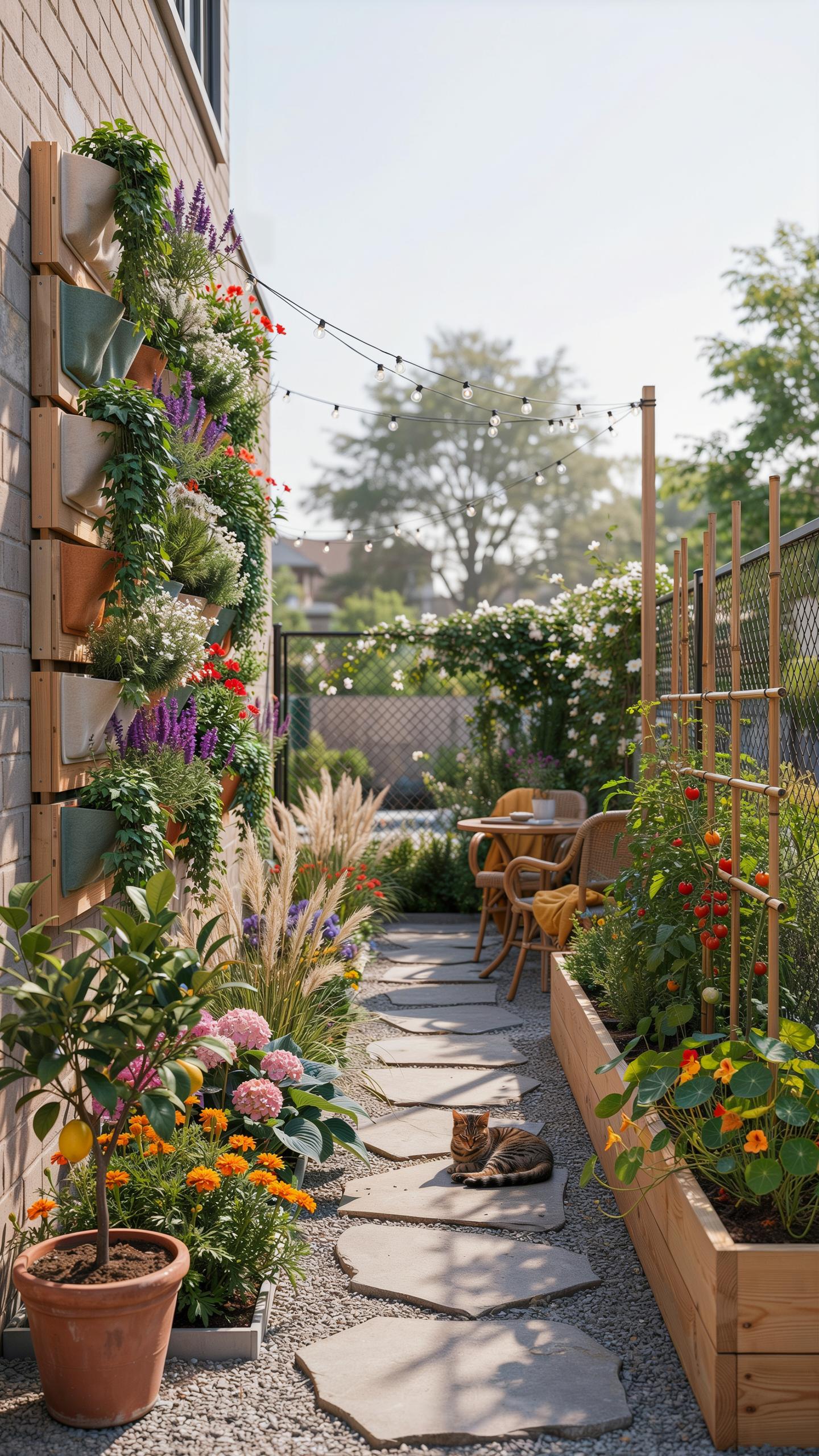
Zoning A Tight Space Into Purposeful Areas
Effective narrow side yard landscaping requires clear spatial division. You must treat the corridor like a series of rooms rather than a single hallway. Define specific zones for traffic flow and stationary use. Use hardscaping materials to signal transitions between these areas. A change in stone texture tells the brain the purpose of the space has shifted. This tactic prevents the area from feeling cramped.
Place high-traffic elements like trash storage or utility hubs near the access points. Move leisure zones to the center to block noise and wind. Install physical dividers like low boxwood hedges or narrow metal screens. These barriers create visual breaks without stopping light. Strategic zoning turns a dead alley into a functional utility map. It forces the eye to stop and process each segment independently.
Using Vertical Space To Add Depth Without Width
Vertical gardening solves the problem of limited ground area. Use the walls and fences to host greenery instead of the dirt floor. This movement follows the principles of green architecture popularized in dense urban hubs. Install cable trellises for climbing plants like star jasmine. These systems add layers of texture without encroaching on the walkway. Vertical elements draw the eye upward to create height.
Select narrow-profile structures like obelisks or thin wooden slats. These tools provide support for plants without occupying horizontal square footage. Fasten containers directly to the fence at varying heights to break up flat surfaces. Use flat-back pots to save additional inches. This strategy creates a living wall effect that softens harsh boundaries. It maximizes photosynthesis capacity in shadowed corridors. Proper vertical planning keeps the path clear for foot traffic.
Narrow Pathway Landscaping Designing A Walkway That Feels Intentional
Choosing The Right Pathway Materials For Narrow Passages
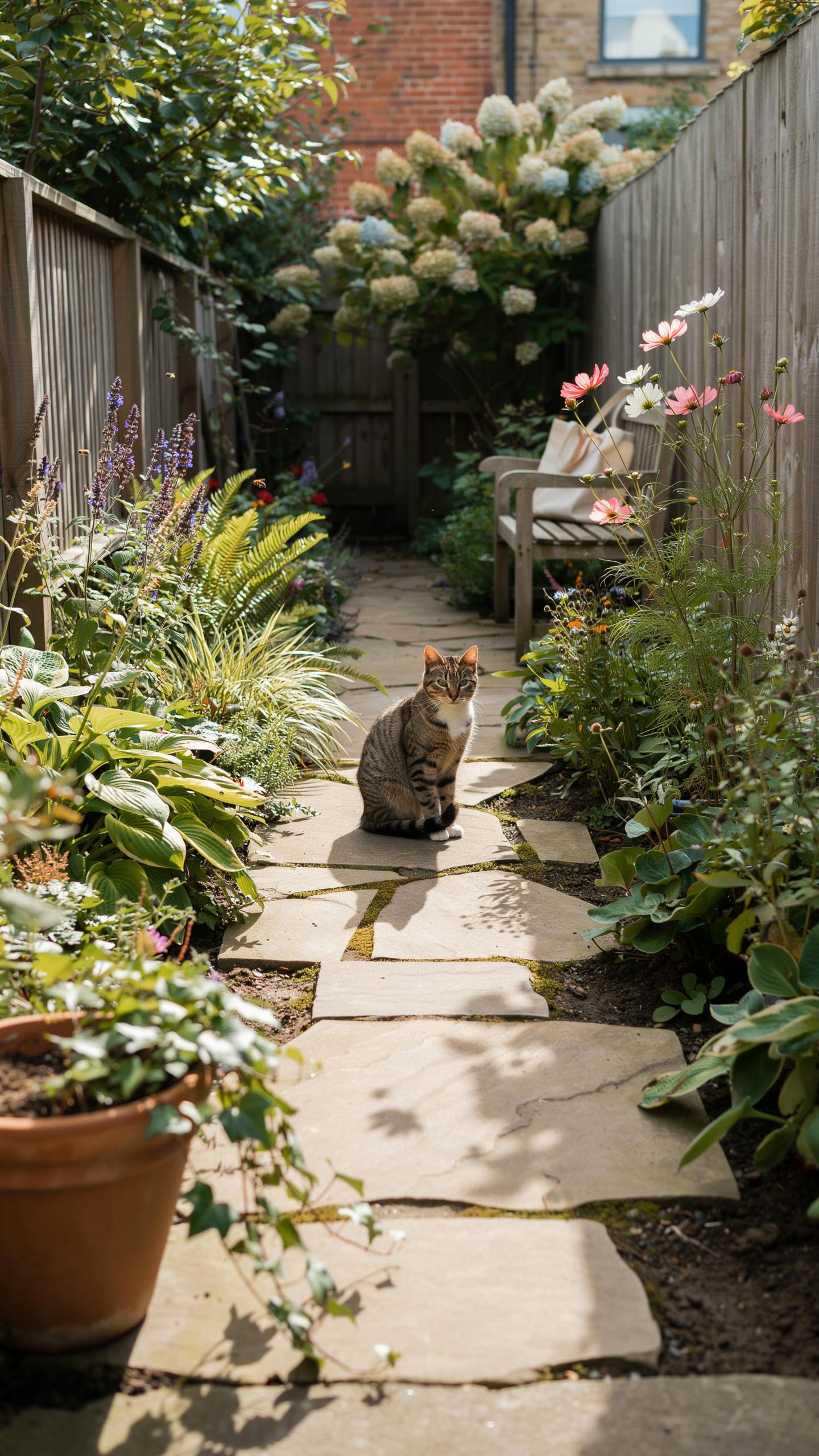
Material choice dictates the function and safety of a narrow side yard. You must select materials that handle drainage and frequent foot traffic. Small spaces amplify mistakes in scale and texture. Hard surfaces like pavers offer stability for trash bins or heavy equipment. Loose materials like gravel provide a permeable solution. Solid choices prevent erosion and keep mud away from the home foundation.
- Flagstone Pavers: These large flat stones create a timeless look. They provide a high-traction surface that stays cool in summer. Use them to build a stable walking path that resists shifting over time.
- Decomposed Granite: This fine material packs down into a firm surface. It offers excellent drainage and costs less than solid stone. It works best for low-traffic areas where you need a natural and permeable ground cover.
- Concrete Stepping Stones: These pre-cast blocks offer a clean and modern appearance. They come in uniform sizes which makes installation simple for DIY projects. Space them evenly to create a rhythmic pace through the narrow corridor.
- Pea Gravel: This small rounded stone is easy to spread and maintain. It creates an audible crunch that serves as a subtle security feature. Use a deep base layer to prevent the stones from sinking into the soil.
- Kiln-Fired Bricks: Brick provides a classic aesthetic and extreme durability. The modular shape allows for creative patterns like herringbone or basketweave. Bricks withstand heavy loads and harsh weather without cracking or fading.
Installation method matters as much as the material itself. Always dig out the soil and lay a crushed stone base first. This prevents the path from buckling during freeze and thaw cycles. Level every stone to avoid tripping hazards in the tight space. Proper spacing allows for ground cover plants to grow between pavers. This softens the hardscape and integrates the path into the garden.
How Pathway Edging And Borders Create A Polished Look
Edging serves a tactical purpose by containing loose materials and blocking weed migration. It creates a crisp line that separates the walkway from planting beds. In a narrow side yard, clear lines make the space feel wider and more organized. Metal or plastic edging stays hidden while doing the heavy work. Stone or brick borders add visual weight and define the path’s shape more aggressively.

A well-defined border protects your plants from foot traffic and heavy equipment. It keeps mulch from washing onto the walkway during heavy rain. Choose durable materials like steel or pressure-treated wood to ensure longevity. Proper installation requires burying half the edging height underground. This stabilizes the border and prevents it from leaning. Consistent edging shows that the side yard is a planned room rather than leftover space.
Best Plants For Narrow Side Yards Ideas That Stay Low Maintenance
Tall Slender Plants That Thrive In Tight Shaded Corridors
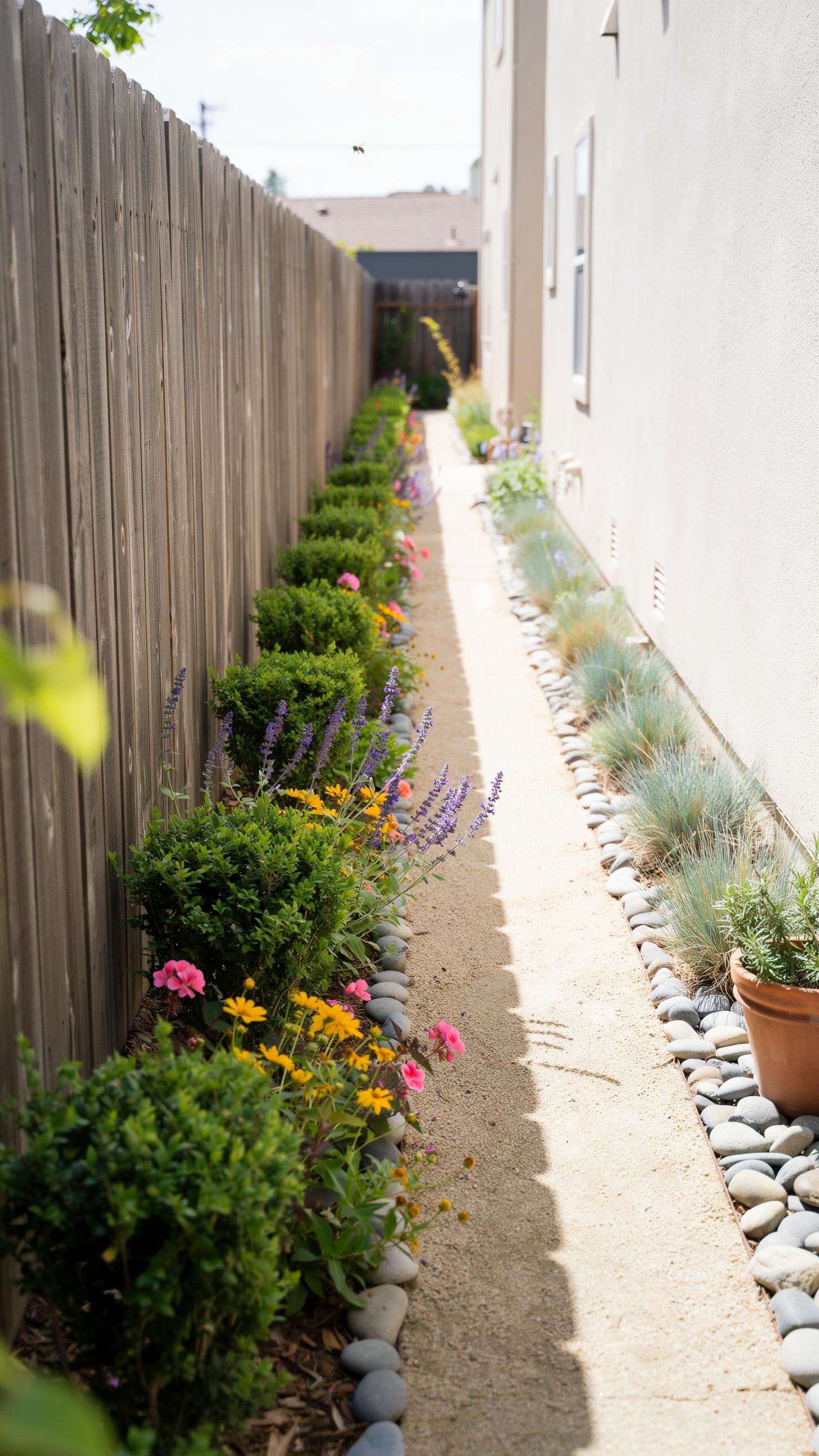
Narrow side yards often suffer from limited sunlight due to high walls or fences. You must select plants with a columnar growth habit to avoid constant pruning. Sky Pencil Holly and Italian Cypress provide vertical structure without encroaching on walkway space. These plants grow upward rather than outward. This keeps paths clear for foot traffic and equipment. They create a green screen that softens harsh structural lines.
Strategic planting requires species that tolerate dappled light or full shade. Japanese Yew and certain Bamboo varieties work well in these microclimates. You must install root barriers for spreading species to protect your home foundation. Use these tall plants to draw the eye upward. This technique makes a cramped space feel larger. Vertical greenery provides privacy from neighbors without the bulk of traditional wide bushes.
Ground Covers That Suppress Weeds And Add Color Year Round
Low maintenance yards require dense ground covers to eliminate weeding tasks. Pachysandra and Creeping Mazus create thick mats that block sunlight from reaching weed seeds. These plants thrive in the cool damp soil found in side alleys. They replace high maintenance turf that is difficult to mow in tight spaces. You save time and labor by choosing varieties that do not require edges or frequent trimming.
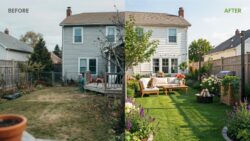
Select evergreen ground covers to maintain visual interest during winter months. Vinca Minor and Ajuga offer consistent color and seasonal blooms. These plants withstand occasional foot traffic and fill gaps between pavers. They stabilize the soil and prevent erosion near the house foundation. Using these hardy species ensures the ground stays covered with minimal water and fertilizer. This strategy creates a clean look that requires very little effort to sustain.
Narrow Yard Landscaping Ideas Using Hardscaping Elements
Gravel, Pavers, And Stepping Stones For Low Upkeep Ground Coverage
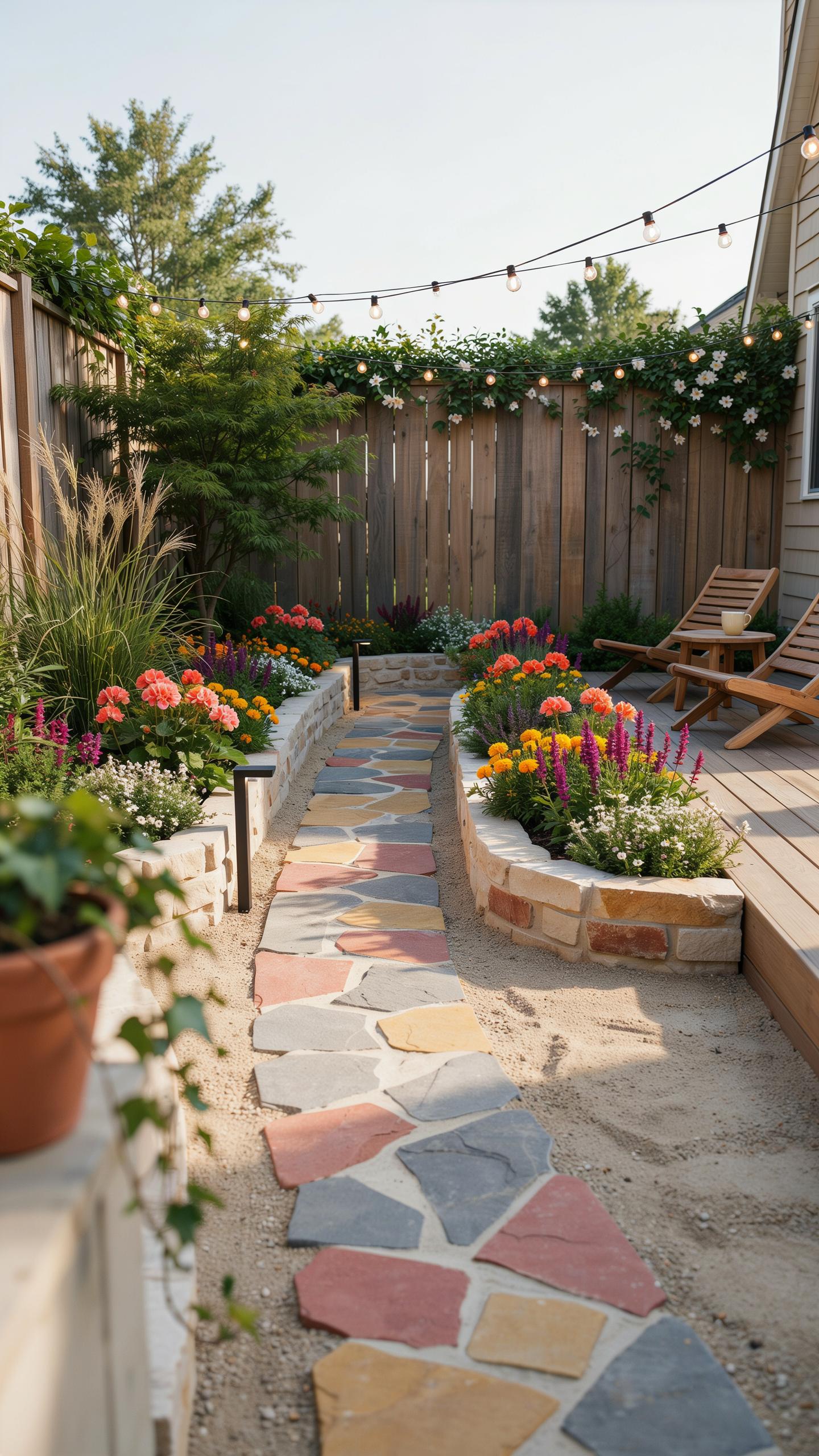
Narrow side yards often fail because of poor drainage and limited light. Gravel provides a functional solution to these issues. It allows rainwater to penetrate the ground immediately. This prevents erosion near the home foundation. Use crushed stone or pea gravel for the base layer. These materials stabilize the ground and suppress weed growth. They require almost no maintenance compared to turf.
Pavers and stepping stones create a clear path through tight spaces. Install large format pavers to make the area feel wider. Set these stones into the gravel for better stability. This combination reduces mud and keeps shoes clean. Use concrete or natural stone for durability in high traffic zones. These materials last for decades without needing significant repairs. They give the yard a structured and clean look.
Retaining Walls And Raised Beds In A Narrow Sideyard Setting
Retaining walls solve elevation changes in narrow strips. Use timber or stone blocks to hold back soil on sloped lots. This creates a flat, usable walkway. Walls also provide structural support for the home foundation. Building these walls correctly prevents soil from washing away during heavy rain. They turn unusable hills into functional garden zones. Keep the wall height low to maintain an open feel.
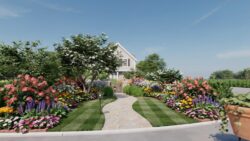
Raised beds maximize vertical space for planting. Place these against walls or fences to save ground room. This technique allows you to control soil quality in areas with poor dirt. Wood or metal beds add a modern industrial look. They elevate plants to eye level and make maintenance easier on your back. Use thin profiles for the beds to keep the path clear. This strategy adds greenery without crowding the walkway.
Fencing And Privacy Solutions For Narrow Side Yards Ideas
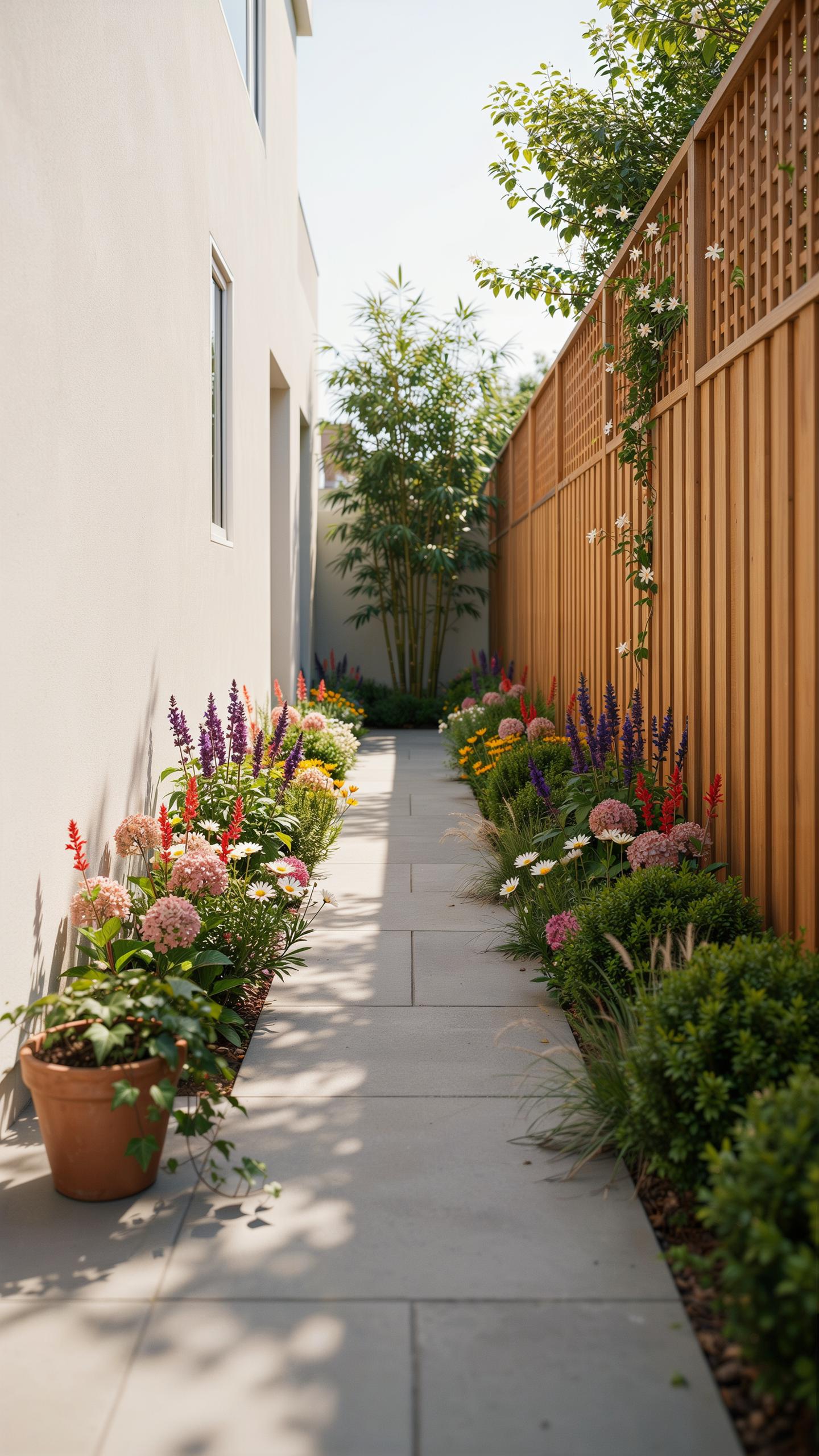
Fence Styles That Enhance Rather Than Shrink A Narrow Space
Horizontal slat fencing provides a strategic advantage in tight corridors. These parallel lines draw the eye forward along the length of the property. This visual trick makes a short passage feel significantly longer. Use thin gaps between the boards to allow light and airflow to pass through. Darker wood tones or black metal frames add depth without making the walls feel like they are closing in.
Solid vertical fences create a claustrophobic box effect in narrow spaces. Avoid high solid panels that block all natural light. Modern designers use semi-transparent materials like frosted glass or polycarbonate panels to maintain privacy while harvesting illumination. Shadowbox fencing offers another functional alternative. It provides a finished look on both sides and permits air circulation. Proper material selection ensures the fence serves as a backdrop rather than a barrier.
Living Walls And Trellises As Natural Privacy Screens
Living walls maximize vertical real estate without consuming valuable floor width. These systems utilize modular pockets or hydroponic panels attached directly to existing boundary structures. Evergreen species like Trachelospermum jasminoides provide year-round foliage and sound dampening. A green wall softens hard surfaces and lowers the ambient temperature of the side yard. This tactic converts a dead utility zone into a functional biological filter that improves air quality.

Trellis systems offer a lightweight alternative to heavy masonry or timber walls. Metal grids or wire cables take up less than two inches of horizontal space. These structures support climbing plants that provide a dense screen of leaves. Choose non-invasive species to prevent damage to the dwelling foundation or the neighbor’s property. Strategic placement of these screens blocks the line of sight from upper-story windows. Vertical gardening keeps the ground level clear for foot traffic.
Lighting Ideas To Make Your Side Yard Feel Warm And Welcoming
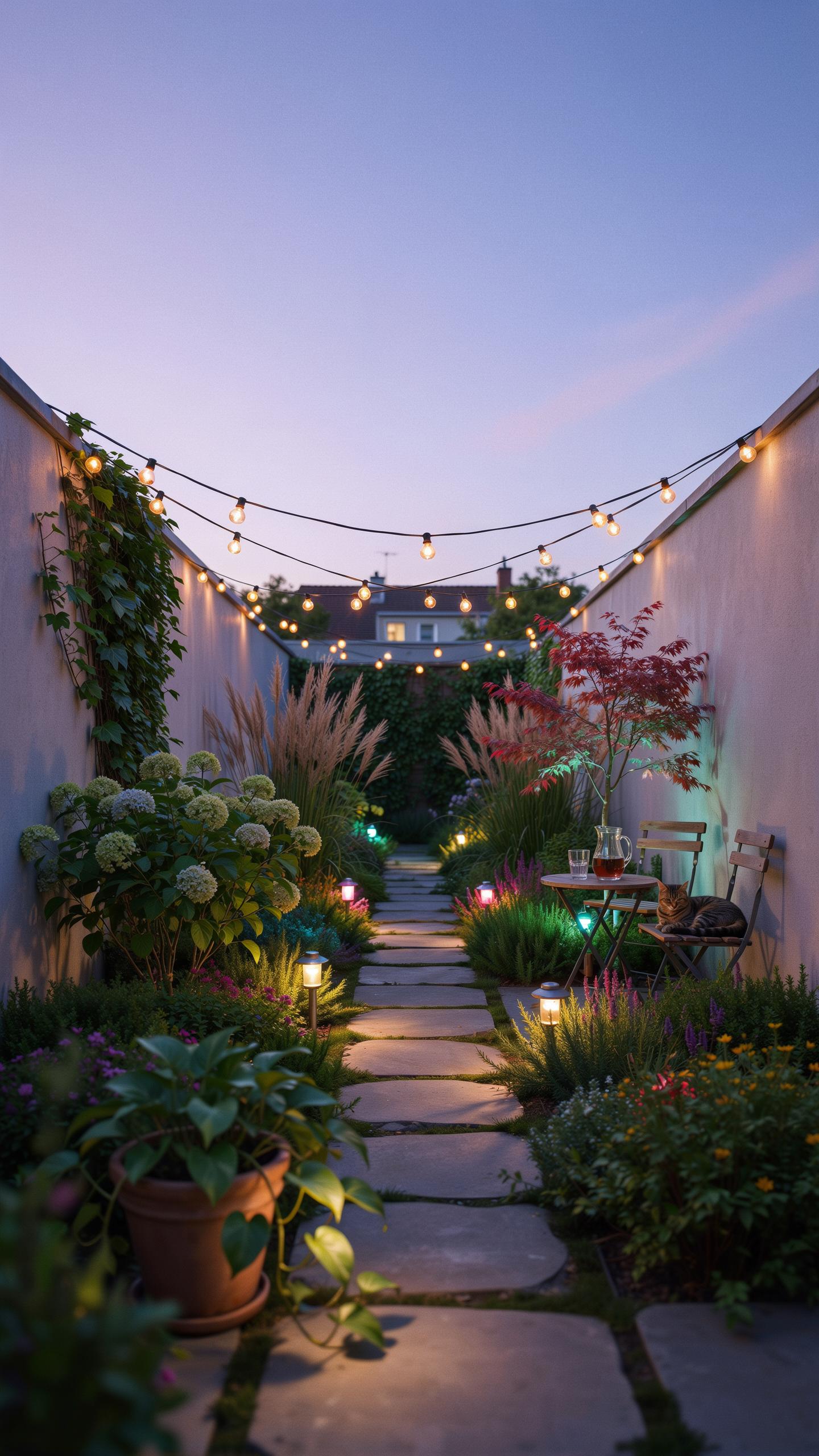
Low Voltage Path Lights And Solar Options For Narrow Passages
Low-voltage LED systems provide the most reliable tactical lighting for narrow walkways. These systems use a transformer to drop standard 120-volt house current to a safe 12 volts. This reduces energy consumption and prevents electrical hazards in damp soil. Space your fixtures three to six feet apart to avoid a runway effect. Direct the light downward to illuminate the walking surface without creating glare.
Solar lights offer a wireless solution for areas with high sun exposure. They require no trenching or electrical expertise. However, solar units often produce fewer lumens than wired systems. Use them in secondary zones where safety is less critical. Position high-quality monocrystalline panels in spots that receive six hours of direct light. This ensures the batteries charge enough to stay powered throughout the night hours.
String Lights And Wall Mounted Fixtures For Cozy Ambiance
String lights create overhead volume in tight spaces. Suspend commercial grade strands between house eaves and fence posts using stainless steel guide wires. This prevents sagging and protects the bulbs from wind damage. Use warm white bulbs with a 2700K color temperature. This specific warmth makes narrow concrete paths feel less industrial. Height matters here because low hanging lights can obstruct movement in thin side yards.

Wall-mounted lanterns and sconces provide fixed illumination without taking up floor space. Mount these fixtures at eye level to maximize visibility along the building perimeter. Choose dark sky compliant fixtures that point light down. This reduces light pollution and keeps the focus on your path. Metal finishes like brass or copper resist corrosion in outdoor environments. Properly installed wall lights increase property security while defining the architectural boundaries of your home.
Narrow Backyard Ideas That Connect Seamlessly To The Side Yard
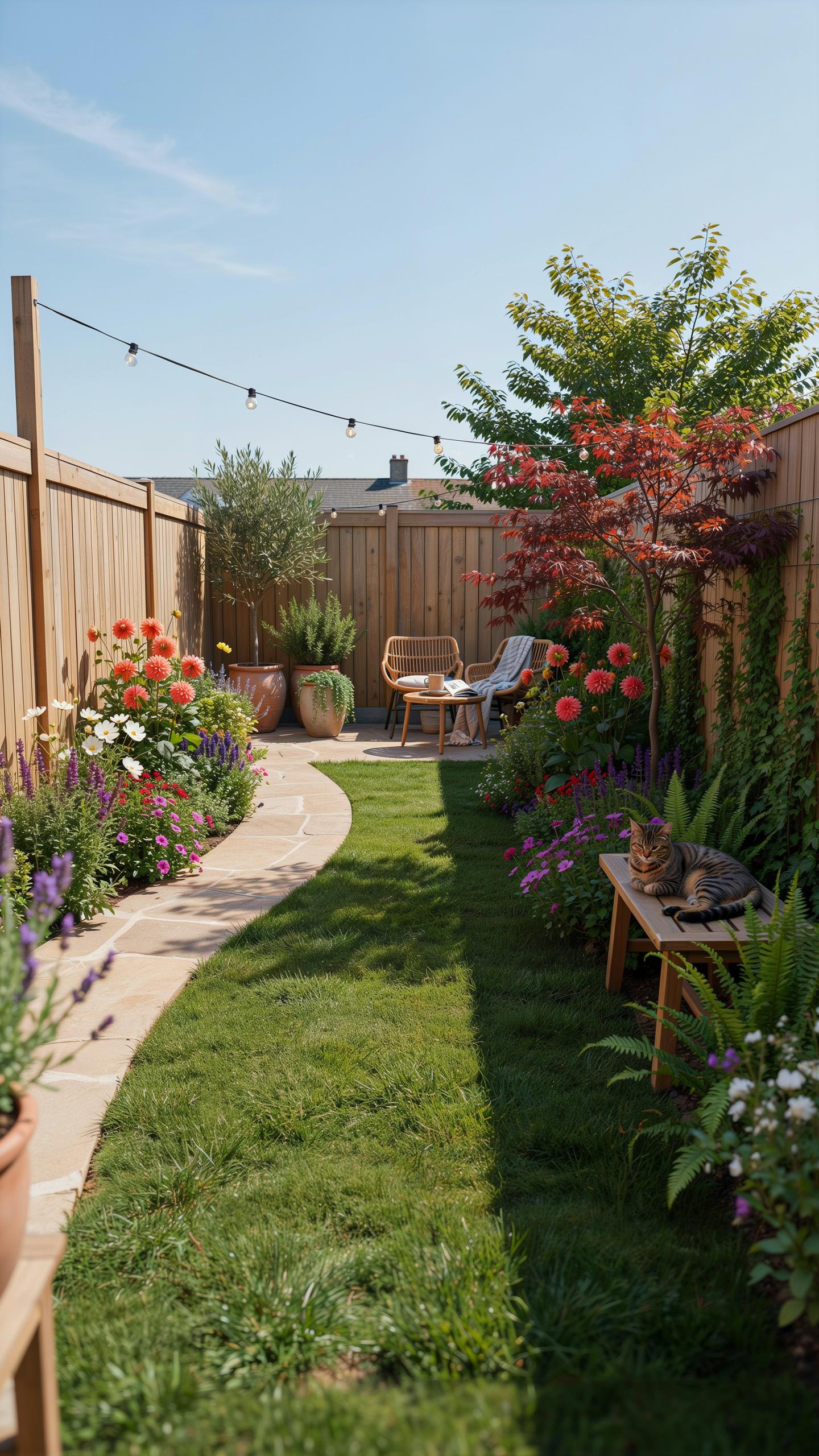
Creating A Continuous Flow Between Side And Backyard Zones
Unify the ground plane to create a logical path from the side entrance to the main backyard area. Use the same paving materials or gravel types across both zones. This consistency removes visual barriers. It tricks the eye into seeing one large space instead of two broken segments. Proper grading ensures water moves away from the foundation while maintaining a level walking surface for users.
Install lighting along the entire perimeter to guide movement at night. Low-voltage LED path lights provide safety and define the edge of the walkway. Use consistent plant species to bridge the gap between the narrow corridor and the open yard. Hedges or repeated perennials act as visual anchors. These elements lead the visitor naturally from the compressed side space into the wider rear landscape.
Even the smallest side path can become a secret garden where the soul finds its rest. A narrow space is not a limit but an invitation to create a cozy world all your own.
Design Tricks That Make A Narrow Yard Feel Longer And Wider
Lay paving stones in a horizontal or diagonal pattern to push the boundaries outward. Long straight lines running parallel to the house emphasize the narrowness. Setting stones at a forty-five degree angle forces the eye to move side to side. This technique expands the perceived width of the corridor. Use oversized pavers to reduce the number of grout lines and clear the visual field.

Incorporate vertical interest to draw the eye upward and away from tight property lines. Trellises and living walls utilize height when ground space is limited. Choose columnar tree varieties that grow tall but remain thin. This adds greenery without encroaching on the walkway. Layering plants by height creates depth and hides flat fences. These layers make the outdoor area feel complex rather than cramped.
Functional Yard Landscaping Storage And Utility In Tight Side Spaces
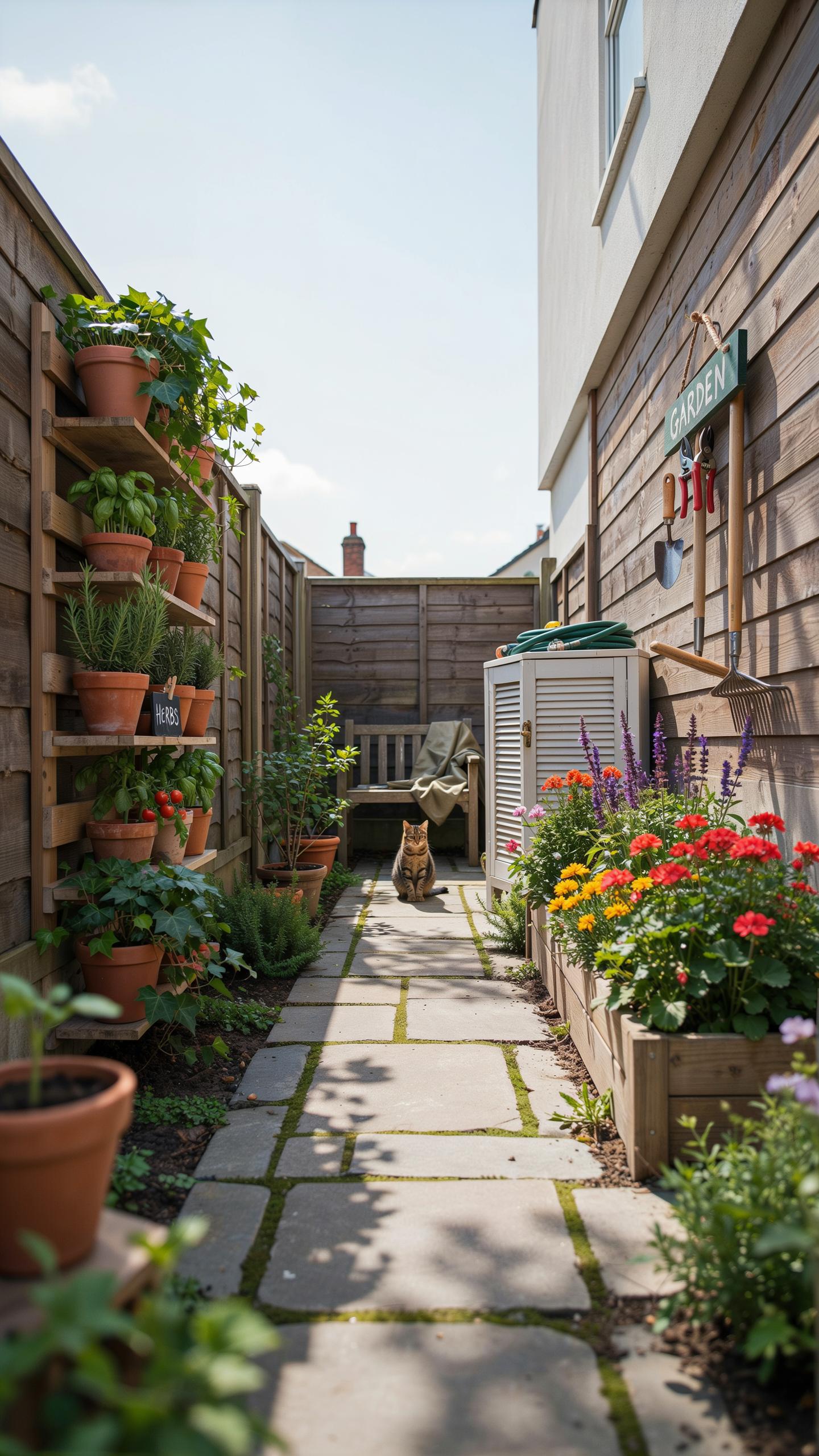
Hiding Utility Areas Like Hoses, Bins, And HVAC Units Tastefully
Utility equipment ruins the visual flow of a narrow side yard. Exposure to elements also shortens the lifespan of expensive HVAC units and plastic bins. You must create physical barriers that allow for airflow while blocking the line of sight from the street or backyard. Use materials that match your primary fence to maintain a unified design language throughout the space.
- Slatted Cedar Screens: Install vertical or horizontal wooden slats around air conditioning units. This method ensures maximum airflow while hiding the industrial look of the machine. Use rot-resistant cedar to withstand moisture and maintain a clean appearance for years without heavy maintenance.
- Hinged Trash Enclosures: Build a three-sided box with a lid for waste bins. This keeps pests away and hides smells during summer months. Positioning these near the gate allows for easy curb access without dragging heavy bins through the entire landscaped side yard area.
- Retractable Hose Reels: Mount high-quality retractable reels directly to the house studs or a sturdy post. These devices pull the hose back into a neat housing automatically. This prevents tripping hazards in tight walkways and keeps the ground clear for foot traffic and drainage.
- Lattice Trellis Panels: Use heavy-duty lattice panels to support climbing vines near utility hubs. This creates a living wall that softens hard edges of electrical meters and pipes. Ensure the panels stay removable for technician access during repairs or mandatory utility inspections.
- Stone Gabion Walls: Fill thin wire cages with local river rock to create a solid visual barrier. These walls take up very little horizontal space but offer excellent sound dampening for loud pool pumps or heaters. They provide a modern texture that complements contemporary home styles.
Strategic placement of these barriers preserves the function of the equipment. Always leave at least twelve inches of clearance around mechanical units to prevent overheating. Use gravel or pavers under bin enclosures to prevent mud buildup and ensure a level surface. These choices turn a cluttered service alley into a clean and organized extension of your home landscaping.
Slim Built In Storage Solutions That Blend With Your Landscaping
Traditional sheds fail in narrow side yards because they block primary walkways. You must use the vertical plane of the house or the fence line for storage. Lean-to structures offer the best footprint for long tools and ladders. Use the same siding or paint color as your home to make the storage unit disappear into the architecture of the building.
Custom benches with lift-top lids serve two purposes in a tight layout. They provide a place to rest while hiding bags of soil or small gardening tools. Choose composite materials over natural wood to prevent rot in shaded or damp side passages. Elevate the base of any built-in storage to allow water to flow underneath during heavy rain or irrigation cycles.
Yard Design Inspiration Real Narrow Side Yards Transformed On A Budget
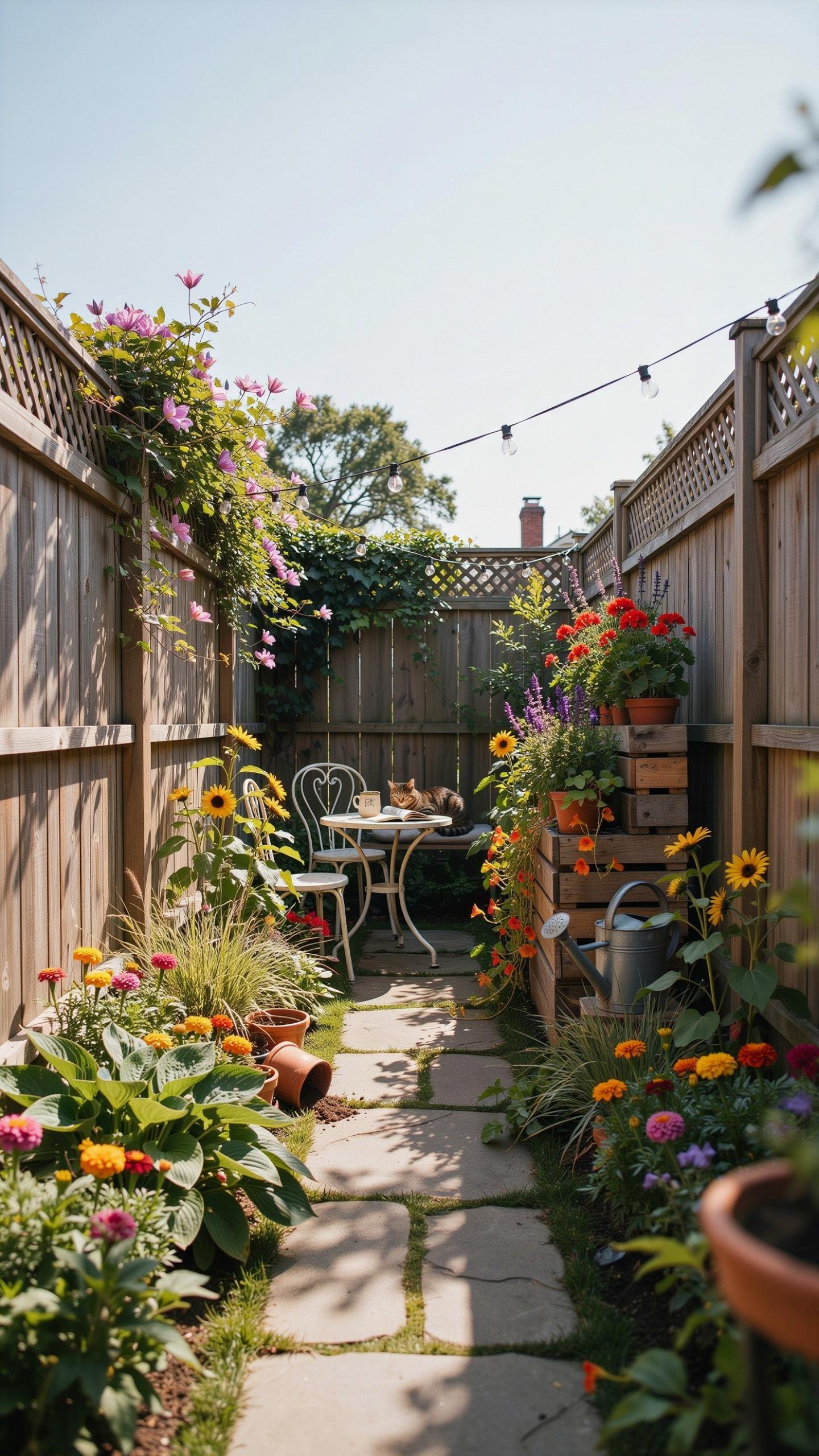
Affordable Diy Upgrades That Deliver High Visual Impact
Effective side yard design relies on geometric precision and material contrast. Use inexpensive gravel or crushed stone to create a clean base layer. This eliminates mowing needs and improves drainage immediately. Define the pathway with pressure-treated lumber or recycled bricks set in a straight line. String lights or solar stakes provide essential evening visibility. These steps cost little but fix the most common visual clutter issues quickly.
Vertical space offers the best return on investment for small footprints. Install simple wooden trellises or wall-mounted planters to draw the eye upward. This technique makes a cramped passage feel wider by utilizing unused wall surfaces. Plant hardy groundcovers like creeping thyme or sedum between pavers to soften hard lines. These plants thrive with minimal care and prevent soil erosion. Stick to a monochromatic color palette to maintain a clean look.
When To Call A Landscaping Professional For Narrow Spaces
Complex drainage issues require expert intervention to protect your home foundation. Narrow side yards often act as funnels for rainwater during heavy storms. A professional installer can calculate proper slope grades and install French drains or catch basins. Improper DIY grading leads to basement flooding and costly structural rot. You must hire a licensed contractor if your yard shows standing water or signs of soil shifting near the main walls.
Structural masonry and utility lines also demand professional handling in tight quarters. Digging near your house carries risks of hitting gas pipes or electrical conduits. Professionals use specialized trenching equipment designed for limited access areas. They ensure retaining walls meet local building codes and weight requirements. Hire a pro for any project involving heavy stone slabs or permanent concrete pouring. Accurate measurements prevent wasted materials and ensure long-term stability in confined zones.
Frequently Asked Questions

What are the best plants to use for narrow side yard landscaping to create a cozy atmosphere?
When working with narrow side yard landscaping, verticality is your best friend. Choose slender, upright plants like Italian Cypress or Sky Pencil Holly to provide greenery without encroaching on walking space. To enhance that cozy feel, incorporate fragrant climbing vines like jasmine or clematis on trellises. These selections add layers of texture and color, transforming a tight, overlooked passage into an intimate garden retreat that feels intentional and welcoming.
How do I keep a narrow side yard from feeling like a cramped hallway?
Break the corridor effect by zoning the path into two or three short stretches, each with its own focal point, like a small bench, a potted specimen, or a change in paving material. Curve the walkway slightly instead of running it dead straight, and vary plant heights along the way so the eye keeps moving. Overhead elements like a slim pergola section or string lights also help the space read as a destination rather than a pass-through.
What is the most budget-friendly way to upgrade a narrow side yard?
Start with gravel or mulch as ground cover instead of pavers or turf; it is inexpensive, drains well, and instantly looks tidier than bare dirt. Add a simple edging strip to keep it contained, then layer in a few low-cost plants like ferns or hostas for shaded strips. Solar path lights and a coat of paint on an existing fence round out the refresh without requiring any hardscape construction.