Why Backyard Landscaping For Pets Matters More Than You Think
The Link Between Outdoor Space And Pet Health And Happiness
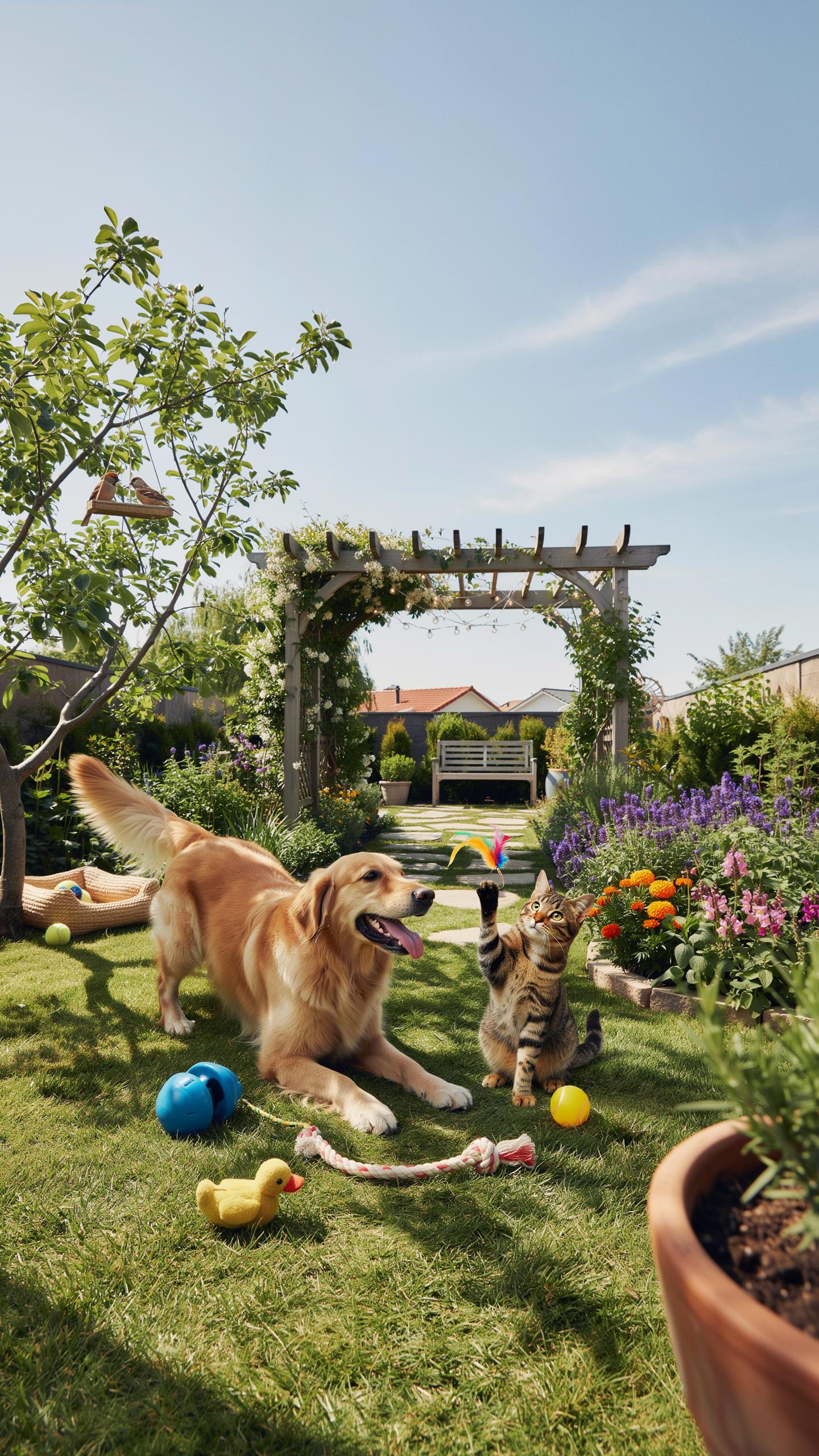
Physical activity remains the primary driver of canine longevity and behavioral stability. A yard serves as a controlled environment for high-intensity exercise and cognitive engagement. Regular access to fresh air and sunlight regulates sleep cycles and metabolic functions in most mammals. Effective landscaping designs accommodate these biological needs. Strategic layouts reduce boredom and stop destructive digging or chewing behaviors that stem from sensory deprivation.
Quality outdoor spaces lower cortisol levels in high-energy animals. Owners who prioritize functional zoning create areas for scent work and predatory play. These activities promote mental sharpness and prevent premature cognitive decline. Proper transitions between hardscapes and softscapes protect joint health during pivots and sprints. Investing in a structured backyard directly reduces veterinarian costs over the lifespan of the pet. Functional design is a health requirement.
Common Backyard Hazards That Every Pet Owner Should Know About
Toxic flora represents the most immediate threat in traditional gardens. Sago palms, azaleas, and oleander cause organ failure or death if ingested. Many homeowners select plants based on visual appeal without verifying toxicity levels. Inorganic fertilizers and cocoa mulch also pose severe risks. Cocoa mulch contains theobromine which acts as a stimulant that can poison dogs. Smart landscaping requires the removal of all chemical and botanical hazards.
Physical entrapment and thermal injuries occur in poorly planned spaces. Gaps in fencing lead to escapes or territorial disputes with neighborhood strays. Dark asphalt and concrete reach extreme temperatures that burn paw pads within minutes of contact. Natural stone or light-colored pavers remain cooler under direct sun. Standing water in low zones facilitates mosquito breeding and bacterial growth. Owners must eliminate these structural risks to ensure a safe and sustainable outdoor environment.
Planning Your Dog Friendly Backyard From The Ground Up
How To Assess Your Yard Size And Layout Before You Begin
Measure the total square footage of your yard accurately. Identify existing traffic patterns where your dog already runs. Dogs follow perimeter paths and habitual patrol lines. Note these areas to avoid placing fragile plants there. Observe solar exposure throughout the day to find natural shade spots. You must account for drainage slopes to prevent mud pits. Map out utility lines before digging any fence posts or irrigation.
Consider the specific breed and size of your pet. Large dogs need wide running corridors to prevent joint strain on sharp turns. Small dogs require secure visual barriers to reduce barking at outside triggers. Look for escape points under existing gates or gaps in bushes. Designate high-traffic zones for durable materials like decomposed granite. Keep sensitive garden beds separate from primary play areas to minimize property damage.
Setting A Realistic Budget And Timeline For Your Pet Landscaping Project
Estimate material costs based on durability rather than initial price. Artificial turf or high-quality hardscaping costs more upfront but reduces long-term maintenance. Factor in the cost of secure fencing and specialized irrigation. Budget for mature plants that can withstand immediate physical impact. Younger seedlings rarely survive a large dog. Allot funds for professional site grading if your yard has significant drainage issues or steep slopes.
Phased construction allows the land to settle and budgets to breathe. Expect a full renovation to take three to six weeks depending on weather. Hardscaping must happen first to establish the structural bones of the yard. New sod or seed requires at least three weeks of restricted access to take root. Plan for temporary pet containment during the build. Rushed timelines lead to poor soil compaction and failed planting zones.
Dog Backyard Ideas Landscaping Choosing The Right Ground Cover
Natural Grass Vs. Artificial Turf: What Works Best For Dogs
Natural grass regulates temperature better than synthetic materials. It stays cool during high summer heat. This protects dog paws from burns. However, heavy foot traffic creates mud and dead patches. High nitrogen in dog urine kills most grass species. Deep-rooted varieties like Bermuda or Tall Fescue survive better than Kentucky Bluegrass. You must avoid chemical fertilizers and pesticides to keep the area safe.
Artificial turf offers superior drainage and eliminates mud issues entirely. It resists digging and remains green year-round regardless of pet waste. High-quality turf uses antimicrobial infill to reduce odors. The main drawback involves heat retention. Synthetic fibers reach dangerous temperatures in direct sunlight. You must install irrigation or shade structures to cool the surface. Modern turf systems require regular rinsing to manage liquid waste buildup.
Pet Safe Ground Cover Alternatives Like Pea Gravel, Mulch, And Decomposed Granite
Pea gravel provides a durable and cooling surface for dog runs. The small rounded stones do not have sharp edges. This prevents paw pad injuries. It allows liquid waste to drain quickly into the soil below. You can easily hose down the area to maintain hygiene. Use a landscape fabric barrier underneath to prevent the stones from sinking. It serves as an excellent low-maintenance perimeter material.
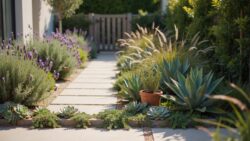
Mulch offers a soft surface but requires careful selection. Avoid cocoa bean mulch because it contains chemicals toxic to dogs. Use cedar or hemlock chips instead. These woods naturally repel fleas and ticks. Decomposed granite provides a firm and stable path for heavy dogs. It packs down tightly and resists erosion. Ensure the granite is fine-grained to avoid discomfort. Both materials help suppress weeds while keeping the backyard functional.
DIY Dog Areas In Backyard Creative Zones Your Pup Will Love
How To Design And Build A Dedicated Digging Zone For Your Dog
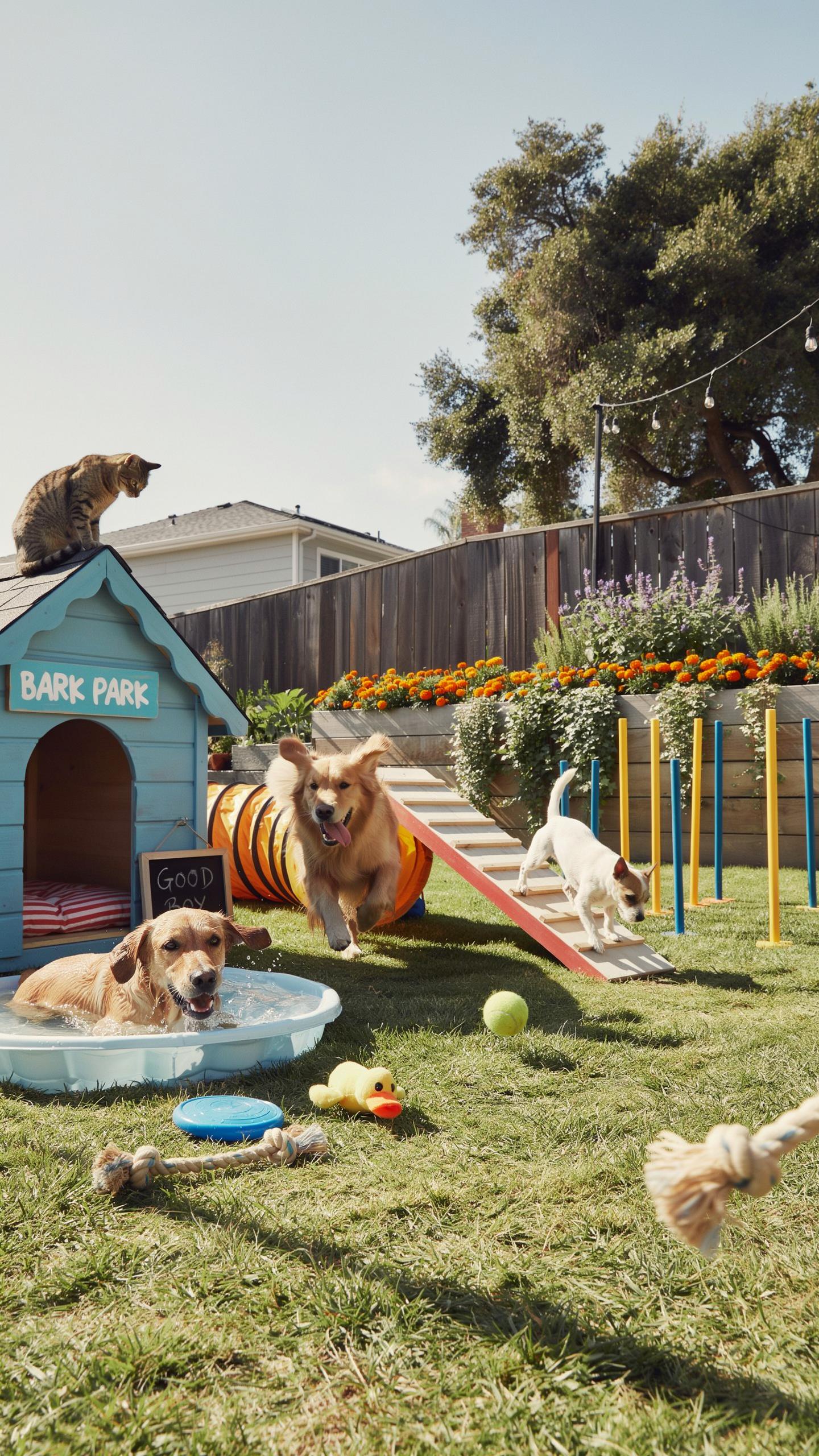
Dogs dig to cool down or find rodents. A dedicated digging pit stops them from destroying your lawn. Place the pit in a shaded area to keep the substrate cool. Use sturdy cedar or pressure-treated wood to build a frame. Dig down twelve inches to provide depth. Fill the space with washed play sand because it is clean and easy to brush off.
Bury toys or treats just below the surface to encourage use. This creates a positive association with the specific zone. Redirect your dog to this spot if they start digging elsewhere. Consistency is the only way to protect your garden beds. Maintain the sand by raking it weekly to remove debris. Add fresh sand every season to keep the pit functional and attractive.
Simple DIY Shelter And Shaded Rest Areas Every Dog Needs Outdoors
Dogs overheat quickly on sun-exposed grass or concrete. You must provide a structured shade source that allows for cross-ventilation. A simple A-frame shelter works best for primary protection. Use light-colored materials to reflect heat instead of absorbing it. Elevate the floor with a pallet or frame to prevent moisture buildup and pest nesting. Ground contact causes wood rot and attracts insects.
Position the shelter where it catches natural breezes. Avoid placing it in stagnant corners of the yard. Use outdoor-rated fabric or shade cloth for an overhead canopy if a permanent structure is too heavy. These materials block ultraviolet rays while allowing air to circulate. Ensure the area remains dry during rain to prevent mildew. A dry dog is a healthy dog. This setup ensures safety.
Dog Yard Ideas Play Areas Keeping Your Pet Active And Entertained
Top Play Structures And Agility Features You Can Add To Any Backyard
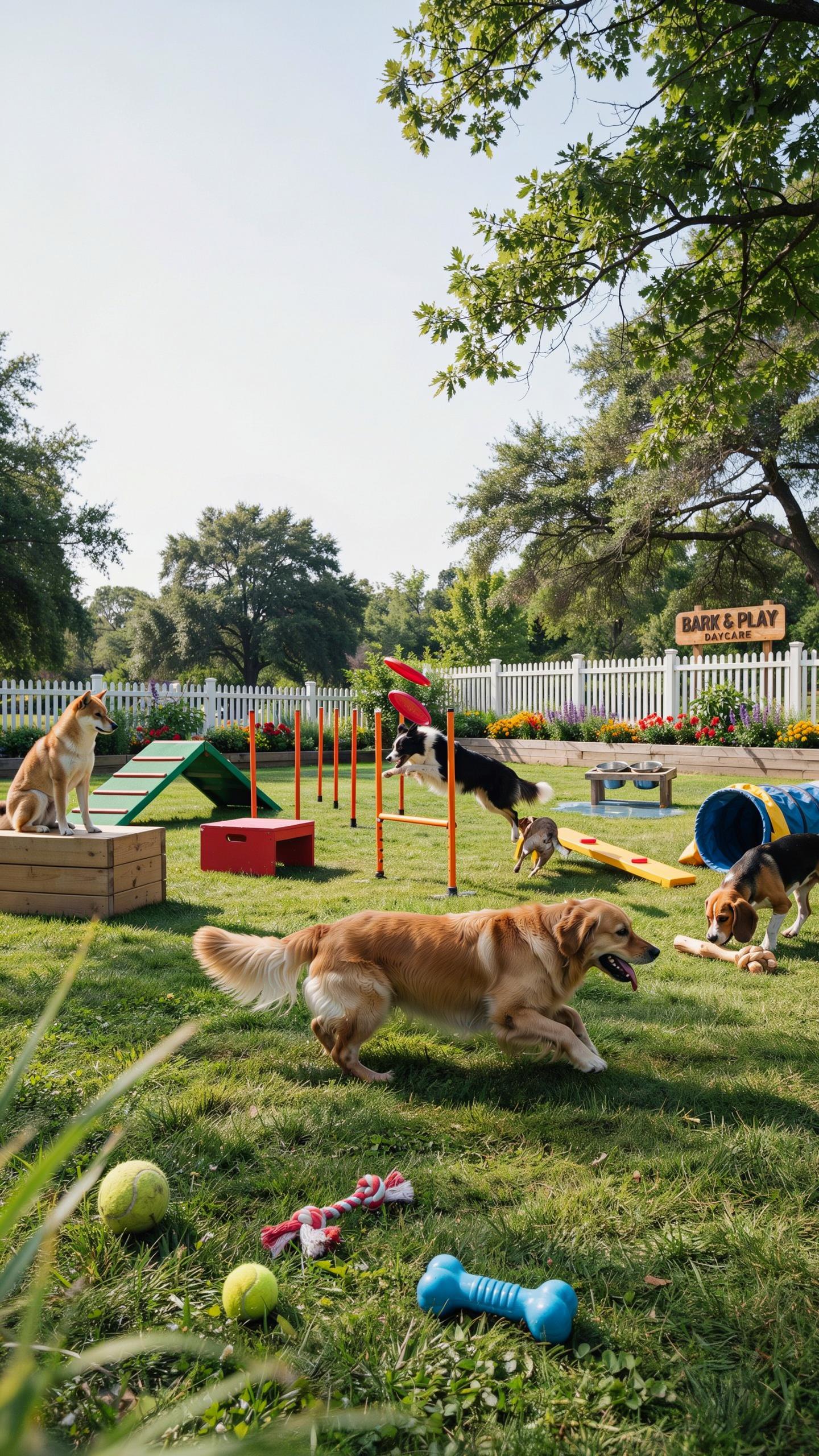
Agility features convert standard yards into functional training zones. High-drive breeds require mental and physical stimulation to prevent destructive behaviors. You must select materials that withstand heavy paws and weather exposure. Natural pressure-treated wood or heavy-duty plastics work best for longevity. Position these structures on level ground to ensure safety during high-speed maneuvers. Strategic placement keeps the dog engaged and redirects energy away from your perimeter fencing.
- A-Frames: These structures build confidence and rear-end strength. Use rubberized coatings on the surface to provide maximum traction. Ensure the incline is adjustable to accommodate different skill levels and prevent joint strain during descent.
- Weave Poles: Poles challenge a dog’s coordination and flexibility. Use flexible PVC pipes that give slightly if hit. Space them twenty-four inches apart to follow standard competition guidelines. This layout helps your dog develop precise footwork.
- Tunnels: Heavy-duty fabric or plastic tunnels provide sensory stimulation and a place to cool off. Secure them with sandbags or stakes to prevent rolling. Choose a diameter that allows your dog to pass through without touching the top.
- Pause Tables: These elevated platforms teach discipline and stay commands. Build them at a height appropriate for your dog’s size. Surfaces must be non-slip to prevent injuries when the dog jumps up at high speeds during play.
- Jump Bars: Adjustable hurdles improve cardiovascular health and agility. Use lightweight bars that fall away easily if bumped to prevent injury. Set the height based on the dog’s elbow height to ensure the workout remains safe and effective.
Balance these features with open running lanes. Obstacles should not clutter the entire yard or block your sightlines. Professional trainers recommend leaving a ten-foot buffer around each piece of equipment. This space allows for safe approaches and exits. Use cedar mulch or specialized K9 turf under the equipment to absorb impact. These materials protect the dog’s joints during landings and simplify waste cleanup in the play zone.
How To Incorporate Water Features Like Dog Friendly Splash Pads And Pools
Water features provide essential cooling for dogs during summer months. Traditional swimming pools often have steep sides that trap pets. Splash pads offer a safer alternative with zero-depth entry. These systems use non-slip concrete or textured rubber surfaces to prevent falls. Install a dedicated filtration system to handle high levels of dog hair and organic debris. Regular pool filters often fail under the heavy biological load typical of active pets.
Recirculating water systems must include UV sterilizers to kill bacteria. Stagnant water attracts mosquitoes and Harbors harmful pathogens like leptospirosis. Position these features in shaded areas to keep the water temperature low. Use durable materials like marine-grade hardware to resist hardware corrosion from constant moisture. Proper drainage is critical to avoid mud pits near the splash zone. Redirect runoff away from the house foundation using French drains or sloped grading.
Dog Run Ideas Backyard Designing Safe And Functional Pathways
Guidance What To Consider When Sizing And Positioning A Backyard Dog Run
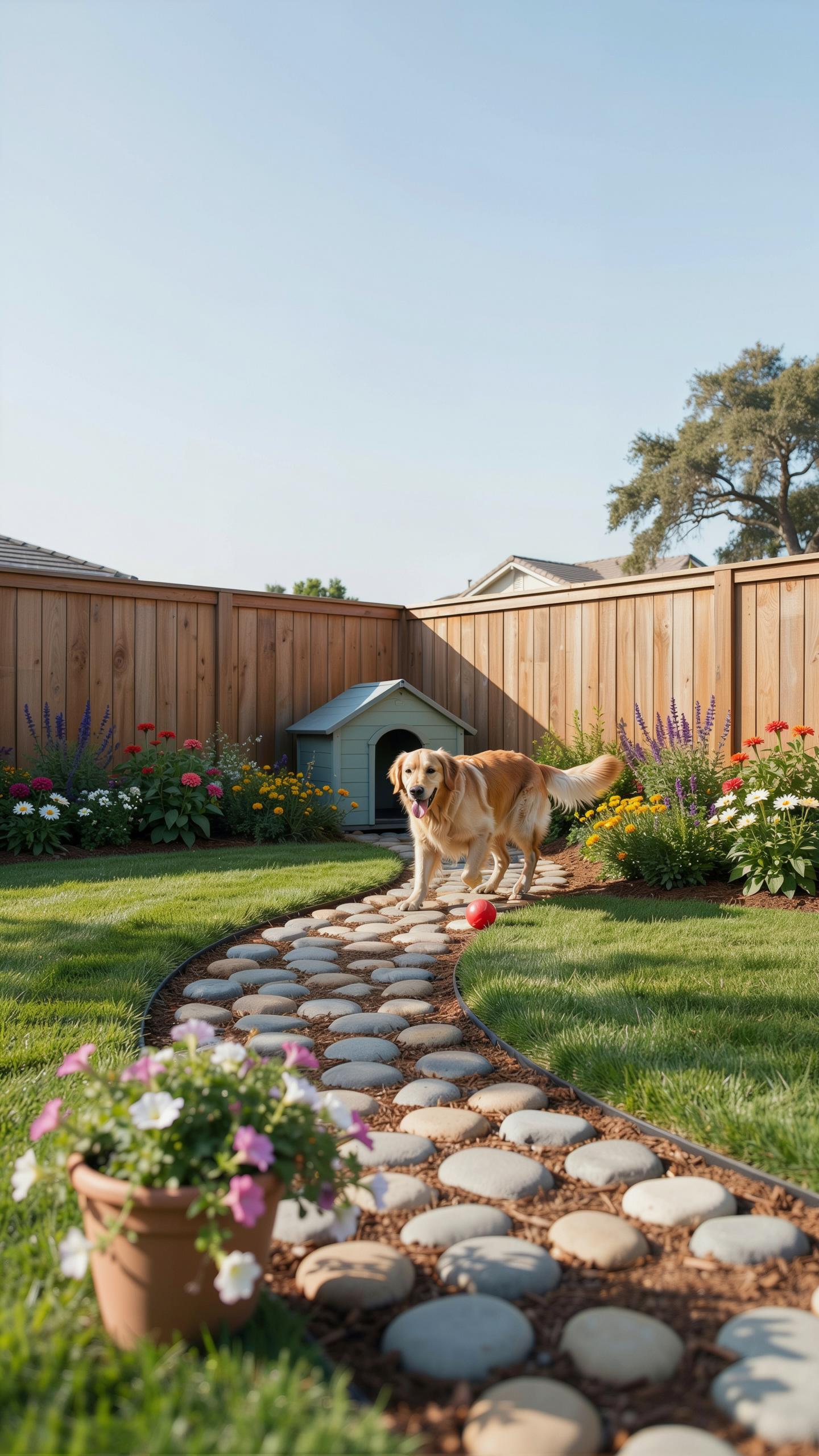
Strategic placement dictates the success of a dog run. You must analyze high-traffic patterns and existing shade. Avoid low-lying areas where water collects after rain. Stagnant water creates mud and breeds bacteria. Position the run along a side yard or fence line to maximize space. Ensure the path length allows the dog to reach a full gallop for proper exercise.
Size the run based on your dog breed and energy level. Large breeds require at least 3 to 4 feet of width for comfortable turning. Small dogs need less space but require tighter security. Consider solar heat gain on western exposures. Use existing structures or trees to provide natural cooling. A well-placed run keeps the dog away from sensitive landscaping while providing a dedicated zone for activity.
Best Fencing And Containment Materials For A Secure Dog Run Area
Select fencing materials based on durability and visibility. Chain link remains a standard for its strength and ventilation. It allows the dog to see the surrounding environment, which reduces anxiety for many breeds. For dogs that bark at visual triggers, use solid wood or vinyl fencing. Ensure the height prevents jumping. Most medium to large dogs require a minimum height of five or six feet.
Install a concrete footer or bury the mesh twelve inches deep to stop diggers. Use powder-coated metal for longevity and rust resistance. Avoid spiked tops or sharp edges that cause injury during play. Gates must have high-quality self-closing hinges and escape-proof latches. Hardware should resist corrosion from outdoor exposure. A secure perimeter provides the primary defense against roaming and keeps the dog safe from external predators.
Dogs Backyard Ideas Pet Safe Plants And Garden Design
Which Common Garden Plants Are Toxic To Dogs And Should Be Avoided
Toxicity in common residential flora poses a severe risk to canine health. Many popular ornamental species contain alkaloids and glycosides that trigger systemic failure. You must identify and remove Sago Palms immediately. These plants contain cycasin which causes permanent liver damage. Azaleas and Rhododendrons are equally dangerous. They contain grayanotoxins that disrupt nerve and muscle function. Even small ingestions cause vomiting and cardiac distress.
Do not overlook common spring bulbs in your landscape design. Tulips and Narcissus contain allergenic lactones in their bulbs. Dogs that dig and chew these roots suffer intense oral irritation and heart rate fluctuations. You should also eliminate Oleander from the perimeter. This shrub contains cardiac glycosides that stop the heart. Expert designers prioritize safety over aesthetics. Removing these hazards prevents costly emergency veterinary visits and lethal accidents.
A garden is a friend you can visit anytime, especially when shared with the loyal paws that call it home. Creating a beautiful space for your pets is like planting a seed of joy that blooms for a lifetime.
Beautiful Pet Safe Plants That Add Color And Life To Your Dog Friendly Garden
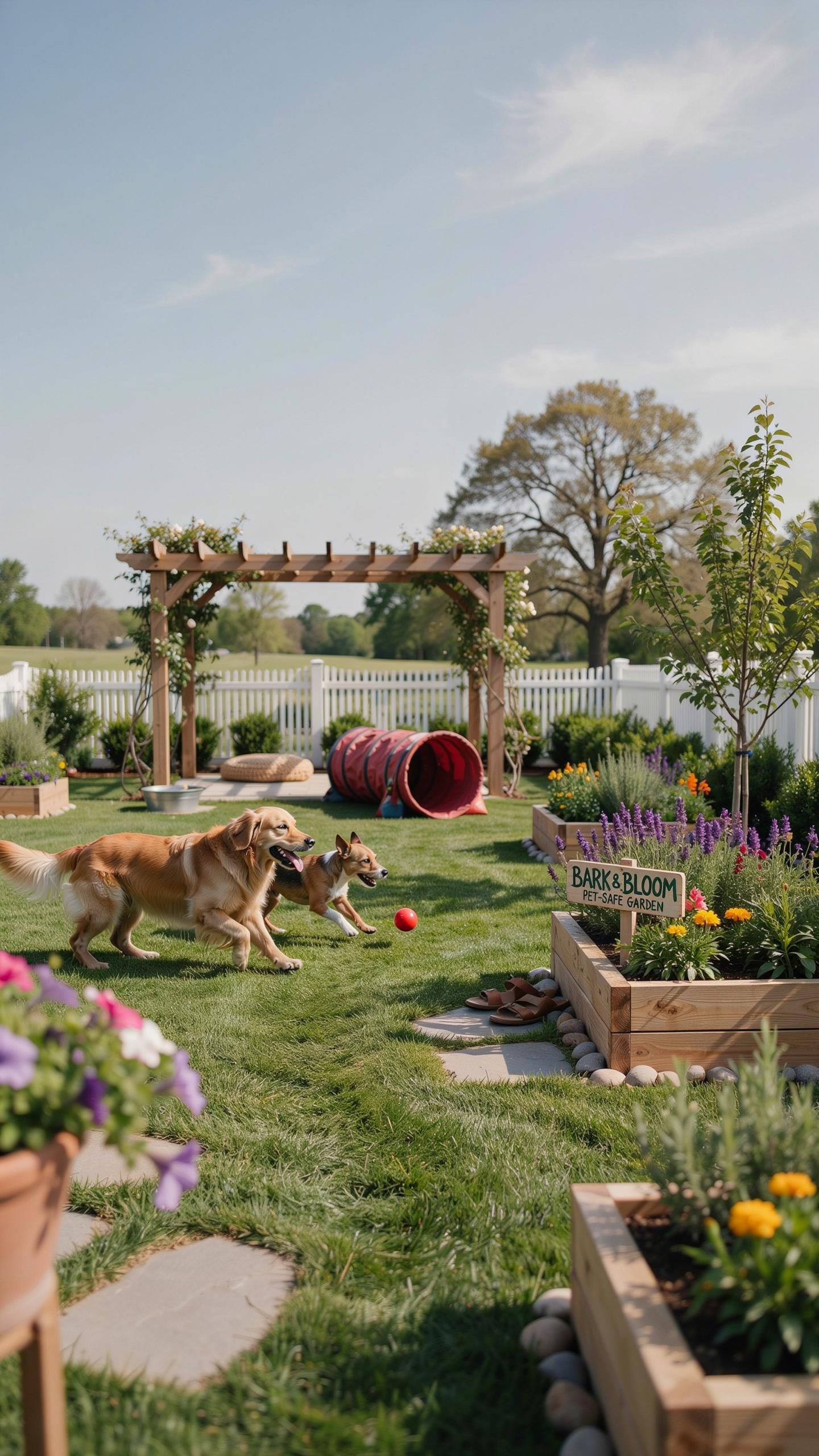
Strategic planting focuses on non-toxic varieties that survive heavy paw traffic. You can achieve high visual impact without risking pet safety. Select species with strong root systems and resilient foliage. These plants handle the nitrogen levels in dog urine better than delicate ornamentals. Focus on perennials that offer coverage and texture. Use these selections to create natural barriers that guide your dog away from sensitive areas.
- Snapdragons: These tall flowering plants provide vertical interest and vibrant color. They are completely non-toxic to dogs. You can plant them in large clusters to create a visual focal point in sun-drenched areas of the backyard.
- African Daisies: These hardy flowers offer a wide range of colors and thrive in various soil types. They tolerate heat well and do not harm pets if accidentally chewed. Use them for ground cover or in low-lying garden borders.
- Marigolds: These robust annuals repel common garden pests while remaining safe for canines. They grow quickly and provide consistent color throughout the summer months. Use them to line paths or fill gaps in your existing landscape beds.
- Sunflowers: These giant blooms add significant height to your garden design. They are safe for dogs and produce seeds that birds enjoy. Ensure the stalks are supported so they do not fall during high-energy play sessions in the yard.
- Camellias: These evergreen shrubs produce large flowers in late winter or early spring. They offer excellent structural density for privacy screening. Unlike many other flowering shrubs, they contain no toxins that harm your dog during outdoor exploration.
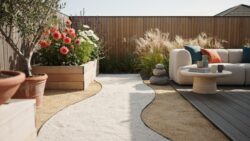
Ground cover choice is vital for long-term maintenance success. Creeping Thyme serves as a resilient alternative to standard turf. It withstands moderate foot traffic and releases a pleasant scent when crushed. Boston Ferns also work well in shaded corners or hanging baskets. These selections ensure your garden remains lush and functional. You get a professional look while maintaining a secure environment for all resident animals.
Outdoor Dog Area Ideas Adding Comfort And Convenience Features
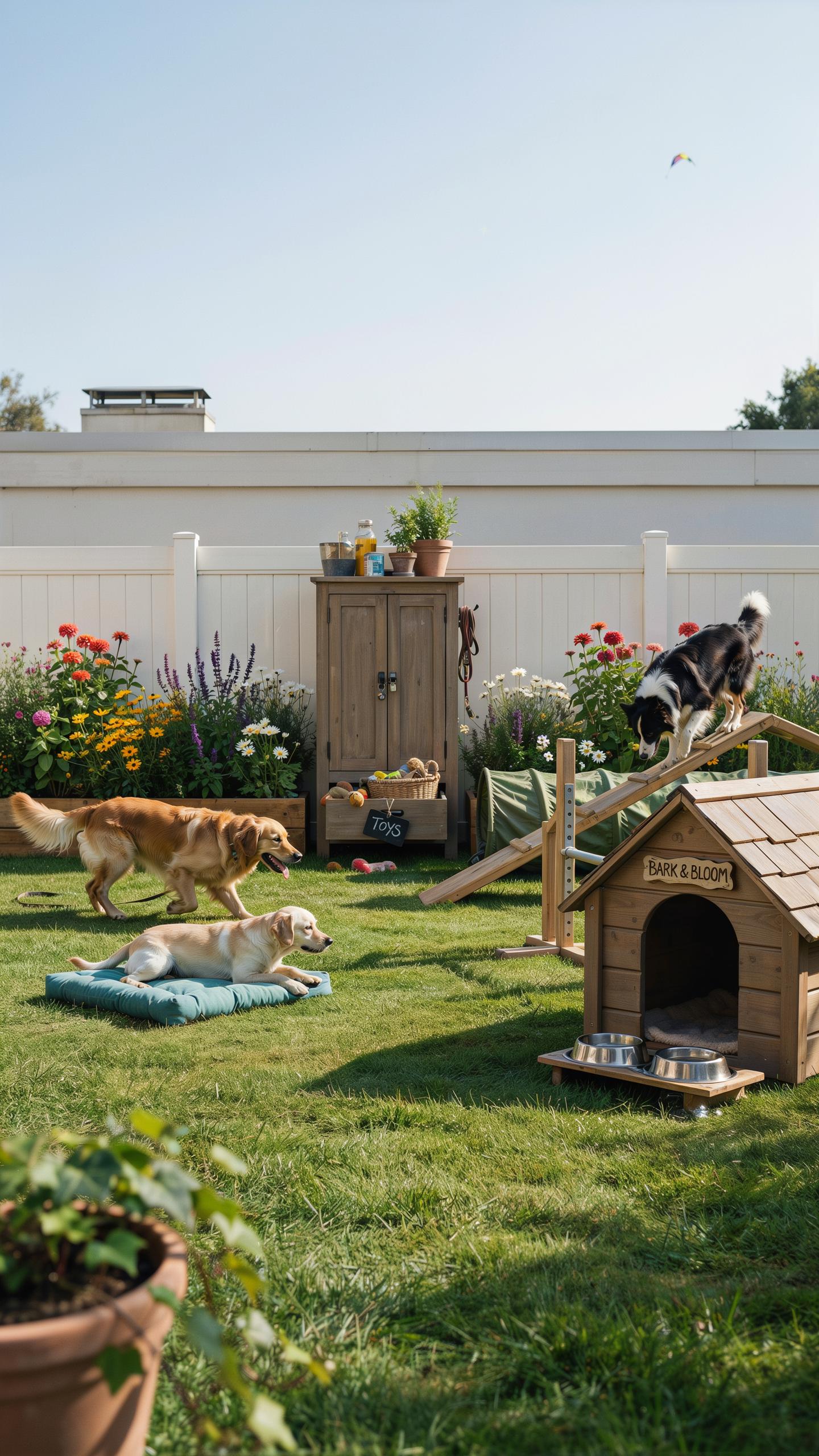
Outdoor Dog Washing Stations And Paw Cleaning Setups Worth Installing
Post-walk debris ruins indoor flooring and clogs household drains. An outdoor washing station stops mud at the perimeter. Install a raised platform with a stainless steel basin to prevent back strain. Ensure the plumbing connects to a hot and cold mixing valve for animal comfort. Use a high-pressure spray nozzle with a thumb trigger to penetrate thick fur quickly. Slope the floor toward a dedicated drain.
Effective drainage requires a gravel leach field or a connection to the home sewer line. Avoid letting greywater pool near the foundation to prevent mold. Use slip-resistant surfaces like textured concrete or rubber mats to ensure safety. Place the station near the primary entry point for maximum utility. This setup reduces maintenance time and keeps the interior climate clean. Strategic placement saves money on professional grooming over time.
Shaded Lounging Spots Raised Beds And Cooling Stations For Hot Seasons
Summer heat presents a significant health risk for active dogs. Natural shade from trees is ideal but physical structures offer more reliability. Install a permanent pergola or a UV-rated shade sail over high-traffic resting zones. These structures lower surface temperatures by ten degrees or more. Position the lounge area away from direct afternoon sun. Proper airflow prevents heat exhaustion during peak humidity hours.

Raised beds provide a tactical advantage by allowing air to circulate under the animal. Use powder-coated steel frames with breathable mesh fabric to resist moisture and pests. Complement these with cooling stations featuring low-profile water fountains or misting systems. Ensure the water source stays in the shade to prevent burns from hot pipes. These features keep the dog comfortable while protecting your lawn from heavy wear.
Outside Dog Area Ideas Maintaining Your Pet Landscape All Season Long
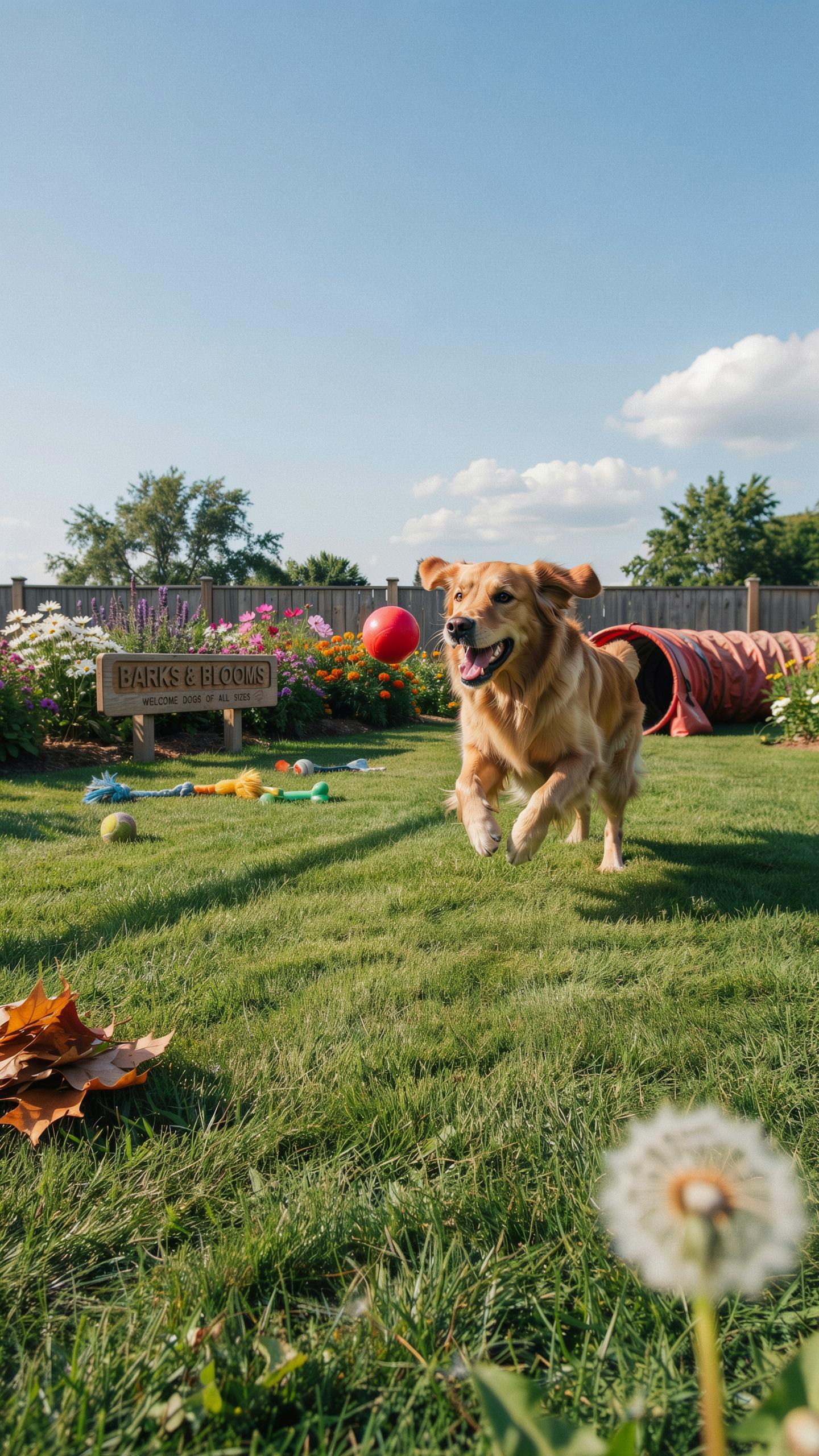
Seasonal Maintenance Tips To Keep Your Pet’S Outdoor Space Safe And Clean
Spring requires deep cleaning to remove salt and debris that accumulate during winter months. Test soil pH to ensure urine patches have not caused excessive acidity. Apply lime if necessary to neutralize ground spots. Inspect fences for damage caused by frost heave or shifting ground. Tighten all fasteners and fill any holes dug along the perimeter to prevent escapes and maintain structural integrity.
Summer heat demands aggressive hydration and waste management to control odors. Rinse synthetic turf daily to cool the surface and flush away bacteria. Use stabilized enzymes to break down organic matter in gravel or mulch zones. Check irrigation systems for clogs that can cause stagnant water. Stagnant puddles breed mosquitoes and increase the risk of heartworm. Clear brush to reduce tick habitats in the yard.
How To Refresh And Upgrade Your Outdoor Dog Area As Your Pet’S Needs Change
Puppies require high activity areas with durable materials like decomposed granite or pea gravel. These surfaces withstand heavy running and digging. As dogs age, swap these hard materials for softer surfaces like rubber mulch or synthetic turf with cooling infill. Senior pets need low impact ground cover to protect their joints. Remove physical obstacles to create clear pathways that accommodate slower movement and decreased vision.
Update your landscape features to match energy levels. High energy dogs benefit from agility ramps and tunnels. Replace these structures with shaded resting benches or shallow splash pads for older dogs. Ensure water stations remain accessible without requiring the pet to climb or jump. Adjust the height of feeding stations and water bowls to reduce neck strain. Constant assessment ensures the space remains functional for the animal.
Frequently Asked Questions

What are the most important elements to consider when planning backyard landscaping for pets?
When starting out, focus on safety, durability, and enrichment. Choose non-toxic plants like lavender or marigolds and opt for sturdy ground covers that can withstand high traffic. Effective backyard landscaping for pets should also include shaded resting spots and clear boundaries. By prioritizing pet-friendly textures and secure fencing from the beginning, you create a beautiful outdoor sanctuary that keeps your furry friends both tucked away from danger and mentally stimulated.
How can I create a designated “potty zone” that blends into my landscape design?
To maintain a clean yard, integrate a specific relief area using pea gravel or specialized K9 turf. Surround this zone with decorative borders or small ornamental grasses to camouflage it within your overall backyard landscaping for pets. Training your pet to use this area protects your main lawn from nitrogen burns. Ensure the spot has excellent drainage and is easily accessible, allowing you to keep your entertaining spaces pristine while meeting your pet’s needs.
Are there budget-friendly ways to make a backyard more pet-friendly without a full renovation?
Absolutely! You can enhance your space affordably by using recycled materials like large tractor tires for agility tunnels or smooth river rocks to create DIY sensory paths. Mulching with cedar chips—which are safe for dogs—is a cost-effective way to define play zones. Adding a simple plastic kiddie pool or a DIY digging pit filled with play sand provides hours of entertainment without the high costs of professional landscape installations.