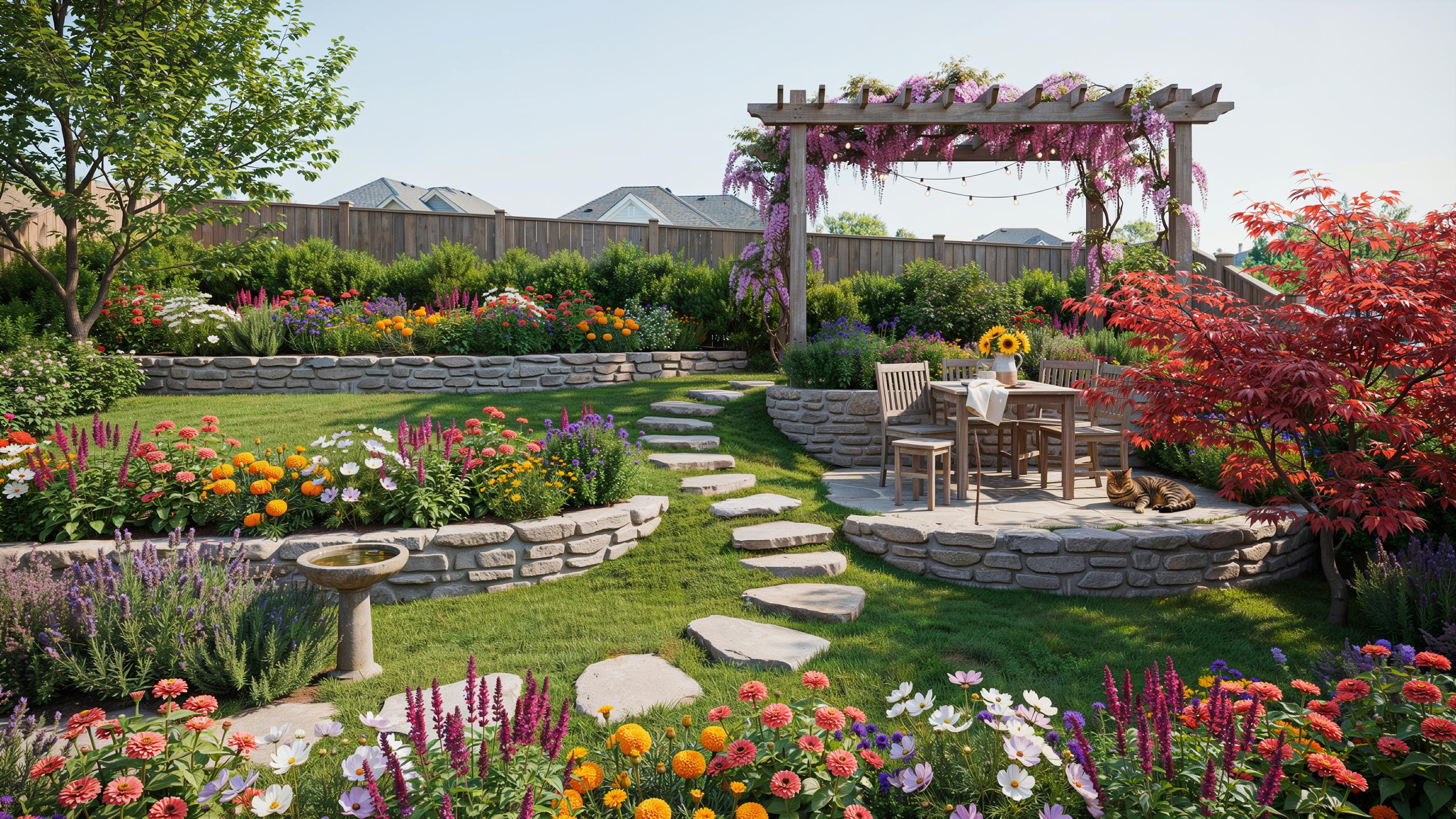
Understanding The Challenges And Opportunities Of Landscaping A Slope
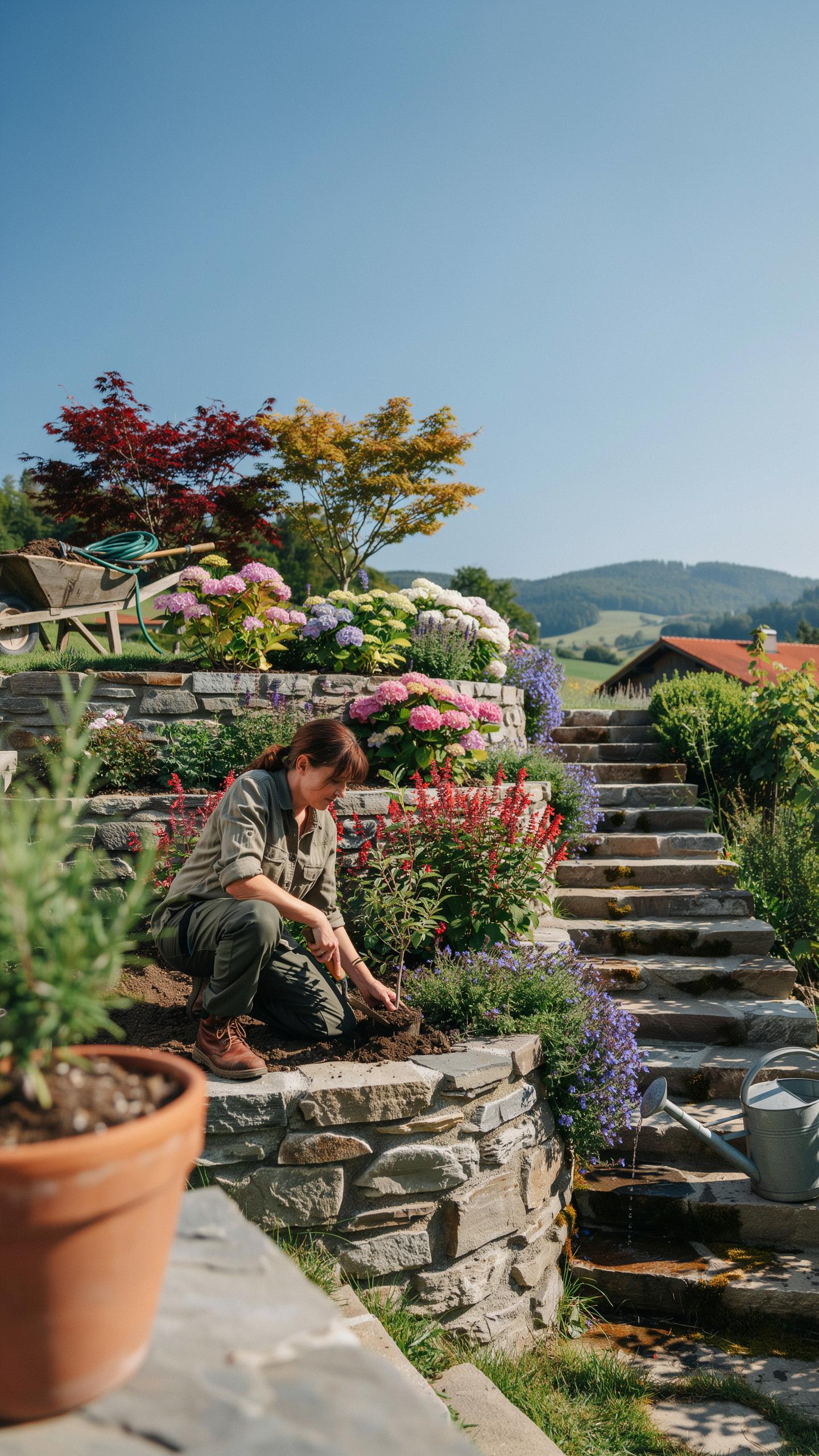
Why Sloped Yards Present Unique Landscaping Challenges
Gravity dictates every movement on a steep grade. Rainwater follows the path of least resistance. This creates rapid runoff that strips away topsoil and nutrients. Standard lawn mowers and heavy equipment cannot operate safely on significant inclines. Physical instability often leads to soil creep or sudden landslides during heavy storms. You must address these mechanical and hydraulic forces before considering any aesthetic choices.
Effective sloped yard landscaping solutions require precise water management. Poor drainage causes water to pool at the base of the hill. This leads to foundation damage and plant root rot. Soil compaction on slopes makes it difficult for roots to anchor properly. Maintenance costs increase because manual labor replaces machine efficiency. You have to fight constant erosion to keep your hardscaping and plant beds in place.
Turning Elevation Changes Into A Design Advantage
Elevation provides natural separation without building walls. Verticality allows you to create distinct outdoor rooms on different levels. You can maximize views that flat lots cannot offer. These height changes mimic natural mountain or forest environments. Historical terracing techniques used in ancient civilizations prove that slopes offer superior drainage for specific agricultural needs. You gain a three-dimensional canvas that adds depth to the property.
Strategic grading allows for the installation of waterfalls or rock gardens. These features utilize gravity to move water efficiently through the landscape. You can use large boulders to pin back soil while creating visual interest. Slopes also allow for better plant visibility since you view them at eye level. Proper engineering turns a difficult hill into a functional and stable asset. You increase usable square footage by reclaiming vertical space.

Erosion Control Essentials For A Sloped Yard
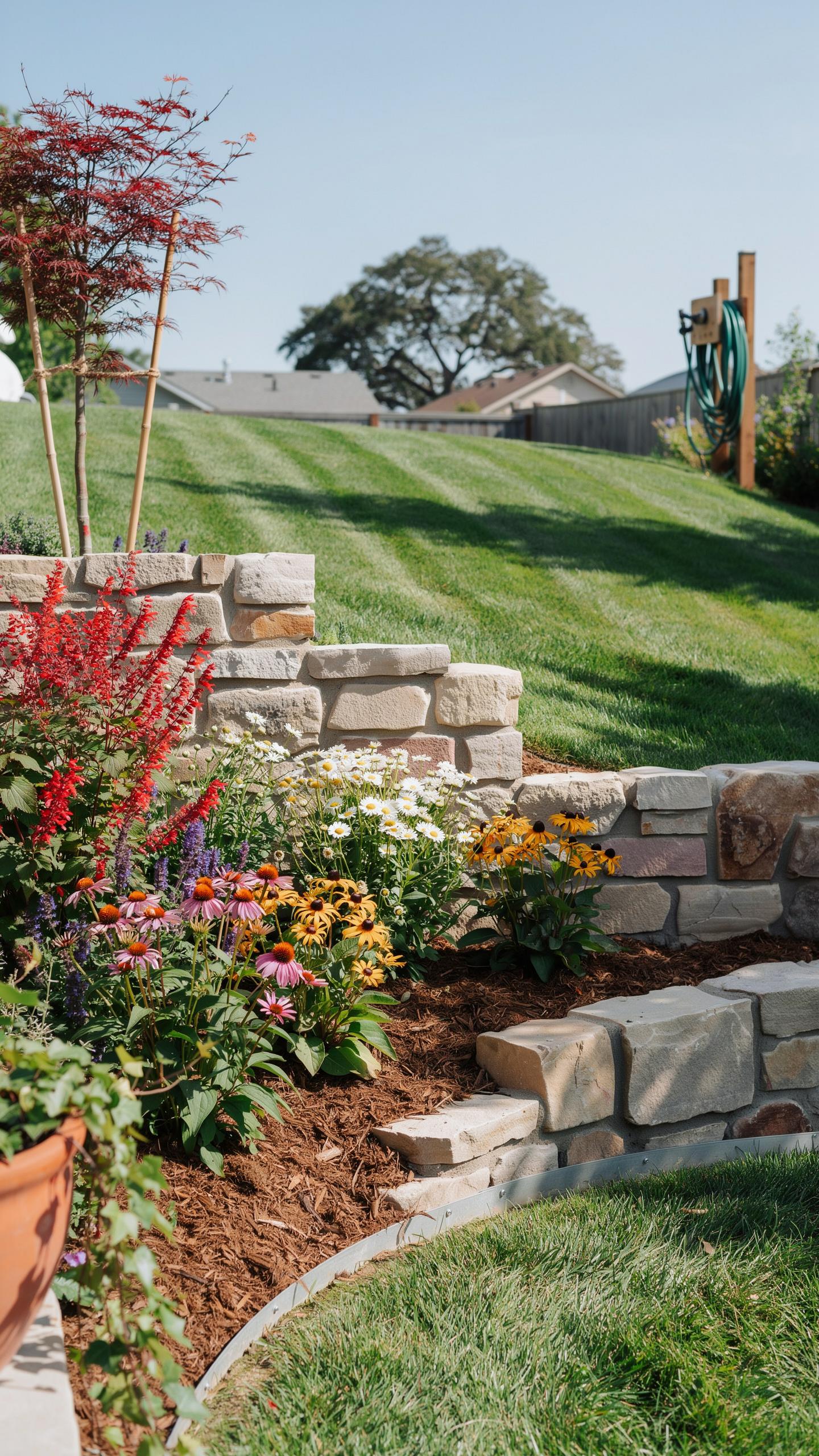
How Erosion Damages A Sloped Yard And How To Prevent It
Gravity pulls water down a hill. This water gains speed and force. It carries away topsoil and nutrients. This process creates deep ruts called rills. Over time these rills become large gullies. This damage weakens the foundation of your home. It also kills your plants. You must act fast to stop this movement. Stable soil is the only way to protect your property value.
Diversion is your first line of defense. Build swales or berms to change how water flows. These structures slow the water down. Slower water sinks into the ground instead of washing it away. You can also use riprap or large stones. These break the impact of heavy rain. Proper drainage keeps the soil in place. Use these tools to maintain a safe and level landscape for years.
The humblest plot of rising ground holds the potential for a masterpiece if we only learn to work with nature rather than against her. To garden on a slope is to paint with the very layers of the earth.
Best Ground Cover Plants That Anchor Soil On A Slope
Plants act like natural glue for your hillside. Their roots create a thick web underground. This web holds the dirt together during storms. Low-growing plants work best because they cover the surface completely. Creeping juniper and vinca minor are top choices. These species grow fast and require little care. They stop rain from hitting the bare soil directly. This reduces the energy of the falling water.

Choose plants with deep or fibrous root systems. Native grasses are excellent for this task. They adapt well to the local climate and soil types. Avoid plants that need frequent mowing. Mowing a steep slope is dangerous and can lead to more erosion. Use a mix of species to ensure year-round coverage. A thick carpet of green creates a permanent shield. This shield keeps your yard beautiful and structurally sound.
Retaining Wall Ideas For Landscaping A Steep Hill
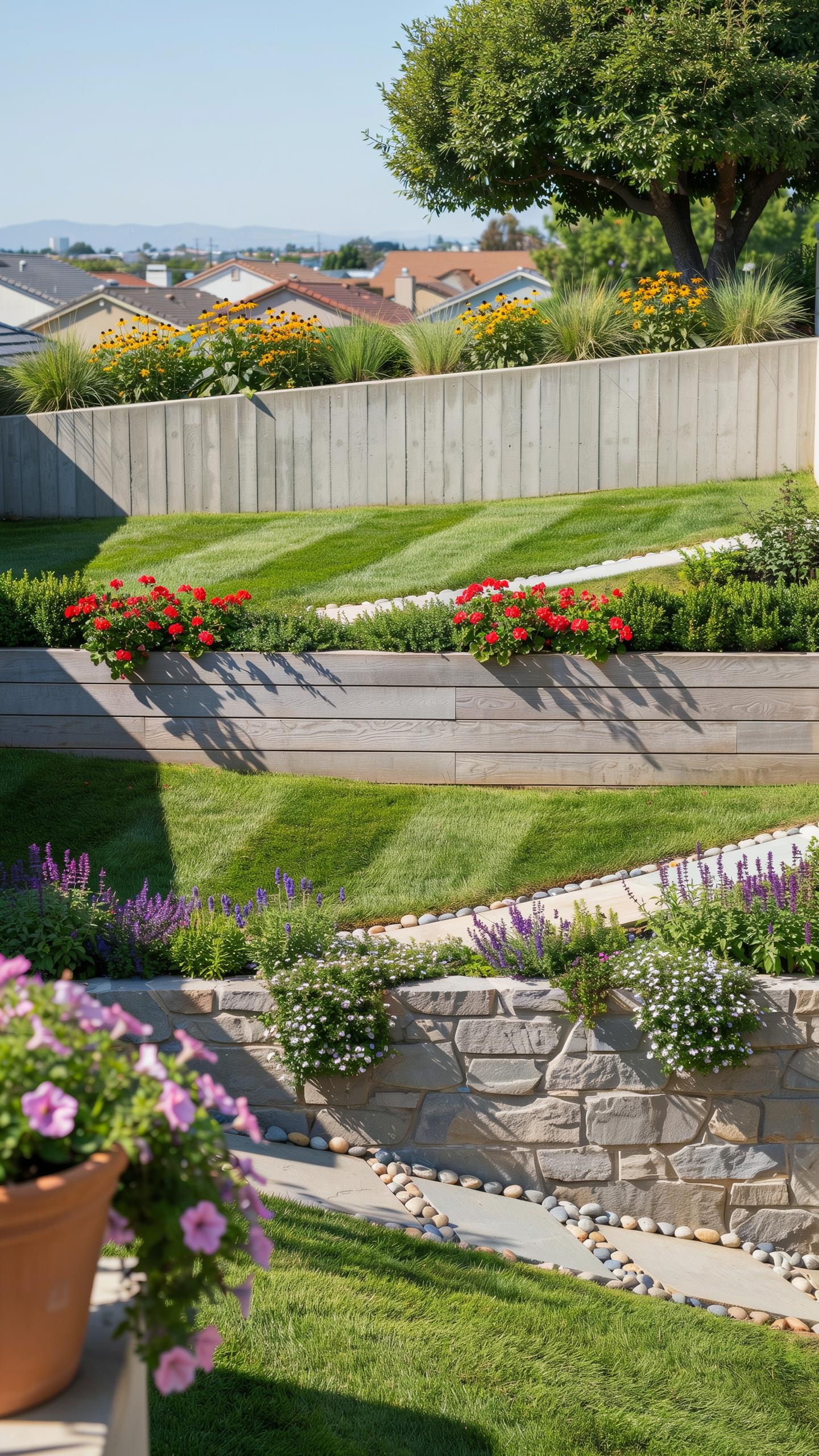
Choosing The Right Retaining Wall Material For Your Steep Hill
Material selection dictates the structural integrity and longevity of your hillside project. You must match the weight and density of the material to the pressure of the earth behind it. Gravity walls rely on their own mass to hold soil. Cantilevered walls use steel reinforcement for higher loads. Budget, local climate, and soil drainage capabilities determine which specific material will prevent catastrophic wall failure on your property.
- Interlocking Concrete Blocks: These units feature a flange on the back that locks each row together. They provide excellent structural stability for medium to high slopes. The hollow cores allow for gravel infill to improve drainage and prevent hydrostatic pressure buildup against the wall face.
- Natural Fieldstone: Dry-stacking thick stones creates a classic look with built-in drainage. Water seeps through the cracks, reducing the risk of wall collapse during heavy rain. This method requires skilled labor to ensure stability but offers a permanent solution that blends into the natural landscape.
- Pressure-Treated Timbers: Large wooden beams provide a cost-effective option for shorter slopes. Steel spikes or rebar must pin the timbers together to resist soil movement. While cheaper upfront, wood eventually rots and requires replacement every fifteen to twenty years depending on your local soil moisture levels.
- Poured Concrete: This material offers the highest level of structural strength for very steep or tall hills. It requires professional forms and internal steel rebar for reinforcement. You can finish the surface with veneer stone or vertical stamping to improve the aesthetic of the industrial gray finish.
- Gabion Baskets: Wire cages filled with rocks provide a flexible and permeable solution. These structures move with the earth instead of cracking under pressure. They are ideal for areas with poor drainage or high erosion risks because they allow water to pass through freely.
Consider the global history of terracing when choosing your style. Ancient Mediterranean and Incan civilizations used dry stone techniques that still stand today. Modern engineering adds geogrid mesh to stabilize the soil behind the wall. This synthetic fabric grips the ground and ties the wall into the hillside. Always prioritize drainage pipes behind any solid material to avoid the buildup of damaging water pressure.
How Retaining Walls Create Usable Flat Terraces On A Steep Hill
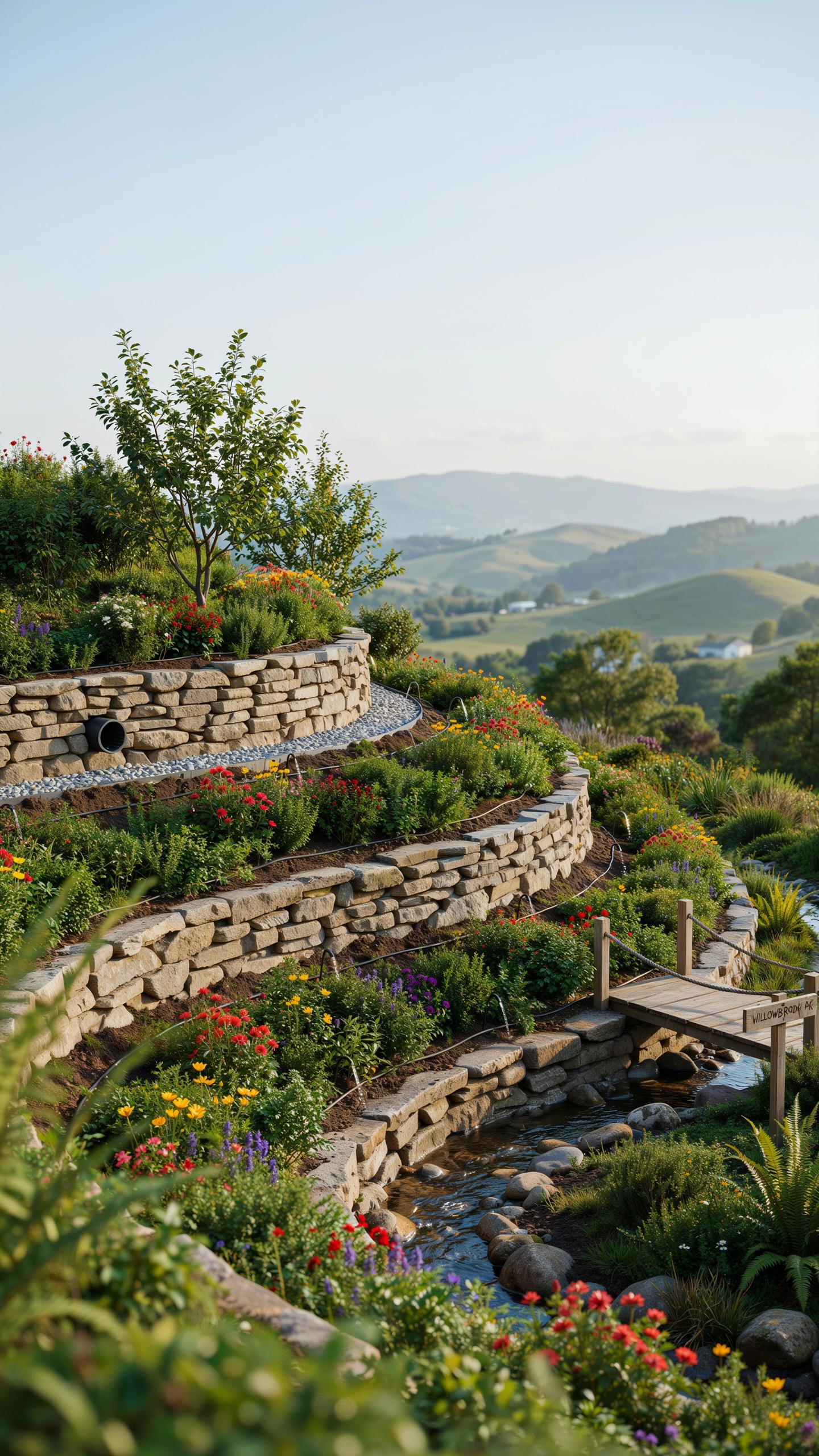
Retaining walls transform vertical waste into horizontal value. A steep hill is useless for walking or planting. By cutting into the slope and filling behind a series of walls, you create steps or levels. These terraces stop gravity from pulling nutrients and topsoil down the hill. Each flat level acts as a foundation for a garden, patio, or lawn area.

Tiered walls work better than one giant wall for extreme heights. This approach distributes the weight of the soil across several smaller structures. It prevents the massive pressure that often causes single, tall walls to buckle or lean. You gain multiple gardening zones and easier access for maintenance. Properly planned terraces turn a dangerous, eroding slope into a series of functional outdoor rooms.
Creative Landscape Ideas For A Hillside Sloped Yard
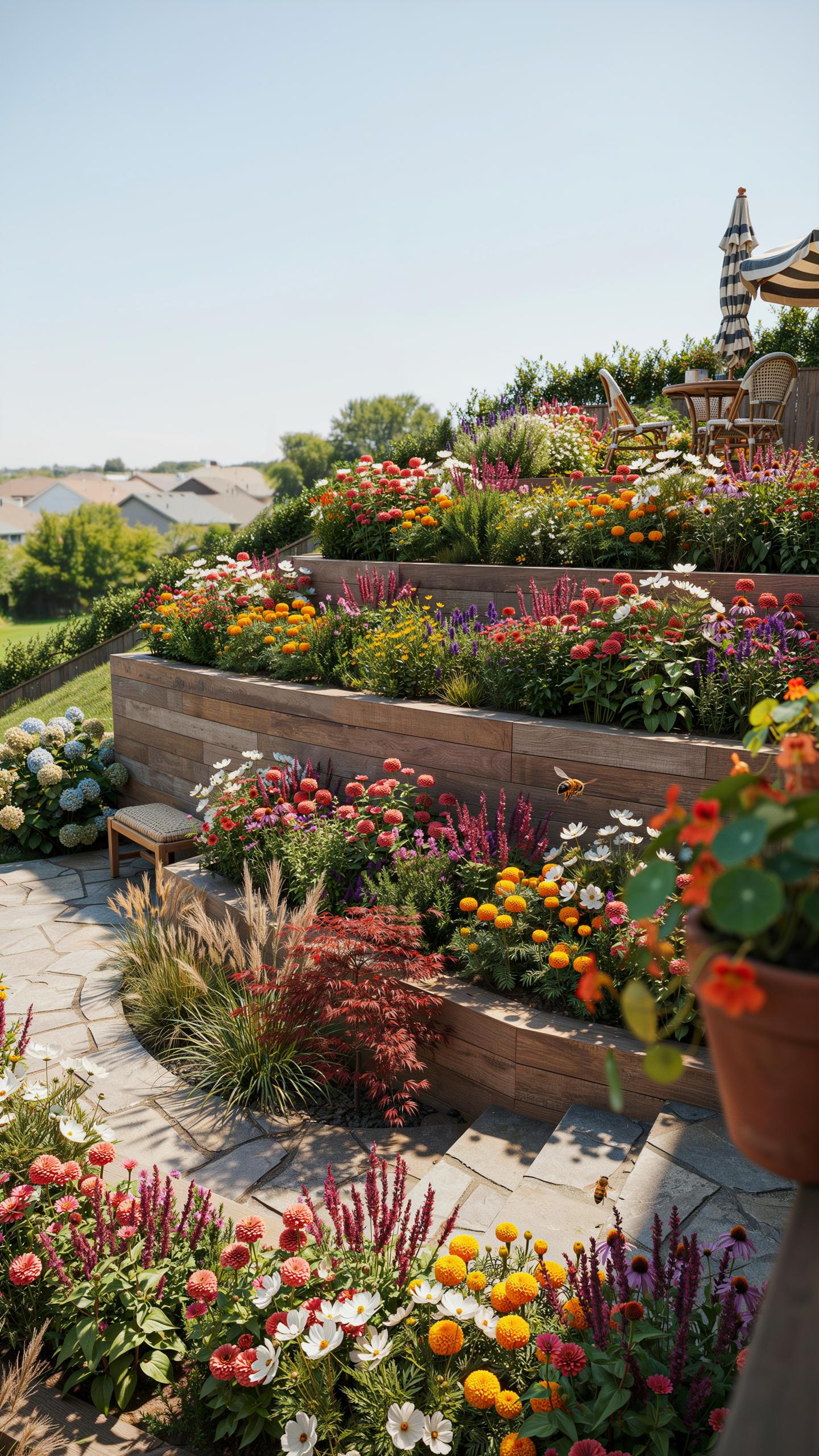
Terraced Garden Beds That Add Color And Structure To A Hillside
Terracing transforms a steep slope into a series of flat platforms. This technique stops soil erosion and manages water runoff. You must use sturdy materials like pressure-treated timber, concrete blocks, or natural stone. Engineers recommend these walls to hold back the weight of wet earth. Proper drainage behind the walls prevents pressure buildup. This structural approach creates manageable zones for diverse planting.
Level beds allow water to soak into the soil rather than racing downhill. You gain precise control over soil quality in each section. Strategic placement of stairs connects these levels for easy maintenance access. This method maximizes usable square footage on otherwise wasted land. Homeowners often install drip irrigation systems within these tiers to ensure consistent moisture. Structured beds provide clear lines and permanent order.
Using Native Plants And Ornamental Grasses For A Natural Hillside Look
Native plants offer the best survival rates for hillside landscaping. These species evolved to thrive in local climate and soil conditions. Their deep root systems anchor the soil safely. This prevents landslides and surface washing during heavy rain. Native choices require less fertilizer and supplemental water once they are established. They provide a low-maintenance solution that fits the existing environment without constant human intervention.

Ornamental grasses provide immediate ground cover and visual movement. These plants grow quickly to fill empty spaces. Species like switchgrass or little bluestem tolerate poor soil well. Their dense foliage shields the ground from wind and sun. This reduces weed growth and preserves soil moisture levels. Grasses also offer winter interest when other plants go dormant. They create a cohesive look that blends the yard into the surrounding scenery.
Practical Landscaping Steps On A Slope For Safe And Stylish Access
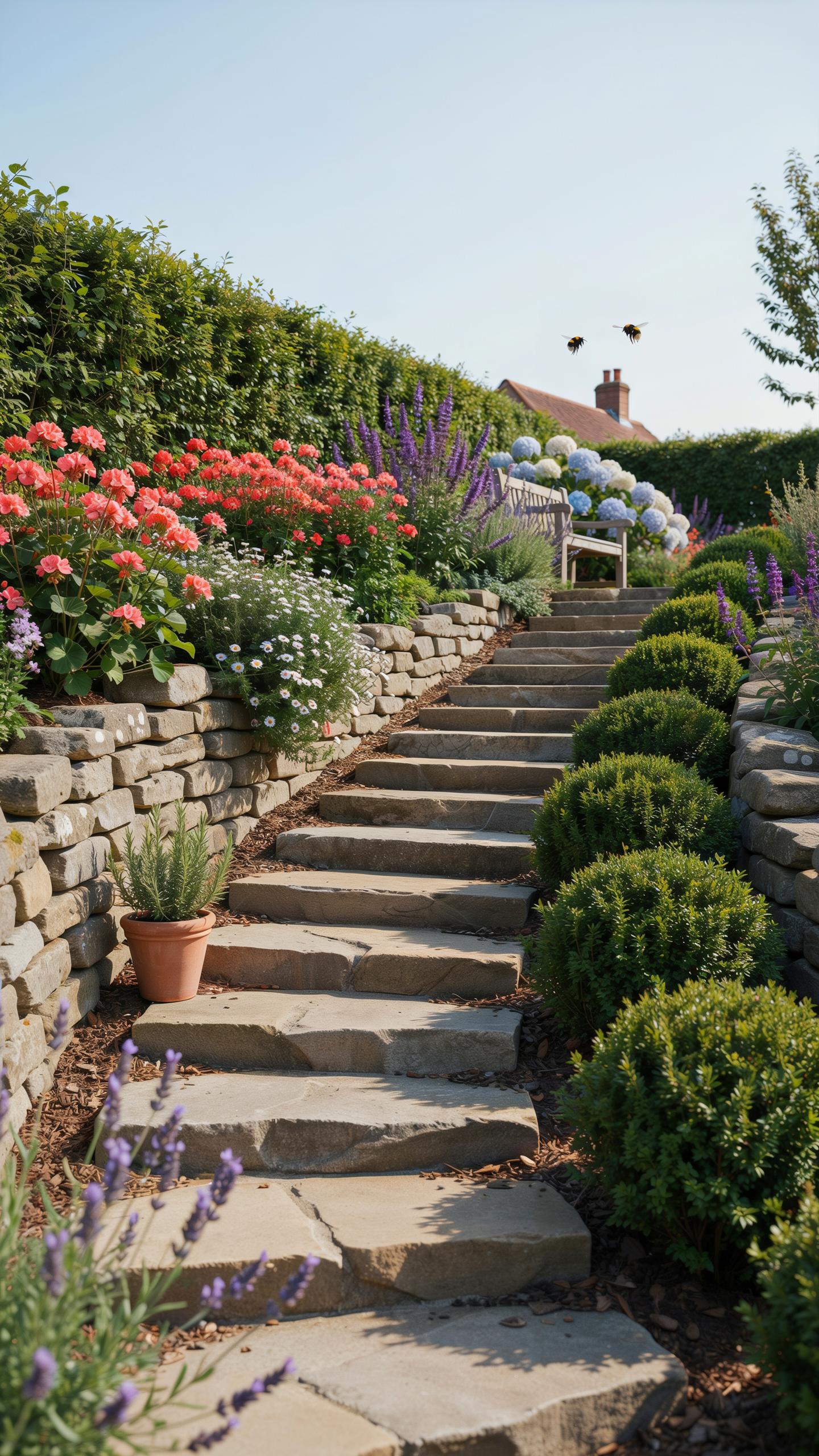
Guidance How To Design Safe And Attractive Steps On A Sloped Yard
Safe step design requires strict adherence to the riser and tread ratio. You must keep risers between four and seven inches high. Treads should be at least eleven inches deep to provide a stable landing for the foot. Steeper slopes require shorter runs between landings. Always clear the path of loose soil and debris before installing any structural base materials.
Proper drainage prevents steps from shifting or washing away during heavy rain. Grade the area so water flows away from the center of the staircase. Install a gravel sub-base to allow water to permeate the ground. Shallow steps work best for gentle inclines. Sharp drops require zig-zag patterns or terraced landings. This design reduces the physical strain of climbing and enhances overall site safety.
Materials To Use When Building Landscape Steps On A Slope
Material choice dictates the longevity and maintenance requirements of your sloped access. Heavy materials like stone or concrete provide the best stability against gravity. You must match the material density to the degree of the slope. Porous materials allow for better drainage in wet climates. Always prioritize slip resistance to ensure the path remains functional during all weather conditions and seasons.
- Natural Stone: Large slabs of limestone or granite provide immense weight and durability. These stones do not rot and fit well in traditional or rustic landscapes. They require professional equipment for installation due to their heavy mass.
- Pressure Treated Timber: Thick wood beams offer a cost-effective solution for structural steps. Builders use these in the 6-by-6 inch size to create solid frames. The wood resists decay but requires galvanized hardware to prevent rust.
- Concrete Pavers: Manufactured blocks provide uniform dimensions for easy installation. Modern pavers feature textured surfaces that offer high traction. Designers use these for clean lines and contemporary aesthetics in organized outdoor living spaces.
- Crushed Stone: Compacted gravel serves as a filler for timber or stone frames. It provides excellent drainage and prevents water from pooling on the treads. Use angular stones rather than rounded pebbles to ensure the surface stays firm.
- Precast Concrete: These solid units mimic the look of natural stone with less labor. They offer predictable weight loads and consistent riser heights for safety. This material works well for steep grades that require high structural integrity.

Select your foundation layers based on the primary material choice. Use a four-inch layer of compacted angular gravel under any stone or paver system. This base prevents shifting during freeze and thaw cycles. Timber steps require long steel rebar stakes to pin the beams into the hillside. Proper anchoring ensures the steps remain level and functional for decades without needing significant structural repairs or adjustments.
Sloped Front Yard Landscaping That Boosts Curb Appeal
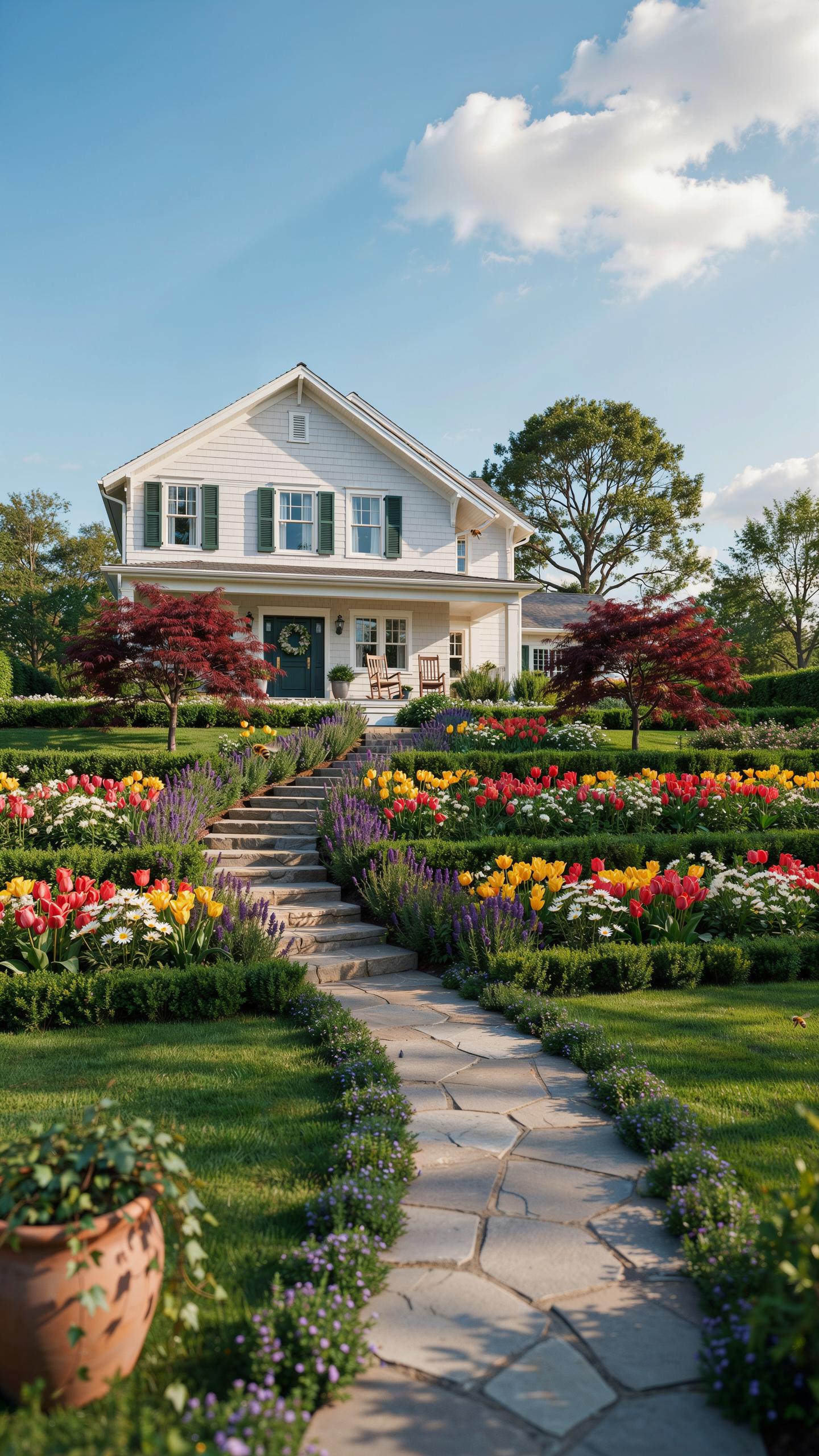
Design Principles For A Welcoming Sloped Front Yard
Front yard slopes require a focus on transition and perspective. Movement from the street to the front door must feel natural rather than forced. Use terracing to break up the vertical rise into manageable steps. This creates flat planes that catch the eye and slow down movement. Proper grading prevents water from pooling against the house foundation. This preserves the structural integrity of the property while improving visual flow.
Broad walkways increase the perceived value of a home. Use materials like flagstone or poured concrete to create stable paths. Design these paths with a slight curve to soften the harsh incline. Incorporate landing pads at every three feet of vertical rise. These landings provide rest points and allow for decorative features. Strategic lighting along these paths ensures safety after dark. Good design directs the guest eye toward the main entrance.
Low Maintenance Plants And Features For A Sloped Front Yard
Select plants with deep root systems to stabilize the soil. Creeping junipers and vinca minor work well on steep inclines. These groundcovers smother weeds and reduce the need for manual mulching. Use native species to minimize water requirements and chemical fertilizers. Mass plantings create a clean look that requires little pruning. Grouping plants with similar water needs prevents runoff issues. This keeps maintenance tasks low throughout the year.

Hardscape features like boulders add weight and character to a slope. Place large rocks deep into the ground to anchor the hillside. Use gravel or river rock in drainage channels to manage heavy rainfall. These materials do not wash away like organic mulch. Steel edging keeps garden beds defined and prevents soil from spilling onto walkways. Dry creek beds serve a functional purpose by directing water away from high traffic areas.
Smart Sloped Side Yard Landscaping To Maximize Narrow Spaces
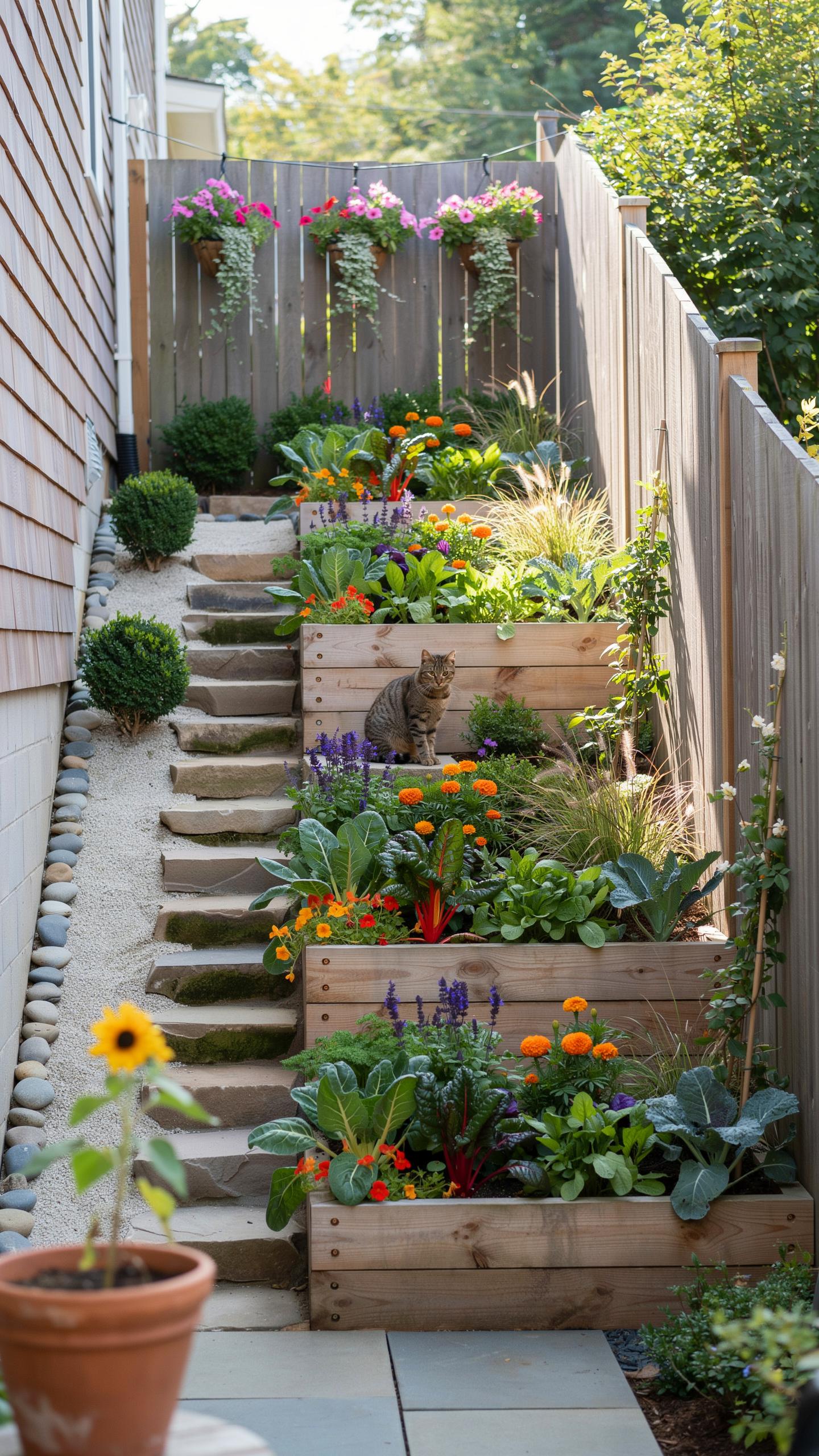
Challenges Of A Sloped Side Yard And How To Address Them
Sloped side yards create drainage and erosion hazards. Water gains velocity on steep inclines and washes away topsoil. This runoff often pools against home foundations and causes structural damage. You must redirect water using swales or French drains. These tools move water safely to the street or a rain garden. Proper grading prevents basement flooding and stops soil from sliding into your neighbor’s property.
Narrow spaces limit manual labor and machinery access. Standard retaining walls take up too much horizontal room in a side yard. Instead, use vertical timber walls or slim modular blocks. These structures create flat tiers for planting. Tiering breaks the fall of water and provides stability. You gain usable land by turning a steep drop into a series of functional steps. Stability is the primary goal for every installation.
Pathway And Planting Ideas That Work In A Sloped Side Yard
Safety and traction define a successful side yard path. Use flagstone or gravel with timber edging to build stable stairs. Stone steps provide a permanent solution for steep grades. Set each step deep into the slope to prevent shifting over time. A zig-zag path design reduces the angle of the climb. This makes the narrow space feel wider and more accessible for maintenance tasks.

Choose plants with deep root systems to anchor the soil. Creeping junipers and ornamental grasses work well on inclines. These species require little water once established. Use groundcovers to replace high-maintenance turf. Native shrubs add vertical interest without blocking the narrow walkway. Avoid plants that need frequent pruning or heavy watering. Low-maintenance greenery keeps the slope stable and prevents future erosion issues in hard-to-reach areas.
Drainage And Irrigation Solutions For Landscaping On A Hill
Why Proper Drainage Is Critical When Landscaping On A Hill
Gravity forces water to travel to the lowest point. On a slope, uncontrolled runoff gains velocity and causes rapid soil erosion. This movement strips away topsoil and destroys expensive plant roots. Improper drainage also leads to hydrostatic pressure against retaining walls. This pressure can cause structural failure or total collapse. You must control the water flow to protect your land investment.
Poor drainage creates pools of standing water at the base of your hill. This creates mud pits and kills grass through oversaturation. It also creates a foundation risk for your home. Water can seep into basements or crawl spaces if you do not divert it correctly. Designers use French drains or swales to redirect this runoff. These systems move water safely to a designated discharge area.
Effective Irrigation Strategies Designed For Sloped Terrain
Standard sprinklers fail on hills because water runs off before the soil absorbs it. This creates waste and leaves plants thirsty. You must use drip irrigation or low-flow emitters for sloped terrain. These systems deliver water slowly and directly to the root zone. This technique prevents surface runoff and keeps the soil intact. Slow delivery ensures that every drop penetrates the ground properly.

Smart controllers and pressure regulators are essential tools for cliffside or hillside watering. They manage water flow to account for different elevations. You should group plants with similar water needs together in horizontal rows called zones. This method helps you apply the right amount of water to each level. Proper scheduling also helps. Use multiple short watering cycles to give the steep ground time to soak.
Frequently Asked Questions

What are the best plants to use for a sloped yard?
When exploring sloped yard landscaping solutions, the best plants are those with deep, spreading root systems that anchor the soil. Creeping groundcovers like creeping phlox, hardy perennials such as daylilies, and ornamental grasses are excellent choices. These varieties help prevent erosion by gripping the hillside, while also adding texture and color to your outdoor space without requiring constant maintenance or difficult mowing.
How do I create functional flat areas on a steep hill?
The most effective method is terracing, which involves building a series of low retaining walls to create flat “steps” in the terrain. Start at the bottom of the slope and work your way up, ensuring each level is properly leveled and backfilled. Integrating these sloped yard landscaping solutions allows you to install functional seating areas or garden beds that would otherwise be impossible on a sharp incline.
Can I landscape a sloped yard on a tight budget?
Absolutely! You can achieve a beautiful look without expensive masonry by using natural boulders or reclaimed timber to create informal steps. Another cost-effective approach is to skip structural changes and instead plant a “living carpet” of dense shrubs and mulch. This stabilized greenery prevents runoff and adds curb appeal for a fraction of the cost of professional hardscaping, making your hillside both manageable and attractive.