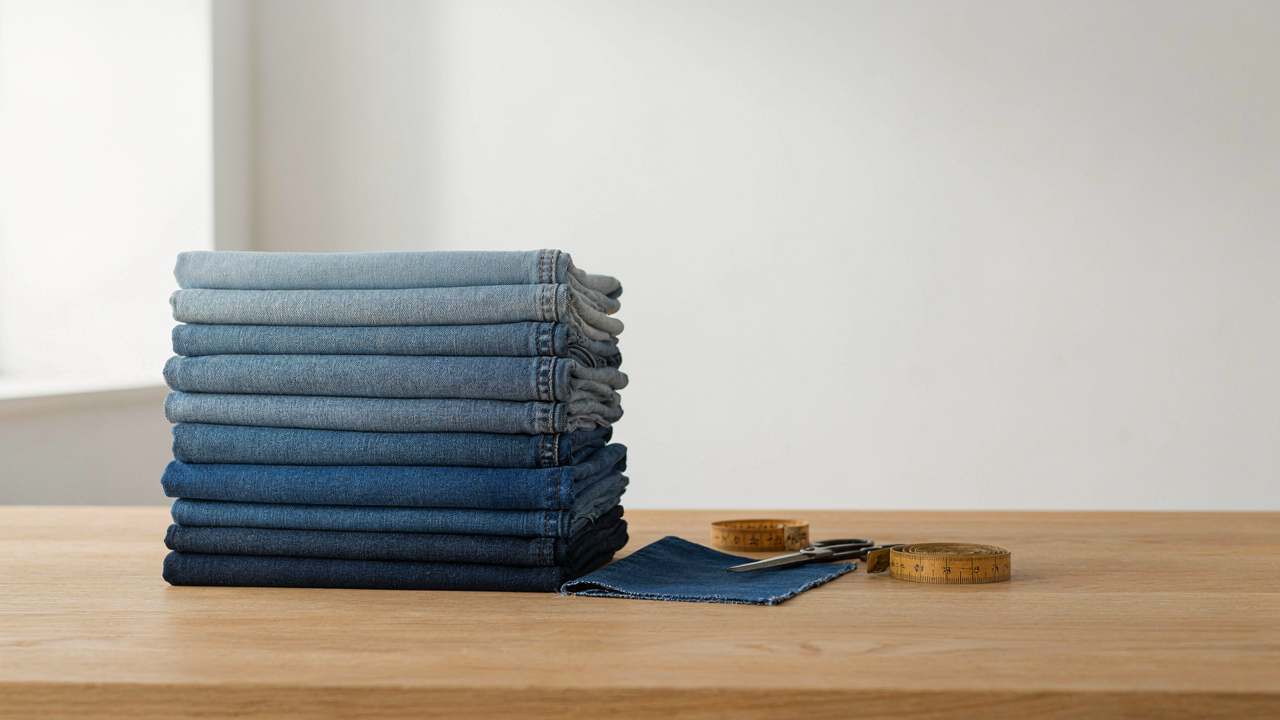
The Illusion Of Scarcity: Why Old Jeans Are Gold
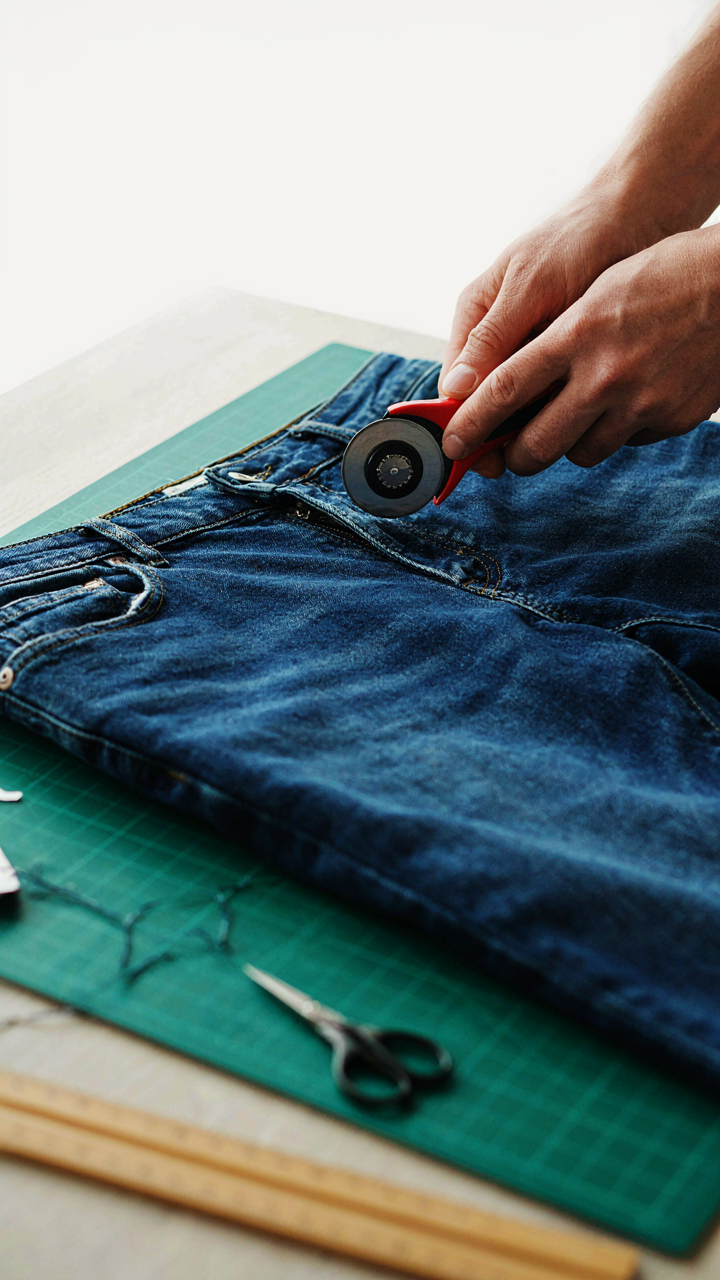
How To Strip Denim For Working Material
You want to believe old jeans are valuable because you don’t want to buy new fabric. That’s the real reason. The mechanism is simpler: denim’s construction creates usable segments most people waste. The seams run in specific paths. The pockets sit in predictable locations. The hem folds create dense, stable edges. You don’t deconstruct jeans randomly. You map the garment first, identify load-bearing seams versus decorative ones, then cut strategically to maximize usable panels. Each pair yields three to four large flat pieces and a dozen smaller components if you separate rather than shred.
The inseam and outseam carry stress during wear, which means they’re durable after separation. The waistband uses double-folded fabric reinforced with interfacing, making it ideal for binding edges on storage projects. Pockets are already sewn shut on one or two sides, which saves you assembly time if you’re building compartments. The zipper comes out intact with needle-nose pliers. Rivet holes create natural anchor points for hardware attachment. Treat deconstruction as reverse engineering, not destruction. Mark cut lines with tailor’s chalk, cut along seams rather than through fabric, and preserve selvage edges when they appear.
Reading The Hidden Properties In Every Pair
Denim weight varies dramatically, and most people ignore this entirely when picking jeans for projects. Weight determines function. A 10-ounce chambray denim from vintage 1970s wear behaves nothing like modern 14-ounce raw denim. The heavier the fabric, the more structural support it provides. Rub the material between your fingers. If it’s soft and flexible, it suits soft-sided storage or draped applications. If it resists bending, it works for structured boxes or architectural wall pieces. Check the weave pattern too. Rope-dyed versus pad-dyed fabrics age and fade differently, affecting aesthetics over time.
Look for color variation across the garment. Thighs fade faster than the back panel. This natural gradient is a feature, not a flaw. Use it intentionally. Darker back panels work as bases for larger storage units. Lighter thigh sections become accent strips or visible interior linings. Examine thread color matching the fabric. Indigo thread on indigo denim holds together. Contrasting thread (white or tan) suggests different construction standards and different failure points under stress. Run your finger along seams. Tight, regular stitching means the seam will hold through multiple projects. Loose or uneven stitching means that seam becomes a weakness you work around, not through.
Beyond The Potholder: Strategic Upcycling Principles
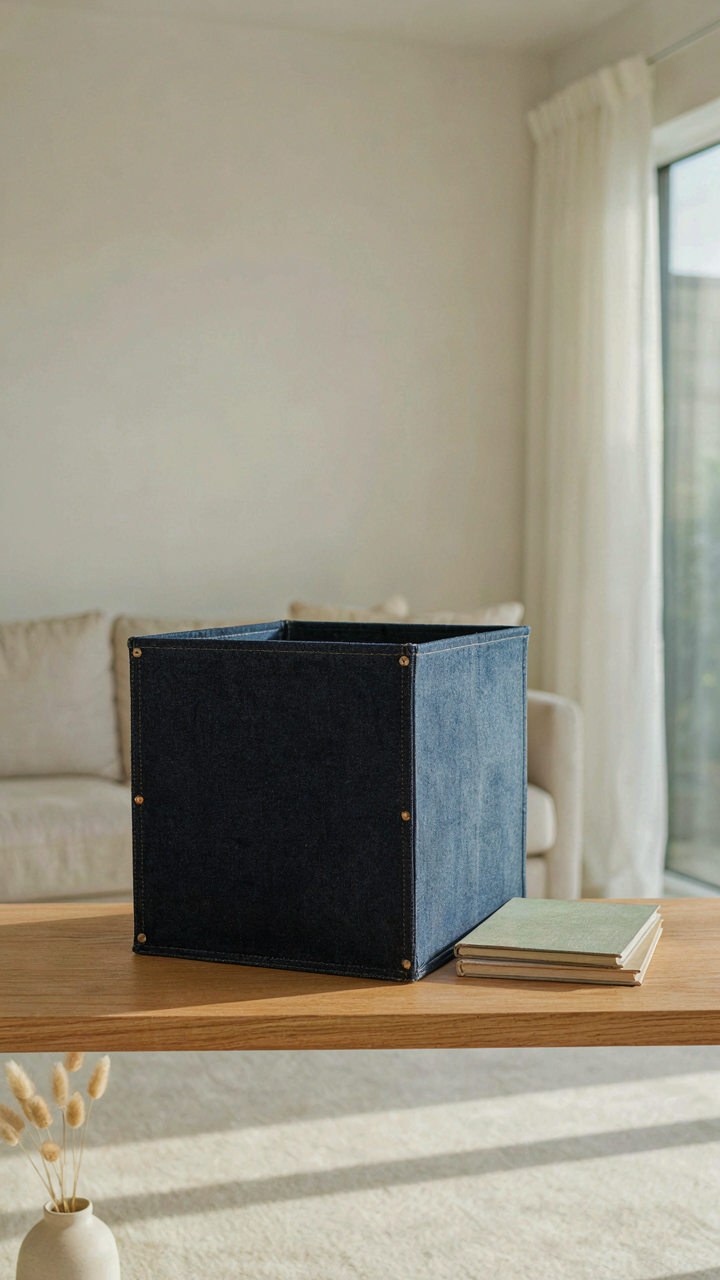
Denim Structure Determines What It Becomes
You want permission to skip the thinking part and just make something that looks intentional. The real mechanism here comes from architecture, not decoration. Load-bearing walls determine building layout. Denim weight, weave density, and seam placement determine what a project can actually hold or support without failing.

Heavy denim (14+ ounces) handles structural roles: storage bins, hanging organizers, chair reinforcement. Lighter denim (10-12 ounces) works for surface decoration or shallow pockets. The selvage edge is already finished and won’t fray, so it becomes your design element, not a problem to solve. You design the project around the material’s capacity, not the other way around.
Constraint Creates Aesthetic Coherence
Everyone pushes for maximum visual interest. They layer colors, textures, patterns, and call it eclectic. That’s why most upcycled denim projects look amateur. Minimalist design applied to denim means accepting the fabric’s natural range and stopping there.
Denim has a narrow color palette by design: indigo, black, white, and the fades between them. That constraint is the advantage. One project uses two denim tones maximum. Stitching color becomes the only accent choice. Simple hardware, minimal hardware, or no hardware at all. The project succeeds because you removed options, not added them. This discipline forces better proportions and cleaner final output than decoration ever could.
The Biomimicry Of Denim: Adapting Nature’s Blueprints
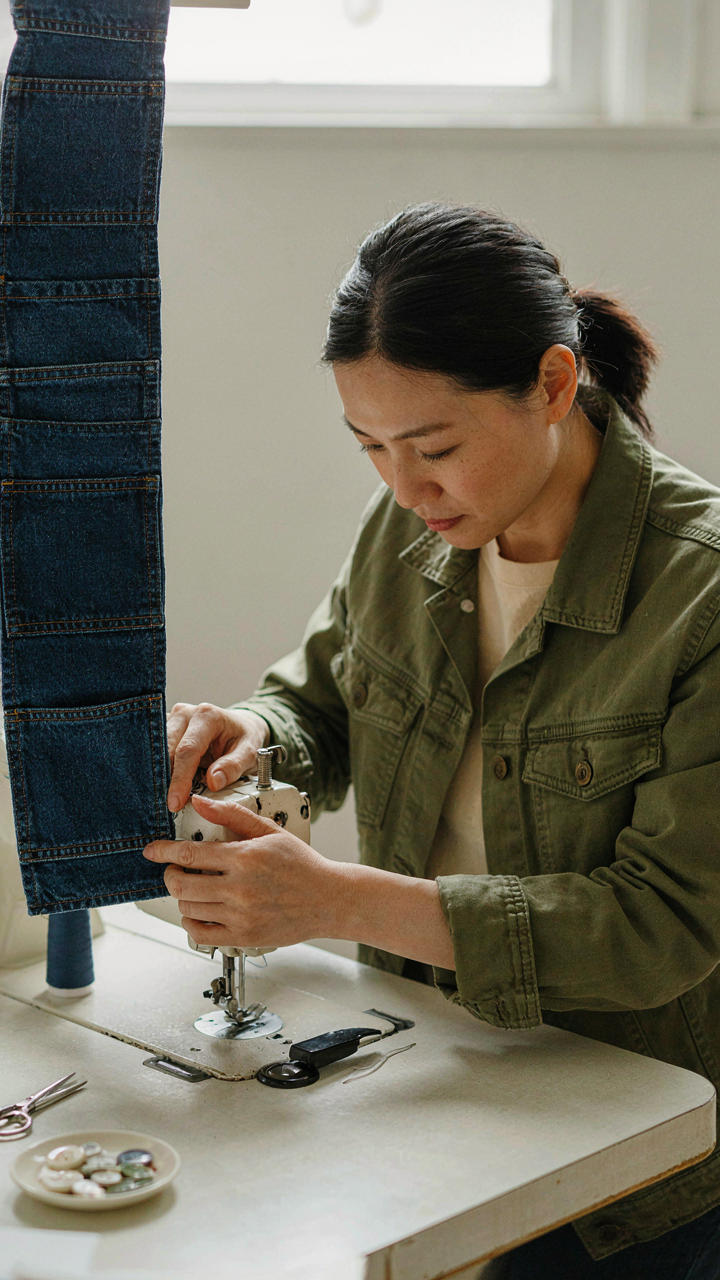
How Seams Behave Like Load Bearing Structures
You want to sound smart about sustainability. But the real reason you care is that structural failure in storage means wasted material and time rebuilding. Here’s what matters: in architecture, load bearing walls distribute weight through specific points. Denim seams function identically. The stitching pattern determines whether a storage piece holds or tears under repeated use. Most people reinforce seams randomly. The mechanism is simpler: stress concentrates at corners and connection points, not along flat sections.

Denim’s weave structure naturally resists perpendicular stress but fails under lateral shearing. When building storage like hanging organizers or suspended shelves, position your seams along the primary load path, not perpendicular to it. The selvage edge handles vertical tension better than cut edges because the weave is denser there. Thread type matters too. Polyester outlasts cotton thread under repeated flexing because it stretches without breaking. Study how the fabric tears under pressure, then reinforce there first.
Wear Patterns Reveal Where Reinforcement Actually Works
Ignoring wear patterns is lazy design. Real jeans show you exactly where failure begins through high-friction zones and stress creasing. The inside thigh, back pocket corners, and crotch seams on worn jeans aren’t failing randomly. These areas experience constant bending, compression, and abrasion simultaneously. Reinforce denim storage solutions at these stress signatures, not where you guess problems might occur.
When converting old jeans to storage, trace the existing wear marks and add double-layer reinforcement in those zones before assembly. The high-stress areas on original jeans are a map for where your storage will also fail. Apply extra stitching rows, patch backing, or interfacing exactly where the fabric already shows damage history. This transforms failure data into prevention protocol.
The Denim Crafts Diy Anti Clutter Protocol
Storage That Shrinks Your Actual Problem
You want denim storage because you think it solves clutter. It doesn’t. Clutter is a decision-making failure, not a container shortage. Denim storage only works if you reverse-engineer what you’re actually keeping and why.

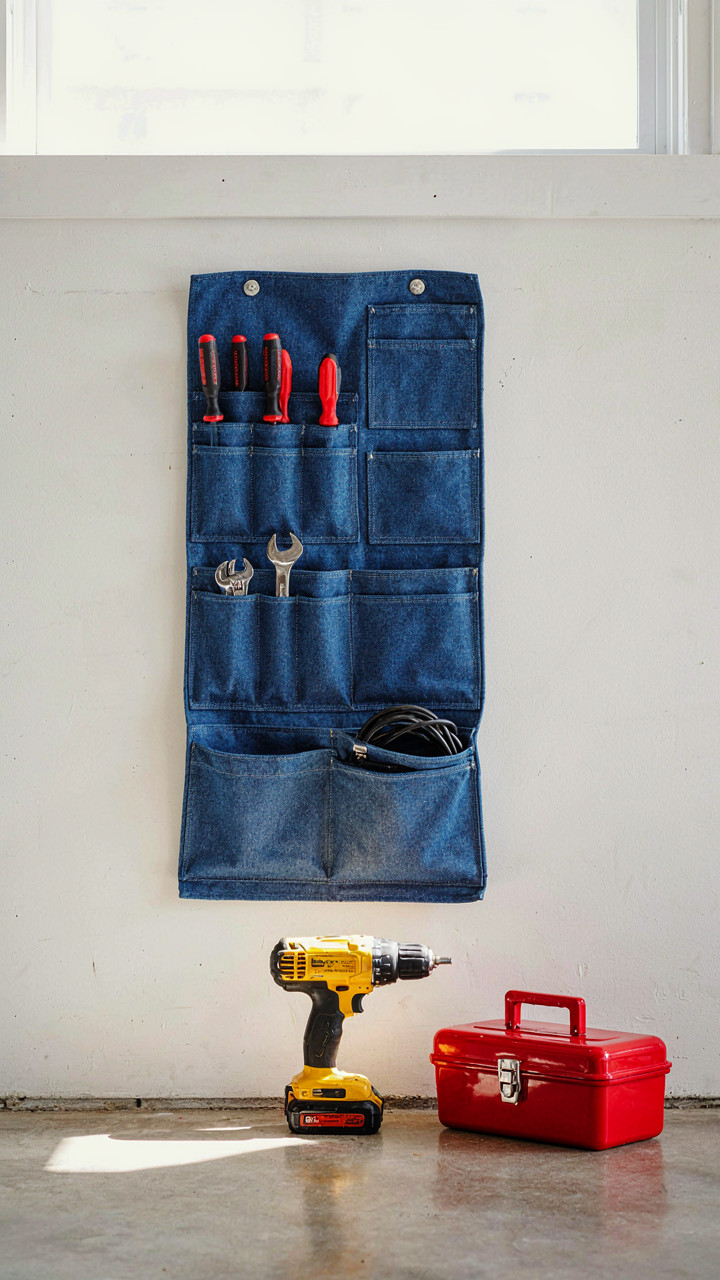
The mechanism is simple: denim projects force constraint. A jean pocket pouch holds exactly what fits, nothing more. You can’t mindlessly stuff it. When you design denim storage around specific objects—cords, tools, documents—you’re building a decision filter into the physical space. The material doesn’t matter. The limit does. Design your denim storage piece first around what leaves your space, then around what stays. Measure twice. Build once. Skip the “catch-all” category entirely.
Dual Function Pieces For Small Footprints
Multiple uses in one object is efficiency theater if the object does nothing well. The real move is building denim items that shift purpose seasonally or by room without losing integrity.
A denim hanging organizer on your closet door works there for three months, then moves to your entryway for shoe storage, then to your garage for small hardware sorting. This works because the denim construction stays rigid enough to hold shape through repositioning, and the modular pocket structure doesn’t require tool changes between locations. The constraint that makes it good at one job makes it adaptable to others. Build with reinforced stitching at stress points first. Versatility follows function, never precedes it.
Upcycled Denim Projects As A Status Signal

The Handmade Scarcity Premium
You want people to know you didn’t buy this at a store. That’s the real driver here. The mechanism is scarcity signaling. In economics, a good commands higher perceived value when supply is constrained. Your hand-stitched denim storage box signals you invested time that money alone cannot buy. Mass production erased this signal decades ago. When everyone owns identical IKEA bins, the person with a custom denim organizer demonstrates control over their environment and deliberate taste.

Mass production makes things cheaper but erases individuality. Upcycled denim projects invert this. You transform abundance (old jeans exist everywhere) into perceived rarity through labor. The wear patterns, fabric imperfections, and stitching variations become proof of authenticity. A factory cannot replicate this without losing the entire signal. Your guests recognize the effort instantly, even if they cannot articulate why they notice it.
Values As Visible Inventory
People decode your beliefs through what you display in your home. A denim wall hanging or storage piece communicates you care about waste reduction, resourcefulness, and rejecting disposability culture. This statement costs nothing to make but requires you to hold the belief genuinely. Performative environmentalism fails here because the cost of the lie (actually making something) exceeds the benefit of the lie (people forgetting about it tomorrow).
When you actually build with your hands, the narrative becomes coherent. Your home becomes an inventory of your values, not a catalog. Someone entering your space sees deliberate choices, not curated purchases. A denim throw pillow cover you assembled yourself proves you prefer problem solving to consumption. This consistency builds trust faster than any description of your values ever could. That alignment between action and environment is what people remember.
Mastering Denim Scraps The Zero Waste Blueprint
Techniques For Using Every Last Scrap
You want to feel like you’re not wasting anything because waste feels like failure. Here’s the mechanism: denim scraps have different densities depending on where they come from the garment, and that density determines their structural utility. Selvage edges hold their shape. Waistband sections resist fraying. Pockets stay rigid under stress. The real zero-waste system isn’t about sentiment—it’s about matching scrap type to application based on material properties, not wishful thinking.

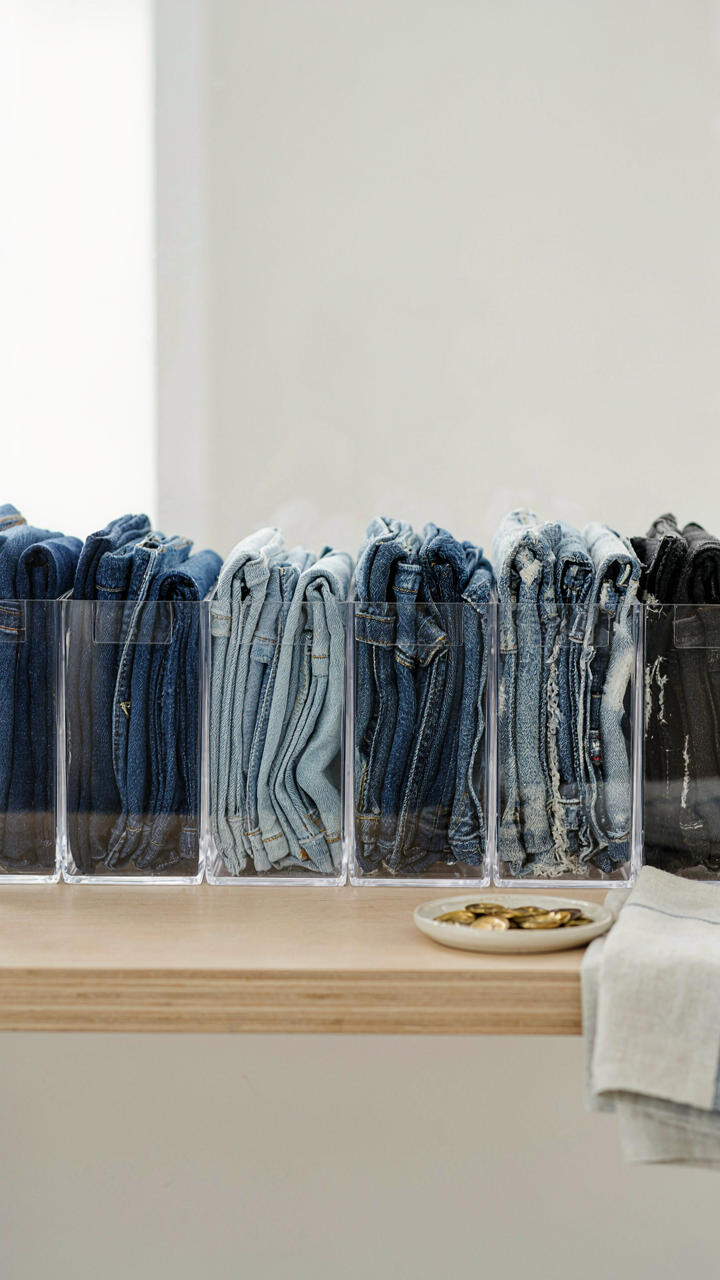
Sort scraps by thickness and weave integrity first. Lightweight pieces work for linings and backing layers. Medium-weight sections become reinforcement patches or foundation pieces. Heavy denim from seams and waistbands becomes structural elements that won’t fail. Store them by category in labeled containers. This takes thirty minutes upfront but eliminates the friction of digging through a pile when you’re mid-project. The sorting itself reveals which scraps have actual utility and which ones are genuinely waste.
Patchwork And Appliqué With Small Pieces
The common advice here is wrong: patchwork doesn’t require a pattern or color coordination. Small denim pieces work best when you embrace their randomness as a design choice rather than fighting it. Appliqué—layering fabric shapes on a base—functions like collage in visual design: composition beats matching. Mismatched indigo tones create texture and depth because the eye reads variation as intention.
Start with a sturdy base fabric. Layer scraps directly onto it using adhesive or stitch. Overlap pieces deliberately. Leave gaps intentionally. The mechanism is friction: overlapped edges create visual weight and anchor lighter pieces. Dense clustering in one area pulls the eye there. Sparse placement elsewhere creates breathing room. This isn’t decoration—it’s visual hierarchy built with material. Stitch down all layers with a straight stitch using matching thread, then topstitch one-eighth inch out for definition.
The Blue Jeans Crafts Innovation Lab: Experimentation Over Instruction

Unconventional Denim Cutting And Stitching
You want permission to skip the tutorial videos because you’re afraid you’ll waste fabric on something that doesn’t work. The real mechanism is this: denim’s structural integrity comes from its twill weave and weight, not from following a pattern. You can cut against conventional grain because the fiber density tolerates stress from multiple angles. Most tutorials teach one seam type because it’s teachable, not because it’s the only option.

Raw-edge construction, reverse stitching, and intentional fraying exploit denim’s natural properties instead of fighting them. Flat-felled seams aren’t mandatory for storage boxes. Whip stitching works. Running stitches work. Visible topstitching in contrasting thread works because denim shoulders the load, not the thread count. The constraint isn’t technique. It’s understanding where stress points actually occur in your finished piece.
Mixed Media Integration With Denim
Denim doesn’t demand to be the hero of every project, but most makers treat it that way out of habit. Canvas, leather, metal hardware, and rope all bond to denim without requiring special adhesives if you approach them mechanically instead of chemically. Rivets, D-rings, and grommets create permanent anchors. Stitching through denim plus canvas creates a laminated layer that won’t separate.
The integration principle works because you’re not relying on glue to hold under tension. Use rivets at stress points, stitching on flat surfaces, and hardware where loads concentrate. A denim storage organizer gains function when you anchor rope handles with metal eyelets, not when you glue them. Test every material bond under the actual stress it will face during use before committing to a full piece.
Durability Engineering: Old Jeans Upcycling For Longevity
Reinforcement Techniques For High Stress Points
You want your upcycled project to last because throwing it away defeats the entire point. Borrowing from structural engineering, the principle of stress concentration applies directly: force compounds at weak joints, so you reinforce before failure happens, not after. The seams on original jeans already handle tension because manufacturers stitch them twice. When you cut, repurpose, or reconstruct denim, you eliminate those original seams and create new vulnerabilities at attachment points.

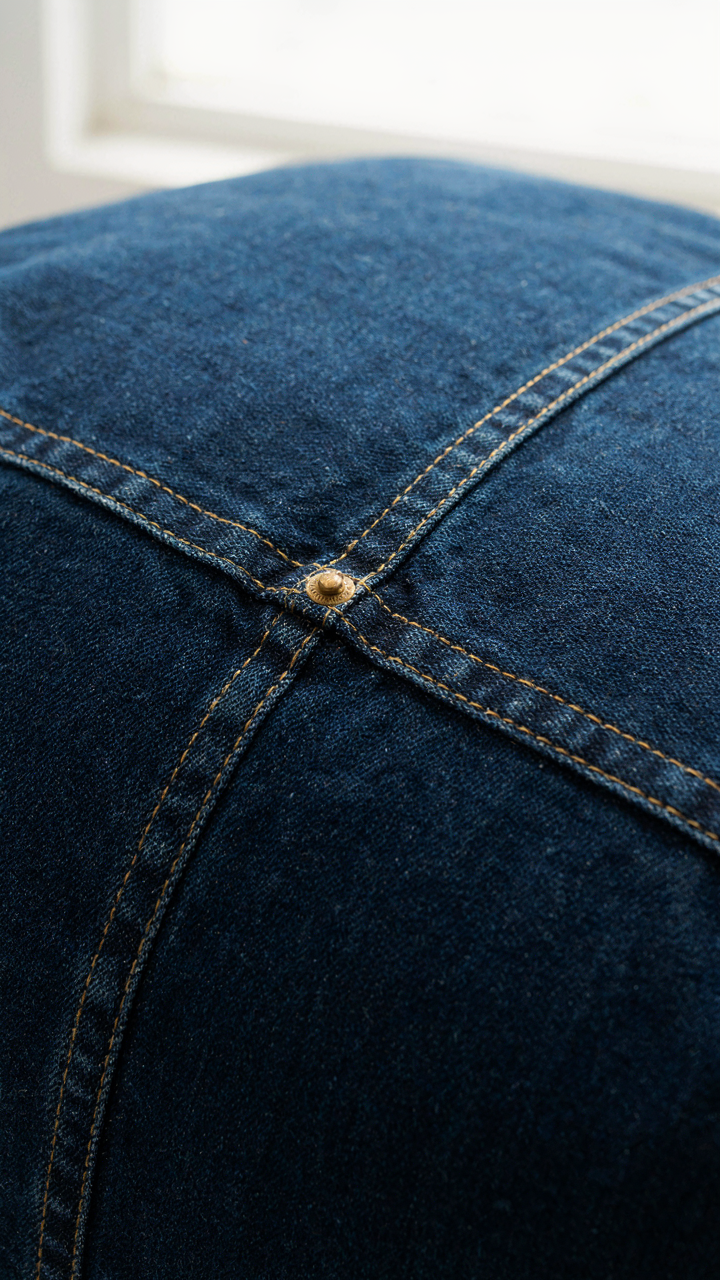
Double-stitching with heavy-duty thread prevents blowouts at load-bearing seams. Use a straight stitch first, then backstitch the entire seam line. For corners where fabric pulls hardest (bag handles, storage strap attachment), run a box stitch or X pattern across the junction. Reinforce stress points before assembly, not during use. This shifts the failure point from your seam to the fabric itself, buying years of actual durability.
Weight Selection Determines Structural Ceiling
Generic advice says use whatever denim you have. That’s wrong. Denim weight directly determines load capacity and handling performance. Raw denim runs 12 to 16 ounces per yard. Standard worn jeans typically measure 13 to 14 ounces. Heavier vintage denim from the 1970s and 1980s often exceeded 15 ounces, sometimes reaching 17 ounces for work-grade fabrics.
Lightweight denim under 12 ounces suits small decorative projects and wall hangings. Medium weight (13 to 14 ounces) handles storage bins, smaller organizers, and seat cushions. Heavy denim above 15 ounces supports large-scale storage, floor poufs, and load-bearing structures. Pick fabric weight to match the final product’s functional demand, not convenience. The weight you start with determines what you can actually build.
The Entrepreneurial Edge: Turning Jean Scraps Diy Projects Into Value

Where Real Demand Lives
You want to know if this can actually make money. That’s the real question under everything else. The mechanism is simple: most upcycled denim products fail because they chase trends instead of friction. Friction is what people pay for. Find the specific problem denim solves better than alternatives, then build around that problem, not around the material itself.

Markets reward specificity. The gap isn’t “upcycled denim products” broadly. It’s the exact intersection of material durability, aesthetic fit, and unsolved customer pain. Denim’s weight and tensile strength make it valuable for storage solutions that need to outlast fast furniture. Its faded aesthetic appeals to minimalist and industrial design markets. Look for where conventional solutions fail: cheap canvas organizers tear, plastic bins offend design-conscious buyers, mass-produced storage looks generic in curated spaces.
- Underbed storage containers: Denim’s durability handles repeated access and weight distribution that fabric alternatives can’t manage over years of use.
- Pet bed inserts: The material resists puncture and claw damage better than cotton canvas or recycled blends, solving a specific pet owner pain point.
- Tool roll organizers for craftspeople: Denim’s thickness supports heavy tools without sagging, a genuine functional advantage over leather alternatives for specific trades.
- Desk cable management: Rigid denim tubes corral cables more effectively than flexible organizers, targeting remote workers frustrated with clutter accumulation.
- Plant pot sleeves for renters: Denim wraps protect rental walls from water damage while allowing temporary decoration, solving landlord compliance without sacrificing aesthetics.
The math shifts when you stop competing on cuteness and start competing on function. A generic upcycled denim pouch competes against ten thousand Etsy listings. A denim tool organizer built for construction workers or woodworkers competes against five competitors and sells at three times the price. Friction isn’t sexy. It’s profitable.
Pricing What Handmade Actually Costs
Everyone underprices handmade work because they confuse hobby pricing with business pricing. You calculate material cost, add 50%, and call it a day. That’s how you go broke slowly. The real cost structure includes labor at market rate, overhead you’re not accounting for, waste material, tool depreciation, and the concentration tax for doing one thing repeatedly. If a finished jean storage box takes four hours to construct, you’re not pricing it at eight dollars of materials plus markup. You’re pricing it at what four hours of skilled labor costs in your market, minimum.
Handmade denim products command premium pricing in two scenarios only: when they solve a specific functional problem better than mass-produced alternatives, or when they target buyers who value the craft story itself. Most makers try to sell the story. The story doesn’t scale and it commoditizes instantly when three hundred other makers tell the same story. Build your price around the functional premium first. A denim organizer designed for a specific tool type, sized precisely for a specific use case, positioned to a specific buyer with a specific problem justifies 40 to 60 percent markup over comparable mass-produced storage. Price at that level, then explain what the premium covers: durability testing, custom sizing, zero waste production process, whatever true differentiation you actually provide.
The Only Real Waste Is A Wasted Opportunity To Innovate

Most people see old jeans and think trash. You now see raw material. That shift from consumer to creator is everything. Stop waiting for the perfect project. Grab a pair today, cut it, stitch it, make something. The friction you feel isn’t laziness, it’s growth knocking. Your hands know what to do before your brain catches up to permission you don’t need.