The Myth Of The Perfect Pile: Why Most Composting Systems Fail
What Actually Stops Decomposition
You want the system to work because you’ve already bought the bins and told people you’re composting. Here’s what really happens: decomposition stalls because the carbon-to-nitrogen ratio falls out of balance, or moisture traps anaerobic pockets, or temperature never climbs high enough to sustain microbial activity. Most people blame their bins. The bins are fine. They blame the materials. The materials are secondary. Thermodynamics governs decomposition rate. Without the right heat environment, microbes work slowly or die. A three bin system fails when the active bin sits too cold or too wet to generate the exothermic reaction that drives the whole process.
The common advice says “turn your pile.” Turning matters, but it’s not the real mechanism. Turning reintroduces oxygen and redistributes heat unevenly. What actually works is building a bin that maintains 130 to 150 Fahrenheit at its core through mass and material layering alone, so microbes reproduce fast enough to finish the job in weeks instead of months. Most three bin designs are too small or too open, bleeding heat to the air. You need density and insulation baked into your system from the start, or no amount of turning rescues a cold pile.
The Aesthetics Trap Hides What Matters
Your system looks orderly and Instagram-ready, but you never check what’s happening inside the active bin because the aesthetic distances you from the actual work. Real systems fail silently because people optimize for appearance: uniform bin sizes, matching materials, neat compartments. Then the nitrogen source concentrates in one section, the carbon packs down unevenly, and the temperature profile becomes chaotic. You open the lid once every two weeks and see dark material, so you assume progress. You’re looking at decomposition on the surface while the core stays inert.
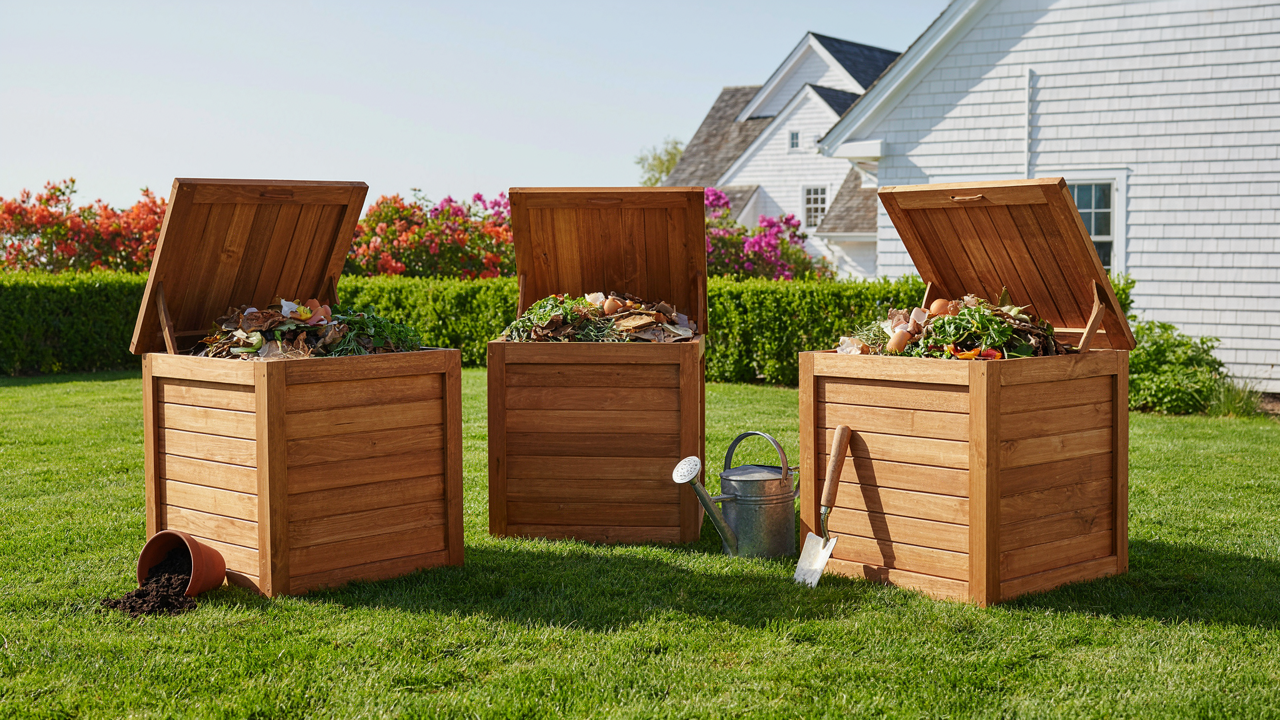
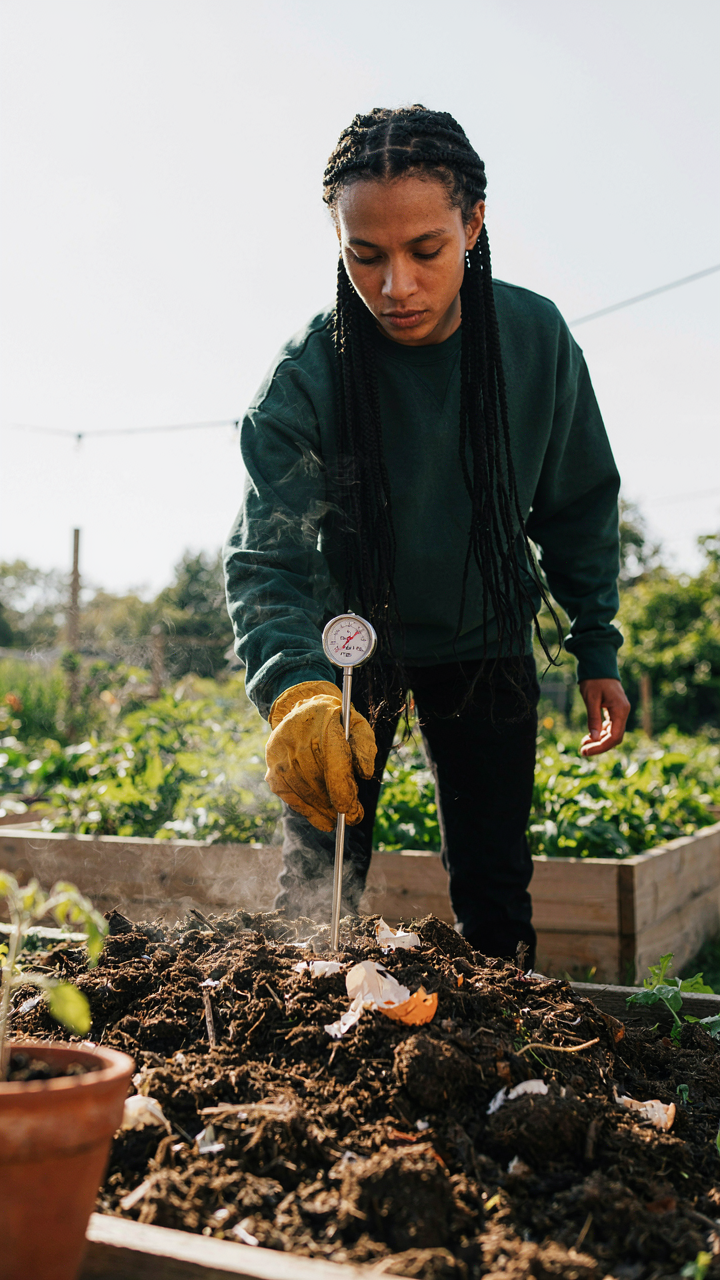
What determines success is not compartment design but material flow and heat retention inside the active bin. You need to feel the temperature, smell the ammonia shift to earthiness, and watch the volume drop week by week. A three bin system only works when you establish a protocol: bin one stays active and hot, bin two finishes cooling, bin three ages finished compost. Skip the protocol and you have three bins of mediocre half-decomposed material. Measure the core temperature of your active bin twice weekly and adjust moisture and carbon immediately if it drops below 120 Fahrenheit.
The 3 Bin Compost System: A Masterclass In Material Flow
Where You Feed The Machine
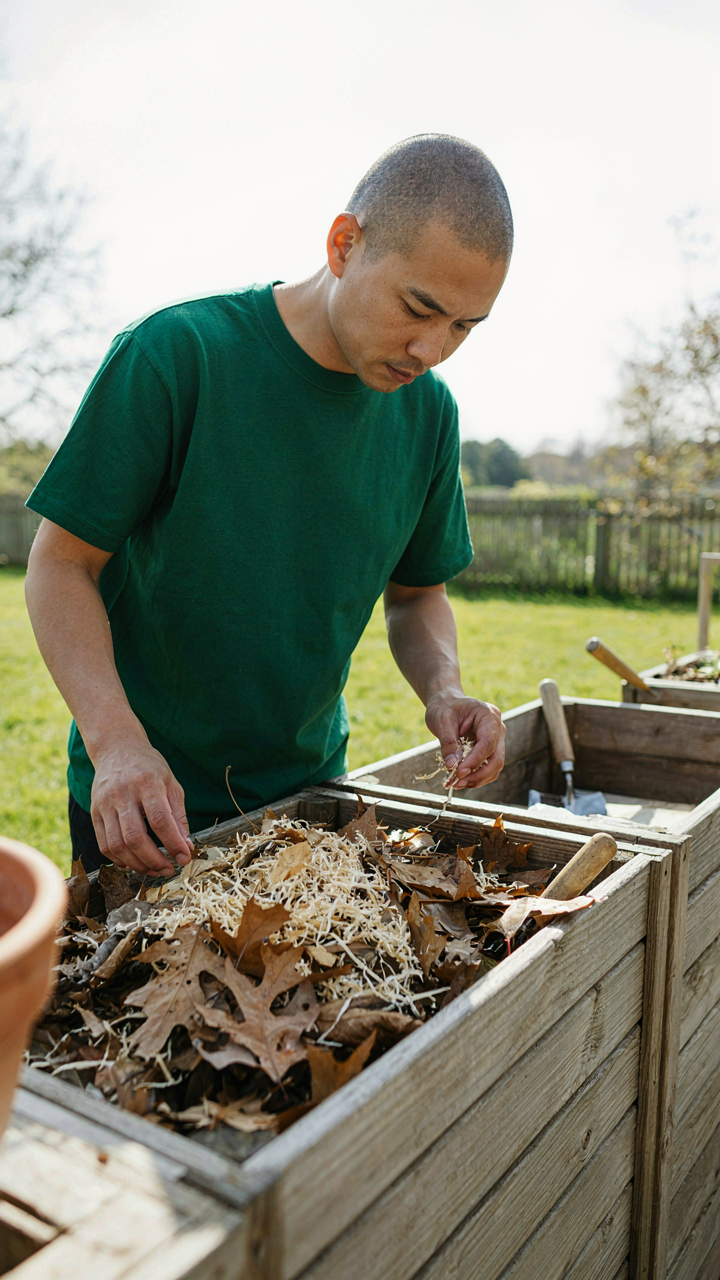
You want a three bin compost system because you think it’ll make composting effortless. That’s not the real mechanism. What you actually want is predictability—knowing exactly when finished compost arrives without babysitting. Bin 1 is where that predictability starts. This bin receives all your carbon-rich materials: leaves, straw, shredded paper, wood chips. You dump material here with no turning, no monitoring, no effort. The bin sits static while decomposition begins at the surface level. Moisture moves down naturally. You’re not composting yet; you’re staging. This staging period gives carbon time to absorb nitrogen from kitchen scraps and grass clippings you’ll add later.

The carbon-heavy feedstock in Bin 1 prevents the entire system from becoming anaerobic sludge. Without adequate carbon uptake first, fresh nitrogen materials compact into a wet, oxygen-starved mass that stinks. Bin 1 solves this by pre-loading the carbon reserves. When you move material to Bin 2, you’re not starting from zero; you’re starting with a balanced C:N ratio already established. This is why people who skip proper Bin 1 staging get piles that reek of ammonia within weeks. Keep adding to Bin 1 until it’s full. Never turn it. Never water it intentionally. Just let gravity and time work.
Where The Work Actually Happens
Active decomposition—the phase where thermophilic bacteria explode in population and temperature spikes to 130–160 degrees Fahrenheit—happens exclusively in Bin 2. This isn’t optional activation; this is the biological mechanism that kills pathogens and weed seeds. You move material from Bin 1 to Bin 2 when Bin 1 is full. Here’s what people get wrong: they think turning is about mixing. It’s not. Turning is about oxygen injection. Microbes decompose fastest when oxygen flows freely through the pile. Each turn collapses settled material, creates air pockets, and restarts the thermophilic cycle. Turn Bin 2 every 7–10 days for 4–6 weeks until the material turns dark and unrecognizable.
Temperature tracking tells you if turning is working. A working Bin 2 pile reaches peak heat 3–5 days after turning, then cools gradually until the next turn. No heat spike means insufficient oxygen or carbon. Add more carbon-rich material before the next turn. The moisture should feel like a wrung-out sponge—damp but not dripping. Bin 2 is where you stop being passive. The effort here determines whether you get finished compost in 8 weeks or sludge in 12.
Compost Bins Built For Output: From Pallets To Black Gold

Building A Three Bin System From Pallets
You want to build this yourself because you think it proves you’re resourceful and self-sufficient, when really you just don’t want to pay for a pre-made system. That’s fine. The mechanism that makes pallet bins work is airflow management. Pallets create slats with gaps, which forces air circulation through the pile from multiple angles instead of letting it go dead and anaerobic at the center. You’re basically weaponizing wood gaps as passive ventilation.

Here’s the actual process:
- Source four identical pallets per bin: Check warehouse loading docks or shipping companies. Take untreated pallets only. Treated wood contains chromium and copper compounds that don’t belong in soil.
- Stand pallets upright and wire them together: Use fencing wire or zip ties through the existing pallet holes. Screw works too but wire is faster. Create three separate boxes in a row.
- Line the interior with hardware cloth: Attach half-inch metal mesh to the inside walls. This prevents rodents from burrowing while maintaining airflow through the slats.
- Add a removable front panel: Build or attach a fourth pallet to the front of each bin using hinges. This lets you access finished compost without dismantling the whole structure.
- Level the ground beneath: Remove grass and compact soil. Uneven bases cause water pooling and anaerobic zones at low points.
The three bin layout matters because it creates workflow. Bin one gets fresh material. Bin two gets turned material from bin one. Bin three gets aged material ready to use. You move material forward every two weeks, which eliminates the temptation to add everything to one pile and forget it exists.
Pallet Design Trade Offs That Actually Matter
Most guides tell you pallet bins are “free” and “easy,” which is lazy framing. Pallets fail in specific ways you should know before building. They rot from the inside out because rainwater penetrates the horizontal slats, gets trapped against the vertical supports, and creates perfect rot conditions. Pressure-treated pallets solve one problem and create another: they leach chemicals into your compost and eventually into your soil.
Untreated pallets are the only option, but they have a lifespan of three to five years depending on climate. In humid regions, fungal decay accelerates. The bottom slats collapse first because they absorb ground moisture and get zero sunlight. Your compost system will eventually need pallet replacement. Budget for this. Concrete blocks or scrap lumber last longer, cost slightly more upfront, and don’t degrade. If you’re thinking long-term output, pallet bins are a temporary solution dressed up as permanent infrastructure. The real mechanism: you’re trading durability for upfront cost savings, and that calculation changes if you plan to compost for more than five years.
The Aeration Advantage: Oxygen’s Role In Rapid Breakdown
Heat Generation Drives Molecular Breakdown
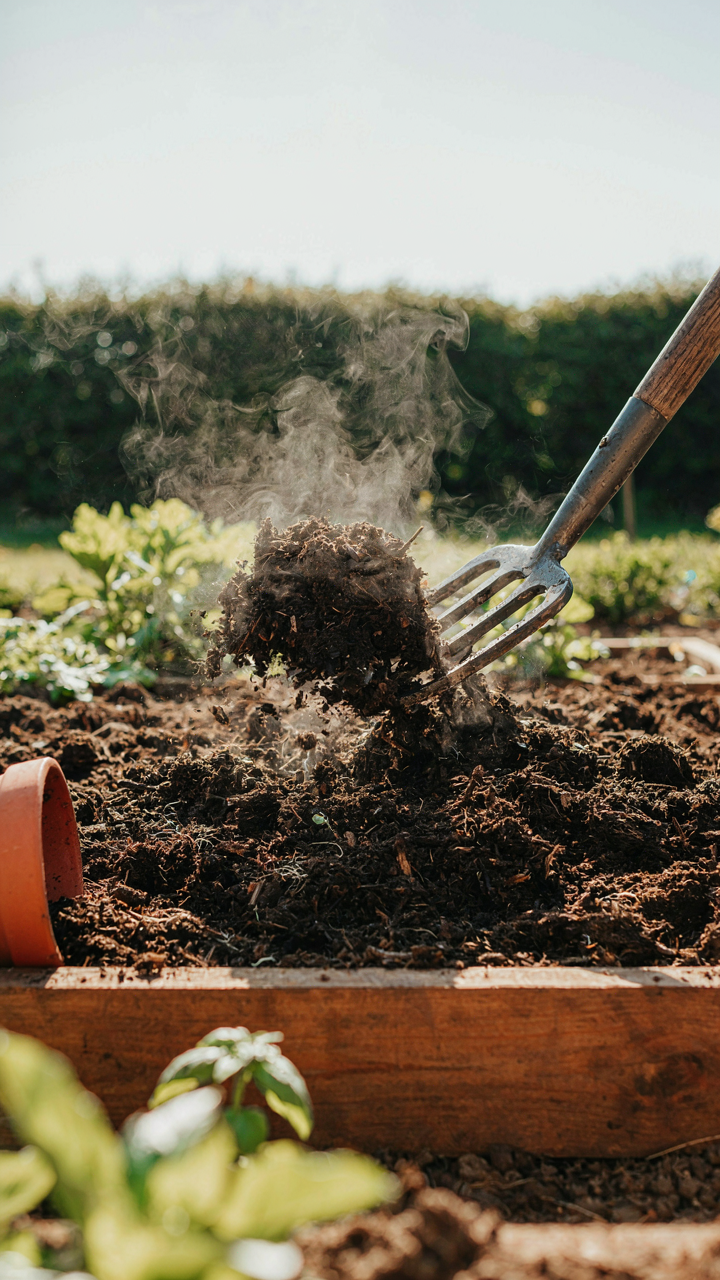
You want fast compost because waiting feels like failure. Here’s what actually happens: thermodynamics dictates that aerobic decomposition generates heat through exothermic reactions. Microbes consume oxygen and carbon, releasing energy that raises pile temperature. A three bin compost system that maintains aerobic conditions creates the thermal environment where this reaction accelerates. Without oxygen, decomposition slows to anaerobic rates, and your pile becomes a slow, smelly process.

Temperature inside an active bin can reach 130 to 160 degrees Fahrenheit when aeration is consistent. This heat breaks down cellulose and lignin faster than cool piles ever will. The mechanism is simple: heat energizes molecular bonds, making them easier to cleave. You cannot skip this step. Pile temperature is your feedback signal that the system works.
Airflow And Moisture Work Together
The consensus says turn your pile. That’s incomplete. Fluid dynamics shows that airflow and moisture distribution are inseparable variables. When you structure a three bin system with spacing between materials or built-in gaps, you create flow paths for air. Moisture needs to move through those paths too, or you get either dried-out edges or soggy centers.
A properly aerated bin maintains moisture around 50 to 60 percent by weight, not soaked and not desiccated. Air channels allow water vapor to escape while fresh oxygen enters. The turning motion or passive air gaps prevent anaerobic dead zones where decomposition halts. Build your three bin structure with intentional space, and let physics do the distribution work.
Compost Plans: Beyond Kitchen Scraps – The Industrial Scale Mindset
Leveraging Bulk Materials For Maximum Yield
You want to feel like you’ve optimized something without actually changing your behavior. The real mechanism is throughput. A three bin system only works at scale if you stop thinking like a homeowner with leftover vegetable peels and start thinking like someone processing feedstock. Volume solves most compost problems that people blame on technique.

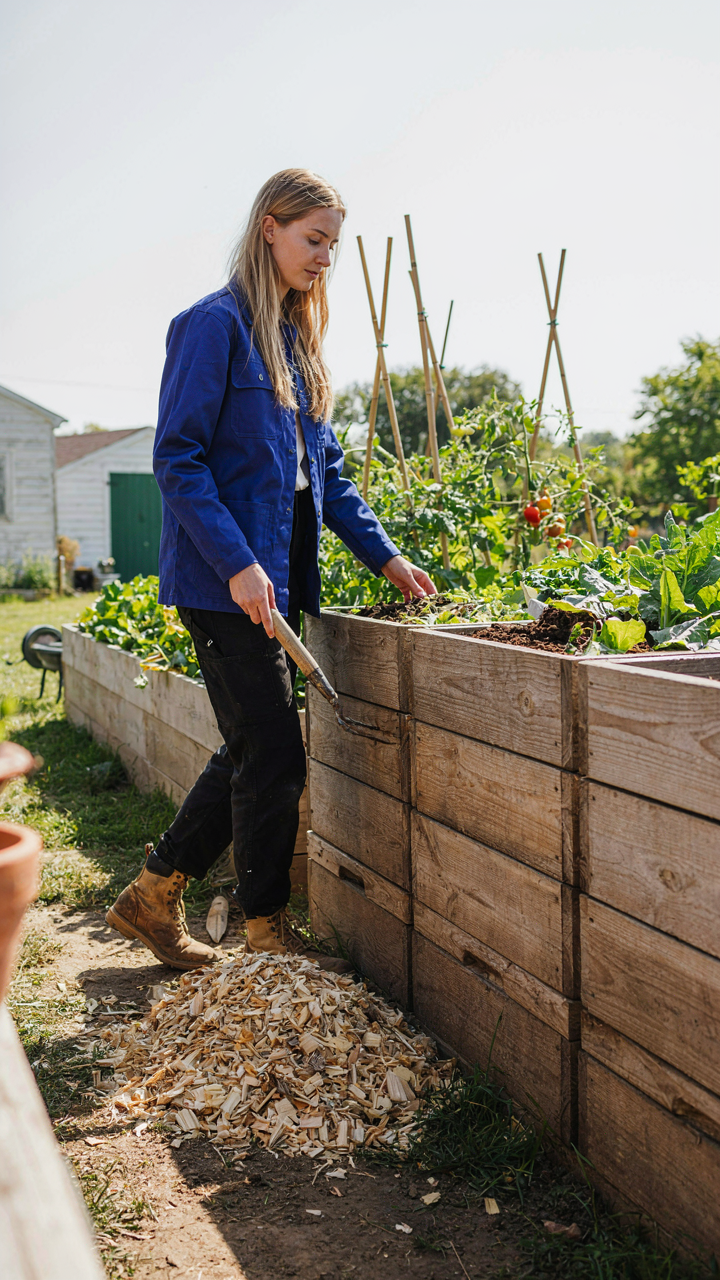
The difference between a stalled single bin and a productive three bin system is material quantity. You need access to bulk brown material: shredded leaves, wood chips, straw, or cardboard. Without it, your greens overwhelm the system and you get anaerobic rot instead of decomposition. Calculate your green input first, then source browns at roughly a 3-to-1 ratio by volume to maintain proper carbon to nitrogen balance. Most people source materials reactively. Source them first.
Strategic Layering For Diverse Nutrient Profiles
Compost science borrowed from soil chemistry teaches us that nutrient availability depends on carbon decomposition rates. In your three bin system, the “feedstock velocity” determines what nutrients finish where. Different materials decompose at different speeds, so layering isn’t about aesthetics or even heat management. It’s about engineering which finished compost goes where based on what it contains.
Layer dense, slow materials like wood chips at the base of bin one. Add faster materials like grass clippings and food waste in the middle zones. Top with light browns like shredded paper. This creates vertical differentiation. Bin one breaks down structurally, bin two accelerates nutrient release through heat and microbe activity, bin three finishes and stabilizes. The compost you move to bin three is fundamentally different from bin one because the bottom layers have been processing longer. Use bottom-finished compost for perennials and established beds. Use top-finished compost for seedlings and transplants.
The Compost Velocity Protocol: Accelerating Decomposition Cycles

Moisture Balance For Microbial Performance
You want faster compost because you’re impatient, and impatience is honest. Here’s the mechanism: microbes are not magical. They’re organisms that need water as a transport medium to access carbon and nitrogen. Without it, they stall. Biology demands specific conditions, and moisture is the throttle you control directly.

The consensus says “like a wrung-out sponge.” That’s lazy instruction. Aim for 50 to 60 percent moisture by weight, measured in your active bin. Too wet, and oxygen becomes scarce. Too dry, and microbial metabolism flatlines. Check by squeezing a handful: water should barely drip. In a three bin system, rotate material from bin one (fresh, dry input) to bin two (active decomposition) where you add water deliberately. Bin three stores finished compost that’s already dropped to lower moisture naturally.
Particle Size Reduces Time Horizons
Surface area is the physics principle at work here. Microbes consume from the outside in, so smaller particles mean exponentially more feeding stations per unit volume. Most people add whole leaves and branches to their bin. This extends decomposition unnecessarily by months.
Shred material before it enters bin one. Leaves go through a mower or string trimmer. Woody stems get cut to one to two inch lengths. Food scraps should be chopped, not whole. A three bin system compounds this advantage because bin one fills faster with pre-processed input, bin two transforms it at velocity, and bin three receives genuinely finished product. The protocol is simple: process first, add second, rotate third.
Compost Pile Ideas: The ‘Set It And Forget It’ Delusion
When To Turn, When To Add
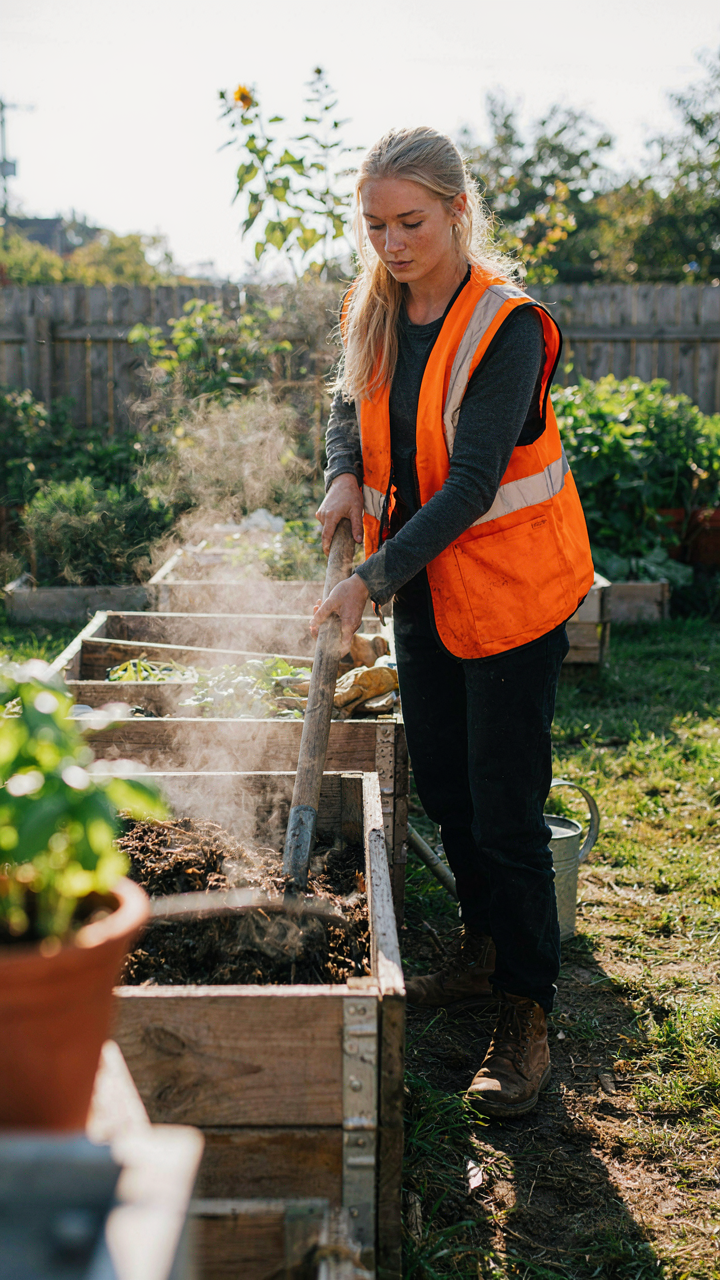
You want to believe a three bin compost system runs itself because the alternative is admitting you’ll have to show up and do the work. You won’t. The real mechanism here borrows from thermodynamics: decomposition requires energy input, and that energy comes from microbial activity, which spikes when you introduce oxygen. Turning adds oxygen. Skipping turns doesn’t slow decomposition uniformly across the pile. It creates dead zones where anaerobic bacteria take over, producing methane and hydrogen sulfide instead of heat.

The common advice says “turn every two weeks.” That’s incomplete. What matters is pile temperature and moisture. If your bin runs hot and stays wet, turn when the center drops below 130 degrees Fahrenheit. If it’s cool and drying out, add nitrogen-rich materials (grass clippings, food scraps) before turning. The turn itself should take ten minutes. You’re not restructuring the pile for aesthetics. You’re moving cool material from the edges into the center where microbes are most active. Add finished compost from bin three back into bin one only when it stops heating within forty-eight hours of turning.
Signs Of Success Or Stagnation
A stagnant pile feels like a personal failure because you’ve already decided compost happens magically. It doesn’t. Your pile tells you what’s wrong through three signals: temperature, smell, and structure. A thriving pile reaches 130 to 150 degrees Fahrenheit in the center within three to five days after turning. Use a soil thermometer. If it stays cold, you’re nitrogen-starved or too wet. If it smells like ammonia, you’ve added too much nitrogen without enough carbon. If it smells like rotten eggs, the pile is anaerobic and needs immediate turning and carbon material mixed in.
Visual breakdown matters more than timeline. When material loses its original shape and crumbles between your fingers, the bin is ready to move forward. Brown material should darken and shrink noticeably every two weeks. If you see nothing changing after a month, the carbon-to-nitrogen ratio is wrong or the pile is waterlogged. Check moisture by squeezing a handful: water should barely drip from your palm, not stream. When the pile stops steaming after turning and the material turns dark, dense, and crumbly, move it to bin three and start over with bin one.
Composting System Made From Pallets: Maximizing Volume, Minimizing Cost
Why Pallets Work When Other Free Materials Don’t
You want free bins because spending money on compost infrastructure feels wasteful when you could buy compost instead. Here’s the mechanism: pallets have uniform dimensions and pre-built structure, which means you skip the engineering phase and move straight to assembly. Most free materials—shipping crates, scrap wood, wire fencing—force you to problem-solve on the fly. Pallets eliminate that friction. They’re standardized at 40 by 48 inches in most Western markets, giving you predictable volume calculations and stackable compatibility across three-bin setups.

The cost-benefit math is straightforward. A pallet costs zero to five dollars when sourced from local warehouses or retailers who pay to dispose of them. A commercial plastic bin system runs 300 to 800 dollars for equivalent capacity. The trade-off is lifespan. Untreated wood pallets break down in three to seven years depending on ground contact and moisture exposure. Treated pallets last longer but leach chemicals into finished compost, making them useless for food gardens. The real win: you can rebuild a pallet system for scrap wood costs when the first one fails, whereas a plastic system is a sunk cost.
Wood Integrity And The Timeline You’re Actually Working With
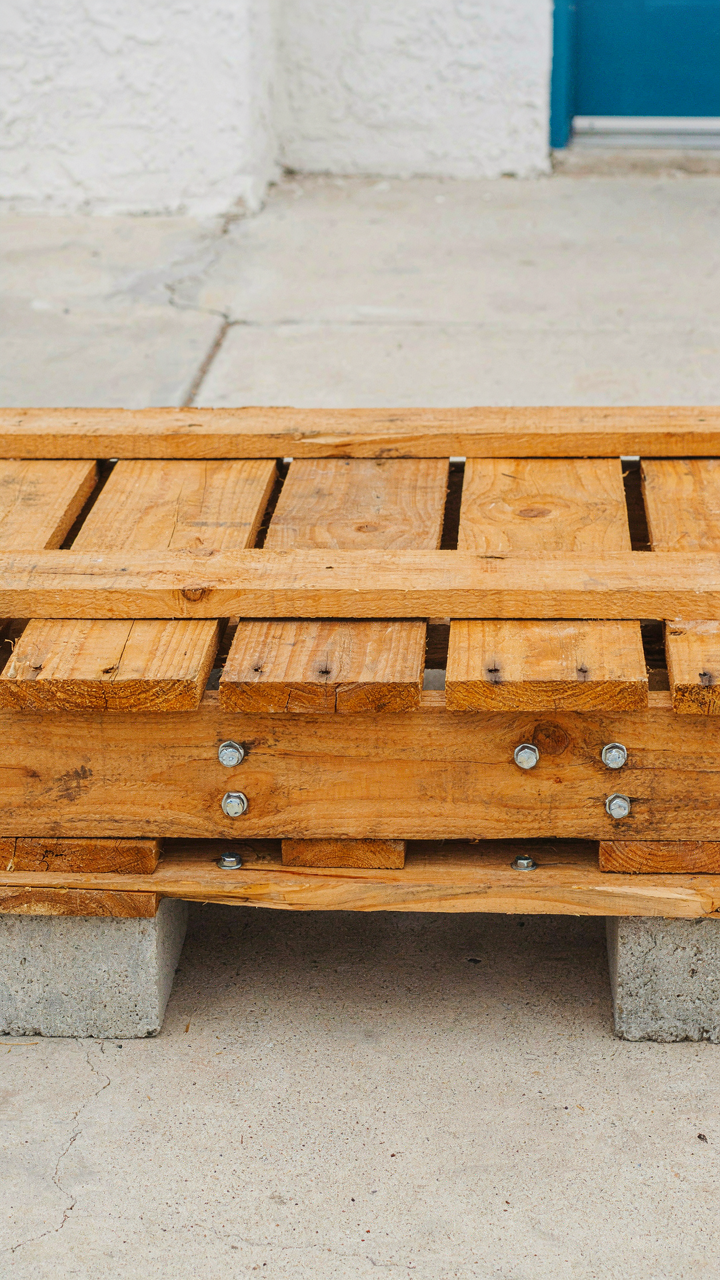
Structural integrity in compost systems works like load-bearing capacity in civil engineering: you’re calculating compression stress against lateral pressure. Your three-bin pallet system experiences horizontal push from the weight of decomposing material—not just vertical weight. The common advice is to reinforce with cross-bracing, but that’s incomplete. You need to address ground contact first, which is where 80 percent of premature failure happens.
Pallets sitting directly on soil absorb moisture from below and rot from the ground up within two seasons. Elevating them on concrete blocks, gravel, or treated lumber adds one to three years of usable life. Use galvanized bolts or screws instead of nails; nails pull loose as wood shrinks during wet-dry cycles. Your realistic timeline with proper elevation and fastening is four to six years per bin before wood softens and loses structural integrity. At that point, disassemble, salvage hardware, and rebuild with fresh pallets. This isn’t a long-term solution—it’s a renewable one.
Your Compost Pile Is A Mirror. It Reflects Your Commitment To Process, Not Perfection

Most people fail at composting because they chase the perfect ratio instead of building the system. A three bin setup forces you to stop thinking and start rotating. Today, build your first bin or upgrade the one you have. Don’t research anymore. The best compost isn’t made by people who read about it. It’s made by people who touch it every week and adjust what they see. Your pile doesn’t care about your theories. It only responds to action.