The Raw Material Fallacy: Beyond The Thrift Store Bin
Where You Actually Find Usable Shirts
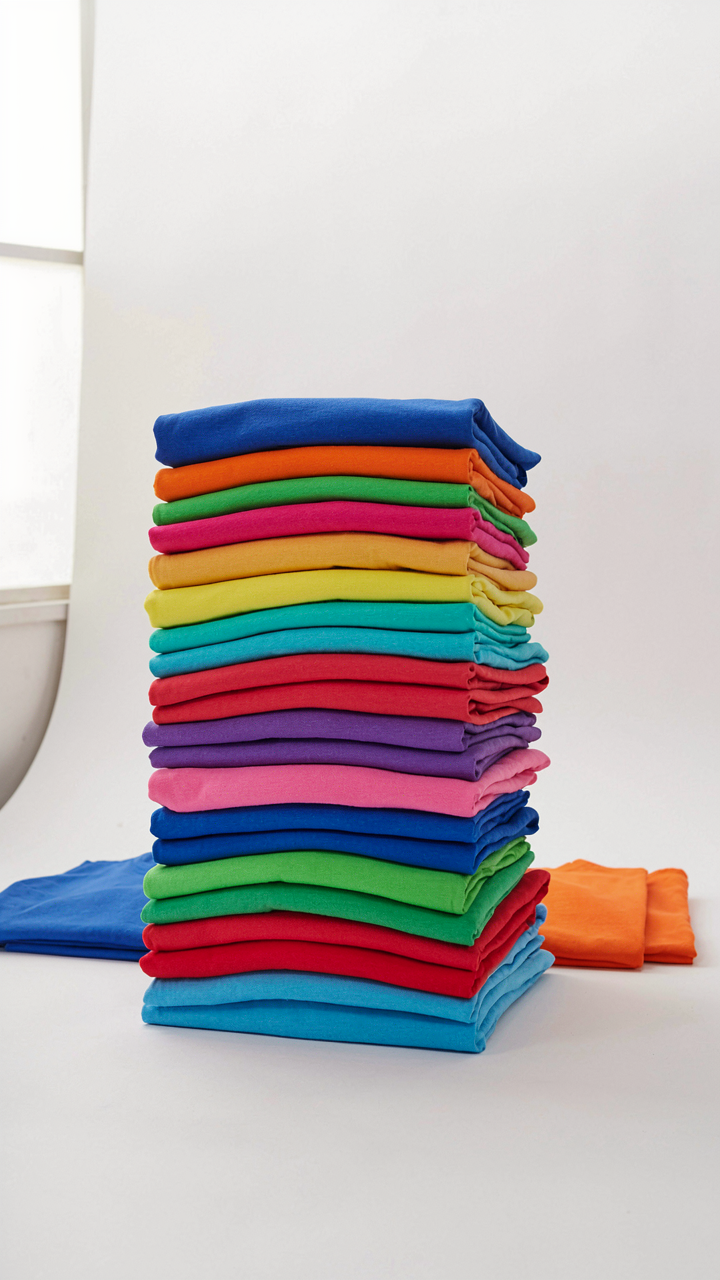
You think thrift stores are free material. That’s the real reason you’re reading this section. They’re not. The mechanism here borrows from supply chain economics: sourcing determines your actual cost per finished unit, not the price per pound of fabric. A thrift store shirt costs three dollars but yields maybe one usable front panel. A bulk textile supplier charges more per garment but sells pre-sorted, consistent knit that cuts your waste to fifteen percent. The math flips when you account for sorting time, failed rugs from weak seams, and dye lots that don’t match.
Commercial textile waste streams are where serious rug makers source. Screen printing shops discard thousands of perfect tees monthly. Garment factories sell damaged-in-shipping inventory cheap. Some clothing brands liquidate overstock to recyclers. These sources give you predictable fiber quality instead of playing roulette with college bar tees from 2009. Contact local manufacturers directly. Build a relationship. You’ll discover material costs drop by half and consistency rises to usable.
Knit Weight Determines Everything Else
Different knit densities fail in different ways. This isn’t opinion. A lightweight jersey tee (four to five ounces per square yard) shreds at the edges within months when trafficked. A mid-weight athletic knit (six to seven ounces) holds structure through normal use. A heavy fleece or double-knit (eight-plus ounces) resists pilling and supports consistent yarn tension during cutting. The fabric type controls whether your rug becomes fuzzy and loose or holds its shape through washings.
The mistake everyone makes: assuming all cotton knits perform the same. They don’t. Polyester blend knits resist fading better than pure cotton but feel less soft underfoot. Bamboo blends pill faster. Vintage tees were often heavier than modern ones, so age isn’t always bad. Test your source material by washing a sample, cutting strips, and pulling them under tension. If the yarn breaks easily or pits with pills after one wash, that batch won’t survive floor traffic. Always verify fiber composition before committing to a large batch.
DIY Tshirt Rug: Crafting Not Just Crocheting

How To Cut Tshirt Yarn Strips
You want to skip this part because it feels tedious and you’re eager to start the actual rug. That’s the trap. Inconsistent strip width tanks structural integrity the same way uneven foundation posts collapse buildings. The mechanism is simple: your hook tension stays constant, so variable yarn diameter forces you to compensate constantly. Your hands work harder. The tension compounds. Weak spots emerge where strips are thicker or thinner.

Cut every strip to the same width before you start. Use a ruler and mark your t-shirt in parallel lines. Most rug makers use half-inch to three-quarter-inch strips depending on their hook size. A rotary cutter and self-healing mat speed this up, but scissors work if you’re methodical. The uniformity matters more than the tool.
Rolling And Storing Your Yarn Balls
Everyone glosses over this because rolling yarn feels like prep work, not the real project. It’s actually where most wasted time happens. When you roll strips haphazardly into loose balls, they tangle mid-project. You stop. You untangle. You lose rhythm. Tight, evenly-wound balls feed smoothly into your hook and keep tension stable throughout your work.
Roll each strip into a firm ball. Keep consistent pressure as you wind. Store the balls in a container where they won’t unroll or compress. When you’re ready to crochet, you’ll pull from a clean supply instead of fighting knots and slack spots. This single step cuts your actual crocheting time and eliminates the frustration that kills projects.
The Crochet Tshirt Rug Pattern: More Than Stitches
Keep Stitches Simple And Structural
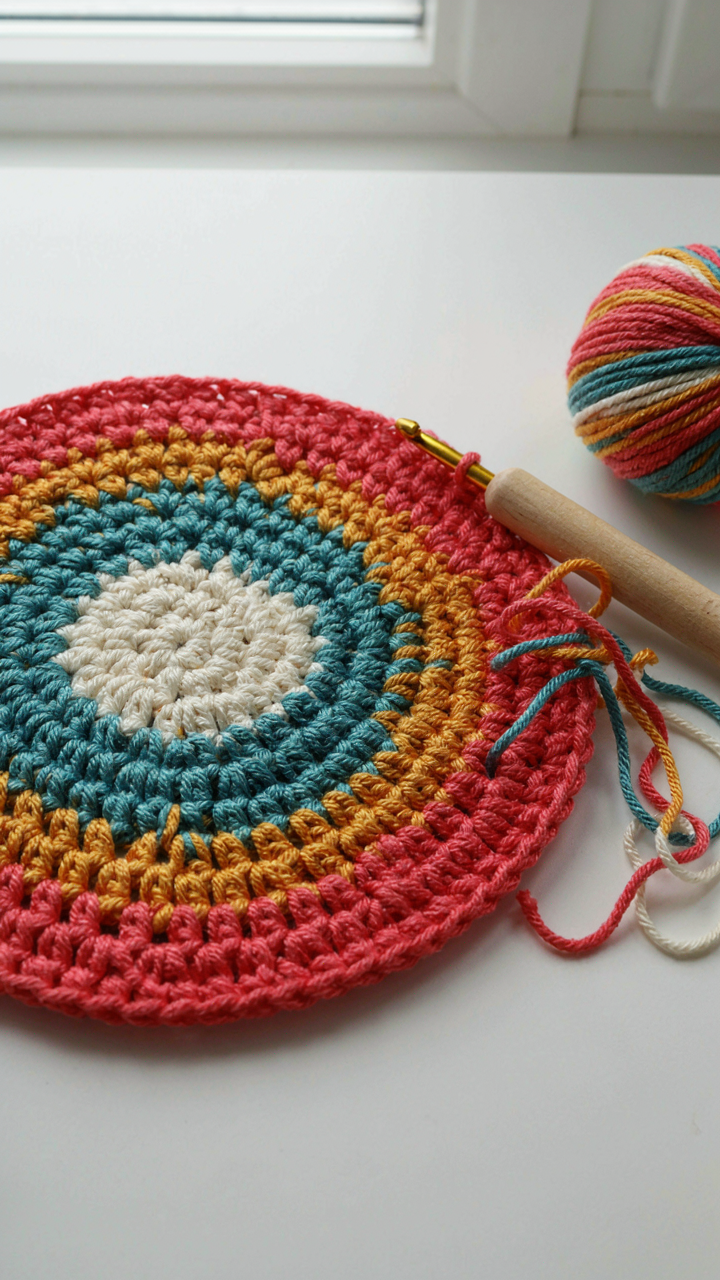
You want the pattern to look intentional so people think you’re skilled. The reality is simpler: basic stitches outlast complexity. Single crochet and half double crochet are your only tools because they create dense, tight fabric that absorbs foot traffic without unraveling. Fancy stitches trap air, create loose zones, and fail under weight. The mechanism is straightforward: density equals durability.
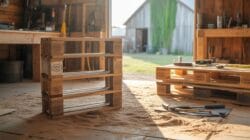
Advanced stitches seduce you with visual interest but deliver structural weakness. A t shirt yarn rug lives on a floor, not a wall. It absorbs impact thousands of times. Single crochet in continuous rounds builds rugs that stay flat and intact for years. Skip the treble crochet variations. Build it to last, not to impress on your first attempt.
Tension Creates The Foundation
Tension control in crochet operates like load distribution in structural engineering: uneven pressure concentrates stress at weak points and causes premature failure. Loose tension creates floppy fabric that bunches underfoot. Tight tension produces stiff, resistant work that fights every stitch. With t shirt yarn specifically, medium tension is the target zone because the yarn material resists consistent compression better than traditional yarn.
Your first five rugs will teach you tension through failure. This is not optional. Too loose and the rug wrinkles and shifts on hard floors. Too tight and you exhaust your hands before finishing, then inconsistency creeps in. Measure tension by checking that loops sit snug against the hook without forcing, and that finished rows lie flat without curling. Test this on a six inch practice square before committing hours to a full rug.
Tshirt Yarn Rug Crochet: Designing For Impact
The Dimensions That Actually Matter
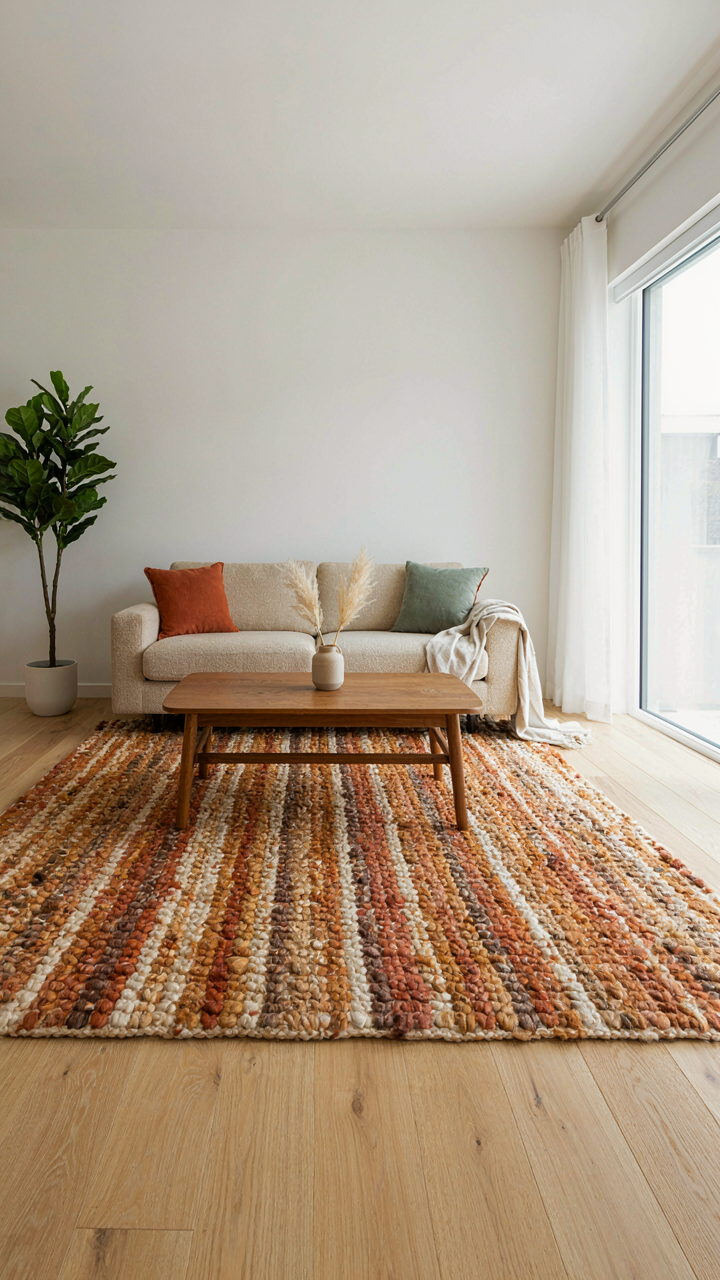
You want your rug to look intentional, not like a failed craft project taking up floor space. The real mechanism is constraint. A t-shirt yarn rug’s dimensions determine whether it functions as an anchor or visual noise. Small rugs under 3×5 feet work as accent pieces—they define zones without dominating. Larger rugs, 5×8 feet and up, ground entire rooms. The physics of load-bearing applies here: crochet density and yarn thickness create actual weight. Thicker t-shirt yarn holds shape better at larger sizes. Underestimate this and your rug will pucker or curl at edges within months.

Choose dimensions based on the space’s existing geometry, not trend. A rectangular room demands a rectangular rug that echoes wall ratios—typically 2:3 or 3:4 proportions work best. Circular rugs read as statement pieces and demand centered placement; they leave awkward gaps in rectangular rooms. Square rugs work only in specific contexts: under a bed frame, in a seating nook, or in open-plan areas where they define a single purpose zone. Measure your actual floor space, account for furniture placement, then design the rug to fit the negative space you want to fill, not the maximum space available.
Color Hierarchy And Visual Distance
Color theory borrowed from graphic design teaches about figure-ground relationships, and t-shirt yarn rugs prove it instantly. Dark colors recede; light colors advance. Place a light rug in a small room and it shrinks perception. Place it in a large room and it becomes a landing pad. The mechanism works through contrast ratio. A cream rug on cream flooring disappears. The same rug on dark wood anchors the entire room. Most DIY makers choose colors they like instead of colors that solve the room’s visual problem.
Build your color scheme around one dominant hue covering 60 percent of the rug’s surface, a secondary color at 30 percent, and accent colors at 10 percent. This ratio prevents visual chaos without requiring perfect color matching. T-shirt yarn comes in limited pre-dyed batches, so you’ll source colors from multiple suppliers. Accept slight variations—they read as texture, not error. Test your color arrangement by laying out yarn lengths on the floor under the actual lighting conditions where the rug will sit. Photographing the layout under different light angles catches problems before you crochet three rows deep.
The Resilience Protocol: Engineering Your Soft Floors
Weave Density And Edge Finishing
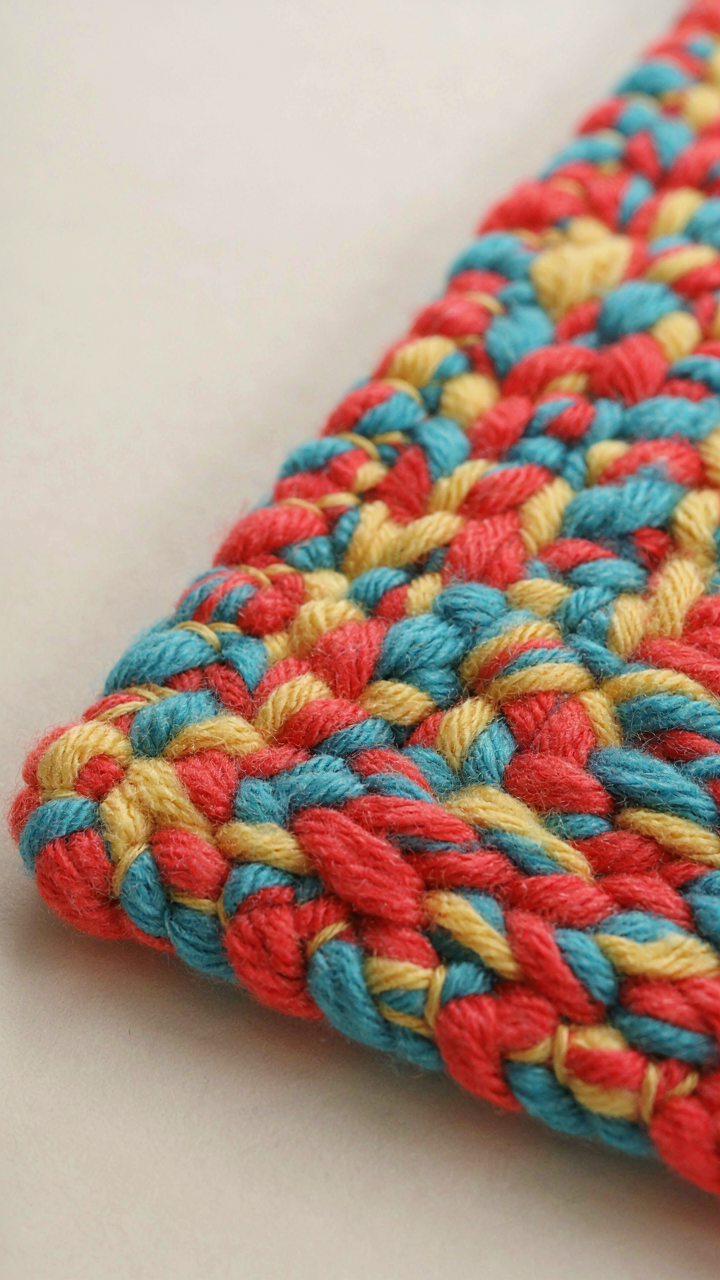
You want your rug to last because throwing it out and making another one feels like failure. Here’s the actual mechanism: weave density determines how much force distributes across individual yarn fibers before they break. A loose weave spreads weight unevenly. High-density weaves distribute load like load-bearing walls in architecture, forcing stress across more surface area so no single thread bears the full impact.

Edge finishing isn’t cosmetic. Unfinished edges fray because the yarn unravels from the stress point outward. A properly bound edge contains the yarn’s tendency to separate under tension and foot traffic. Use a whip stitch or fabric binding at all four edges before the rug enters use. This stops fraying before it starts consuming the rug from the perimeter inward.
Friction And Rug Placement
Physics explains why your rug shifts: coefficient of friction measures the grip between two surfaces. A t shirt yarn rug on hardwood has minimal friction. The rug slides under pressure because the yarn’s smooth surface meets the floor’s smooth surface with almost no resistance. This isn’t a problem to solve with better yarn. It’s a problem to solve with placement strategy.
Rug pads designed for hardwood create mechanical lock between rug and floor. Position your rug away from high-traffic patterns where directional foot pressure concentrates. Never place it in doorways or hallways where people walk the same path repeatedly. The rug placement itself becomes the durability mechanism, not the materials.
Crochet Rug With Tshirt Yarn Free Pattern: The Value Proposition
What Free Patterns Actually Demand
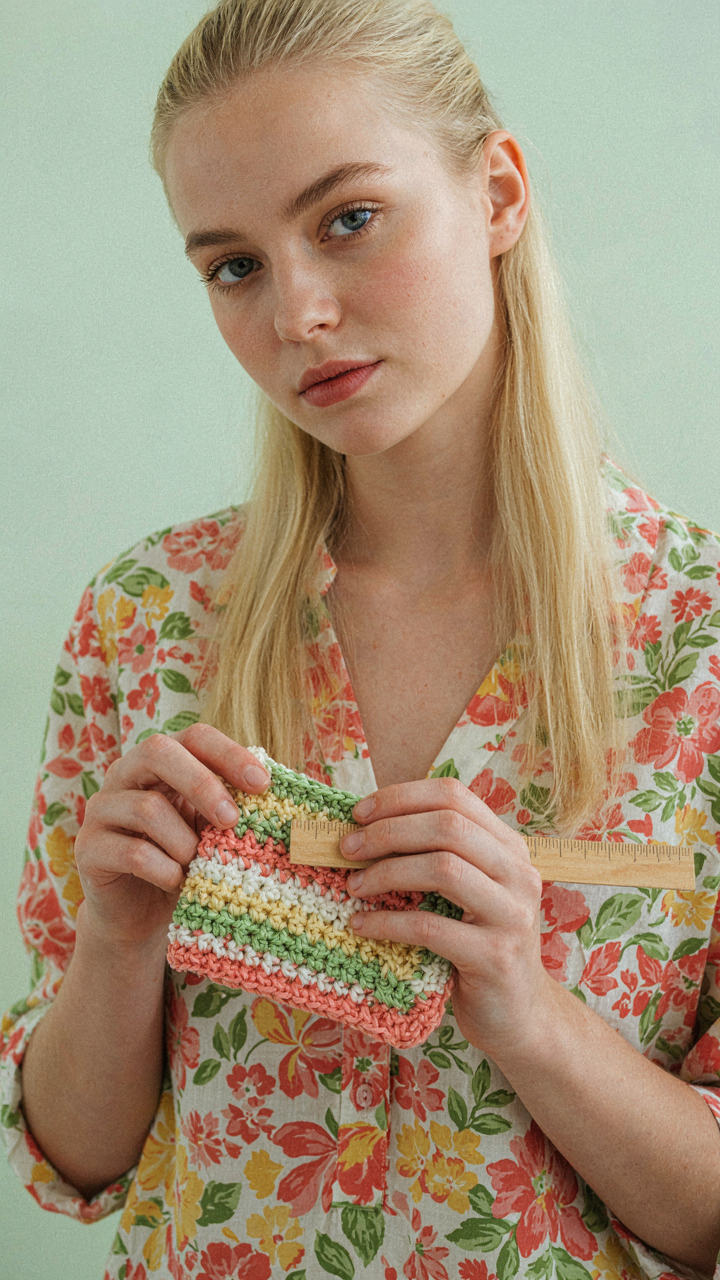
You want a free pattern because you’re afraid of wasting money on a failed project. Here’s the mechanism: free patterns get shared because they’re beginner-safe, not because they’re good. The pattern creator removes difficulty to maximize reach. You inherit a design built for the lowest common denominator, not for your space or yarn weight. That trade-off is real and worth naming before you copy instructions blindly into your project.

Evaluating a pattern means checking three things: yarn weight compatibility, finished dimensions, and stitch count accuracy. Most free patterns don’t specify what happens when you use thicker or thinner t shirt yarn than the original. They assume you’ll follow exactly. That’s not beginner-friendly, it’s beginner-trapping. Read the comments section first. If people report size drift or tension issues, the pattern lacks critical detail. Move on.
Customization As Your Real Advantage
Most advice says to “adjust as needed,” which is useless instruction. Here’s what actually works: treat the pattern as a foundation, not a prescription. Economics teaches substitution: when one input changes, you replace it with another. Swap the yarn weight and you must adjust stitch count to hit the same final dimensions. This is mechanical, not creative guesswork.
Start by calculating gauge on your actual yarn. Crochet a four-inch swatch with the recommended hook size. Measure stitches per inch and rows per inch. Then divide the pattern’s finished dimensions by your gauge numbers. This gives you the stitch count you actually need. The pattern’s original numbers become irrelevant data. You’re now building a rug designed for your yarn, not fighting someone else’s assumptions.
How To Crochet T Shirt Rugs: Mastering The Process
Where Tension Breaks Your Work
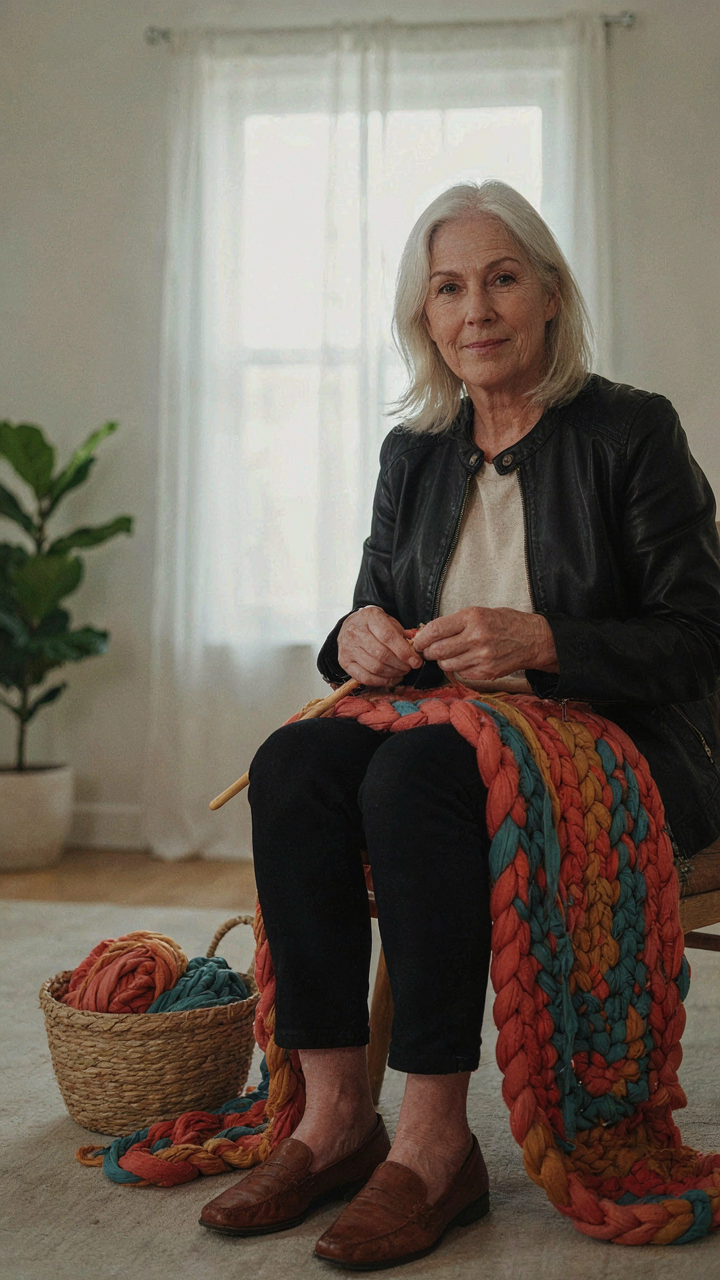
You’re worried you’ll waste hours on a rug that falls apart. Here’s the mechanism: tension is the load-bearing system of crochet. Too loose and your loops separate under foot traffic. Too tight and the yarn tears mid-stitch, forcing restarts. Most people don’t adjust tension between yarn types. T-shirt yarn behaves differently than cotton or acrylic because its elasticity changes how thread sits on your hook.

The fix isn’t practice alone. It’s measurable adjustment. Work a test swatch with your specific yarn, measure gauge after five rows, then match tension to that baseline before starting the full rug. Inconsistent tension creates waves and puckers that compress unevenly. You’ll notice pooling or gaps that ruin the final surface. Stop treating tension as a feel thing and start treating it as a specification.
Pacing Work Like Military Supply Lines
Military strategy calls this logistics: moving resources to the right place at the right rate. Apply that directly to rug crafting. Your rate of production determines when fatigue hits and mistakes spike. Most people crochet until their hands hurt, then wonder why rows 30 through 40 look worse than rows 1 through 10. The real optimization isn’t working faster. It’s working in deliberate phases.
- Prep all yarn strips before starting: Cut and prepare 4-6 hours worth of continuous yarn. This removes decision-making friction mid-session and keeps your hands moving without stopping to prep new material.
- Set session limits by row count, not time: Complete exactly 3 rows per session, then stop. This prevents fatigue-induced gauge drift and keeps quality consistent across the entire rug surface.
- Rotate hook size based on hand fatigue: Keep a half-size larger hook nearby. When fingers tire, switch to it for 2-3 rows. This reduces strain while maintaining overall texture coherence.
- Block off yarn by weight and thickness: Sort prepared strips by density before use. Switching between thick and thin batches mid-rug creates uneven pile height and unbalanced wear patterns.
- Check gauge every 10 rows: Measure stitch width and height. Fatigue causes tension creep. Catching drift early prevents having to unravel major sections later on.
The rug gets finished faster when you work in systems instead of momentum. Track your actual hourly output, then set expectations based on that number, not fantasy timelines. This is how you avoid abandoning projects halfway through.
What To Make With T Shirt Yarn: Beyond The Obvious
Baskets, Poufs, And Pet Beds
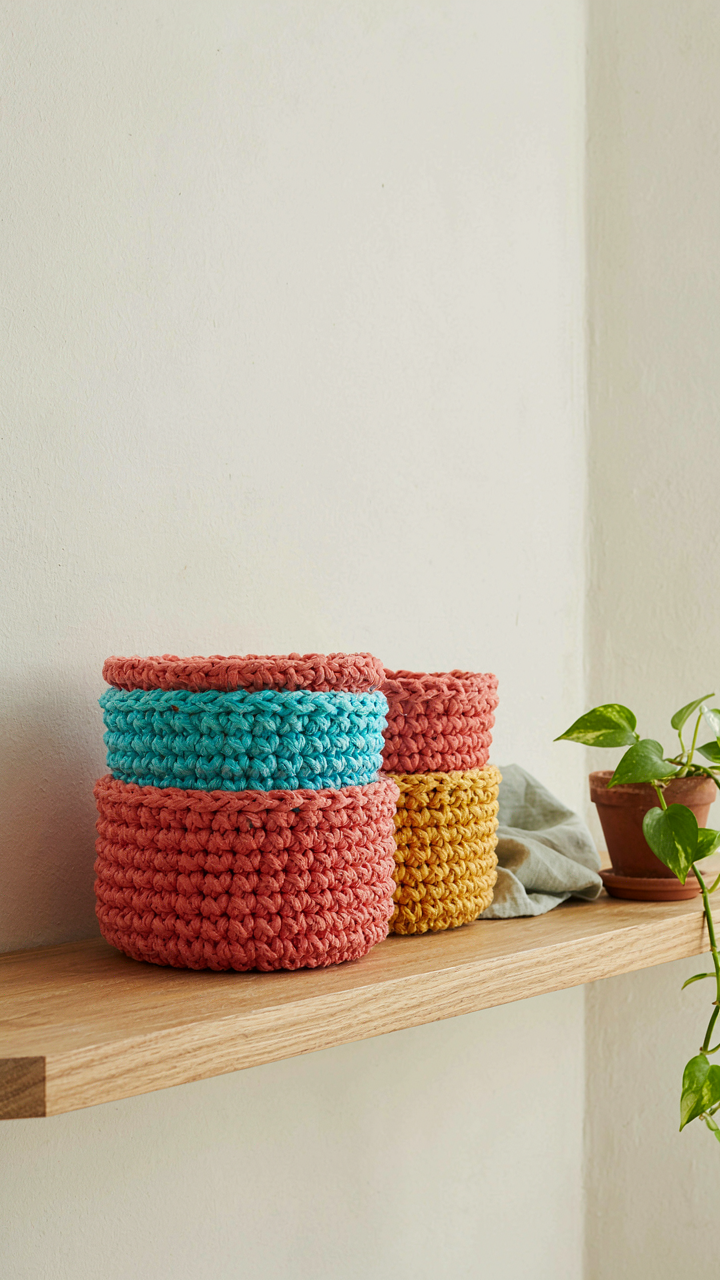
You want permission to make something other than a rug because rugs feel saturated, played out, and you’re worried you’ll waste effort on the obvious. The mechanism is simple: t shirt yarn’s weight and texture excel at containment structures, not surface coverage. Its thick, forgiving fiber grips itself without tension, which is exactly what baskets and poufs demand. Rugs need even tension. Baskets need bulk.
- Baskets: Crochet or knit cylindrical forms with open weaves that let the yarn’s texture show. Stack them for storage or nesting sets. The loose construction means faster work and visible yarn character.
- Poufs: Pack dense rounds or squares with polyfil or leftover yarn scraps inside. Crochet a sturdy shell using slip stitches. They sit firmer than rugs and take real weight without compressing permanently.
- Pet Beds: Layer yarn into oversized squares or circles with raised edges. Pets don’t care about pattern uniformity like humans do. The thickness protects joints better than thin fabric alternatives.
- Coasters and Trivets: Tight single or double layers work for heat protection. Much faster than rug projects. Good for testing new yarn batches or color combinations before committing to larger pieces.
- Wall Hangings: Vertical work demands different tension than floor pieces. T shirt yarn shows texture better on walls because light hits it at angles that reveal the yarn’s structure and seams.

The real advantage: each project type uses different crochet or knit densities, so you can experiment with technique without restarting. One failed basket teaches you more about yarn behavior than reading instructions ever will.
Scaling Production: Small Craft, Large Impact
Economics calls this the fixed cost problem, and t shirt yarn projects sit at its crux. Your first basket takes six hours. Your fifth takes three because your hands know the stitch path and your decisions get faster. The yarn cost stays flat, but your labor efficiency compounds, turning hobby work into something that could actually generate income or fund material costs.
The scaling play isn’t making fifty identical pieces. It’s making five different pieces, documenting which one sells or gets used most, then refining that single design until it’s bulletproof. You test market demand without betting your time on a production line. One strong design produced in batches of five outperforms ten weak designs made once each.
T Shirt Rugs: Maintenance Is Not A Chore
Cleaning Protocols Extend Your Rug’s Lifespan
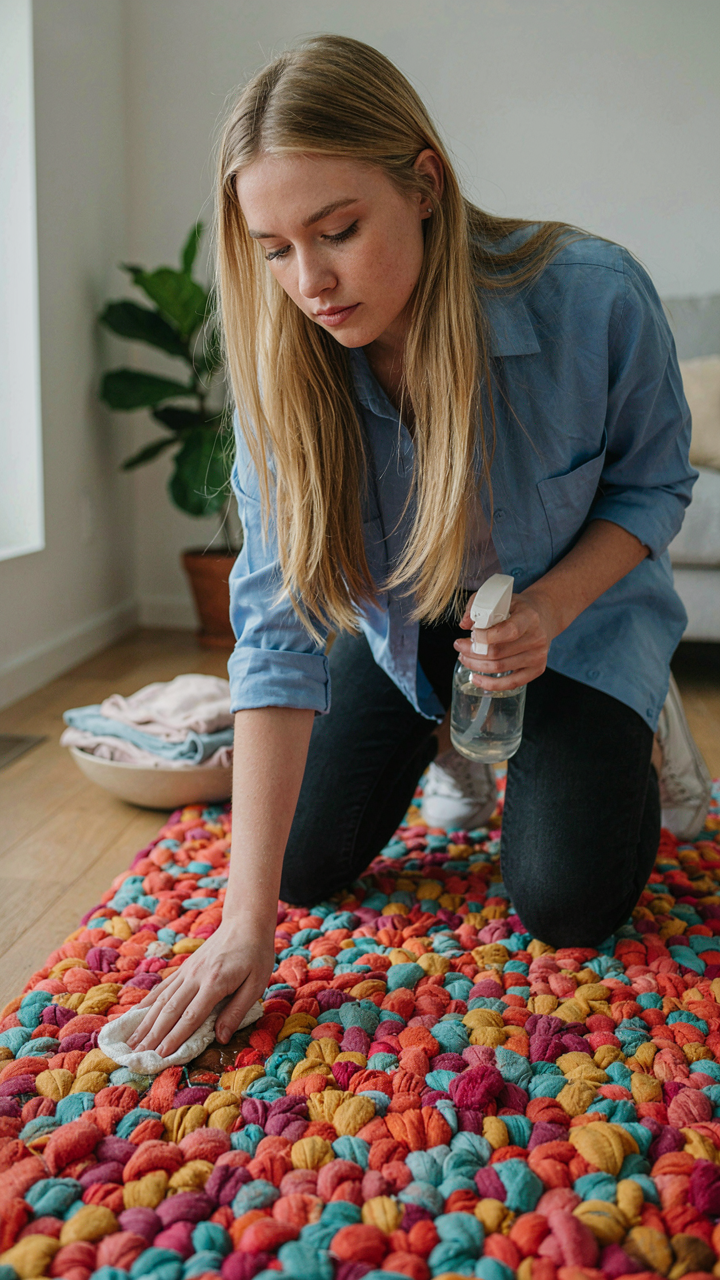
You’re hoping maintenance won’t demand time you don’t have. The mechanism is simple: t-shirt yarn holds dust and debris in its loops the same way industrial filtration systems trap particles in fabric media. Vacuum weekly on low suction. High suction pulls fibers apart. Spot-clean spills immediately with cold water and a damp cloth. Heat sets stains into jersey knit permanently. Rotation every three months prevents uneven wear patterns from foot traffic.

The common advice says use commercial cleaners. That’s wrong. Most rug cleaners contain surfactants that break down the natural oils cotton retains, making fibers brittle. Mild dish soap and water work. For deeper cleaning every six months, spray diluted vinegar solution on soiled areas, let sit twenty minutes, then blot with clean towels. Never machine-wash or dry-clean a t-shirt yarn rug. The agitation destroys the structure you built.
Repair Strategies Address Wear And Tear
Damage compounds when ignored. A loose thread becomes unraveling. A small hole becomes a section collapse. Inspect your rug monthly for loose edges, pulled fibers, or thinning spots. These appear first at high-traffic zones near doorways and furniture legs. Secure loose threads by weaving them back through adjacent loops using a tapestry needle. If you catch fraying early, you prevent cascade failures across the entire row.
Holes require strategic patching. Cut a patch from spare t-shirt yarn matching your rug’s color and weave it into the damaged area from the underside. This preserves the surface appearance. For worn sections that won’t hold stitching, reinforce the underside with a cotton fabric backing using fabric glue designed for textiles. Place weight on the patch for forty-eight hours while it cures. Maintenance prevents replacement.
Tshirt Yarn Rug Crochet Free Pattern: The Architect’s Mindset
Pattern Recognition Over Pattern Following
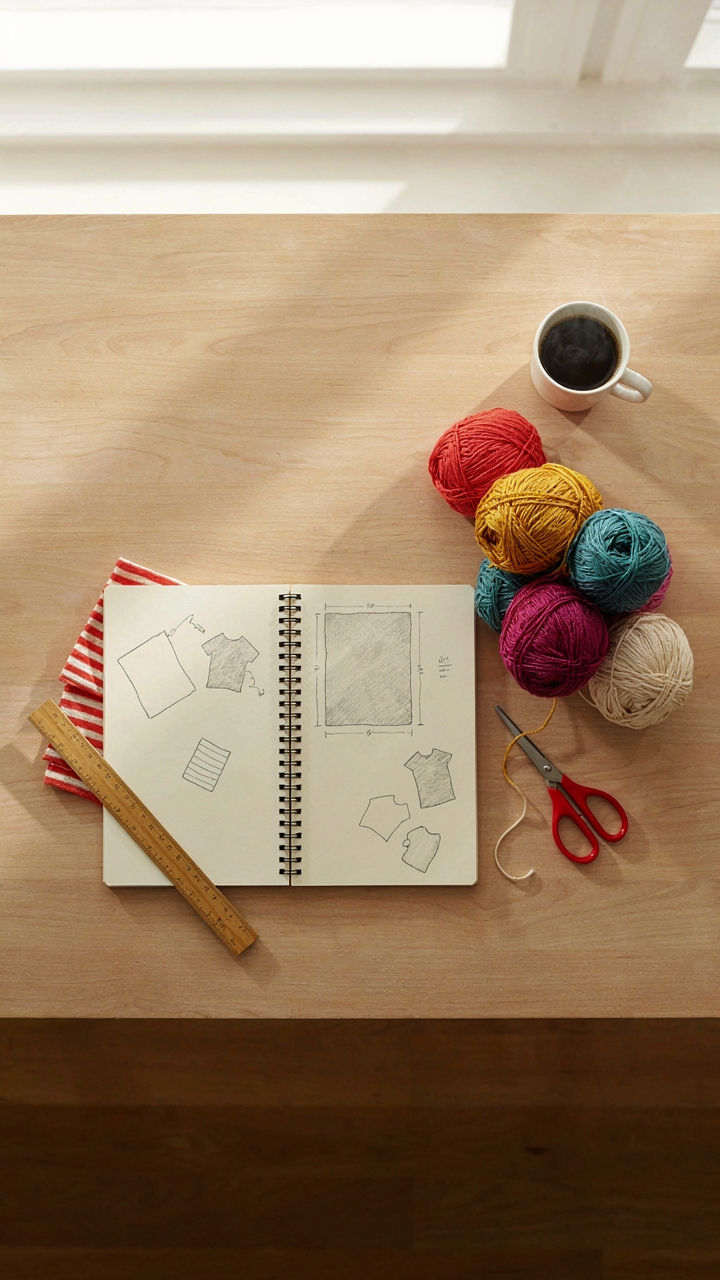
You want a shortcut to looking like you know what you’re doing. Here’s the real mechanism: most people treat free crochet patterns like instruction manuals instead of blueprints. In architecture, a blueprint documents intent and proportion, not exact execution. A t shirt yarn rug pattern works the same way. The stitch counts, color sequences, and dimensions printed online are proof that a structure holds together, not commandments you must follow verbatim.
When you read a pattern, you’re studying how the designer solved density, drape, and yarn behavior. T shirt yarn stretches differently than wool. It absorbs shape over time. A pattern that calls for 120 stitches across might need 110 or 140 depending on your tension, your specific yarn cut width, and the floor space you actually have. Reverse engineer why the designer made those choices instead of copying the numbers.
Building Systems, Not Recipes
Most advice says “follow the pattern, tweak colors later.” That’s backward. Start by defining what your finished rug must do: traffic load, size constraints, color palette, texture feel. These requirements drive every technical decision. A high-traffic entryway rug demands tighter tension and denser stitching. A bedroom accent piece can use looser construction.
Build a repeatable system around those constraints, then apply it. Use the same stitch throughout instead of mixing techniques. Maintain consistent yarn weight and tension by measuring row height after every ten rounds. This removes variables. When you crochet the second and third rug, you’ll finish faster and with less waste because you’ve already debugged the system. That’s where efficiency lives, not in following someone else’s pattern step by step.
Your Real Obstacle Isn’t Yarn Scarcity, It’s The Scarcity Of Your Own Initiative
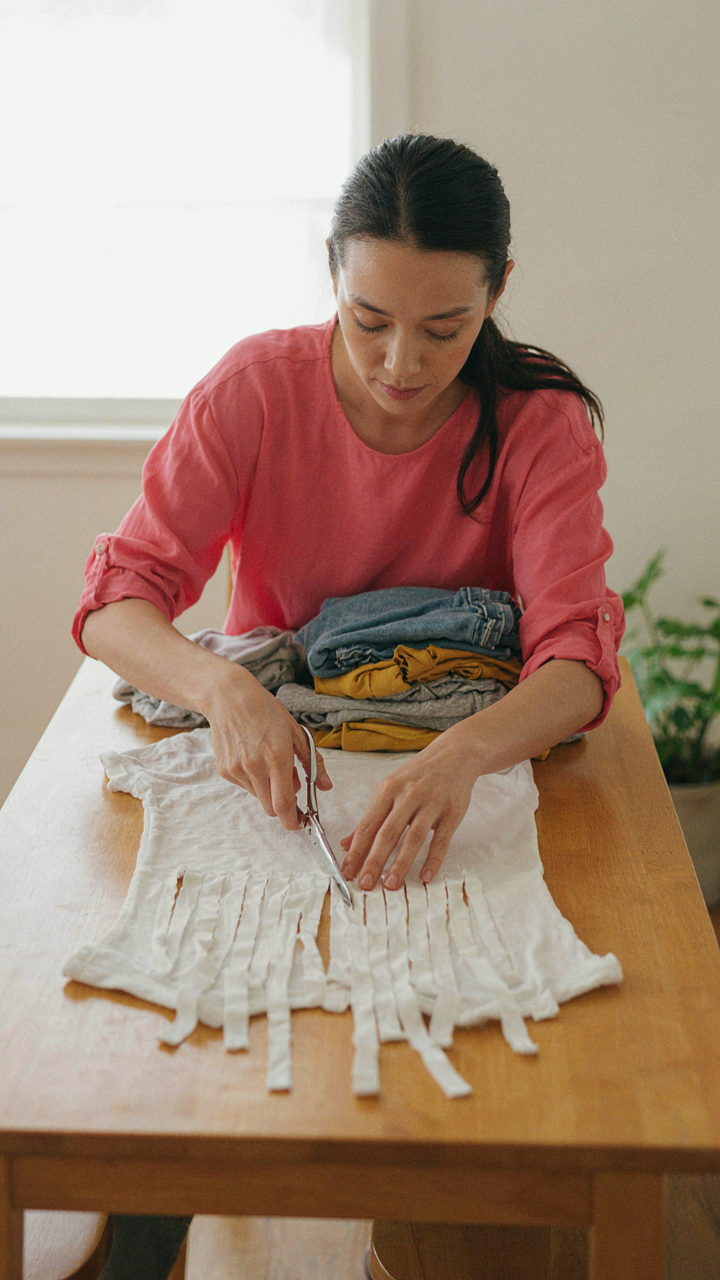
You already own the t shirts. They’re in your closet right now, collecting dust. You know how to cut them into strips. You’ve seen the looms. The only thing stopping you from making a rug today is you deciding it matters enough to start. Go cut one shirt into yarn right now. Spend twenty minutes on it. You’ll realize the entire project isn’t hard, it’s just unused.