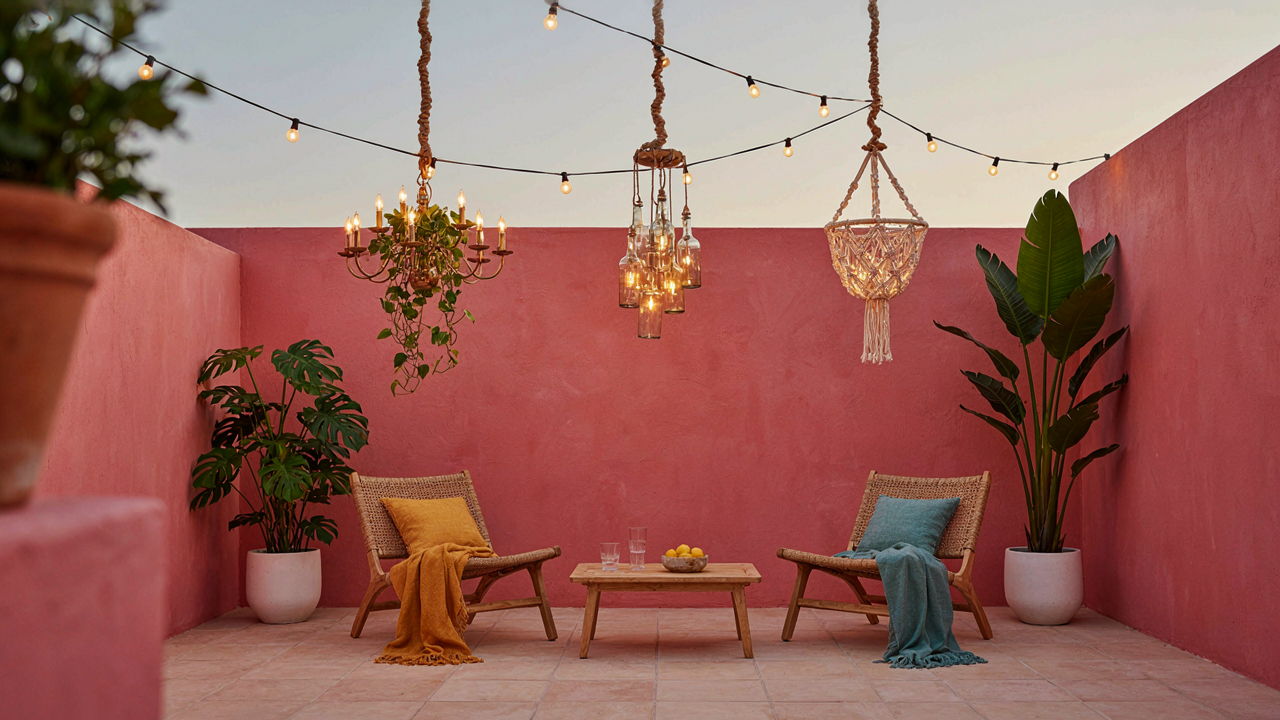
The Junk Drawer Fallacy: Why We Overlook Outdoor Potential
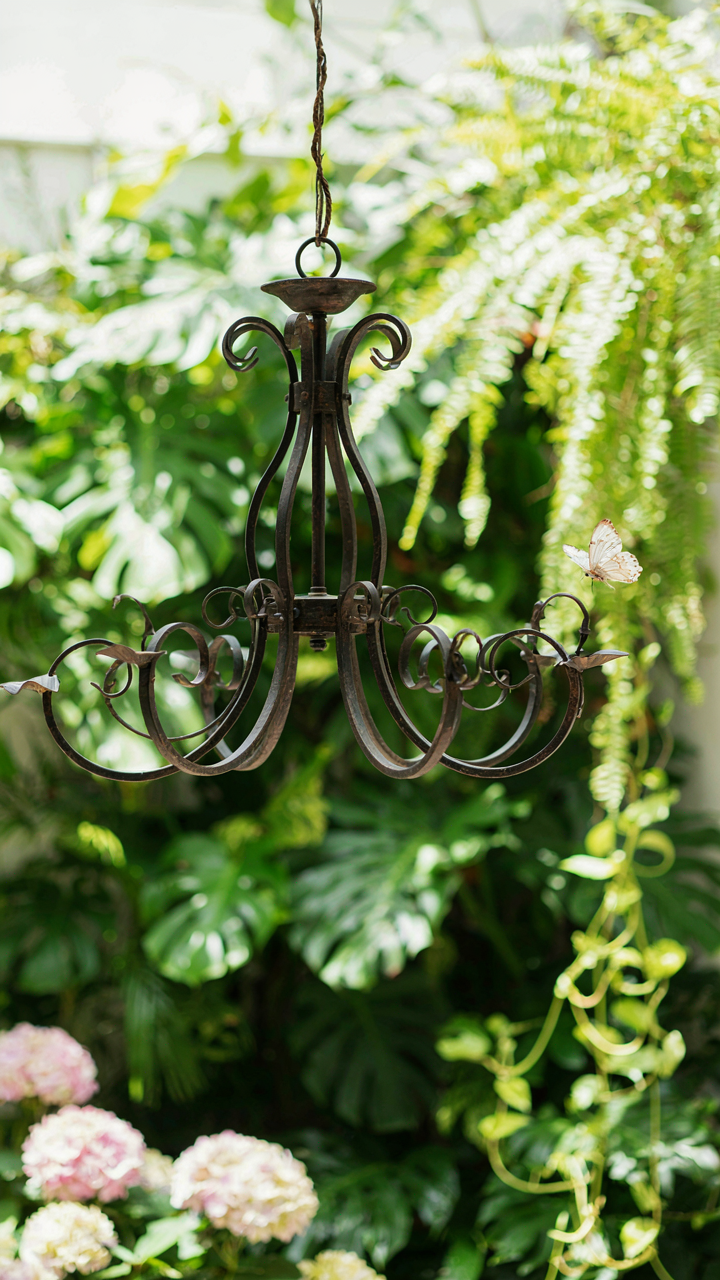
What Salvaged Items Actually Are
You want permission to keep that broken chandelier because throwing it away feels wasteful, and wasteful feels poor. Here’s the mechanism: your brain categorizes objects as either “functional” or “trash” based on their original purpose. A non-working chandelier lands in trash immediately. This binary thinking is the actual problem, not the chandelier itself.
Salvaged chandeliers aren’t broken furniture. They’re material assemblies with specific properties: brass or steel frames that withstand weather, glass or crystal components that diffuse light, and electrical infrastructure already built in. The design industry calls this “embodied value”—the work and resources already spent. You’re not rescuing junk. You’re recognizing what the object actually contains before its original function ended.
Raw Materials, Not Decorative Ghosts
Perception shifts when you stop seeing a chandelier as a failed light fixture and start seeing its component parts as tools. The frame becomes structural support. The arms become mounting points. The crystals or glass become light filters. The wiring becomes a planning constraint, not a dead end.
This reframing changes your entire approach to outdoor placement. Instead of asking “where would this look nice,” you ask “what does this material solve?” A wrought iron chandelier frame solves the problem of needing multiple hanging points for plants or lanterns. A brass frame solves oxidation concerns in wet climates better than untreated steel. The actual work happens when you inventory what you have, then match it to a structural or functional gap in your garden layout, not the other way around.
Repurposed Chandelier Ideas: Beyond String Lights And Lanterns
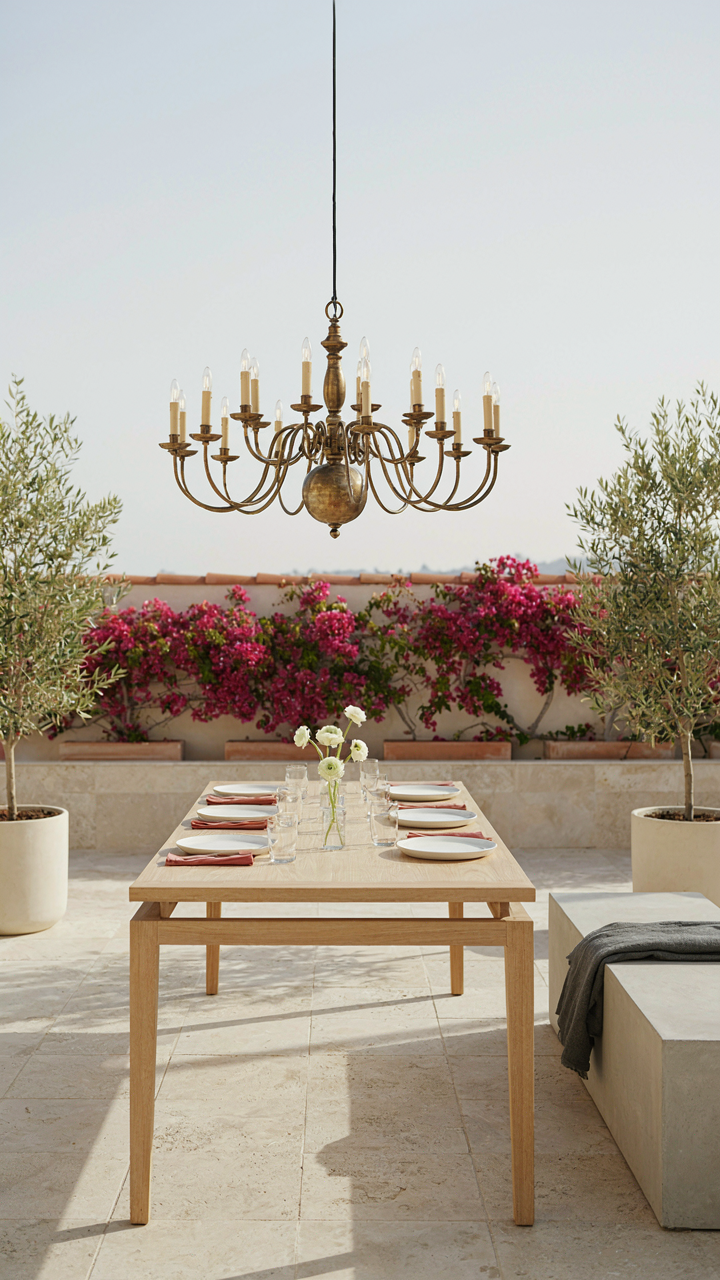
What String Lights Actually Miss
You want outdoor lighting that signals taste without screaming “I tried too hard.” That’s the real motive here. The mechanism most people miss: string lights and mass-market lanterns fail because they announce their purpose too loudly. A chandelier, even a broken one, carries architectural weight. It suggests intention and history. String lights read as temporary decoration. Chandeliers read as commitment.

Traditional outdoor lighting treats illumination as a utility problem when it’s actually a hierarchy problem. You’re not filling darkness. You’re creating a focal point that anchors the entire space. A repurposed chandelier does this naturally because its form already commands attention. Standard solutions flatten the visual landscape instead of organizing it. Most people install lighting that matches everything equally, which means nothing stands out.
The Real Value In Forgotten Fixtures
Borrowing from economics, chandeliers represent what economists call “discovered value”—an asset already manufactured, already proven structurally sound, now available at a fraction of original cost. You’re not inventing a lighting solution; you’re reassigning one that already worked in a different context. This changes the math entirely.
A chandelier sitting in a thrift store or estate sale already passed the durability test across decades. You gain that proof of function without paying for R and D or factory overhead. The fixture’s bones work. Its crystal or metal survived real use. When you wire it for outdoor conditions—weatherproofing connections, upgrading to LED bulbs rated for moisture, sealing any wood components—you’re working with known quantities, not gambling on whether a new product will hold up to humidity and temperature swings.
The second advantage nobody states plainly: a vintage chandelier forces you to design backward from a fixed object instead of forward from arbitrary choices. Your patio layout, furniture placement, and accent colors now respond to an existing piece rather than floating in undefined space. This constraint is tactical. It eliminates decision paralysis and creates immediate coherence. Start by placing the chandelier. Everything else organizes around it.
The Deconstruction Protocol: Preparing Your Vintage Chandelier Ideas

Safety First, Then Disassembly
You’re worried about electrocution and looking like you don’t know what you’re doing. The real mechanism is simple: electricity doesn’t care about your intentions. Kill power at the breaker before touching anything metal. Most vintage chandeliers use standard wiring that runs through a central chain or pipe. Document everything with photos before you touch a single wire. This isn’t paranoia—it’s the difference between a project and an emergency room visit.
Remove the canopy first. This is the decorative ring that hides the ceiling box. Unscrew the bracket arms and carefully lower the entire fixture. Keep all fasteners in a labeled container. Work slowly. Rushing creates the conditions where mistakes happen. Once the chandelier hangs on your work surface, you control the pace and can spot hazards before they become problems.
Assessing What You Actually Have
Your chandelier isn’t a single object. It’s a system of materials that age differently. Brass tarnishes. Wiring becomes brittle. Crystal develops stress fractures. Spend time examining each component under good light before cleaning anything. Check for cracks in glass arms or shades by running your fingers across surfaces and listening for flexing sounds. Test crystal by tapping gently—a clear ring means solid, a dull thud means damage. Document all findings now because you’ll make decisions based on this assessment.
Structural integrity determines what’s safe to repurpose outdoors. Rust on metal chains means corrosion has begun and will accelerate. Loose sockets on brass arms indicate the original fasteners have failed. Check electrical components for obvious damage before even considering using existing wiring for outdoor applications. Most vintage chandeliers need rewiring anyway when moved outside. If the frame itself is sound but the internals are compromised, you’ve found your actual starting point.
Upcycled Chandelier: Harnessing The Biomimicry Principle

How Nature Designs For Load And Flow
You want this section to validate that your repurposed chandelier idea isn’t just recycling, it’s sophisticated design. Here’s the mechanism: biomimicry isn’t poetry, it’s applied biology. The field names this as “structural optimization” – nature solves weight distribution and airflow problems that engineers spend years modeling. A chandelier’s job is identical to what a tree branch does: hold weight efficiently while allowing air and light to move through its structure without blockage. Most repurposed chandeliers fail because they copy the shape without understanding why that shape works.

When you disassemble a vintage brass chandelier, you’re holding a solved problem. The arms taper from thick at the center joint to thin at the crystal holder because stress concentrates at the load point. The open geometry between arms lets wind pass through a patio without creating sail effect. These weren’t accidents of aesthetics, they were physics made visible. Applying this to your garden piece means studying where weight concentrates in your repurposed frame, then mimicking how natural systems reduce material at low-stress points.
Organic Structure Patterns For Garden Mounting
The common advice here is dead wrong: people think “organic” means adding fake leaves or curvy lines to their frame. That’s decoration pretending to be design. Real organic structure in a garden chandelier means copying how living systems handle three actual constraints: wind load, water drainage, and structural redundancy. Look at how a coral colony branches, or how tree limbs fork into progressively smaller segments. Each bifurcation spreads stress across multiple paths instead of funneling it through one joint.
Take your repurposed chandelier and apply this one protocol: identify every point where water will collect or wind will push hardest, then introduce a branching point instead of a single stem. If your piece has one central rod supporting multiple arms, add a secondary branching structure that redirects load. This mirrors how a tree distributes weight through a fork rather than a bend. The result holds up longer under weather and requires fewer reinforcements because you’ve built redundancy into the geometry itself.
The “Elemental Fusion” Method: Integrating Natural Elements

Salvaged Metal Meets Living Matter
You want this to look intentional, not like you raided a thrift store and bolted plants to it. The mechanism here borrows from architecture’s load-bearing principle: a chandelier’s metal frame becomes the structural anchor that holds disparate materials in visual and physical harmony. Brass, iron, and steel don’t rot. They weather predictably. Plants, stone, and wood do the opposite—they move, break down, and shift. Pair them deliberately on the frame itself, not just around it.

The salvage metal acts as the constant while wood, stone, and plant life cycle through seasons. Mount reclaimed wood blocks to the metal arms using lag bolts—this creates a surface that accepts climbing vines or hanging planters without stressing the original chandelier structure. Stone accents—river rocks, slate pieces, or concrete—attach to lower sections where weight distributes safely. The frame becomes a scaffold, not a decoration. This is how you build something that survives a year of weather, not six months.
Continuity Without Apology
Everyone says to “blend old and new seamlessly.” That’s lazy advice. There is no seamless. There’s intentional contrast or there’s confused mixing. The real protocol is this: decide which material dominates the visual field, then subordinate the others to it. If metal is your primary, let wood and plants read as accent. The eye needs a hierarchy or it sees clutter.
Start by establishing your material’s honest aging pattern. New wood stain clashes with oxidized brass—that’s not a problem if you accelerate the wood’s weathering before assembly. Apply exterior stain, then expose it to UV and moisture for two weeks. Pair weathered wood with weathered metal and they read as one timeline. Seal the transitions where materials meet with clear exterior caulk to prevent water entrapment and structural failure, not for appearance. Function creates the aesthetic.
DIY Chandelier Ideas Upcycling: Light Without The Grid
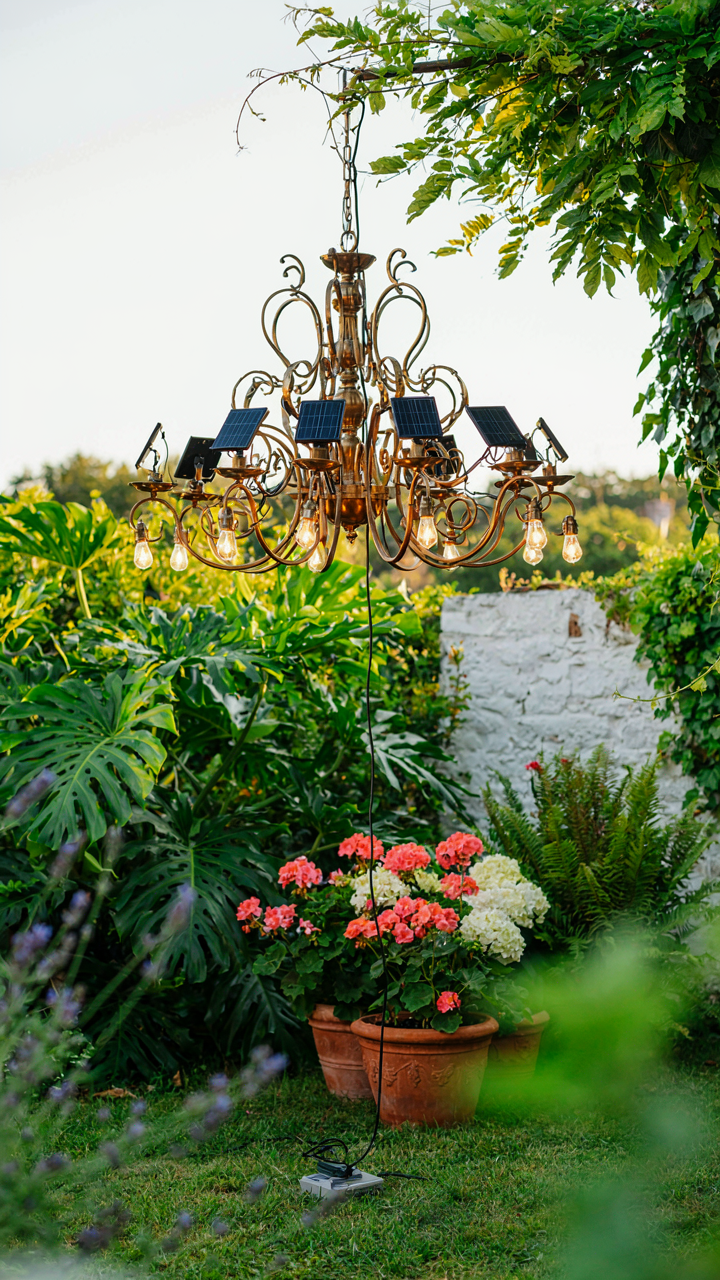
Solar Powered Retrofits For Outdoor Spaces
You want the aesthetic without dependence on outdoor outlets because autonomy feels like control. The real mechanism is this: solar panels convert photons into stored energy in a battery cell, which then powers LED bulbs at night. This is basic photovoltaic physics applied to your chandelier. A retrofit kit includes a small panel (usually 5-10 watts), a rechargeable lithium or lead-acid battery, and a charge controller that prevents overcharging.

The common mistake is buying cheap solar kits and expecting consistent light output. Capacity matters. A 10-watt panel in full sun generates roughly 50 watt-hours of energy daily in optimal conditions. Your LED chandelier draws maybe 5-10 watts when lit. Do the math: you get 5-10 hours of light, not all night. Install the panel on the highest point of your fixture or nearby structure where it catches morning and afternoon sun, not shade from trees or buildings.
Battery Operated Options For Flexible Placement
Nobody tells you this directly: battery-powered chandeliers trade brightness for placement freedom. Alkaline batteries (AA, AAA, D-cell) deliver consistent voltage until they die. Rechargeable lithium-ion packs weigh less and hold charge longer but cost more upfront. A chandelier running four C-cell alkaline batteries draws roughly 1.5-2 amps at standard brightness. You get 20-40 hours of light before replacing or recharging.
The setup is straightforward. Buy a battery enclosure rated for your voltage requirement (6V, 9V, 12V depending on LED configuration), wire it to your LED string or bulb socket, and mount it inside the chandelier bowl or hang it below. Test the system in daylight first to confirm all connections are secure. Replace or recharge batteries every 3-4 weeks depending on usage. This method works anywhere: under a pergola, suspended from a tree branch, or hung from a shepherd’s crook with zero electrical infrastructure required.
Chandelier Garden Ideas: Beyond Hanging For Upcycle Chandelier Diy
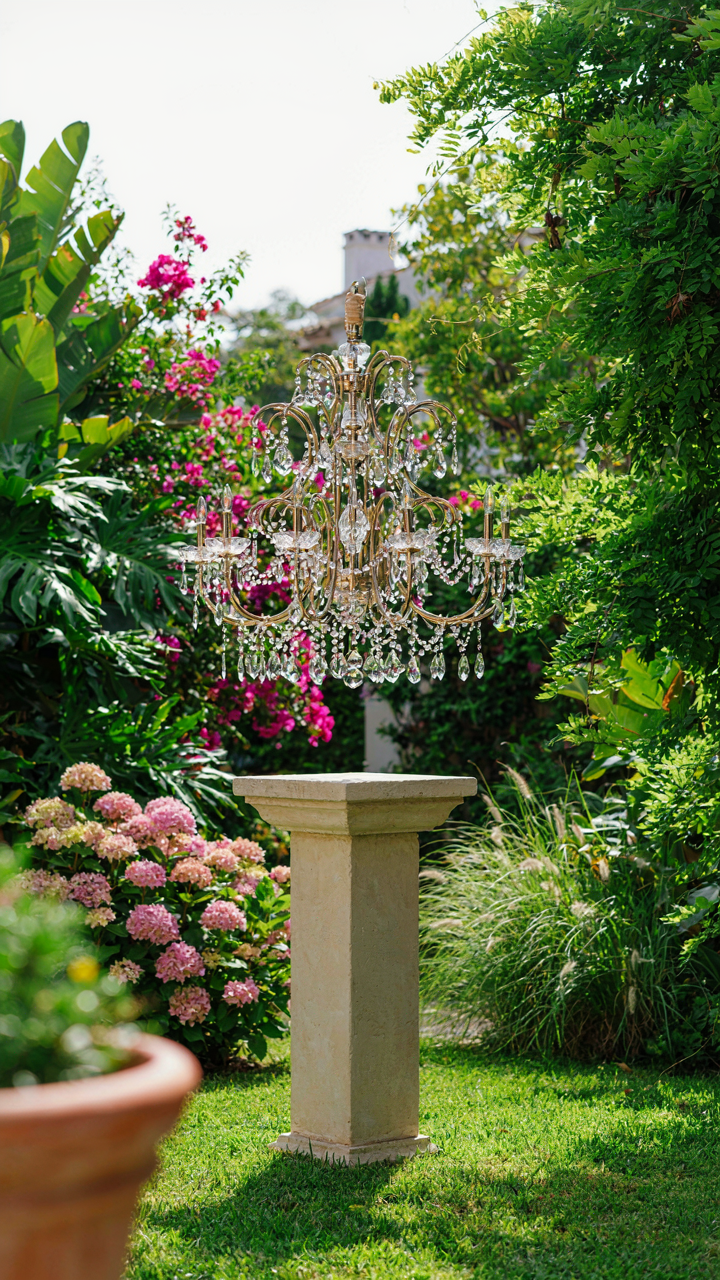
Grounding Chandeliers For Impact
You want to justify spending money on something that looks expensive without actually spending much. That’s the real game here. Ground-mounted chandeliers work because they create a focal point at eye level, breaking the visual monotony most patios suffer from. The mechanism is simple: elevate a non-functional chandelier onto a sturdy base or pedestal. This removes it from its expected overhead position and forces the viewer to engage with it as sculpture rather than fixture.

The engineering matters more than aesthetics. A grounded chandelier needs structural stability in wind and foot traffic. Concrete footings, weighted bases, or installation into existing hardscape prevent tipping. Most people skip this step and wonder why their setup looks unstable. Mount the chandelier 3-5 feet high on the base so the crystals or arms don’t obstruct sightlines. Wind load becomes your constraint, not ceiling height.
Weaving Chandeliers Into Existing Structure
Architecture provides the framework here. Think in terms of load-bearing integration, not decoration bolted on afterward. Pergolas and trellises are skeleton structures that distribute weight across multiple points. Install a chandelier frame into the grid of a pergola by anchoring its mounting bracket to the existing crossbeams. This leverages existing support rather than creating new weak points. The chandelier becomes part of the structure’s visual rhythm.
Trellises demand lighter fixtures because their members are thinner and lateral loads matter more than vertical ones. A smaller or fully deconstructed chandelier works better here. You can wire the arms individually to the trellis lattice or hang individual pieces (crystals, candle holders) at intervals. The real move is distributing visual weight across the entire structure instead of concentrating it at one point, which would read as unbalanced and forced.
Repurpose Chandelier: The “Atmosphere Architecture” Blueprint
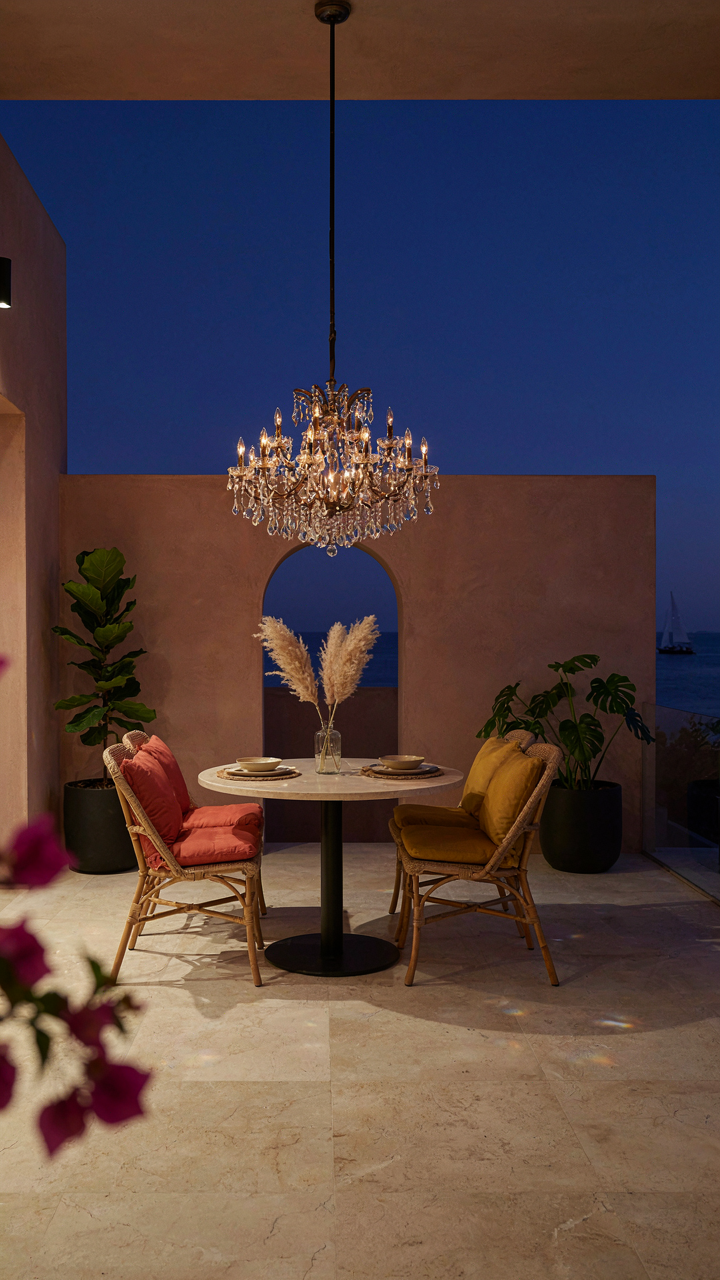
How Focal Points Define Your Space
You want people to look at something specific because it proves you have taste. That’s the real reason. The mechanism is simple: the human eye moves toward vertical objects that break the horizontal plane. A repurposed chandelier hanging in your garden forces visual hierarchy. Without it, your patio is flat. With it, your patio has a center.

Placement determines everything. Install the chandelier where sightlines converge—typically twelve to fifteen feet from the main seating area. This distance lets guests register the object as intentional architecture rather than decoration. The chandelier becomes the spatial anchor that makes your entire gathering feel designed rather than assembled.
Light And Shadow Sculpt What People Feel
Physics calls this chiaroscuro—the interplay of light and dark creates perceived depth. A repurposed chandelier doesn’t just illuminate; it creates gradient zones. The pool of light beneath it reads as intimate. The shadows it casts on nearby plants or structures read as mystery. People unconsciously move toward warmth and clarity, away from murk. Your lighting layout controls human movement without barriers.
Here’s what changes perception in those shadow zones:
- Uplighting through crystals or glass elements: Throws refracted light patterns onto overhead surfaces, creating visual noise that distracts from small imperfections in your space.
- Graduated dimming: Lower the chandelier’s brightness as evening deepens. Guests perceive time passing differently under dimmer light, extending the perceived duration of your gathering.
- Sidelighting from secondary sources: Places shadow edges where you want boundaries. Guests unconsciously treat sharp shadow lines as spatial walls without seeing actual fences.
- Color temperature shifts: Warm bulbs (2700K) make people linger. Cool bulbs (4000K+) make them alert and engaged. Choose based on your agenda for the gathering’s energy level.
- Directional beam angles: Wider spreads create diffuse ambiance. Narrow beams create dramatic focal points. Mix both in one chandelier installation to layer spatial tension.
The technical spec matters here. A repurposed chandelier with adjustable arms or multi-directional sockets lets you reshape perception throughout the evening without touching a single fixture. Test your light placement at dusk, not noon. That’s when the mechanism actually activates.
The Teacup Chandelier Subversion: Unexpected Materials

When Trash Becomes Your Design Vocabulary
You want permission to break the rules without looking cheap. That’s the real ask. The mechanism is simple: constraint forces specificity. When you can’t buy a chandelier, you hunt for objects with existing structure—cups, jars, wire frames, metal rings. This isn’t recycling sentiment. It’s material economics. You’re leveraging what’s already engineered to hold weight and distribute light. A teacup has a handle, a bowl shape, and a mouth designed for suspension. These aren’t features you’d have to engineer from scratch.

The subversion works because it collapses the distance between “found” and “finished.” You’re not disguising cheap materials. You’re selecting materials with built-in function. Vintage teacups from thrift stores cost pennies. Brass wire frameworks from old lighting fixtures are already load-rated. Repurposed mason jars with threaded lids accept standard socket adapters. You’re stacking existing design decisions instead of starting from zero. The patio party crowd won’t know the difference between intentional and resourceful. What they’ll register is that your lighting looks purposeful.
Collision Over Curation
The common advice here is wrong: “Find objects that match a cohesive vision.” That’s backward. Real impact comes from deliberate mismatch. Pair mismatched china patterns—delicate porcelain next to heavy stoneware. String them from industrial rope instead of matching cord. The contrast is what stops the eye. Homogeneity reads as lazy. Intentional collision reads as confident.
This works because of the principle of negative space in product design. One object alone means nothing. Multiple objects without relationship feel scattered. But multiple objects in deliberate tension create focal interest. Your chandelier becomes a statement instead of decoration. String five different teacup styles, each with its own glaze and handle, from a single metal frame. The viewer’s brain works to find the connection. That cognitive friction is what makes it memorable. The execution is straightforward: source at least three distinct object types. Mix them in the same chandelier. Hang it where it catches evening light.
From Eyesore To Icon: The Unseen ROI Of Creative Repurposing
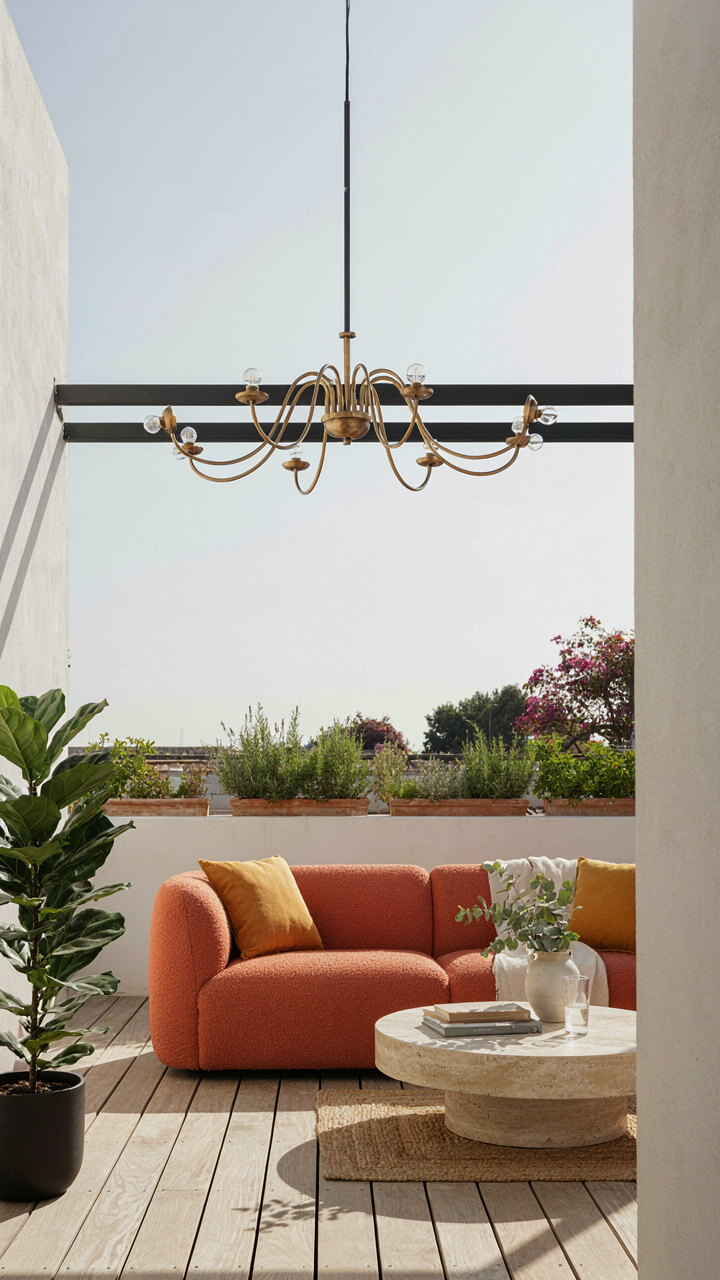
When A Chandelier Becomes An Asset
You want proof that this matters to your property value, not just your Instagram feed. Real estate appraisers mark up homes with distinctive, well-executed design elements because buyers perceive scarcity and intentionality. A repurposed chandelier in a garden setting signals that someone thought, designed, and executed instead of buying what everyone else buys. This distinction moves the needle on comparable property values in competitive markets.
The mechanism is straightforward: homes with personalized outdoor design command premium pricing because they reduce buyer anxiety about bland standardization. When a chandelier transitions from interior fixture to garden focal point, it anchors the entire outdoor space as “designed,” not “default.” Appraisers notice this. Buyers negotiate differently when they perceive intention. A well-executed repurposed chandelier is not decoration—it is proof of thought.
When Spaces Feel Deliberately Made
Psychology calls this the mere exposure effect: we assign higher value to objects and environments we perceive as intentional rather than accidental. A repurposed chandelier triggers the recognition that someone curated this space. They didn’t accept the builder’s baseline. They didn’t follow a template from a big-box retailer catalog. This recognition shifts how people experience the entire patio or garden, regardless of the actual budget spent.
Handcrafted environments, even those using salvaged materials, activate a neural response tied to human agency and craft. People linger longer in spaces that feel individually made. They host more gatherings. They talk about the space differently when describing it to others. This behavioral shift—increased use and social amplification—compounds the perceived value of the property. When you repurpose a chandelier instead of replacing it, you communicate that the space belongs to a person, not a template.
The Real Obstacle Isn’t Finding A Chandelier, But Your Inability To See Value Where Others See Junk

Most people scroll past estate sales and thrift stores looking for something perfect. You need to train yourself to see potential instead. Walk into one store today and photograph three “ugly” chandeliers. Not to buy them. To study how you’d transform them. This one skill, this shift from consumer to creator, separates people who throw garden parties worth remembering from people who throw parties that look like everyone else’s. You don’t need a better chandelier. You need permission to make something weird into something beautiful.