The Photon Playbook: Mastering Sunlight With Recycled Glass Bottles
How Glass Bends Light Into Patterns
You want this to look effortless, like you didn’t plan it. That’s the real reason you’re reading this section. Here’s the mechanism: glass works through refraction, a physics principle where light changes direction when passing through a material with a different density than air. Recycled glass bottles have a refractive index around 1.5, meaning light bends predictably when it enters and exits the glass. The thickness and curvature of a bottle bottom or side wall determine how much bending occurs. This isn’t decoration—it’s applied optics.
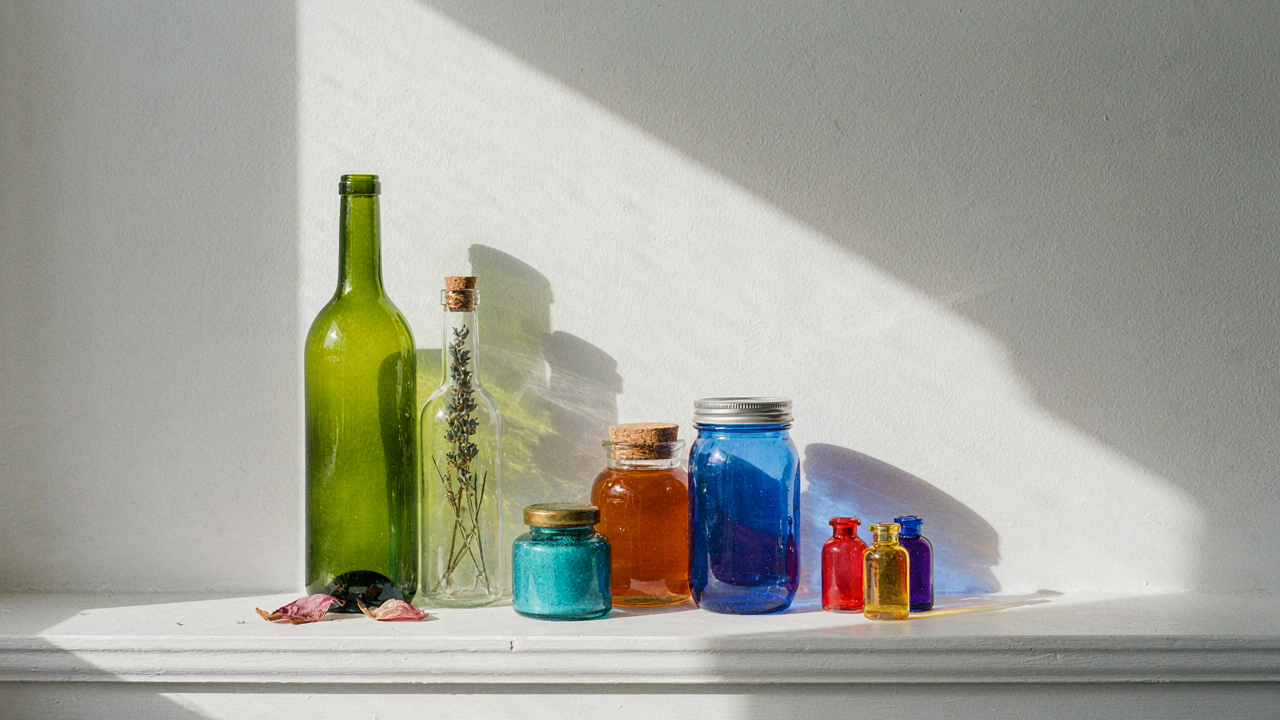
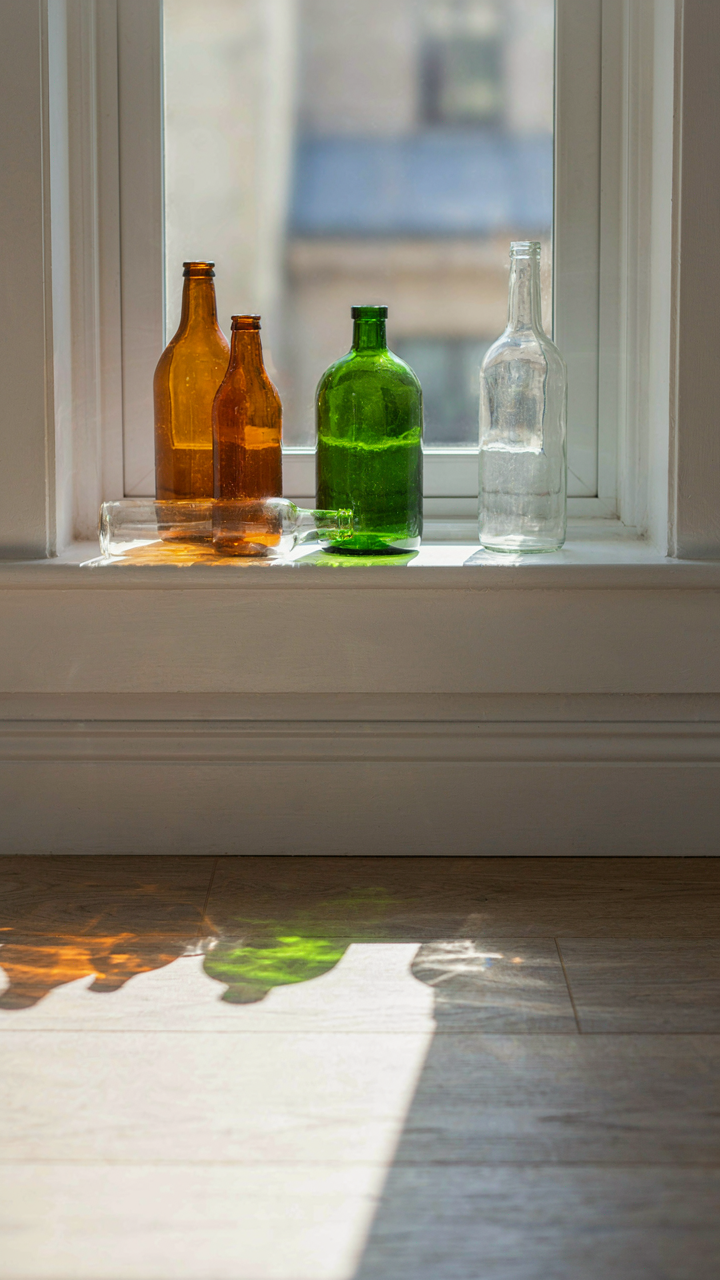
Different glass colors absorb specific wavelengths while allowing others through. Clear glass refracts visible light with minimal absorption. Amber and green glass filter wavelengths, creating colored light patterns on walls and floors. The shape matters equally: a curved bottle bottom scatters light in multiple directions, while a flat panel focuses it more narrowly. Place a recycled glass bottle in direct sunlight and you’ve created a miniature prism. The angle of sunlight hitting the glass surface determines whether you get sharp geometric patterns or soft diffused glow.
Placement Creates The Actual Effect
Most advice says “put glass in windows and it looks nice.” That misses the point entirely. Strategic placement is about controlling three variables: sun angle, glass position relative to surfaces, and distance from the wall receiving the light. A bottle placed six inches from a white wall creates sharper, more defined shadow patterns than one placed two feet away. The shadow grows softer as distance increases—a basic principle of optics. Morning sun hits differently than afternoon sun, so the same bottle in the same window produces different results at different hours.
The real protocol: identify your window’s peak sunlight hours, then test bottle placement during those times. Position recycled glass near the window’s edge rather than center if you want concentrated patterns on specific surfaces. Distance the glass eighteen to thirty-six inches from the wall you want to illuminate for visibility without washing out color. Bottles grouped together create layered light patterns as shadows overlap. Move them one inch at a time until the pattern matches your intent, then mark that position so you can replicate it seasonally when sun angles shift.
Deconstructing The “Eco Chic” Myth: Real Impact Of Reuse Glass
When Repurposed Glass Actually Works
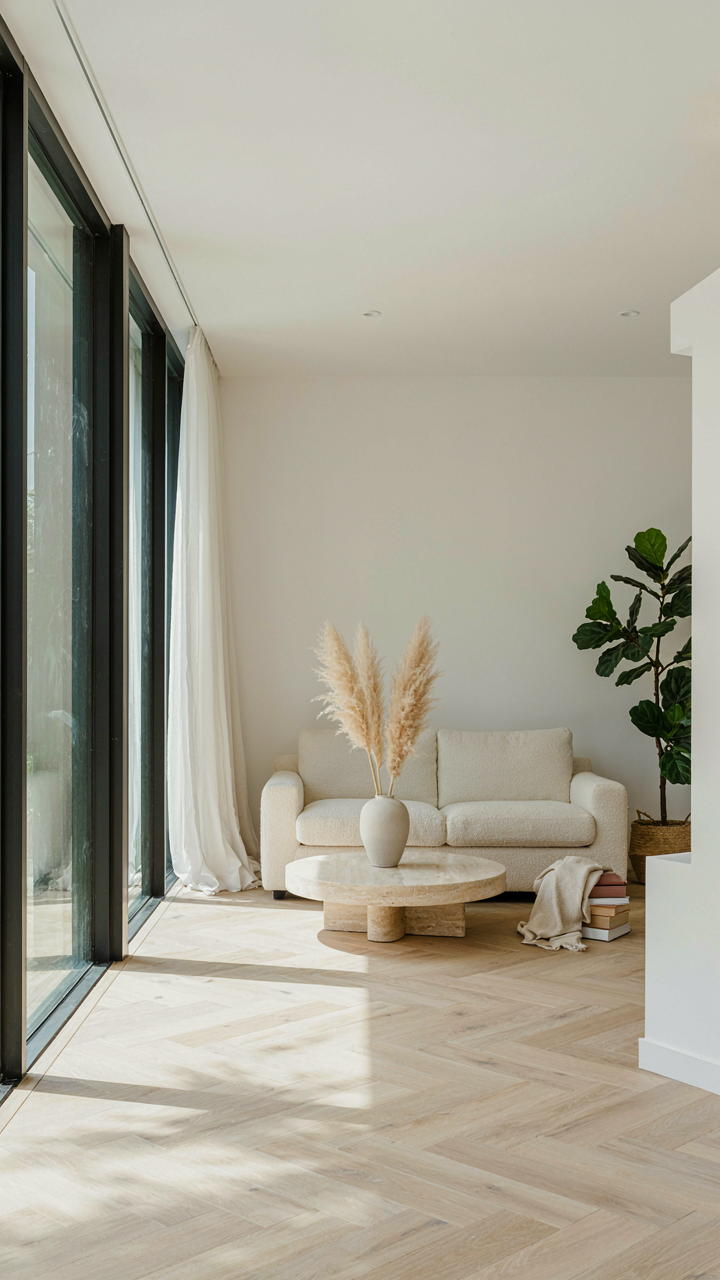
You want to believe buying recycled glass is fixing something. The mechanism that matters is functional displacement. Repurposed glass only creates real impact when it replaces something you’d have purchased anyway—not when it becomes an additional decorative purchase justified by environmental guilt. A recycled glass vase sitting on a shelf next to your existing decor isn’t reuse. It’s consumption with a cleaner label.

The distinction matters for window installations and light-based decor. Recycled glass panes, beveled salvage pieces, and repurposed bottles work functionally when they serve structural or practical roles: filtering light, controlling glare, creating thermal mass effects in specific window exposures. If the piece performs a job your sunny window actually needs done, the material choice compounds the value. If it’s ornamental, the recycled status changes almost nothing about its environmental footprint.
The Energy Cost Nobody Mentions
Economics calls this embodied energy, and recycled glass has a non-zero debt even before it reaches your window. Remelting glass requires temperatures around 1700 degrees Fahrenheit. Transportation, sorting, breaking down existing pieces, and reforming them consumes fuel and electricity. The environmental gain only emerges when that glass stays in use long enough to justify those input costs. Recycled glass objects gain their advantage through longevity, not through the act of recycling itself.
Most recycled glass decor fails this test because it’s designed for trends, not durability. A painted recycled glass piece or a thin decorative panel degrades, breaks, or gets discarded within five years. Standard new glass in the same application lasts decades. The reused material becomes worse environmentally because the energy investment never amortizes. For sunny windows, thickness, durability, and staying power determine whether recycled glass is actually better or just morally reassuring.
The Kinetic Sculpture Method: Glass Bottles Ideas In Motion
When Air Moves Glass, Light Follows
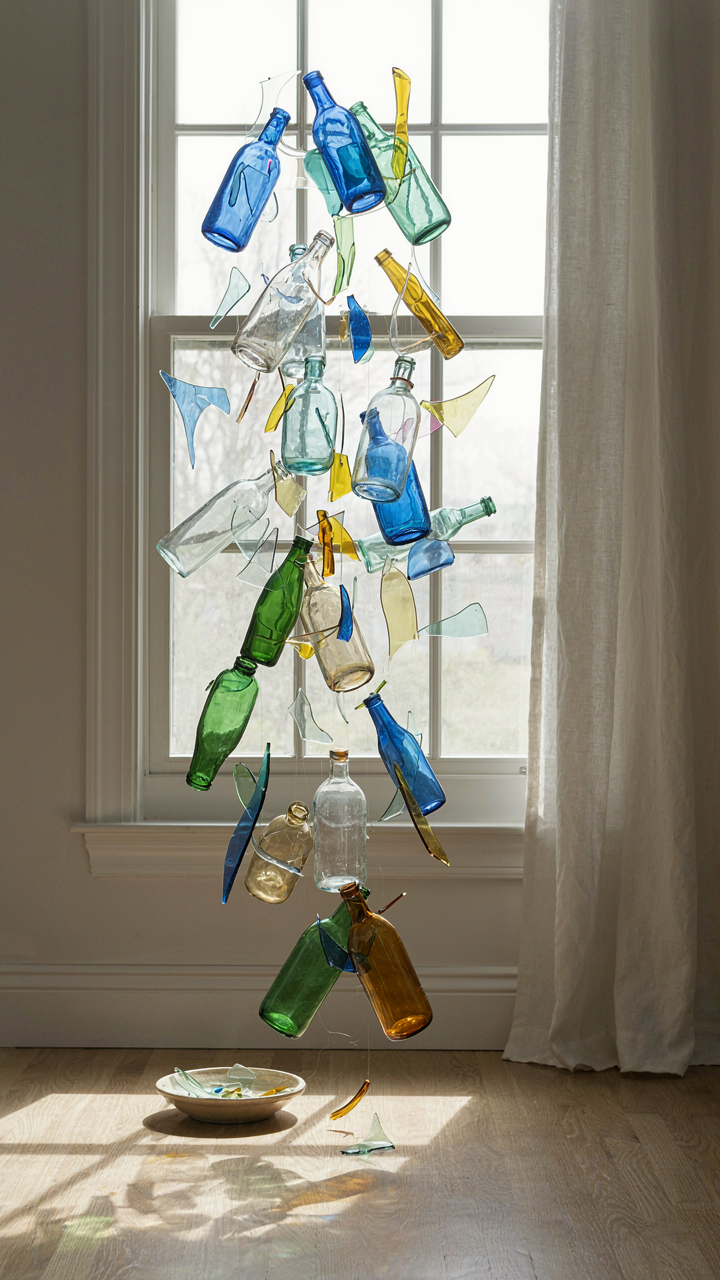
You want kinetic glass because it signals sophistication without effort, and watching it move makes you feel like you’ve built something alive. The mechanism is thermodynamics: warm air rises, cool air sinks, and suspended glass catches that invisible current. Hang bottles or shaped glass pieces from fishing line near a sunny window. The temperature differential between sun-warmed and shaded zones creates vertical air movement. The glass rotates slowly, continuous and passive. No motors. No electricity. Pure physics.
The rotation speed depends on bottle weight, line length, and solar intensity. Heavier pieces move slower. Thinner fishing line allows faster rotation. South or west-facing windows generate stronger thermals because they accumulate more heat. Start with lightweight bottles, 8 to 12 inches from the window surface. Adjust line length to maximize air current interaction without letting pieces hit the frame.
Refraction Layers And Depth Distortion
Most people think refraction creates prettiness. Wrong. Refraction solves a concrete problem: flat light becomes directional light when it bends through glass at different angles. Stack recycled glass pieces at varying depths from the window. The sun hits the first layer at one angle, refracts through it, then hits the second layer at a different angle. Each layer bends the light again. The result is depth illusion on your wall or floor.
The effect strengthens with glass thickness variation. Thin glass refracts at sharper angles than thick glass. Colored glass bends light differently than clear glass because different wavelengths refract at different rates. This is spectral refraction, the same principle prisms use. Arrange bottles and glass shards so sunlight enters the thinnest piece first, then passes through progressively thicker pieces. Mount them on a shallow shelf perpendicular to the window. Light refraction compounds through each layer, creating visible depth on the wall behind them.
Beyond The Wick: The Bottle Candle Holder As A Light Amplifier
How Glass Redirects Flame Into Usable Light
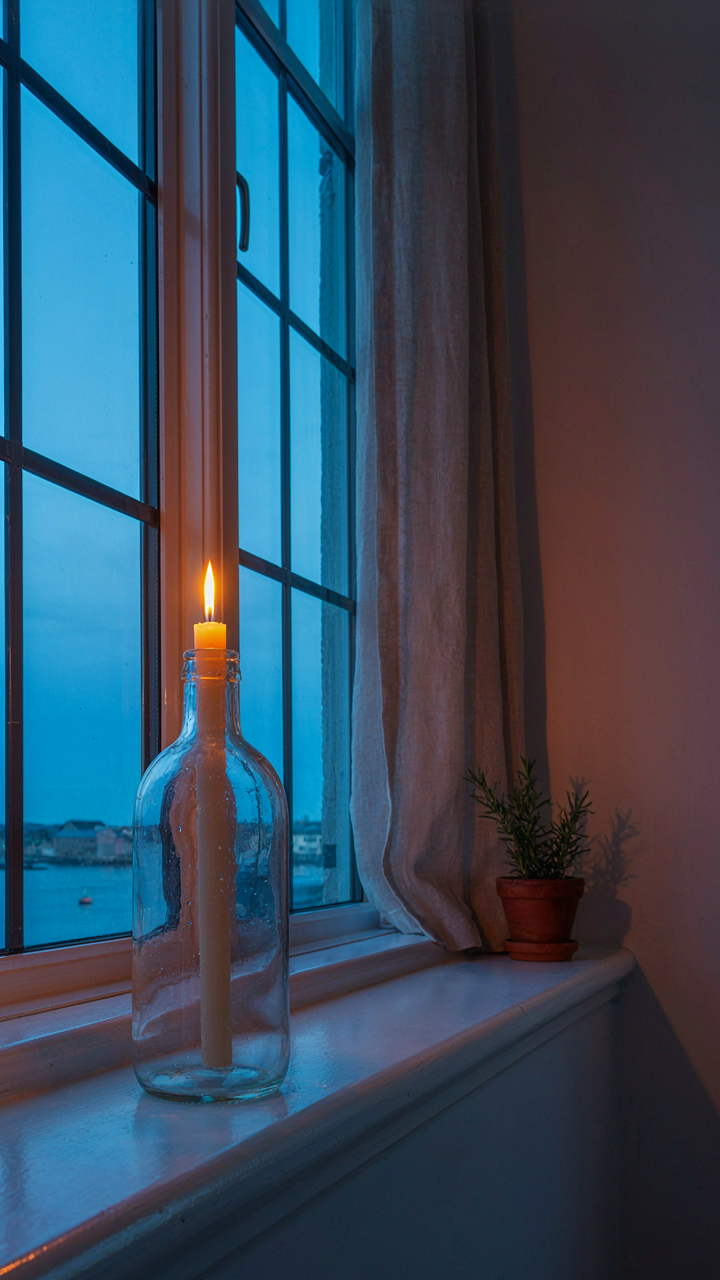
You want this to work because a candle alone feels weak, and you need proof that recycled materials can actually perform. Here’s the physics: a bottle’s curved walls act as a reflector, concentrating light rays that would otherwise scatter into dead space. Optics terminology calls this the “focal point,” but recycled glass decor applies it differently. Instead of focusing light to a single spot, the bottle’s geometry spreads redirected flame outward into the room. The effect compounds when you position the candle near the bottle’s base, forcing light to travel upward and outward through the glass.

The common advice says just put a candle in any bottle and call it done. Wrong. Bottle color matters mechanically. Clear or light amber glass transmits and redirects light efficiently. Dark or opaque bottles absorb it and eliminate the amplification effect entirely. Your candle holder’s interior surface finish also shifts the outcome. Smooth glass creates sharper light patterns. Textured or frosted surfaces scatter light more evenly but with less intensity. The trade-off between brightness and diffusion determines whether your setup looks like accent lighting or actual illumination.
Positioning Changes What The Eye Actually Sees
Candle placement inside the bottle determines shadow behavior and light throw distance. A candle sitting at the bottle’s center creates uniform glow. Move it to one side, and the glass becomes an asymmetrical reflector, casting distinct shadow patterns on walls. This isn’t decoration. It’s manipulation of how space feels. Most people waste this by centering the candle, which produces generic ambient light. Strategic off-center placement creates visual depth and makes the window itself a focal point instead of just a view.
Window placement amplifies everything. A recycled glass candle holder positioned on a south-facing sill receives direct afternoon sun, which overpowers candlelight and kills the effect. North or east-facing windows work better because they provide steady indirect light that lets the flame’s redirection actually register with the human eye. Test the position at dusk, not noon. That’s when you can measure actual light output and shadow intensity. Adjust the bottle height and angle until the light beam reaches the deepest corner of the adjacent wall.
The Biophilic Grid System: Glass Bottle Planters DIY For Living Walls
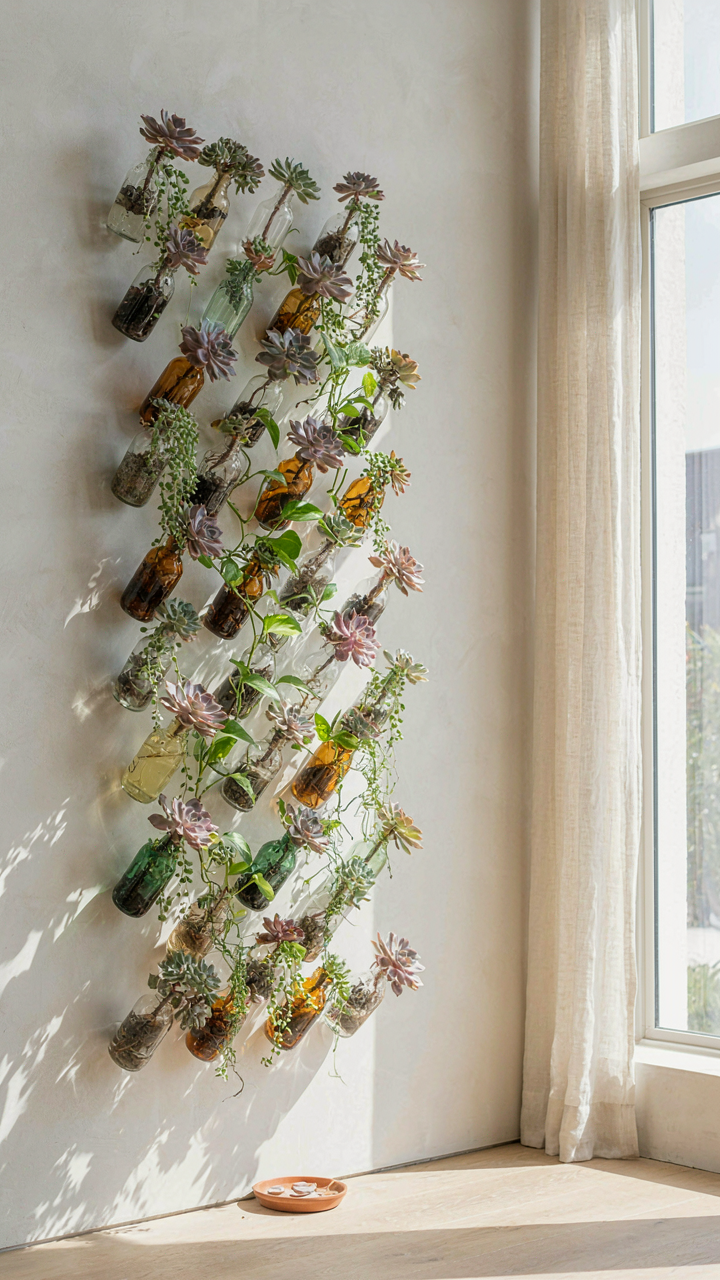
How Water Moves Through Bottle Systems
You want this to work because you’re tired of killing plants and need proof you can sustain something. Here’s the mechanism: capillary action is physics at work, and recycled glass bottles function as passive hydraulic systems when you stack them vertically. Water travels upward through soil against gravity via adhesive and cohesive forces between water molecules and soil particles, not because plants pull it up. Glass bottles create a contained column where this happens predictably. The narrower the bottle neck and the finer the soil contact, the higher water climbs before it stops. Sun exposure through transparent glass accelerates evaporation at the top, which strengthens the capillary pull from below, creating a self-regulating cycle.

Most DIY bottle systems fail because people don’t control soil density or bottle positioning. Pack soil too loosely and capillary action collapses. Pack it too tight and water stagnates. The water travels upward through soil against gravity, not downward by gravity alone. Fill recycled wine or beer bottles with a 60-40 mix of potting soil to perlite, invert them into soil beds or hanging frames, and the capillary action sustains moisture for 5 to 10 days depending on heat and plant demand. The bottle acts as a metered water release device. Angle matters too: bottles at 45 degrees move water slower than vertical bottles, giving you control over delivery speed by simply changing the grid angle.
Plant Species That Thrive In Bottle Microclimates
The advice that any plant works in bottle systems is wrong. Bottle environments create high humidity, low air circulation, and intense light concentration through glass. Succulents and cacti fail here because they rot in trapped moisture. Low-light plants fail because the glass magnifies sun intensity. Pick species that tolerate humidity swings and handle bright indirect light inside the bottle structure. Pothos tolerates bottle humidity and adapts to variable light. Peperomia stays compact and accepts the microclimate without leggy growth. Tradescantia (wandering jew) thrives in bottle moisture without root rot. Senecio rowleyanus (string of pearls) works because it trails effectively and handles the contained heat.
Select plants with shallow root systems since bottle volume is finite. A single recycled bottle holds soil depth of 6 to 8 inches maximum. Deep-rooted plants create pressure on the system and exhaust capillary water faster. The microclimate inside a bottle grid reaches higher temperatures than ambient air on sunny days due to the greenhouse effect through glass. This speeds water loss and concentrates dissolved minerals in the soil. Rotate plant selections seasonally: use drought-tolerant trailing plants in summer, replace with humidity-lovers in cooler months. This keeps your grid productive year-round without fighting the bottle environment.
The Upcycled Illumination Protocol: Wine Bottle Chandelier As Art
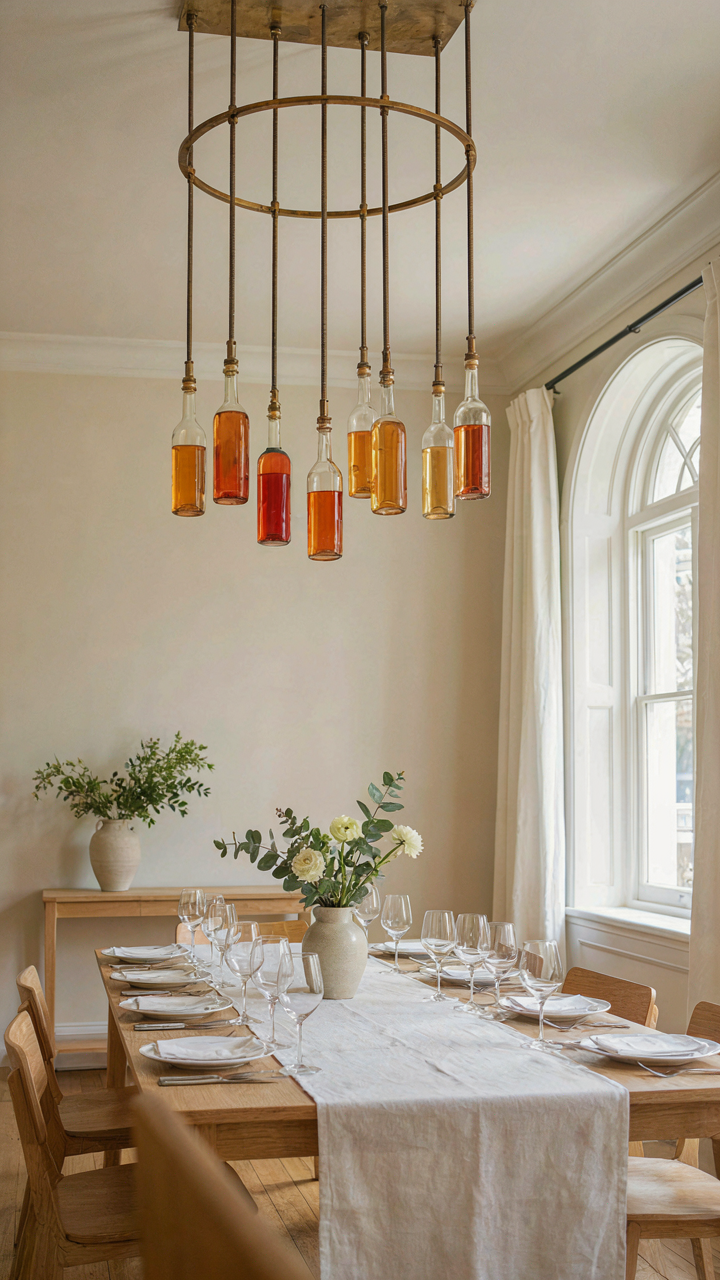
Weight Distribution In Suspended Glass Arrays
You want this to look expensive and intentional instead of like something that might crash during dinner. Here’s the mechanism: structural integrity in suspended glass arrays borrows from load engineering—the principle of distributed mass. Each wine bottle holds roughly 750 milliliters, weighing 1.5 to 2 pounds empty. A chandelier with twelve bottles creates 18 to 24 pounds of dead load. Your mounting hardware must handle triple that weight as safety margin.

The anchor point determines everything. Drywall anchors fail. You need to bolt into a ceiling joist or install a metal crossbeam rated for at least 75 pounds. The attachment method matters more than the design. Use threaded rods rated for the total weight, not wire or fishing line. Distribute bottles across multiple rods so no single point carries more than five pounds. Uneven weight distribution causes rotation and stress fractures in the glass neck where bottles suspend.
Electrical Integration For Safety
Most advice skips the actual risk: recycled glass conducts electricity unpredictably when wet. Moisture inside bottles, mineral deposits on surfaces, and thermal expansion create conductivity variables nobody plans for. You need low-voltage LED strips, not standard household current running through custom wiring inside recycled containers.
- LED strip voltage: Use 12-volt DC systems with isolated power supplies rated for outdoor conditions, eliminating shock risk if moisture reaches wiring.
- Waterproofing connections: Seal all wire entry points with marine-grade silicone before assembly, not after bottles hang in place.
- Fuse placement: Install an inline fuse rated 1.5 times the LED strip amperage, positioned at the power supply side, not the fixture side.
- Thermal testing: Run the system unplugged for 48 hours in sunlight to identify any cracks or stress points before energizing.
- Ground continuity: Connect the metal frame to building ground through a 10-gauge wire, independent of light circuit paths.
Install wiring before suspending bottles. Thread LED power cables through rigid conduit if they pass near the mounting bracket. Conduit prevents chafing and protects against accidental contact. Secure the power supply outside the fixture on a stable surface. Run the final connection through a weatherproof junction box rated for wet locations, even in interior spaces with sunny windows where condensation forms.
The Entropy Reversal Blueprint: From Waste To Glass Bottle Decor
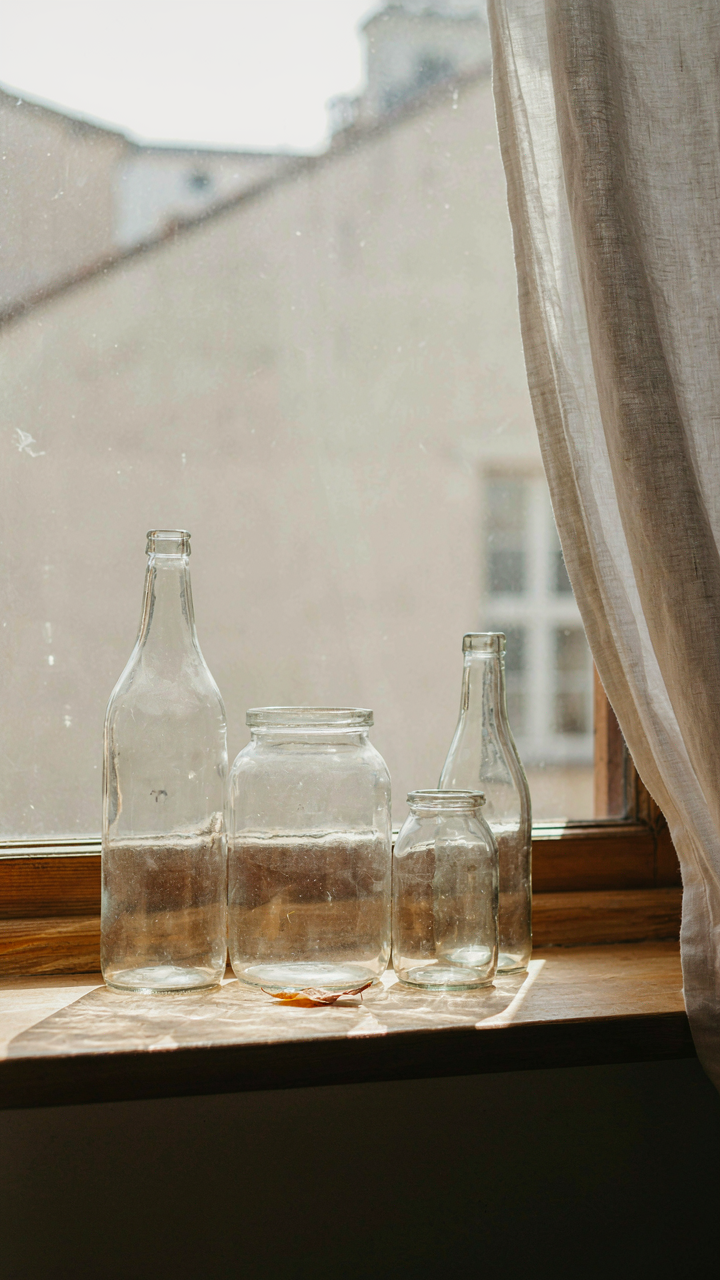
Why Reused Glass Actually Costs Less Energy Than New
You want permission to feel smart about your choices. Here’s the mechanism: thermodynamics says disorder always increases in closed systems, but humans reverse entropy locally by adding energy. Manufacturing new glass from raw silica requires heating sand to 1700 degrees Celsius. Reusing existing glass skips that step entirely. The energy debt of new production never disappears, even if the product looks identical.

The math is direct. Melting virgin silica consumes roughly seven to ten times more energy than remelting existing glass. When you place a recycled glass bottle on a sunny windowsill, you’re not just decorating. You’re running a small entropy reversal operation where the energy cost was already paid by someone else’s manufacturing process. The sun’s light then becomes free illumination through material that required no additional industrial transformation from you.
The Real Cost Equation Behind Material Choices
Most people think “reused is cheaper” means financial savings alone. Wrong. Reused glass costs less because extraction, refinement, and initial melting already happened. That embodied energy stays locked in the material regardless of its next use. When you redirect glass waste into decor, you’re leveraging sunk energy that won’t repeat.
New glass production generates carbon emissions tied to furnace operation and transportation. Recycled glass avoids those emissions entirely on the manufacturing side. The practical action here is this: source glass from local waste streams, old wine bottles, or salvage operations rather than buying new decorative glass. Placing these pieces in bright windows where they naturally transmit and refract light requires zero additional energy input. That’s the protocol that closes the loop.
The Growth Chamber Matrix: Advanced Glass Bottle Planter Designs
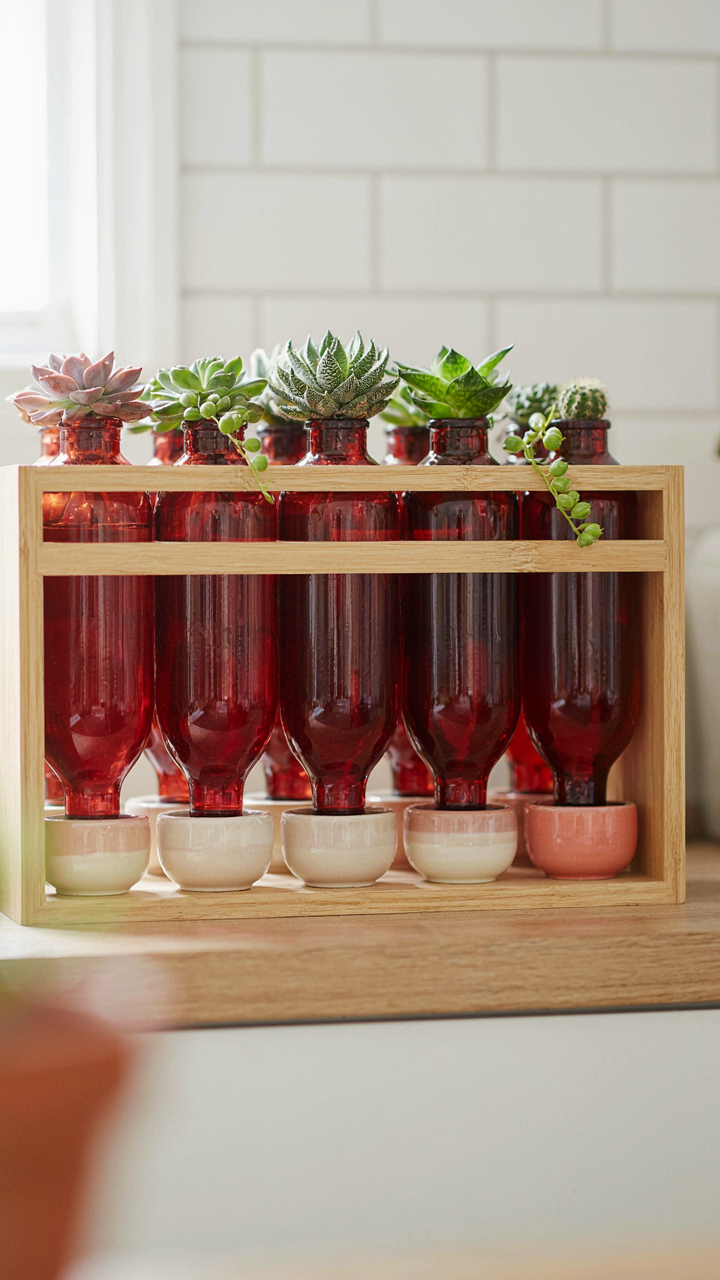
Water Systems That Don’t Require You To Remember
You want passive income from your plants because you’re busy and don’t want to admit neglect kills them. The mechanism here is capillary action, borrowed directly from soil science. Glass bottles become wicks when you invert them into soil. Water moves upward through the glass neck into the substrate, releasing moisture as the soil dries. This isn’t magic. It’s physics. A narrow glass tube creates surface tension that pulls water up against gravity.

The setup is simple. Fill a recycled wine or beer bottle with water, invert it into potting soil, and the soil moisture triggers the release. The bottle acts as a reservoir. As long as the water column holds, the plant drinks on demand. Sunlit windows accelerate evaporation, which pulls more water up. The cycle self-regulates. No daily checking. No guesswork. Refill when empty.
Stacked Bottle Units For Space Efficiency
Common advice says hang bottles one at a time. That wastes vertical real estate and looks scattered. Stack them instead using a wire frame or wooden dowel system that holds multiple bottles in a column. This mirrors vertical farming architecture, where density solves the land shortage problem. With recycled glass bottles, density solves the window space shortage.
Mount a simple wooden frame with horizontal shelves or create a dowel grid that holds bottle necks at different heights. Each bottle becomes a cell in a modular system. Add or remove bottles based on what you’re growing. Tall bottles at the base for trailing plants, smaller bottles higher up for succulents. The frame itself can be as minimal as unpainted wood or metal piping. Refill from the top bottle and let gravity handle distribution if bottles connect via tubing, or keep them independent for flexibility.
The Alchemist’s Code: Transmuting Recycled Glass Into Personal Legend
Glass As Mirror For Who You Actually Are
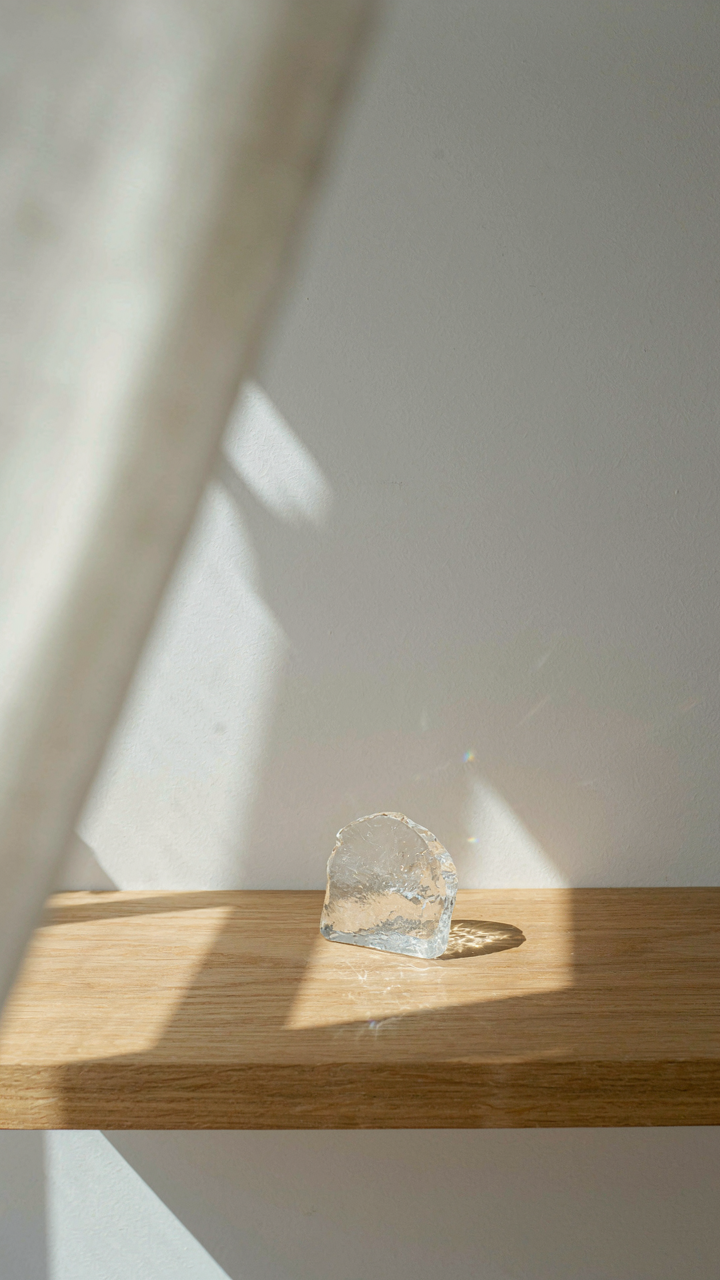
You want this section because you’re tired of mass-produced decor that says nothing about you. Here’s the mechanism: recycled glass forces constraint. You can’t order it from a catalog. You source it, shape it, place it. That friction is the entire point. When you work with salvaged glass, you’re making decisions about color, opacity, texture that a factory line never forces you to make. Those decisions are identity signals. They’re proof you exist as a person with taste.

Recycled glass isn’t neutral material. It carries history. A wine bottle from 1987. Clear glass from an old storefront window. Frosted glass from a bathroom fixture nobody wanted anymore. Each piece arrived at your hands because you selected it, not because it matched a mood board. The best decor tells the story of how you think, not how you want to be perceived. When sunlight hits glass you chose from a pile of discarded fragments, the light reflects your actual judgment, not a designer’s algorithm.
The Weight Of Objects You Built
Ownership psychology shows that items we create ourselves trigger different neural pathways than items we purchase. Apply this to recycled glass decor and the mechanism becomes clear: bespoke installations create psychological anchoring. When you hang a recycled glass suncatcher you assembled, or arrange reclaimed glass tiles in a pattern you designed, your brain registers it as an extension of your agency. It’s not decoration. It’s evidence of your capability.
The impact compounds over time. A store-bought piece loses novelty within weeks. A bespoke creation made from recycled glass holds attention because it represents a decision you made that nobody else made in that exact way. Visitors notice it differently too. They see the specificity. They sense you didn’t outsource this choice. Place one deliberately positioned recycled glass piece in direct sunlight and observe how it becomes a focal point in the room. That’s not accident. That’s the result of intentional placement meeting material authenticity.
The Real Obstacle Isn’t Finding Glass; It’s Your Failure To See Light As A Raw Material For Creation

Most people collect recycled glass and arrange it like furniture. You should weaponize it. Light hits glass differently than walls. It bends, refracts, casts shadows that move throughout your day. Your next action: grab one piece of recycled glass today and hold it against your sunniest window for five minutes. Watch what it does. That’s not decoration. That’s design with physics behind it. Stop decorating rooms and start orchestrating how light moves through them.