The Unseen Value: Why You Overlook Free Upgrades

What You’re Actually Missing
You skip lampshade makeovers because you think they won’t matter enough to justify the effort. The real mechanism is simpler: most people treat lampshades as finished products instead of surfaces. They buy a shade, install it, and stop looking. This blindness costs you. A lampshade is the largest, most visible textile in most rooms, yet people spend zero mental cycles optimizing it after purchase.
The shade you own right now has dormant potential. Fabric bleaching from sunlight, dust accumulation, and worn seams aren’t defects you accept—they’re evidence that the shade has been used, not maintained. You can work with the structure already in place. The shade’s frame, proportions, and existing material density are assets, not constraints. Reactivating them costs almost nothing.
Surface Potential Hiding In Plain Sight
Use industrial design thinking here: every object has both form and material state. Your lampshade’s material state is where the free value lives. Over time, linen and cotton shades develop a softer hand and take dye unevenly, creating depth. Synthetic shades accumulate static charge and hold dust patterns that become texture. Pleated or drum shades have geometric structure already built in. Most people see age or damage. You see working material.
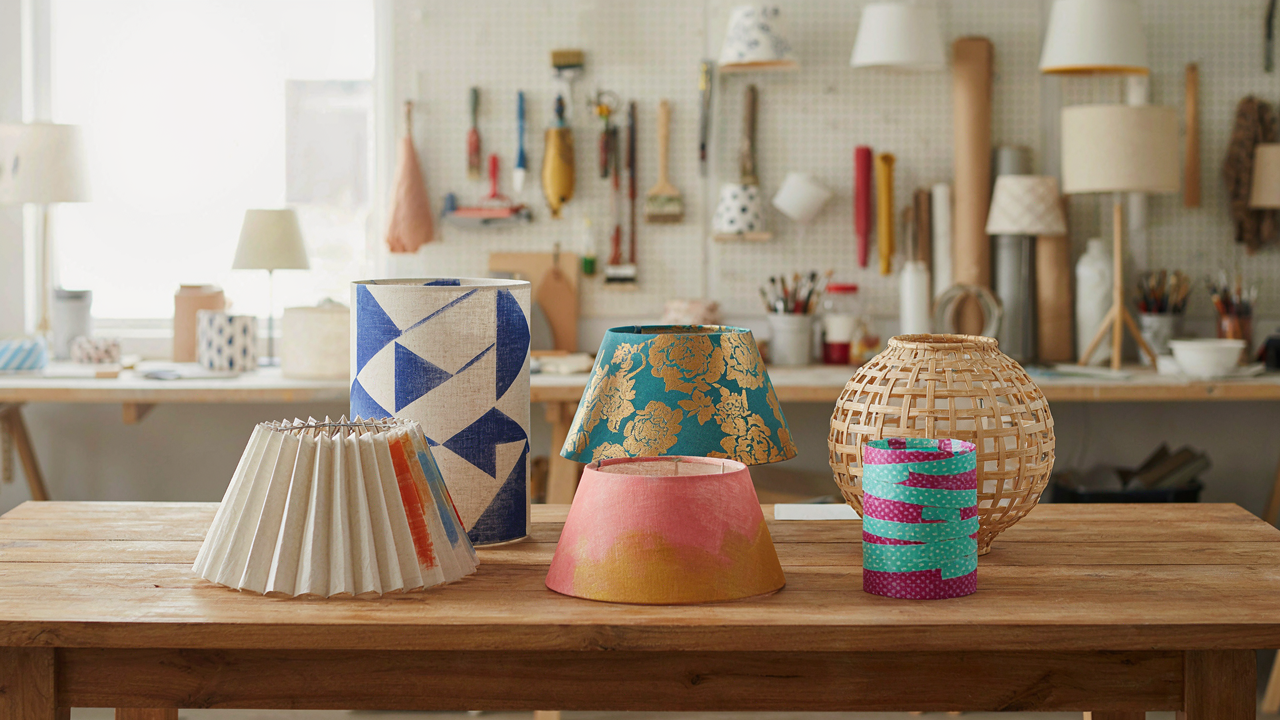
The specific actions depend on what you have. A yellowed linen shade near a window responds to targeted bleaching on the sun-facing side, creating intentional gradation. A dusty pleated shade benefits from careful vacuuming that leaves particle shadows in the folds, enhancing dimension. A synthetic shade can take spray dye in concentrated areas or receive stenciled patterns with textile medium. You’re not replacing the shade. You’re reading what it’s already become and amplifying it.
The “Zero Cost Canvas” Protocol For Lampshade Redo

Light Manipulation Over Material Replacement
You want to believe a new lampshade costs money. It doesn’t, if you stop thinking about replacement and start thinking about control. This is optics, not decoration. The mechanism is simple: a lampshade doesn’t make light—it redirects, filters, and diffuses light that already exists. Paint the interior surface or alter the exterior material’s density, and you change how light behaves through the shade without buying anything new. Most people miss this because they see lampshade as a finished object. It’s not. It’s a tool for manipulating a light source.

The physics principle here is transmittance—how much light passes through a material versus how much it absorbs or reflects. A white fabric shade transmits differently than a painted one. You don’t need new materials to shift transmittance. Spray paint the interior matte black and you’ve made the shade directional. Leave gaps unpainted and you’ve created accent points. The bulb stays the same. The shade stays the same. The light changes completely. This is the entire protocol: identify what the current shade does poorly with light, then use what you have to fix it.
How Natural Light Transforms Painted Lamp Shades
Paint application on lamp shades interacts with both artificial and natural light sources, producing different effects based on time of day and surface finish. This is not about making the shade look better in a photo. This is about the actual visual experience changing as daylight shifts. A matte painted shade reflects diffused light. A gloss finish creates hot spots and directional bounce. Natural light from windows will expose these differences in ways interior bulbs won’t, which means you can diagnose problems before committing to a final approach.
The practical step: paint a test section on your shade with matte acrylic or spray paint. Place the lamp near a window. Observe how the shade performs at morning, midday, and evening. Note where light pools, where shadows form, where glare happens. This tells you whether you need more coverage, less coverage, or a different finish entirely. Then expand to the full shade only after natural light has shown you what works. Don’t guess. Let the sun do the testing.
DIY Lampshade Makeover: Strategic Deconstruction And Reassembly

Take The Shade Apart First
You want to believe the shade is one unit because that feels safer. It’s not. Most lampshades are held together by glue, a few staples, and wire frames that separate cleanly. Breaking this down reveals the actual cost structure: you’re paying for assembly labor, not materials. Once you identify the frame type—drum, empire, bell, or specialty geometry—you can work with what’s actually there instead of fighting the original design.

The frame itself rarely needs replacement. Fabric pulls away. Seams open. But the skeletal structure that dictates the shade’s silhouette stays intact. Disassembly takes thirty minutes with a heat gun or by carefully peeling back glued seams. Document the original assembly as you go so you understand the load paths. The ribs carry vertical stress. The top and bottom rings carry lateral tension. Knowing this prevents mistakes when you rebuild.
Work With The Geometry You Have
Architects borrowed the term “load-bearing” from structural engineering. Every lampshade frame has load-bearing geometry: top and bottom rings that resist collapse, vertical ribs that prevent buckling. You don’t redesign these. You reuse them. The geometry is already solved. Changing the fabric and trim within that fixed structure costs almost nothing. Trying to alter the frame itself multiplies the work and cost.
Existing geometries dictate what materials work. A drum shade’s cylindrical frame accepts stretched fabric efficiently. An empire shade’s angled sides create a cone that favors diagonal grain or patterns that hide seam stress. A bell shade’s curves require flexible material that won’t wrinkle. Instead of fighting these constraints, choose your new fabric specifically because it works with the shape you already have. The frame doesn’t need to change for you to transform how the shade looks and functions.
Painting Lamp Shades: The “Controlled Chaos” Method
How Light Moves Through Painted Fabric
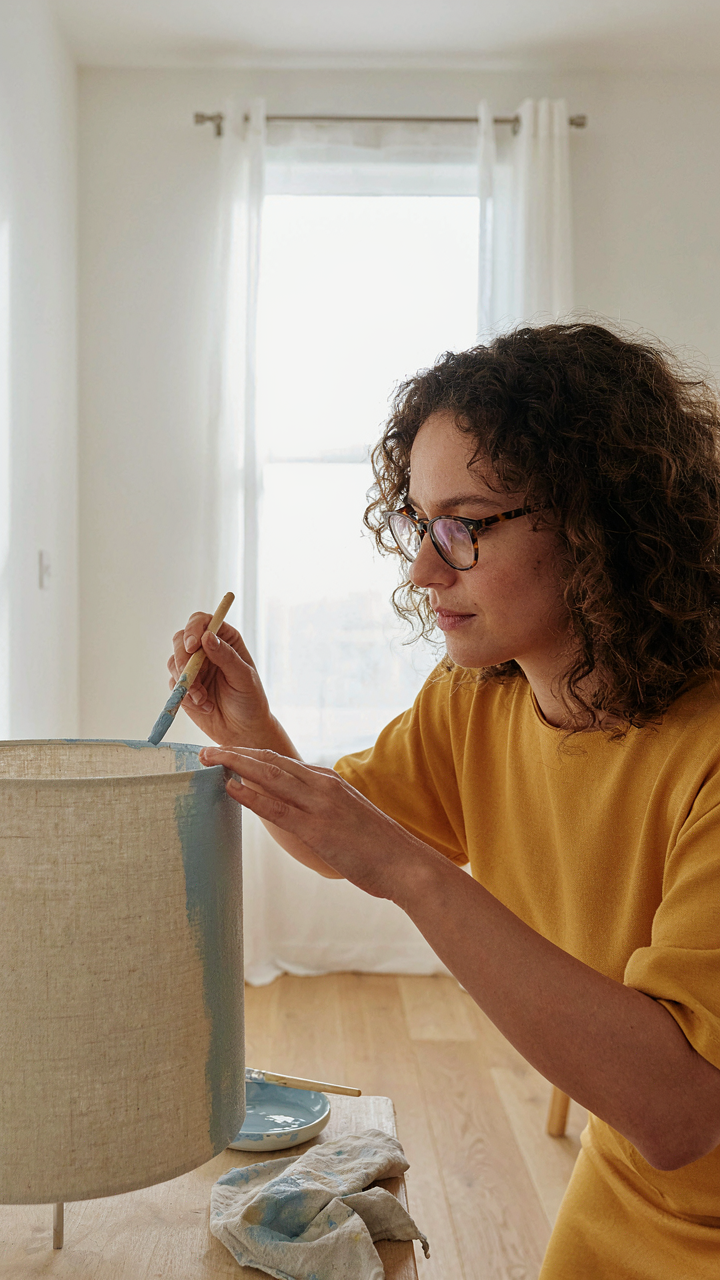
You want this to look intentional, not like you tried and failed. Here’s what actually matters: light doesn’t stop at paint. It passes through or bounces off depending on the paint’s opacity and the fabric’s weave. Most people paint lampshades and hate the result because they don’t account for translucency. The mechanism is simple. Opaque paint blocks light entirely. Semi-transparent paint diffuses it. Your shade becomes either a shadow box or a glowing filter based on how much pigment you layer on.

Fabric type determines everything else. Linen and cotton accept paint differently than synthetic blends. Natural fibers have larger pores that absorb liquid binders, locking pigment in place. Synthetics repel water-based paint and shed it after drying. This isn’t theory. It’s why some shades look professional and others peel after two weeks. Test your fabric’s absorption rate before committing. Wet a small corner with water. If it darkens and stays wet, the fabric will accept paint. If it beads up, you need a primer or different approach entirely.
Surface Preparation Without Commercial Products
Everyone says to prime first. Wrong. Priming is one option, not the only one. The real lever is existing pigmentation. Most lampshades come in cream, white, or light colors. That’s your base. You don’t need to strip it or prime over it if you work with what’s already there. Apply pigment directly to the existing surface using unconventional tools. Sponges, crumpled paper, old toothbrushes, and cloth scraps create texture naturally. This reduces the paint volume you need and builds opacity gradually without the stiff, plastic feel of heavy brush application.
Existing dyes in the shade fabric also matter. Older shades have stronger color saturation. New shades from big-box stores use weak, water-soluble dyes that fade fast. Know which you have. If your shade already has color depth, paint adheres better and looks less chalky. Apply thinned paint in multiple passes instead of one thick coat. This preserves translucency while building opacity where you want it. Each pass dries in hours. The discipline of restraint beats one heavy-handed approach every time.
Beyond Fabric: The “Found Object” Lampshade Makeover DIY Ideas
Scavenge Overlooked Household Items For Texture
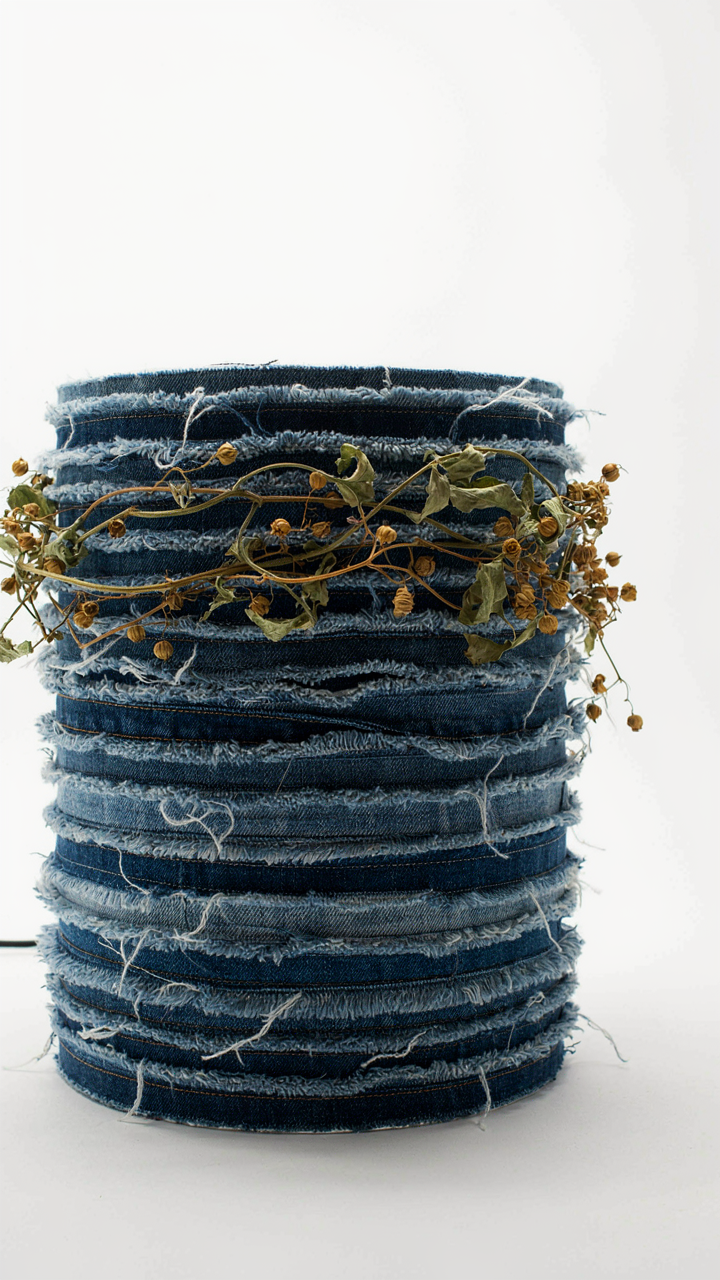
You want permission to not buy new stuff. That’s the real thing here. The mechanism is simple: texture reads as intentional design when it breaks the visual monotony of smooth fabric. Your eye stops registering “old lampshade” the moment it encounters something unexpected. Linen, burlap, and woven cotton are obvious plays. Nobody looks twice. The actual leverage lives in what you already own but don’t see as material.

Peel dried vines from houseplants. Unwind frayed rope from a drawer. Strip bark from branches. Cut old canvas or denim into strips and layer them. Your lampshade doesn’t need cohesion or polish. It needs a surface that catches light differently than what was there before. Test one material before committing. Wrap it around the shade loosely first. The constraint forces you to see whether the texture actually changes how light falls through or bounces off the shade.
Transform Waste Into Functional Art
Waste reduction isn’t your real problem here. The actual mechanism comes from systems thinking: you’re applying the principle of constraint shifting. In engineering, constraints force innovation. Same principle. When you limit yourself to materials destined for trash, you stop chasing “look good” and start solving “make it work.” That shift changes everything about the outcome.
- Old newspapers and papier-mâché paste: Layer strips across the shade structure, then paint or leave natural. Creates organic texture without buying anything new.
- Cereal box cardboard: Cut into geometric shapes, stack them across the frame using hot glue. Produces sculptural shadow patterns when backlit.
- Wine corks sliced thin: Glue cork rounds onto the shade surface in a grid or random pattern. Adds dimension and warm tonal variation.
- Used tea bags and coffee filters: Stitch or paste dried bags onto fabric for natural staining and layered translucency. Light glows differently through the overlaps.
- Plastic bags cut into strips: Weave strips through the frame structure. Creates translucent color blocks that shift depending on what light passes behind them.
The execution separates trash from design. Glue must hold. Materials must not sag or shift under their own weight. Test the weight of your chosen material before full installation. A lampshade that collapses or sags reads as broken, not artistic. Secure everything to the frame first, not the fabric, so you can remove or adjust without tearing anything beneath.
The Adaptive Resonance Framework For Lamp Makeover
How Minor Tweaks Create Major Spatial Impact
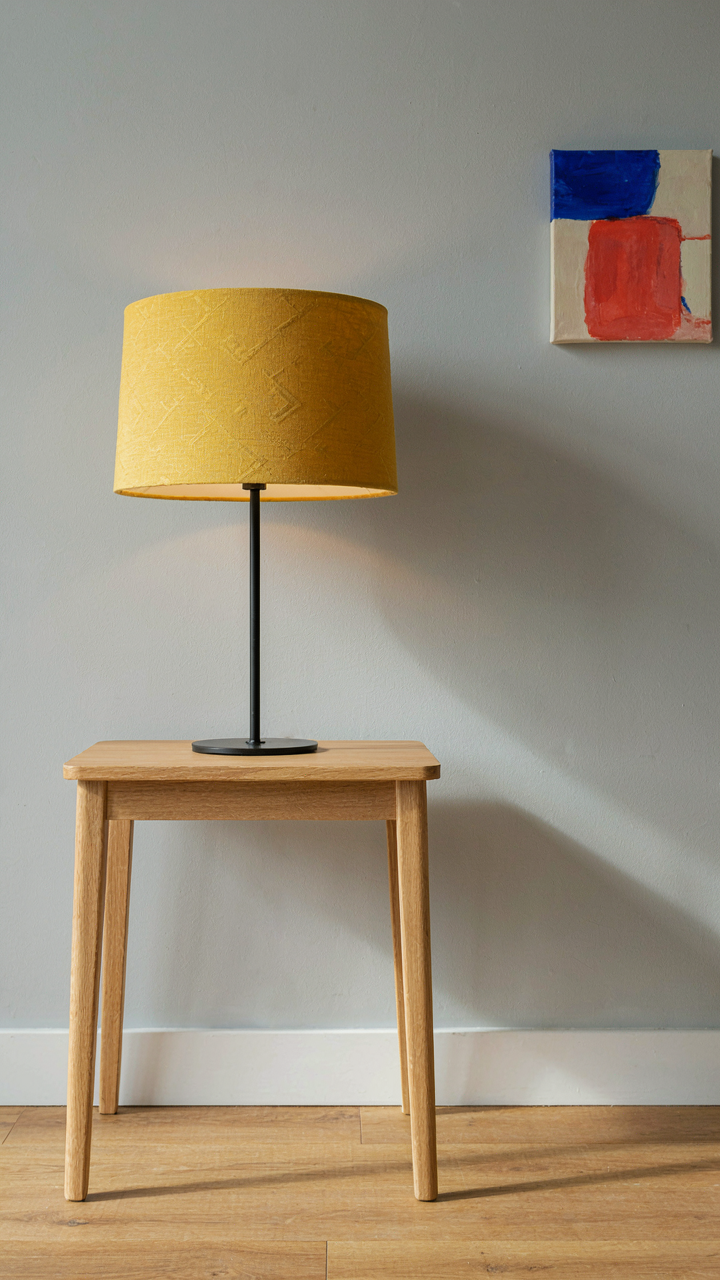
You want to know this because you’re worried that a lampshade makeover won’t matter enough to justify the effort. The mechanism that actually works is contrast—not balance. Adaptive resonance in neuroscience describes how a system responds to novel stimuli by amplifying the signal when it differs from the environment. A lampshade operates the same way. When you shift the shade’s color, texture, or geometry even slightly, the eye recalibrates the entire room’s visual weight because light travels through the shade first.

The common advice is that lampshade changes are “subtle.” That’s wrong. The subtlety is the point. A muted linen shade in a warm room reads as intentional restraint. A contrasting texture on an existing shade alters how light distributes across surfaces. You’re not decorating. You’re manipulating the light path itself, which changes perceived depth, wall color, and furniture proportion without moving anything else. The effect compounds because light hits multiple surfaces before reaching your eye.
Echoing Room Elements In Your Lampshade Design
Your room already has a visual language—it’s just scattered across different objects. A lampshade makeover that repeats one material or color already present in the space doesn’t add noise, it creates coherence. If your curtains are linen, wrapping the shade in similar fabric makes light filter through a unified surface. If your walls carry an undertone, matching that undertone in the shade fabric anchors the whole visual hierarchy without screaming for attention.
The mechanism here is recognition without redundancy. Your brain doesn’t process every detail equally—it prioritizes repetition with variation. A shade that echoes one element (material, color temperature, texture) while introducing one new element (different opacity, pattern, or weave) feels intentional rather than accidental. Pull one accent color from existing wall art or furniture into the shade. Use a fabric weight that complements, not matches, your upholstery. This single action—one echo, one variation—makes a room feel designed rather than accumulated.
Diy Old Lamp Shade Ideas: Embracing Imperfection As Design

The Mechanism Behind Visible Wear
You want permission to stop being perfect. That’s what this section really sells you—the idea that your mistakes and shortcuts won’t destroy the lamp, they’ll define it. Here’s the actual mechanism: visible repair and wear signal authenticity in a world of mass production. When a lampshade shows its history, it becomes a genuine artifact instead of a disposable object. This principle comes from Japanese aesthetics, specifically wabi-sabi, where imperfection increases perceived value. Collectors pay premiums for aged leather with creases, not fresh stock.

The reason this matters for your lampshade is simple economics. You can’t compete on polish or finish quality against factory production. You can only compete on story. A patched seam, a faded section, visible stitching repairs—these transform a budget project into something that reads as intentional. The gap between “I made this” and “this is vintage” narrows the moment wear becomes visible. Stop treating damage as failure. Start treating it as data that proves the object has been used.
Distress Techniques That Actually Work
Everyone tells you to sand, stain, and call it vintage. That’s lazy. Real distressing requires understanding which parts of a lampshade naturally wear first based on how light and handling actually damage fabric. The seams deteriorate fastest because they absorb tension and dust. The lower edge frays from resting on surfaces. The top ring shows creasing from storage and handling. These aren’t random spots to attack with sandpaper—they’re the stress points where distress belongs.
The protocol: work from material outward. For cotton or linen shades, use a wire brush on seams and corners at a 45-degree angle. Create fraying by loosening fibers, not cutting them. For colored shades, thin diluted tea or coffee applied selectively fades sections. Let it dry unevenly. The intentional imperfection lives in the restraint—distress the 20 percent that matters, leave 80 percent intact. This ratio makes the wear read as earned, not manufactured.
The Minimalist’s Edge In Lamp Shade Makeover Ideas
Strip Everything Down To What Stays
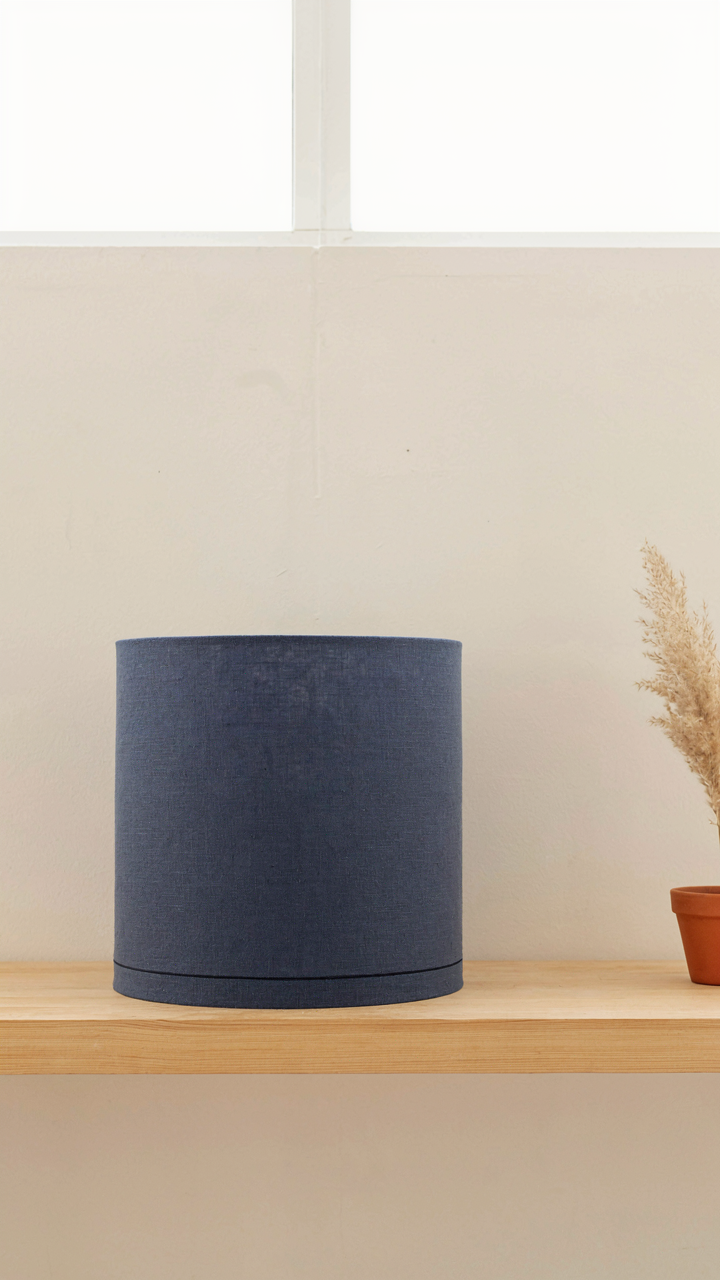
You want this section to validate that less effort still produces status-worthy results. Here’s the real mechanism: constraint forces decisions. Most lampshade makeovers fail because people treat the shade as a canvas for accumulation—adding texture, pattern, color, embellishment. That’s decoration noise. Minimalism in lamp design isn’t about emptiness. It’s about identifying the one visual element that carries all the weight, then removing everything that competes with it.

A bare linen shade with intentional color absorbs light differently than a decorated one. The material becomes the statement. When you stop layering, you force yourself to choose quality over quantity. A single dye job on raw fabric costs nothing but creates presence. A cream shade with one accent line of black marker is more memorable than a shade covered in ten patterns. The mechanism works because human attention has limits. Make everything compete for it, and nothing wins.
One Change, Maximum Impact
The common advice says experiment with multiple techniques simultaneously. That’s how you end up with a muddled result that doesn’t justify the time spent. One structural or visual intervention creates clarity. Bind the bottom edge of a shade with bias tape. Dye the entire thing one bold color. Cut a geometric pattern through the fabric. Pick one modification that changes the shade’s visual weight or silhouette, then stop.
The reason this works is economic: you apply all your attention to execution quality on a single variable. A lampshade with perfect dye application and nothing else reads as intentional. A shade with rough dye work plus added fringe plus painted details reads as indecisive. You don’t need multiple changes to transform a space. One calculated modification compounds in impact because it forces the eye to engage with what’s actually there instead of scanning past competing details.
The Real Cost Isn’t Cash; It’s Your Refusal To See Value In The Overlooked
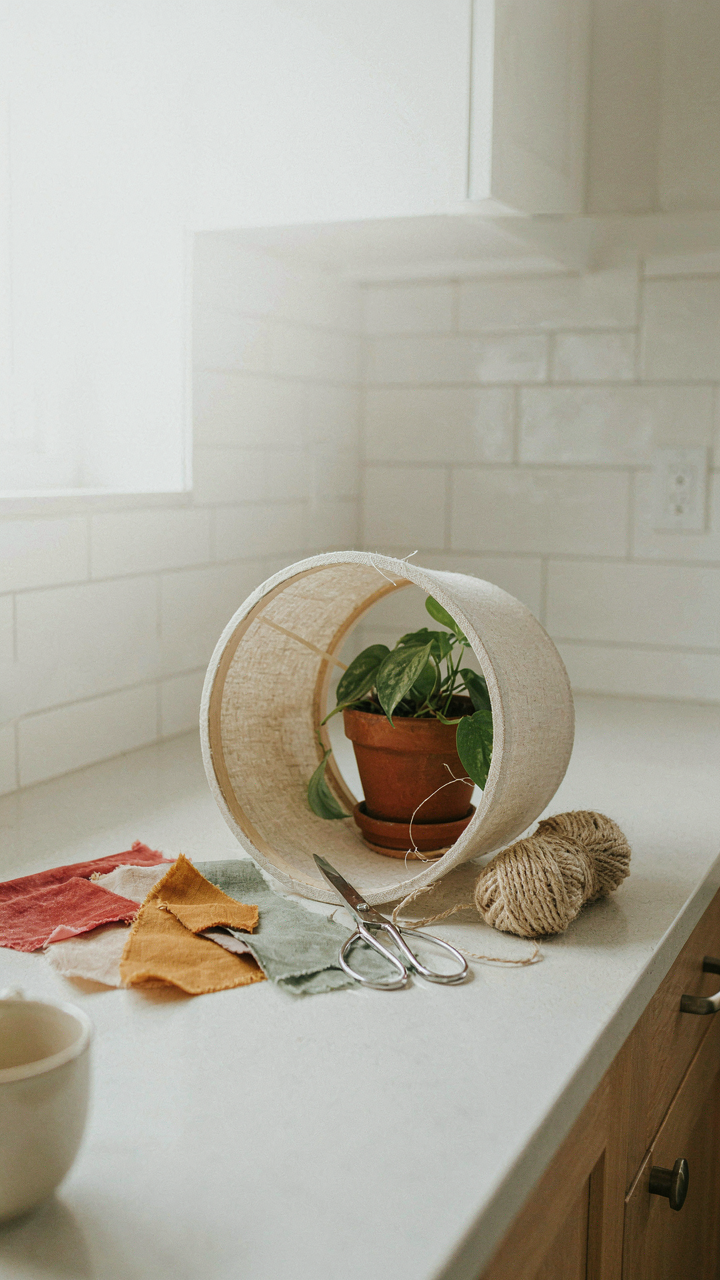
Most people own lampshades they’ve never actually looked at. You probably do too. A lampshade makeover forces you to stop treating your environment like scenery and start treating it like territory worth claiming. Grab one lampshade today. Spend thirty minutes. Fabric, paint, or tape. Anything. You’ll discover something more valuable than the five dollars you didn’t spend: the ability to see potential where everyone else sees trash. That skill compounds into every corner of your life.