Understanding Container Vegetable Garden Spacing For A Vegetable Garden For Beginners
Why Spacing Matters More In Containers Than In Ground Gardens
In-ground plants access deep soil layers for moisture and nutrients during stress. Containers have rigid walls that trap roots in a finite volume of medium. This physical boundary creates a zero-sum environment for resources. If you crowd a pot, no plant gets enough to eat. You must calculate volume before you plant a single seed to avoid total crop failure.
Correct spacing prevents rapid water depletion. Small pots lose moisture much faster than large garden beds due to evaporation and transpiration. Overcrowded containers force plants to fight for every drop of water. This competition leads to stunted growth and bitter fruit. Strategic spacing ensures each plant has a dedicated reservoir of soil. This precision maximizes your total harvest yield from limited square footage.
How Root Competition And Air Circulation Affect Container Plant Health
Root competition in tight quarters causes immediate nutrient deficiencies. When roots mat together, they cannot absorb nitrogen or phosphorus effectively. Dense root balls also become hydrophobic and reject water. You see yellow leaves and dropped flowers when you ignore these spatial limits. Proper spacing allows roots to expand and build the infrastructure needed for heavy fruit production. Consistent growth requires clear boundaries.
Air circulation is your primary defense against fungal infections. Tight spacing creates pockets of stagnant, humid air around the foliage. This environment allows powdery mildew and blight to spread rapidly across your entire container garden. Spacing plants correctly ensures wind moves through the canopy. This airflow dries leaves quickly after rain or watering. Keeping plants separate prevents one sick leaf from killing your whole garden.
Vegetable Garden Planning Choosing The Right Container Size For Each Vegetable
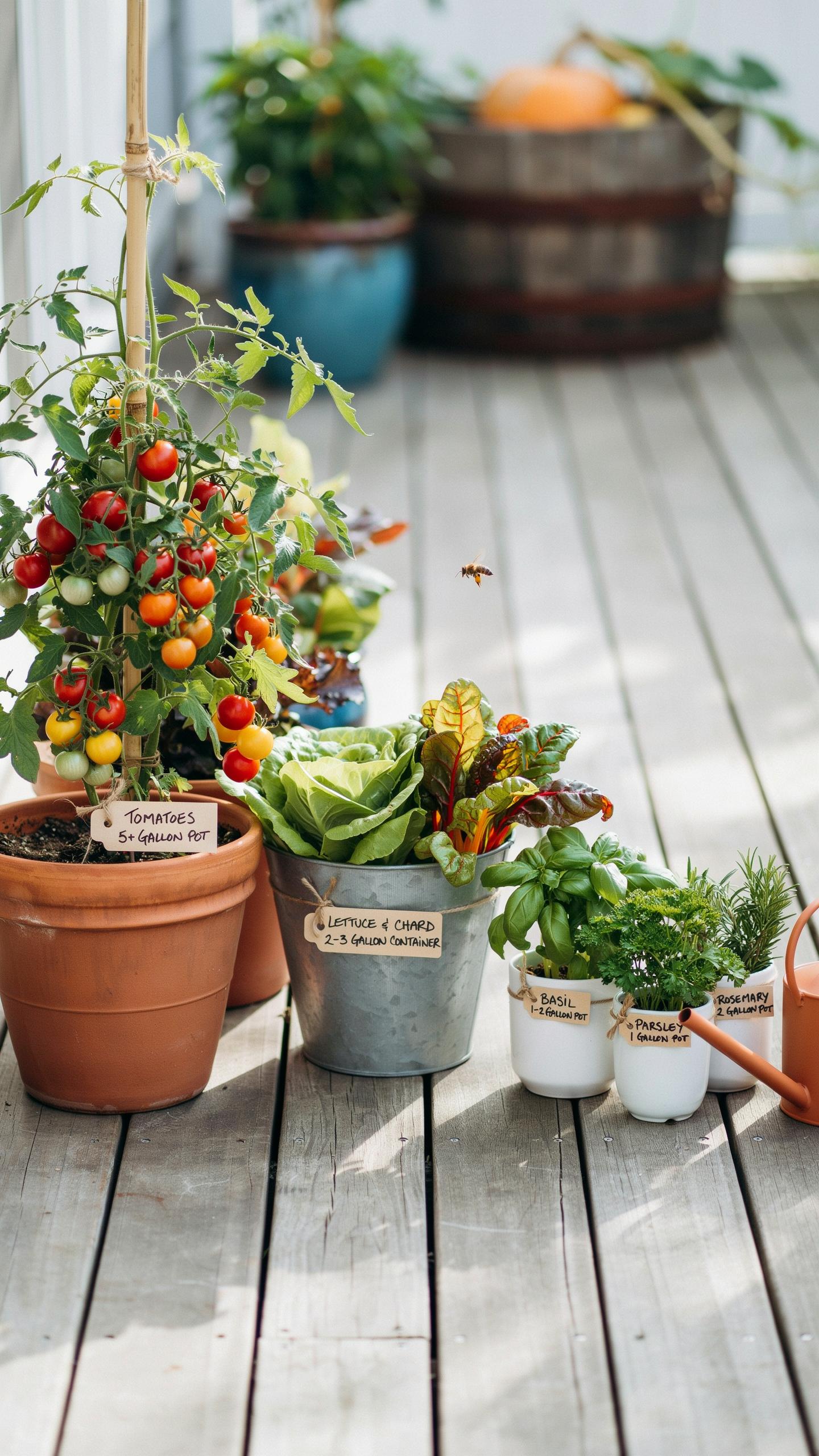
Matching Container Depth And Width To Specific Vegetable Root Systems
Root architecture dictates container selection. Shallow rooted crops like spinach or radishes only need six inches of depth. These plants spread wide rather than deep. You must prioritize surface area over volume for these varieties. Using deep pots for shallow roots wastes potting soil. It also creates moisture pockets at the bottom that cause root rot. Focus on width to maximize your yield per square foot.
Taproot vegetables and heavy feeders require vertical space. Carrots and parsnips need deep soil to grow straight and avoid splitting. Large brassicas like broccoli or kale need wide bases to stay stable as they grow tall. Crowding these roots stunts the plant and reduces harvest quality. Always match the pot depth to the mature root length of the crop. Proper depth ensures the plant can access water and nutrients effectively.
Recommended Minimum Container Sizes For Popular Vegetables Like Tomatoes Peppers And Lettuce
Standardizing your containers simplifies your management strategy. Most gardeners fail because they use pots that are too small. Small pots dry out fast and restrict nutrient uptake. You should categorize your plants by their vigor and final size. Large fruiting plants need significant soil volume to support their heavy water demands. Use heavy duty plastic or fabric pots to maintain consistent soil temperatures throughout the summer heat.
- Indeterminate Tomatoes: Use a minimum fifteen gallon container per plant. These vines grow tall and require deep roots for stability and water. A large volume of soil prevents the rapid drying that causes blossom end rot in heavy fruit producers.
- Bell Peppers: Select a five gallon pot for each pepper plant. Peppers have moderate root systems but need consistent moisture to develop thick walls. This size provides enough thermal mass to protect the roots from high midday temperatures during the peak growing season.
- Loose Leaf Lettuce: Choose a wide gallon container with only six inches of depth. Lettuce has very shallow roots and benefits from high surface area. You can sow seeds thickly in these shallow trays to harvest multiple times throughout the spring and autumn months.
- Bush Beans: Plant three to four beans in a five gallon bucket. Bush varieties do not climb but need enough width to prevent overcrowding. Proper spacing ensures good airflow around the base. This reduces the risk of fungal diseases and helps the pods dry.
- Garden Cucumbers: Use a ten gallon pot for vining cucumbers equipped with a trellis. These plants are heavy drinkers and need the extra soil capacity to stay hydrated. Sufficient root space allows the plant to produce fruit consistently without wilting under the direct afternoon sun.
Volume directly impacts your maintenance schedule. Larger containers hold more water and act as a buffer against erratic weather. If you choose small pots, you must install an automatic drip system to prevent plant stress. Stress leads to bitter flavors and pest infestations. Measure the internal diameter and depth before buying any pots. Ensure every container has adequate drainage holes to prevent water from pooling at the base.
Container Gardening Vegetables Ideal Spacing Guidelines By Vegetable Type
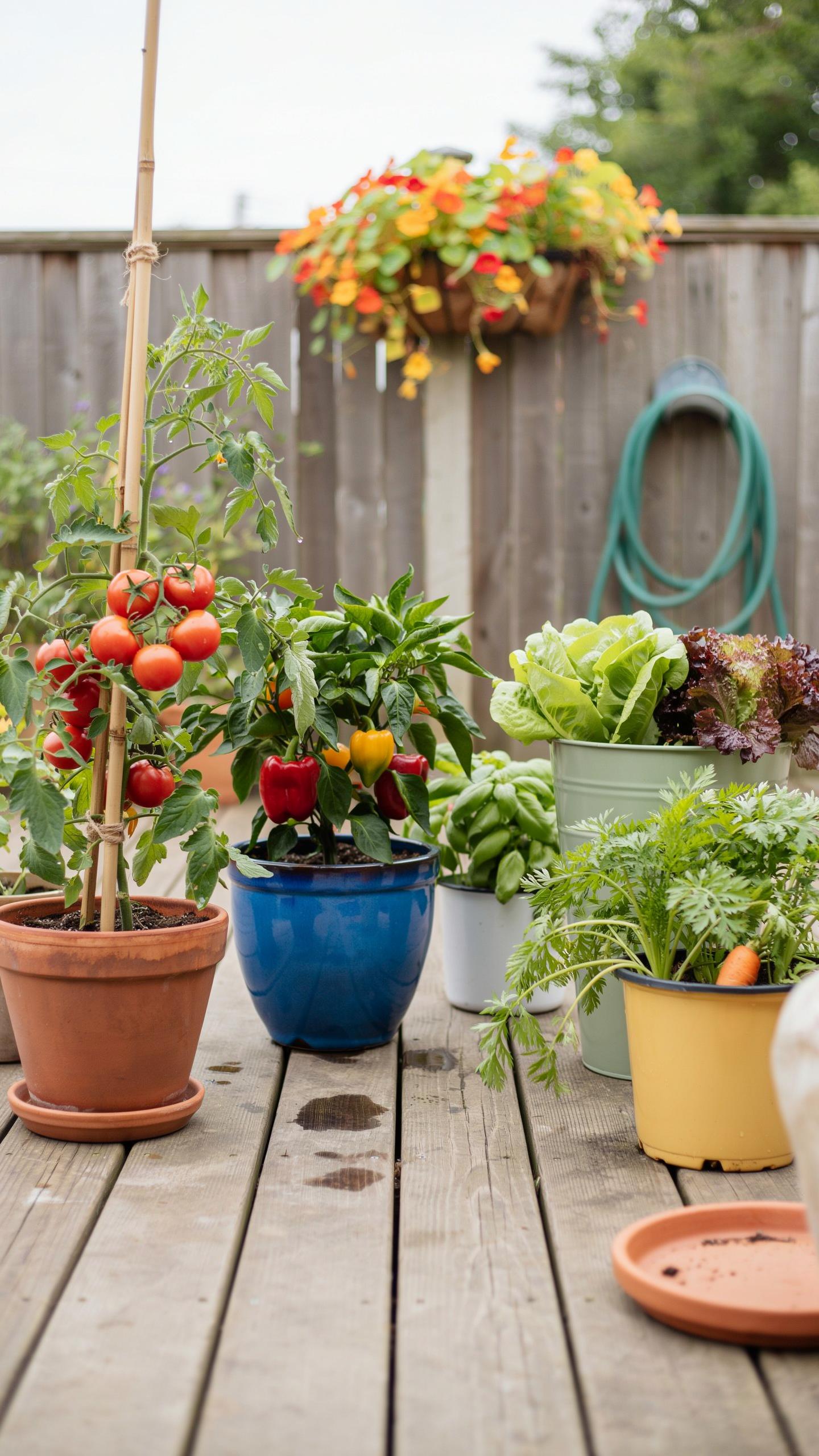
Spacing Requirements For Leafy Greens, Root Vegetables, And Fruiting Plants
Leafy greens require minimal soil depth but need adequate airflow to prevent fungal disease. Space lettuce three to six inches apart depending on the variety. Spinach and mustard greens thrive with four inches of clearance. Tight spacing causes competition for nitrogen and stunts leaf development. Use wider pots for greens because their shallow roots spread horizontally across the soil surface for nutrients.
Fruiting plants like tomatoes and peppers demand five gallons of soil volume per plant. Space these heavy feeders twelve to eighteen inches apart in large troughs. Root vegetables like carrots and radishes need vertical space more than horizontal width. Thin carrots to two inches and radishes to three inches apart. Proper distance ensures roots swell correctly without hitting neighboring plants or container walls.
How To Apply Square Foot Gardening Principles To Container Beds
Square foot gardening maximizes yields in restricted container environments. Divide your container surface into twelve-inch by twelve-inch squares using twine or lattice. This method eliminates wasted space between rows common in traditional ground plots. You assign a specific number of plants to each square based on their mature size. Large plants get one square while small crops fit sixteen per grid.
Maintain strict crop counts to avoid nutrient depletion in potting soil. One tomato plant occupies an entire square while nine bush beans fit in the same area. This strategic layout prevents overplanting and simplifies water management. Use high quality compost mixes to support the dense planting density. This technique provides a clear map for maintenance and harvesting throughout the growing season.
Growing Vegetables In Pots Managing Soil Volume And Planting Density
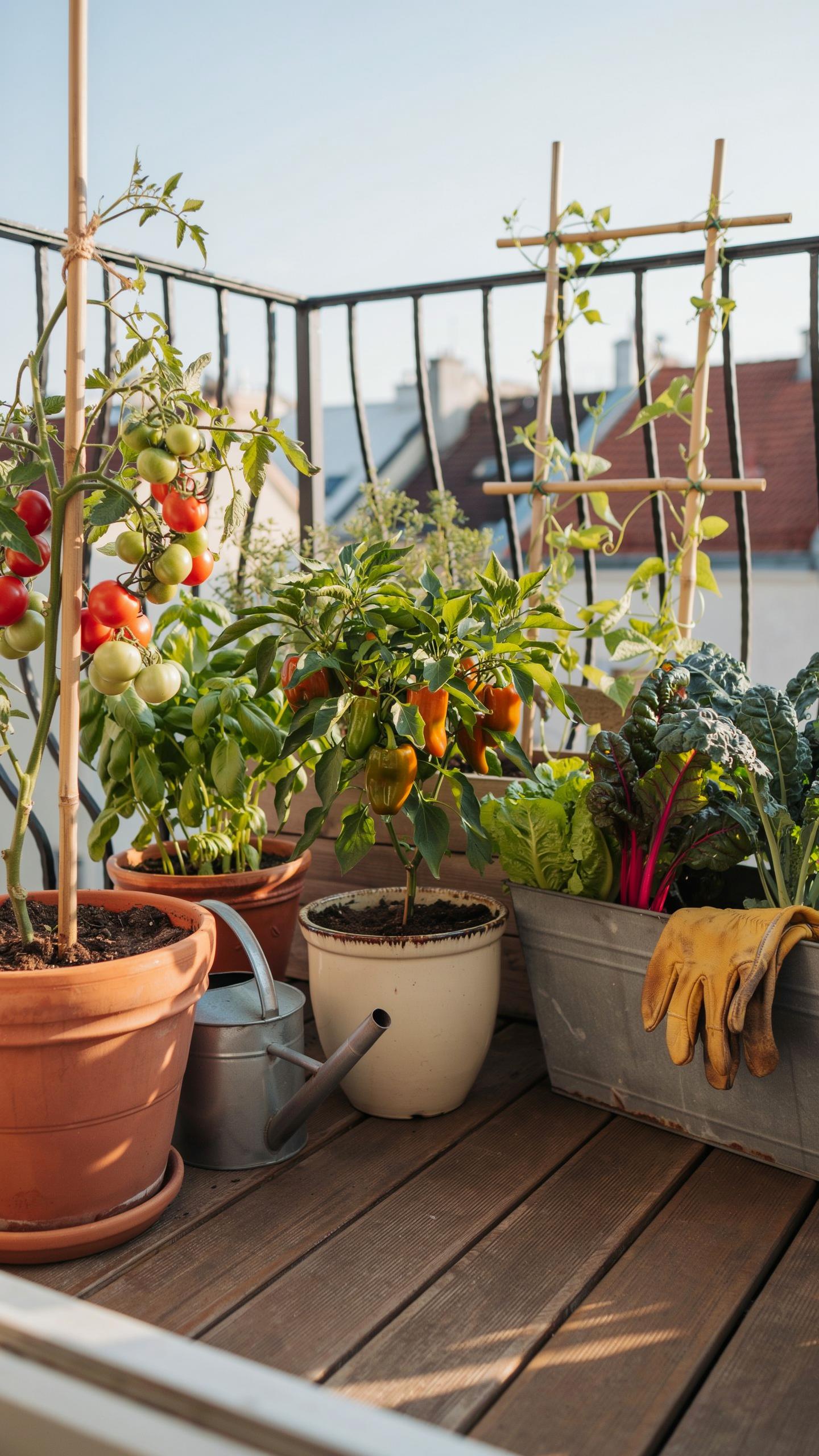
Why Soil Volume Directly Impacts How Closely You Can Space Your Plants
Soil volume determines the total amount of water and nutrients available to your crops. In a ground garden, roots spread horizontally and vertically to find resources. Containers create a hard boundary that limits root expansion. If you pack too many plants into a small volume of soil, they will compete for limited moisture. This competition leads to stunted growth and low yields.
Strategic spacing requires matching the plant count to the total gallons of soil. Large vegetables like tomatoes need at least five gallons of soil to support their root systems. Smaller greens can thrive with less depth. You must calculate the volume before you decide on density. Increasing the soil mass allows for tighter spacing. Low soil volume requires you to increase the distance between plants.
The Role Of High Quality Potting Mix In Supporting Dense Container Plantings
Specific potting mixes allow for higher planting density than standard garden soil. High-quality mixes use peat moss, coconut coir, and perlite to create air pockets. These air pockets prevent soil compaction even when multiple plants share the same pot. Oxygen must reach the roots to support rapid nutrient uptake. Dense plantings fail quickly in heavy soil because the roots suffocate and stop functioning.
Successful container garden spacing relies on consistent drainage and nutrient retention. Premium mixes include wetting agents that distribute water evenly across the entire root zone. This ensures that every plant in a tight cluster gets an equal share of hydration. You should avoid cheap filler soils that collapse over time. Stable soil structure maintains the surface area needed for roots to coexist in a small footprint.
Simple Vegetable Garden Companion Planting Strategies To Maximize Container Space
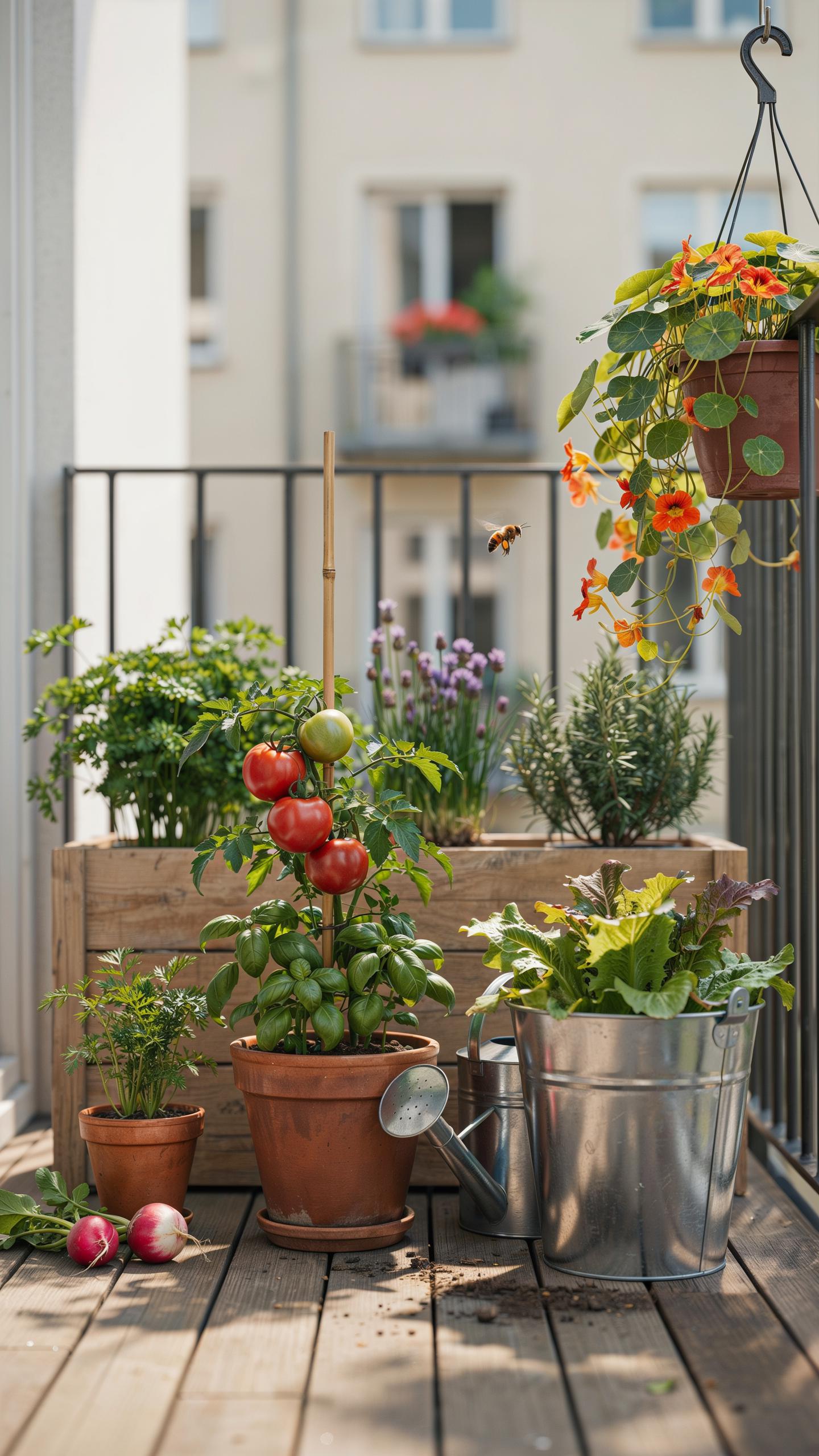
Best Vegetable Companion Pairings That Share Container Space Efficiently
Maximize container vegetable garden spacing by pairing shallow-rooted crops with deep-rooted varieties. Lettuce and radishes thrive under the canopy of vertical tomato plants. This layered approach utilizes the entire soil column without creating nutrient conflict. You increase your caloric yield per square foot. Fast-growing greens provide a living mulch that keeps soil cool for the primary heavy feeders growing above them.
Select plants with diverse maturity dates to optimize resource use. Plant carrots alongside tomatoes to utilize space before the tomato vines broaden. The carrots mature while the tomato plant is still small. Once you harvest the root crops, the tomatoes expand to fill the void. This tactical rotation prevents empty gaps in your containers. It ensures constant production throughout the active growing season.
Companion Plants That Naturally Deter Pests And Reduce Competition In Tight Spaces
Integrate aromatic herbs to mask the scent of host plants from common pests. French marigolds release thiophenes into the soil to repel nematodes. Basils planted with peppers improve flavor and deter thrips. These biological barriers reduce the need for chemical interventions in small pots. Sharp scents confuse insects and prevent them from locating your primary crops. This strategy protects your high-value produce.
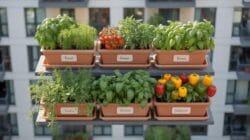
Space alliums like chives or garlic near leafy greens to discourage aphids and mites. These plants require minimal root space and fit into the edges of large containers. The sulfuric compounds act as a natural deterrent. Use these compact defenders to fill tight corners that otherwise remain unproductive. Proper placement reduces the physical stress on your main plants. Healthy plants resist disease better in crowded conditions.
Vegetable Container Gardening Vertical Growing Techniques To Expand Your Spacing Options
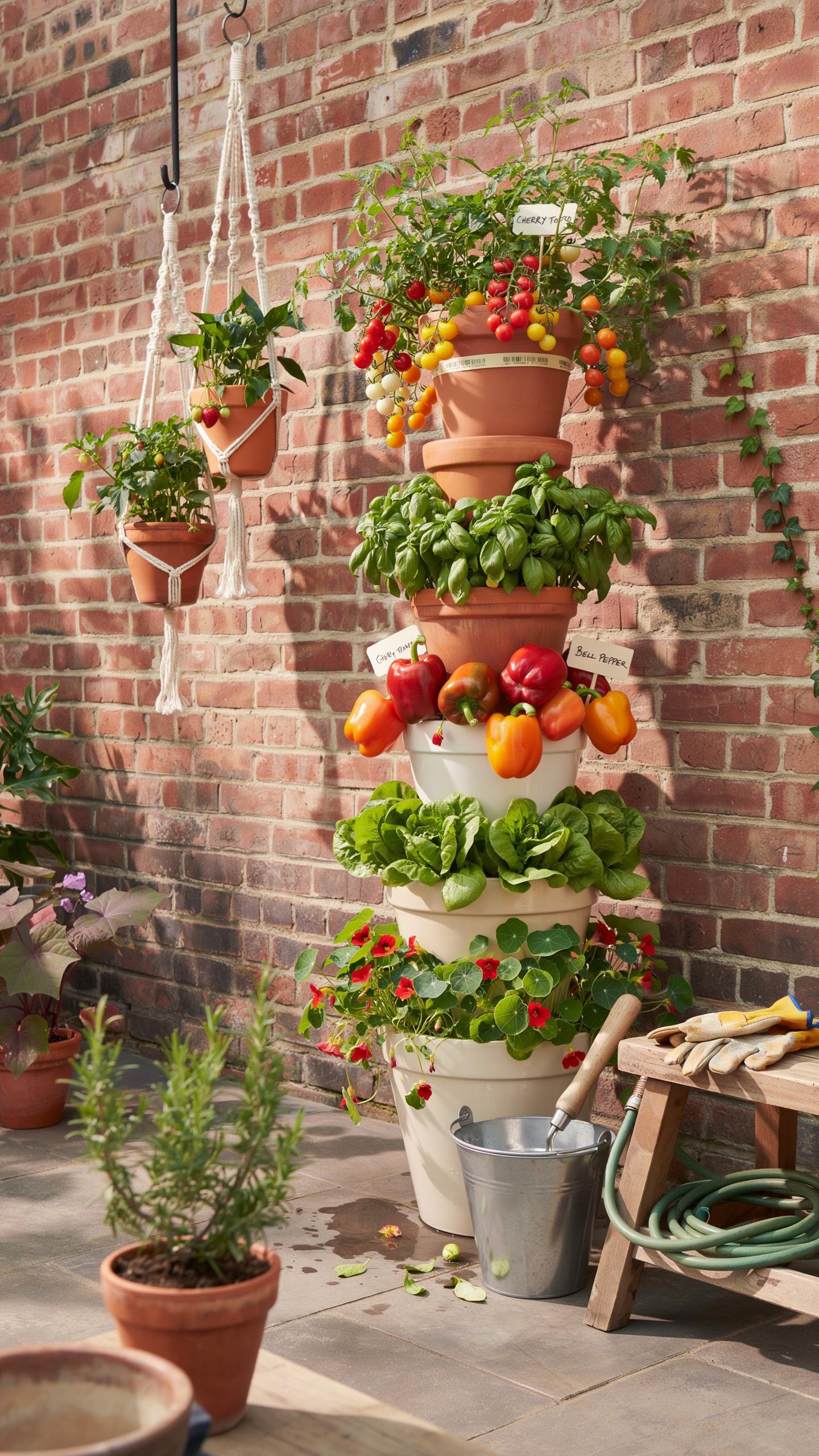
Using Trellises, Stakes, And Cages To Grow Upward And Free Up Container Floor Space
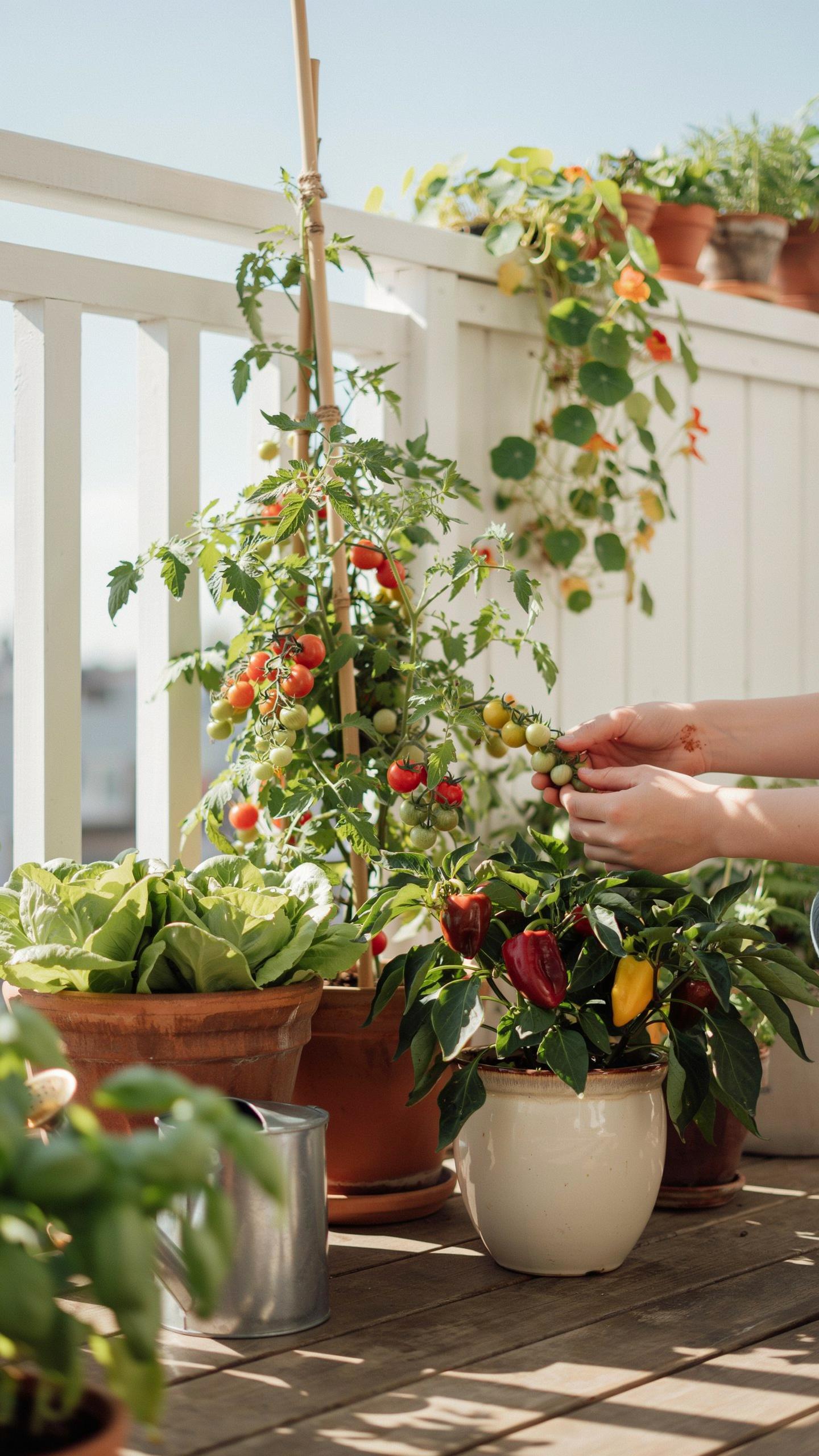
Vertical supports transform two-dimensional soil area into three-dimensional growing volume. Trellises and cages redirect the natural spread of plants toward the sky. This tactic prevents foliage from smothering neighboring crops. By lifting the plant canopy, you increase air circulation and reduce disease risk. Solid structures like A-frames or cattle panels provide the necessary tension to support heavy fruit without sagging.
Stakes and tethers offer a direct solution for indeterminate varieties. Secure the main stem to a rigid pole to maintain a narrow footprint. This method allows you to place more containers in a smaller zone. Use soft ties to avoid strangling the plant tissue. Proper anchoring ensures the pot does not tip over during high winds. Verticality maximizes your yield per square foot of balcony or patio space.
Vining Vegetables Best Suited For Vertical Container Gardening And Their Spacing Needs
Vining plants require specific vertical infrastructure to thrive in confined settings. Without support, these species crawl across the ground and waste valuable floor area. Selecting the right variety is the first step toward high-efficiency spacing. You must match the strength of your support to the mature weight of the crop. Heavy feeders require deep pots despite their narrow upward growth habit.
- Indeterminate Tomatoes: These plants grow continuously throughout the season. They require tall stakes or heavy-duty wire cages. Space one plant per five-gallon container to ensure the roots have enough oxygen and nutrients to support the long, climbing vines.
- Pole Beans: Use a tripod or teepee structure for these rapid climbers. You can plant six to eight seeds around the base of the poles in a twelve-inch pot. This density is possible because the foliage spreads upward rather than outward.
- Cucumbers: Vining varieties save space when trained onto a vertical mesh or trellis. One plant per five-gallon bucket is the standard tactical setup. Gravity helps the fruit grow straight and keeps them away from soil-borne pests and rot.
- Malabar Spinach: This heat-loving vine thrives in vertical systems. It produces thick, succulent leaves on climbing stems. Plant two seedlings in a ten-inch pot against a wall-mounted trellis. This configuration provides a constant supply of greens in a tiny footprint.
- Small Melons: Compact varieties like sugar baby watermelons can grow vertically if supported by slings. Place one plant in a ten-gallon container with a reinforced trellis. Use mesh netting to cradle developing fruit so the weight does not snap the vines.
Spacing requirements change once you move growth to the vertical plane. Vertical crops allow for closer container placement since the canopy rises above the pot rim. Maintain at least twelve inches between pots to ensure sunlight reaches the lower leaves. This gap also provides you with enough room to prune and harvest effectively. Monitor soil moisture closely as vertical plants face higher evaporation rates from wind.
Container Gardening Layout And Container Gardening Vegetables Layout Arranging Multiple Containers For Visual Impact
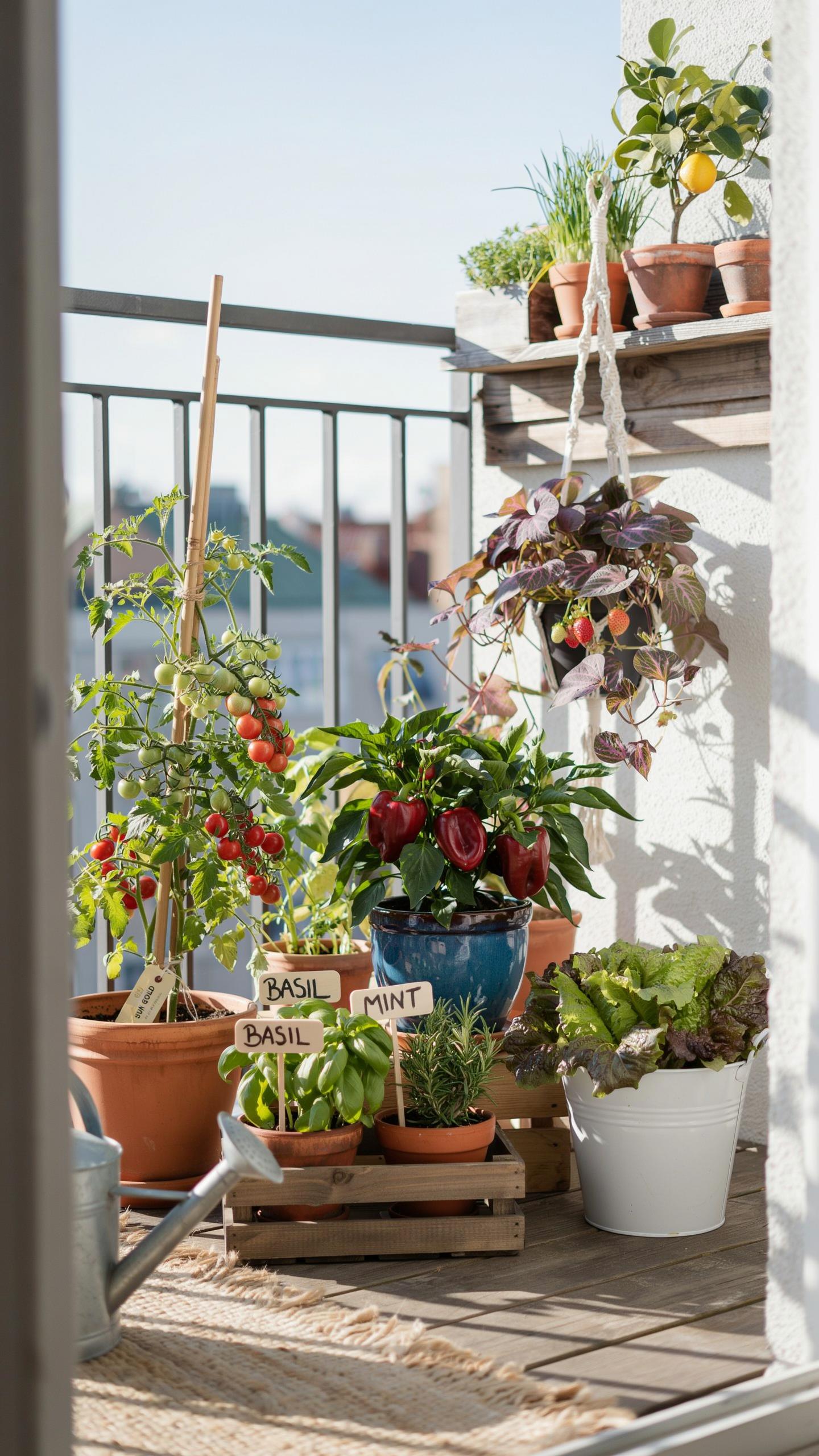
How To Design A Multi Container Layout That Balances Aesthetics And Plant Spacing Needs
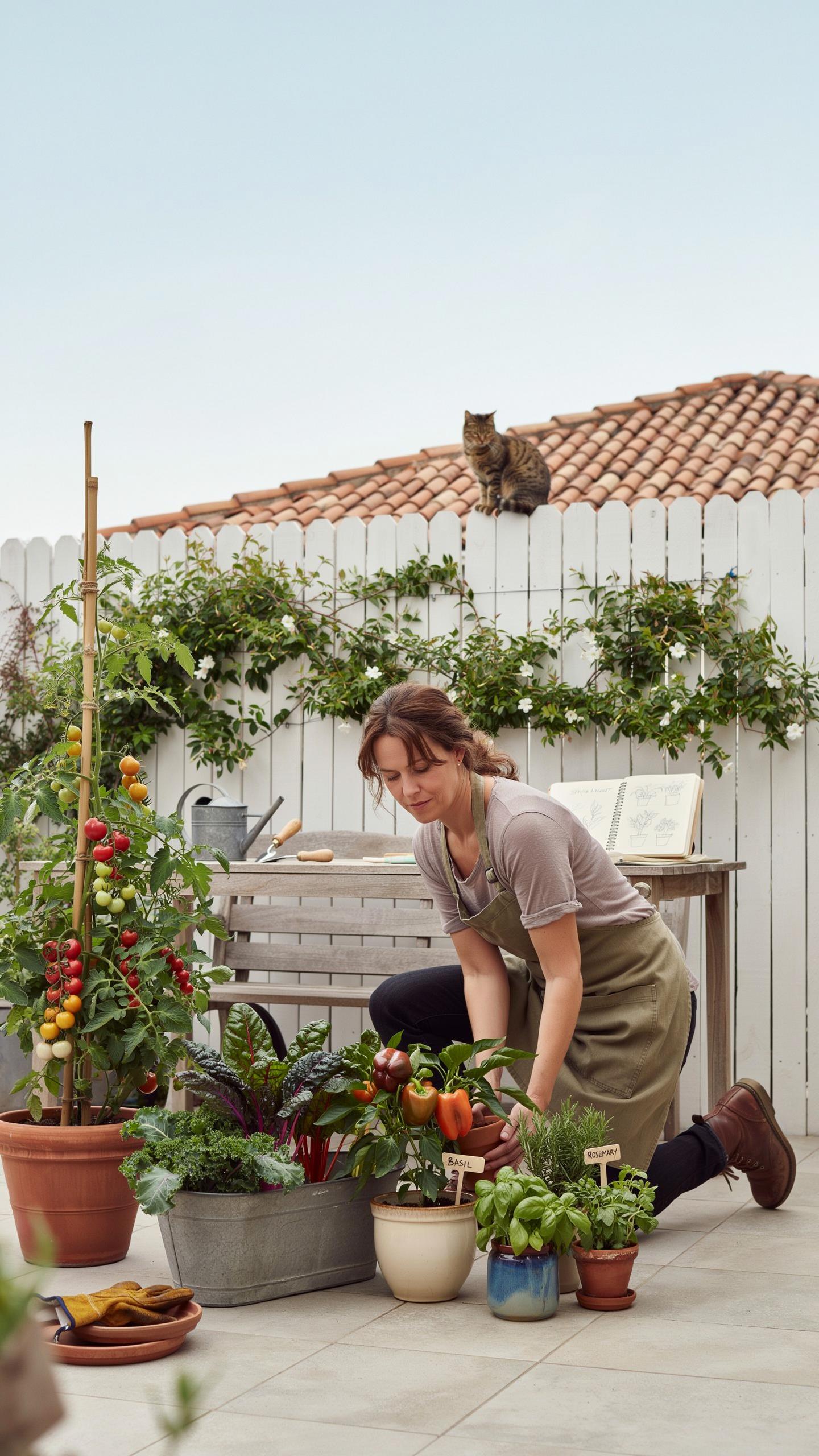
Design a multi-container layout by prioritizing airflow and sunlight access. Situate large pots in the back and smaller units up front. This tiered approach prevents shading and reduces disease risk. Ensure every container has at least three inches of air space between its rim and its neighbors. Proper spacing stops pests from jumping between plants. Rank your containers by water needs to streamline maintenance.
Effective layouts treat individual pots as one cohesive unit. Group heavy feeders like tomatoes together for easier nutrient management. Use a grid or staggered pattern to maximize your square footage. Leave clear paths for your feet and tools to avoid soil compaction. Strategic placement allows for easy harvesting without knocking over fragile stems. Keep your tallest plants on the north side to prevent them from blocking the sun.
Tucking each seedling into its own small sanctuary brings a quiet rhythm and new life to your doorstep. There is a gentle healing in the simple act of breathing beauty into a dusty corner through the perfect placement of a pot.
Using Height, Color, And Texture Contrast Across Containers To Create A Cohesive Garden Display
High-impact displays use vertical height to create depth. Use trellises in deep pots for climbing peas or beans. Pair these with low-profile containers for leafy greens or herbs. This contrast draws the eye and uses vertical space efficiently. Select containers made from consistent materials like terracotta or galvanized steel for a professional look. Uniform materials unify the diverse shapes and colors of your vegetable crops.
Incorporate texture by mixing broad-leafed plants with feathery foliage. Place smooth pepper leaves next to fine carrot tops for visual variety. Use color to define your garden zones. Purple kale or red chard adds a sharp contrast to standard green foliage. Stick to a limited color palette for your pots to keep the focus on the vegetables. Clean lines and bold contrasts make the garden look intentional rather than accidental.
Potted Vegetable Garden Ideas Seasonal Spacing Adjustments To Keep Your Garden Fresh Year Round
How To Transition Container Plantings Between Warm And Cool Seasons Without Wasting Space
Successful transitions rely on the temperature threshold of your crops. Pull spent summer crops like bush beans or peppers once night temperatures drop consistently below fifty degrees Fahrenheit. Clear the root mass immediately to avoid soil compaction. Tighten your spacing for autumn greens like kale or spinach. These plants grow slower in low light and require less airflow than summer heat lovers.
Interplanting during the overlap phase maximizes your square footage. Sow cool-season seeds under the shade of mature summer plants two weeks before the final harvest. The canopy protects young seedlings from late summer sun scorch. Once you remove the large summer plant, the established seedlings take over the container. This strategy eliminates the empty pot phase and keeps your deck productive throughout the year.
Succession Planting In Containers To Maintain Continuous Harvests And Refresh Your Display
Succession planting prevents a total harvest gap in small spaces. Do not plant your entire container with lettuce at once. Sow one-third of the pot every ten days. This tactical timing ensures you always have young plants moving into the mature spacing zone. It prevents the visual decline of a bolting crop from ruining your display. Consistent sowing keeps the pot looking full and vibrant.
Use the heavy feeder and light feeder rotation to maintain soil health. Follow nitrogen-hungry greens with root vegetables like radishes or carrots. Radishes mature in thirty days and fit into small gaps between larger perennial herbs. This high-density approach utilizes every inch of the potting mix. Replace the top two inches of compost between each rotation to replenish nutrients without replacing the entire soil volume.
Frequently Asked Questions

Why is correct spacing so important when planting a container vegetable garden?
Proper container vegetable garden spacing is essential because plants in pots have limited access to soil and nutrients. When vegetables are overcrowded, they compete for root space and moisture, leading to stunted growth. Adequate airflow between your planters also prevents fungal diseases and pests from spreading. By giving each plant its own dedicated room to breathe, you ensure a lush, vibrant display that looks beautiful and stays healthy all season long.
How much space should I leave between different types of container vegetables?
Spacing needs vary by plant size and root system. Leafy greens like lettuce or spinach can sit as close as six inches apart, while larger vegetables such as tomatoes or peppers need at least twelve to eighteen inches between containers to allow full canopy growth. Root vegetables need enough depth more than width, but should still have a few inches between plants to avoid crowding underground. Always check the seed packet’s recommended spacing and size your containers accordingly.
Can I use vertical spacing techniques to fit more vegetables in a small container garden?
Yes, vertical growing is one of the best ways to maximize a tight container vegetable garden spacing plan. Trellises, cages, and stacked planters let vining plants like cucumbers, peas, and pole beans grow upward instead of sprawling outward, freeing up ground-level space for shorter crops. Hanging planters and tiered shelving also work well for herbs and strawberries. Combining vertical structures with careful horizontal spacing lets you grow significantly more in the same footprint.