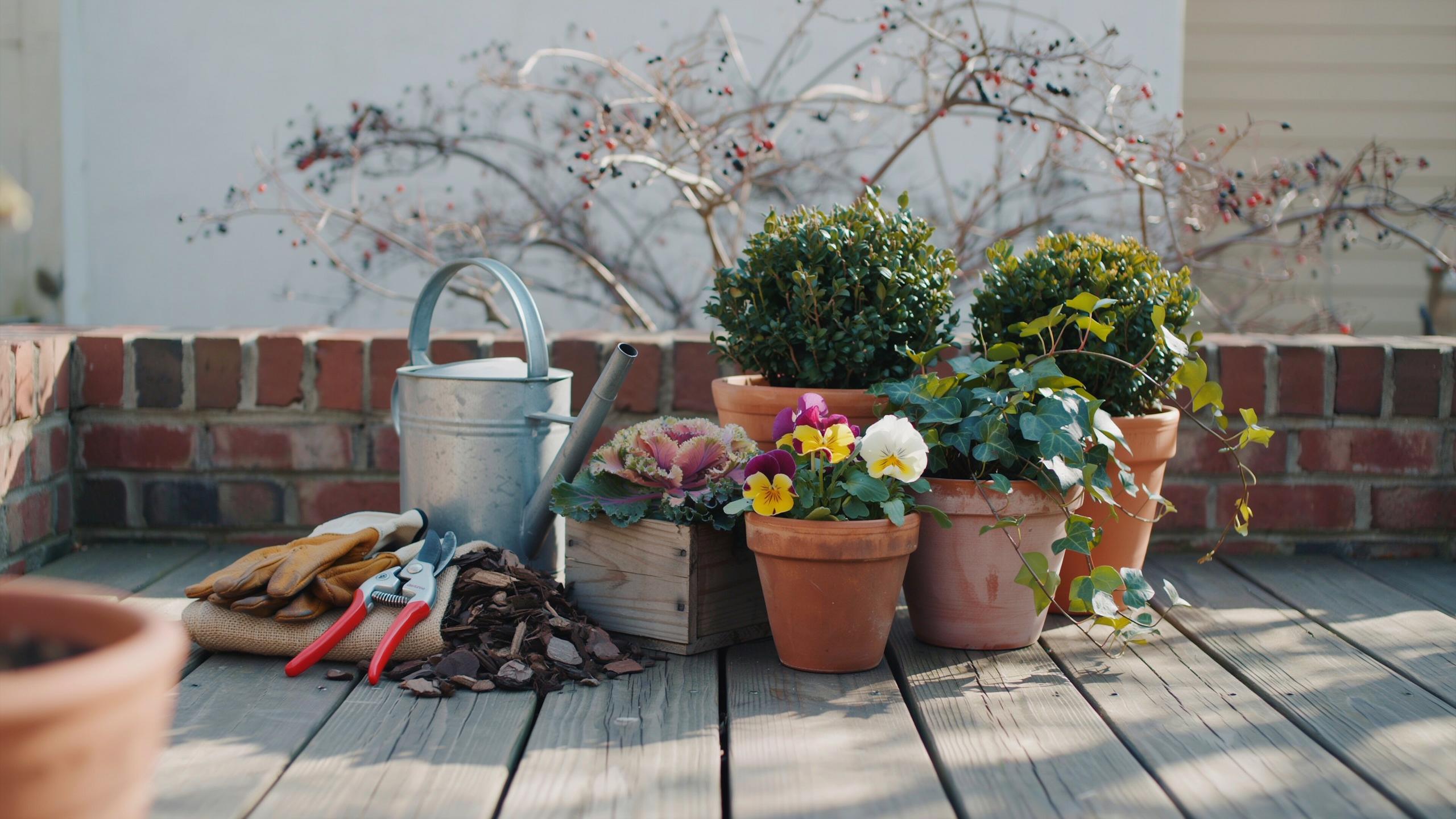
Why Container Garden Winter Care Matters For Your Outdoor Space
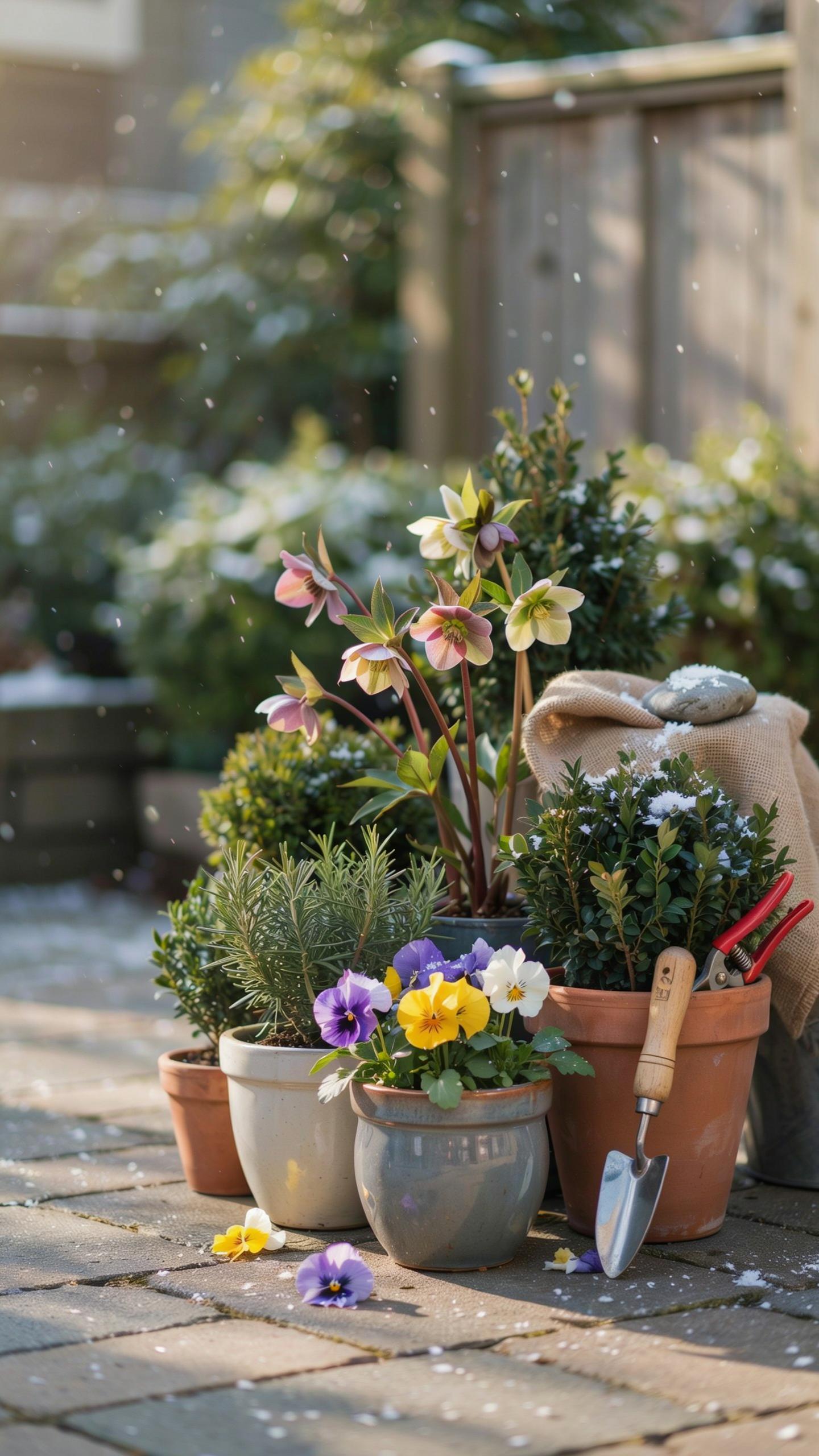
How Winter Temperatures Affect Potted Plants Differently Than In Ground Plants
In-ground plants benefit from the geothermal mass of the earth. Soil acts as an insulator that keeps root zones stable. Pots lack this protection. Their thin walls expose roots to ambient air temperatures. This exposure leads to rapid freeze-thaw cycles. These cycles kill delicate root hairs. A plant in a container often lives in a zone two levels colder than the local climate.
Frozen soil in a pot creates a physiological drought. Roots cannot absorb water because the liquid has turned to ice. High winds pull moisture from the foliage while the roots remain locked. This process is called desiccation. Without intervention, succulent or woody stems will shrivel and die. Understanding this thermal vulnerability is the first step in successful container garden winter care.
The Long Term Benefits Of Proper Winter Container Gardening Practices
Proper care saves money and preserves your design. High-quality perennials and shrubs represent a significant financial investment. Protecting them ensures they return every spring. This avoids the cost of replacing dead stock. Consistent winter maintenance also prevents pots from cracking. Terracotta and ceramic expand when wet soil freezes inside them. Shrewd winter management protects both the living plant and the expensive vessel.
Healthy dormant plants jumpstart your garden in the spring. Plants that survive winter without stress grow faster once temperatures rise. They resist pests and diseases more effectively than weakened survivors. Strategic care maintains the structural integrity of your outdoor space year-round. You keep your hardscape elements intact and your greenery thriving. This discipline creates a mature and established look for your property over many years.
Preparing Garden For Winter When And How To Start
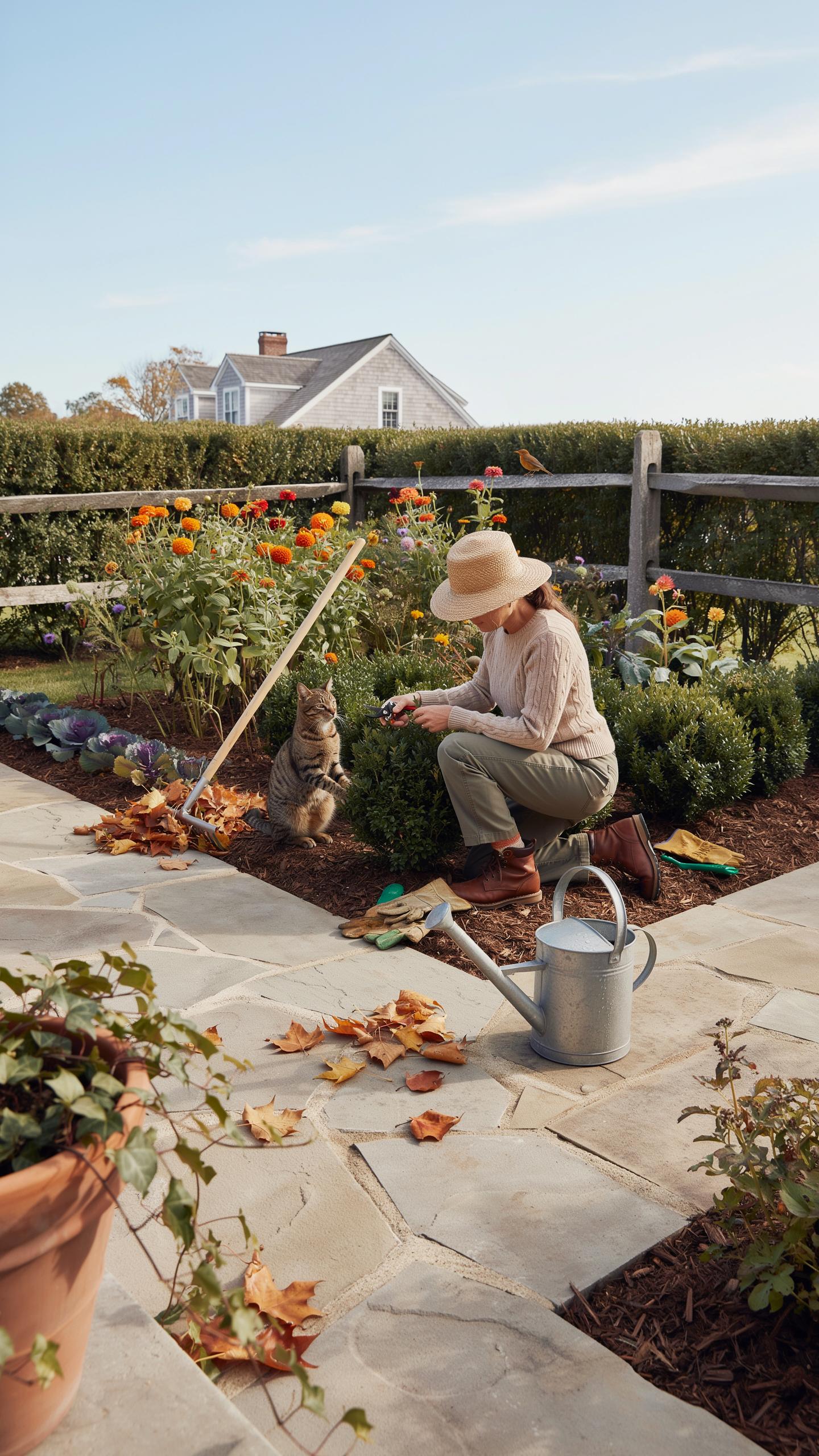
Reading The Signs: When To Begin Winterizing Your Container Garden
Timing determines survival for winter container plants. You must track local frost dates through the National Weather Service or agricultural extensions. Watch for nighttime temperatures consistently dropping below fifty degrees Fahrenheit. Tropical species react first to cold stress. Move these sensitive plants indoors or to shelters before the first light frost occurs. Early action prevents cellular damage that kills root systems later.
Shorter daylight hours signal plants to enter dormancy. Growth slows down during this transitional period. Stop applying high nitrogen fertilizers by late summer. You want to discourage new, tender growth that cannot withstand freezing temperatures. Focus on soil moisture levels. Dry soil freezes faster and deeper than moist soil. Monitor your pots daily as autumn winds accelerate evaporation. Proactive hydration helps root balls survive the upcoming thermal shifts.
Essential Fall Cleanup Steps Before The First Frost Arrives
Remove all spent annuals and decaying foliage from your containers. Dead organic matter attracts pests and harbors fungal pathogens like powdery mildew during damp winters. Prune away broken or diseased stems to improve airflow. Sanitation remains your best defense against spring outbreaks. Clearing debris also prevents rodents from nesting in your pots. Use clean shears to avoid spreading infections between your different container plants.
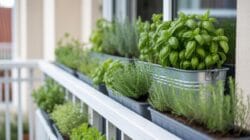
Drain and store fragile pots made of terracotta or ceramic. These materials absorb water and crack when the liquid expands into ice. Move heavy perennials into sheltered zones near your home foundation. Grouping pots together creates a microclimate that traps heat. Apply a layer of organic mulch such as wood chips or straw to insulate the soil surface. This layer regulates temperature and keeps the roots from heaving during freeze-thaw cycles.
How To Protect Potted Plants From Winter Frost Damage
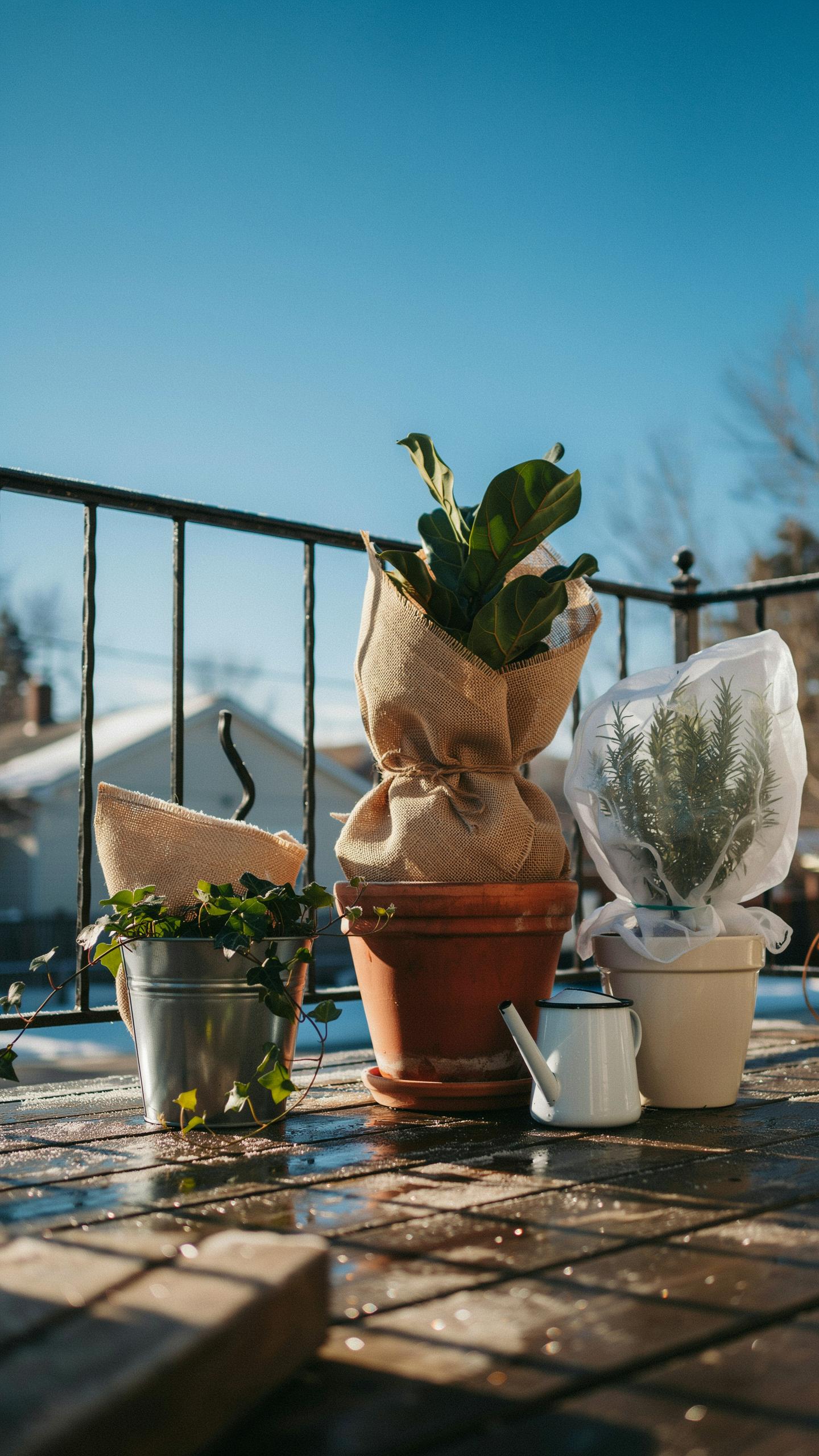
Insulating Materials That Shield Pots And Roots From Freezing Temperatures
Frost kills plants by freezing the water inside cell walls and root systems. Container plants face higher risks because they lack the thermal mass of the ground. Insulation acts as a thermal barrier to keep soil temperatures stable. Use materials that trap air to prevent rapid freeze-thaw cycles. These cycles cause the most damage to shallow root systems during mid-winter cold snaps.
- Hessian or Burlap: Wrap the exterior of pots with several layers of this natural fiber. It provides an effective windbreak while allowing the plant to breathe. Secure it with twine to prevent heat loss from the soil surface during overnight freezes.
- Bubble Wrap: Use this plastic material for maximum heat retention on non-porous pots like plastic or metal. The air pockets create a powerful insulating layer. Never wrap the foliage directly with plastic, as it traps moisture and leads to fungal rot.
- Straw or Hay: Pack loose straw around the base of the plant and over the soil surface. This mimics natural forest floor insulation. It is cheap and highly effective for large planters that stay outside all year. Use a thick four-inch layer for best results.
- Expanded Polystyrene Board: Professionals place these foam boards underneath pots to break the contact with frozen concrete or stone. This prevents the cold from leaching directly into the bottom of the root ball. It is a critical step for plants on urban balconies.
- Mulch: Apply a heavy layer of wood chips or bark to the top of the container. This prevents the top inch of soil from freezing and thawing repeatedly. It also helps maintain consistent moisture levels so roots do not dehydrate in dry winter winds.
Select your insulation based on the specific material of your pot. Terracotta and ceramic are porous and prone to cracking when water expands as ice. These materials require thicker external wrapping than resin or wood. Always ensure the pot can still drain excess water. Standing water at the bottom of a pot will freeze and kill the roots regardless of the wrapping.
Deep in the roots, all flowers keep the light. Let your quiet pots rest through the frost so they may wake in splendor for the spring.
Strategic Placement Of Containers To Minimize Frost Exposure
Move your containers to leverage the microclimates around your home. The south side of a building absorbs solar heat during the day and radiates it back at night. Grouping pots together also creates a shared pocket of warmth. This collective mass resists temperature drops better than isolated pots. Place the most sensitive plants in the center of the group for maximum protection.

Avoid leaving pots in low-lying areas of the garden where cold air settles. These frost pockets stay several degrees colder than the surrounding air. Elevate pots using bricks or feet to improve drainage and prevent them from freezing to the ground. If a severe storm approaches, move smaller containers into an unheated garage or shed. This temporary shelter prevents windburn and protects the pot from structural failure.
Winterize Outdoor Plants Techniques For Every Plant Type
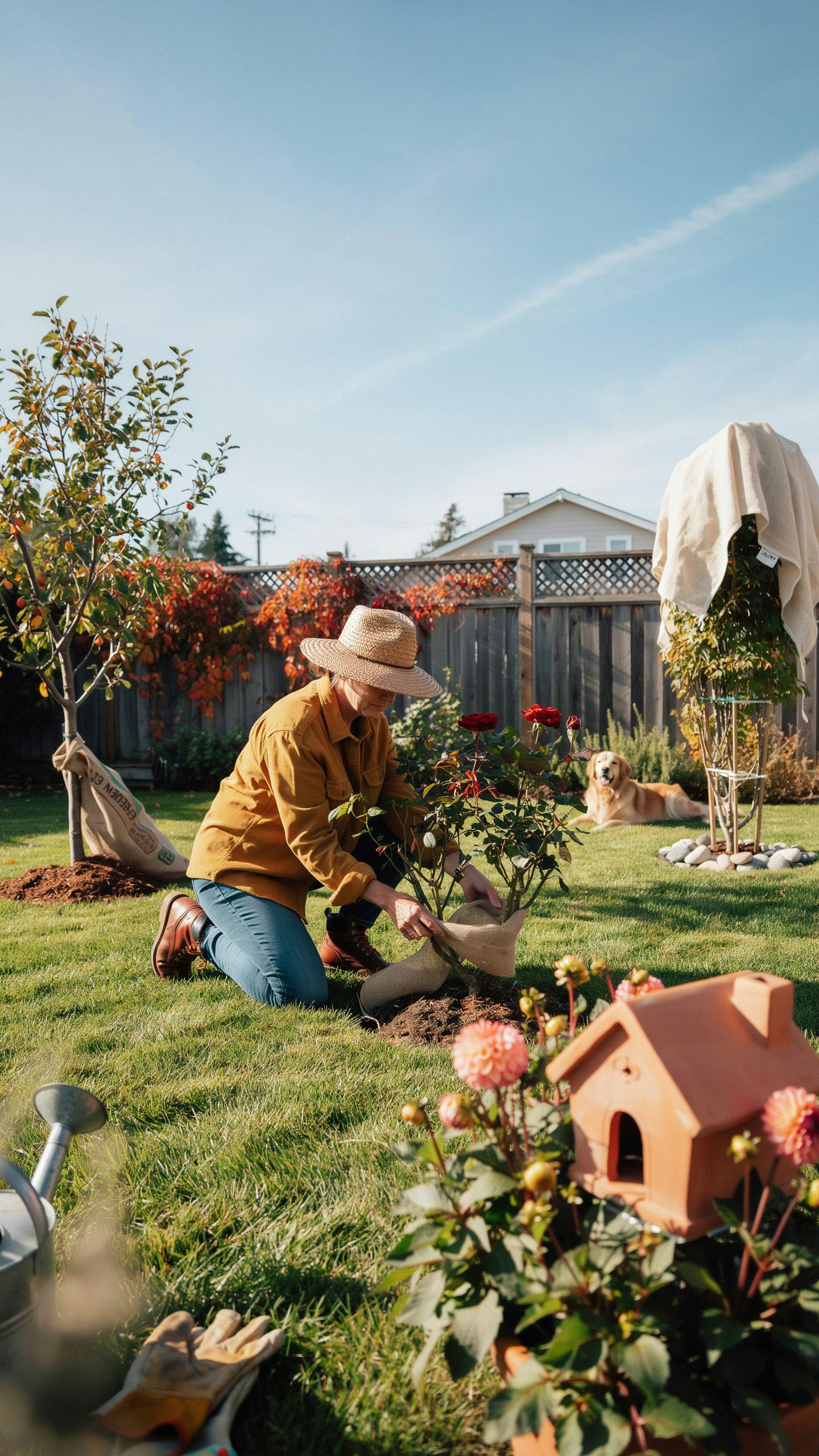
How To Winterize Tender Perennials And Tropical Plants In Containers
Tender perennials cannot survive freezing temperatures. You must move these plants indoors before the first frost hits your region. Cut back the foliage to three inches above the soil line to reduce moisture loss. Store the pots in a cool and dark space like a basement. Keep the soil barely moist but never wet. This prevents root rot while keeping the plant alive.
Tropical plants require light and warmth to stay healthy during cold months. Place these containers near south-facing windows for maximum sunlight exposure. Check frequently for pests like spider mites that thrive in dry indoor air. Reduce fertilizer application until spring growth begins. Do not place pots near heat vents or drafty doors. Maintain high humidity levels by misting the leaves every few days.
Caring For Hardy Evergreens And Shrubs In Outdoor Pots During Winter
Hardy evergreens stay outside but need protection from freezing winds. Desiccation kills many shrubs when the ground freezes solid. Water the containers deeply until the soil actually freezes. This provides the roots with a necessary hydration reserve. Group multiple pots together to create a pocket of warmer air. Wrap the pots in burlap or bubble wrap to insulate the root ball.
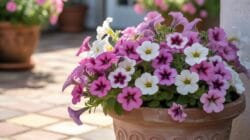
Place containers on wooden shims or pot feet to improve drainage. Standing water will freeze and crack your ceramic or terracotta pots. Move the plants to a sheltered spot away from direct northern winds. Apply a thick layer of wood mulch to the soil surface. This mulch regulates soil temperature and prevents rapid thawing. Check soil moisture during mid-winter thaws to prevent the roots from drying out.
Winter Storage Containers Choosing And Using The Right Pots
Which Container Materials Survive Freezing Temperatures Without Cracking
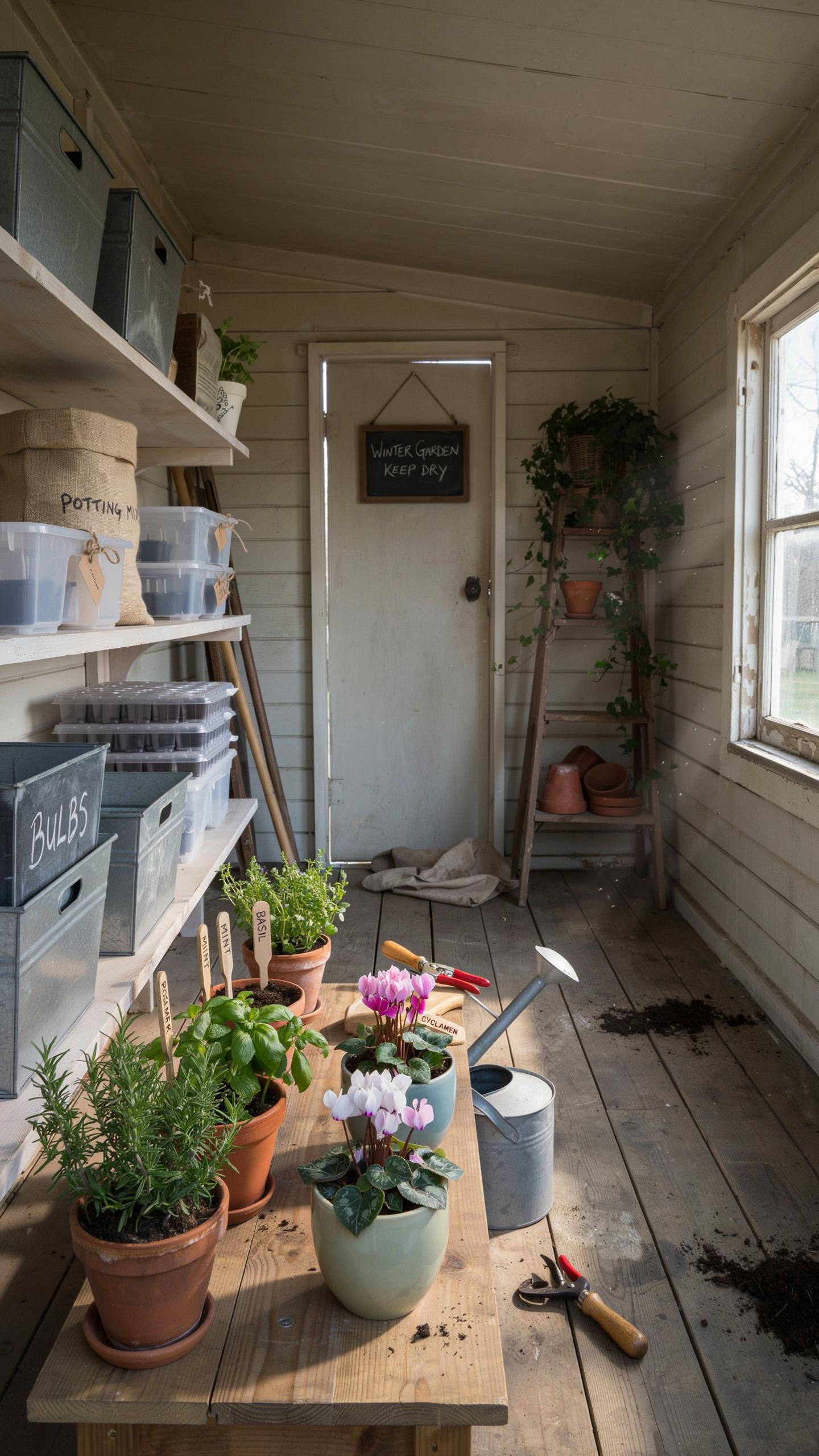
Porous materials like standard terra cotta and low-fire ceramic absorb water deep into their walls. When temperatures drop below freezing, this trapped moisture expands into ice. This internal pressure causes the material to flake, chip, or shatter completely. You must use non-porous materials like fiberglass, heavy-duty plastic, or metal to prevent this damage. These materials resist water absorption and withstand rapid temperature changes.
Concrete and stone offer high durability but require proper sealing to prevent surface cracking. High-fire stoneware and glazed vitrified pots also resist frost better than basic clay. Check for a frost-proof rating before leaving any ceramic outside. Wood containers like cedar or redwood handle cold well because they naturally expand and contract. Always prioritize structural integrity over aesthetics when selecting pots for permanent outdoor winter placement.
How To Properly Store Empty And Planted Containers During The Off Season
Empty pots require dry storage to prevent structural failure. Clean every container thoroughly to remove soil and pathogens before the first frost hits. Store empty clay or ceramic pots upside down in a garage or shed. This prevents water from pooling inside and freezing. If you must store them outside, stack them and cover them with a heavy waterproof tarp to keep moisture out.
Planted containers need a different strategy to protect both the pot and the root system. Move these pots to a sheltered area near a building wall to use radiated heat. Elevate the pots using bricks or pot feet to ensure drainage holes remain clear of ice buildup. Grouping several containers together creates a communal thermal mass. This technique slows down the freezing and thawing cycles that kill roots.
Best Winter Plants For Outdoor Cold Weather Container Displays
Cold Hardy Plants That Thrive In Winter Potted Arrangements Outdoors
To ensure survival, select plants rated at least two USDA zones colder than your current location. Potted roots lack the insulation of the ground. Focus on evergreen species and woody shrubs that maintain structure during freeze cycles. Avoid soft-stemmed annuals that collapse at the first frost. These selected species provide reliable color and texture without requiring constant heat or protection.
- Hellebores: Often called Christmas Roses, these perennials bloom in mid-winter. They tolerate freezing soil and low light. Their thick leather-like leaves provide year-round green coverage while the nodding flowers offer rare winter color.
- Winter Creeping Euonymus: This broadleaf evergreen serves as a durable base for any arrangement. It resists winter windburn and stays vibrant. The variegated varieties add brightness to dark corners when most other deciduous plants have lost their foliage.
- Red Twig Dogwood: These shrubs offer striking visual interest through their bark color rather than leaves. Once the foliage drops, the stems turn a vivid blood-red. They provide essential vertical height and architectural structure to large outdoor winter containers.
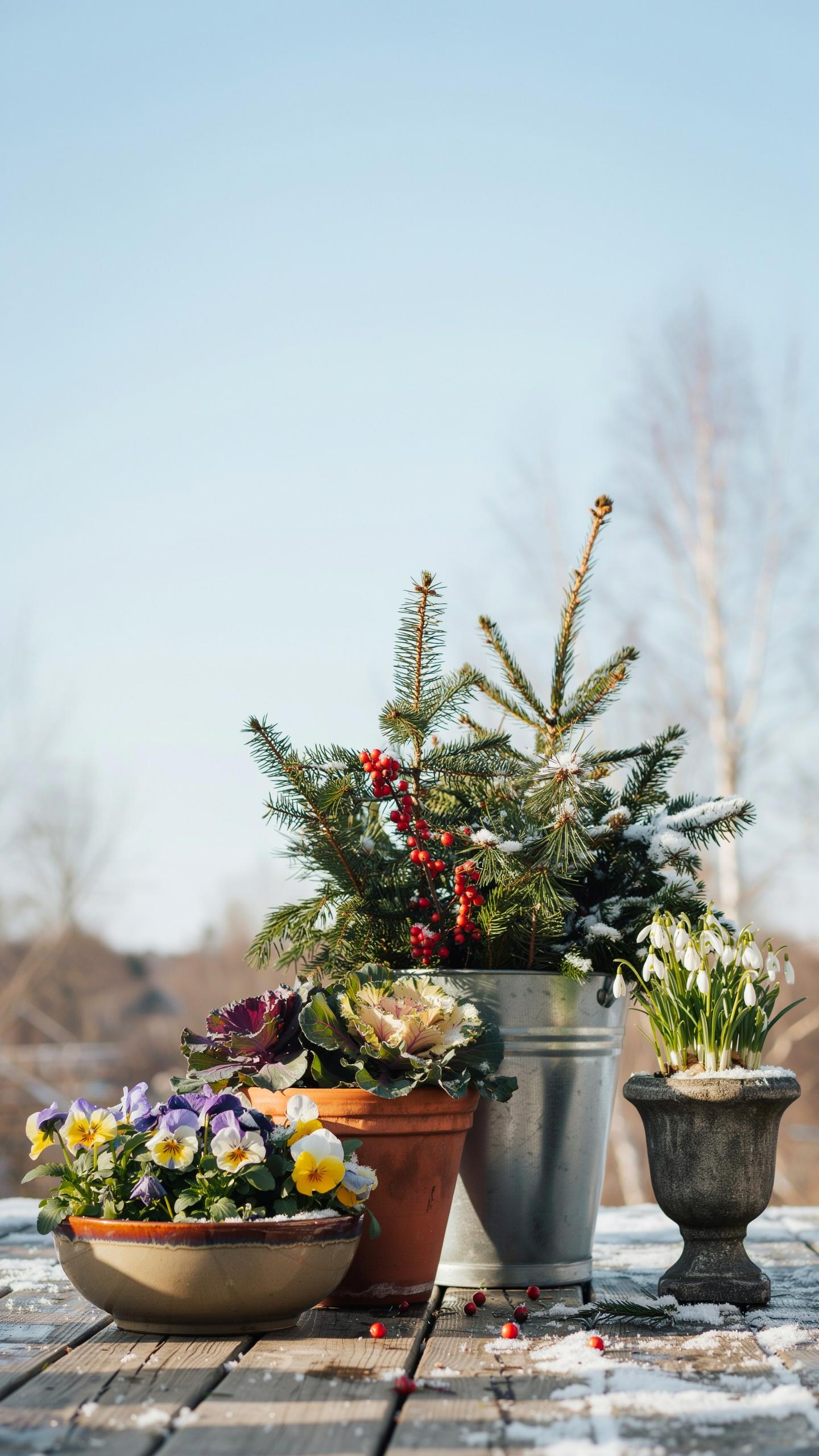
- Ornamental Cabbages and Kales: These plants thrive as temperatures drop below freezing. Cold weather actually intensifies their purple, pink, and white pigments. While they do not bloom, their ruffled textures mimic large flowers and remain upright throughout the entire winter season.
- Boxwood: This classic evergreen provides a dense green foundation for any pot. It is slow-growing and handles heavy snow loads well. Use it as a central focal point to maintain a formal aesthetic even in the harshest winter weather.
Healthy winter displays require consistent water until the ground freezes solid. Dry winter winds dehydrate plants faster than most gardeners realize. Check soil moisture weekly during thaws. Use heavy ceramic or stone pots to prevent tipping in heavy gusts. Avoid thin plastic pots as cold makes them brittle and prone to cracking under the pressure of expanding frozen soil.
How To Layer And Arrange Winter Garden Containers For Visual Impact
Apply the thriller, filler, and spiller method to create professional arrangements. Use a tall evergreen or branch structure in the center to catch the eye. Surround this center plant with mid-height textures like kale or berried branches. Use trailing ivies to soften the edges of the pot. Ensure all plants have similar water needs to prevent root rot during wet periods.
Focus on contrast to make your container stand out against grey skies. Pair dark green leaves with bright red berries or white variegated foliage. Group containers of different heights together to create a fuller look. Pack your plants much tighter than you would in summer. Winter plants grow slowly and will not fill in the gaps over time. Strategic density prevents a sparse and weak appearance.
How To Protect Potted Plants In Winter With Watering And Feeding Adjustments
Why Overwatering Is A Major Risk For Container Plants During Winter
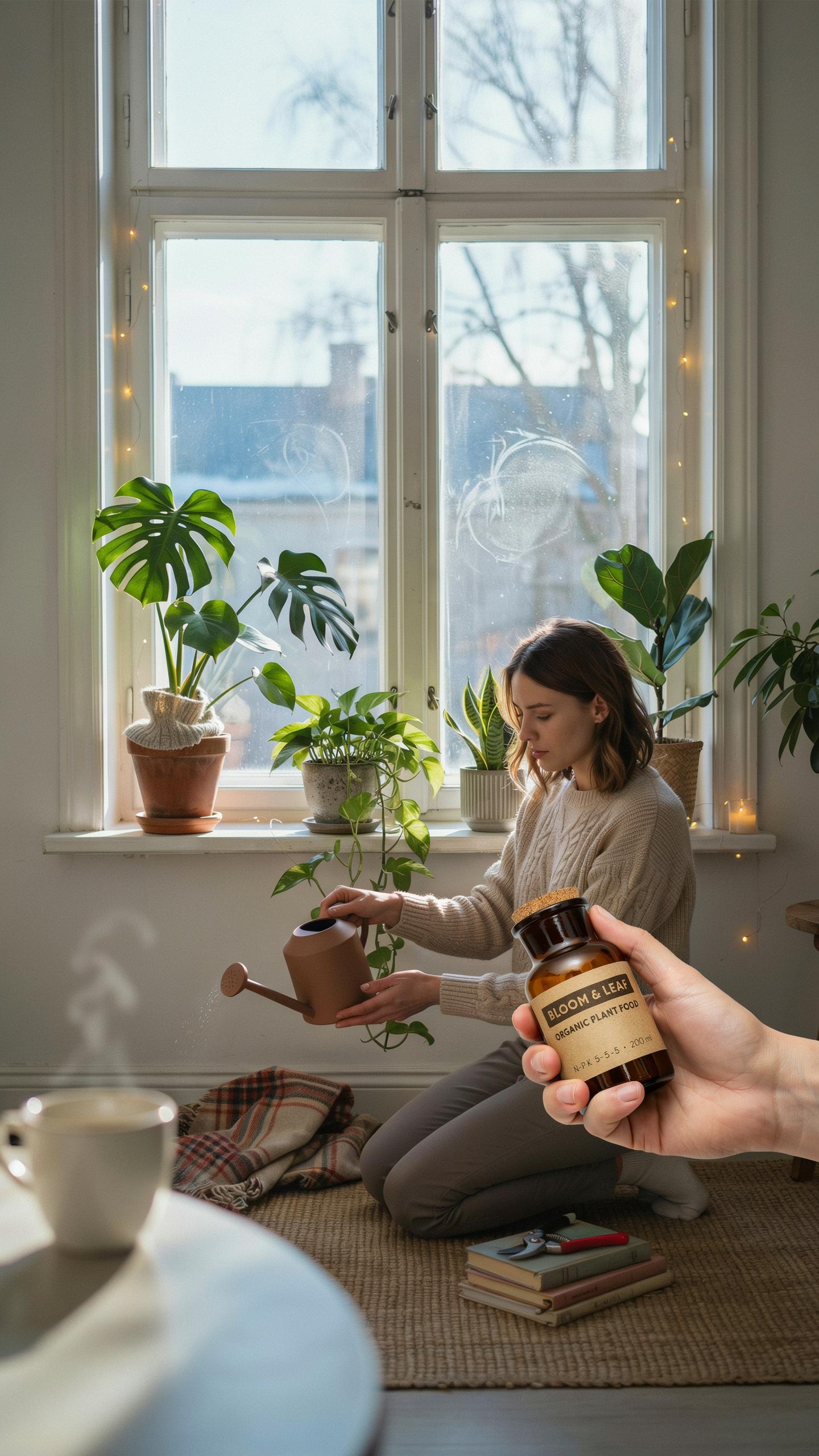
Low temperatures and short days reduce evaporation rates significantly. Most container plants enter a dormant state where they stop active growth. During this time, their metabolic needs drop and they consume very little water. If you maintain summer watering schedules, the growing medium stays saturated. Excessive moisture displaces oxygen in the soil. This lack of air suffocates roots and causes them to rot quickly.
Soggy soil also increases the risk of freeze damage to the plant and the pot. Saturated earth expands when it freezes. This expansion can shatter ceramic or terracotta containers from the inside. It also crushes delicate root tissues. You must check the soil moisture manually by inserting a finger two inches deep. Only add water if the soil feels dry. Proper drainage remains your first line of defense.
Adjusting Fertilization Schedules To Support Dormant Container Plants
Stop applying fertilizer as soon as the temperature stays consistently below fifty degrees. Plants cannot process nutrients efficiently during cold months. Active feeding encourages new growth that is tender and weak. This fresh tissue lacks the cellular strength to survive a frost. Forcing growth during dormancy exhausts the energy stores of the plant. This stress often leads to plant death before spring arrives.

Residual salts from fertilizers can build up in the potting mix when plants do not use them. These salts can burn dormant roots in dry winter conditions. Wait until the first signs of new spring growth appear before you resume feeding. Use high-quality compost or slow-release granules once the soil warms up. This strategy aligns with the natural life cycle of the plant. It ensures the root system remains stable and healthy.
Reviving Your Winter Garden Containers As Spring Approaches
How To Assess Container Plant Health After The Winter Season Ends
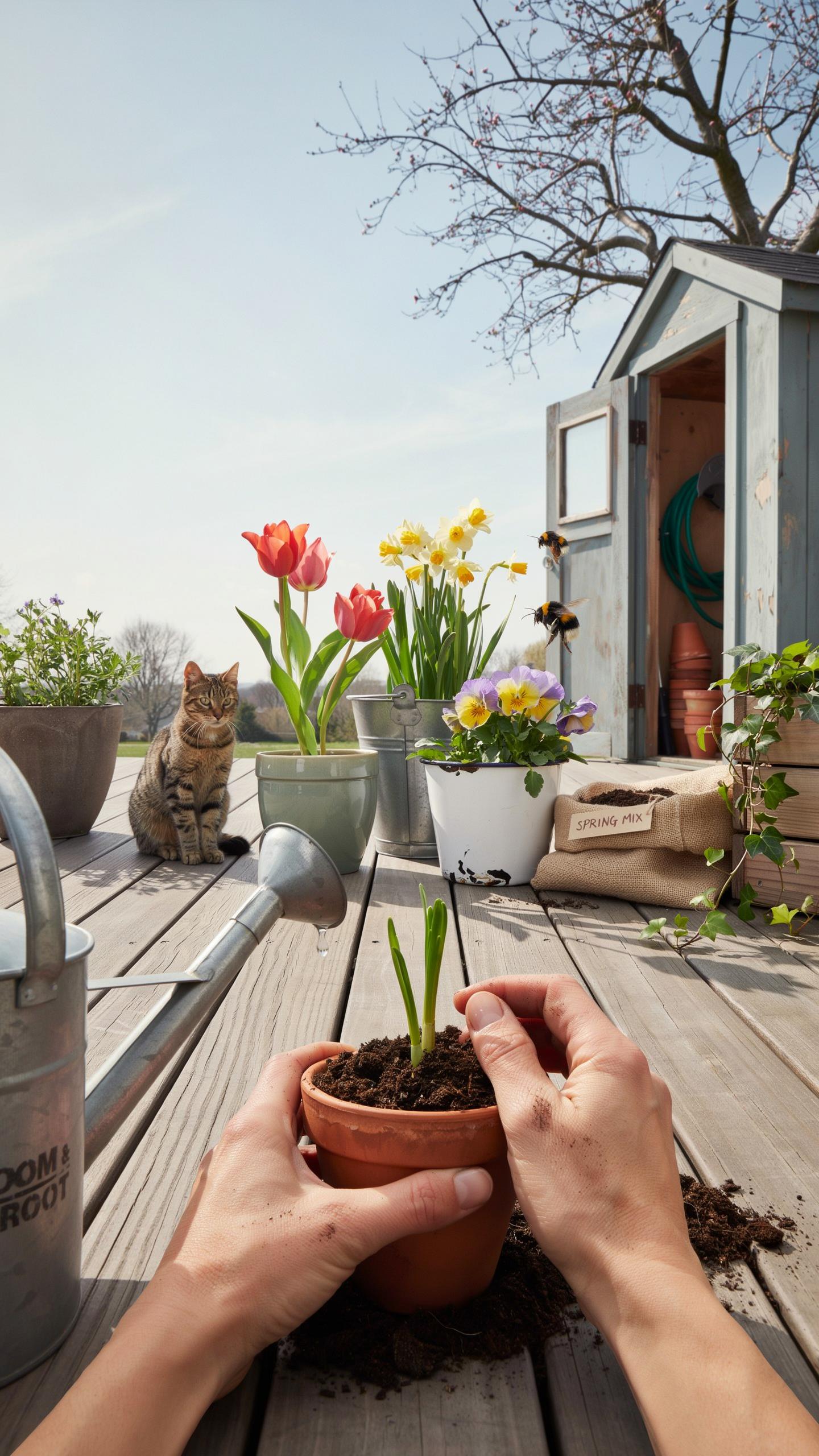
Check for signs of life once the final hard frost passes. Inspect the stems for firmness and flexibility. Use your fingernail to scrape a small section of the outer bark on woody plants. If you see green tissue underneath, the plant survived. Brown or brittle wood indicates dieback. Check the soil moisture levels to ensure the roots did not desiccate during the dormancy period.
Examine the root crown for mushy spots or foul odors. These signs indicate root rot from poor winter drainage. Tug gently on the plant base to test structural integrity. Firm resistance means the root system remains healthy. Discard any specimens that show total collapse or widespread fungal growth. Accurate assessment prevents you from wasting resources on dead stock. Early detection allows for timely replacement before the peak growing season.
Transitioning Your Winterized Plants Back To Full Outdoor Growing Conditions
Acclimatize your plants gradually to avoid solar shock. Move containers from sheltered spots to areas with indirect light first. Direct spring sun can scorch foliage that grew soft over winter. Increase outdoor exposure by two hours each day for one week. This hardening process strengthens the cellular structure of the leaves. Monitor nighttime temperatures to ensure they stay above the freezing point for sensitive species.
Refresh the top two inches of soil with high quality compost. Winter rains often leach essential minerals from container medium. Apply a balanced slow release fertilizer to trigger new growth. Prune away dead or damaged branches to direct energy toward healthy buds. Check drainage holes for blocks caused by debris or salt buildup. Proper sanitation now prevents pest outbreaks as the weather warms. Active maintenance ensures a productive and visual transition.
Frequently Asked Questions

Why is specialized care necessary for potted plants during the colder months?
Unlike plants in the ground, roots in pots are exposed to fluctuating temperatures and freezing air from all sides. Without proper container garden winter care, the soil can freeze solid, damaging delicate root systems or cracking your favorite ceramic planters. Taking a few proactive steps ensures your perennials survive the dormancy period and emerge vibrant and healthy once the spring thaw finally arrives.
What are the best ways to insulate my pots against freezing temperatures?
To protect your plants, move pots to a sheltered area near a south-facing wall or group them together to trap heat. Wrap the exteriors in breathable materials like burlap, bubble wrap, or old blankets to provide a thermal barrier. Integrating these insulation techniques into your container garden winter care routine prevents the freeze-thaw cycle from heave-stressing your plants or shattering expensive terra cotta and stone vessels.
How can I protect my outdoor containers if I am on a tight budget?
You don’t need expensive equipment to keep your garden safe. Use free household items like dried leaves or straw to mulch the soil surface for extra warmth. Repurposed cardboard boxes can serve as windbreaks, and old bedsheets make excellent frost covers on particularly cold nights. Simple DIY methods are highly effective ways to shield your plants without spending a fortune on professional gardening supplies or greenhouse heaters.