Beyond The Brush: The Philosophy Of A Warm Entryway
Warmth Lives In Contrast, Not Color
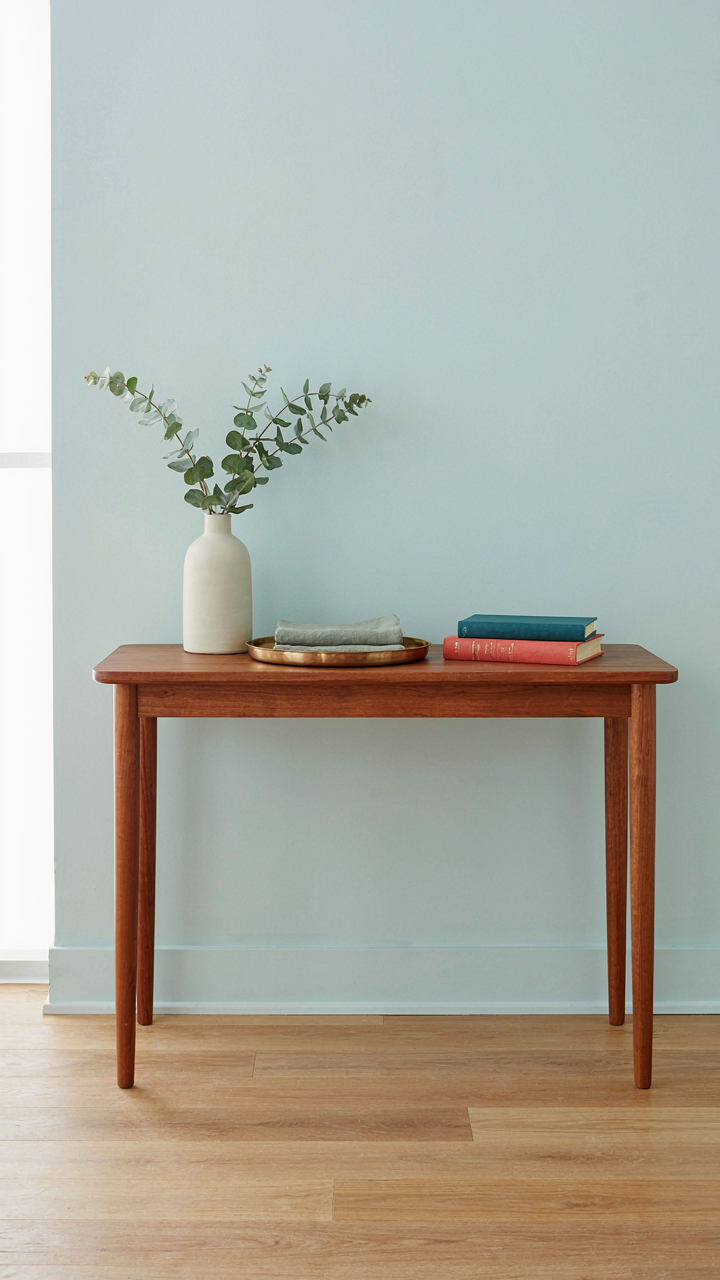
You want people to feel something when they walk in your door, and you think the console table’s finish will do that work for you. It won’t. Warmth operates on contrast, borrowed directly from thermal physics: objects feel warm because they’re different from their surroundings. A dark wood console against pale walls creates visual tension that reads as intentional, lived-in, grounded. A blonde table in a blonde room vanishes. The mechanism isn’t the material or the color. It’s the relationship between the table and everything around it.
Most people get this backward and paint the whole room to match the table they bought. The table becomes invisible because nothing contradicts it. Instead, identify what’s already in your entryway that’s either heavy or light, cool or warm. Build the console table to oppose it. If your entry has bright, cold light from a north-facing window, a warm wood table with deeper undertones becomes the anchor point. Your eye lands there. That landing spot is what triggers the feeling of warmth.
Function Determines Every Other Choice
Skip the advice that says “pick the style first, then the storage.” That’s backward and wastes money. What actually lives on your console table defines its depth, height, and surface material before aesthetics matter. If you need to hold keys, mail, and a small lamp, you need 12 to 14 inches of depth minimum and a drawer or shelf for sorting. If it’s display only, eight inches works. If it takes packages, you need a surface that tolerates impact, which means sealed wood or metal, not veneer.
Once you know the functional load, the form follows automatically. A narrow entry needs a console no deeper than the clearance lets you open the door. A wide entry can hold a piece with real capacity. The material choice then depends on maintenance: sealed wood handles moisture and dust differently than raw wood. A glass top photographs well but requires constant cleaning. Choose the finish based on what the table actually does, not what looks good on Instagram. This is the only way to avoid a makeover that fails within six months because the piece doesn’t fit the real demands of the space.
The “Entropy Reversal” Method: A Painted Entry Table Approach

Remove What Doesn’t Earn Its Space
You want people to see your console table and think you have taste. The mechanism nobody names is this: your brain interprets visual clutter as a signal that you lack control. In physics, entropy is disorder increasing over time. Your console table operates under the same law. Every object on it either reinforces your chosen aesthetic or fights against it. Remove everything that doesn’t directly support the mood you’re building. This isn’t minimalism preached from a design magazine. This is friction reduction.

The objects staying must do work. A table lamp with an actual bulb beats a decorative piece that sits dark. A tray that corrals keys and mail beats loose items scattered across the surface. A single plant in a vessel that matches your color scheme beats five plants in mismatched pots. Before you paint anything, audit what’s there. Photograph the table now. Note every item. Ask: does this support warmth, or does it create visual noise? Move the rest to another room.
Paint Creates The System Boundary
Paint isn’t decoration. Paint is a system stabilizer that resets expectations about what belongs on the surface. When you paint a console table a specific color, you’ve made a statement about its function and energy. The visual coherence you create with paint makes it harder for clutter to accumulate because the contrast becomes obvious. A warm neutral or muted earth tone signals “organized entry point.” A chaotic table in that same color signals neglect immediately.
Choose a finish that handles daily contact. Semi-gloss or satin paint resists fingerprints and cleans easily, unlike flat finishes that hold dust. Match the paint to your walls or use a single shade darker to create subtle depth without contrast that feels jarring. Apply two coats minimum after proper surface prep and primer. The paint stabilizes the space; your decluttering discipline maintains it. Paint the table first, then add back only the objects you decided were worth the space.
DIY Console Table Makeover: The Imperfection Principle
Flaws Make It Real
You want your console table to look intentional because you’re afraid it looks like you don’t know what you’re doing. Here’s the mechanism: imperfection signals curation. Wabi-sabi, the Japanese design philosophy centered on accepting transience and incompleteness, operates on a simple principle. A surface with visible wear, an uneven finish, or asymmetrical placement reads as chosen, not defaulted to. Perfection screams mass production. Imperfection screams taste.

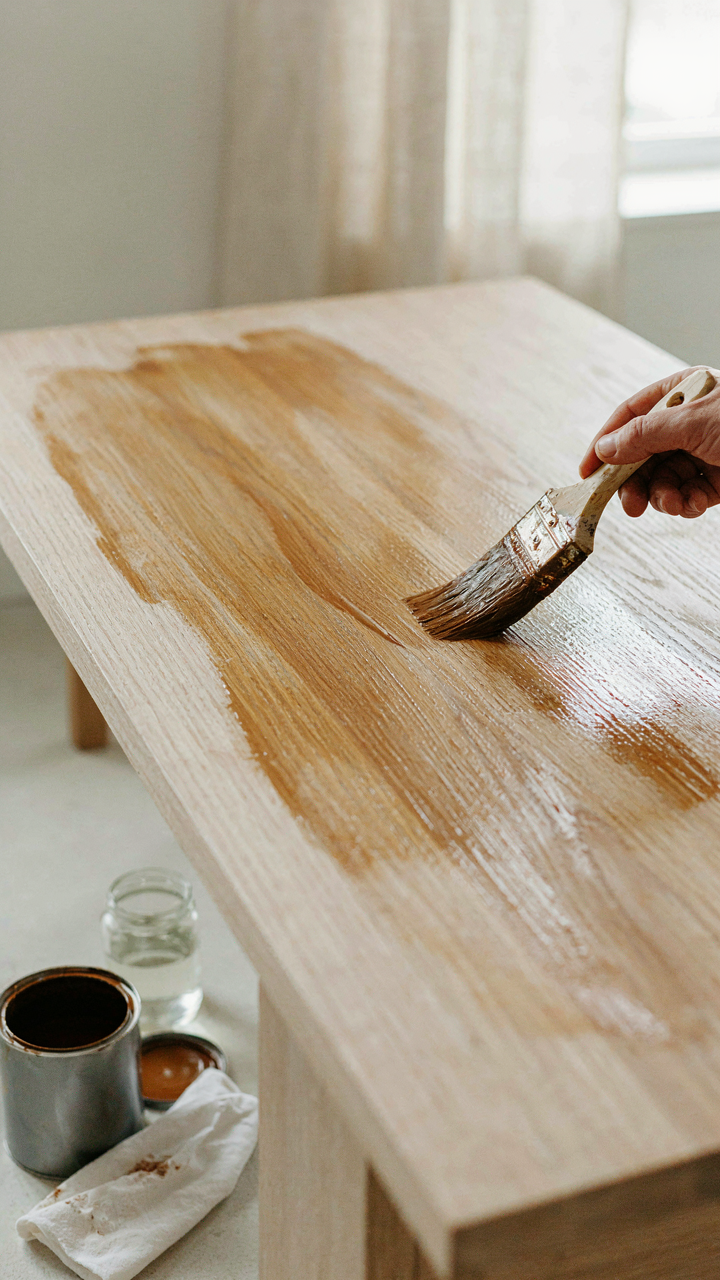
This doesn’t mean neglecting your console table. It means rejecting the delusion that a makeover requires flawless execution. A hand-painted top with visible brushstrokes, wood stain applied unevenly across grain, or hardware installed slightly off-center creates visual weight that generic, factory-smooth finishes cannot. The warmth in your entryway comes from human decision-making made visible, not from pretending you have professional tools or training you don’t possess.
Surface Treatment Matters More Than Perfection
Everyone tells you to strip, sand, and refinish a console table if you want real results. That’s incomplete advice. Surface treatment divides into two categories: quick cosmetic fixes and builds that develop character over time. A fresh coat of paint covers damage and changes mood instantly, but it also masks the table’s actual structure. A wood stain or natural oil finish exposes every flaw and rewards imperfection by making it part of the design language.
Choose based on your entryway’s use, not on Pinterest aesthetics. High-traffic zones need durability, which means sealed surfaces and protective topcoats that hide nothing. Lower-traffic or low-contact surfaces benefit from raw or minimally treated finishes that age visibly and build warmth through that aging process. Apply stain or finish in one direction across the grain, then leave it alone. The unevenness that emerges becomes the character you’re actually after.
Hacking Your Hallway Table Makeover For Flow

Where People Actually Move Through Your Space
You want your console table to look intentional, not like you’re hiding clutter. The real mechanism here is traffic pattern analysis from architecture and urban planning. Your entryway isn’t neutral space. People move through it along predictable vectors, and your table either facilitates or blocks that movement. Map where feet actually travel from the door to the main living area. That path determines everything about how your console should sit, what depth works, and whether accessories will become obstacles or assets.

Most people plop their console against a wall and call it done. Wrong. A console that forces people to navigate around it creates friction before anyone sits down. The table’s position should compress the walking corridor while opening sightlines to the rest of the home. If your entryway is narrow, a shallow console (28-32 inches deep) positioned tight to the wall keeps the walkway clear. If you have 4+ feet of width, you can push a 36-inch depth forward slightly. The placement matters more than the makeover itself.
Designing Access Without Resistance
A console table with poor access design wastes itself. This is about ergonomics, which applies directly to how people retrieve what they need from the table without breaking stride or fumbling. The top surface should hold only items you use daily on entry or exit: keys, mail, phone. Everything else gets drawers or shelves beneath, not surface clutter.
Drawer pull height matters. If your console sits 32-36 inches tall, hardware should sit 30-34 inches from the floor so people can grip it without bending. Shelves below the surface need minimum 12-inch clearance if you’re storing bags or baskets. The goal is this: a person walks in, deposits their keys without thinking, and moves forward. No reaching, no searching. Install your makeover so access takes one motion, not three.
The “Sensory Scape” Protocol: Painted Console Table Ideas
How Sound Shapes Space Perception
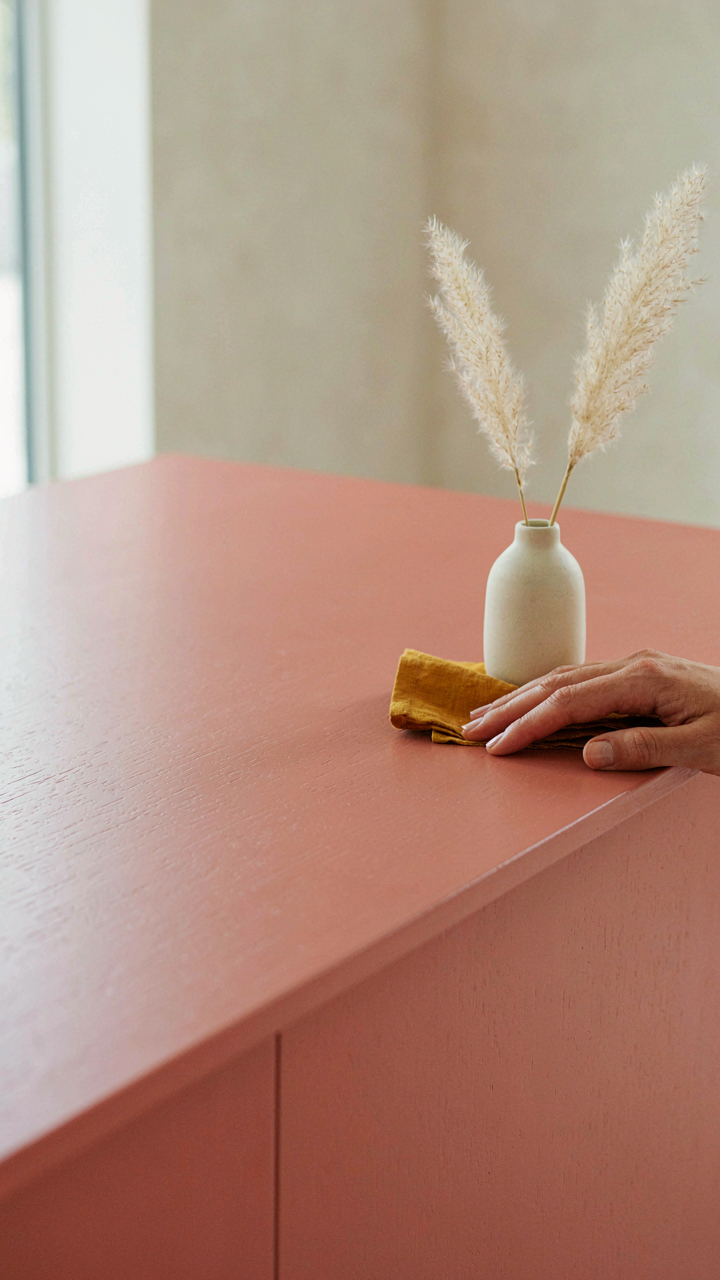
You want your entryway to feel expensive and intentional. The real mechanism is that silence signals control, and most people confuse a quiet room with a well-designed room. In acoustic design, we call this “signal-to-noise ratio”—the relationship between what you want people to notice and what competes for attention. A painted console table in the entryway becomes your signal when the space around it stays acoustically calm.

Hard surfaces amplify sound. Glossy painted finishes on wood bounce noise around the entry. Choose paint sheens that reduce reflection: matte or eggshell finishes absorb sound energy instead of projecting it. This shifts how visitors perceive the space from chaotic to composed. The paint color itself doesn’t matter acoustically, but the finish does. Pair a muted paint job with soft rugs or wall hangings nearby to create acoustic stillness that makes your console table the focal point, not background noise.
Touch Before Sight
People judge a space with their hands before their eyes. The mistake everyone makes is treating a painted console table as purely visual. Texture is the mechanism that converts a casual glance into a remembered impression. Paint texture, wood grain visibility, and edge treatment determine whether someone wants to run their hand across your console or keeps distance.
Use paint techniques that reveal the wood beneath: dry brushing, distressing, or single-coat coverage on natural wood stain shows grain and invites touch. High-gloss paint on a smooth surface feels cold and corporate. Textured paint finishes, achieved through additives or specialized primers, create micro-topography that engages fingertips. Add a reclaimed wood top or waxed finish over paint for contrast. The tactile message is: this room was built with intention, not indifference. Visitors unconsciously trust spaces that feel good to touch.
Entryway Table Makeover: The Psychological Anchor

What Your Guests Actually Judge
You care about this because you’re afraid your entryway says something untrue about who you are. Here’s the mechanism: your console table operates like a neural anchor in behavioral economics. It’s the first data point a visitor processes to calibrate their read of your entire home. That calibration sticks. Before they sit down, before they see anything else, they’ve already made a micro-judgment about taste, care, and intentionality based on what sits on that surface. The table doesn’t need to be expensive. It needs to be coherent.

The common advice says to keep it “minimal” or “styled.” That’s incomplete. Your entryway table is a signal broadcaster. Every object on it—the lamp, the bowl, the mirror, the books—sends a discrete message. Visitors don’t consciously register these messages. Their brains do the work subconsciously. A console table makeover that works doesn’t declutter for the sake of emptiness. It curates objects that collectively answer one unspoken question: Does this person live with intention?
Objects That Trigger Recognition
Memory operates through association, not storage. This is the psychology principle behind why certain objects hit harder than others. When you place something on your console table, you’re not decorating. You’re installing a recognition trigger for anyone who walks through that door. A visitor sees a stack of hardcover books and instantly connects you to reading. They see a ceramic vessel and connect you to craft or travel. They see dead flowers and connect you to abandonment. Each object is a variable in their equation about who you are.
- Framed photographs with specific moments: Not generic family portraits, but images that reveal actual interests—a hiking trip, a moment at a museum, a particular place that matters to you.
- A single well-chosen decorative object: Pottery from a specific region, a sculpture piece, or an artifact that indicates genuine taste rather than mass-market trend-following.
- Books standing upright or stacked: Real books visitors might recognize signal intellectual engagement. Choose titles that reflect actual reading habits, not aspirational ones.
- A functional vessel for keys or mail: Ceramics, wood, or metal that shows utility and design sense. Avoid plastic or anything that looks purely decorative without purpose.
- A light source with intention: A brass lamp, a candle in a specific holder, or a fixture that suggests you’ve thought about how this space functions at different times of day.
The console table makeover succeeds when each object passes a single filter: Does this belong to my actual life or my imagined life? Visitors sense the difference instantly. Your makeover works when it stops performing and starts reflecting. Audit what’s currently on your table. Remove anything you’d have to explain or defend. Replace it with one object that genuinely matters to you.
The Light Leverage System For A Warm Entry
Window Placement And Beam Control
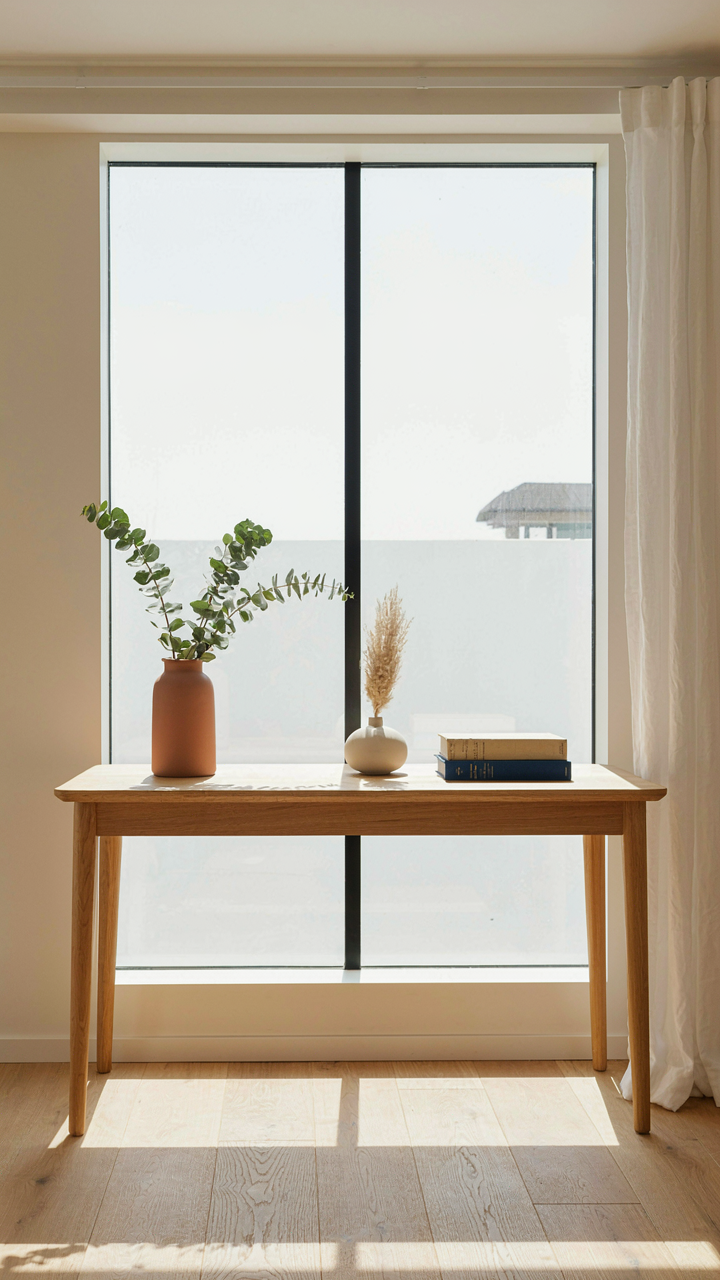
You want your entryway to feel intentional instead of like a neglected hallway, and light is the cheapest tool that actually works. Natural light operates on a physics principle called inverse square law: brightness drops dramatically the farther it travels from the source, which means console table placement relative to windows determines whether light hits it or misses it entirely. Position your console perpendicular to windows, not parallel. This angle catches the beam’s strongest throw and bounces it across the table’s surface instead of skimming past it.

The mistake most people make is treating console placement as a decorative choice. It’s not. Windows dictate function. If your entry has one window, the console faces it. If you have multiple windows, the console sits in the zone where their light overlap creates the brightest real estate. A mirror behind the console reflects light back into the room, but only if it’s positioned to catch the beam first. Measure the sun’s angle at the time you use your entry most, then place your console in that path.
Layered Artificial Light And Visual Depth
Layered lighting sounds design-magazine generic until you understand that it prevents one light source from flattening your console into a single plane. Most people hang one fixture above or beside a console and call it done. That produces glare, shadows that hide the table’s actual surface, and a visual dead zone. The real system uses three light types working together to create dimension.
- Overhead task lighting: A flush-mount or semi-flush fixture directly above the console, bright enough to illuminate items on its surface without causing gloss reflection on the tabletop itself. 40-60 watts equivalent LED works for most entryways.
- Accent lighting on objects: A small picture light, clip lamp, or narrow-beam spot aimed at a single item (framed photo, sculpture, plant) creates a focal point and pulls the eye into the table’s depth instead of scanning across it flatly.
- Wall sconces at eye level: Mounted flanking the console at roughly 60 inches from the floor, sconces create ambient light that softens the transition between console and wall while adding visual weight to the entry’s vertical plane.
- Under-console or toe-kick lighting: LED strip lighting installed beneath the table’s base creates a subtle glow that separates the console from the floor, making the piece feel anchored and adding warmth without appearing obvious.
- Reflected ambient light: Light bouncing off the ceiling from sconces or fixtures creates fill light that reduces harsh shadows on the console surface, making whatever sits on top readable instead of silhouetted.
Install bulbs rated 2700K color temperature minimum. This warm kelvin value mimics afternoon sunlight and doesn’t create the clinical pallor of 4000K or 5000K options. The layering system works because each light source serves a specific function: one reveals, one accents, one frames, one grounds, one softens. No single source carries the load alone, so your console reads as intentional instead of spotlight-staged. Build the lighting system in stages starting with overhead, then add accent, then add perimeter sconces. Test each layer before moving to the next. Stop when the console surface reveals detail without producing glare.
The Real Obstacle To A Warm Entryway Isn’t The Table; It’s Your Unexamined Desire For External Validation

You don’t need a console table makeover. You need to stop designing for the Instagram version of yourself. Every styling choice you’ve made so far came from a fear of looking wrong, not from what actually makes you feel at home. Pick one object you genuinely love. Put it on the table. Live with it for a week without apologizing. That’s where warmth starts. You can’t buy authenticity, but you can stop performing for an audience that doesn’t exist.