The Illusion Of Easy Coffee Table Makeovers

Surface Fixes Don’t Compound Value
You want to believe a fresh coat of paint solves the problem because admitting otherwise means more work. Here’s what actually happens: paint hides damage but doesn’t address it. Wood that’s water-damaged, warped, or rotting underneath still deteriorates. You’re applying a band-aid to a structural issue. In six months, the paint cracks or peels because the substrate shifted. The table looks worse than before.
Paint adheres to clean, stable surfaces. If the wood moves, the paint fails. Most people skip surface prep—sanding, filling gaps, addressing moisture issues—because it takes time. They jump to the aesthetic layer. This is backwards. The makeover fails not because the paint is cheap but because the foundation was never sound. Skipping prep work creates a failure timeline you can predict.
The Real Cost Of Rushing The Process
People frame makeovers as weekend projects because that narrative sells. Economics calls this “time discounting”—you value the finished product now over its actual lifespan. A rushed makeover has a shorter effective lifespan, which means you’ll replace it sooner, which means the real cost per year is higher than doing it properly the first time. You’re not saving money. You’re redistributing expense forward.
Hardware installation rushed creates another trap. Loose handles or hinges wear faster and damage the wood around the attachment points. Misaligned drawers bind and crack. These aren’t cosmetic issues that age gracefully—they compound into structural failure. The proper protocol is: sand first, repair structural damage second, stain or prime third, paint fourth, hardware fifth. Skip or compress any step and the timeline to failure shortens. Build the makeover for the table’s remaining lifespan, not for next weekend.
Deconstructing The Old Coffee Tables: Beyond Surface Level Flaws
When The Frame Still Works
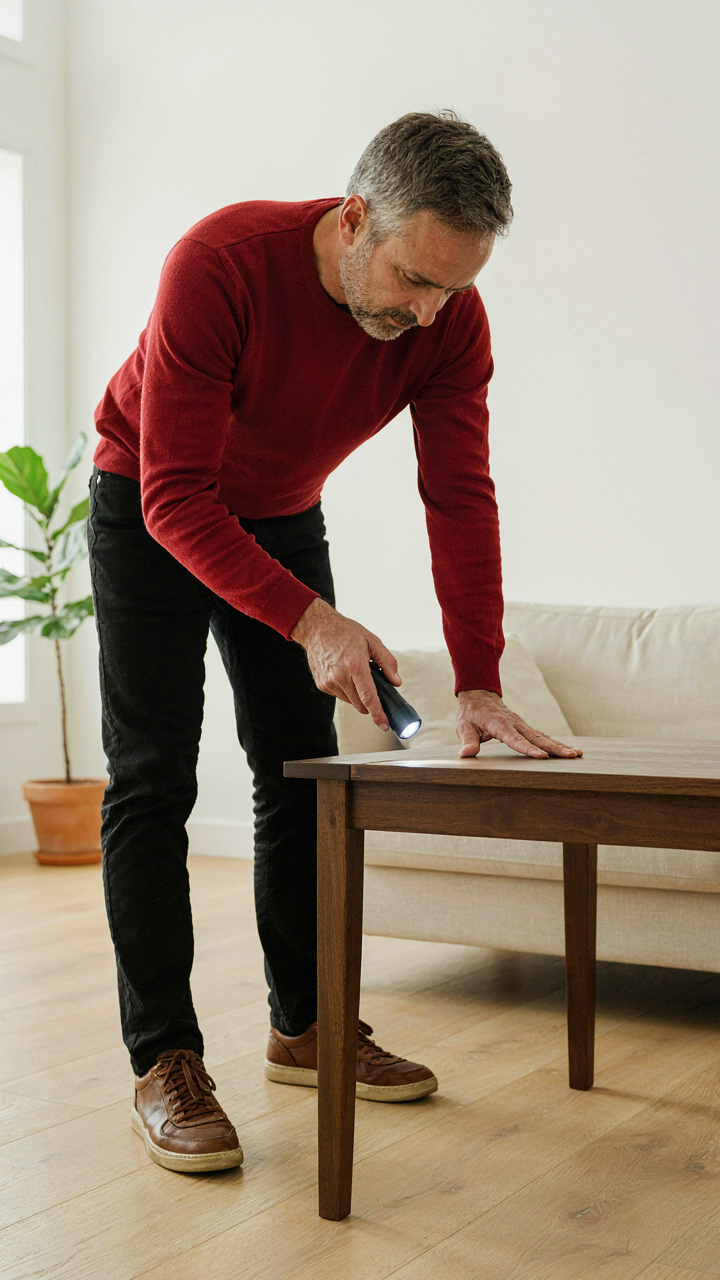
You want to believe the table is worth saving because throwing it away feels like failure. Here’s the mechanism: structural integrity and cosmetic damage are separate problems, and confusing them costs you time and money. Use the engineering principle of load distribution to assess your table. The frame must support weight without flex or wobble at the corners and center. Press down firmly on all four edges and the middle. Any movement signals frame failure, not a paint job fix.

Real structural issues mean the joinery is compromised. This happens at corner blocks, dowel joints, or where the apron connects to legs. You cannot hide this with hardware or paint. If joints are loose, the table will fail under normal use within months. The cost of repair often exceeds replacement, so decide now whether the frame is sound enough to invest in further work. Pull out a flashlight and inspect underneath where joints connect.
The Material Under What You See
Materials dictate what finishes will actually stick and last. Most coffee tables use veneer over plywood, solid wood, or particle board, and each responds differently to paint and stain. Veneer-topped tables need primer that bonds to the slick surface, or your paint peels. Solid wood accepts stain and paint reliably if you prep properly. Particle board absorbs primer unevenly and swells if moisture penetrates the finish.
Run your hand over the underside and edges to identify the base material. Particle board feels slightly soft and shows wood chips at edges. Veneer shows a thin decorative layer over plywood. Solid wood displays consistent grain throughout edge grain. This single identification determines your entire approach to refinishing. Misidentifying material means choosing techniques that fail after two weeks of use. Once you know what’s underneath, your paint and hardware choices become obvious rather than guesswork.
The Material Science Of Coffee Table Refinish: More Than Just Paint

Wood Grain And Porosity Determine Everything
You want this to look intentional, not like you’re covering up damage. Here’s what actually matters: wood grain and porosity aren’t aesthetic details—they’re physics. Open-grain woods like oak and ash have larger cellular cavities. Close-grain woods like maple have denser fiber structure. Paint adheres differently to each because surface area differs drastically. A table with open grain needs different prep than closed grain, period.

Most people sand and paint the same way regardless of wood type. That’s why their finishes peel or look chalky in six months. Open-grain woods absorb primer unevenly, creating soft spots where paint flexes and fails. Close-grain woods reject primer if you don’t address the surface tension properly. You need to match your approach to the actual wood structure you’re working with, not the look you want.
Primer Selection Stops Paint Failure Before It Starts
Everyone talks about primer like it’s interchangeable. It isn’t. The wrong primer is the primary reason refinished coffee tables fail. Water-based primers dry fast but sit on the surface of closed-grain woods. Oil-based primers penetrate and bond chemically to wood, especially important for tables that take impact and temperature swings. Hybrid primers exist, but they’re compromises—faster than oil-based, tougher than water-based, worse at both than specialty primers.
Your table endures heat from coffee cups, temperature fluctuations from seasonal changes, and repeated pressure from elbows and objects. The primer bridges the wood and topcoat. If the primer fails, the paint peels within months, no matter how good the finish coat is. Apply primer in thin, even coats and let it cure fully before sanding. Rushing this step guarantees visible adhesion failure before the year ends.
The “Resonance” Method: Aligning Form And Function
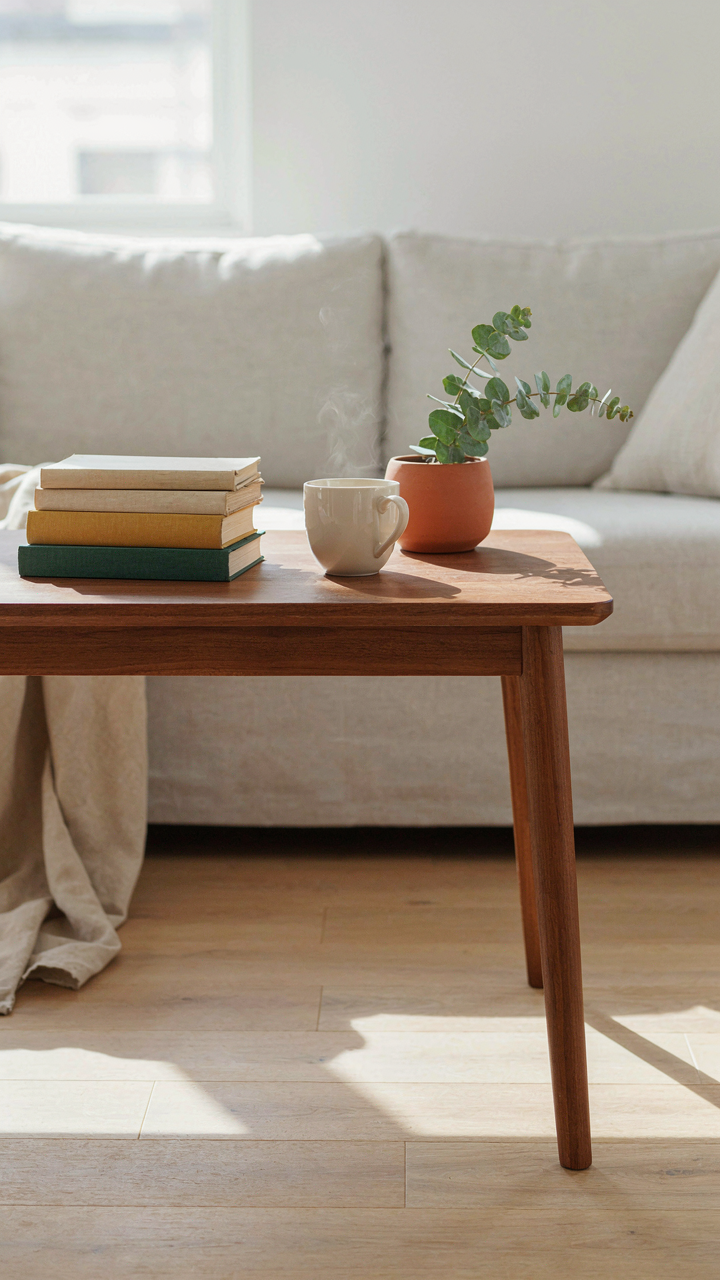
Material Selection Shapes How People Use Your Table
You want your table to look intentional, not like you grabbed whatever was on sale. Here’s the mechanism: in acoustics, resonance occurs when a material’s natural frequency matches the energy passing through it. Your coffee table’s material does the same thing with how people physically interact with it. Wood absorbs sound and movement differently than glass or metal. That absorption changes behavior. People lean on wood tables differently than glass ones. They set drinks down with different force. The surface either invites casual use or demands care.
The common advice says “pick a durable material.” Wrong frame. You’re not just picking durability, you’re selecting the baseline interaction pattern your guests will unconsciously follow. Solid wood with a matte finish creates friction—people treat it as a workspace or casual zone. Glass creates visual lightness but psychological tension. Metal conducts both sound and the impression of coldness. When you refinish a table with paint, you’re changing its acoustic signature. A satin finish creates slightly more resistance than high gloss. That resistance alters how the table functions in the room’s energy pattern. Test this: paint a table with satin finish and notice how people naturally use it with more intention than a glossy surface.
Surface Texture Controls Movement And Attention
Surface texture determines whether your table absorbs or reflects user focus. Rough textures interrupt smooth motion. A distressed painted finish or hand-applied glaze creates micro-interruptions that make people slow down. They notice the table more. Smooth surfaces encourage flow. A sleek painted top in one color reads as invisible furniture. People move across it faster, engage with it less, treat it as background.
The makeover move is deliberate: if your goal is a table people actually use and notice, add texture through paint technique or hardware placement. Raised hardware, visible brushstrokes in paint application, or intentionally uneven finishes create stopping points for the eye and hand. If you want the table to disappear into the room, sand everything smooth and apply one unified color. Your hardware choice amplifies this. Large statement pulls or handles telegraph that the table is furniture worth touching. Small flush hardware does the opposite. When you refinish, your final step isn’t decoration. It’s deciding whether the table should command attention or serve as a neutral base.
Creative Coffee Table Transformations: Strategic Hardware Selection
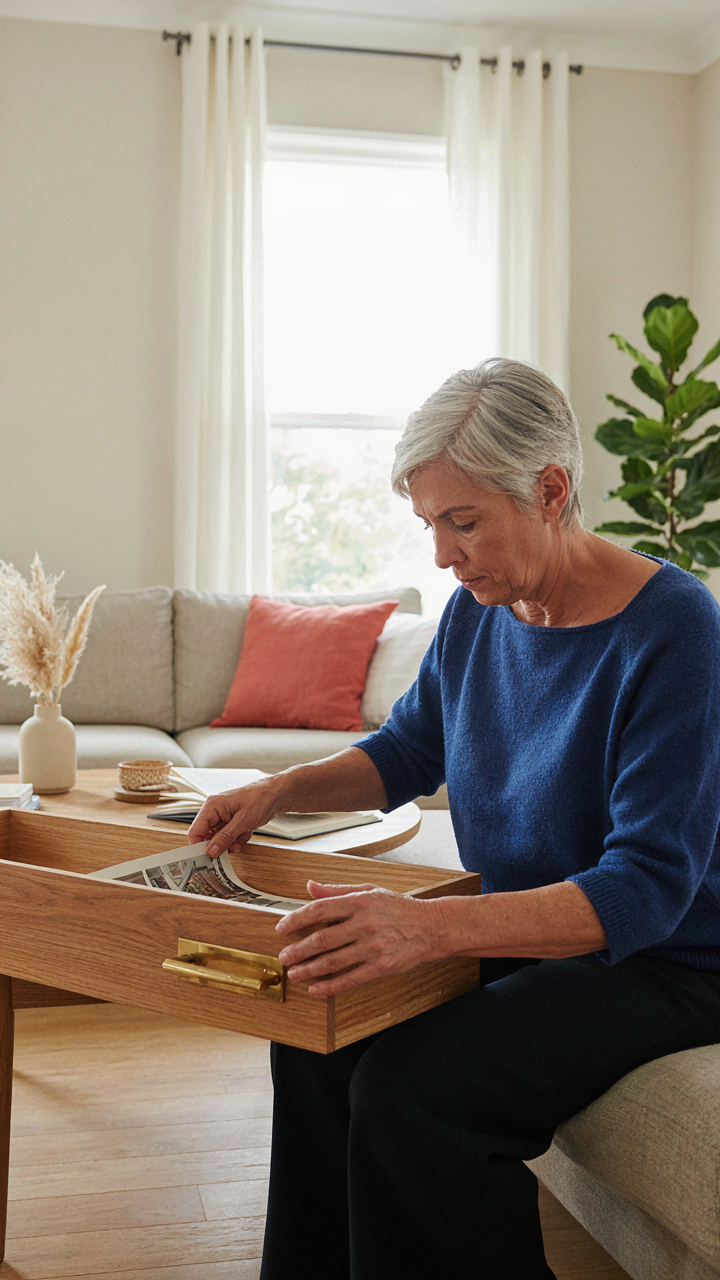
Hardware As Visual Weight
You want hardware to fix what paint alone can’t: the perception that your table matters. The mechanism is borrowed from industrial design—load-bearing capacity signals permanence. On a coffee table, hardware doesn’t need to bear structural load, but it must appear to justify its presence through intentional placement and material choice.
Brass, steel, and iron handles communicate different things. Brass reads as deliberate and considered. Steel reads as functional. Iron reads as heavy. Choose based on what your painted surface needs to say about itself, not what looks trendy. Hardware placed at stress points—drawer pulls, hinged storage edges, corner brackets—creates visual logic that makes the entire piece feel engineered rather than assembled.
Weight Distribution And Touch
Ergonomics isn’t about comfort here; it’s about usability that validates the piece’s existence. Pull placement determines whether someone can actually open a drawer or lift a hinged top without fighting the table’s geometry. Bad hardware placement makes people resent the object.
Pulls mounted too high or too low on drawer faces force awkward hand angles. Hinges set too far inboard create dead space and weak leverage points. Test the movement path before purchasing hardware. The rule: your hand should travel in a straight line from resting position to full pull. Hardware becomes invisible only when it disappears into actual use. When someone opens your remade table without thinking about it, the hardware worked.
Painted Coffee Table Ideas: The Pigment Psychology Protocol
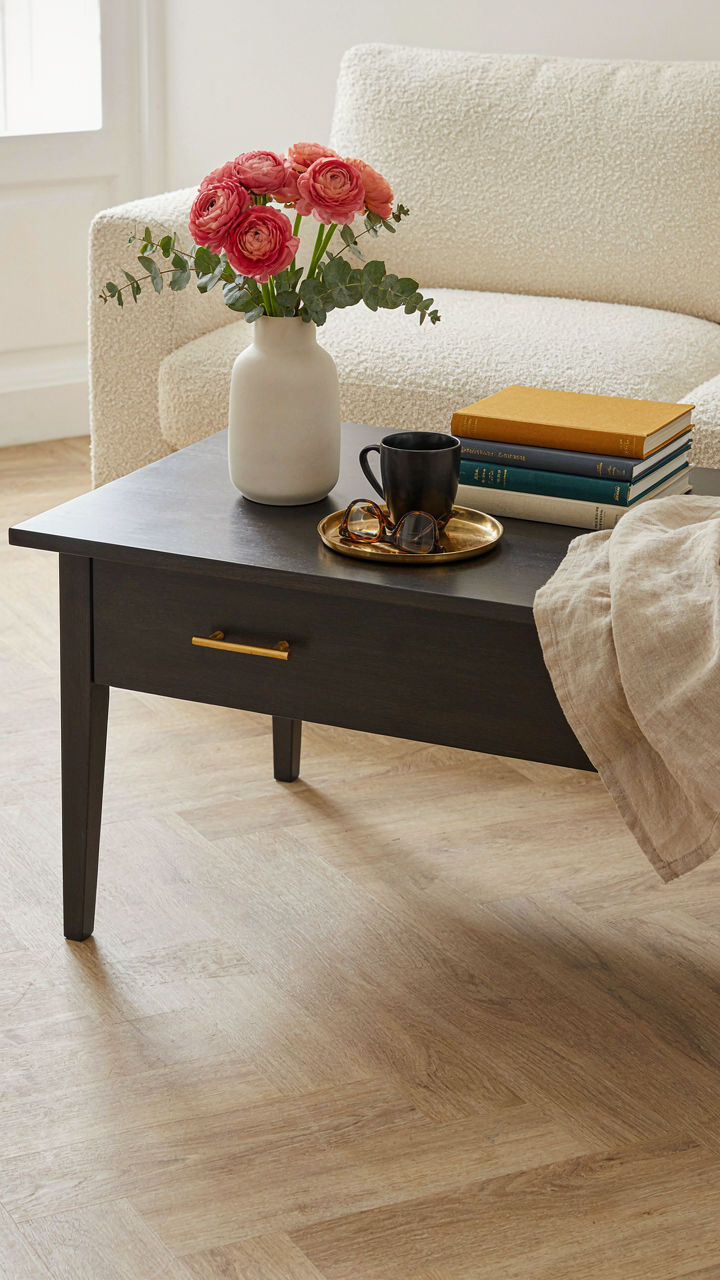
Color Theory Works On Utility, Not Just Feeling
You want the table to look intentional because you’re tired of it looking like an accident. Here’s the mechanism: color doesn’t manipulate emotion in some mystical way. Color communicates function. Warm colors advance visually, making surfaces feel closer and more intimate. Cool colors recede, making a table blend into the background. This isn’t aesthetic preference. It’s physics. A warm-toned coffee table becomes a focal point. A cool-toned one becomes furniture.
The real application separates from design magazine nonsense. Dark grays and blacks demand maintenance visibility but anchor a room’s visual weight. Warm whites and creams reflect light and reduce the table’s perceived mass. Choose your color based on what role the table plays in your room’s visual hierarchy, not based on what’s trending. If the table needs to disappear, go cool and light. If it needs to anchor the seating area, go warm and saturated.
Opposition Creates The Usable Contrast
Most paint advice tells you to match the room or pick a complementary color. That’s incomplete guidance. Contrast works through interruption. When you paint a coffee table a distinctly different value from its surroundings, you force the eye to process it as a separate object. This matters for utility because a visible coffee table gets used differently than an invisible one.
High contrast happens through value difference, not color difference alone. A matte black table in a light room reads as contrast. A matte navy in the same room barely registers. The mechanism: your eye detects value shifts faster than hue shifts. Pair the table’s paint color with hardware that mirrors or opposes that value. Brass hardware on dark wood creates warm interruption. Black hardware on light wood creates cool interruption. The hardware becomes the emphasis point that directs how people interact with the surface.
Chalk Paint Coffee Table Myths Debunked: The True Application

When Chalk Paint Actually Wins
You want chalk paint to be magic because it feels easier than prep work. It’s not. Chalk paint beats standard latex or acrylic when you need adhesion on surfaces that reject primer: polyurethane finishes, glossy veneers, or sealed wood. The mechanism is simple chemistry. Chalk paint contains calcium carbonate particles that grip slick surfaces mechanically instead of relying on primer to create a chemical bond. On raw wood or properly primed surfaces, chalk paint offers no advantage over cheaper alternatives.

The real use case is salvaged furniture with unknown finishes or multiple coats of old paint you can’t strip. Chalk paint sticks to what other paints slide off. You avoid the sanding-and-primer step that eats time. But if your coffee table is bare wood or already primed, standard paint costs half as much and dries harder. Apply chalk paint only when the surface demands it, not because the trend demands it.
Surface Prep Determines Everything Else
Common advice says chalk paint needs no primer. This is half true and half dangerous. Chalk paint adheres without primer on glossy surfaces, but adhesion and durability aren’t the same thing. A coat of chalk paint on polyurethane will stick initially and peel later under use because it rests on top of a slick base layer that flexes independently from the paint film above it.
Sand glossy surfaces with 120 to 150 grit before applying chalk paint. This breaks the shine and gives the paint texture to grip. For truly stubborn finishes, a deglosser or light scuff from 220 grit speeds the process without raising dust clouds. Apply chalk paint in thin coats, two at minimum. Thick coats mask prep failures temporarily but crack once the table flexes under normal weight. Sand lightly between coats with 220 grit to lock each layer.
Beyond The Brush: Advanced Coffee Table Painting Ideas

Creating Visual Depth With Surface Texture
You want people to notice the table without calling attention to the fact that you painted it. That’s the real gap. Texture works because it manipulates light reflection, which is borrowed directly from materials science. Unbroken flat surfaces bounce light uniformly. Textured surfaces scatter it, creating shadow and depth that reads as intentional craft instead of basic refresh.

The mistake people make is treating texture as decoration. It’s actually structural. You build it during the paint phase, not after. Techniques like dry brushing, stippling with a sponge, or dragging a comb through wet paint create actual surface variation. The table doesn’t look “textured” in a fake way. It looks considered. The depth reads immediately, and it covers minor imperfections that flat paint exposes ruthlessly.
Sealing Your Work So It Actually Lasts
The common advice here is incomplete: just use polyurethane and call it done. That misses the mechanism. Protective finishes aren’t just about preventing scratches. They create a barrier layer that determines whether your paint stays bonded or peels within months. Water, heat, and daily contact break paint down at the molecular level. The finish stops that process before it starts.
- Water Based Polyurethane: Dries clear, applies thin, builds protection through multiple coats. Requires more coats than oil based but no yellowing occurs over time. Standard choice for tables that see daily use.
- Oil Based Polyurethane: Thicker single coats, deeper amber tone, maximum hardness. Yellows slightly on light colors. Better for darker tables where warmth reads as intentional rather than aged.
- Matte Polycrylic: Fast drying, water cleanup, minimal gloss. Lower durability than polyurethane but adequate for decorative tables with light contact. Recoats within hours instead of days.
- High Build Epoxy: Two part system, industrial strength, genuinely permanent. Overkill for most coffee tables but necessary if you want zero maintenance for ten years. Requires precise mixing and application timing.
- Lacquer: Professional grade, ultra hard, fast curing. Requires spray equipment and ventilation. Not practical for home application but the standard furniture manufacturers use because it performs reliably.
Apply finish in thin coats rather than one thick coat. Thick applications trap air and cure unevenly, creating brittleness that cracks under stress. Sand lightly between coats with 220 grit or higher to ensure adhesion. The final step is mandatory: wait the full cure time before the table bears weight or holds objects.
The Coffee Table Transformation: From Object To Interface
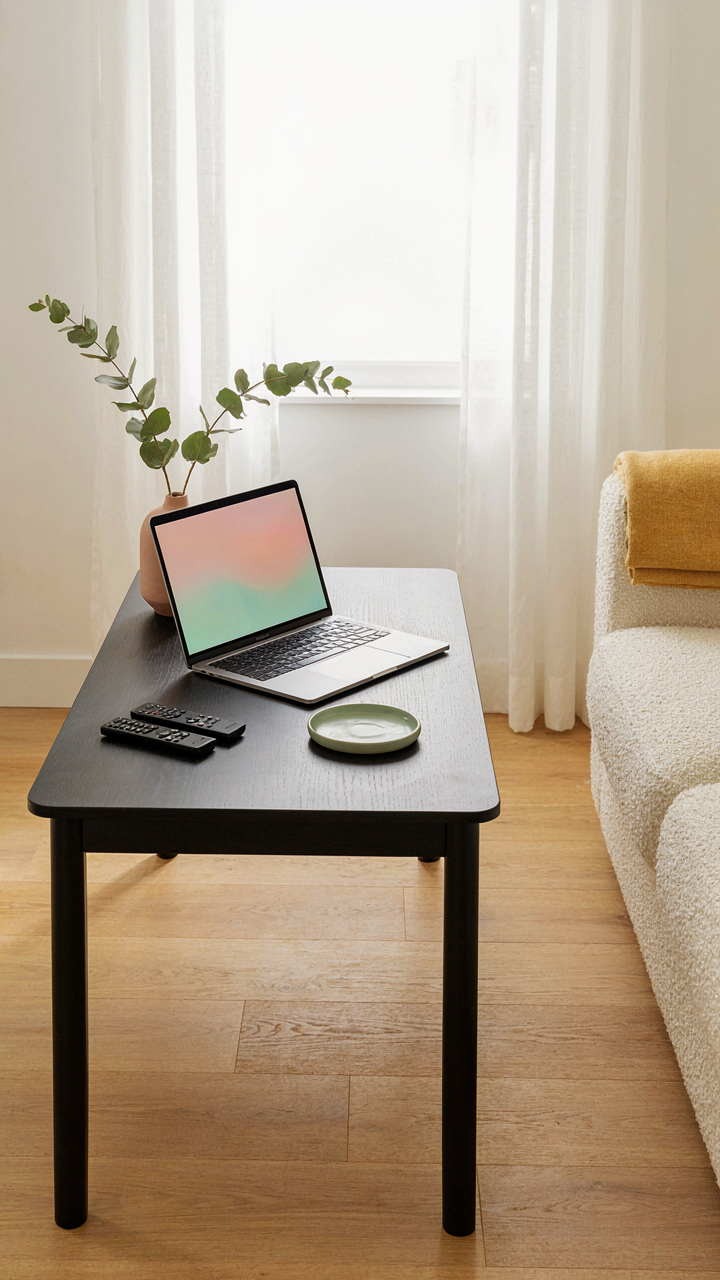
How You Actually Use It Matters More Than How It Looks
You want a coffee table that signals you have your life together. Here’s what people miss: the table doesn’t exist to look good. It exists to handle the friction of your daily routine without creating new problems. Think of your table like a loading dock—goods flow in, stack up, and flow out. The surface needs to support that cycle, not fight it. Most makeovers ignore traffic patterns entirely and focus on aesthetics, which is backward. Paint and hardware mean nothing if the table doesn’t fit how you actually live.

Map your daily use first. What lands on this table in the next three days? Laptops, remotes, magazines, drink rings, feet during calls, mail stacks. Now design backward from that inventory. A glossy painted finish looks sharp for two weeks until fingerprints accumulate and you resent touching it. Matte or satin finishes hide daily wear. Hardware placement matters too—if handles interrupt leg space or catch fabric, they’re friction, not improvement. The transformation only works when the object serves the interface of your life, not the other way around.
Storage That Doesn’t Hide, It Organizes
The advice to “add storage” is incomplete noise. Every coffee table can hold things. The real question is whether you’ll use that storage or just pile stuff on top of it anyway. Smart integration means the storage competes less with surface space, not just moves clutter out of sight. Drawer slides, hinged compartments, and shelf inserts only work if you access them more than twice a month. If you don’t, they’re dead weight disguised as functionality.
Hardware selection determines whether storage gets used. Push-to-open mechanisms sound convenient until they fail after six months of catching debris. Simple knobs or recessed pulls last longer and feel more intentional. Shallow shelves inside work better than deep wells—you see what’s there and retrieve it without excavating. If you’re adding hardware for storage doors or dividers, install pieces rated for the actual load and weight cycles you’ll put them through. Test the mechanism thirty times before deciding it stays.
The Unseen Value: Why True Coffee Table Makeovers Pay Off

You’re Not Buying Better Furniture, You’re Buying Better Daily Friction
You want to believe a makeover adds resale value. It doesn’t, not meaningfully. What actually happens is you remove friction from the room you use most. A coffee table sits in your sightline during work calls, meals, and downtime. Paint the base, upgrade the hardware, and you’ve lowered the cognitive load of that space. Your brain stops registering it as broken. Utility compounds when you stop being bothered by something you see eight hours a day.
The mechanism is simple: a worn table broadcasts neglect. Fresh paint and new hardware signal control. The table now holds drinks without wobbling, feels solid when you lean on it, and doesn’t demand your attention. You’ve turned a problem into an asset. That shift is economics, not decoration. You spend less mental energy compensating for a poor environment, which frees capacity for actual work and presence.
Constraint Creates Clarity In What You Actually Use
Design systems teach composition through limitation. Apply that here: when you makeover a coffee table, you decide what function stays and what goes. Most people inherit their table’s original design. They never question it. The makeover forces specificity. Do you need storage? Does the height work for your couch? Will hardware that catches light distract you during calls?
This is where personalization becomes tactical. You’re not adding character for Instagram. You’re removing every element that doesn’t serve your daily life. A table with unnecessary drawers creates mental friction. One with the right height and finish becomes invisible because it works. The makeover reveals what you actually need versus what you tolerate. Build toward invisibility, not decoration.
The Real Obstacle Isn’t A Shabby Table; It’s Your Shabby Design Thinking
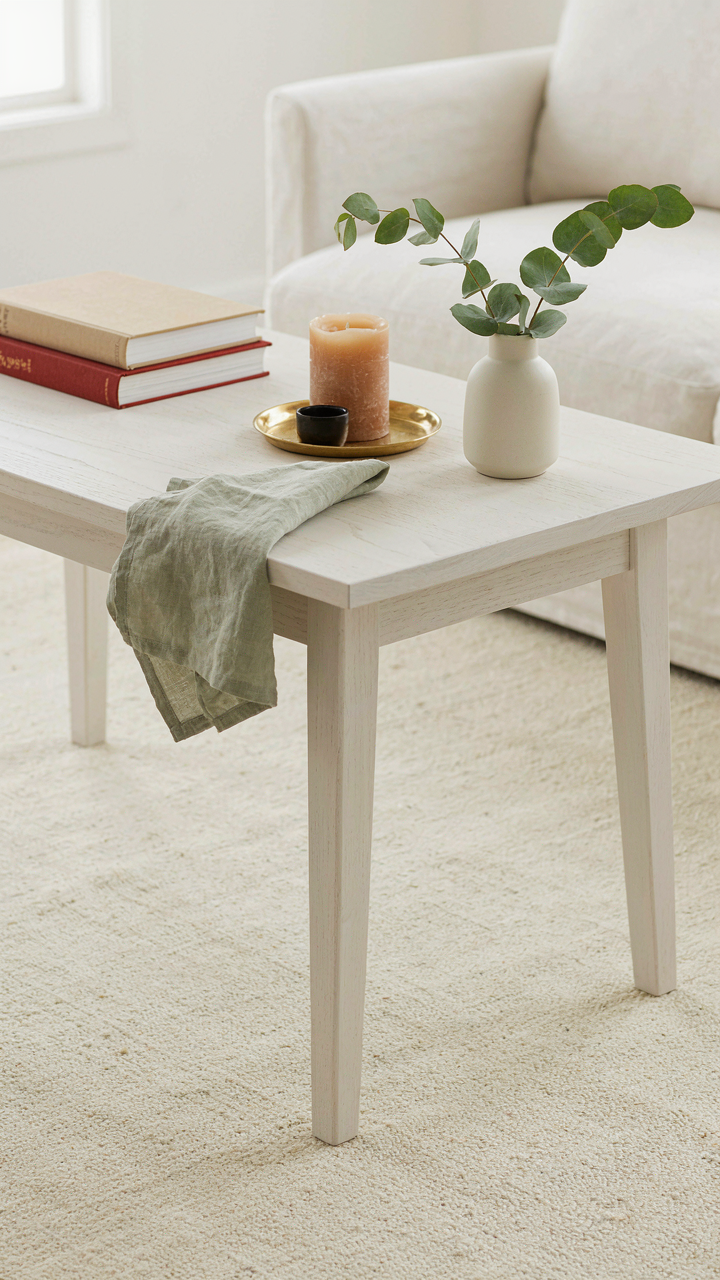
Most people see a worn coffee table and think they need to buy a new one. That’s lazy. The real problem lives between your ears. You don’t have a furniture problem. You have a vision problem. Stop scrolling Pinterest for inspiration and start asking yourself what you actually want the table to do in your space. Paint it. Change the hardware. Make a decision and execute it today. Your home doesn’t need more stuff. It needs you to stop waiting for permission to make it yours.