The Unseen Battlefield: Chemical Warfare In Your Garden
How Plants Deploy Volatile Compounds
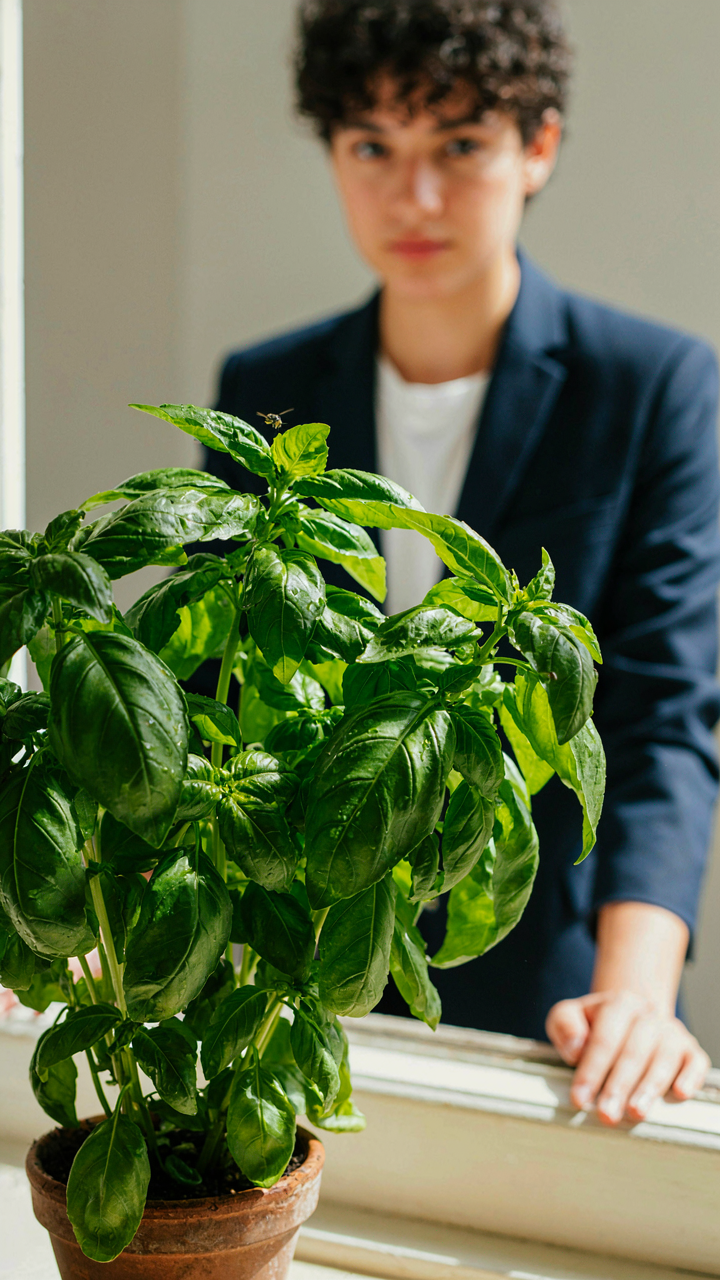
You want this section because you’re tired of guessing which plants work together and you want proof that your garden decisions matter. Here’s the mechanism: plants release volatile organic compounds (VOCs) through their leaves and roots as a direct chemical strategy, not a side effect. This is warfare borrowed from military doctrine. A plant doesn’t send scouts ahead—it broadcasts its position and deploys chemical weapons simultaneously. Basil releases linalool and methyl cinnamate. These aren’t fragrance accidents. They’re targeted payloads designed to repel specific insects while attracting their predators.
The VOCs don’t stay local. They diffuse into the air and soil, creating zones of chemical influence around each plant. Marigolds release thiophenes through their roots into the soil, creating an underground perimeter against root-knot nematodes. Mint pushes menthol and pulegone into both air and soil, establishing dual-layer defense. The mechanism isn’t mystical—it’s systemic chemistry with measurable reach. Your job is positioning plants so their chemical zones overlap strategically, creating compounded effect rather than wasting individual outputs on isolated plants.
Allelochemicals: What Actually Works And What Doesn’t
Everyone says “companion planting works” without naming what’s actually happening. It’s incomplete. Allelochemicals are the specific compounds plants produce to inhibit or enhance growth in neighboring plants. Some suppress competitors. Others attract pollinators or predatory insects. Dill produces compounds that suppress fennel growth—this is documented, not folklore. But planting them next to each other doesn’t automatically prevent the inhibition. Distance, soil concentration, and timing all factor into whether the allelopathic effect registers or gets neutralized by water, airflow, and microbial breakdown.
The real protocol: plant allelopathically compatible species within two to three feet of each other for air-based VOC benefit, and understand that root-zone allelochemicals require denser proximity and active soil contact. Borage enhances tomato growth through both air volatiles and root exudates. Nasturtium acts as a sacrificial trap crop, drawing aphids away through volatile signals detectable from distance. Place nasturtium downwind or in a perimeter position, not randomly. The action step is mapping your garden’s prevailing wind direction, then positioning high-volatile plants upwind of crops you want to protect, ensuring chemical signals reach targets before dispersing.
Beyond Pollinators: The Beneficial Insect Industrial Complex
Attractors For Predator Armies
You want this section because you think beneficial insects will solve your pest problem on their own. They won’t. Predatory insects need fuel and shelter before they hunt anything. This is basic ecology: predators require a stable food source to establish territory. Most gardens offer neither, so predators pass through and leave.

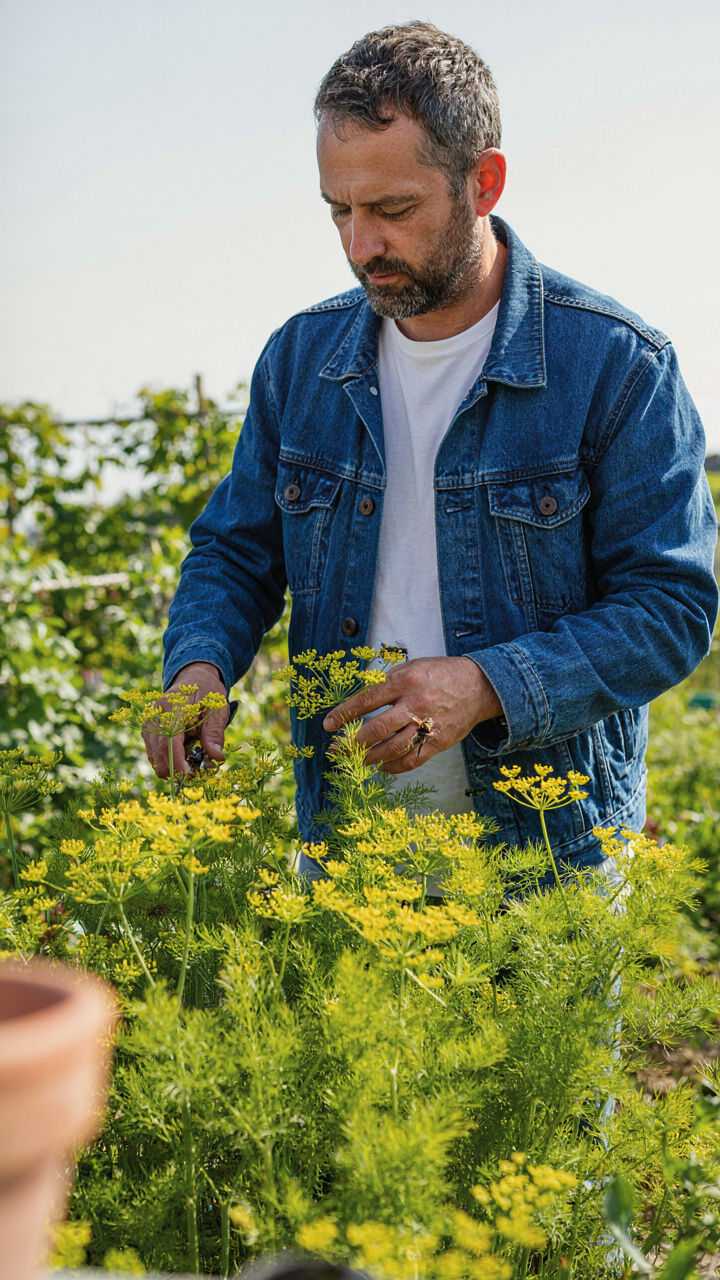
Flowering herbs and small-flowered plants feed the insects that eat your pests. Parasitic wasps, ground beetles, and hover flies need nectar and pollen during their non-hunting phases. They’re attracted to plants with consistent blooms across seasons, not one-time flowers. Plant dill, fennel, and yarrow in clusters near problem areas. These herbs produce small flowers that small beneficial insects can actually land on and feed from. The predators stay because food stays.
Host Plants: Engineering Pest Traps
The common advice is wrong. People say to plant herbs “nearby” pests to lure them away. That’s backwards logic masquerading as strategy. Military doctrine calls this a feint, and companion planting uses host plants the same way: you’re not distracting pests, you’re concentrating them where you want them, then leveraging the predator population you’ve built on your flowering herbs.
Certain plants attract specific pests reliably. Nasturtiums draw aphids hard. Borage pulls hornworms. When you plant these as sacrificial crops near your vegetables, you create a predictable pest concentration. Predatory insects learn the location and hunt there systematically. This only works if your herb borders are already established and flowering. Without the predator army fed and positioned first, host plants just give pests a buffet. Plant your herb and flower borders in year one, establish predator populations through season two, then deploy host plants as pest traps in season three and beyond.
The Soil Syndicate: Nutrient Hacking With Companion Herbs Planting
Dynamic Accumulators: Mining Soil Minerals
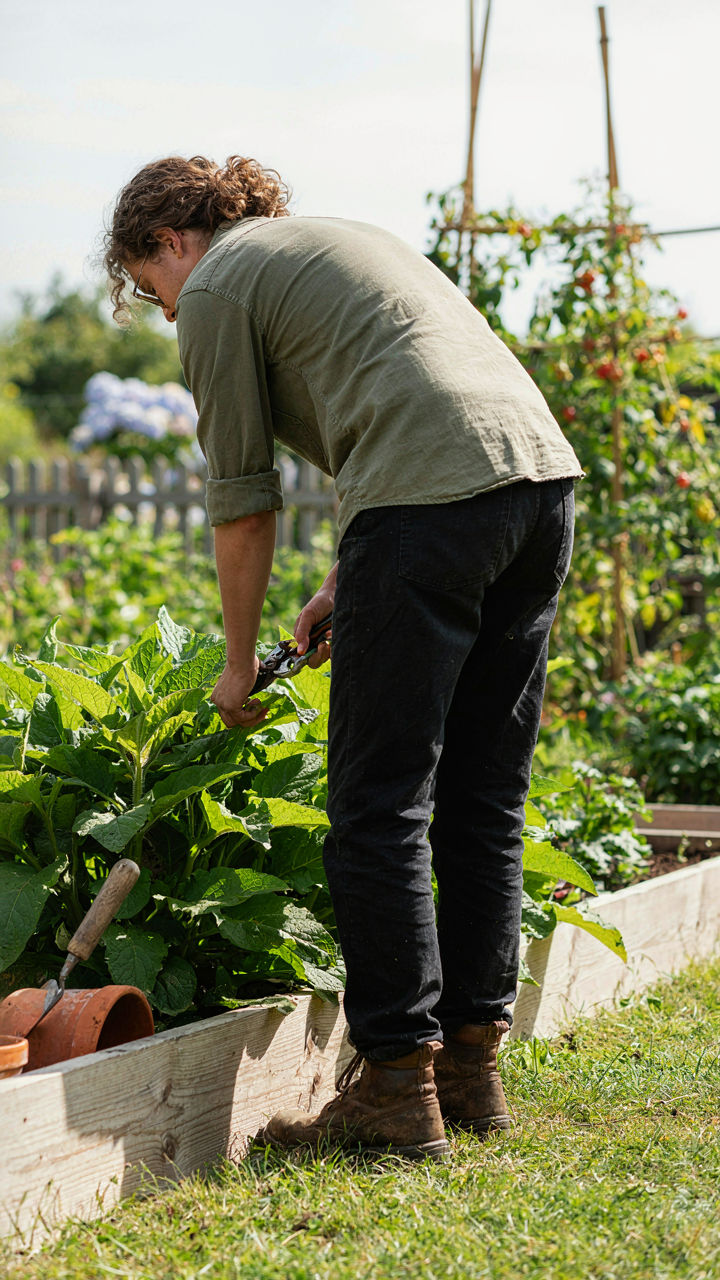
You want free nutrients without buying fertilizer. Here’s what actually happens: certain plants grow deep root systems that pull minerals from subsoil layers inaccessible to shallow-rooted crops, then dump those minerals into leaf litter you can harvest or chop into your beds. This is bioaccumulation, borrowed straight from environmental science. Plants like comfrey, borage, and yarrow are mineral miners—they reach down 4 to 6 feet and pull up calcium, phosphorus, and potassium your tomatoes can’t access alone.

The mechanism is simple: deep-rooted herbs accumulate what shallow-rooted vegetables cannot reach. When you cut comfrey leaves and lay them on soil or add them to compost, those minerals become available to surface feeders. Plant these accumulators on garden edges or in dedicated zones where they won’t compete. Within one season, you’ll have a renewable mineral source that costs nothing beyond the initial plant.
Nitrogen Fixers: Covert Fertilizer Production
Most people think nitrogen comes from bags. It doesn’t. Legumes—beans, peas, clover—partner with rhizobium bacteria that live in root nodules and convert atmospheric nitrogen into a form plants use. This happens invisibly underground, no action required from you. When legume roots die or you cut and compost the plant, that stored nitrogen feeds whatever grows next. It’s biological manufacturing happening in your soil.
Companion herb legumes like alfalfa and vetch produce 100 to 200 pounds of nitrogen per acre annually when managed correctly. Plant them as cover crops between growing seasons or as border companions. Let them grow, then incorporate them into soil 2 to 3 weeks before planting high-demand crops. Nitrogen fixers solve fertility without external inputs—if you use them as a rotation, not an afterthought.
The Companion Planting Protocol: Engineered Microclimates

Shade And Windbreaks Shape Plant Performance
You want to believe that plants thrive on their own merit. They don’t. The real mechanism here comes from microclimate architecture, borrowed from the field of ecology where the concept of “niche” describes the exact conditions an organism needs to survive. In companion planting, you’re engineering niches by controlling light and wind exposure through strategic plant placement.

Tall herbs like fennel and dill cast shade on heat-sensitive crops. This isn’t decoration. It lowers soil temperature, reduces water evaporation, and prevents bolting in cooler-season plants positioned downwind. Windbreaks using sturdy flowers like sunflowers or cosmos reduce transpiration stress and prevent young seedlings from snapping. The placement compounds the benefit: plants grouped on the leeward side of a taller companion experience measurable reduction in wind damage and water loss.
Humidity Control Stops Fungal Disease Spread
Most gardeners blame fungus on rain or watering method. That’s incomplete. Fungal spores activate only when humidity reaches specific thresholds and stays there. Air circulation is the neglected control variable, and certain herb companions manipulate it directly by altering air density around neighboring plants.
Aromatic herbs like lavender and sage produce oils that evaporate into the air, changing local humidity patterns. More importantly, their thin foliage doesn’t trap moisture the way dense plants do. Position these volatile herbs upwind of susceptible crops like basil or mint to increase air movement and lower relative humidity. This isn’t a bonus—it’s a disease prevention mechanism. The protocol: identify your most disease-prone plants, then place drying herbs in a line perpendicular to prevailing wind direction, creating a humidity gradient that keeps fungal pressure below the activation threshold.
The Deception Strategy: Repelling Pests With Companion Gardening

Masking Scents Hiding Target Crops
You want pest control without chemicals because it feels like you’re winning something. The real mechanism is olfactory masking—borrowing from chemistry, we call this signal-to-noise disruption. Pests locate food by airborne chemical trails. When you plant strong-scented herbs near target crops, you drown out the target’s chemical signature. The pest’s navigation system fails. Basil near tomatoes, dill near brassicas, cilantro near beans—these aren’t random pairings. Each herb releases volatiles that compete for the pest’s sensory receptors.

The key is proximity and density. A single basil plant ten feet away does nothing. You need the herb close enough that its scent envelope overlaps the crop’s. Marigolds near vegetables work because their sulfur compounds mask brassica glucosinolates that cabbage moths track. Chives near carrots disrupt carrot fly chemoreception. This only works if you plant densely enough that the herb’s scent dominates the immediate microclimate around your target crop. Sparse planting is wasted effort.
Sacrificial Plants Diverting Enemy Attacks
People call these trap crops or sacrificial plantings, but they’re using military terminology without knowing it—a feint. You’re positioning an expendable force to draw fire away from the main objective. Nasturtiums planted near beans attract aphids that would otherwise devastate your legumes. The aphids colonize the nasturtium first because it’s palatable and adjacent. Your beans survive because the pest population is occupied elsewhere.
This works only when you use plants that pests prefer over your target crop. Nasturtiums over beans works because aphids find nasturtiums more palatable. Phacelia over brassicas works because it attracts hoverflies whose larvae consume cabbage worms. Plant the sacrificial crop at the garden perimeter or in clusters between your main plantings. Don’t plant it randomly. The pest must encounter it before reaching your crop.
The Herb Companion Planting Matrix: Strategic Pairings

How Plants Actually Compete And Cooperate
You want to feel like you’re orchestrating something sophisticated instead of just throwing seeds in dirt. The real mechanism here is resource partition, borrowed straight from ecology. Plants don’t cooperate out of kindness. They occupy different soil depths, root timing, or nutrient uptake windows to avoid direct competition. Basil and tomatoes work together not because they’re friends, but because basil’s shallow roots and rapid nitrogen consumption operate on a different timeline than tomato’s deeper, slower draw. Understanding this framework changes how you read plant relationships.

Antagonistic pairings fail for one reason: overlapping resource demands at the same intensity level. Fennel and most garden plants struggle together because fennel releases allelopathic compounds and also demands the same nitrogen window as heavy feeders. Borage and beans shouldn’t share space because both fix or require nitrogen aggressively, creating direct conflict rather than complementarity. The successful matrix isn’t built on folklore. It’s built on root depth charts, nutrient timing, light stratification, and chemical interference patterns. Document what actually happens in your garden rather than trusting generic pairing lists.
Density And Diversity Through Layered Planting
The mistake most gardeners make is treating polyculture like a decorative arrangement instead of a stacking system. You want maximum output per square foot, not maximum variety for visual appeal. Start with your base crop, identify its root depth and canopy spread, then layer in plants that occupy unused space at different heights and soil levels. A tomato occupies vertical space and deep roots. Basil fills the middle canopy gap and draws shallow nitrogen. Alyssum grows as ground cover and supports pollinators without competing for resources. Each layer serves the system’s productivity.
- Vertical Stratification By Canopy Height: Arrange plants so they don’t shade each other during critical growth phases. Tall plants like dill go north. Medium herbs like oregano go center. Ground covers like thyme go south and edges. This maximizes light penetration to every layer.
- Root Depth Mapping: Deep-rooted plants like lovage access nutrients shallow feeders can’t reach. Shallow-rooted basil and chives stay in the top 6 inches. Medium-rooted companions like sage bridge the gap. Stagger planting dates so nitrogen cycles don’t collide.
- Bloom Timing For Pollinator Continuity: Plant early bloomers like cilantro and late bloomers like oregano to maintain pollinator presence through the season. This improves fruit set on companion vegetables and extends the garden’s productive window.
- Allelopathic Buffering: Dill attracts beneficial insects but inhibits carrot growth. Plant dill on the perimeter with a gap, not adjacent. Use borage as a chemical buffer between fennel and sensitive crops to break the direct interference pattern.
- Diversity For Pest Pressure Distribution: A monoculture loses 40 percent of yield to one pest species. Mixed plantings force pests to search longer. Alternating aromatic herbs like rosemary with culinary herbs fragments habitat for specific pest populations.
Plant polycultures by mapping root zones on paper first, then spacing based on mature canopy width, not seedling size. This prevents the overcrowding that kills the entire system in week four.
The “Chaos Theory” Of Companion Planting Vegetables

Emergent Properties From Randomness
You want to believe that companion planting works because it’s controllable—that you can engineer a garden like an algorithm and predict the output. It doesn’t work that way. Borrowed from chaos theory in physics, “emergence” describes how complex patterns arise from simple interactions between independent agents. In your garden, this means basil near tomatoes doesn’t create predictable results because one herb plus one vegetable equals one outcome. Instead, emergence happens when multiple organisms interact simultaneously—soil microbes, insects, root exudates, and competition for nutrients all amplify or dampen each other in ways that defy linear cause and effect.

The counterintuitive truth: gardens with higher plant diversity stabilize faster than monocultures because the system has more feedback channels to correct imbalances. When you plant borage among your vegetables, you’re not just adding an insect attractor. You’re introducing root systems that occupy different soil depths, creating microbial communities that wouldn’t exist otherwise, and adding chemical compounds that shift the rhizosphere. These overlapping systems create redundancy. If one mechanism fails, others compensate. This is why chaotic-looking polycultures outperform neat rows of single crops in stress conditions like drought or pest pressure. The system self-corrects through sheer complexity rather than through your deliberate control.
Feedback Loops That Self Regulate
Companion planting stabilizes through feedback loops—the garden’s own regulatory mechanism. Positive feedback amplifies change, negative feedback dampens it. Most gardeners only recognize the positive loops: more flowers attract more pollinators, which means more fruit set. But the regulatory work happens in the negative loops nobody talks about. Plant fennel near dill, and they compete for similar pollinators and soil nutrients. This competition naturally caps their populations before either dominates and depletes resources. Nasturtiums near cabbage attract cabbage moths away from your crop, but they also attract parasitoid wasps that prey on the moths—a self-limiting cycle that prevents complete pest elimination or complete devastation.
The mechanism is biological regulation through resource scarcity and predator-prey dynamics. When you add calendula among vegetables, it becomes a trap crop for spider mites, drawing them away from your plants. As mite populations spike on calendula, predatory mites move in and crash the pest population, then the predators starve back down when prey runs low. This loop repeats in smaller oscillations until the system settles into stability. Stop trying to achieve perfect balance through your inputs. Instead, design enough diversity that the garden’s own regulatory mechanisms can function. Plant herbs like cilantro and dill in clusters, not scattered. Let them flower and set seed. This creates the density threshold where natural enemies can establish populations large enough to regulate pests without your intervention.
Execution: Implementing Your Companion Planting Chart
Read Your Site Before You Plant
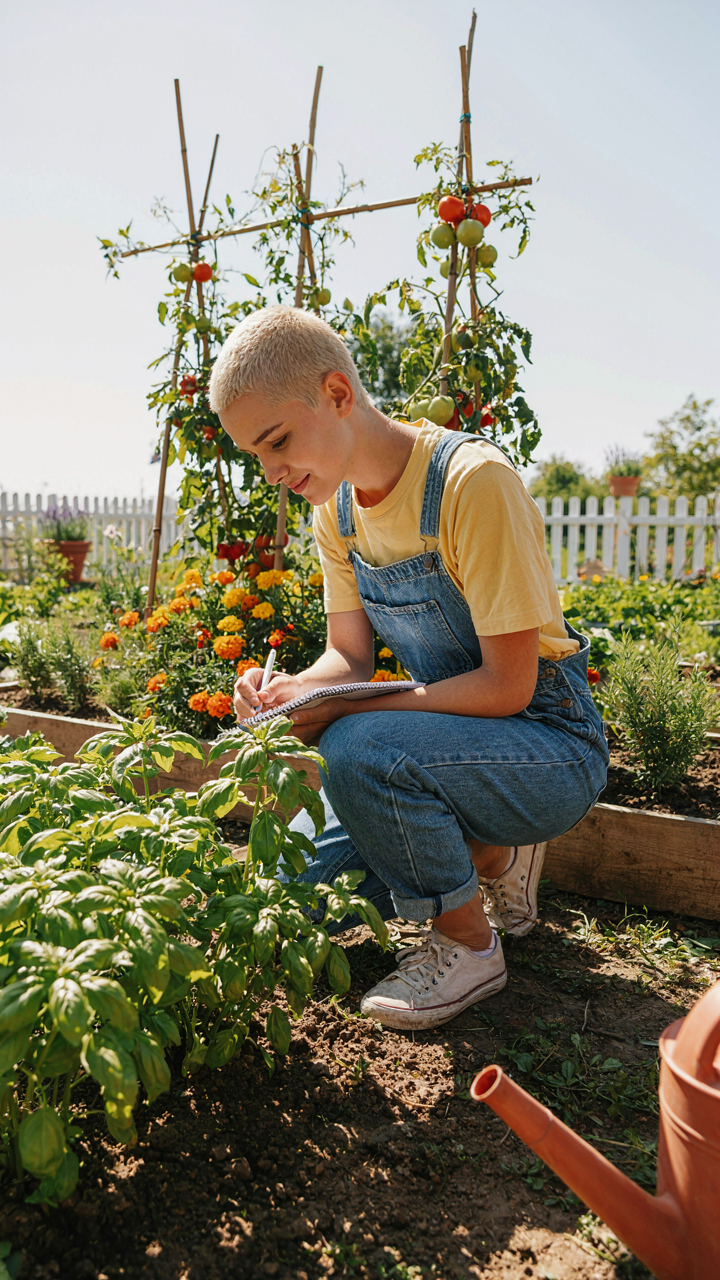
You want to skip this step because it feels like work, and you’d rather start digging. Don’t. The real mechanism is simple: soil pH, sunlight hours, and drainage patterns determine which plant combinations actually function, not which ones look good on paper. Think of it like electrical load capacity in a circuit—pairing basil with tomatoes works only if both thrive under your specific conditions.

Most gardeners assess their land once, then ignore what they found. That’s backward. You’re looking for microclimates: spots that are wetter, hotter, shadier, or more exposed than surrounding areas. Companion planting charts assume average conditions. Your garden isn’t average. Document what you observe for two weeks before planting anything.
- Sunlight mapping: Track direct sun hours in morning, midday, and evening. Mark which areas receive full sun (6+ hours), partial shade (3-5 hours), or full shade (under 3 hours). This determines which herb and flower pairs you can actually deploy in each zone.
- Drainage testing: Pour water on soil in different spots. Fast-draining areas (water disappears in minutes) suit drought-tolerant herbs like oregano and thyme. Slow-draining areas (water pools) need moisture-loving companions like parsley and mint.
- Soil pH sampling: Use a basic kit to check acidity or alkalinity. Lavender and sage prefer alkaline soil (pH 7+). Basil and borage prefer neutral to slightly acidic (pH 6.5-7). Mismatched pH kills pairing benefits.
- Wind exposure zones: Identify where wind accelerates moisture loss. Tall flowers like sunflowers act as windbreaks for delicate herbs. Low-wind spots support cilantro and dill without extra stress.
- Existing vegetation patterns: Note where weeds grow densely or where native plants already thrive. These reveal soil conditions and nutrient availability without lab work. Your existing ecosystem tells you what the ground actually supports.
Once you map these patterns, overlay your companion planting chart onto reality. A combination that works in zone 7 full sun might collapse in your zone 9 partial shade. Execution starts with specificity, not general rules.
Deploy In Waves, Not All At Once
Companion planting fails most when people install everything simultaneously, then panic when half of it dies. Instead, use the agricultural principle of staggered deployment: test small sections first, observe results, then scale. This is how commercial farms actually operate.
Your first wave plants 20 percent of your planned garden with one or two companion combinations. Let them establish for three to four weeks. Watch for pest pressure, disease, growth rate, and whether the plants actually support each other as expected. Basil and tomatoes might work beautifully in theory but struggle in your specific setup due to humidity or soil composition. Better to learn this on a small scale.
Wave two expands to 50 percent of your garden, incorporating what you learned from wave one. You’ll adjust spacing, add protective herbs where pests appeared, or shift flower placements for better pollinator access. Wave three fills remaining space. This method prevents total crop loss and forces you to remain engaged rather than checking in once and hoping things work out. Each deployment refines your understanding of what your particular plot actually needs.
Beyond The Buzz: Strategic Companion Planting For Garden Domination

The Self Correcting Garden System
You want to stop working so hard. That’s the real reason you’re reading this section. The mechanism is simple: a mature companion planting system generates its own feedback loops. Insects arrive. Predatory insects follow. Soil biology shifts. Nitrogen cycles change. Your job stops being constant intervention and starts being observation and minor adjustment. This is ecology operating on its own terms, not you fighting against nature every season.
Build density first, then observe what happens. Plant basil near tomatoes. Add yarrow nearby. Watch for aphids in week three. Notice which insects arrive in week five. The system teaches you its rules faster than any manual. After two seasons, you’ll recognize patterns that took gardeners decades to map. The work becomes prediction instead of reaction.
Iteration Beats Perfection In Real Time
Most companion planting advice treats your garden like a static blueprint. It’s not. Your soil pH changes. Your rainfall patterns shift year to year. Pests evolve resistance. Yesterday’s perfect spacing becomes this year’s bottleneck. You need a protocol for refinement, not a rigid plan you defend.
Document three things each season: what thrived, what failed, and which combinations reduced pest pressure the most. Borage and beans might work brilliantly one year and mediocre the next. That tells you something about your specific microclimate, not that the advice was wrong. Add one new combination per season. Remove one that underperformed. This keeps your system alive instead of calcified. The garden that changes survives. The garden that stays the same gets predictable.
The True Obstacle Isn’t Knowing What To Plant; It’s Your Passive Approach To Active Ecological Systems
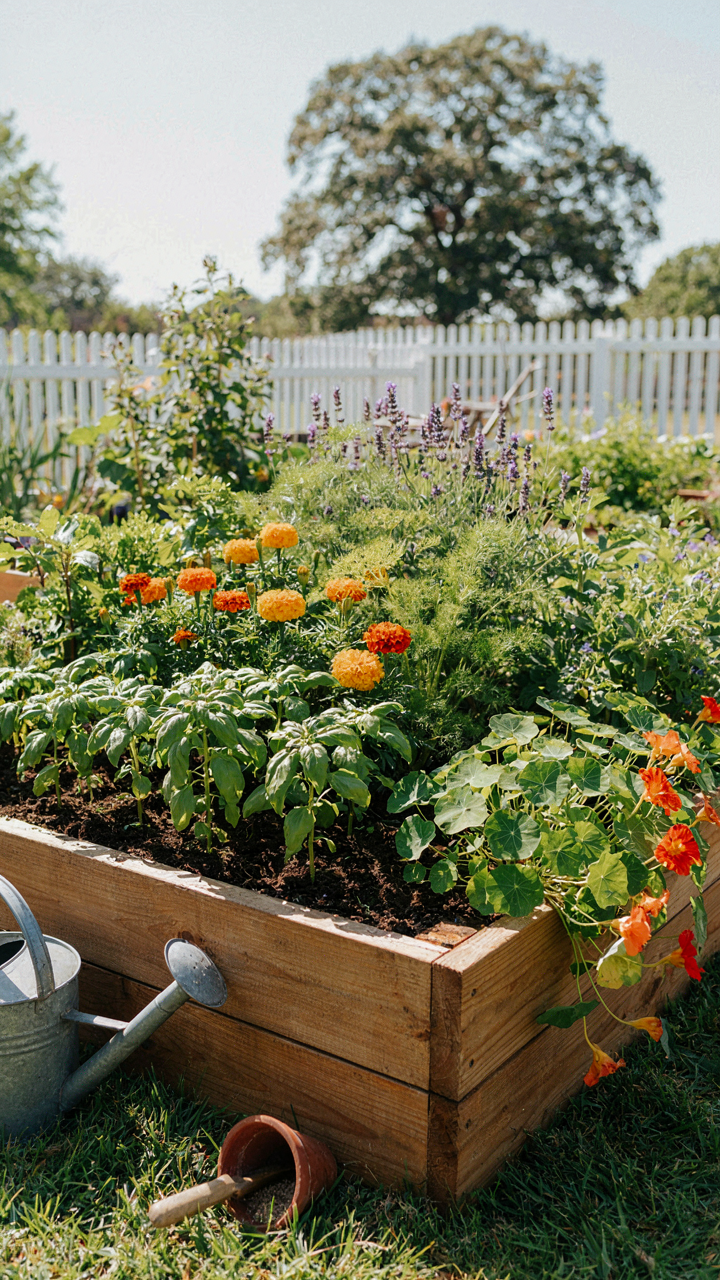
Most gardeners treat companion planting like a checklist. They memorize combinations and plant them. Nothing changes. The real work happens when you start observing your specific soil, your insects, your microclimates. Stop waiting for perfect knowledge. Plant basil next to your tomatoes today. Watch what happens. Adjust tomorrow. You don’t build a healthy garden by reading about it. You build it by treating your garden like a living system that talks back to you if you actually pay attention.