
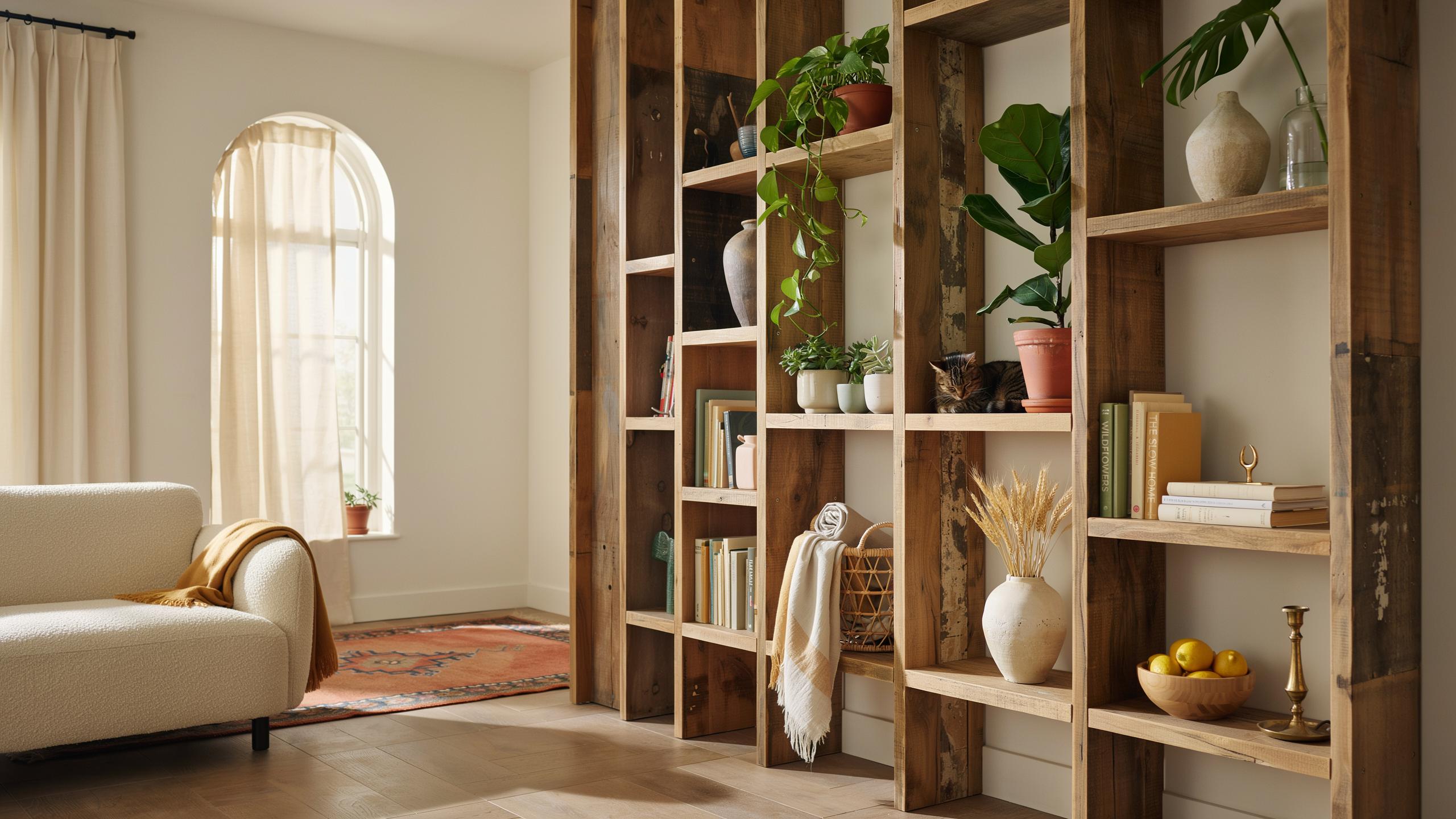
Embracing The Character Of Reclaimed Wood Shelf Elements
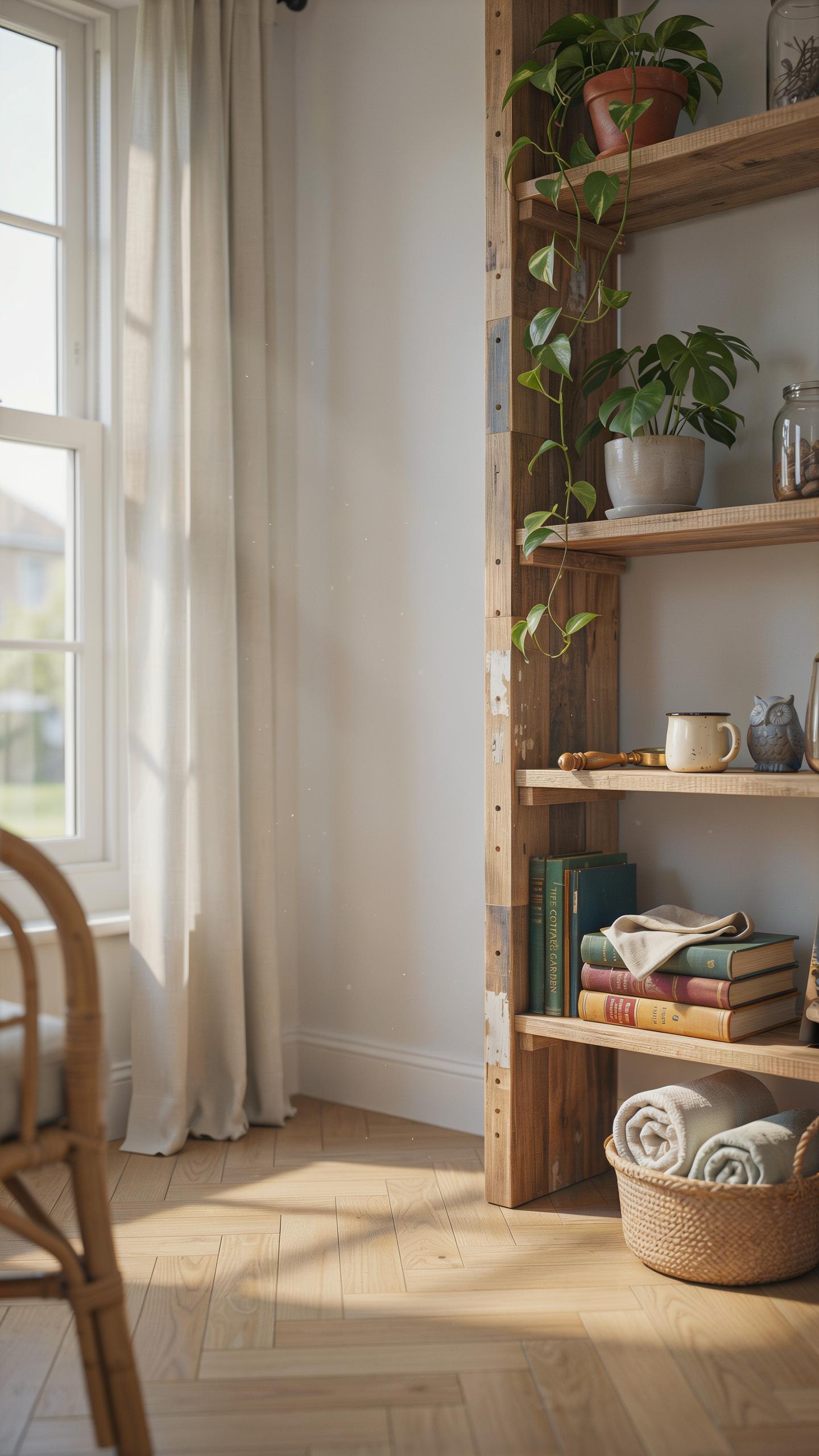
Understanding Wood Species And Historic Patina
Reclaimed lumber comes from specific sources: historic barns, factories, warehouses, and old buildings. Heart pine, oak, and Douglas fir dominate the salvage market because these species were structural standards in 19th and early 20th century construction. The wood you source carries decades or centuries of exposure, creating surface patterns and color variations that new timber cannot match.
The patina on reclaimed wood reflects its actual history. Weathering, nail holes, tool marks, and color variations are authentic evidence of use. This authenticity drives design value because homeowners seek genuine character rather than manufactured distressing. The wood’s density and grain structure differ significantly from modern fast-growth timber, making it structurally superior for shelving applications.
The Environmental Benefits Of Repurposing Lumber
Choosing salvaged timber for shelving reduces demand for new logging operations. Every board you repurpose represents one less tree felled for construction material. Reclaimed wood diverts high-grade structural lumber from landfills where it would decompose and contribute to methane emissions over decades.
The lifecycle impact matters. Reclaimed lumber requires no new growth cycles, no transportation from forests to mills, and minimal processing before installation. This reduction in industrial activity directly lowers your project’s carbon footprint compared to new lumber sourcing and manufacturing.

Creative Reclaimed Wood Shelf Designs For Modern Spaces
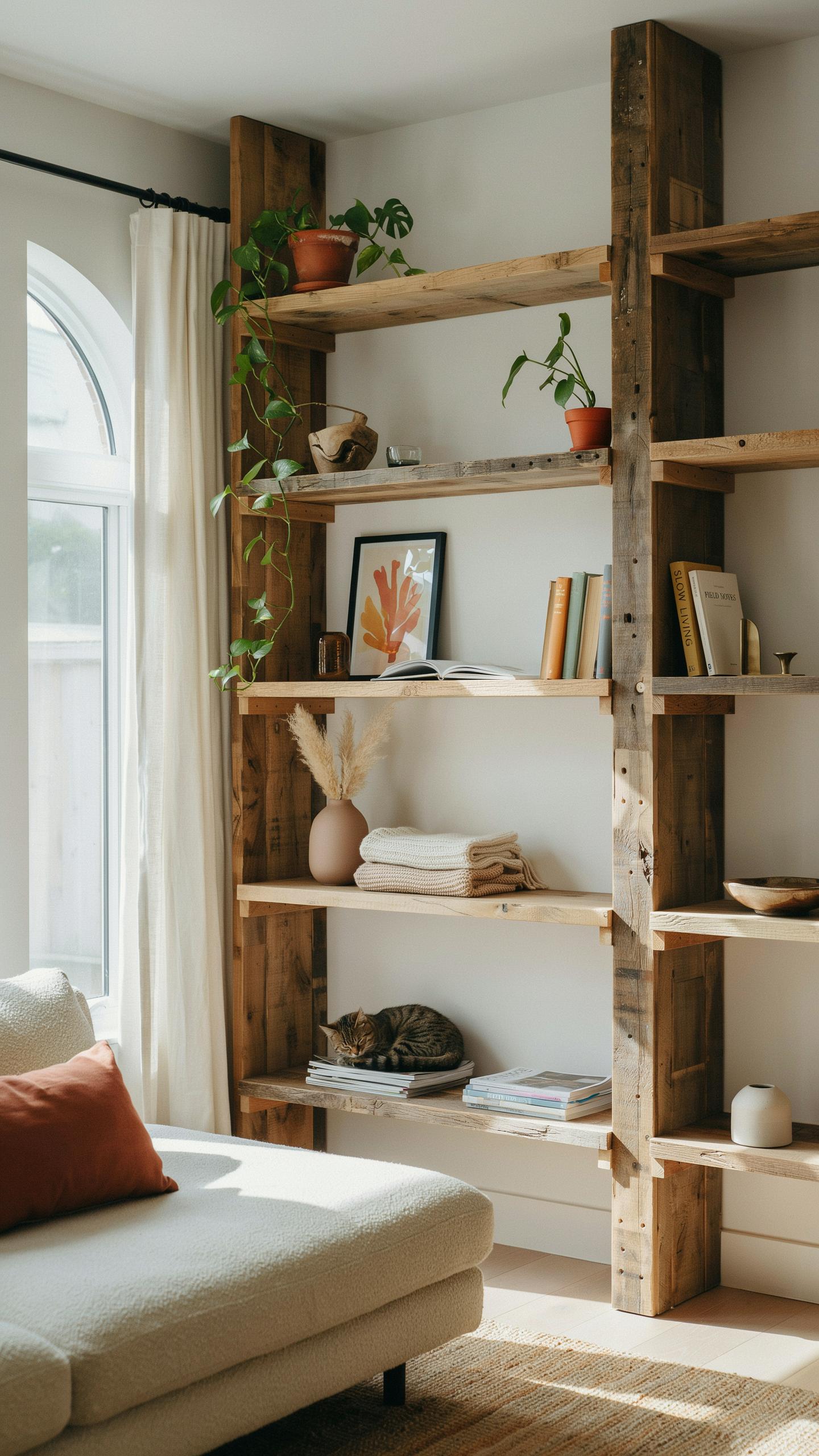
Minimalist Floating Shelves With Industrial Brackets
Floating shelves paired with exposed black iron pipes or steel brackets deliver clean lines without visual clutter. This approach works because the bracket system handles all structural load while the shelf face remains uninterrupted. Heavy-duty hardware rated for adequate weight capacity is non-negotiable. The contrast between reclaimed wood grain and matte black metal creates deliberate visual tension that reads as intentional design rather than accident.
The industrial aesthetic emerged from early 20th century factory aesthetics and gained traction in contemporary interiors during the 2000s onward. Reclaimed wood sourced from barn beams or salvaged flooring complements steel components because both materials show age and patina. This combination works in residential spaces, offices, and retail environments. Installation requires proper wall anchoring into studs or using toggle bolts for drywall applications.
Live Edge Slabs For Organic Texture
Live edge wood features bark lines and natural contours preserved from the tree’s outer perimeter. Thick slabs, typically two to four inches deep, showcase wood grain variation and weathered surfaces effectively. Salvage yards and specialty lumber suppliers stock these pieces from reclaimed or deadfall sources. The unfinished edges create sculptural profiles that command attention without requiring additional embellishment.

Mounting live edge slabs demands robust bracket systems because thickness and density vary significantly between wood species. Reclaimed oak, walnut, and chestnut provide different weight characteristics and visual qualities. Temperature and humidity fluctuations cause wood movement, so brackets must allow slight shifting without compromising integrity. These shelves function as both storage and focal point in modern interiors seeking tactile, natural elements.
Unique Wood Shelving Ideas For Every Room In The House
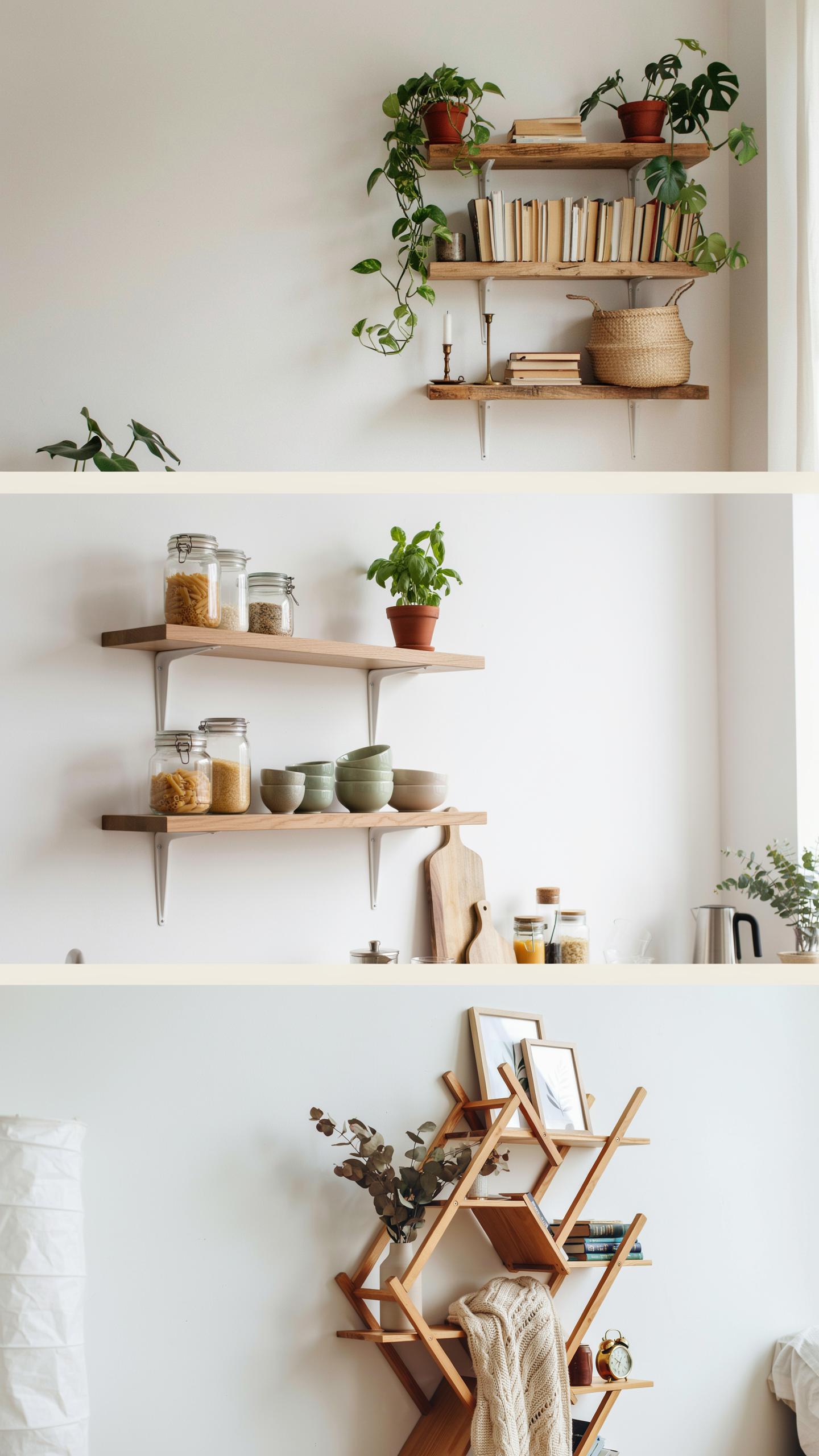
Functional Kitchen Spice And Crockery Racks
Reclaimed wood planks thicker than one inch handle weight better than standard lumber. Oil treatment protects against moisture and staining from food prep. Mount shelves at elbow height for easy access to daily dishes and spices. Heavy dinnerware needs sturdy support brackets rated for your load capacity.
Open kitchen shelving stores items you use frequently. Spices, glasses, and bowls become part of your kitchen design when displayed properly. Reclaimed wood adds warmth that stainless steel cannot match. This setup eliminates cabinet searches and reduces prep time.
The stories of the past are etched into every knot and grain of reclaimed wood, turning a simple shelf into a sanctuary of memories. To live with old materials is to honor the soul of a home while elevating every corner with timeless character.
Cozy Living Room Accent Shelves
Position shelves above fireplaces or media centers to frame focal points in your room. Robust timber handles the weight of art books, framed photos, and decorative objects. Reclaimed planks draw eyes upward and create visual interest without cluttering floor space. Proper installation into wall studs prevents sagging under display items.

Family heirlooms and artwork gain prominence on reclaimed wood shelving. The aged patina of recovered materials complements vintage and contemporary pieces equally. Strategic lighting highlights your collection and adds ambiance to evening gatherings. This approach transforms walls into curated displays that reflect your home’s character.
Curating Elegant Rustic Bookshelf Ideas For Literature Lovers
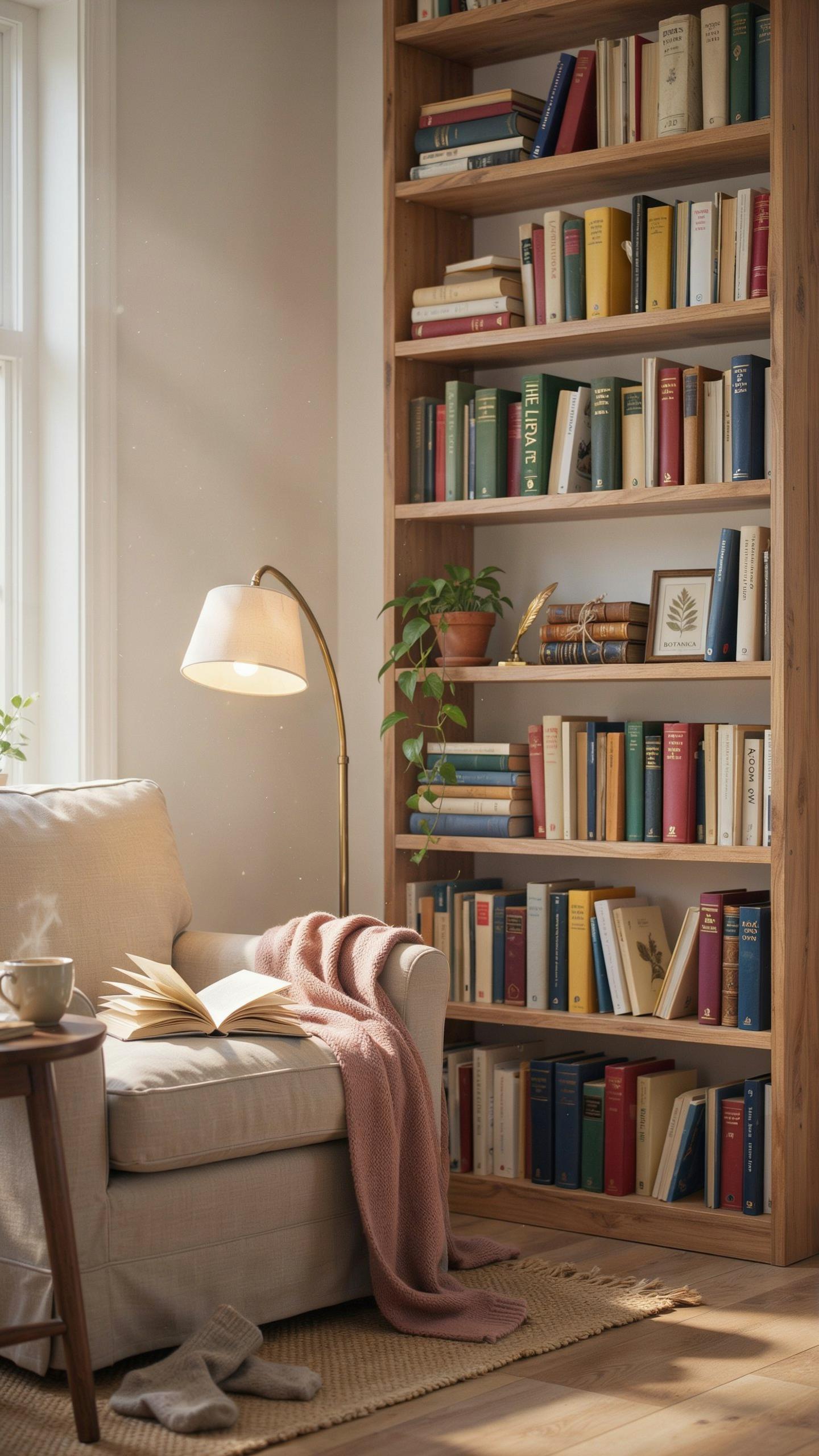
Floor To Ceiling Industrial Pipe Bookcases
Threaded steel plumbing pipes create structural shelving that handles weight without flex. Pair them with reclaimed pine boards that show genuine weathering from age. This combination delivers the industrial aesthetic because it uses authentic materials, not reproductions. The pipes screw directly into wall studs, ensuring stability for book collections that span years of accumulation.
Weathered pine boards darken naturally over decades of exposure to sunlight and moisture. These boards absorb and release tension gradually, resisting warping better than new wood. The patina visible on reclaimed pine cannot be artificially replicated in a factory setting. This approach creates archival-quality storage that functions as both display and preservation for valuable book collections.
Freestanding Ladder Shelves For Small Spaces
Vintage wooden orchard ladders were engineered to distribute weight evenly across their A-frame structure. Adding horizontal plank inserts between ladder rungs creates usable shelf space without permanent wall installation. This flexibility matters in rental situations or when you need to reorganize room layouts. The ladder design itself becomes the visual focal point, reducing the need for additional decorative elements.

Reclaimed ladder shelves move easily compared to built-in bookcases, giving you control over placement and rearrangement. The inherent stability of the A-frame design prevents tipping when loaded with books of varied sizes. Wood from vintage ladders typically shows legitimate wear patterns, tool marks, and finishing variations that signal authenticity. This approach solves storage challenges in apartments, studios, and bedrooms where wall space is limited.
Implementing Clever Rustic Shelving Ideas In Compact Areas
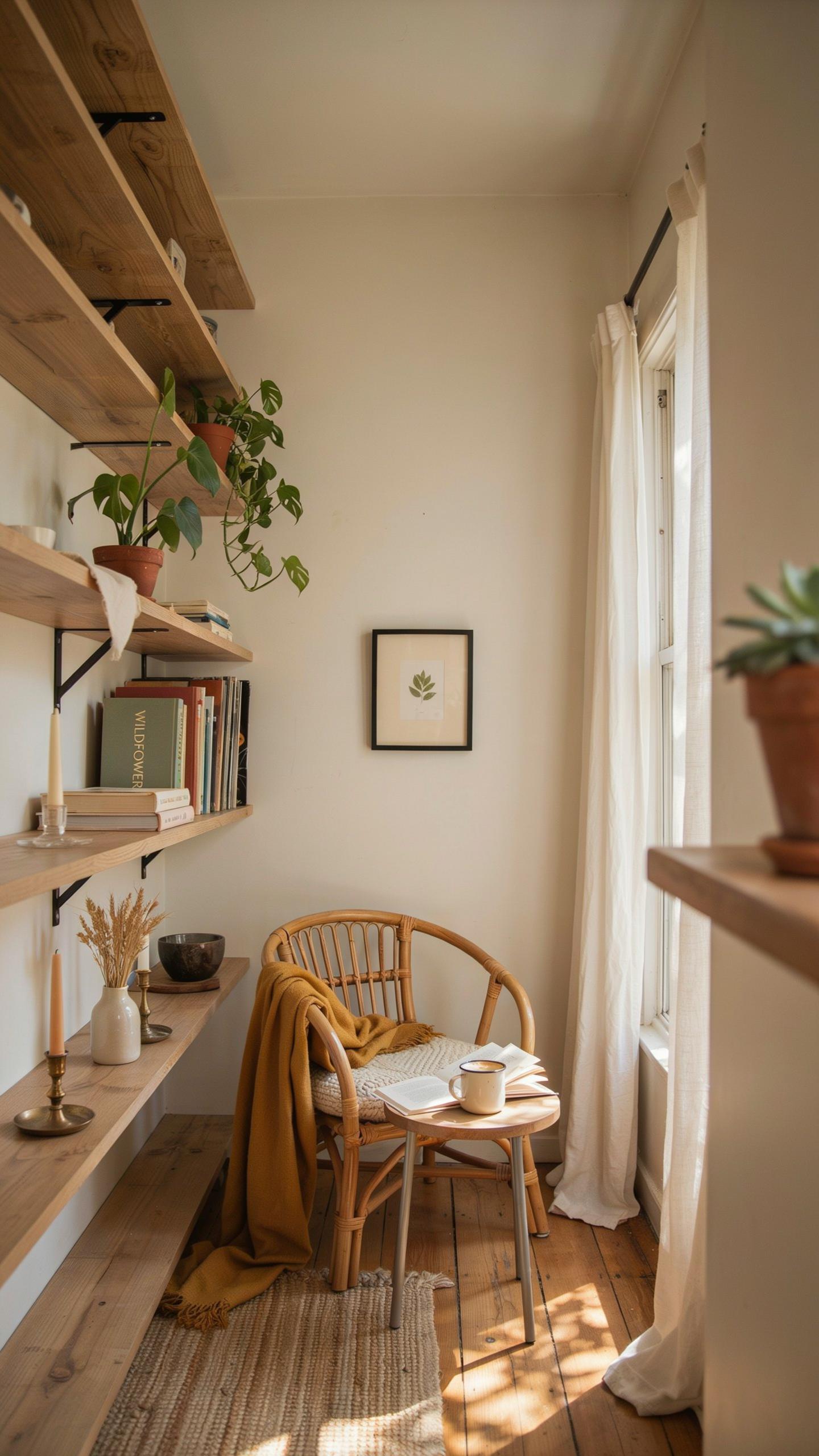
Corner Shelving Solutions For Blank Walls
Corner spaces waste valuable real estate in small rooms and hallways. Reclaimed wood slabs fit these areas efficiently when custom cut into triangular shapes. This approach uses dead zones that standard rectangular shelving cannot access. The angled design creates functional display space without protruding into the room’s center, making corners work harder for storage and decoration.
Triangular reclaimed wood shelves hold small potted plants, books, and decorative objects effectively. The corner placement provides natural structural support from two adjacent walls, reducing the need for heavy bracketing. This configuration works particularly well in bedrooms, entryways, and bathroom alcoves where floor space runs thin. Installation requires basic anchoring to studs or use of heavy-duty wall anchors appropriate to your wall type.
Over The Toilet Bathroom Storage Units
Bathroom environments demand moisture resistant materials due to constant humidity and temperature fluctuations. Reclaimed wood shelves installed above toilet tanks require sealed finishes or marine grade treatments to prevent rot and warping. This placement addresses a common dead space while adding storage for towels, cleaning supplies, and toiletries. The shelving adds visual interest to an otherwise blank wall above porcelain fixtures.

Proper installation prevents water damage to stored items and the shelf structure itself. Position shelves at least eight to twelve inches above the toilet tank to avoid interference with the lid’s operation. Use stainless steel or coated brackets to resist rust in humid conditions. Ensure all fasteners penetrate studs or employ toggle bolts rated for moisture prone environments to support the combined weight of wood and contents.
How Repurposed Wood Shelves Add Original Value To Your Property
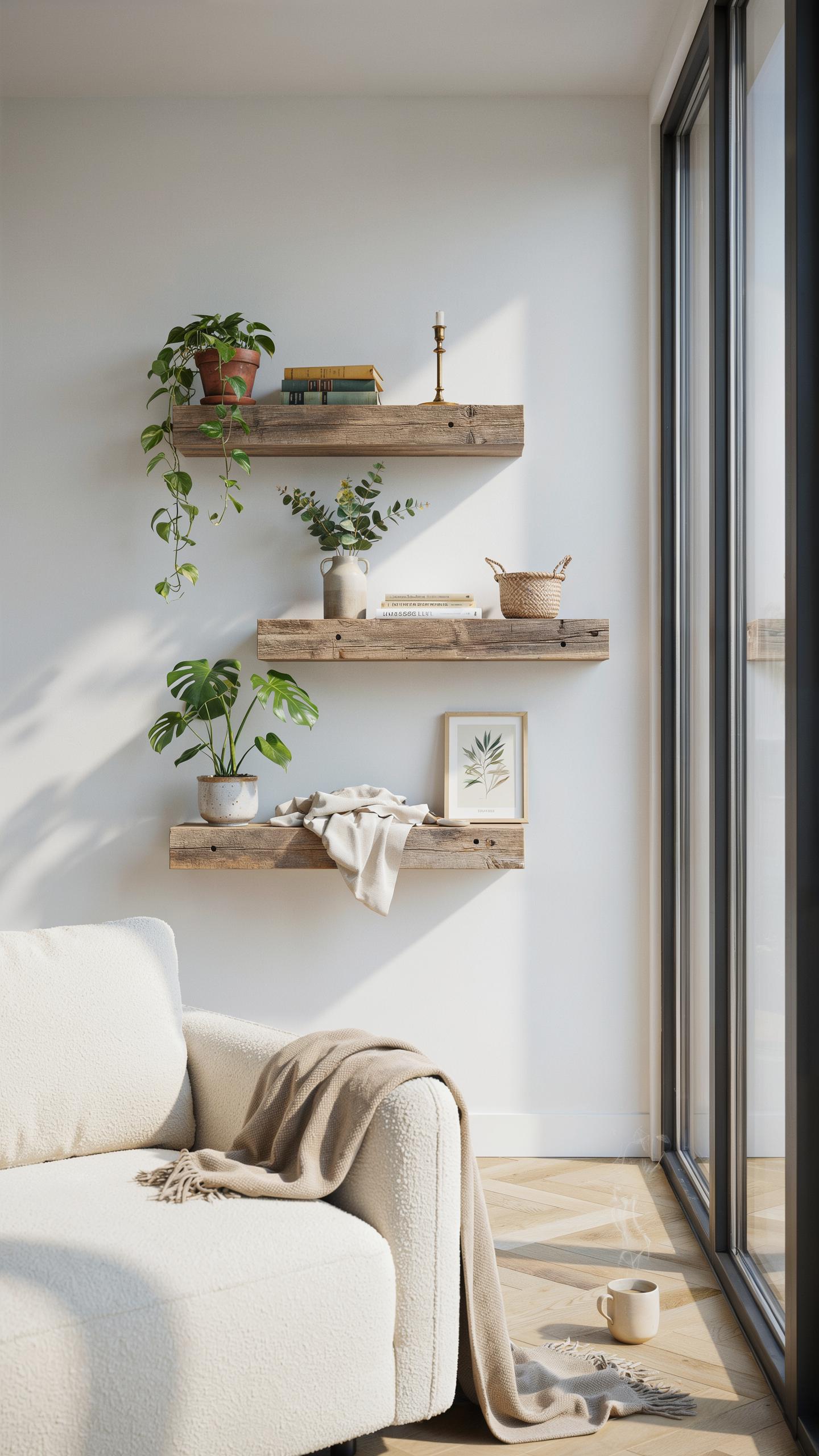
Enhancing Visual Textures And Historical Charm
Reclaimed wood shelves display authentic surface characteristics that new materials cannot replicate. Mill marks, hand-forged nail holes, and natural weathering patterns signal genuine age and craftsmanship to buyers. These details create visual depth and texture that reads as premium construction. Prospective buyers recognize authentic architectural elements and value them as evidence of quality and intentional design choices.
The historical context matters in real estate perception. Wood salvaged from industrial buildings, barns, or period structures carries provenance that manufactured shelving lacks. Buyers associate these genuine markers with heritage and durability. This tangible evidence of age and authenticity drives perceived property value and distinguishes homes in competitive markets.
Boosting Home Marketability With Practical Built Ins
Floating reclaimed wood shelves transform vacant wall space into functional storage and display zones. Real estate photography captures these built-ins as dimensional, organized features that emphasize room size and usable square footage. Styled shelves showcase spatial efficiency and appeal to buyers seeking practical solutions. Vertical storage reads as luxury customization rather than basic shelving.

Staged reclaimed shelving demonstrates how buyers can use their own space. Displaying books, decor, and personal items on these shelves illustrates lifestyle potential. Marketing photos featuring curated shelves increase listing appeal and justify premium pricing. Properties with finished vertical storage command attention and hold value better than homes with bare walls.
Sourcing Timber For Your DIY Rustic Home Decor Ideas
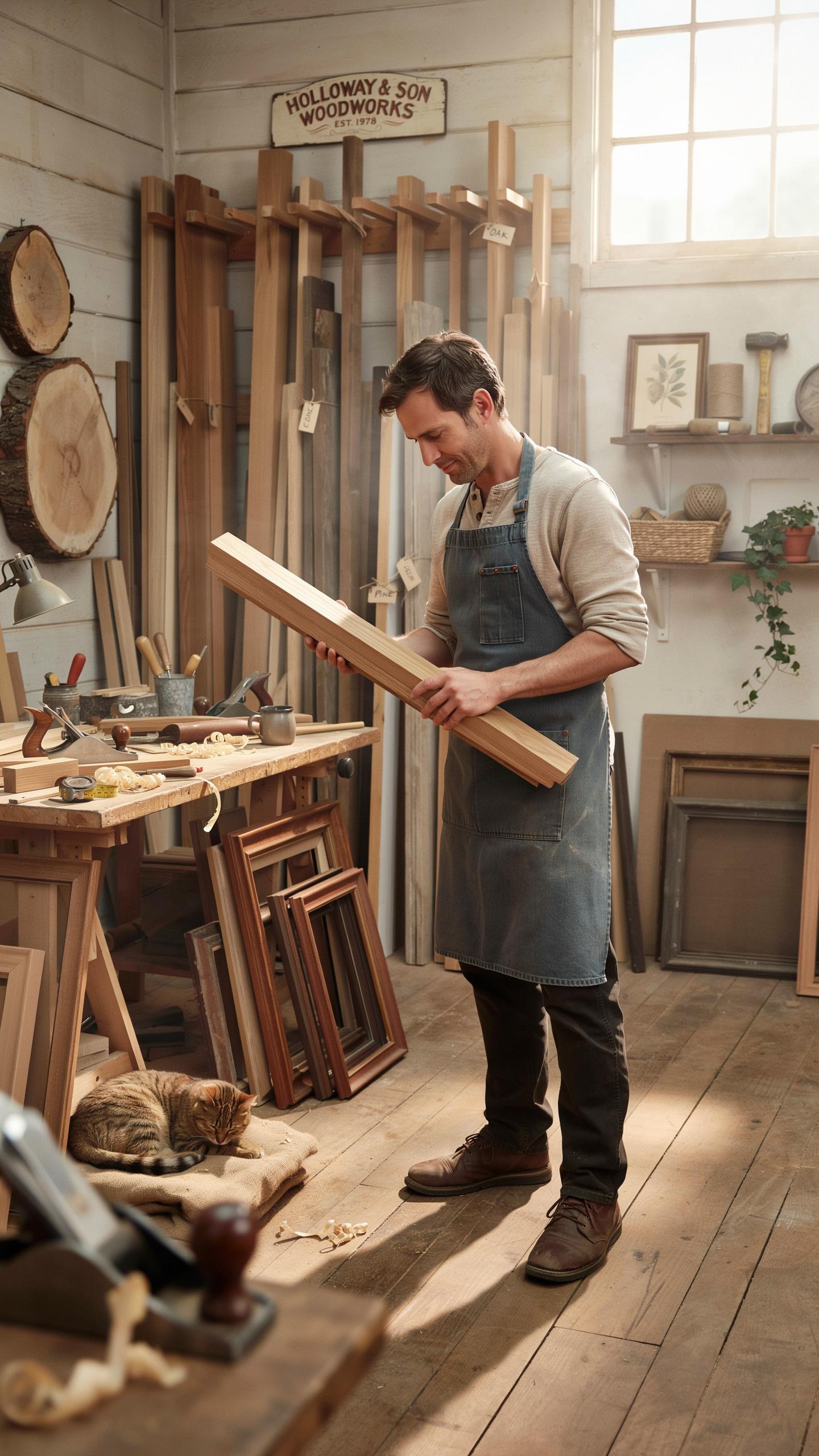
Top Reliable Places To Salvage Quality Vintage Wood
Finding authentic reclaimed wood requires searching the right sources. Quality vintage lumber comes from buildings built between the 1800s and mid 1900s, when timber quality standards differed significantly from modern lumber. These sources yield planks with tight growth rings and superior density that new wood cannot replicate.
- Architectural Salvage Yards: Specialize in materials from historic home teardowns and renovations. They sort and grade reclaimed wood by species, condition, and historical period. Most maintain inventory organized by board dimensions and intended use for shelving projects.
- Deconstruction Contractors: Dismantle old barns, warehouses, and industrial buildings carefully to preserve materials. These contractors access timber not available through standard channels. They often sell directly or connect buyers with milled inventory from specific projects.
- Online Classifieds And Community Trading Groups: Facebook Marketplace, Craigslist, and local community groups post reclaimed wood from private demolitions. Prices vary widely based on seller knowledge. Direct purchases from locals reduce middleman costs significantly.
- Remodeling Sites And Commercial Demolitions: Active construction sites generate reclaimed materials daily. Contacting general contractors and demolition companies directly yields first access to inventory. Building relationships with site managers ensures notification before materials reach auctions.
- Wood Recycling And Milling Yards: Process reclaimed timber into uniform dimensions and finishes. These operations offer graded inventory with documented wood species and sourcing history. Many provide moisture content testing and structural integrity certification for shelf applications.
Sourcing strategy matters more than luck. Create relationships with multiple suppliers and inspect wood in person before purchase. Check for structural integrity, pest damage, and hidden fasteners that affect shelf safety and installation costs.
Essential Tools For Preparing Reclaimed Planks Safely
Metal detection is your first step after acquiring reclaimed wood. Hidden nails, screws, and metal straps embedded decades ago will destroy saw blades and create safety hazards. Run a handheld metal detector across all surfaces and mark findings with chalk before any cutting or sanding begins.

Heavy-grit sanding removes splinters and surface contaminants without destroying the patina that makes reclaimed wood valuable. Start with 60 to 80-grit sandpaper, then progress to 120-grit for refinement. A stabilizing sealant applied afterward preserves color and grain while preventing moisture absorption that causes warping on shelves.
Proper Installation And Care For Reclaimed Shelving Projects
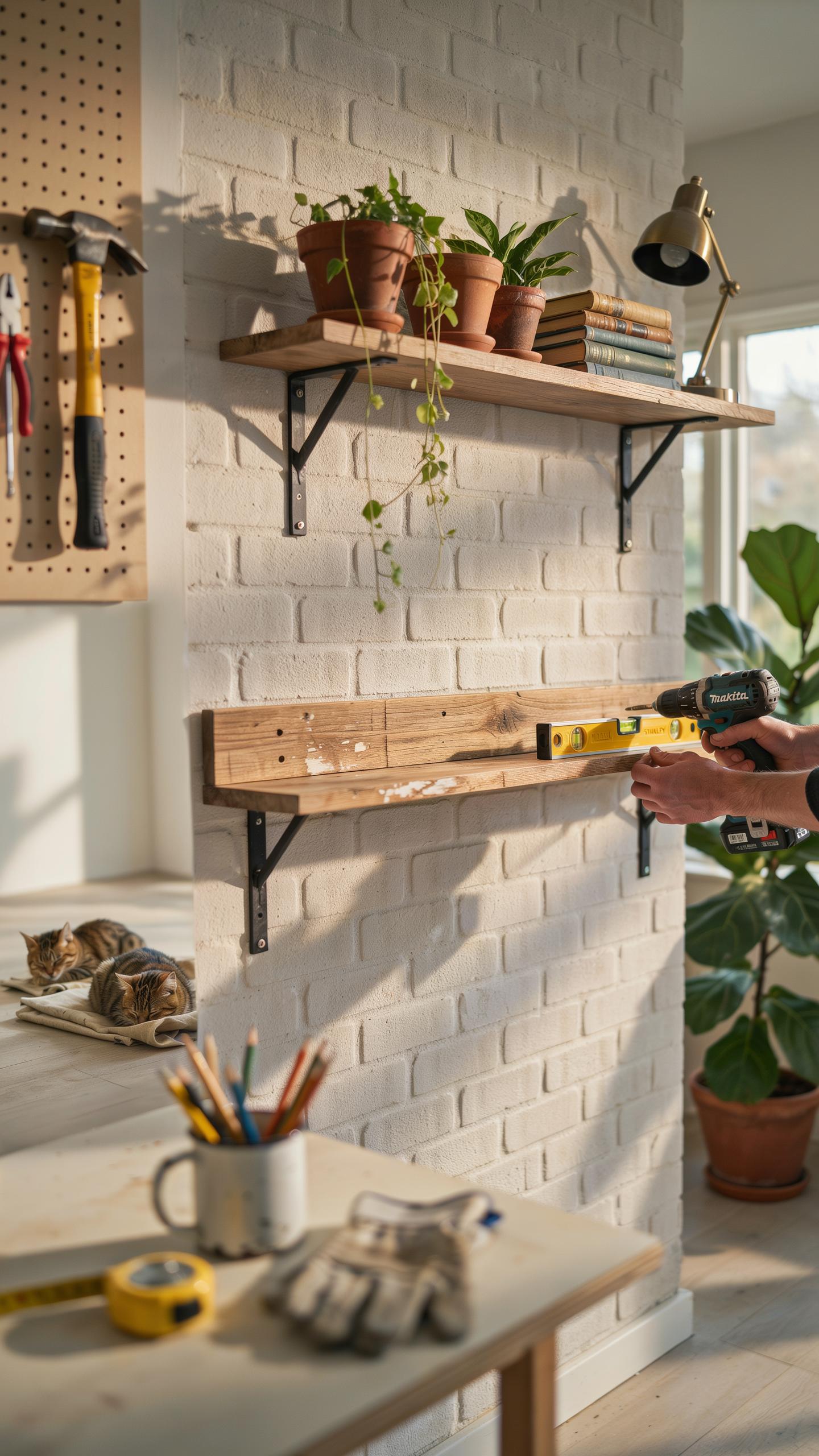
Step By Step Guide To Secure Wall Mounting
Heavy reclaimed wood demands structural integrity. Improper installation fails catastrophically. Wall studs provide the only safe anchor point for weight-bearing shelves. Locate studs first, mount brackets only to studs, then install the wood. This sequence prevents shelf collapse and damage to walls and property below.
- Locate wall studs with an electronic stud finder: Scan horizontally across the wall to identify solid wood framing behind drywall. Mark stud locations clearly before proceeding to bracket placement.
- Mark bracket screw holes at stud centers: Position marks directly on stud centerlines, not edges. This maximizes holding power and distributes weight evenly across the structural member.
- Drill pilot holes into studs: Use a drill bit slightly smaller than your wood screws. Pilot holes prevent wood splitting and allow screws to seat properly without resistance.
- Install heavy duty structural wood screws: Use screws rated for the shelf’s total weight capacity. Screw length should penetrate studs by at least one and a half inches for secure engagement.
- Secure the reclaimed plank from underneath: Position the wood onto mounted brackets and drive screws upward through bracket holes into the plank. This creates a unified load bearing assembly.
Reclaimed wood varies in density and structural quality. Test bracket installation with weight before loading shelves fully. Verify brackets remain flush against the wall and the wood sits level using a standard spirit level.
Preserving And Cleaning Your Weathered Timber Walls
Dust accumulates on reclaimed wood surfaces and diminishes visual appeal. Use a microfiber cloth to remove dust gently without scratching the finish. Microfiber traps particles without requiring water or chemicals that damage aged wood grain and original patina layers.

Harsh cleaners strip natural oils and alter the wood’s appearance permanently. Avoid bleach, acetone, and commercial furniture polish on reclaimed timber. If water cleaning becomes necessary, use only distilled water on a barely damp cloth, then dry immediately. This preserves the wood’s authentic character and extends shelf life.
Frequently Asked Questions

What exactly is reclaimed material decor shelving and why is it popular?
Reclaimed material decor shelving refers to storage solutions crafted from salvaged wood or metal sourced from old barns, factories, and historic buildings. Homeowners love this style because it adds instant character and a sense of history to any room. Beyond the aesthetic appeal, choosing these shelves is an eco-friendly way to decorate, as it gives a second life to high-quality materials that would otherwise end up in a landfill.
How do I properly install and maintain these rustic shelves in my home?
To install reclaimed material decor shelving, always ensure you use heavy-duty brackets and secure them directly into wall studs, as aged timber is often denser and heavier than modern pine. For maintenance, avoid harsh chemical cleaners that can strip the natural patina. Instead, simply dust the wood regularly with a soft cloth and occasionally apply a light coat of natural beeswax or furniture oil to keep the grain looking vibrant.
Is it possible to find affordable reclaimed shelving on a tight budget?
Absolutely! While custom artisan pieces can be pricey, you can find affordable options by visiting local architectural salvage yards or searching online marketplaces for dismantled pallets and old floorboards. If you are a DIY enthusiast, sanding down and sealing salvaged scraps yourself is a cost-effective way to achieve the high-end look of boutique shelving. With a little creativity, you can enjoy sustainable, stylish storage without overspending on your home renovation.