Understanding Pollinator Garden Design Border Edging Basics
Defining Border Edging For Pollinators
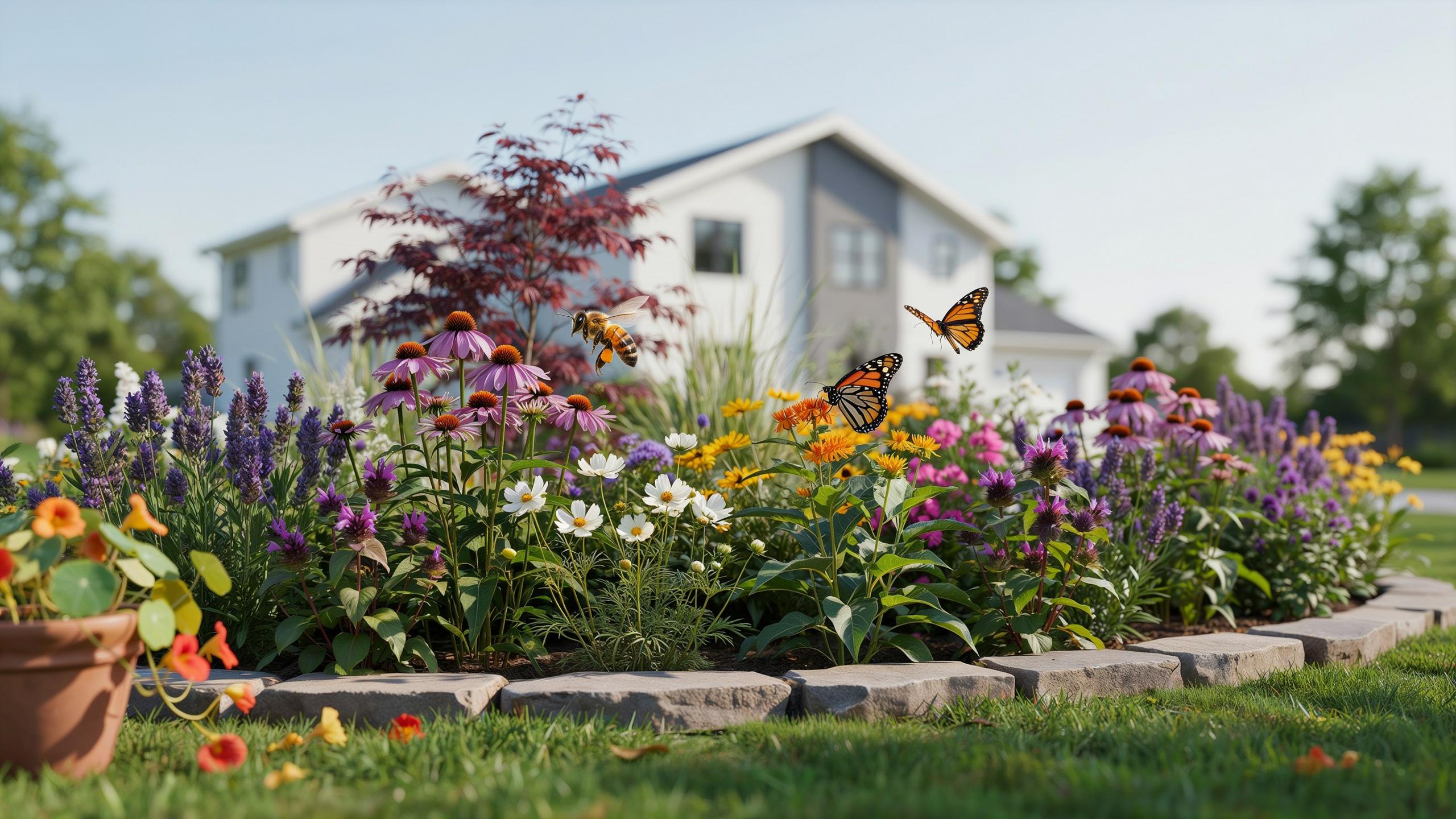
Border edging marks the transition zone between lawn and garden habitat. It stops turfgrass from invading planted areas where native plants and pollinators operate. Edging contains mulch and prevents soil erosion. It creates visual definition in your landscape while serving as a functional barrier that protects your pollinator-friendly plantings from aggressive grass competition.
A defined border also simplifies maintenance. You mow cleanly without damaging flowers or disturbing ground-nesting bees and beetles. The edge becomes a physical line that keeps your management activities separate from the active pollinator zone. This separation means less chemical drift, less physical disruption, and safer habitat for the insects you’re trying to support.
Choosing Functional And Eco Friendly Materials
Stone sourced locally reduces transportation impact and matches regional geology. Fallen logs and untreated timber create rough surfaces where ground beetles shelter. These materials break down naturally and add organic matter to soil. They cost less than manufactured edging and integrate visually with native plantings instead of creating stark, artificial boundaries that disrupt the garden’s ecological function.
Natural materials provide micro-habitats that managed edging cannot. Loose stone offers crevices for insects to overwinter. Rotting wood feeds decomposers and attracts wood-boring beetles that pollinators hunt. Untreated timber avoids chemical leaching into soil and groundwater. These materials age naturally rather than requiring replacement every five to ten years like plastic or rubber alternatives.
Creating Your Dream Garden With Structured Layouts
Planning The Boundaries Of Your Sanctuary
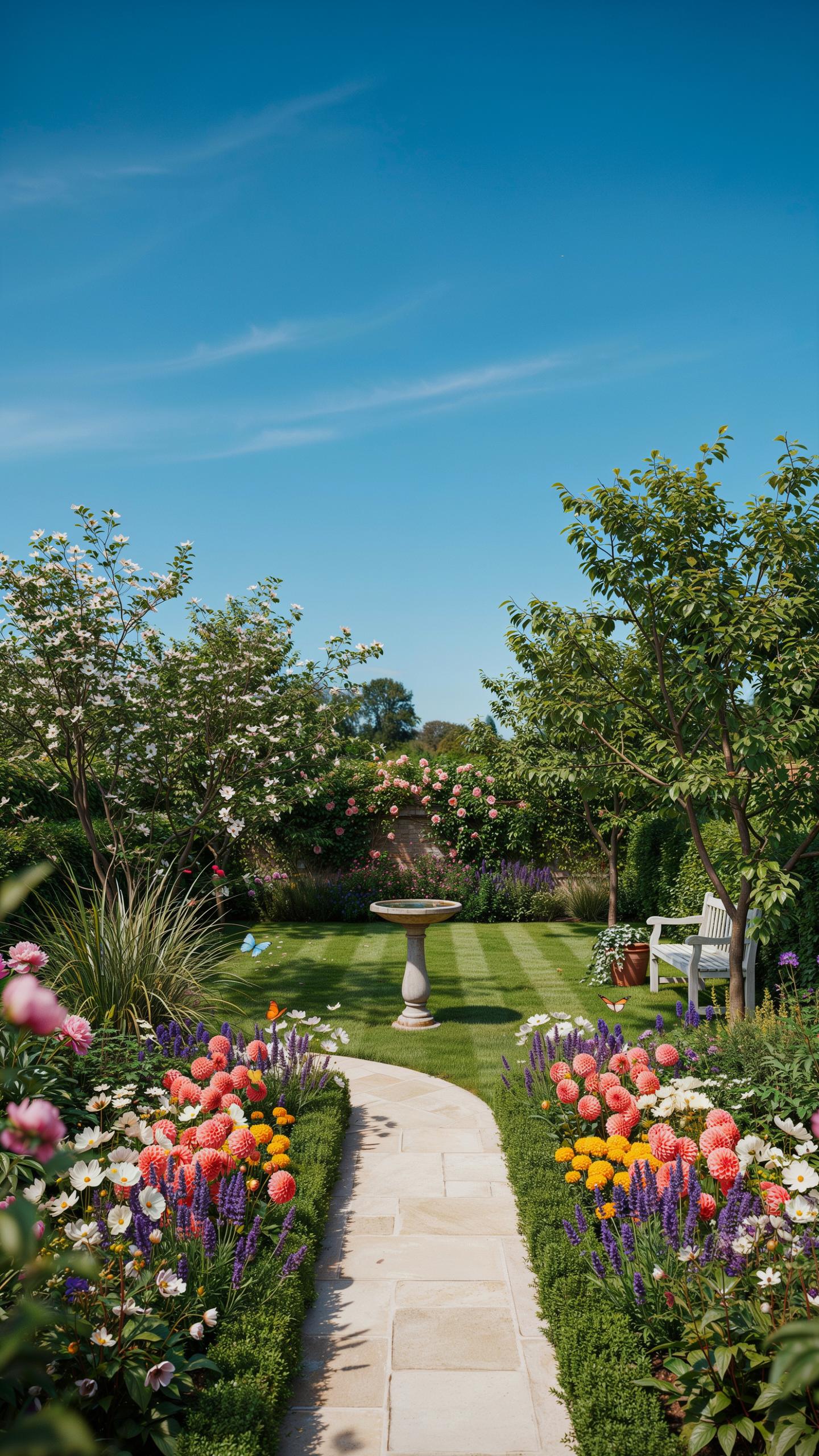
Define your garden edges first. Clear boundaries separate pollinator plantings from lawn and hardscape. This prevents wildflowers from appearing random or neglected. Structured perimeters make intentional plantings read as deliberate design choices. Your garden looks professional, not overgrown. Defined edges also control where plants spread and simplify maintenance tasks.
Edging materials anchor your design intent. Stone, metal, or composite edgers create visual stops that frame planting zones. These physical barriers keep soil contained and define transitions between garden areas. Strong boundaries elevate how neighbors and visitors perceive your landscape. Well-edged gardens appear curated and intentional rather than haphazard.
Let us build paths of timeless beauty where the wild bees might dance along structured lines of grace. True elegance in the garden is found where the clean edges of our craft meet the soft, buzzing hearts of the meadow.
Symmetry Versus Naturalistic Edging Styles
Formal symmetrical borders use straight lines and geometric shapes. Cut stone, composite materials, and steel create clean, architectural edges. This style suits contemporary homes and structured landscapes. Symmetrical designs emphasize precision and control. They work well when you want pollinators in designated zones that complement modern home aesthetics.
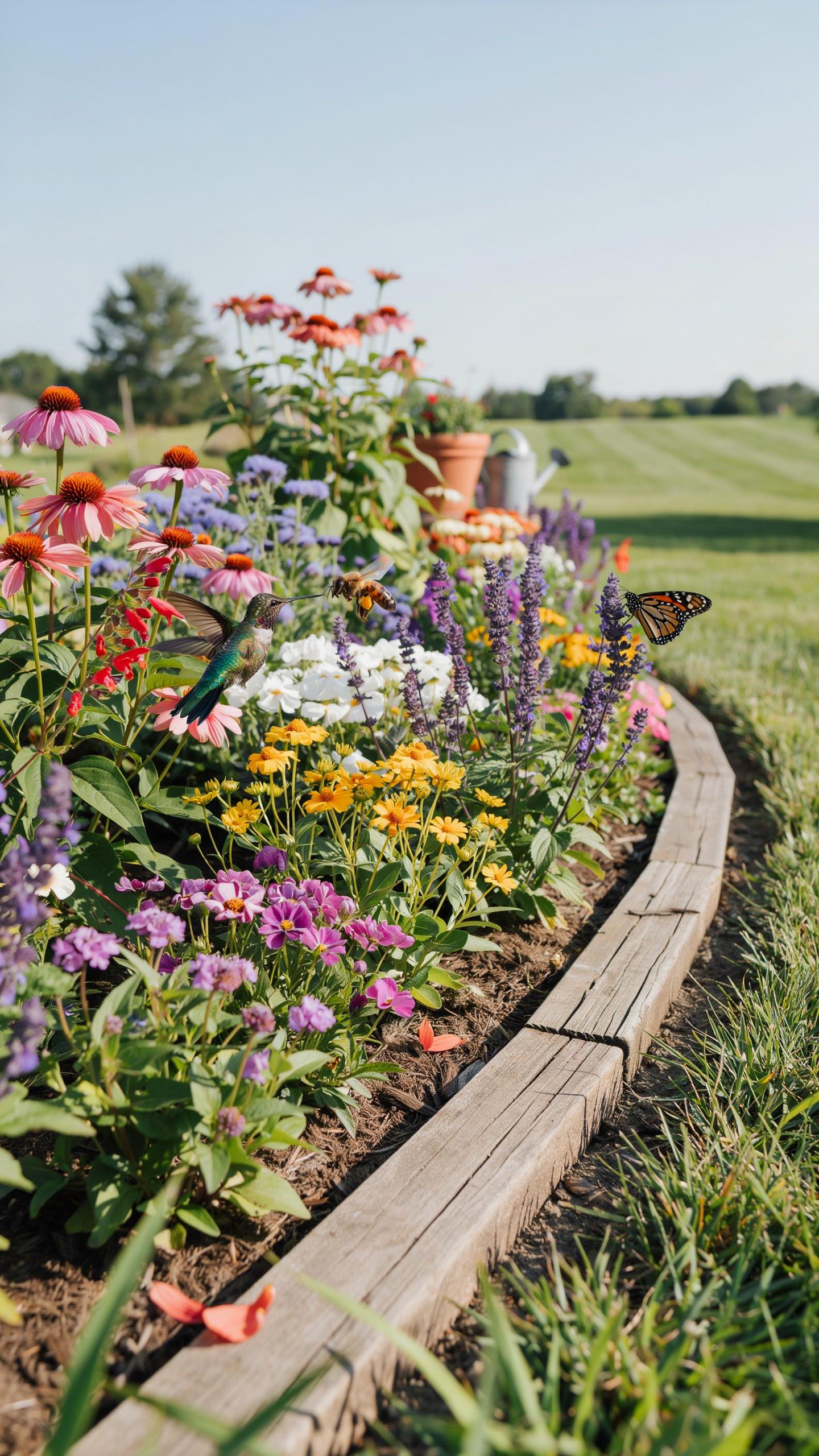
Naturalistic edging uses curves and irregular transitions. Soft, sweeping edges mimic how wildflowers grow at natural field margins. This approach suits cottage gardens and informal landscapes. Curved borders still define space but feel less constructed. Choose this method when you want pollinator plantings to feel organically integrated rather than formally confined.
Designing A Functional Pollinator Garden Layout
Arranging Height And Depth Along The Edges
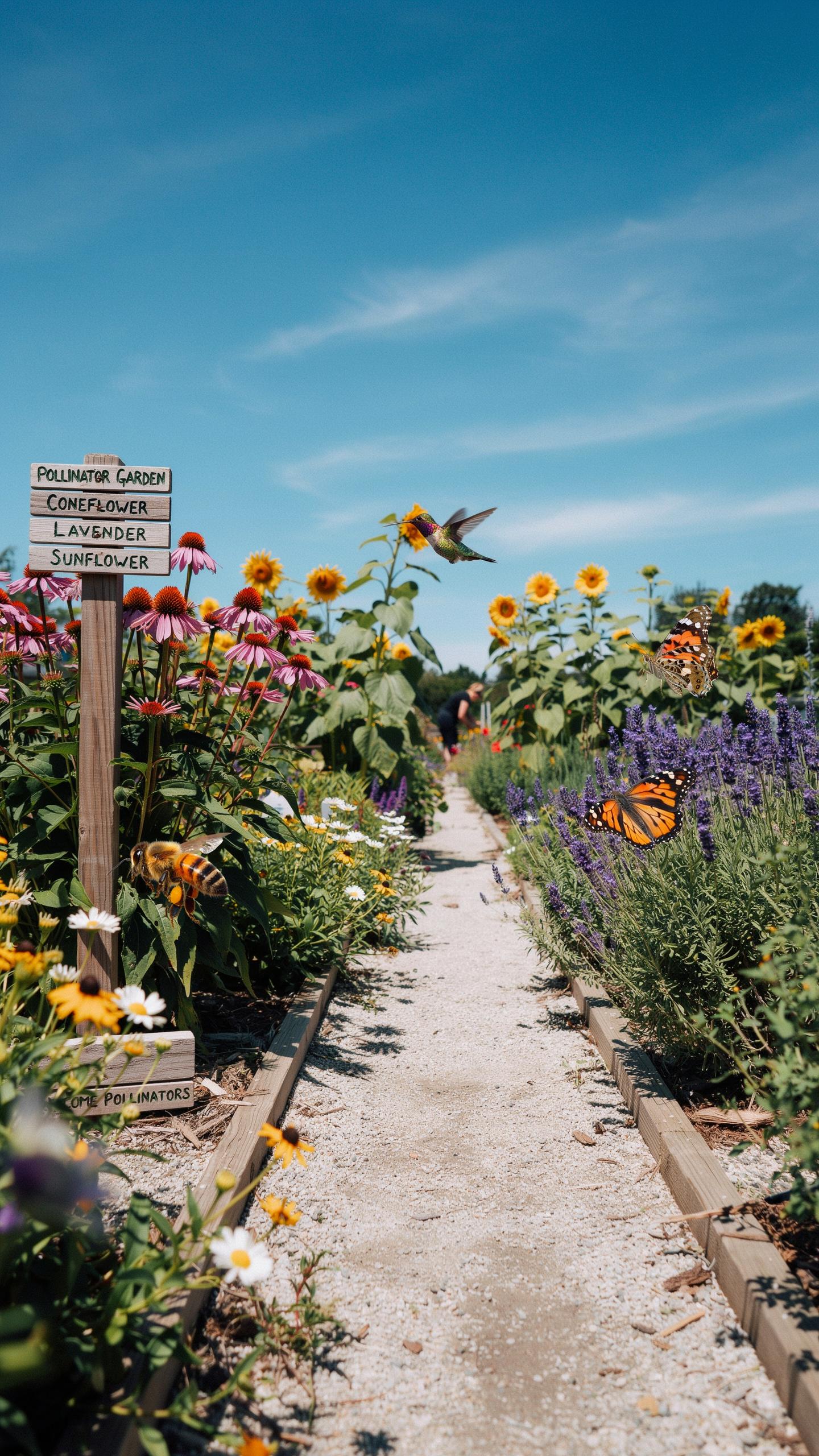
A tiered planting structure places shorter species at the border edge and taller plants toward the garden center. This arrangement exposes low-growing plants to direct sunlight and prevents shade from blocking nectar sources. Pollinators access flowers at multiple levels without competition for resources.
The vertical hierarchy also improves air circulation around plants and reduces fungal issues. Insects navigate between height zones efficiently, discovering nectar sources without wasted energy. This structure works with most border edging materials, whether stone, brick, or metal, because the edging supports the lowest tier while the taller plants create natural visual depth.
Integrating Structural Edges With Flight Paths
Position border edging to create open corridors where insects fly without obstruction. Low stone or brick edges absorb and radiate heat, creating basking zones where butterflies warm their flight muscles before feeding. This thermal function directly impacts pollinator activity rates throughout the day.
Decorative borders define planting zones while doubling as landing pads and rest areas. Place edging to guide insects toward flower clusters rather than around barriers. This intentional layout reduces the energy insects expend foraging, allowing them to visit more flowers and transfer more pollen during their active period.
Selecting The Best Border Plants For Modern Edging
Low Growing Shrubbery And Herbaceous Selections
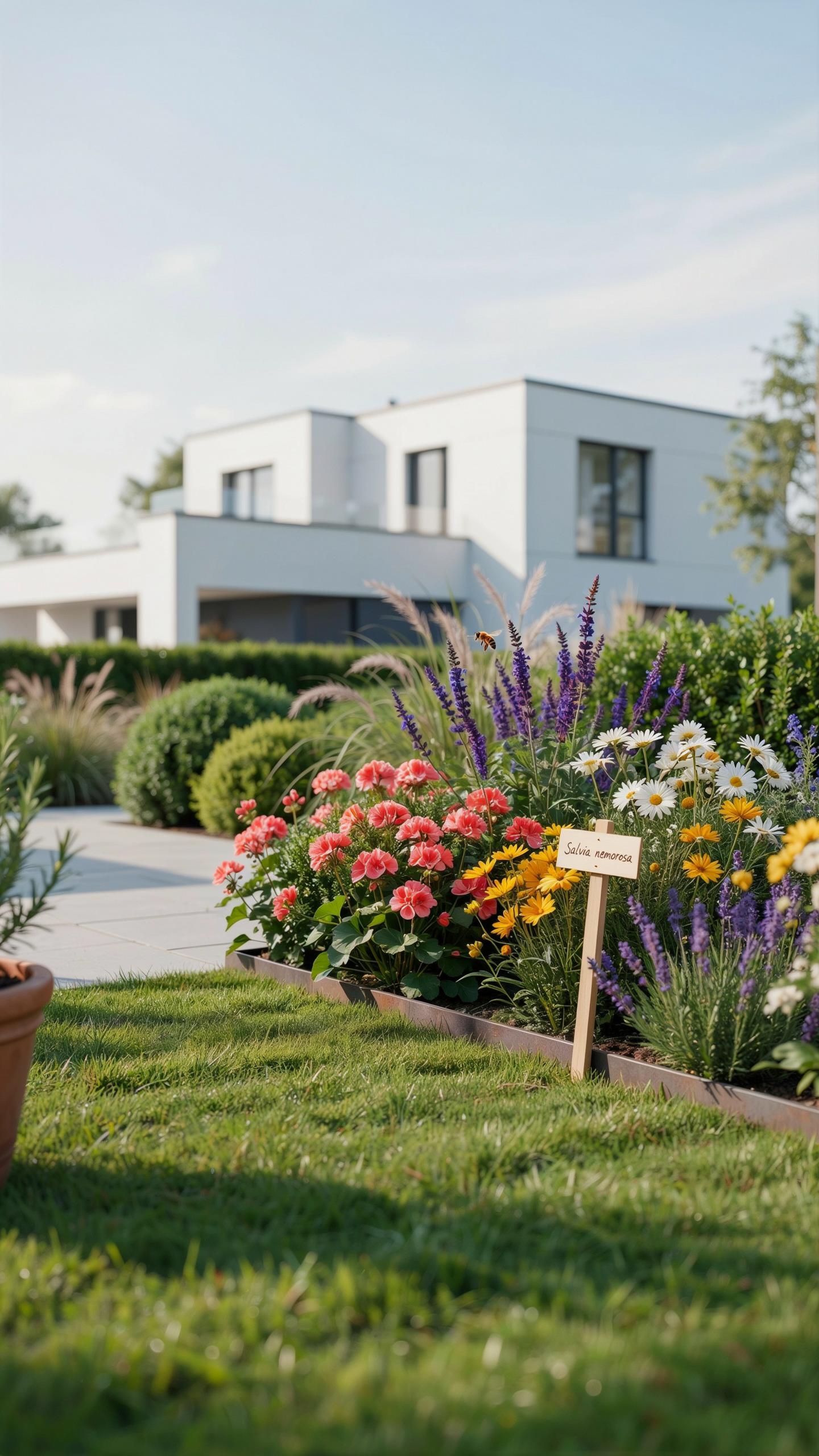
Wild chives, sweet alyssum, and dwarf native grasses function as transition plants along your border edge. These low-profile species bridge the gap between hardscape materials like stone or wood and taller vegetation behind them. They soften visual lines while staying compact enough to maintain clear sightlines and access to your garden structure.
Position these plants six to twelve inches from your edging material. This spacing prevents root damage to hardscape while allowing the plants to mature without overcrowding. Low-growing varieties establish quickly and require minimal maintenance once established, making them practical choices for border definition without constant pruning.
Top Border Plants For Year Round Appeal
Select plants that deliver ecological value across multiple seasons. These species provide pollen sources when pollinators need them most and maintain structural integrity through winter months. A mixed border with staggered bloom times ensures your garden supports insect populations from spring emergence through late fall activity.
- Creeping Thyme: Blooms mid-spring through summer, attracts bees year-round, and tolerates foot traffic. Reaches three to six inches tall and handles dry conditions well.
- Dwarf Stonecrop: Evergreen foliage provides winter structure. Attracts pollinators through fall, requires minimal water, and resists most pests without intervention.
- Blue Eyed Grass: Native perennial that blooms late spring through early summer. Holds upright form through winter and adapts to various soil types readily.
- Purple Coneflower: Blooms mid-summer through frost, feeds pollinators consistently, and self-seeds reliably. Dried seed heads provide winter food sources for birds.

This combination delivers continuous function rather than seasonal decoration. Each plant contributes nectar or pollen when other sources decline, creating reliable habitat for native pollinators throughout the growing season and into dormancy periods.
Elevating The Front Garden With Clean Transitions
Enhancing Curb Appeal With Eco Friendly Frames
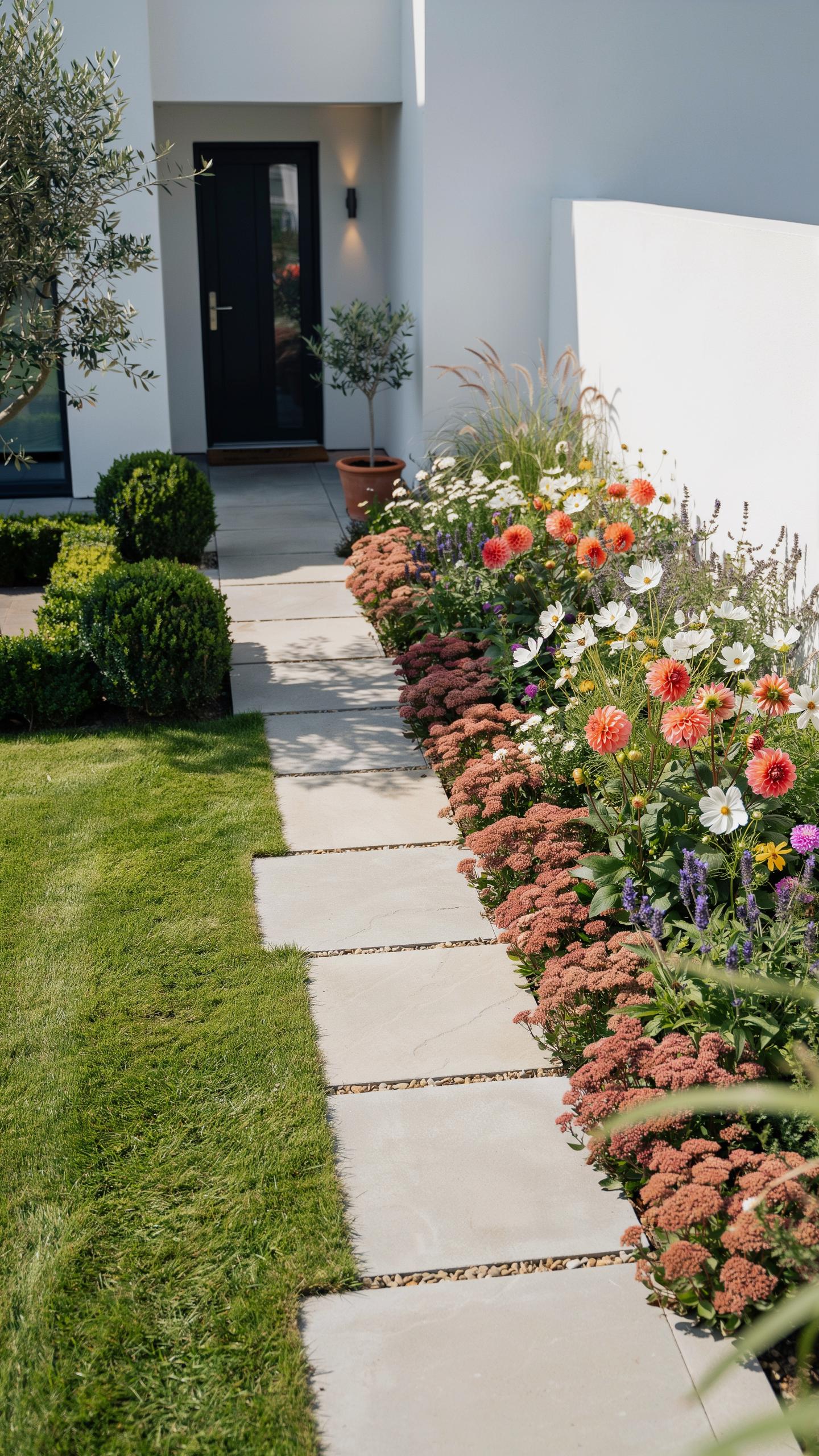
Steel and concrete modular edging systems create defined boundaries that separate native plantings from lawn areas. These materials hold their lines for years without warping or degrading. Homeowners gain two immediate benefits: neighbors recognize the space as intentional landscaping rather than neglect, and the pollinator plants receive proper growing conditions without competition from turf. Modern steel edging sits flush with soil or slightly above grade, maintaining visual continuity while performing its containment function.
The design signal matters in residential neighborhoods. Clean frames communicate maintenance and purpose. This approach works because it combines ecological function with visual order. Your front yard reads as curated, not wild. Native plants thrive in a defined space where they face less pressure from invasive grasses and weeds. The edging becomes invisible infrastructure that supports both habitat and neighborhood aesthetics simultaneously.
Preventing Weed Encroachment For A Clean Transition
Physical barriers must reach deep into soil to stop rhizomatous lawn grasses from infiltrating planted areas. Metal edging typically extends 4 to 6 inches below grade, creating an underground wall that aggressive species cannot breach. Polyethylene borders work similarly but require thicker gauge material to resist puncture and degradation from UV exposure over multiple seasons. This depth differential between edging height above ground and below ground prevents both surface creep and underground invasion.

Maintaining clean lines requires discipline in edging selection and installation. Shallow barriers fail because grasses advance through shallow soil layers. Deep installations reduce ongoing maintenance by 40 to 60 percent compared to gardens with inadequate barriers. Turfgrass species like Kentucky bluegrass and perennial ryegrass spread through rhizomes that exploit surface gaps. A proper barrier eliminates this constant battle, preserving your pollinator space as a distinct ecological zone.
Structuring A Resilient Perennial Garden Border
Ensuring Multi Seasonal Performance Along The Edges
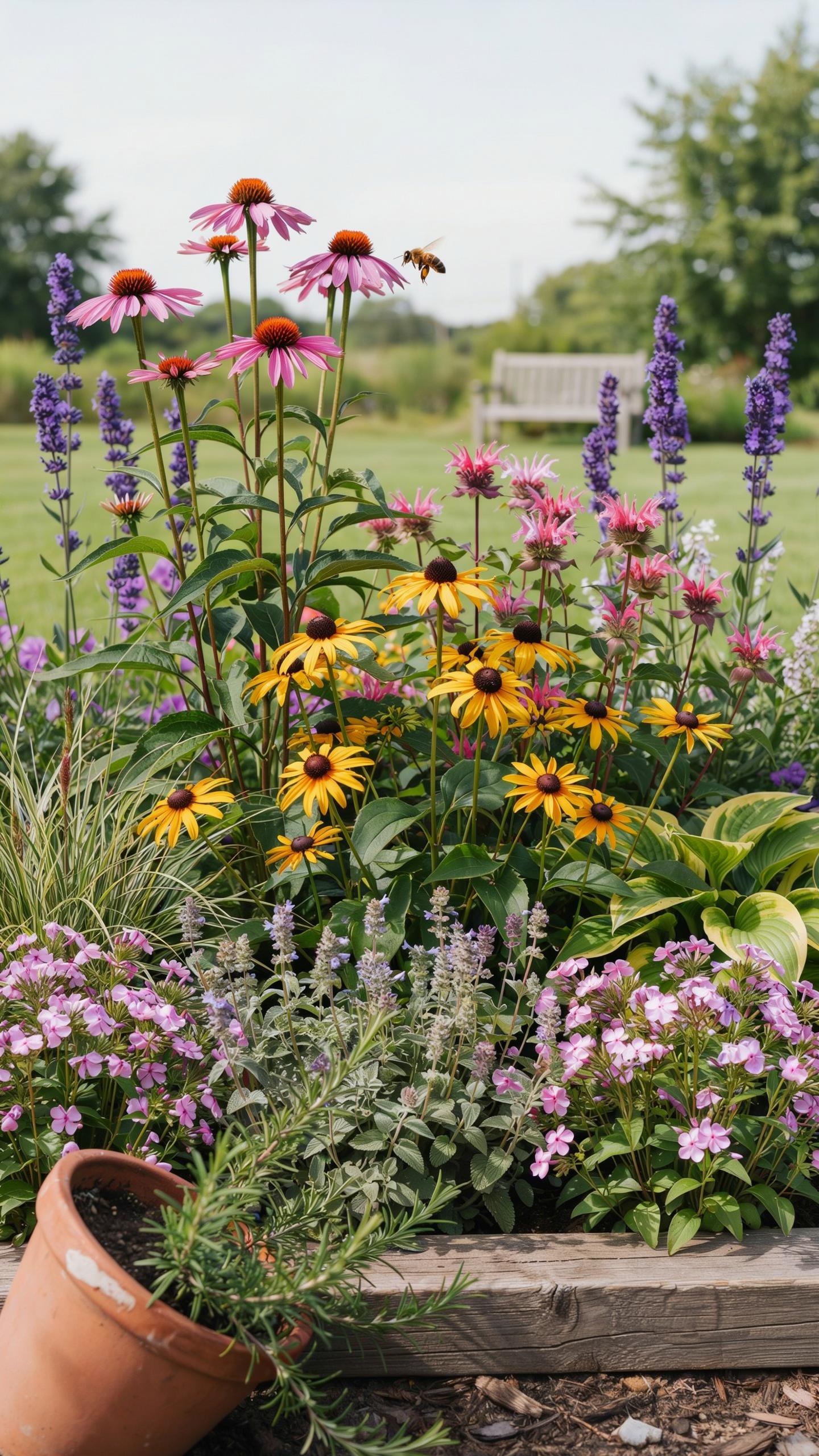
Perennial borders thrive when you select plants that flower at different times throughout the year. Native perennials adapted to your climate withstand temperature swings and pest pressure better than non-native varieties. Winter structure matters. Ornamental grasses, seed heads, and woody stems provide visual interest while creating shelter where beneficial insects survive cold months.
Border edges take direct exposure to wind, temperature fluctuations, and foot traffic. Choose species proven hardy in your USDA zone. Avoid tender annuals as your primary edging strategy. Structural plants like coneflowers, black eyed Susans, and sedums maintain form through frost and support overwintering pollinators seeking refuge.
Root Depth And Soil Health Considerations
Install physical borders like metal, plastic, or wood edging six to eight inches deep to create a root barrier between garden soil and turf. This depth prevents aggressive grass roots from invading your perennial bed and competing for water and nutrients. Turf roots commonly spread horizontally and will colonize unprotected beds quickly, degrading plant performance.
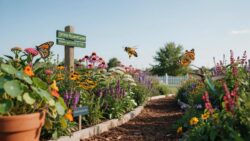
Deep rooting perennials need soil undisturbed by surface competition. Subsurface edging allows tap root species like coneflowers and rudbeckia to establish vertical root systems without battling shallow turf roots. This separation improves moisture retention and nutrient availability for your border plants, directly increasing bloom production and pollinator attraction over multiple seasons.
Implementing A Stunning Butterfly Garden Design
Incorporating Basking Rocks And Water Stations
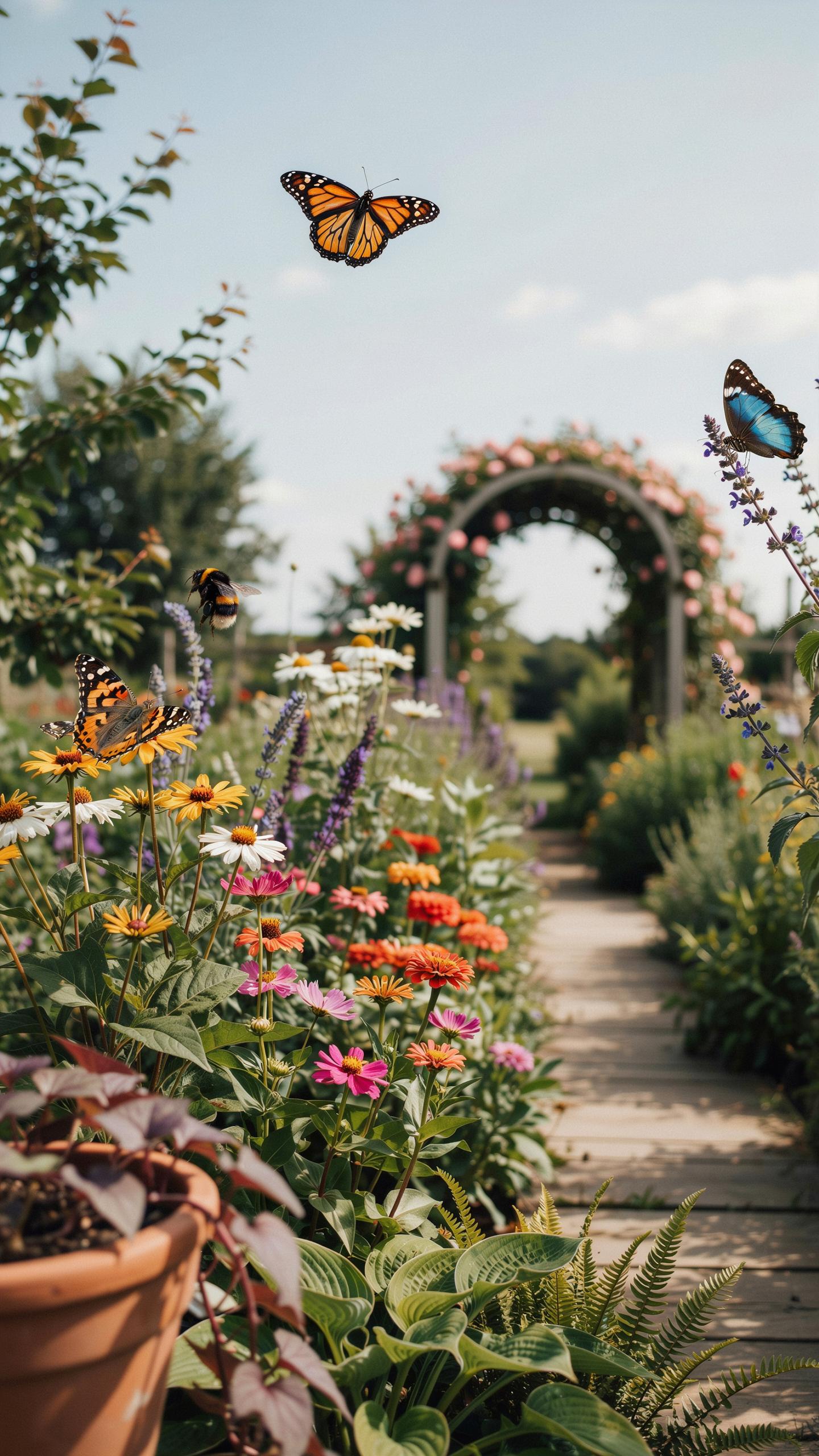
Butterflies cannot fly without warming their wing muscles first. Place flat river rocks directly into your border edging where they receive full sun exposure. These surfaces absorb heat and provide the thermal platforms butterflies need to activate their flight muscles and move between nectar sources efficiently.
Mud puddling stations deliver minerals butterflies cannot find in nectar alone. Create shallow depressions filled with soil, sand, and water within your border design. Position these stations near your flower plantings so butterflies can hydrate and extract essential salts without traveling far from feeding areas.
Essential Host And Nectar Plants To Feature
Your border must contain two plant categories to support complete butterfly lifecycles. Adult butterflies feed on nectar from flowering plants, while caterpillars require specific host plants to survive and develop. Without both categories, you attract adults temporarily but fail to establish breeding populations that return season after season.
- Swamp Milkweed: Essential host plant for Monarch caterpillars. Produces pink flowers that attract adult Monarchs for nectar feeding. Thrives in moist border sections with partial sun exposure.
- Black Cherry: Native host plant for multiple Swallowtail species. Provides food for caterpillars and attracts adult butterflies. Requires space but delivers long-term ecological value to your garden.
- Dill: Host plant for Swallowtail caterpillars. Yellow flowers offer nectar for adults while foliage sustains developing larvae. Reseed readily in garden borders with minimal maintenance.
- Wild Lupine: Host plant for Karner Blue caterpillars. Blue-purple flower spikes provide nectar and aesthetic appeal. Critical for supporting endangered Karner Blue populations in appropriate regions.
- Milkweed Species: Asclepias varieties function as primary Monarch hosts. Select species appropriate for your climate zone. Combine multiple types to extend host plant availability throughout seasons.

Position host plants throughout your border edging so caterpillars find them easily when females lay eggs. Adult butterflies will locate nectar sources naturally once host plants establish the breeding population that keeps your garden active across multiple generations.
Long Term Maintenance Of Garden Borders
Weeding Mulching And Keeping Clean Lines
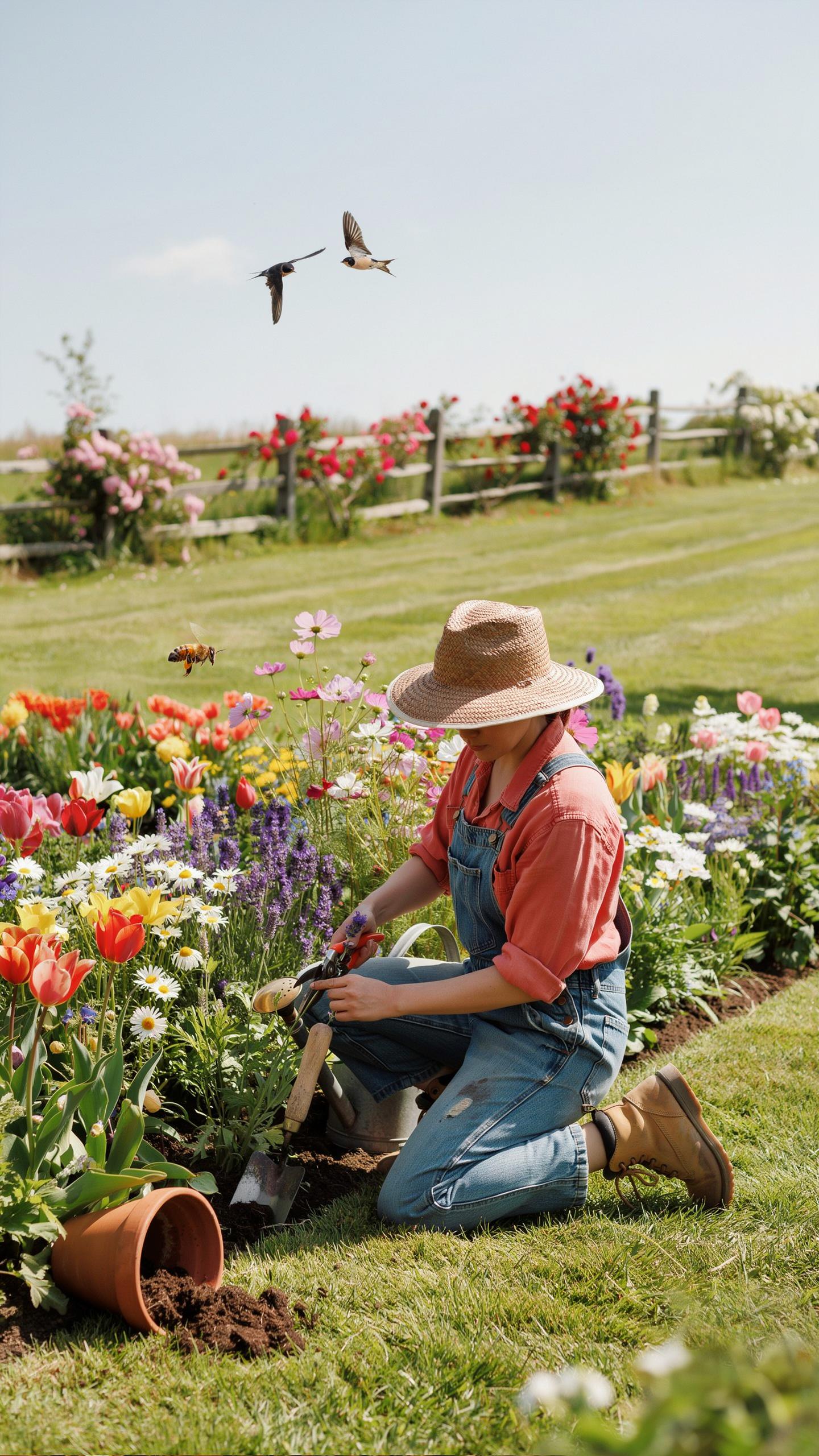
Sharp borders require consistent work. Replenish hardwood mulch twice yearly to suppress weed seeds before they germinate. Mechanical spade-edging once or twice annually maintains crisp grass lines and keeps soil levels even across your planting beds.
Mulch depth matters for performance. Maintain two to three inches of natural hardwood mulch in your border beds. This depth blocks light from reaching dormant weed seeds while moderating soil temperature and moisture. Refresh mulch as it breaks down, typically in spring and fall.
Seasonal Cleanup Checklist For Wildlife Habitats
Hold off on aggressive fall cleanup to protect overwintering beneficial insects. Many pollinators shelter in hollow plant stems and leaf litter through winter months. Removing this material eliminates critical habitat and reduces pollinator populations the following season.
Wait until mid spring when daytime temperatures consistently exceed fifty degrees Fahrenheit before clearing debris and cutting back old seed heads along borders. This timing ensures that nesting pollinators have already emerged and relocated. Cut back remaining stems and remove accumulated leaves only after frost risk ends and daytime warmth is reliable.
Frequently Asked Questions

Why is selecting the right border edging important for a pollinator garden?
Choosing a thoughtful pollinator garden design border edging serves two essential purposes: aesthetics and protection. Beyond providing a clean, modern look that defines your outdoor space, a sturdy border prevents invasive turf grass from creeping into your native planting beds. This structural clarity signals to neighbors that your wildflower patch is an intentional, curated landscape feature, helping your habitat-friendly garden blend seamlessly with sophisticated home decor styles.
How do I install metal landscape edging for a modern pollinator garden look?
To achieve a sleek, contemporary aesthetic, start by marking your installation path with a garden hose or string. Dig a narrow trench approximately four inches deep to accommodate your chosen pollinator garden design border edging. Insert the metal strips, ensuring they sit slightly above the soil line to deflect grass roots. Secure the segments with heavy-duty stakes and backfill with soil or mulch to create a seamless, professional transition.
Are there budget-friendly ways to create stylish borders for native plants?
Absolutely! You can achieve a high-end look without overspending by repurposing natural materials like local fieldstones, fallen branches, or even upcycled brick. Arranging these materials in a clean, geometric pattern provides the structure necessary for a modern landscape. Using natural elements as your border edging is an eco-friendly choice that supports local biodiversity while keeping your project affordable and visually integrated with the surrounding environment.