The Role Of A Pollinator Garden Design Shrub Layer
Understanding Shrub Dynamics
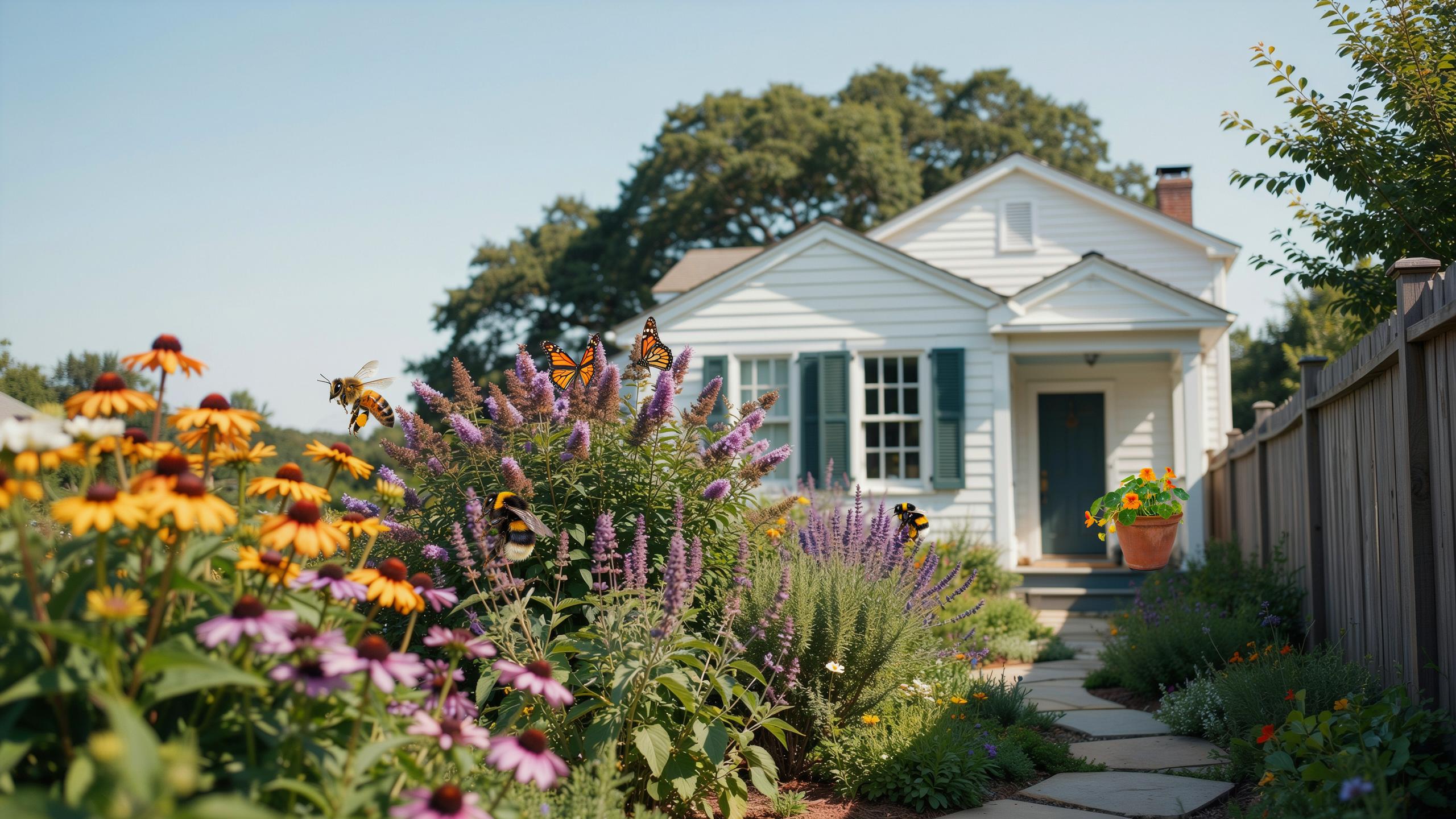
Shrubs form the structural backbone of pollinator gardens. They provide nesting sites for native bees, butterflies, and other beneficial insects. Many shrub species offer dense branching that shields nests from predators and harsh weather. Larval host plants concentrated in the shrub layer feed caterpillars during their development stages. This vertical structure creates microclimates that insects depend on for survival and reproduction.
Woody perennials in the shrub layer also serve as wind breaks and temperature regulators. They protect lower-growing plants and ground-dwelling insects from exposure. Native shrubs establish faster than trees and require minimal maintenance once established. The shrub layer bridges the gap between herbaceous plants and canopy trees, creating functional habitat depth. This layering system mimics natural forest structure found in native ecosystems.
Ecological Benefits
Structural complexity in backyard habitats directly increases insect populations and diversity. Shrubs create hiding spots for beetles, spiders, and parasitic wasps that control pest species. Dense foliage breaks up wind patterns, reducing evaporation stress on smaller plants and insects. Multi-layered shrub plantings support food chains by hosting both herbivorous and predatory insects. This complexity strengthens the resilience of the entire garden ecosystem.
Pollinator productivity increases measurably in gardens with established shrub layers. Insects spend less energy searching for shelter and nesting materials. The shrub layer provides year-round structure even after perennials die back seasonally. Native shrubs also offer extended bloom times compared to herbaceous plants alone. This prolonged nectar and pollen availability sustains pollinator populations through critical life stages.
Developing A Functional Pollinator Garden Layout With Shrubs
Spatial Organization
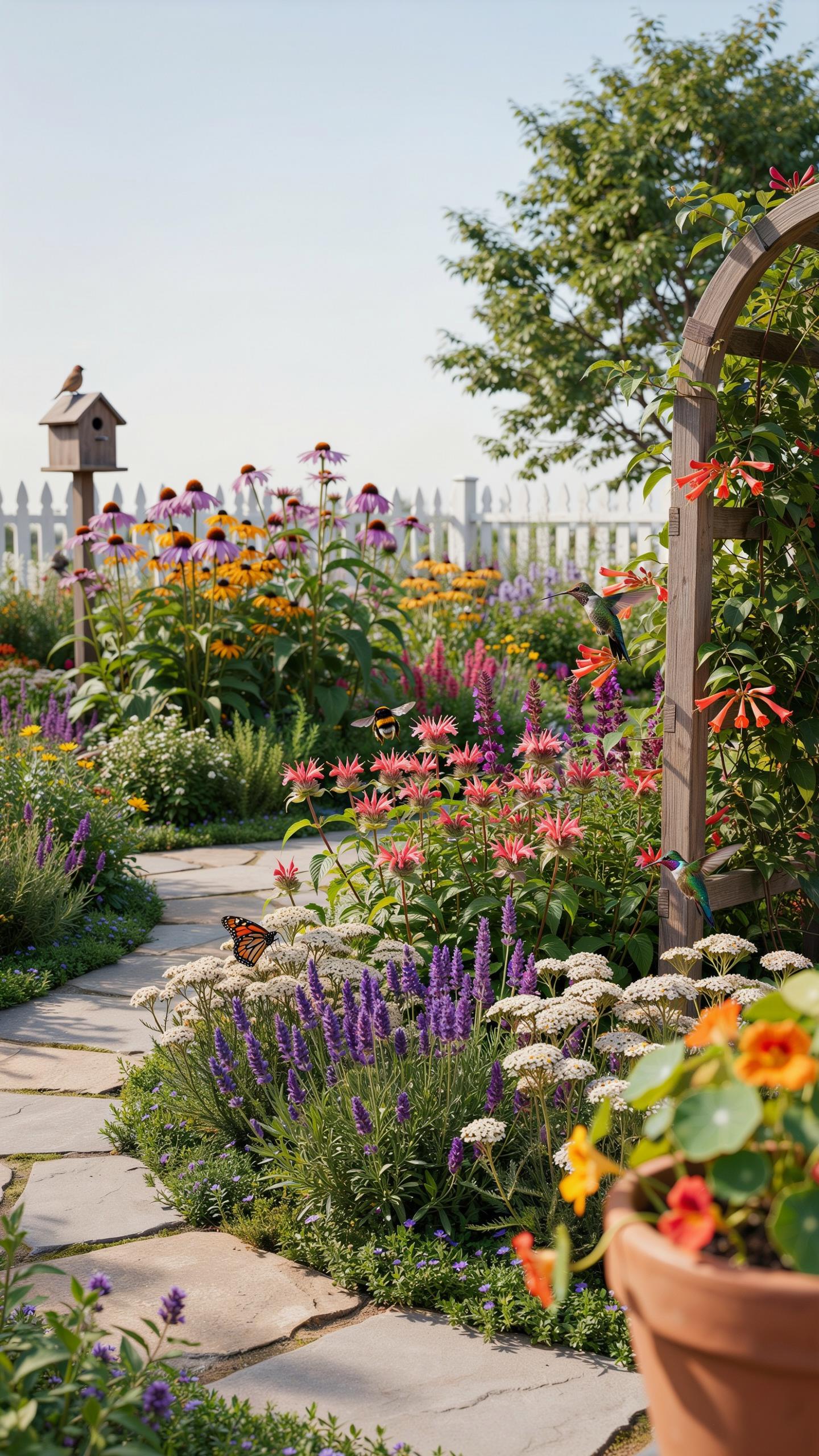
Arrange shrubs by mature height to create unobstructed sightlines for pollinators. Place taller varieties at the north or west perimeter to avoid shading lower plantings. Position medium shrubs in the middle layer, then low groundcover shrubs at the garden edges. This tiered structure maximizes sunlight exposure and allows pollinators to navigate the garden without obstruction. Spacing matters. Leave 3 to 5 feet between shrubs to permit flight paths and reduce competition for resources.
Density affects pollinator access. Overcrowded shrubs trap insects and reduce air circulation. Space plantings wide enough for bees and butterflies to move freely between flowering areas. Cluster flowering shrubs together by bloom time so pollinators encounter concentrated nectar and pollen sources. This clustering strategy reduces travel distance and improves foraging efficiency. Visual continuity guides insect movement through your garden systematically.
Windbreaks And Shelter
Position dense shrub rows on the windward side of your garden to reduce gusts that ground flying insects. Wind speeds above 10 miles per hour force pollinators to expend excessive energy or abandon foraging. Strategic placement of hardy, thick-canopied shrubs breaks wind patterns and creates calm zones where pollinators work effectively. Deciduous and evergreen shrub combinations provide year-round protection. Check your local wind patterns and orient your windbreak perpendicular to prevailing winds for maximum effect.
Shelter zones extend the foraging season and protect tender insects during temperature swings. Shrubs with dense branching structure trap warm air and create thermal pockets that extend pollinator activity. South-facing shrub clusters warm faster in spring, activating early-season insects when few nectar sources exist. Dense foliage also shields pollinators from sudden cold snaps and rain events. Position shelter zones where morning sun reaches them first to warm insects quickly after cool nights.
Sourcing Creative Pollinator Garden Design Ideas For The Mid Story
Visual Interest
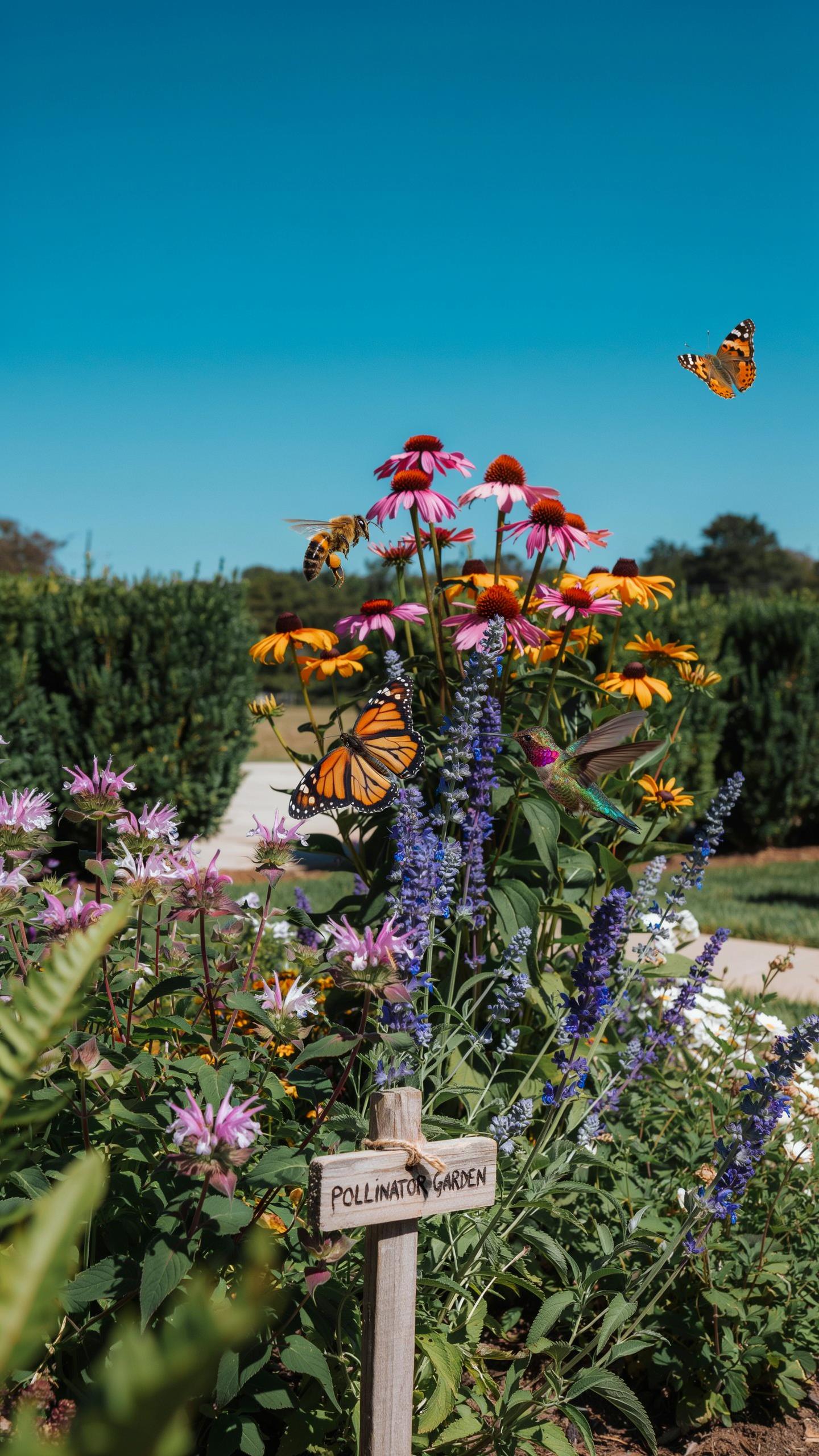
Seasonal transitions drive the visual layer of a pollinator shrub garden. Use deciduous shrubs that flower at different times: early bloomers like serviceberry, mid-season viburnums, and late-season caryopteris extend color from spring through fall. Incorporate shrubs with persistent berries such as ilex and sambucus to maintain visual depth after bloom cycles end. Colorful stem varieties like red-twig dogwood and yellowwood cultivars provide winter contrast when foliage drops.
Structure your shrub placement by bloom timing, not density. Front areas get spring bloomers like forsythia. Middle zones hold summer performers such as butterfly bush and lilac. Back layers include fall bloomers like asters and sedum species trained as shrubs. This staggered approach prevents the garden from appearing bare during transition periods while maintaining pollinator food sources continuously.
Nesting And Foraging
Host plants serve dual purposes in pollinator gardens. They feed larvae during critical growth stages and provide nectar and pollen for adult insects simultaneously. Milkweed shrubs support monarch butterfly caterpillars while their flowers feed bees and butterflies. Ceanothus species host native bees and provide blue flowers for adult foraging. Native plum and cherry shrubs host swallowtail butterfly larvae while their spring blooms feed multiple pollinator species.
Design foraging zones near nesting structures to reduce pollinator travel distance. Position host plants within 10-15 feet of shelter shrubs with dense branching. This proximity lets insects move between reproduction sites and food sources efficiently. Include berry-producing shrubs like elderberry and chokeberry to sustain migrating species during fuel-intensive seasonal movements.
Adapting English Garden Principles To Shrub Selections
Classic Symmetry
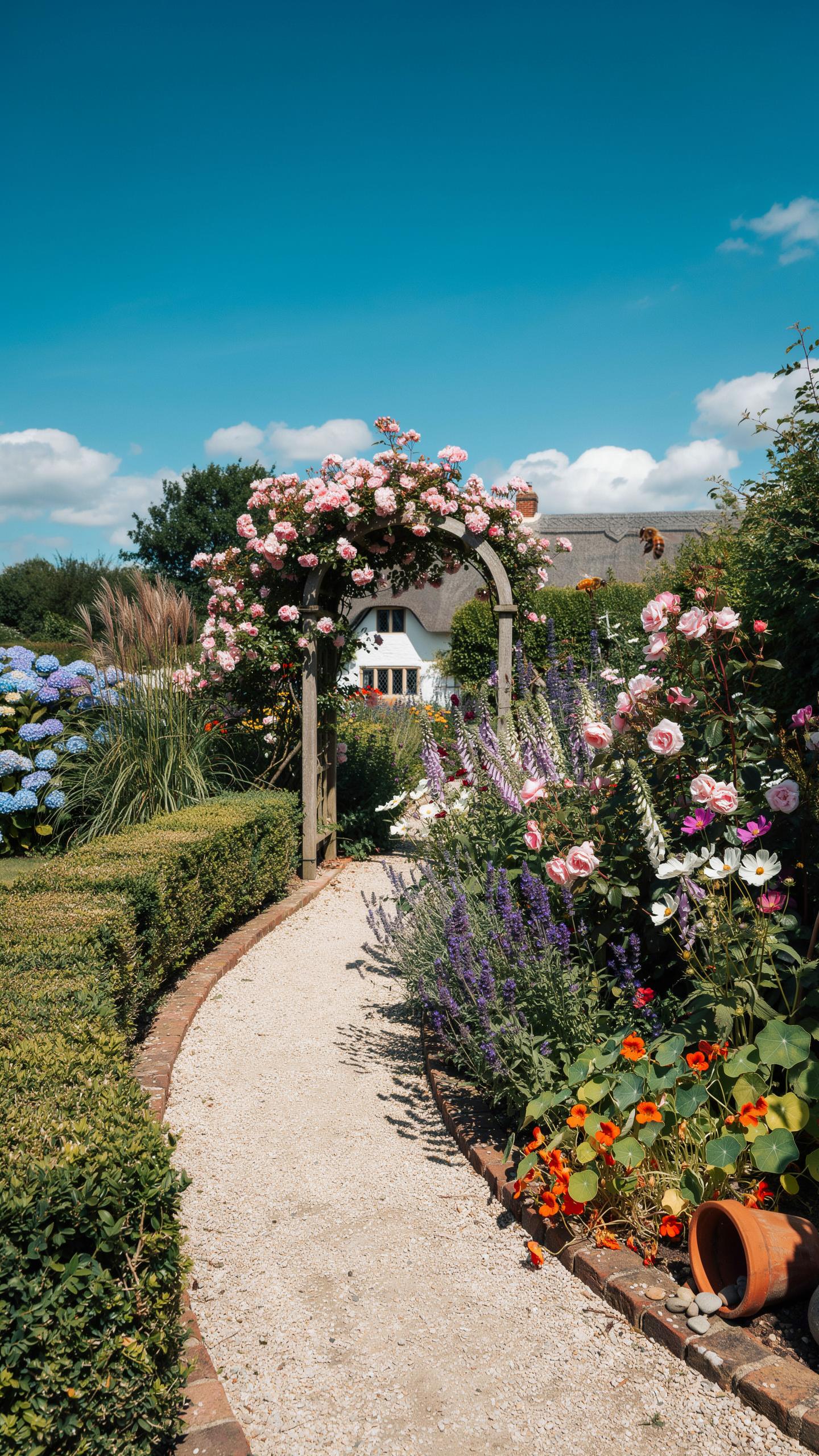
English garden design relies on structured layouts to create visual order. Symmetrical plantings anchor spaces and give gardens a sense of control. Apply this principle by positioning evergreen shrubs in matching pairs or mirror arrangements. Boxwood, yew, and privet tolerate formal pruning and hold their shape year-round. This structured backbone supports pollinator plantings without competing for attention or resources.
Symmetry also simplifies maintenance and allows you to monitor shrub health consistently. Paired specimens on either side of a pathway or entrance establish rhythm. This approach works well in small yards where you need every plant to earn its place. Evergreens provide winter structure when flowering shrubs go dormant, maintaining garden definition across all seasons.
Traditional Hedgerows
Hedgerows developed as practical farm boundaries in England and Europe. They combine multiple shrub species to create dense, layered barriers. This ecological density supports pollinators far better than monoculture hedges. Species like hawthorn, blackthorn, and holly provide nectar, pollen, and berries throughout the year. Translate this mixed-species approach to your property line for both function and pollinator value.
Traditional hedgerows thrive on the edges where different plant communities meet. This transition zone concentrates insect and bird activity. Plant native shrub species in clusters of three or more rather than single specimens. Stagger planting heights to create visual softness while maintaining boundary definition. Avoid chemical treatments to preserve the insects and microorganisms that pollinators depend on for food.
Integrating A Perennial Garden With Woody Shrubs
Understory Harmony
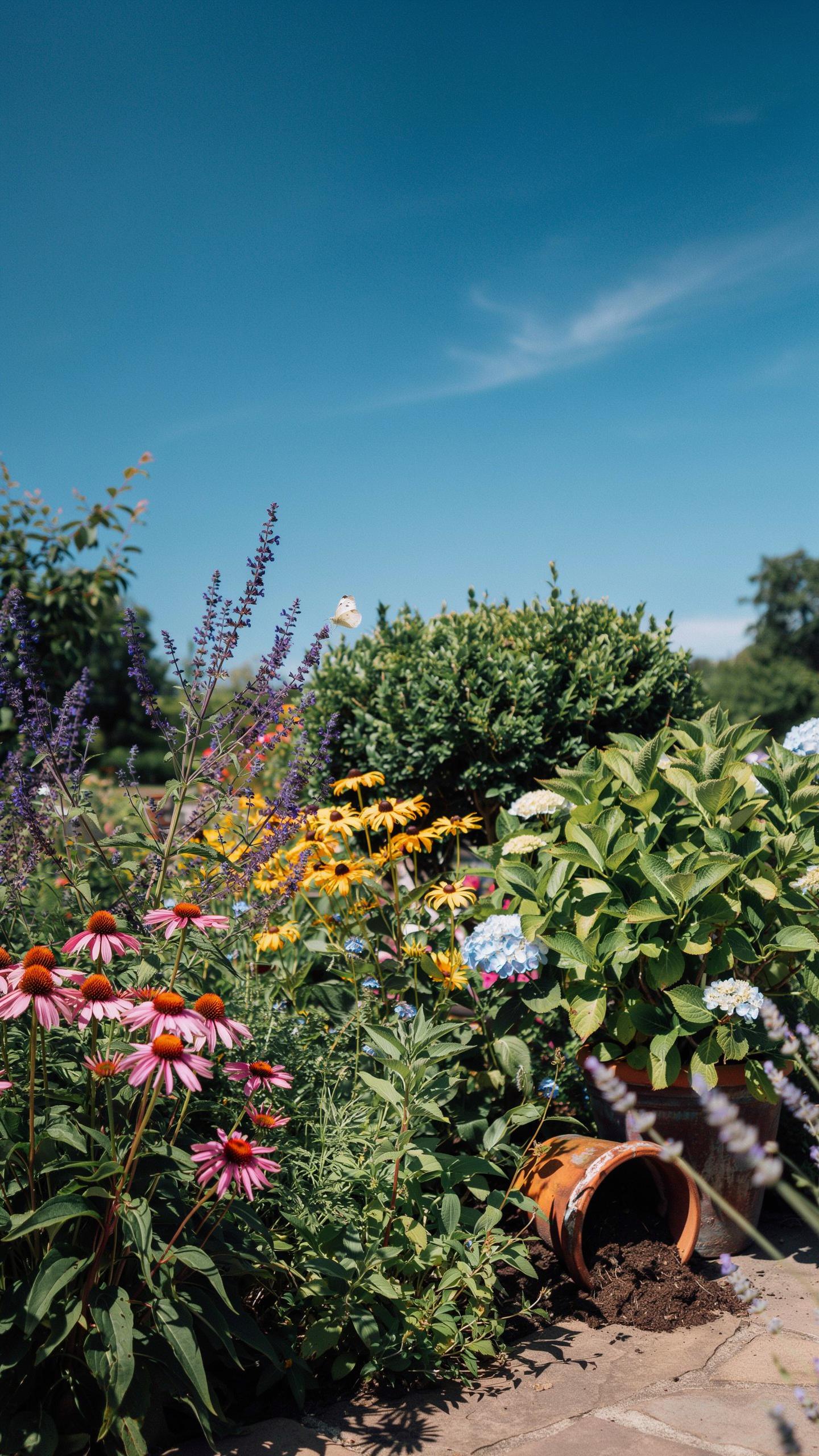
Height transitions work when you layer plants by mature size, not by guess. Place tall shrubs at the back, mid-sized shrubs in the middle, and perennials in front. This creates visual flow and prevents shade conflicts. Each layer needs direct light access during peak growing hours. Stagger plantings by 12 to 18 months to let establishment patterns stabilize before adding the next layer.
Perennials establish faster than shrubs, so time your plantings strategically. Plant perennials after shrubs reach at least two-thirds of their mature height. This prevents vigorous perennials from outcompeting young shrubs for water and nutrients. Pollinators need unobstructed access to flowers at all heights. Prune shrubs to maintain open architecture and allow understory plants to flower without competing for light or pollinators.
Root Zone Dynamics
Shallow-rooted perennials and deep-rooted shrubs occupy different soil zones, reducing direct competition. However, they share the top 12 to 18 inches where most nutrient uptake occurs. Amend your soil with compost before planting to increase nutrient availability without forcing plants to compete aggressively. Space plants according to mature root spread, not just canopy width. Most shrubs require more space underground than their above-ground appearance suggests.
Mulch manages moisture across both layers without creating fungal issues on shrub stems. Apply mulch two to three inches deep, keeping it six inches away from woody stems. Water deeply but infrequently to encourage deep root growth in shrubs while meeting perennial moisture needs. Test your soil annually to track nutrient depletion from two competing plant communities. Adjust irrigation and amendments based on actual soil conditions, not assumptions.
Designing An English Cottage Garden Vibe With Multi Tiered Planting
Essential Cottage Shrubs
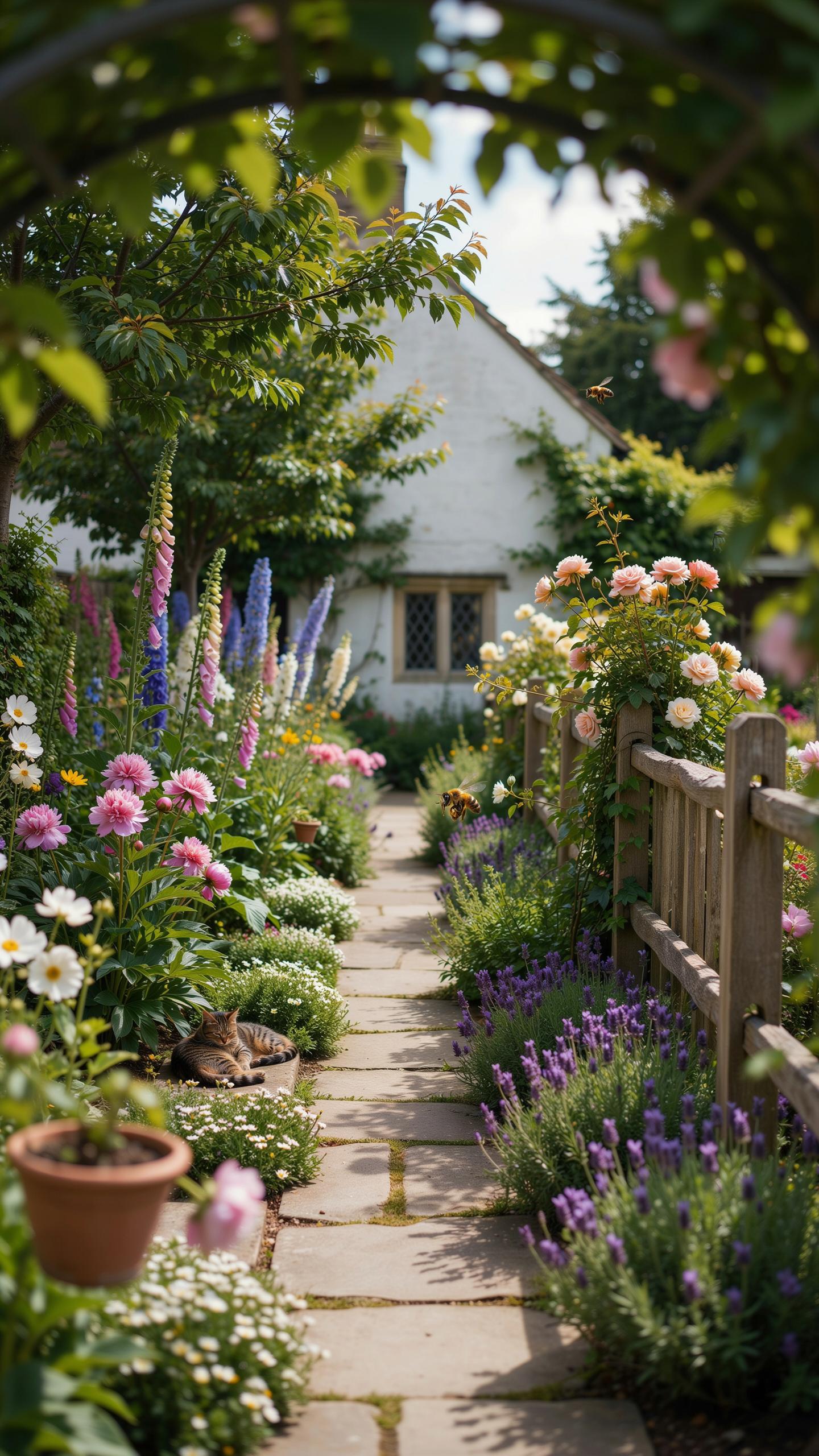
English cottage gardens rely on specific shrub species that deliver consistent nectar and pollen to pollinators while maintaining the garden’s visual structure. These plants evolved in temperate climates and perform reliably across most growing zones. Shrubs form the backbone of your pollinator garden. They provide food sources that bloom across multiple seasons, creating continuity when herbaceous plants fade.
- Lavender: Produces abundant nectar from early summer through fall. Bees and butterflies visit heavily. Requires full sun and well draining soil to thrive and avoid root rot issues.
- Rosemary: Blooms year round in mild climates, sporadically in cold zones. Attracts bees and hoverflies consistently. Evergreen structure provides winter interest and shelter for beneficial insects.
- Weigela: Produces tubular flowers packed with nectar that hummingbirds and long tongued bees access easily. Blooms for six to eight weeks in late spring and early summer reliably.
- Daphne: Flowers appear in late winter and early spring when pollinators emerge hungry. Scent attracts insects despite modest nectar volume. Compact size works well in layered designs.
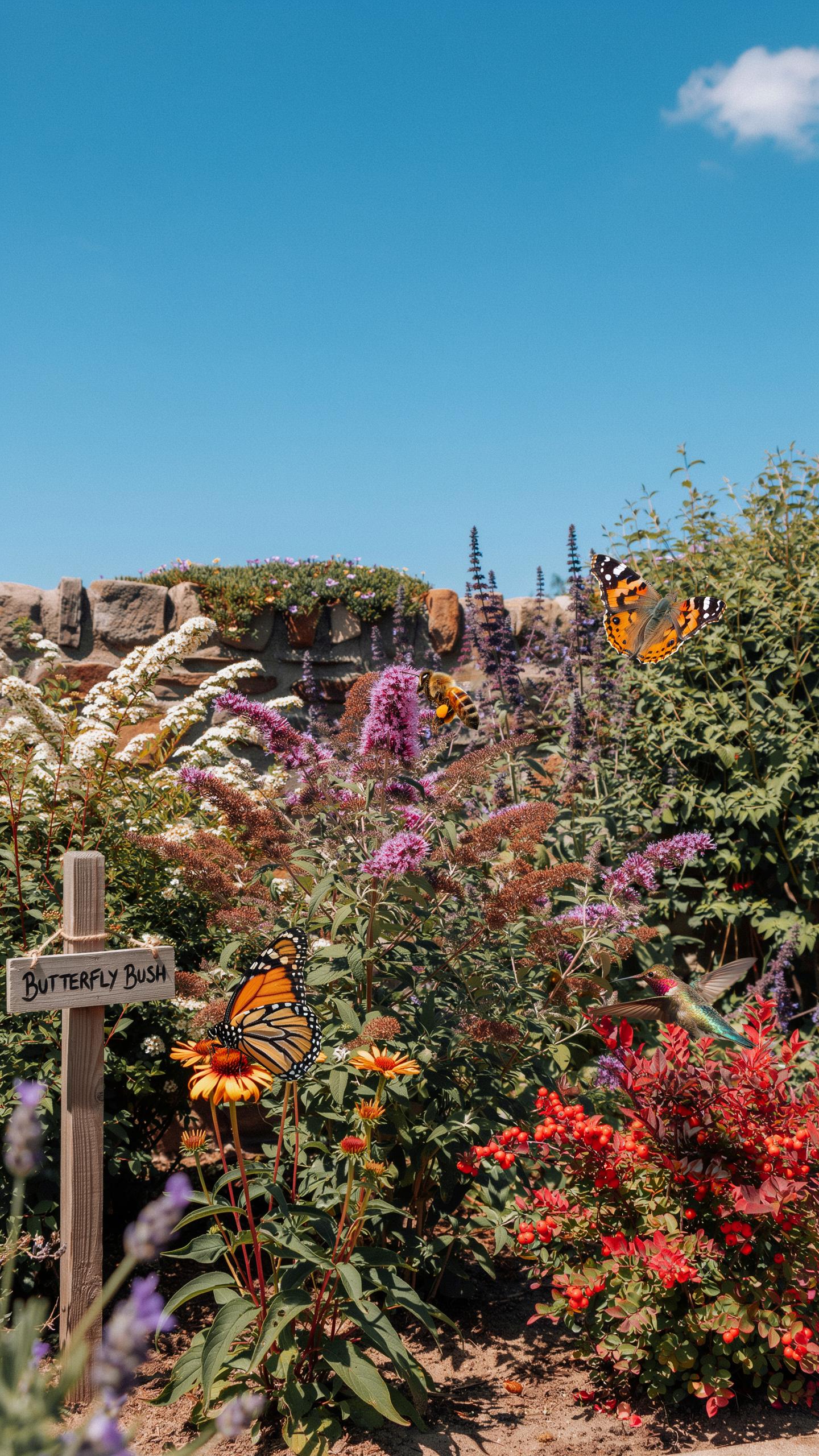
- Buddleia: Heavy nectar producer that butterflies exploit aggressively. Flowers continuously from mid summer through frost. Check local invasiveness regulations before planting in your region.
These shrubs establish quickly and reach productive size within two to three years. Space them at full mature width to prevent crowding that reduces air circulation and increases disease pressure on the pollinator garden.
Informal Layering
Cottage gardens achieve their romantic character through layered planting heights without appearing neglected or uncontrolled. The key involves strategic placement of shrubs at varying distances from pathways and sight lines. This creates visual depth while maintaining clear boundaries. Dense planting behind shrubs works. Sparse placement in front preserves sight lines through the garden.
Layering happens vertically through height gradation and horizontally through spacing intervals. Front layer shrubs reach two to four feet. Middle layer plants stretch four to eight feet. Back layer specimens exceed eight feet when mature. Stagger planting to break straight lines and encourage that informal feel. Groups of three identical shrubs create rhythm without appearing planted in rows. This arrangement focuses pollinator movement toward specific blooming zones while humans navigate safely between plants.
Core Foundations Of Modern Pollinator Garden Design
Native Plants Vs Cultivars
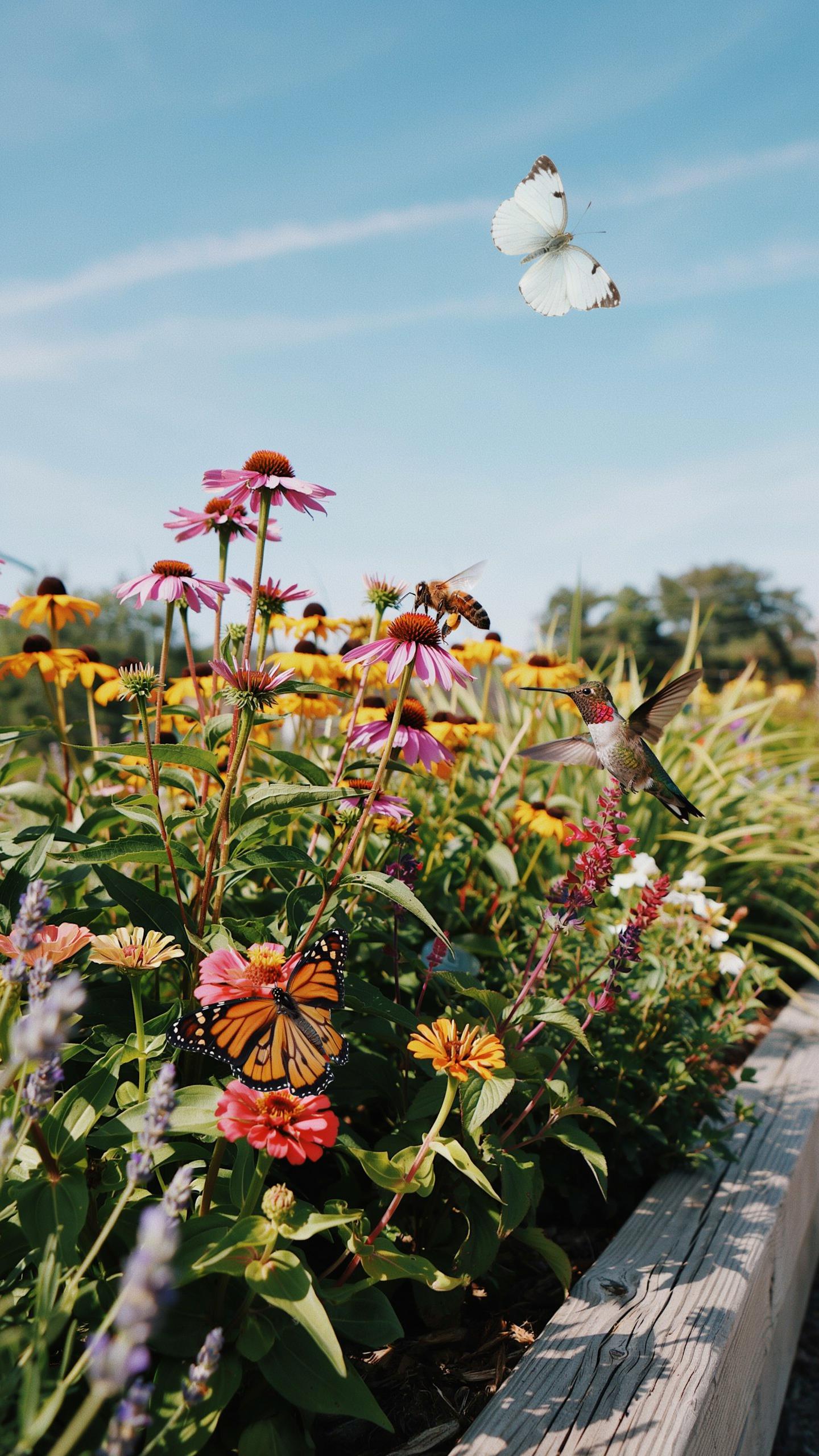
Native plants establish the baseline for pollinator gardens because local insects evolved alongside them for thousands of years. Native shrubs match regional climate conditions, require minimal inputs, and provide food sources pollinators recognize instinctively. However, native species alone often create gaps in bloom timing. Strategic cultivars fill these gaps without compromising the ecological foundation your garden needs.
Select cultivars bred for high nectar production and extended flowering periods. Choose varieties that maintain the growth habits and pest resistance of their parent species. Avoid double-flowered cultivars, which offer little to no nectar or pollen access. The goal is augmentation, not replacement. Native shrubs form your core structure while cultivars extend foraging opportunities across seasons.
Continuous Bloom Cycles Calendar
Design your shrub layer to deliver nectar and pollen from early spring through late autumn. Start with early bloomers like serviceberry and native viburnums that flower before most vegetation emerges. These catch hungry pollinators as they wake from dormancy. Map mid-season bloomers next, focusing on shrubs flowering June through August when pollinator activity peaks and competition for food intensifies.
Finish your calendar with late-season bloomers like New Jersey tea and some native asters that sustain populations into fall migration periods. This continuous sequence prevents the starvation gaps that force pollinators to abandon your garden. Track actual bloom dates in your specific zone over one full year. Adjust shrub selections based on what you observe. Consistency matters more than plant count when building reliable foraging infrastructure.
Curating A Butterfly Garden Design Within Your Shrub Layer
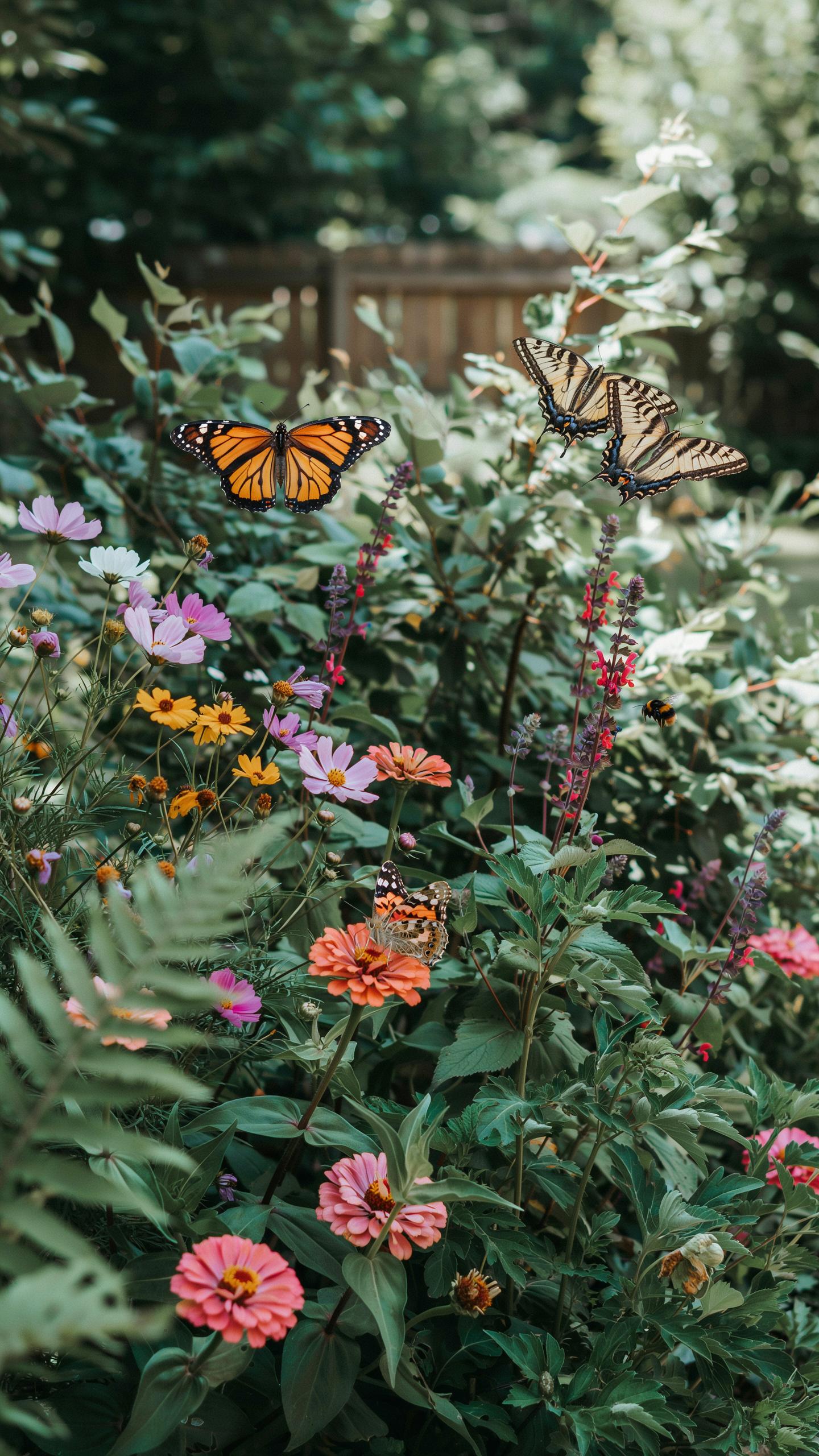
Host Plants Shrub Guide
Butterflies lay eggs only on specific plant species. Your shrub layer must contain the exact host plants that caterpillars eat. Without these plants, butterflies pass through without reproducing. This is non-negotiable for a functioning butterfly garden.
- Milkweed species (Asclepias): Monarch caterpillars feed exclusively on milkweed plants. Showy milkweed, butterfly weed, and swamp milkweed grow 2-4 feet tall. Plant multiple milkweed shrubs to support multiple generations per season.
- Cherry and plum trees (Prunus): Swallowtail caterpillars prefer cherry, plum, and related species. Black cherry and chokecherry work in most climates. These shrubs reach 6-15 feet depending on variety.
- Willow species (Salix): Several butterfly species including Viceroy and Mourning Cloak caterpillars use willow. Pussy willow and dwarf varieties fit smaller gardens. Willows grow quickly and tolerate wet soil.
- Passionflower vine (Passiflora): Gulf Fritillary and Variegated Fritillary caterpillars depend on passionflower. These vines climb shrubs and structures. They thrive in warm climates and provide year-round cover.
- Buckwheat shrubs (Eriogonum): Native buckwheat species support Copper and Hairstreak butterfly caterpillars. These drought-tolerant shrubs reach 1-3 feet. They flower prolifically and attract adult butterflies simultaneously.
Plant host species in clusters of three to five shrubs. This concentration ensures caterpillars find adequate food without searching across your entire garden. Dense groupings also provide shelter during vulnerable development stages.
To garden is to be part of a community of life that stretches far beyond our fences, creating a sanctuary where every shrub whispers a welcome home.
Sunbathing Spots And Mud Puddles
Butterflies bask on warm surfaces to regulate body temperature before flight. Position flat stones near shrub edges where butterflies can access direct sun. Stones absorb heat and provide safe vantage points. Ensure shrubs remain close for quick escape from predators.
Create mud puddling stations within 3-5 feet of shrub cover. Butterflies extract minerals and salts from mud and wet soil. Dig shallow depressions 12-18 inches across and keep soil consistently moist. Place these stations where morning sun warms the ground early.
Drafting An Effective Garden Design Layout For Small Spaces
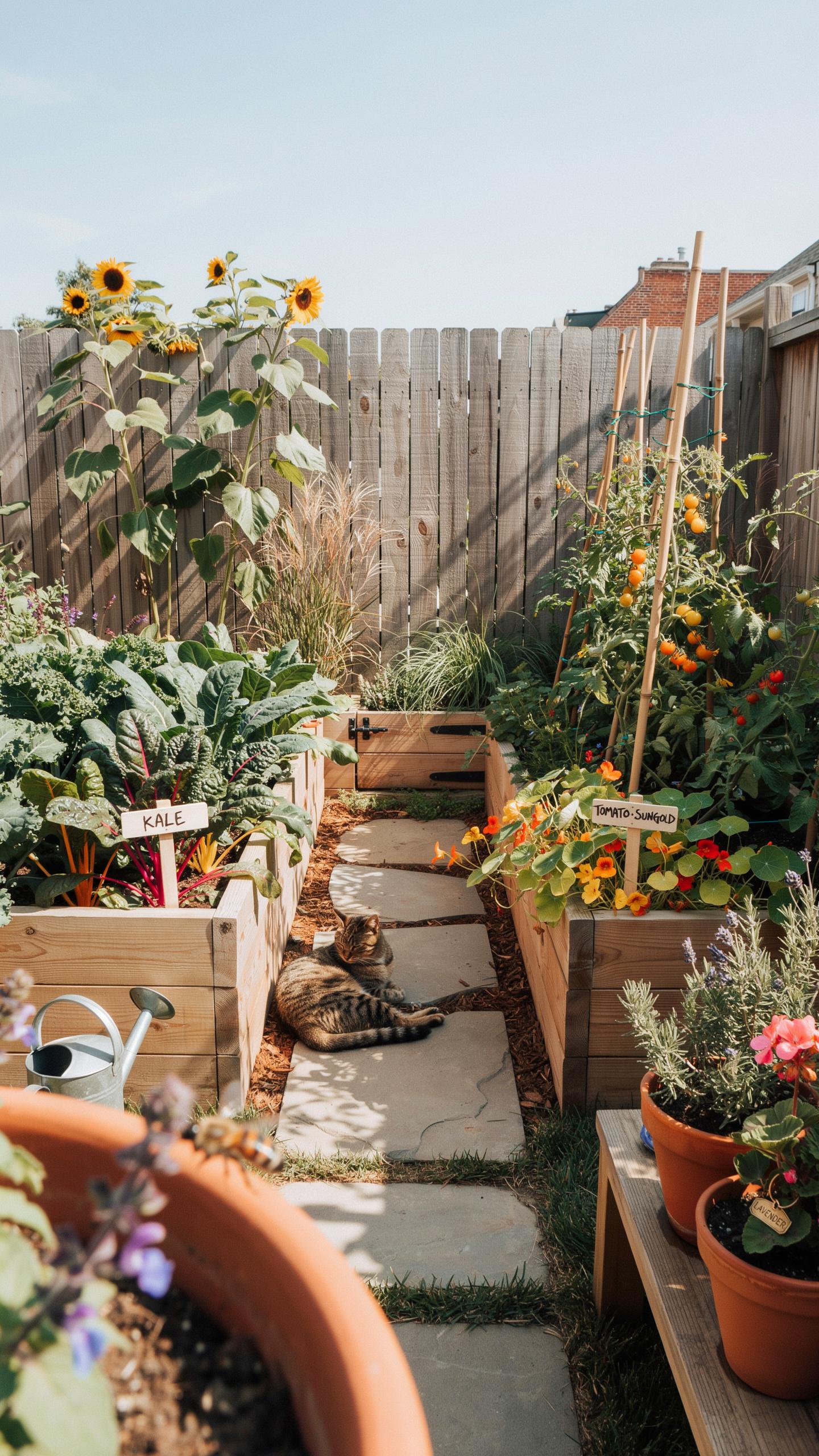
Vertical Maximization
Wall-trained shrubs and espaliers solve the core problem of small spaces: limited ground area. Train shrubs against south or west-facing walls to capture heat and light while occupying minimal footprint. Structural trellises create a framework that forces branching into flat planes, reducing depth requirements. This approach delivers the same ecological function as free-standing shrubs but uses 60-70% less square footage. Tight corners become productive zones instead of dead space.
Espalier techniques date back centuries in European gardens where space constraints drove innovation. Modern practitioners apply the same principles to pollinator shrubs like butterfly bush and privet. Wire systems anchored to walls guide growth patterns with precision. The investment in setup pays dividends through years of reduced pruning and maximum pollen production from confined spaces. Corner installations generate year-round structure and seasonal blooms without sprawl.
Compact Cultivars
Dwarf shrub varieties deliver maximum ecological value per square foot when selected strategically. Chokeberry dwarf forms, serviceberry cultivars, and compact viburnum species produce abundant flowers and fruit in tight footprints. These genetics matter because they concentrate flowering nodes and reduce wasted energy on excessive vegetative growth. A 3-foot dwarf butterfly bush generates nectar-producing blooms equivalent to a 6-foot standard variety. Selection accuracy determines return on limited space.
Match compact cultivars to specific pollinator needs rather than aesthetic preference alone. Native dwarf shrubs support indigenous bee species more effectively than ornamental hybrids. Serviceberry attracts specialist bees. Chokeberry hosts beneficial beetles. Compact hollies support migrating monarchs. Research cultivar genetics and blooming patterns before purchase. Small spaces demand precise species selection because each shrub carries outsized responsibility for supporting local insect populations and ecosystem function.
Practical Pollinator Garden Ideas For Low Maintenance Care
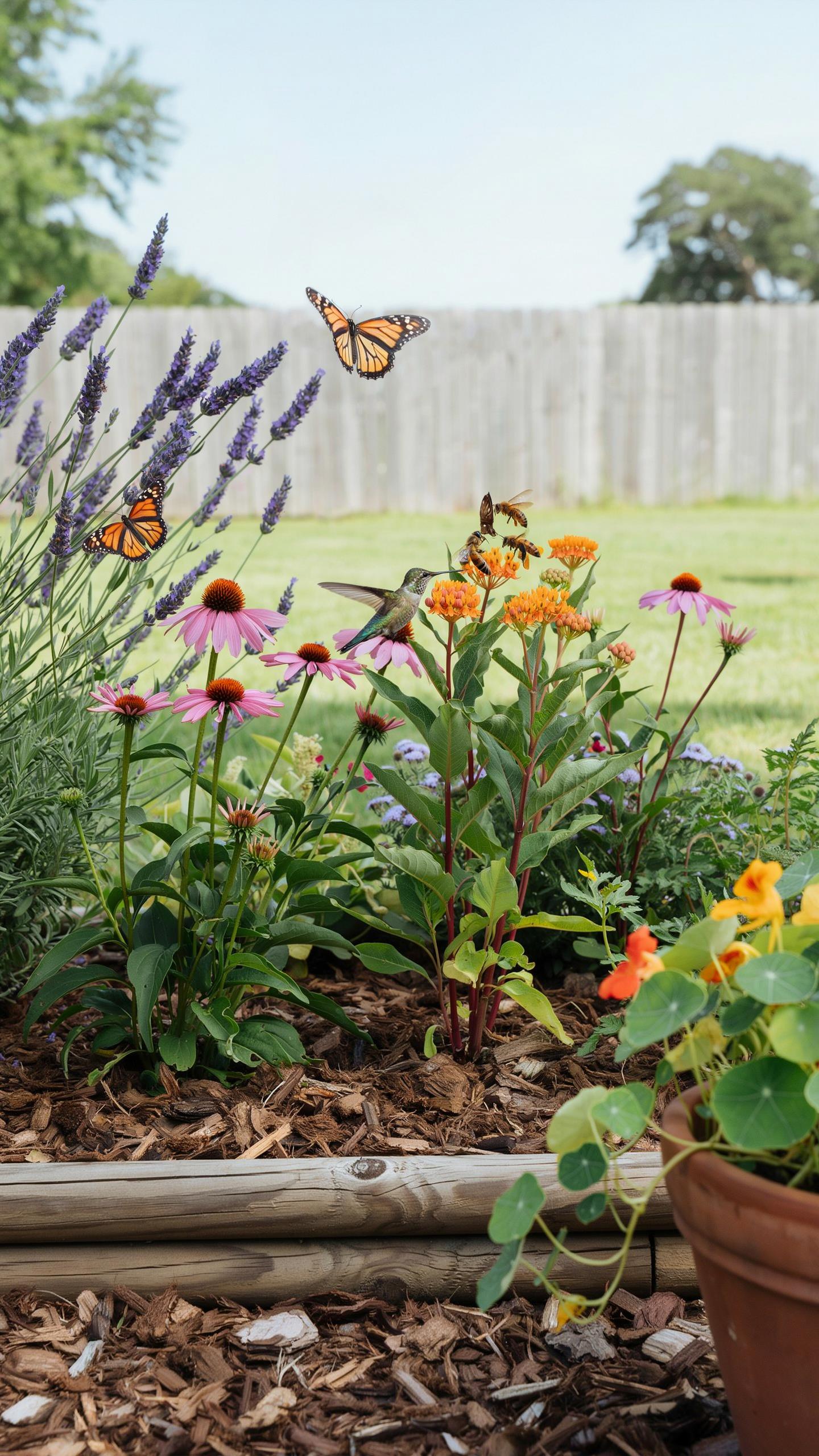
Sustainable Mulching And Watering
Organic mulch regulates soil temperature and retains moisture, reducing watering frequency. Apply 2 to 3 inches of compost or shredded bark around shrub bases. Avoid piling mulch against stems, which traps moisture and causes rot. This approach cuts irrigation needs while supporting beneficial soil microbes that pollinators depend on indirectly.
Drip irrigation delivers water directly to root zones, eliminating waste on foliage. Install drip lines at soil level beneath your shrub layer. Water early morning to minimize evaporation. This method sustains consistent soil moisture that flowering shrubs require while reducing disease pressure from wet leaves.
Seasonal Cleanup Best Practices
Leave standing dead stems and hollow plant material through winter. These structures shelter overwintering larvae of native bees, beetles, and other pollinator species. Cavity nesting bees and stem boring insects depend on hollow stems for brood chamber protection. Cut back shrubs only after spring temperatures stabilize and new growth emerges, typically late March through April depending on your region.
Winter debris provides critical habitat that no artificial structure fully replaces. Native insects time their emergence to coordinate with local plant phenology. Removing dead material in fall eliminates breeding sites and forces pollinators to seek habitat elsewhere. Delay cleanup until soil thaws and new growth signals safe removal timing.
Frequently Asked Questions

What exactly is a shrub layer in a pollinator garden?
The shrub layer serves as the critical middle tier of your landscape, sitting between tall trees and low-growing perennials. In a pollinator garden design shrub layer, these woody plants provide essential nesting sites and high-volume nectar sources. By choosing varieties with different flowering times, you create a structural backbone that offers privacy for your home while ensuring a steady food supply for bees, butterflies, and local birds.
How do I arrange shrubs to create a cozy, enclosed garden feel?
To achieve that intimate atmosphere, use a tiered planting approach. Place taller deciduous shrubs toward the perimeter and shorter, fragrant evergreens closer to your seating areas. When perfecting your pollinator garden design shrub layer, stagger the plants in a zigzag pattern rather than a straight line. This creates soft, natural edges that wrap around your patio, providing a sense of seclusion while acting as a windbreak for delicate winged visitors.
Can I create an effective pollinator habitat if I have a small budget?
Absolutely! You can build a stunning habitat affordably by starting with small “plug” sizes or bare-root shrubs instead of mature nursery containers. Focus on native species like Viburnum or Spiraea, which are often hardier and require less expensive soil amendment. Planting just two or three well-placed native bushes will establish a functional foundation that brings life and beauty to your outdoor space without a massive upfront investment.