Understanding Timeless Pollinator Garden Design Principles
Aesthetic Balance
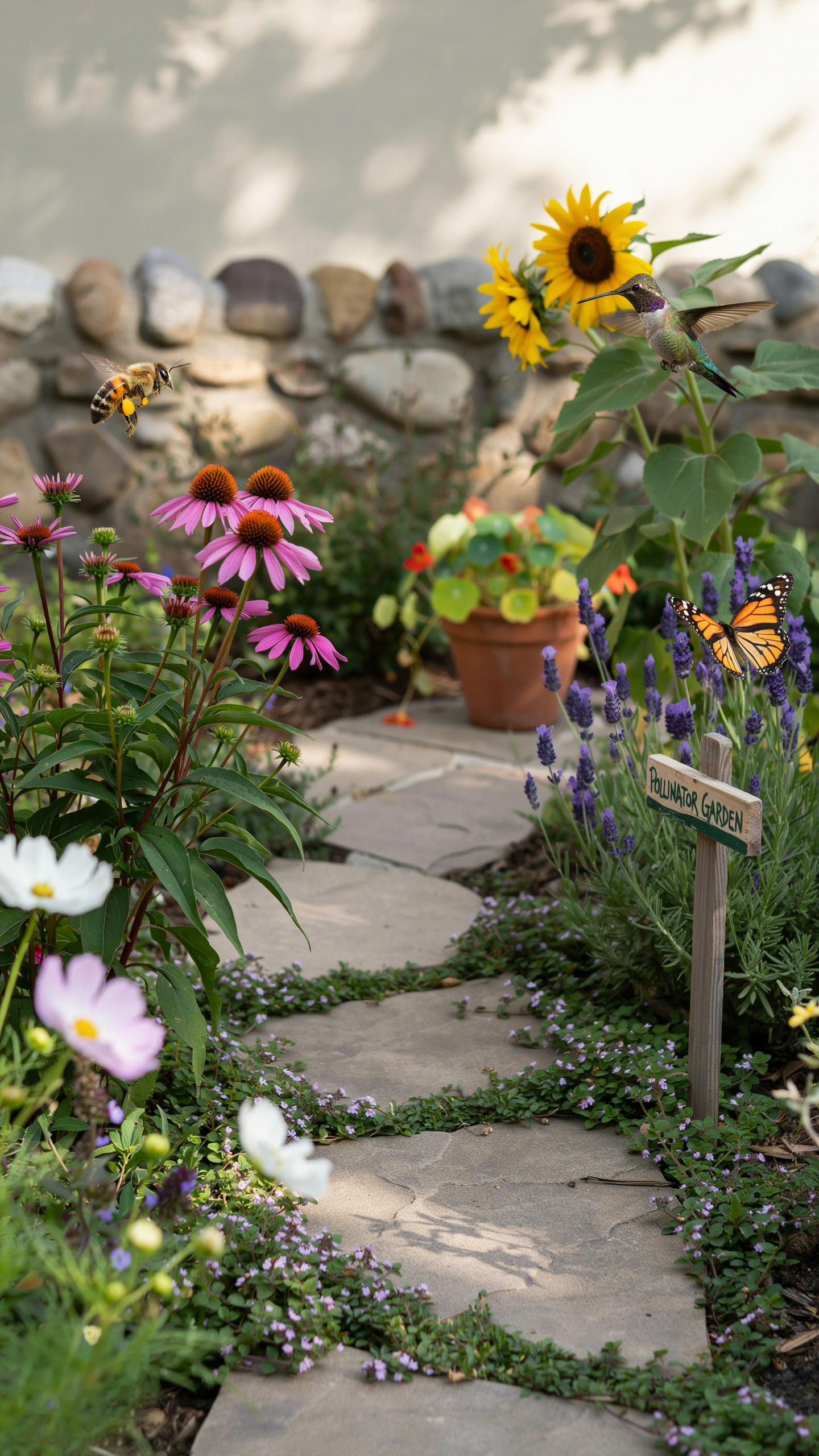
Your garden must function as habitat and living space simultaneously. This means choosing native plants that support pollinators while fitting your property’s visual character. Native species evolved in your region’s climate and soil, so they require less maintenance than ornamentals. The payoff is a garden that works harder with less effort while attracting bees, butterflies, and other pollinators naturally.
Design balance comes from layering plants by height and bloom color. Place tall native plants at garden edges or rear sections. Position mid-height species in the middle tier. Put ground covers and low bloomers in front. This structure creates visual depth and allows pollinators access to flowers at multiple levels. Native plant communities naturally exhibit this layered structure, so you’re working with ecological patterns, not against them.
Seasonal Blooms
Native plants bloom on schedules shaped by your region’s weather patterns. Early spring bloomers emerge when soil temperatures rise. Summer species peak during heat cycles. Fall bloomers support pollinators preparing for winter dormancy. Staggering bloom times across seasons ensures nectar and pollen availability when pollinators need them most.
Create a bloom calendar by noting when each native species flowers in your area. Track what blooms in March, June, August, and October. Fill gaps with additional natives that flower during lean periods. This tactical approach prevents the common mistake of having abundant blooms for two months while pollinators starve the rest of the year. Continuous food sources keep pollinator populations stable and active throughout growing seasons.
Choosing The Best Native Pollinator Plants For Your Region
Top Native Perennials That Attract Crucial Insect Species
Native perennials anchor pollinator gardens because they return annually and require minimal maintenance once established. Select species that bloom across spring, summer, and fall to maintain consistent food sources. Regional adaptation means these plants already thrive in your soil, water conditions, and temperature range. This eliminates guesswork and reduces failure rates compared to non-native alternatives.
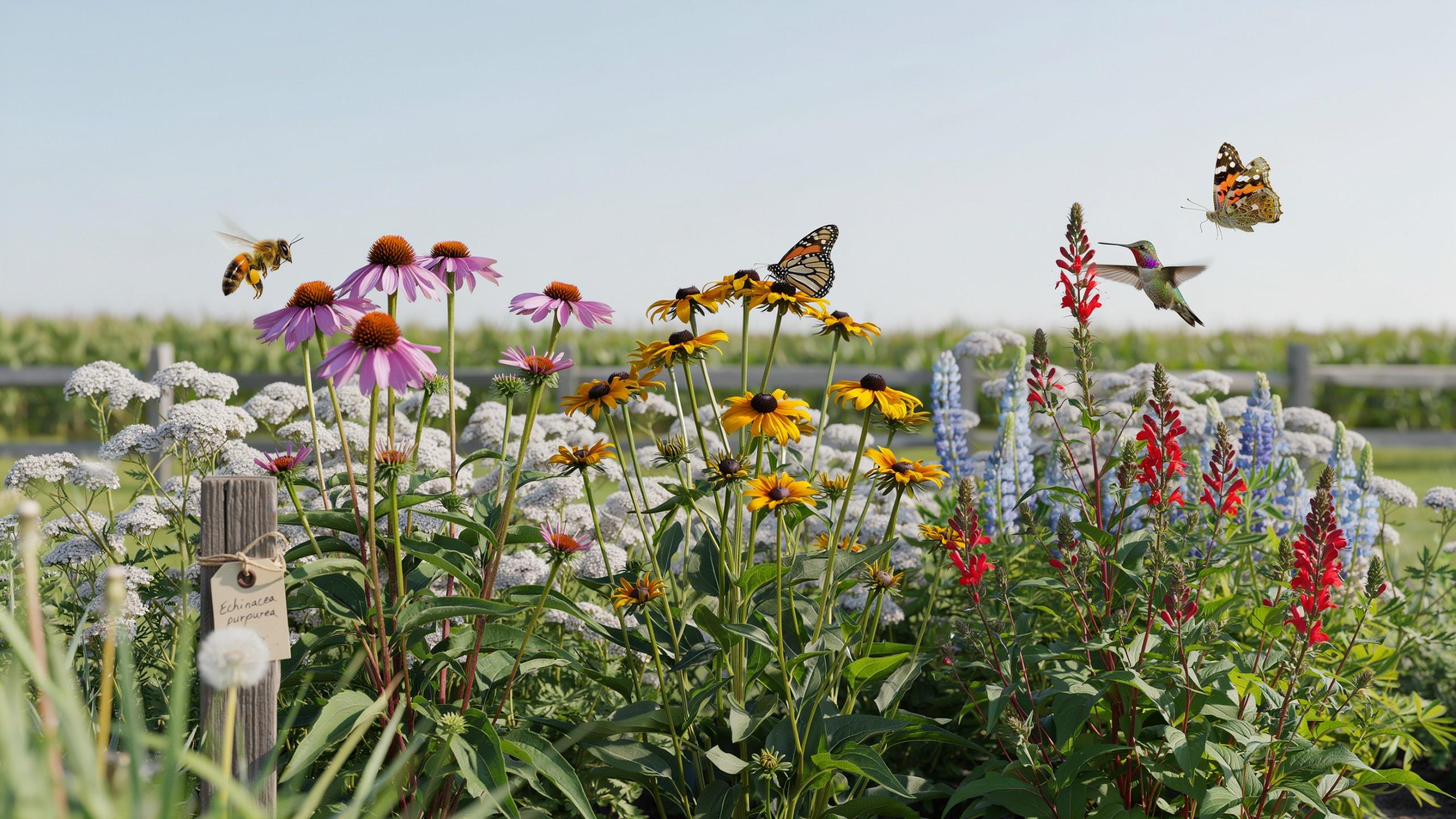
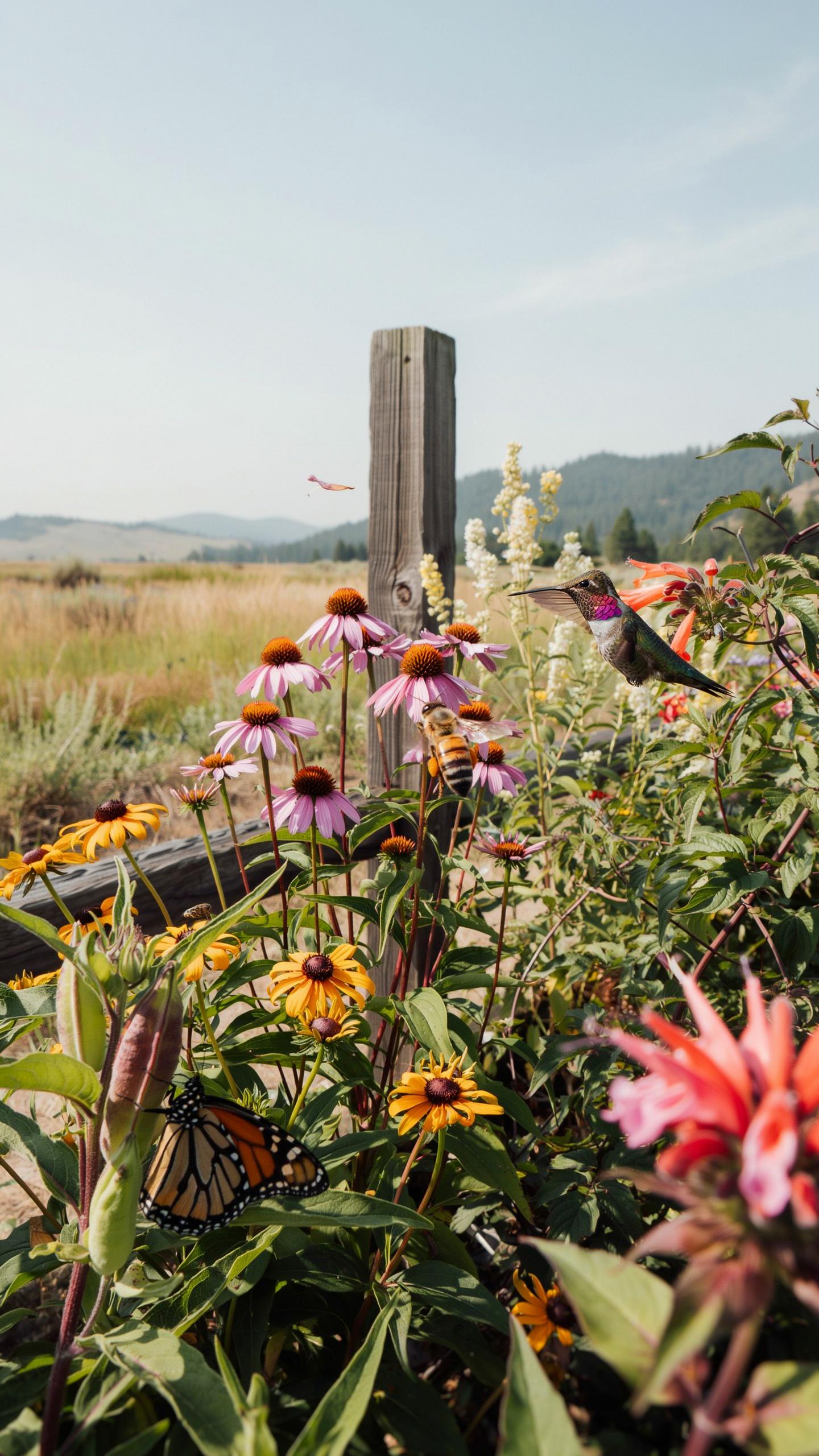
- Black-eyed Susan (Rudbeckia fulgida): Blooms mid-summer through fall. Attracts bees, butterflies, and beneficial wasps. Tolerates poor soil and drought conditions once established in most eastern regions.
- Coneflower (Echinacea purpurea): Summer bloomer with nectar-rich disk florets. Draws native bees and butterflies. Seeds feed goldfinches and other birds into winter months.
- Bee Balm (Monarda didyma): Peak bloom June through August. Hummingbirds and long-tongued bees prioritize this species. Spreads via rhizomes, so contain it with barriers in small spaces.
- Blazing Star (Liatris spicata): Tubular flowers provide nectar access for specialized bee species. Blooms July through September. Attracts butterflies and native bees with high foraging efficiency.
- Wild Bergamot (Monarda fistulosa): Extended bloom period from July into fall. Supports native bee species including sweat bees and carpenter bees. Drought tolerant once rooted.
These species deliver measurable results because they evolved alongside regional pollinator populations. The insects recognize these plants as food sources and visit them repeatedly. Garden timing improves when you layer bloom periods across the growing season.
How Native Flora Outperforms Cultivated Varieties In Local Ecosystems
Native plants support specialized pollinator-plant relationships that cultivars cannot replicate. Over thousands of years, native insects developed feeding preferences and timing cycles matched to native flora. When you introduce native plants, you restore these functional partnerships. Cultivated ornamentals often lack the nutritional value or flower structure that native pollinators require.
Cultivars frequently have altered flower forms that block pollinator access. Double flowers, sterile hybrids, and heavily bred varieties produce little to no pollen or nectar. Native plants maintain their original reproductive structures, ensuring pollinators get viable food sources. Additionally, native flora supports the complete food web: native insects feed native plants, then birds and predators feed on those insects, creating ecosystem stability that imported plants cannot provide.
An Essential Guide To Pollinator Garden Layout Planning
Layering Techniques
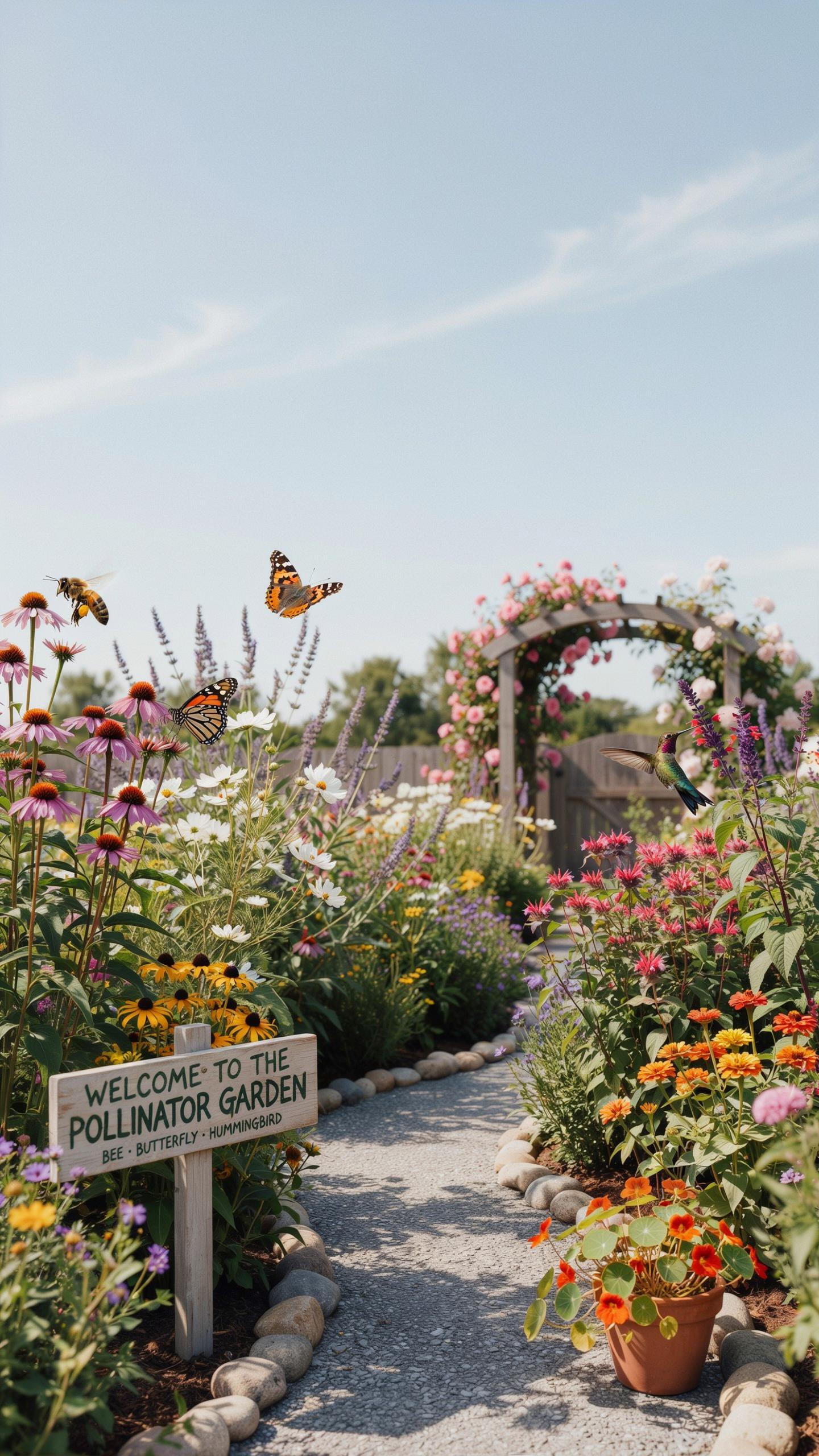
Vertical layering means stacking plants by height to create distinct zones. This approach uses canopy trees, understory shrubs, and ground covers in the same bed. Pollinators access nectar and pollen at every level. The structure also provides shelter from wind and predators, which insects require for survival and reproduction.
Layering improves space efficiency in small yards. A 100-square-foot garden yields more forage when you stack three height zones than when you plant in a single layer. Native trees like serviceberry and crabapple form the canopy. Shrubs such as elderberry and ninebark fill the middle tier. Ground-level natives like native asters and coneflowers occupy the base, creating a complete foraging habitat.
Clump Planting
Clustering flowers of the same species forces pollinators to visit multiple blooms during a single trip. This behavior transfers more pollen between flowers than random plantings. Bees and butterflies exhaust foraging energy less quickly when they focus on one plant type per stop. Clumps of 3 to 5 plants of each species create visible floral targets.
Clump size matters for pollinator navigation. Large monofloral patches signal food sources from distance. Native black-eyed Susans planted in groups of five outperform scattered individual plants. Repeat clumps throughout the garden in drifts of the same species. This arrangement mirrors natural wildflower distribution and maximizes the return on insect foraging effort.
Innovative Pollinator Garden Ideas For Small And Large Spaces
Small Space Solutions
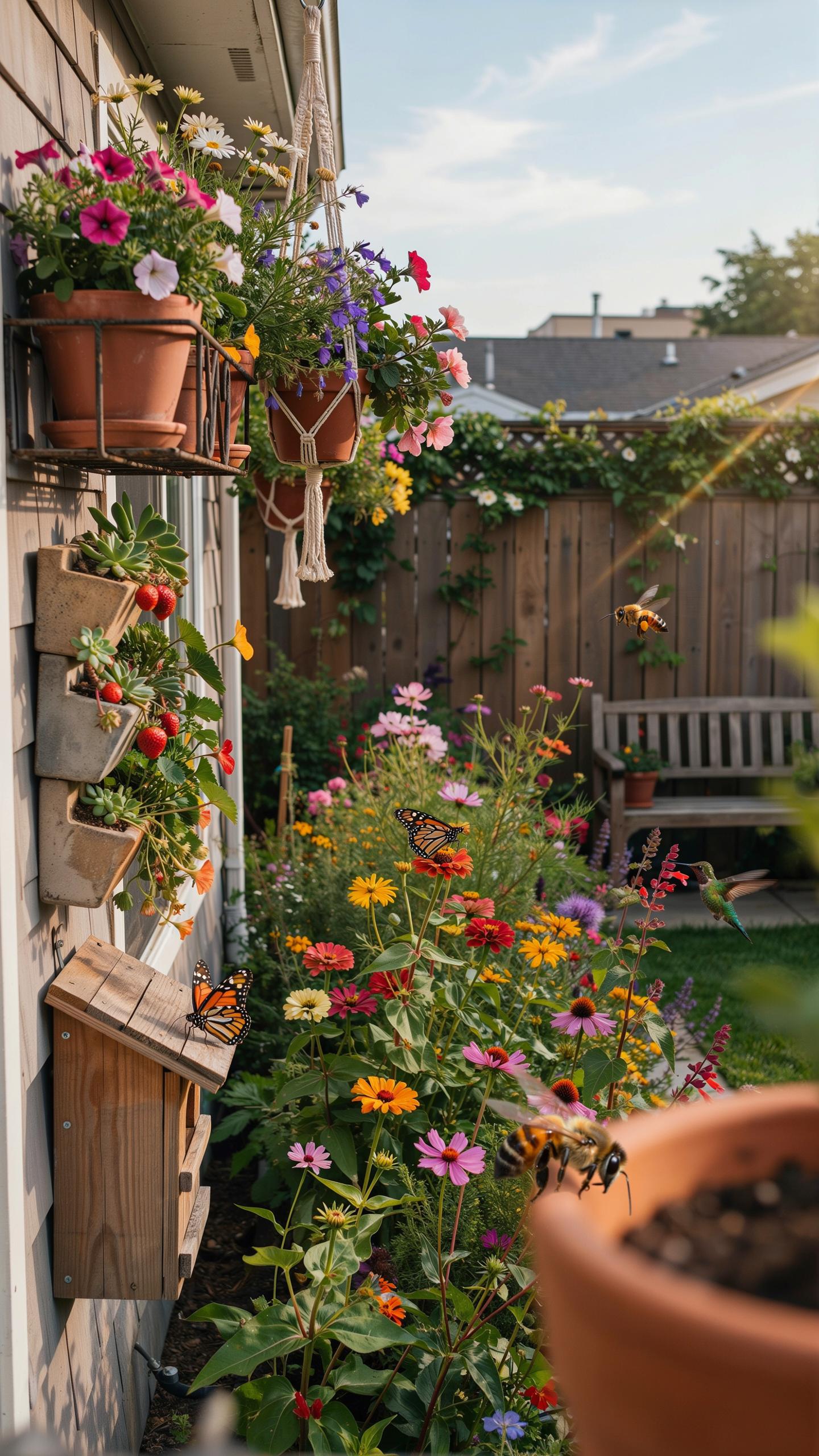
Container gardening works in confined areas because it concentrates nectar and pollen sources within reach of pollinators. Use containers at least 12 inches deep to support root systems. Native species like bee balm, coreopsis, and asters thrive in pots on balconies and patios. Space containers to allow pollinator movement between plants. This method eliminates soil preparation challenges on hard surfaces.
Vertical gardening maximizes limited square footage by training plants upward on trellises and wall-mounted systems. Native clematis and trumpet vine attract hummingbirds and bees while saving ground space. Tiered planting arrangements ensure sunlight reaches all plants. This approach works particularly well in urban environments where horizontal space doesn’t exist. Maintenance becomes easier because you access plants at comfortable heights.
Large Meadow Designs
Converting lawn to meadow requires removing existing turf to expose bare soil where native seed germinates directly. Cut existing grass short, then scalp the area to eliminate thatch. Scatter native seed mix in fall or early spring depending on your region. Native wildflowers establish faster on disturbed soil than in competition with established grass. This transition typically takes one to two seasons for full establishment.
Management differs dramatically between maintained lawns and meadows. Mow once yearly in late fall after seeds drop to prevent woody plant invasion. Skip mowing in spring and summer to allow flowering and pollinator activity. This schedule reduces labor compared to weekly lawn maintenance. Native meadows become self-sustaining ecosystems that require minimal input after establishment.
How To Structure A Vibrant Bee Garden That Buzzes With Life
Bee Friendly Factors
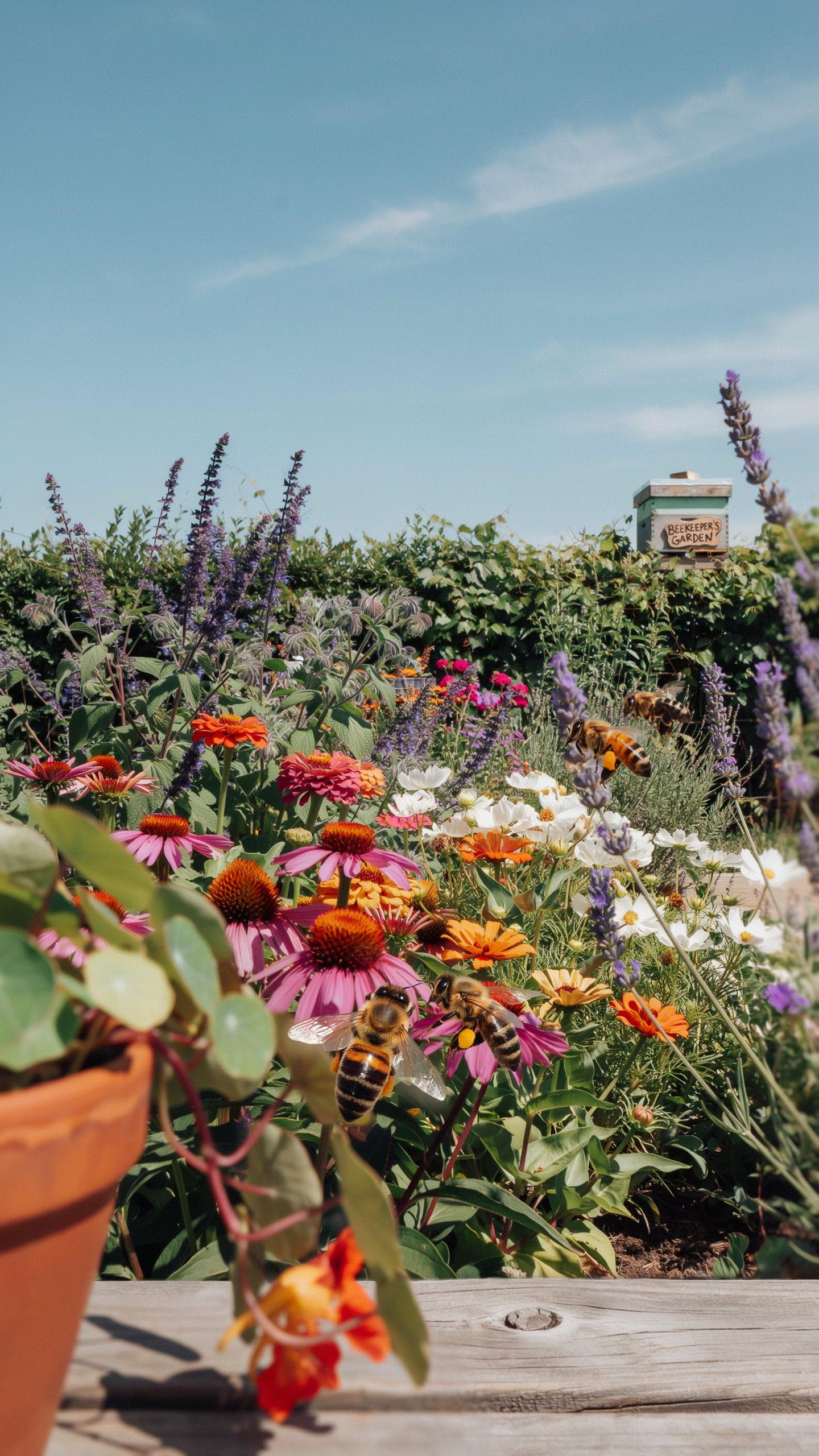
Native bees need specific conditions to thrive. Food availability drives everything. Bees require nectar and pollen from spring through fall. Without continuous blooms, populations collapse. Habitat structure matters as much as flowers. Bees need shelter from wind and rain. They require chemical-free zones free from pesticides and fungicides. Water access prevents dehydration during foraging. These factors work together. Remove any one, and the garden fails.
- Continuous Bloom Sequence: Plant native species that flower from early spring through late fall. Stagger blooming times to ensure food availability when bee populations peak.
- Pesticide Elimination: Stop all synthetic pesticide applications. Herbicides, fungicides, and insecticides kill bees directly or contaminate pollen and nectar that bees consume.
- Wind Protection: Use native trees and tall shrubs as windbreaks. Native bees fly poorly in wind and abandon foraging when conditions exceed 15 mph.
- Water Sources: Provide shallow water with landing surfaces like stones or moss. Bees drown in deep water. Refill regularly to maintain consistent availability.
- Dense Planting: Group native plants in clusters of the same species. Bees locate flowers more efficiently and expend less energy traveling between blooms.
Bee density increases when gardens offer all five factors simultaneously. Missing elements create bottlenecks. A garden with perfect blooms but no water still loses populations. Design for redundancy. Include multiple plant species for each bloom period. Add multiple water sources. Build shelter in various locations. This approach ensures survival during environmental stress.
Nesting Habitats
Nesting habitat determines whether bees establish populations in your garden. Seventy percent of native bee species nest underground. They require bare ground with loose soil, no mulch, and minimal compaction. Leave patches unplanted. These areas function as bee apartments. Above-ground nesters require dead wood and hollow stems. Provide both or bees move elsewhere.
Underground nesting species like sweat bees and mining bees dig burrows in exposed soil. Create bare patches at least three feet across. Face these areas south or southeast for warmth. Avoid tilling or disturbing soil from March through July when bees emerge and nest. Protect these zones from foot traffic. Above-ground nesters use dead wood, plant stems, and existing cavities. Leave dead branches and fallen trees partially intact. Cut hollow-stemmed native plants like cup plant and asters in late fall. Bundle stems together and position them horizontally or at angles. These materials become nesting sites for carpenter bees and mason bees. Refresh materials yearly as old wood deteriorates. Habitat persistence requires ongoing maintenance. Replace depleted nesting materials annually. Monitor bare ground patches and restore compacted areas. Active management keeps bee populations stable and productive over time.
Sustainable Pollinator Landscaping For Long Term Maintenance
Water Conservation
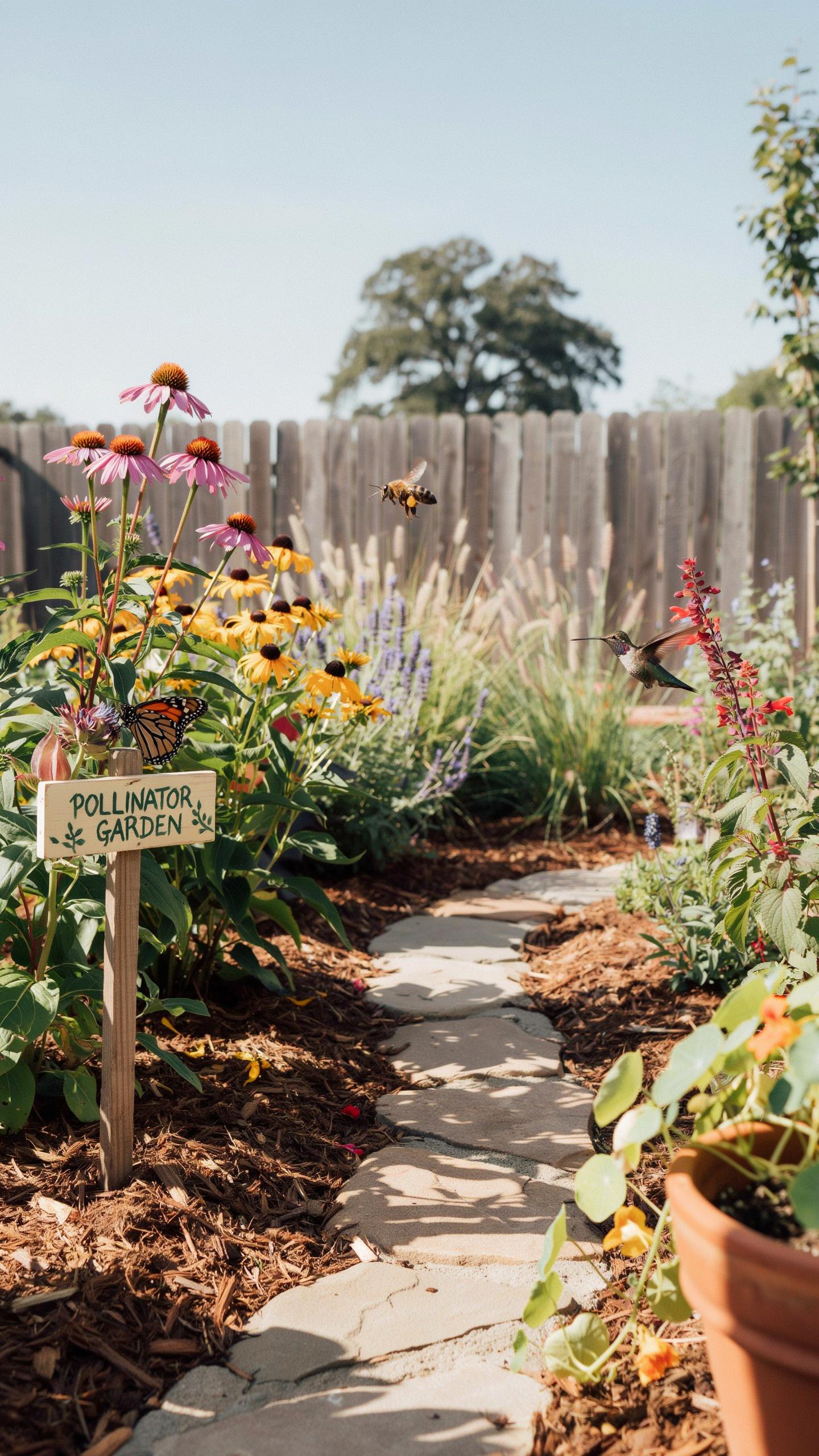
Native plants require less water than ornamentals because they evolved in local climates and soil conditions. Select species adapted to your region’s rainfall patterns. Black-eyed Susan, coneflower, and blazing star thrive in dry conditions across most of North America. Once established, these plants need minimal supplemental watering, cutting irrigation costs and reducing garden maintenance demands significantly.
Deep mulching around native plants extends soil moisture retention and reduces evaporation. Apply two to three inches of organic mulch, keeping it away from plant stems to prevent rot. This strategy cuts watering frequency in half during growing seasons. Mulch also moderates soil temperature fluctuations, protecting shallow root systems that many native pollinators depend on for nesting habitat.
To plant a garden is to believe in tomorrow. By embracing the native blooms of our past, we weave a vibrant sanctuary for the wings of the future.
Weed Management
Healthy native plant coverage naturally suppresses weeds by outcompeting them for resources. Dense plantings of native species leave minimal bare soil where weeds establish. Hand removal works for early-stage infestations before weeds set seed. This approach avoids herbicides that harm pollinators and maintains soil microbial communities that native plants rely on.
Organic mulching prevents weed seeds from germinating while adding nutrients as it breaks down. Shredded hardwood bark and compost work well for pollinator gardens. Replace mulch annually to maintain effectiveness and prevent compaction. Avoid glossy wood chips, which don’t decompose properly and create barriers to pollinator ground nesting activity.
Transforming Your Backyard Into A Thriving Pollinator Yard
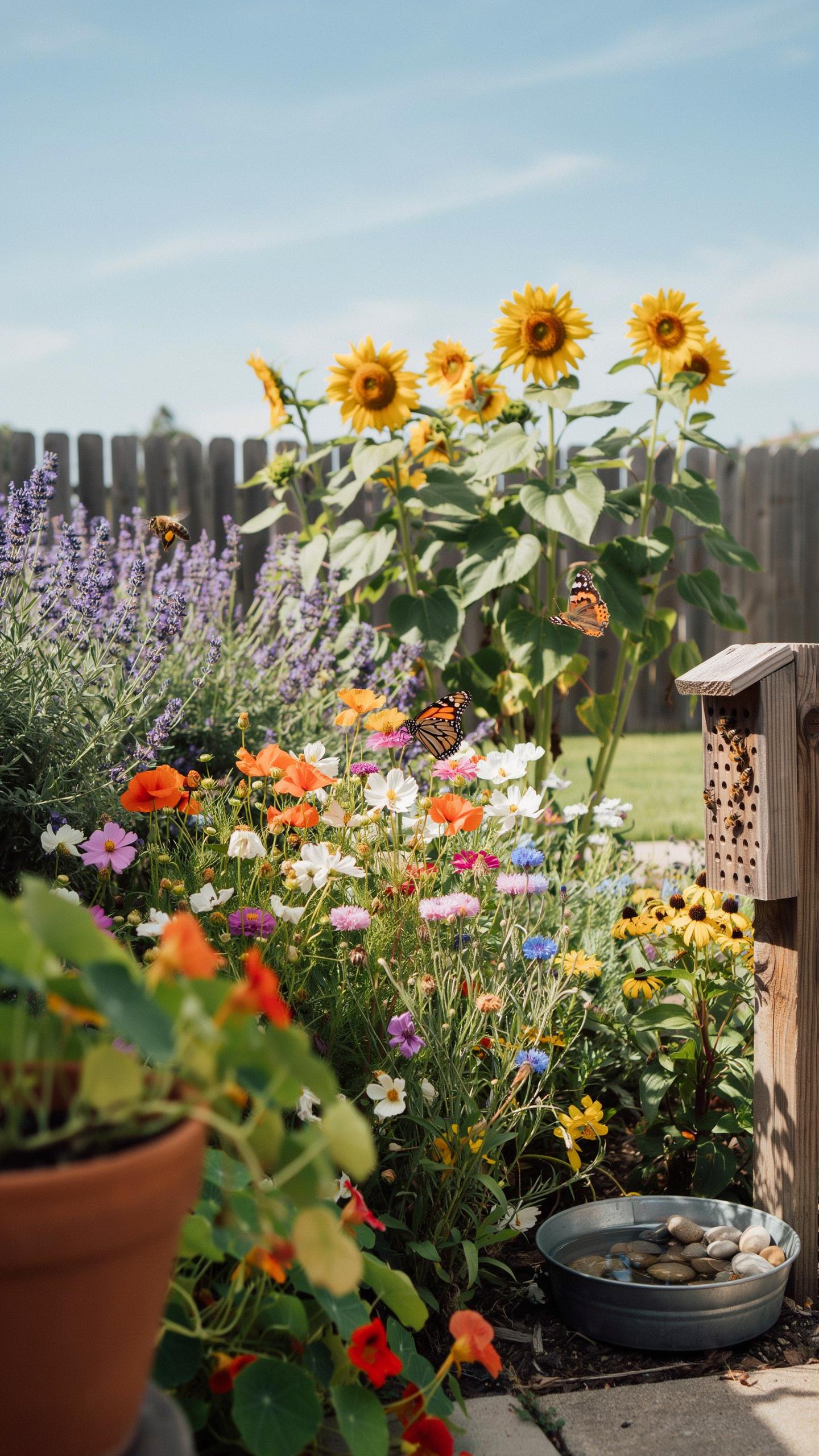
Wildlife Corridors Creating Connected Wildlife Corridors In Suburban Neighborhoods
Suburban fragmentation isolates pollinator populations. You need continuous plant coverage connecting your yard to neighboring properties and green spaces. Design linear plantings along fence lines, property edges, and pathways. These corridors function as highways for bees, butterflies, and other pollinators moving between food sources and nesting sites. The goal is reducing travel distance and predation risk.
Connect your native plantings to parks, unmowed verges, or other yards with established vegetation. Even small yards contribute meaningfully when linked to a network. Pollinators follow visual cues and scent markers through connected zones. Work with neighbors to align plantings where possible. Coordination amplifies the effect without requiring large individual investments.
Reducing Chemical Use Eliminating Pesticides To Create A Safe Haven For Beneficial Insects
Pesticides kill pollinators directly and destroy their food sources. Insecticides target nervous systems affecting all arthropods, not just pests. Herbicides eliminate native plants that support pollinator larvae and adults. You must stop applying these chemicals entirely. Tolerance for imperfect foliage is the trade-off for functional pollinator habitat.
Remove granular pesticides, sprays, and systemic treatments from your property. This includes neonicotinoid-containing products, pyrethroid sprays, and broad-spectrum fungicides. Replace pest management with habitat design that supports natural predators. Ladybugs, parasitic wasps, and ground beetles control pest populations when given shelter and pollen sources. Native plants establish this balance faster than monoculture lawns.
Overcoming Common Challenges In Pollinator Garden Design
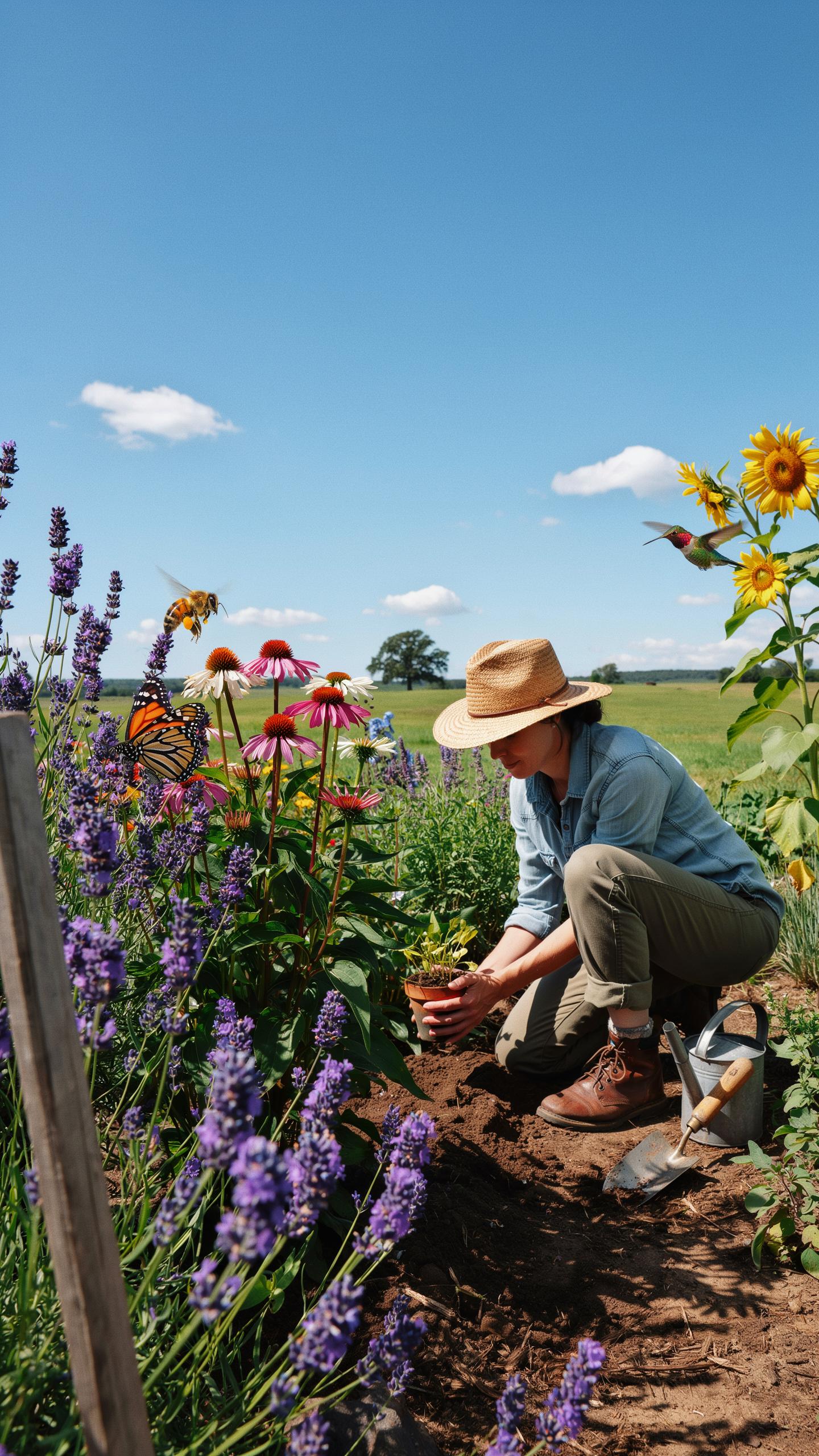
Managing Destructive Pests Without Harming Beneficial Pollinators
Pest pressure in pollinator gardens requires targeted intervention, not scorched earth tactics. Most native plant communities naturally support pest predators like parasitic wasps, ground beetles, and spiders that control problem insects. Chemical pesticides kill indiscriminately and eliminate the predator populations that keep pest numbers in check. Focus your management on removing pest habitat, improving plant vigor, and accepting minor damage as the cost of maintaining a working ecosystem.
Hand removal works for larger pests like Japanese beetles and caterpillars when populations stay manageable. Neem oil, insecticidal soaps, and sulfur products target specific pests with lower toxicity to pollinators, but apply them in early morning or evening when pollinators are inactive. Spinosad controls Lepidoptera larvae effectively and breaks down quickly without leaving residue. Never spray flowers directly during bloom. Rotate treatment methods to prevent pest resistance and maintain populations of beneficial insects that provide ongoing control.
Adapting Your Design To Poor Soil Conditions And Varying Microclimates
Poor soil doesn’t require expensive remediation before planting native species. Most native plants evolved in the exact soil conditions your region naturally offers, whether clay, sand, or rocky substrate. Amending heavily with compost creates dependency and can attract non-native competitors. Instead, match your species selection to your soil type. Clay-tolerant natives like New England aster and blazing star thrive where other plants fail. Sandy soils support lupines and coreopsis without supplementation.
Microclimates within your garden determine success more than soil chemistry alone. South-facing slopes dry faster and support heat-loving natives like butterfly weed and gaillardia. North-facing areas retain moisture and favor shade-adapted species like native ferns and woodland asters. Observe water movement, sun exposure, and wind patterns across your site before planting. Grouping species by their actual microclimate preferences rather than forcing plants into unsuitable spots eliminates ongoing maintenance and reduces plant loss.
Frequently Asked Questions

Why is using native plants so important for a successful pollinator garden?
Native plants and local wildlife have evolved together for millennia, creating a perfect biological harmony. When you prioritize a pollinator garden design native species provide the essential proteins and nectar that local bees, butterflies, and birds need to survive. Unlike exotic ornamentals, these indigenous plants are hardier, require less water once established, and offer the specific chemical compounds necessary for specialized insects to thrive in your backyard ecosystem.
How do I choose the right mix of flowers to attract diverse pollinators throughout the year?
To master your pollinator garden design native species should be selected based on overlapping bloom times. Aim for at least three different species for each growing season—spring, summer, and autumn. Incorporate various flower shapes, such as tubular blossoms for hummingbirds and flat landing pads for butterflies. This consistent food source ensures that your garden remains a reliable sanctuary, supporting different life cycles from early emergence through late-season migration preparation.
Is it possible to build a beautiful pollinator habitat on a tight budget?
Absolutely! You can create a stunning landscape without spending a fortune by starting with seeds or small “plugs” instead of mature nursery containers. Many local conservation districts host annual plant sales where you can find affordable options. Additionally, practicing “winter sowing” in recycled milk jugs is a cost-effective way to germinate seeds outdoors, allowing you to fill large garden beds with vibrant, ecological life for just a few dollars.