Introducing Wildlife Friendly Garden Features To Your Space
Understanding Biodiversity In Residential Yards
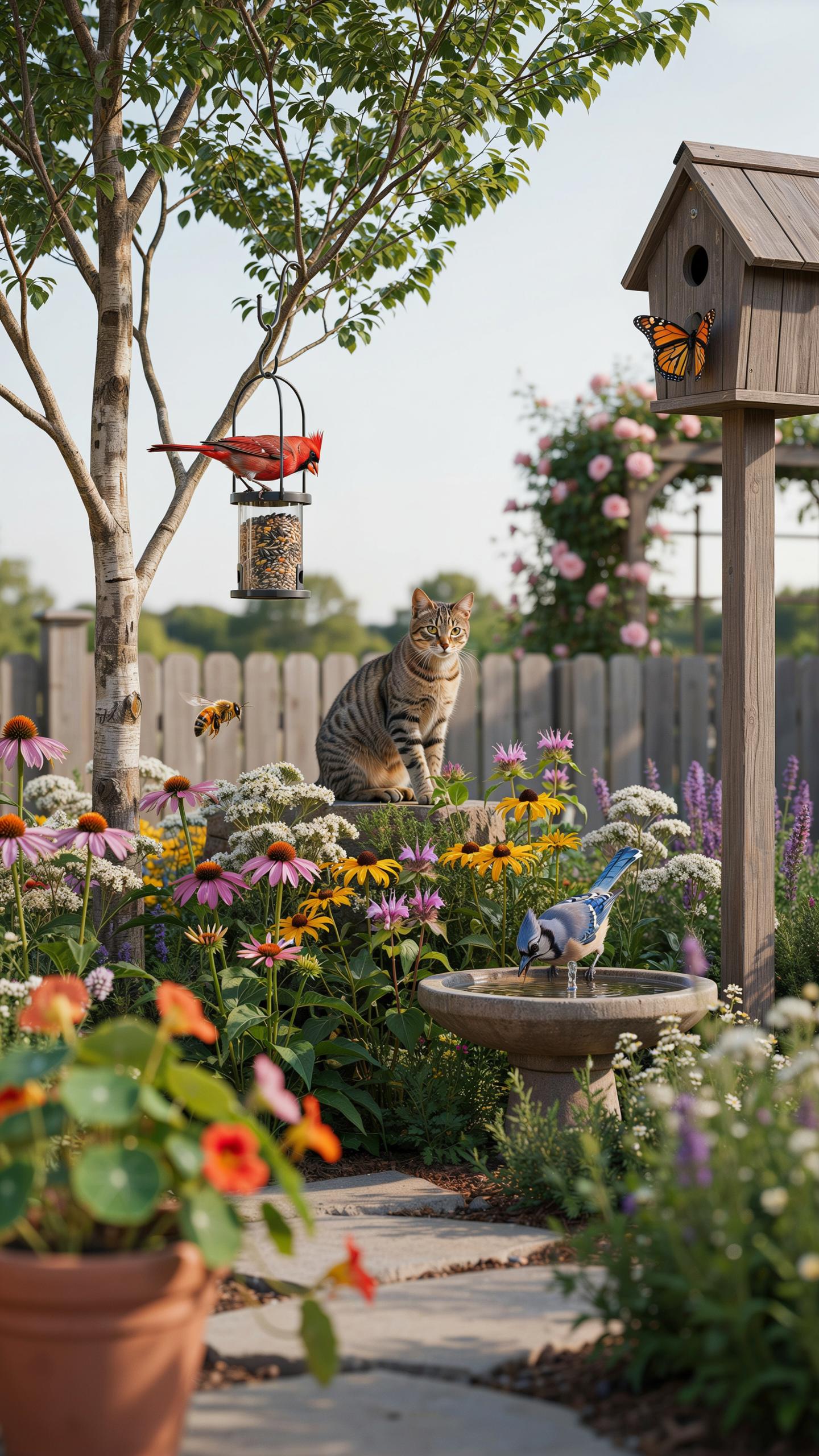
Native plants form the foundation of a functional backyard ecosystem. They support local insects, birds, and pollinators because these species evolved together over thousands of years. A standard lawn does nothing. Native plants provide food, shelter, and breeding grounds that a monoculture cannot match.
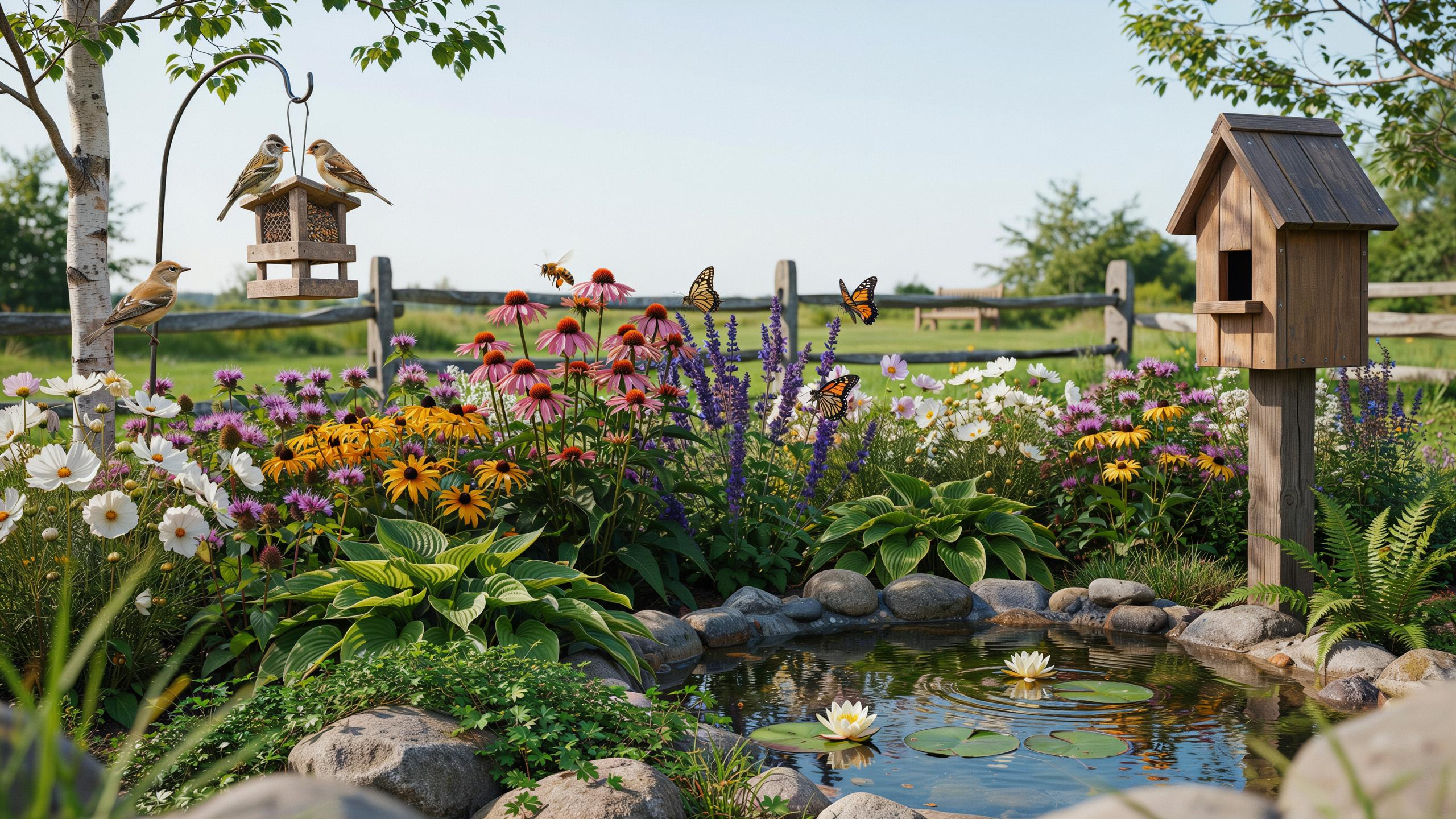
Water sources accelerate biodiversity gains dramatically. A shallow dish, small pond, or birdbath gives insects and birds what they need to survive. Even a two-inch-deep basin works. Adding water to your yard creates conditions where ecological balance actually functions instead of remaining theoretical.
The Ecological Benefits Of A Diverse Backyard
Natural pest control happens automatically when you stop spraying chemicals and start building habitat. Predatory insects like ladybugs and parasitic wasps move in to hunt pests that damage your plants. You reduce your workload and spend less money. Your vegetables and flowers get protected by organisms doing what they evolved to do.
Pollination improves when bees, butterflies, and other insects have food sources nearby. Flowers and vegetables produce more fruit and seeds when pollinators visit frequently. A resilient microclimate develops as plants shelter each other from extreme temperatures and wind. Your yard becomes more stable and requires less maintenance over time.
Creative Wildlife Garden Ideas For Every Landscape
Layered Planting With Native Flora
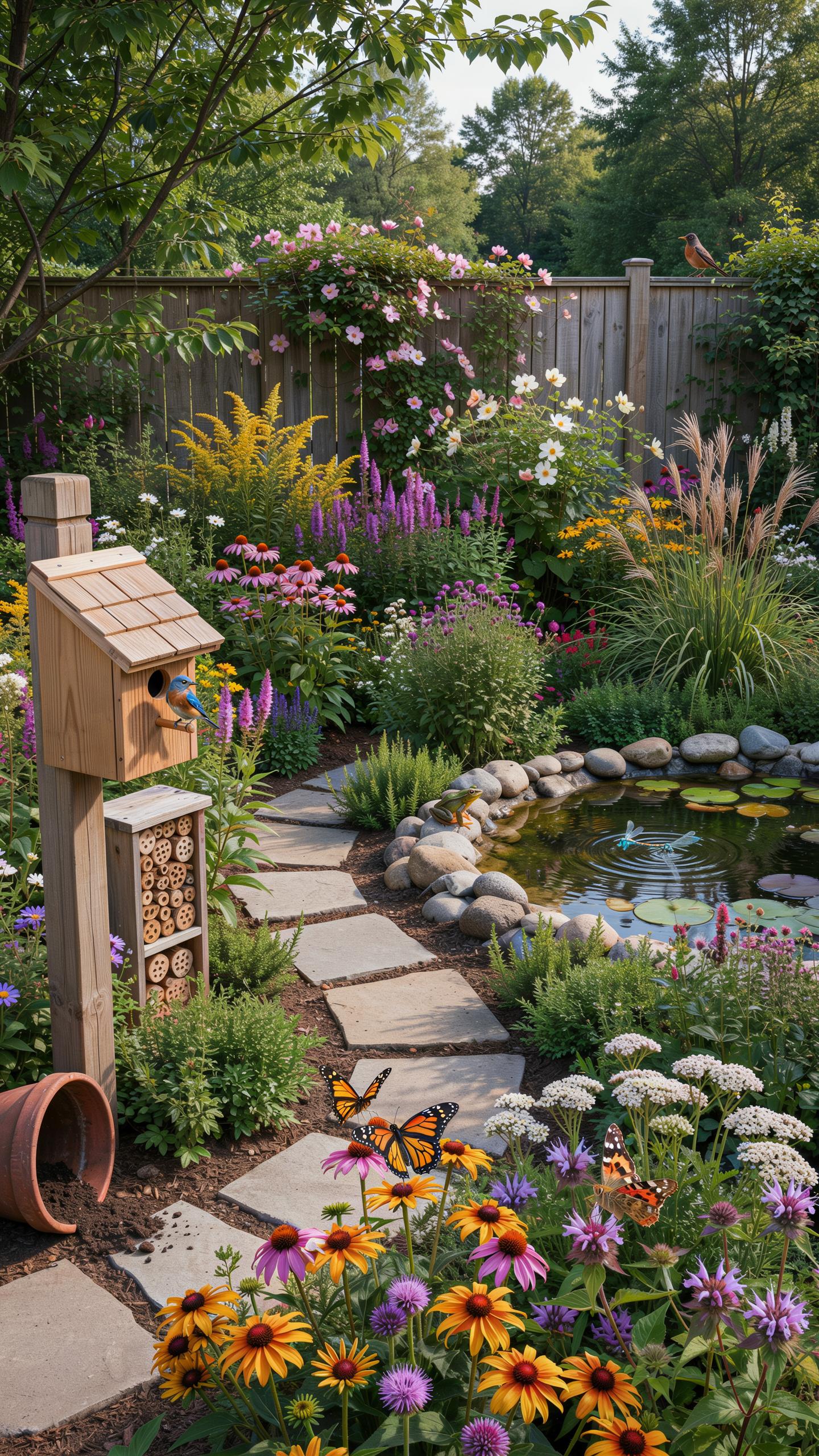
Native plants establish food chains that support local wildlife. Ground covers provide shelter for insects and small mammals. Shrubs create nesting zones for birds. Canopy trees offer perches and additional cover. This vertical structure ensures species find resources at every height throughout spring, summer, fall, and winter cycles.
Seasonal blooms matter more than year-round color. Native wildflowers feed pollinators when they need fuel. Shrubs produce berries that birds consume during migration. Trees drop seeds and nuts for ground feeders. Stagger plant selections by bloom and fruit times to guarantee continuous nutrition for visiting animals.
Creating Natural Borders And Unmown Zones
Tall grass becomes housing for ground-nesting birds and small mammals. These areas harbor insects that birds need for protein and nesting material. Unmown zones act as corridors for animals moving between garden sections. They require zero maintenance and reduce mowing time. Strategic placement in yard edges and corners maximizes wildlife benefit without sacrificing usable space.
Let grass reach six to twelve inches before deciding which zones to maintain mowed. Insects shelter in grass stems and accumulated leaf litter. Spiders build webs in tall vegetation to trap flying insects. Rodents tunnel beneath unmown areas for protection from predators. These rough spots transform wasted yard space into functional habitat corridors.
Transformative Wildlife Pond Ideas To Enhance Biodiversity
Designing A Multi Depth Freshwater Oasis
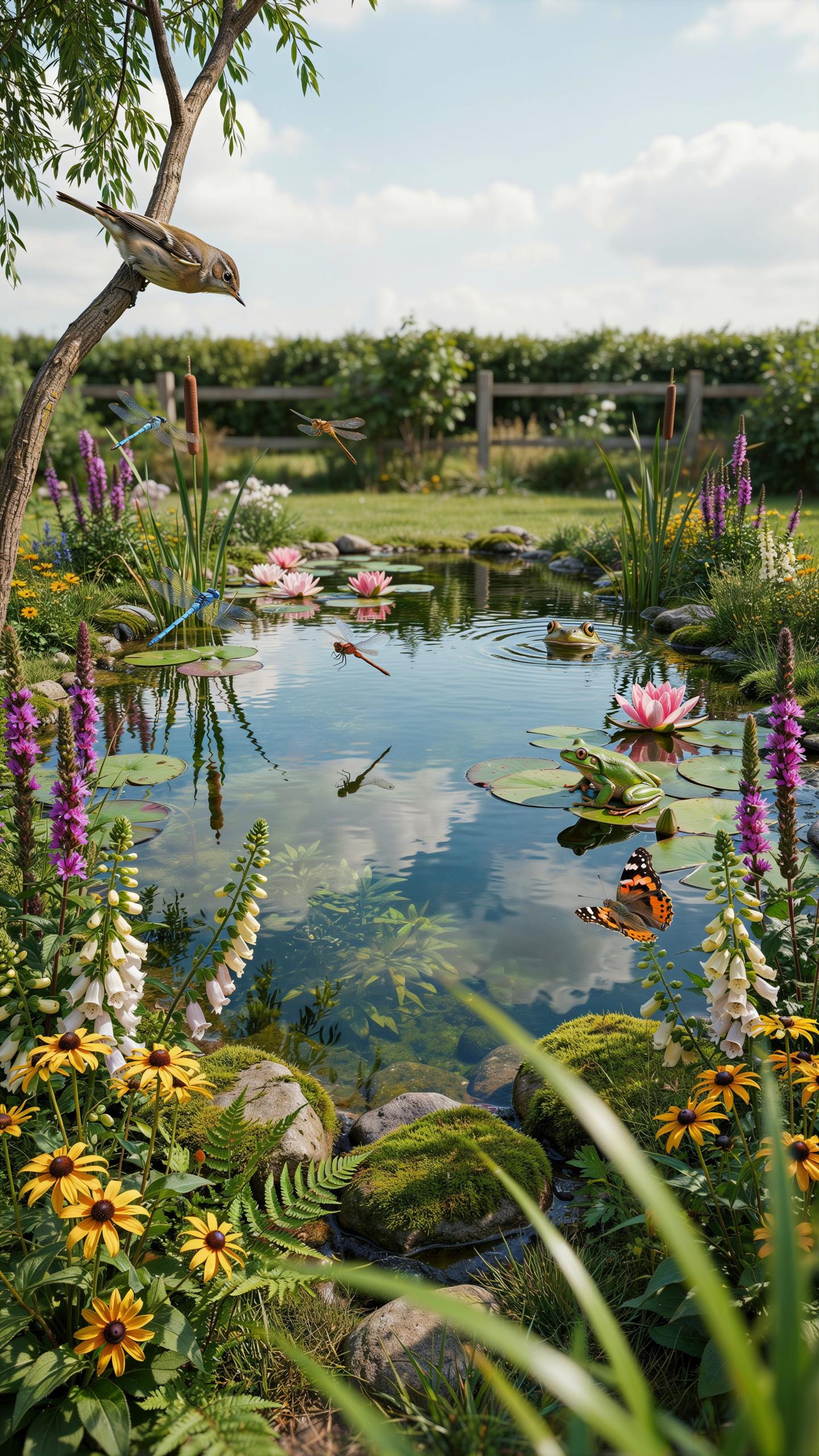
Water depth directly controls which species use your pond. Shallow zones of 6 to 12 inches allow birds to bathe safely and insects to access water without drowning. Deep zones reaching 24 to 36 inches provide refuge for fish and amphibians during temperature extremes. Sloped beach entries eliminate sudden drop-offs that trap small animals.
Submerged shelves at varying levels create micro habitats for different organisms. Aquatic invertebrates colonize these zones at different depths. Amphibians lay eggs in shallow water where sunlight penetrates. Fish use deeper zones for shelter. This structural variety maximizes species diversity in a contained space.
Selecting Native Aquatic And Marginal Plants
Native aquatic plants outperform non-native species because local wildlife evolved alongside them. Oxygenating plants like hornwort and waterweed consume excess nutrients that trigger algae blooms. Marsh marigolds and water lilies stabilize sediment and provide insect landing platforms. Native species require no special care once established.
Marginal plants positioned at water’s edge shelter juvenile fish and aquatic insects. Their root systems filter water naturally and trap suspended particles. Choose species native to your region to ensure they handle local climate conditions. Native plants reduce maintenance while attracting regionally adapted wildlife that depends on them.
How To Build A Small Pond Step By Step
Essential Materials And Tools For Installation
Construct a functional pond using materials built to last. Butyl rubber liners withstand UV exposure and temperature swings for 20 to 40 years. Sand underlayment prevents punctures from roots and rocks. Flat stones secure liner edges against water pressure and animal disturbance. A spirit level ensures proper water depth across zones for different plant species and wildlife access.
- Flexible Butyl Pond Liner: High-density rubber resists cracking and UV damage, maintaining integrity through seasonal temperature changes and direct sunlight exposure.
- Underlayment Sand: Creates a protective base layer that prevents sharp stones and soil particles from penetrating and damaging the liner during installation and use.
- Flat Securing Stones: Heavy natural rocks anchor liner edges above water level, preventing wind and animal movement from displacing the membrane over time.
- Spirit Level: Guarantees proper grading so water settles evenly, establishing correct depth zones for marginal plants and ensuring animals can access shallow edges safely.
- Shovel And Digging Tools: Allows precise excavation of tiered zones at varying depths required for different plant types and creature habitats within the pond system.
- Native Marginal Plants: Aquatic species like sedges and rushes stabilize soil edges, provide food sources, and offer shelter for frogs, insects, and small mammals year round.
Right equipment prevents costly repairs and maintains water clarity without chemicals. Rainwater collection systems eliminate chlorine exposure that harms amphibians and aquatic insects. Native plants filter nutrients naturally, reducing algae blooms that choke oxygen from the water column.
Excavating And Securing Your Mini Water Feature
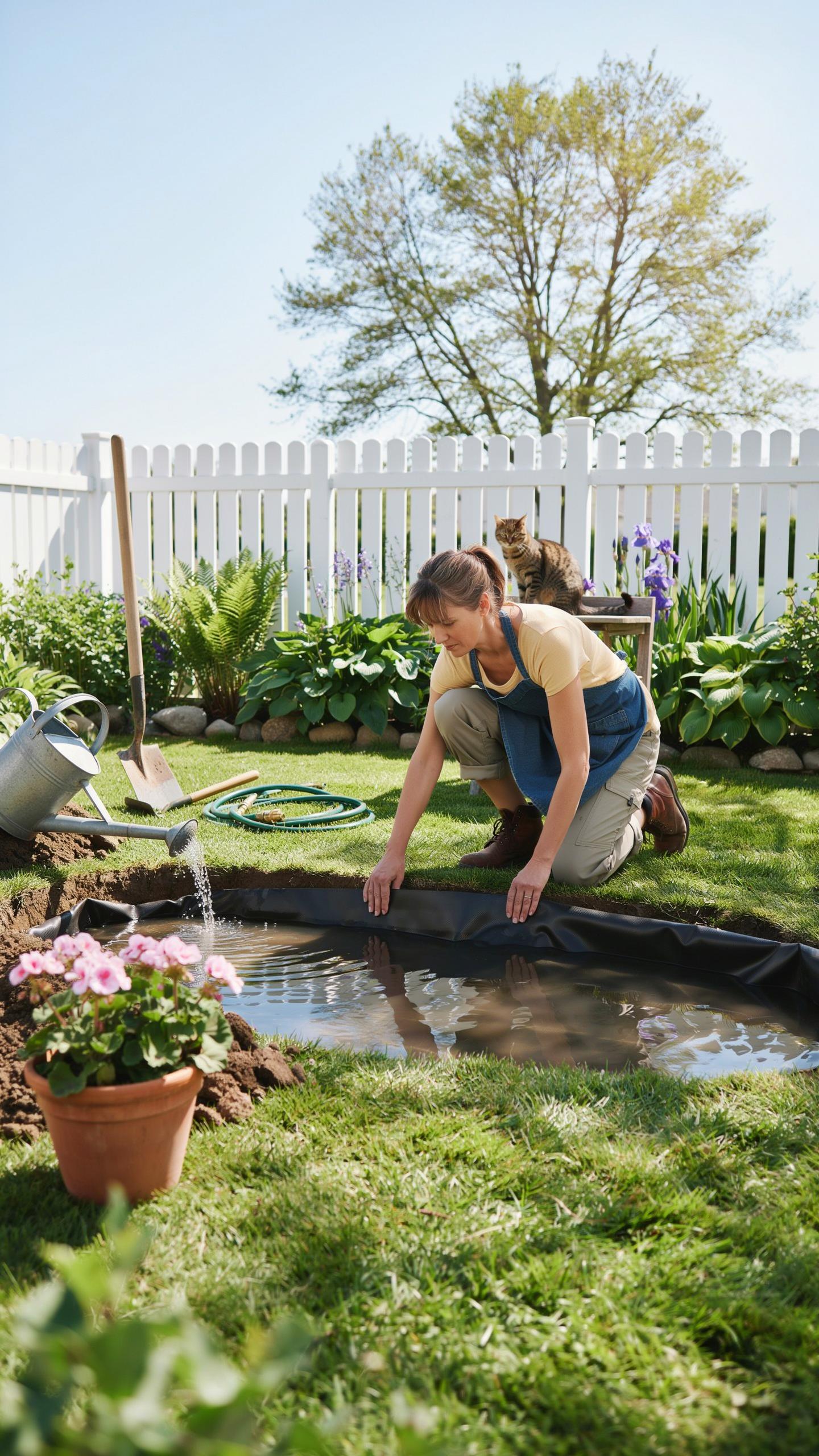
Dig a tiered hole in a location receiving four to six hours of sunlight daily. Partial shade reduces excessive algae growth while allowing aquatic plants to photosynthesize effectively. Remove rocks and roots that puncture liners. Slope the bottom toward a 60-centimeter deep center zone where wildlife shelters during winter freeze cycles and heat stress periods.
Lay sand underlayment evenly across the entire excavated surface. Fit the butyl liner carefully, smoothing wrinkles as you fill with rainwater slowly. Secure edges with heavy flat stones positioned above the water line. This prevents wind from shifting the liner and stops animals from pushing it inward during drinking or bathing activities.
Designing A Sustainable Habitat Garden
Integrating Log Piles And Rockeries
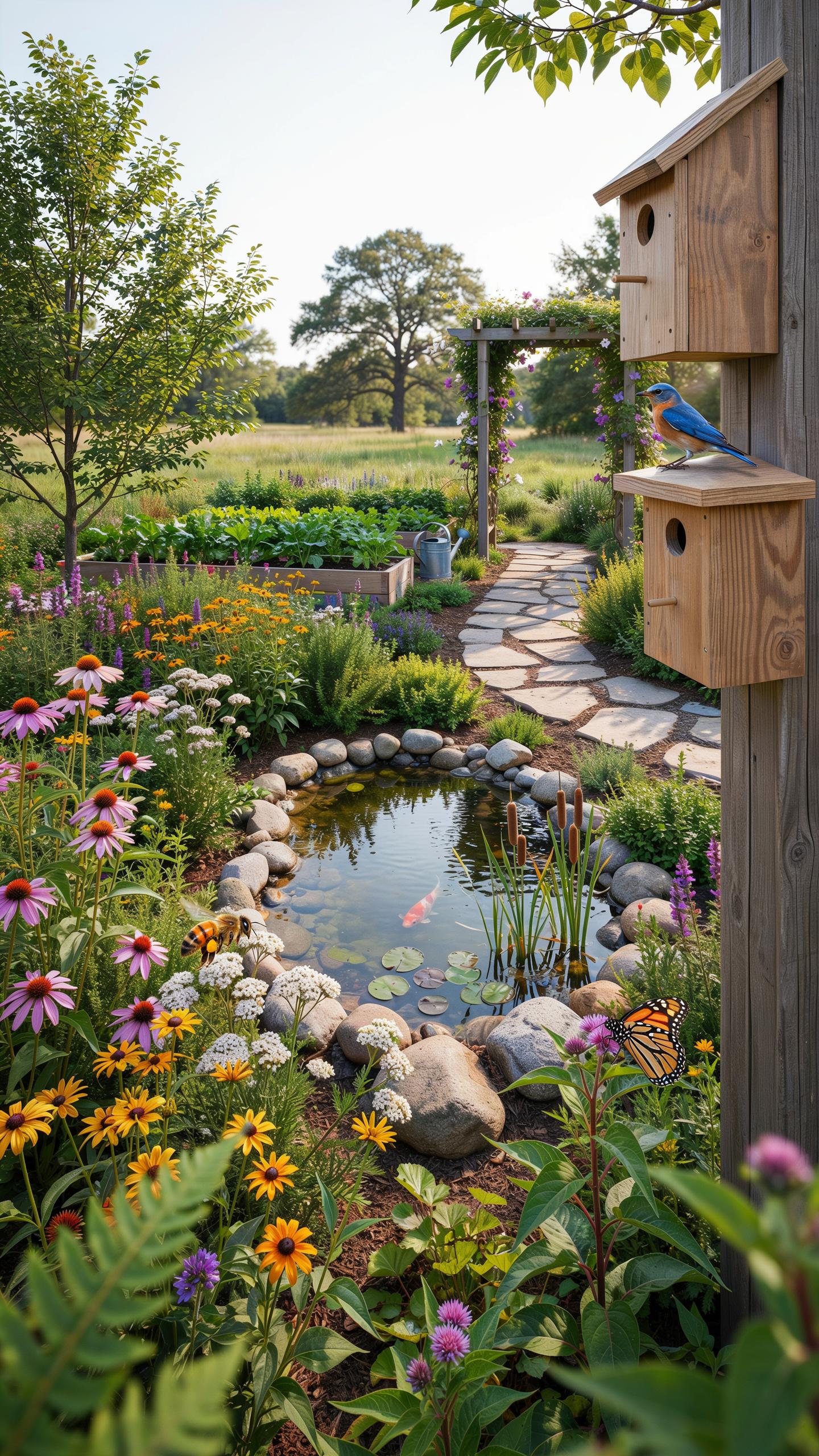
Decaying logs and fallen branches create microhabitats that attract decomposers, beetles, and fungi. Position these materials in shady corners where moisture stays high and predators struggle to hunt. The decomposition process breaks down wood into soil nutrients while providing shelter for invertebrates that control garden pests.
Loose stones stacked into rockeries offer similar benefits with different species. Beetles, spiders, and other arthropods shelter beneath rocks during temperature extremes. Over time, log piles and rockeries establish a food chain that draws larger insectivores like birds and shrews into your garden, creating a self-regulating pest control system.
Constructing Nesting Boxes For Birds And Bats
Mount bird nesting boxes on trees or walls at heights between six and fifteen feet, positioned away from direct sun. Entrance hole diameter matters: small holes exclude larger predators while fitting target species. Ensure boxes face north or east to minimize heat gain and rain exposure. Clean boxes annually after breeding season ends to remove parasites and disease vectors.
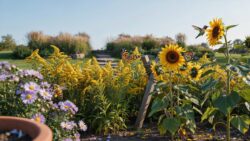
Bat boxes require different specifications than bird boxes, with narrow slot entrances and interior landing surfaces. Mount bat boxes higher, typically fifteen to twenty feet, on south or southwest facing walls to maximize passive solar heating. Both box types need predator guards and baffles. Install multiple boxes across your garden to support breeding populations rather than relying on single structures.
Maintaining An Animal Friendly Garden Environment
Eliminating Harmful Pesticides And Chemical Fertilizers
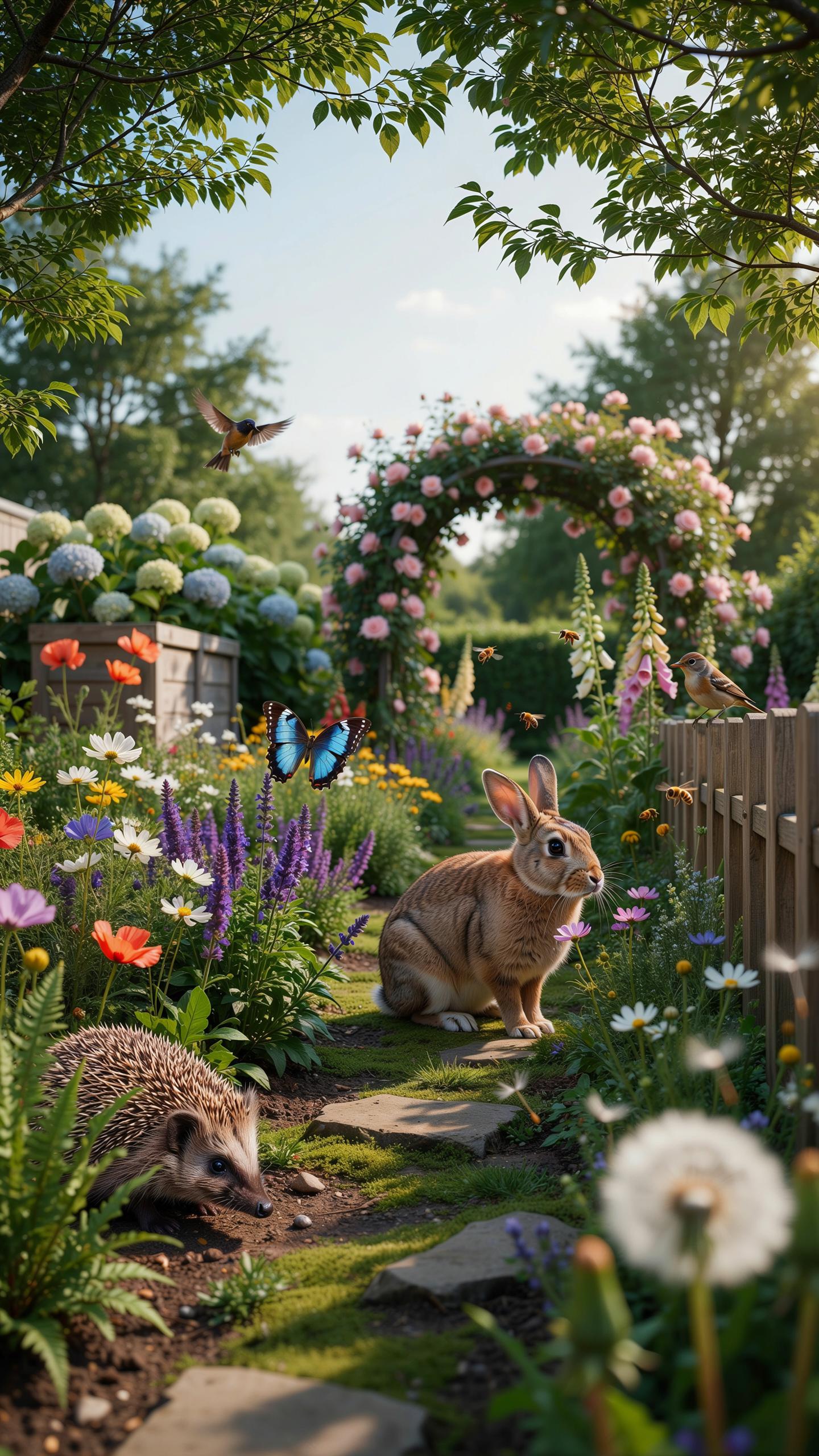
Synthetic pesticides and chemical fertilizers kill the insects that birds and amphibians depend on for food. They also accumulate in soil and water, poisoning animals at every level of the food chain. Switching to organic methods protects your garden ecosystem while producing healthier plants.
Build compost from kitchen scraps and yard waste to create nutrient-rich soil amendments. Use natural mulches like wood chips and leaf litter to suppress weeds without chemicals. Deploy biological pest control by introducing predatory insects like ladybugs and parasitic wasps that hunt garden pests naturally.
A garden should be a place where the soul finds rest and the wild birds find a home, a sanctuary built of memories and blooming things. To garden is to open your heart to the quiet beauty of the living world.
Providing Safe Passage And Connectivity
Fences and walls fragment habitat, forcing small animals to expend energy searching for gaps. Hedgehogs, toads, and other ground-dwelling creatures need routes between yards to access food, breeding partners, and shelter. Without connectivity, isolated populations decline in genetic diversity and numbers.
Cut or drill 10 to 15 centimeter openings near the base of fences to create wildlife corridors. Position these gaps every 10 to 15 meters along fence lines where animals typically travel. Ensure tunnels stay clear of obstacles and debris so animals can move safely between territories without exposure to predators or traffic hazards.
The Foundations Of Modern Wildlife Gardening
Working With Nature Instead Of Controlling It
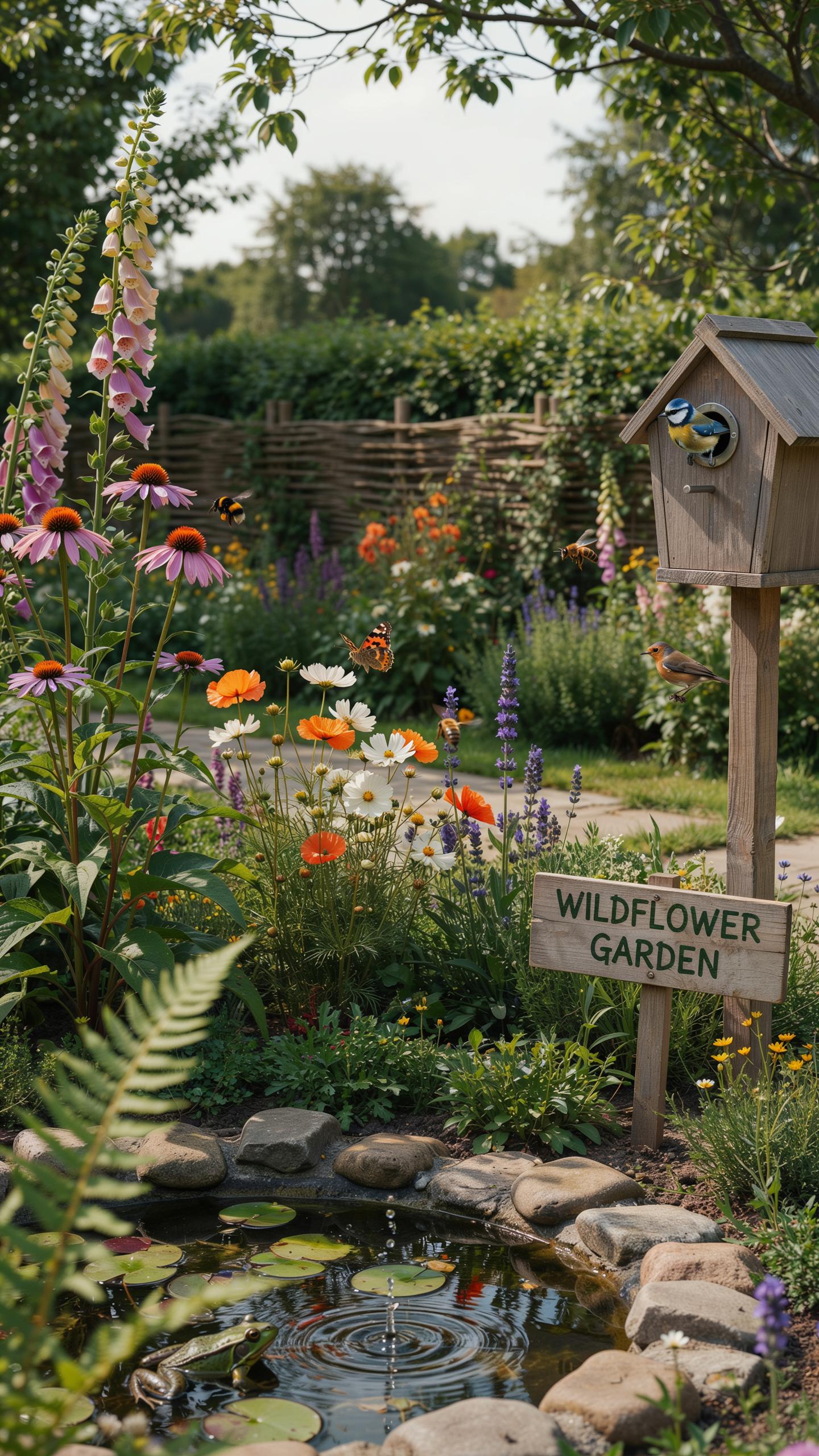
Stop fighting your garden. Leave seed heads on winter flowers and let leaf litter sit on the soil. These elements provide critical food and insulated shelter for overwintering queen bumblebees and beneficial insects. This approach costs nothing and delivers tangible results for wildlife survival through harsh months.
Relaxed maintenance practices align with ecological function. Queen bumblebees shelter in leaf litter during winter dormancy. Seed heads feed birds and insects when natural food sources disappear. Dead plant material breaks down gradually, improving soil structure. This passive strategy eliminates unnecessary labor while strengthening your garden’s capacity to support wildlife year-round.
Selecting High Yield Pollinator Plants
Build continuous bloom sequences from early spring through late autumn. Plant nectar-rich flowers like lavender, coneflowers, and buddleja to feed bees, butterflies, and hoverflies. Staggered blooming ensures pollinators find food throughout their active seasons. This timing requirement directly impacts pollinator populations and your garden’s productivity.
Pollinator plants deliver dual benefits: they attract beneficial insects while reducing your maintenance burden. Lavender tolerates poor soil and drought. Coneflowers persist through heat stress. Buddleja blooms for months with minimal intervention. Select regionally appropriate species to ensure plants thrive without constant adjustment. These reliable performers sustain pollinator populations without requiring specialized knowledge or extra inputs.
Building A Safe And Cool Frog Shelter
Best Materials For DIY Amphibian Homes
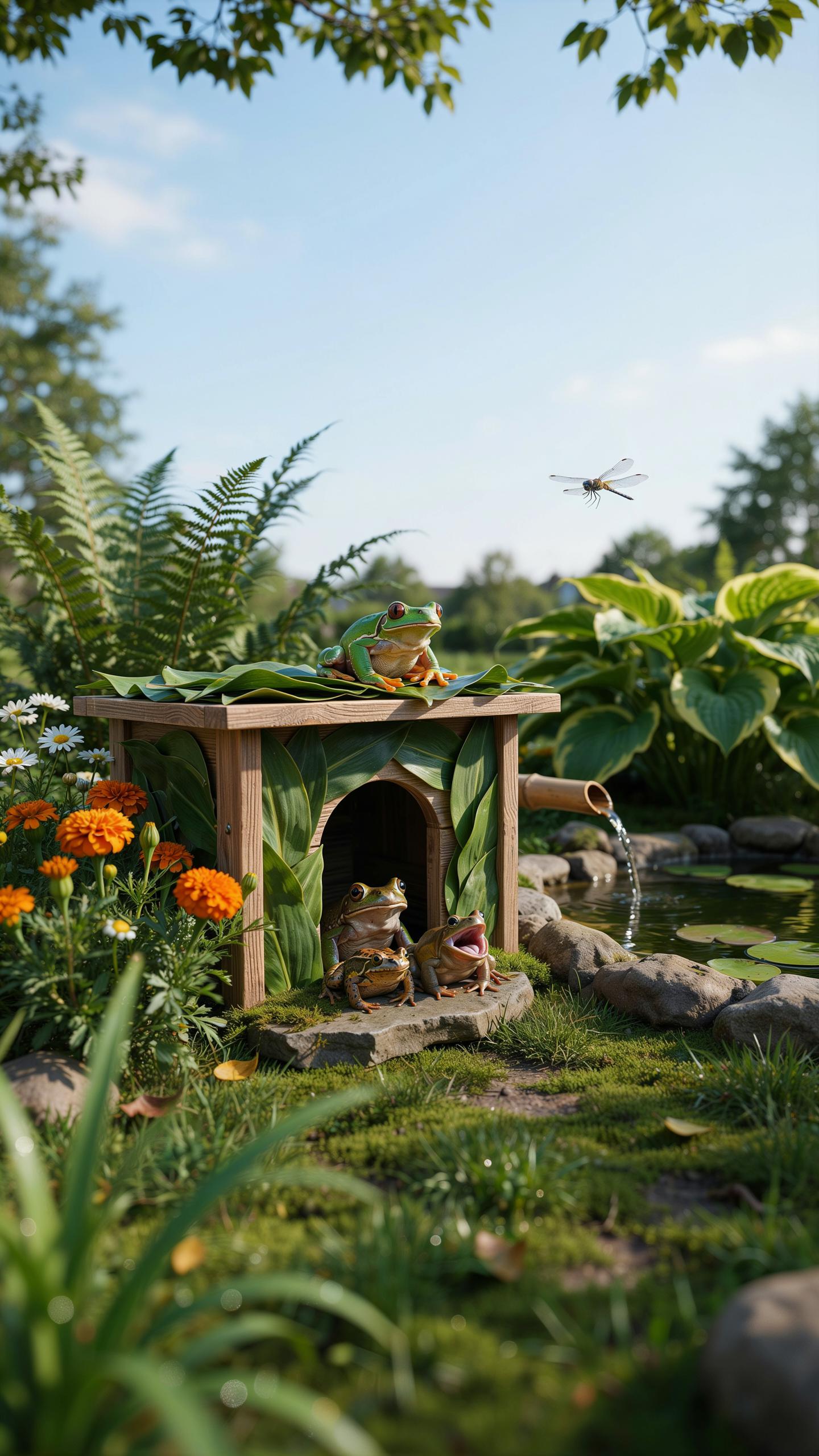
Amphibians need damp, dark, and cool spaces to survive heat and dehydration. You build effective frog shelters using budget-friendly, non-toxic materials found at garden centers or collected from your yard. These structures protect frogs during daylight hours when they’re vulnerable to predators and sun exposure.
- Cracked Terracotta Clay Pots: Stack broken pots on their sides to create enclosed chambers. The porous material breathes while retaining moisture. Frogs shelter inside the hollow spaces safely.
- Damp Leaf Litter: Layer fallen leaves inside and around shelter structures. Leaves retain moisture and provide natural insulation. Replace wet or decomposed layers annually.
- Moss Layers: Spread moss across shelter interiors and entrances. Moss locks in humidity and creates soft landing surfaces. It prevents frogs from sliding on smooth materials.
- Natural River Stones: Arrange stones to create sheltered gaps and crevices. Stones retain ground coolness and provide weight stability. They don’t leach chemicals into frog habitats.
- Partially Rotted Bark Slabs: Use decaying bark as roofing or wall material. Rotting bark offers natural camouflage and insulation. It breaks down predictably without toxic byproducts.
Combine these materials in layers to maximize shelter effectiveness. A basic shelter takes one hour to assemble and costs under ten dollars. Test your structure by checking interior moisture daily during your first week.
Ideal Placement Near Water Sources
Position frog shelters in permanently shaded locations within two meters of your water source. Shade prevents interior temperatures from climbing dangerously high during summer. Frogs need quick access to water for hydration and breeding.
Dense ground cover plants provide additional protection from wind and predators. Place shelters under low-hanging shrub branches or near established garden plants. Avoid areas receiving direct midday sun. Check that water remains accessible year-round, whether from ponds, rain barrels, or soggy garden zones. Frogs won’t use shelters far from moisture sources.
Developing A Thriving Backyard Wildlife Habitat
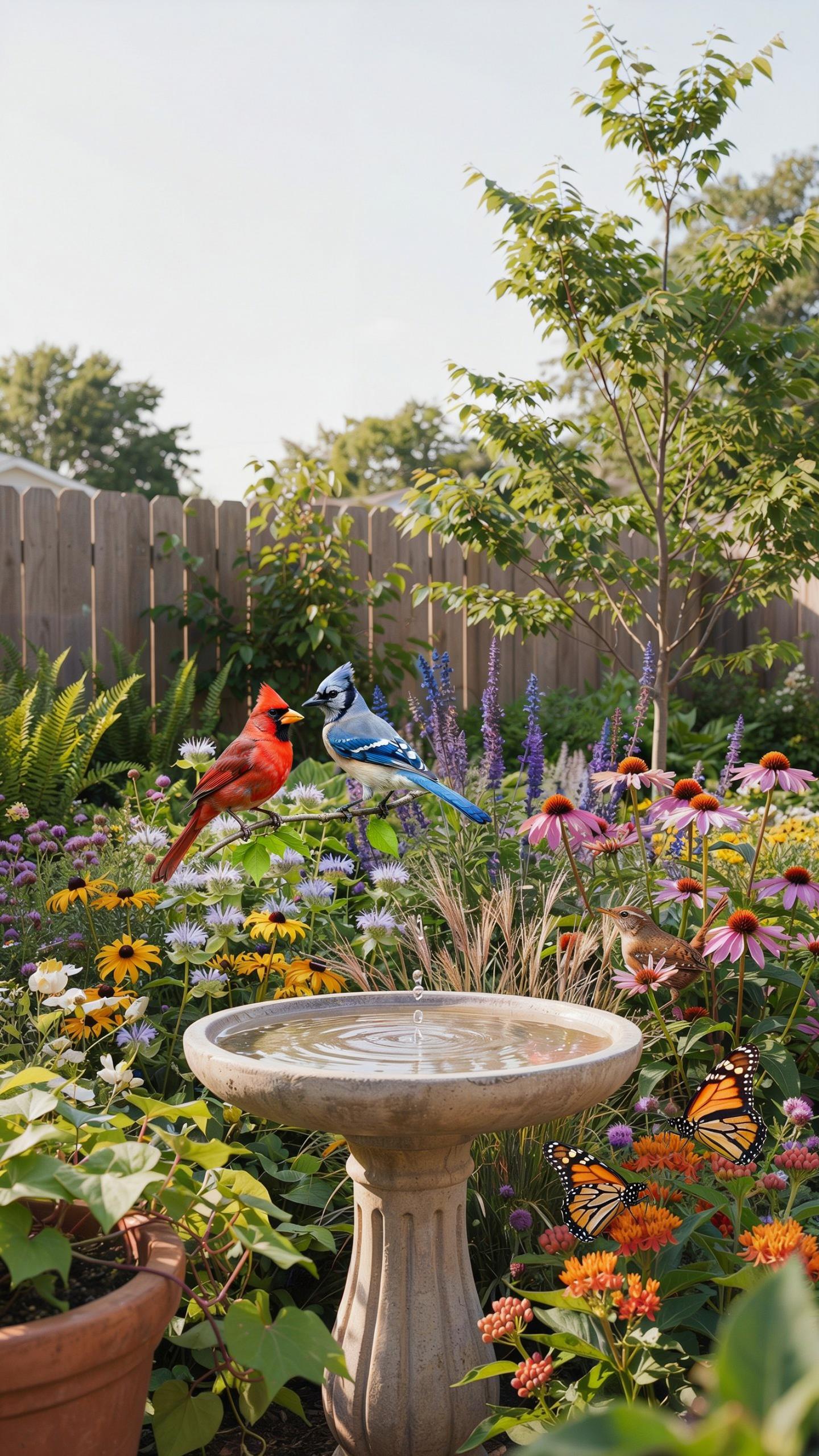
Creating Year Round Feeding Stations
Elevated bird feeders reduce predation risk and keep seed dry during rain. Position feeders 10 to 12 feet from dense shrubs where birds escape danger. Use separate feeders for different seed types: nyjer seed for finches, black oil sunflower for cardinals and chickadees, and safflower for specific species. Ground platforms work for ground feeders like juncos and doves. Clean all feeders every two weeks with a bleach solution to prevent disease transmission among bird populations.
Fresh water matters as much as food. Birds need water year round for drinking and bathing. Provide water in shallow dishes 1 to 2 inches deep, or use heated bird baths during winter. Suet cakes sustain high energy needs during cold months but remove them when temperatures exceed 75 degrees Fahrenheit to prevent spoilage and mold growth. Replace suet and seeds weekly to maintain freshness and reduce contamination.
Setting Up Beneficial Insect Hotels
Insect hotels function as nesting and overwintering structures for solitary bees, lacewings, and ladybugs. These insects lack hives and nests, so they need alternative shelter. Construct hotels from untreated wood, bamboo tubes, and drilled wood blocks. Position the hotel on a pole or tree at least three feet high facing south to southeast for maximum sun exposure. Mount it firmly to prevent wobbling that attracts predators or damages interior chambers.
Fill chambers with hollow bamboo sections cut to six inch lengths or drilled wood blocks with hole diameters between 3 and 8 millimeters. Add pinecones, straw, and bark strips for beetle and lacewing shelter. Solitary bees prefer smooth, clean holes free of splinters or paint. Leave the hotel in place year round. Most beneficial insects emerge in spring but need shelter during winter dormancy. Inspect and clean tubes annually to remove parasites and disease.
Managing Your Personal Pond For Wildlife
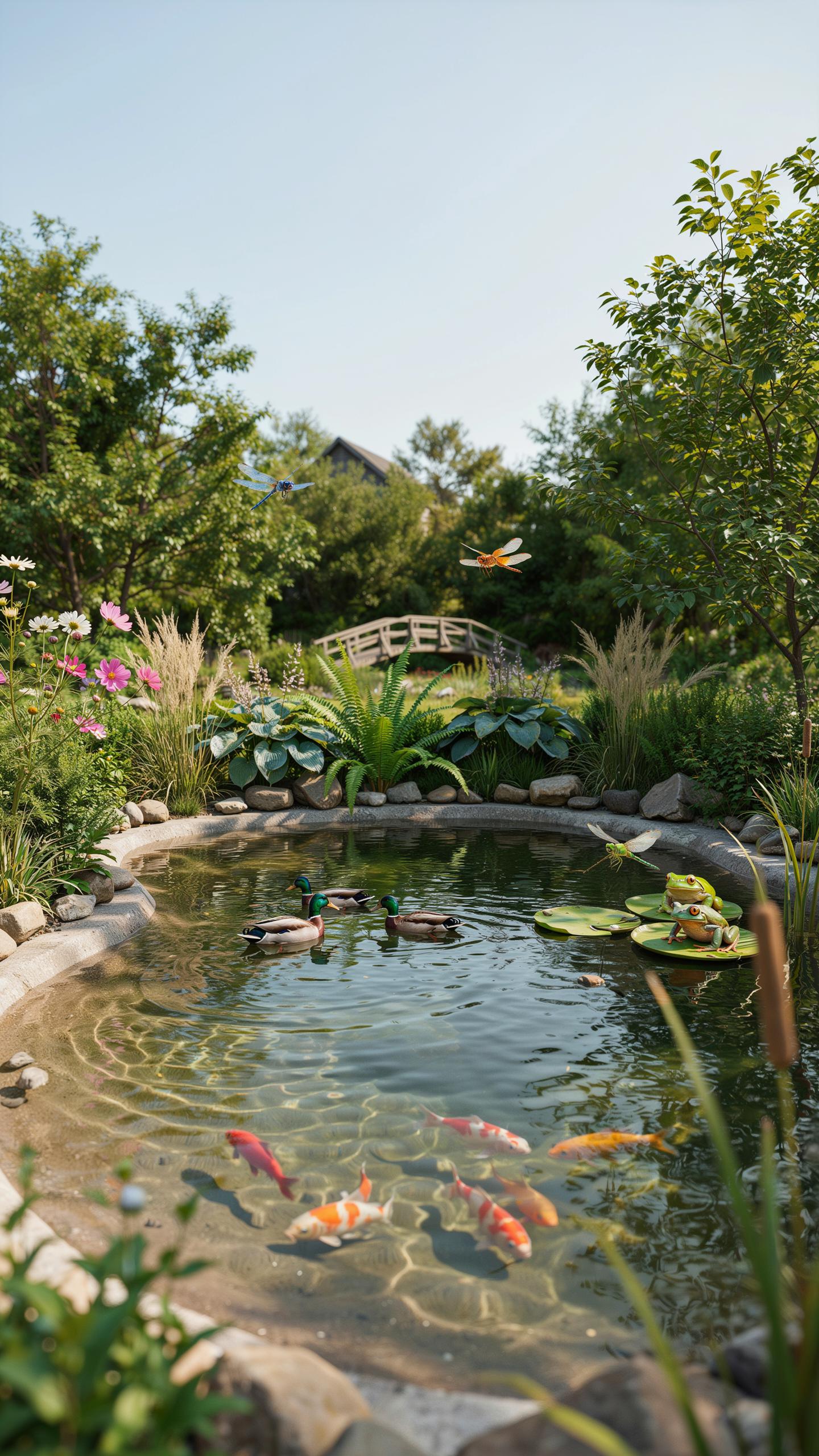
Ensuring Water Quality And Safe Access Years To Come
Remove excess autumn leaves from your pond surface regularly. Leaves decompose and release nutrients that fuel algae blooms, depleting oxygen levels that fish and invertebrates need. Skim the water weekly during fall to prevent organic buildup. This single action extends your pond’s functional lifespan and keeps water clarity high for predators like dragonflies to hunt effectively.
Monitor water levels throughout the year, especially during dry spells. Evaporation reduces depth and concentrates dissolved solids, stressing aquatic organisms. Create shallow ramps or sloped edges at one or more points around your pond perimeter. These access points let visiting birds, hedgehogs, and mammals drink safely without drowning, then exit without struggle.
Handling Winter Freezes Safely
A completely frozen pond surface traps toxic gases beneath the ice while blocking oxygen replenishment. Dormant aquatic life suffocates without gas exchange. Place a floating ball or piece of wood on the surface before freezing occurs. The ball’s movement prevents complete ice formation directly beneath it, maintaining a small opening for gas transfer.
Create an ice hole using a pan of hot water positioned on the frozen surface. The heat melts through gradually without cracking the surrounding ice or shocking cold-water organisms. Repeat this process every few days as needed during extended freezes. Never break ice by striking it, as shock waves travel through water and injure or kill fish and amphibians sheltering below.
Frequently Asked Questions

What are the best wildlife friendly garden features for beginners to start with?
If you are new to nature-focused landscaping, the best wildlife friendly garden features are those that provide immediate food and water. Start by installing a simple birdbath or a shallow stone dish for pollinators to drink from. Adding a variety of nectar-rich native flowers is another easy way to invite bees and butterflies into your space, instantly transforming a quiet yard into a vibrant, living ecosystem filled with color and movement.
How can I incorporate water elements without taking up too much space?
You do not need a massive pond to create effective wildlife friendly garden features. Consider a “patio pond” using a galvanized tub or a large ceramic pot. Fill it with aquatic plants like miniature water lilies and oxygenators to keep the water clear. By adding a few submerged stones, you provide a safe landing spot for thirsty insects, allowing even the smallest balcony or courtyard to support local biodiversity beautifully.
Is it possible to create an eco-friendly garden on a tight budget?
Absolutely! Many of the most effective garden additions cost nothing at all. You can build a “bug hotel” using hollow bamboo Reeds, pinecones, and scrap wood found around your home. Leaving a small patch of grass to grow long or creating a log pile in a shaded corner are excellent, zero-cost ways to provide shelter for hedgehogs and beneficial toads, proving that sustainability is accessible for every gardener regardless of their budget.