Understanding Your Pollinator Flower Bed Layout Needs
Analyzing Sun Exposure And Soil Quality
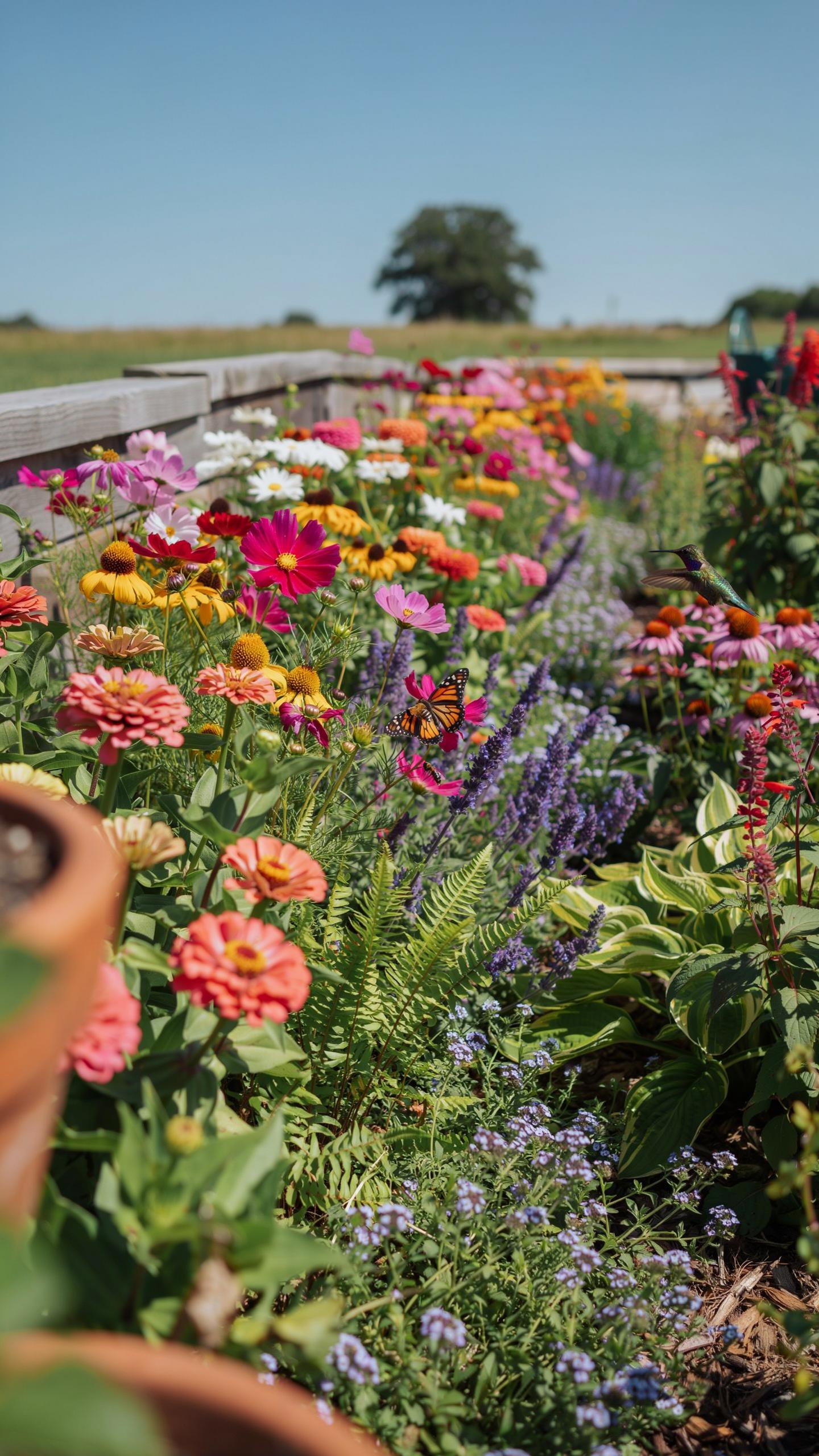
Sunlight and drainage determine plant survival in pollinator beds. Most native wildflowers and pollinator plants need at least six hours of direct sunlight daily to produce nectar and pollen reliably. Without adequate sun exposure, blooms diminish and pollinator activity drops sharply. Assess your yard before designing your layout by tracking shadow patterns throughout the day.
Soil quality matters as much as sunlight. Well-draining soil prevents root rot and fungal diseases that kill pollinator plants. Test your soil’s drainage by digging a hole, filling it with water, and observing how quickly it drains. Poor drainage requires amending soil with compost or sand before planting. Pollinator plants fail in waterlogged conditions regardless of species selection.
Determining Your Available Garden Space
Measure your garden footprint with precision before selecting plants. Space constraints force difficult choices between specimen shrubs, perennials, and groundcover. A typical pollinator bed balances tall plants in back with mid-height perennials in the middle and low-lying groundcover in front. Record exact dimensions to prevent overcrowding during layout planning.
Overcrowding kills pollinator beds through competition for water, nutrients, and light. Mature shrubs need room to expand without suffocating smaller perennials around them. Account for full mature size, not initial nursery pot size. Leave adequate spacing between plants according to species requirements to ensure long-term survival and pollinator access.
Essential Pollinator Garden Design Ideas For Small Spaces
Top Container And Border Plants For Tiny Yards
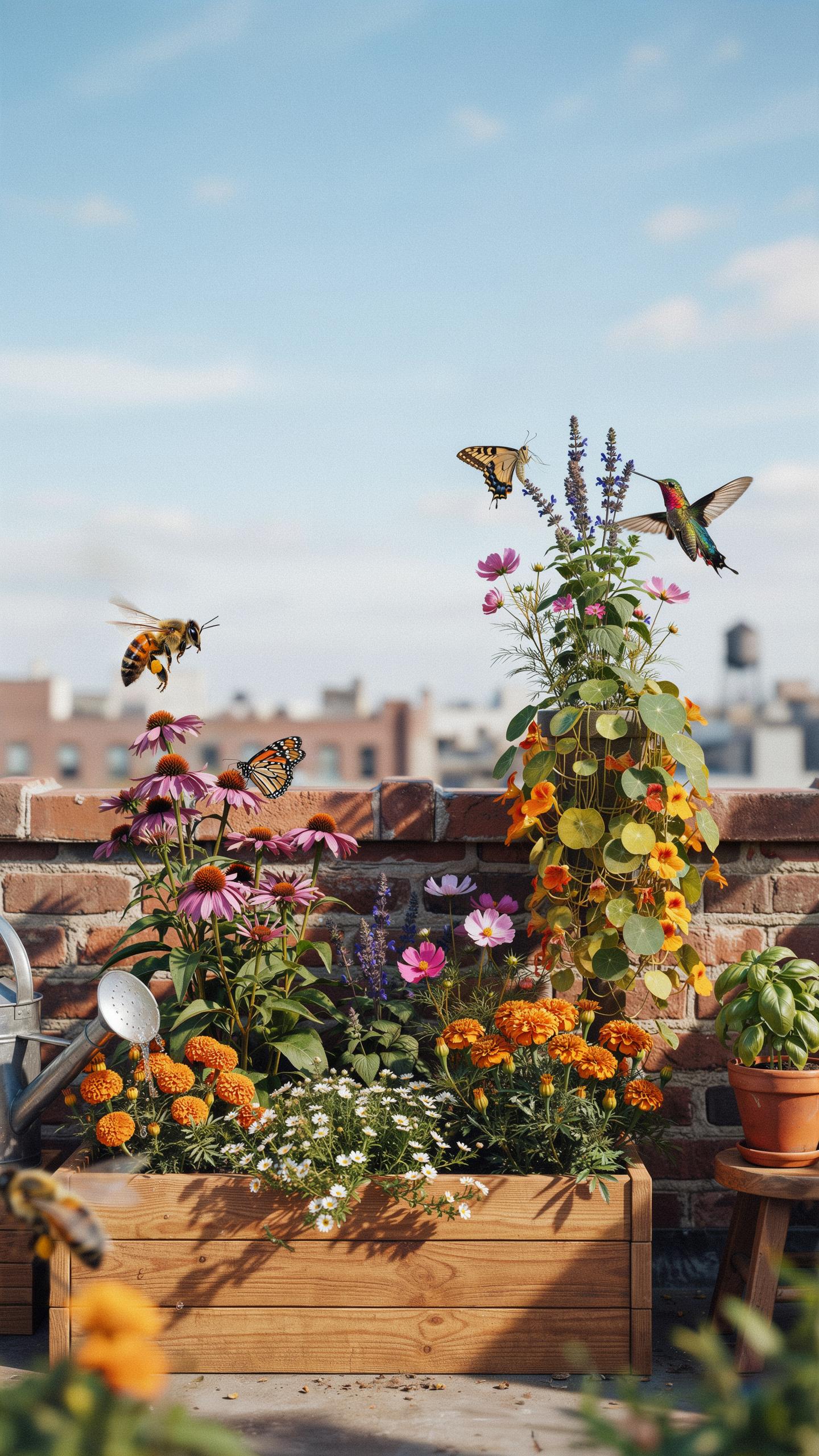
Limited space does not prevent pollinator attraction. Strategic container placement and narrow borders deliver results on small properties. Select compact plants that bloom consistently and require minimal maintenance. These options fit patios, balconies, and thin garden strips while supporting bees, butterflies, and other pollinators year-round.
- Dwarf Butterfly Bush (Buddleja ‘Buzz’): Compact cultivar reaching 3 to 4 feet tall. Produces flower spikes that attract butterflies and bees. Blooms from summer through fall with minimal pruning needs.
- Potted Lavender (Lavandula angustifolia): Hardy perennial that thrives in containers. Tolerates drought and poor soil. Flowering period extends from early summer to early fall, attracting multiple pollinator species.
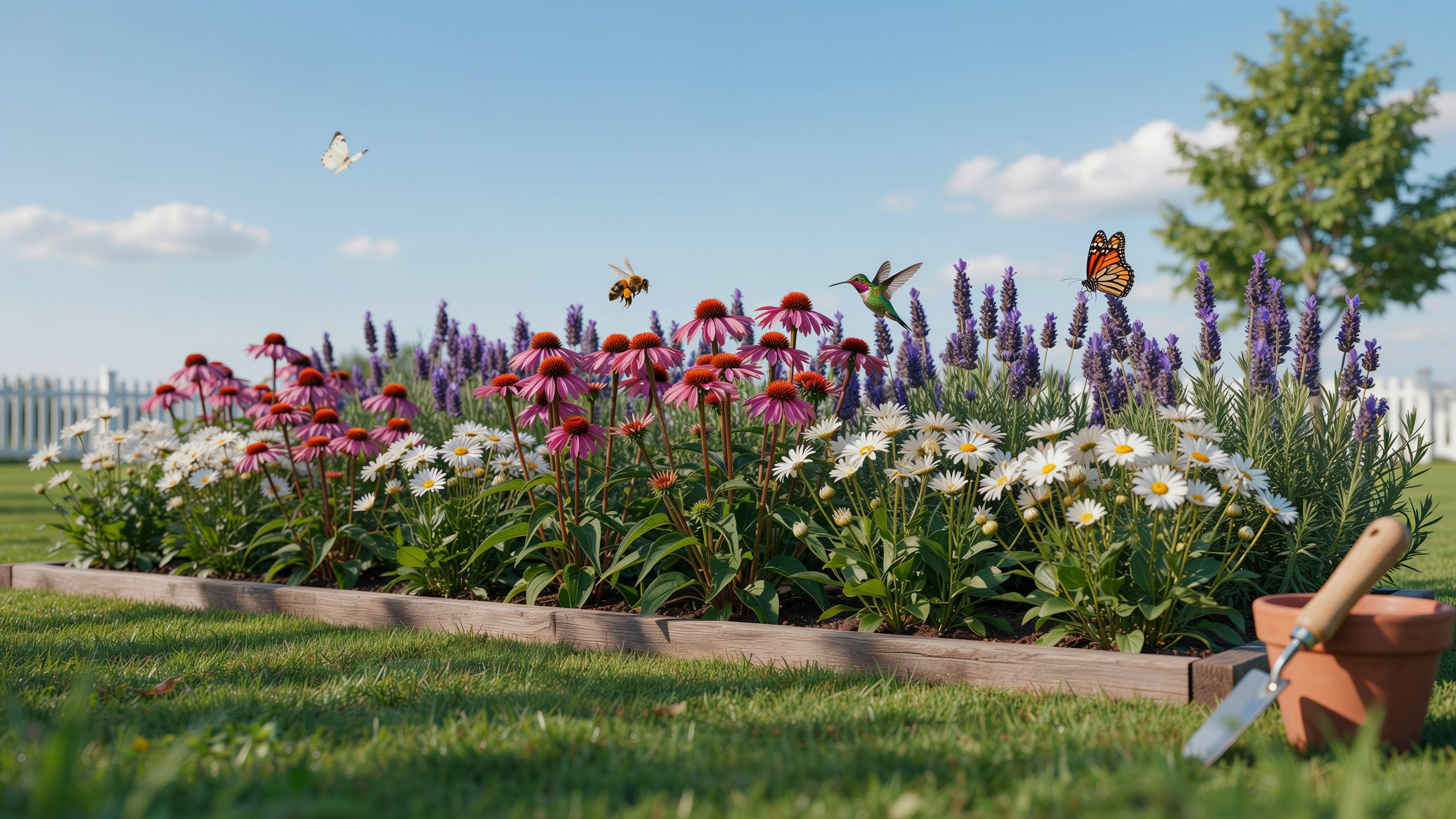
- Purple Coneflower (Echinacea purpurea): Native perennial with daisy-like blooms. Survives in containers with proper drainage. Attracts bees and butterflies while self-seeding for future seasons.
- Sweet Alyssum (Lobularia maritima): Trailing annual perfect for border edges and cascading containers. Produces fragrant clusters of small flowers. Blooms prolifically throughout warm months with minimal deadheading required.
- Catmint (Nepeta x faassenii): Compact semi-evergreen perennial for containers and borders. Purple-blue flowers bloom June through September. Tolerates poor soil and attracts bees while repelling some garden pests.
Container arrangements offer flexibility in placement and allow seasonal rotations. Group multiple pots at varying heights to increase visual interest and landing surfaces for pollinators. Use quality potting soil with drainage holes to prevent root rot. Watering frequency increases with container gardening, particularly during hot months.
Maximizing Vertical Space With Climbing Vines
Trellises and fences expand planting area without consuming ground space. Climbing vines grow upward, creating foraging zones at multiple heights. Native species establish faster and support local pollinator populations more effectively than non-native varieties. This vertical approach suits narrow yards, balconies, and properties with limited square footage.
Native honeysuckle (Lonicera sempervirens) flowers red and orange from late spring through summer. Bees and hummingbirds access nectar easily from tubular blooms. American wisteria (Wisteria frutescens) produces cascading purple flower clusters in early summer. Unlike Asian wisteria species, American wisteria grows more slowly and rarely becomes invasive. Both vines establish on sturdy structures and require minimal maintenance once established.
Drafting Successful Flower Garden Plans For Multi Season Blooms
Mapping Out Spring To Autumn Blooming Schedules
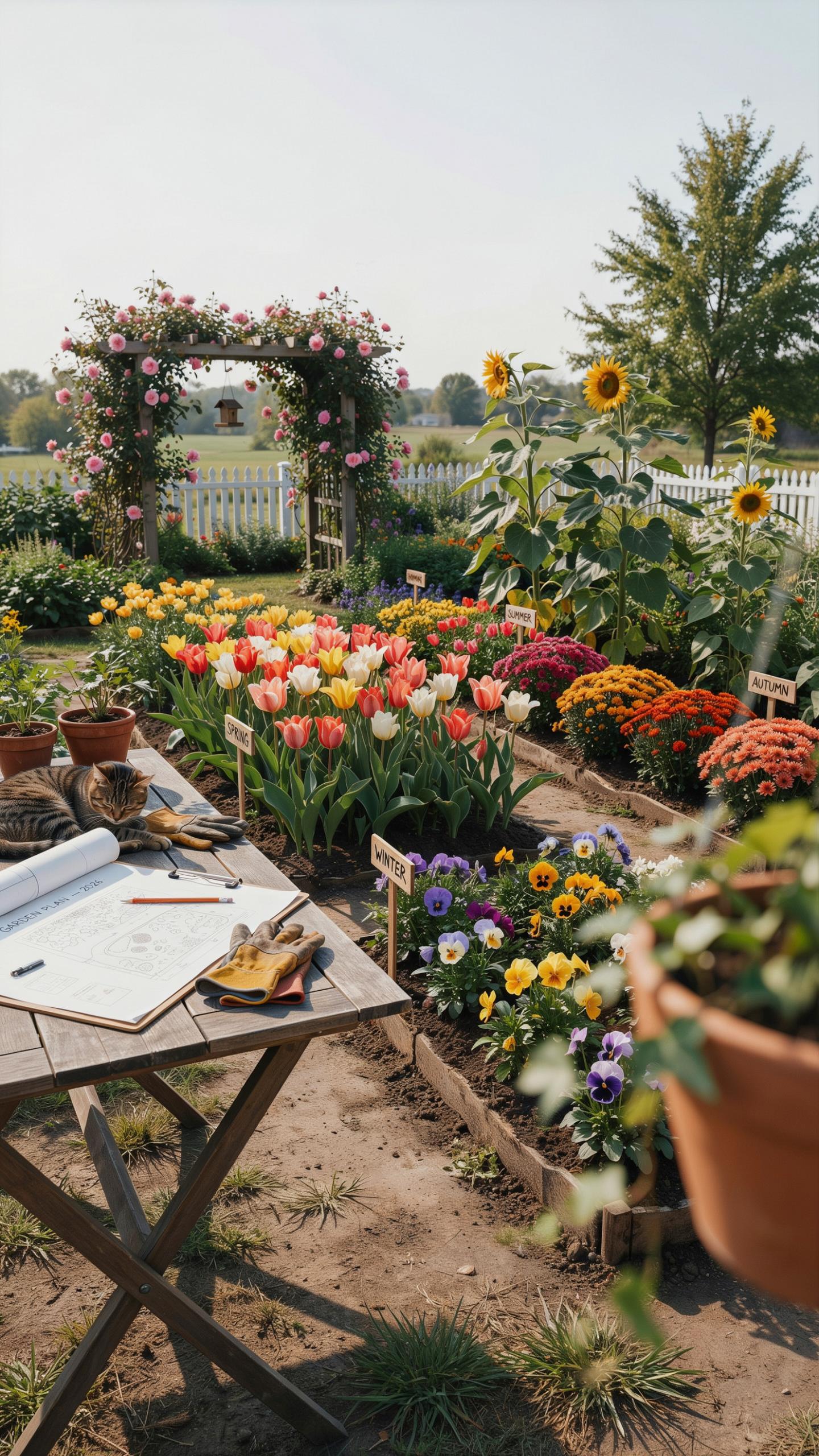
Pollinators need consistent food sources from spring through fall. Empty flower beds force them to relocate or starve. Map your layout with early bloomers like columbine for April and May, transition to mid-summer black-eyed Susans for June through August, then plant asters for September and October. This three-phase approach maintains pollinator populations throughout the growing season.
Timing matters because different pollinators emerge at different times. Bumblebees wake in spring, so early nectar sources keep them active. Butterflies peak in summer and fall, requiring mid and late-season flowers. By staggering bloom times across your bed, you eliminate gaps that force pollinators to waste energy searching elsewhere. This strategy directly increases pollinator visits and activity.
Grouping Plants By Water And Nutrient Needs
Hydrozoning groups plants by their water requirements, not aesthetics. Drought-tolerant native species like coreopsis need infrequent watering, while moisture-loving plants like bee balm demand consistent moisture. Mixing them forces you to either underwater drought plants or create root rot in dry-preference species. Separate zones based on soil moisture requirements to eliminate guesswork and maintain soil health.
Each zone requires different soil preparation and maintenance schedules. Drought zones need amended soil with good drainage and less organic matter. Moisture zones benefit from added compost and mulch to retain water. This separation prevents nutrient imbalances and fungal disease that spread when soil conditions conflict. Proper grouping reduces plant stress and extends bloom periods, directly supporting pollinator activity.
Selecting Structural Species For Your Perennial Garden Layout
Choosing Keystone Perennials For Long Term Structure
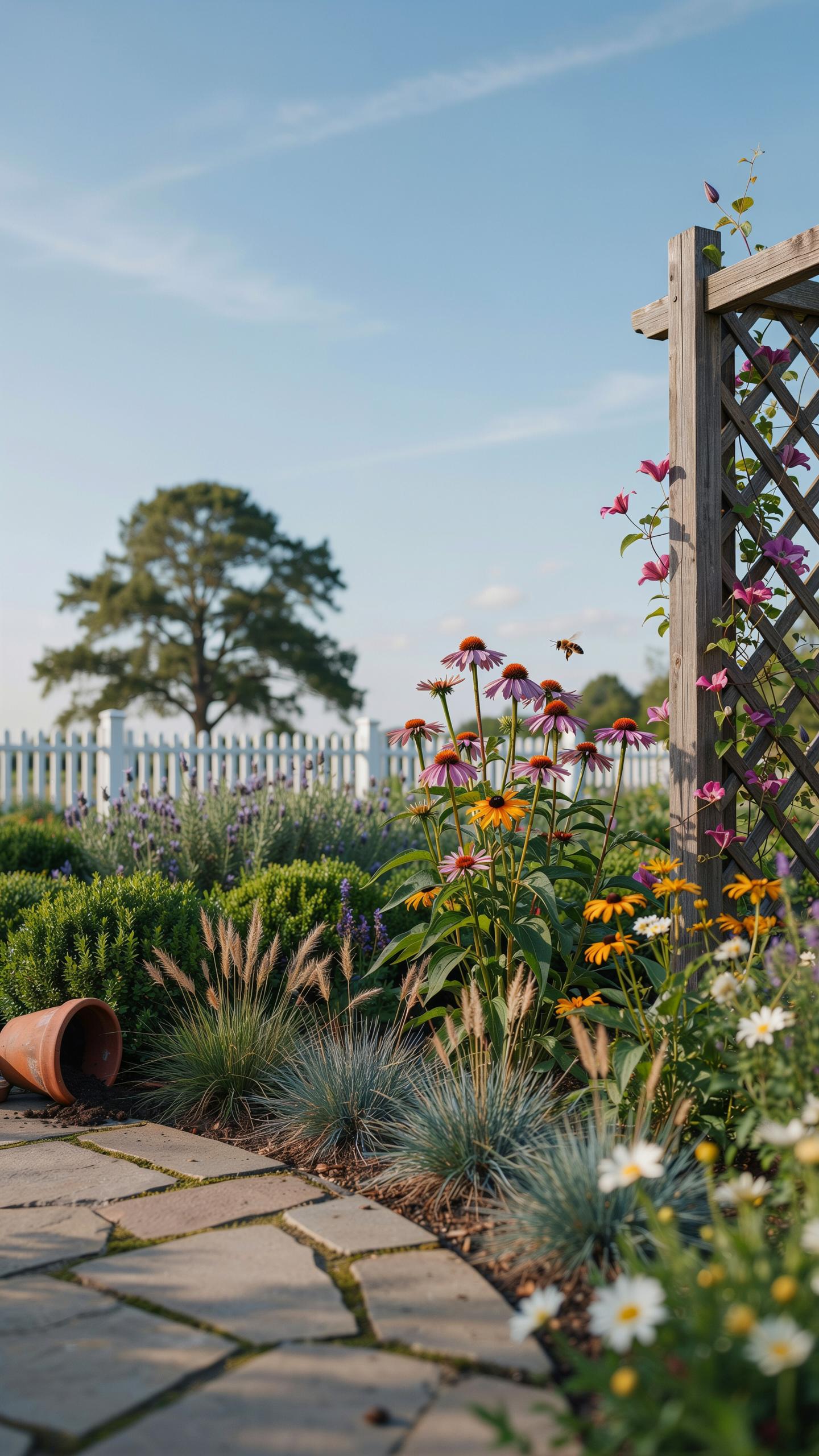
Keystone native perennials like goldenrod anchor your pollinator garden. These plants return reliably each year, creating permanent habitat structure that pollinators depend on. Goldenrod blooms late in the season when other food sources disappear, making it essential for bees and butterflies preparing for winter. Plant these species in clusters to maximize their visual and ecological impact.
Long-lived perennials reduce replanting costs and labor over time. They establish deep root systems that improve soil structure and water retention. Native species require fewer inputs once established, making your garden more sustainable. Choose perennials suited to your specific hardiness zone and soil conditions for reliable performance year after year.
Adding Ornamental Grasses For Multi Season Interest
Native ornamental grasses like Little Bluestem serve multiple functions in your layout. These grasses provide nesting materials for native bees and shelter from winter wind damage. They persist through cold months, offering visual structure when flowering plants die back. Little Bluestem develops reddish tones in fall, adding color depth to your design.
Ornamental grasses stabilize soil and reduce erosion in your garden beds. They create microclimates that benefit beneficial insects seeking winter protection. As grasses break down, they add organic matter that improves soil fertility naturally. Position grasses throughout your layout rather than clustering them to distribute shelter and nesting resources evenly.
Implementing Native Plant Garden Layout Principles
Researching Indigenous Host And Nectar Plants
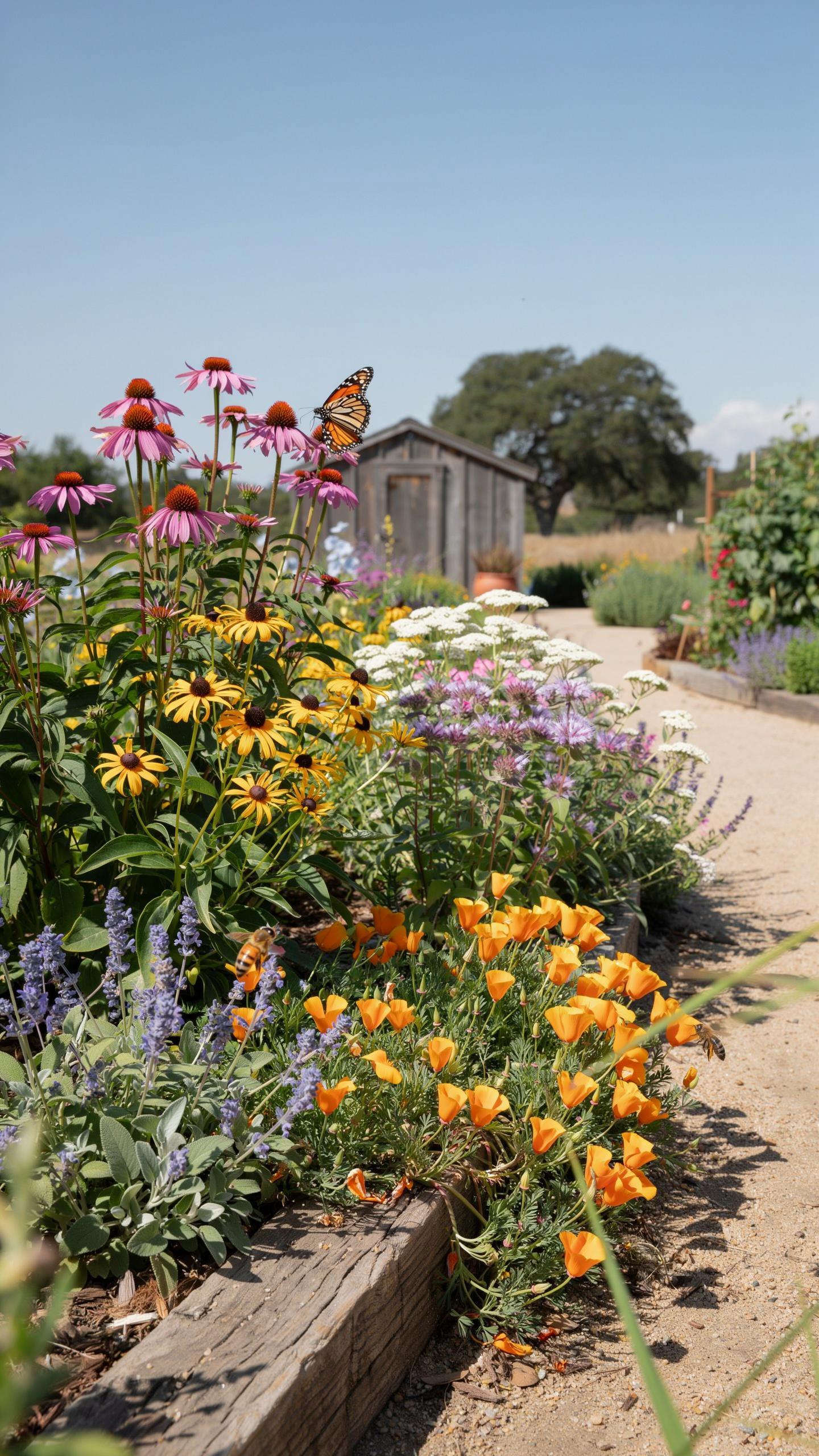
Local native plant societies maintain databases of species that thrive in your ecoregion. These organizations provide lists tailored to your specific soil type, moisture level, and hardiness zone. Contact your state’s native plant society or university extension office for accurate regional data. This research takes two to three weeks but eliminates costly trial and error.
Indigenous plants support specialist pollinators because they coevolved together over thousands of years. A native bee species recognizes the exact flower shape, color, and blooming time of its host plant. Non-native cultivars often lack the nutritional compounds these insects require. Your native plant selection directly determines which pollinators will visit your beds and reproduce successfully.
Stratifying Your Layout By Natural Height Profiles
The stair-step method organizes plants by mature height to maximize sunlight exposure for all species. Place tall plants like Joe-Pye weed or ironweed at the north or back edge. Position medium-height coneflowers and bee balm in the middle rows. Front rows hold low-growing species like wild ginger and woodland phlox. This arrangement prevents shade competition and creates visual depth.
Height stratification improves pollinator access to nectar and pollen throughout your beds. Shorter plants at the front remain visible to ground-dwelling bees and insects. Medium heights attract flying insects that prefer mid-level foliage. Tall species draw monarch butterflies and other high-flying visitors. Each height tier serves a specific insect group’s natural foraging behavior.
Designing A Beautiful Butterfly Garden Design Layout For Flower Beds
Must Have Features For Lepidoptera Habitats
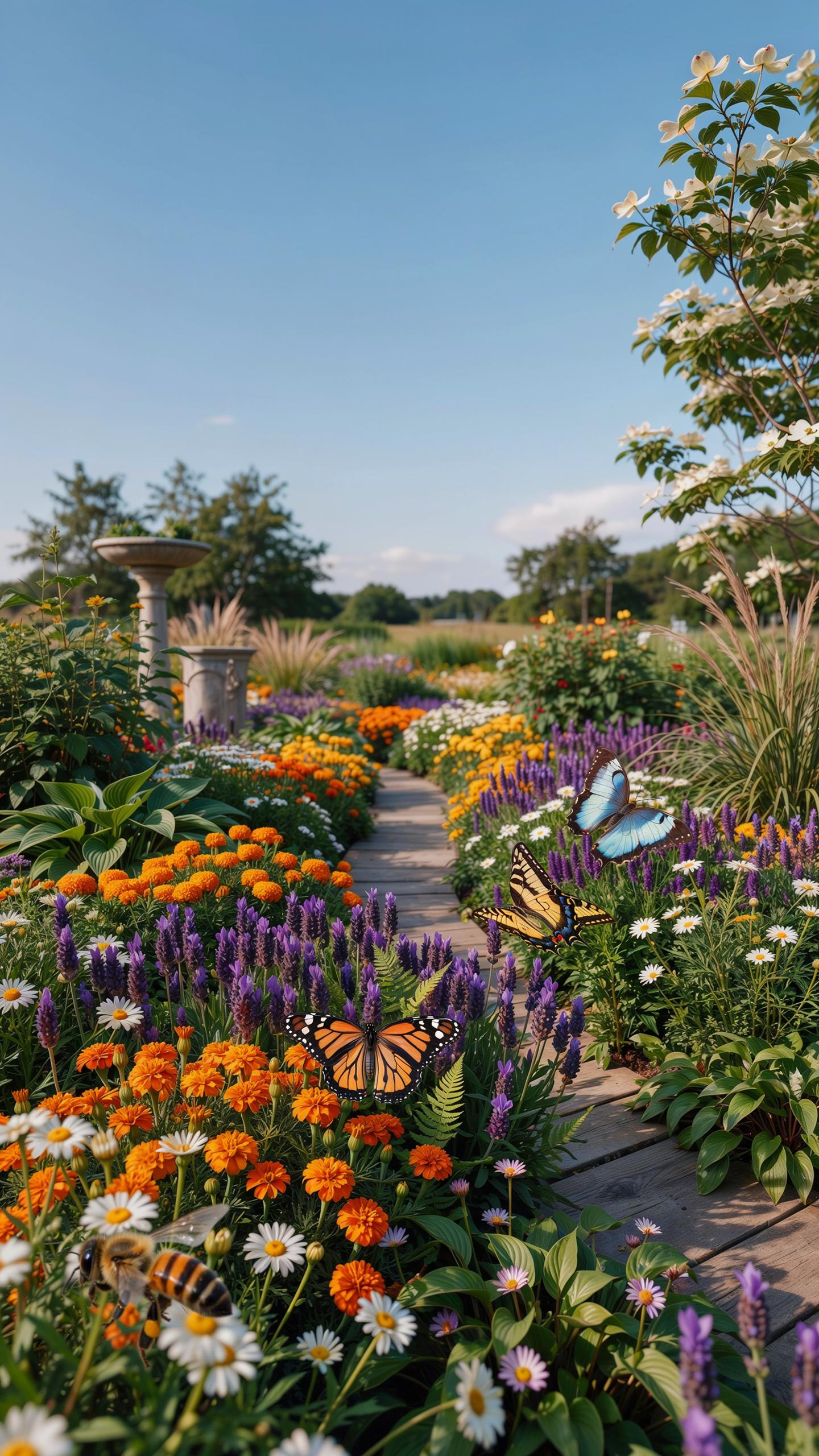
Butterflies and moths require specific environmental conditions to thrive in your garden. Your layout must include functional elements that support their lifecycle stages, from caterpillar development to adult feeding and reproduction. These habitat features work together to create a self-sustaining ecosystem that attracts and retains diverse butterfly populations year after year.
- Flat Basking Stones: Position stones in full sun where butterflies can regulate body temperature. Stone surfaces absorb and radiate heat, enabling wing muscle activation for flight. Use flat rocks at least 12 inches across for stability.
- Shallow Mud Puddles: Create damp sandy patches or shallow dishes filled with mud and water. Male butterflies extract essential minerals and salts from these sources. Refresh water every 2-3 days to prevent mosquito breeding.
- Host Plants: Plant milkweed species such as Asclepias syriaca or Asclepias incarnata specifically for caterpillar food sources. Caterpillars depend entirely on host plants for survival. Monarchs require milkweed; other species need different plants.
- Shelter Belts: Install dense shrubs or hedges to block strong winds that disrupt butterfly flight and feeding. Wind protection increases time butterflies spend in your garden. Position belts on north and west-facing sides.
- Nectar Plants: Include flowering plants that bloom across multiple seasons to provide continuous adult food sources. Native wildflowers sustain butterfly populations longer than ornamental hybrids. Space plants 12-18 inches apart for dense coverage.
Integrate these features strategically throughout your layout rather than clustering them in one zone. Spacing basking stones 10-15 feet apart creates resting stations across the garden. Mud puddles placed near shelter belts protect vulnerable butterflies while they drink.
Creating High Contrast Color Drifts To Attract Butterflies
Butterflies locate flowers through visual detection from above and rely on color contrast to identify nectar sources quickly. Scattered individual plants are invisible to airborne butterflies. Planting flowers in dense blocks of three to five identical plants creates visible color patterns that butterflies recognize and navigate toward efficiently.
Organize your layout into distinct color zones rather than mixing varieties randomly throughout beds. Group purple coneflowers in one drift, black eyed susans in another, and blazing star in a third. This arrangement maximizes visual impact from butterfly flight paths above. Position drifts adjacent to each other for dramatic color contrast that increases landing success rates by butterflies searching for nectar sources.
Structuring An Efficient Bee And Butterfly Garden Layout
Designing For Diverse Pollinator Mouthparts
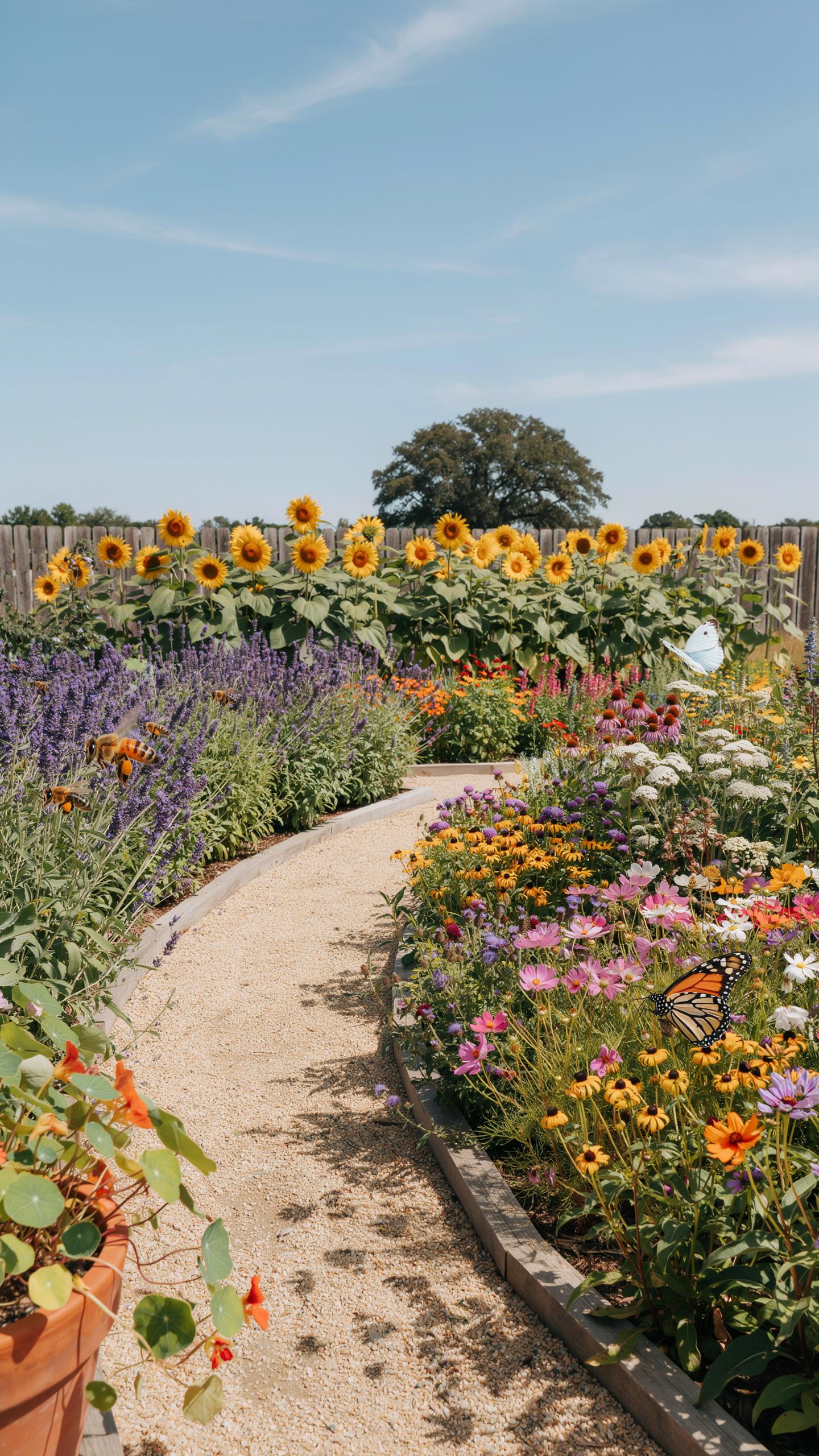
Different pollinator species have different feeding anatomy. Long-tongued bees access nectar from tubular flowers like penstemon and salvia. Short-tongued bees and many butterflies feed on flat or composite flowers such as sunflowers, coneflowers, and zinnias. Plant both types to maximize your garden’s utility across pollinator species.
Flower shape directly determines which insects can feed efficiently. A bee with a short tongue cannot reach nectar deep in a tubular flower. A butterfly’s coiled proboscis works best on landing platforms. Include open-faced blooms and tubular varieties in your pollinator flower bed layout to serve the widest range of visiting insects throughout the season.
A garden should be a place where the soul feels at home, woven with the wisdom of nature to welcome every wandering bee. The patterns we plant today become the golden memories of a summer’s hum.
Providing Clean Water And Wind Shelter Zones
Pollinators need water sources, but standing water kills them. Create a shallow bee bath using a bowl or saucer filled with pebbles, sand, or marbles. Add water so insects can land on the pebbles and drink without falling in. Place this bath near your flower beds where pollinators actively forage.
Wind protection matters for foraging efficiency. Position your flower beds adjacent to existing windbreaks like hedges, fences, or shrub borders. Strong winds waste pollinator energy and disrupt foraging behavior. Natural barriers reduce wind stress while providing shelter during rest periods, making your garden more attractive to sustained pollinator activity.
Establishing The Layout Of A Native Pollinator Garden Design
Preparing The Bed And Eliminating Invasive Weeds
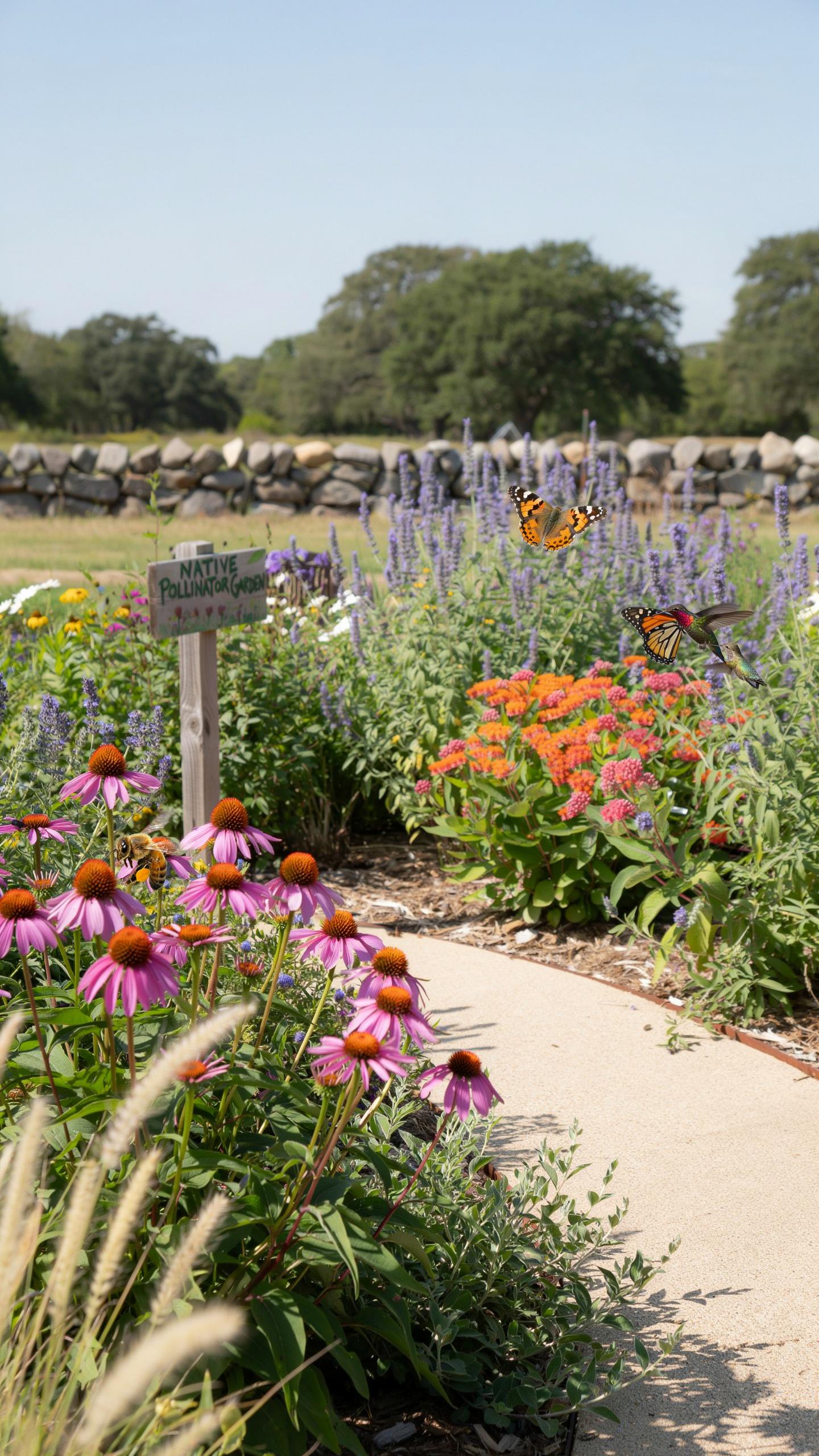
Clear your planting site completely before you start. Remove aggressive non-native grasses and weeds that compete with native plants for resources. These invasive species choke out the flowers that pollinators need and reduce your garden’s effectiveness.
Sheet mulching with cardboard and organic compost eliminates weeds without synthetic herbicides. Lay cardboard directly over the existing vegetation to block sunlight and kill unwanted plants. Top it with compost, let it break down for several weeks, then plant directly into the decomposed material. This method builds soil quality while removing competition.
Mulching And Long Term Maintenance Best Practices
Apply three inches of organic hardwood mulch or leaf mulch across your beds. This layer retains soil moisture, moderates temperature swings, and suppresses new weed growth. Consistent moisture means plants establish faster and produce more flowers throughout the season.
Leave patches of bare, sandy soil in sunny areas untouched by mulch. Most native bee species tunnel underground to create nesting chambers and need direct access to compacted soil. Without these bare spots, you eliminate nesting habitat and reduce pollinator populations. Balance mulch coverage with these critical nesting zones.
Frequently Asked Questions

What are the main benefits of planning a specific layout for a pollinator garden?
Designing a strategic pollinator flower bed layout ensures that bees, butterflies, and hummingbirds have a reliable food source throughout the entire growing season. By organizing plants according to height and bloom time, you create an accessible ecosystem that provides both nectar and shelter. A well-planned layout also improves your curb appeal, transforming a chaotic patch of wildflowers into a sophisticated, intentional landscape feature that enhances your home’s overall value.
How should I arrange plants in my flower bed to best support local wildlife?
For a functional pollinator flower bed layout, utilize a tiered approach by placing taller perennials like sunflowers in the back and shorter groundcovers in the front. Grouping the same plant species in “drifts” or clusters of at least three to five plants makes it much easier for pollinators to spot them from a distance. This clustered arrangement allows insects to forage more efficiently while creating a visually striking, professional-looking garden design.
Can I create an effective pollinator garden if I have a very limited budget?
Absolutely! You can build a beautiful habitat without spending a fortune by starting with affordable seed packets rather than mature nursery plants. Focus on native perennials, which are naturally hardier and require less expensive fertilizer or supplemental watering. Many local gardening groups also host plant swaps, which are excellent resources for finding free divisions of host plants and nectar-rich flowers to fill out your new landscape design affordably.