What Is A Fabric Grow Bag Container Garden And Why Is It Gaining Popularity
Understanding The Basics Of A Fabric Grow Bag Container Garden
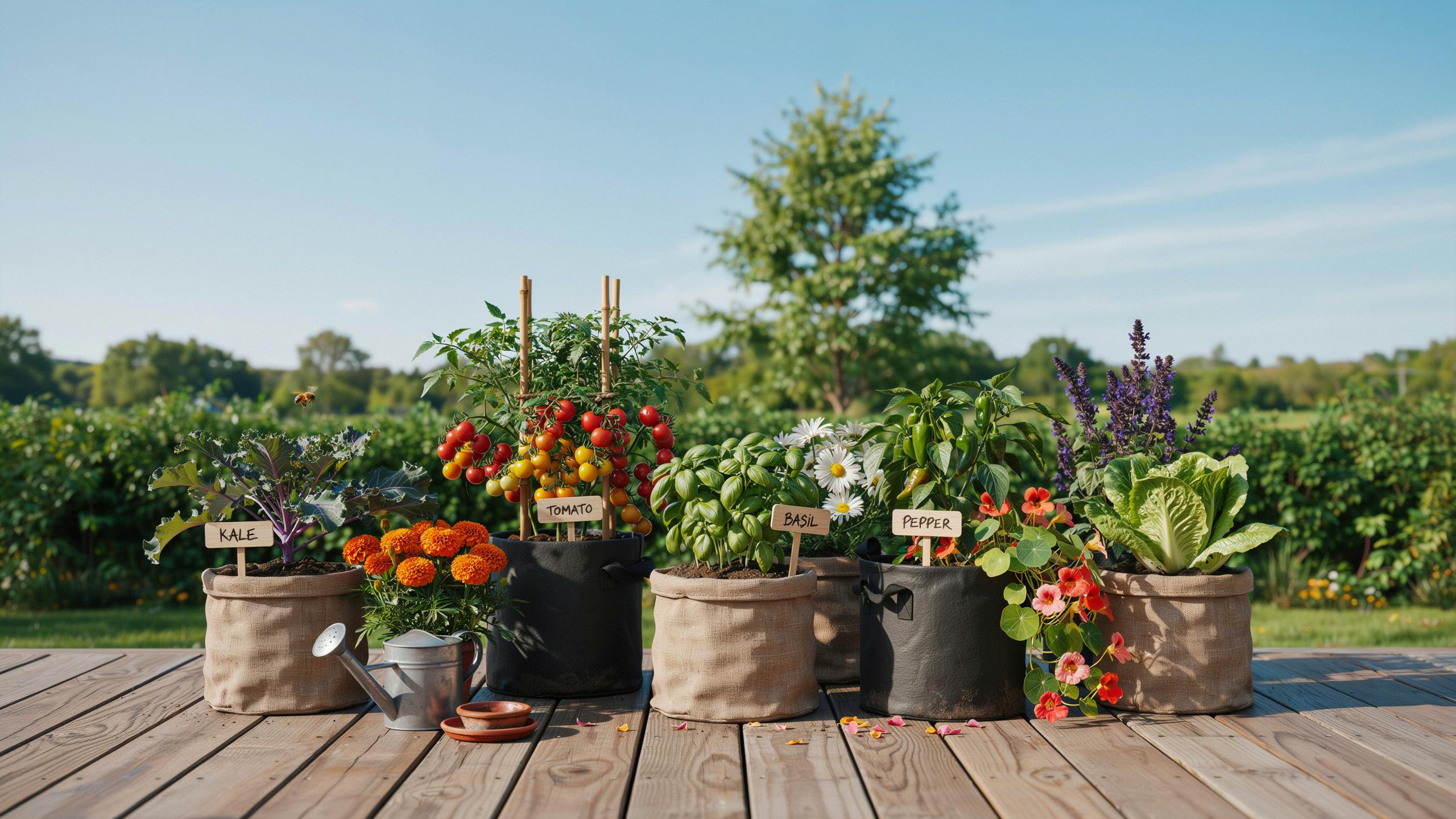
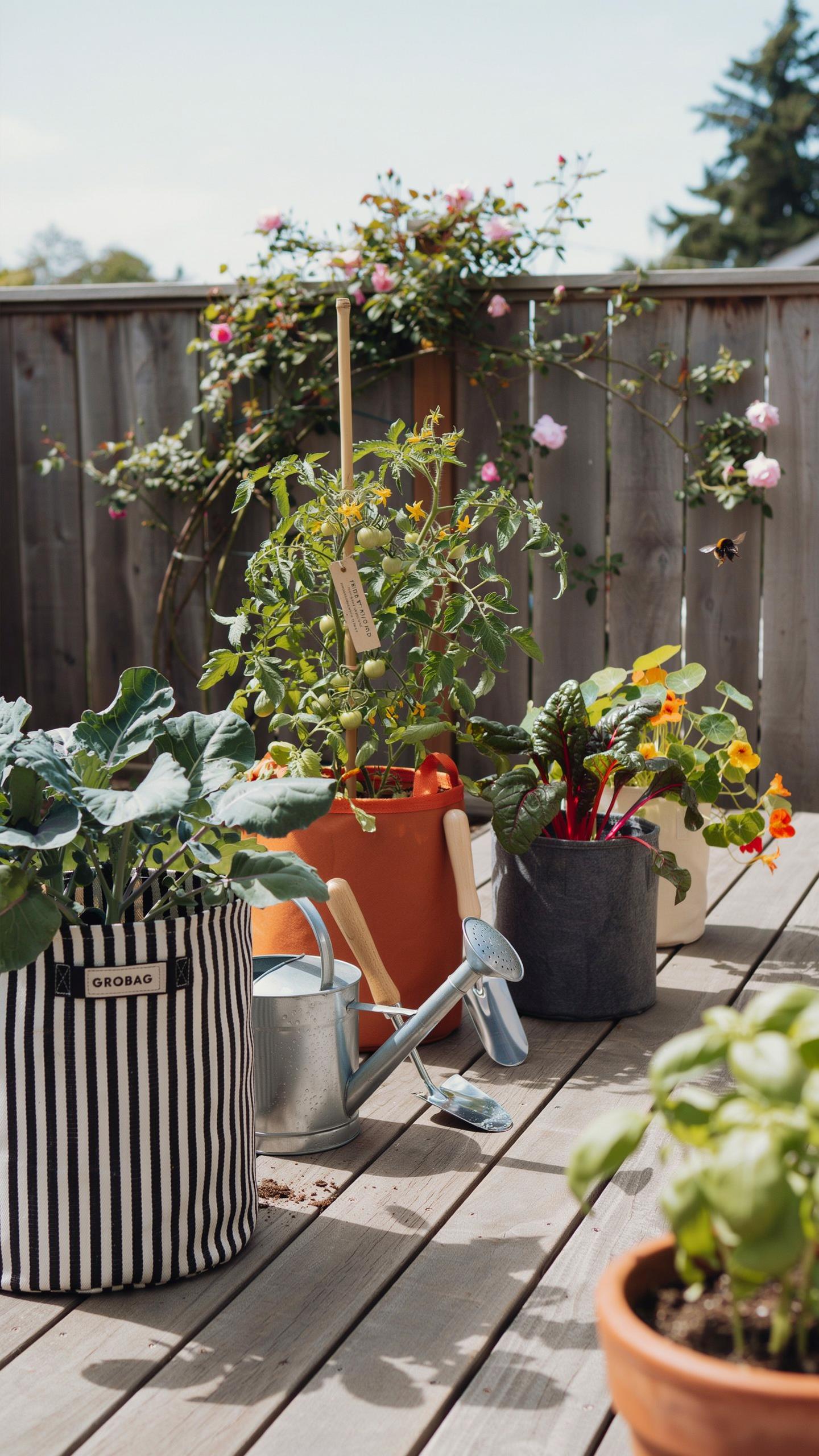
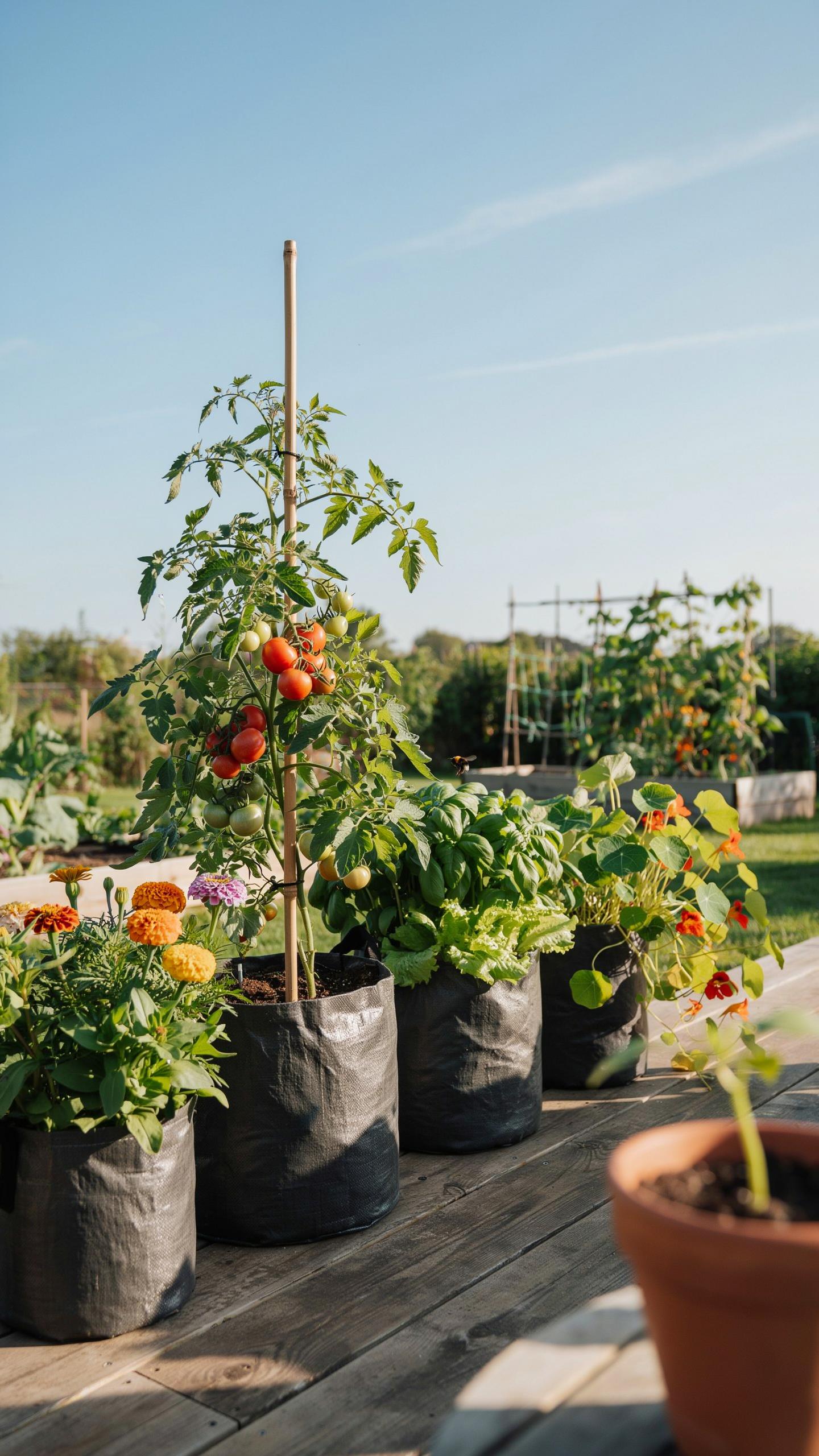
A fabric grow bag container garden uses breathable pouches made from thickened non-woven geotextile fibers. These bags serve as flexible pots for growing vegetables, herbs, and flowers. The design allows air and water to move through the material easily. This specialized construction creates a healthier environment for plant roots than solid containers. Gardeners use these bags to maximize space on patios, balconies, and rooftops.
This gardening method focuses on efficiency and portability. The lightweight material makes it easy to move plants as sun patterns change throughout the season. You can place these bags directly on soil or hard surfaces. They come in various sizes to accommodate everything from small salad greens to large fruit trees. This system eliminates the need for tilling or permanent garden beds. It offers a fast setup for any property.
How Fabric Grow Bags Differ From Traditional Plastic And Ceramic Pots
Standard plastic or ceramic pots trap heat and moisture. This creates a hard barrier that forces roots to circle the interior walls. Circling causes the plant to become root-bound and stressed. In contrast, fabric bags enable air pruning. When roots hit the fabric edge, they encounter air and stop growing outward. This process signals the plant to produce a dense network of small, fibrous feeding roots inside.
Temperature control and drainage also set fabric bags apart from rigid pots. Plastic containers often bake the soil in direct sunlight which kills beneficial microbes. Fabric allows heat to escape through the porous walls to keep the root zone cool. Excess water drains instantly through the bottom and sides. This high level of aeration prevents root rot. It also ensures the plant receives maximum oxygen for fast and healthy growth.
The Real Benefits Of Growing Plants In A Grow Bag Garden
How Air Pruning In Fabric Bags Promotes Healthier Root Systems
Standard plastic pots force roots to circle the container walls. This process creates root bound plants that struggle to absorb nutrients and water. Eventually, the plant chokes itself as the roots tighten. Fabric bags solve this structural flaw through a process called air pruning. When roots reach the breathable fabric wall, they encounter air. This exposure naturally dries out the root tip.
Air pruning stops the root from growing longer and triggers the plant to sprout fresh lateral roots. This creates a dense and fibrous root system instead of a few long and spiraled strands. A fibrous root mass has more surface area to pull in minerals and moisture. You get a more resilient plant that establishes quickly when moved. This biological response ensures the plant maximizes its internal energy.
Why Better Drainage And Breathability Lead To Stronger Plant Growth
Fabric bags allow water to exit through the entire surface area of the container. Plastic and ceramic pots only drain through a few small holes at the bottom. This prevents water from pooling at the base and causing root rot. Proper drainage keeps the soil moist but never saturated. You eliminate the primary cause of plant death in container gardening by managing moisture levels.
The breathable material also regulates soil temperature through evaporative cooling. In summer, plastic pots trap heat and bake the root system. Fabric allows heat to escape which keeps the roots cool and active. This airflow provides essential oxygen to the soil microbes and the root zone. High oxygen levels speed up nutrient uptake and fuel faster plant growth. You achieve a balanced environment that mimics natural ground conditions.
How To Make A Fabric Grow Bag From Scratch At Home
Choosing The Right Fabric Material For Homemade Grow Bags
Success depends on material porosity. Non-woven geotextiles offer the best air pruning results. These fabrics stop root circling by exposing root tips to air. This process triggers the plant to grow a dense system of feeder roots. You must avoid standard woven plastics or treated canvases. These materials trap heat and prevent gas exchange. Poor gas exchange kills beneficial soil microbes.
Select heavy-duty landscape fabric or felt. The material weight should range between 200 and 400 grams per square meter. Lighter fabrics tear under the weight of wet soil. Heavier fabrics provide superior structural integrity for large plants. Ensure the fabric is UV stabilized to prevent sun rot. Untreated materials degrade within one growing season. Focus on durability and drainage capacity to ensure long-term utility.
The glory of gardening- hands in the dirt, head in the sun, heart with nature. To nurture a garden in even the smallest vessel is to feed not just the body, but the soul.
Step By Step Instructions On How To Make Fabric Grow Bags With Basic Sewing Skills
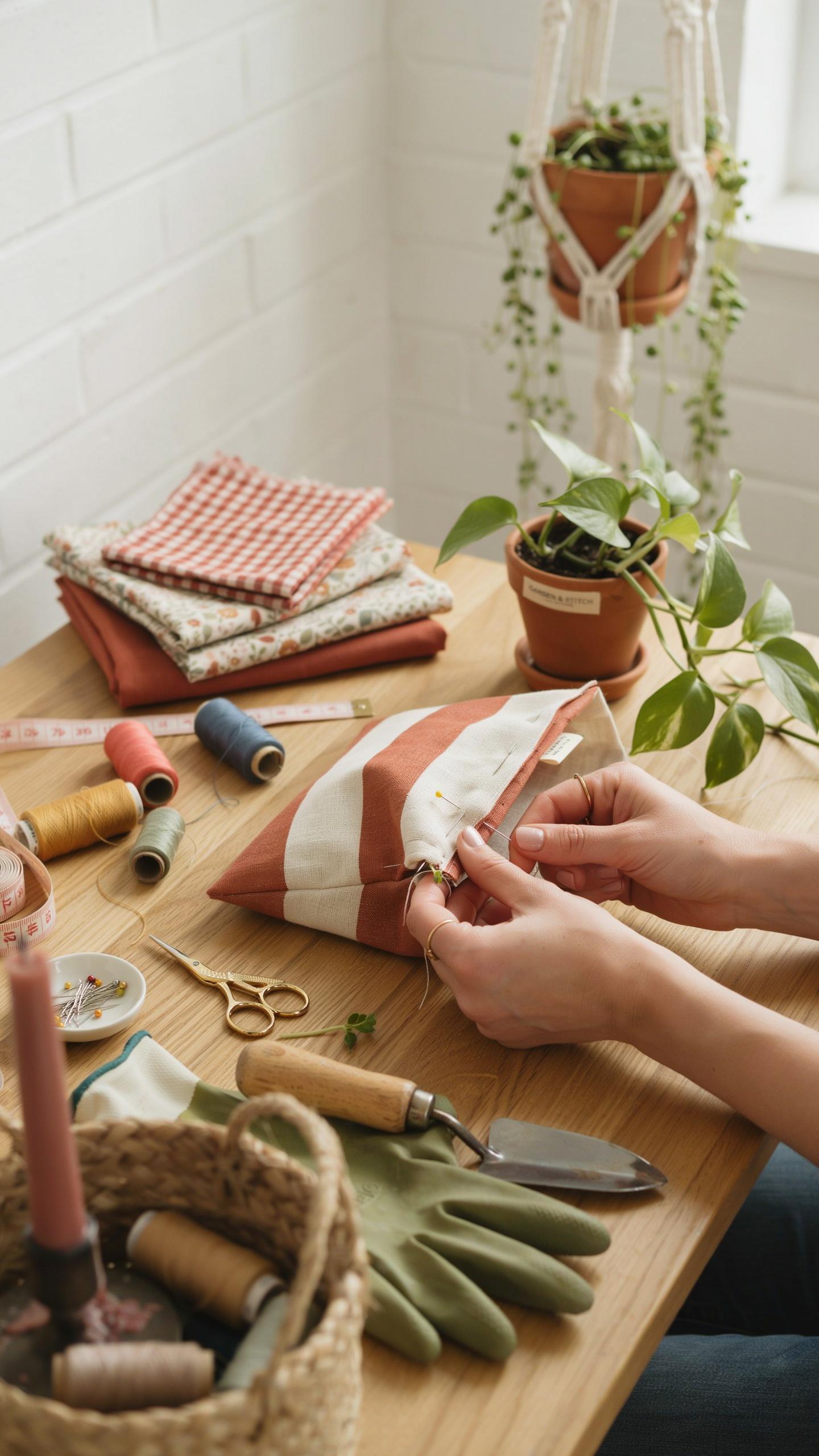
Start by cutting your fabric into two pieces. You need a circular base and a rectangular side panel. Calculate the rectangle length by multiplying the base diameter by three point one four. Add two inches to this length for the seam allowance. Use a heavy-duty needle and bonded nylon thread. These components resist rot and handle high tension during the irrigation cycles.
- Cut the Fabric: Measure and cut the circular bottom and the rectangular body. Use sharp shears to ensure clean edges. Frayed edges lead to structural failure when the bag is full of heavy damp soil.
- Pin the Side Seam: Wrap the rectangular piece into a cylinder. Overlap the edges by one inch. Use pins to hold the fabric in place. This step ensures the cylinder remains straight during the initial sewing phase.
- Stitch the Cylinder: Use a straight stitch or a zig-zag stitch down the side. Backstitch at both ends to lock the thread. Professional builders use a double row of stitching for extra reinforcement against soil pressure.
- Attach the Base: Pin the bottom circle to one end of the fabric cylinder. Stitch slowly around the circumference. Keep the fabric flat to avoid bunching. A secure bottom seam prevents the growing medium from leaking out.
- Reinforce the Rim: Fold the top edge of the bag down by one inch. Sew a clean hem around the entire opening. This creates a rigid rim that keeps the bag open during filling and prevents the fabric from tearing.

Standard home sewing machines can handle most landscape fabrics. Increase your stitch length to three millimeters. This prevents the needle from perforating the fabric like a postage stamp. Smaller stitches weaken the material and cause it to rip. Test your tension on a scrap piece before starting. Proper tension ensures the bag holds several gallons of wet soil without the seams bursting.
DIY Grow Bags Budget Friendly Ways To Build Your Own Container Garden
Essential Materials You Need Before Starting Your DIY Grow Bags For Your Project
Standard plastic pots trap heat and restrict root growth. Building your own fabric grow bag container garden requires specific breathable materials to ensure proper air pruning. You must select fabrics that allow water to drain while remaining strong enough to hold wet soil. Industrial textiles offer the best durability for outdoor use. Gather all tools before you begin to maintain a steady workflow.
- Geotextile Fabric: Use non-woven polypropylene fabric. This material resists rot and allows roots to breathe. It is the industrial standard for drainage and soil separation in professional landscaping and civil engineering projects.
- Bonded Polyester Thread: Standard cotton thread will rot in moist soil within weeks. Use UV-rated bonded polyester thread to ensure the seams hold under the weight of wet dirt and constant sun exposure.
- Heavy Duty Needles: Your sewing machine requires size 100/16 or 110/18 needles. These thicker needles can punch through multiple layers of heavy landscape fabric without breaking or skipping stitches during the assembly process.
- Tailors Chalk: High-contrast marking tools allow for precise measurements on dark fabrics. Accurate cuts ensure your bags sit level on the ground. This prevents the containers from leaning or spilling soil when they reach full capacity.
- Measuring Tape: Precision matters when calculating the volume of your containers. Use a standard flexible measuring tape to determine the diameter and height. Correct dimensions ensure your finished bags hold the specific gallon capacity you need.
Avoid lightweight craft felt or cheap weed barrier for this project. These materials lack the structural integrity to support mature plants. High-quality geotextiles provide the necessary tensile strength for lifting and moving the bags. Secure your workspace and cut your fabric into rectangular panels for the body and circular discs for the base. Proper material selection prevents bag failure halfway through the growing season.
Common Mistakes To Avoid When Constructing Homemade Fabric Grow Bags
Many builders fail because they use the wrong stitch type for the side seams. A straight stitch will often snap under the lateral pressure of expanding soil. You must use a reinforced zigzag stitch or a double row of straight stitching to handle the load. Weak seams lead to blowouts that ruin your root systems. Strong construction ensures the bag maintains its shape over time.
Size also creates major issues for beginners. Bags that are too tall and narrow will tip over in high winds. Aim for a wider base to increase stability and surface area for oxygen exchange. Do not use fabrics that are too thin, as they dry out too fast in the sun. If you choose an overly porous material, your plants will suffer from constant water stress and nutrient leaching.
Grow Bag Garden Design Ideas To Transform Any Outdoor Space
How To Plan A Cohesive Grow Bag Garden Design For Patios And Decks
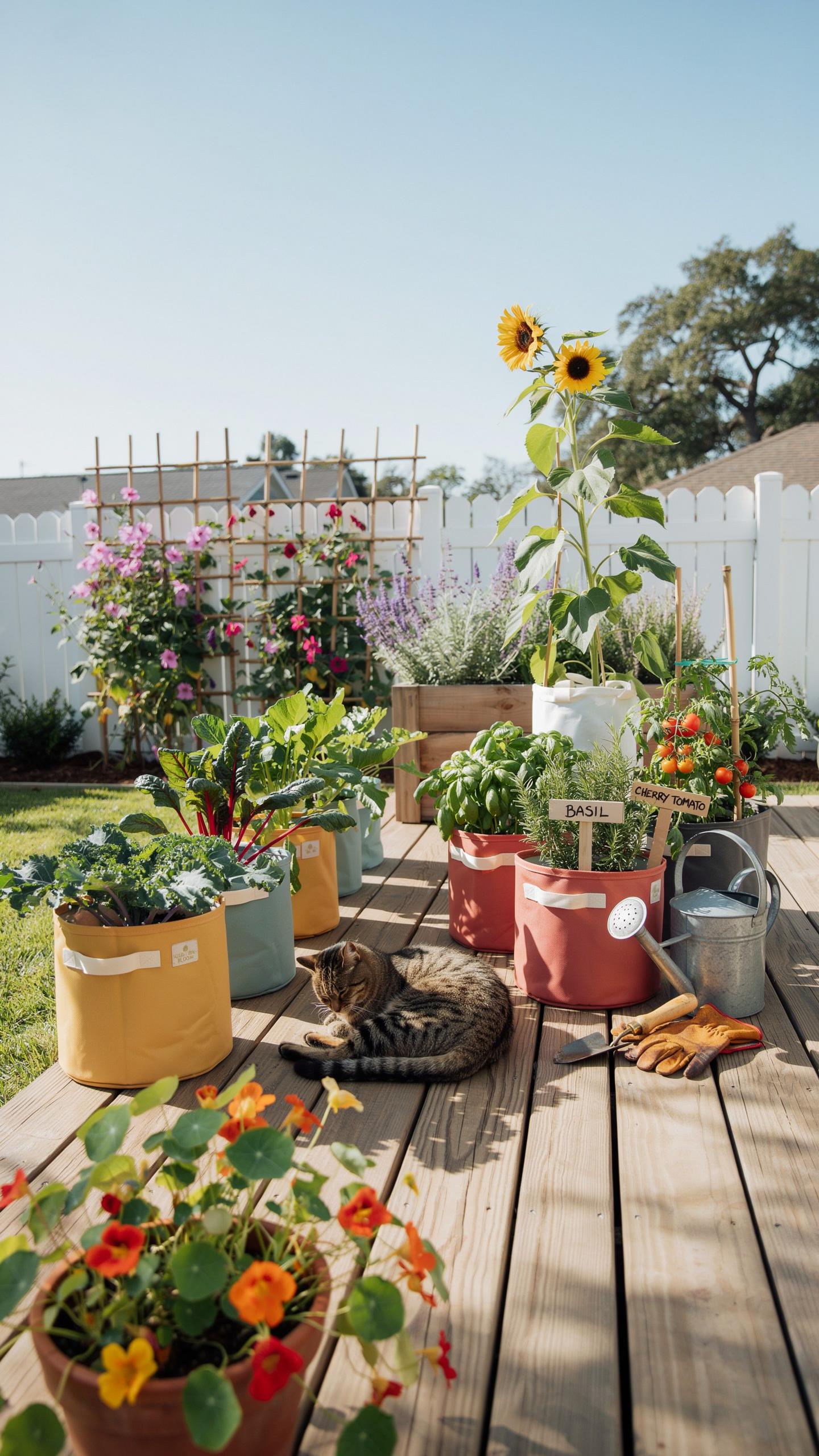
Effective design requires a grid-based approach to maximize limited floor space. Measure your patio dimensions and calculate the footprint of each fabric grow bag container garden unit. Standardize your bag sizes to create clean lines and simplify irrigation. Use heavy-duty saucers beneath each bag to prevent water damage to wood or stone surfaces. Proper spacing ensures airflow and prevents fungal disease.
Group bags based on water and sunlight needs to streamline maintenance. Place taller bags in the back to create a structural backdrop. Use low-profile bags for herbs near the seating area for easy access. Consolidate your layout to hide irrigation tubing along one main line. This organization creates a professional look and reduces physical clutter. A cohesive plan prevents a messy or disorganized appearance.
Combining Colors, Textures, And Plant Heights For A Polished Garden Look
Select a monochromatic color palette for your fabric grow bags to anchor the design. Neutrals like black, tan, or gray allow the foliage to stand out. Contrast the soft texture of non-woven geotextile with rigid architectural elements like railings or stone walls. Vertical interest improves visual depth. Mix trailing species like sweet potato vine with upright plants like kale to vary the silhouette.
Layering plants by height creates a more natural and finished aesthetic. Position tall indeterminate tomatoes or trellised beans in large five-gallon bags at the center. Surround them with mid-sized peppers and lower leafy greens to fill the visual gaps. This technique mimics professional landscape architecture while utilizing small containers. Consistent bag material ties these varied plant forms together into a single unified display.
Growbag Garden Ideas That Work For Small Yards Balconies And Urban Spaces
Creative Growbag Garden Ideas For Tight Spaces And Apartment Balconies
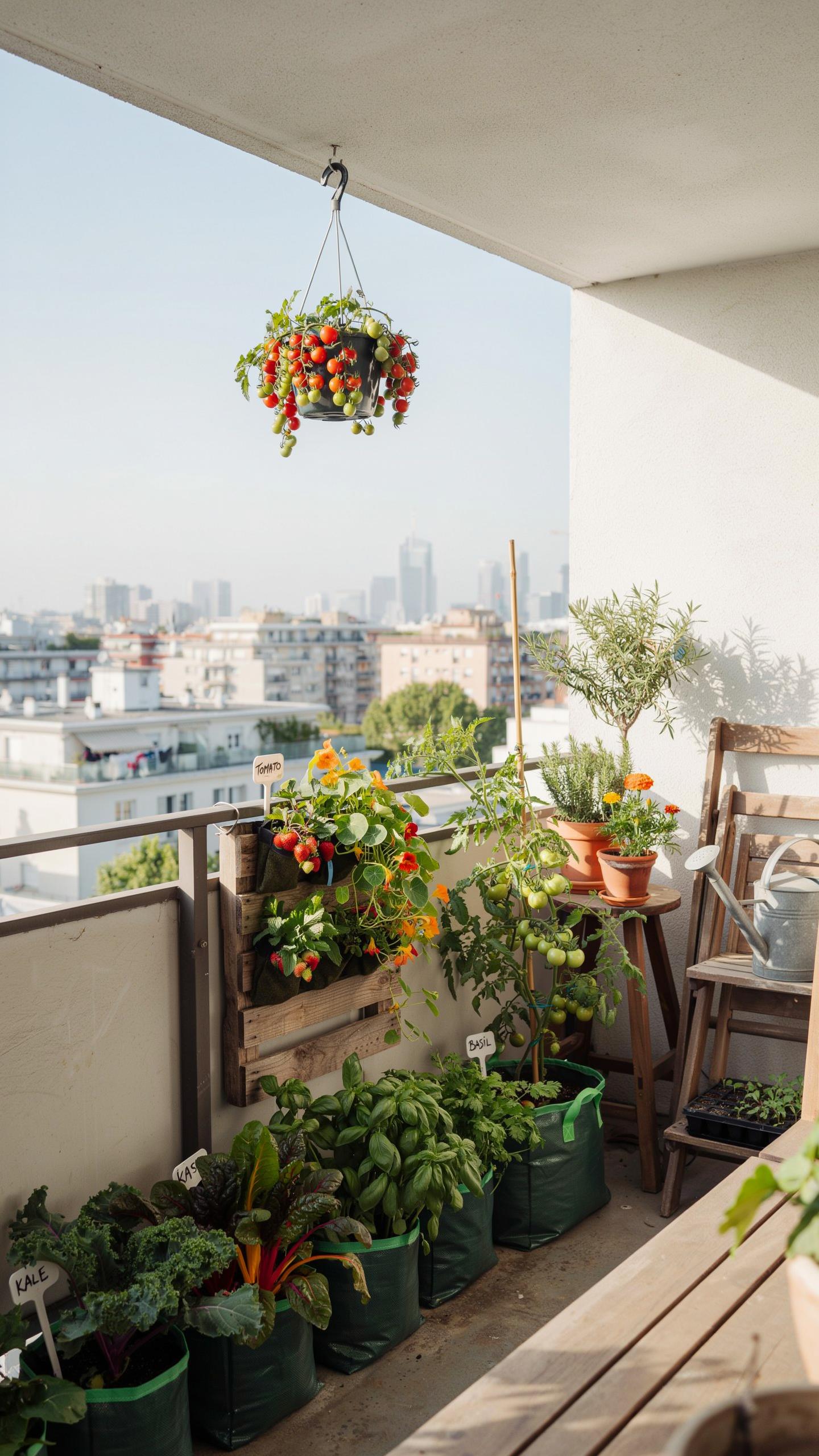
Vertical orientation maximizes small footprints. Utilize wall-mounted railings or tiered shelving units to stack fabric bags. This method uses the height of a balcony instead of the floor. Growing upwards allows for more plants per square foot. Ensure the support structure can handle the weight of wet soil and heavy containers. Strategic placement keeps walkways clear while increasing your total harvest area.
Select fabric containers with handles for easy mobility. Urban environments change as the sun moves behind buildings throughout the day. You must move your plants to track the light. High-quality non-woven geotextiles provide the necessary drainage for concrete surfaces. This prevents water from pooling and damaging your balcony floor. Choose smaller three-gallon or five-gallon bags to keep the weight manageable for standard apartment balcony load limits.
How To Arrange Multiple Fabric Bags To Create A Lush, Full Garden Effect
Group your fabric bags in clusters to create a microclimate. High-density grouping reduces water evaporation by shading the sides of the containers. Place larger bags in the back and smaller bags in the front. This staggered height approach creates a visual wall of foliage. Use different bag colors like black, tan, or grey to define specific zones. Proper grouping mimics a natural landscape within a rigid urban setting.
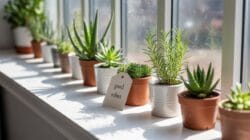
Integrate various plant heights to fill the vertical gap between the ground and eye level. Mix tall upright crops like peppers with trailing plants like strawberries. The trailing plants spill over the edges of the fabric to hide the container walls. This technique creates a seamless blanket of green. Maintain enough space between bags for airflow to prevent fungal diseases. Effective arrangements balance high plant density with functional access for maintenance.
Use Fabric Grow Bags To Add Height To Your Yard And Create Visual Interest
Why Varying Plant Heights With Fabric Grow Bags Elevates Your Landscape Design
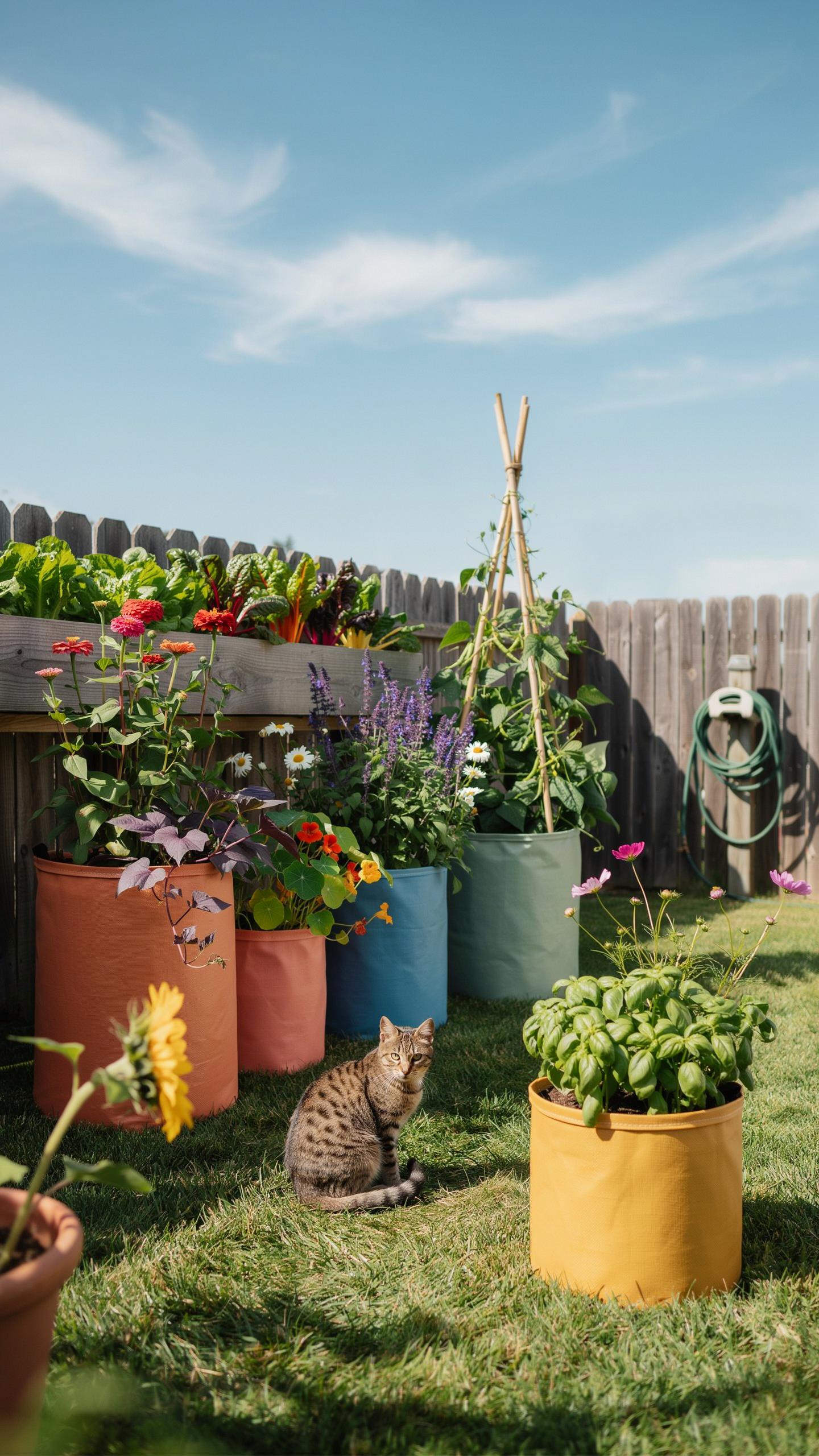
Flat gardens lack depth and fail to draw the eye. You create verticality by placing fabric grow bags on tiered stands, retaining walls, or repurposed industrial pallets. This strategy mimics natural forest tiers. It forces the viewer to move their gaze upward rather than just across the ground. Use different bag sizes to establish a clear hierarchy in your garden layout.
Fabric grow bags are lighter than traditional ceramic or stone pots. This weight advantage allows you to place them on elevated structures without risking structural collapse. You can reposition these bags easily to change the focal point of your yard as seasons shift. Strategic placement creates a sense of enclosure and privacy. It transforms a standard backyard into a structured and multi-dimensional outdoor space.
Best Plant Varieties To Use Fabric Grow Bags To Add Height To Yard Displays
Choose plants with strong vertical habits to maximize the height of your grow bag garden. Indeterminate tomato varieties or climbing beans work well when supported by internal bamboo stakes or external trellises. These species utilize the air space above the bag. Large fabric containers provide the necessary root volume to support tall growth. Focus on plants that thrive in well-aerated soil environments.
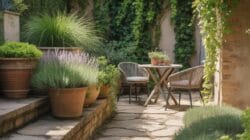
Sunflowers and amaranth offer fast vertical growth and sturdy stalks. These varieties stand tall against wind when anchored in heavy soil mixes within the bag. Pair these with trailing plants like sweet potato vines or nasturtiums. The combination of upright stalks and cascading foliage creates a complete visual stack. This technique hides the container while emphasizing the vertical scale of your productive landscape.
Best Grow Bags Gardening Ideas For Vegetables Herbs And Flowers
Top Vegetables And Herbs That Thrive In Fabric Grow Bag Container Gardens
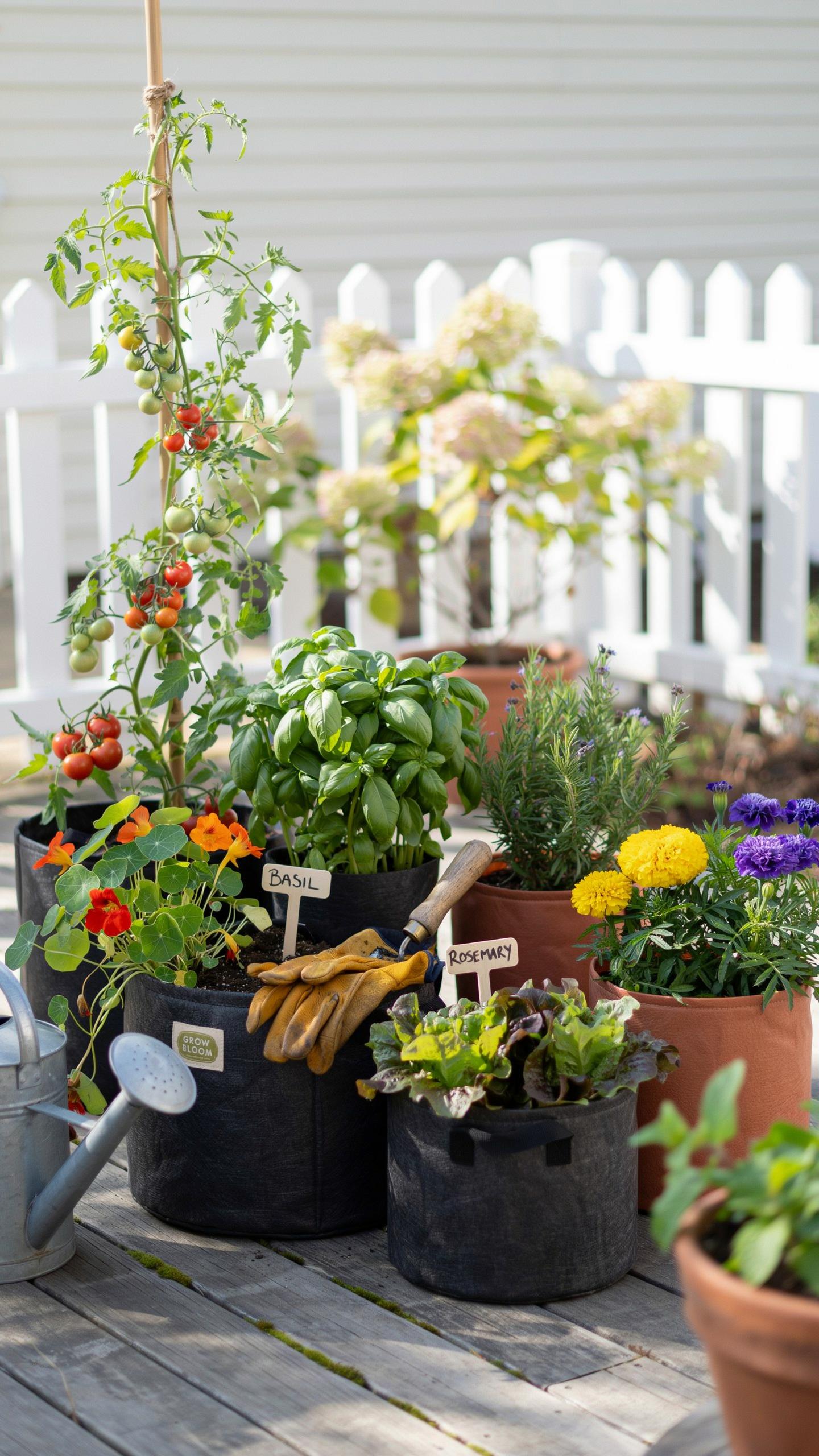
Fabric grow bags excel at managing root architectures for heavy feeders. Nightshades like tomatoes and peppers require consistent moisture and high oxygen levels at the root zone. Traditional plastic pots often cause roots to circle and choke. Fabric walls prune roots naturally. This process creates a dense system of fibrous roots. More roots mean more surface area to absorb vital nutrients and water.
Culinary herbs also perform well in breathable containers. Mediterranean herbs like rosemary and thyme despise wet feet. The porous fabric allows excess water to drain immediately through the sides and bottom. This drainage prevents root rot and mimics the dry soil these plants prefer. You control the soil quality and drainage speed. Use a high quality potting mix to ensure these herbs stay productive all season.
Seasonal Flower Grow Bags Gardening Ideas To Keep Your Property Blooming Year Round
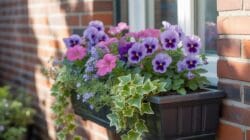
Strategic gardeners use grow bags to rotate floral displays as temperatures change. Start with cold hardy pansies or snapdragons in early spring. These plants survive light frosts while the fabric insulates the soil better than thin plastic. Move these bags to the background once the heat arrives. Replace them with heat loving species like zinnias or marigolds to maintain color through the summer months.
Transition to fall displays using chrysanthemums or ornamental kales in the same containers. The mobility of fabric bags allows you to follow the sun as the days shorten. You can move large bags easily to maximize light exposure. This flexibility extends the blooming period for many decorative species. Proper drainage remains the priority for keeping flowers vibrant. Fabric bags prevent the soil compaction that often kills potted seasonal displays.
How To Care For And Maintain Your Fabric Grow Bag Container Garden
Watering, Fertilizing, And Soil Management Tips For Fabric Grow Bag Gardens
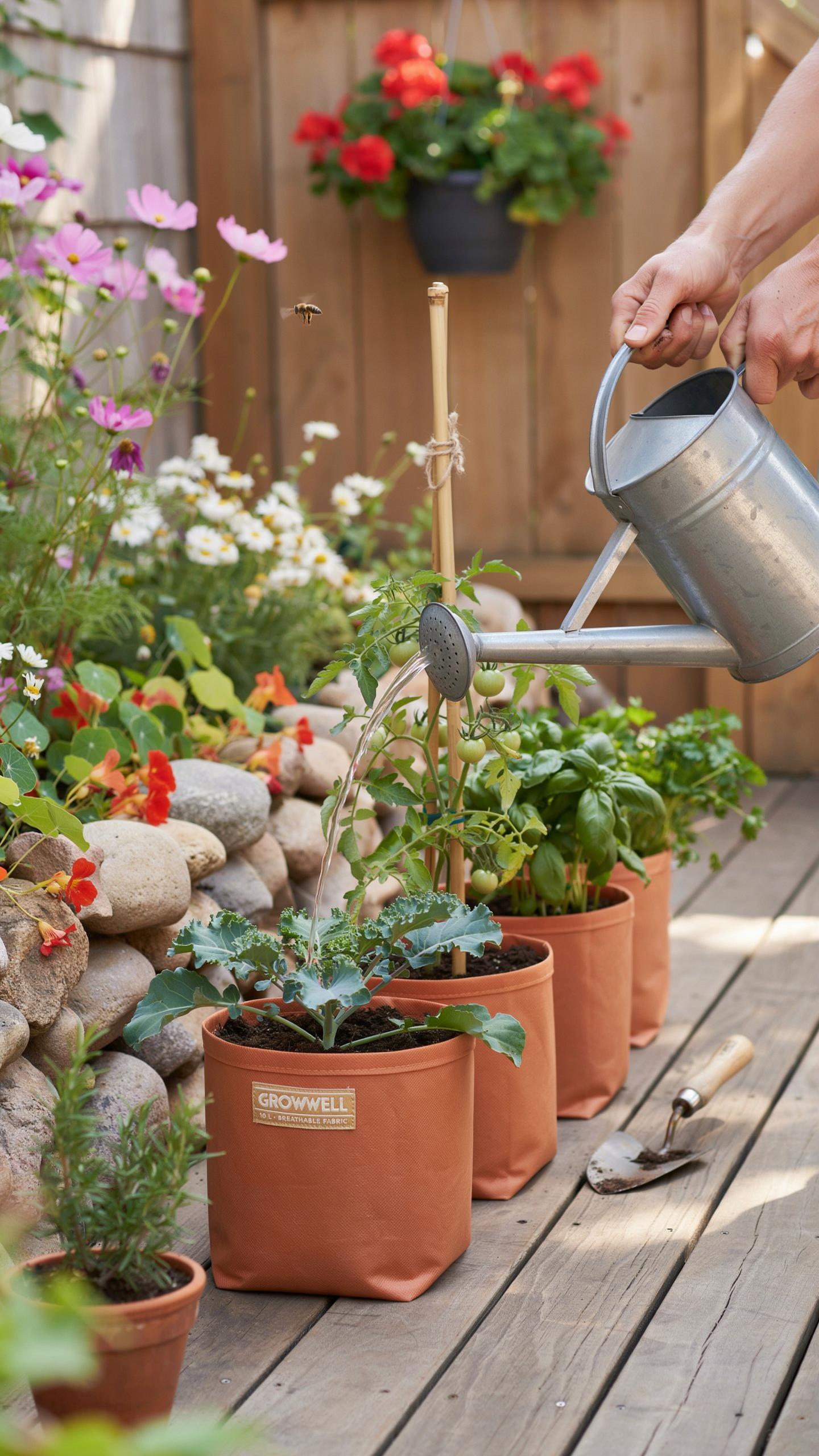
Fabric pots lose moisture faster than plastic or ceramic containers because the walls are porous. This air exposure causes high evaporation rates. You must monitor soil moisture daily. Use a finger to check the top two inches of medium. Water until liquid drains from the bottom to ensure the root zone is fully saturated. Drip irrigation systems work best for consistency.
Nutrients leach out of fabric bags quickly due to frequent watering frequency. Use water-soluble fertilizers to replace these lost minerals. Organic compost top-dressing also helps maintain soil structure over time. Do not reuse old soil for heavy feeders like tomatoes without refreshing the nutrient content. Compacted soil limits the air pruning benefits of the bag. Keep the mix light and airy.
How To Clean, Store, And Extend The Lifespan Of Your Fabric Grow Bags
High-quality polypropylene fabric lasts for several seasons if you maintain it properly. At the end of the growing season, empty all soil and let the bags dry completely. Use a stiff brush to remove dried root fragments and salt buildup from the exterior. These white salt crusts block the pores and stop air pruning. Keeping the fabric clear ensures the system works.
Sanitize your bags to kill pathogens and fungal spores before storage. Submerge the empty bags in a solution of water and vinegar or a mild detergent. Rinse them thoroughly and air dry them in the sun. Never store damp bags because they will develop mold and rot while tucked away. Fold the dry bags flat and keep them in a cool dark place.
How To Style And Display Your Fabric Grow Bag Garden To Maximize Curb Appeal
Placement Strategies That Make Your Fabric Grow Bag Container Garden A Focal Point
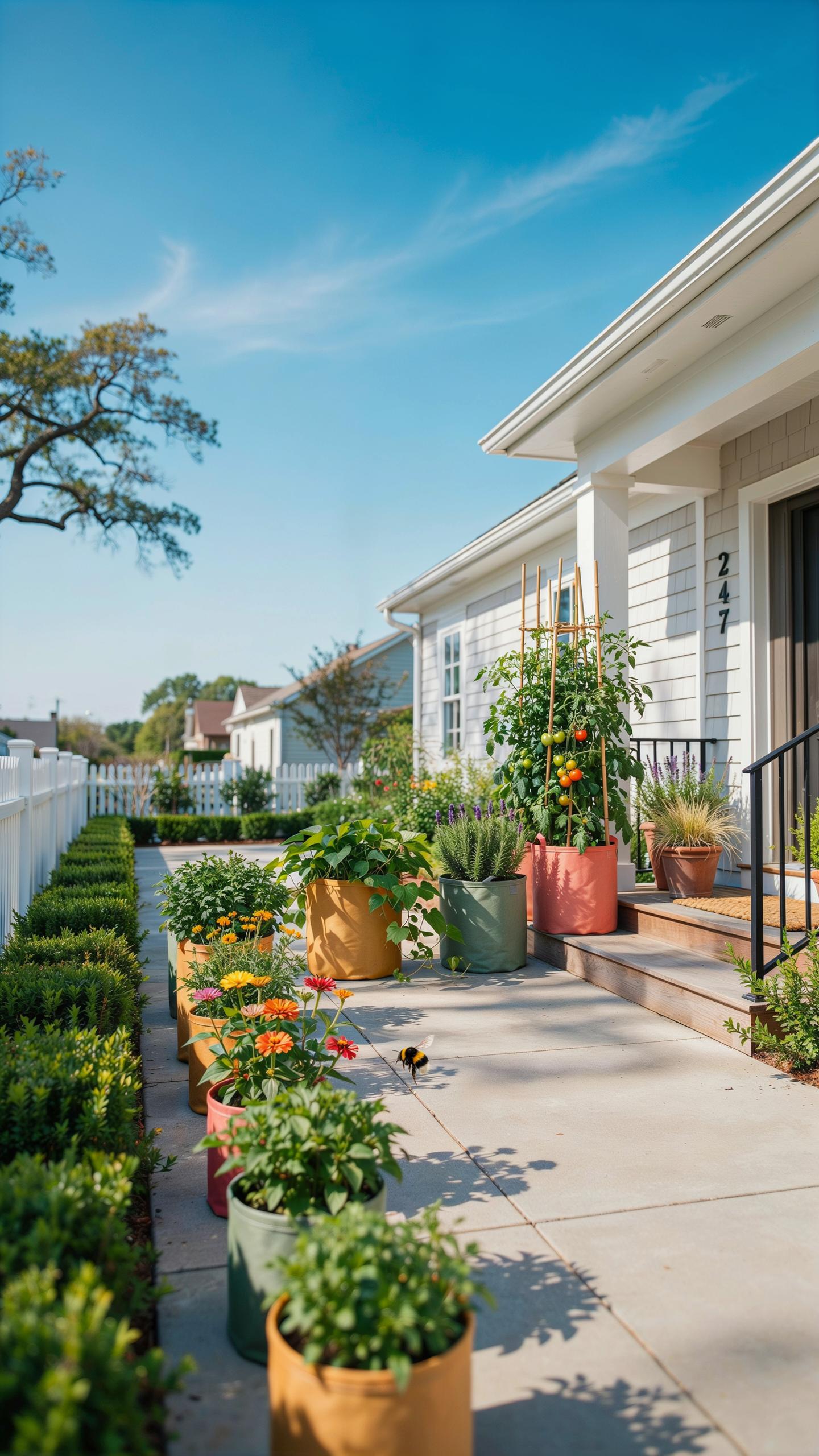
Strategic placement dictates the visual impact of your fabric grow bag container garden. Group bags in odd numbers to create a natural look. Place larger bags at the rear and smaller ones in front for depth. Use vertical structures like steps or benches to vary the height of your display. High-traffic areas like entryways benefit most from these organized clusters.
Position bags based on sun requirements while maintaining symmetry near architectural lines. Aligning rows of bags along a walkway creates a clean and intentional path. Contrast the soft texture of the fabric against hard surfaces like concrete or stone. Move the bags as seasons change to keep the display dense and healthy. Proper spacing prevents a cluttered look and allows air to flow freely.
Pairing Fabric Grow Bags With Garden Accessories To Elevate Your Property’S Aesthetic
Integrating accessories transforms a collection of bags into a finished landscape. Set fabric grow bags inside decorative wooden crates or metal troughs to hide the seams. This technique adds a layer of protection and matches traditional or industrial design styles. Use uniform mulch or gravel around the base of the bags to tie the elements together. Cohesive materials create a professional look.
Lighting and signage add a final layer of sophistication to your garden. Install low-voltage LED path lights to highlight the garden at night. Use slate or metal plant markers for a clear and organized appearance. Choose a singular color palette for your bags to ensure the plants remain the main attraction. These small additions signal that the garden is a permanent and managed part of the home property.
Frequently Asked Questions

What are the main benefits of using fabric grow bags over traditional plastic pots?
Fabric grow bags offer superior drainage and aeration compared to standard plastic containers. The breathable material prevents roots from circling and becoming root-bound; instead, it encourages “air pruning,” which results in a more robust, fibrous root system. Starting a fabric grow bag container garden is also a great way to regulate soil temperature, as the porous fabric allows heat to escape during the hot summer months, keeping your plants significantly cooler and healthier.
How do I properly set up and maintain a fabric grow bag container garden?
To get started, place your bags in a sunny spot before filling them, as they can be heavy once saturated. Use a high-quality organic potting mix rather than garden soil to ensure proper drainage. When managing a fabric grow bag container garden, remember that the breathable material dries out faster than plastic. You should check the moisture levels daily and water deeply whenever the top inch of soil feels dry to the touch.
Are fabric grow bags a cost-effective option for gardeners on a tight budget?
Absolutely! Fabric bags are generally much more affordable than ceramic or high-end stone planters, making them perfect for creating a lush garden without a huge investment. They are incredibly durable and can be washed and reused for several growing seasons. Additionally, their lightweight, collapsible design means you can easily fold them up and store them away during the winter, saving you money on replacements and maximizing your storage space.