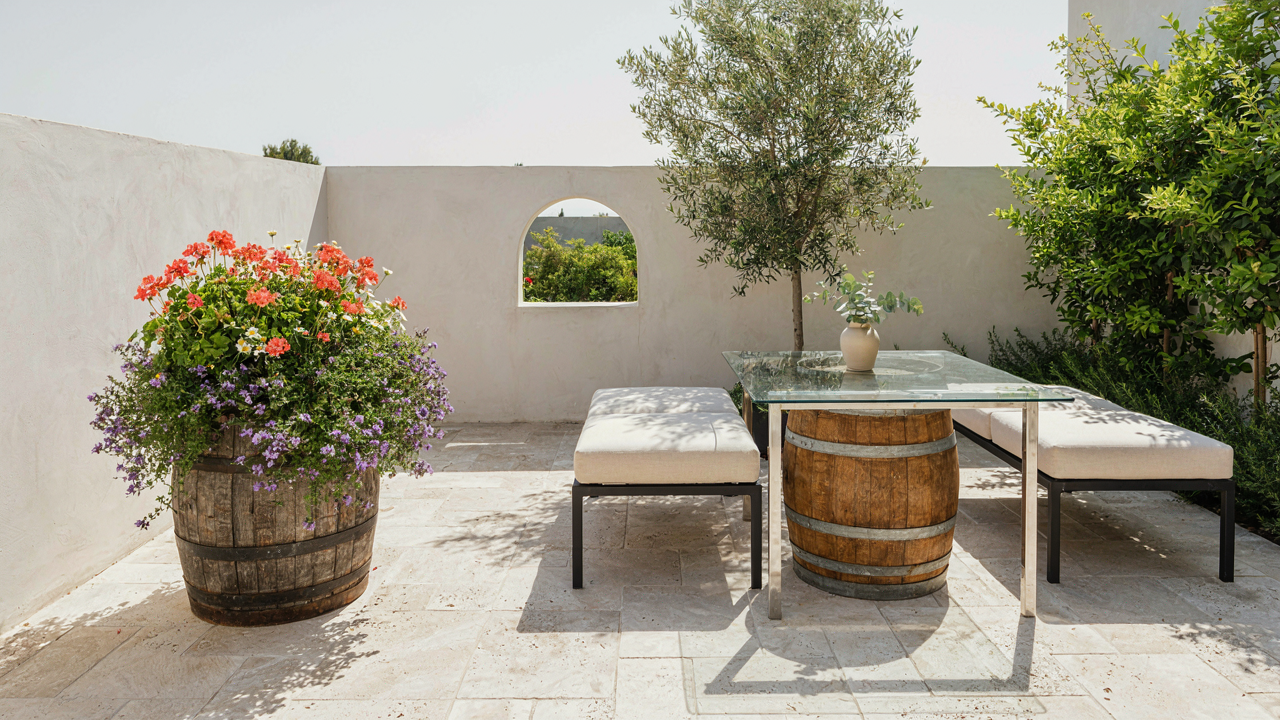
The Illusion Of “Rustic”: Why Your Barrel Furniture Fails
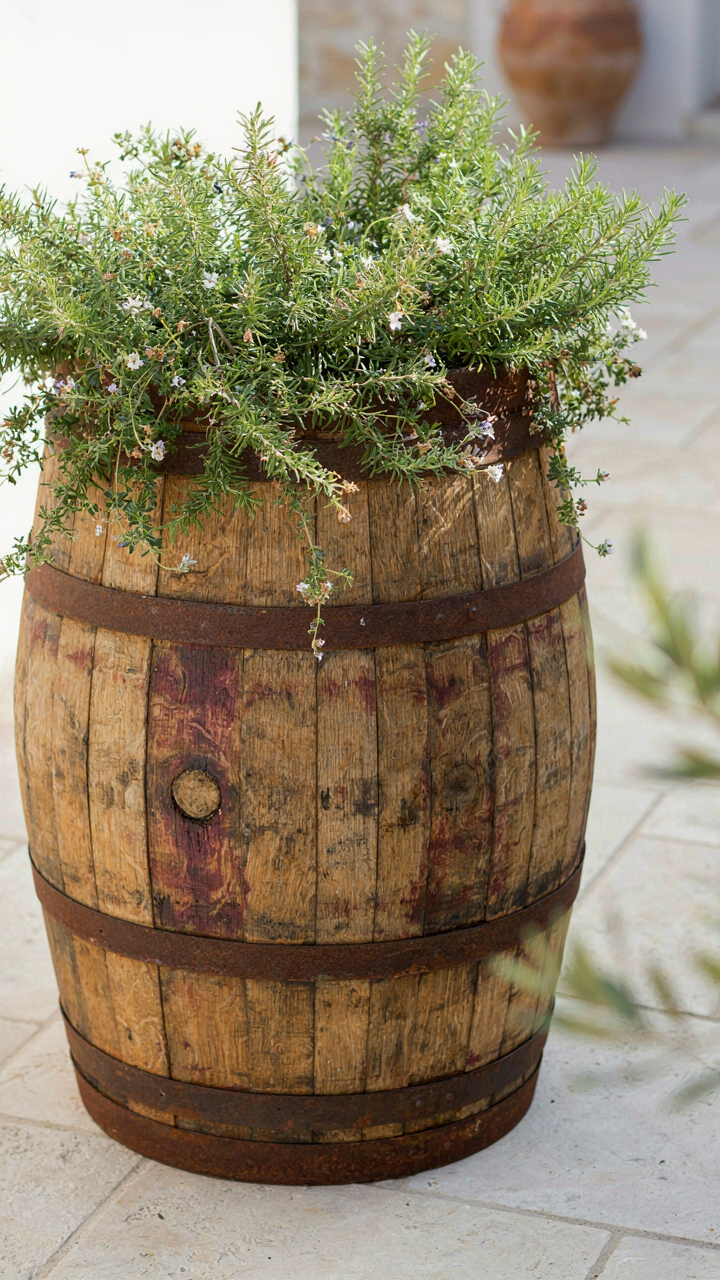
Aesthetic Debt Without The Payoff
You want people to believe you have taste without admitting you bought it online. That’s the real reason this section matters. Most barrel furniture fails because it mistakes the visual symbol of rustic for the actual condition. A barrel that looks weathered after two weeks of sandpaper and stain is performing rusticity, not embodying it. Real aged surfaces carry information: uneven patina from wine seepage, selective fading where sun hit the staves, wood grain raised from decades of humidity cycling. Fake distressing applies the same damage everywhere, which reads as effort, not time.
The mechanism here borrows from economics: the concept of signaling. A barrel signals age and provenance through consistent, context-specific wear patterns that match how that object actually lived. Paint flaking in uniform scratches across a tabletop surface signals fabrication, not history. Genuine barrel furniture shows damage clustered where hands gripped, where liquid splashed, where temperature swings caused wood movement. When you buy a pre-distressed barrel side table, you’re buying a signal that fails verification the moment someone runs their hand across it.
Authentic Patina Versus Painted Narrative
The common advice says “distress it to look old.” Wrong. Distressing is a cosmetic application that contradicts how wood actually ages. Real barrel wood darkens unevenly based on exposure, tannin oxidation, and mineral deposits from whatever liquid it contained. A barrel that held red wine for twenty years carries stains that bleach in direct light and darken in shadow. Its wood becomes harder and more brittle in weathered zones, softer in protected grain pockets where moisture remained trapped. When you sand a new barrel evenly and apply a uniform stain, you’ve created a forgery that shows its construction date through microscopic analysis.
The functional test is immediate: run your fingertip along the surface. Authentic aged wood from old barrels shows variability in texture. Some zones feel smooth from wear, others rough from partial splintering, still others waxy where resin deposits accumulated. A barrel that spent actual time in a winery has wood grain that responds differently to light depending on the direction of the grain’s weathering. If your barrel furniture feels consistent underfoot and shows uniform color gradation, it announces itself as new. The real build protocol starts with sourcing reclaimed barrels from actual wineries, not pristine cooperage, then letting the existing patina speak rather than painting over it with fake age.
Beyond Pinterest: Unearthing Authentic Wine Barrel Furniture Potential
The Craft Most People Skip
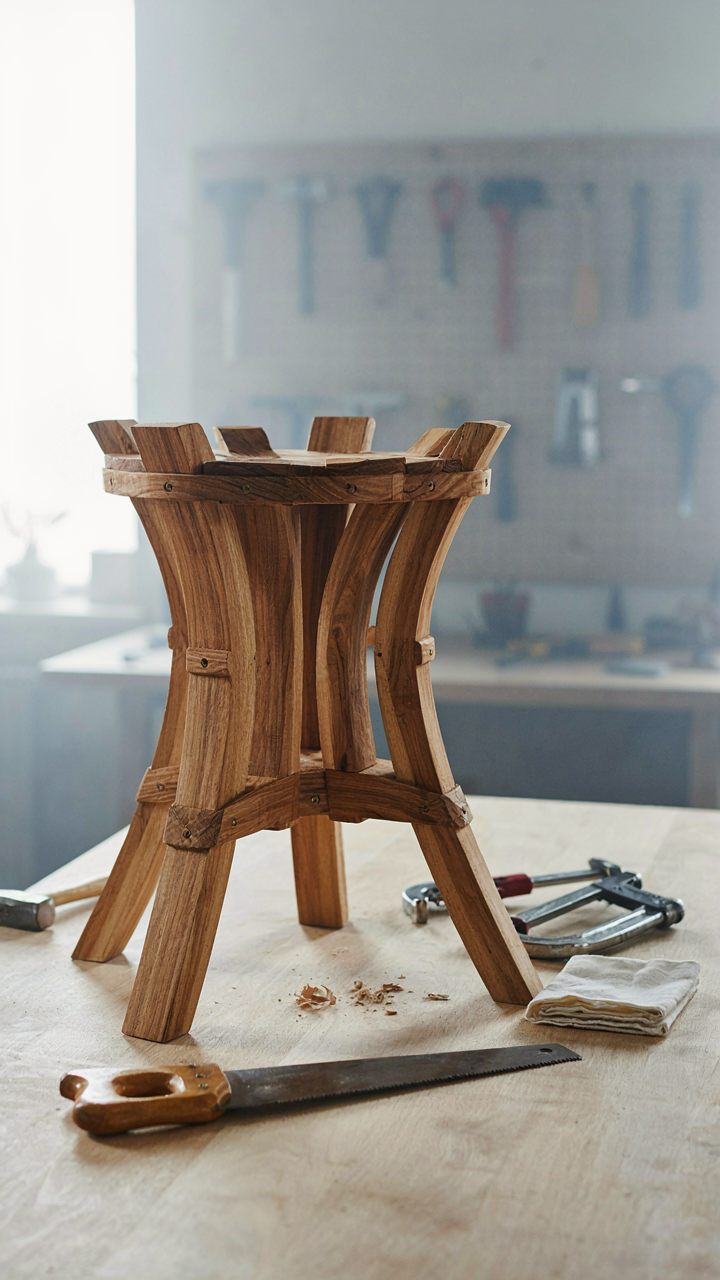
You want to look like you know something others don’t, and barrel furniture signals that. But here’s the mechanism: most people treat barrels as found objects to repurpose, ignoring that every barrel exists because of a specific skill set. Cooperage—the ancient trade of barrel-making—built vessels designed to hold pressure and preserve contents. A cooper shaped staves, understood wood movement, calculated angles. That knowledge determines whether your barrel furniture holds up or splits in six months.
The wood itself carries intention. French oak barrels age wine differently than American oak ones. A Bordeaux barrel has thinner staves and tighter wood grain than a bourbon barrel. When you source a barrel, you’re not just getting wood—you’re getting material shaped by centuries of testing what actually works. Most DIY builds ignore this and fail because they treat the barrel like decorative plywood instead of engineered construction.
Material Behaves Differently Than You Think
This isn’t carpentry doctrine—it’s materials science. Wine barrels have memory. The wood has been compressed under pressure, then dried. It responds to humidity and temperature in ways reclaimed barn wood doesn’t. When you disassemble a barrel to build a table or planter, you’re releasing stored stress in the staves. That’s why a barrel stave can warp or crack weeks after you cut it, especially if you’re in a climate with seasonal humidity swings.
The real play is leveraging that known material behavior instead of fighting it. A stool built from barrel staves sideways—where the curve works with wood movement rather than against it—outlasts one where you’ve flattened everything. A planter where you leave the barrel mostly intact and just cut the top performs better than one where you’ve disassembled the whole structure. Work with the barrel’s existing integrity, and the piece becomes genuinely durable. Cut against its grain and timber, and you’re paying for the mistake later.
The “Whiskey Barrel Decor” Misconception: More Than Just A Drink
How Construction Reveals Which Barrel Does What
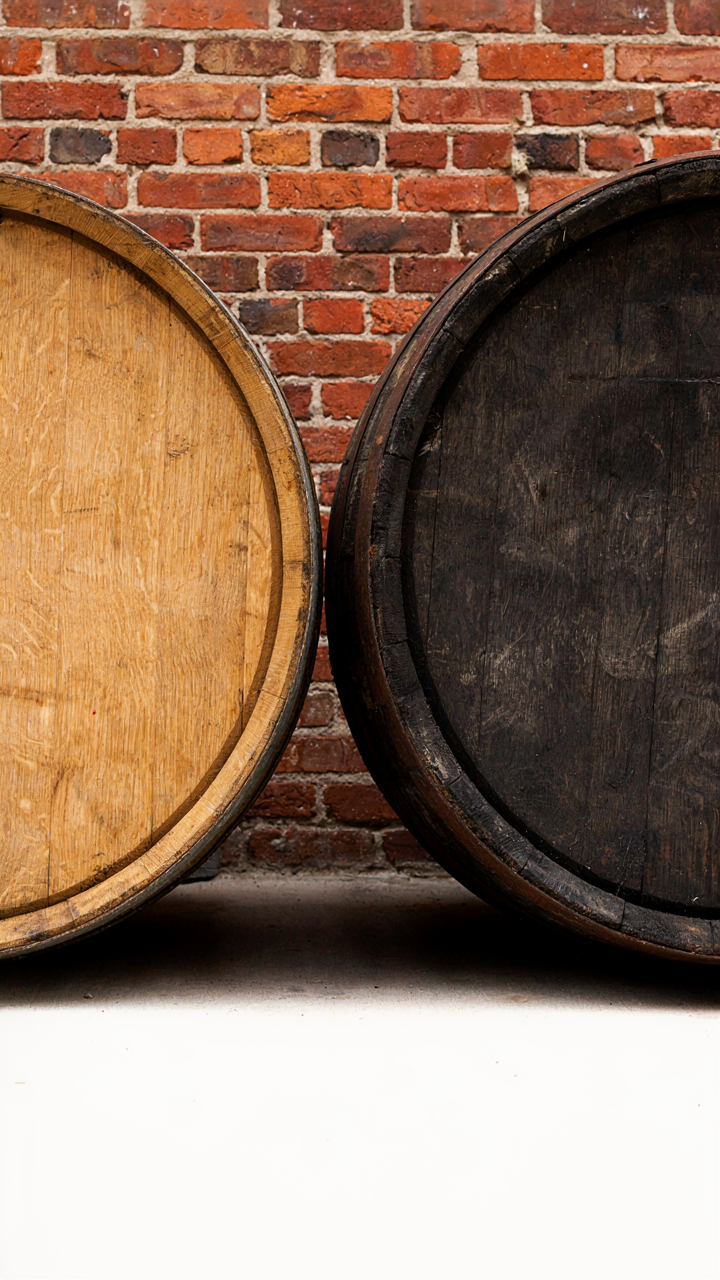
You care about this section because you don’t want to buy the wrong barrel and look like you didn’t do your homework. Here’s the actual mechanism: wine and whiskey barrels are engineered differently because their contents demand different structural properties. Wine barrels use thinner staves and lighter char to preserve acidity and tannin structure. Whiskey barrels use thicker staves and heavier char to withstand higher proof spirits and temperature cycling. The char depth alone changes how wood ages and how fast it weathers outdoors, which directly determines furniture lifespan and aesthetic trajectory.
Wine barrels split more easily when cut for furniture because their staves compress under lower internal pressure. Whiskey barrels hold their integrity longer during cutting and maintain structural rigidity when repurposed as planters, side tables, or bar stations. The wood density differs too. Whiskey barrel oak is denser, which means it resists rot longer but requires sharper tools to cut cleanly. Buy the wrong barrel type for your climate and you’re replacing it in three years instead of seven.
Where Each Barrel Type Actually Performs
Whiskey barrels work best as outdoor statement pieces because they handle exposure and retain their visual impact. A whiskey barrel cut in half becomes a planter that survives frost cycles without cracking because the heavier char and thicker staves resist moisture absorption. Wine barrels work better indoors or in covered patios where they’re shielded from direct weather. Their thinner construction and lighter char make them ideal for console tables, magazine racks, and decorative storage inside rustic homes.
The real application split comes down to moisture exposure, not aesthetics. Whiskey barrels as fire pits work because char is already carbonized and won’t leach into soil or near seating. Wine barrels as indoor bar carts work because lighter char doesn’t overshadow the wood’s grain and color variation. If you’re placing a barrel planter against a north-facing wall in a humid climate, whiskey is your only option. If you’re building a side table for a sunroom, wine barrel wood gives you the flexibility to stain or finish it without fighting heavy char.
The Tonneau Bar Protocol: Engineering Social Hubs, Not Just Tables
When Furniture Becomes Venue Design
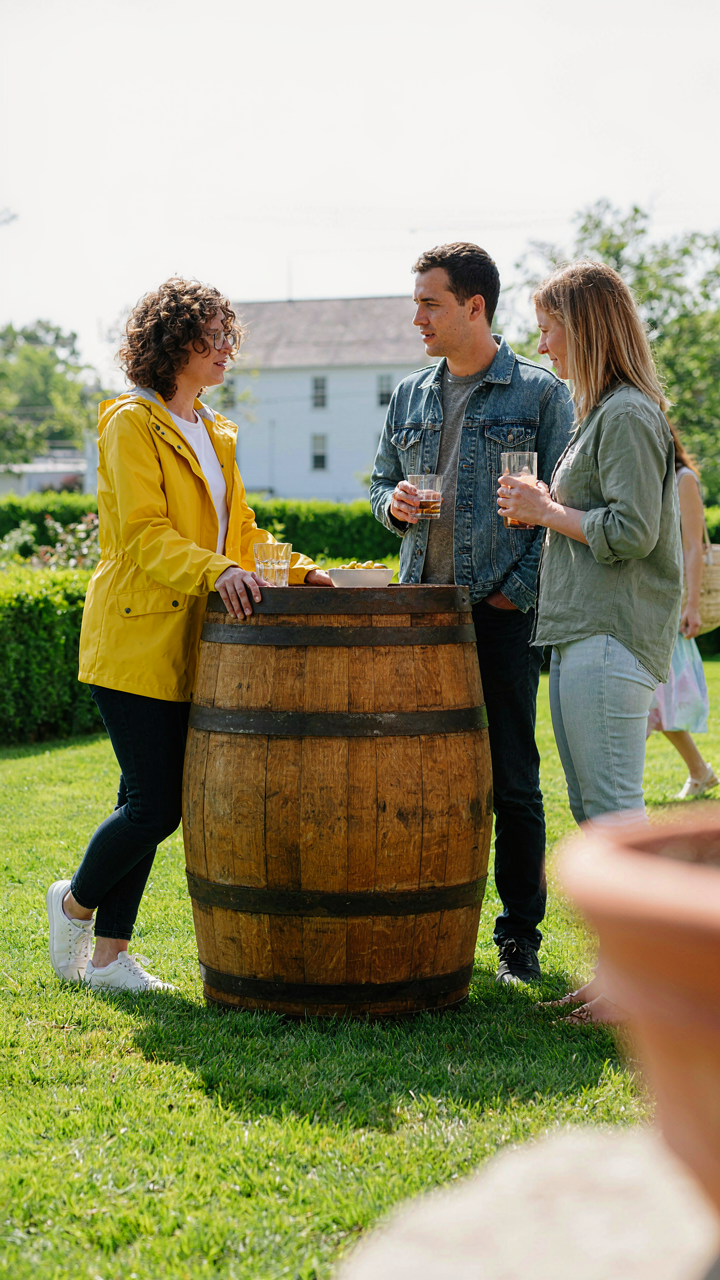
You want this to work because a barrel bar signals you’ve figured something out that most people haven’t. Here’s what actually matters: a tonneau bar isn’t furniture. It’s a behavior modifier. In systems thinking, a barrel bar functions as a constraint that forces proximity and eliminates dead zones. Most people just buy a barrel, cut it in half, slap some legs on it, and wonder why conversations die around it. The problem isn’t the barrel. It’s that they designed for aesthetics instead of function.

A proper tonneau bar uses height, perimeter, and material choices to create what urban planners call “lingering zones.” The barrel sits at 36 to 42 inches tall depending on seat height. At that elevation, people stand comfortably, lean naturally, and don’t feel pressured to sit down and commit. The curved surface of the barrel forces people into arcs of contact instead of straight lines. Straight edges create side-facing postures. Curves create face-to-face angles. That single geometry choice drives interaction rates up significantly.
Geometry And Traffic Flow
Physics principles apply directly to how people move around outdoor furniture. In fluid dynamics, flow rate depends on cross-sectional area and resistance. A barrel bar creates a vortex of movement. People approach from multiple angles instead of queuing in a line. The 270-degree open design means guests circulate rather than bottleneck. Remove one side and you kill half the social potential.
The placement rule is simple: put the barrel where two natural traffic paths intersect. Near a garden entrance and a seating area. Between the grill and the house. The barrel catches movement instead of sitting isolated. Mount it on a stable base with a 6 to 8 inch lip around the top for drinks and hands. Add a wooden ring around the perimeter at 30 inches high for casual perching. People stop moving when they have somewhere to rest their elbows. Measure twice, position it where you’d naturally pause when walking the property.
Barrel Projects: The Art Of Strategic Disassembly And Reassembly
How To Break Down A Barrel Without Wasting Material
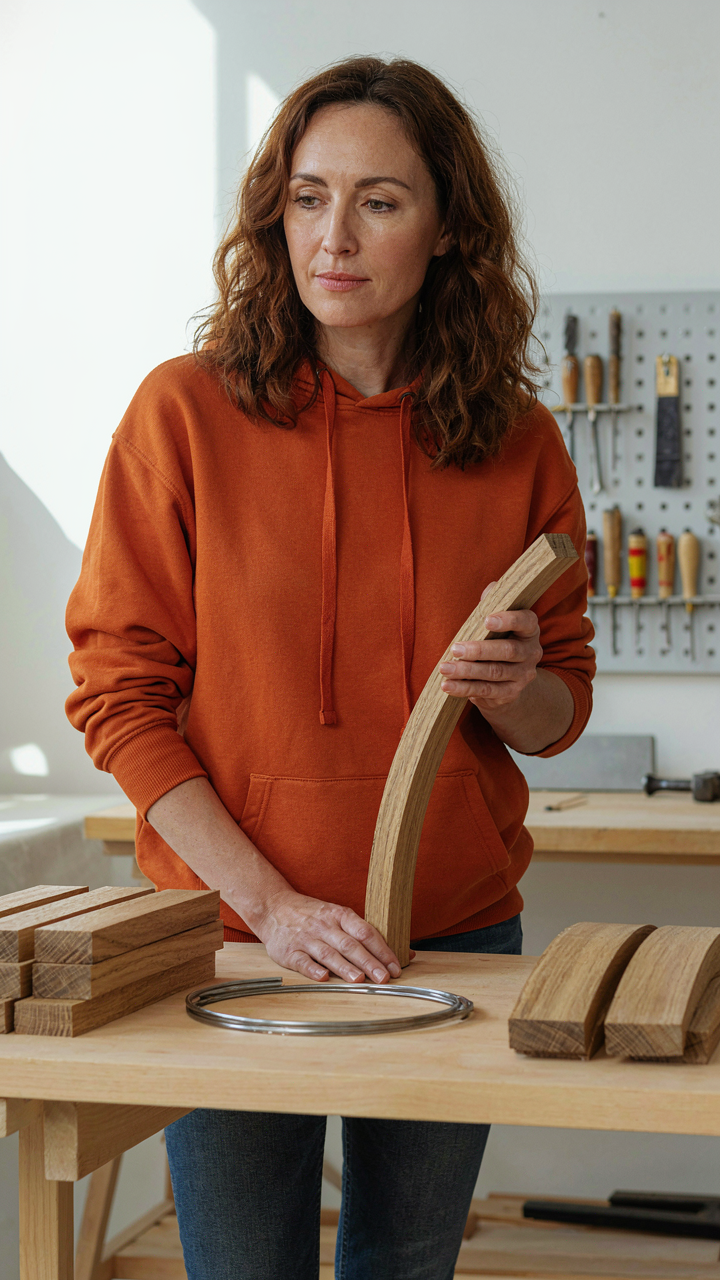
You want to feel resourceful. That feeling comes from not throwing away anything usable, which means you need a system for deconstruction before you touch a tool. Barrel disassembly follows material hierarchy: the staves have value, the hoops have value, the metal bands have value. Approach this like reverse engineering. Start by removing the metal hoops that hold the barrel together, then carefully extract individual staves. The order matters because forced removal damages the wood you’re trying to repurpose.
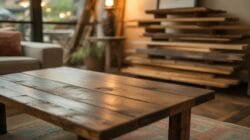
The common mistake is using a pry bar everywhere at once. Instead, work one stave loose at a time by tapping a thin wedge between the stave and its neighbor, then gently leverage from there. Here’s what you’re actually salvaging:
- Staves: Curved wooden planks ranging from 2 to 4 inches wide. Reserve straight, undamaged staves for tabletops and shelving. Splintered or warped ones work for accent walls or decorative backing.
- Steel hoops: Original barrel bands, typically 1 to 2 inches wide. These become frame elements, handles, or wall-mounted decorative rings that anchor the entire aesthetic.
- Head pieces: The barrel top and bottom. Remove these last. The wood is thicker and often has visible char from the barrel’s working life, making it premium for centerpieces or art.
- Metal bands and fasteners: Galvanized or stainless steel hardware that originally held the barrel sealed. Reuse these in assembly or sell them separately to metalworkers.
- Interior char layer: The toasted interior coating has structural value. Preserve it during extraction because sanding it away removes the material’s most distinctive feature and market appeal.
A standard wine barrel yields about 30 to 35 usable staves depending on condition. Set aside 20 to 25 for your primary project, keeping the rest for repairs or secondary builds. This inventory approach prevents the waste trap most people fall into: deconstructing without knowing what they’re making first.
Staves And Hoops As The Grammar Of Design
Don’t think of staves and hoops as leftover parts. Think of them as the vocabulary—hoops are the connective syntax, staves are the modular units. In architecture, the concept is load-bearing versus cosmetic. Hoops function as load-bearing elements in your design. Staves function as infill. This distinction changes everything about how you assemble.
Curved staves become structural when you stack them horizontally to create curved seating, shelving, or wall paneling. The curve isn’t decorative—it’s the actual structural character that makes the piece work. Steel hoops layer on top as visual anchors and as functional reinforcement. A wine barrel planter combines both: hoops hold the curved staves together while staves create the containment. Staves arranged vertically become a privacy screen or accent wall. Hoops become the frame that ties them to the mounting surface. The combination creates rhythm and visual weight that flat materials can’t match. This is why barrel furniture reads as intentional, not cobbled together.
Wine Barrel Art: From Functional To Form Driven Statement Pieces
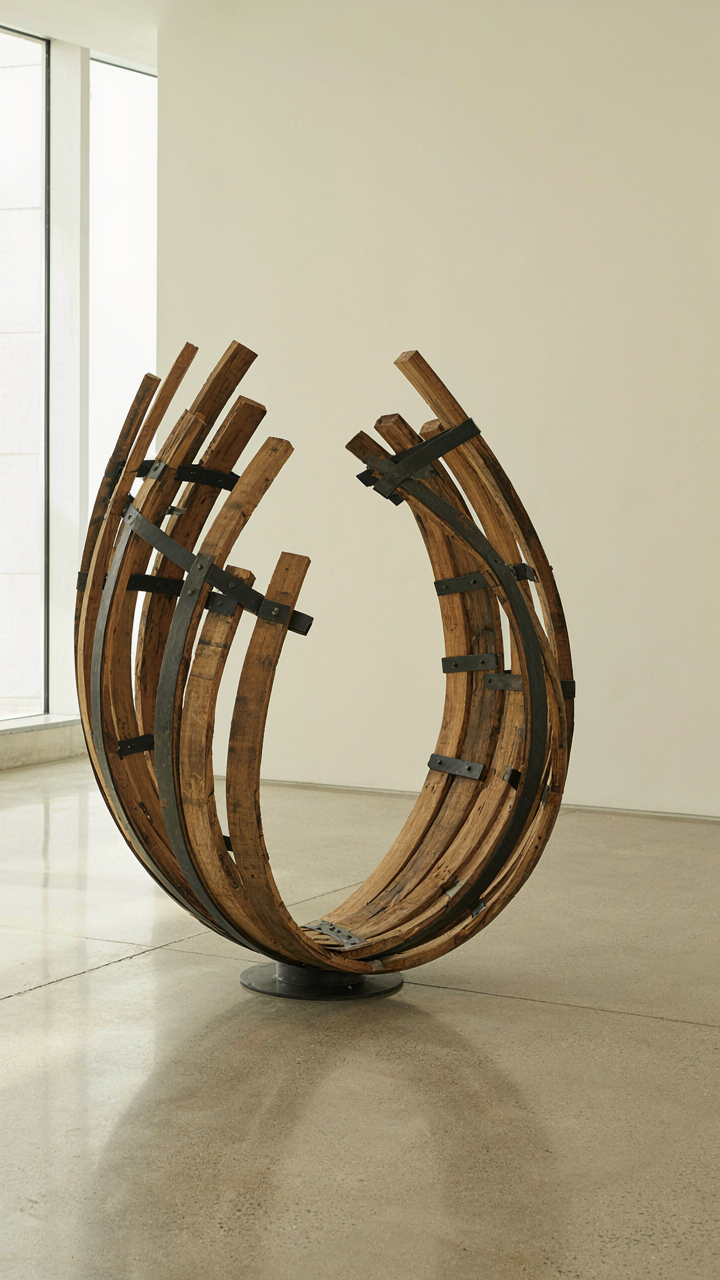
When Basic Decor Becomes Sculpture
You want permission to justify spending money on something impractical. Here’s the mechanism: you’re moving from utility signaling to aesthetic risk. A barrel planter reads as functional. A barrel carved into an abstract form reads as conviction. The shift from basic to sculptural happens when you stop asking “what can this hold” and start asking “what does this say about my judgment.”
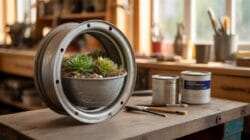
Sculptural barrel work demands intentional constraint. You’re working with a fixed cylinder, fixed staves, fixed proportions. This limitation is the feature, not the bug. Artists like those in the reclaimed wood movement discovered that imposed boundaries force creative problem-solving you’d never attempt with blank canvas. The staves stay staves. The shape stays roughly cylindrical. Within those walls, you carve, route, burn, or reassemble. That tension between form and function is where the statement lives.
Mixing Materials With Barrel Components
Steel and concrete aren’t barrel traditions, but pairing them creates industrial contrast that reads intentional rather than lazy. Architecture borrowed this from brutalism decades ago: combine raw materials with opposing weights and textures to create visual friction. A barrel split vertically, filled with steel piping as a room divider. Concrete poured into barrel halves as sculptural planters. Raw metal bolts left visible instead of hidden. The barrel stops being rustic. It becomes a component in a composition.
The real work is editing relentlessly. Most people throw everything at a piece. Successful barrel art uses one or two additional materials, deployed with clarity. Weathered wood plus matte black powder coat. Stone base plus salvaged barrel rings. The materials must answer a question you’ve actually asked, not decorate around indecision. Identify your single material pairing, commit to it, and let the barrel structure handle the rest.
The Barrel Furniture Ideas Blacklist: Avoiding Generic Pitfalls
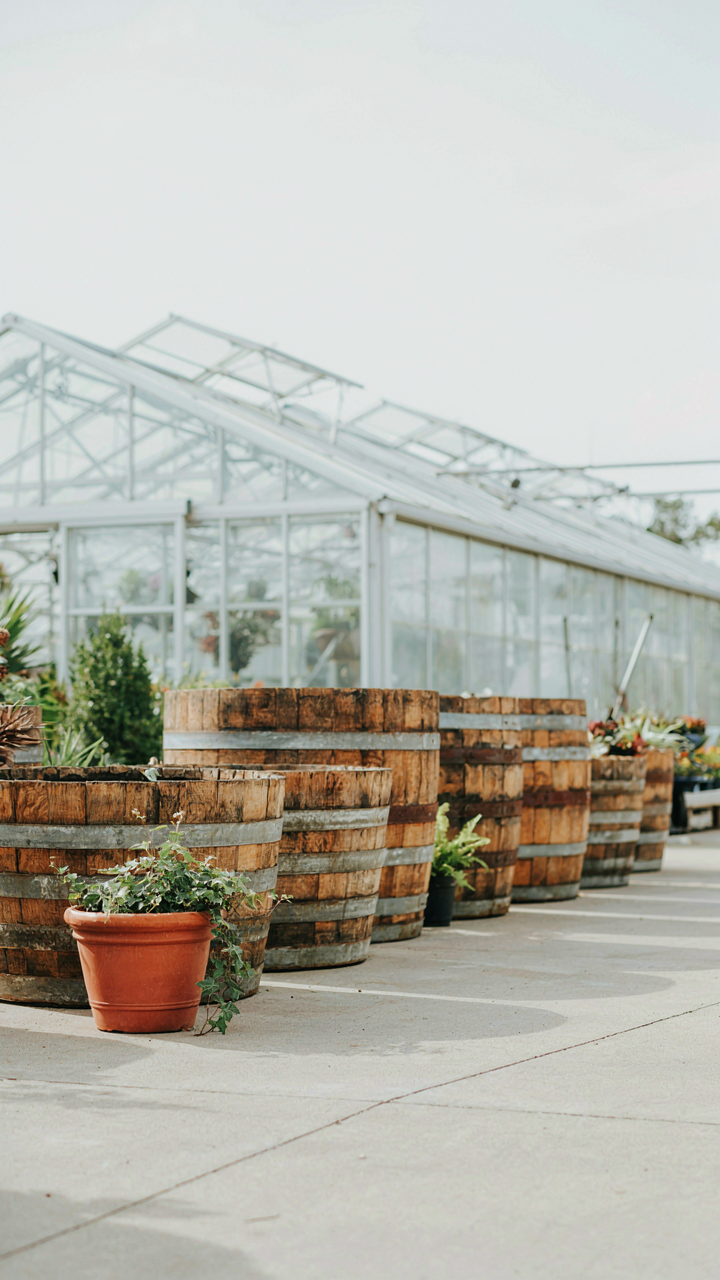
What Makes A Barrel Conversion Feel Cheap
You’re drawn to this section because you’re afraid of ending up with something that looks like every other DIY project on Instagram. The mechanism is simple: most barrel conversions fail because they ignore the structural and material logic that made the barrel functional in the first place. A barrel isn’t a blank canvas. It’s an engineered object with load-bearing bands, grain direction, and joinery designed to hold pressure. Sawing it in half and adding legs betrays that logic visibly.

The real pitfall is treating a barrel as raw material instead of a design constraint. Generic conversions stack up because people copy the same tired conversions without understanding why certain cuts, band placements, or wood treatments work. A half-barrel planter in every garden center looks identical because the maker never considered that the bottom staves absorb water differently than the sides, or that the original cooper’s joinery matters structurally when you’re removing half the vessel. The difference between forgettable and intentional is respecting what the barrel was built to do, then working against it deliberately.
Original Barrel Furniture Requires One Principle
The original barrel served one job: contain and age liquid under pressure. Most amateur designs ignore this heritage and produce objects that look hollow because they are. Building something that resonates means one thing: preserve or purposefully expose the tension that made the barrel work. This isn’t decoration. It’s structural honesty applied to a new function.
- Asymmetrical cuts that expose grain character: Instead of splitting barrels in half, cut at angles that reveal medial rays and grain patterns unique to each stave. This transforms the piece from commodity to object with provenance.
- Bands left visible and functional: Removing decorative bands cheapens the piece. Keep them tight, exposed, and working. They become the visual and structural anchor the furniture needs to feel intentional.
- Wood finish that respects age: Barrels develop character from their previous liquid. Sanding them smooth erases this. Light stain or food-grade sealant that shows the wood’s history instead of hiding it creates depth.
- Joinery that matches cooper technique: Use mortise and tenon, dowels, or traditional joinery for legs and supports instead of bolts or brackets. This signals you understand the object’s original craft.
- Single function, executed completely: A barrel-stave side table works. A barrel side table with built-in storage, bottle holders, and a cutting surface does not. Restraint signals control.
The barrier between generic and memorable isn’t skill or budget. It’s deciding whether the barrel’s original purpose informs your design or gets discarded. Start by researching the barrel’s previous use and cooper’s marks. Build from that constraint, not away from it.
Mastering Barrel Decor: Cultivating A Discerning Eye For Impact
Ignore Trends, Build Systems
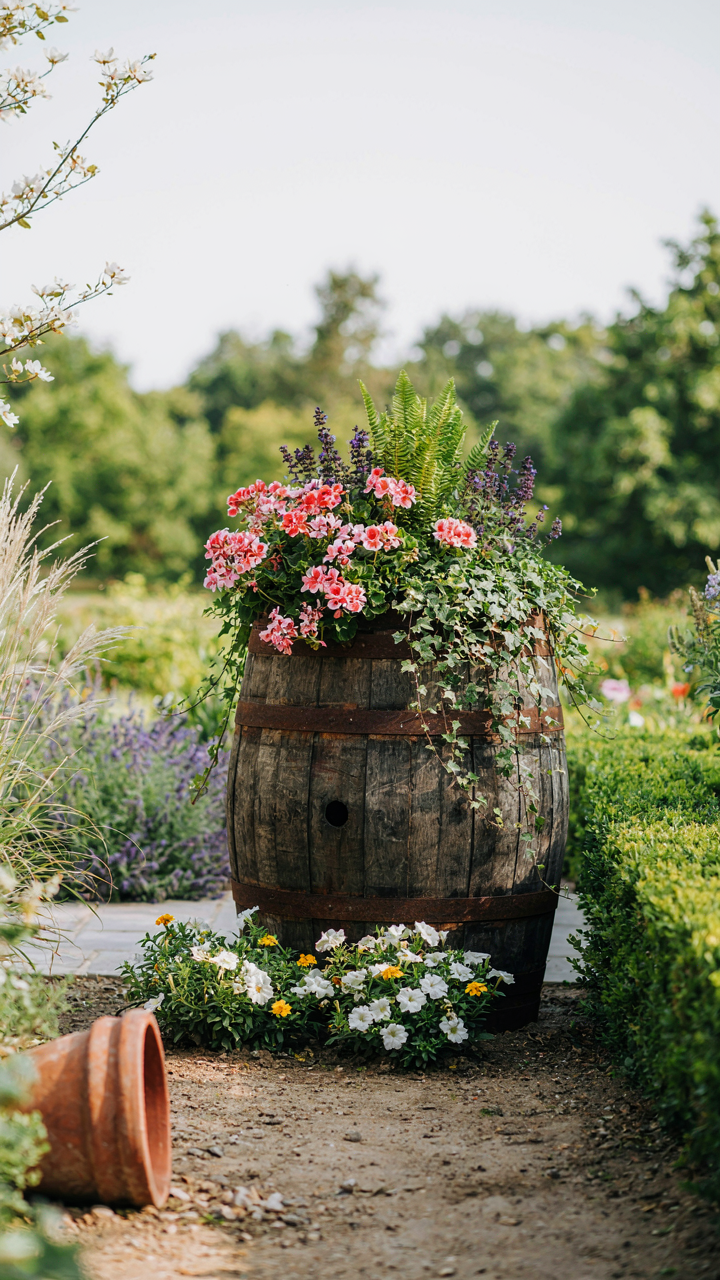
You want your space to look intentional, not like you followed an Instagram caption. The real mechanism here is constraint. Marketing creates urgency around what’s “in” this season. Wine barrel furniture doesn’t work that way. A half-barrel planter from 2008 functions identically to one from 2024. The wood ages, the utility persists. What matters is the structural integrity of the barrel and how it solves a specific problem in your space, not whether it matches a design trend cycle.
Most people approach barrel selection backwards. They ask “what’s popular?” instead of “what does this space need?” The popular move changes every eighteen months. A well-chosen barrel piece stays functional and relevant for decades because you selected it for reason, not fashion. Build a system: identify the functional gap, determine the barrel size and style that closes it, verify the wood quality, then source it. Trends become irrelevant the moment you operate from first principles instead of consensus.
Authenticity Compounds Over Time
Real barrel furniture gains character as it weathers. A stained piece looks the same in year three as year one. A weathered barrel develops a patina that no finish can replicate, and that visible history reads as intentional to anyone looking. This is compound value. You’re not maintaining an asset; you’re building one. The economics favor authenticity: cheaper finishes require replacement cycles. Authentic materials cost more upfront but demand no refresh.
When you choose genuine reclaimed barrels or properly aged wood, you eliminate the anxiety of something looking “dated.” Dated applies to aesthetic choices. Authenticity transcends timeline. Select barrels based on wood species history and current condition. Document the baseline state. In five years, photograph the same piece again. The visible change becomes proof of authenticity and justification for the original investment. This evidence matters when you eventually sell the home or reassess the space.
Your Fear Of Truly Unique Design, Not Lack Of Ideas, Keeps Your Space Indistinguishable
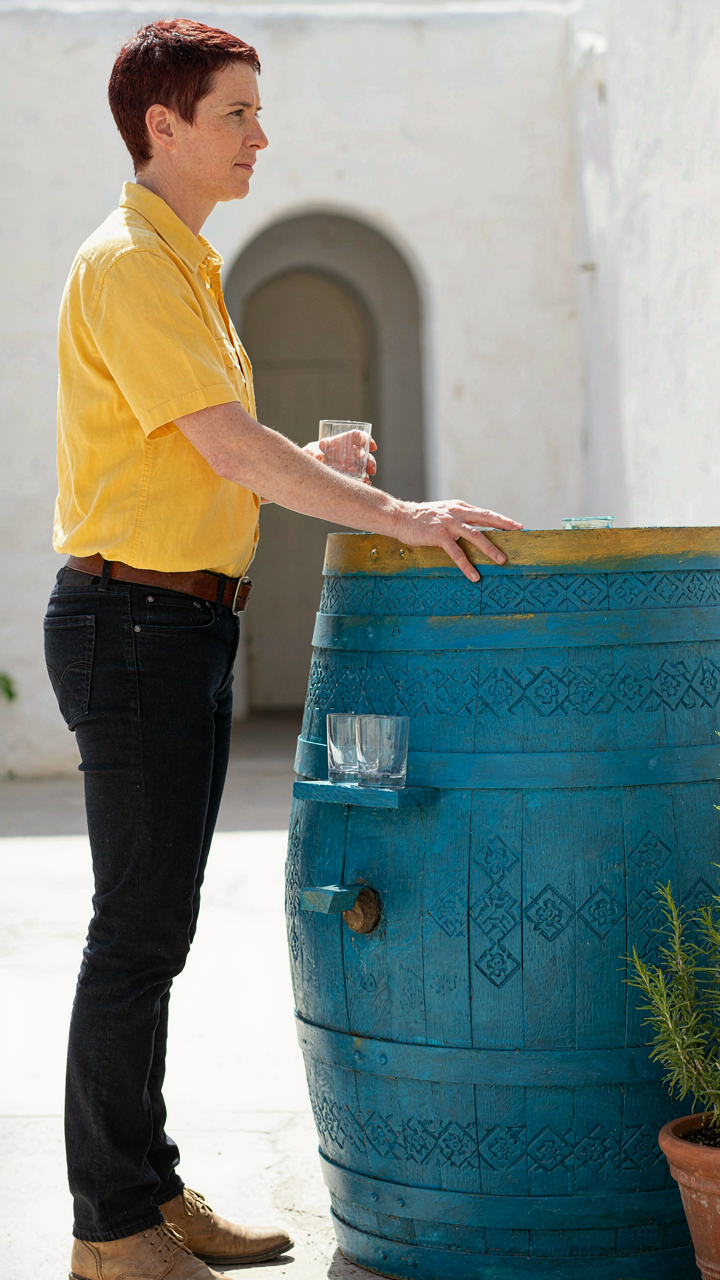
You already know wine barrels work for furniture. The real problem is you’re waiting for permission to make something weird. Stop scrolling Pinterest looking for the “right” way to split a barrel. Pick one today. Cut it differently than everyone else. Paint it a color that scares you slightly. Your space doesn’t need more options. It needs you to stop playing it safe and actually commit to something that only you would build. Boring spaces aren’t boring because they lack ideas. They’re boring because people chose comfort over conviction.