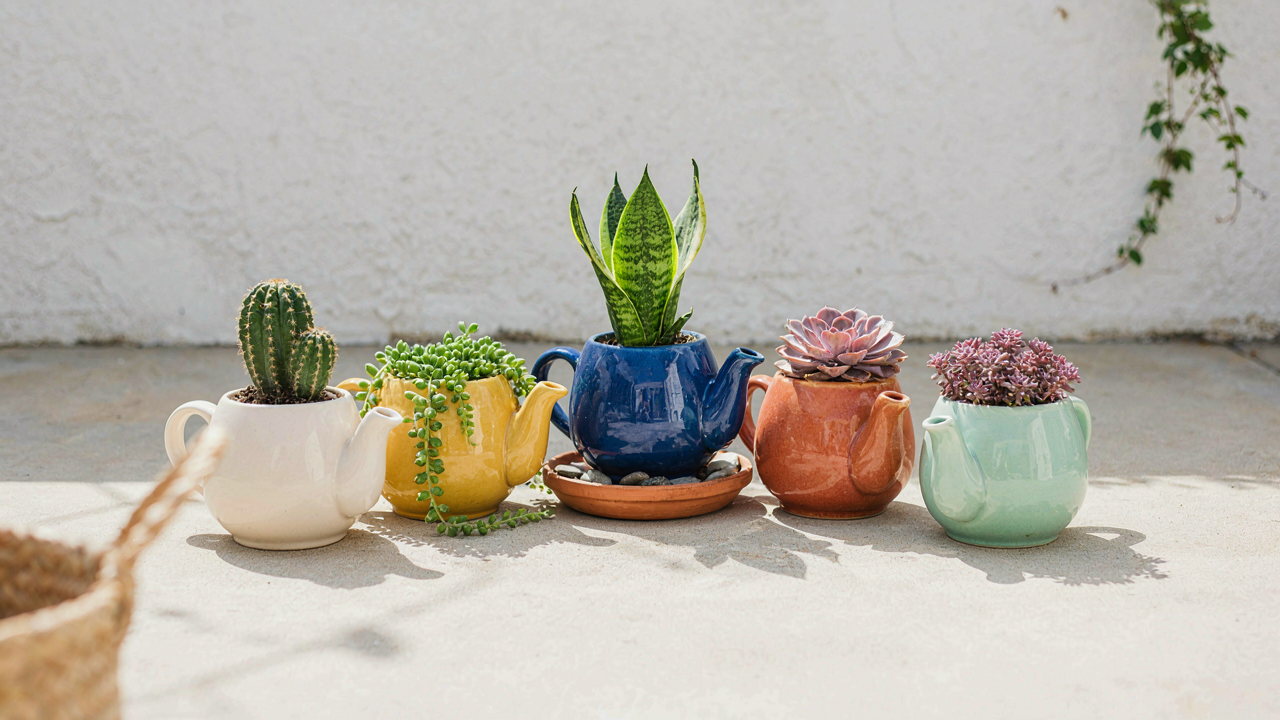
The Recycled Garden Deception: Why “Cute” Kills Impact
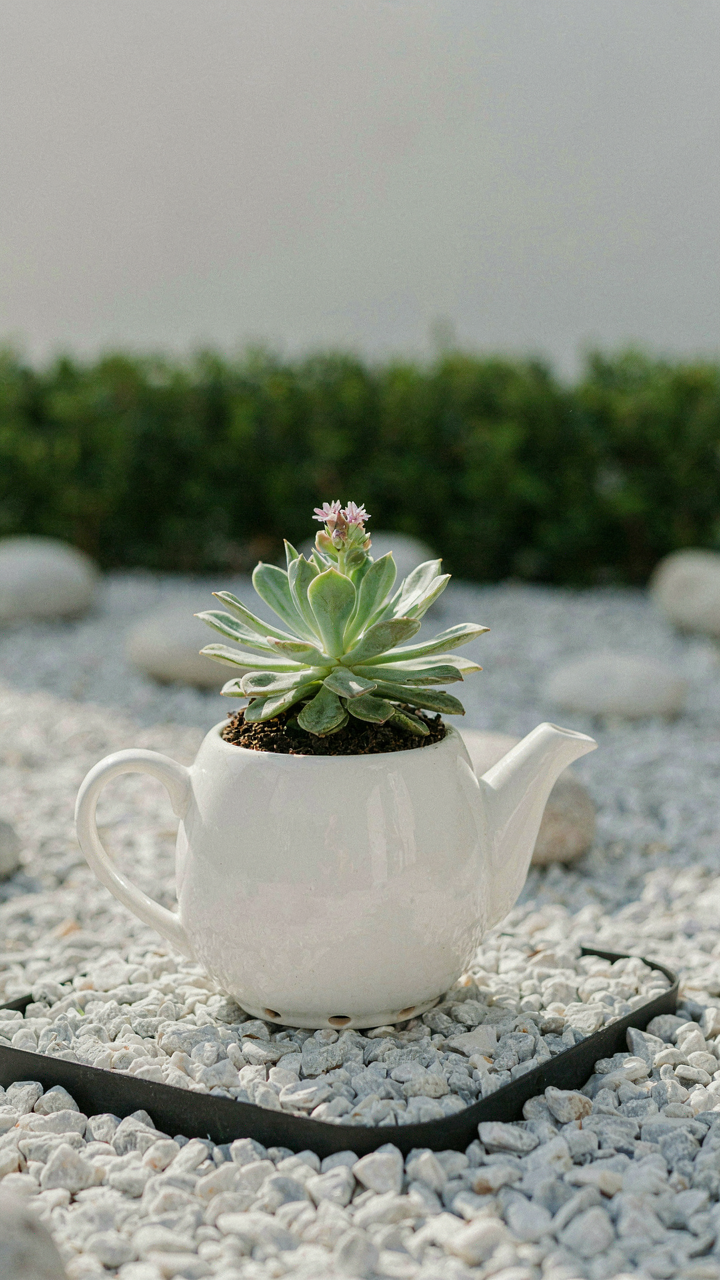
Aesthetics Without Strategy Is Just Clutter
You want people to think you’re resourceful and environmentally conscious. The mechanism that actually kills teapot planter projects is borrowed from systems design: constraint without purpose. A teapot becomes a planter because it has drainage holes and volume, not because it’s charming. The charm is the distraction. People see “vintage teapot” and stop analyzing whether the piece solves a real problem in their garden layout. Cute overrides function, and function is what keeps plants alive and the display looking intentional rather than like a yard sale exploded.
The gap between a decorative object and a working garden element is massive. Most people fill teapots with soil, stick in trailing succulents, and call it done. What they skip is structural analysis: will water actually drain properly from the spout area? Does the base sit level, or will it tip under plant weight? Is the opening large enough for root systems to establish? The teapot’s original shape works against horticultural needs, not for them. You’re fighting physics to satisfy an aesthetic impulse that evaporates after two seasons.
Repurposing Demands Functional Honesty
Actual repurposing requires you to strip the object down to its material properties and ignore its history. Ceramic holds moisture consistently, which matters in dry climates but ruins drainage in humid zones. Metal teapots rust without interior sealing. Porcelain chips easily in outdoor conditions. The real value isn’t that you saved something from waste—it’s that you identified a specific plant type and microclimate, then chose a vessel because it solves that problem, not because it looks good on Instagram. This inverts the entire decision tree.
The protocol is simple: define the plant need first, then audit whether a teapot actually meets it. A shallow-rooted alpine needs rapid drainage and compact volume—a small ceramic teapot works. A specimen fern needs moisture retention and root depth—a teapot fails completely, and you should use something else. Repurposing succeeds when constraint becomes clarity, not when aesthetics become excuses.
Teapot Planter Selection: Function Over Frivolity
Ceramic Durability And Weather Reality
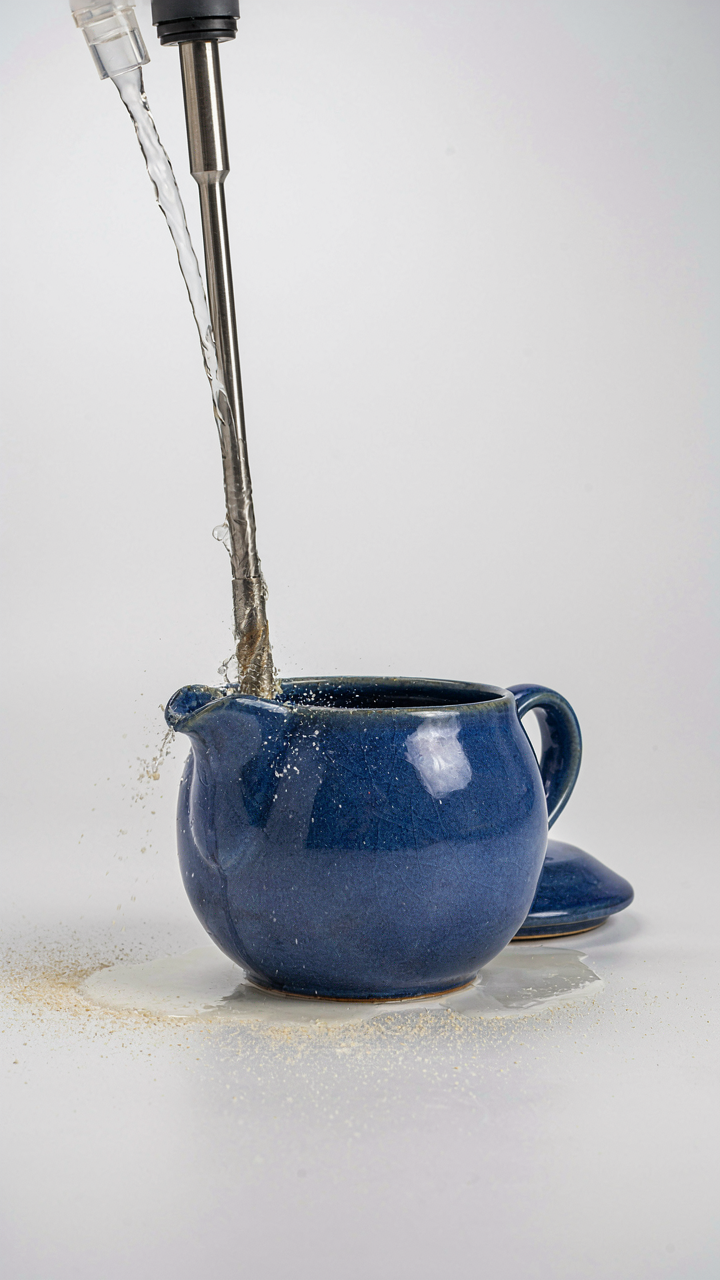
You want the teapot planter to look intentional, not like you grabbed decoration off a shelf and hoped it worked. Here’s the mechanism: ceramic durability operates on a fracture mechanics model—the material fails not because of one stress event, but because thermal cycling creates micro-fractures that compound over seasons. Unglazed ceramic absorbs water, freezes, expands, and cracks. Glazed ceramic resists water penetration but chips at the rim and spout, exposing raw clay underneath. Both paths lead to failure within two to three seasons outdoors in temperate climates.

The real variable is firing temperature. High-fire stoneware (cone 10 and above) vitrifies the clay body enough to survive frost cycles better than mid-fire earthenware. Low-fire ceramics (cone 04-06) are porous and decorative only—they crack fast in freeze-thaw conditions. If your teapot planter doesn’t specify firing cone or clay body type on the product label, assume it’s low-fire. Your move: source ceramics marketed for outdoor use, verify the clay body is stoneware, and expect replacement every two to three years, not indefinitely.
Drainage System Critical Assessment
The spout is not your drainage solution, and pretending it is will kill your plants. Standard teapot design routes water to the spout’s tip, which hangs in air or slopes downward—water pools inside the body instead of exiting. You need an actual drainage hole drilled through the base or lower side wall. Most commercial teapot planters skip this because it requires tooling and breaks the aesthetic.
If you’re buying, demand a drainage hole specification before purchase. If you’re drilling one yourself, use a diamond-core drill bit on low speed with water cooling to avoid shattering the ceramic. The hole needs to be at least 0.25 inches in diameter, and you must place a drainage tray underneath to catch runoff. Without this protocol, roots sit in stagnant water and rot within weeks, rendering the whole planter useless regardless of ceramic quality.
The Teapot Garden Ideas Kinetic System
Where You Place It Changes Everything
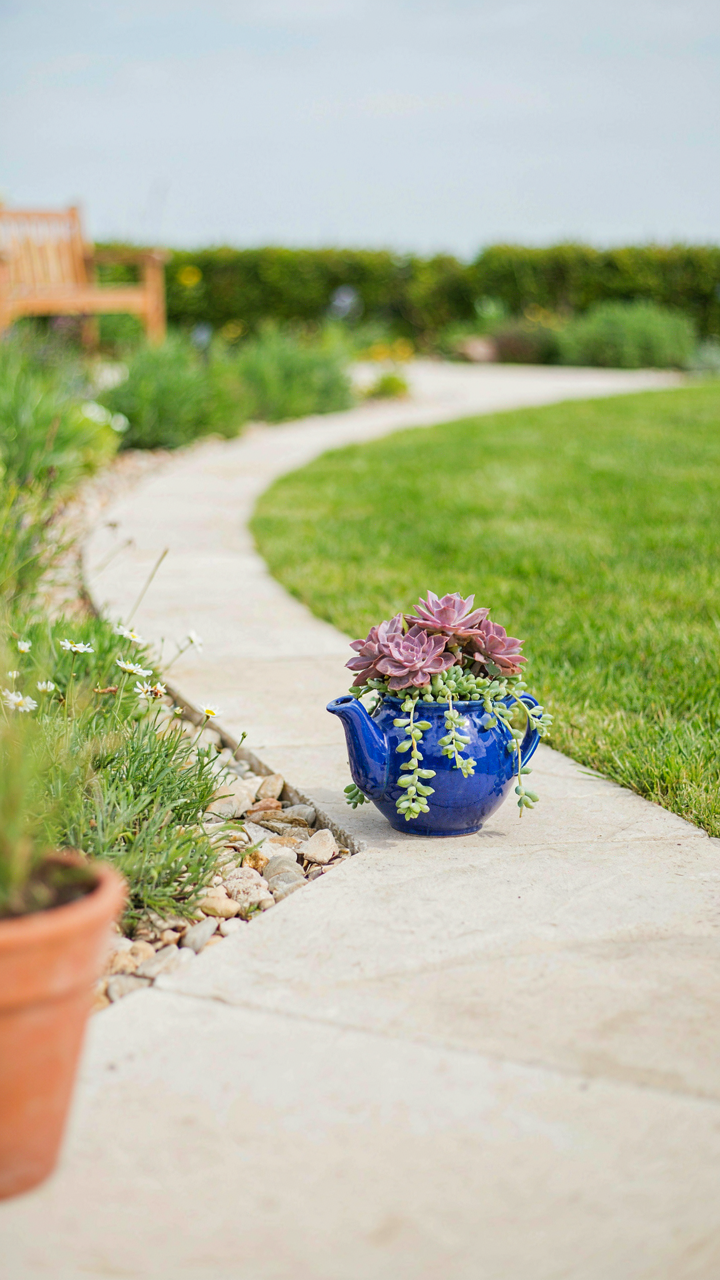
You want your teapot planter to look intentional, not like you grabbed it at a yard sale and set it down wherever. The real mechanism is borrowed from landscape design’s concept of visual flow, which treats the eye like water moving through terrain. Your teapot planter either stops that flow or amplifies it depending on placement alone.
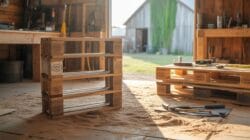
Most advice says “put it where you’ll see it.” Useless. Place it at a transition point between garden zones, not in dead center of a bed. This forces the eye to pause, register the object, then continue its path. A teapot at the edge of a pathway landing works. Dead center in open ground does not. The planter’s height relative to surrounding plants determines whether it becomes a focal point or visual noise.
How Plants Colonize The Vessel
Biological succession doesn’t care about your aesthetic plans. It describes how organisms occupy and transform spaces over time, and your teapot planter follows this exact pattern whether you design for it or resist it. The first plants establish fast. Then they alter conditions enough that slower, more competitive species move in and displace them.
Succession in teapot planters means: trailing succulents establish first because they tolerate shallow soil and drought. After six to eight weeks, moss colonizes the upper rim if humidity permits. By season two, self-seeding plants recruit themselves into cracks and the spout drainage. You either work with this progression by replacing species strategically, or you fight it by replanting constantly. The mechanism is succession itself. Acknowledge it and rotate stock seasonally instead of pretending static arrangements last.
Strategic Plant Pairing For Tea Pot Planter Dominance
Root System Compatibility For Confined Spaces
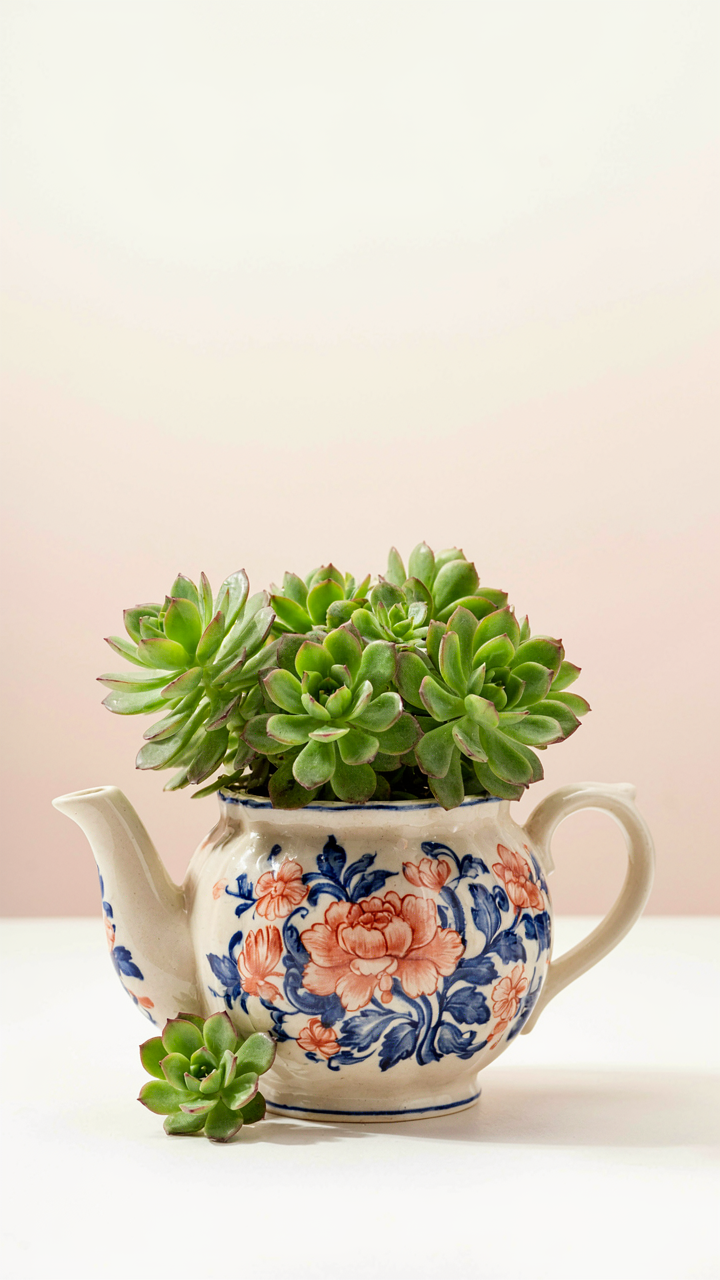
You want your teapot planter to look intentional, not like a desperate salvage project. The actual mechanism is volume-to-root-mass ratio. A teapot’s interior typically holds 40 to 60 ounces of soil. Plants with fibrous, shallow root systems thrive in this constraint because they don’t need depth to establish themselves. Sedums, echeveria, and calibrachoa all developed root architectures that exploit limited horizontal space instead of drilling downward. Match the plant’s root behavior to the vessel’s geometry, not the other way around.

The mistake people make is treating a teapot like a miniature garden bed. It’s not. It’s a contained pressure system where soil compaction happens faster, drainage fails quicker, and root suffocation is real. Select species with roots that terminate within three to four inches of the soil surface. Ornamental grasses like festuca work because they cluster their roots densely without expanding laterally. Shallow-rooted plants also signal the soil’s moisture state through visible wilting before rot sets in, giving you a warning system most gardeners ignore until it’s too late.
Atmospheric Regulation Within Clay Vessels
Teapot material itself is your lever for microclimate control. Clay is porous. Water evaporates through the walls, not just from the soil surface. This creates a localized humidity gradient around the plant’s crown. Succulents and Mediterranean herbs benefit from this drying effect because it mimics their native conditions. A ceramic or stoneware teapot naturally regulates moisture in ways plastic never will. You’re not just selecting a plant. You’re engineering its environment through material choice.
Placement determines the final outcome. A teapot planter on a south-facing shelf receives afternoon heat that accelerates evaporation from all sides. Plants adapted to dry conditions, like hens-and-chicks or stonecrop, thrive here. The same teapot on a north-facing windowsill stays cooler and retains moisture longer, favoring plants like creeping fig or mind-your-own-business that tolerate partial shade and moderate dampness. The teapot’s thermal mass is minimal, so it responds quickly to ambient conditions. Position your vessel to match the plant’s tolerance zone, then monitor soil moisture through weight alone for the first two weeks.
Beyond Teacup Crafts: Sculpting Micro Narratives
Grouped Teapots Create Intentional Focal Points
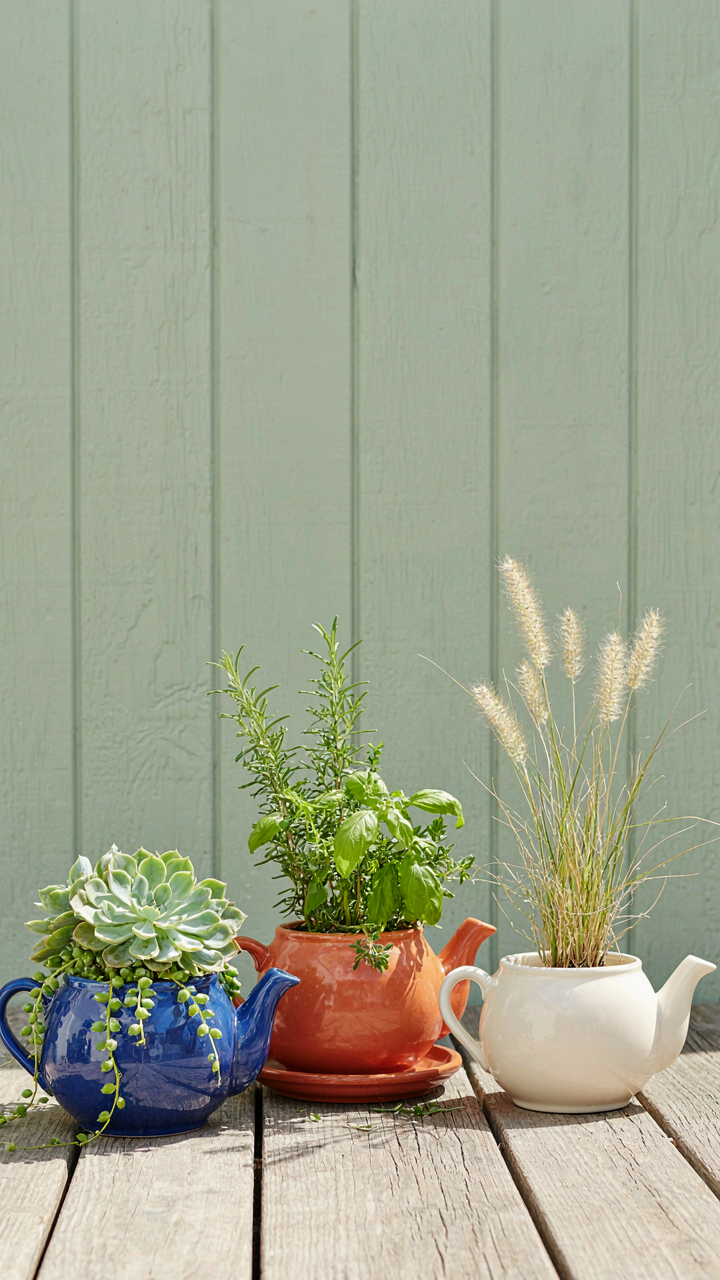
You want people to notice what you’ve built. That’s the real driver here. Clustering teapot planters works because it borrows the principle of visual mass from composition theory: grouped objects command attention faster than isolated ones. Three or five teapots arranged together create a node your eye lands on, not a scattered collection your brain dismisses.

The mechanism is simple. A single teapot planter disappears into background noise. Multiple teapots of varying heights, finishes, or spout angles grouped within a 2-3 foot radius become a statement. Plant complementary flora through each one—trailing succulents in one, compact herbs in another, ornamental grasses in a third—and the cluster reads as intentional design, not accident. Space them close enough that they register as one composition.
Empty Space Is The Design Element Nobody Uses
Most gardeners fill every gap because they think emptiness signals failure. It signals the opposite. Negative space in teapot planter arrangements works like punctuation in typography—it makes the objects around it legible. Without it, everything competes equally and nothing lands.
Leave deliberate gaps between grouped teapots and the surrounding garden bed. Position a cluster against a fence or structure so one side has clear air behind it. This contrast makes the teapot group visually “pop” instead of melting into the environment. When arranging multiple clusters across a small garden, space them so sightlines between them stay open. The emptiness between clusters matters more than the teapots themselves.
Teapot Crafts: Engineering Longevity, Not Just Aesthetics
Making Ceramic Survive The Elements
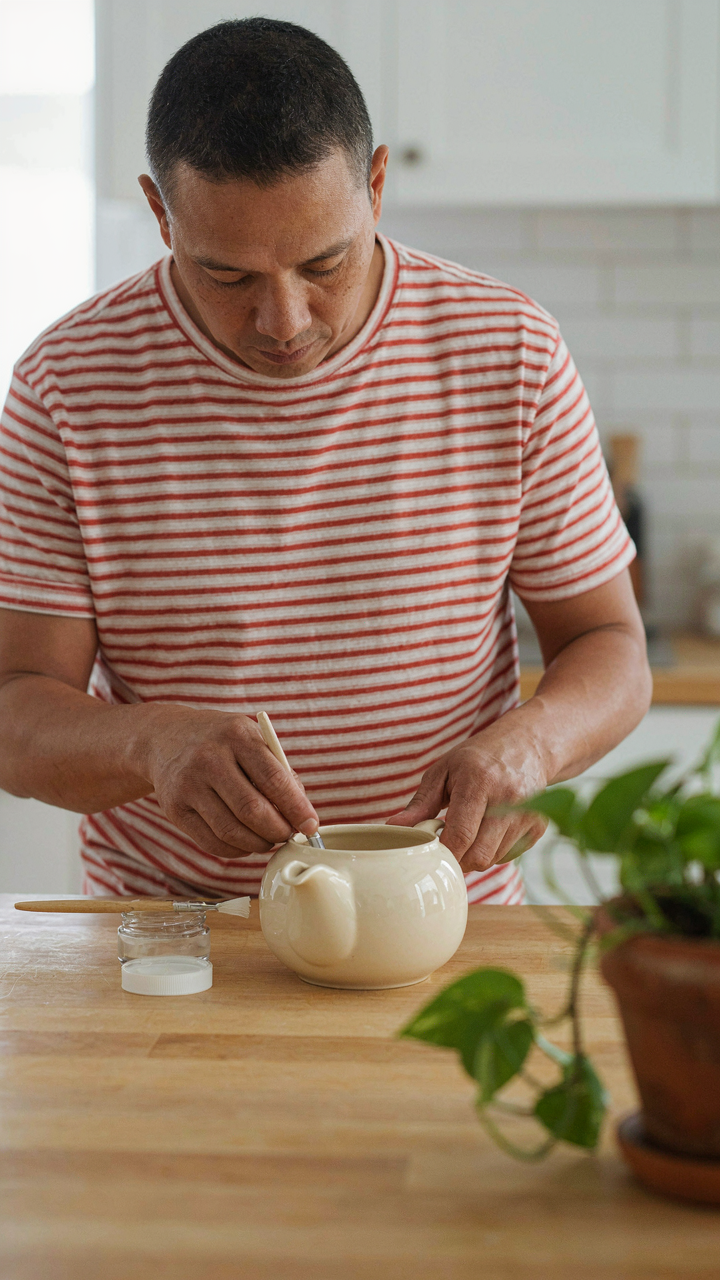
You want your teapot planter to last because replacing it signals you didn’t plan ahead. The mechanism is simple: ceramic fails when water infiltrates the material, freezes, expands, and cracks the structure from inside. Most teapots are fired to withstand hot liquid, not repeated freeze-thaw cycles outdoors.
- Epoxy sealant on interior surfaces: Creates a moisture barrier inside the teapot. Apply two coats to the inner walls and drain hole. This stops water absorption that causes frost damage and extends the planter’s functional life significantly.
- Polyurethane exterior coating: Protects glazed surfaces from UV degradation and moisture penetration through hairline cracks. Use outdoor-grade product rated for ceramics. Reapply annually in regions with harsh winters or intense sun exposure.
- Drainage hole elevation with gravel base: Position the planter so water drains freely downward, never pools inside. Line the bottom interior with half an inch of gravel before soil. Standing water is the primary vector for freeze-thaw damage.
- Vintage teapot selection over reproduction: Older fired ceramics often use denser clay bodies with higher firing temperatures than modern decorative pieces. Check the weight and thickness before purchasing. Heavier teapots typically survive outdoor conditions longer.
- Sheltered placement strategy: Position planters under eaves, pergolas, or against south-facing walls. Direct rain exposure accelerates ceramic degradation. Even slight overhead protection doubles the lifespan by reducing saturation cycles.
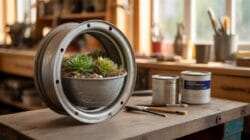
The weatherproofing sequence matters more than product choice. Seal the interior first, then coat the exterior, then position for drainage. Skip the interior seal and your exterior coating becomes cosmetic only.
Anchoring Against Wind Load Physics
Treating a teapot planter as a static object is the mistake everyone makes. Physics calls this wind load dynamics: aerodynamic forces increase exponentially with height and surface area. A toppled planter isn’t clumsy. It’s physics winning against weak attachment.
The common advice of “just use brackets” ignores the actual failure point. Most teapot planters are bottom-heavy with a narrow neck, creating a fulcrum. Wind pressure hits the wide body, leverage multiplies at that neck junction, and brackets rated for vertical weight snap because they’re calculating wrong force vectors. You need to reduce the lever arm, not just add fasteners.
Drill mounting holes through the teapot’s widest diameter section, below the center of gravity. Use stainless steel bolts with locking washers, not anchors that pull out. Mount the planter directly to wood or masonry, never to plastic or vinyl surfaces. Verify the mounting surface can handle at least three times the planter’s weight in lateral force. In high wind areas or on elevated surfaces, use two separate mounting points on opposing sides of the structure, not one central attachment.
The Teapot Planter Optimization Protocol
Designing For Seasonal Plant Shifts
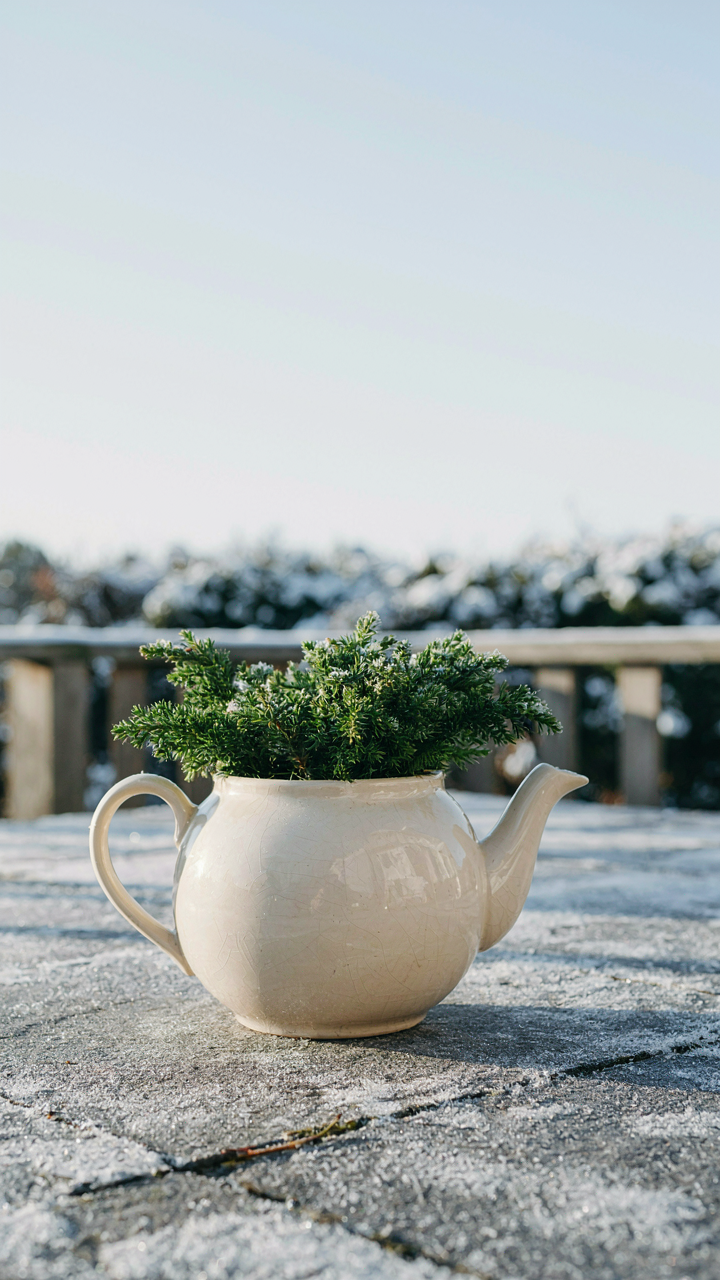
You want this to look intentional year-round because an empty teapot looks like failure. The real mechanism here is constraint-based design: you’re not decorating a fixed space, you’re managing plant transitions through a vessel that demands specific sizing and drainage patterns at each season change.
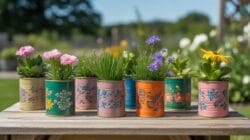
Start with teapot volume. A standard ceramic teapot holds between one and three quarts. In spring and summer, this accommodates trailing succulents or shallow-rooted annuals. By fall, swap to compact mums or ornamental kale. Winter calls for evergreen groundcovers that tolerate cold soil. The shift happens because shallow-rooted plants need less moisture retention than deep-rooted varieties, and teapot planters control moisture through their narrow openings and curved interiors.
Drill drainage holes through the base before planting. A single hole works for seasonal plants because you control watering frequency per season, not the vessel itself. Spring requires daily watering during growth. Summer demands every two days in heat. Fall and winter drop to weekly or less. The teapot’s curved bottom naturally pools water at the drainage point, so you’re not fighting against gravity like you would with flat-bottomed containers.
Managing Water In Ceramic Containers
Everyone says ceramic breathes and drains better than plastic. That’s incomplete. Ceramic is porous, but teapots are glazed, which seals the porosity and changes the game entirely. The glaze layer becomes your actual retention barrier, not the clay underneath.
A glazed ceramic teapot retains moisture longer than unglazed pottery because the glaze prevents evaporation through the sides. This matters because you’re working with limited soil volume. In a one-quart teapot, soil dries unevenly: edges dry fast, center stays wet longer. Add a thin layer of activated charcoal at the base before soil. This prevents the pooling zone from becoming anaerobic, which kills roots in high-moisture conditions. The charcoal absorbs excess water and releases it as soil dries, extending the window between waterings by three to five days depending on light and temperature.
Soil composition shifts the retention dynamic further. Standard potting mix drains too fast in a sealed teapot. Mix standard potting soil with forty percent perlite or coarse sand. This prevents compaction and ensures water moves through consistently rather than channeling around root systems. Water from the top until it drains from the bottom hole, then stop. Do not let the teapot sit in a saucer of standing water. The glaze prevents capillary action, so pooled water stays pooled and roots rot.
From Old Tea Pots To Garden Assets: The Value Creation Playbook
The Economics Of Found Object Design
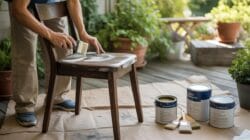
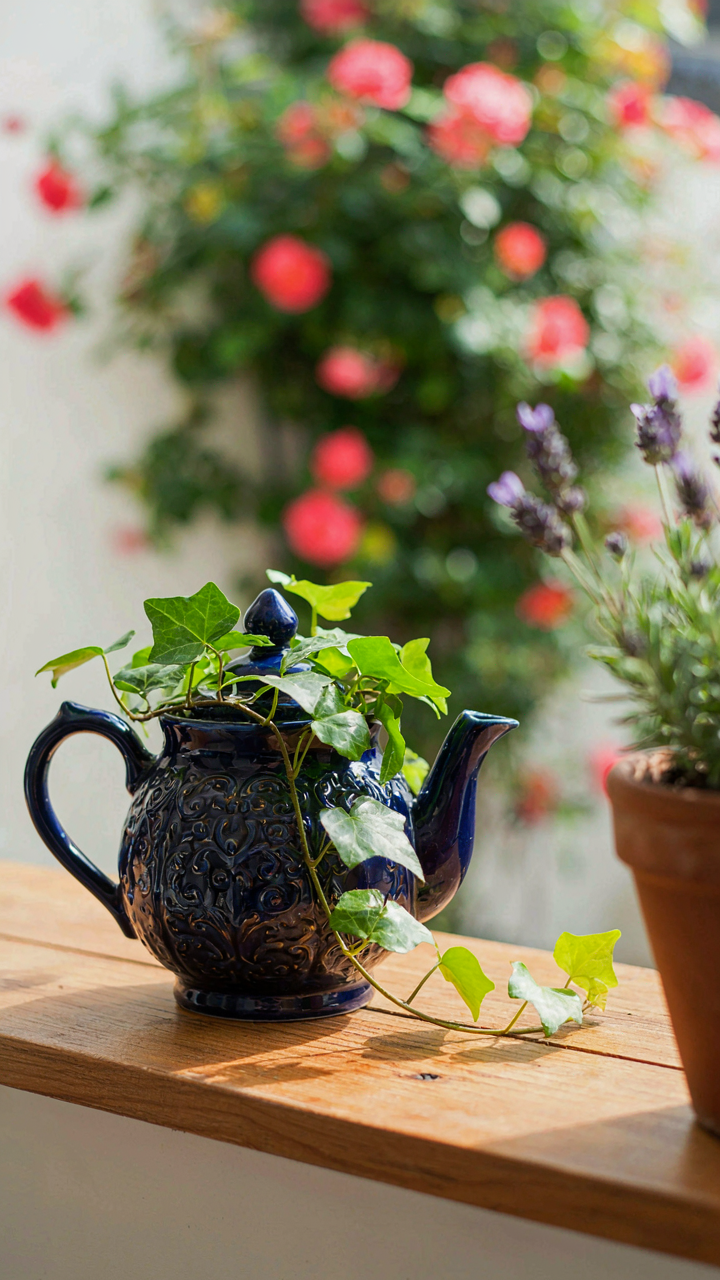
You want permission to feel smart about repurposing junk instead of buying new. Here’s the real mechanism: scarcity creates perceived value. In economics, this is supply and demand—when something appears rare or one-of-a-kind, people assign it higher worth than its material cost justifies. A teapot planter works because the object itself carries a pre-existing narrative. You didn’t design it from scratch. You found it, recognized its potential, and executed the transformation. That story compounds the visual payoff.
The math is straightforward. A ceramic teapot at a thrift store costs two to eight dollars. A mass-produced planter costs the same. The difference is that the teapot already contains design intention from another era, another maker, another purpose. That layering is what stops the eye. When you plant succulents in a vintage English teapot, you’re not adding value through effort alone—you’re stacking existing aesthetic authority onto new function. The visual return accelerates because the object arrives at the garden already loaded with cultural weight.
Narrative Assembly Through Constraint
Every object tells a story, but most planters tell the same story: buy it, use it, replace it. A teapot planter tells a different story because it carries material constraint. The opening is fixed. The depth is predetermined. The weight distribution is locked in. These limitations force intentional plant selection instead of lazy abundance. You choose small herbs that fit the spout. You select trailing succulents that work with the handle’s architecture. You work within the object rather than against it.
This constraint-driven curation is where the real narrative forms. A vintage floral teapot holding a single trailing ivy plant isn’t just decoration—it’s a story about respect for existing form. Visitors see the intentionality. They see the problem-solving. They recognize that you didn’t simply fill a generic vessel with soil. You honored the object’s original design while creating something new. That friction between old purpose and new purpose is what makes the arrangement memorable. Plant selection becomes a deliberate protocol, not an afterthought.

The Obstacle Isn’t Finding Ideas; It’s Your Inability To See Ordinary Objects As Strategic Assets
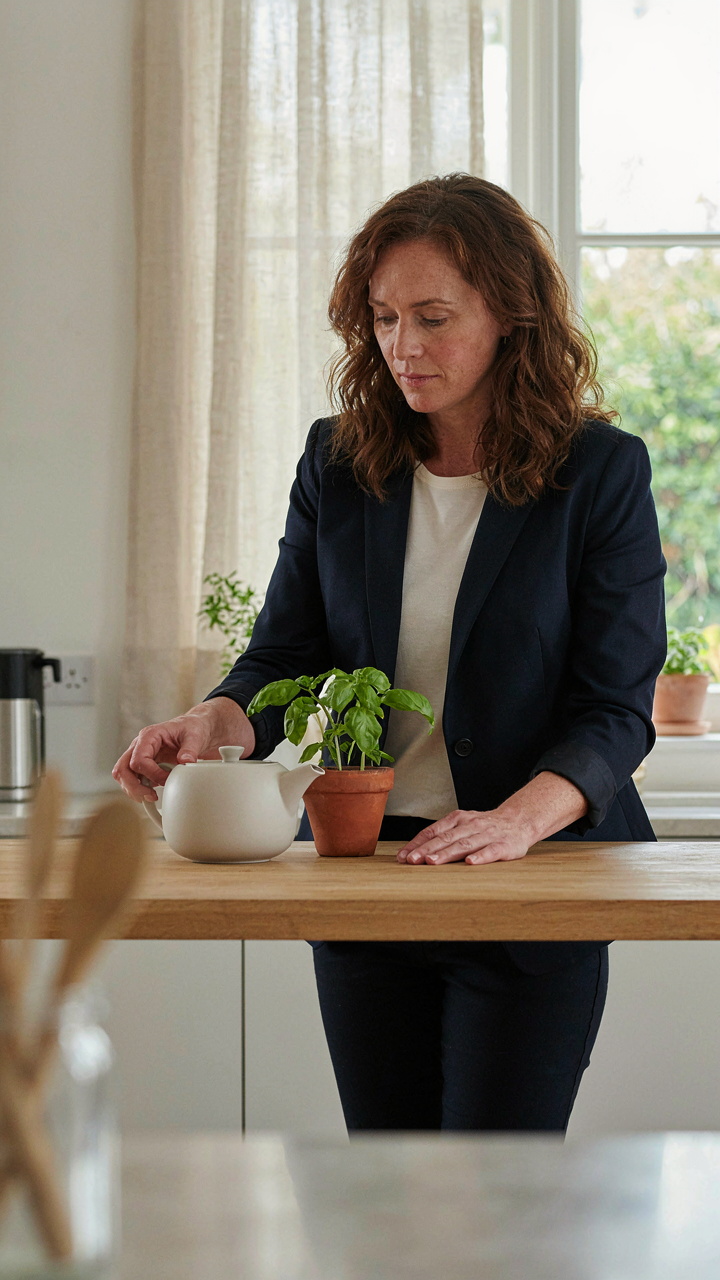
You already own teapots. You already have dead garden space. The problem isn’t lack of options—it’s that you see these things separately instead of connected. Stop scrolling for inspiration and start walking your home. Grab one teapot today. Plant something in it. The gap between a small garden and a charming one isn’t resources—it’s one decision repeated until it becomes a pattern, and your first move decides everything.