The Reclaimed Aesthetic: Beyond Rustic
Why Conventional Rustic Falls Flat
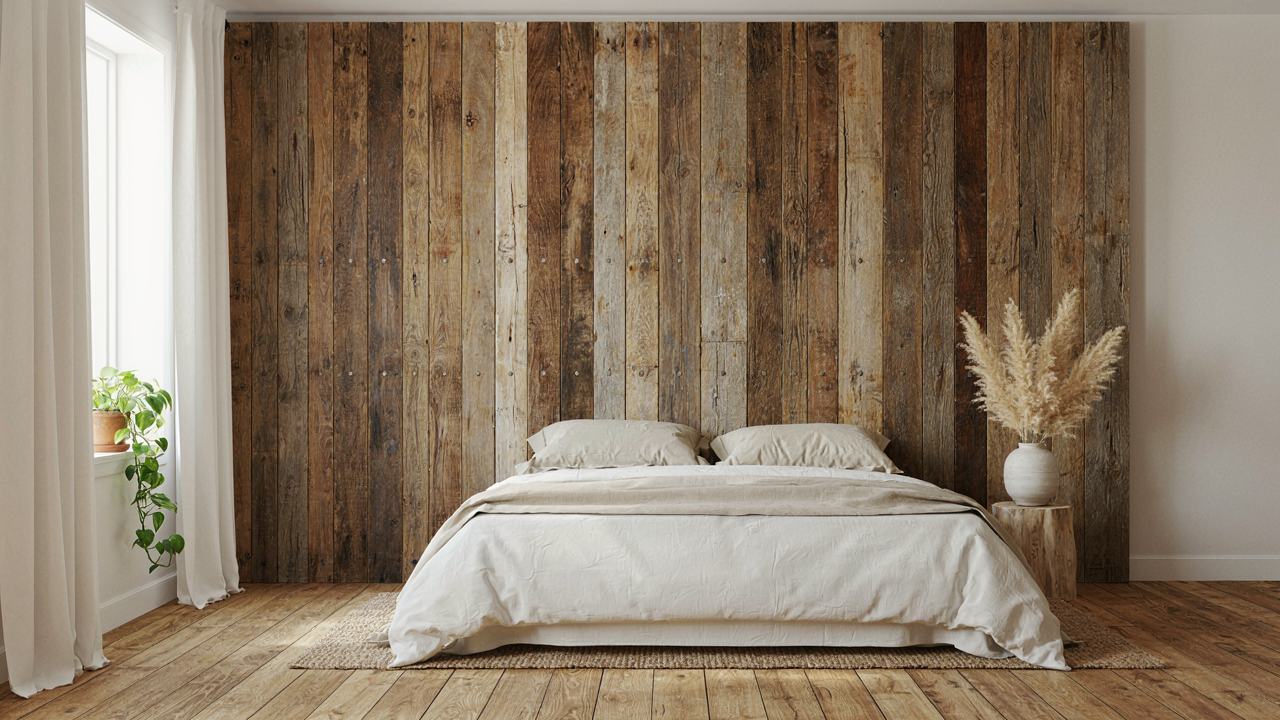
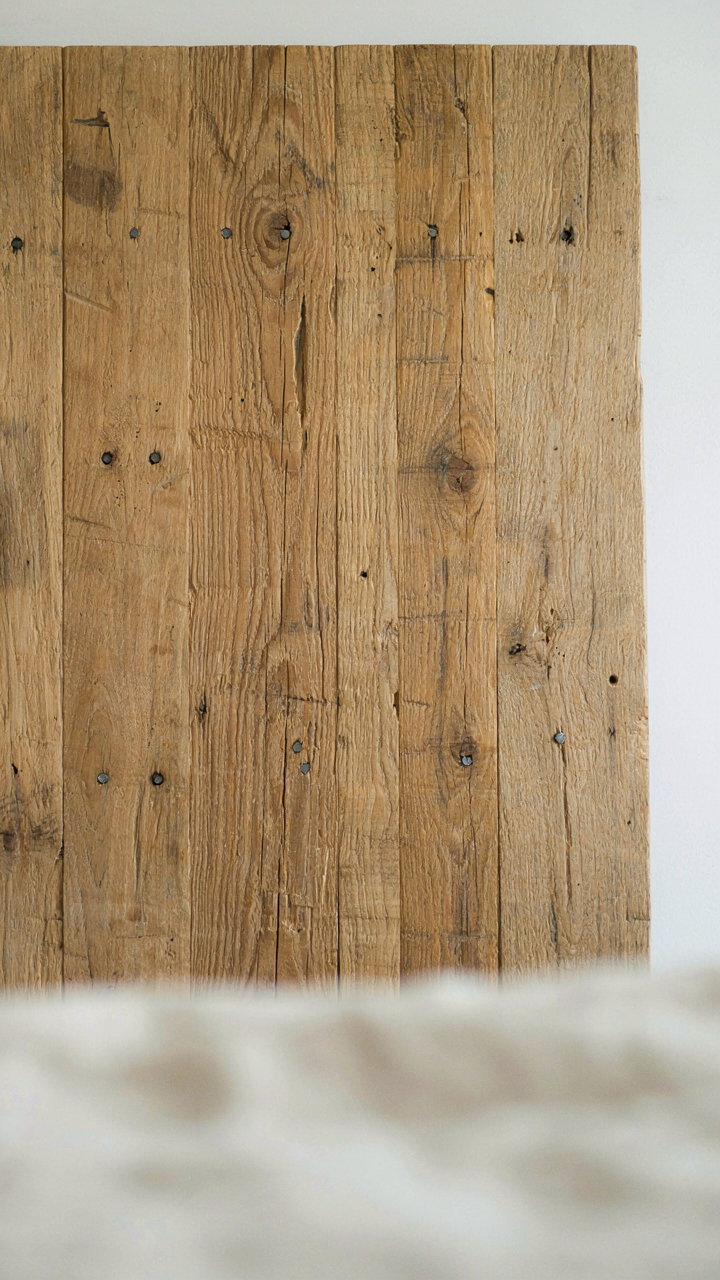
You want people to think your bedroom is authentic, not decorated. That’s the real play here. The mechanism: most rustic headboards fail because they’re performative. They use distressing techniques, stains, and staging to signal “age” instead of actually using materials that lived a life. A scrap wood headboard works because the patina is real. The nails are original. The wood grain tells a story you didn’t fabricate in a workshop.
Fake rustic looks like someone tried too hard. It reads as cosplay. Real reclaimed materials don’t need your permission to look good because they’ve already proven themselves through years of use. The difference isn’t subtle to the human eye, even if people can’t name it. Authenticity compounds trust in a space. When your headboard is built from actual salvage, not reproduction barn wood, the room feels different because it is.
Intentionality Through Imperfect Materials
Imperfect materials force you to make decisions. That’s the economics principle at play here: scarcity drives value. When you work with scrap wood, you can’t just execute a generic plan. You adapt to what you have. A board with a deep gouge becomes a design element, not a defect to hide. Wood warping creates shadow and depth. Knots and color variation become the visual language of the piece.
This isn’t about celebrating flaws for their own sake. It’s about letting constraints shape the outcome rather than fighting them. You select pieces based on their specific qualities, not despite them. The headboard becomes honest because it reflects real material properties instead of obscuring them. The intentionality shows because every board earned its placement through functional fit, not aesthetic formula.
The Scrap Wood Headboard Manifesto: Rejecting Mass Production
Factory Finishes Hide The Problem
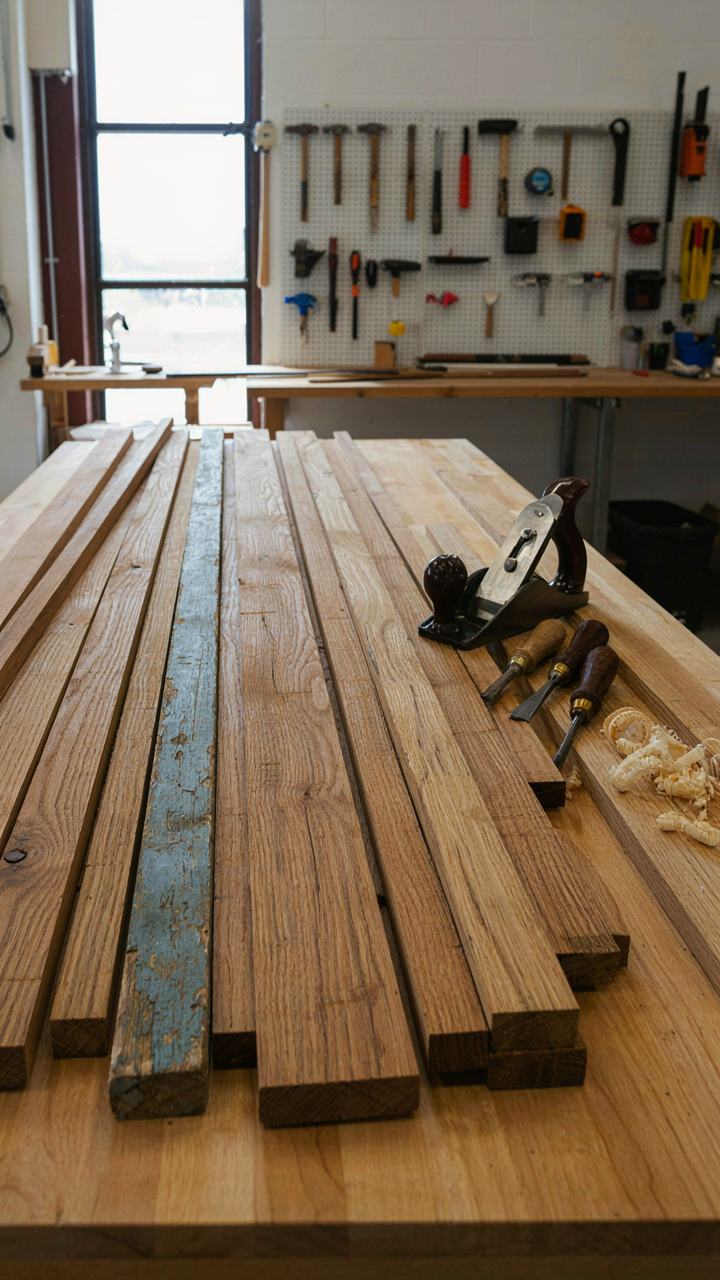
You want a scrap wood headboard because you’re tired of looking at something everyone else owns, and you sense that mass-produced headboards signal you didn’t choose. The mechanism is simple: factory finishes exist to standardize wood, removing its character so it fits predictable retail categories. A manufactured headboard arrives pre-stained, pre-sealed, pre-apologized. It promises consistency because inconsistency terrifies manufacturers. Scrap wood refuses that logic.
Real wood shows grain variation, color shifts, and surface imperfections that no factory tolerates. These aren’t defects to hide. They’re evidence of the material’s actual history. When you source scrap wood, you’re working with timber that already rejected uniformity. A factory finish attempts to freeze wood in a single state. Salvaged wood demands you accept its previous life and build forward from there, not erase it.
A Narrative Built Into The Grain
Every piece of scrap wood carries embedded information about where it came from. A reclaimed barn beam holds density patterns shaped by decades of weather. Flooring salvaged from a demolished house bears nail holes, stains, and wear marks from actual occupation. This isn’t sentimentality. It’s material honesty. When you arrange scrap wood pieces into a headboard, you’re not decorating. You’re layering multiple stories into a single statement behind your bed.
The design choice here mirrors archaeological stratification. You’re exposing layers rather than covering them. Some pieces will have paint from previous jobs. Others will show tool marks. A few might retain hardware holes. Instead of sanding these away, you incorporate them as visual data. Your headboard becomes readable. Someone looking at it can trace choices you made about which stories to leave visible and which to integrate into the overall composition. The material itself becomes the narrative device.
Deconstructing “DIY Wood Headboard”: The Scarcity Principle
When Resources Run Out, Design Starts
You want a headboard that doesn’t scream budget. That’s the real tension here. Scarcity in economics isn’t poetic constraint—it’s the hard fact that you have finite materials and must allocate them where they generate maximum visual return. A scrap wood headboard forces you into this trade-off immediately. You don’t have unlimited boards. You can’t fix mistakes by ordering more. This limitation actually sharpens your decisions instead of weakening them.
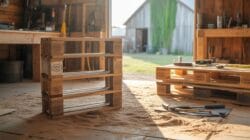
The mechanism works like this: with abundant materials, you add more. With scarce ones, you subtract until only the structure remains. A scrap headboard made from reclaimed barn wood, old fence boards, or construction site offcuts demands you notice grain patterns, wood tones, and joint placement because you’re working with what exists, not what you’d order. You’re reading the material instead of imposing a predetermined design onto it. This reversal produces headboards that feel intentional rather than assembled.
Impact Without Inventory
Common advice tells you to “upcycle” or “be creative.” That’s lazy framing. The real skill is calibration: using minimal material to anchor an entire wall visually. A single row of weathered scrap boards running horizontally behind a bed creates more visual mass than scattered vertical planks because continuity reads as intentionality. Height matters more than coverage. A headboard that rises six feet commands a room even if the boards leave gaps. Gaps aren’t failure—they’re evidence of resource discipline.
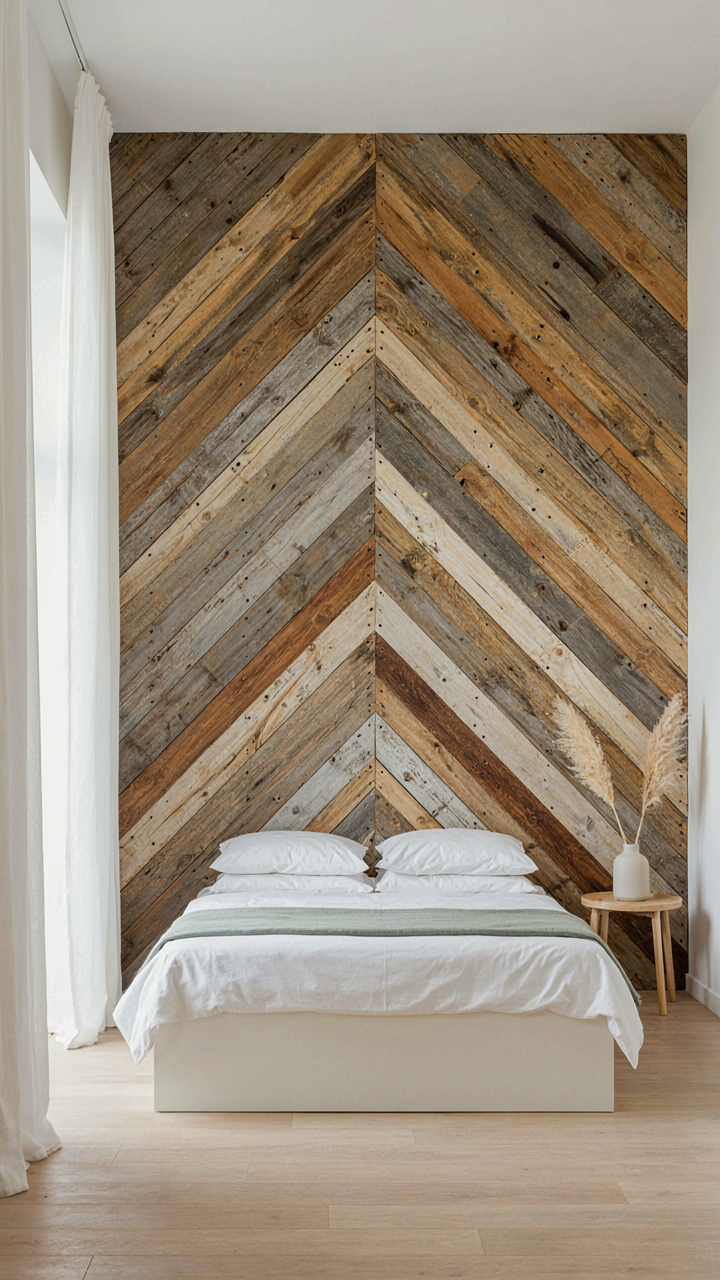
Start by mapping your scrap wood by tone and grain direction, then alternate rather than randomize. Install boards in a deliberate pattern: chevron, herringbone, or simple horizontal runs create rhythm without requiring more material. The pattern itself becomes the statement, not the quantity of wood. Nail or screw each board at studs to lock the structure, then step back. If visual weight feels insufficient, add one strategic accent element—a single darker board, a leather strap, or a shelf bracket—not another row.
The Un Pallet Headboard: When “Easy” Misses The Point
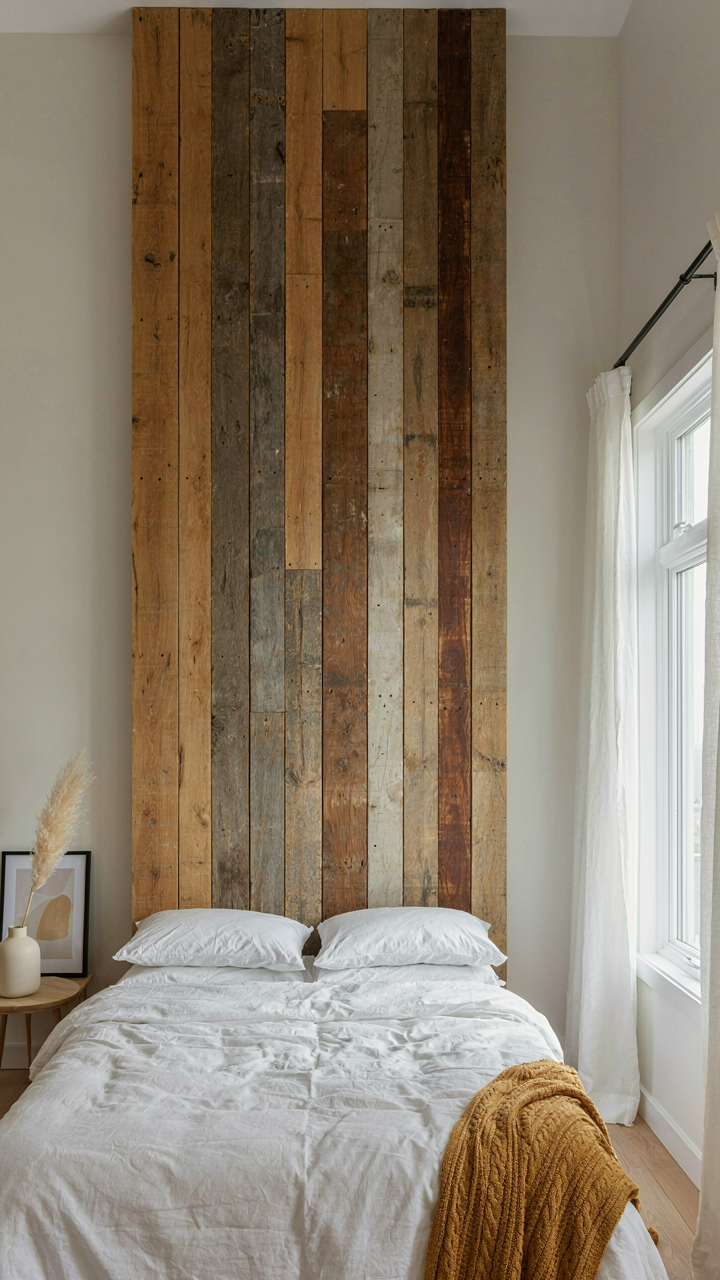
Why Pallet Trends Failed Most People
You want the shortcut that makes you look intentional without actually being intentional. That’s the real draw of pallet headboards, and it’s exactly why most of them land as visual noise instead of design. Pallets became a trend because they’re free and easy to source, not because they solve a real design problem. The mechanism is simple: low friction breeds low thought. You grab what’s available instead of asking what your room actually needs.

The pallet headboard became generic precisely because it required no decisions. Width, height, finish, spacing, wood tone—all of it defaulted to whatever the pallets dictated. Real scrap wood design works differently. You start with constraints that matter: wall dimensions, existing furniture, the specific wood species you have access to, and how light hits that wall at different times. Those constraints force judgment. That judgment is what separates a headboard from set dressing.
Design Intent Versus Material Availability
Borrowing from architecture’s concept of “parti”—the core generative idea that drives all decisions—your headboard needs a singular organizing principle, not a collection of reclaimed boards. Most people reverse-engineer this: they find wood, then decide what it means. The professional approach inverts the process. You determine the visual strategy first, then source materials that fit it.
A headboard can organize around vertical emphasis, horizontal rhythm, geometric pattern, or textural contrast. Once you pick one, every board placement serves that idea. This is why a deliberately arranged scrap wood headboard reads as intentional while a chaotic arrangement reads as “I had leftover materials.” The difference isn’t the cost or the materials themselves. It’s whether the wood serves a decision or just fills space. Measure your wall, sketch your concept, then source wood that completes it.
The Imperfection Protocol: Embracing Wood’s History
Weathering And Patina As Design Assets
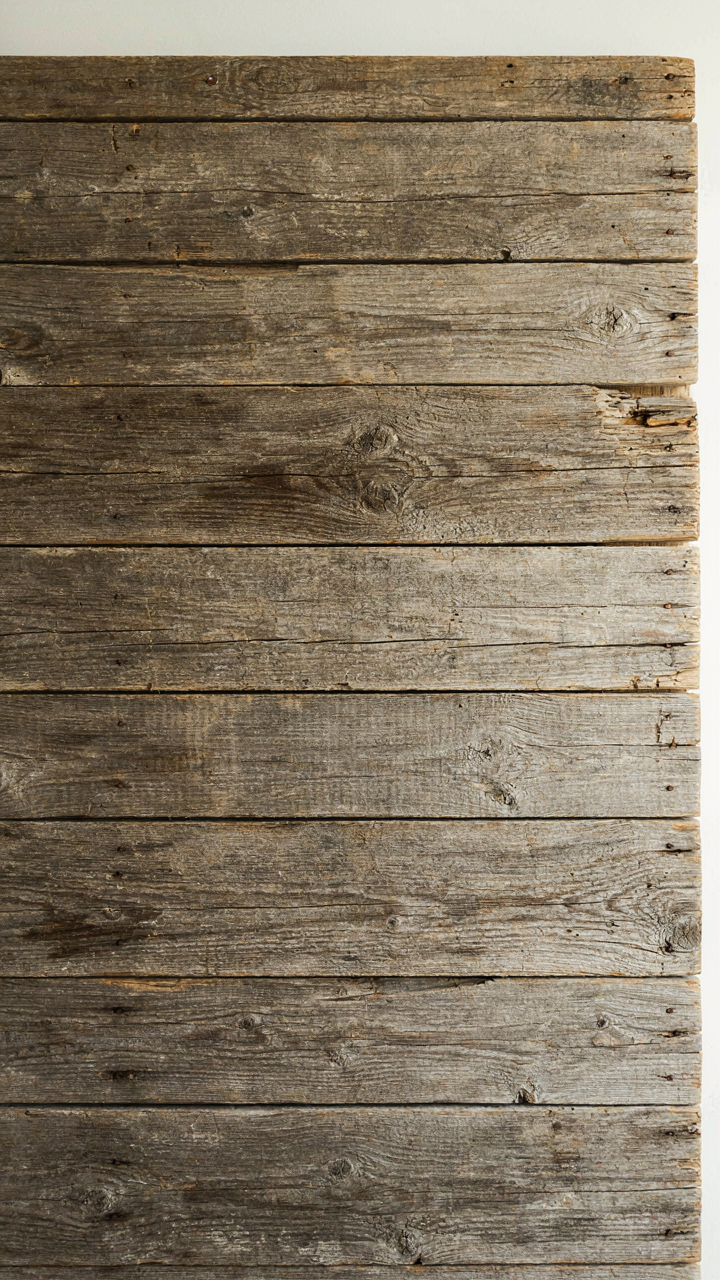
You want permission to use beat-up wood without feeling like you failed at interior design. The mechanism is simple: patina operates like a timestamp in archaeology. It’s evidence. Weathered surfaces tell a material story that new wood cannot, and that authenticity reads as intentional the moment people see it. The cracks, discoloration, and worn edges aren’t flaws to hide. They’re proof the wood existed before your bedroom did.

Weathering happens through exposure to light, moisture, and temperature swings. Reclaimed barn wood, salvaged pallets, and construction scrap all develop distinct surface characteristics. Gray discoloration comes from UV oxidation and mold exposure. Deep cracks form from seasonal wood movement. These aren’t defects. They’re the visual record of what that material survived. When you mount weathered wood as a headboard, you’re not settling. You’re selecting for texture and character that costs nothing extra to acquire.
The Wood’s Past Becomes Your Present
Common advice says to “embrace imperfections” and “let the wood speak.” That’s incomplete. The real move is treating the wood’s history as structural narrative, not decoration. Your headboard doesn’t need to look new or uniform because new and uniform carry no story. The grain variation, knots, nail holes, and stains from previous use become the actual design language. They answer the question of why this headboard exists without you explaining anything.
When you select scrap wood for a headboard, you’re making a choice about what visual weight you want behind your bed. A piece salvaged from a 1970s warehouse carries different visual information than a pallet that spent two years absorbing moisture. Weathered hemlock reads differently than reclaimed oak. The selection process itself is the design work. Source wood with intentionality. Document where it came from. Let that history sit visible. The headboard works because the wood’s past becomes credible justification for every mark on its surface.
From “Diy Headboards” To Curated Statements: The Selection Matrix
What Actually Makes Wood Worth Using
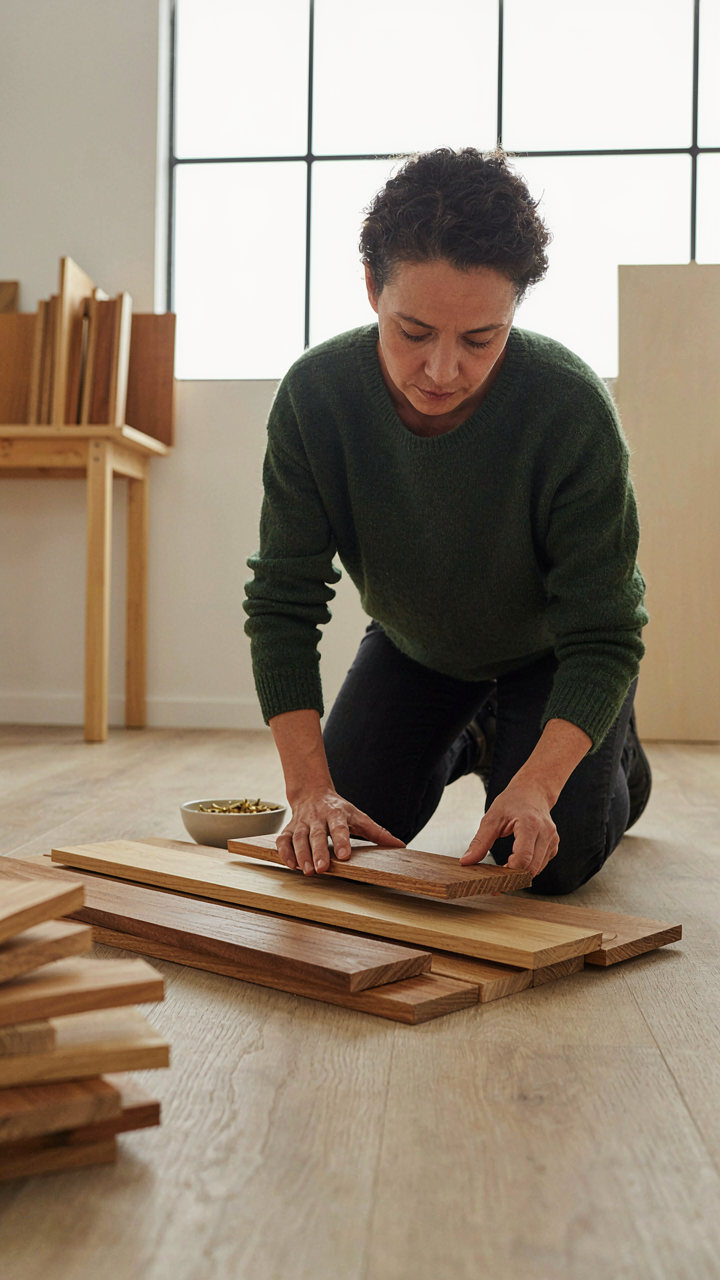
You’re hoping scrap wood looks intentional instead of like you couldn’t afford new material. That’s the real filter here. The mechanism is simple: wood selection determines whether your headboard reads as design or desperation, and that hinges on three concrete properties—grain visibility, structural integrity, and color consistency across pieces. Most people grab whatever’s available. That’s backwards. You’re not building a headboard. You’re curating a statement, which means treating wood the way a gallery treats art.
- Tight, visible grain: Clear grain patterns signal age and quality. Reclaimed or old-growth wood shows dramatic grain lines that new lumber can’t match. Avoid bland, featureless pieces that look mass-produced and cheap.
- Solid construction with no rot: Tap each piece. Soft spots, discoloration, or sponginess indicate water damage or decay. These won’t hold fasteners and will deteriorate faster. Structural failure kills the whole aesthetic.
- Consistent color family across pieces: Wood doesn’t need to match exactly, but pieces should belong to the same tonal range. Mixing light pine with dark walnut creates visual noise instead of cohesion. Aim for a 2 to 3 shade variation maximum.
- Salvage source that has story logic: Barn wood, reclaimed flooring, or old pallets tell different stories. Pallet wood reads industrial and cheap. Actual barn wood reads authentic. The source matters because it explains why the wood looks the way it does.
- Thickness that supports the design intent: Thin pieces suggest temporary or casual work. Thicker stock (1.5 inches minimum) reads substantial and permanent. Thin veneer glued to backing reads like a trick. People feel the difference even if they can’t name it.

You’re not building a headboard. You’re curating a statement, which means treating wood the way a gallery treats art. The vetting process takes time, but it compresses the difference between amateur and intentional into a single variable: did you choose the wood or just accept what was available?
Building Around What The Wood Already Is
Most guides tell you to sand everything into submission, stain it uniform, and ignore the wood’s original character. That’s the mistake. The real leverage is in designing around inherent wood characteristics instead of against them. If a board has weathered edges, incorporate them as visual anchors. If the grain runs wild in one section, let that become a focal point. Weather patterns, knots, color shifts, and surface texture aren’t defects you hide. They’re the design vocabulary.
The technical principle here comes from systems design: work with constraints, not against them. A board with a large knot isn’t ruined. It’s a design element you build around. Orient the knot toward the center of your headboard where it has visual weight. Use boards with similar knot patterns in symmetrical positions. Build the layout first by looking at what each piece offers, then arrange them to create intentional rhythm. This takes longer than random assembly, but it’s the only way scrap becomes curated.
The Wooden Headboard Ideas That Actually Matter: Structure And Form
Load Bearing Matters More Than You Think
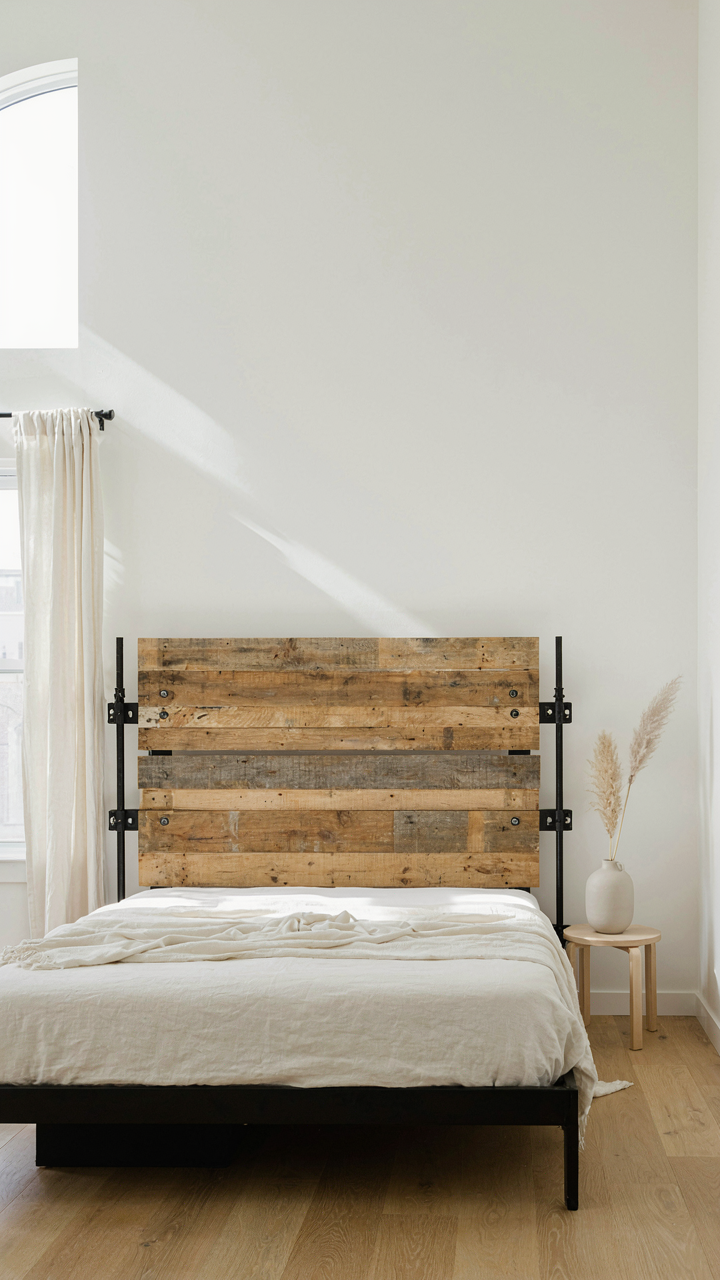
You want it to look intentional, not like salvage. That requires understanding what actually holds weight. A scrap wood headboard attached to your wall carries three loads: the boards themselves, whatever you mount on it, and the dynamic force from people leaning or pushing against it during sleep. Most DIY builds ignore the second and third. The mechanism is simple: your wall fasteners determine survival. Drywall anchors fail. You need studs.

Find studs with a stud finder or the knock method. Run horizontal 2×4 blocking between studs at headboard height. Attach your scrap wood frame to this blocking with lag bolts or deck screws, not finish nails. The visual result stays the same. The structural difference means your headboard doesn’t shift, creak, or separate from the wall over time. Bad fastening kills rustic faster than poor design choices.
Asymmetry Needs Mathematical Backbone
Borrowing from architecture, a scrap wood headboard works as a cantilever system where visual weight must distribute without triggering your brain’s symmetry-detection alarm. Most people think asymmetrical design means random placement. Wrong. It means balanced imbalance. One larger beam on the left, two smaller pieces on the right, positioned to create visual equilibrium rather than mirror reflection.
The math is basic but non-negotiable. If you place a heavy piece off-center, create visual counterweight on the opposite side using texture, tone, or grouped smaller elements. Measure distances from your bed’s centerline. Odd numbers of vertical elements work better than even. Three planks, five slats, seven boards. This prevents the symmetry trap while keeping the eye from wandering. Start with pencil marks on the wall before cutting or fastening anything.
The Deconstructed Shelf Headboard: Integrated Utility
When Storage Becomes The Design
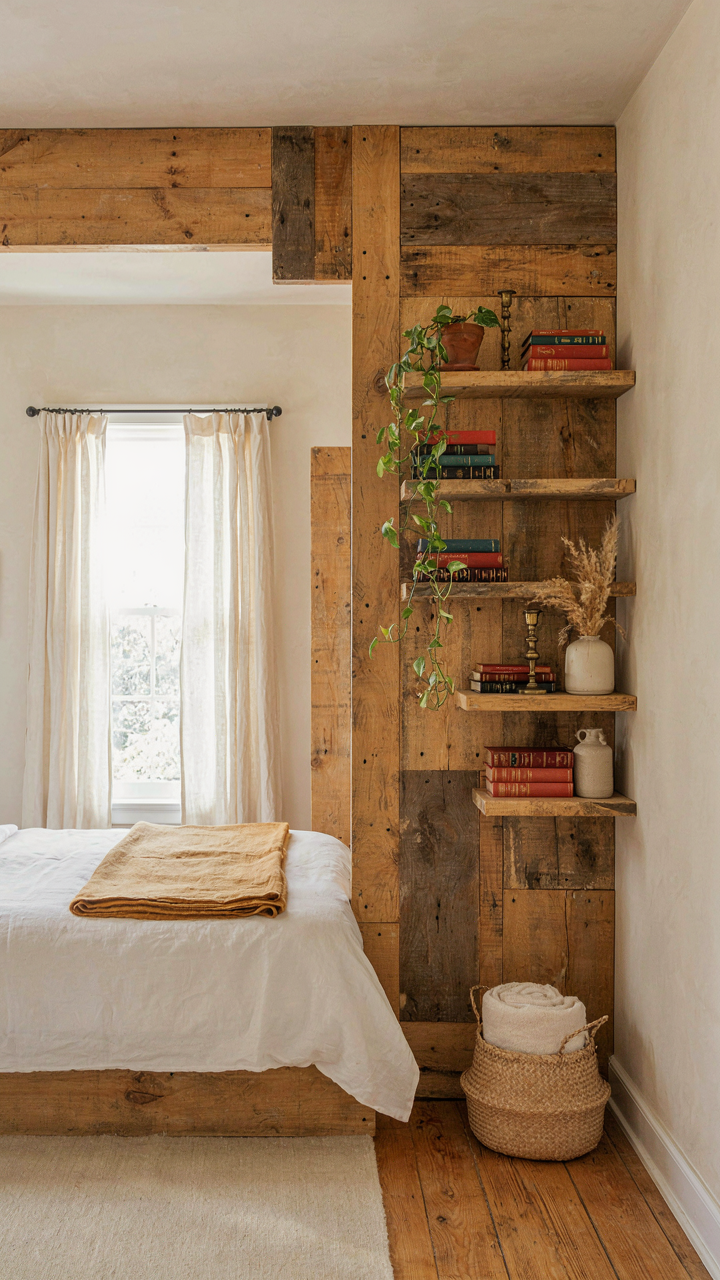
You want this because you’re tired of wasting bedroom square footage on furniture that does one job. The mechanism is simple: a scrap wood headboard with integrated shelving converts dead wall space into functional real estate while maintaining the rustic aesthetic. Reclaimed barn wood, weathered fence boards, and salvaged framing lumber stack and layer to create asymmetrical shelving that holds books, plants, and objects without requiring a separate nightstand or dresser.

The visual weight of a shelf headboard works because it anchors the bed through mass and geometry rather than a flat plane. Builders use load-bearing walls in structures to distribute pressure across multiple points. Your scrap wood headboard operates on the same principle: multiple shelf surfaces distribute visual interest across the wall, preventing the eye from landing on any single weak point. This makes small bedrooms feel intentional rather than cramped.
Structural Logic Before Assembly
Most people treat scrap wood shelving as a design problem, but it’s an engineering problem first. Your headboard must support weight through proper backing and bracing. Use reclaimed 2×4 or 2×6 lumber as the frame backbone, securing it directly into wall studs with lag bolts rather than drywall anchors. Thinner scrap pieces (1×8, 1×10 barn siding) create shelf surfaces, but they work only when mounted on a frame that carries load to the wall structure itself.
The common mistake is thinking salvaged wood is too fragile for weight-bearing work. Quality reclaimed timber is denser and stronger than modern lumber because it came from old-growth trees. Inspect each piece for rot, checking grain patterns and tap-testing with a hammer. Shelves hold 20 to 40 pounds per linear foot when the frame is solid. This means you can store books, decorative objects, and small plants without risk if you eliminate the variable that kills most DIY projects: untested salvage material.
Finishing The Unfinished: Preserving Raw Character
Let The Wood Speak For Itself
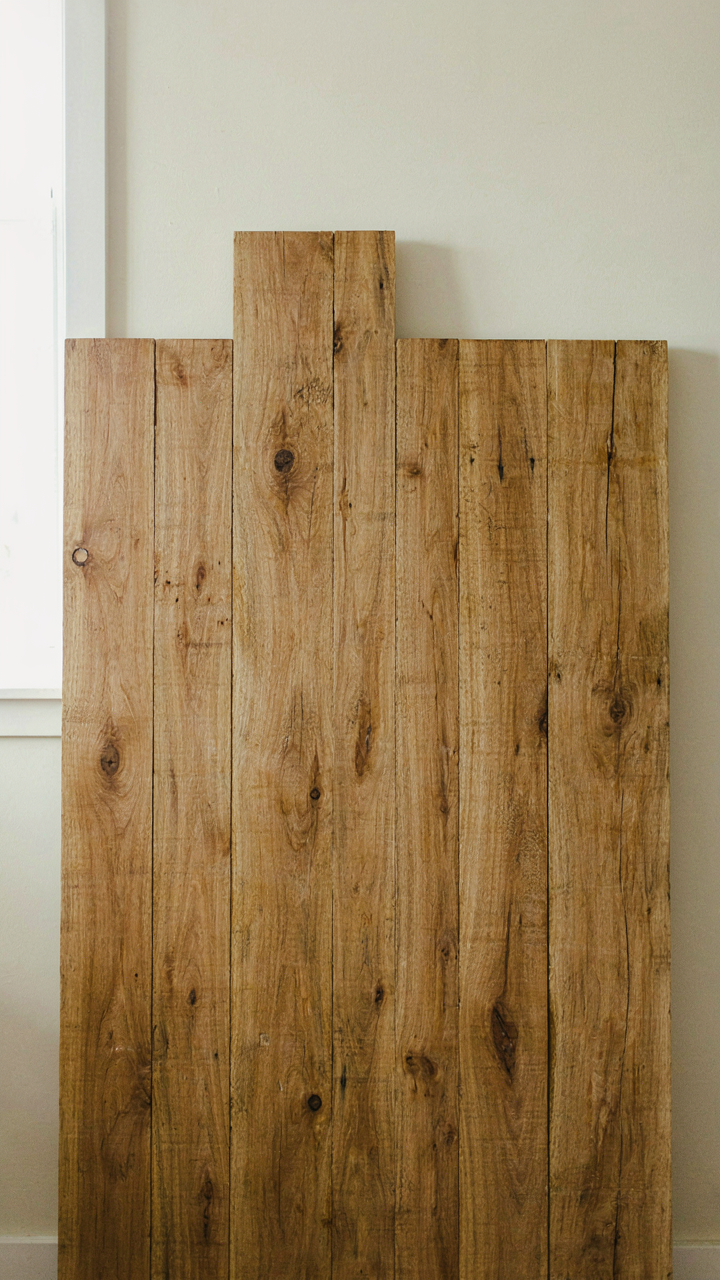
You want the headboard to look intentional, not like you ran out of money for finishes. That’s the real calculation here. The mechanism is simple: raw wood already has visual weight. Add a finish and you’re competing with it instead of amplifying it. Minimal treatment means sanding to smooth the splinters and checking for structural integrity, then stopping. The wood does the work.

Most people sand scrap wood and immediately reach for stain or paint because empty wood feels unfinished to them. It isn’t. It feels unfinished because you haven’t learned to see it yet. A clear matte topcoat or food-grade oil protects the grain without darkening or coating it. The wood shows itself: knots, color variation, grain direction, all the evidence of where it came from. That evidence is the design.
Skip The Trendy Finish Trap
The common advice says stain your scrap wood to hide inconsistency. That’s backwards. Inconsistency is the only honest thing about scrap. Matching it with a uniform stain creates a fake uniformity that reads as cheap because it requires constant maintenance and still looks manufactured. Raw wood ages naturally and tells a true story every year.
Paint and stain both commit you to a visual decision that will look dated in five years. Weathered or clear finishes age with dignity because they don’t claim to be anything but what the material is. Apply a water-based polyurethane in matte or satin, two coats, sanding between coats with 220-grit paper. Stop there. You’ve protected the wood and preserved its surface without disguising what it actually is.
The Real Obstacle Isn’t The Wood; It’s Your Permission To Defy Generic Aesthetics And Build Something Genuinely Yours
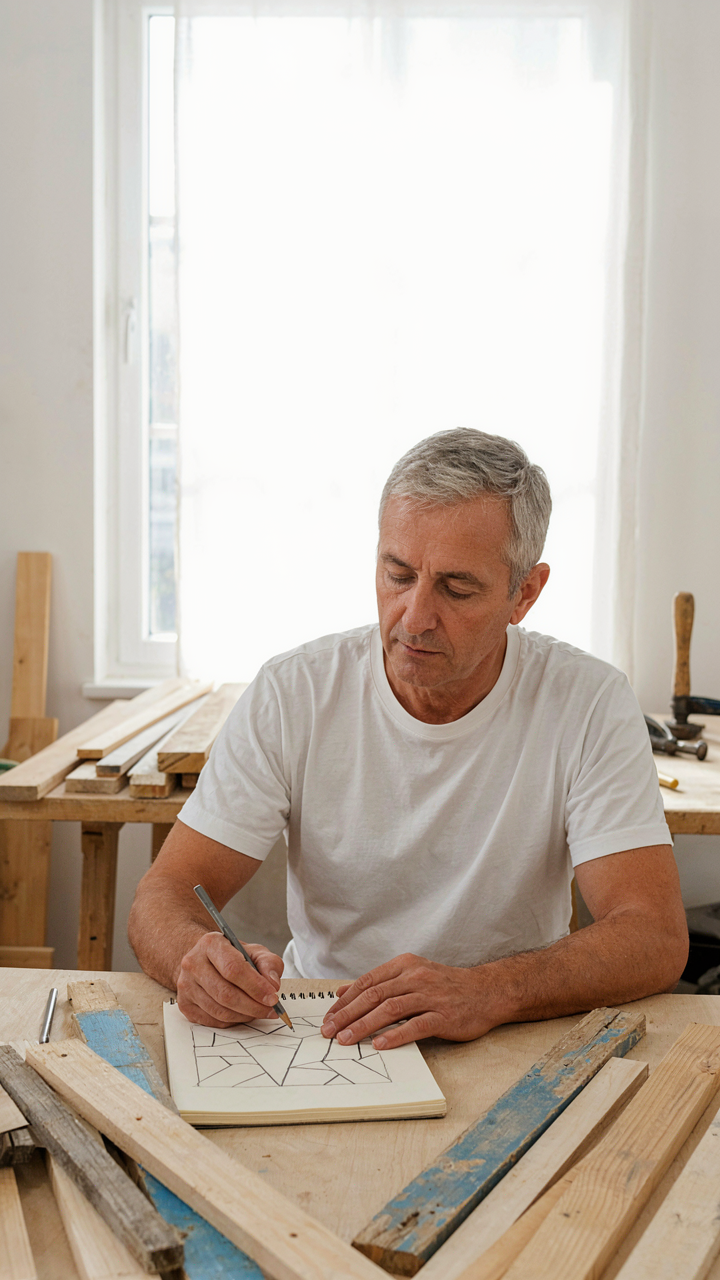
You already know how to build a scrap wood headboard. What you’re actually afraid of is looking stupid for trying something imperfect. Stop waiting for the “right” materials or the “right” moment. Pull wood from your garage today, sketch one design, and commit to it. The gap between a forgettable bedroom and one people remember isn’t skill. It’s willingness to look weird first and polished later. Your permission to build something flawed is worth more than perfect store-bought lumber.