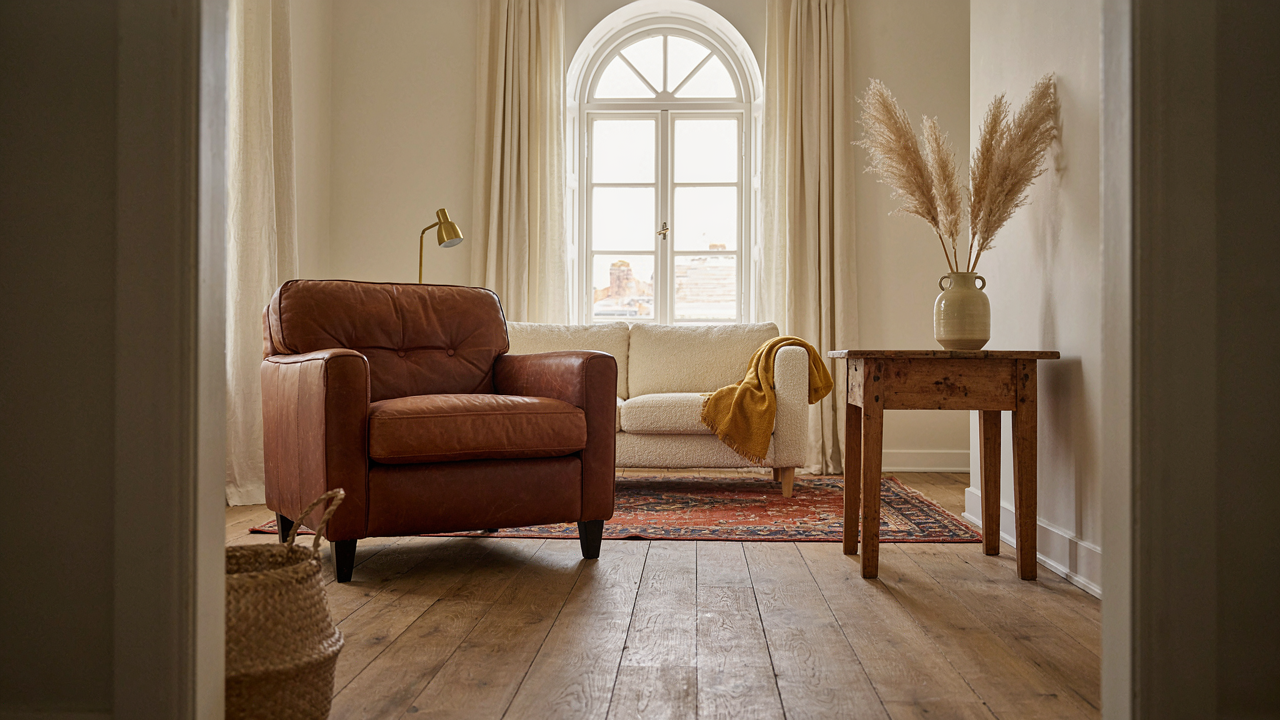
Beyond “Rustic”: The Deeper Purpose Of Reclaimed Wood Side Table
Why Mass Produced Furniture Fails You
You want people to know you have taste without saying it out loud. That’s the real driver. Mass-produced furniture signals the opposite: it signals you bought what was available, not what you chose. The mechanism here is scarcity. Economics teaches us that perceived scarcity creates perceived value. A reclaimed wood side table carries genuine scarcity because the specific wood came from one building, one era, one place. It cannot be replicated. Your mass-produced piece can be manufactured infinitely.
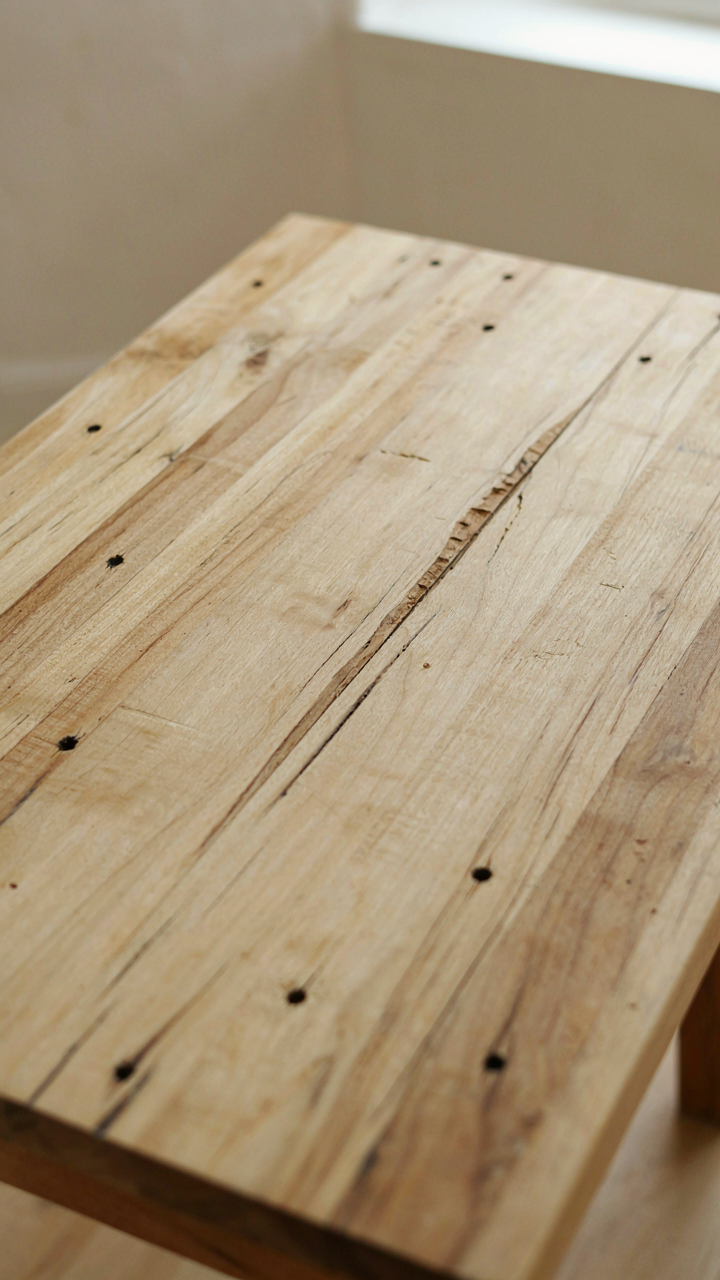
The second issue with conventional furniture is structural honesty. Factory tables hide their joints, stain over grain variation, and prioritize cost reduction over material integrity. Reclaimed wood forces visibility. You see the fasteners. You see where the wood was cut from beams or flooring. You see nails holes and discoloration from age. This transparency reads as authenticity because it is authenticity. Buyers recognize the difference immediately, even if they cannot name it.
The Material Reality Beyond The Marketing
Environmental claims around reclaimed wood are mostly oversold, so strip away the narrative. The actual environmental benefit comes from displacement: using existing material means you displace demand for newly harvested trees. That’s measurable. One reclaimed wood side table prevents roughly one new tree from being cut, processed, and shipped. That matters. But buying a reclaimed piece does not make you an environmentalist. It makes you efficient with resources already extracted.
The secondary benefit is embodied carbon. New wood requires milling, transportation, and manufacturing energy. Reclaimed wood skips those steps. The carbon cost already exists. You are not erasing it, but you are not adding to it either. This is why reclaimed wood performs better environmentally than sustainably harvested new wood in most lifecycle analyses. You inherit the sunk cost rather than creating new ones. Before purchasing, verify the table’s origin. Unknown provenance means unknown processing, which undermines any legitimate environmental calculation.
The Provenance Principle: Tracing Your Reclaimed Wood Side Table Story
What Your Wood Actually Did Before
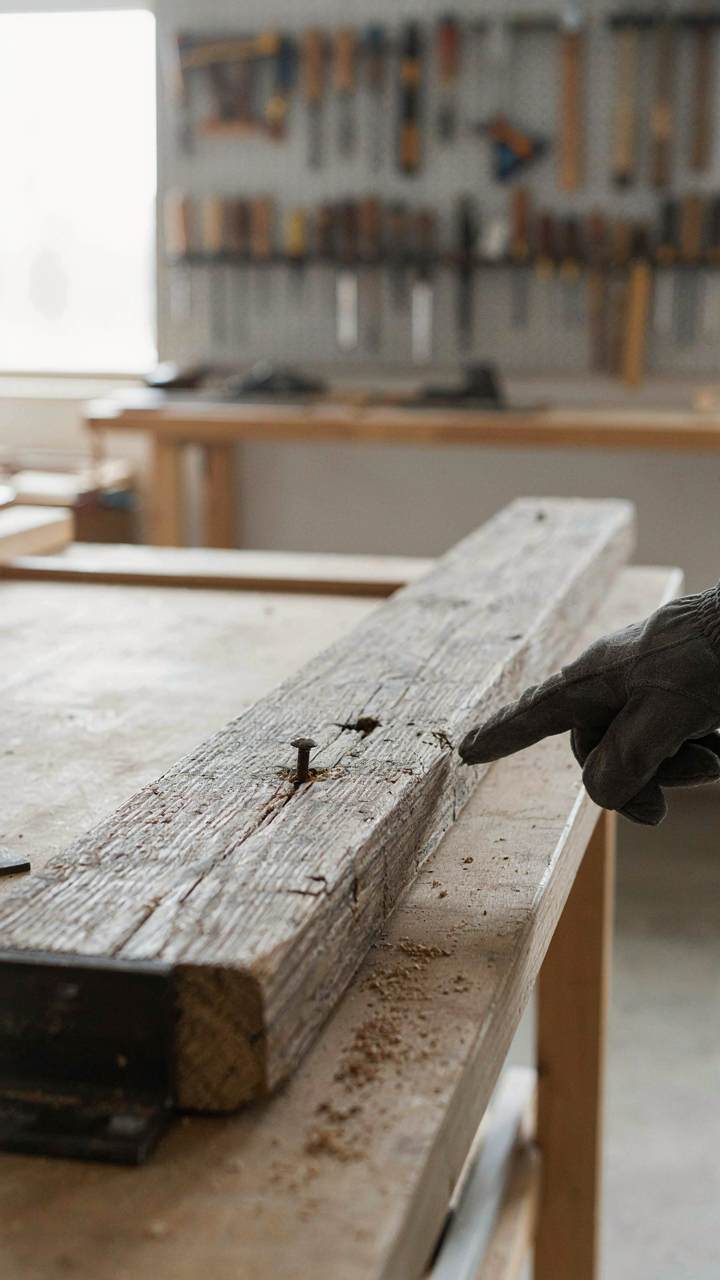
You want the story because it justifies the price tag. Here’s the mechanism: wood carries physical evidence of its previous life, and that evidence determines both durability and authenticity. Reclaimed wood comes from three primary sources: architectural salvage (barns, factories, warehouses), industrial operations (mills, railroad ties), or old furniture. Each source leaves distinct marks. Barn wood shows nail holes, weathering patterns, and tool marks from hand-hewn framing. Factory flooring displays uniform wear from machinery. These marks aren’t aesthetic flourishes they’re data points proving age and actual structural stress the wood survived.

The wood’s previous function directly impacts your side table’s performance. Flooring wood was engineered for compression and foot traffic, making it substantially denser than dimensional lumber used in walls. Reclaimed beams came from load-bearing applications, so they’ll resist warping better than new stock under your lamp’s weight. Barn siding may look rustic but it’s thinner and more prone to cupping if exposed to humidity swings. Understanding which category your table’s wood occupies tells you exactly how it will behave in your living room, not through guesswork but through its construction history.
Documentation Beats Authenticity Claims
Most sourcing claims are incomplete. A seller says “reclaimed barn wood” and stops there. That’s marketing, not verification. Real provenance tracking means getting specifics: which building, what year it was dismantled, what region it came from, and whether it carries certification from salvage networks like the Reclaimed Lumber Consortium or similar organizations. Some dealers photograph wood in situ before removal. Others maintain demolition records. These matter because reclaimed wood prices swing wildly based on perceived origin. Authentic 1890s barn wood costs more than 1970s warehouse flooring, but many sellers can’t or won’t prove the difference.
The verification process is straightforward. Ask for documentation before purchase. Request photos of the wood in its original location if available. Check if the piece carries any certification or third-party assessment. Many reputable reclaimed wood dealers provide detailed sourcing sheets with each table. If a seller won’t provide this information, the table likely contains woods of mixed or unknown origins sold under a generic “reclaimed” label. The wood might still be old, but you’re paying full reclaimed prices for material you can’t actually trace. Demand a written sourcing statement listing the building type, approximate vintage, and geographic origin before finalizing your purchase.
The Imperfection Protocol: Embracing Wabi Sabi In Your Rustic Living Rooms

Cracks And Knots Tell A Story You Can’t Fake
You want a reclaimed wood side table because you believe imperfection signals authenticity and taste. The mechanism is simpler: your eye recognizes damage as evidence of time survived. In wabi-sabi, the Japanese aesthetic framework, entropy becomes the material itself. A crack isn’t a flaw to hide. It’s proof the wood endured decades or centuries before reaching your room.
Knots form where branches fell and the tree sealed the wound. Cracks develop from uneven drying or stress loading over years. Both are structural events captured in grain. When you choose a reclaimed wood side table with visible knots and checks, you’re buying the tree’s actual biography, not a reproduction of one. This distinction matters because it determines whether the piece holds visual weight in a room.
Natural Wear Is Design Language, Not Damage
Most advice treats wear as something to accept grudgingly. Wrong. Wear is the only design element that can’t be replicated by factories. Saw marks, plane marks, nail holes, and surface softening from use read as narrative to anyone paying attention. A reclaimed wood side table bearing these marks performs a communication function: it says the object has been necessary.
The patina layer that develops on aged wood also improves tactilely. Surfaces smooth from handling. Grain becomes more pronounced as softer wood wears faster than dense growth rings. This topography catches light differently than new wood. When you run your hand across a reclaimed piece, you feel the years compressed into millimeters. Use this when selecting: inspect the surface under direct light and touch it. The wear should feel earned, not cosmetically applied.
Barn Beam Bedside Table & The Art Of Structural Integrity
How Load Distribution Actually Matters
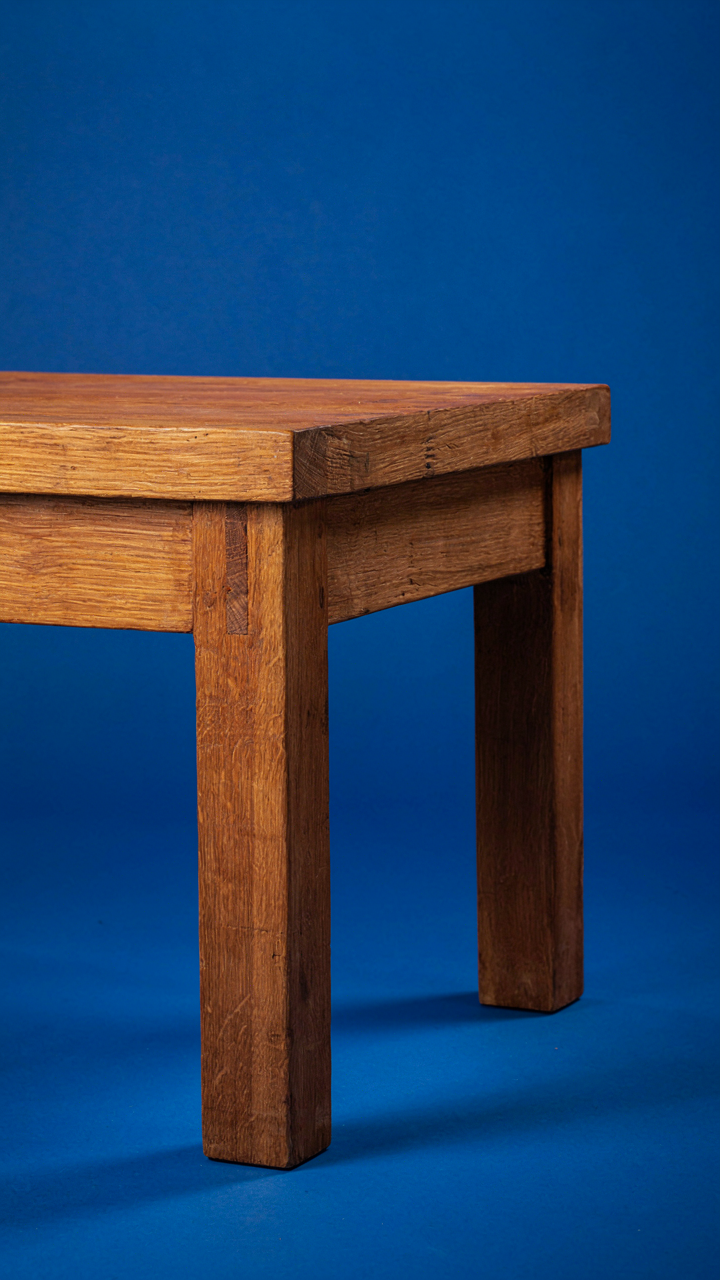
You want a reclaimed wood side table that looks intentional and lasts. That’s not about aesthetics, it’s about not watching your lamp crash to the floor in three years. Engineering uses the concept of load paths to describe how force moves through a structure, and a barn beam table needs to distribute weight evenly from the top surface down through legs to the floor without concentrating stress at weak points.

Most sellers won’t mention this. They’ll show you a beautiful top without explaining why the base fails. A reclaimed beam’s grain runs lengthwise, which means it resists compression along that axis far better than across it. If your legs run parallel to the beam’s grain, they handle vertical loads cleanly. Perpendicular orientation creates stress concentration. The table’s actual durability depends on grain direction alignment, not on how old the wood is.
Mortise And Tenon Holds What Nails Abandon
The common advice says old wood is stronger wood. Wrong. Old wood is drier wood, which makes it brittle and prone to splitting when fastened incorrectly. Mortise and tenon joinery, the technique barn builders used for centuries, works because it uses mechanical interlock rather than fastener tension. The tenon slides into the mortise cavity and wood-to-wood contact distributes force across a large surface area instead of concentrating it at a screw hole.
Reclaimed barn beams already contain stress from their original structure. Nails and screws will fail because they reintroduce the same failure patterns the wood survived before. Mortise and tenon joints, cut properly, account for wood movement. As humidity fluctuates, reclaimed wood expands and contracts, but this joinery method allows controlled shifting. When you buy a barn beam table, verify the joints are cut, not screwed. If the maker won’t tell you, that table won’t make it five years.
Weathered Wood: The Alchemy Of Time On Your Wood End Tables
How Wood Actually Changes Color
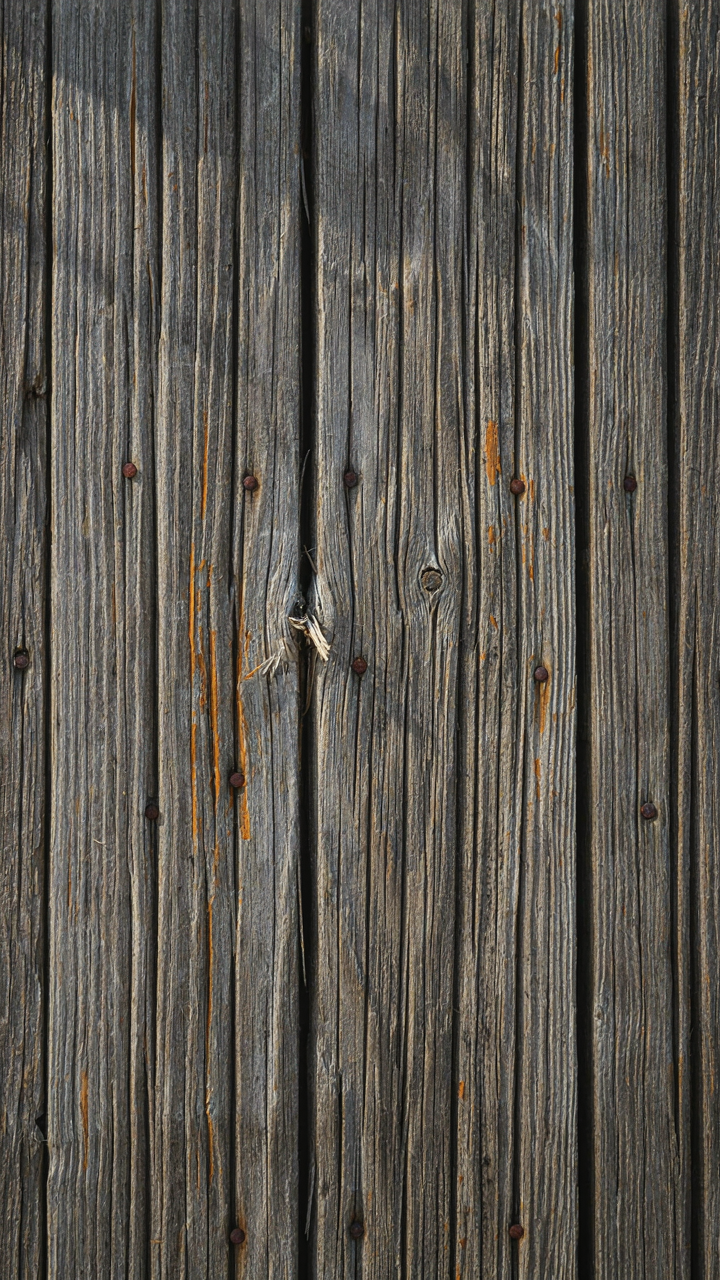
You want weathered wood because it signals authenticity you didn’t have to earn yourself. Here’s what actually happens: wood doesn’t just fade. Oxidation breaks down lignin in the cell walls, the same compound that gives wood its color. UV light accelerates this. The surface becomes chemically altered, not just dirty. Reclaimed wood that spent decades outside has undergone this transformation at the molecular level, which is why new wood stained to look old reads as fake to anyone paying attention.
The graying you see on old barn wood is oxidized lignin plus UV damage creating a hardened outer shell. This shell is structurally different from the wood beneath it. When you sand away that weathered layer, you remove the actual history and reset the clock. The wood loses its claim to age. That’s the trade-off: preserve the surface and keep the visual evidence, or refinish and get a cleaner look but sacrifice the material record of time.
Keeping Weathered Finishes Intact
The standard advice about sealing reclaimed wood misses the point. You don’t seal a weathered surface to protect it from the future. You seal it to stop it from changing further. Once wood reaches a weathered state, continued exposure accelerates deterioration—not just aesthetics, but structural breakdown. A clear matte polyurethane or penetrating oil slows this without darkening the surface and erasing the gray.
- Clear Matte Polyurethane: Two thin coats create a barrier that prevents moisture penetration while maintaining the weathered appearance without adding shine or altering the original color.
- Penetrating Oils: Tung or Danish oil soaks into grain and stabilizes the wood from inside, slowing oxidation without creating a visible surface layer or glossy finish.
- Dust and Debris: Wipe weathered surfaces weekly with a dry microfiber cloth to prevent dust settling into cracks and trapping moisture that accelerates rot.
- Direct Sunlight Exposure: Position reclaimed side tables away from south-facing windows to prevent accelerated fading and continued UV breakdown of the outer layer.
- Humidity Control: Keep indoor humidity between 35 and 55 percent using a dehumidifier or humidifier to prevent wood swelling and shrinking that causes checking and splitting.
The mechanics are straightforward: seal the weathered surface to lock its current state, then manage the environment to slow new degradation. Apply your chosen finish every two to three years depending on use and light exposure in your specific room.
Versatile Table: Beyond The Living Room End Tables Paradigm
When A Side Table Stops Being A Side Table
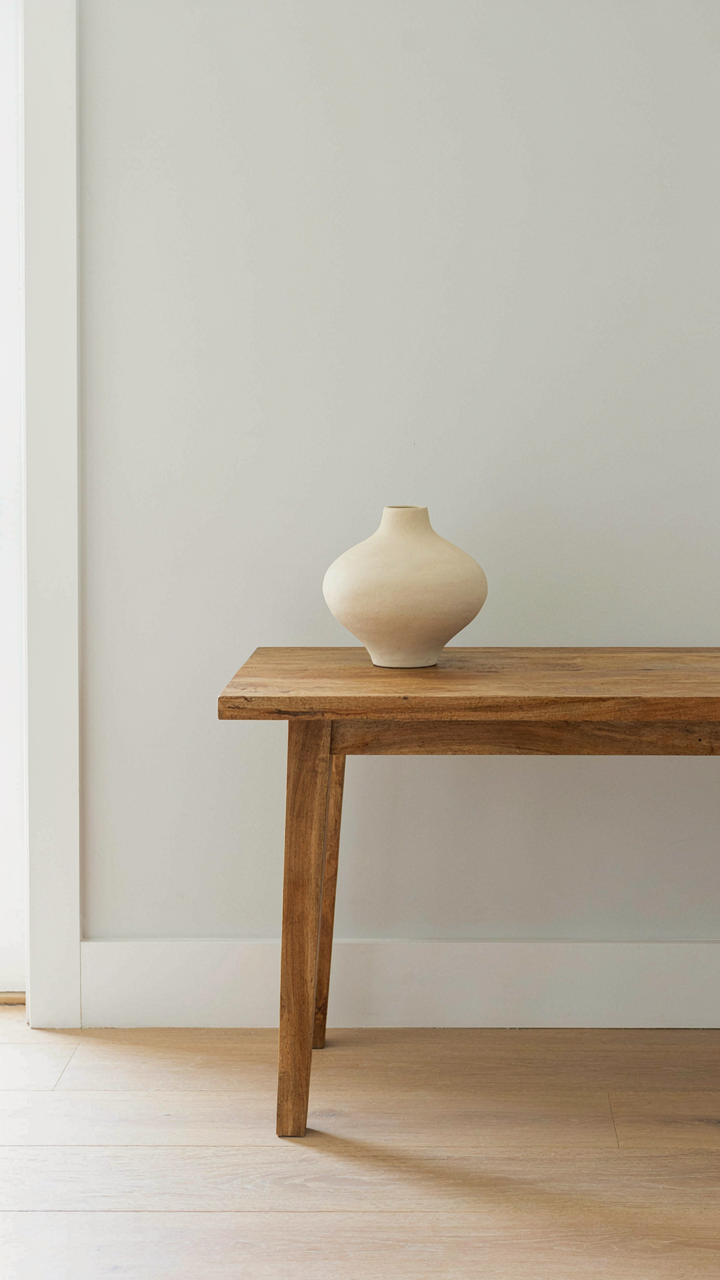
You want permission to buy something that doesn’t fit the rulebook. The real mechanism is this: reclaimed wood side tables work anywhere because their visual weight and material authenticity override functional category. A piece that reads as “side table” in a living room reads as “statement object” in a bedroom, office, or entryway. The wood’s history does the heavy lifting. You’re not bound by the original designer’s intent or the furniture industry’s narrow sorting system.

The practical shift is spatial. Instead of asking “where does a side table go,” ask “where do I need visual anchoring and functional surface.” Reclaimed wood delivers both without apology. Hallways need it. Bedside positions need it. Corners that feel empty need it. The table’s authenticity works because reclaimed materials communicate permanence in a way new furniture cannot.
Designing For Rooms That Change
Architecture from industrial design teaches modularity through constraint: one component system scales across use cases without losing coherence. Apply this to reclaimed wood side tables through matching wood species and keeping hardware consistent across pieces. Buy two or three tables from the same salvage source, or commission a craftsman to replicate dimensions and joinery. When your space evolves, they stack, pair, or separate without visual conflict.
The mechanism is repetition without monotony. A single reclaimed table in one room is decoration. Two matching pieces across different rooms become a design language. Three pieces give you genuine flexibility for future layouts. Move them when you rearrange, sell one if you downsize, or push them together when you need temporary surface area. Consistency in sourcing solves the problem before it starts.
The Scarcity Mindset: Why Authentic Wood Side Tables Demand More
Real Value Sits Between Price And Replacement Cost
You want permission to spend more because it signals taste. Here’s the mechanism: a reclaimed wood side table costs what it does because you cannot replace it once it’s gone. Price reflects scarcity, not craftsmanship alone.

Mass-produced tables drop in value the moment you buy them. Reclaimed wood tables hold or appreciate because the material itself becomes less available over time. A table made from salvaged barn siding from 1920 cannot be remade. The wood source is finite. This is basic economics: supply contracts while demand from designers and homeowners expands.
Betting On Irreplaceability, Not Trends
The common advice says buy reclaimed for authenticity. That misses it. You’re buying irreplaceability as an asset class.
- Declining Source Material: Old-growth timber from deconstructed structures disappears yearly. New supply shrinks while collectors compete for inventory.
- Design Mobility: A unique reclaimed table works across aesthetic shifts. It outlasts the rustic trend itself without looking dated.
- Maker Differentiation: Each table carries the specific choices of one craftsperson. You cannot order this same table twice from different builders.
- Resale Efficiency: Authentic reclaimed pieces move faster on secondhand markets than conventional furniture. Collectors actively seek them.
- Contextual Weight: The table’s history adds narrative value beyond function. Buyers pay for the story embedded in the grain.
When you acquire a reclaimed wood side table, you’re locking in a piece that becomes harder to source, not easier. Check the wood species, verify the salvage origin, and document the table’s age before purchase. This transforms the table from furniture into a positioned asset before you even take it home.
Curating, Not Buying: The Strategy For Coffee And End Tables

The Eye You Actually Need
You want permission to believe your taste is good enough. Here’s the mechanism: most people confuse familiarity with quality. A reclaimed wood side table isn’t valuable because it’s old or because Instagram showed it to you. It’s valuable because it solves a specific problem in your space without pretending to be something else. The wood grain, the joinery, the weight of it—these communicate function, not status.

Developing a discerning eye means learning what to ignore first. Ignore the finish. Ignore the story the seller tells. Look at the wood’s actual condition: Are there structural cracks or surface marks? Does the piece sit flat or wobble? Check the joinery. If it’s mortise and tenon, it’ll outlast dowel construction. Feel the wood density. Denser wood means less warping over time, which matters in climates with humidity swings.
Rejecting The Instagram Shortcut
The common advice says find your style through mood boards and Pinterest collections. That’s how you end up with six reclaimed wood side tables that all look like they came from the same warehouse. Real curation requires friction. You need to visit antique dealers, salvage yards, and estate sales in person. You need to see what doesn’t photograph well and understand why some pieces actually work in living rooms while others just occupy space.
Personal style isn’t discovered—it’s built through elimination. When you walk into a room with twenty reclaimed wood options, your job is to identify what makes you say no. Is it the color too red? The proportions too squat? The price absurd relative to the wood quality? Each rejection teaches you more than each approval. The final piece you choose isn’t the best one in the room. It’s the one that solves your specific problem without making you second-guess the decision six months later.
The True Obstacle: Your Own Unwillingness To See Beyond The Polished Facade. Reclaim Your Taste

You don’t need another reclaimed wood side table idea. You need permission to stop copying what Instagram tells you to like. Stop treating rustic as a checkbox. Walk into a salvage yard today and pick the first piece that makes you uncomfortable. Not because it matches your vision board. Because it doesn’t. The homes people remember aren’t decorated with someone else’s taste—they’re built on the courage to choose what actually moves them.