The Illusion Of Friendly Curb Appeal

What People Actually Want
You want neighbors to notice your house and think you have your life together. Here’s the mechanism: curb appeal isn’t about beauty. It’s status signaling dressed up as landscaping. The moment you plant something at your mailbox, you’re making a claim about competence, taste, and maintenance discipline. Everyone reads it the same way whether they admit it or not.
The problem is that “friendly curb appeal” has become the language people use to hide this transaction. They say they want welcoming aesthetics when they mean they want visible proof of control. A mailbox garden is cheap territory to claim because it’s public, it’s noticed, and it requires ongoing effort. That visibility is the entire point. Strip away the language and you see what’s actually happening: you’re not planting flowers for the flowers’ sake. You’re planting them so someone driving past knows you care about details.
Why Stock Advice Produces Mediocrity
Generic mailbox garden ideas fail because they treat the mailbox as a decorative problem instead of a communication problem. Most guidance tells you to add color, soften edges, create year-round interest. This is lazy. It doesn’t account for the fact that your mailbox garden competes against hundreds of other mailbox gardens in your area using the same plants, same layouts, same tired combinations of petunias and ornamental grasses.
The real issue is that standard advice optimizes for safety instead of signal. A mailbox garden filled with conventional choices reads as “I did what the internet told me.” It broadcasts conformity, not competence. You need plants that are specific to your climate context, that require visible maintenance skill, and that telegraph intention rather than imitation. The difference between a garden that lands and one that disappears is whether it looks chosen or assembled from a template. Your mailbox garden should make someone wonder why you picked those specific plants, not confirm they already knew what you’d pick.
Mailbox Landscaping: The Strategic Neglect Protocol

Plants That Survive Your Absence
You want curb appeal without becoming a slave to watering schedules. The mechanism is simple: pick species with deep root systems and waxy or needle-like leaves that reduce water loss through transpiration. Most people load mailbox gardens with ornamentals bred for constant attention, then blame themselves when the plants die.

Sedums, ornamental grasses, and dwarf conifers work because they’ve evolved in low-water environments. Sedum’s fleshy leaves store moisture. Grasses like blue fescue spread shallow and wide, catching rain before it runs off. Dwarf Alberta spruce tolerates both dry spells and neglect. These aren’t aesthetic compromises. They’re load-bearing choices that separate a mailbox garden from a failed experiment.
Drought And Pests Stop Before They Start
Biology teaches us about niche resilience, and mailbox gardens operate in a hostile niche: exposed sun, reflected heat, compacted soil, and zero ecosystem support. The answer isn’t fighting these conditions. It’s planting species that thrive in them instead.
Sedums, catmint, and Russian sage won’t fail in full sun or thin soil. They also repel most common pests because they lack the tender growth insects prefer. Aphids target new, soft foliage. These plants don’t produce it at the rate a stressed hybrid rose does. Install native species where possible. They’ve adapted to your region’s pests, rainfall, and soil pH over generations. You don’t need pest spray if you stop planting vulnerable things.
Beyond Blooms: The Architectural Mailbox Garden
Structure Over Seasonal Color
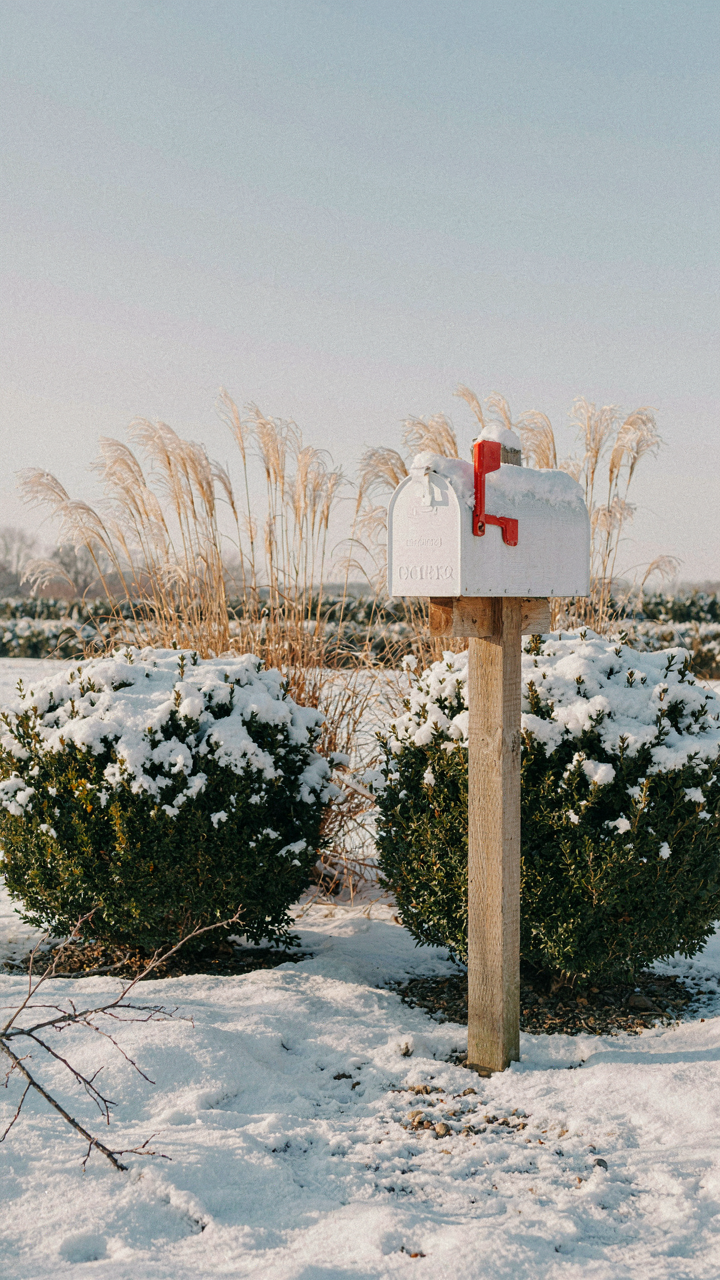
You want people to think you maintain this space year-round, not abandon it after October. That’s the real driver here. The mechanism is simple: flowers die and look worse than nothing. Permanent structure doesn’t. Borrow from landscape architecture’s concept of “bones”—the skeletal framework that holds a design together when everything else is dormant. Your mailbox garden bones are the framework that survives every season without decay or replacement.
Think evergreen shrubs, ornamental grasses with winter presence, and hardened foliage plants. Boxwood, dwarf Alberta spruce, and burgundy-leaved heuchera hold their form and color when annuals blacken. Ornamental grasses like feather reed grass or blue fescue add vertical line and movement without wilting. The goal is a structure that photographs identically in July and February. You’re building something that works when the work stops.
Hardscape As The Anchor
Most mailbox garden advice treats hardscaping as decoration—a nice addition. That’s incomplete. Hardscape is your permanent investment that does the real work while plants fail or require maintenance. Stone edging, gravel, pavers, or decorative rock create visual weight and define the planting zone without needing water, feeding, or seasonal replacement.
Use hardscape to create the perimeter first, then fit plants into that framework. A dry-stacked stone border or steel edging contains the garden and keeps soil from migrating into the lawn during rain. Install a gravel or mulch bed—not as filler, but as the dominant visual element that plants accent. This reversal—hardscape primary, plants secondary—eliminates the need to replace failed specimens constantly and keeps the space disciplined when budget or time runs low.
Mailbox Landscaping Full Sun: Capitalizing On Harsh Realities

Embrace The Heat Advantage
You want your mailbox garden to look intentional, not like you settled for what survives. Full sun exposure is actually your mechanic’s advantage—borrowed from thermodynamics, your planting zone operates on solar gain, meaning plants adapted to intense light convert that energy into aggressive growth and bloom production. Most people treat full sun like a problem to manage. It’s not. It’s a filter that eliminates weak performers and leaves you with species that don’t require babying.

Full sun zones receive six or more hours of direct light daily, often eight to ten in peak season. This intensity kills plant stress responses. Heat-loving perennials like coreopsis, black-eyed Susan, and Russian sage thrive because they’ve evolved to metabolize high radiation without wilting. Annual options like zinnia and marigold bloom harder under stress. Stop planting shade-tolerant species in full sun and wondering why they look depleted. Select plants bred for this exact condition, and your mailbox garden maintains curb presence through summer drought.
Water Systems That Match The Demand
Most mailbox garden owners water on a schedule they invented, not one the soil demands. This wastes time and money.
- Drip irrigation tape: Delivers water directly to soil, reducing evaporation loss by 30-50 percent compared to overhead watering. Attach to a timer for consistent delivery.
- Soaker hoses: Budget-friendly alternative that operates on the same principle as drip tape. Puncture holes allow slow water seepage along the entire planting zone.
- Mulch layer (2-3 inches): Reduces soil temperature and evaporation dramatically. Wood chips or shredded bark create a moisture barrier while moderating root zone heat.
- Soil amendment with compost: Increases water retention capacity in sandy or compacted soils. Work 2-3 inches into the top 8 inches of planting area before installation.
- Morning watering window: Apply water between 6 and 9 AM to minimize evaporative loss from heat and wind. Evening watering promotes fungal issues in humid climates.
The real move is matching system output to plant evapotranspiration rate. Established heat-lovers need less water than you think once their root systems go deep. Test soil moisture two inches below surface before watering—if it feels moist, skip the cycle. Most mailbox gardens fail from overwatering in full sun, not drought. Install your system once and adjust frequency by season, not by guessing.
The Inverse Aesthetics Of Beautiful Mailbox Gardens

Understated Elegance Wins The Block
You want people to notice your mailbox garden without realizing they’re being influenced by it. That’s the real mechanism at work here. Most advice says “add more color” or “fill every inch.” Wrong. The mailbox gardens that actually stop people operate on subtraction, not addition. They prove a design principle: constraint breeds impact. A single specimen plant in proportion with the mailbox structure commands more attention than five struggling competitors fighting for visual real estate.

Restraint signals intentionality. When someone sees a mailbox garden with three carefully selected elements instead of ten, their brain registers deliberate choice rather than effort. This works because visual noise is the default state of most residential streets. You cut through noise by refusing to participate in it. Start with the mailbox itself as your anchor, then add exactly one focal plant, one textural filler, and one ground element. Stop there. Evaluate for two weeks before adding anything else.
Negative Space As Strategic Void
Graphic design borrowed the concept of negative space from fine art, and it applies directly to mailbox garden composition. The empty area around your plants does more work than the plants themselves. Most gardeners hate empty space because it feels incomplete. It isn’t. Empty space creates visual breathing room and forces the eye to focus on what actually matters. A mailbox garden surrounded by mulch or stone void reads as intentional design. The same garden packed tight reads as indecision.
Think of negative space as the frame, not the painting. Your plants occupy maybe 40 percent of the planting area. The remaining 60 percent should be deliberate emptiness, not accidental gaps you’re planning to fill next season. Use mulch, gravel, or decorative stone to define that void as a design choice. This approach also solves maintenance problems you didn’t know you had: fewer plants mean fewer things to water inconsistently, fewer pests, fewer dead zones that make the whole display look neglected halfway through summer.
Mailbox Plants: Cultivating Scarcity, Not Abundance
Choose Plants With Structural Purpose
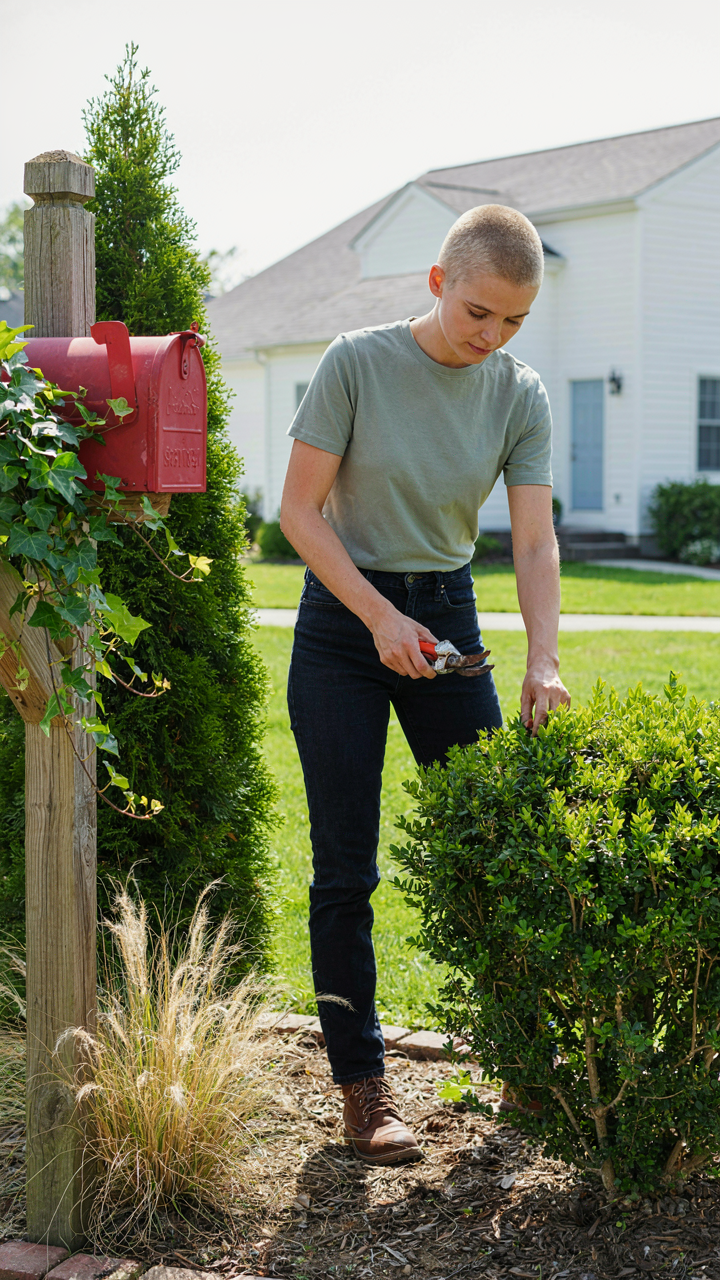
You want your mailbox garden to signal taste to neighbors. That’s not shallow—it’s how humans read competence. The real mechanism is this: stop treating your mailbox planting like a flower bed. Treat it like a composition. Each plant occupies space and performs a function. Ornamental grasses anchor the base and move in wind, creating perceived depth. A single evergreen shrub provides winter structure when blooms die. Trailing ivy or creeping jenny softens edges without sprawl. The plants work together or not at all—there’s no margin for filler.

Most mailbox gardens fail because people plant for bloom season only, then accept bare stems and brown foliage for eight months. That’s visual debt. Choose species that earn their spot year-round through form, texture, or persistent color. Boxwood, dwarf Alberta spruce, and sedge grasses hold shape in winter. Hellebores and winter jasmine flower when nothing else does. One strong vertical, one trailing element, one textural filler—that’s the architecture. Everything else is excess.
Prune For Structure Before Bloom
Competitive exclusion is a biology term: when one organism crowds out another for resources. Apply it directly to your mailbox garden. Let your plants compete for light and nutrients by cutting back overgrowth. You don’t prune to make flowers happen—that’s backwards thinking. You prune to redirect energy into strong branch structure so the plant survives weather, disease, and neglect. A boxwood pruned hard in early spring branches lower and denser. A creeping jenny cut back by half spreads wider and fills gaps faster. Weak, leggy growth is what kills mailbox gardens in their second year.
The standard advice says “deadhead spent blooms for more flowers.” Partially true. But if your structure is weak, more flowers just mean more branches breaking in wind or snow. Prune in late winter or early spring before growth explodes. Remove crossing branches, thin the interior canopy, and cut back last year’s growth by a third. This forces the plant to branch laterally and build a stronger skeleton. Hard pruning looks aggressive. It is. Do it anyway. The payoff is a mailbox garden that looks intentional in July and doesn’t collapse in November.
Garden Mailbox Ideas: The Unconventional Material Imperative

Reclaimed Materials Build Immediate Credibility
You want people to know you didn’t buy this off a big box store shelf. That’s the real driver here. Material choice signals whether you made a decision or just defaulted. In design, this maps to the economics principle of signaling: you’re paying a real cost (time, sourcing effort, slight imperfection) to communicate taste.
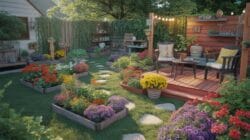
Reclaimed wood, salvaged metal, and native stone work because they carry history. A mailbox surround built from old barn wood or weathered brick tells a specific story your neighborhood recognizes. These materials age visibly and consistently with your local environment. Start by visiting local salvage yards or architectural reclamation centers before ordering anything new online.
The Mass Production Trap
Most garden mailbox advice pushes you toward pre-made planters and standardized decor pieces. That’s wrong. These products fail because they’re designed for maximum retail profit, not for lasting visual impact or structural integrity. They fade, crack, and look identical to twelve other yards on your block.
The alternative isn’t expensive. It’s deliberate. Use local stone, reclaimed fence boards, or salvaged cast iron hardware. Visit quarries or construction sites with permission to source authentic materials. Assemble these pieces yourself or with a contractor who understands your local building vernacular. The mailbox garden becomes part of your home’s material vocabulary, not a decorator accent.
Garden Mailbox Decor: The “Anti Fuss” Philosophy

Let Structure Speak For Itself
You want people to notice your mailbox garden because it signals you have taste and restraint—not because you’re desperately signaling anything at all. This is the core tension. Decor works like signal-to-noise ratio in engineering: every element either clarifies your design or muddies it. Most people add decoration because they feel the mailbox looks bare. That feeling is the problem, not the solution.
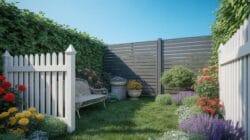
The mechanism is subtraction, not addition. A well-designed mailbox with clean lines, appropriate proportion to your home, and quality materials needs almost nothing else. Plants around it—trailing ivy, boxwood, compact perennials in your home’s existing color palette—these do the work. Ornamental hooks, miniature signs, or painted details should reinforce the mailbox’s existing character, not compete with it. If you’re tempted to add something, ask whether it echoes the material or style already present. If it doesn’t, it’s decoration masquerading as design.
Permanence Over Trends
The common advice here is dead wrong: seasonal swaps keep things “fresh” and “engaging.” In reality, they create visual noise and train your eye to expect chaos. Your mailbox sits at the property line year-round. It should have a static identity that works in all weather and all seasons without replacement cycles.
This means choosing plants that hold structure through winter and require no swapping. Evergreen shrubs, ornamental grasses that fade gracefully, perennials that leave seed heads standing—these create a coherent visual statement across all four seasons. Painted finishes should be durable exterior paint, not seasonal crafts. Hardware should be stainless or powder-coated, not trends from Pinterest. The discipline is in committing to one approach and maintaining it, rather than chasing novelty. Maintenance becomes a protocol of regular watering, deadheading, and repaint when coating actually fails, not constant redesign.
Mailbox Garden Ideas Full Sun: The “Survival Of The Fittest” Method

Plants That Actually Survive Heat And Drought
You want this to look intentional, not neglected. Here’s what matters: full sun exposure means six or more hours of direct sunlight daily, and most plants can’t handle the temperature swings, soil desiccation, and reflected heat that comes with a mailbox location. The mechanism is simple. Intense UV radiation and heat stress force plants into survival mode. Only species with specific physiological adaptations—waxy leaves, deep roots, or succulent tissue—maintain structure without constant water input. You’re not choosing plants for beauty. You’re choosing for resilience.

Sedums and sempervivums handle extreme conditions because they store water in their leaves. Russian sage, catmint, and lavender thrive because their root systems run deep and their foliage resists moisture loss. Ornamental grasses like feather reed grass and blue fescue tolerate heat because they evolved in open, exposed environments. Black-eyed Susan and coreopsis flower reliably in full sun without supplemental watering once established. These aren’t compromise choices. They’re the only rational options for a mailbox garden in direct sun.
Hardscape And Spacing For Zero Maintenance
Most mailbox garden advice treats drought plants like they still need the same spacing as shade perennials. Wrong. In full sun with minimal water, your real constraint is root competition and soil depletion, not overcrowding. Think of it like resource scarcity in a closed system. When plants compete for the same shallow soil volume under intense heat, the weakest starve first. Space them wider than you think necessary, then add hardscape to fill the gap. Mulch, gravel, or stone serve as a thermal buffer and water retention layer while eliminating the urge to fill empty space with more plants.
- Stone mulch or pea gravel: Reflects heat, reduces soil temperature fluctuations, and maintains moisture longer than bare soil without rotting plant crowns like organic mulch can in extreme heat.
- Spacing at 18-24 inches apart: Prevents root zone overlap and allows air circulation, critical for preventing fungal issues in plants already stressed by heat exposure.
- Soil amendment with coarse sand: Improves drainage in clay-heavy soils and prevents waterlogging after rare heavy rains that can shock drought-adapted plants.
- Edging with stone or metal: Contains mulch, defines the bed boundary, and eliminates maintenance creep where lawn encroaches into planting areas.
- Zero-drip irrigation or soaker lines: Delivers water at the base during establishment only, eliminating the guesswork of hand watering while preventing foliage diseases from overhead spray.
Your job is to install the hardscape correctly at the start, then stop touching it. The garden fails when you treat it like it needs adjustment. Once established, full-sun mailbox gardens require only annual deadheading and minimal weeding because the harsh conditions work for you, not against you. Set the framework in spring, water during the first four weeks, then let competition and heat stress do the filtering.
The Unseen Value: How Your Mailbox Garden Signals Intent
What People Actually Read In Your Choices
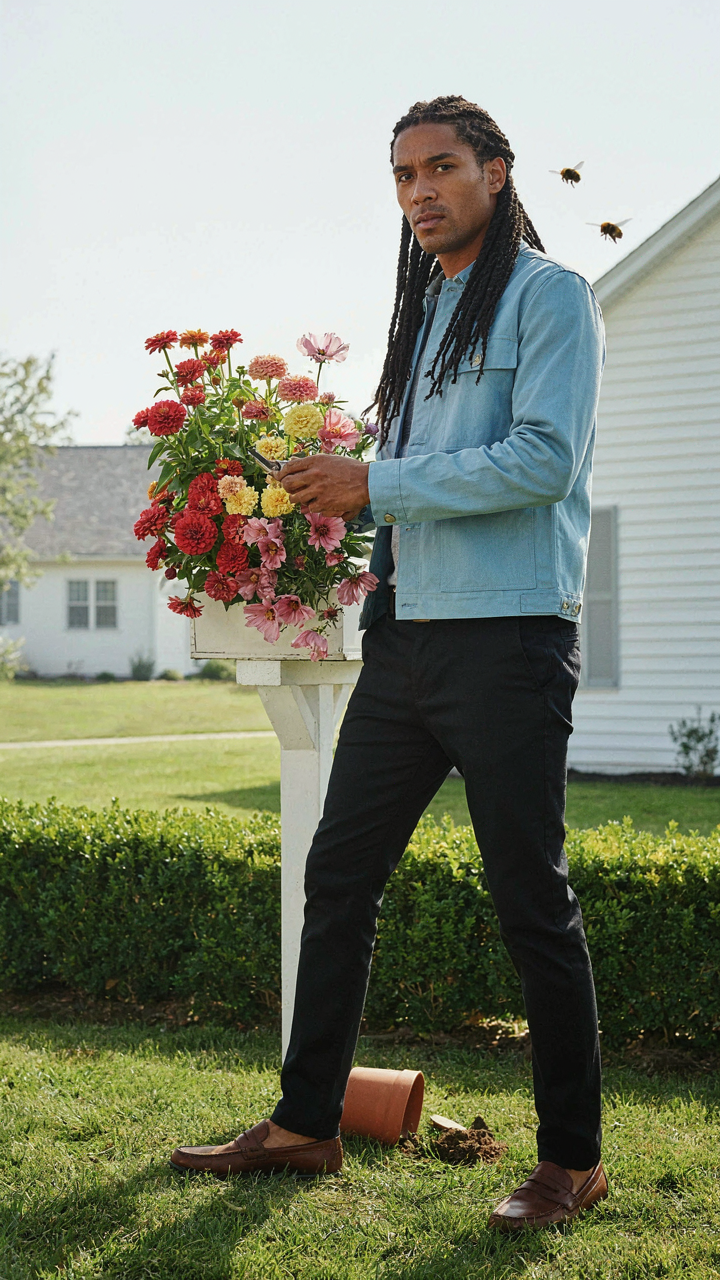
You care about this because you sense that people judge you before they meet you. They do. A mailbox garden works because it telegraphs discipline and forward planning to anyone passing your property. This isn’t about vanity—it’s signal theory applied to landscaping. In economics, signaling means revealing information about yourself through costly actions. Your mailbox garden costs time and maintenance. That cost makes it credible. A neglected mailbox says you don’t plan ahead. A planted one says you do.
The specific plants you choose narrow that signal further. Seasonal rotations reveal someone who tracks calendars and adjusts strategy. Year-round evergreens suggest consistency. Native plantings indicate you’ve researched local conditions instead of copying a magazine. These aren’t small tells. A neighbor notices them. A potential buyer definitely notices them. The garden operates as proof of character traits that matter in a neighborhood: reliability, taste, and the willingness to maintain standards.
The Real Message Beneath The Flowers
Everyone says a mailbox garden improves curb appeal. That’s incomplete. What it actually does is communicate that you occupy your own space intentionally. Most people coast through their property. They don’t think about the frame their mailbox sits inside. You did. That difference compounds because observers subconsciously register intentionality. It reads as competence in other domains too. The mailbox garden becomes shorthand for “this person has standards.”
This works in the inverse as well. An unkempt mailbox planter signals the opposite: absenteeism, indifference, or lack of resources. Buyers and neighbors calibrate their expectations accordingly. The mailbox garden isn’t decorative noise. It’s a specific claim about how you move through the world, and you reinforce or undermine it every single day through maintenance. The plants either stay pruned or they don’t. That choice compounds into reputation.
The Real Obstacle Isn’t Your Soil; It’s Your Scarcity Mindset
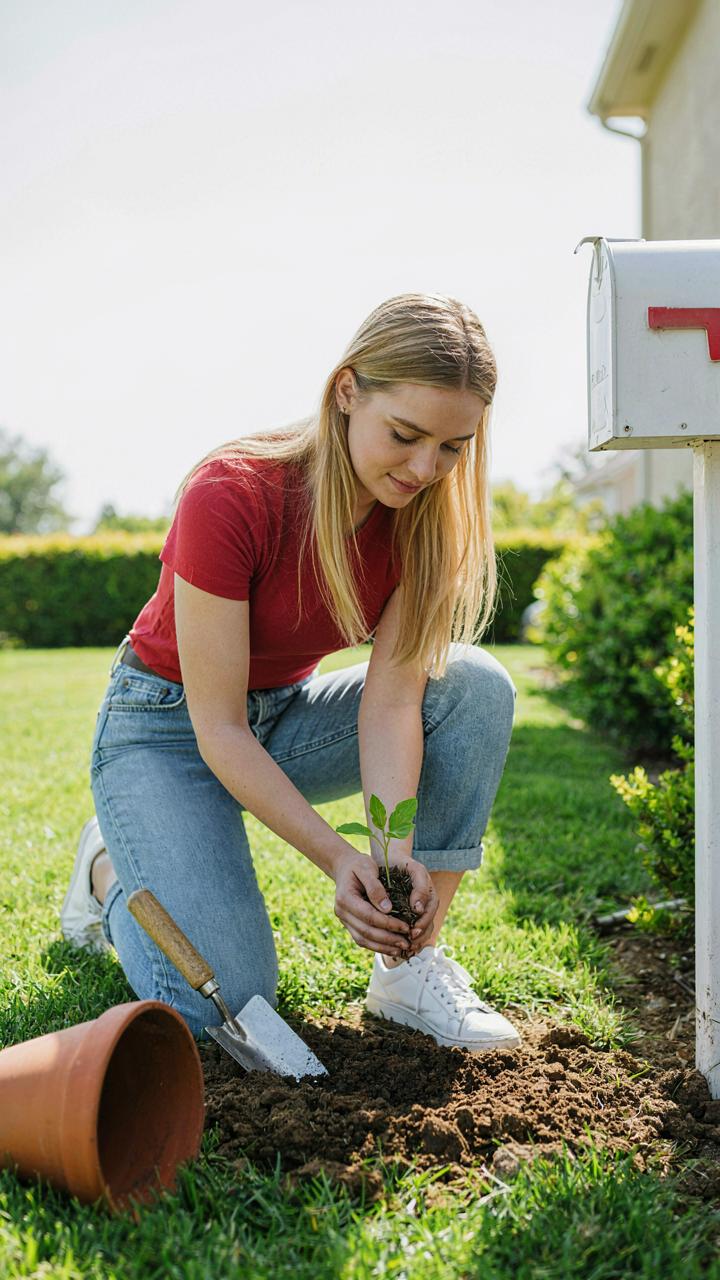
Most people never plant a mailbox garden because they convince themselves they lack time, money, or space. This is a lie you tell yourself to avoid the uncomfortable work of starting. You have the same 24 hours as someone with a thriving mailbox garden. You have access to the same seeds and soil. The difference? They acted. Pick one plant today. Buy it. Put it in the ground by sunset. Stop waiting for perfect conditions because they never arrive.