The Root Conflict: Why Most Landscaping Fails

Shallow Roots Versus Deep Roots
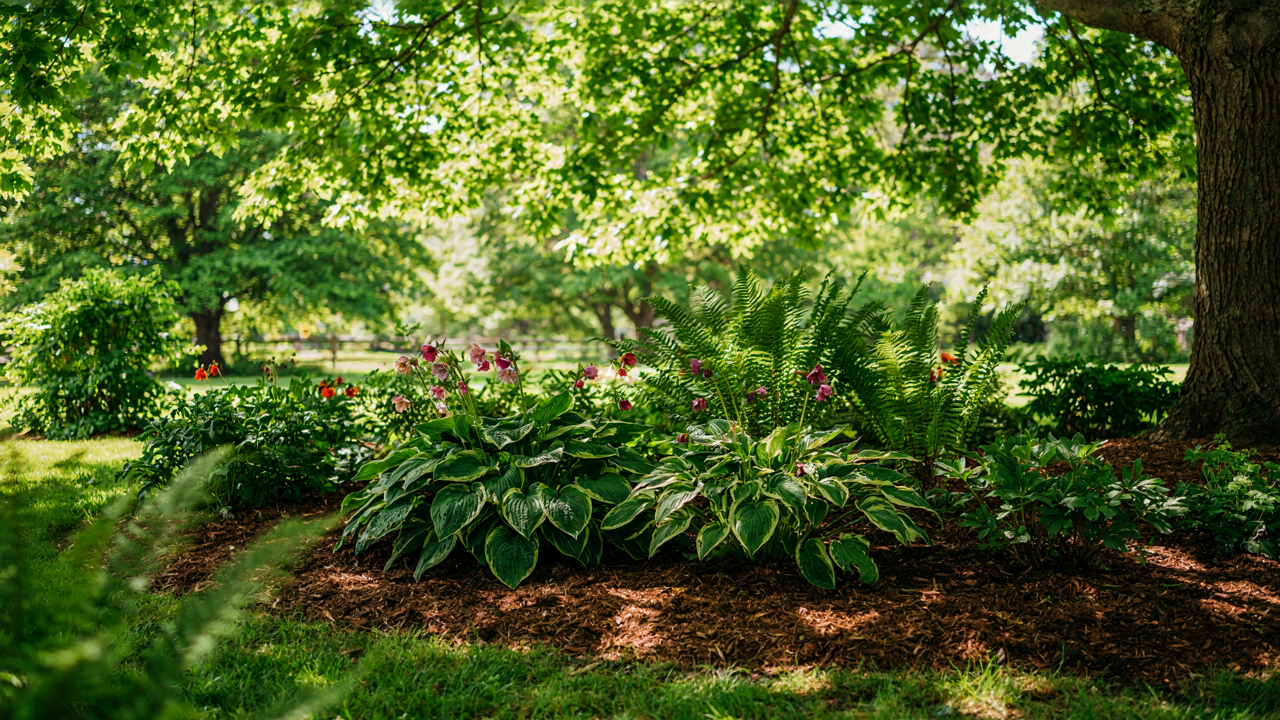
You want the space around your tree to look intentional, not like you gave up. Here’s what actually kills most landscape designs: people plant shallow-rooted understory plants directly against trees with deep root systems, then act shocked when nothing thrives. The mechanism is biological competition. A shallow-rooted plant like a hosta competes for moisture in the top six inches of soil where a mature oak’s feeder roots also operate. Both plants send roots to the same real estate. One loses.
Deep-rooted trees like oaks, maples, and hickories draw water from twelve inches down and beyond. Shallow-rooted groundcovers like pachysandra, creeping phlox, and liriope occupy the surface layer. These two root zones barely overlap if you space plants correctly and choose the right species. The shallow-rooted plants get what they need from above. The tree roots operate below. This is not intuitive because it’s invisible, but it’s the entire mechanism that separates failed landscapes from functional ones.
Cooperation Over Conflict
Everyone says “choose shade-tolerant plants.” That advice is incomplete and misses the real lever. Shade tolerance means a plant survives with less light, but it tells you nothing about root depth or water demand. Symbiosis in landscaping means selecting plants whose root systems operate at different soil depths while their canopies avoid shading each other’s critical growing season. Cooperation beats shade tolerance every time. A plant can tolerate shade and still starve because a tree’s roots consumed all available moisture at its root depth.
The protocol is simple: plant shallow-rooted species within three feet of the tree trunk and deep-rooted species further out. Ferns, hostas, and sedges have fibrous root systems that stay in the top eight inches. Deeper mulch coverage also matters because it insulates the shallow soil zone from the tree’s surface root competition. When you establish this vertical root separation at installation, the landscape doesn’t require constant intervention. The system works because each plant occupies its own resource zone instead of fighting for the same one.
The Tree First Protocol: Designing Around Trees
Read The Tree Before You Plant Anything
You want your landscape to look intentional, not like you’re desperately filling gaps. The real mechanism here comes from arboriculture: trees operate on a biological timeline that doesn’t care about your design preferences. A ten year old oak and a two year old maple demand completely different approaches to what grows beneath them.
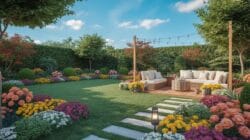
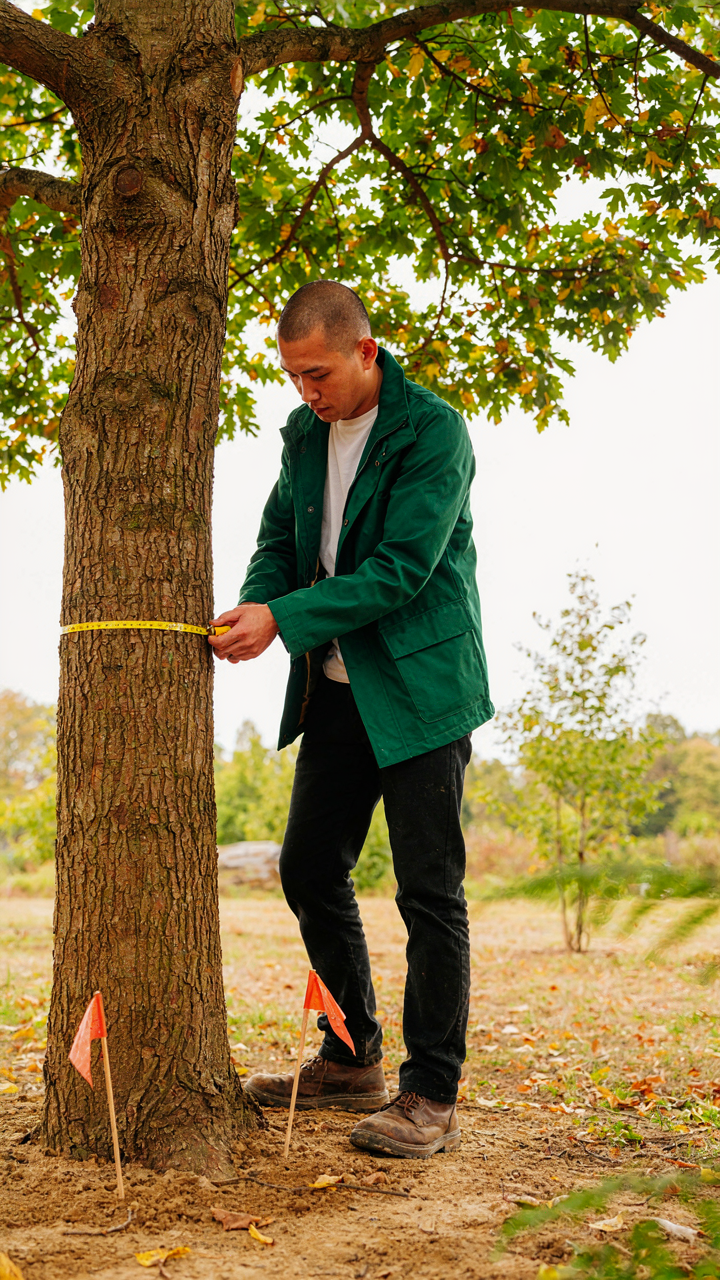
Start by identifying three things about your existing tree. Species determines shade density, root aggression, and growth trajectory. Age tells you whether the tree is still expanding its canopy or already mature. Health status matters because a declining tree changes what you can plant nearby and how long your design stays viable. This isn’t decoration work. This is assessment work.
The Root Zone Is Off Limits
The common advice about mulch rings and “keep digging away from the tree” is incomplete. Arboriculture calls this the critical root radius: the zone where a tree moves water and nutrients with the most intensity. You don’t landscape inside it. You design around its perimeter.
Most trees need a no dig zone extending at least as far as the canopy drip line, sometimes further. That’s where the feeder roots operate. Digging, compacting soil, or planting aggressive plants there kills the tree slowly. You see it five years later when the canopy thins. The damage happened years before. Establish your no dig zone first, mark it physically on site, and build your planting plan entirely outside that boundary.
Uncommon Sense For Shade Plants

Beyond Hostas: Unique, Resilient Shade Species
You want shade plants because you think they solve a problem you don’t have to think about. The mechanism is different: most people plant hostas because they’re sold as foolproof, which makes them invisible to landscape design. They disappear into the background exactly because they’re reliable.
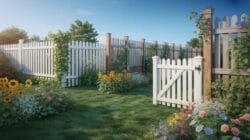
The real move is selecting species that perform the same structural function—fill space, stabilize soil, reduce weeds—while adding actual visual weight to the composition. Epimedium, hellebores, and Japanese forest grass handle deep shade without the generic sameness. Foamflower offers texture and spreads predictably. These plants work harder for the design because they force you to think about placement, not just survival.
Local Sourcing: Matching Plants To Microclimates
Ecology teaches us about niche theory: organisms thrive in specific environmental conditions where they face minimal competition. A shade microclimate isn’t just “shaded.” It’s the intersection of light angle, soil moisture, air drainage, and proximity to tree root systems. Most landscapers ignore these variables and plant the same species everywhere.
Walk the site at different hours and different seasons. Measure how long direct sun hits each zone. Check soil moisture by digging six inches down. Notice where water pools or runs off. A north-facing slope near a large tree trunk creates drastically different conditions than a south-facing slope two feet away from the tree. Source plants from local nurseries that grew them in similar conditions, not from wholesale operations shipping across climate zones. This prevents the hidden cost: replacing plants that technically survive but never thrive.
The Soil Regeneration Loop: Not Just Dirt

Mycorrhizal Fungi: The Underground Network
You want your shade plants to thrive without constant intervention, which means you need to stop thinking of soil as inert substrate. Mycorrhizal fungi operate like a biological supply chain: tree roots form partnerships with fungal networks that extend their reach far beyond what roots alone can access. The fungi trade carbohydrates from the tree for minerals and water the fungi extract from soil particles the roots cannot reach.

This isn’t new biology dressed up for marketing. Foresters and soil scientists have documented these relationships for decades. When you landscape around trees, you either support or destroy these networks with every choice you make. Tillage, compaction, and bare soil kill fungal colonies. Shade plants sitting on undisturbed, mulched soil activate them.
Forest Floor Regeneration Without Disturbance
The common advice is wrong: amending soil around trees with compost and fertilizer often weakens the system you’re trying to build. You do not need to dig, mix, or restructure. You need to mimic what happens on a forest floor where nothing is tilled and organic matter accumulates on top.
- Leave leaf litter in place: Decaying leaves feed soil organisms directly and create conditions for fungal growth. Remove it and you strip the energy source that powers the underground system.
- Add mulch without incorporation: Lay 2 to 3 inches of wood chips or shredded bark on soil surface. Do not mix it in. Let it break down from the top down as fungi colonize it.
- Plant shade tolerant species close to tree base: Plants like hellebores, heuchera, and sedges establish quickly on undisturbed soil with fungal networks already present, reducing establishment stress significantly.
- Avoid fungicide and broad spectrum pesticides: These kill mycorrhizal partners and collapse the nutrient pipeline you just built. If pest pressure exists, address it without broad toxins.
- Stop watering once plants establish: Established shade plants under trees rarely need supplemental water once fungal networks mature and access deeper soil moisture independently.
The protocol is simple: add mulch to the surface, plant into that mulch, and let the biological system stabilize for one growing season before expecting full performance.
Water Dynamics: Precision, Not Saturation
The Shade Advantage Under Tree Canopy
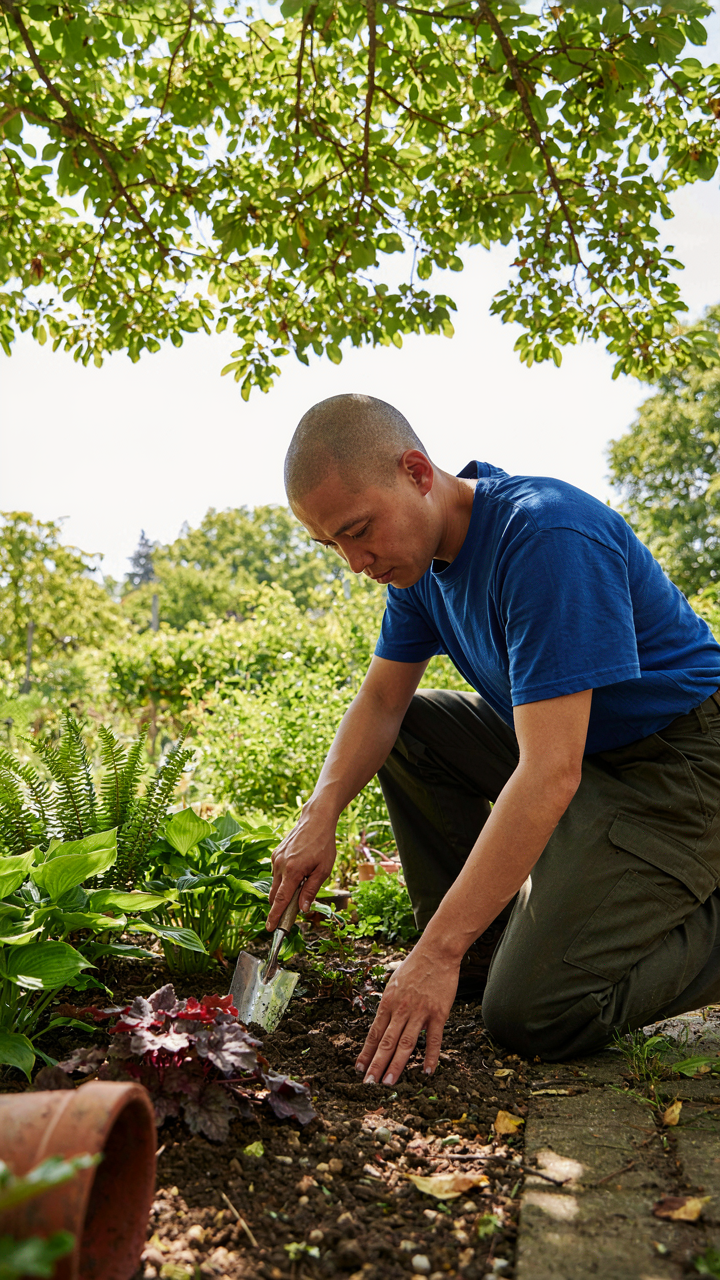
You want shade plants because you think they’ll solve your watering problem. They won’t, unless you stop treating shade like a free pass to neglect. Xeriscaping isn’t about using less water—it’s about matching water input to what the soil actually drains and plants actually need. Shade fundamentally changes soil hydrology. Less evaporation means moisture persists longer in the root zone. Shade plants evolved shallow root systems because they compete for moisture in dense canopy environments, not because they’re drought-proof. Plant shade understory species at soil depth matching their native forest floor position, typically two to four inches down.

The real trap: overwatering shade plantings because you assume drought conditions. Shade soil stays saturated longer than sun soil at identical moisture levels. Root rot accelerates in shade where airflow is restricted and decomposition slows. Adjust frequency, not volume. Check soil moisture before watering—shade plants need it only when the top two inches dry out completely. This precision beats any generic watering schedule and prevents the fungal diseases that actually kill shade plantings.
Slope And Canopy: Redirecting Where Water Goes
Hydrology in landscaping works like drainage in civil engineering: gravity moves water downslope, and obstacles redirect flow. Tree canopies act as barriers. Rain hits leaves, drips off branch tips, and concentrates runoff in specific zones rather than distributing it evenly. This creates dry pockets under dense canopy interiors and saturated zones at the drip line perimeter. Most guidance ignores this pattern entirely, then wonders why shade plants die in some spots and rot in others.
Map your tree’s drip line before planting. Position drought-tolerant shade species (sedges, hellebores, epimedium) in the drier interior zone where canopy blocks most moisture. Place moisture-loving species (hostas, astilbe, helleborus argutifolius) at the perimeter where concentrated runoff collects. If slope exists, dig a shallow swale across the downslope side to break up runoff momentum and allow infiltration rather than pooling. This single protocol prevents both drought stress and waterlogging in the same bed.
Choosing Trees For Landscaping: The Inverse Method

Pick Your Tree By Its Shadow, Not Its Name
You want the tree that looks good in the nursery pot. That’s why this matters to you. But a sapling tells you almost nothing about what you’re actually planting. The mechanism is simple: tree canopy expands predictably based on species maturity, and that canopy determines everything downstream—soil moisture, light availability, root competition, and what can survive underneath.

A twenty-foot-tall oak at purchase will eventually occupy forty feet of horizontal space. That’s not poetry. That’s physics. Most landscapers spec trees based on height alone, then panic when the canopy chokes out everything planted nearby. You need to reverse-engineer from the mature form: decide what you need shaded, measure that footprint, then select the tree whose canopy matches that zone precisely. Check the USDA hardiness zone and your region’s native growing conditions, then cross-reference mature spread against your site dimensions before soil ever moves.
Native Integration Over Exotic Status
The ecosystem argument isn’t environmental preaching, it’s a supply chain problem. Native trees evolved to thrive in your exact soil, water table, and pest load. Exotic species arrive without their natural predators and soil fungi, which means you maintain them artificially forever. The difference maps onto economics: native trees operate at lower maintenance cost because the system already knows how to support them.
This doesn’t mean never plant exotics. It means understand the cost. A Kousa dogwood in a northern climate needs supplemental irrigation and fungicide vigilance that a native Eastern dogwood doesn’t. If your client demands visual distinctiveness and accepts higher input, fine. Document that decision in writing. If you’re building a system that performs without constant intervention, prioritize native species adapted to your hardiness zone and soil pH. Run a soil test before selecting any tree to confirm pH compatibility with your first choice.
The Minimalist’s Toolkit: DIY Tree Landscaping
Leverage Over Muscle
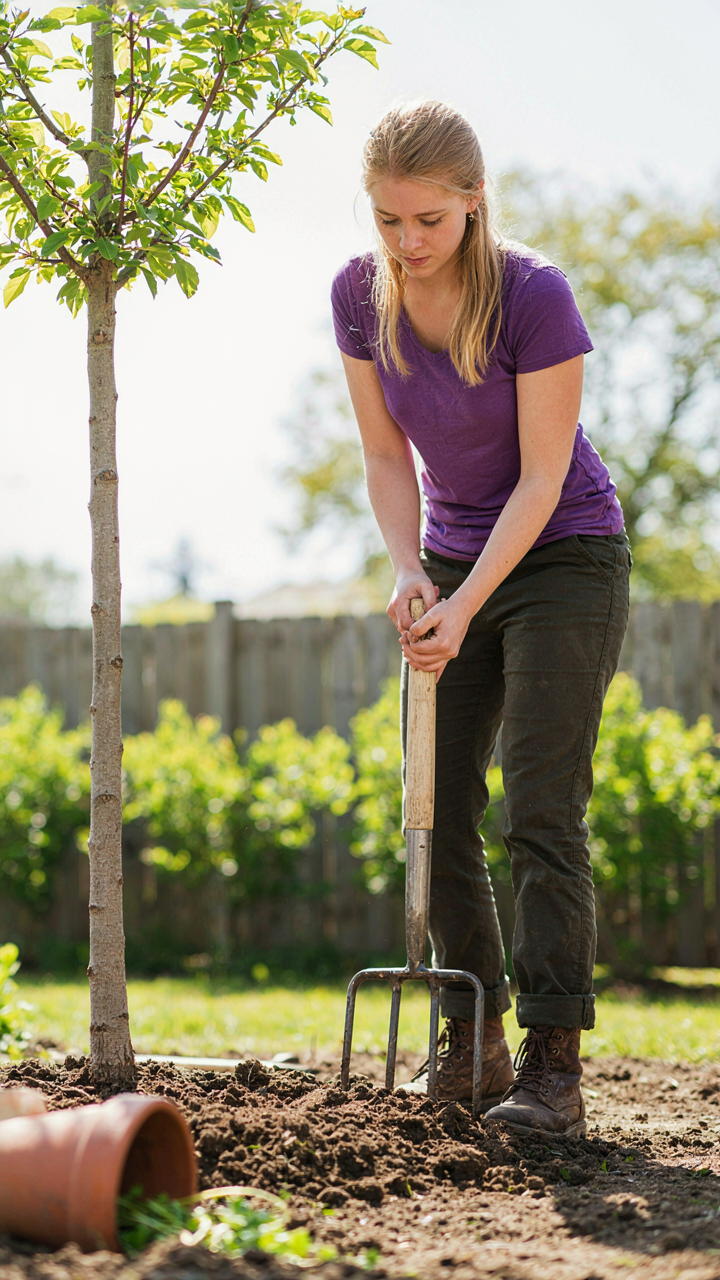
You want to do this yourself because hiring someone costs money and admitting you need help feels like failure. Physics solves this problem. In engineering, leverage is the ratio of output force to input force. In tree landscaping, a broadfork operates on the same principle: you move soil without moving your back. The tool has two handles and multiple tines. You step on the crossbar, rock it backward, and the soil fractures and loosens. You’ve traded repetitive digging for mechanical advantage. The broadfork works specifically around trees because it separates compacted soil without severing roots or requiring the excavation depth of a spade.
Most people buy a shovel and dig. That’s wrong. Digging creates a hole and compacts the walls further. A broadfork breaks the soil in place, improving drainage and root penetration without the disruption. Insert the tines roughly six inches from the tree trunk and work outward in concentric passes. You’ll feel when the soil stops resisting. That’s your signal the bed is ready for planting. The work takes two hours for a mature tree instead of a half day of backbreaking labor. Leverage doesn’t reduce effort. It redirects it.
Hand Tools, Not Horsepower
Heavy machinery around trees kills them. A compact excavator or rototiller compacts soil deeper than it loosens it, and the vibration damages roots you can’t see. Contractors use these tools because they move fast and bill by the hour. That math doesn’t apply to you. Hand tools move slower but they preserve what matters. A mattock breaks hardpan. A grubbing hoe removes small roots and weeds without uprooting the tree. A spading fork lifts and separates soil clumps. A hori-hori knife handles detail work around the root collar.
The protocol is simple: start with the broadfork, then move to specific hand tools for the spots the broadfork missed. A sharp mattock and a grubbing hoe cover ninety percent of DIY scenarios. You spend seventy dollars total instead of renting equipment you might damage. The work demands attention instead of physical exhaustion. Work in sections, complete one area fully before moving to the next, and finish one tree before starting another. This prevents the scattered, half-finished look that makes landscaping feel abandoned.
Inexpensive Ways To Landscape Around Trees

Start Plants From Cuttings And Seeds
You want cheap landscaping because you’re broke, and that’s fine. But the real mechanism is this: propagation removes the retail markup entirely. You’re not buying a finished product from a nursery. You’re harvesting genetic material from existing plants and forcing it to duplicate. It’s not magic. It’s biology with patience.
- Softwood cuttings: Take green stem sections in spring or early summer from shade plants like hostas or ferns. Root them in perlite or sand under humidity. Takes 2-4 weeks for roots to develop before transplanting near trees.
- Hardwood cuttings: Cut dormant woody stems in late fall or winter from shrubs like boxwood. Store in moist sand indoors over winter. Plant outdoors in spring when roots form. Slower but higher success rate.
- Seed collection: Gather seeds directly from established shade plants in your area. Species vary widely in germination needs. Some require cold stratification, others need scarification. Research the specific plant before attempting.
- Division: Split mature perennials or groundcovers like liriope into smaller sections with roots attached. Divide in early spring or fall. This is the fastest propagation method and requires no special equipment.
- Leaf propagation: Certain succulents and shade tolerant plants like begonias root from single leaves. Press into soil in high humidity. Results are slow but nearly free material for dense underplanting.
The advantage is speed to scale. A single hosta produces dozens of cuttings yearly. Within three years you have enough material to densify an entire tree understory. You’re not waiting on sales or inventory. You control the timeline and the cost per plant drops to pennies.
Recycled Materials Beat New Mulch Costs
Most people think mulch is just mulch. Wrong. The mechanism comes from soil science: organic matter breaks down and feeds the soil biology that keeps shade plants alive. But you don’t need bagged mulch from a garden center to trigger this process.
Shredded hardwood from tree removal services, cardboard boxes from packaging, grass clippings from unmowed areas, and aged wood chips from municipal programs all decompose and improve soil structure around trees. The key is sourcing materials already destined for landfills. Call local arborists, landscaping crews, or waste management services. They often deliver bulk material free or cheap just to avoid disposal fees. Lay cardboard first to suppress weeds, then top with organic chips. The cardboard becomes soil over one growing season while the chips suppress competition and retain moisture.
The protocol is simple: source before you buy, layer cardboard first, apply chips three to four inches deep, keep material away from the tree trunk by six inches. Do this once per year in fall. After three years your soil will hold moisture better and shade plants will establish with less supplemental watering.
Long Term Resilience: Beyond The First Season
Watch What Actually Happens
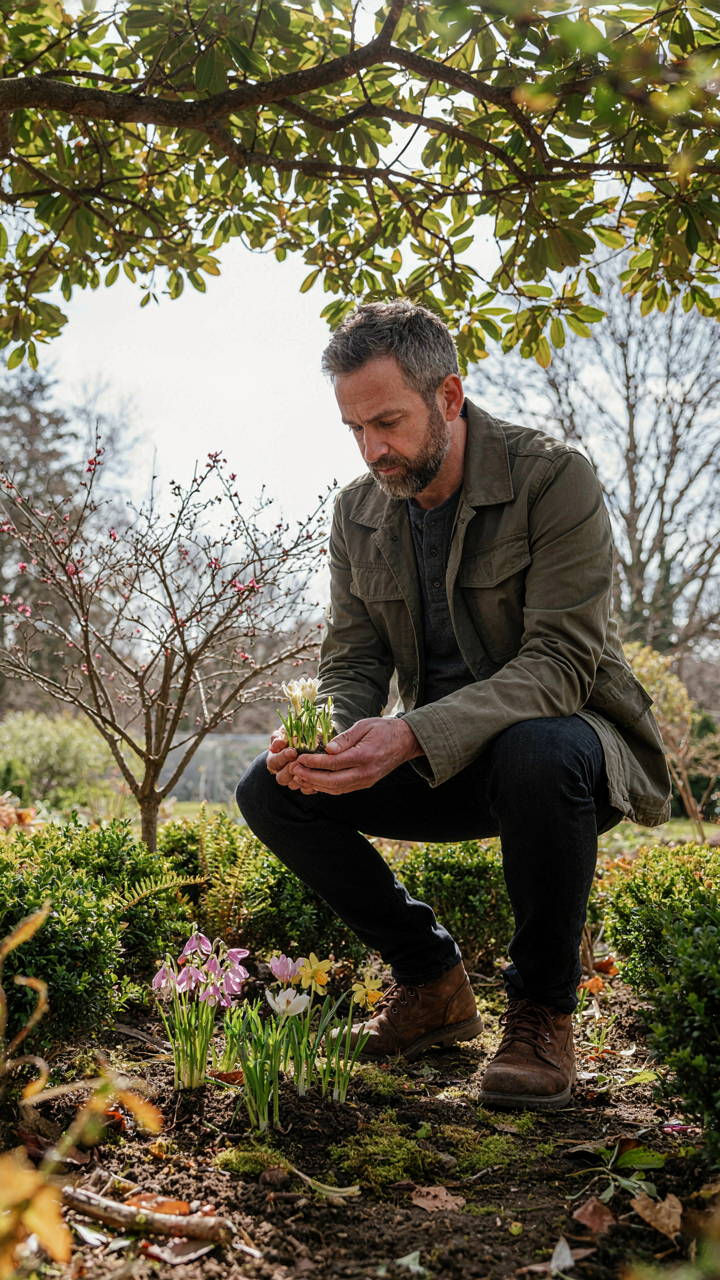
You want this to look effortless five years from now because you’re tired of fighting your yard. That’s not going to happen by guessing. Ecology uses the term “succession” to describe how plant communities shift over time, and your shade planting follows the same pattern: initial species establishment, competition for resources, and eventual stabilization or collapse. Most people plant shade gardens, then vanish for three years expecting stasis. What they find instead is winner-and-loser dynamics playing out beneath the canopy.

The real mechanism is simple: soil conditions change, light penetration shifts as the tree matures or loses lower branches, root competition intensifies, and species either adapt to those new parameters or retreat. You need structured observation cycles, not annual maintenance checklists. Mark specific zones around your tree in early spring, photograph them monthly, and document what thrives versus what thins out. This data tells you whether your plant choices were sound or whether you’re fighting site conditions that won’t bend. Most landscapers skip this step and rebuy the same failing plants yearly, which is wasteful and pointless.
Seasonal Backbone Plants That Work Across Years
Winter exposes lazy design immediately. Deciduous shade plants vanish, leaving bare ground and exposed root zones when the tree drops its canopy and light floods in. You need a structural framework that persists year-round and delivers function across all seasons, not just the growing months. This means combining evergreen ground covers, ornamental grasses with persistent seed heads, and woody shrubs that hold form in cold dormancy.
Build with hellebores, autumn ferns, and sedges as your winter base layer. These hold structure without fading to brown husks. Layer in winter-interest deciduous plants like serviceberry or witch hazel that offer branch architecture and early season color. In spring, your emerging shade plants will grow through this framework, creating density. Come fall, when those deciduous layers drop, your evergreen base and woody structure keep the composition visible and your soil protected from compaction and erosion. Plant your multi-season framework first, then integrate seasonal specialists around it.
Your Biggest Obstacle Isn’t Plant Choice; It’s Your Impulse To Overcomplicate Nature
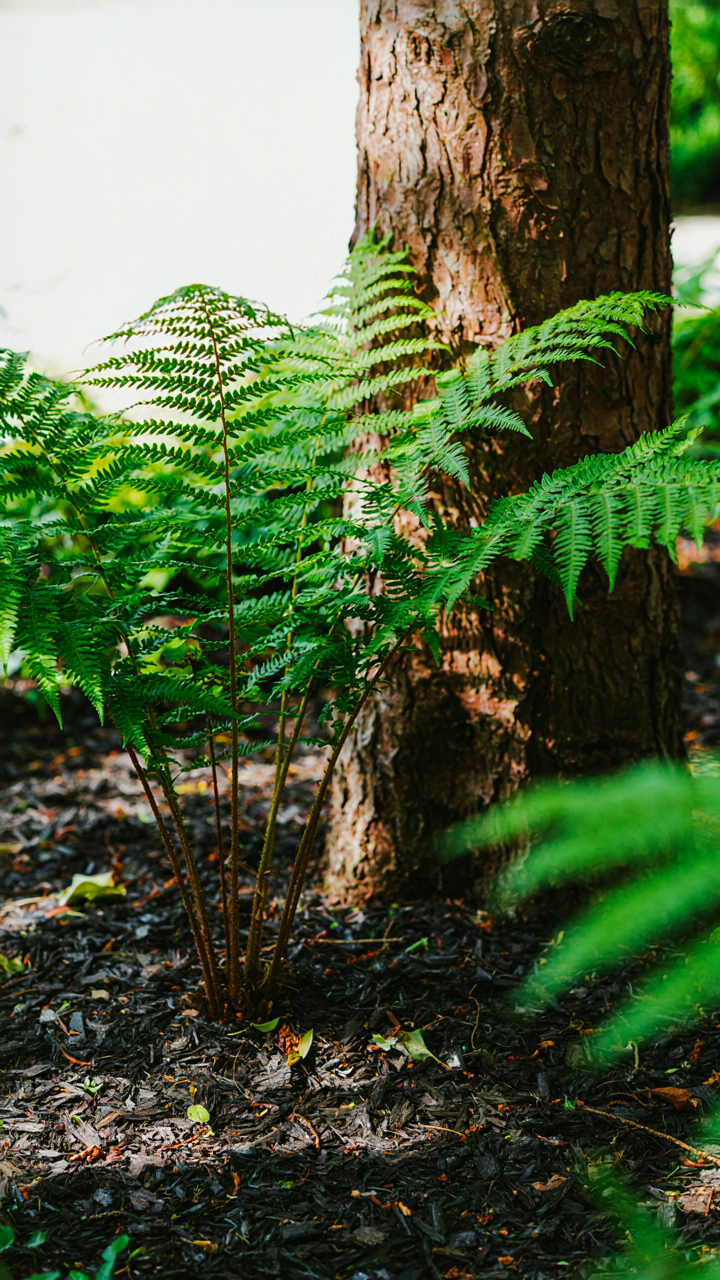
You want to plant five shade species, add mulch layers, install edging, and buy those trendy hostas everyone’s talking about. Stop. Walk outside right now and look at your tree. What’s already thriving there? Start with one plant that matches those conditions. Observe for two weeks. You’ll learn more from watching one thing work than reading about twenty things that might. Nature rewards restraint, not ambition.