
The Arbitrage Lens: Why Most Thrift Store Finds Are Missed Goldmines
Where Price Disconnects From Value
You want to believe thrift stores are treasure mines because it feels like you’re beating the system. The real mechanism is simple: thrift stores price by category and condition, not by actual market demand. Economics calls this price discovery failure. A mid-century desk chair sits marked at $12 because the pricing clerk sees “used chair,” not because the market won’t pay $80 for it online. The gap between thrift store price and resale price exists because thrift operations don’t track what actually sells or what buyers want.
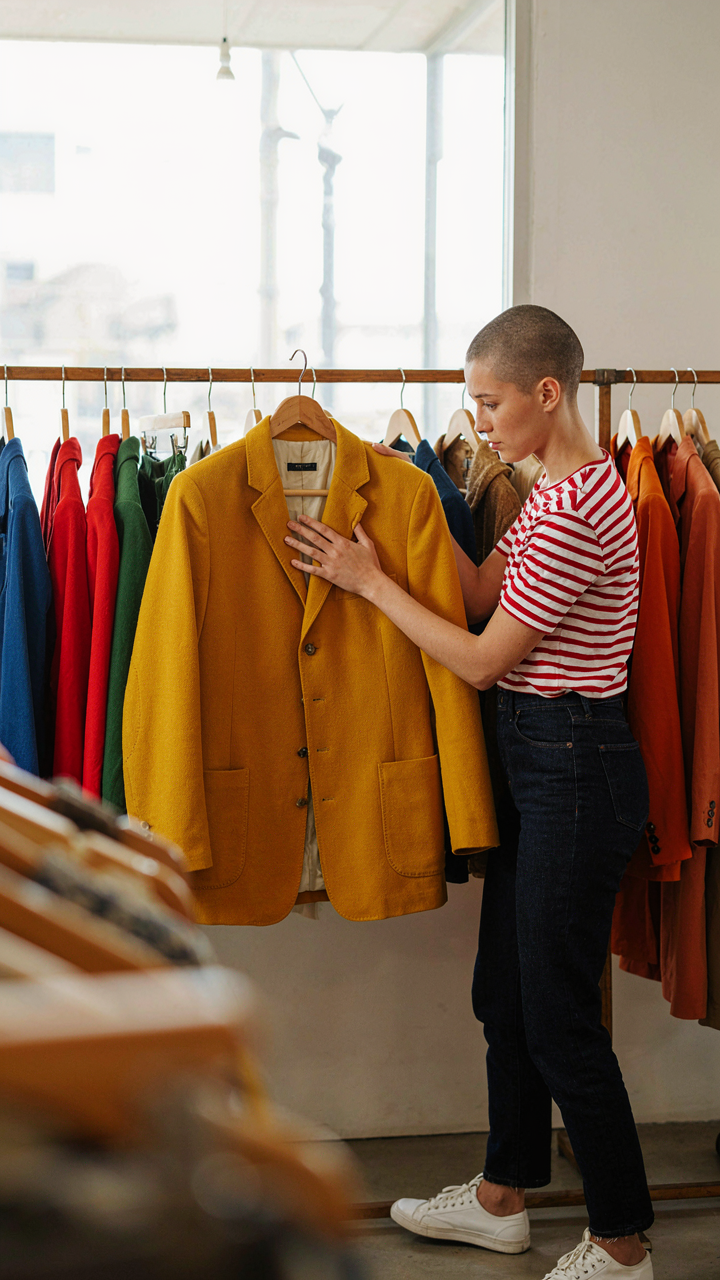
Most sellers ignore thrift stores entirely because they assume the good stuff is already picked over. That’s backwards. Thrift stores stock thousands of items weekly, and their pricing model guarantees systematic undervaluation across entire categories. A vintage Pendleton wool shirt might cost $3 on the rack while the same shirt moves for $35 on Depop. The thrift store doesn’t know this because they never check comps. You do. That’s the only edge you need.
The Real Hunt: Training Your Eye For Signals
Everybody says “look for vintage, designer, and rare items.” That advice skips the actual work. The real move is learning what thrift stores consistently misprice by category. Solid wood furniture from the 1960s and 1970s gets marked down because it’s heavy and takes floor space. Electronics from major brands get priced low because staff assume they don’t work. Brand-name outdoor gear sits in regular clothing sections marked as generic jackets. These aren’t lucky finds. They’re systematic pricing errors waiting for someone paying attention.
Train yourself to recognize materials and construction over aesthetic appeal. A wool blazer with poor stitching stays cheap. One with bound seams, real lining, and structured shoulders signals quality and commands resale markup. Learn to spot era markers: metal zippers, natural fibers, manufacturing labels that reference specific decades. Check seams, hems, and fabric weight. Thrift store staff see “old blazer.” You see whether it’s worth $6 or $40 based on what buyers actually pay for it elsewhere. This distinction is the entire operation.
The Signal To Noise Protocol: Decoding True Thrift Store Value
What Actually Holds Value Over Time
You’re afraid you’ll buy garbage and waste money on something unsellable. That fear is rational, but it points to the real mechanism: most thrift store flippers chase what’s visible instead of what moves. In economics, signal-to-noise ratio measures how much real information exists versus distraction. At thrift stores, the signal is scarcity plus sustained demand. The noise is everything trending on TikTok this week.

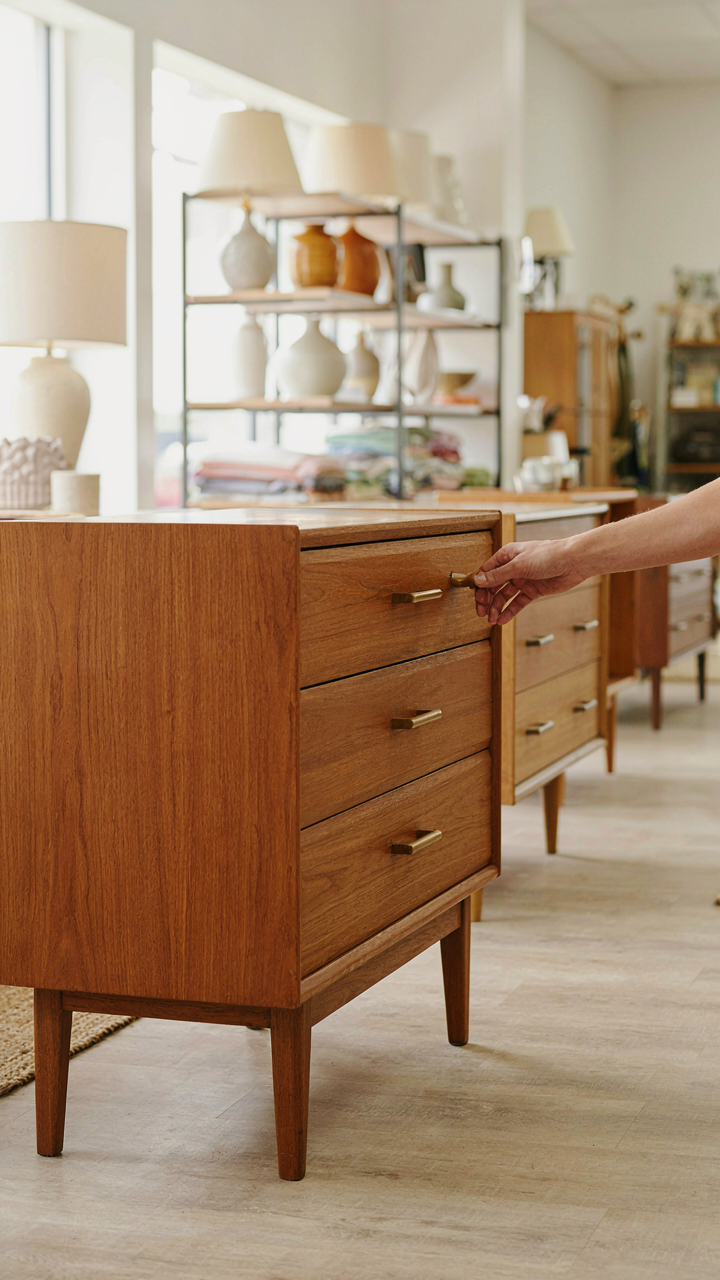
Classic furniture from the 1960s to 1980s holds resale value because the materials and construction methods remain difficult to replicate. A solid wood dresser from that era has actual joints and hardwood veneer. Modern particle board alternatives depreciate instantly. Buy pieces with real wood, solid joints, and minimal damage. These aren’t rare, but they’re rare enough that most thrift hunters skip them for flashier finds.
The Scarcity Play, Not The Trend Play
The common advice says “buy vintage, it’s always in demand.” That’s incomplete and ignores what actually sells. Scarcity beats nostalgia every time. In supply chain management, a stock-out occurs when demand exceeds what’s available. At thrift stores, true scarcity means items that were never mass-produced or items whose original run has mostly deteriorated or been discarded.
Pyrex mixing bowls from the 1970s with specific patterns sell because they’re collectible, functional, and the original production runs are finite. Ammo cans from Cold War military surplus hold value because they were built to survive and weren’t made for the civilian market. Mid-century office furniture, particularly steel and wood filing cabinets, flip consistently because commercial-grade construction meant fewer units needed replacement. Check production dates and materials before buying. Scarcity without function doesn’t move inventory.
The Repurpose Vintage Items Blueprint: Beyond A Fresh Coat Of Paint

Structural Changes That Move Price
You want to believe paint fixes everything because it’s cheap and fast. It doesn’t. The real money comes from architecture, not aesthetics. Think in terms of leverage from engineering: a small force applied to the right point creates outsized movement. On thrift finds, that point is structural utility.

A wooden dresser with broken drawer slides becomes worthless on resale. Replace the slides with modern ball-bearing hardware and the piece gains fifty percent in asking price because now it functions reliably. Same with cabinet hinges that sag, wobbly table legs, or missing hardware that breaks the mechanism entirely. These aren’t cosmetic problems masquerading as structural ones. They’re actual friction points that buyers feel immediately when they test the item.
Functional Upgrades That Justify Higher Price
Adding capability to an object is how you escape the commodity pricing trap. A side table that only holds objects becomes a side table with a drawer. A shelf unit becomes a shelving system with adjustable heights. The market doesn’t reward prettier. It rewards different.
The mechanism is simple: perceived value scales with utility. Buyers compare your refurbished piece against similar mass-produced alternatives at retail. If your thrift find does more than the comparison item, the price gap narrows or flips. Install a mirror to a wooden console and you’ve added a second function. The buyer now sees it as multi-purpose furniture, not a single-use piece competing against cheaper options. The final step is testing the modification under use conditions before listing. A drawer must slide smoothly twelve times in a row. A new hinge must hold weight without creaking.
How To Make Money Thrifting: The Discretionary Income Multiplier

The Math That Separates Hobbyists From Earners
You want to believe thrifting is passive income. It isn’t. Economics calls this “opportunity cost”—the real value of the time you spend hunting versus what you could earn elsewhere. A $40 flip that takes 6 hours isn’t a win if your alternative is a $25 per hour job. Most people ignore this calculation because admitting it means accepting their thrifting isn’t actually profitable.

The mechanism is simple: divide your gross profit by total hours spent sourcing, photographing, listing, and shipping. If you hit under $15 per hour, you’re subsidizing the buyer’s deal with your labor. Track this ruthlessly for 30 days. You’ll find your actual profit margin. Most flippers don’t know theirs.
Volume Versus One Big Score
The advice to “find one high-ticket item” is incomplete. You need both systems running in parallel, not choosing between them. High-ticket flips—vintage furniture, designer bags, rare records—require expertise and patience. You’ll wait weeks. Volume flips—bulk lots, common vintage, mid-century decor—move in days. The volume game funds your cash flow while you hunt the rare piece.
Build a protocol: spend 60 percent of your sourcing energy on items under $50 that move in under 7 days, and 40 percent hunting for items over $150 that justify 2 to 3 week holding times. This ratio scales without burning you out. When you nail both channels, one funds your next thrift trip while the other compounds your profit.
Things To Sell On Ebay: Mastering The Digital Resale Ecosystem

How To Get Found In The Algorithm
You want to believe your listings sell themselves because the item is good. They don’t. eBay’s algorithm rewards recency, keyword density, and conversion rate the same way a search engine does. The mechanism is identical to SEO but with tighter feedback loops.

Use exact brand names and model numbers in your title. Don’t write “vintage leather bag”—write “Coach Bonnie Bucket Bag Brown Leather 1990s.” Search volume flows to specificity. Include condition descriptors that match buyer search terms: “deadstock,” “NWT,” “never worn,” “gently used.” Test different title variations across similar items and kill underperformers within 48 hours.
eBay rewards completed listings. Watchers mean nothing. Bids mean everything. The algorithm notices what actually sells and pushes those categories higher in recommendations. Your pricing and availability matter more than your description quality. If an item sits unsold for two weeks, relist it with a lower opening bid or reserve price. Movement triggers visibility.
The Real Pricing Play
Everyone says “price low to move fast.” That’s incomplete advice that leaves money on the table. Pricing psychology beats listing optimization because humans are predictable in ways algorithms aren’t.
Auctions outperform fixed-price listings on items under $50 because the bidding mechanism creates artificial urgency and FOMO. A vintage band t-shirt listed at $9.99 opening bid will often close higher than the same shirt listed at $24.99 fixed. Your job is starting the auction low enough to generate three or more bids, then letting psychology do the work. For higher-value items above $75, fixed-price with a competitive edge wins. Research comps, undercut the lowest sold listing by 5-8%, and let your shipping cost absorb margin. Never compete on price alone—compete on presentation, speed to ship, and verified feedback. Buyers pay premiums for reliability.
The Vintage Thrift Store Ideas: Supply Chain Optimization For Finds
Mapping Your Route Like A Delivery Network
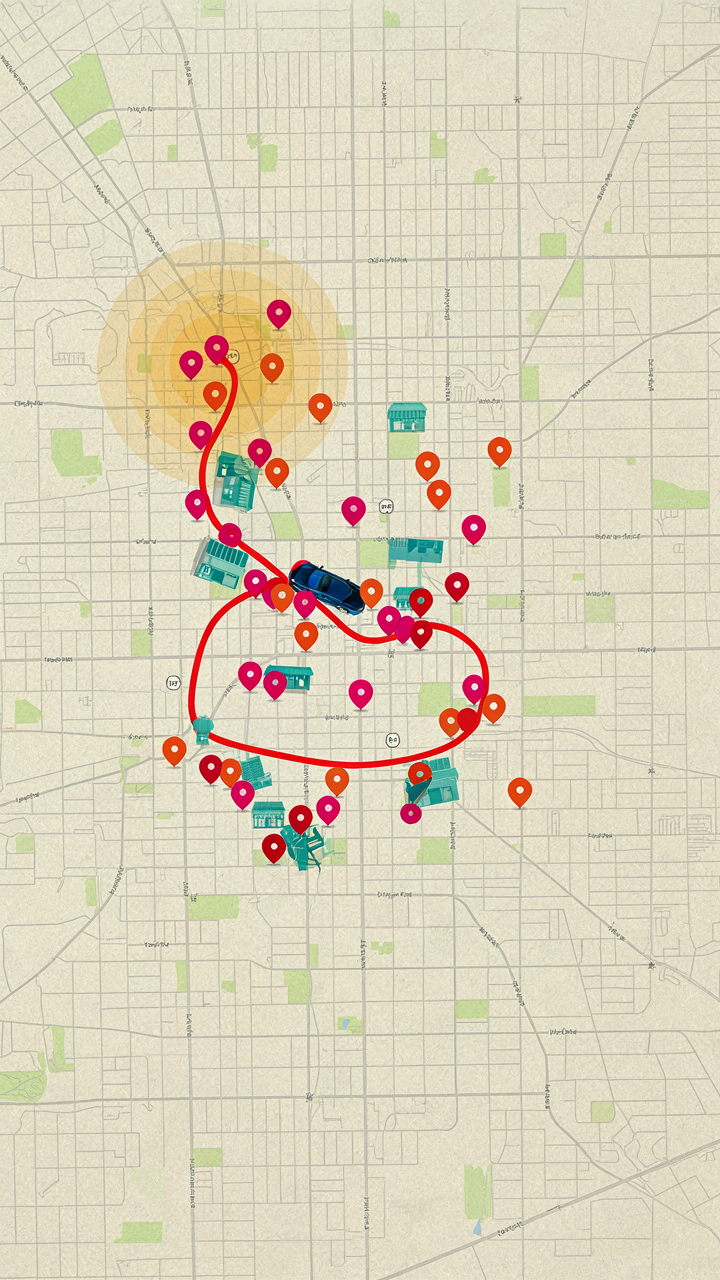
You want to believe location doesn’t matter, that you’ll find gold anywhere. It does, and you won’t. Economics calls this the “transportation cost problem”—the real expense isn’t the item, it’s moving it. Thrift flipping works the same way. Your sourcing route is your inventory pipeline. Dense clusters of thrift stores within fifteen miles matter more than the quality of any single store.

Map stores by density, not by assumed quality. Hit five mediocre stores in one drive beats driving thirty minutes to one famous location. You waste gas, time, and mental energy on the myth of the perfect store. The math is brutal: each mile driven costs you roughly fifty-five cents per vehicle. When you factor that into a five-dollar flip margin, your route efficiency determines whether you profit or lose money before you even touch a item.
Timing Your Buys Against Seasonal Patterns
Most people think demand is stable. It isn’t. Furniture flips move differently in August than February because people relocate in summer and spend indoors in winter. This isn’t prediction—it’s pattern recognition based on real human behavior. You’re not guessing. You’re reading the calendar.
Buy winter coats and heavy wool pieces in May and June when thrift stores stock them cheap and buyers ignore them. Hold until September. Buy lightweight summer furniture and glass pieces in December and January for spring flips. The seasonal lag between low supply prices and high buyer demand is where your real margin lives. Track what moves in your market for eight weeks, then buy inverse to current demand, not with it.
Thrifted Home Decor DIY Ideas: Crafting Perceived Value

Less Is More, But Deliberate
You want people to think you have taste. That’s the real reason you’re reading this. The mechanism is simple: perceived value comes from constraint, not addition. In economics, this is scarcity pricing. A thrifted wood side table gains value not by adding ten coats of paint, but by removing what doesn’t belong. One strategic change signals intentionality. Three changes signal desperation. The goal is to make buyers believe the item was always this good, just waiting for the right eye to see it.

Most thrifted home decor gains value through subtraction, not decoration. Strip a nightstand down to raw wood. Leave it there. A mismatched set of vintage glasses becomes one set when you paint the frames one color and keep the vessels clear. Remove the doilies. Remove the price stickers nobody bothers with. Empty rooms sell furniture faster than cluttered ones because the buyer projects their own vision onto blank space. This is the real work.
How To Photograph And Present For Sales
The difference between a thrifted find that sells in three days and one that sits for three weeks lives entirely in the first three photos. Buyers decide in under six seconds. Lighting matters more than color correction. Natural light from a window, never overhead. The item sits flat or propped at forty-five degrees to show dimension. One photo should show full piece. One should show detail or any repair work you did. One should show scale with a human hand or common object nearby, or the buyer defaults to guessing size wrong.
- Flat lay angle: Place decor on clean white or neutral surface. Shoot from directly above. Shows condition clearly. No shadows obscure details. Works for small items like picture frames or decorative bowls.
- Lifestyle context shot: Position item in a minimal room setting. Buyer sees how it functions in space. One other complementary object maximum. Avoids visual noise that distracts from the target piece.
- Close-up of imperfections: Photograph any chips, water marks, or repairs head-on. Sunlight from side angle. This kills negotiation. Transparency moves price closer to your asking number faster than hiding flaws.
- Scale reference: Include fingertips, a coin, or a standard-size book in frame corner. Prevents buyer shock when dimensions arrive wrong. Small items especially need this. Saves returns and disputes.
- Description and condition tag: Write specifics in listing title and first line. Materials, dimensions, year if known, all repairs completed. Vague listings get lowball offers. Detailed listings get faster sales at asking price.
Posting happens during evening hours, between seven and ten PM on weekdays. That’s when people browse without the noise of daytime activity. Price thirty percent below retail for the original item, not below what you paid. New buyers anchor on what things cost new, not what you found them for. Update listings after forty-eight hours with a single new photo if nothing sold. The algorithm deprioritizes old listings. Refresh signals activity.
Thrift Store Crafts: Avoiding The Hobby Trap
When Profit Becomes An Excuse For Busywork
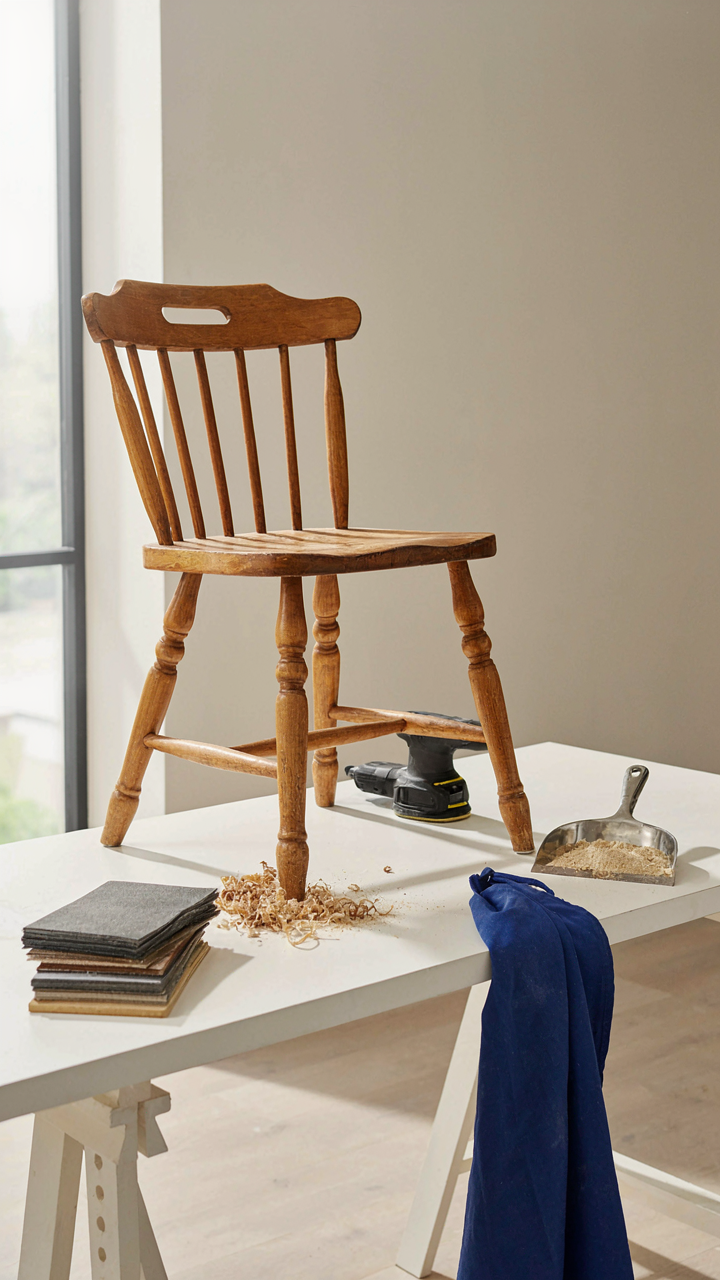
You’re drawn to this section because you want permission to treat flipping as a side project while keeping your real job. The mechanism is simple: craft work feels productive because it’s tangible and visible, but visibility isn’t profit. Most people confuse activity with income and never track actual hourly returns. You’ll sand, paint, and list items while earning less than minimum wage, telling yourself you’re building a business. The gap between hobbyist and operator is ruthless: one tracks time and margin, the other tracks projects completed.

Differentiate by running numbers before you start. Take a piece you want to flip. Calculate materials cost, your labor at realistic hourly rate, platform fees, and shipping. If the margin doesn’t hit 60 percent minimum after all costs, it’s a hobby disguised as work. Most thrift flips fail this test. The craft itself is seductive—it makes you feel like you’re doing something. But profit requires you to stay cold about what the numbers actually say, not what the finished piece looks like.
Batching Destroys The Craft Mythology
Economics teaches the concept of marginal cost—the cost to produce one additional unit after setup is complete. In thrift flipping, you’re hemorrhaging money by treating each piece as a standalone project. You sand one item, wash your brush, set up again for the next. You list items one at a time, photograph individually, write descriptions separately. Every context switch kills efficiency. Batch instead: acquire ten similar pieces, prep all of them in one session, finish them in parallel, photograph everything at once in controlled lighting.
The real move is outsourcing the parts that don’t require your judgment. You don’t need to hand-sand every piece yourself. You can hire someone at fifteen dollars per hour to do prep work while you handle design decisions and final inspection. You photograph items once a week in bulk, write descriptions in batches using a template system, and list them all at once. This transforms flipping from craft hobby into actual business structure. Your hourly rate climbs because you’re leveraging other people’s time on repetitive tasks while you focus on high-judgment decisions that only you can make.
The Next Level Thrift Store Flip: Building A Brand, Not Just Inventory
Pick Your Lane And Own It
You want to believe flipping is just about finding cheap items and selling them for more. It isn’t. That’s inventory arbitrage, and it compresses margins the second someone else enters your category. What you actually want is positioning, which means you stop competing on price and start competing on taste. The mechanism is simple: curate obsessively around one aesthetic or era until people recognize your eye before they see your listings.

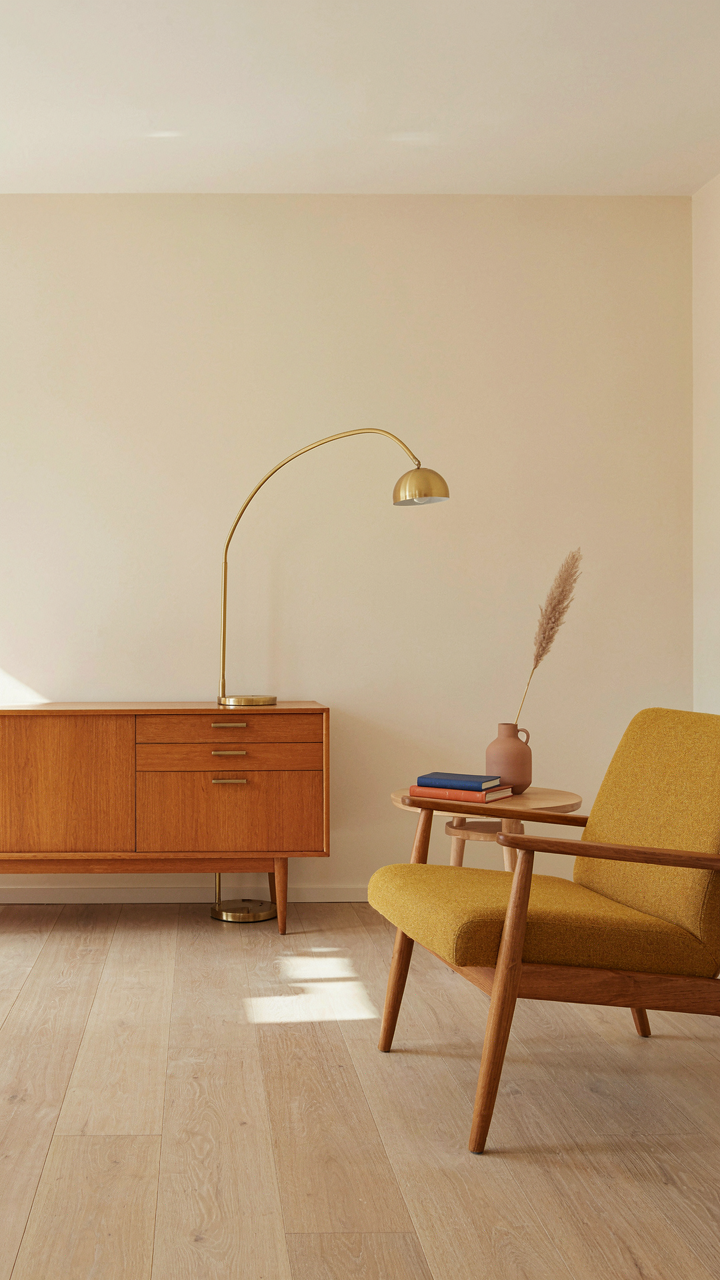
Mid-century modern dealers don’t succeed by finding a credenza and flipping it. They succeed by becoming the person whose feed looks like a curated museum. Vintage brass, teak wood, clean lines, specific decades—you learn which eras pair together, which designers matter, which materials hold value. When you’re consistent, you’re not just a reseller. You’re a filter. Buyers trust your curation because you’ve removed the guesswork. That trust transfers directly into willingness to pay margins that make the work worth your time.
The Proof Mechanism Works Faster Than Inventory
Social proof in economics functions like velocity in physics—it accelerates value movement without adding mass. Every like, save, or repeat customer signals to the next buyer that your item is worth the premium you’re charging. Don’t treat your social channels as a catalog. Treat them as evidence that your taste matters. Show before-and-after transformations, document your sourcing process, highlight repeat sales. People don’t buy items from nobodies. They buy items from people who’ve already convinced others.
The specific protocol: post consistently, tag strategically by aesthetic or decade, and always respond to inquiries within hours. Build a following first in one niche before you expand. A thousand followers who trust your eye on ’70s Danish furniture will bid against each other. Ten thousand followers across random categories won’t. Higher engagement on fewer posts means algorithmic visibility that brings qualified buyers—people already primed to pay margins. This compounds faster than inventory accumulation ever will.
The Real Obstacle Isn’t Finding Deals; It’s Your Inability To See Value Where Others See Junk

Most people walk past goldmines because they lack the pattern recognition muscle. You’re not looking for furniture or clothes. You’re looking for problems you can solve and resell. Walk into a thrift store today and grab one item that makes you think “I could fix that.” Post it before and after. That single action rewires your brain faster than reading ten articles. The difference between flippers and broke people isn’t luck or inventory. It’s the ability to see potential others trained themselves to ignore.