The Myth Of Seasonal Farmhouse Porch Decor Ideas
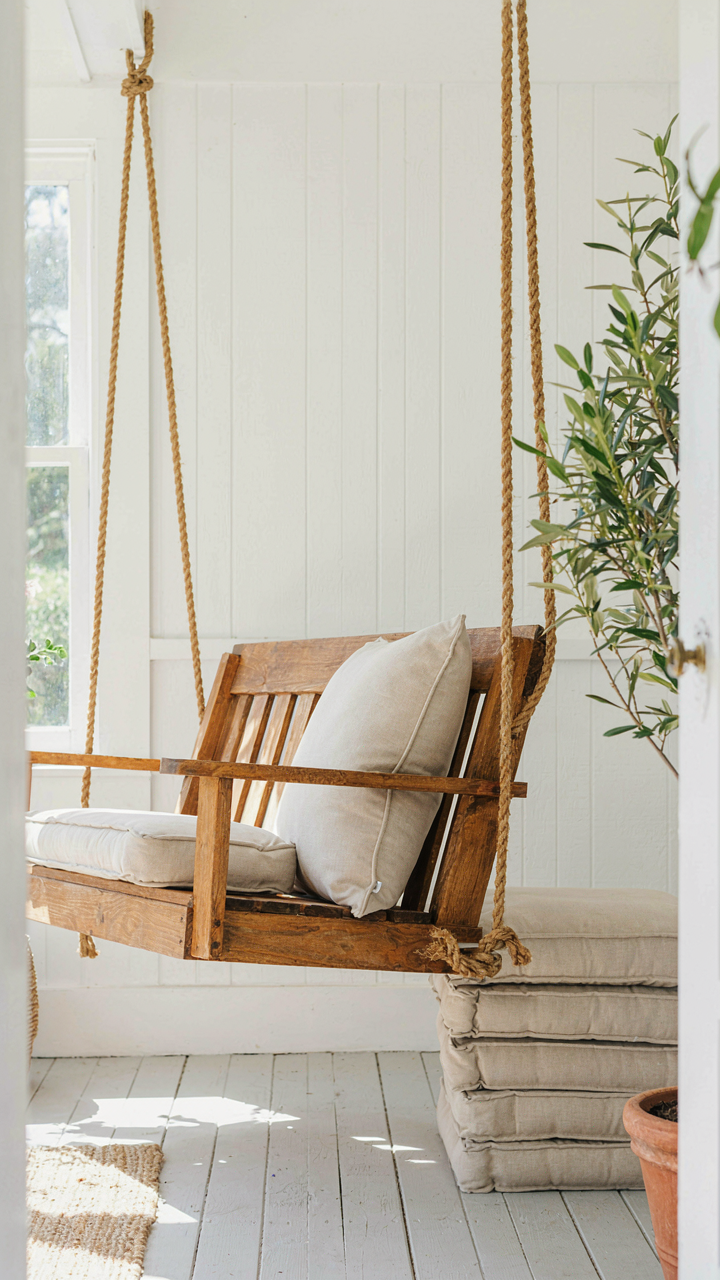
You’re Buying Permission To Waste Money
You want seasonal porch updates because you think it proves you’re attentive to detail and current. Here’s the mechanism: seasonal decor trends create artificial urgency. Home decor retailers manufacture seasonal collections to force purchasing cycles. Economics calls this “planned obsolescence through aesthetics.” You swap out functional items that work fine because the calendar changed. The real cost isn’t the purchase price. It’s the labor, storage space, and mental overhead of swapping pieces four times yearly when your porch performs the same function year-round.
Most advice says seasonal shifts are mandatory for a “fresh” look. That’s wrong. Seasonal decor makes sense in climates where weather demands functional changes: heavy-duty cushions before winter, lightweight ones in summer. But aesthetic-only swaps are maintenance disguised as creativity. Farmhouse design emerged from rural necessity, not seasonal marketing. A working porch needed durability across all seasons. You inherited a style built on function, then got sold on treating it like a wardrobe that expires quarterly.
The Hidden Tax On Constant Rotation
Every porch swap costs more than the items themselves. Storage demands space most people don’t have or rent anyway. Seasonal switching requires decision fatigue four times per year when your energy could go elsewhere. Labor adds up: removing, packing, storing, retrieving, reinstalling. That’s measurable time lost to something that doesn’t improve how your porch functions. You’re paying a hidden tax in opportunity cost. That cognitive load compounds. Each decision threshold makes the next one harder.
The mechanism works like inventory management. Retail businesses track “turns” on inventory because every rotation costs money in handling, shrinkage, and capital tied up. Your porch is the same. Limit turns. Commit to a base setup that works across seasons, then make one or two strategic swaps per year if you want them, not four. This isn’t about denying seasonality. It’s about stopping unnecessary labor that marketing convinced you was necessary.
The Immutable Laws Of Authentic Farmhouse Decor
Build For Use, Not Instagram
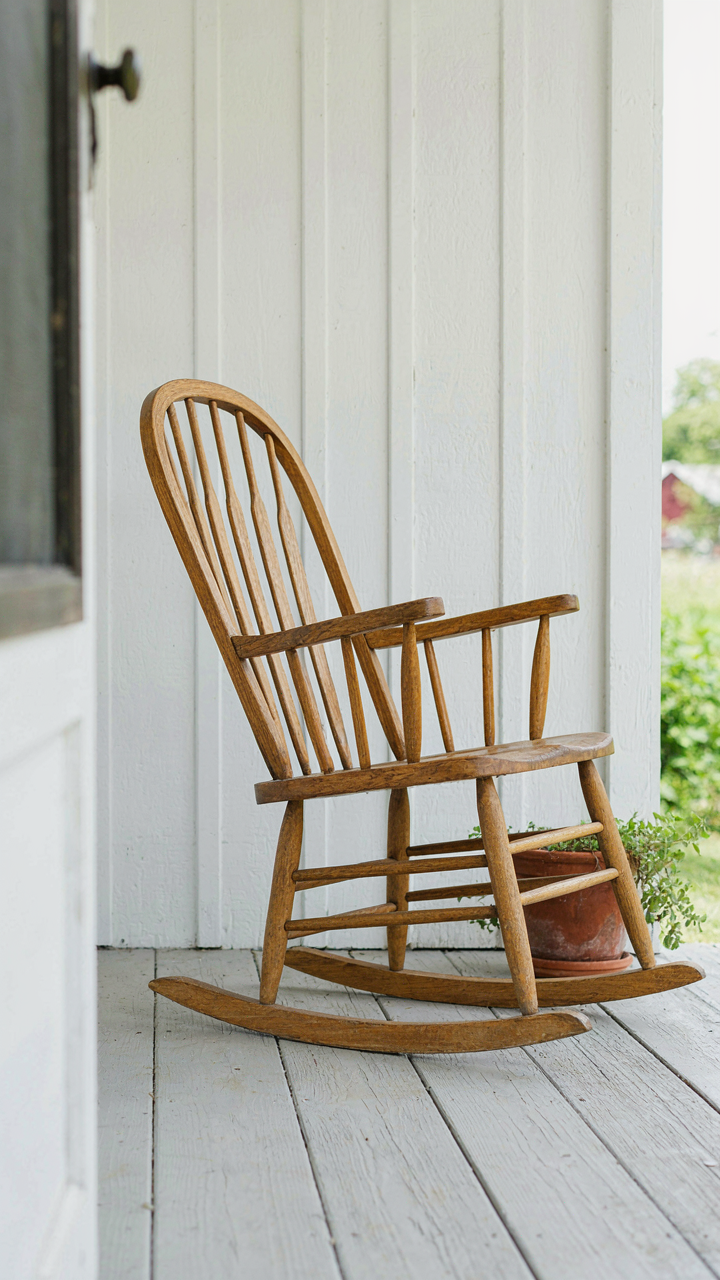
You want farmhouse decor to feel effortless and real. That’s the status play. The mechanism is simple: farmhouse porches were designed by people solving actual problems, not curating aesthetics. A rocking chair wasn’t placed there because it photographs well. It was placed there because you sit on it for hours while watching the property.
Function creates the visual language farmhouse decor borrowed from. When you prioritize utility first, the aesthetic follows without effort. A porch needs shelter, seating, sight lines to the property, and storage for tools. Every piece should answer one of these needs. Remove anything decorative that doesn’t also work. This is how authentic farmhouse design avoids looking like a theme park.
Materials That Improve With Time
Think of materials like evolutionary biology: adaptation over time. In farmhouse design, your materials should gain character through use and exposure, not decay into liability. Wood weathers. Metal rusts in specific colors. Rope frays at edges. These aren’t failures. They’re the design.
Pressure-treated lumber looks wrong on a farmhouse porch because it resists time instead of working with it. Real wood like cedar or reclaimed barn wood darkens and hardens. Metal railings develop patina. Rope handholds wear smooth where hands grip. Pick materials that age toward beauty, not toward replacement. Then stop refinishing them. Let them work.
The Modern Farmhouse Porch Filtration Protocol

Authentic Versus Manufactured Rustic
You want people to know your taste is real, not purchased from a warehouse with a fake barn aesthetic. The mechanism is this: authentic farmhouse porch design came from function and material availability, not from trend cycles. Vintage farm porches used what worked and what was accessible. They didn’t coordinate. They accumulated tools, seating, and weathered wood because that’s what solved problems on working land. Mass-produced “rustic” mimics this appearance without the logic underneath.

The difference shows in material choices and wear patterns. Real farmhouse porches feature hand-hewn beams, locally sourced stone or wood, and visible aging from actual use. Manufactured rustic uses new materials stained to look old, uniform finishes, and decorative elements with no structural purpose. Check construction seams, material thickness, and whether hardware is functional or purely ornamental. If it looks intentionally distressed, it’s manufactured. If the wear is uneven and tied to structural stress points, it’s authentic.
Strategic Negative Space Over Decoration
The common advice tells you to fill your porch with vintage finds and layered textures. That’s wrong. Empty space on a farmhouse porch reads as intentional restraint, not as boredom. The principle comes from signal-to-noise ratio in information design: too many competing elements dilute visual impact and make everything feel cluttered instead of curated. A porch with three meaningful pieces commands more attention than one packed with ten forgettable ones.
Build your porch by removing first, adding second. Start with the architectural bones: railing, flooring, ceiling. Place one substantial piece like a wooden bench or storage cabinet. Add one accent like a single lantern or plant grouping. Step back. You’ve created a functional porch that reads as intentional. The temptation to add more comes from fear that emptiness signals failure. It doesn’t. Restraint signals control.
Biomimicry For Farmhouse Porch Decor: Lessons From Nature
Pull Your Color Palette From What Grows Around You
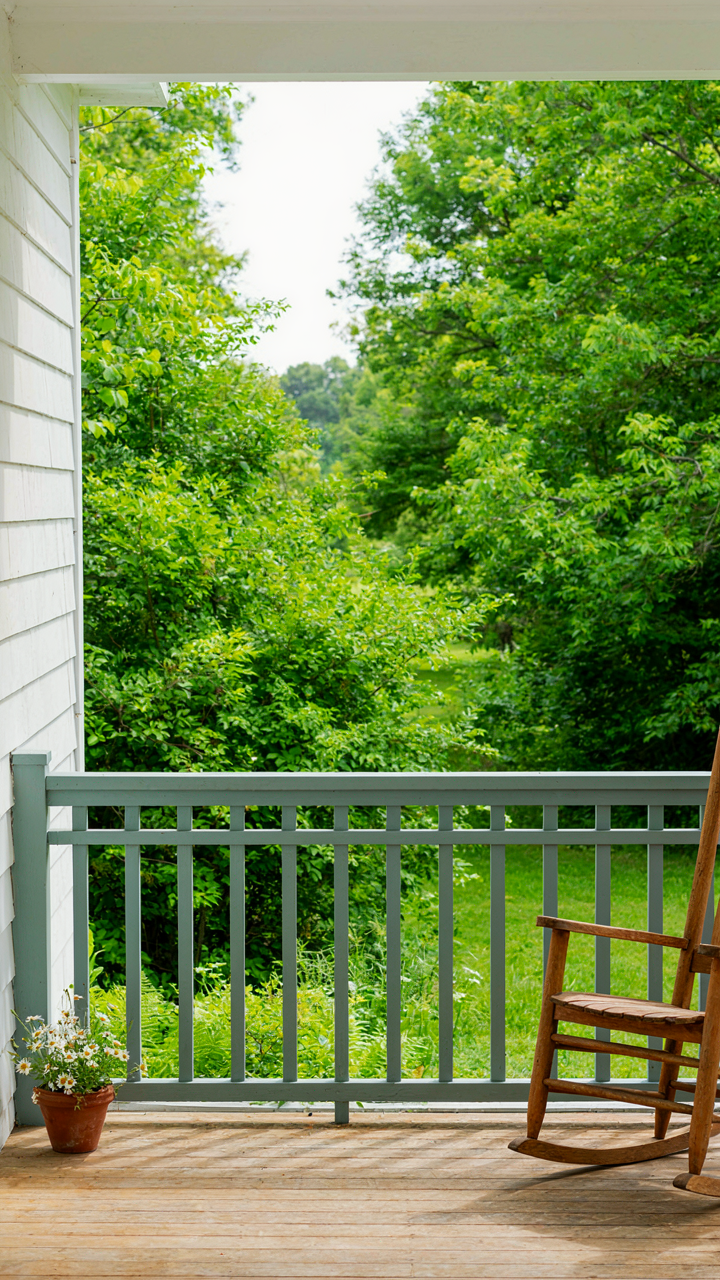
You want your porch to look intentional without trying too hard, which is why you’re reading this instead of just buying whatever’s on sale at the home store. The mechanism is simple: local flora already solved the color coordination problem through evolution. When you extract your palette from plants that thrive in your region, you’re not being aesthetic—you’re being practical. Your climate shaped those plants. Those plants know what works.

Stop copying inspiration boards from different climates. A porch in upstate New York shouldn’t mirror a Mediterranean villa’s color story. Observe native shrubs, wildflowers, and trees during each season in your area. Document the grays of winter bark, the rust tones of dormant perennials, the greens that actually grow there. Use these tones for paint, planters, cushions, and trim. The result reads as coherent because it mirrors what your eye already expects to see in that landscape. This isn’t decoration—it’s alignment.
Design For Function First, Then Aesthetics
Permaculture teaches zone planning, which means organizing space by use frequency and maintenance demands, not by what looks good in isolation. Apply this to your porch: high-traffic zones need durable materials that don’t degrade. Seating areas need protection from direct sun or wind. Storage needs accessibility, not visual prominence. Once zones work mechanically, aesthetics follow naturally.
Most farmhouse porch advice reverses this and starts with how things look. That creates brittle designs that fail within a season. Instead, map your porch’s actual use: where do people walk, sit, pause, and linger? Position seating to capture prevailing breezes or shade. Place storage where you grab things, not where it photographs well. Route weather exposure away from fabrics and wood that matter. The decor choices that follow—rocking chairs, lanterns, planters—then solve real problems instead of creating them.
The “Farmhouse Front” Investment Strategy

Pieces With Provenance Over Decoration
You want proof that you picked well. That’s what this section really offers you—permission to spend money on things that signal discernment instead of impulse. The mechanism is simple: objects that carry history require explanation, and explanation grants status.

Farmhouse porch design rewards provenance over newness. A weathered bench your grandmother used beats a reproduction bench bought last month. Authentic pieces—milk cans, cast iron, wooden rockers with actual use marks—anchor a porch in reality. They don’t need marketing language. They carry their own narrative.
The actual work is sourcing with intention. Hunt estate sales, not big-box retailers. Ask about an object’s origin before you buy it. Know whether that door came from a 1920s barn or a factory in 2015. The story matters because guests sense the difference between inherited authenticity and purchased aesthetics. That difference is what separates a porch from a porch that feels real.
Materials That Outlive Trends
Economics teaches us about depreciating versus appreciating assets. Farmhouse porch decor works the same way: materials either lose value through decay or gain it through patina. Choose the latter.
Cast iron, untreated wood, and stone age forward. They don’t require replacement cycles. Wrought iron railings, reclaimed wood flooring, and limestone or slate foundations strengthen over decades instead of degrading. Pressure-treated wood fails in eight to twelve years. Real wood lasts generations if you let it weather naturally. The porch becomes more valuable, not less, as it ages.
This strategy flips standard consumer thinking. Stop buying finishes designed to look new. Buy materials that improve when neglected. Establish a maintenance protocol now: inspect cast iron fixtures twice yearly, treat wood with linseed oil annually, and replace only components that genuinely fail. This transforms your porch from a depreciating seasonal display into an actual structure.
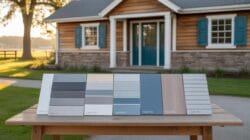
Rustic Farmhouse Front Porches: The Intentional Vignette
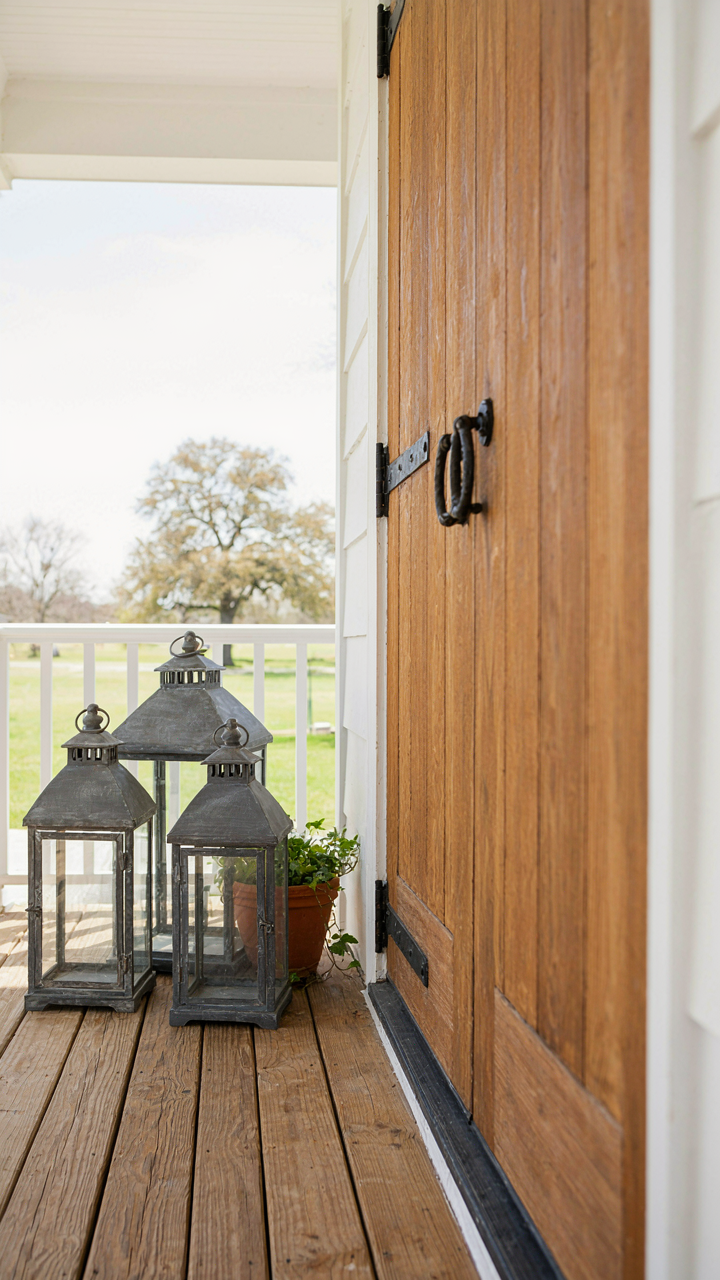
Stack Elements By Function, Not Feeling
You want your porch to look effortless because you believe that signals taste. Here’s what actually happens: scattered objects read as indecision. The real mechanism is constraint. In visual design, constraint forces hierarchy. Group your elements by what they do, not how they look together. A seating zone clusters chairs, a side table, and a throw blanket. A planting zone contains pots, soil bags, and garden tools. A lighting zone holds lanterns or sconces. This isn’t decoration. This is information architecture applied to physical space. When a visitor’s eye lands on your porch, it should land on a zone, not a random object.
Grouping also scales down visual noise. A single rocking chair looks lonely. Three chairs arranged tightly look intentional. Five scattered across the porch look like you’re unsure what a porch is for. The tight grouping creates contrast with empty space, which makes both the group and the emptiness work harder. This is why hotel lobbies don’t feel cluttered even with many pieces: every object belongs to a visual cluster. Apply this. Pick your zones. Place objects inside them. Leave the rest empty.
The Anchor Point Wins
Most porch decor advice says “balance everything.” That’s incomplete. A focal point isn’t balance. It’s a visual anchor that gives permission for asymmetry everywhere else. Pick one element: a large potted tree, a distinctive bench, a hanging swing, a statement door. This becomes your anchor. Everything else supports it without competing. A farmhouse porch without an anchor looks like storage that happened to be outside. The anchor tells visitors what the space is actually for.
Chaos on a porch happens because owners add items without ever deciding what draws the eye first. You add a wreath, then a chair, then lanterns, then planters, all fighting for attention. None wins. Instead, choose your anchor before you place anything else. Build around it. A front door with strong architectural detail becomes an anchor without decoration. A new swing becomes an anchor the moment you hang it. Once locked in, every other decision becomes easier because you’re adding support, not competing for dominance. This removes the need to rearrange constantly.

Beyond “August Front Porch Ideas”: The Year Round Anchor
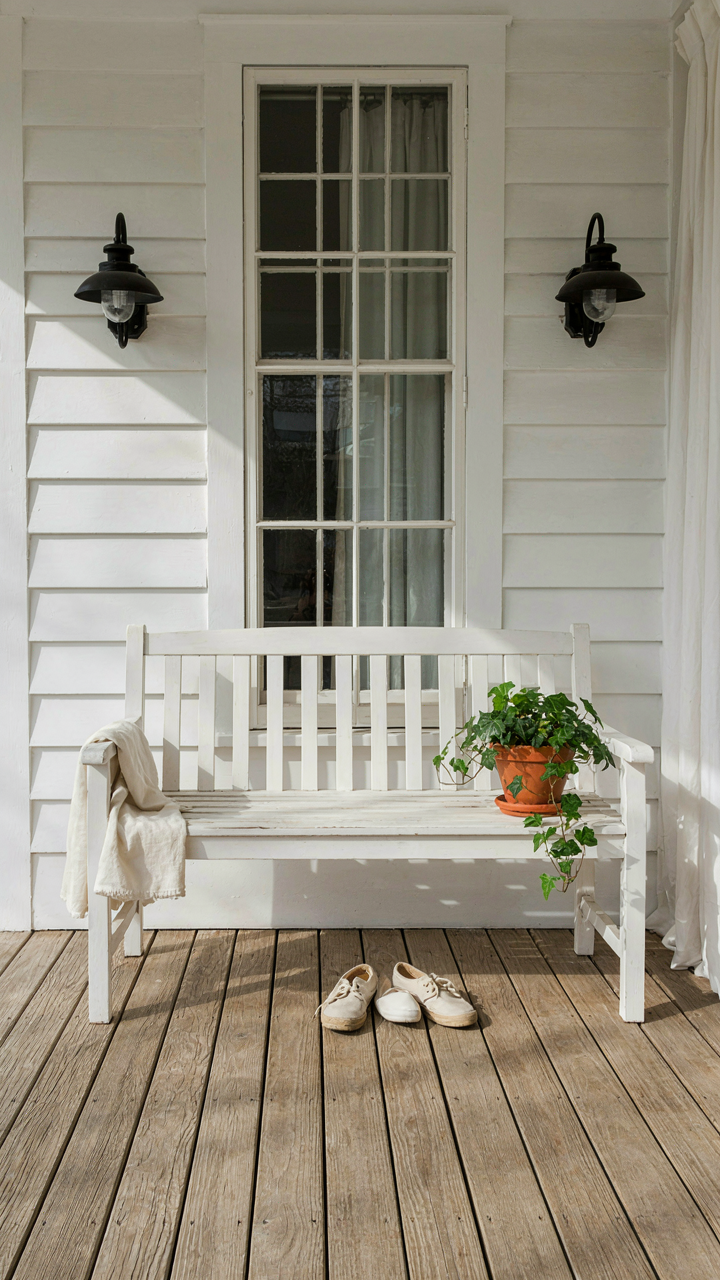
The Structural Skeleton Never Changes
You want permission to decorate differently every season without looking like you lack conviction. Here’s the mechanism: farmhouse design operates like load-bearing architecture. Some elements carry weight year-round; others are pure ornament you swap out. The load-bearing pieces are your porch’s bones: the railing style, flooring material, lighting fixtures, and primary furniture layout. A whitewashed wooden bench, black metal sconces, and a weathered wood floor don’t age out in December. They anchor everything else.
The mistake most people make is treating seasonal decor as complete redesigns. You don’t rebuild a structure when seasons change. You keep the foundation identical and adjust the non-structural surfaces. This means your core pieces must be neutral enough to work with spring wreaths, summer planters, fall corn stalks, and winter garland. Choose timeless over trendy for anything permanent. A farmhouse porch works across seasons because it refuses to compete with what’s temporary.
Layering Strategy Over Replacement
The real work happens in the layers you add and remove, not in what stays put. Think of this like wardrobing: you keep the same jeans and white shirt but change the jacket, belt, and accessories. Your base porch stays consistent. Swap cushion colors, add seasonal planters, rotate doormats, and change the wreath. A neutral linen cushion works spring through fall with a simple color swap. Galvanized metal buckets hold spring bulbs, summer flowers, fall mums, then evergreen branches. The porch structure remains stable while its appearance shifts through visual accessories only.
This approach saves money and mental energy. You’re not buying new furniture quarterly. You’re investing in one set of durable basics and rotating affordable, low-commitment pieces. Seasonal farmhouse porch work means swapping textiles, plants, and decorative objects, not overturning the entire design. The porch you built in March should still feel intentional in November, which means your foundational choices matter far more than your November accessories.

The True Signal Of Sophistication: Understated Farmhouse Front Porches
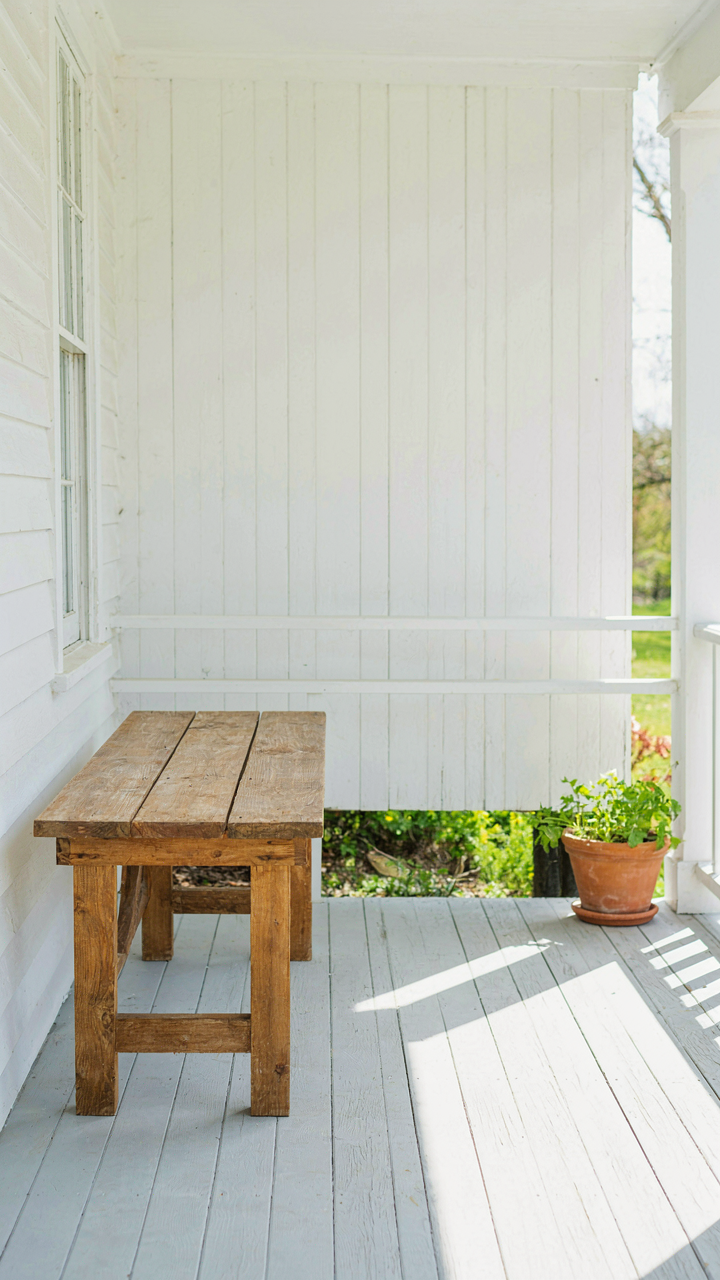
What Restraint Actually Costs
You want people to know you have taste without announcing it. That’s the real driver here. The mechanism is constraint. In economics, scarcity signals value. On a farmhouse porch, absence signals control. When everything fights for attention, nothing wins. Most advice tells you to layer textures, add vintage finds, mix metals. That’s wrong. It’s permission to clutter dressed as design philosophy. Restraint requires harder decisions because you eliminate instead of accumulate.
A sophisticated farmhouse porch removes the non-essential until only function and proportion remain. This means choosing one material as your anchor (weathered wood, stone, metal) and letting it dominate. You don’t need multiple vintage signs, coordinating throw pillows, and statement lighting all competing. Pick the structural element that works hardest and build around it. The porch itself becomes the decor.
Quiet Materials Over Loud Aesthetics
Forced charm reads as desperation. A rocking chair that’s actually been sat in, wood that’s genuinely aged, metal that’s legitimately weathered by seasons—these things don’t need styling. They need nothing added. The difference between farmhouse decor and authentic farmhouse living is that one tries to look lived in while the other actually is. Most people fill the gap by buying “distressed” pieces that look distressed on purpose, which defeats the point entirely.
Your porch works when visitors notice comfort before they notice design. A single well-placed bench. Unfinished wood railings that weather naturally. Wrought iron hardware that corrodes on schedule. These elements prove restraint because they ask nothing of you. They age without maintenance theater. The protocol is simple: choose real materials, let them change with weather, and resist the urge to refresh them into looking new.

The Real Obstacle Isn’t Decor Choices, But A Fundamental Misunderstanding Of Timeless Appeal

Most people chase trends because they mistake farmhouse porch decor ideas for a moving target. They don’t. Timeless appeal works because it solves a human problem: the need for comfort and authenticity. Stop asking what’s in style. Start asking what makes people feel at home. Walk outside right now and remove one piece that doesn’t earn its place. You’ll see immediately what actually matters. A porch reflects who lives behind the door, not what Pinterest told you to buy.