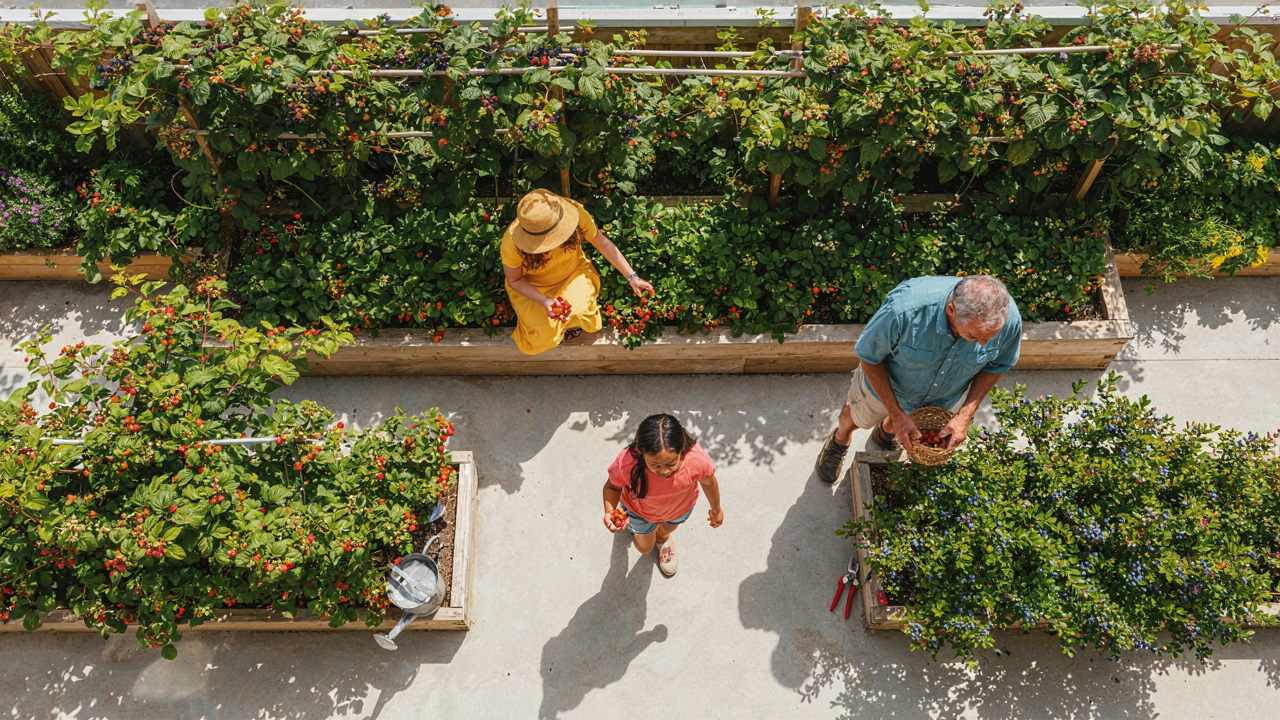
The Yield First Berry Garden Layout Protocol
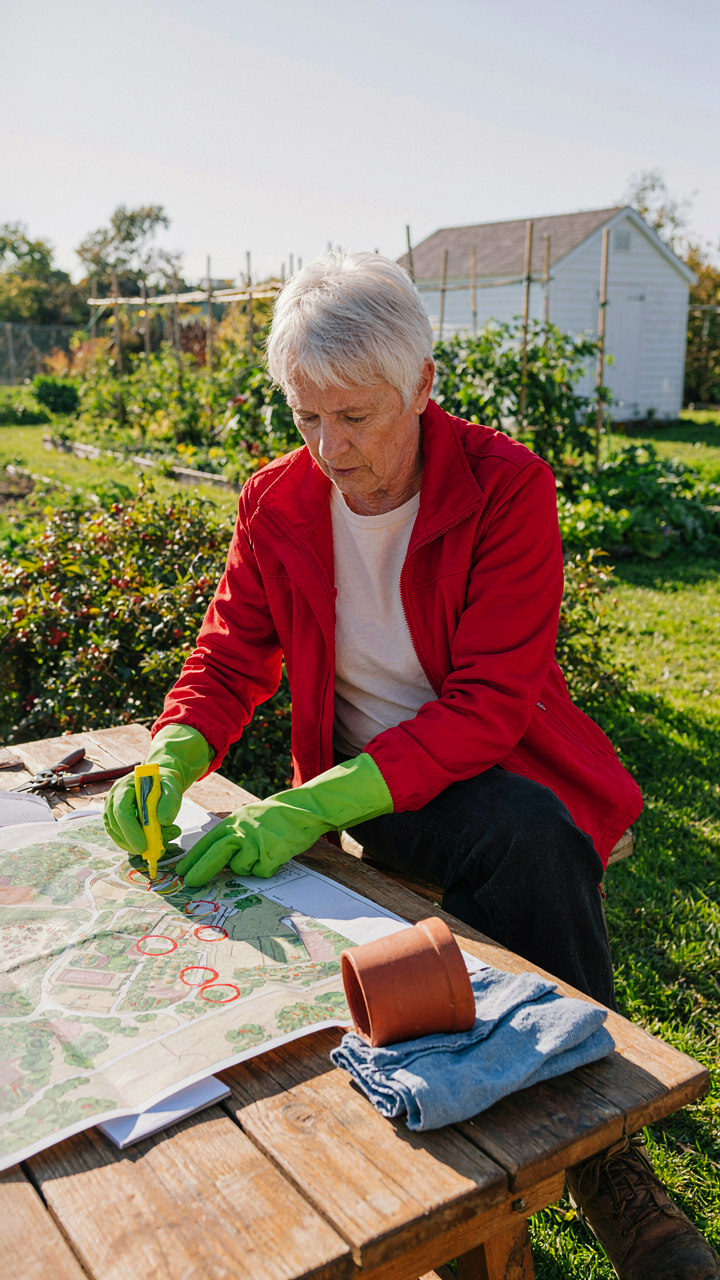
Map Your Sun Before You Map Your Beds
You want a garden that looks intentional so neighbors think you know what you’re doing. Here’s what actually matters: berries need light, and light moves. Use solar geometry, not aesthetics. Spend one full day tracking shadow patterns across your space at sunrise, noon, and sunset. Note where shade from trees, structures, and slopes lands at each hour. Blueberries, raspberries, and blackberries demand six to eight hours of direct sun minimum. Strawberries tolerate partial shade but produce less.
Mark your sunniest zones first. These become your primary planting areas. South and west facing slopes get the most consistent light and heat accumulation. North facing areas stay cooler longer and produce softer fruit prone to disease in humid climates. East facing beds catch morning sun that burns off dew, reducing fungal pressure. Plot these zones on paper or photograph the space with timestamps. This single step prevents the common failure of planting where aesthetics suggest, not where physics allows.
Soil Composition Determines Everything Else
Most advice says “add organic matter and move on.” That’s incomplete. Berry yield is directly tied to soil chemistry, drainage, and microbial activity, not decorative layering. Different berries demand different pH ranges. Blueberries require acidic soil between 4.5 and 5.5 pH. Raspberries and blackberries tolerate wider ranges but prefer slightly acidic conditions around 6.0 to 6.5. Strawberries work at 6.0 to 6.8. Test your soil before layout decisions. Amending an entire garden after planting costs time and money you won’t recover.
Build beds on the locations you’ve chosen for light, then modify soil to match the berry variety. Don’t reverse engineer this. Raised beds give you control over composition and drainage, which matters more than aesthetics. Mix in peat moss or sulfur to lower pH if needed. Add sand or gravel to heavy clay soils to improve drainage and prevent root rot during wet seasons. The mechanism is simple: healthy soil produces consistent yields, and consistent yields are why you’re doing this in the first place.
Beyond The Pretty Row: Maximizing Berry Bushes Garden Ideas

Stacking Height To Reclaim Lost Ground
You want the Instagram version without admitting you’re working with a postage stamp. Here’s the mechanism: berries don’t care about horizontal sprawl. Biology says plants allocate resources based on light capture, not ground footprint. Raspberries, blackberries, and most cane berries grow vertically by nature. You’re not forcing growth. You’re removing the obstacles that stop it. A standard raspberry cane reaches 8 feet tall without intervention. Most people plant them in rows and prune them down to 4 feet because they assume that’s the limit.

The real move is trellising. Trellis systems hold canes at angles between 45 and 60 degrees, which increases light penetration to lower fruit while keeping the plant compact. Blueberries don’t vine, but they do reach 6 to 8 feet tall on their own. Plant them against a south-facing fence and they’ll produce fruit at eye level and above. This solves two problems at once: you harvest faster because fruit isn’t buried in the middle of the bush, and you double your effective growing area without expanding the garden footprint. Train canes onto a T-trellis or fan system starting in year two. The structure pays for itself in reduced disease and doubled harvest density.
Disrupting Pest Cycles With Intentional Neighbors
Most companion planting advice is nostalgia dressed as horticulture. Marigolds don’t stop beetles. Basil doesn’t ward off aphids through vibes. The actual mechanism is ecological competition and resource denial. Plants that thrive in the same space and share the same pests create density that makes the environment hostile to any single predator population. Berry bushes alone create a monoculture. Pests find them, establish, and explode. Adding plants that attract different insect predators shifts the dynamic. Garlic repels spider mites through actual sulfur compounds in its tissue, not through some mystical energy. Borage attracts parasitic wasps that kill aphid colonies. These aren’t magical. They’re fungible biological transactions.
Plant garlic at the drip line of blueberries in fall. Space it 6 inches apart in rows. It won’t compete for nutrients during berry fruiting season because garlic goes dormant when berries peak. Borage seeds around raspberry patches in spring. It flowers while canes are developing, pulling in wasps before aphids establish. The key is timing these plantings to interrupt pest lifecycles before they scale. Don’t treat companion planting as decoration. Treat it as pest population management. Plant with the pest’s calendar, not the garden’s aesthetic.
The Unconventional Berry Garden Design: What Others Miss
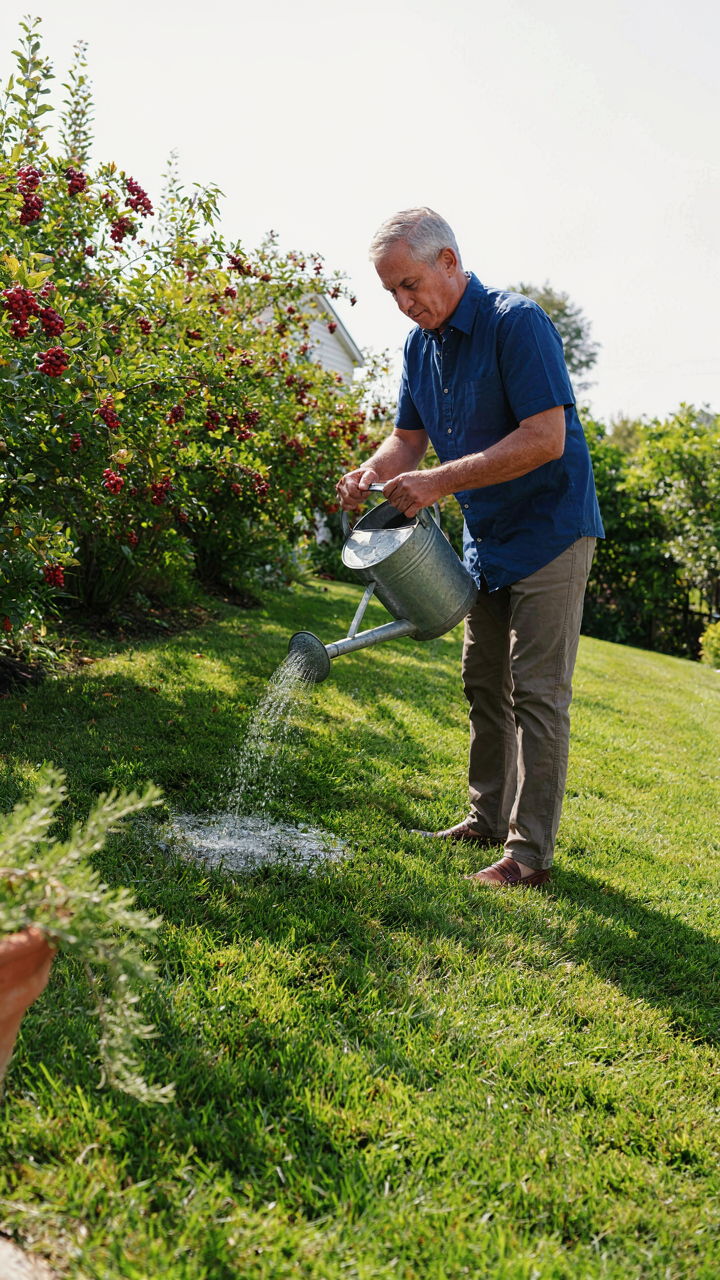
Water Systems Before Plant Placement
You want a garden that looks intentional. That’s the real reason you’re reading this. The mechanism most people ignore is hydrology. Water moves downhill and pools in low spots—this isn’t preference, it’s physics. Treat your berry garden layout like a watershed system. Map your terrain first, identify the natural flow, then position plants where water naturally collects or drains based on their actual needs, not where they look good.

Blueberries need consistent moisture and poor drainage kills them faster than drought. Raspberries tolerate drier ground. Most plans reverse this because people plant by aesthetics, not water behavior. Run a simple test: pour water at your highest point and watch where it flows. That flow pattern determines everything. Position moisture-hungry berries in low collection zones. Place drought-tolerant varieties upslope. Build swales or shallow channels to direct runoff where you need it. This eliminates ninety percent of irrigation problems before you ever install a system.
Paths That Define Maintenance Speed
Easy access gets preached constantly and then ignored completely. What people miss is that maintenance speed determines whether you actually harvest berries or let them rot on the cane. Pathways aren’t decoration—they’re your harvesting infrastructure. Make them wide enough that you don’t brush against canes while moving through. Narrow paths force you to choose between damaging plants and skipping harvests. That choice kills productivity.
Design paths at least three feet wide for two-way foot traffic. Position them to reach every plant without stepping over or around others. Canes and runners sprawl—account for their mature spread when planning routes. Poor path logic compounds daily. You’ll cut corners, skip weeding sections, and harvest less ripe fruit because reaching plants costs effort. Run your layout through this filter: could someone unfamiliar with the garden access every berry plant in under sixty seconds without touching anything? If not, redesign before you plant.
Blueberry Gardening: The PH Imperative

Lower Your Soil To 4.5 To 5.5
You want blueberries because they signal abundance. But you’ll skip the soil work because it seems technical. Here’s the mechanism: blueberries require acidic soil. Below pH 6.0, aluminum and manganese become bioavailable to the plant. Above pH 6.5, iron locks up and leaves yellow. Most backyard soil runs neutral to alkaline. You cannot negotiate with this. Blueberries fail in wrong pH not from neglect, but from chemistry.

Acidification is a term borrowed from industrial water treatment. You’re adjusting your soil’s ion exchange capacity the same way a treatment plant does. Start with a soil test showing current pH and aluminum saturation. Then select your amendment based on existing conditions and timeline.
- Sulfur powder: Lowers pH over 6 to 12 months. Apply 1 to 2 pounds per 100 square feet. Works slower but lasts longer than liquid amendments. Best for bulk area treatment.
- Aluminum sulfate (Alum): Drops pH within weeks. Use 1 to 2 pounds per 100 square feet. Provides immediate aluminum availability. Reapply yearly since sulfur washes out.
- Iron sulfate: Combines pH reduction with iron supplementation. Apply 1 pound per 100 square feet. Addresses chlorosis directly while acidifying simultaneously.
- Elemental sulfur with peat: Mix peat into planting holes with sulfur. Peat itself runs pH 3.5 to 4.0. Creates acidic microenvironment around root zone immediately.
- Coffee grounds and pine needles: Free organic acidifiers for surface application. Add 2 to 3 inches annually. Decompose slowly, building long-term acidity while adding organic matter.
Retest soil every two years after amendment. Blueberries tolerate pH drift downward faster than upward. Maintain the range aggressively rather than correcting crisis acidification. The investment in getting this right before planting saves three seasons of poor fruit set.
Stagger Planting For Year Round Picking
The standard advice tells you to plant early, mid, and late varieties for extended harvest. This is lazy. That stagger only spreads production by three to four weeks if varieties are genetically similar. Real succession planting requires understanding each variety’s actual ripening window and microclimate response.
Select varieties where ripening dates differ by at least two weeks. Plant early-season varieties (Duke, Sunrise) in areas with morning sun exposure to speed ripening. Place mid-season types (Bluecrop, Chandler) in standard full-sun locations. Reserve afternoon-shade spots for late-season varieties (Elliott, Aurora) to delay ripening by one to two weeks naturally. This uses your yard’s microclimate as a tool. Spacing matters too. Tight spacing creates afternoon shade that naturally delays fruit ripening on protected plants. Wider spacing accelerates it. Map your sun exposure first, then place varieties accordingly to stretch harvest from June through September without replanting.
The Ecosystem Centric Berry Patch Layout Garden Ideas
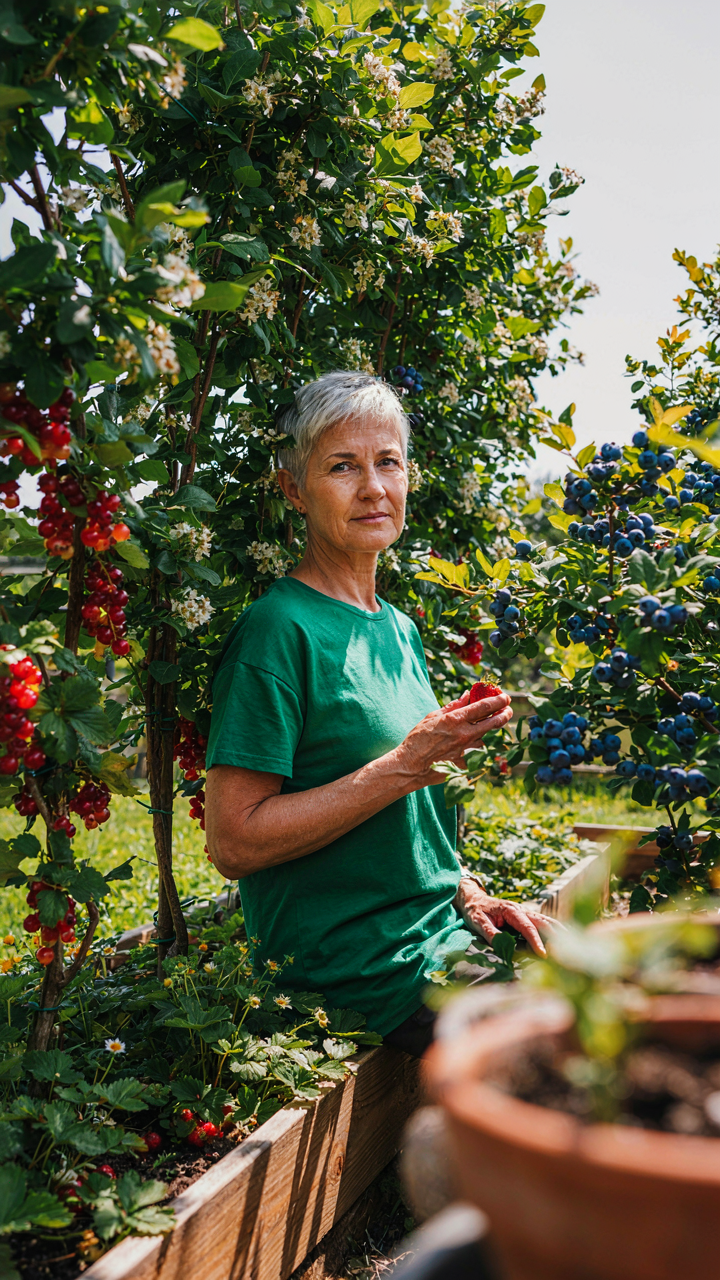
Model Your Layout On Natural Forest Edges
You want your garden to feel effortless and productive without constant intervention, which means you’re really asking someone else to design the system so you can take credit. Here’s the mechanism: forest edges aren’t random. They follow ecological layers that manage light, moisture, and pest pressure through structure alone. Mimic that stratification. Place tall canes or trellised brambles on the north side to create partial shade for shade-tolerant varieties like alpine strawberries and currants. Position sun-demanding berries like blueberries and raspberries where they catch six to eight hours of direct light. The edge effect increases yield because species occupy different niches instead of competing for the same resources.

The real design lever is understory arrangement. Plant dwarf or semi-dwarf varieties between your full-height canes rather than in rows. This creates microclimates that naturally regulate soil temperature and reduce water loss on hot days. Perimeter plantings of herbs like mint and thyme add another layer that disrupts pest navigation patterns. The edge-based layout produces higher berry yields per square foot than monoculture rows because each plant functions as part of a working system, not an isolated unit.
Build Fertility That Cycles Itself
Closed-loop nutrient cycling means you stop importing fertility and start capturing what’s already present. This is an agricultural economy principle: maximize output while minimizing external inputs. Most berry growers fail here by treating soil as inert medium instead of a living system with specific inputs and outputs. Install your patch where fallen leaves naturally accumulate or design pathways to deliberately funnel them into growing zones. Compost these leaves on-site instead of removing them. Add mulch made from your own wood chips and kitchen waste to the berry bases in fall. This decomposition releases nitrogen, potassium, and phosphorus directly where roots access them. In year two and beyond, your soil fertility rises without purchased amendments.
The protocol is simple: designate a hot compost area adjacent to your berry patch. Layer nitrogen sources (kitchen scraps, grass clippings) with carbon (shredded leaves, cardboard). Turn it monthly during growing season. When ready, distribute finished compost directly around berry plants in spring before growth begins. This one practice eliminates the need for synthetic fertilizers while increasing soil organic matter, which holds water and prevents nutrient leaching. Measure success by reduced supplemental feeding, not by appearance.
Veg Garden Integration: A Symbiotic Approach

Where Berries Anchor Vegetable Beds
You want berries in your vegetable garden because it looks intentional and maximizes space, but the real reason matters more: you’re afraid of wasted dirt. Ecologists call this principle “niche stratification” – the stacking of organisms across different vertical and temporal layers to eliminate competition for the same resources. Berries occupy a different root depth and canopy height than most vegetables, so they don’t fight for light or water. Plant berry canes and bushes on the north edge of vegetable beds to block afternoon sun from burning cool-season crops in summer, while vegetables beneath them get dappled light in spring before berries fully leaf out.
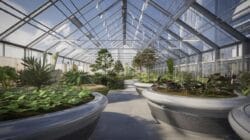
The mechanism is simple: berries become your garden’s permanent skeleton. Raspberries and blackberries establish along northern or eastern borders where they cast afternoon shade without starving southern beds of morning light. Blueberries work as multi-year anchors between rotating vegetable sections because their shallow root systems won’t compete for deep-rooted nutrients that peppers and tomatoes need. This isn’t aesthetics. This is structural efficiency applied to plant architecture.
Rotation Without Replanting Perennials
Common advice says rotate everything annually, but that’s wrong for berries. Rotation principles from agronomy treat soil depletion and pest accumulation as the core problems. Perennial berries don’t fit this model because they stay in place for five to fifteen years. Instead, apply rotation thinking to the vegetable space around them.
Rotate heavy feeders, light feeders, and nitrogen-fixing plants through the beds adjacent to your berry perimeter, not the berries themselves. If strawberries occupy a bed, heavy feeders like tomatoes go there the first year, then legumes the next to replenish nitrogen, then lighter feeders like lettuce. Berries remain static anchors while vegetables move through the space. This separates the two systems and prevents the false choice of either replanting berries constantly or abandoning rotation strategy.
Designing For Longevity: The Berry Garden Layout Design
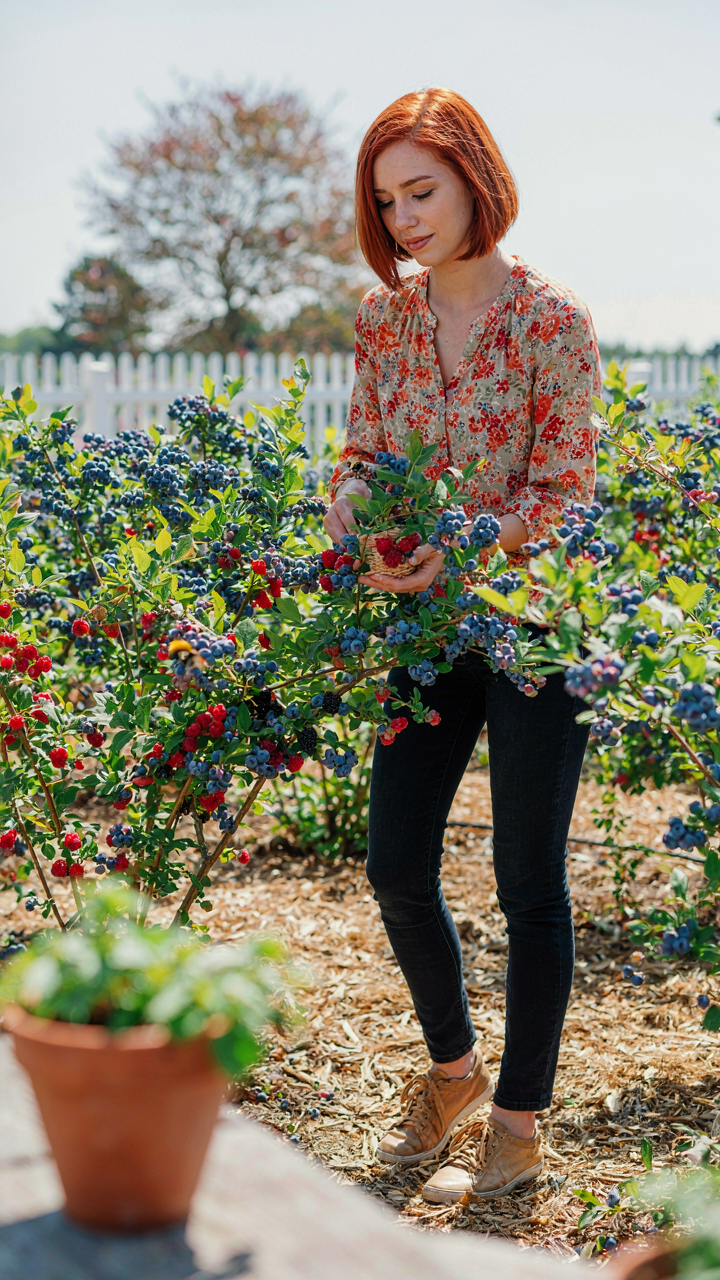
Stacking Species For Mutual Survival
You want a garden that doesn’t collapse the moment you stop babying it, which means you’re really asking how to stop working. Ecology answers this through guild theory: stacking organisms with complementary roles so the system maintains itself. In berry layouts, this means positioning nitrogen fixers, deep root miners, and pest predators in spatial relationships that amplify their function instead of fighting it.

Blueberries, for example, thrive in acidic soil and benefit from mycorrhizal fungi that associate with forest species. Positioning them near native understory shrubs or planting nitrogen-fixing legumes at the border changes the soil chemistry without amendment bags. The mechanism isn’t that plants are friends. It’s that each species exploits a different resource layer, removing competition pressure and building conditions that reward longevity over maintenance cycles.
Building Soil Permanence Into Layout
The standard advice treats soil like a consumable you refresh yearly with compost. That’s wrong. You’re designing a living system, not maintaining a sterile substrate. Long-term soil building happens through root architecture and organic matter cycling, which means your layout must support continuous biomass production in the off-season when berries aren’t fruiting.
Establish permanent cover crops or low-growing perennials between rows that stay in place year-round, adding dead organic matter and root exudates that feed fungal networks. Mulch with coarser materials like wood chips rather than fine compost—they persist longer and create anaerobic zones that prevent pathogen bloom. The layout itself becomes the protocol: plant density tight enough to suppress weeds but open enough for air flow, and position taller shrubs to shade and cool soil through peak summer heat, cutting decomposition speed and preserving microbial biomass.
The Future Proof Berry Garden: Adaptability Is Key

Build Redundancy Into Your Spacing
You want your berry garden to survive what you can’t predict, and that fear is legitimate. Borrowing from systems theory, redundancy means designing the layout so no single failure point kills your harvest. Most people space berries by the handbook minimum, which saves money and looks tidy. That’s the wrong metric. Space rows and plants so you can remove or relocate individuals without collapsing the whole system.

This means 30 percent more open ground than conventional advice suggests. When frost kills one sector, disease hits a corner, or you need to restructure drainage, you adjust individual plants without dismantling everything. Leave access lanes wide enough to work both sides. Plant in clusters of three or five rather than single specimens so losing one doesn’t leave gaps. The mechanism is simple: surplus capacity costs less than replanting.
Stagger Your Plantings For Consistent Output
Succession planting works like a production line, not a garden hobby. You plant the same berry variety in three separate blocks at two week intervals, not all at once. Early season cold doesn’t wipe your entire crop. Disease pressure on one cohort doesn’t infect the others immediately. Unpredictable weather shifts mean some blocks will still produce acceptable yields even when others fail.
Assign each block a specific zone of your garden layout. Mark planting dates on a calendar that lives somewhere visible, not in your phone notes. When block one finishes, block two peaks. By the time block three ripens, you’re harvesting for six weeks instead of two. The real protocol: plant, wait fourteen days, plant again, wait fourteen days, plant the final block. That rhythm compounds into continuous yield without requiring new varieties or extra space.
The Real Obstacle Isn’t Your Layout; It’s Your Inability To See Beyond A Single Season

Most people design a berry garden like they’re solving a one-year puzzle. They plant, they harvest, they quit. The actual win lives three years out when your layout compounds itself. Today, sketch where your berries sit right now. Don’t optimize it yet. Just document it. Then ask yourself what changes next summer that’ll force you to rebuild. That answer reveals whether you’re planning a garden or building a system. Most people are doing neither.