The Lumina Protocol: Engineering Night Glow

Positioning Plants For Moonlight Amplification
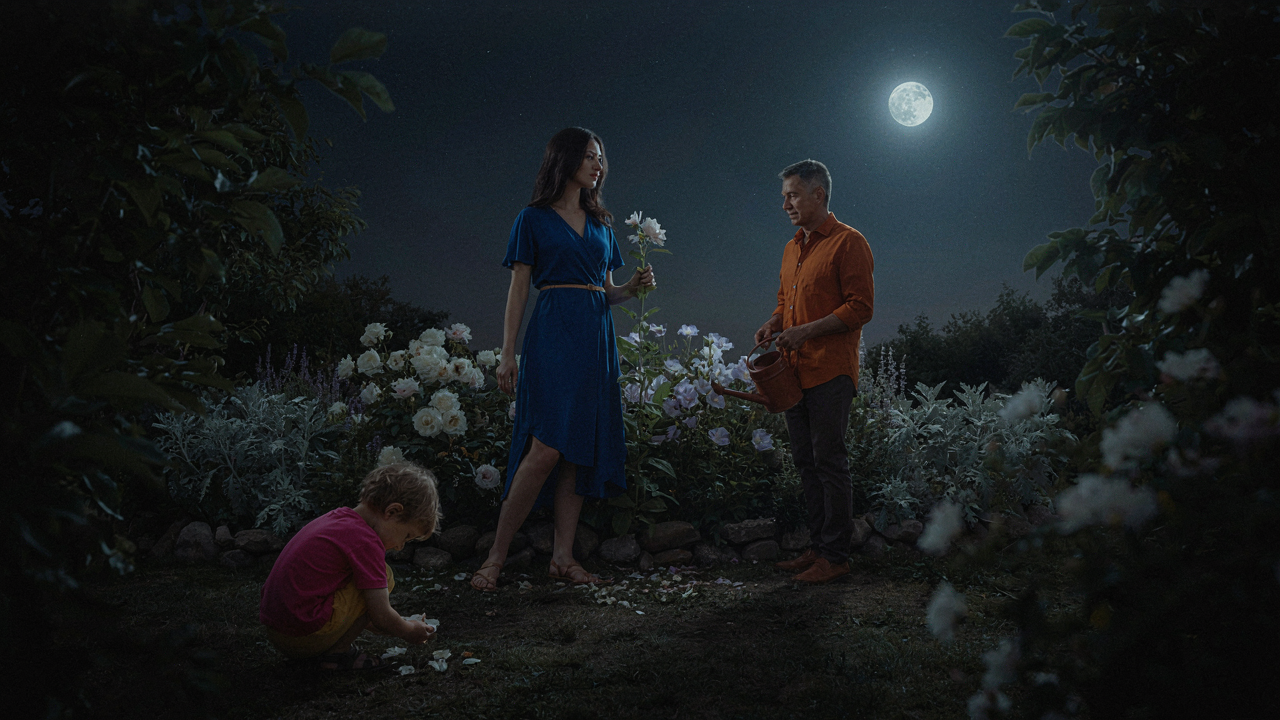
You want a moon garden because it signals taste and intention to anyone who sees it. The real mechanism is simple: moonlight doesn’t distribute evenly across your garden. It follows the same physics as any light source. Angle matters. A plant positioned perpendicular to incoming moonlight reflects more of it back than one in its path. South-facing slopes catch lunar light longer. North-facing positions receive it obliquely and lose intensity fast. Place high-contrast foliage on the moon’s travel path across your garden, not in shadow pockets.
The common mistake is treating moon gardens like daytime gardens with the sun factor removed. Wrong. Lunar illumination is directional and changes hourly. Map your garden’s moonrise and moonset points during the phase you’re designing for. Plants near the eastern moonrise zone catch early-night glow when contrast is sharpest. Western zones capture late-night light when human eyes are more sensitive to low-level illumination. Use hardscape shadows intentionally. A dark fence or structure behind light foliage creates silhouette depth that amplifies perceived brightness.
Leveraging Foliage Color For Ambient Reflection
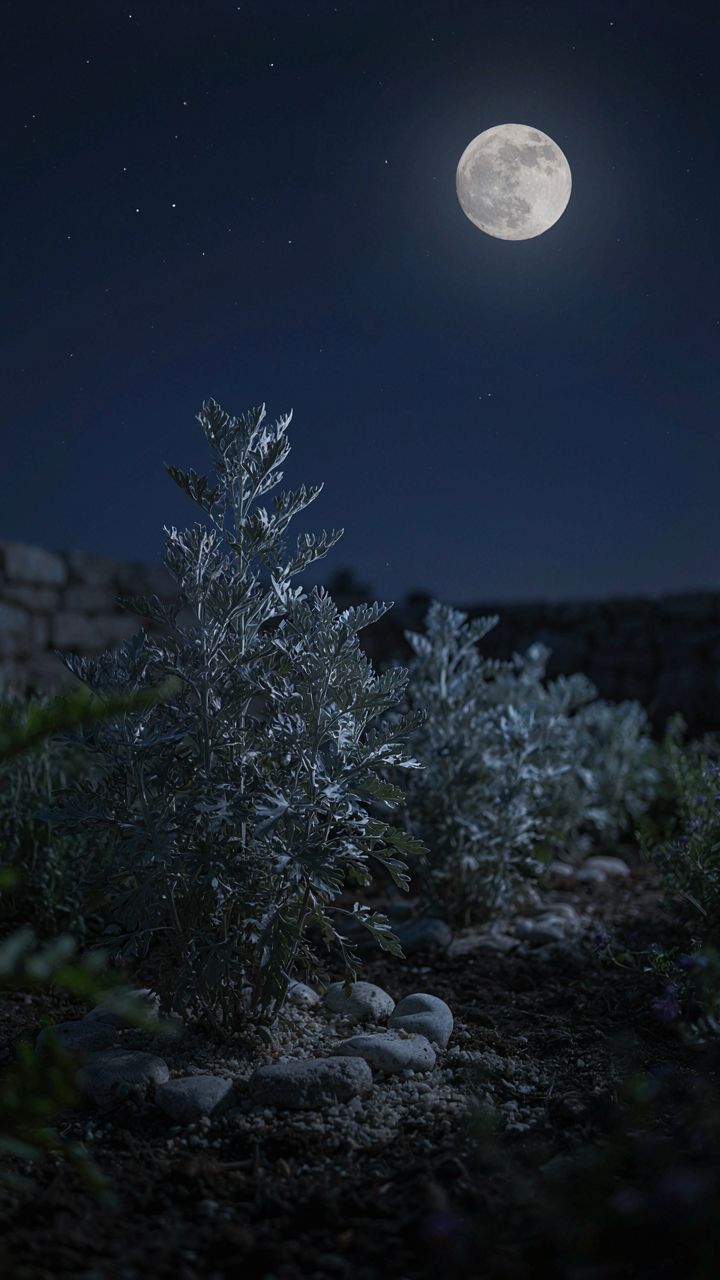
White and silver plants aren’t just pretty. They function as reflective surfaces because their leaf cells contain reduced chlorophyll and air pockets that scatter light rather than absorb it. This is botanical optics, not decoration. Chlorophyll absorbs blue and red wavelengths efficiently. Silver-leafed plants reject those wavelengths and bounce them back, creating the appearance of glow under low-light conditions. The human eye perceives this as luminescence when it’s actually passive reflection.
Choose plants with proven reflective capacity, not ones labeled “silver” for marketing reasons. Artemisia, dusty miller, and lamb’s ear have evolved in sun-intense environments where white fuzz reduces water loss and heat damage. That adaptation creates your visual effect. Pair these with white-flowering perennials that bloom during your target season. Position them in clusters, not scattered. A concentrated mass of reflective foliage creates a focal point that reads as intentional glow rather than random pale vegetation. The garden’s nighttime hierarchy depends on strategic density, not on planting everything light-colored.
Moon Garden Plants: Beyond Generic Whites
Night Blooming Flowers With Intentional Scent Architecture
You want a moon garden because you think white flowers at night sound sophisticated. The real mechanism is this: fragrance travels differently in cool air than daylight heat disperses it. Nocturnal-blooming plants exploit physics. They release volatile compounds when temperatures drop, creating scent corridors instead of diffuse clouds. This concentration makes the garden feel deliberately designed rather than accidental.

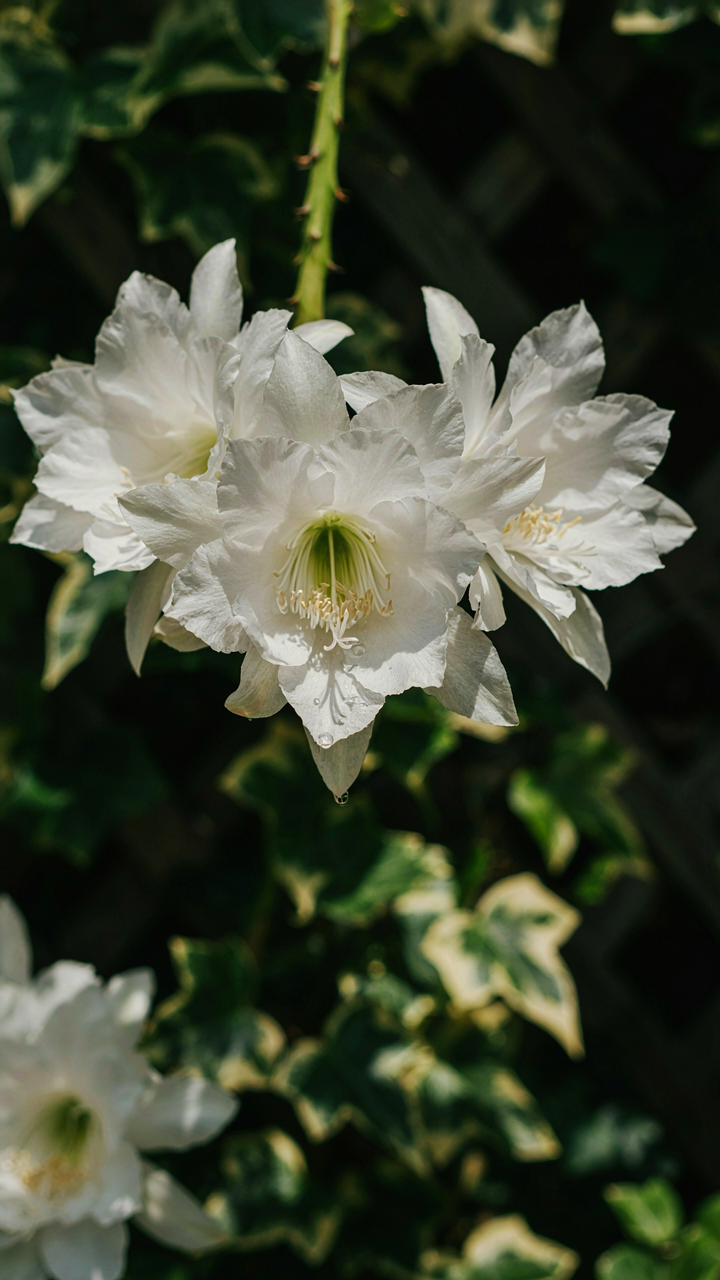
Most moon garden advice stops at moonflowers and jasmine. Both work, but they’re consensus picks that everyone copies. Night-blooming cestrum produces tubular yellow flowers that release heavier fragrance after sunset than comparable white varieties. Epiphyllum (night-blooming cereus) flowers for only one night per year but emits intensity that rewires how visitors perceive the space. Brunfelsia releases fragrance strongest between 9 PM and midnight, not randomly throughout evening. These plants reward specific timing because you’re actually there to smell them at peak hours.
Leaf Surfaces That Redirect Available Light
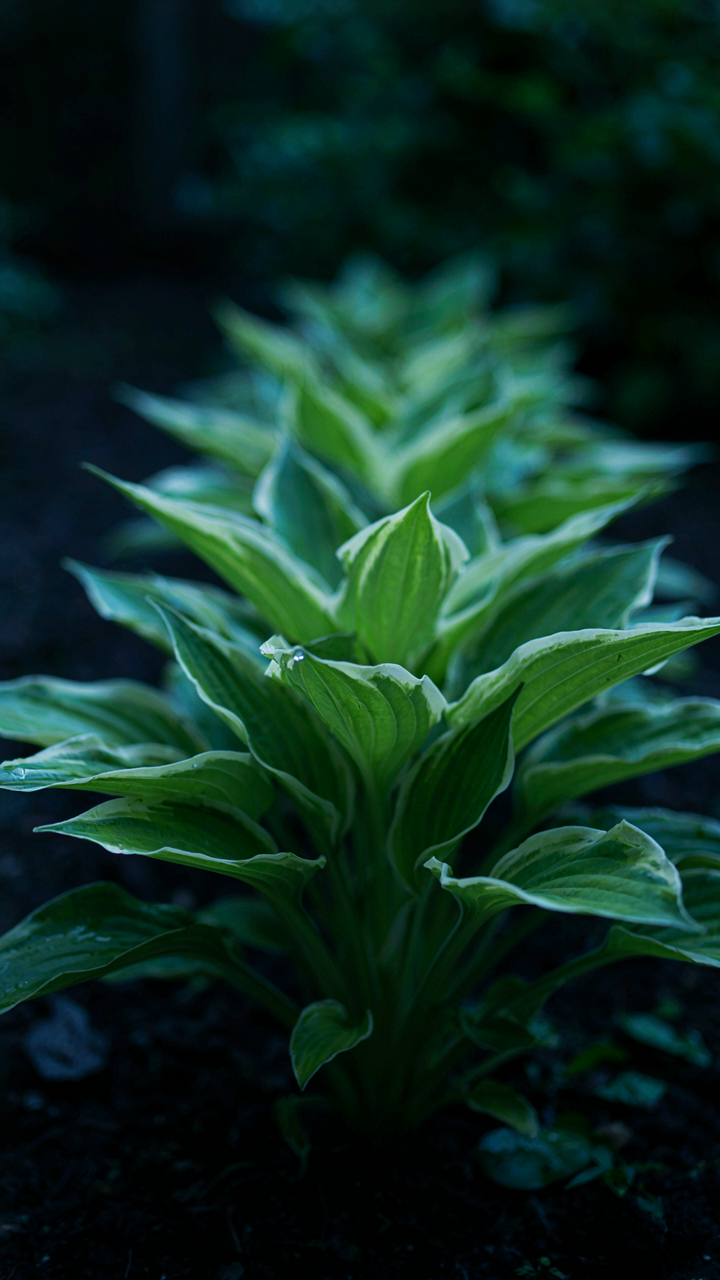
Foliage does real optical work that most gardeners ignore completely. Leaf texture operates like the reflectivity principle in architecture: smooth surfaces bounce light predictably, while rippled or fuzzy surfaces scatter and hold it. Dusty miller’s silver-gray fuzz creates ambient glow without reflective gloss. Hosta leaves with prominent veining catch and channel moonlight downward instead of away from the garden floor.
Coleus with white or pale variegation works differently than solid-colored foliage. The color contrast creates visual depth that the eye reads as illumination. Variegated ivy climbing a trellis becomes a light source itself in low-light conditions. Positioning these high in the garden structure forces viewers to look up, creating a sense of enclosure and intentional design. Plant textured foliage in clusters near seating areas, not scattered randomly through beds.
Night Garden Design: The Shadow Play Method
Building Silhouettes With Structure
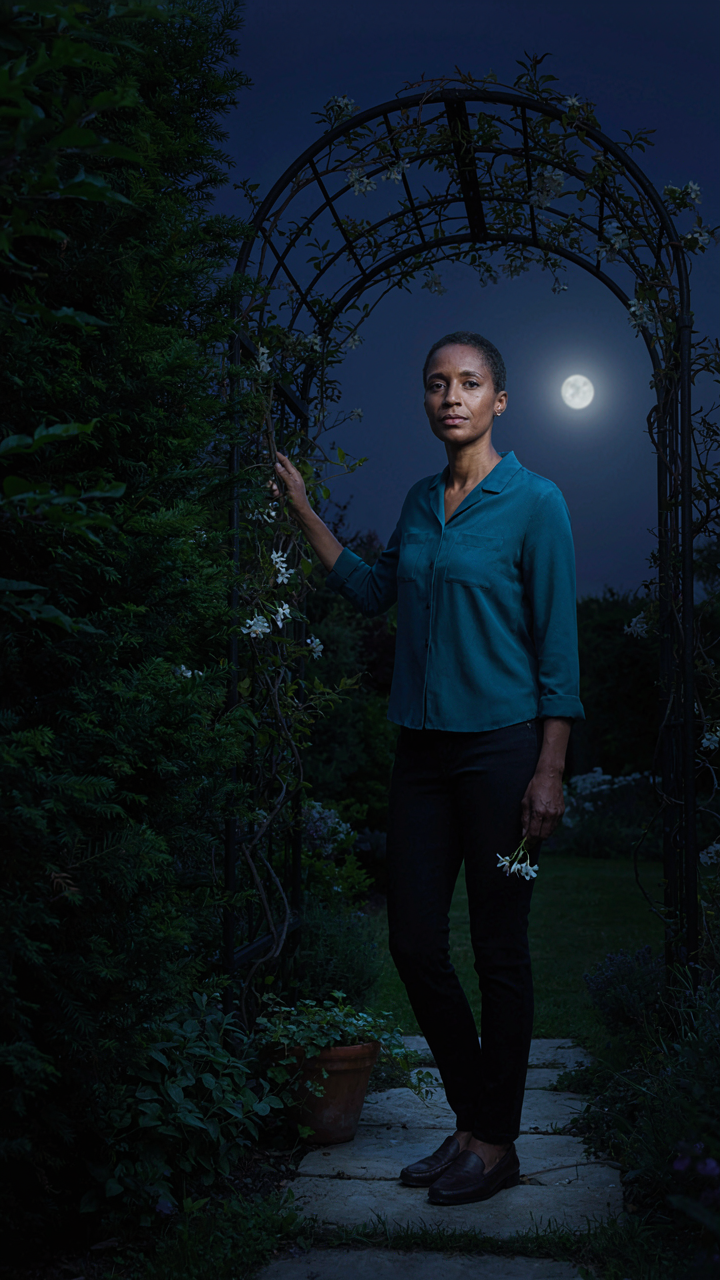
You want people to notice your garden at night without admitting you care about being noticed. That’s the real play here. The mechanism is contrast: architecture becomes visible in darkness through silhouette, which means you’re not lighting the object itself but defining its outline against ambient light. Hard geometry reads clearer than soft forms when backlit or sidelighted. A pergola, arbor, or fence frame reads as shape. A shrub reads as blob.

Place vertical structures where moonlight or residual sky glow hits them from behind. The structure becomes a shadow puppet on a screen of available light. Metal arbors, wood trellises, and stone walls work because their edges are defined. Position them 10 to 15 feet from viewing points to maximize the silhouette effect. The distance forces your eye to read shape rather than detail, which is exactly what makes nighttime drama work.
Darkness As Design Material
Everyone mistakes darkness for the absence of design. It’s not. Darkness is a tool you control by removing light selectively. Think like a sculptor removing marble: you’re carving with shadow. Deep shade under dense canopy creates pockets of visual rest that make lit areas feel brighter by comparison. Strategic darkness makes light zones pop without installing more fixtures.
Create shadow zones by planting dense evergreens in clusters on the north or east side of your garden. Leave open zones where moonlight or ambient light naturally pools. The contrast between these zones becomes your design. A pathway through darkness leading to an open clearing creates tension and release. That rhythm is the actual structure of the garden, not the plants themselves.
Witchy Garden: Tapping Into Primal Night Energy
How Darkness Rewires Your Nervous System
You want to feel like you’re in on something. Night gardens promise access to an aesthetic experience most people never bother to engineer. Here’s the mechanism: darkness triggers parasympathetic dominance. Your pupils dilate, cortisol drops, and your brain shifts into a different sensory hierarchy. Plants that glow, reflect, or release scent at night exploit this neurological state directly. You’re not creating ambiance. You’re hacking the autonomic nervous system through flora.

Moonlight changes how you perceive color and form. Your eyes lose red and yellow wavelengths in low light, so blues, whites, and silvers become dominant. Plants with these qualities trigger a calming response because they register as “safe” to your reptile brain. Silver-leafed plants like artemisia or dusty miller don’t just look peaceful—they’re neurologically coded that way. The night garden isn’t decorative. It’s a tool for shifting your baseline state.
Plant Memory In Pre Industrial Herbalism
Herbalism borrowed a framework from medicine: the doctrine of signatures. A plant’s appearance signals its function. This isn’t myth—it’s a naming system that survived because certain plants actually did work. Night-blooming jasmine, moonflower, and evening primrose weren’t chosen randomly for nocturnal gardens. Medieval herbalists noted these plants activated specific responses after dark. Moon gardens inherit this operational knowledge, not superstition.
Witchcraft and gardening intersected historically because both required acute observation of plant behavior. Women who tended night gardens accumulated data on scent release, nocturnal pollinator activity, and seasonal shifts. The plants associated with “witchcraft”—datura, mandrake, belladonna—actually contain alkaloids that alter perception. A witchy moon garden today uses the same plants without the toxicity by selecting species like cestrum nocturnum and ipomoea alba instead. Plant the night bloomers in clusters near seating areas so scent intensity builds and creates a deliberate sensory threshold.
Moonlight Gardens: The Illusion Of Amplification
Surface Angles Determine Visible Glow
You want people to notice your garden at night without installing a stadium’s worth of lighting. The mechanism most designers miss is that moonlight doesn’t amplify equally across all surfaces. Physics dictates that reflectance depends on incident angle, not plant choice. Surfaces perpendicular to incoming moonlight bounce more photons back to the observer’s eye than surfaces parallel to it. This is why leaf angle matters more than leaf color.

Foliage with upward-facing leaves captures and reflects moonlight back toward viewers. Hostas, sedums, and Japanese painted ferns naturally orient their leaf surfaces to catch overhead light. Conversely, plants with drooping or downward-facing foliage absorb moonlight instead of redirecting it. Positioning matters equally. Place reflective-surfaced plants on slopes facing your primary viewing areas, and angle hardscapes like gravel paths or light-colored stone to face moonrise direction. The glow you perceive is pure geometry, not magic.
Path Lighting Relies On Distance Mechanics
Inverse square law from physics governs how light intensity drops across space. When you halve your distance from a light source, you receive four times the illumination. Moon gardens exploit this ruthlessly. Pathway lighting spaced thirty feet apart fades into darkness between fixtures, killing drama. Fixtures placed ten feet apart create perceived brightness despite lower wattage, because viewers travel closer to each point source before reaching the next one. The dramatic effect compounds because human eyes adapt to the surrounding darkness rather than absolute brightness.
Designers often space path lights by aesthetic preference or grid patterns. Wrong approach. Calculate fixture placement by inverse square law: determine your acceptable illumination at the farthest point from any light source, then work backward to spacing. Narrow spacing doesn’t waste energy when done deliberately. It trades coverage area for psychological intensity. Your brain processes a well-lit ten-foot zone more dramatically than a poorly lit thirty-foot zone because contrast reads as drama.
Moon Garden Ideas Backyards: Strategic Layouts

Where You Actually Stand Matters
You want a moon garden because it makes you look like you understand something most people don’t. The real mechanism is sightline architecture. Your viewing position determines which plants catch moonlight and which disappear into shadow. Most people plant randomly then wonder why their garden feels flat at night. Position yourself first. Walk your yard at night during a full moon. Mark where you naturally stand—patio edge, back door, bedroom window. That’s your primary sightline. Everything visible from there gets planted with nocturnal plants. Everything else is filler.

Secondary sightlines matter because they create depth. Plant a bench fifteen feet into the yard and notice what you see from there versus from the house. The angle shifts. Reflective foliage catches light differently. Your moon garden needs at least two distinct viewing zones to feel intentional rather than accidental. This isn’t about aesthetics—it’s about controlling which plants enter your visual field at night and in what sequence.
The Path Through Darkness
Navigation theory teaches us that humans move through space along lines of least resistance and clearest purpose. A moon garden uses contrast and light-catching plants as invisible pathways. You don’t build a lit walkway. Instead, you create a visual corridor using silvery foliage, white flowers, and reflective surfaces that guide attention without saying “walk here.”
Plant silver-leafed varieties along natural foot traffic routes. Artemisia, dusty miller, and lamb’s ear act as visual anchors in darkness. Position them at decision points where the path could branch. White flowers—moonflower, night-blooming jasmine, gardenias—punctuate endpoints and rest areas. The effect feels organic, but it’s deliberate. Someone moving through your garden at night follows the luminous plants naturally, no path lights required. This is stage direction through landscape.
The Albedo Advantage: Reflecting What Matters
Paint And Surfaces That Bounce Light
You want your garden to glow at night without electricity, which means you’re banking on borrowed light doing the work for you. This is basic physics: albedo measures how much light a surface returns to the observer instead of absorbing it. The higher the albedo, the more moonlight and ambient light your plants and hardscape throw back at you.

Most people slap down standard mulch and concrete and wonder why their moon garden looks like a parking lot at dusk. Wrong surfaces eat light. You need materials engineered or chosen for reflectance.
- White marble chips: Return 55-65% of available light. Use in mulch layers around specimen plantings. Expensive but durable and visually distinct.
- Crushed limestone: Albedo near 50%. Weatherproofs over time but maintains reflectance for years. Cost-effective at scale.
- Light-colored gravel or pea stone: 40-50% reflectance depending on size and composition. Easy to refresh and rake into patterns.
- White-painted steel or aluminum edging: 70-80% reflectance when clean. Creates clear boundaries that catch and redirect light.
- Bleached hardwood or composite decking: 45-60% depending on finish. Functional and reads as intentional design, not accident.
The mistake is assuming all light colors perform the same. They don’t. Measure outcomes. Install one test section and photograph it under similar moon phase and cloud cover. Adjust your palette based on actual performance, not theory.
Unconventional Surfaces For Natural Glow
Skip the advice about painting everything white. You’ll look like a cemetery, and maintenance becomes your second job. The real move is working with surfaces that hold luminescence naturally without paint refresh cycles eating your time.
Glazed ceramics and stone actually outperform paint. Glaze creates a glass-like surface that reflects light more efficiently and doesn’t degrade as fast. Historical moon gardens in Japan and Islamic traditions used glazed tile strategically, not as decoration but as optical infrastructure. You can source vintage or new glazed tiles, set them into pathways or borders, and get 60-70% reflectance without repainting every two years.
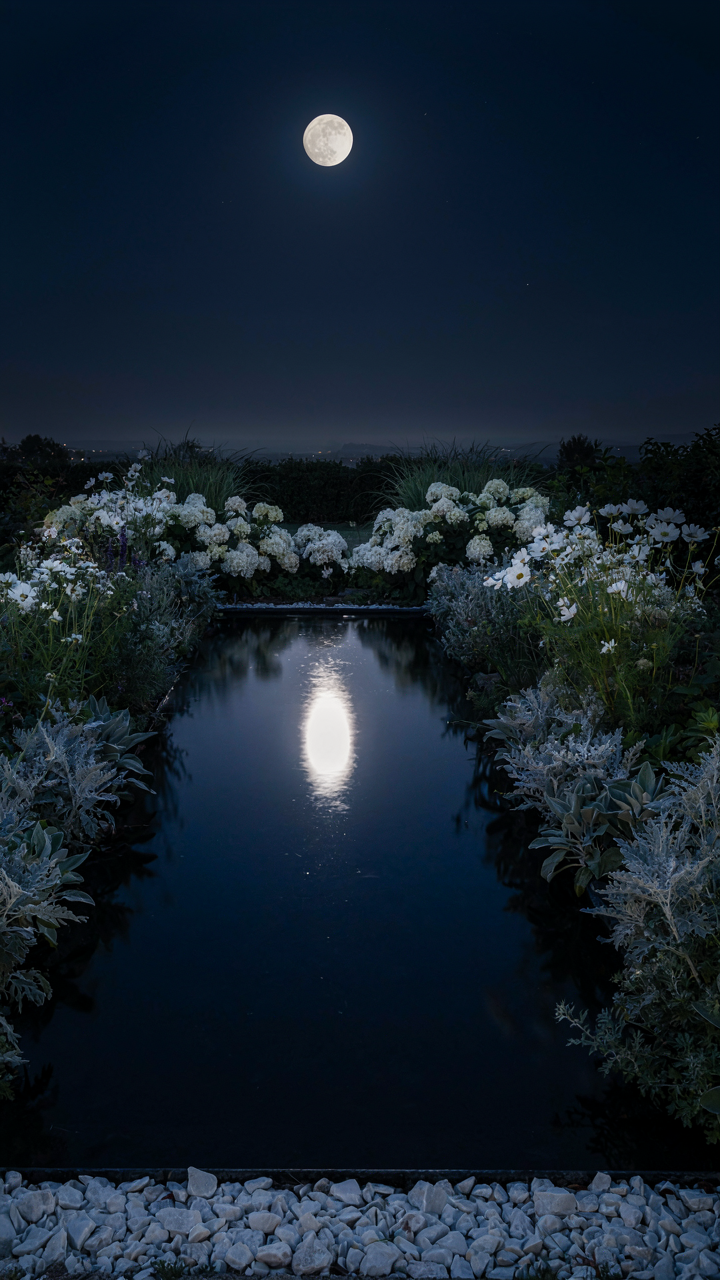
Water is your hidden weapon. A still pond, shallow reflecting pool, or even a birdbath captures moonlight and throws it upward into your plantings. The surface tension and opacity of water creates a natural diffuser that feels organic while functioning as a strategic light source. Position it near your seating area or specimen plants. The light reflection moves slightly with water ripples, which makes the garden feel alive instead of static and artificial.

Moon Garden: Cultivating Nocturnal Senses

Sound Design In Darkness
You want proof that your garden exists when you can’t see it. That’s the real reason you’re reading this section. Sound becomes the mechanism that extends your garden’s presence into the night when vision collapses. Borrow from acoustic design: treat the garden like a tuned instrument where water and plant material function as resonators, not decoration.
Water features dominate nocturnal soundscapes because moving water produces consistent, directional noise that travels farther in cool night air. A small recirculating fountain or shallow stream doesn’t require elaborate infrastructure. Position it where nighttime wind patterns amplify its sound toward seating areas. Ornamental grasses like miscanthus and festuca rustle when air passes through their thin blades, especially varieties with thin, upright structure. These plants generate texture without active maintenance.
Texture Layers For Tactile Navigation
Forget the advice that says touch doesn’t matter in a night garden. It matters more than sight does because it anchors you to physical space. Tactile experience prevents disorientation and creates memory through your hands, not your eyes. Touch plants that retain structural clarity after dark: those with distinct leaf shapes and fibrous bark.
Silver-leafed plants signal themselves through temperature and texture. Lamb’s ear, artemisia, and dusty miller leaves feel soft and cool, creating tactile landmarks. Incorporate hardscape elements with distinct surfaces: smooth river stone contrasts sharply with rough slate or weathered wood. Place these materials at hand height along pathways so fingers naturally make contact during movement. This transforms navigation from guesswork into active exploration, anchoring the body to the garden’s actual geometry.
The Unseen Mechanics Of Night Blooms

Why Moths Matter More Than You Think
You want a moon garden because it makes you feel like you’re in on something most people miss. The real mechanism is simpler: night-blooming plants evolved their timing around pollinator availability, not human aesthetics. In biology, this is called temporal niche partitioning, and moon gardens exploit it directly by stacking plants that bloom when their specific pollinators emerge. Moths, beetles, and nocturnal insects don’t compete with daytime pollinators. They operate in a separate market entirely.
Most night bloomers produce heavy fragrance and pale flowers not for romance but for signal. Pale petals reflect moonlight and starlight, creating visual landmarks in darkness. Fragrance travels farther at night because cooler air holds scent molecules longer and because fewer daytime insects are hunting, so chemical trails stay clean. Nocturnal insects have compound eyes tuned to ultraviolet wavelengths that pale flowers reflect strongly. You’re not creating ambiance. You’re building a functional pollination apparatus that happens to glow.
The Economics Of Staying Closed
Night bloomers don’t close at dusk because they’re shy. They close because staying open drains resources they don’t need to waste during daylight. This is resource allocation, pure economics applied to plant survival. A flower open in sunlight attracts daytime pollinators the plant can’t use while also losing water through transpiration and risking petal damage from UV radiation and heat stress. Night bloomers reverse this equation entirely.
The payoff structure changes the entire design. Plants like moonflower and night-blooming jasmine invest heavily in fragrance production at night, then seal themselves during the day to conserve water and reduce exposure. This isn’t a preference. It’s survival math in environments where nighttime humidity runs high and daytime heat runs brutal. Your moon garden succeeds because you’re working with plant biology, not against it. Choose species native to warm climates where nighttime pollinator activity actually happens, and water deeply in late afternoon so plants can afford to produce scent after sunset.
The Night Reveals Not Merely Beauty, But The Stark Limitations Of Your Daytime Vision
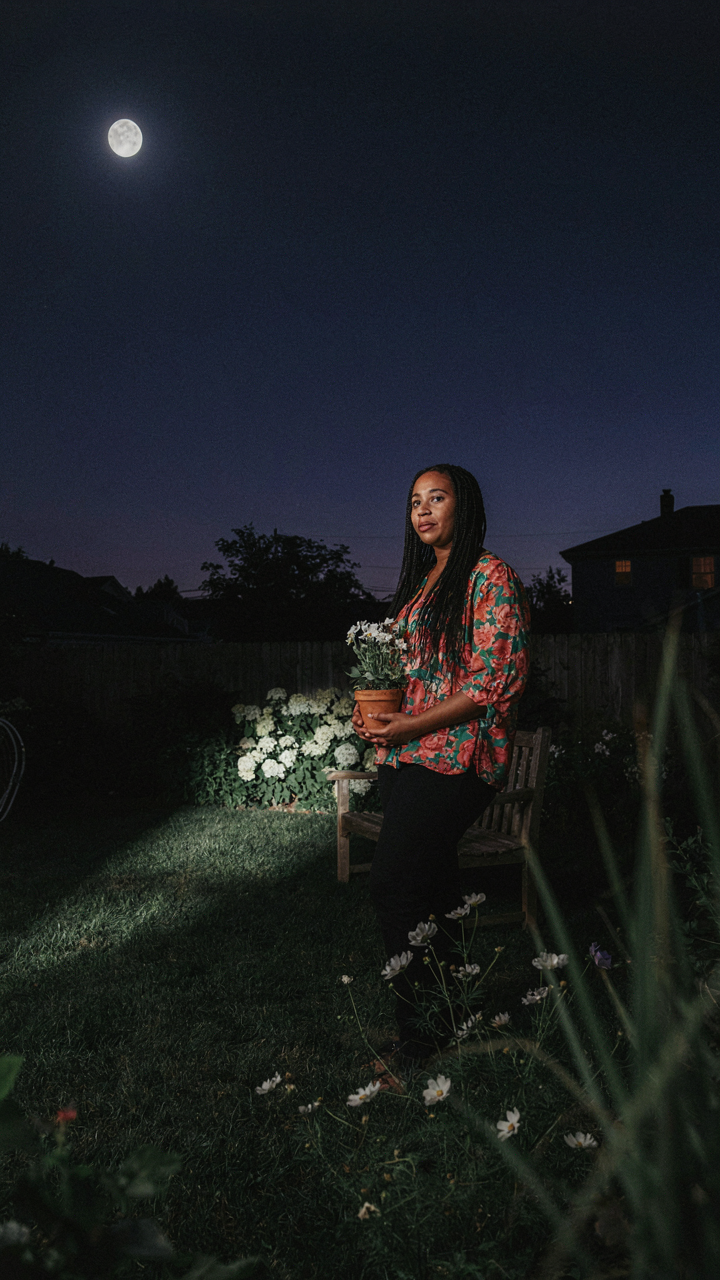
Most people design gardens for an audience that never shows up. You spend daylight hours working, then retreat inside at dusk. A moon garden flips this backwards. You build something that demands your presence when darkness falls. Tonight, walk outside and map three spots where moonlight pools naturally on your property. Plant white flowers there tomorrow. Stop treating your yard like a daytime decoration and start treating it like the life you actually live.