The Illusion Of Instant Curb Appeal: Why Weekend Fixes Fail
Quick Fixes Hide The Real Problem
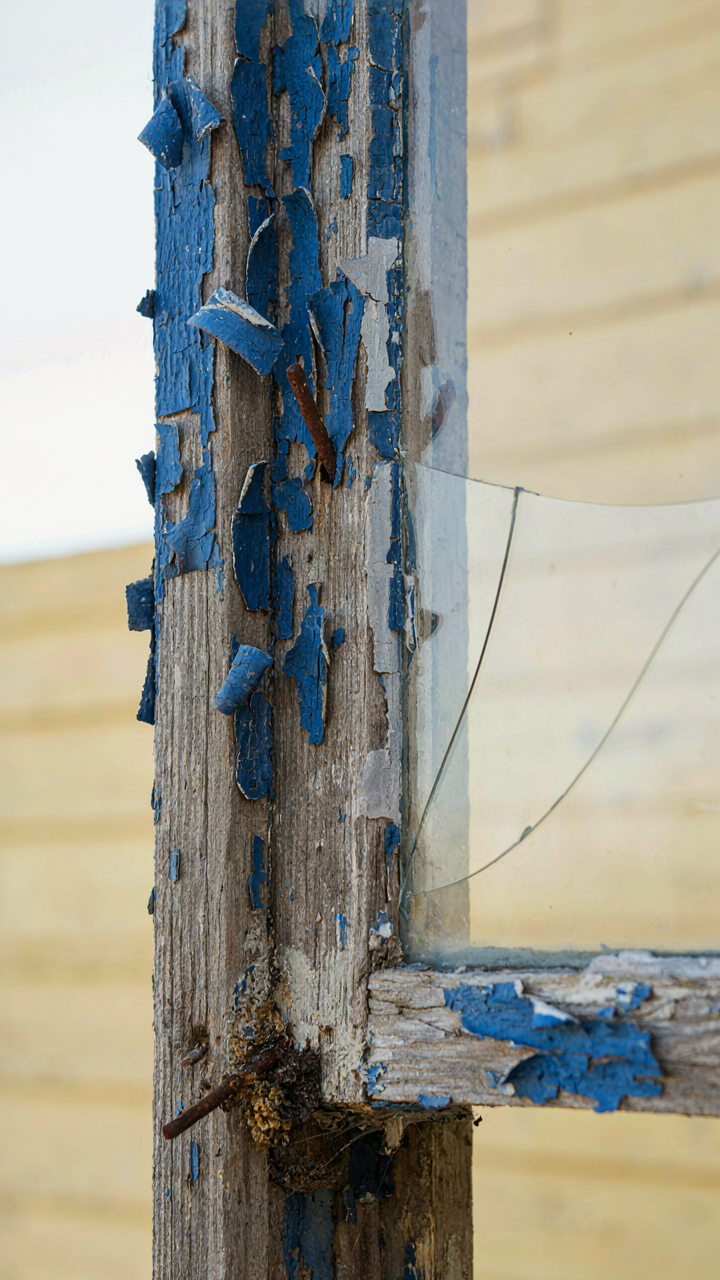
You want the payoff without the work, and you’re hoping a weekend of effort erases months of neglect. Here’s the mechanism: cosmetic changes mask structural decay. Paint over rotting trim and the rot advances underneath while you assume the problem is solved. This is entropy economics applied to your front yard—you’re treating symptoms instead of addressing the system that created them in the first place.
Most weekend curb appeal advice skips the diagnostic phase entirely. It jumps straight to planting flowers and power washing without asking why the house looks neglected. Maybe the gutters clog and stain the siding. Maybe the foundation settles and cracks the entry steps. Maybe poor drainage kills the landscaping. Apply new mulch and fresh paint, and you’ve bought yourself four months before everything looks worse than before you started.
The Lipstick Trap Always Costs More
This isn’t marketing wisdom or motivational talk—it’s a financial fact. You paint the front door a trending color and buyers notice the peeling window caulk. You add neat planters and the cracked concrete foundation shows up in photos. Staged beauty amplifies the perception of hidden problems instead of masking them. The eye notices contrast, not completion. When one element looks new, everything else looks older.
The real play is systematic neglect reversal, not aesthetic addition. Fix the gutter system first. Seal the cracks. Replace the weathered boards before the fresh stain. Only then does color, landscaping, and hardware land as investment rather than distraction. This sequence takes discipline because it’s boring work that doesn’t photograph well, but it’s what stops the next buyer from ordering an inspection with suspicion already planted. Start with what breaks things, then beautify what remains.
The Scarcity Aesthetics Protocol: Maximizing Impact With Minimal Resources
Where To Place Your Money First
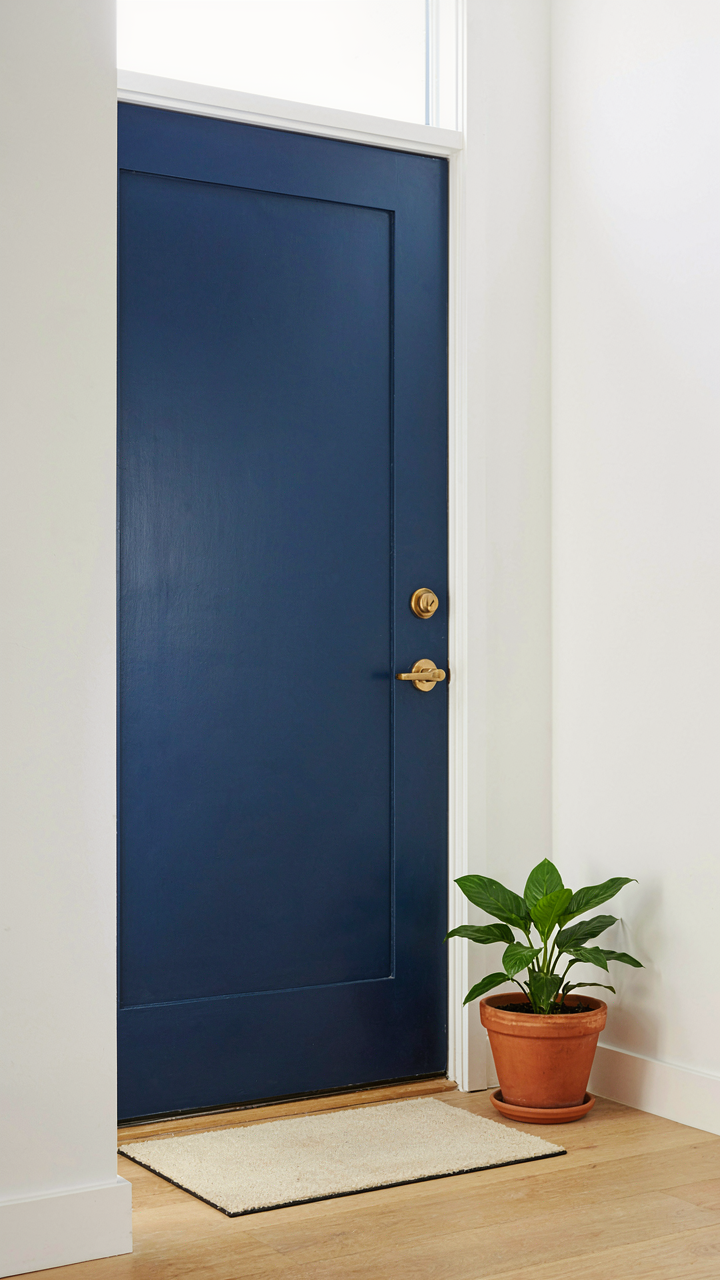
You want proof that spending less still moves the needle on property value. Here’s the mechanism: In economics, the concept of marginal utility means the first dollar spent delivers disproportionate returns compared to the tenth. Your front door and the five feet around it are your highest ROI zone. This is where a buyer’s eye lands first and lingers longest. Everything else is secondary.
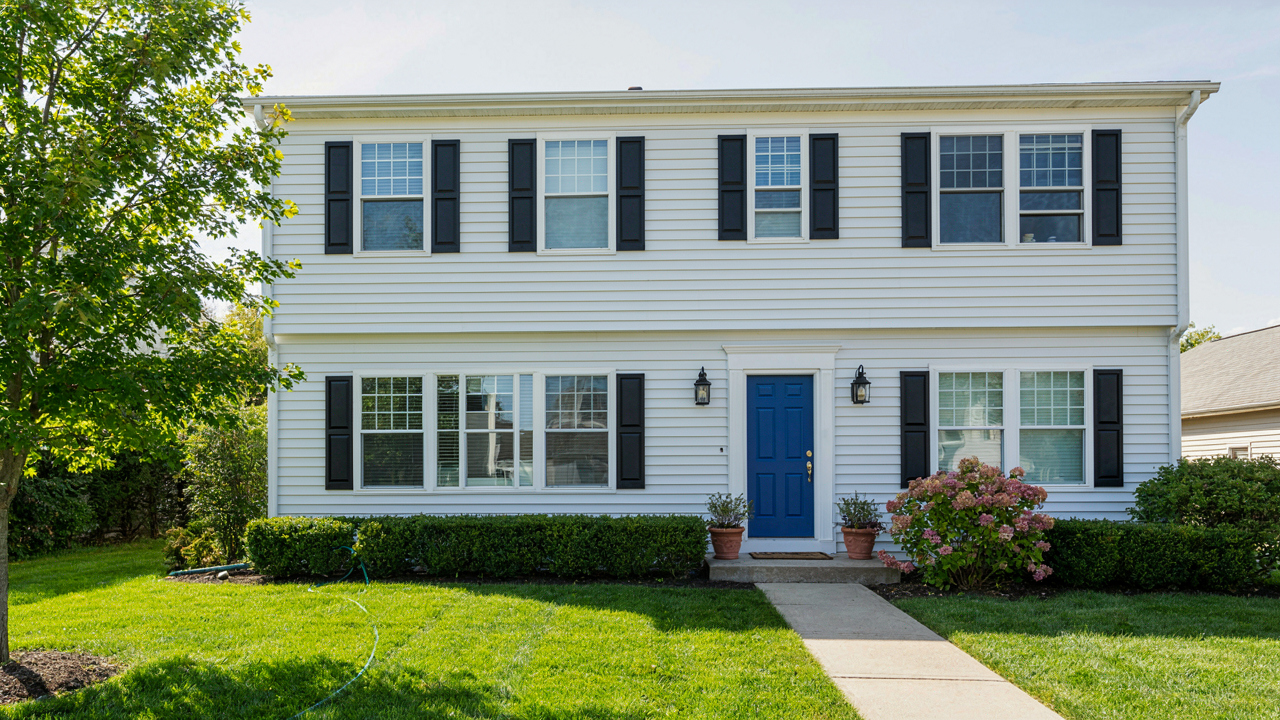
Focus your budget on entry points, not sprawl. A freshly painted front door, new hardware, and clean walkway work harder than scattered improvements across the whole lot. The goal is density of quality in the zone that matters. A visitor should see intentional design the moment they arrive, not effort spread thin across dead space.
Aggressive Editing Over Adding
Most budget curb appeal advice tells you to plant more. That’s wrong. Overgrown landscaping kills perception faster than bare ground. Remove dead branches, eliminate crossing limbs, and cut back anything blocking sightlines to your house. Strategic pruning reveals architecture and increases perceived space. One healthy shrub in the right spot beats three struggling plants competing for attention.
Plant selectively and only when you’ve cleared the excess. Native species adapted to your climate require less water and maintenance, which means they actually survive the weekend project timeline. Choose one focal plant per front area. Let everything else serve that focal point. Your job is subtraction before addition.
Reclaiming Your Front Yard: A Guide To Budget Landscaping Principles

Clean Before You Build
You want people to think you maintain your property because it matters to you, not because you have money. Here’s what nobody says plainly: dirt and decay read as neglect faster than any design choice fixes it. Borrow a concept from systems design—constraint. Your hardscape (driveway, walkway, porch) is the structural constraint. Everything else follows. Power wash concrete surfaces first. Remove moss, algae, and stains. This costs almost nothing and shifts perception more than any plant purchase. A clean driveway says “I notice details.” A stained one says “I don’t.”

Concrete cracks and mortar joints need attention next. You don’t need perfection. Sweep out debris from cracks and apply concrete filler for deep gaps. Reset loose pavers if your walkway has them. Repoint crumbling mortar between bricks or stones with a caulk designed for masonry—it’s cheaper than calling a mason and takes two hours. The mechanism is simple: people’s eyes land on horizontal surfaces first, then edges. Fix edges and horizontal planes, and the entire front reads maintained.
Mulch Defines Space Without Cost
Mulch isn’t decoration. It’s the visual baseline that makes plants look intentional instead of scattered. Most people understand this wrong and buy premium mulch or use too little, which defeats the point. You need volume and color contrast. Dark mulch (brown or black) makes green plants pop and hides soil imperfections. Spread it two to three inches deep in defined beds. Don’t let it touch tree trunks or house siding—leave a two-inch gap. This prevents rot and looks deliberate.
The budget play is buying mulch in bulk from a landscape supply yard rather than bagged mulch from a box store. You’ll spend half as much per cubic yard and can stage it yourself in a weekend. Define bed edges with a sharp spade cut or a cheap plastic border. The visual effect of a clean mulch bed is disproportionate to the effort. It signals that the landscaping is organized, not random. This is how budget curb appeal actually works—constraint, contrast, and completion.
The Behavioral Economics Of Easy Curb Appeal Ideas

Why Your Neglected Front Looks Worse Than It Is
You’re avoiding the front because you’re terrified of what fixing it costs, not what it looks like. Loss aversion from behavioral economics explains this: humans feel the pain of loss roughly twice as intensely as the pleasure of gain. Your brain treats a deteriorating front entrance like a financial hemorrhage rather than an opportunity. The mechanism is simple: decay triggers fear of expense, so you do nothing, which accelerates decay. A chipped paint edge becomes permission to ignore the whole facade.

The cost of inaction on neglected areas compounds weekly. A single broken shutter doesn’t offend a buyer or visitor for one day, it generates a cascading narrative of neglect across their entire perception of your property. They don’t see one problem; they see evidence of deeper structural issues and poor maintenance habits. You’re not losing money on curb appeal, you’re losing control of the story someone tells themselves about your home the moment they arrive.
Your First Visual Impression Sets The Anchor
In behavioral economics, the anchoring effect dictates that the first number you hear becomes the reference point for all subsequent judgments. Your property’s curb appeal works identically. Whatever condition visitors see first becomes their baseline for evaluating everything else about your home, inside or out. Paint a front door a deliberate color or edge the lawn crisply, and suddenly the aging roof looks intentional rather than neglected. You’re not improving the house; you’re repositioning how your house gets interpreted.
Most advice treats anchoring as decoration. Wrong. It’s contrast. The mechanism works because people judge relative to the first reference point they encounter, not in absolute terms. A clean, freshly edged driveway makes the weathered siding look like a design choice rather than deferred maintenance. Apply this: fix the most visible single element from the street first. Whatever you see from the curb before anything else gets your weekend attention. That anchor point reframes everything else on your property as intentional, maintained, and worth the visitor’s continued attention.
Beyond Flowers: Unconventional Boost Curb Appeal Tactics
Lighting As A Nocturnal Design Multiplier
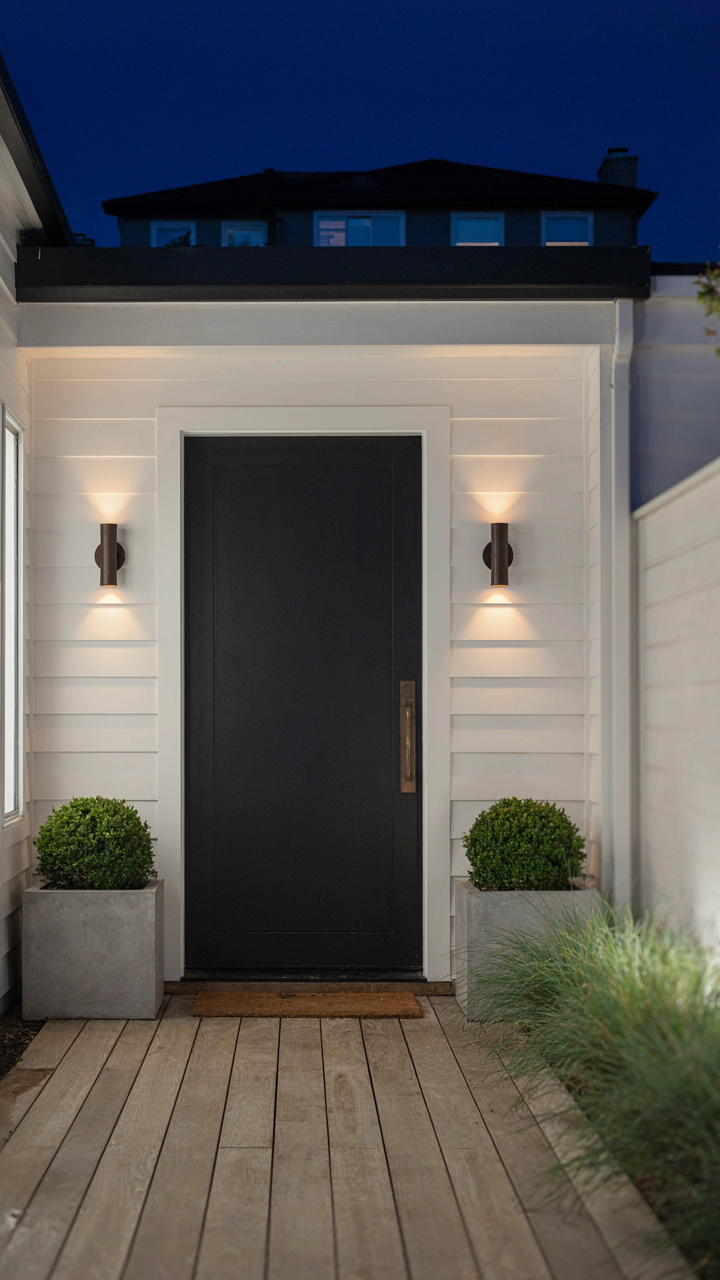
You want people to see your house at night because you believe it matters. It does, but not for the reason you think. Borrow a term from photography: dynamic range. Your front facade has a range of visual values from brightest to darkest. Lighting doesn’t add beauty—it reveals contrast. Without it, your house disappears into darkness the moment the sun sets. Strategic lighting expands your home’s perceived presence by controlling what viewers see and when they see it.

Pathway lights cost twelve to thirty dollars per unit and work without electricity if you choose solar models. Position them along walkways and around landscaping to create definition. Wall-mounted lights flanking the front door run twenty to sixty dollars and establish focal points. Place one on each side of the entrance at eye level. Avoid uplighting from ground level, which creates unnatural shadows and reads as amateur. Light the architecture itself, not the sky.
Mailbox And House Numbers: Overlooked Details
People notice what signals ownership. Your mailbox and address numbers are the first proof that someone lives here with intention. Most homeowners ignore these because they seem insignificant. They’re not. A weathered mailbox paired with faded numbers communicates neglect faster than an overgrown lawn. These elements cost twenty to eighty dollars to replace and take less than an hour to install.
Choose a mailbox in black or dark bronze, materials that hold up against weather and time. Mount it between forty-one and forty-five inches from ground to the mailbox center—postal service standard. Install address numbers in contrasting color directly above or beside it. Use numerals at least four inches tall for visibility from the street. This combination signals that the property owner pays attention to basics, which is the entire foundation of curb appeal.
The “Ecosystem” Approach To Budget Curb Appeal: Sustainability > Superficiality

Water Efficiency First, Then Everything Else
You want curb appeal that doesn’t require you to become a weekend slave to maintenance. That’s the real reason this section matters to you. The mechanism is simple: drought-resistant plants cut your water bill while staying visually dense year-round, which means less brown patches and dead zones that signal neglect faster than anything else. Water conservation isn’t a moral stance—it’s a design constraint that forces better plant selection, which forces better results.
Most people plant thirsty ornamentals, watch them brown out in summer heat, then panic-water and overspend. Instead, choose plants with deep root systems and waxy or fuzzy leaves that retain moisture. Sedums, ornamental grasses, and native shrubs handle heat stress without input. A mulch layer two to three inches deep cuts evaporation in half and costs under thirty dollars for a typical front yard. The mechanism is straightforward: efficient watering systems plus drought-adapted plants plus mulch equals sustained curb appeal on a fixed monthly budget.
Plant Once, Stop Paying Forever
Landscape ecology shows us that monocultures fail and diverse ecosystems self-regulate. Apply that to your front yard: choose native plants that coexist in your region’s existing ecology, and they ask for almost nothing from you.
- Black-eyed Susans: Bloom for months with zero fertilizer, spread steadily, and attract pollinators that signal a living landscape.
- Coneflowers: Drought-tolerant once established, require no staking, and dry attractively in winter for extended visual interest.
- Serviceberry shrubs: Four-season appeal with spring flowers, summer berries, fall color, and architectural winter branching structure.
- Daylilies: Naturalize over time, multiply without intervention, and cover ground faster than any paid maintenance contract.
- Ornamental grasses: Suppress weeds through density, move in wind for visual dynamism, and cost pennies to establish from divisions.
Native plantings work because they evolved alongside your region’s soil, insects, and rainfall patterns. This removes the friction between what you planted and what the climate wants to happen. You install once, deadhead or cut back once yearly, and watch the visual payoff compound. That’s the protocol: source natives for your hardiness zone, mulch heavily, and skip everything else for the first season.
The Art Of Deception: Curating An Authentic Front Yards Curb Appeal

Even Weight Distribution Across Space
You want people to feel like your house is stable and intentional, not neglected. That’s the real driver here. Symmetry isn’t about matching planters on both sides of a door—it’s a load-bearing principle from architecture. Balance distributes visual weight so the eye doesn’t get stuck searching for what’s missing. An unbalanced front triggers unease before anyone consciously notices why.

The common advice says “plant two matching shrubs and call it done.” Wrong. Symmetry works through repetition of visual mass, not identical objects. A large tree on one side needs a visual anchor on the other—maybe a dense planting, a hardscape feature, or even a contrasting material. You’re counterweighting elements. This takes thirty minutes to audit and zero dollars to rearrange what already exists on your property.
How Color Stops The Eye From Leaving
Color theory from graphic design applies here directly: saturation and contrast control attention. A muted front with no color contrast is invisible. Attention simply exits the frame. Conversely, one saturated element—a painted door, flowering plant, or mulch in a warmer tone—anchors the eye and makes everything else read as intentional rather than random.
The mistake most people make is adding multiple bright colors hoping something lands. Pick one accent color and repeat it twice across the yard in different forms. A red door with red ornamental grass creates coherence. A bright yellow planter with a yellow flowering shrub feels deliberate. This isn’t about taste—it’s about stopping motion. One strategic color choice beats a dozen scattered ones, and it costs nothing if you’re working with plants already on site or a can of exterior paint.
The 3×3 Grid: A Strategic Framework For Affordable Curb Appeal Ideas
Where Eyes Actually Land First
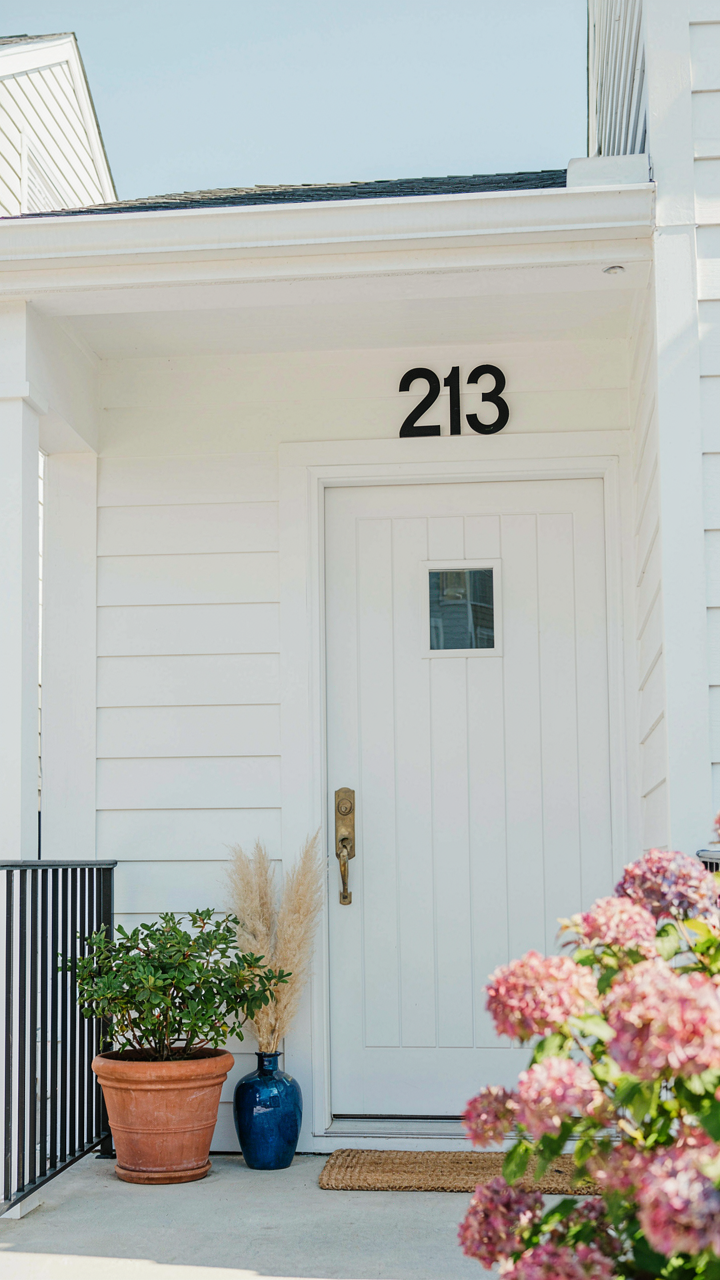
You want people to think your house is worth more than it is. That’s the real reason you care about this grid. The mechanism is simple: visitors fixate on three zones in sequence. Their eye moves from the street view to the entrance path to the front door itself. Each zone takes seconds to process. You control what happens in those seconds by stacking cheap improvements in the right order instead of spraying effort everywhere at once.

Think of this like a hierarchy of needs borrowed from systems design. The entrance zone is your load-bearing wall. Neglect it and nothing else matters. A visitor sees your door before they see your landscaping. They see your address numbers before they see your mailbox. You’re not decorating randomly. You’re placing tactical improvements where they interrupt someone’s judgment formation and reset it upward.
Build Momentum Through Sequential Small Wins
The common advice says start anywhere. That’s wrong. You start with what’s broken, then move to what’s visible, then move to what’s cheap to improve. This sequence matters because each win funds psychological permission for the next one. A fresh door number takes two hours. A cleaned-up entry path takes three hours. New mulch takes two hours. Each one costs under fifty dollars and shifts how someone interprets what comes next.
The mechanism is cognitive anchoring. The first thing you fix becomes the new baseline. Someone sees a clean porch and suddenly notices the landscaping needs work. But they notice it as a gap to fill, not a reason to discount the house. You’re using cheap improvements to create the conditions where medium improvements feel necessary, and medium improvements create the conditions where expensive improvements feel justified. Stop with the low-hanging fruit and move vertically through the entrance zone over a weekend.
The Real Obstacle: Your Belief That Effort Can Substitute For Strategic Thinking
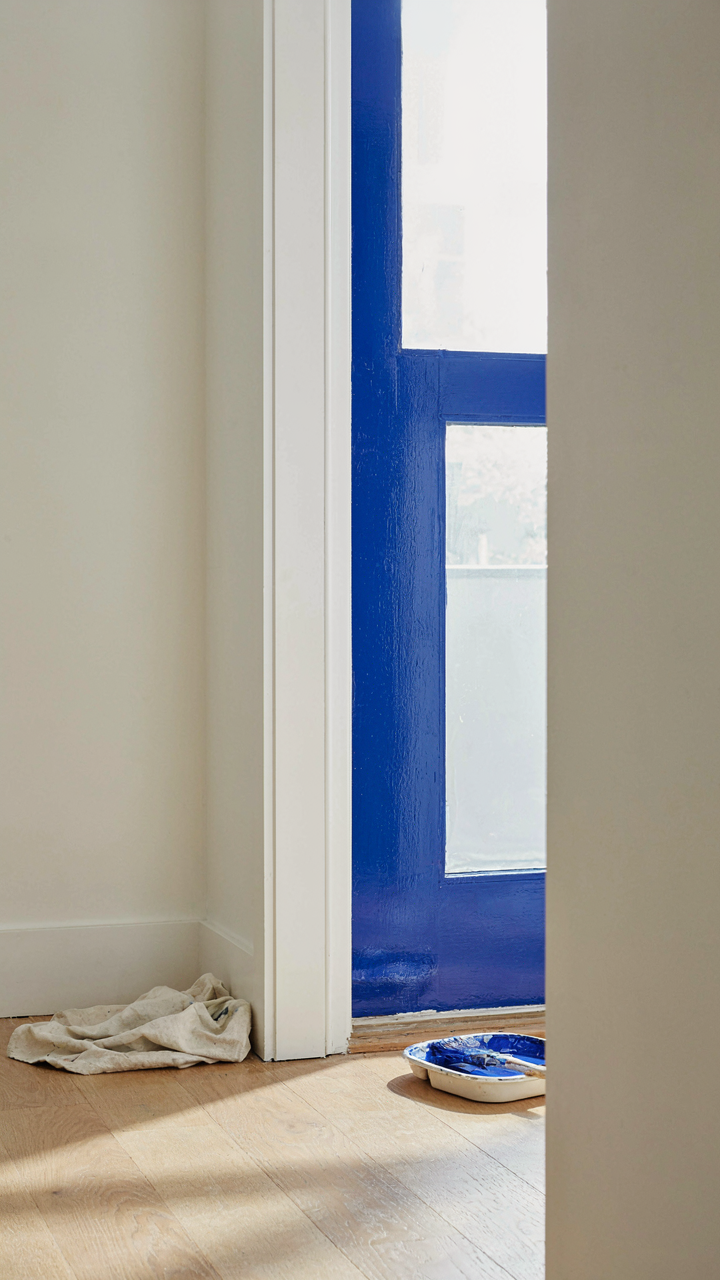
Most people spend Saturday painting their mailbox when they should spend fifteen minutes identifying what actually kills their home’s appeal. You already know what needs fixing. You’re just avoiding the decision. Pick one thing today that visitors see first—your front door, your lawn, your walkway. Fix that one thing well instead of spreading yourself thin across five mediocre projects. Your curb appeal doesn’t improve through hustle. It improves through choosing what matters most.