Beyond The Thrift Store: The “Scarcity Mindset” Of Thrifted Planters

Why Conventional Sourcing Limits Your Options
You’re afraid you’ll miss the good stuff if you don’t hit the thrift store at opening time. That fear is the mechanism that keeps you broke and limited. Most people source thrift flip planters from the same three places: Goodwill, estate sales, and Facebook Marketplace. These channels are visible, which means they’re already picked over by everyone else doing this work.
Conventional sourcing locks you into competing for inventory that’s already been screened by dozens of eyes. Thrift stores organize by category, which means you’re searching within a predetermined frame. You see what management decided to display, not what actually exists in the back room or what gets donated daily. The real constraint isn’t scarcity of bowls and containers. The constraint is your sourcing strategy staying inside the same tired playbook as everyone else.
Unlocking Overlooked Sources For Raw Materials
Restaurant supply channels, hotel liquidation sales, and commercial kitchen closeouts move inventory so fast that civilians never enter the hunt. A single hotel renovation produces hundreds of ceramic pieces, serving bowls, and decorative dishware in bulk at prices that make thrift store margins look generous. These sources exist because commercial operations need to clear inventory quickly, not because they’re hidden. You just have to know where commercial buyers actually source their deals.
Start contacting restaurant owners directly about their old dishware when they rebrand or upgrade. Call hotel management offices and ask about their liquidation timeline. Join commercial auction sites like Restaurant Auction or local commercial liquidators. These aren’t exotic channels. They’re just invisible to people who think thrift stores are the default option. The mechanism is simple: commercial properties turn over inventory on a schedule. You just have to align your sourcing calendar to their timeline, not Goodwill’s donation schedule.
The Function First Protocol: Rethinking Thrift Store Planter Ideas
Drainage Beats Aesthetics Every Time
You want the thrift flip to look intentional, like you discovered some vintage gem. The actual problem: most thrift bowls have no drainage hole, and plants die in standing water. Borrowing from hydrology, drainage is the system’s resistance to saturation. A beautiful bowl that kills roots is expensive decoration, not a planter.

The mechanism is simple. Soil holds water. Roots need oxygen between water molecules. No drainage means anaerobic conditions, root rot, then dead plant. The visual appeal of an undamaged ceramic bowl becomes irrelevant the moment the plant fails. Check for drainage holes before buying anything at thrift stores. If a bowl has no hole, you’re buying a decorative pot that requires a functional planter inside it, which defeats the thrift flip’s efficiency.
Modifications That Preserve Function
Most thrift flipping advice says to drill drainage holes in ceramic bowls. This works but introduces risk. Ceramic bowl walls are uneven thickness. Drilling creates stress points that crack the bowl weeks later. The better modification is drilling multiple small holes rather than one large hole, which distributes pressure and prevents thermal shock when water hits a freshly drilled spot.
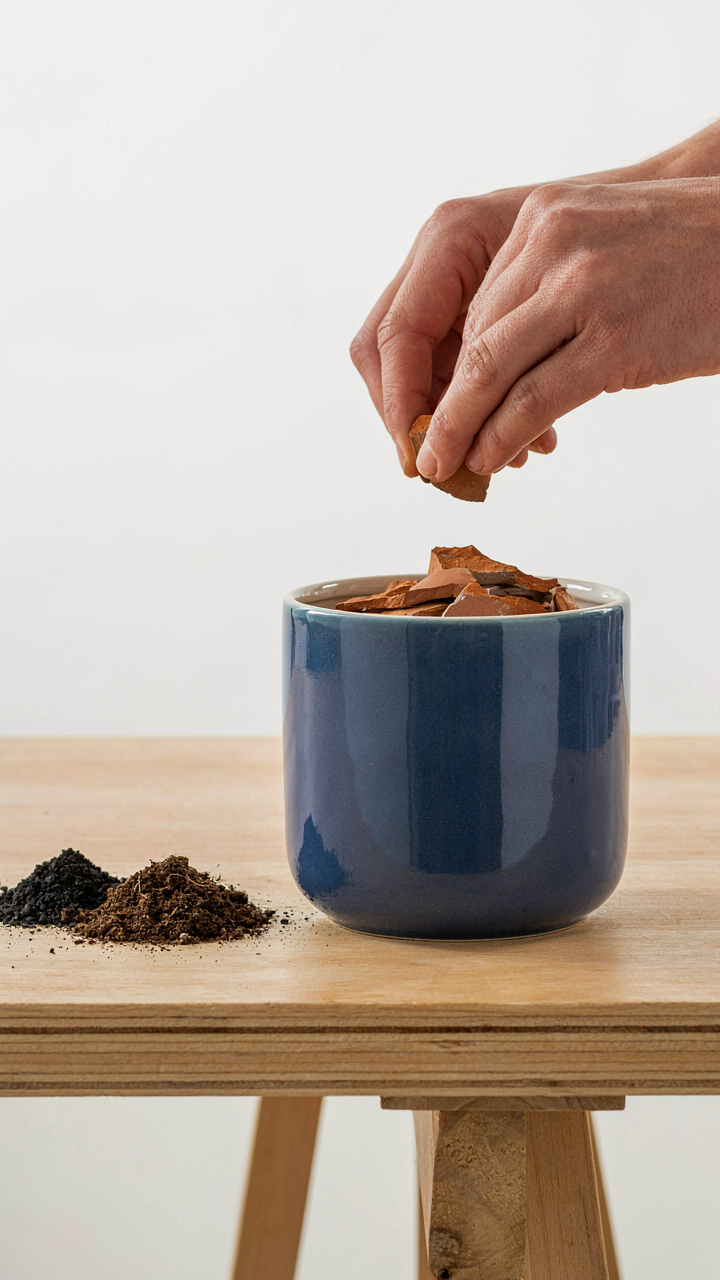
A second option is layering inside the bowl itself. Place a terracotta saucer or broken ceramic shards at the bottom, then add a layer of activated charcoal to prevent bacterial growth, then soil. This doesn’t create true drainage but extends the interval between waterings and reduces rot risk. Layer the bottom one inch of material before soil. This method works for low-water plants like succulents and snake plants where you control watering precisely.
The “Adaptive Reuse” Model For Thrifted Plant Pots

How Nature Designs Efficient Containers
You’re drawn to this section because you want permission to call this “sustainable” without feeling like you’re just being cheap. The real mechanism is biomimicry, the engineering field that reverse-engineers natural systems. Nature doesn’t design containers to be beautiful or trendy. It designs them to move water, manage air flow, and protect what grows inside. A thrifted ceramic bowl becomes a planter not because you’re being resourceful but because its form factor already solves structural problems that took evolution thousands of years to perfect.
Thrifted vessels—bowls, tureens, teapots with drainage—work because their walls distribute weight evenly, their curves channel moisture, and their existing glaze seals against soil degradation. Most commercial planters solve these same problems with identical methods, just wrapped in marketing language. The bowl you find at Goodwill for two dollars already has the geometry right. You’re not adapting it. You’re recognizing that it was already designed to hold and protect something living.
The Structural Logic Behind Existing Form
The mistake most people make is thinking planter design starts from scratch. It doesn’t. A ceramic mixing bowl, a vintage casserole dish, a stoneware crock: these objects were engineered by industrial designers to hold liquids and manage temperature. Drainage holes are your only addition. The bowl’s curve, its wall thickness, its base stability, its thermal mass—all of that transfers directly to plant health without modification.
The adaptive reuse model works because you’re not fighting the object’s original geometry. You’re extending its utility. Drill drainage holes into the bottom (or create them with a ceramic drill bit at low speed), and the container now performs its primary function: containing a living system while allowing excess water to escape. No reinvention required. The structure was already there.
Deconstructing “Aesthetic”: True Value In Thrifted Planter Ideas
Character Over Trend Cycles
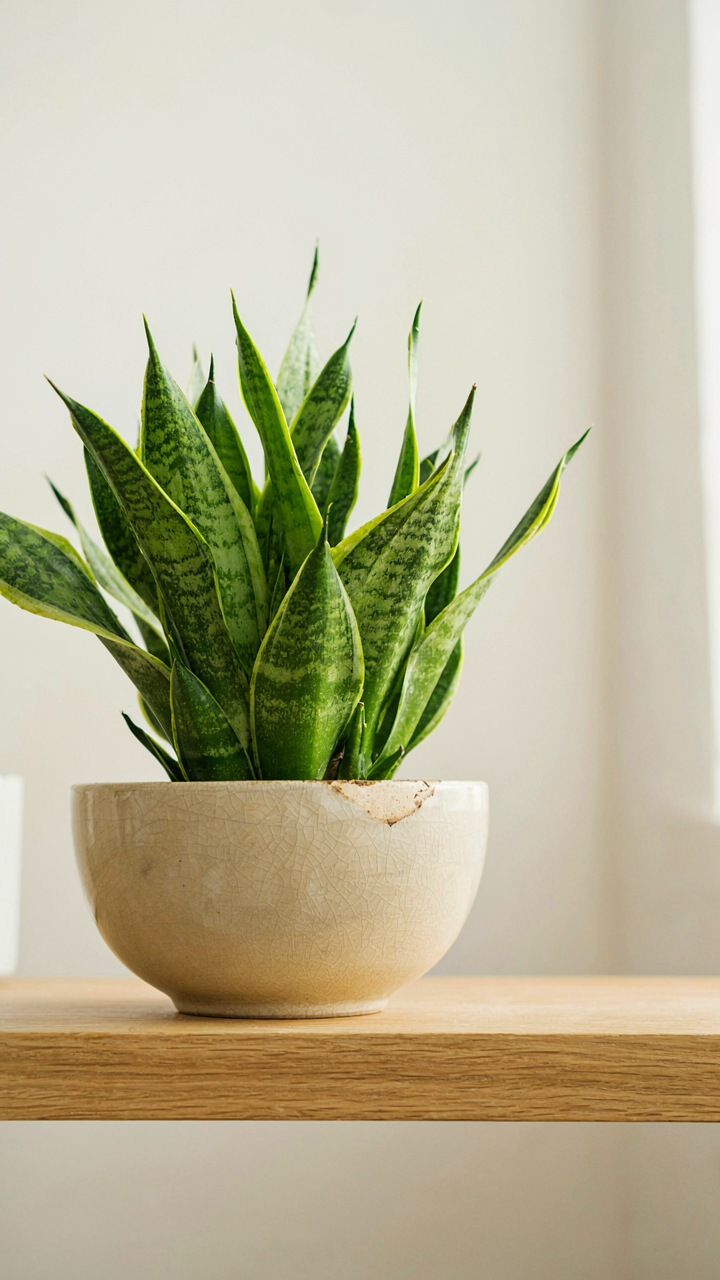
You want permission to believe your eye is right. The mechanism is this: trend cycles in design move fast because they’re built on consensus, not durability. A thrifted planter has character because it carries material history—a ceramic bowl from the 1970s shows use, glaze variation, weight distribution that reflects actual production methods, not cost-cutting injection molding. The difference isn’t subtle. Real character means the object has structural logic you can see and touch. A chipped rim or uneven glaze isn’t a flaw to hide. It’s evidence the piece survived and still functions.
Most people chase “aesthetic” by copying what they see online. They buy matching planters, matching soil, matching everything. This kills the actual reason thrift flip planters work. The real value sits in the friction between old and new—a decades-old bowl holding modern plants creates a visual contract. The planter’s age forces you to choose plants and placement with intention, not just fill space. Hunt for pieces with honest construction: thick walls, weighted bases, glaze that has depth instead of uniform coating.
Restraint Beats Embellishment
The advice to paint, stencil, and decorate thrifted planters is wrong. It erases what makes them worth flipping. Restraint here means understanding that a thrifted planter’s primary job is to hold soil and plants, and its secondary job is to signal that you didn’t buy it new. Painting over patina or adding applied decoration converts the piece into a craft project, not a planter with intentional presence.
The protocol is simple: clean the piece, assess drainage, plant it. Stop. If the original surface demands attention, sanding to reveal material underneath works. Sealing cracked interiors with food-grade epoxy preserves function. Everything else is you overriding the object’s existing statement. The strongest thrift flip planters sit quietly in rooms, doing their work without announcing themselves.
The “DIY Planter Makeover” Illusion: What They Don’t Tell You
Where Most People Fail Fast
You want to believe a thrift bowl becomes a planter through effort alone, but the real reason you’re reading this is to avoid wasting money on something that falls apart in three months. The mechanism is simple: most DIY transformations fail because people skip the material compatibility step. Ceramic bowls lack drainage. Cheap sealers chip. Metal bowls rust from the inside out. You’re not building a planter, you’re ignoring physics.
Drainage is the gatekeeper. A bowl without drainage holes traps water, kills roots, and becomes a mud pit. Drilling ceramic requires a diamond core bit, not a standard bit. Improper technique cracks the bowl immediately. Most people either skip drilling altogether, hoping soil will absorb excess water, or they drill incorrectly and destroy the piece. Neither approach works. The bowl then sits in your garden as a failed project.
Material Durability Over Visual Appeal
Ceramicware manufacturers built vintage bowls for dry goods and dishwashers, not wet soil exposure. Durability requires selecting bowls made from stoneware or terracotta, materials engineered to handle moisture cycles without degrading. Glazed ceramic bowls crack faster under freeze-thaw cycles. Unglazed terracotta breathes and ages predictably. Stop choosing bowls based on aesthetics alone, or accept that your planter will fail within one season.
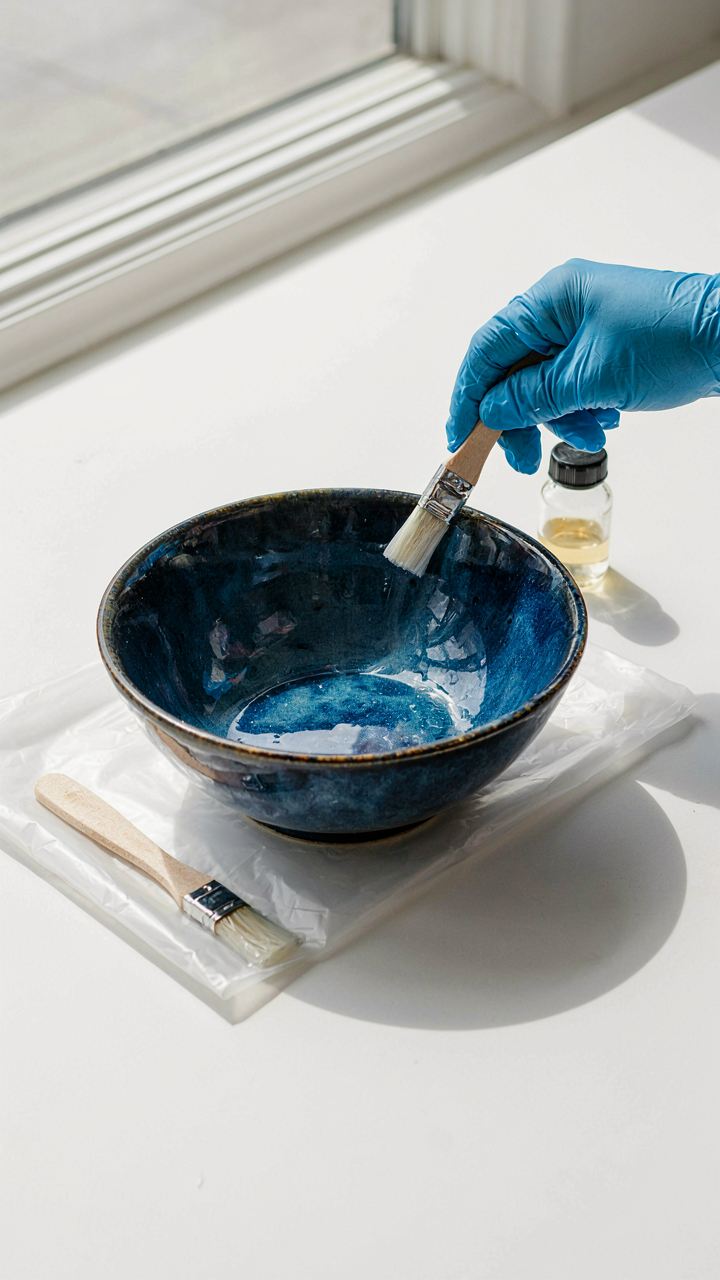
The real work happens after drilling. You seal the interior with a food-safe epoxy resin or polyurethane sealant rated for outdoor use, then let it cure fully before adding soil. Cheap acrylic sealers wash away within weeks. The sealant prevents water from penetrating the bowl’s porous walls and causing structural breakdown. Without this step, you’re watching condensation and seepage destroy your bowl from the inside out.
The “Thrifted Home” Garden: A System, Not A Collection

Building Cohesion Through Constraint
You want permission to mix everything together without looking like you raided a dumpster. The real mechanism is constraint, borrowed from information design: every system needs boundaries or it becomes noise. You don’t build a cohesive garden by collecting planters. You build it by deciding what stays and what doesn’t before you buy the first bowl.
Start with one material anchor: ceramic, terracotta, concrete. Choose a color range of three shades maximum. All your thrift flips then filter through these two rules. This isn’t limiting you. It’s the only way to make variety read as intentional instead of accidental.
- Material anchor: Pick ceramic, terracotta, concrete, or stoneware. Every planter you flip must match this choice or it goes back to Goodwill.
- Color palette: Three shades maximum. Neutrals work fastest: cream, gray, terracotta. One accent color if the collection has visual weight.
- Scale progression: Small, medium, large. Cluster by size, not randomly. Repetition makes mixed origins feel deliberate instead of chaotic.
- Height variation: Pedestals, stands, ground level. Vertical spread prevents flat, boring display. Use height to create sight lines through the garden.
- Drainage consistency: All flips need matching drainage solutions. Sealed bases or saucers throughout. Inconsistent watering ruins cohesion faster than mismatched colors.
The garden reads unified because you applied pressure early, not because every piece came from the same factory. Constraint is what separates curation from hoarding. Apply both rules before you enter the thrift store.
Breaking The Visual Chaos Problem
Most advice says “mix styles for eclectic charm.” That’s how you end up with a yard that feels like a clearance bin. The real problem isn’t mixing. It’s mixing without syntax. Your brain needs a pattern to recognize, or it sees only disorder and stops looking at anything.
Repetition kills chaos. If you use five bowls with a dark rim, your eye expects that dark rim and finds it. Use the same glaze style twice, and suddenly your third different planter feels intentional. Place matching pairs on opposite sides of a pathway. Odd numbers in clusters work, but only when they share one unifying trait: size, color, or finish. The garden stops feeling random the moment your brain can predict the next piece. That’s when it becomes a garden instead of a pile.
Monetizing The Overlooked: How To Leverage Thrift Planters

The Economics Of Visible Waste
You want to believe flipping thrift planters is passive income. It’s not. It’s arbitrage on information asymmetry. Most thrift stores price ceramics and bowls the same way regardless of form factor or material. A glazed ceramic bowl costs $1.50. That same bowl, when repositioned as a planter with drainage holes, sells for $18 to $35 online. The mechanism is simple: buyers assign value to function and intent, not raw material. The thrift worker who priced it saw a bowl. You see a vessel that serves a specific purpose in someone’s home ecosystem. Find items priced for their original category, not their conversion potential.

The real filter is recognizing which pieces convert without heavy modification. Ceramic bowls with thick walls, vintage stoneware mixing bowls, and decorative pottery from the 1970s and 1980s already have the weight and aesthetic that gardeners expect in outdoor planters. Thin, decorative china bowls do not. You’re not investing time in transformation. You’re identifying objects that already contain the properties buyers seek. The drill bit and drainage hole are just the permission structure that allows you to charge planter prices instead of thrift prices.
Pricing Your Conversion, Not Your Effort
Most people price thrift flips based on time invested. Wrong calculation. You price based on what the end buyer would pay for the equivalent item retail. A six inch ceramic planter at a garden center costs fifteen to twenty dollars. A handmade ceramic planter at a craft fair costs twenty five to forty dollars. Your thrift bowl, once drilled and listed, competes in that market segment, not the thrift market segment.
The pricing floor is zero in effort, the ceiling is what similar items command online. Check completed listings on Etsy and Facebook Marketplace for planters with matching dimensions, material, and glaze finish. Don’t price below the tenth percentile. Don’t price above comparable handmade work unless your item has documented provenance or rare glazing. Most thrift flips sell faster at fifteen to twenty five dollar price points because buyers expect some discount versus new retail, but still want to feel they’re buying something legitimate. Set your price and hold it for two weeks before dropping five dollars.
The Anti Curated Approach To Thrift Plant Pots
Embracing Imperfection For Authentic Appeal
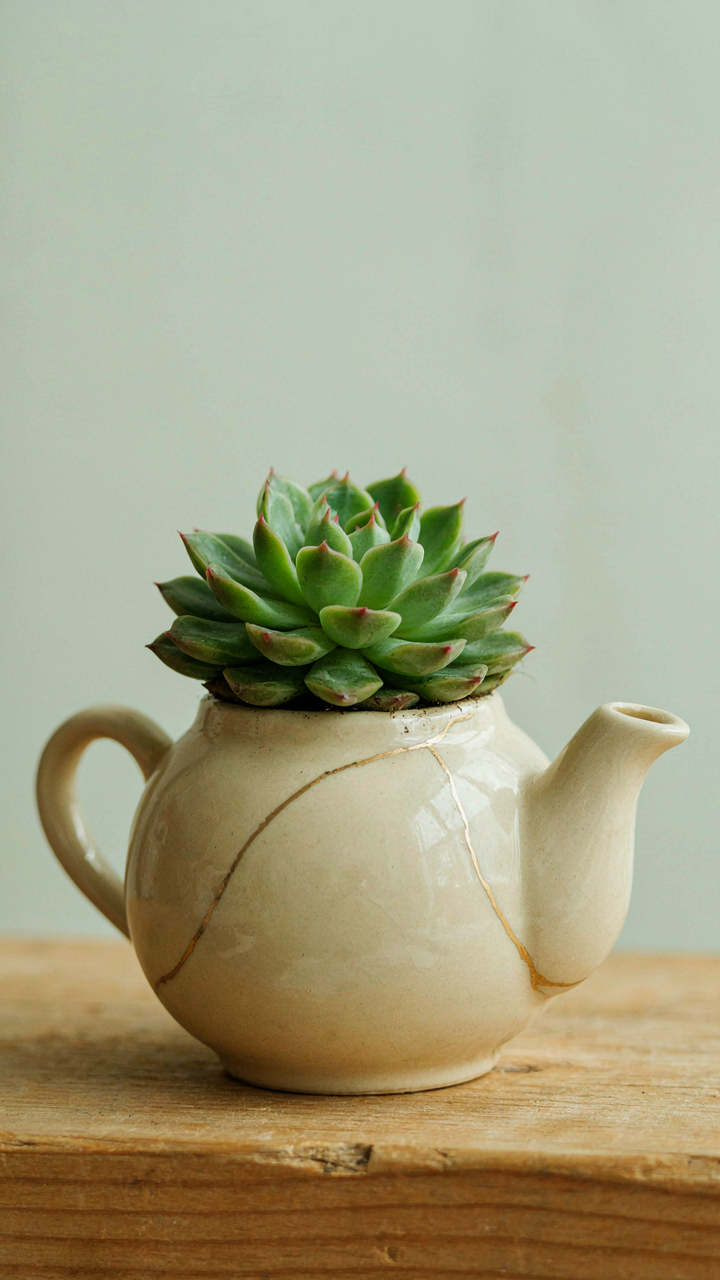
You want permission to stop overthinking this. The real mechanism at work here is that flawed objects signal scarcity and honesty in a way mass produced perfection never will. A chipped rim or uneven glaze tells a buyer you didn’t sand down the character to hit some algorithm of taste. Imperfection is the inverse of the luxury market’s obsession with flawlessness, and that inversion is exactly what moves thrift flips.

The common advice says “hide the damage.” Wrong. Damage is your narrative. A bowl with a hairline crack that you’ve sealed and planted becomes a story about rescue and function. The buyer knows it’s used. They’re not looking for denial. They’re looking for evidence that you saw what was broken and made it work anyway. That’s the only positioning that justifies the markup from thrift cost to resale price.
Perfect Symmetry Is A Weakness
Borrowing from industrial design, symmetry creates what designers call “visual predictability,” and predictability kills desire. When a thrift flip planter is perfectly balanced and uniform, it reads as manufactured, which defeats the entire reason someone would choose thrift over buying new. Asymmetry signals curation. It signals you chose this specific bowl for this specific reason, not that you grabbed whatever was cheapest.
The flaw is deliberate restraint. Don’t “fix” the slight lean of a vintage ceramic. Don’t sand every rough edge smooth. Don’t paint over the manufacturer’s mark or old sticker. These details are the evidence that your planter wasn’t made in a factory last month. The buyer pays premium prices for objects that feel discovered, not corrected. Leave the imperfections intact and price accordingly.
The Real Obstacle Isn’t Finding Unique Planters; It’s Your Inability To See Value Beyond The Curated

You walk past thrift stores every week and see nothing. Instagram makes you believe planters require premium price tags. The truth: your grandmother’s abandoned ceramic bowl is worth more than any mass-produced pot because it carries history. Stop waiting for permission to transform it. Go to Goodwill today, grab the ugliest bowl you find, and drill drainage holes in it. The moment you do this, you stop consuming and start creating, and that shift separates people who build things from people who just buy them.